The Langham Hotel’s cocktail bar, Artesian, is rolling out the third and final instalment of its visionary Futureproof cocktails series – an ambitious series of menus aimed at redefining modern mixology. Robbie Hodges reports
The future of mixology isn’t necessarily to be found in robot kitchens and laboratories, but in historical techniques; such is the thinking behind the Futureproof cocktails series that has been slowly rolled out by Artesian, The Langham hotel’s cocktail bar.
In May, it launched Ultimo, the final chapter of its innovative, three-part series of cocktail menus. The trilogy of Futureproof menus is so named because of its focus on sustainability, each of the Volumes featuring locally sourced ingredients that have been prepared according to age-old preservation and culinary techniques.

The menu continues in the style of Volumes I and II, with a focus on ingredients that are underused or unconventional to mixology. Each one, whether its kale, salsify or artichoke, is either preserved, transformed or layered in such a way that unearths different or unexpected flavour profiles.
As stated in Artesian’s cocktail menu: “Focusing on one single ingredient at a time, the result is a collection of 16 wildly distinct cocktails, each crafted with Futureproof ingredients sourced locally”.
Drinks include Apple, a Champagne cocktail that aims to capture the flavours of apple crumble through Courvoisier VSOP, Disaronno, Apple and Perrier-Jouet Grand Brut, and a negroni called Cep which features mushrooms along with an undercurrent of blue cheese. There’s also a parsnip-inflected take on the Espresso Martini with vodka, brandy, parsnips and butter lending a new edge to the modern classic.

Accompanying the drinks menu is a series of small plates created by Chet Sharma, the chef at BiBi in Mayfair, known for his meticulous approach to Indian cuisine. In line with the Futureproof cocktails, he has created small bar bites that feature their own unconventional riffs on classic Indian flavours.
Lorenza Pezzetta, Bar Manager at Artesian, adds: “Ultimo is more than just a menu - it’s a statement of who we are at Artesian. It captures our philosophy of innovation grounded in tradition and our constant push to evolve what a cocktail bar can be. This final chapter of the Futureproof Trilogy brings together everything we stand for: creativity, precision and a deep respect for ingredients.”
SXSW 2025 was awash with disruptive hospitality, transport and tech innovations that promise to reshape the future of travel, from lucid wellness devices to robot chefs. Robbie Hodges reports
Each year, lanyard-strapped innovators in technology, media and culture descend on Austin, Texas for South by Southwest (SXSW), releasing ideas and concepts that redefine "normal" across industries. It wasn’t always this way.
What started in 1987 as a music festival in Austin, Texas, has since evolved into a powerhouse conference covering creativity in all its forms and attended by the likes of Michelle Obama and Idris Elba.
More recently, the event has increasingly focused on the future of mobility, hospitality, and destination experiences – making it a must-watch event for the travel industry’s most future-forward brands. From the hundreds of concepts and ideas that spilled across the festival, we’ve selected five that point to travel’s new normal, whether that’s new AI-powered personal safety devices or brain-altering wellness treatments.
Neuroaesthetics is gaining ground, fast. Devices that can interpret a user’s brainwaves are already being used to better understand human responses to art, but how might that translate to wellness? Cue: The Halo. This gadget from Prophetic, a studio of engineers and scientists based in New York, uses various emerging technologies such as electroencephalogram (EEG) and dorsolateral prefrontal cortex (dlPFC) activation to incite lucid dreams in the wearer.
Globetrender’s take: "Holistic" wellness offerings have long revolved around mind-body connection, but The Halo takes the pursuit of psychological or emotional wellbeing to exciting new frontiers.
One strange dissonance of the modern world is that some technologies like The Halo can be uncannily advanced, while others (such as roaming internet coverage) remain woefully beset with problems. Pathfinder completely upends travellers’ reliance on internet data to get around, by using computer vision to provide a user’s geolocation to 1 meter of accuracy. Users upload a photo of their surroundings to the platform and it draws upon reference datasets to identify the location – no wifi needed.
Globetrender’s take: Global internet coverage remains patchy in less-frequented areas. Pathfinder promises to make the intrepid more approachable, while reframing the definition of "off-grid" travel.
Robot kitchens. It’s a little on the nose for a trend firm, we’ll admit, but no longer a sci-fi fantasy. In recent years we’ve seen companies like Goodbytz experience tremendous growth, with hotels and hospitals seduced by the robotic kitchens’ ability to provide healthy, fresh and affordable food at scale. Posha makes it personal, with small counter-top devices that can make customised meals on demand using fresh ingredients.
Globetrender’s take: A Posha partnership would be a big win for a player in the aparthotel sector where convenience, value and privacy are paramount.
This experience, from the Austin-based travel company Cheerful Secrets, promises to make the mundane exciting. It’s a little like a murder mystery party, but one that takes place on local trains. Groups of participants can pick from a handful of scripts and storylines from The Bachelorette Party to the The Middle Schoolers, and then read the script as they venture from station to station – taking in the sights and sounds of the city, with refreshment pit-stops en route.
Globetrender’s take: Vibes-based travel that sees people mooch about neighbourhoods and blend (as best they can) into urban areas by mimicking local lifestyles is increasingly popular. This experience speaks to that – offering an affordable and more "authentic" experience than ticking off bucket-lists.
Designed with large-scale outdoor events (like music festivals) in mind, CrowdCompass uses a radio mesh network to connect users. It’s like a walkie-talkie, except it uses secure end-to-end encryption so messages can’t be intercepted; users can send text- as well as voice-based responses; and it can be synced with a mobile app for ease.
Globetrender’s take: Similarly to Pathfinder, here’s another connectivity device that doesn’t require the internet. What does this suggest about trust (or lack thereof) in Big Tech? Of course, solo tour providers could benefit. What if hotels offered these to solo guests anxious about venturing out alone?
Based on three years of research and reporting, Globetrender has launched its "Innovators 100" report, showcasing game-changing concepts in travel from across the globe.
Globetrender's "Innovators 100" report is a dynamic compilation of groundbreaking ideas and trailblazing brands that are transforming the global travel landscape. This non-hierarchical collection is designed to inspire and ignite innovation within the industry.
Based on case studies from three years' worth of VOLT newsletter editions, the "Innovators 100" is not just a celebration of pioneering ideas but a call to action for the industry to embrace change and drive forward-thinking solutions. (Each innovation corresponds to a trend – all of them can be read online by paying for an Annual VOLT subscription.)
Whether it's adapting to shifting consumer demands, integrating sustainable practices, or leveraging new technologies, the "Innovators 100" highlights actionable strategies and ideas that can be applied across various sectors of travel – and beyond.
One of the key benefits of the report is its ability to illuminate trends with real-world examples. For professionals working in hospitality, aviation, tour operations, or even niche markets such as wellness and luxury, the case studies provide clear insights into how brands are creatively responding to challenges such as climate change, changing traveller expectations and technological disruption.
For instance, concepts such as modular hotel rooms, carbon-positive properties and survival academies demonstrate how businesses can differentiate themselves by addressing sustainability, flexibility, and the growing demand for unique, immersive experiences.
Moreover, the report fosters a cross-sector perspective by encouraging travel professionals to look beyond their immediate competitors for ideas.
From shoppable stays to AI-driven climate insurance, many of the featured innovations stem from combining seemingly unrelated industries, such as retail, tech and wellness, with travel. By examining these intersections, professionals can identify untapped opportunities and craft offerings that are both unique and highly relevant to modern travellers.
By learning from the success stories of other pioneering brands, businesses can align themselves with the future-forward expectations of travellers, while building resilience and relevance in an unpredictable world.
Here, we highlight a selection of ten innovations featured in the report…
1. Sensible Weather – Climate-Based Travel Insurance
Sensible Weather offers “Weather Guarantee” insurance, automatically reimbursing travellers for trips disrupted by adverse weather, including extreme heat. This service helps mitigate the risks of unpredictable climates while providing flexibility and peace of mind for travellers.
Trend: Climate Evasion
Why it Matters: Climate unpredictability is reshaping travel, and flexible solutions like this build trust and encourage bookings.
2. Visit Sweden’s “Spellbound by Sweden” Campaign
This imaginative marketing initiative from Visit Sweden invites visitors to Sweden’s National Parks to access a geo-restricted audiobook inspired by local folklore. It combines culture and nature with digital interactivity, encouraging physical exploration.
Trend: Radical Marketing
Why it Matters: By blending storytelling with experiential travel, destinations can create deeper connections with their audience.
3. Trojena Outdoor Ski Resort, Neom
Saudi Arabia’s futuristic desert ski resort, Trojena, features artificial snow and mixed-reality architecture. This ambitious project will offer year-round activities, blending high-tech engineering with sustainability.
Trend: Synthetic Skiing
Why it Matters: It highlights how technology can expand tourism opportunities in unlikely environments.
4. Bear Grylls Survival Academy, Greece
Sani Resort partners with adventurer Bear Grylls to offer survival skill programs for families and teens, incorporating hands-on outdoor education in a safe, luxurious setting.
Trend: Survival Scenarios
Why it Matters: Experience-driven travel remains a key differentiator, blending adventure and learning.
5. Life’s Rewards by Visit St Pete/Clearwater
An original Amazon Prime TV series, Life's Rewards showcases the attractions of St Pete/Clearwater in Florida, seamlessly blending entertainment with destination marketing. The scripted show inspires travellers to visit real-life locations featured in the series.
Trend: Limelight Locations
Why it Matters: Entertainment-driven marketing fosters emotional connections and increases destination visibility.
6. IGLTA Accreditation for LGBTQ+ Travel
IGLTA Accredited provides assurance that hotels and travel brands genuinely welcome LGBTQ+ travellers, focusing on inclusivity and advocacy.
Trend: Queer Travel
Why it Matters: Inclusivity is a growing priority, with travellers seeking destinations and brands aligned with their values.
7. Seatrac Accessible Beach Initiative, Greece
Seatrac is a simple system providing wheelchair users with independent access to the sea via remote-controlled tracks and chairs, installed across 287 Greek beaches.
8. Mandarin Oriental Emirates Palace - Vegan Rooms, UAE
The Mandarin Oriental Emirates Palace has introduced entirely vegan rooms, featuring animal-free furnishings, plant-based dining options, and cruelty-free amenities. The initiative caters to ethically conscious travellers without compromising luxury.
Trend: Vegan Hospitality
Why it Matters: As veganism grows globally, travellers are seeking accommodations aligned with their values.
9. Minoan’s Shoppable Stays
Minoan turns accommodations into retail showrooms, allowing guests to purchase products they encounter during their stay through QR codes.
Trend: Shoppable Experiences
Why it Matters: It bridges the gap between hospitality and retail, driving revenue through experiential commerce.
10. Aman Bhutan’s “Quest for Happiness” Itinerary
Aman has designed a philanthropic journey offering travellers the chance to engage with local communities through volunteering and cultural immersion, supporting the region’s environmental and social goals.
Trend: Philanthropic Travel
Why it Matters: It aligns with the growing traveller interest in meaningful, sustainable experiences.
Download the "Innovators 100" report for £250; or subscribe to VOLT to access it for free. (Just email info@globetrender.com for your discount code.)
From Airbnb to Atlas Obscura, the most innovative travel companies of 2023 are 'anticipating the changing desires of travellers'. Olivia Palamountain reports
American business magazine Fast Company has unveiled a round-up of the world's most innovative travel companies 2023. Part of a wider report detailing the firms making the biggest impact across 54 categories, including advertising, beauty and design, the full 2023 list of Fast Company’s Most Innovative Companies name-checks 540 organisations that are reshaping industries and culture.
When it comes to Fast Company's top ten travel companies, there's an interesting mix of industry stalwarts (Airbnb, Delta), an insurance company making RV travel easier and an ad campaign from Puerto Rico, a country in the throes of reinvention.
What do all the best travel companies of 2023 have in common? Anticipating the changing desires of travellers.As reported by Fast Company, after what co-founder and CEO Brian Chesky calls a “near-death business experience” in 2020, Airbnb had its strongest year on record in 2022, taking in US$8.4 billion in revenue and $1.9 billion in net income – its first profitable full year.
It succeeded, says Chesky, by getting rid of distracting side projects and focusing on how to make its core product – home rentals – better for travelers and hosts alike. For travellers, that means being able to search for accommodations based on what they want to do, not simply where they want to go, a simple but profound change.
For hosts, it means having access to Apple Genius Bar-style support as they ease their way onto the platform for the first time. That effort helped the company add more than 900,000 new listings to the site last year.
Capital One similarly had a breakout year with its Venture X travel rewards card by focusing on the basics. It partnered with inventive travel-booking app Hopper to help it build a rewards-travel booking platform that people will actually want to use.
The company is now layering on luxurious extras for cardholders, including airport lounges with food from chef José Andrés and a collection of hotels where travellers get additional benefits.
Here are the top ten most innovative travel companies for 2023:
1. AIRBNB
For redesigning its platform for the new era of travel
2. CAPITAL ONE
For designing a travel-rewards credit card program that’s user friendly
3. CANARY TECHNOLOGIES
For giving hotel guests mobile tools they’ll actually use
4. OUTDOORSY
For removing the roadblocks to RV travel
5. DISCOVER PUERTO RICO
For creating an ad campaign that’s distinctly local
6. ATLAS OBSCURA
For telling conscientious travel stories across every medium
7. TAOS SKI VALLEY
For electrifying the ski industry
8. DELTA AIR LINES
For hyper-personalising airport way finding
9. KINDRED
For elevating home exchanges
10. FORA
For creating a modern travel agency
As Fast Company explains, anticipating what travellers want is also at the heart of RV rental marketplace Outdoorsy's success. Founded in 2015, the company has spun the surge of interest in campers and RVs during the pandemic into US$2 billion worth of transactions, while also spinning out a lucrative RV insurance product. It’s proving that the RV boom is more than a pandemic fad.
Travel media company Atlas Obscura, meanwhile, has developed a deep well of content around unique and under-the-radar sites and destinations. As travellers’ appetites for this kind of content has grown, the company has given them more ways to consume it, from books and a hit podcast to small-group tours.
Puerto Rico has long been known for its enticing ad campaigns. But in 2022, the island’s destination marketing organization, Discover Puerto Rico, decided to eschew the traditional approach of showcasing beaches and resorts. Instead it channeled travelers’ growing desire for authenticity, even on a beach vacation.
Puerto Rico’s latest advertising campaign, Live Boricua, focuses on the island’s people and distinct culture. The campaign is inspired by the island’s original name, given by the indigenous Taínos who inhabited it well before the Spanish arrived.
From hedonism to nostalgia, the rebirth of travel in 2022 will be shaped by the changing attitudes and demands of wealthy global consumers. Jenny Southan reports
Speaking at this year’s TTG Luxury Travel Summit, Globetrender editor and founder Jenny Southan identified a series of conscious and sub-conscious drivers that will be influencing the decisions of luxury travellers in 2022.
Hedonism and Liberty
Although many high net worth members of society have managed to continue living the high life during the pandemic, 2022 will be the year they really get back into gear.
We are now at the point when booster vaccines are being given out so there is a lot of protection available from the virus, which means parties are making a come-back big time. We can expect many luxury travellers to want to truly flex their muscles when it comes to exhibiting how free they are, and letting people know about it when they go back into the world again.
Feasting, entertainment and frivolities of all kinds will define the years ahead – 2022 will almost certainly mark the start of the next roaring twenties. Opulence and maximalism will be back in vogue.
Legacy and Nostalgia
After a long time away from visiting our favourite destinations, and an on-going moral hangover due to the state of the world, many luxury seekers will be craving the good old days when life seemed safer and more innocent.
They will return to destinations they have loved in the past and seek out places that offer charm, comfort and a sense of the Golden Era. Examples of this include journeys aboard Belmond sleeper trains and stays at historic marvels such as the forthcoming Admiralty Arch Waldorf Astoria hotel in London.
The marking of milestone occasions such as anniversaries and birthdays will be particularly important, as will spending time with the next generation.
Simplicity and Seclusion
As with all trends, there are counter trends. For every luxury traveller who yearns to quaff champagne at resorts in Dubai, there are others who want to disengage from the trappings of wealth. Even people who have been fortunate enough to spend lockdown in beautiful homes, it’s been an enforced period of contemplation.
Many people have lost loved ones or may even have had a brush with death themselves, and will be reassessing how they live and what is important. The Silver Generation are more aware of their mortality than ever, and spending quality time with friends and family will remain high on the agenda.
Although the need for Isolation Vacations won’t be as pronounced as before the vaccine, there will still be segment of luxury travellers who desire seclusion. These people are looking for places that offer them a chance to reconnect with nature, reconnect with themselves and reconnect with others.
Rebirth and Transformation
Moving on from a past self and embracing a better one is something that many people are aspiring to post-pandemic. There is a collective desire to upgrade one’s life, to discover meaning and to reinvent.
Travel is often perceived to be the perfect way to go beyond the boundaries of the every-day, which is why there will be a particular demand for experiences that help wealthy travellers evolve as human beings. These could come in the form of elite wellness retreats or solo journeys.
Aliveness and Optimisation
We’d all hoped 2021 would be the year that travel made it’s big comeback but that didn’t quite go to plan, so my money is on 2022 giving people the opportunity to finally fulfil their big, audacious, bucket-list style expeditions and adventures that they have been planning for so long.
Even though financial wealth has given those that have it more freedom than those that don’t, it’s still been very difficult to circumvent closed borders and gain safe access to places such as Mount Everest, where Covid outbreaks continue to be a problem for climbers and local sherpas.
Nevertheless, for anyone with a thirst for testing their limits will know, being mentally and physically restricted, which is what the pandemic has done to us all, is deeply uncomfortable. So the search for a feeling of aliveness from travel will be pronounced among many high net worth individuals. They will want adrenaline experiences and reasons to prepare for new challenges. For those who can afford it, a trip into space might be next on the list.
Virtue and Atonement
Recent data for Oxfam has revealed that the world’s richest 1% are responsible for double the carbon emissions than the poorest 50%. In the future, we can expect a rise in more conscientious luxury travellers who will want to holiday in a low-impact way.
When we talk about virtue and atonement, we are talking about how some people are realising they want to do more good in the world, and to some extent, atone for their sins by travelling more responsibly. They are looking for opportunities to give back to local communities and invest in philanthropic endeavours.
What’s coming next? Trend reports available to download HERE
From immunity-boosting minibars to low season tourism, here are 21 innovations that demonstrate how the Covid crisis has forced travel companies to be more creative and think more deeply about what consumers need and want. Jenny Southan reports
There is a famous saying that goes “innovate or die”. This is particularly true for companies in a crisis when previously relied upon business models, products, revenue streams and consumer behaviour cease to deliver as predicted.
Suddenly you are suffering an existential threat. Usually, those that survive are lucky, but those that thrive are innovators.
At Globetrender, we use our online editorial platform to document innovation that is happening across the travel industry. New ideas and new companies are almost always newsworthy, and are often an early indicator of a trend that could take off.
Here are 21 inspiring examples of innovation from travel companies during the viral age…
1. Vakkaru Maldives – its Work Well packages for people staying 21 days or more include a free upgrade to a villa with a study kitted out with a printer and office supplies, plus a Vacay PA, a boardroom on the beach, and an hour of personal training or yoga every day.
2. Anantara Veli Maldives – this resort is inviting the super-rich to stay for as long as they like with a US$30k "unlimited stay" package.
3. Rocco Forte – in October, this hotel company began offering people booking stays at its properties in Italy a pre-departure testing service in partnership with Blue Horizon. Called “Fit to Travel”, the online service arranged for self-test kits to be couriered to and from people’s homes with a guaranteed certificate produced within 72 hours of travel. Results were then emailed directly from the laboratory.
4. Equinox Hotels – instead of fridges filled with Coke and vodka, this wellness hotel brand is curating “immunity boosting minibars” with products such as face masks, vitamins and probiotic juices, as well as reusable masks and gloves.
5. Preferred Hotel Group – Beyond Green is a new sustainable hotel collection that aims to turn travel into a force for good. It has 24 founding members from more than 15 countries. Properties must show progress in meeting more than 50 sustainability indicators that align with United Nations Sustainable Development Goals.
6. Emirates – this airline unveiled a biometric path in Dubai airport for contactless journeys, which relies on facial recognition instead of manual document checks, making the process quicker and more hygienic.
7. Delta Air Lines – scrapped change fees for domestic and international flights in a bid to make customers more confident of booking.
8. Qantas – this airline has been operating “flights to nowhere”. Its first scenic sightseeing flight over Australia sold out in ten minutes. 134 tickets were available costing between A$575 and A$2,765 a seat.
9. IATA – The International Air Transport Association has been leading the way with the development of its digital Travel Pass, which will store traveller’s Covid vaccine status and test results.
10. Hawaiian Airlines – members of Hawaiian Airlines loyalty programme can now swap air miles for pre-travel Covid-19 tests thanks to a partnership with Vault Health, one of Hawaii’s official Covid-19 testing partners. The mail-in test kits, which are available to buy for all travellers, usually cost US$119 but are now being offered to HawaiianMiles customers in exchange for 14,000 miles or points.
11. Generator – this posh hostel and boutique hotel brand is offering long-stay rates for remote workers, whereby bookings of seven days of more receive a minimum of 30 per cent off per night.
12. Accor – partnered with AXA insurance firm to provide free medical support for hotel guests during their stay, either by phone or video call.
13. Cookson Adventures – early on in the pandemic, luxury bespoke adventure company Cookson created “door-to-door escapes”, whereby clients could be hosted in remote locations such as Iceland and Patagonia in complete isolation, with personal transport via helicopter, yacht and private jet.
14. Qatar Airways – this airline has created a loyalty scheme for Gen Z students aged between 18 and 30. Student Club includes benefits such as special fares on flights, extra baggage allowance, the flexibility to change the dates of their flight, and free high-speed wifi on board.
15. Nemo Travel – now arranging and covering the cost of Covid testing overseas for inbound clients.
16. Black Tomato – Face to Place, a video-call service whereby potential customers can get tailored advice and trip planning. The idea is to bring back human connection and also elevate the travel agent phone call by embracing technology to share maps and images in real-time.
17. G Adventures – this company is taking action against a return to over tourism by selling tours of less travelled places instead of mass-market destinations. These include trips to Corfu, The Azores, Crete and Greenland.
18. Aman – next year, Aman will be debuting its new “social wellness” hotel brand, Janu, in Montenegro, Saudi Arabia and Tokyo.
19. Byway– a new flight-free travel company based out of the UK that focuses on the journey rather than the destination. Byway’s tailored “slow tourism” packages traverse England and France via train, boat, and bike, promising customers that they will never have to set foot in an airport.
20. Low Season Traveller– claims to be the “world’s first travel company exclusively dedicated to inspiring travellers to visit worldwide destinations during their low seasons”. It launched in the UK in June 2020.
21. Flyr – this summer, Norway is planning to launch a new low-cost airline called Flyr. The company’s chief executive says: “We can build a lean organisation from the ground up. We will have the advantage of starting without the heavy burden of an oversize, complex, inefficient organisation or tech structure.”
According to Flight Global, Flyr intends to ramp up its operations from two B737 aircraft in June to five in July and six to eight in the autumn, enabling it to operate from Oslo to seven destinations within Norway plus Copenhagen, Nice, Barcelona, Malaga and Alicante. Further routes across Scandinavia and Europe will follow.
Jenny Southan originally shared these findings at Captivate Media's "Propel Forward" virtual conference.
What’s coming next? Trend reports available to download HERE
While many bookings are still made offline, travellers still use digital tools to inform their purchases. In fact, according to Statista, digital travel sales are forecast to reach $818 billion by 2020, with trade show Travel Technology Europe claiming that 58 per cent of travel industry businesses will raise their spend on tech in 2017.
Travel tech is evolving rapidly, with entrepreneurs focusing on everything from logistics, medical care, business travel to mass market consumer tourism, search and book, and hotel management.
Valued at $2.1 billion in 2012, Airbnb’s most recent $475 million funding round (April 2014) saw the company’s valuation soar to $10 billion. A valuation of this magnitude makes the company worth more than leading hotel groups such as IHG and Hyatt – and inspires other travel tech companies to see their true potential.
With startup communities buzzing all over Europe, we present seven of the most promising travel tech start-ups you need to know about…1) Hotelchamp (Amsterdam)
Founded in 2015 by Kasper Middelkoop and Kristian Valk, Hotelchamp offers smart technology for hoteliers to boost direct revenue and build guest relations.
Focused on enhancing guest engagement and delivering a personalised booking experience, Hotelchamp offers a suite of conversion tools (powered by AI and machine learning technologies) to incentivise online customers, while promoting a more sustainable future in which hotels have more control and are less dependent on third parties.
Hotelchamp has grown in two years to a team of 50-plus employees and has a portfolio of clients including Millennium Hotel Group, the Athenaeum in London and the Palazzo Versace in Dubai. Hotelchamp is trusted to support over 1,000 hotels from more than 40 countries.
The company has $4.67 million in funding. It was recently crowned winner of the Challenger of the Year Awards and nominated European Travel Innovator of the Year.
TravelPerk is a free travel booking and management platform specifically designed for business travel. It delivers tools such as centralised invoicing, simplified itinerary emails and expenses integration to deliver a seamless service to users.
The company launched in 2015 by founders Avi Meir (who sold his previous startup Hotel Ninjas to Booking.com), Javier Suarez and Ron Levin.
Holding the title as the number one travel management tool for small and medium sized businesses, TravelPerk has raised $8.5 million to date and, in May 2017, won the the Scale Startup Competition at the TNW Conference in Amsterdam.
VizEat is the world's largest social eating platform, connecting travellers with locals who host dinners and cooking classes in their own home. It's essentially the Airbnb of food.
Launched in Paris by Jean-Michel Petit and Camille Rumani in 2014, the platform now has more than 25,000 hosts across 130 countries. To date, the company has raised $5.55 million, closing their most recent funding round at the end of last year. This year Apple selected VizEat in the top three Apps of 2016 and CEO Tim Cook had a VizEat lunch in Paris.
Stratajet was founded in 2011 by Jonny Nicol, a pilot-turned computer scientist-turned commercial pilot-turned entrepreneur, who, frustrated by the inefficiency of the private jet travel industry, decided to do something about it.
Stratajet was created to change the way people travel, by making the world’s supply of private jets more accessible. The model of the company works to help operators achieve maximum efficiency, whilst driving down the price of private jet travel through adapting existing empty legs to suit customers.
Stratajet has raised $16.84 million to date, with its most recent Series A of $8million in May last year.
5) Gopili (Rennes, France)
Gopili began life in 2009 under the name KelBillet, which started out as a site for buying and selling unused train tickets, enabling people to travel more for less money.
Over time, the company morphed into a multi-modal travel search engine, presenting data on domestic and international travel (including rail, bus, car-share and plane), launching wide across Europe under the name Gopili in December 2014. In 2015 it launched its three apps: "KelBillet", "KelBus" and "Gopili".
In 2016, the combined brands processed more than 70 million euros worth of business — impressive for a company that has only raised 2.2 million euros in funding. Gopili’s platform has 100 million users and is today available in the UK, Spain, Germany, Italy and Russia.
Medigo was founded in 2014. It is an online search and engagement platform helping consumers book healthcare abroad, connecting patients and doctors globally.
Founded by Pawel Cebula, Ieva Soblickaite and Ugur Samut, the platform offers more than 900 high-quality, internationally accredited hospitals and clinics and thousands of expert doctors in more than 30 countries.
Medigo has raised $11.83 million in funding to date and aims to disrupt the entire healthcare industry by helping patients who desire access to high-quality clinics, hospitals or doctors, or who want to shorter waiting times alongside affordable treatment.
The platform is free to use and is available in five languages: English, German, Spanish, Italian, and French.
7) Zizoo (Vienna)
Zizoo is a leading global boat rental platform and community, providing a digital booking platform and website connecting charter companies to travellers worldwide.
Founded in 2013 by Benito Gonzalez del Valle, Anna Banicevic, Sinan Masovic and Ivan Miletic Zizoo, the company is disrupting the boat rental industry and building a global digital booking platform and community.
The platform has 11,000 customer-reviewed boats in more than 30 countries around the world and provides a community model, enabling reviews, communication, location based apps and services.
Zizoo aims to make boat holidays affordable and accessible to everyone. The platform also provides charter companies with a photo and editorial service, and a powerful inventory management tool. In total, the Austrian startup has secured $2.75 million in funding.
For regular briefings on the future of travel, sign up to Globetrender’s free newsletter, here.
Traveller and entrepreneur Shazz Bhunnoo is the founder and CEO of Spaces Urban Living, an innovative property business centered around co-living. Here he talks to Globetrender about what inspired him to launch the company, how it works and why it will make our lives better.
What is Spaces Urban Living?
Spaces is a way to make living in London better. It’s creating places that people can move into as easily as booking a hotel room, and find themselves in a real community straight away. It’s taking back central London for young professionals and other people who have been getting priced out. It’s about honesty, openness, ease of use and flexibility. At the end of the day, it’s making the city fun again.
What is co-living?
Co-living is about sharing space, ideas and lifestyles, it’s a way of bringing people together to offer benefits to everyone. It’s about getting access to more and better amenities than you could as just a single person, while also having your own personal space.
It’s different from a house share because of the extra level of service provided by our Lifestyle Managers who are available 24/7 to make sure everything is as awesome as we can make it. Got a problem? They’re on it. Need some information? Any time of the day or night.
Co-living is for anyone who wants more out of life and that’s why it’s such an exciting space to be in.
When and why did you launch Spaces?
Back in 2006, after deciding a career in banking wasn’t for me, I was determined to create a compelling business model that had the potential to affect the way we live in a very positive way. I understood there were real problems in the rentals market, around quality and standards, customer experience and affordability. I also understood that many of these problems could be overcome with the right approach.
I had only £4,000 and I invested into an idea that I thought could be a game changer. I leased an apartment from a landlord in Elephant and Castle and I used my remaining funds to physically upgrade the property. With his permission, I created London’s first co-living experience in a flat-share setting. It was professionally managed, branded, all bills were included and the co-living sharing setup made it affordable for young professionals. This was the very first Spaces co-living property and we later scaled up.
By 2009, Spaces had hundreds of units, I was employing people and we’d housed many members. I was proving that I was on to something and I started anticipating the future opportunity for delivering this type of living at scale. Learning from the US purpose-built rental sector, I knew then that the future opportunity was to position Spaces as a developer and operator for co-living.
Spaces was producing enough income at that time that I could start purchasing assets, so I acquired buy-to-lets and started getting into development projects. I acquired, developed and sold a number of sites to multiply my capital. I was eventually able to purchase a range of sites in central London and I could then start creating the vision of purpose-designed buildings created from scratch around co-living.
Who is your target audience?
Spaces members choose to live with us because they believe in getting more out of life – they value their time and experiences. Typically members are early twenties to mid-thirties, young professionals from a broad mix of professions. It’s their desire to have the freedom to live that drives them to choose us.
When we really get into the more practical details, Spaces makes finding a place to live as easy as booking a hotel room online. What you see is what you get, the rent includes everything you need including reliable, super-fast broadband, 24-hour support and all your utilities. If it’s listed on our site then it’s available to book instantly. No hassle, no fuss. It’s our pleasure to make it as easy as possible for our members to live.
How many members do you have? How many properties do you have and which cities are you present in?
We currently have around 3,000 members and 450 active co-living spaces in the portfolio, mainly concentrated in London Bridge, Waterloo, and Elephant and Castle. We have a further 2,000 units coming to market over the next 24 months in purpose-built buildings, and a further 2,000 units on our tech platform in the 12 months post-fundraise.
Right now we’re focussed on London, although we have some things quietly bubbling in three major European cities. Here is a sneak preview of the new London Bridge property…
A lot of new co-living concepts offer an events programme to members, co-working space and gyms for example, to attract entrepreneurs and business people. What is your approach?
Our approach is all about re-enabling people to truly live and make the most of their limited time on Earth. The world has become so pre-occupied with "doing", so we often neglect making space to just "be". Spaces is more than co-living, it’s an entire movement, a pioneering mindset free from boundaries; a fresh approach to living.
Of course we cover the basic life admin services you would expect, but the real focus is on the freedom to live. Spaces "Inspire and Live" services cover everything from inspiration and life coaching, to group travel, social events, personal styling and charity donations. Our "Health and Wellbeing" products cover everything from gym and classes, right through to weekly or daily food box services.
At its heart, Spaces is a community that is all about re-engaging with the possibility of living beyond our current boundaries. And the co-living buildings we have created enable this to happen.
What facilities do tenants have access to?
The Spaces purpose-designed buildings have a range of facilities on-site, in addition to all of the lifestyle services I have described. Spaces London Bridge for example will have a buzzing ground-floor lobby experience that combines a café, co-working and residential lobby with a very cool and inspiring understated vibe of unbounded energy. There are a range of work spaces to choose from in the main lobby, on the first floor dedicated co-working level or on the second floor private units. The work space is open to residents and Spaces workspace only members.
In the residential portion of our buildings, each floor forms a micro community of around 30-50 people with shared facilities. Imagine a grand, spacious luxury kitchen and lounge spaces to use alongside fellow community members. We also have some simply breath-taking club lounges with unencumbered wraparound views of the skyline. There’s some great yoga, meditation and event space up there too.
Another unique feature of the Spaces model is that we’ve figured out how to deliver the same community and living experience to our members who live in one of our many co-living apartments and houses across the capital. They all have access to our buildings and we’ll soon be introducing dedicated club lounges too.
Describe your business model and ambitions for growth?
There are two sides to the Spaces business. The first is the asset side that physically designs and creates the buildings we talked about. Our current pipeline is set to deliver 2,000 co-living units to market over the next 24 months. During the 36 months thereafter we are targeting delivery of a further 8,000 units. We are currently in advanced discussions with substantial financial backers to fund our burgeoning pipeline.
The other side of the business is the operational aspect. With my strong background in technology, I’ve built a very lean and scalable operational model. Over the past couple of years, we’ve figured out how to apply our proprietary technology in such a way that we bring management economies of scale typically reserved for large buildings and can apply them to the operations of individual apartments and houses.
This means we can transform and control the rental experience, even if it’s not in one of our purpose designed buildings. We are currently getting ready to scale this tech platform across London and are in talks a with a selection of well-known venture capitalists and private investors for this roll out. We aim to move into Europe within 24 months.
How is co-living changing the way we live, work and travel? Why is this a trend people should know about?
Spaces actually spent a lot of time working alongside world leading architect Make Architects on the creation of our London Bridge site. During that process we researched the history of co-living around the world. Although Spaces was the first provider of co-living in the UK, and one of the very first in the world, co-living is absolutely not a new concept.
It is actually the history of how civilisations have evolved. From the times of Native Indians in the Americas, to Inuit families, to the Brazilian Favelas, Indian slums, tribal settlements and more – across civilisations, across cultures, across time – co-living has always existed: communities have been built on satellite sleeping accommodation clustered around central shared facilities.
Somewhere in the drive to consume and want more, society lost this fundamental and very human gregariousness. The consequences are that most people can’t afford these facilities and their quality of life suffers. With co-living, Spaces takes us back to how we evolved, reconnecting with the true essence of living, making it affordable and superior once more.
For regular briefings on the future of travel, sign up to Globetrender’s free newsletter, here.
Marriott Hotels, Eurostar, IAG and Boeing are four companies that have recently announced initiatives to invest and support the growth of start-ups, demonstrating the importance of embracing innovation, not only for business success but the benefit of travellers themselves. Jenny Southan reports
Marriott Hotels – TestBed accelerator
Marriott Hotels’ accelerator programme, TestBed, is now in its second year, and has been designed to give travel tech start-ups expert guidance and the chance to pilot their product at Marriott Hotels across Europe.
With applications open until July 7, a shortlist of eight start-ups will be invited to pitch to a panel of industry experts, including Georgie Barrat, presenter of The Gadget Show, and senior Marriott team members, on August 22 and 23, 2017.
The fledgling companies must be seed or early stage start-ups with developed products or services ready to go to market. The three most promising companies will then embark on a ten-week programme in which they will test their product or service in a Marriott property. They will also receive mentoring and training from industry leaders.
This year, Marriott Hotels, is looking for start-ups that help innovate and inspire creative thinking related to the guest experience. It says that helping travellers “find headspace to flourish and stay inspired” is one of the key areas it is looking to invest in.
While other companies are focused on the present, Marriott Hotels is a good example of a forward-looking organisation. As a company committed to innovation, Marriott Hotels’ launched its first “live beta” hotel – an incubator and testing ground for new concepts and real-time customer feedback – in North Carolina last year.Back in 2015, Marriott launched Canvas, a concept lab for restaurants and bars. It says that TestBed is “a natural progression and enables Marriott Hotels to have a greater say in the future of travel”.
John Licence, vice-president of premium and select brands in Europe at Marriott International, says: “Marriott Hotels aims to be at the forefront of innovation and TestBed provides us with the ideal testing ground to find, nurture and test cutting-edge products that have the power to transform the travel and hotel experience.
“TestBed is a powerful platform and proposition that gives start-ups the invaluable opportunity to tap into our operational expertise and test their products in a live hotel environment while exposing us to the creativity and disruptive thinking that lies in the start-up community.”
Charles Cadbury, CEO of Dazzle, an in-room voice activated personal assistant and one of two winning innovations of TestBed 2016, says: “We would not be where we are today without TestBed, fact.
“The speed at which we gained market insight and user feedback would have been very hard and time consuming to achieve had we not had the support of Marriott Hotels. Furthermore, being able to quote the interest Marriott took in Dazzle has validated Dazzle, given us credibility and opened many, many doors.”
Eurostar + Viva Technology masterclasses
Meanwhile, Eurostar this month hosted onboard masterclasses for start-ups travelling from London to Paris for the Viva Technology conference on June 15-17. Speakers included leading tech experts Justin Cooke, founder of Fortune Cookie, and Suranga Chandratillake, founder of Blinkx and Antoine Baschiera, founder of Early Metrics.
Just like Marriott, Eurostar has challenged start-ups to find innovative ways to improve the customer experience, with a focus on artificial intelligence, facial recognition and passenger flow analytics.
The best start-ups then had the chance to pitch their ideas at the conference to a panel made up of Nicolas Petrovic, CEO of Eurostar; Yann de Vries, partner at leading European venture capital firm Atomico, and Remi Bergues, vice-president of Global Innovation at Paris Region Enterprises. The winner will see their idea tested on Eurostar services.
Nick Mercer, commercial director of Eurostar, says: “We have a major programme of investment underway across our fleet, stations and service. With this initiative we’re working with exciting and innovative startups to explore how we can further revolutionise travel across Europe.”
Innovation cell – Boeing HorizonX
In April, aircraft manufacturer Boeing announced it is investing in two tech start-ups through its new “innovation cell” Boeing HorizonX, which is focused on “accelerating potentially transformative aerospace technologies, manufacturing innovations and emerging business models”.
The companies it is so far investing in are Upskill, which makes augmented reality software, and Zunum Aero, which is building electric planes that are predicted to be faster, cheaper and better for the environment.
Dennis Muilenburg, Boeing chairman, president and CEO, says: ”Our ability to identify, shape and harness game-changing innovations wherever they are developed is key to sustaining and growing our leadership in aerospace.
"Boeing HorizonX is tasked with ensuring we are fully engaged with opportunities from early-stage companies, market trends and emerging technologies while also fostering more rapid and effective internal innovation."
IAG (British Airways, Vueling, Aer Lingus and Iberia) – Hangar 51 accelerator
In a bid to "to revolutionise the aviation industry and enhance customer experience", IAG – the parent company of British Airways, Vueling, Aer Lingus and Iberia – will be launching its second start-up accelerator programme this year. The deadline for applications for Hangar 51 is September 10, 2017.
The chosen start-ups will be given ten weeks of "intensive industry expert advice" from the group’s airlines and help in developing and testing their products. IAG will provide cash for the start-ups from its multimillion-pound digital investment fund to support them in scaling their business.
Working closely with start-ups as part of an accelerator programme is a great way for large, established companies to test and adopt cutting-edge ideas without they themselves having to come up with them.
It's an efficient, effective and mutually beneficial arrangement whereby start-ups get life-giving funding and support, while corporations are injected with new technologies they didn't have the expertise or resources to develop themselves. Globetrender predicts this trend to gather pace at a significant rate.
Bhupender Singh, CEO of Intelenet Global Services, says: “The travel industry is ripe for innovation, from maintenance and engineering to customer experience. Airlines operate on small profit margins, and are progressively turning to cutting edge technology to reduce costs, improve operations and enhance the passenger experience."
He adds: “Airlines are now understanding the importance of personalisation at every touch point of the customer journey, and are using customer data to personalise the experience from the very first interaction.
"Digital technologies enable data to be quickly collected, analysed, and collated into reports. This allows airlines and airports to personalise their services, which in turn, boosts customer loyalty."
Last year, IAG completed its first Hangar 51 project in London. It received more than 450 applications from 36 countries, and then invited 26 start-ups to attend a pitch day, after which five were selected. From those five, IAG continues working with Esplorio and Vchain to further develop their products.
For regular briefings on the future of travel, sign up to Globetrender’s free newsletter, here.
[dropcap size=big]I[/dropcap]n partnership with Dutch carrier KLM, Amsterdam Schiphol airport has started testing a “biometric boarding” initiative using facial recognition technology that replaces the need for showing boarding cards and passports.
By pausing at a facial recognition e-gate, rather like the ones seen at immigration halls in London Heathrow, passengers could, in theory, get through quicker than when confronted with a manual check from staff.
KLM and Schiphol will be conducting the life trial over the next three months to measure the system’s speed, reliability and ease of use. They will also look at how it affects the boarding process and passenger experience. Anyone who wants to try the facial recognition boarding channel will first need to register at a dedicated kiosk near the gate. This will involve having their passport, boarding pass and face scanned and logged in the system.
For those concerned with privacy, data will only be stored for the test itself – once you have boarded, it will be deleted. And all remaining data in the kiosk will be erased after ten hours.
In the future, if the technology is rolled out, it’s likely that the information will be stored centrally, permanently. Otherwise you’d have to re-register every time you wanted to use it.By next year, Schiphol hopes to be a “leading digital airport”. Other trials being undertaken include carry-on bag scanning that allows passengers to keep laptops and liquids inside their luggage.
Meanwhile, Australia is planning to introduce biometric immigration systems that will process 90 per cent of passengers "seamlessly", without the need for them to come in contact with a human member of staff. The data analysed would include but not be limited to facial recognition, iris reading and fingerprinting.
Some experts have expressed alarm at the idea, though. The Guardian recently reported that Prof Katina Michael, a biometrics expert from the University of Wollongong, said this kind of technology has not been proven to have improve security or airport efficiency. It also poses a risk to individual privacy.
“We are steam-training right through all of these technological transitions and we’re not really thinking about the ramifications,” she said. “Even if the system works, is that ethical to impose this system on the entire populace, without even asking them? I see the perceived benefit, but what I do know is that there will be real costs, human costs, not only through the loss of staff through automation, but also through discrimination of people who may appear different." Michael added: “I am worried about theft, I don’t buy the story that your data is safe.”
Whether we like it or not, biometric data is already being harvested and stored when we travel. Think about arriving at US immigration – we are both photographed and fingerprinted, and this data is connected to personal data on file. It's only a matter of time until this comes universally accessible by government agencies. The benefit to the traveller will be able to pass through check-points at far greater speed, without having to worry about documentation.
For regular briefings on the future of travel, sign up to Globetrender’s free newsletter, here.
Art in the air: Delta and Coca-Cola have come together to create an art gallery in the sky by installing aircraft tray tables decorated by famous designers. Hannah Hastings reports
Anyone who has booked to fly with US airline Delta this year may find their tray tables more eye-catching to look at than usual during meal times. In a special project in partnership with Coca-Cola, Delta has brought together 12 artists from around the world to revitalise the fold-out trays on one of the carrier’s B767 aircraft.
Each artist was tasked to draw inspiration from the airline’s most popular destinations, while focusing on the themes of optimism, travel, refreshment and happiness. The cities illustrated were: Amsterdam, Atlanta, London, Los Angles, Mexico City, New York City, Paris, Sao Paulo, Seattle, Seoul, Shanghai and Tokyo.
American designer Adam Pinsley, for example, was responsible for Atlanta’s table tray. Pinsley used real jet-paint for his signature drip-art style to blend the signature colours of Delta and Coca-Cola in celebration of the company’s city headquarters there.
The artists shortlisted by Delta and Coca-Cola for their unique creative styles have each produced vibrant designs. What usually is a blank space to prop your coffee on is now a stunning selection of colourful artworks that can serve as a visual feast for travellers flying at 35,000 feet.
Those who wish to see the original tray table designs can find them on display at Atlanta’s Hartsfield-Jackson International airport at Concourse A between gates A11 and A15. Highlights also include video footage of the artists at work and other behind-the-scenes features.
If only all tray tables looked like these ones from Delta…
Sac Magique (AMSTERDAM)
Dutch waffles and cyclists float through the flower-lined streets of Amsterdam.
Adam Pinsley (ATLANTA)
A designer in Delta’s creative department, Adam used jet paint and his signature drip-art style to blend the colors of Coca-Cola and Delta in this tribute to Atlanta.
Noma Bar (LONDON)
As a London-based artist, Noma is inspired by the weather and how it affects the mood of the city.
Stevie Gee (LOS ANGELES)
In Stevie’s Los Angeles, the stars of Hollywood Boulevard are playfully juxtaposed with the everyday people who walk on them.
Skip Hursch (MEXICO CITY)
In Skip’s work, the vivid colors and motifs of Central American textile design get a modern twist and give us a taste of the vibrant Mexican capital.
Pedro Campiche (NEW YORK CITY)
Pedro gives us a fresh look at New York City by reimagining the city’s iconic skyline through the lens of street art.
James R Eads (PARIS)
With its swirling, effervescent night sky, James’ portrait of Paris captures the magic of the city at night.
Alex Yanes (SAO PAULO)
Alex drew inspiration from the street art of Sao Paulo to create this portrait of a boy brimming with optimism as he flies high above the city.
Will Bryant (SEATTLE)
In depicting Seattle, Will drew inspiration from the rivers, mountains and rain-misted evergreens that surround the city and lend it a refreshing, down-to-earth vibe.
Yulia Brodskaya (SEOUL)
Although it may appear painted, Yulia’s portrait of Seoul is crafted entirely with paper. This unique style seamlessly captures the flavor of the city, its vibrant colors, and iconic cuisine.
Ping Zhu (SHANGHAI)
In Ping’s work, we see Shanghai through the prism of the street market, the place where food, commerce and culture bubble over and tell the story of China’s past and present.
Paola Gracey (TOKYO)
The mesmerizing lights and neon signs of Tokyo take on a life of their own through Paola’s invigorating use of glitter, paint drips and epoxy resin.
For regular briefings on the future of travel, sign up to Globetrender’s free newsletter, here.
One of the world's most influential chefs, Denmark's Michelin-starred Rene Redzepi, has unveiled the interiors of his new Restaurant 108, which was designed by local duo Space Copenhagen.
Redzepi became famous for Noma, the restaurant he opened when he was just 25 and the highly creative New Nordic cuisine he served. Over the years it has been voted the best restaurant on the planet, and it's become extremely difficult to book a table for one of his expensive multi-course tasting menus.
The good news is, he has now opened a venture next door called Restaurant 108 (at Strandgade 108), in partnership with Noma alumnus Kristian Baumann, who does the cooking. It is cheaper and more casual but no less exciting as a culinary and aesthetic experience. Food critic Richard Vines writes on bloomberg.com: "The buzzy dining room is more fun than at Noma, where the friendliness of the staff never entirely dispels the sense you are in a gastronomic temple that pushes culinary boundaries as insistently as a drug dealer with crack."He adds: "[Baumann] cooks with the sensibility he developed at Noma, spending time foraging in the countryside before returning to the kitchen to do the fermenting, pickling and smoking that is at the heart of the cuisine. But he is also in touch with his Korean roots."Complementing the food is interior design by Space Copenhagen, which has incorporated smooth, custom-carved Scandi furniture with raw structural elements (the venue is a former industrial warehouse).
Offsetting the grey concrete and steel girders are walls painted midnight blue, moss green and brick red, the colour of the city's roofs and facades. Mouth-blown glass pendants lamps hang from the ceiling.There are long benches made from solid light oak, wood credenzas that double as waiting stations, Round Accent tables used as islands and blackened steel wardrobes. Even the washrooms at Restaurant 108 are a thing of minimalist beauty.Space Copenhagen co-founder, Signe Bendslev Henrikson, says: “We wanted to keep the strong structural elements of the tall, light space, as well as reframe the existing beautiful material palette of concrete, bricks and dark metals.“When working with the various functions of the project, we started using these selected areas as colourful features and accents weaving them into the naked spaces. The bars, the door, the hallway, the back wall, the restrooms etc – so everywhere you look, you find both elements present. Altogether finding its own relevance and identity.”Restaurant 108 "serves food close to nature and local agriculture, based on a seasonal approach". The 80-seat establishment also has a bar for coffee and wine. Rene Redzepi says: "Working with Space has been paramount for us. From day one, they understood our vision and their work has complemented everything that we do."Founded in 2004 by Signe Bindslev Henriksen and Peter Bundgaard Rutzou, Space Copenhagen is a Danish design studio that works across multiple disciplines from furniture, lighting, and refined objects, to art installations and art direction, to interior design for private homes, hotels, and restaurants – including René Redzepi’s Noma.
For travel trends delivered straight to your inbox, sign up for the Globetrender newsletter here.
Marriott Hotels has launched the M Beta at Charlotte Marriott City Center, an ideas lab and interactive showroom that the functions as the world’s first hotel in “live beta”.
According to parent company Marriott International, which is now the biggest hotel company in the world since its 2016 merger with Starwood, guests will be invited to give constant feedback on prototype features ranging from keyless room entry to “personal greeters” instead of a conventional staffed reception desk.
Marriott says that “physical Beta Buttons are located throughout the hotel to gauge consumer feedback with a live-tally.” By tapping one, visitors can share their approval for the corresponding innovation. Votes are then aggregated and displayed in real-time on digital Beta Boards, as well as on travelbrilliantly.com.
Mike Dearing, managing director for Marriott Hotels, says: “As the leader in the premium full-service category, Marriott Hotels is transforming the traditional hotel experience. We are inviting guests to be part of the innovation and decision making. M Beta at Charlotte Marriott City Center is a forward-looking testing ground for exciting new concepts as we constantly evolve and challenge our way of thinking.”Another innovation the hotel company is experimenting with is Flex Fitness, whereby guests can access 1,000 virtual group and personal workouts directly on the screens at the gym or in-room. You can also use the platform to book local fitness classes, or view running and cycling routes.
In addition, the M Beta features the "LG Studio in Dynamic Meeting Space", a partnership between Marriott Hotels and LG Studio. Here, instead of a conventional blank meeting room, this venue is installed with an LG kitchen.The "Immersive Kitchen at Stoke restaurant" is an open-plan dining and cooking area where chefs and guests can interact. There are cooking classes, artisan tastings and “impromptu culinary offerings”.
Described as a “Localised Marketplace”, Coco and Director is a community hub serving coffee and food, but is also a place where guests can work, buy products from local small businesses, or attend literary, music and educational events.
The Charlotte Marriott City Center originally opened in 1984 but has since been transformed in the past two years.
A statement reads: “M Beta at Charlotte Marriott City Center is yet another element that demonstrates Marriott Hotel’s ongoing transformation, elevating everything from its hotel design to associate training to best meet the evolving travel tastes of its guests.
“The brand is embracing the new pace of change, with the goal to not only transform the physical experiences on-property but also to also enable guests to think differently. Last month, the brand launched its #MGravityRoom, an interactive replica of the evolving modern guest room designs. It also recently announced its partnership with TED, bringing new ideas and creative conversation to guests.”
One of the things Globetrender loves about this approach is that it is not just forward-looking, but forward-acting. Marriott is also democratising the process by enabling the public to contribute their own ideas.
One traveller suggested the healthy vending machine, which Marriott has turned from idea, to prototype to product. Now installed in the Marriott Chicago, it is stocked with meals from Farmer’s Fridge – hopefully it will be rolled out across other properties too.
Available at select hotels, the Marriott app lets you use a “Mobile Requests” feature either before, during or after your stay to ask for anything from a toothbrush to a bunch of flowers. You can order more pillows, check in and out, and even unlock your door instead of using a keycard.
In a bid to turn its hotel bars into trendy destinations in themselves, Marriott experimented by sending one of its bartenders to Kentucky to work with a mixologist to create a bespoke cocktail menu.
Some of the ideas Marriott Hotels has given prizes to in the past include digital panels in public spaces on to which guests can post photos from their stay; and personalised rooms with framed photos of loved ones, shower temperatures, TV channels and alarm clock settings saved electronically.
For travel trends delivered straight to your inbox, sign up for the Globetrender newsletter here.
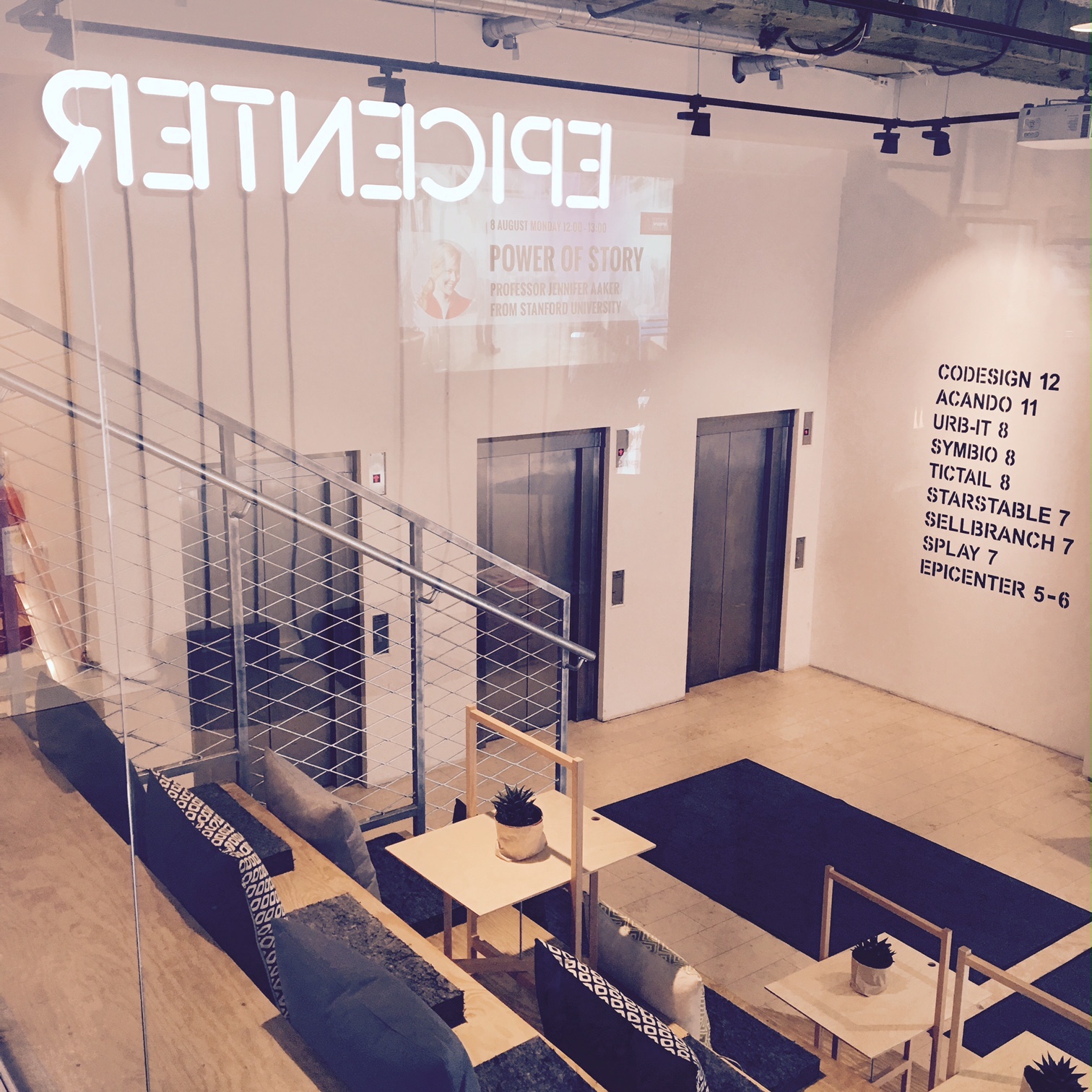
On a recent trip to Stockholm, Jenny Southan met Patrick Mesterton, CEO of Epicentre, a new coworking space and “house of innovation”.
Establishing itself on the cutting-edge, Patrick and 60 or members, have chosen to biohack their own bodies, inserting RFID microchip implants into their hands that are used to unlock doors, buy snacks from vending machines and send virtual business cards with a single swipe.
“I have one in my hand – you can see the little scar,” says Patrick, raising his forearm to show me. “Once it is in, you can’t take it out.” The size of a grain of rice, the microchip implants are inserted with a syringe under the skin. “It hurt,” confessed Patrick. “But the chips mean you don’t need keys or a wallet so it is very convenient.”
He says: “In total, there are about 1,000 people in Stockholm that are chipped and they are always trying to see what services they can connect to. When we started it here, we had a lot of people who wanted to try it. The police even called us to ask if we thought RFID technology could be good for gun prevention.”
As I wrote in my October feature on Stockholm for Business Traveller magazine, the microchip implants work like contactless debit cards or office ID passes. With just the swipe of a hand, members of 8,000 sqm Epicentre co-working hub can pay for snacks from vending machines, open electronic security doors and activate photocopiers.
“Every quarter we do a ‘chip and beer’ event,” says Patrick. “By using your chip you can print on-demand, instead of having sensitive documents coming out when you aren’t there.”Developed by Swedish biohacking group BioNyfiken, each implant has a unique binary number that can sync with an infinite number of readers. As the technology becomes more widespread, people will be able to gain access to their local gym, buy a sandwich from a nearby café, or send a virtual business card to a client’s smartphone. There will be no need for credit cards, keys, ID passes, metro tickets or PIN codes.
What is Epicentre Stockholm?
Launched last January in the business district of downtown Stockholm, Epicentre has a mix of open-plan workspaces, studios and offices for both tech startups and established internationals such as Microsoft and IBM.
The former are there to learn how to scale, while the latter take part in ‘innovation labs’, but collaboration is a big part of it too. Its 300 member companies (and 1,500 individuals) also benefit from seminars, hackathons and ‘digital safaris’ for prototype demos.
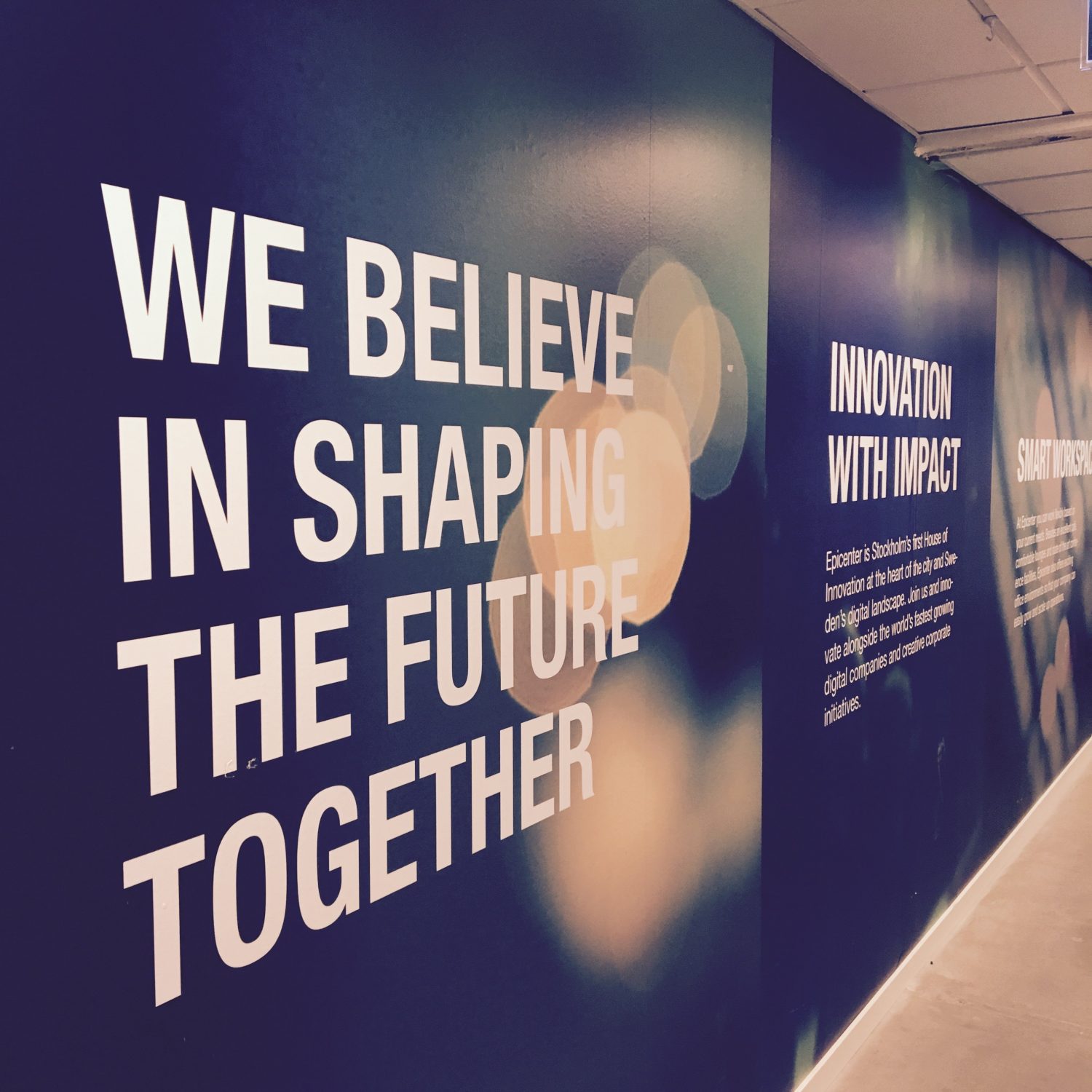
Located at Malmskillnadsgatan 32, Epicentre is part of a futuristic quarter called Urban Escape (urbanescape.se), which is made up of five buildings being developed by Sweden’s AMF Fastigheter. Next year, the project will have a vast rooftop garden, restaurants, bars, and two lifestyle hotels from the Nordic Choice group. Both located on Brunkebergstorg, At Six (hotelatsix.com) will have 343 rooms, while Hobo (hobo.se) will feature 200 rooms. The other buildings on Regeneringsgatan (for offices, retail, apartments and events) will be transformed by 2019.
The first phase of a new Epicentre site opened on Master Samuelsgatan in the summer, with completion of the 11,000 sqm space set for December. Social media networking app FishBrain (for anglers), virtual reality gaming company Resolution Games, and mentoring programme Google for Entrepreneurs will be the first residents.
Patrick says: “The design concept we have gone for is ‘under construction’, which is why everything looks really raw, but the idea behind that is we are building business. What we wanted to create was an environment that is very allowing – where people feel they can change direction and do things.
"That is why, for instance, we don’t have any carpet because that very easily allows us to change the space. If you look at this area, this is where we host events and dinners, discos and rock concerts, all sorts. Everything is based on maximum flexibility.
“We have designed our space so that it follows the life curve of a company. If you are small entrepreneur, you might need two or three flex seats where you are not sitting permanently, while larger companies might want their own studio where they can always sit together. Others might need a full private office.”
Why was Epicentre launched?
Patrick says: “The reason we started Epicentre Stockholm has to do with a couple of things. One is if you look at these small digital companies, the traditional real-estate model doesn’t really work for them because lease agreements tend to be three to five years. And the problem for these companies is that they grow so quickly they don’t know if they are ten or 100 people.
“We are a meeting arena for fast-growing digital companies that are looking to expand and grow internationally, but we also work with helping large established companies – the multinationals – to collaborate with these fast-growing digital businesses in order to enhance their own digital presence and come up with disruptive new innovations.
“Epicentre offers a ‘heterogenous environment’. The small companies are very innovative and driven but what the large companies can help them with is how to scale and go international.
“Another thing we saw is that Stockholm is one of the fastest-growing cities in Europe [right now it has a population of about one million]. It has a very high influx of people because this is where the jobs are and we have a large refugee crisis. So we asked how can we create more jobs? Thinking that if we pool some of the best companies together that should give an opportunity to create more jobs, more tax payers and larger companies, which is what we call ‘innovation with impact’.”
What does Epicentre offer?
Patrick says: “We offer three different types of products – one is an innovation arm where we run corporate innovation labs for large companies. We think it is easier for them to run new disruptive innovation outside their traditional offices because in many cases there is a corporate immune system that kills a lot of these great ideas – they are not part of the business plan.
“If you have tonnes of creative people running through your system then the chance of hitting something really big is much larger. We put teams together, teach them about the Lean Startup and help matchmake them with the greatest entrepreneurs. They have the chance to fulfil new great ideas within their companies.”
Who works out of Epicentre?
- Patrick Mesterton, CEO of Epicentre
Patrick says: “We have Splay, which is the largest YouTube network we have in Sweden. They are owned by one of the traditional TV companies but they have intentionally based themselves here as they want to grow in a different way. They were about 14 when they arrived and are about 70 people today. If you look outside you can often see gangs of kids sitting there waiting for their favourite YouTube stars. For them, getting an autograph from Pewdiepie is like meeting Madonna.”
“Another company we have here is Glue. They make digital locks for home delivery. They are connected to the delivery companies like DHL so couriers can let themselves in when you aren’t there. You can order and get your groceries into your fridge while you are at work.
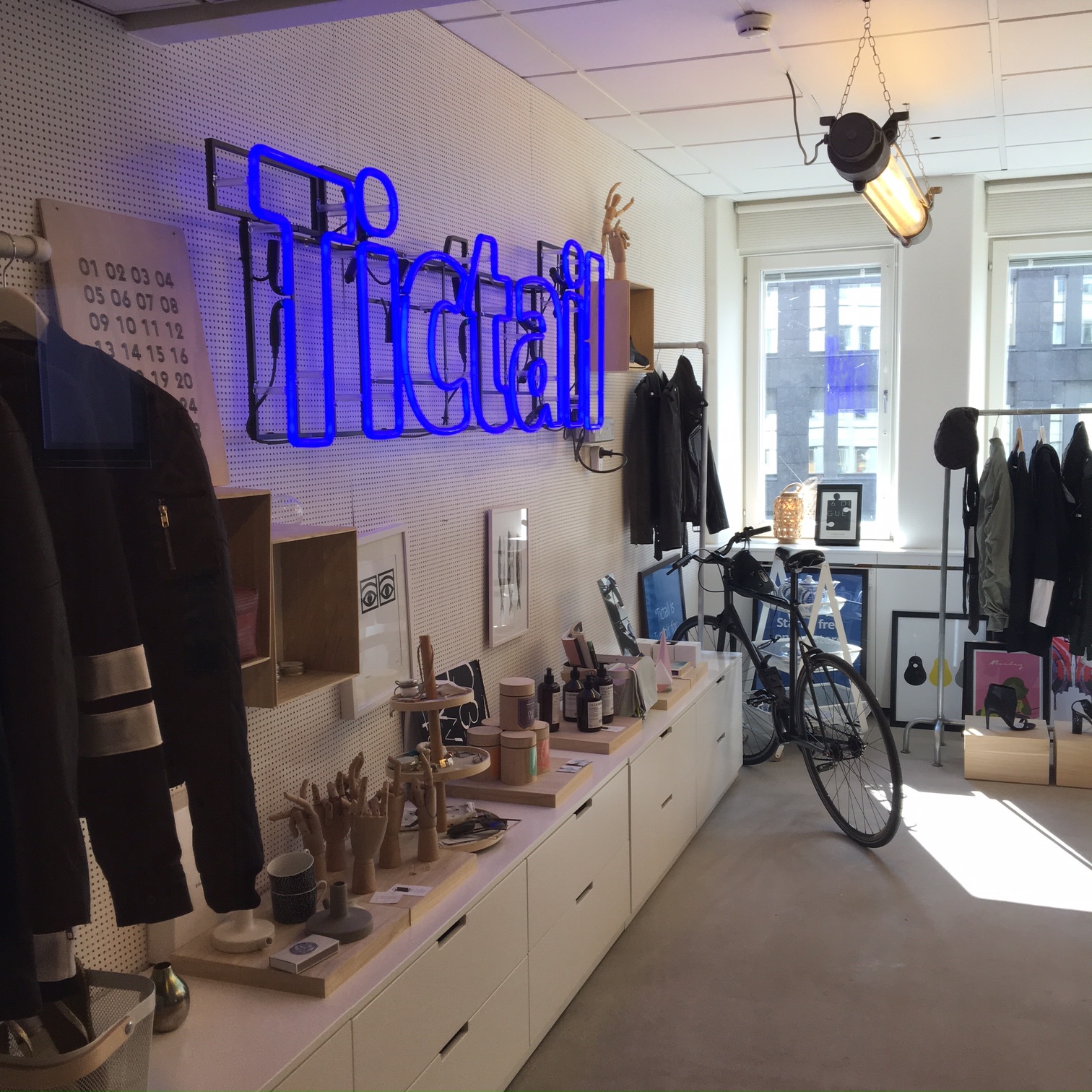
“And then there is Ticktail, which has about 100,000 clients on its e-commerce platform. They help anyone with a physical store to get online. The largest crowdfunding platform in Sweden is FundedByMe – it just went on the stock exchange. They have helped a lot of the companies that we have here at Epicentre.
“In a year, the average company we have here has grown 350 per cent. If you take StarStable, which is one of the world’s largest online games for girls who are interested in horses, when they came in here a year ago they had about 20 people – now they have 65.”
Why is Stockholm a hotbed for innovation?
Patrick says: “We are especially good at digital innovation but also design, art and music. Connectivity is, of course, super important – we were very early with broadband and mobile internet. We are also an extremely small country so we need to be very international, tapped into what’s hot and what’s not. This means that when we build something, we build it to scale immediately – we never build something for Sweden only. We always ask how do we make this huge?
“We have an excellent, free education and good role models – when you look at people here in Sweden who have had big success, they are very open about it. It’s very democratic – they are not clinging on to ideas and being very secretive about it. They are very encouraging of collaboration and are investing back into their community.
“If you look at Niklas Zennstrom, founder of Skype, he is super active in helping new entrepreneurs grow. The guys behind Spotify and Klarna are the same. There is more and more of that happening.”
In recent times, Stockholm has been dubbed the "unicorn factory" because of the number of startups valued at more than US$1 billion it has been producing. In fact it has the highest number of unicorns per capita in the world, after Silicon Valley. Some of the best known are Spotify, Skype, game-maker King (Candy Crush Saga) and mobile payments company iZettle.
But Patrick says "we have four or five more now in the making – for instance, Truecaller, they are really big". When the next unicorn is born, there is a good chance it will have come out of Epicentre. And there's a good chance all the staff will have microchip implants in their hand.
UPDATE: As of July 2017, Three Square Market in the US has also introduced microchips for employees, as reported in The New York Times.
For travel trends delivered straight to your inbox, sign up for the Globetrender newsletter.
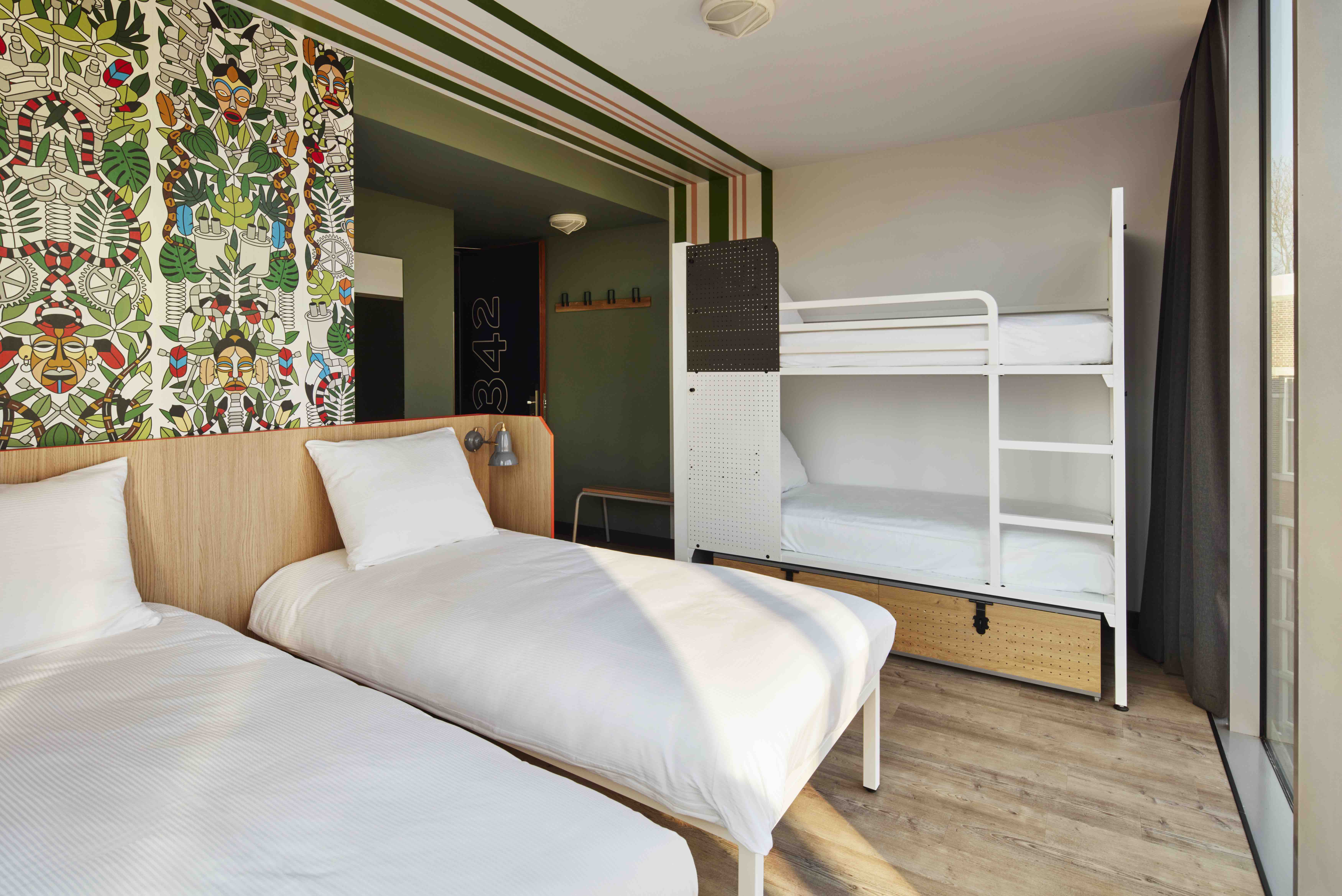
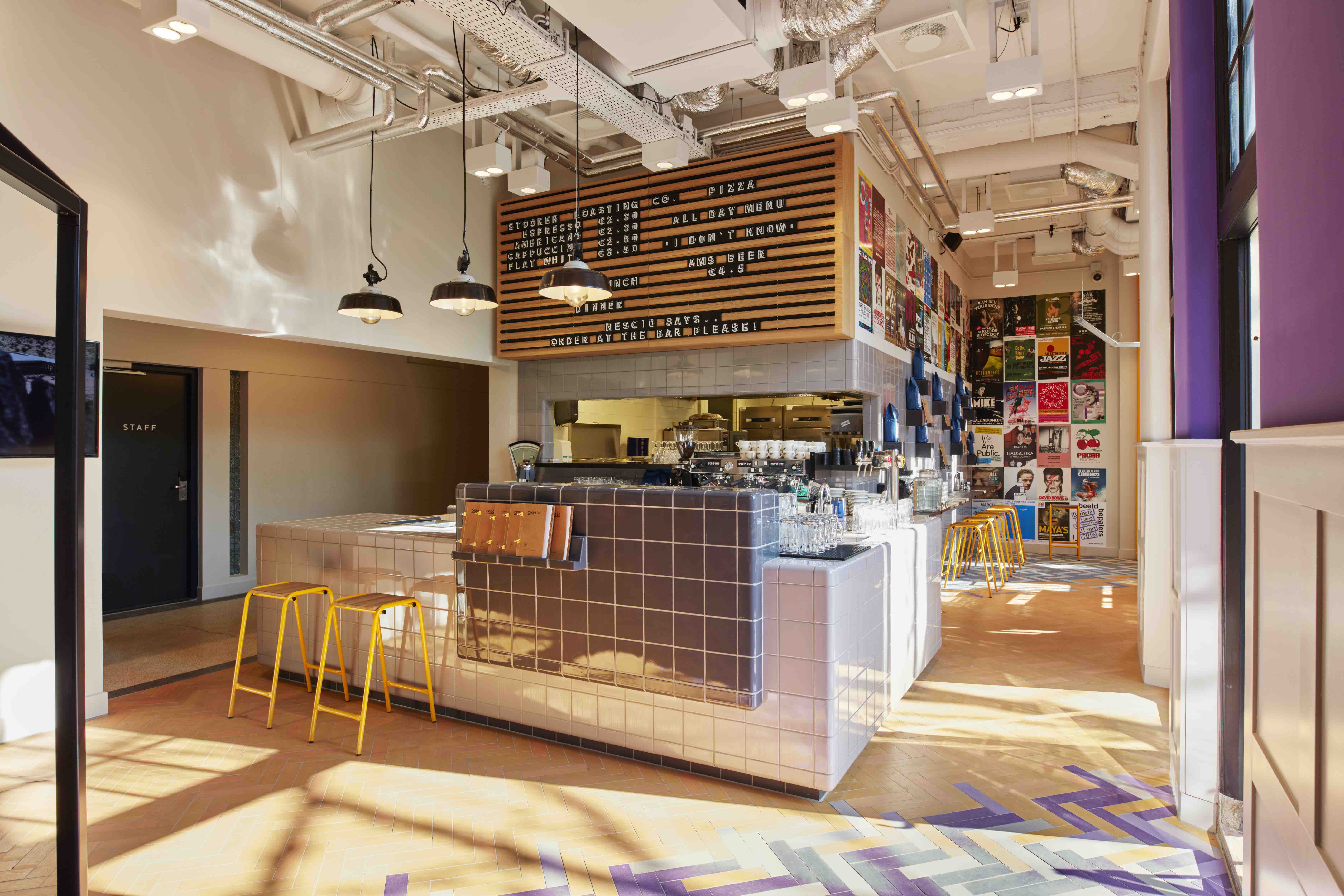
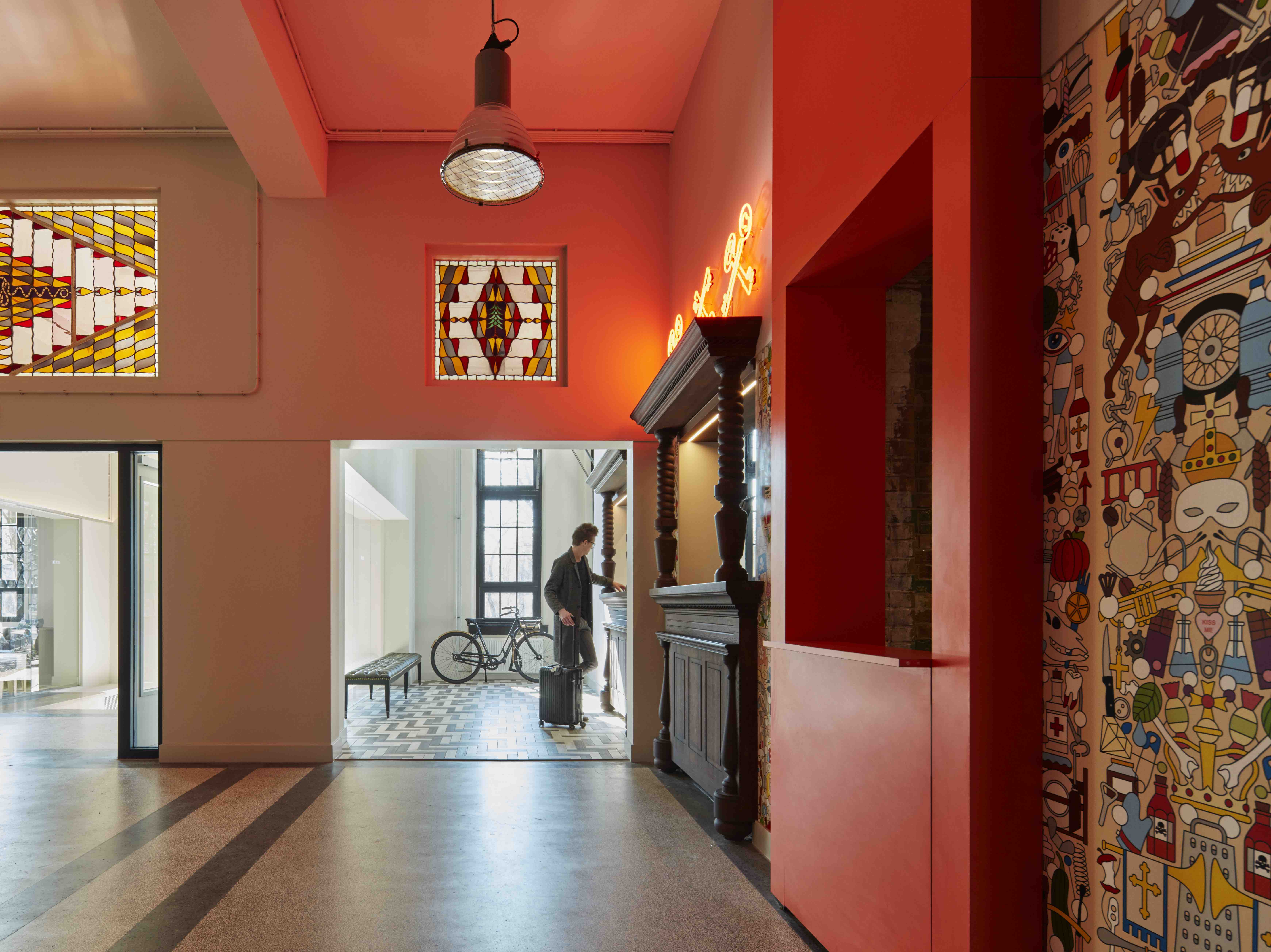
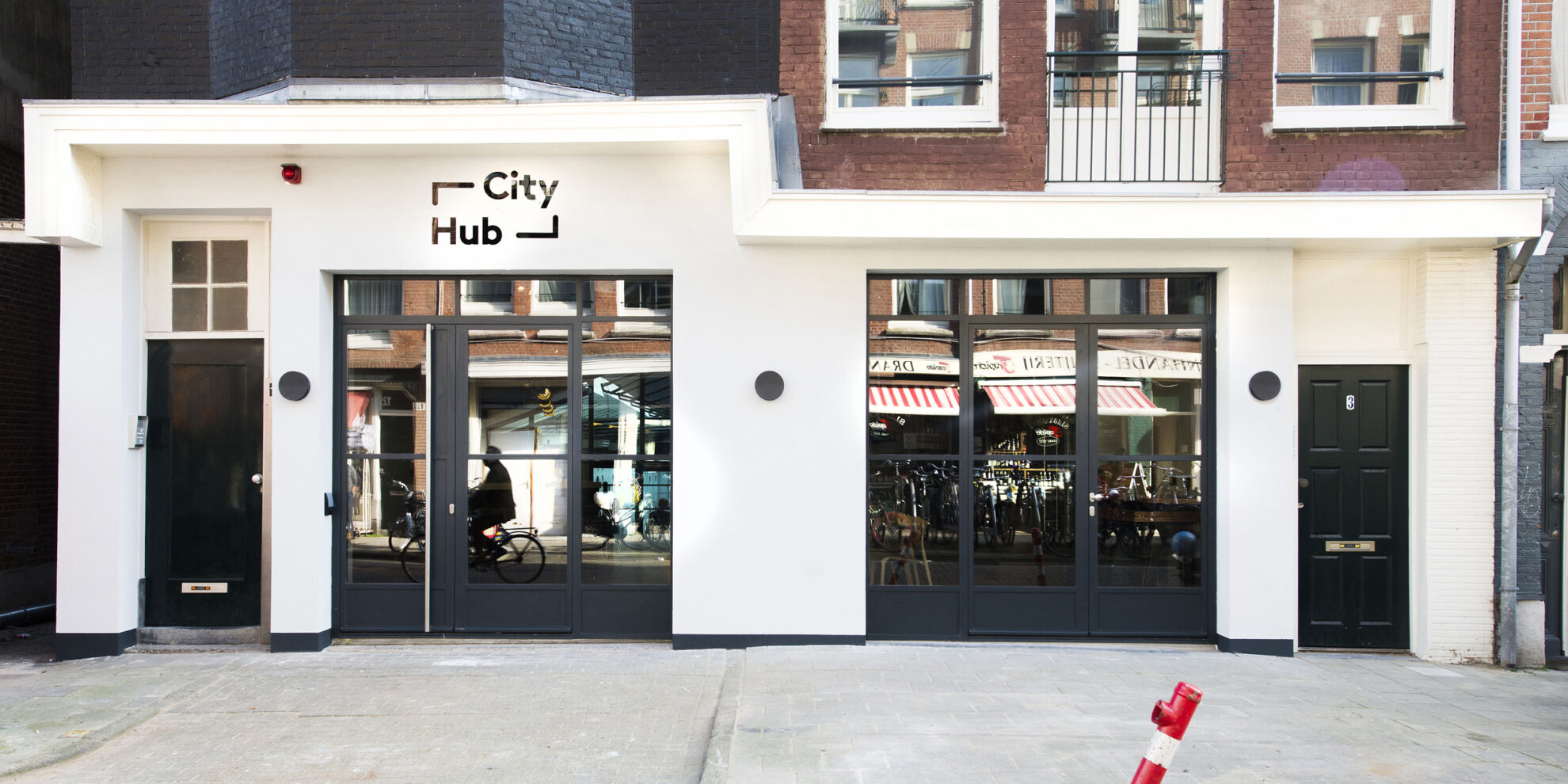
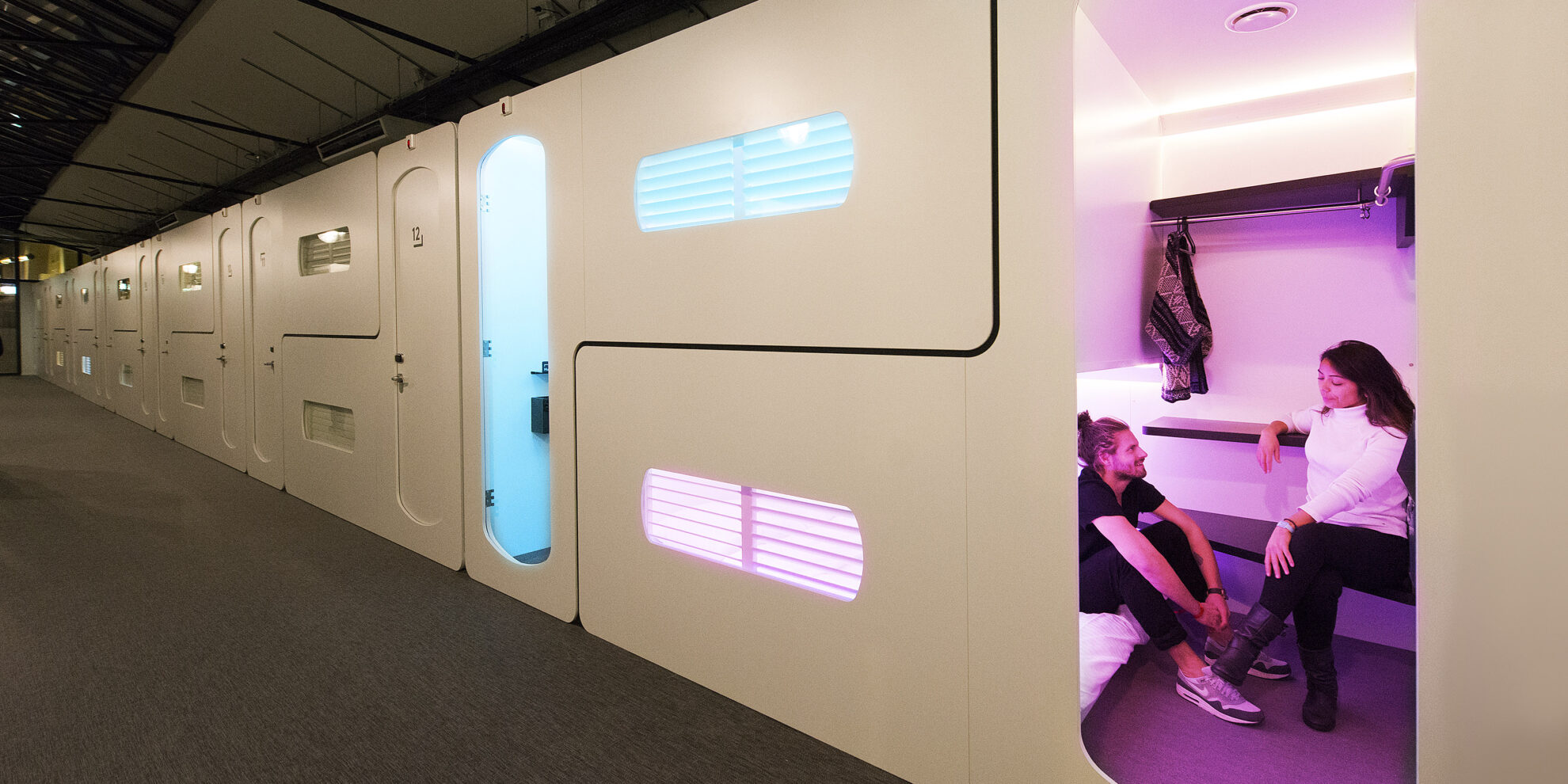
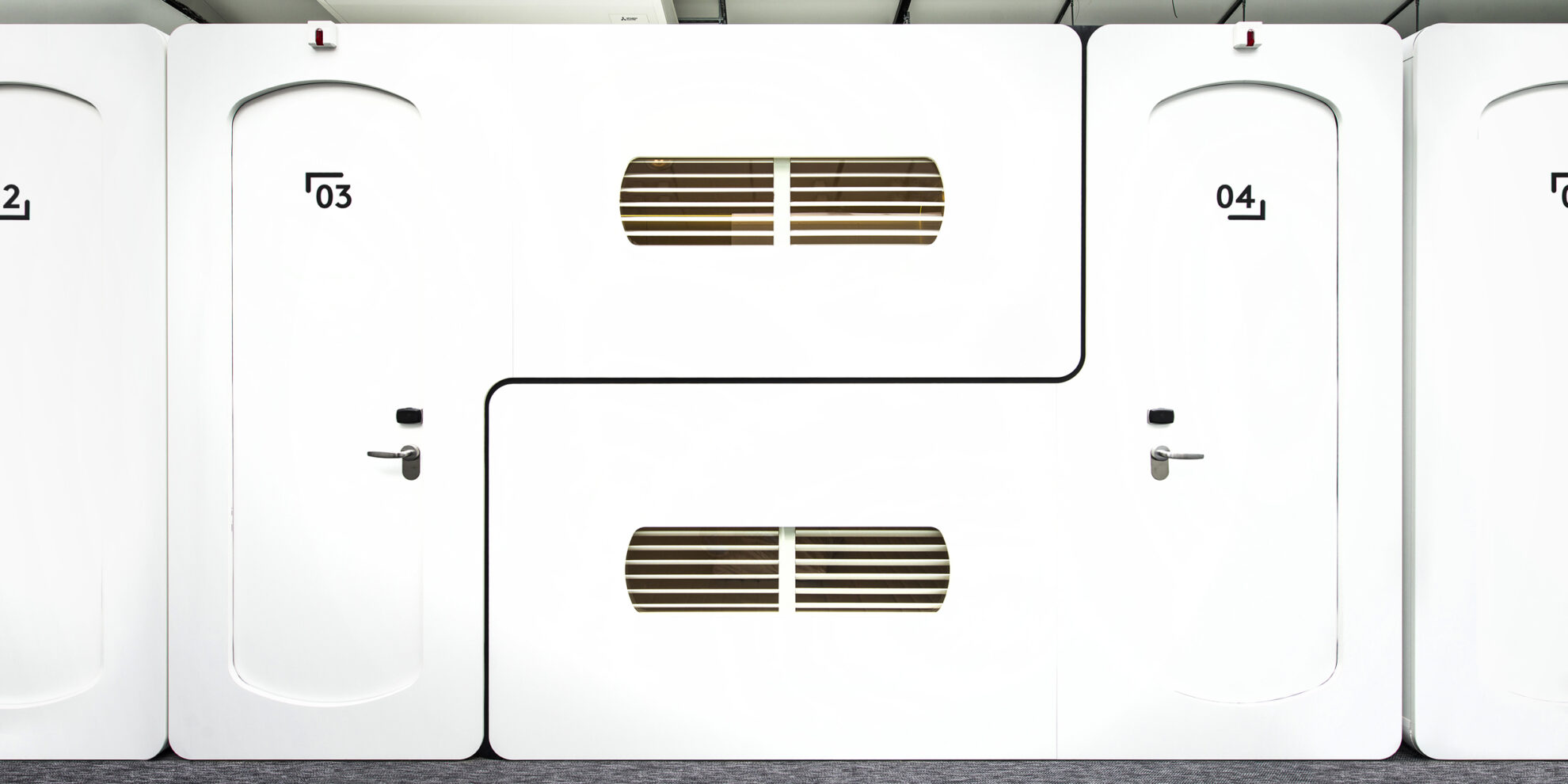
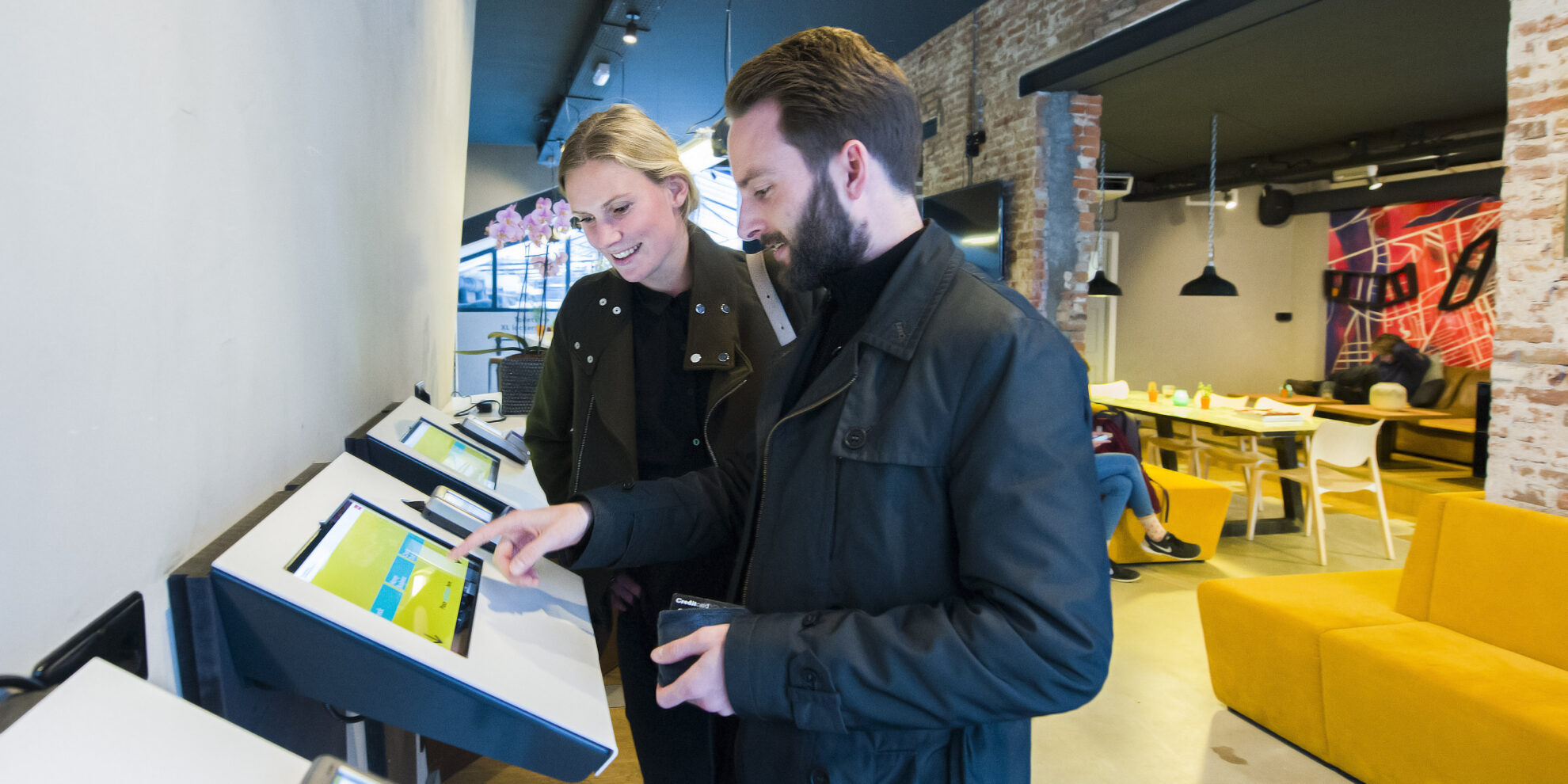
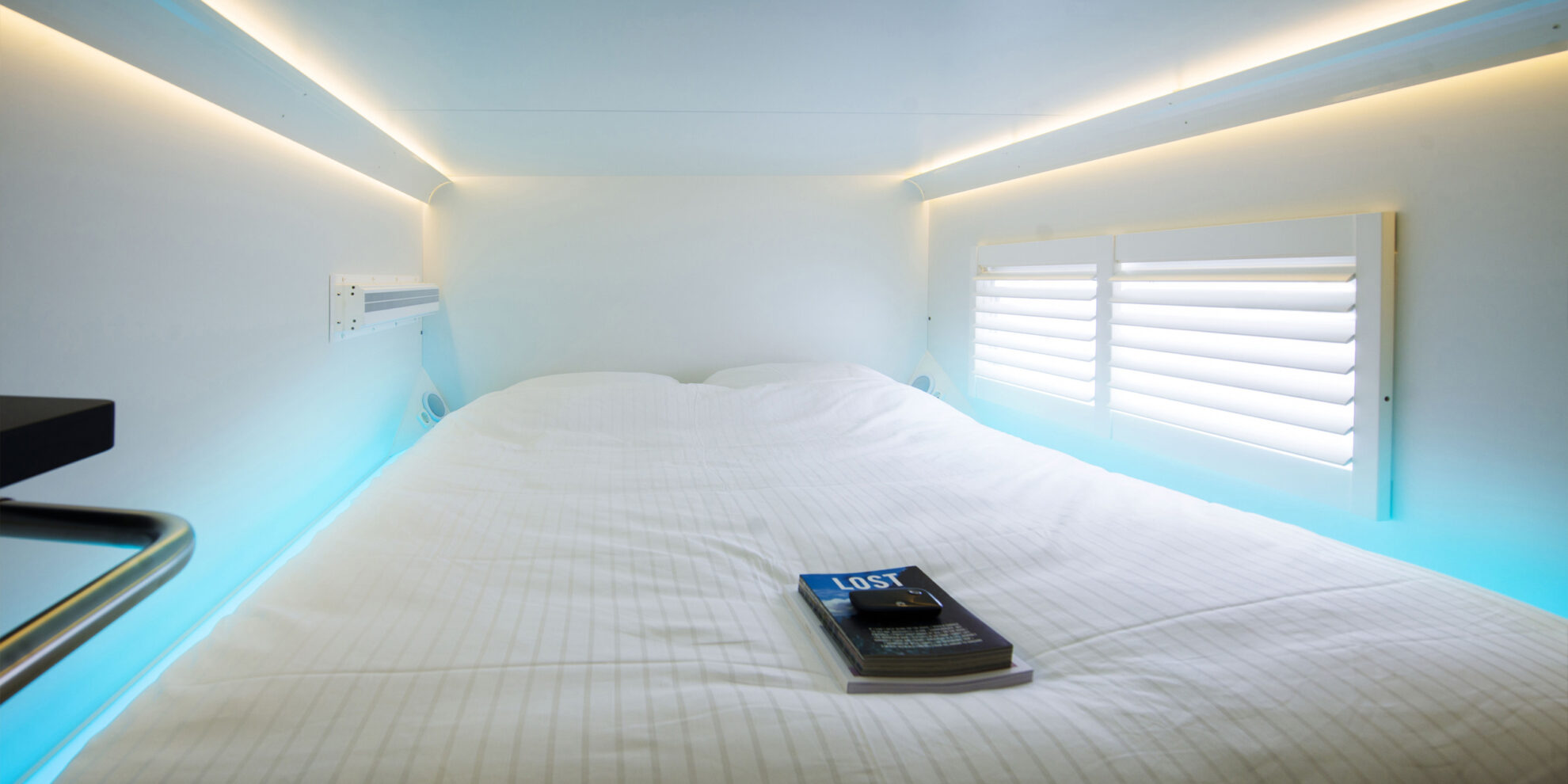
[dropcap size=big]T[/dropcap]he Dutch capital is proving to be one of Europe's coolest cities when it comes to hotel innovations. In the past year it has welcomed sci-fi capsule concept City Hub, uber-trendy the Hoxton, and hybrid "smart lofts" from Zoku. Now "poshtel" (or posh hostel) brand Generator has arrived.
Opened last month (March 16), the Generator Amsterdam has taken up residence in the East Amsterdam district near Oosterpark, occupying a converted science block in the former University of Amsterdam.The only one of its kind in the city, the upmarket hostel has retained some of the building's original features such as the lecture hall (now a bar and hang-out space) and library (for meetings) but modernised the interiors with pop art colours and playful communal areas.Up to 564 guests can choose from a €15-per-night bed in a four-bunk dorm, a quad room with four bunks for €60 a night, Twins from €65 and Doubles for €85. Beds are all clean and comfortable, made up with fresh white sheets, duvets and pillows.Unlike most hostels that are functional, bland and low-spec, this design-led property also sports a luxury six-person Sky Suite Apartment for €100 a night, an all-day cafe, an outdoor terrace, glass lifts, and the Auditorium chill-out lounge, which sees a "professor's desk" repurposed as a bar with gas taps and chemical beakers. Coming soon will be an underground speakeasy in the old boiler room.Josh Wyatt from Patrol Capital, the founding company of Generator, said, “Our central ethos for Generator Amsterdam is about embracing the mystery surrounding the multiple layers of the building and its historical nature.
"Around every corner, there are new sights and experiences for guests to explore. With the building originally used and designed as a school dedicated to the study of the natural sciences, Generator will carry this classic, nature based theme forward in its design and use of the spaces.” There will also be an events programme including beer tastings, coffee masterclasses and movie screenings, as well as Vanmoof bikes for hire. Standard amenities include a 24-hour reception, free wifi throughout, a travel shop, laundry facilities and luggage strorage.Fredrik Korallus, CEO of Generator, said: “The hostel and shared accommodation sector is one of the most exciting areas in the hospitality industry today. As one of Fast Company’s 'Most Innovative Companies of 2016', Generator continues to lead the charge to redefine it.
"We have a proven concept, powerful brand, stellar team and a wide foothold in key European destinations. Generator’s one-of-a-kind concept will now be connecting the global traveller with unique communities.”Generator poshtels will also be opening in Stockholm and Rome this summer, bringing the group's portfolio to over 8,600 beds. Other properties are located in Dublin, London, Copenhagen, Berlin, Hamburg, Venice, Barcelona and Paris.
All images by Nikolas Koenig.
For regular briefings on the future of travel, sign up to Globetrender’s free newsletter, here.
[dropcap size=big]B[/dropcap]orn in Iraq, resident of London, the late Zaha Hadid was the first woman and the first Muslim to win the Pritzker prize for architecture, in 2004. Known around the world for her unconventional design, incorporating bold organic curves with space-age, Escher-esque interiors, her buildings bend every rule.
Nicknamed "Queen of the Curve", Zaha Hadid unexpectedly died of a heart attack on March 31, 2016, aged 65. But she left behind a stunning legacy of avant garde stuctures in places as far-flung as Seoul in South Korea and Guangzhou in China. She was a true innovator – refusing the ease of corners and straight lines in favour of impossible, alien-like forms that transport observers and inhabitants to a different realm.
Describing the Heydar Aliyev Centre in Azerbaijan's capital of Baku, a building I was lucky enough to visit not long after it opened in 2014, Zaha Hadid said in an interview with Blueprint: "I realised there was a connection with the logic of maths to architecture and the abstraction of Arabic calligraphy. Geometry and mathematics have a tremendous connection to architecture…
"The calligraphy you see in architectural plans today is to do with the notion of deconstruction and fragmentation in space." You only have to look at the pictures below to see how that inspiration was made manifest.
Dezeen Magazine, meanwhile, quoted her as saying the Heydar Aliyev Centre was one of the works she was most proud of. "This was an incredibly ambitious project for me. It was always my dream to design and build the theoretical project and [this] was the closest thing to achieving that."
Zaha Hadid previously said: "I can now believe in buildings that can float." Here are eight of her most famous curved constructions that proved she was right…
1. Heydar Aliyev Centre, Baku
2. Serpentine Sackler Gallery, London
3. Dongdaemun Design Plaza, Seoul
4. London Aquatics Centre
5. Galaxy Soho, Beijing
6. Guangzhou Opera House
7. MAXXI Museum of XXI Century Arts, Rome
8. Hungerburg Station, Nordpark Railway, Innsbruck, Austria
All images courtesy of the Royal Institute of British Architects.
By Jenny Southan
Click here to see photos of a futuristic office by Zaha Hadid in Moscow.
For regular briefings on the future of travel, sign up to Globetrender’s free newsletter, here.
[dropcap size=big]I[/dropcap]nternational hotel giant Marriott is pushing forward with its foodie start-up incubator, Canvas Project, that launched last year in Europe.
Designed to help young enthusiasts in the catering and bartending industry to launch their own businesses, the Canvas Project awards winning concepts with around €45,000 in funding and the chance to take over an unused space in a popular city centre Marriott hotel.
Marriott says: “Positioned as incubator labs, these restaurants sit outside Marriott’s standard restaurant protocols in order to fully experiment with the design. Each project is adapted and evolved depending on feedback and results, resulting in dining experiences that transform perceptions of hotel restaurants.”
Since its inception about a year ago, Canvas in Europe has given birth to four new businesses, three with people already working for Marriott and one, in Hungary, with a local entrepreneur.The Park Lane Roofnic – located on the roof of the London Marriott Hotel Park Lane – was the first to arrive on the scene. Accessed via a secret entrance, it was a pop-up summer bar inspired by British music festivals.
In a garden setting with wooden benches and pots of plants, affordable pulled pork tacos, cheesecake, juices and prosecco were served by winning candidate Marriott restaurant and bar manager Ashley Dawes (following an internal competition). It ran from May to September and had space for 100 seats.
Next up was cheese and charcuterie bar MI+ME, found in the entrance to St Pancras Renaissance hotel, also in London, by Marriott food and beverage director Andrew Nadin. Signature dishes include a salt beef sandwich and two-cheese toastie.
Over in Berlin, the Marriott Courtyard hotel saw the opening of the “#Hashtag Coffee Shop”, which sells currywurst, baked potatoes and doner kebabs.
The first public competition was won by Hungarian creative Imre Toth. He turned a former industrial space in the Budapest Marriott hotel into a craft beer bar with handmade puppets decorating each of the taps. (Sounds a bit freaky.) If you want to visit, it’s called Marionette Craft Beer House.
Jeremy Dodson, vice-president of food and beverage for Marriott International Europe, says: “Innovation is high on the agenda for Marriott as we become more relevant and connect with new audiences – we have already learnt so much from these initial pilots.
“By combining the creativity and passion of entrepreneurs with the scope and resources available in our hotels, we can create some truly extraordinary restaurant and bar experiences. We are excited about the road ahead with many more projects planned for Canvas in 2016.”
[dropcap size=big]D[/dropcap]esigned by the UK's Hybrid Air Vehicles (HAV) company, futuristic blimp the Airlander 10 will make its first flight in March, 2016, over the fields of Bedfordshire.
Measuring 43.5 metres wide and 92 metres long, it is far bigger than the world's largest passenger jet, the A380 superjumbo, which is 73 metres long. (To put the Airlander into perspective, it would obliterate a football pitch if it tried to land on it.)Filled with helium, which is lighter than air, it has 350hp engines, and will be able to transport cargo weighing up to ten tonnes. Unlike planes, the airship takes off vertically so doesn't need a runway, and can rise to heights of 20,000ft (planes ascend to roughly 35,000ft).What's most exciting is the fact that the craft can also be configured to accommodate up to 48 passengers, with cabins for people to relax and walk around in, and views through floor-to-ceiling windows.Creating less noise and pollution, the Airlander will be better for the environment than conventional flying machines, and will emit less harmful carbon emissions.
On top of this, it will be able to remain airborne for up to two weeks, and has the capability to travel at more than 90mph. The Airlander can hover like a helicopter, land in almost any terrain (making it ideal for disaster relief efforts) and perform in temperatures ranging from minus 56 to plus 54 degrees Celsius.HAV says on its website: "There is no internal structure in the Airlander – it maintains its shape due to the pressure stabilisation of the helium inside the hull, and the smart and strong Vectran material it is made of. Carbon composites are used throughout the aircraft for strength and weight savings."
Hybrid Air Vehicles is aiming to have built ten of these blimps a year by the end of 2021. Mass produced Airlander 10s are expected to sell for US$40 million to US$60, while the upcoming Airlander 50 would be US$100 million. (The list price for an A380 in 2015 was US$428 million.)
It was originally envisioned for use by the US Army for surveillance in war zones, but the project was binned a few years ago.
Mike Durham, technical director for HAV, says: "Airlander is our key product – it's a product that is going to change the world. It can achieve just about anything."
To read more about airships, click here.
For regular briefings on the future of travel, sign up to Globetrender’s free newsletter, here.
[dropcap size=big]A[/dropcap] cabin-sized suitcase that has so far generated US$2 million from crowdfunding site Indiegogo claims to be the world's first example of "smart" luggage.
Sync the high-tech, self-aware Bluesmart case to your smartphone via a free dedicated app, and it will show you how much it weighs thanks to a built-in scale. All you have to do is lift it up by the handle.To help you avoid losing it, the unit has several intelligent security functions – walk too far away from it when out and about, and its proximity sensors will trigger an automatic locking system and send you a message. Step off the train without it, and it will set off an alarm on your phone.
In addition, the Bluesmart will update you with its whereabouts via GPS signals sent to a map on the app, so if it happens to be stolen or go missing after a flight connection, it will be easier to track it down.With an integrated 10,000 mAh battery and two USB ports (one inside and one outside), you can use it to charge your phone, camera, e-book or tablet up to six times when on the road. The Bluesmart app will even give you packing tips depending on where you are travelling to.
Measuring 62cm x 39cm x 26cm, the case has two compartments: one for clothes and shoes; the other for a 15-inch laptop.The Bluesmart is compatible with iOS and Android devices, and an app for the Apple Watch is coming soon. The case is costs £350 from firebox.com in the UK.
This "thinking" suitcase is an example of a product from the new era of connected objects known as the Internet of Things, whereby everyday belongings become "smart" when wired with online communication technology. It's the beginning of a Brave New World.
Click here to find out why this travel jacket was one of Kickstarter's most-funded projects ever.
For regular briefings on the future of travel, sign up to Globetrender’s free newsletter, here.
[dropcap size=big]L[/dropcap]aunched in 2013, real-estate search site Place I Live has launched an intuitive new feature called Place I Live Match, which is designed to reveal the ideal part of NYC to live in according to your lifestyle, work and property preferences. It also presents you with accommodation listings for you to browse immediately.
Particularly helpful for expats moving in or locals who don't have a good knowledge of other areas, the platform will present you with a series of nine simple questions to determine (with the help of some clever algorithms) where the best place to relocate in New York would be.
Whereas traditional home search sites group results according to the number of bedrooms, price range and pre-determined postcode, Place I Live Match tailors more intelligent results that reflect your wider needs and concerns. It will even give you up-to-date crime stats, show you how long your commute to work would be and where the nearest yoga studio is.
With an appealing, user-friendly interface, buyers and renters can quickly get a sense of the most appropriate areas for them to move to. Everyone knows hipsters love Brooklyn, for example, but many parts of it are becoming too expensive – so what are the alternatives?
These are the questions the site asks, and the answers are multiple choice. Globetrender thought the options weren't very specific (doesn't everyone like Italian food and being near shops?) and some variables were missing (such as schools, gay bars and liquor stores) but gave it a go nonethelesss.
- What do you like doing on the weekends? (Globetrender says bars and pubs, going to the movies)
- Do you participate in any sports activities? (Gym, swimming)
- Which are your favourite cuisines? (Italian, Mexican, American, Indian, vegetarian)
- What other eating out options do you like? (Coffeeshops, pizza places, diners, salad places, food trucks)
- Where do you prefer to buy groceries? (Supermarkets, organic stores, farmers markets)
- What other amenities do you require? (Shopping, doctors, dry cleaning)
- What is your status? (Couple)
- What is your ideal commute plan? (15 minutes from work address in Brooklyn)
Extra info: rent or buy? (Rent)
Budget? (Up to US$3,500 a month)
Bedrooms/bathrooms? (One)
Size? (Any)
Based on this information, Place I Live Match says Globetrender should move to Chelsea in Manhattan, which is a 75 per cent match. The commute is 28 minutes, the median rental price is US$3,060, it has all the amenities it needs. The only problem is the high crime rate (a graph shows it mainly to be grand larceny) and the noise level is very high.What Globetrender liked most about the search results was the precise commute details including a list of subway stations in the area, pictures of the neighbourhood, and photos of all the restaurants nearby with locations pinpointed on a map. Other recommendations were Murray Hill, Greenwich Village and Flatiron. These areas had lower crime rates, which seemed appealing.Lured by the fact it has a Whole Foods Market, Globetrender opted for Greenwich Village, which also had slightly cheaper rental prices and an average amount of crime. There were 173 listings available, with images, apartment details and agent info clearly provided. Definitely a better search experience than normal. What was the inspiration for launching the site? CEO Sarunas Legeckas says: “The portal was born when one of the founders wanted to buy an apartment and was looking for more detailed information about the neighbourhood he wanted to buy. In order to find information he had to Google it, and go to different sources.
"The information was usually coming in a messy Excel spreadsheet format, which was difficult to read and make sense of it. That way, the idea was born to fill the apartment search gap in the market and to build a platform for that.
"NYC was chosen as a primary target as a major global city. Thousands of people are moving to NYC all the time, and they need to have better information about neighbourhoods that match their specific needs. Now they will be perfectly ready for the move.”
Are there plans to roll it out to other cities? Legeckas says: “Place I Live – which is the original tool that provides detailed data about neighbourhoods – already operates in San Francisco, Chicago, London and Berlin. The new tool, Place I Live Match, will be tested in New York first. We certainly have plans to bring it to other cities, too.”
To discover the best cities for expats in 2016, click here.
For regular briefings on the future of travel, sign up to Globetrender’s free newsletter, here.
[dropcap size=big]A[/dropcap]imed at tech-adept Generation Y-ers, City Hub in Amsterdam describes itself as the "hotel of the future", and comes complete with 50 high-tech sleep units, a digital lobby and RFID wristbands for making contactless payments.
Opened last autumn by two young entrepreneurs Pieter van Tilburg (29) and Sem Schuurkes (32), the hotel occupies a 600 sqm converted warehouse in the city's trendy Oud West district.
It was initially launched as a pilot project in 2012, but with 95 per cent occupancy and hundreds of positive reviews, it took up a permanent location on Bellamystraat in October 2015.The hotel has its own dedicated app, which not only acts as a guide to the local area, but a virtual concierge whereby you can contact human "City Hosts" (members of staff) for advice. It also acts as an instant messaging platform for interacting with fellow guests, and a central control panel for the capsule rooms' lighting, alarm and playlists. To avoid data roaming charges, the hotel will provide a MiFi dongle for when you are out and about.Another innovation is the high-tech bracelets that every person staying at the property is issued with – it can be used to buy drinks at the bar with a single swipe so there is no need to carry cash around. In fact, the hotel takes no cash transactions at all.Self-service check-ins are performed 24 hours a day via touchscreen kiosks in the lobby. (The official check-in time is 3pm; check-out 12pm; latest 1pm.) Once you arrive at your room, you can then use your wristband to open the door.City Hub is designed for travellers who primarily want a budget bed for the night, but goes beyond hostels in offering private cabins from €50. Each "Sleep Hub" has a double bed with fresh white sheets, coloured mood lighting, speakers and wifi. There are lockers for storing luggage.Like hostels, bathrooms are communal but look far smarter than your average washing facilities, with separate cubicles, lots of mirrors, free fluffy white towels and bathing products. It has the look and feel of the facilities in an upmarket gym.On the ground level is a chill-out lounge designed for working or having coffee. Interaction with others is encouraged, as well as pouring your own beer from a tap.For €10 you can order food for the morning from the Breakfast Club next door. Alternatively you can bring your own on to the premises.
To read about Amsterdam's new Zoku "smart loft" concept hotel, click here.
To read about the rise of posh hostels, click here.
To read about Yotel's plans for world domination, click here.
For regular briefings on the future of travel, sign up to Globetrender’s free newsletter, here.
[dropcap size=big]A[/dropcap]n innovative new peer-to-peer delivery app called Boomerang enables people to request specialist products from London and Paris to be delivered by travellers using Eurostar's cross-Channel trains.
Eurostar suggests that items people might want to get hold of could be a French moisturiser or a jar of Marmite.
There could be demand for gifts from specialist stores such as Colette in the French capital or Fortnum and Mason in the English capital.
According to Eurostar's Facebook page, top requests from English people so far include coquillettes panzani (a form of macaroni pasta), Petit-Ecolier du Lu biscuits, green clay paste and duck rillettes from Paris.
Meanwhile, French people are requesting tins of spaghetti hoops, Yorkshire puddings, Battenberg cake, Percy Pig sweets, British bacon and marmalade from London.
How much the item will cost to be delivered is set by the person advertising the request. Eurostar suggests that the amount be "reasonable and realistic" but it would obviously have to be great enough to be an incentive for the person picking the product up.
Is there anything you can't order? Eurostar says in its terms and conditions: "Boomerang is all about getting your hands on small but much-loved things you can’t get in the country you’re living in.
"It’s not about getting things cheaper abroad or taking advantage of the local market rate – it’s more about getting that special brand of cereal you grew up with or that lovely French moisturiser you just can’t get in London.
"That’s why there’s a maximum value of £30 or €40 on any single transaction, and we classify a transaction as the transfer of one item or more.
"We’ve also got some prohibited items for legal reasons, including alcohol, tobacco products, taxable imports and exports, and more."
If for whatever reason you don't receive the item you paid for (in advance by Paypal) Eurostar says it will refund you. The app is free to download and Eurostar earns no fee from people using it.
The technology, logistics and consumer response will be tested over a three-month period before Eurostar will decide whether or not to continue it. Here's how it works…
Request an item
Step 1: Browse the suggestions made by travellers or list your own and select a date when you want this item delivered.
Step 2: Set a price and submit your request. Then just wait for a traveller to make an offer.
Step 3: Accept an offer and make a payment by PayPal. It will be safely held until your item's delivered.
Step 4: Arrange a delivery time and location with the traveller.
Step 5: Meet up, collect and mark your item as delivered in Your Orders.
Deliver an item
Step 1: Take a look at all the user requests and choose some, depending on when you could deliver them.
Step 2: As soon as you offer to bring over an item, Boomerang will tell the requester.
Step 3: Once your offer's been accepted, you'll get the other person's email address.
Step 4: Arrange when and where to meet and drop off their item.
Step 5: Meet up, mark the item as delivered in Your Orders and you'll be paid right away.
To read more about on-demand delivery apps that transform city life, click here.
The first in our series on cool hotels, we bring you a round-up of five trend-setting properties that have caught our attention, from Hollywood to Israel.
The West Coast flagship for the Dream Hotels brand will open this spring, on the corner of Selma Avenue and North Cahuenga Blvd in Hollywood. Described as an "experiential lifestyle" concept, the property sets out to integrate itself within the neighbourhood – a walkway outside will link the hotel with adjacent restaurants and nightclubs, while the highlight will be a 1,021 sqm panoramic roof garden and swimming pool overlooking the city. Inspired by the modernist architecture of Richard Neutra, the Rockwell Group has set out to blend the "surreal with the contemporary" with "hyper chic" design. Dream also has hotels in New York, Miami, Bangkok and Phuket.
This hotel had its official opening in December, and replaces the original Hilton that opened here in the early seventies. Unlike conventional airport hotels, which tend to be soulless boxes bearable only for a one-night stopover, this new property claims to be the "latest vision for modern air travel accommodation".
Its geometric facade was designed by Dutch architects Mecanoo, while interiors were by Britain's the Gallery HBA. Along with a 42-metre-high glass roof and futuristic atrium, standout features include a bar specialising in Dutch gin, the Bowery restaurant, which uses ingredients sourced from local suppliers, a Rituals spa and a high-tech 24-hour gym.
Rob Palleschi, global head, full service brands, Hilton Worldwide, said, "The airport hotel concept was born in 1959, with the opening of Hilton San Francisco Airport. Innovation is in our blood – from being the first hospitality company to install televisions in guest rooms to introducing digital check-in with room selection via the Hilton HHonors app – and that pioneering spirit lives on as our brand nears its 100th anniversary.
"The new Hilton Amsterdam Airport Schiphol is all about challenging expectations and we look forward to giving guests a new type of airport hotel experience through our stylish design, unique F&B offerings, and world-class service and amenities.”
Although this hotel opened in 2007, it only recently joined the Design Hotels portfolio of trendy boutique properties, with bookings available through the site from March 24, 2016. Located in Praiano on Italy's Amalfi Coast, its pristine white environment and cliff-edge location mark it as a cutting-edge alternative to the classical luxury of competitors.
A review by Fiona Duncan in The Telegraph reads: "The all-white, open-plan ground floor is a stunning showcase for the owner’s art collection, including eye-catching, vibrant sculpture in Murano glass; wild and whimsical works designed by Cuban artist Alfredo Sosabravo; and oil paintings by Argentinian Patricia Valencia Carstens, amongst others."
It also has four unique Eaudesea Experience rooms, which occupy old fisherman's cottages above a beach that are accessed from the hotel by a lift followed by 200 steps. They have free wifi, plasma screen TVs and electronic room control panels.
Another new entrant to the Design Hotels fold is La Maison, which is found in the west German city of Saarlouis, and has taken over an historic mansion with 38 bedrooms. With interiors by Stuttgart-based designer Birgit Nicolay, this hotel cleverly juxtaposes vintage with contemporary to create a homely yet stylish look. Bedroom lighting is transformed via "mood pads", colour is used intelligently – to pleasing effect, floors are natural wood and minibars are found inside trunk suitcases. Opening in the summer will be fine-dining restaurant Louis.
This "masterwork of post-war Brutalism" – the Mivtachim Sanitarium – began its new life as a trendy, 95-room hotel in February 2015. Originally built by award-winning architect Ya’akov Rechter in the 1970s, an eight-year transformation project saw the property reopen with bold interiors incorporating raw concrete, oak wood, terrazzo floors and floor-to-ceiling glass.
The hotel is located in Zichron Ya’akov, 40 miles from Tel Aviv, on the Mediterranean coast – it also has a state-of-the-art concert hall and more than 500 works of art from the private collection of owner Lily Elstein.
A review on coolhunting.com reads: "After entering the Elma lobby, guests will come across Sigalit Landau's Tzimaon (Thirst), a juggernaut of a sculpture weighing 26 tons wrought from two pieces of Carrera marble, on display inside an open-air exhibition space floored with local stone. From start to finish, the hotel’s interior embodies clean, classic lines and beige and white color schemes, creating a perfect foreground for the works hanging throughout, while the lobby boasts a reception desk modeled after a huge, black, metal piano."
[dropcap size=big]I[/dropcap]n the future, the world’s wealthiest travellers may be able to book seats in the SkyDeck, a transparent capsule on the roof of a jet, affording uninterrupted views of the clouds in every direction.
Designed by aeropace engineering company Windspeed Technologies, the sci-fi bubble – known as the SkyDeck – will sit just behind the wings, and will be made from the same high-strength polycarbonate used for the canopies of fighter jets.
Once on board, passengers will either access the seats by walking up a flight of stairs from the main cabin, or rise up from inside the plane via a lift in a column-shaped chute.The seats will also be mounted in such a way as to be able to rotate (like a high-tech office spinner chair) to offer 360-degree panoramas. In-flight entertainment screens will also be installed in the unlikely event passengers get bored.
Windspeed Technologies says: “The uniqueness of the design is that it allows passengers to safely position themselves at a safe semi-external location of the aircraft while enjoying a thrilling view.
“In addition, GPS systems will be integrated in the design of the platform and seats to provide the viewer with real-time position and flight information.”
Once the company has received firm orders from airlines, it will start installing the SkyDeck on planes. It won’t be cheap, though – Windspeed says each one would cost between US$8 million and US$25 million.
Given Etihad airways is selling its two-person, hotel room-style suite on its A380 for £12,500 one-way (click here to read more), on the right route, the SkyDeck could be compelling from a business point of view.
If it cost US$10 million to install, and sold for, say, US$20,000 a pair, it would only require 250 return journeys to cover the cost. (Selling a daily flight, it could recoup the outlay within a year.)
Windspeed says: “Many design hurdles had to be overcome including the structural integrity of the canopy to withstand a bird strike, condensation, noise levels, UV protection and aerodynamic drag. [However] we have succeeded in resolving all of these concerns.”
It adds: “Considering the fact that Windspeed has been highly involved in major aircraft development programs such as the B787-8, 787-9, 787-10 and the new 777X, the engineering needed for the SkyDeck is pretty straight forward.”
Windspeed says that it would take 18 months to roll out from receipt of an order, but aircraft would only be grounded for three to four months for installation and testing.





 As reported by Fast Company, after what co-founder and CEO Brian Chesky calls a “near-death business experience” in 2020,
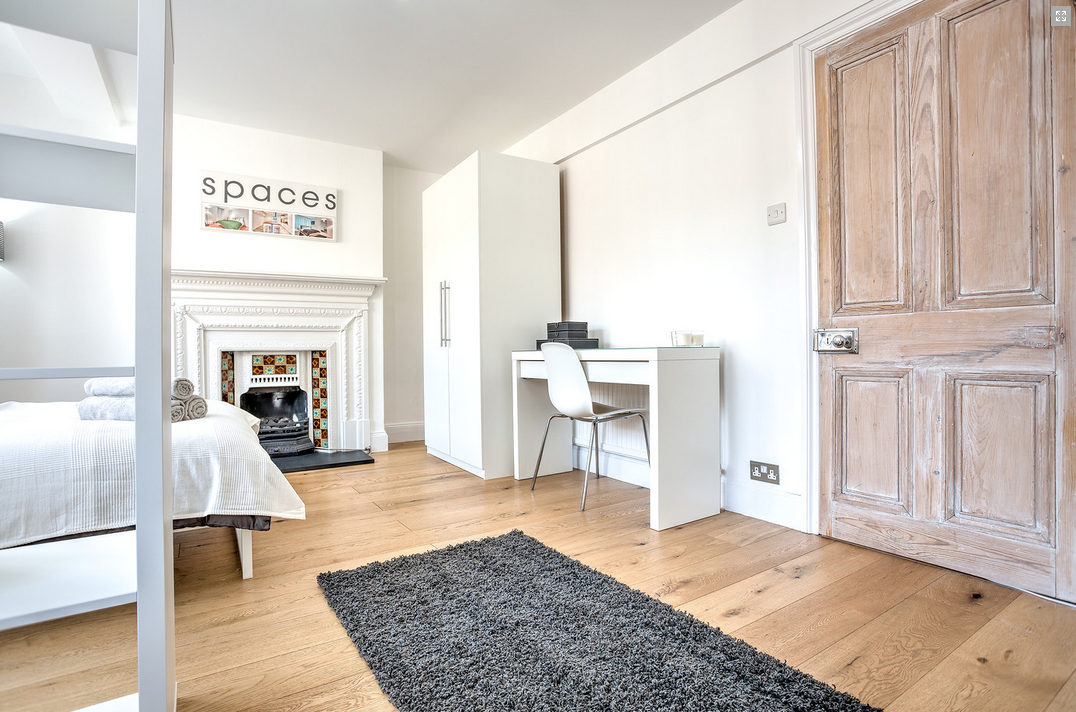
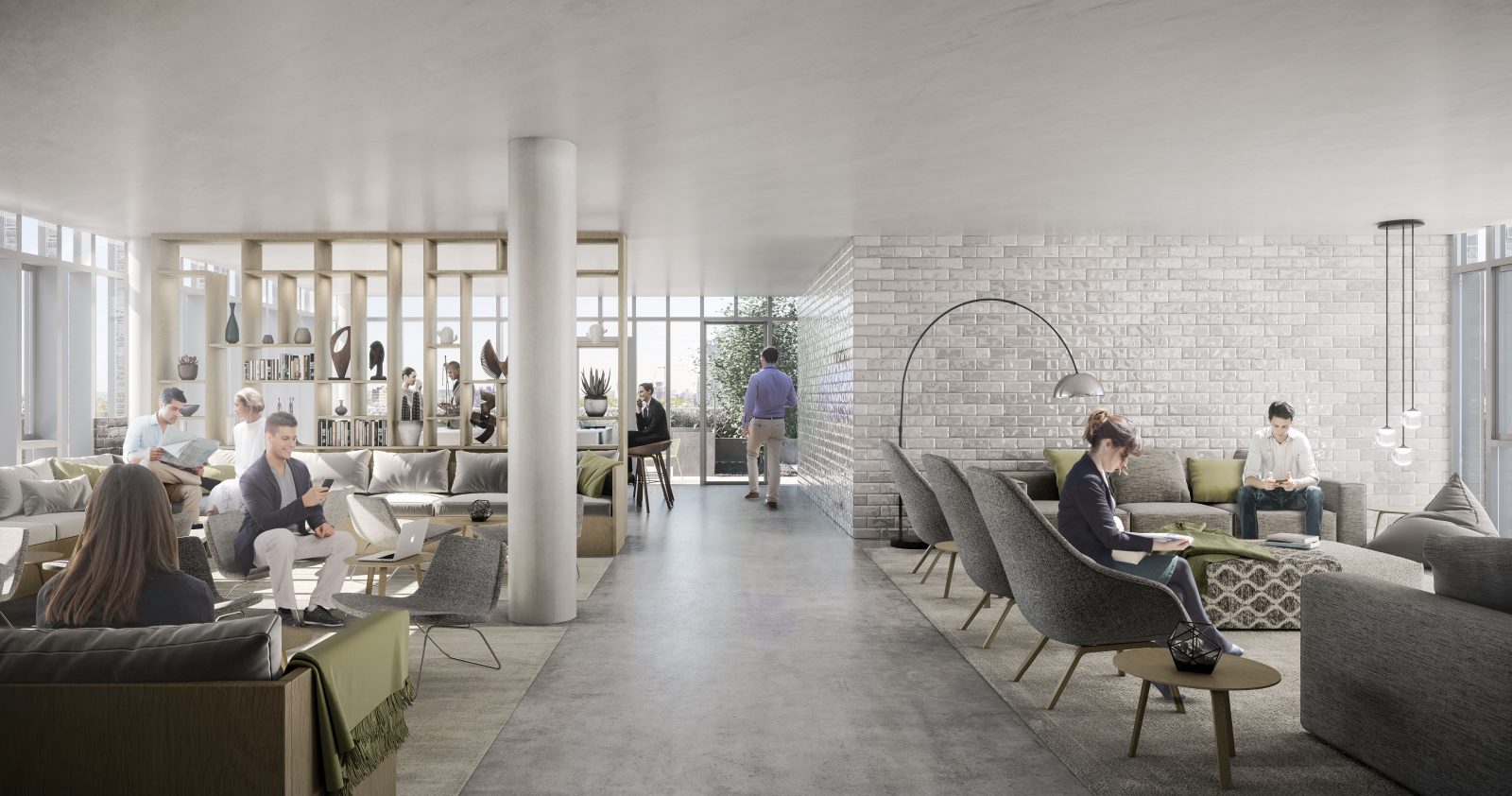
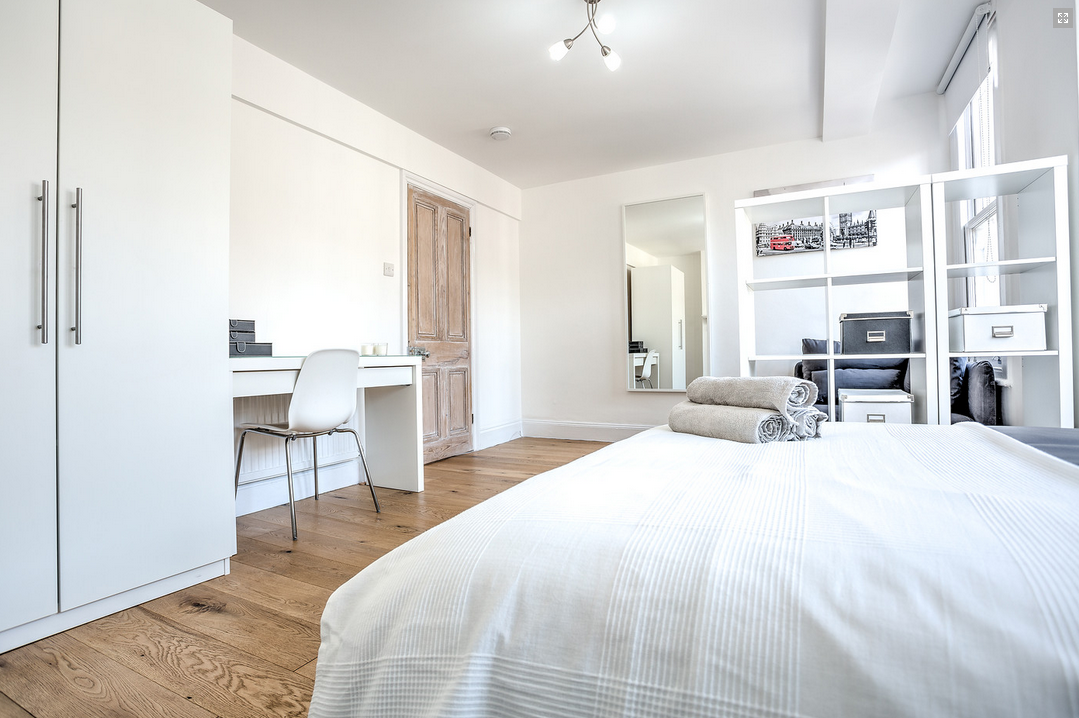
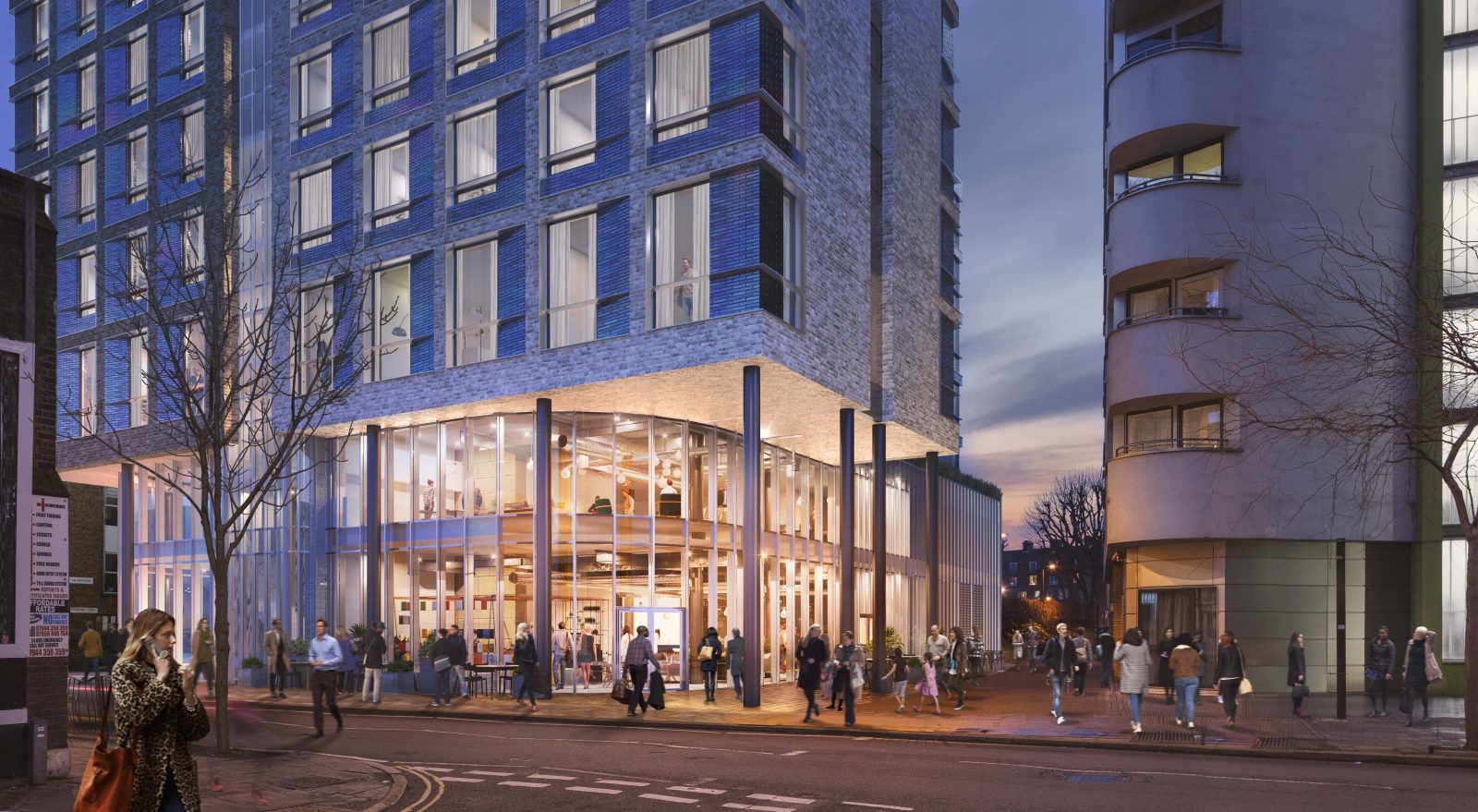
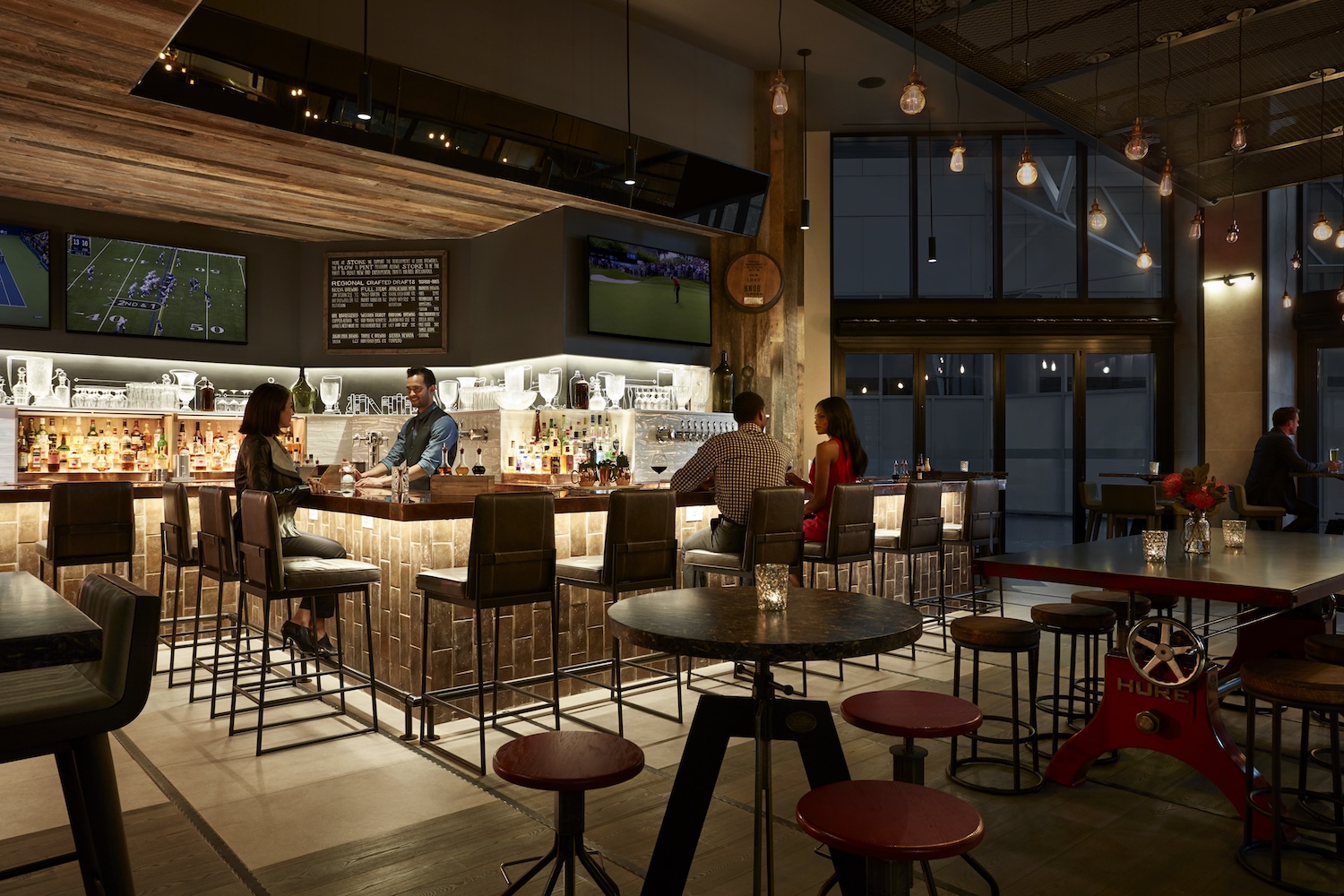 Back in 2015, Marriott launched
 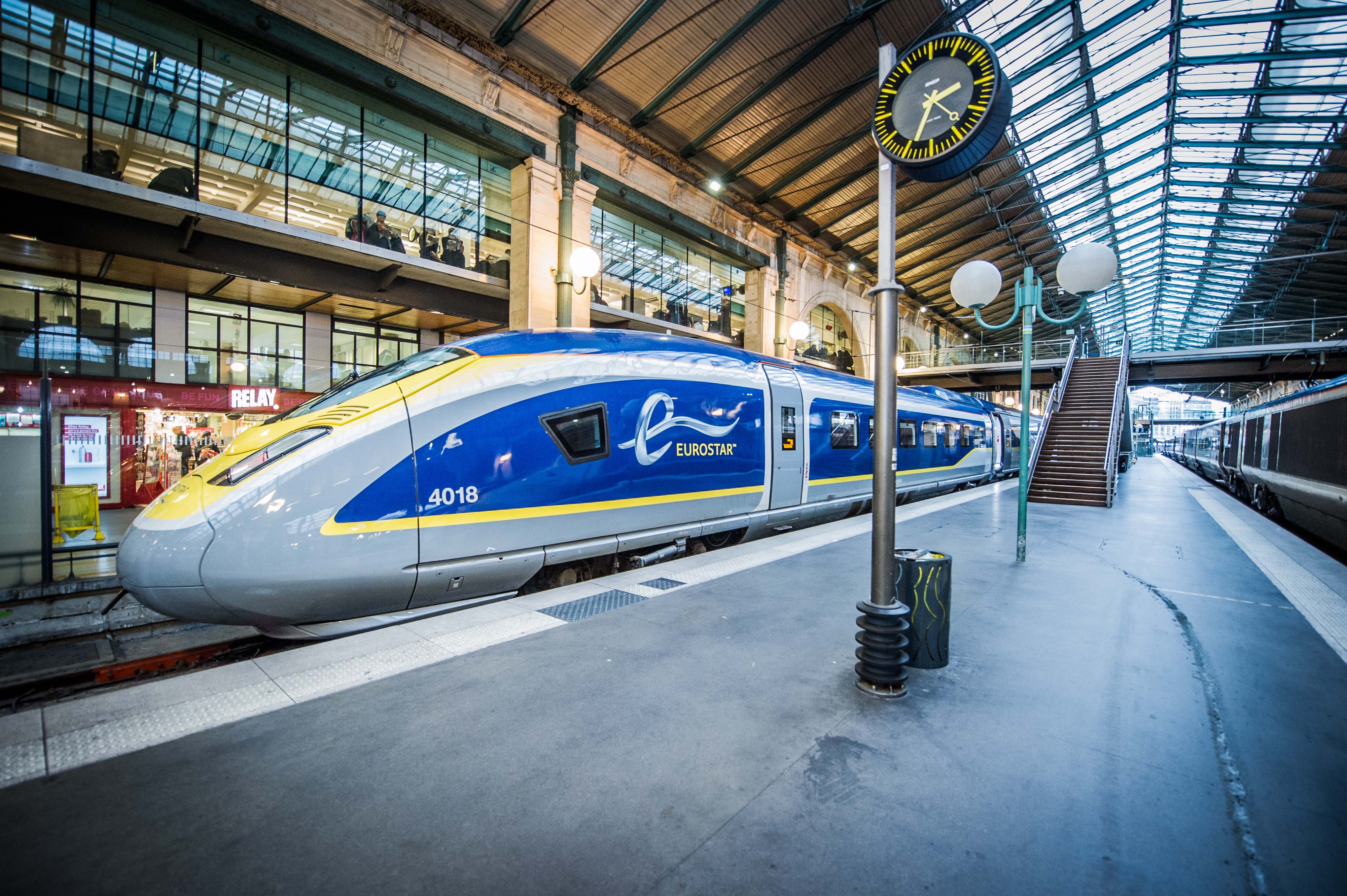 Meanwhile, Eurostar this month hosted onboard masterclasses for start-ups travelling from London to Paris for the Viva Technology conference on June 15-17. Speakers included leading tech experts Justin Cooke, founder of Fortune Cookie, and Suranga Chandratillake, founder of Blinkx and Antoine Baschiera, founder of Early Metrics.
 In April, aircraft manufacturer Boeing announced it is investing in two tech start-ups through its new “innovation cell”
 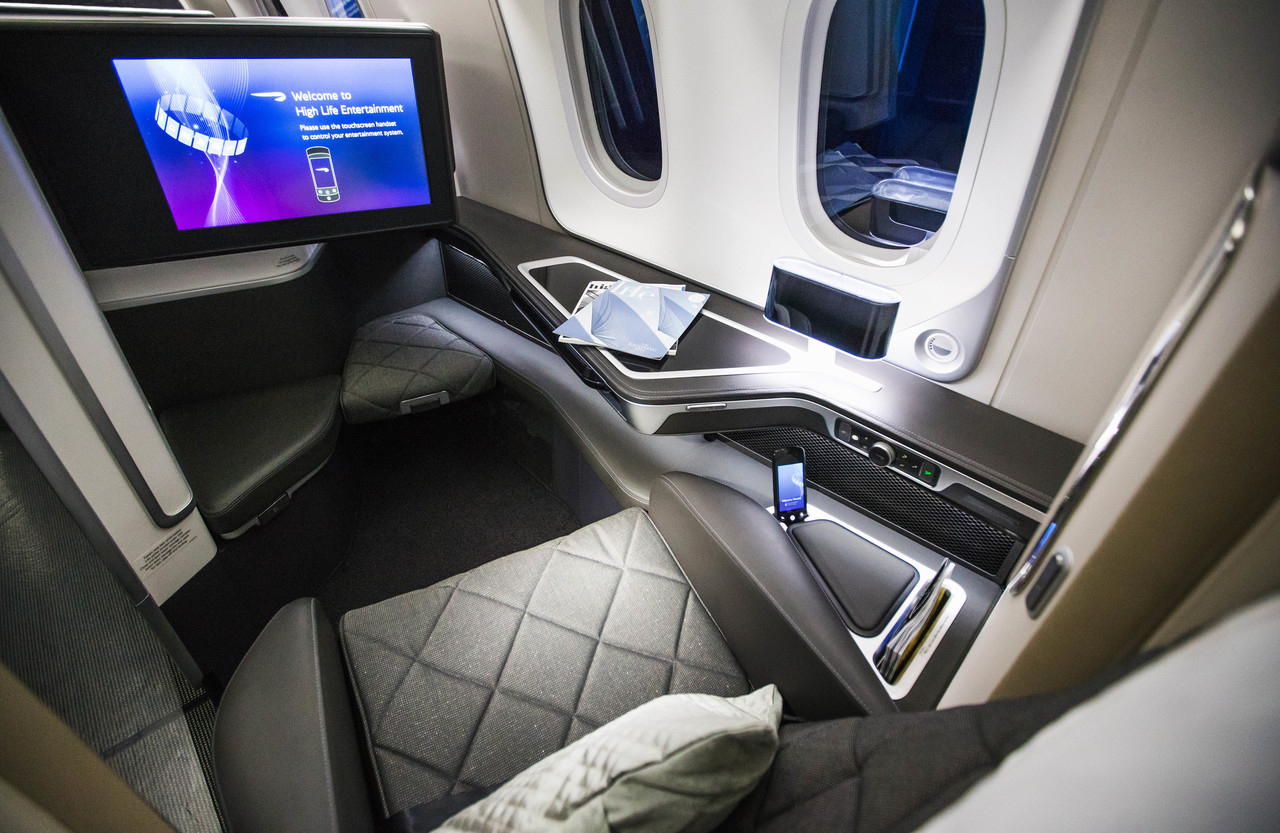 In a bid to "
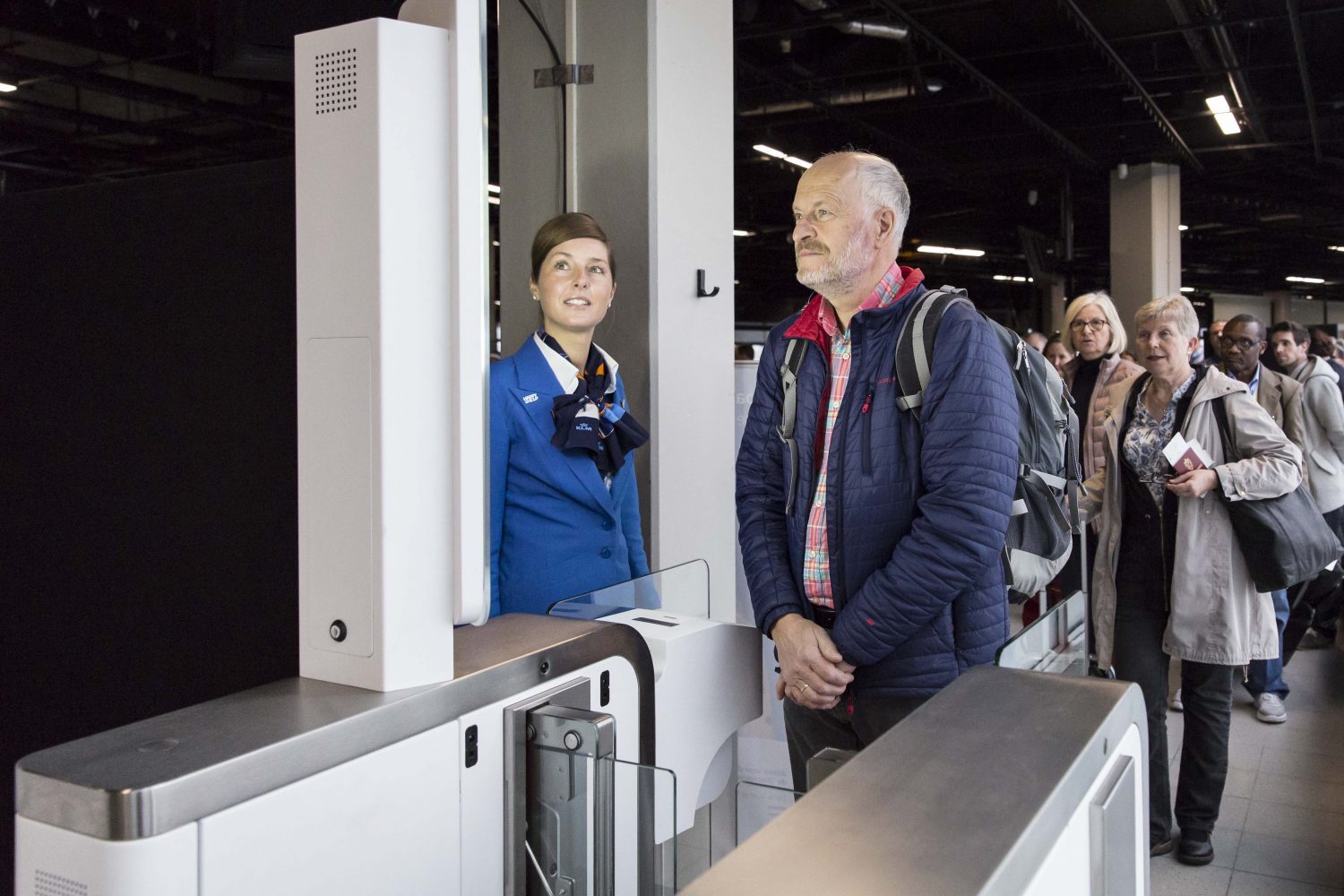 Anyone who wants to try the facial recognition boarding channel will first need to register at a dedicated kiosk near the gate. This will involve having their passport, boarding pass and face scanned and logged in the system.
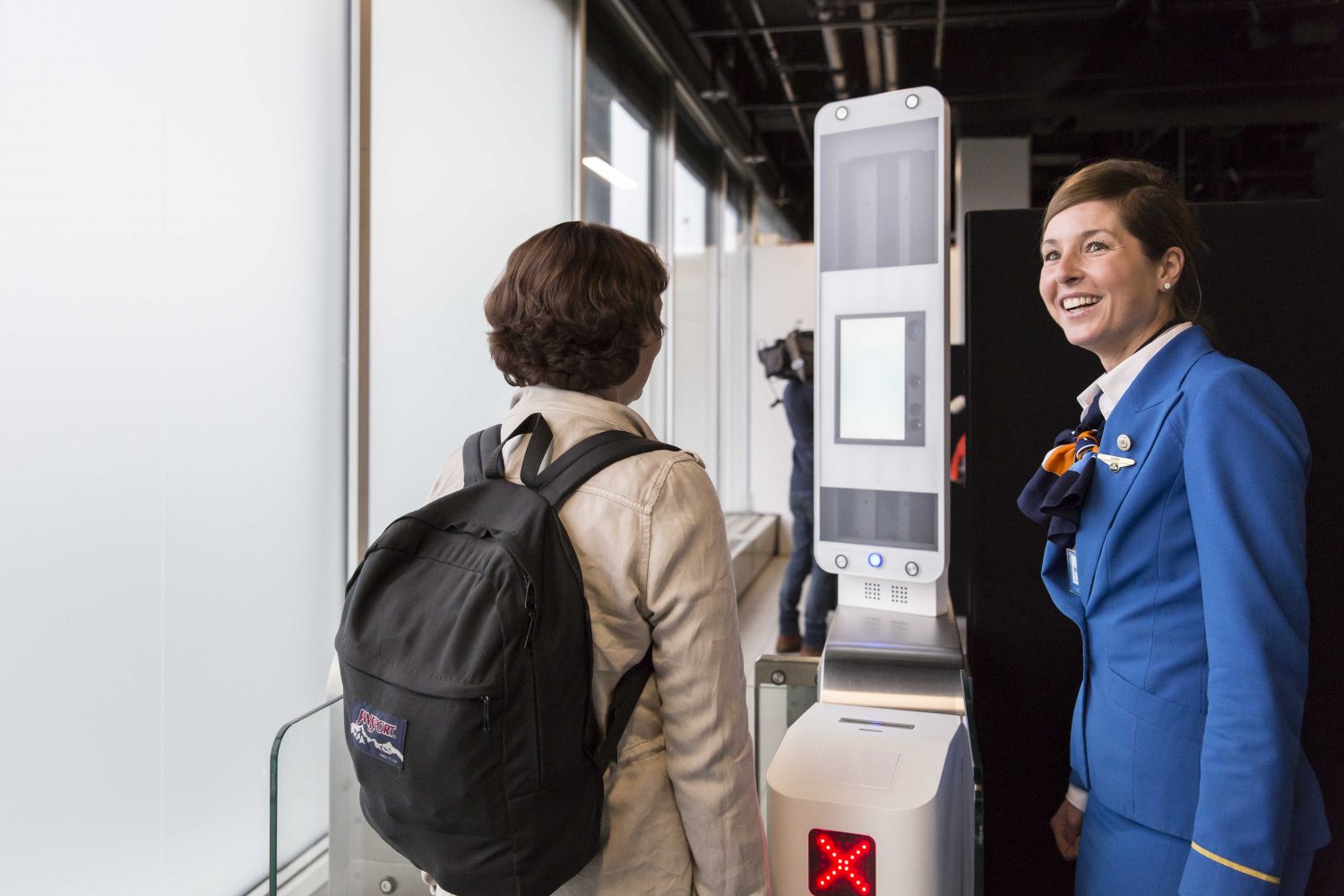 By next year, Schiphol hopes to be a “leading digital airport”. Other trials being undertaken include carry-on bag scanning that allows passengers to keep laptops and liquids inside their luggage.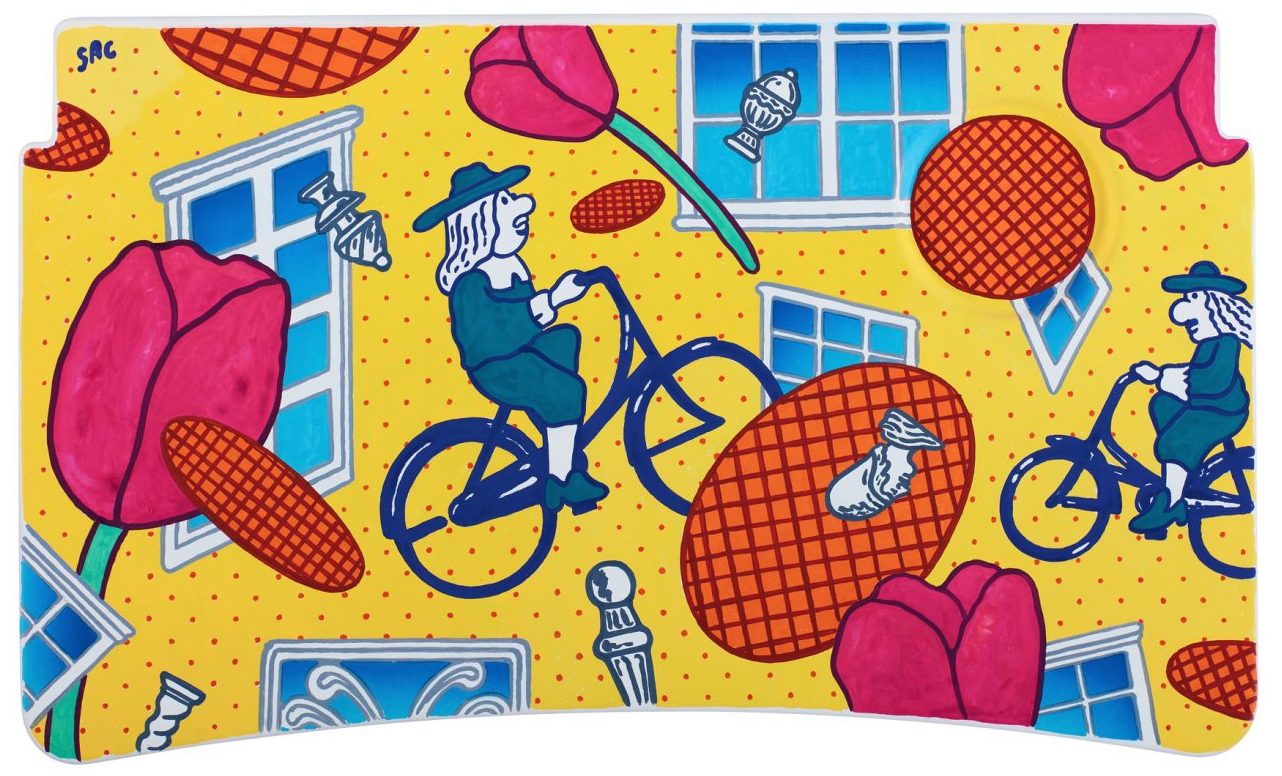

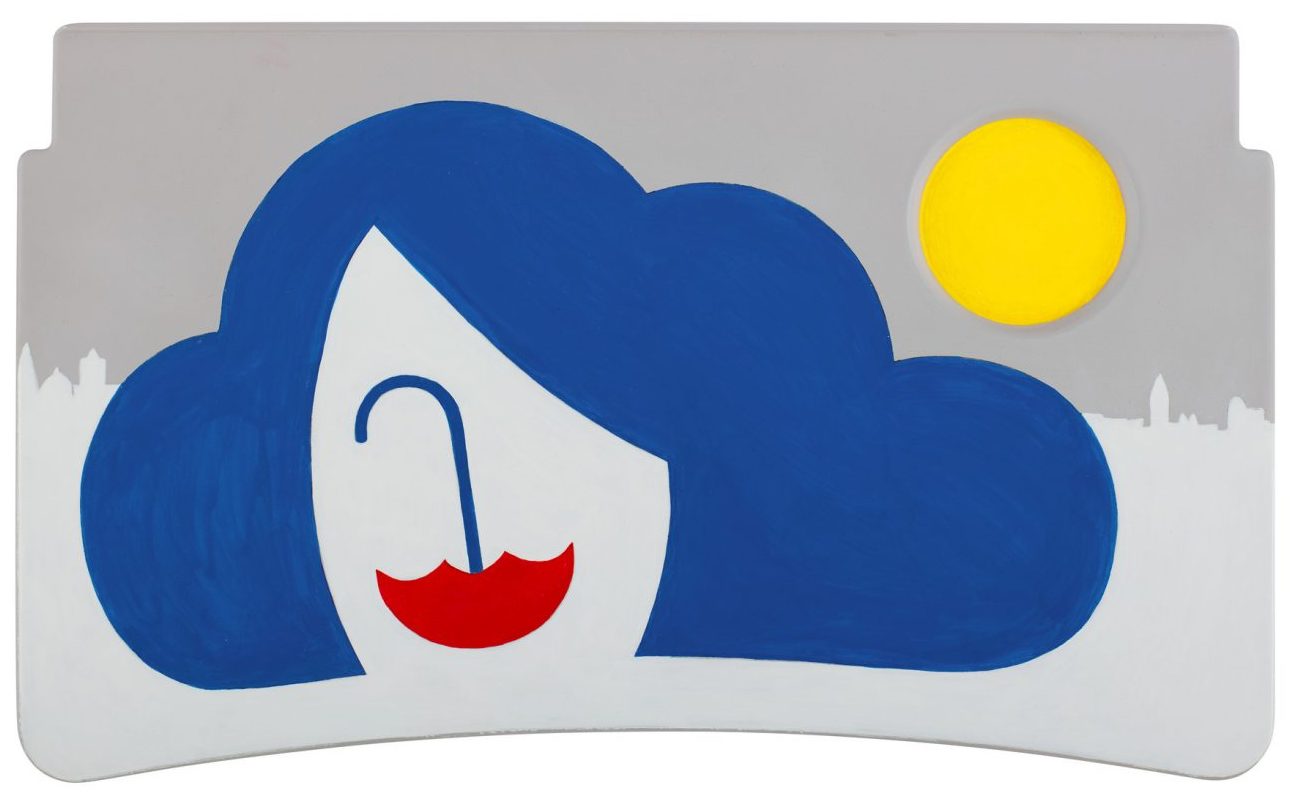
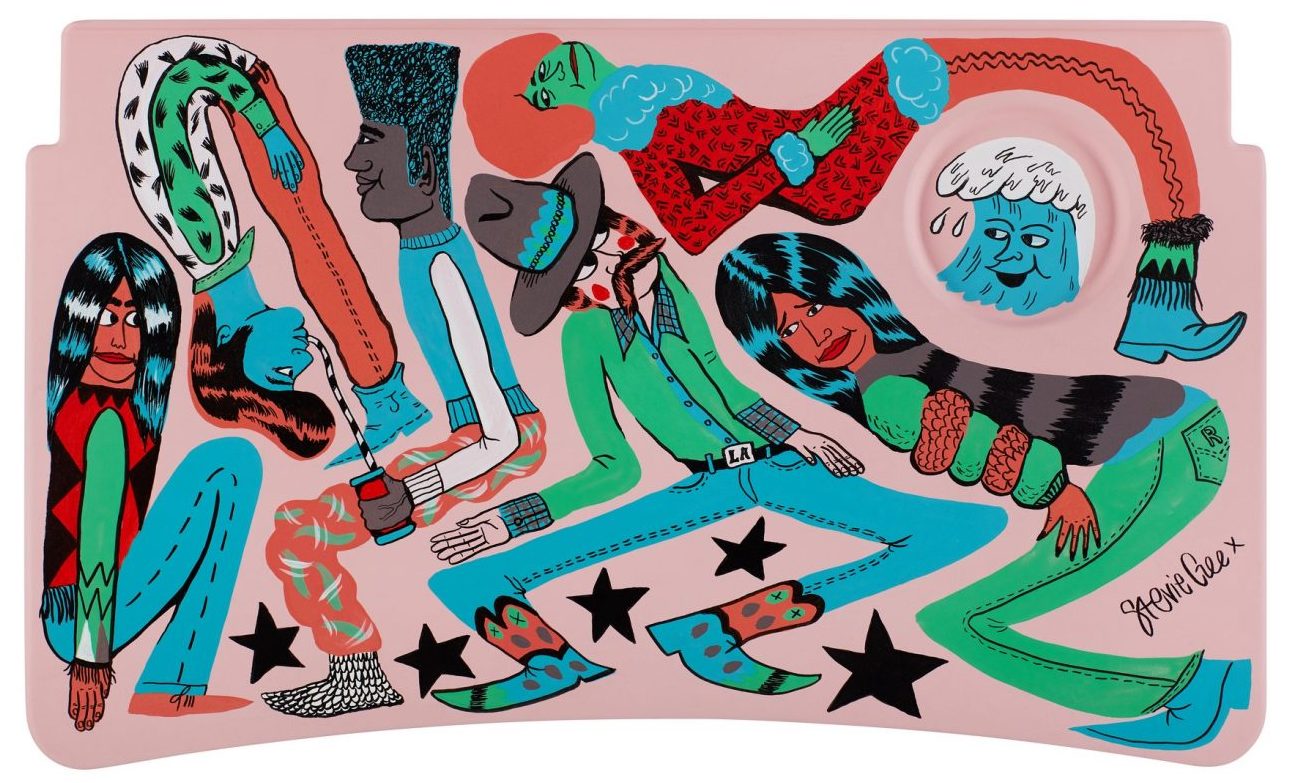
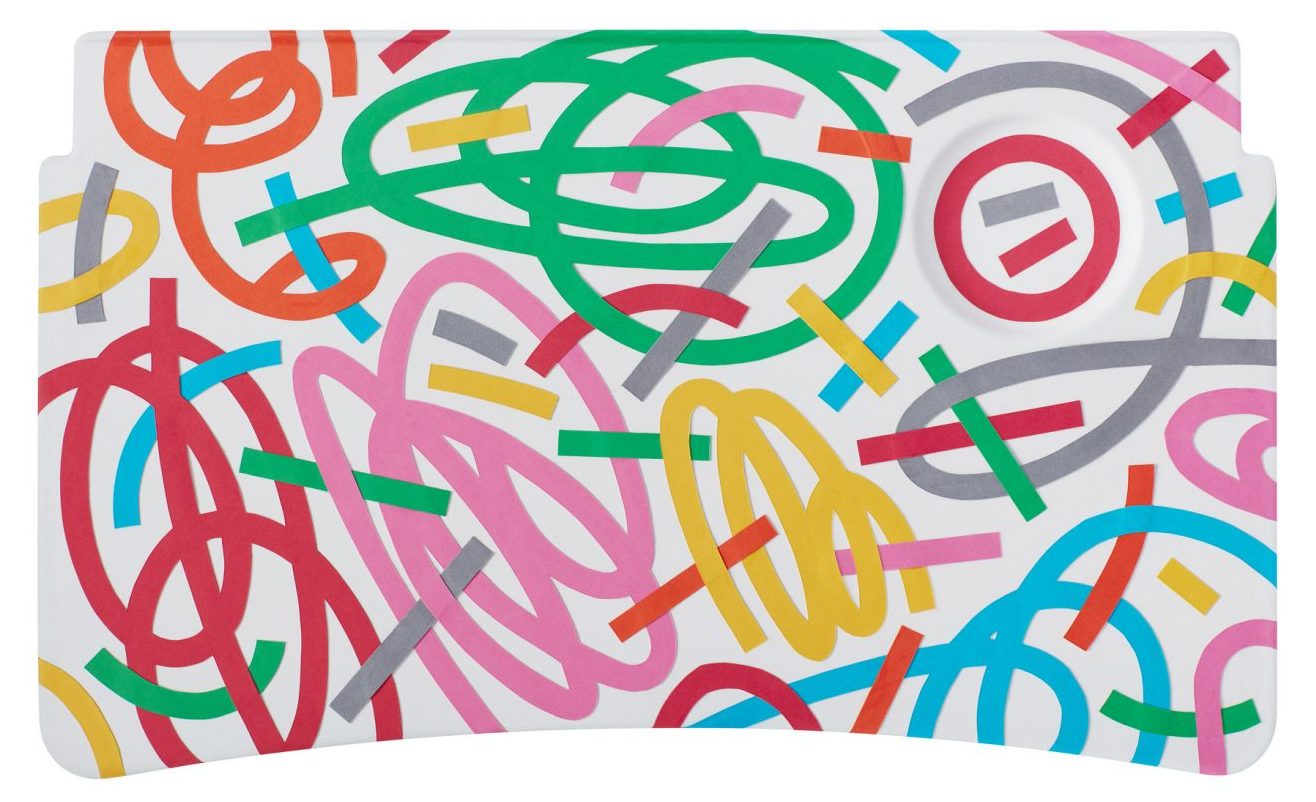
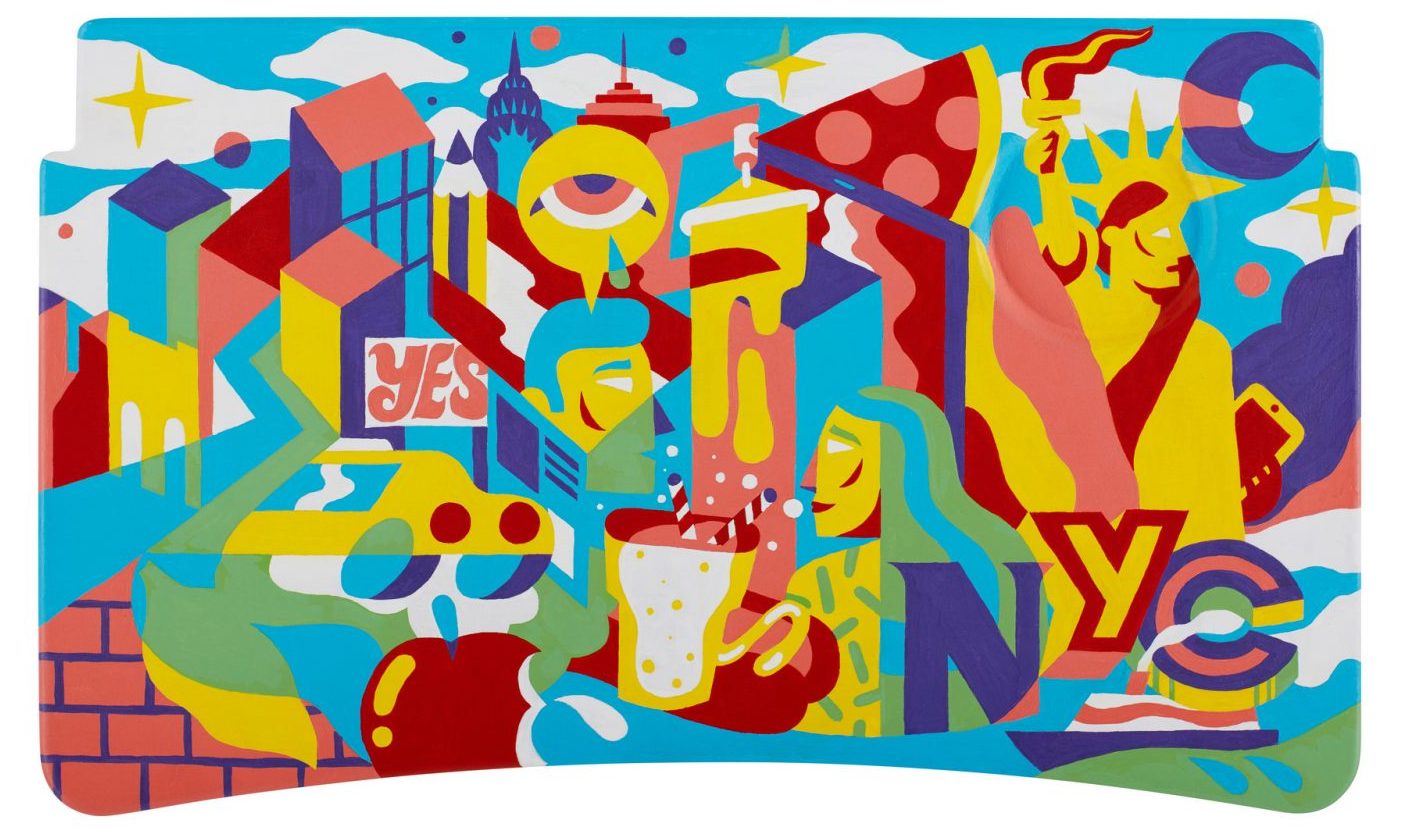
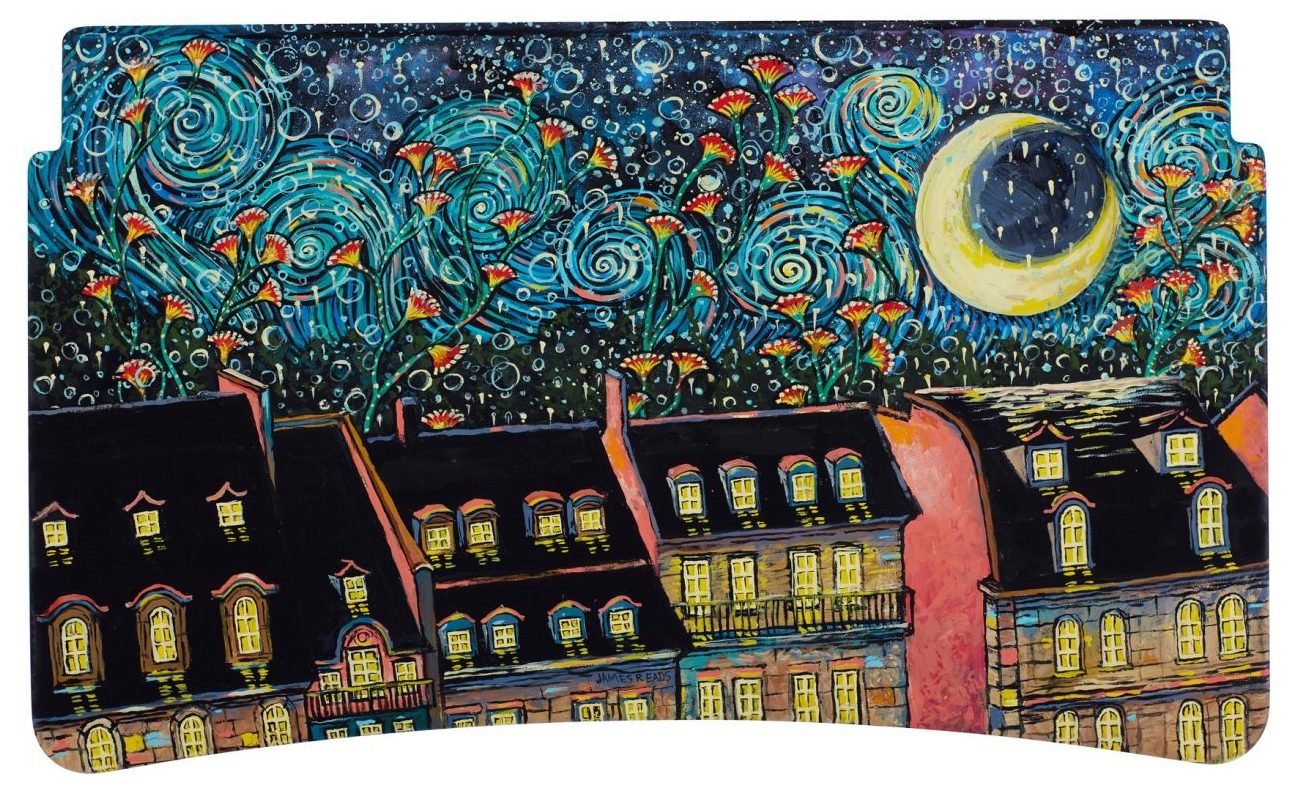
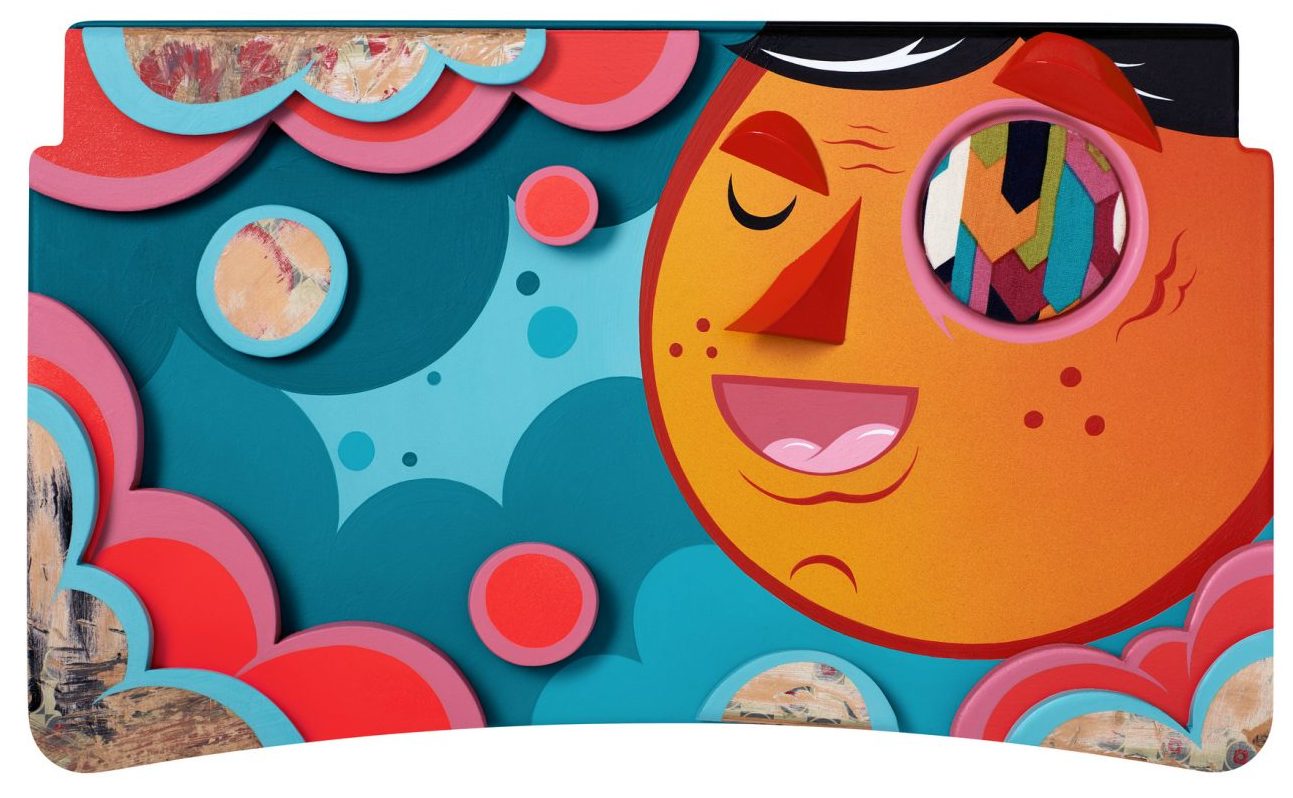
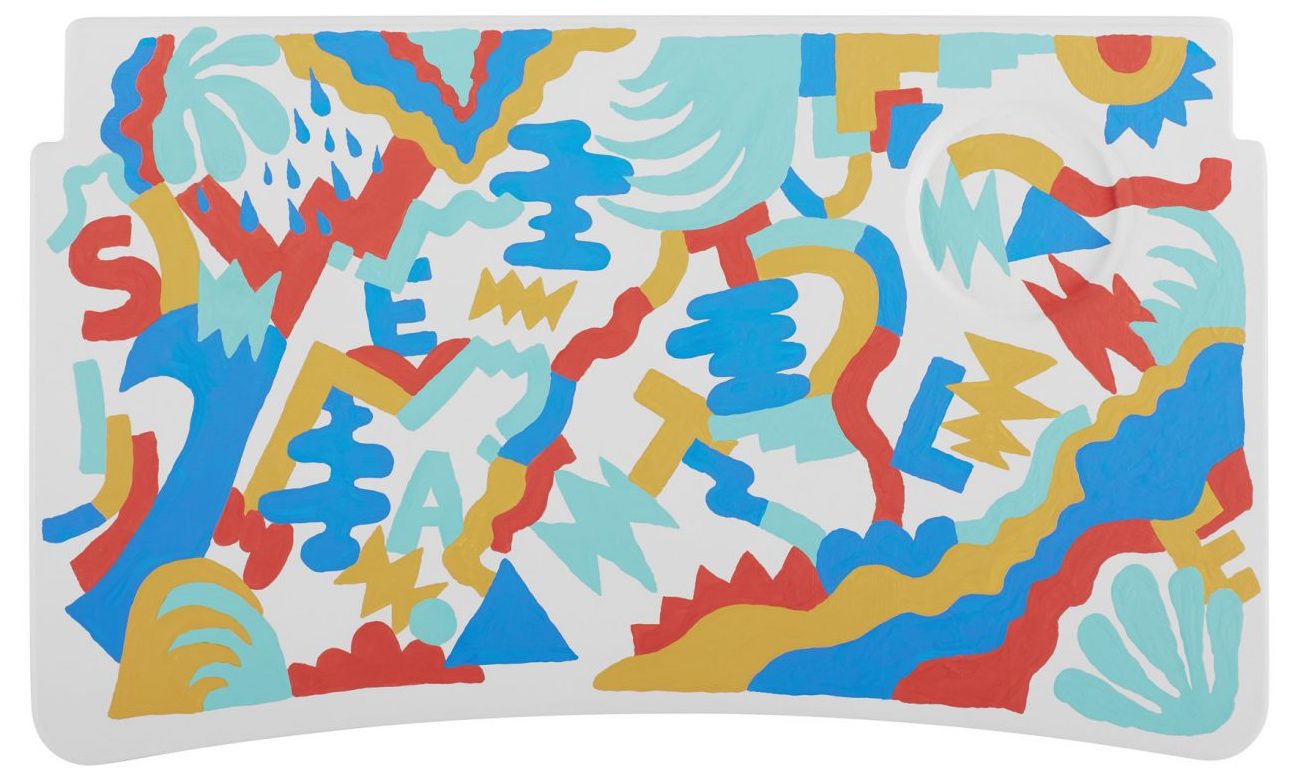
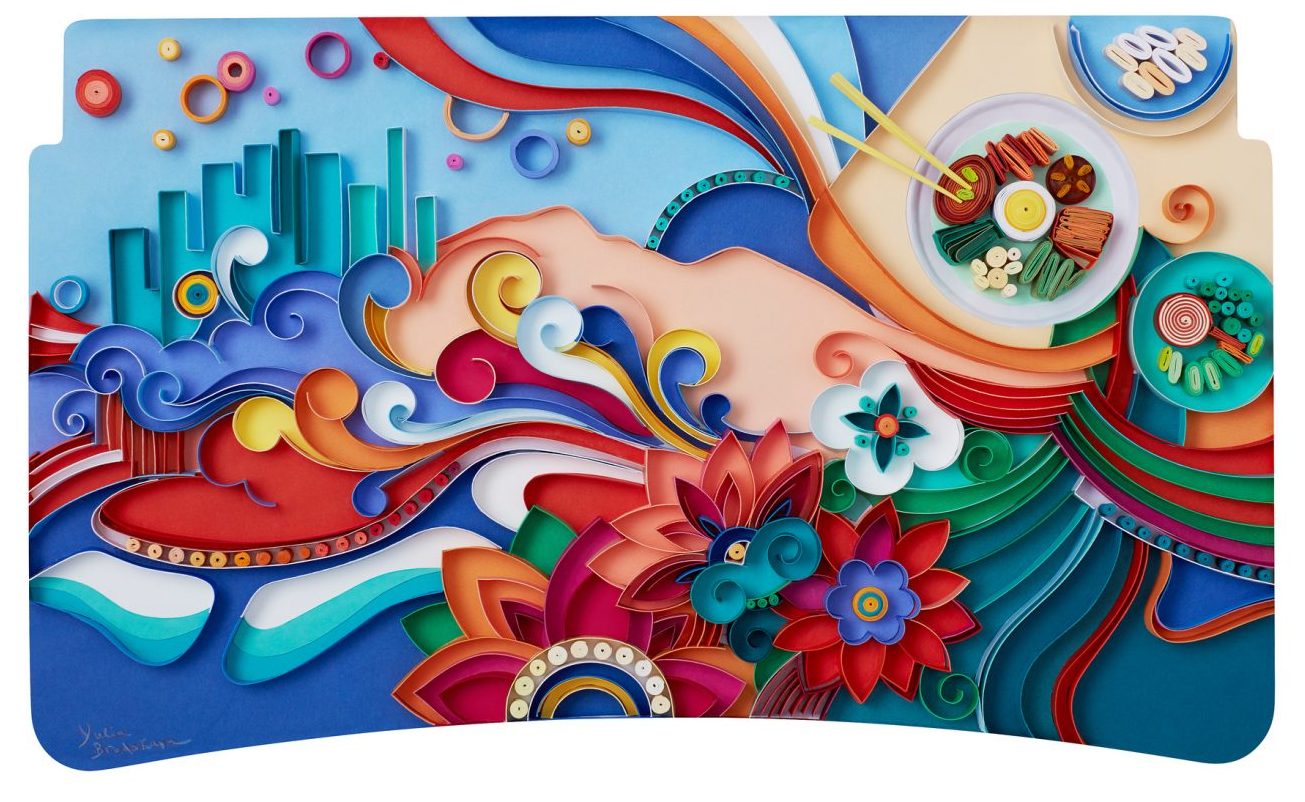
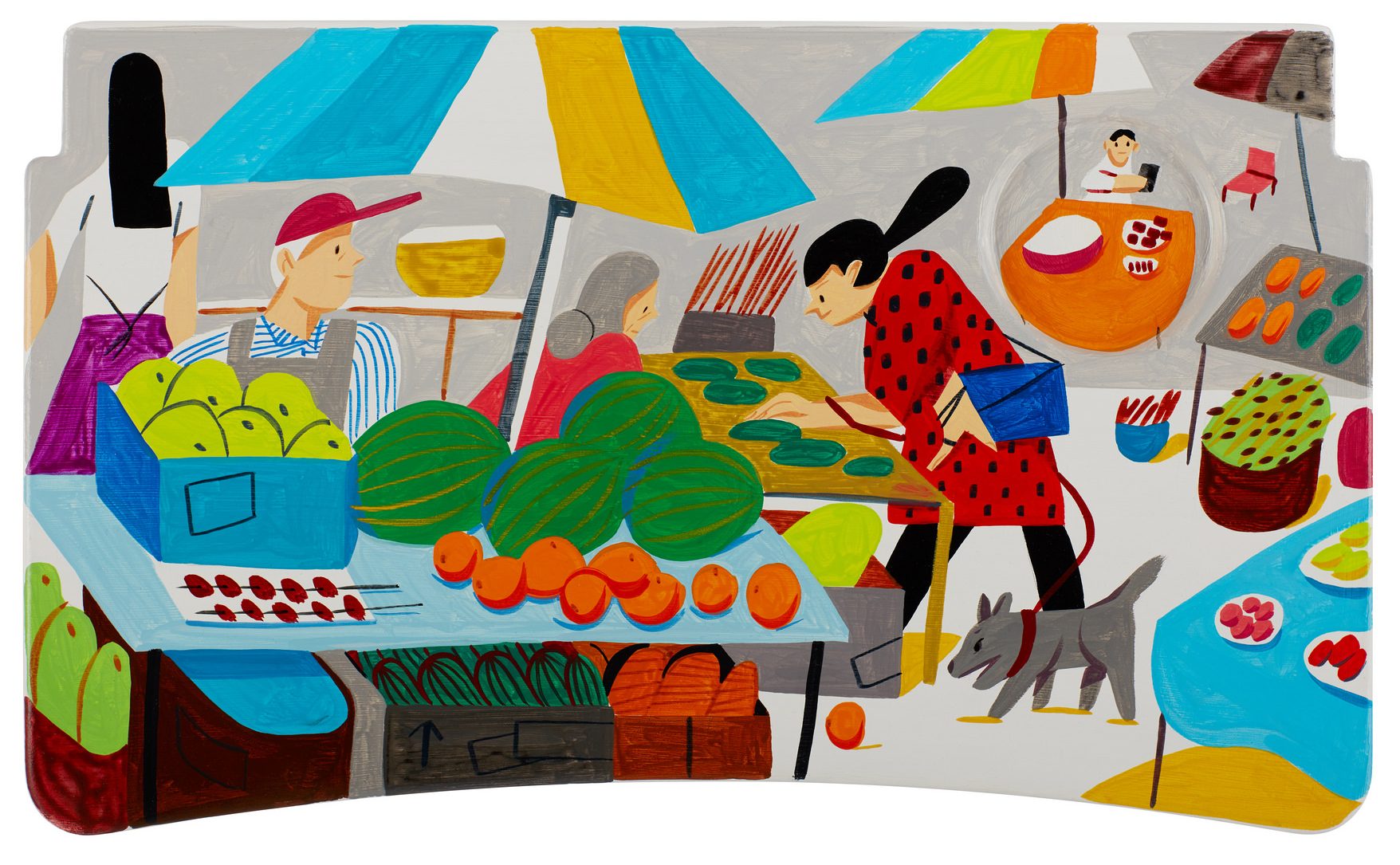
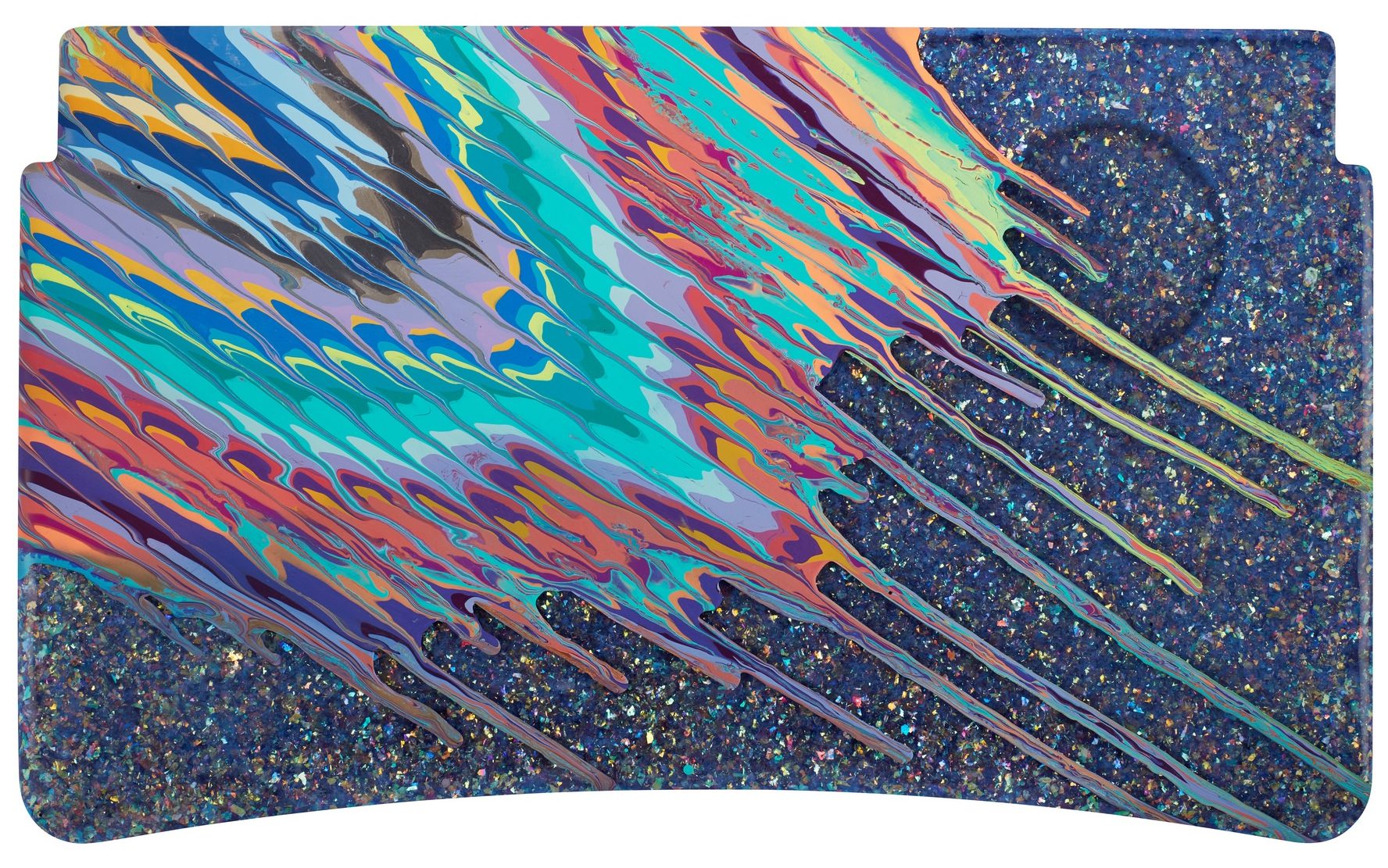
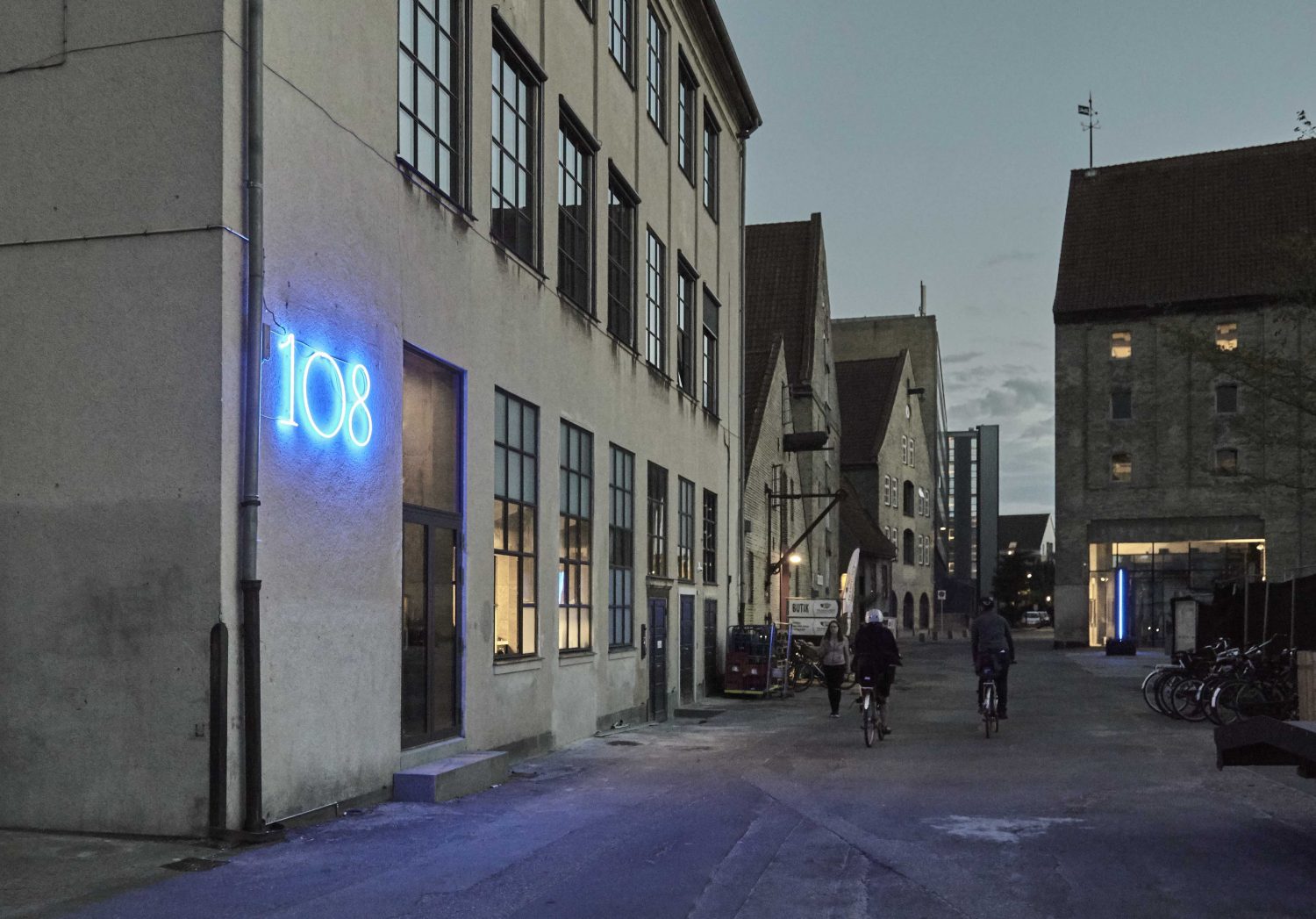 Food critic Richard Vines writes on
 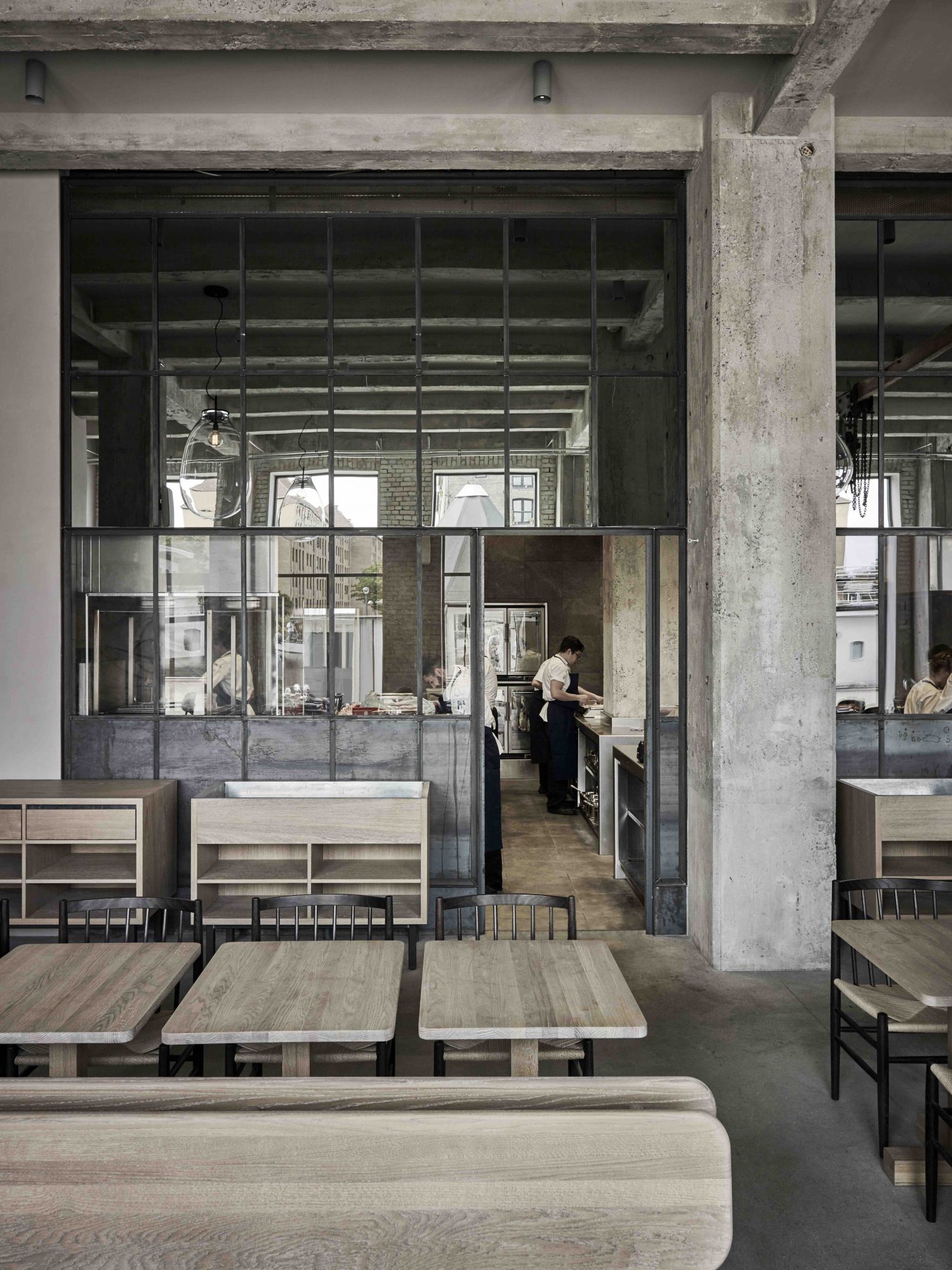 He adds: "[Baumann] cooks with the sensibility he developed at Noma, spending time foraging in the countryside before returning to the kitchen to do the fermenting, pickling and smoking that is at the heart of the cuisine. But he is also in touch with his Korean roots."
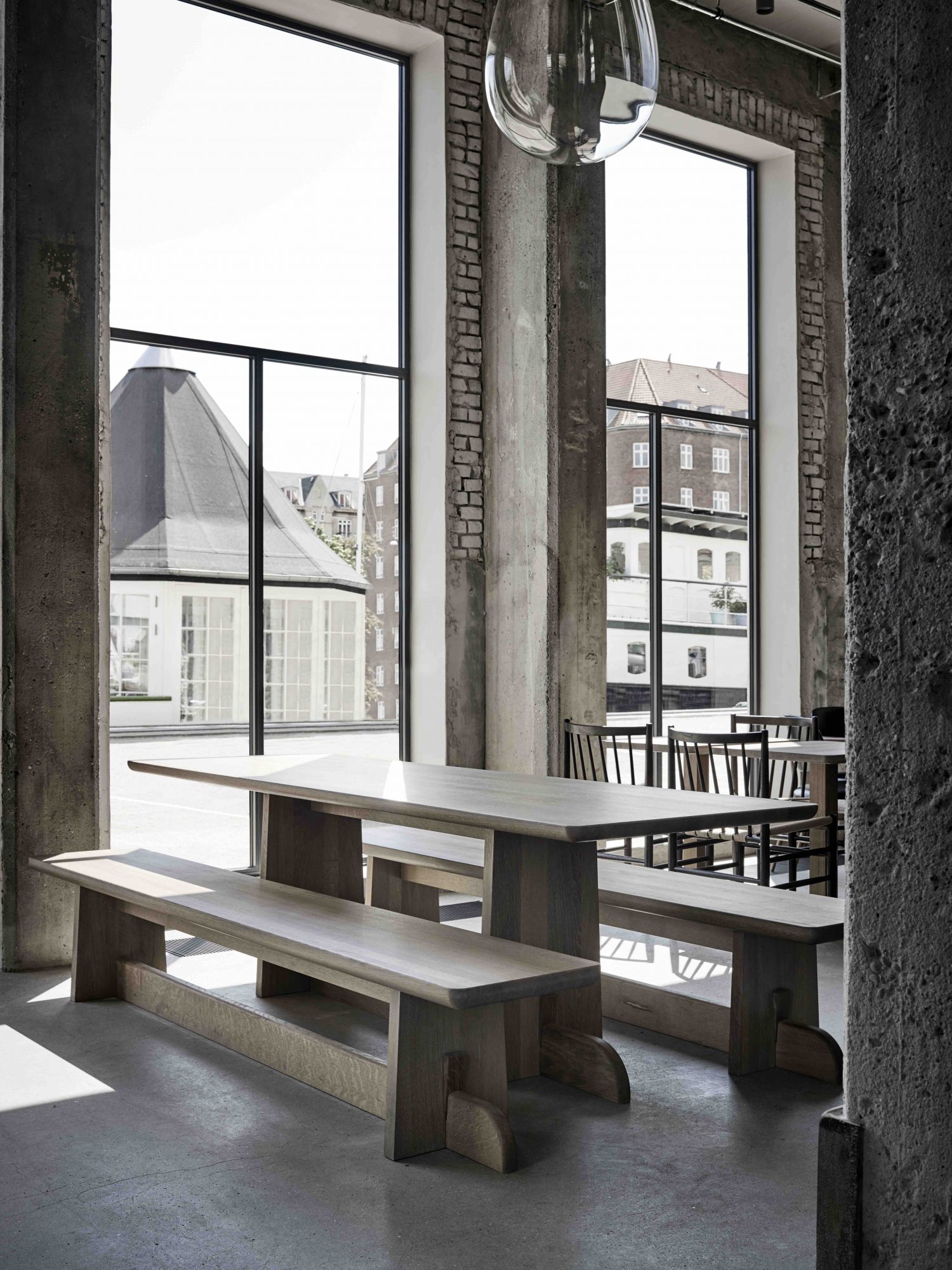 Complementing the food is interior design by Space Copenhagen, which has incorporated smooth, custom-carved Scandi furniture with raw structural elements (the venue is a former industrial warehouse).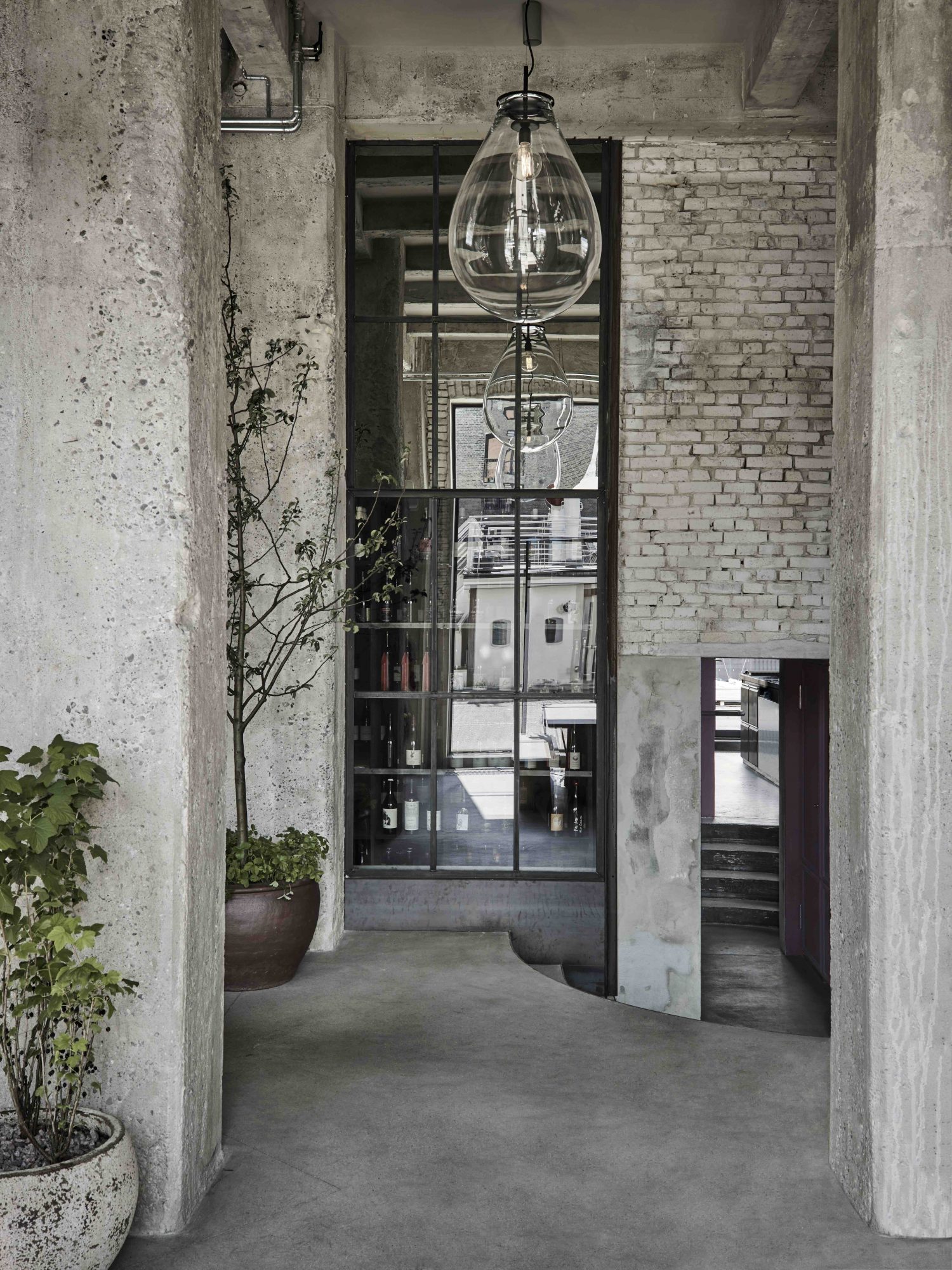
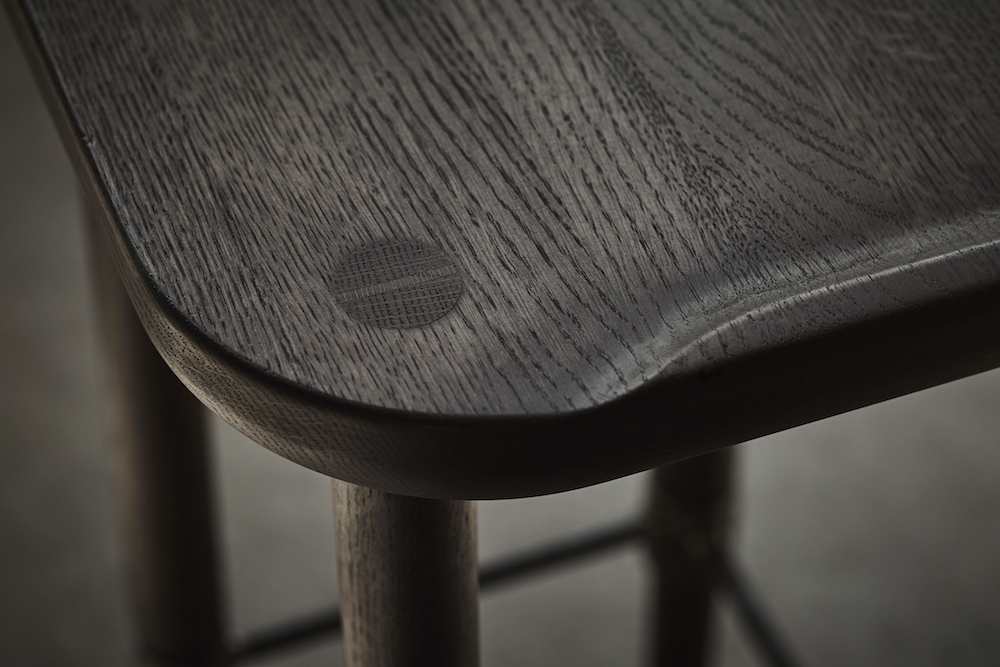
 Offsetting the grey concrete and steel girders are walls painted midnight blue, moss green and brick red, the colour of the city's roofs and facades. Mouth-blown glass pendants lamps hang from the ceiling.
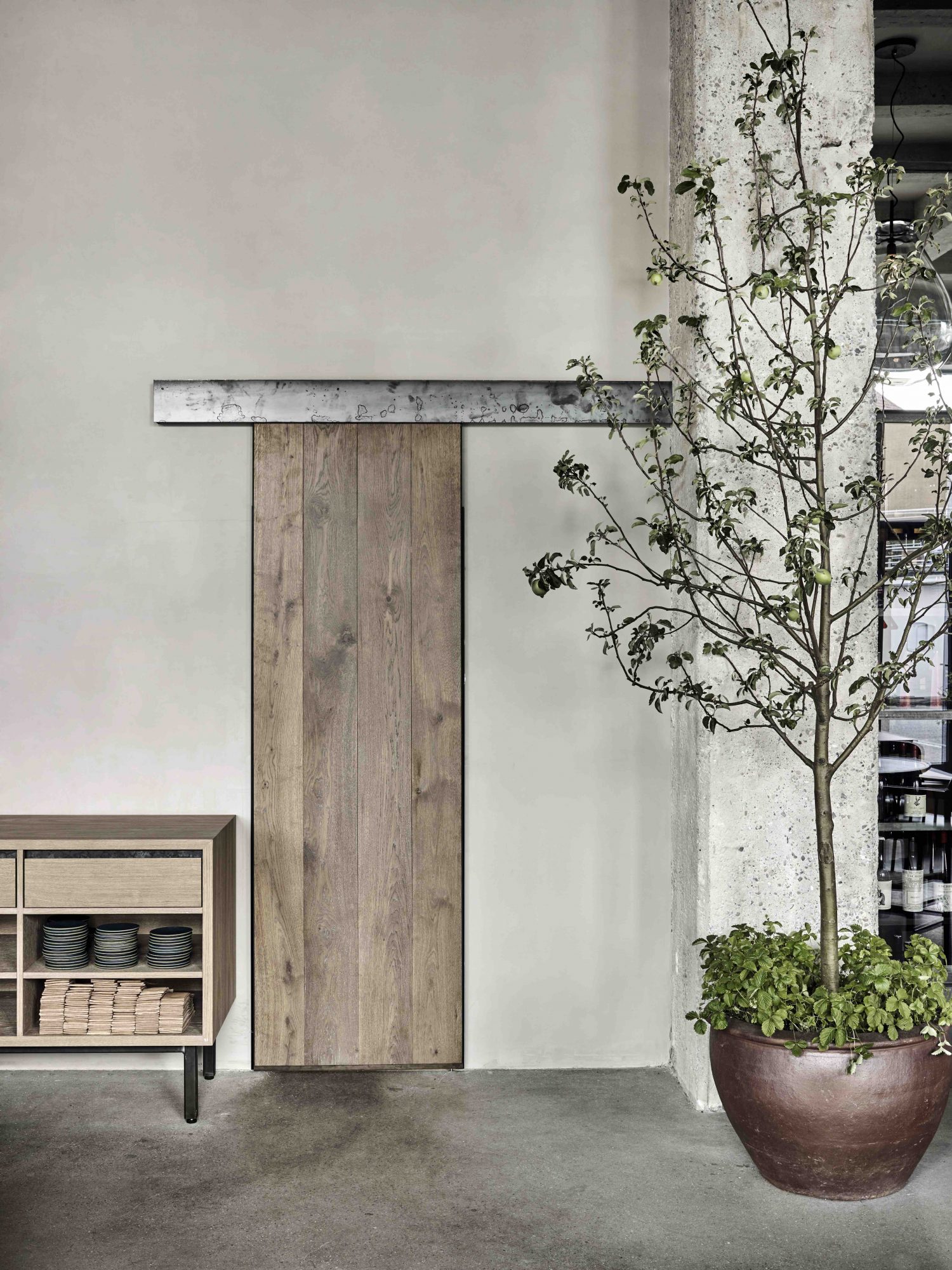 There are long benches made from solid light oak, wood credenzas that double as waiting stations, Round Accent tables used as islands and blackened steel wardrobes. Even the washrooms at Restaurant 108 are a thing of minimalist beauty.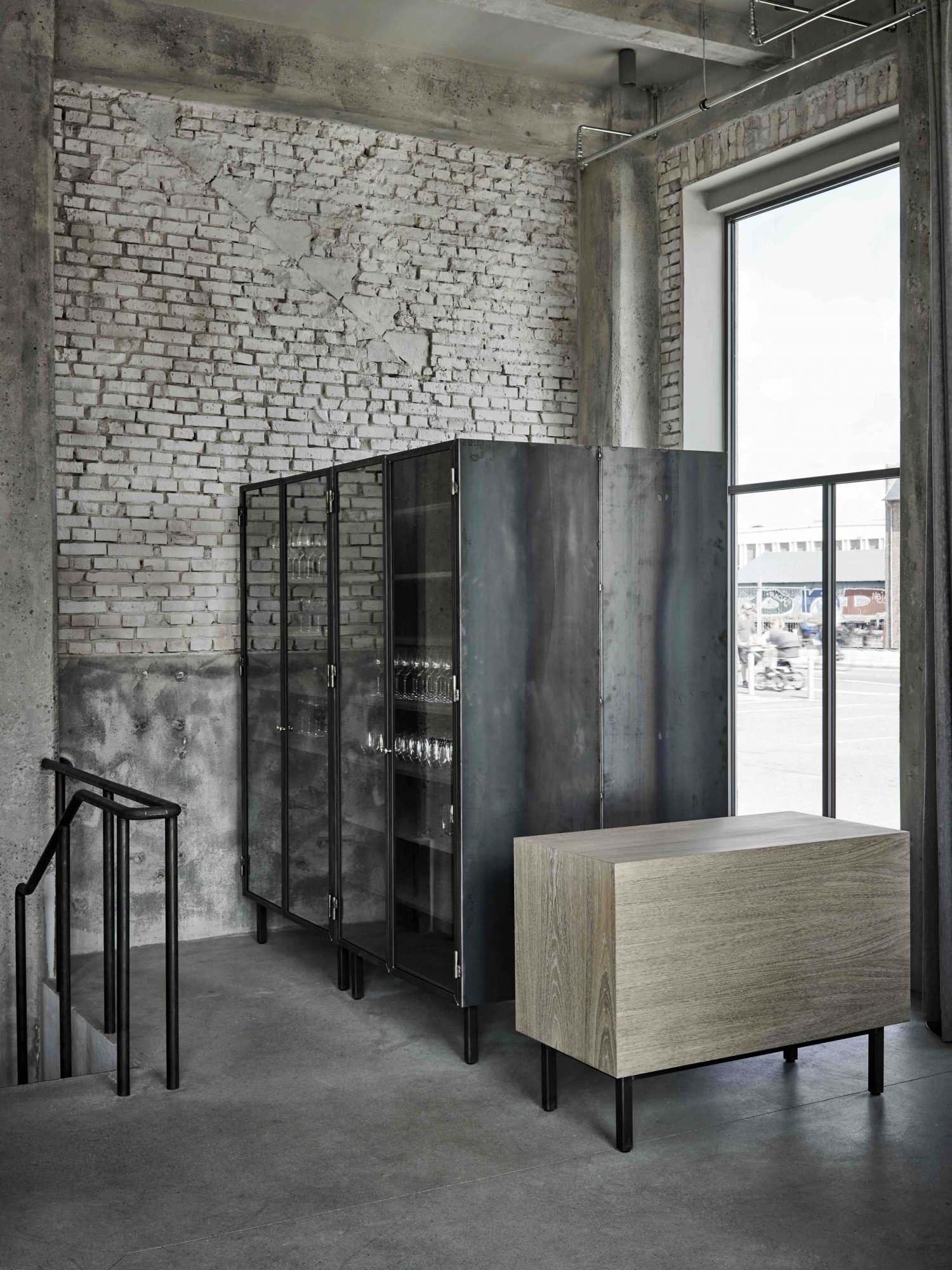

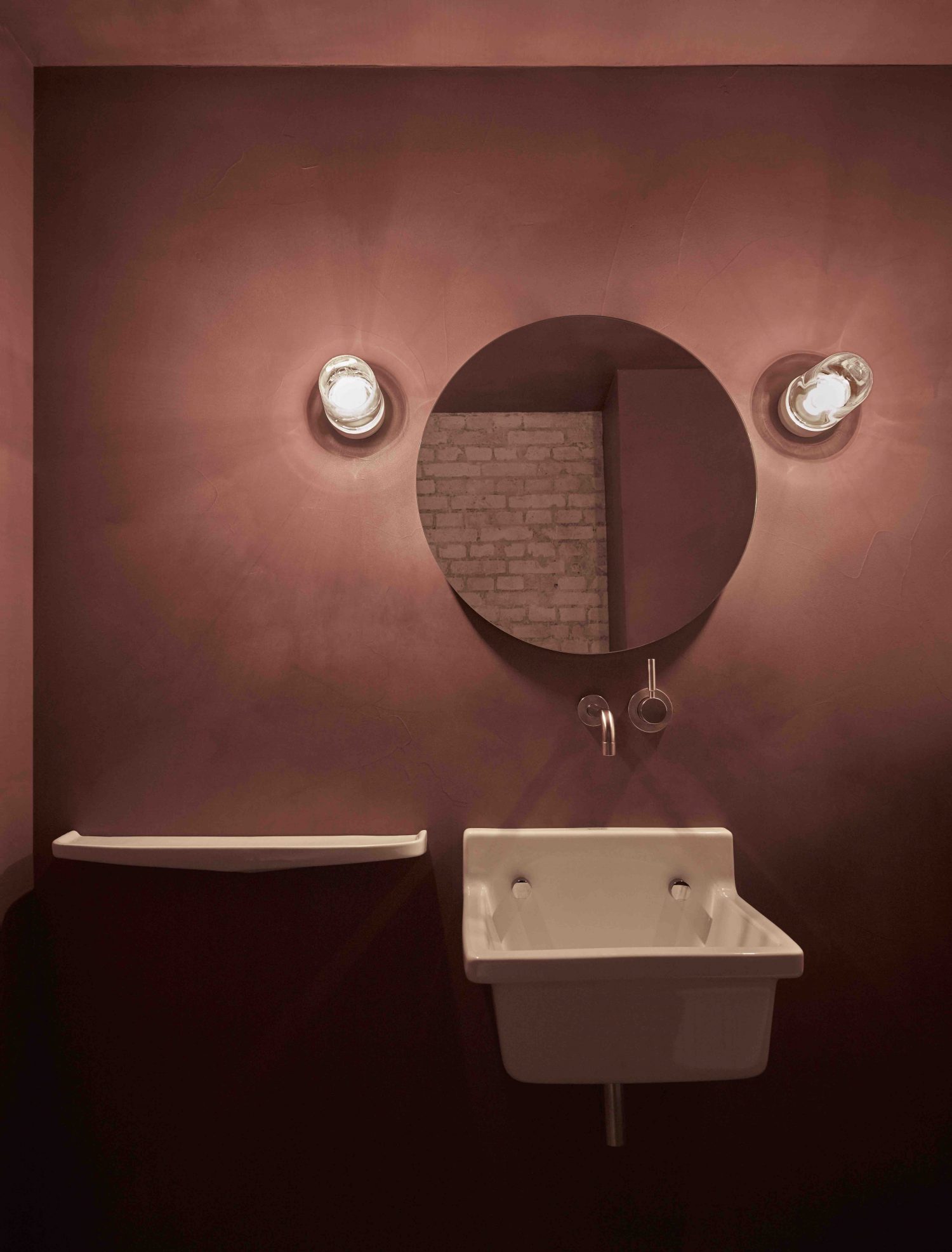 Space Copenhagen co-founder, Signe Bendslev Henrikson, says: “We wanted to keep the strong structural elements of the tall, light space, as well as reframe the existing beautiful material palette of concrete, bricks and dark metals.
 “When working with the various functions of the project, we started using these selected areas as colourful features and accents weaving them into the naked spaces. The bars, the door, the hallway, the back wall, the restrooms etc – so everywhere you look, you find both elements present. Altogether finding its own relevance and identity.”
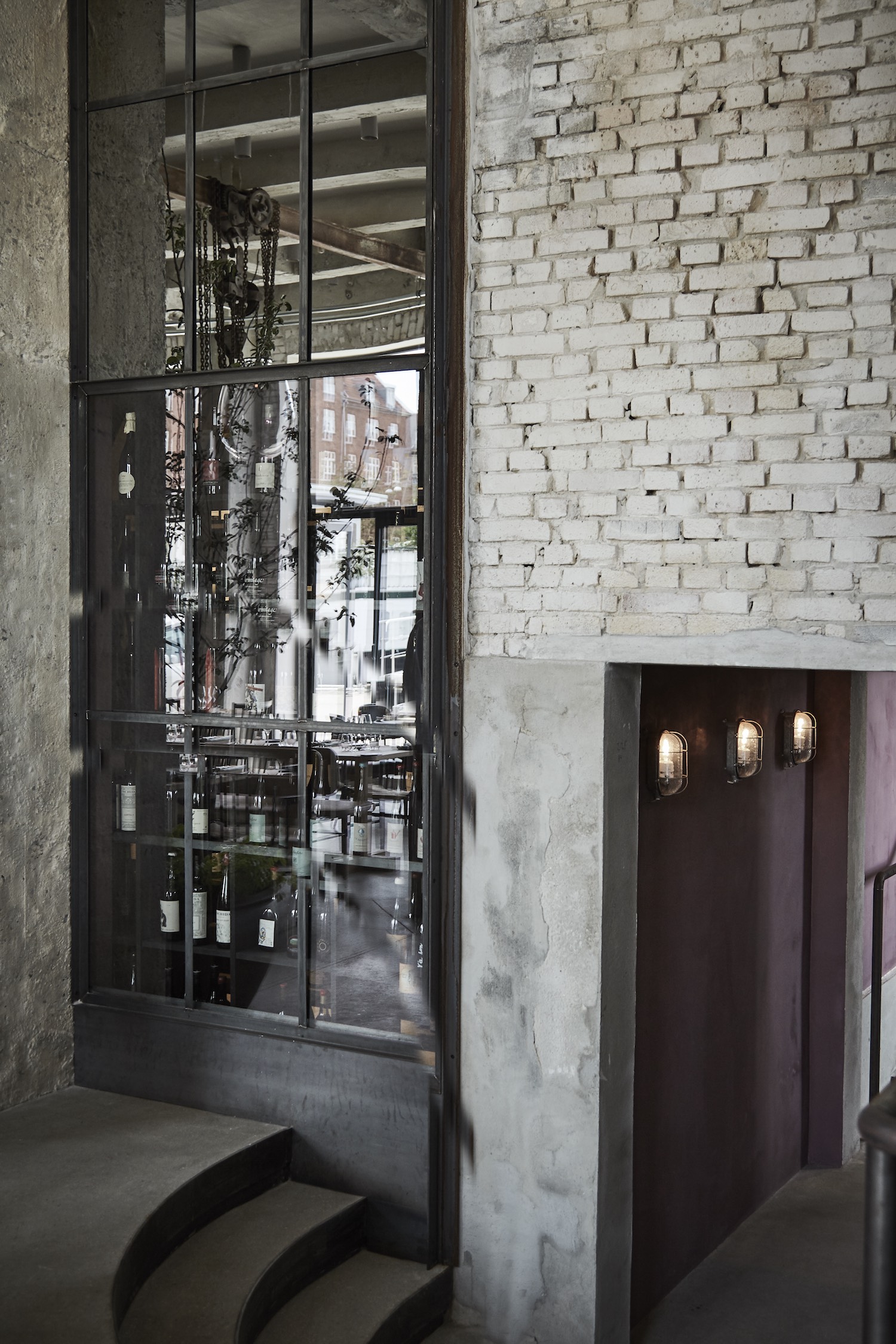 Restaurant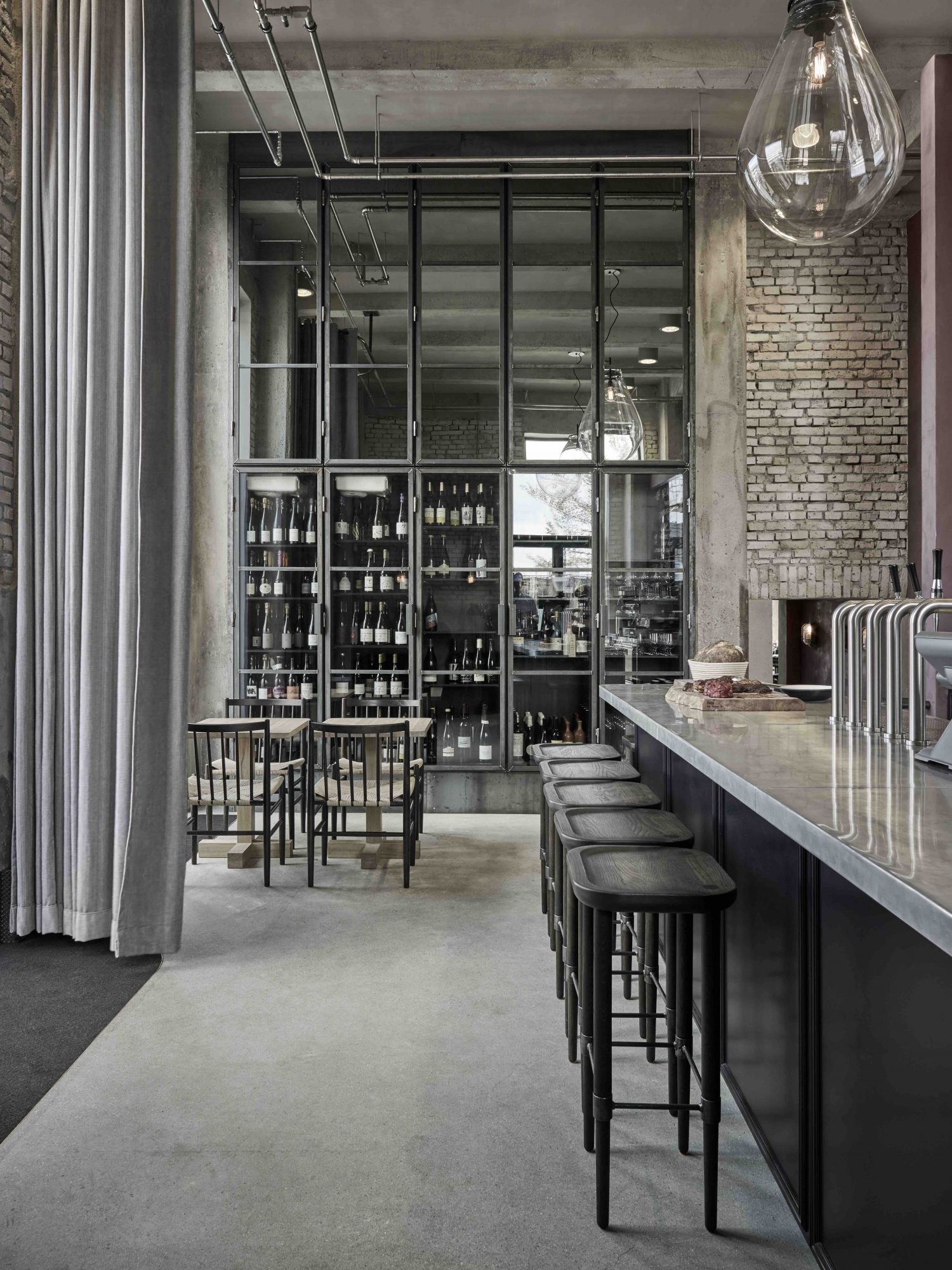
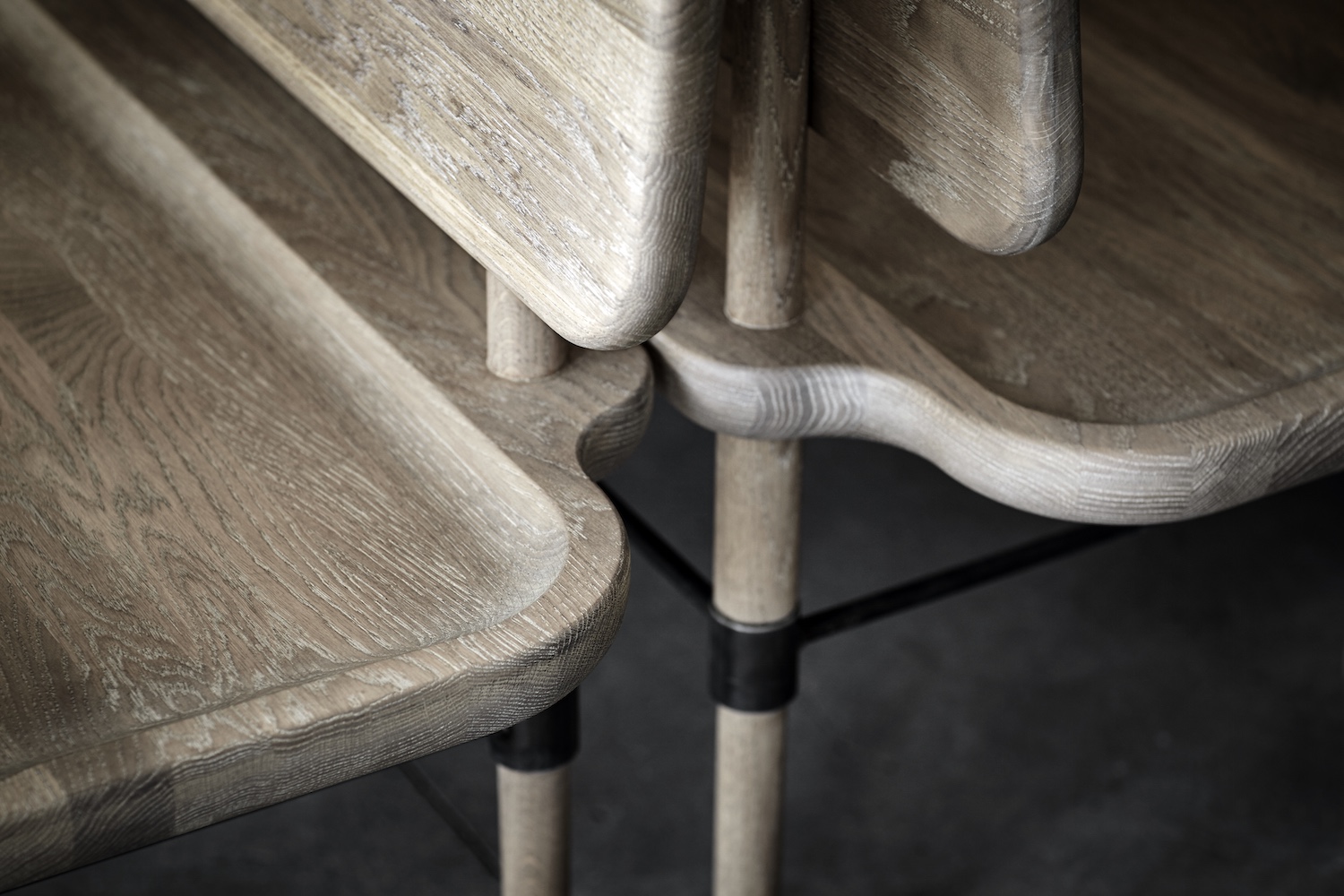 Founded in 2004 by Signe Bindslev Henriksen and Peter Bundgaard Rutzou, Space Copenhagen is a Danish design studio that works across multiple disciplines from furniture, lighting, and refined objects, to art installations and art direction, to interior design for private homes, hotels, and restaurants – including René Redzepi’s Noma.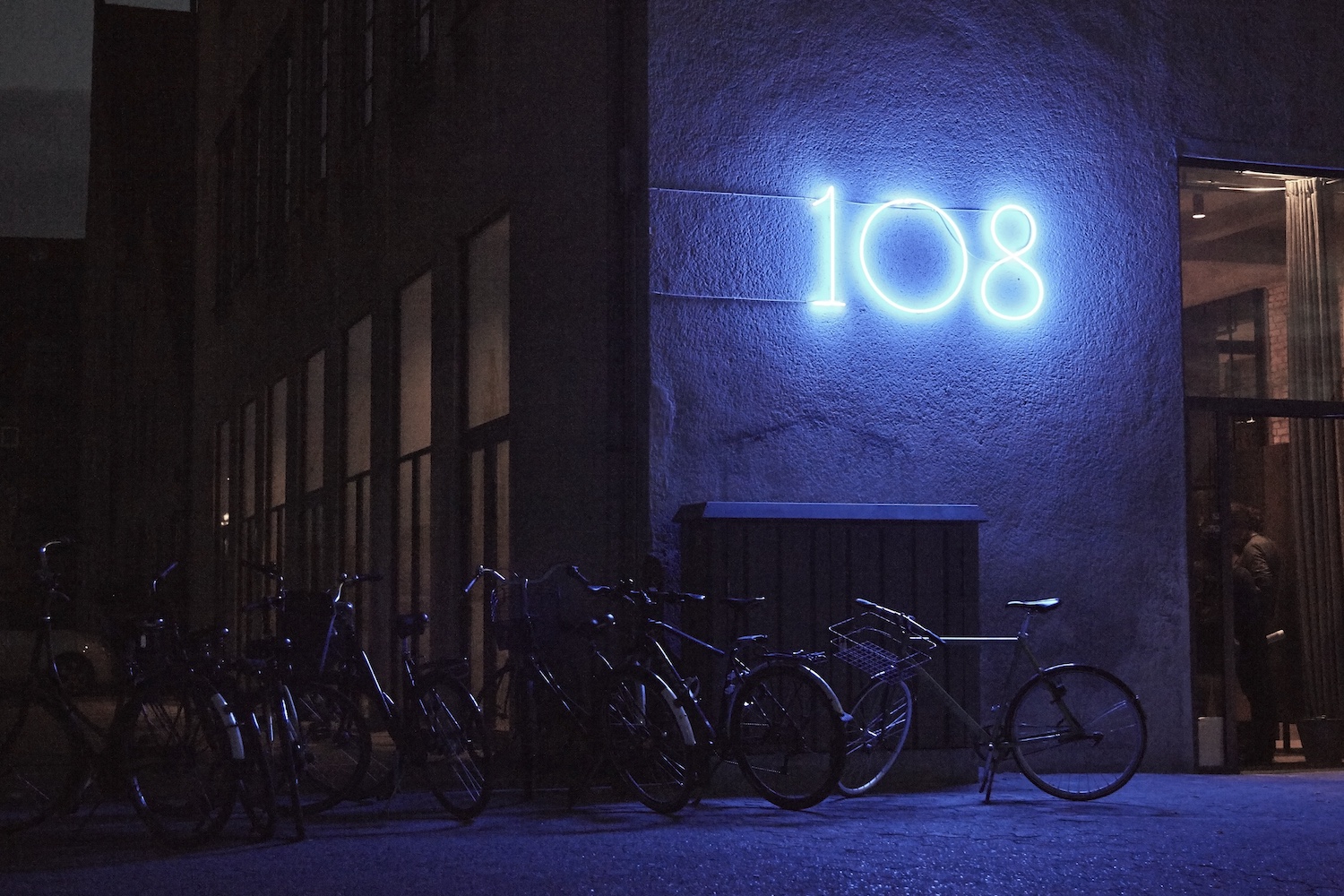
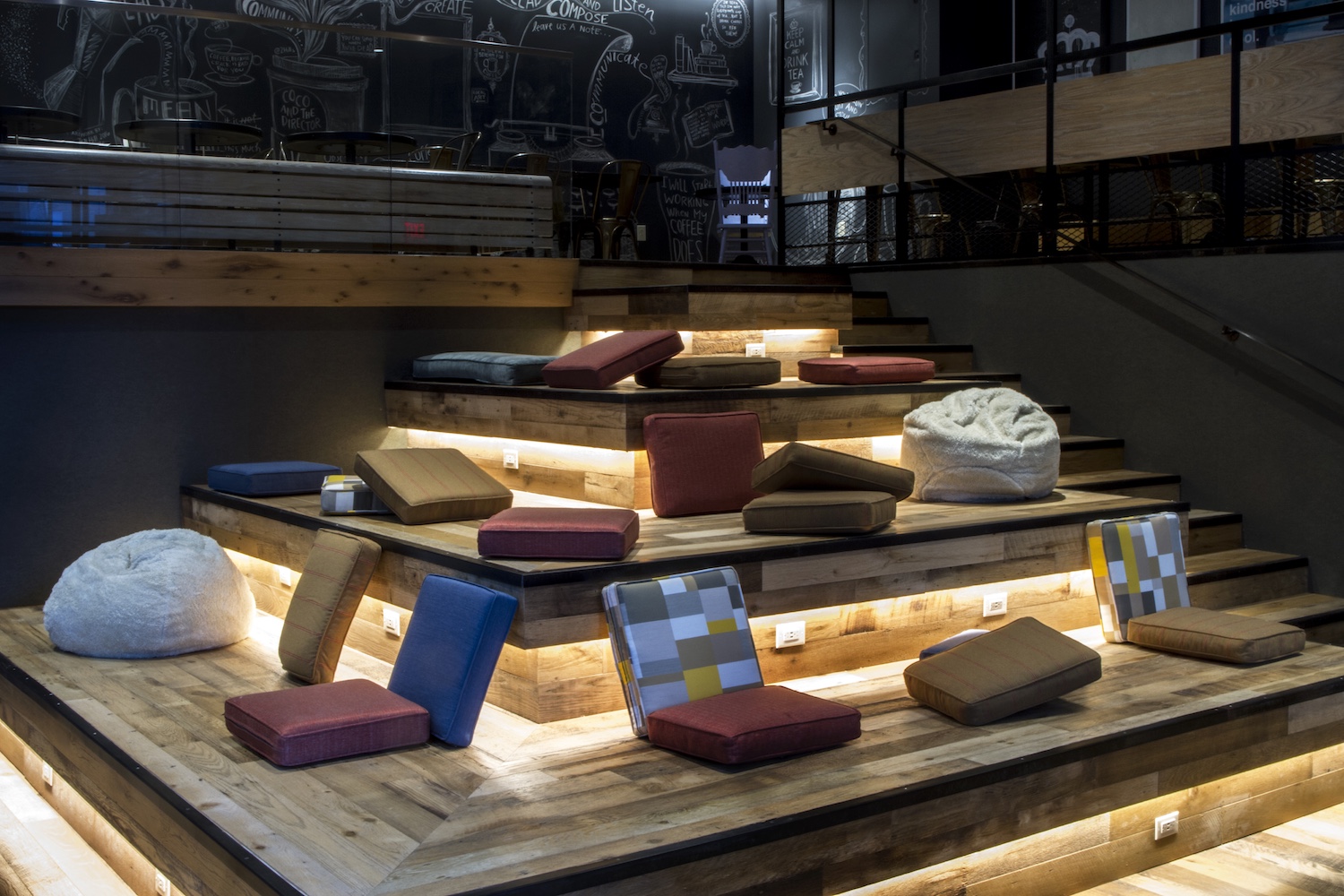 Another innovation the hotel company is experimenting with is
 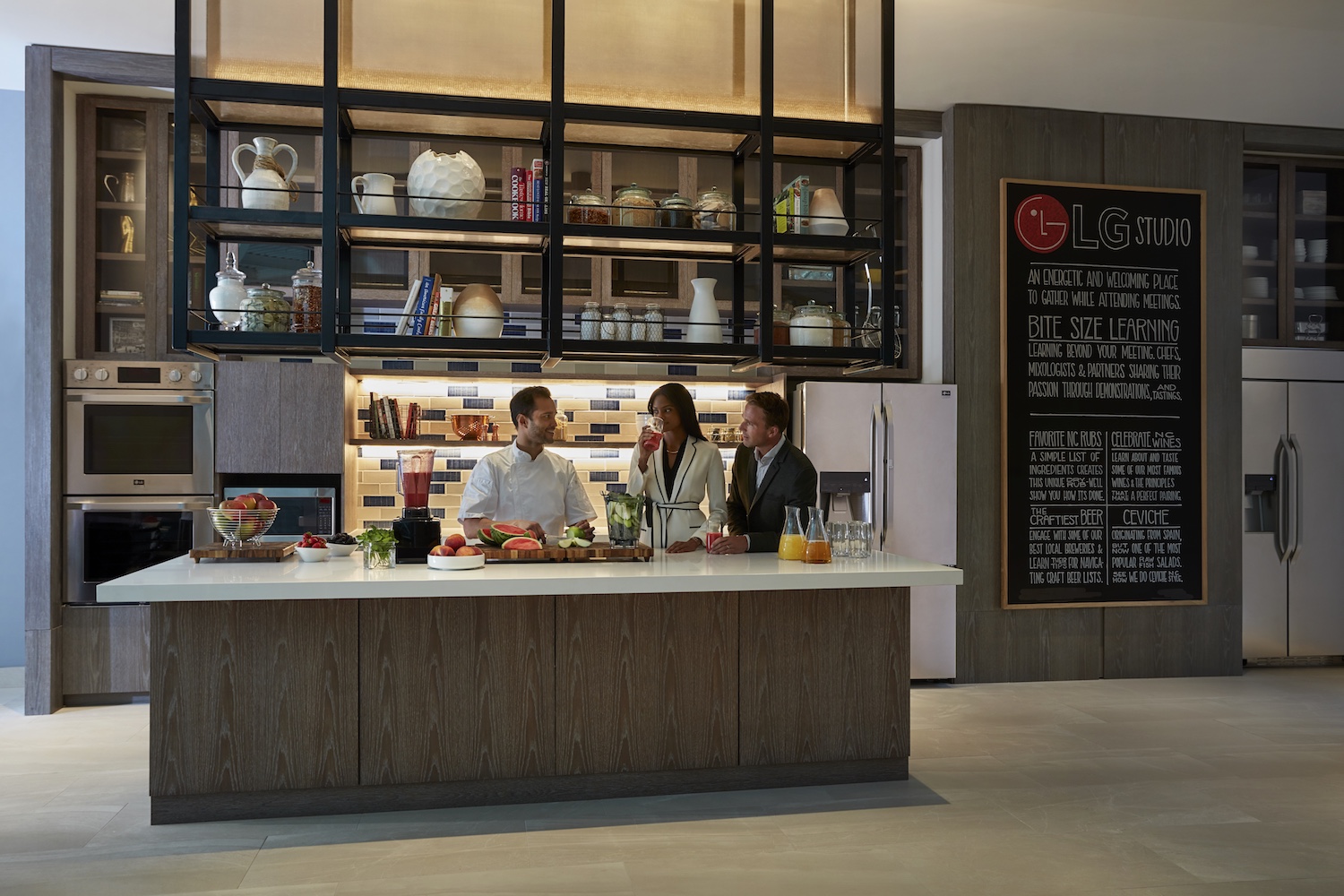 The "Immersive Kitchen at Stoke restaurant" is an open-plan dining and cooking area where chefs and guests can interact. There are cooking classes, artisan tastings and “impromptu culinary offerings”.
 He says: “In total, there are about 1,000 people in Stockholm that are chipped and they are always trying to see what services they can connect to. When we started it here, we had a lot of people who wanted to try it. The police even called us to ask if we thought RFID technology could be good for gun prevention.”
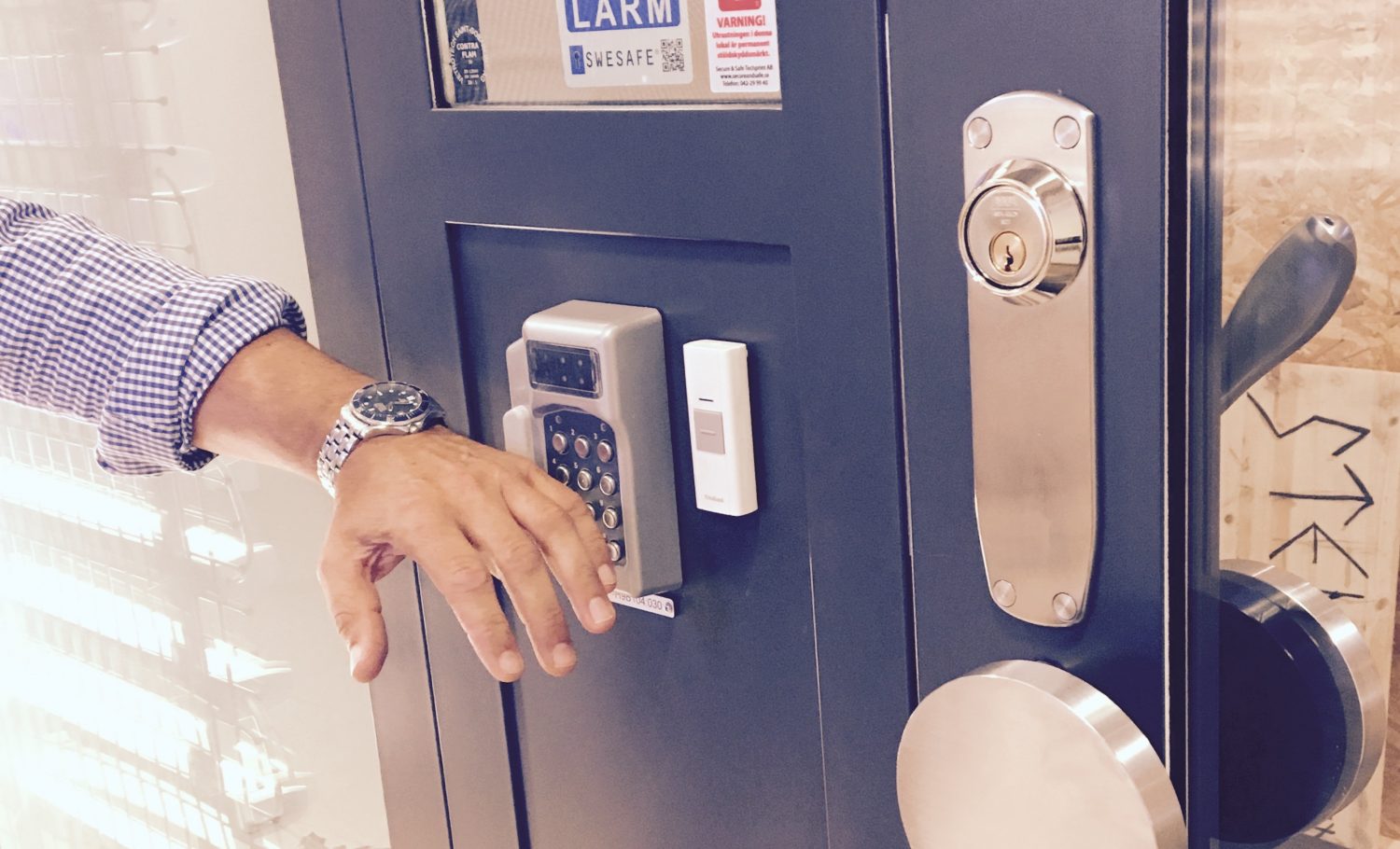 Developed by Swedish biohacking group BioNyfiken, each implant has a unique binary number that can sync with an infinite number of readers. As the technology becomes more widespread, people will be able to gain access to their local gym, buy a sandwich from a nearby café, or send a virtual business card to a client’s smartphone. There will be no need for credit cards, keys, ID passes, metro tickets or PIN codes.
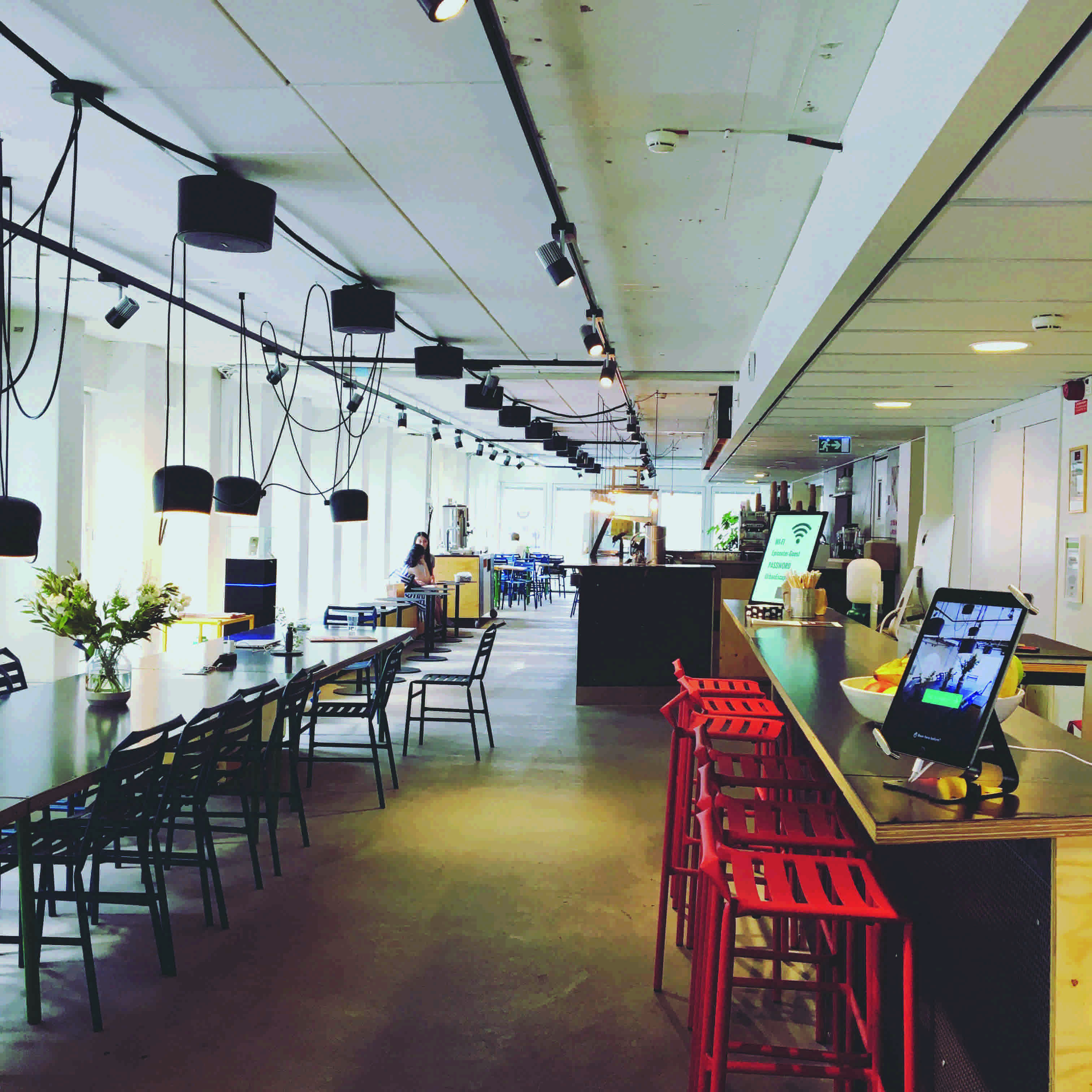 "That is why, for instance, we don’t have any carpet because that very easily allows us to change the space. If you look at this area, this is where we host events and dinners, discos and rock concerts, all sorts. Everything is based on maximum flexibility.