

By 2030, Virgin Hyperloop could be whisking people between cities in a matter of minutes – rather than hours – in its futuristic pods. Rose Dykins reports
Virgin Hyperloop has shared a glimpse how its groundbreaking mass-transit technology could transform inter-city travel by 2030.
Reaching speeds of up to 670 miles per hour, Virgin Hyperloop is powered by electromagnets that push carriages – or pods – through a vacuum tube, which eliminates the air resistance experienced by other modes of transport.
It means it will be possible to transport passengers between cities in a matter of minutes rather than hours. A trip from London to Edinburgh would take just 45 minutes, while the journey between New York and Washington DC would be just 30 minutes.
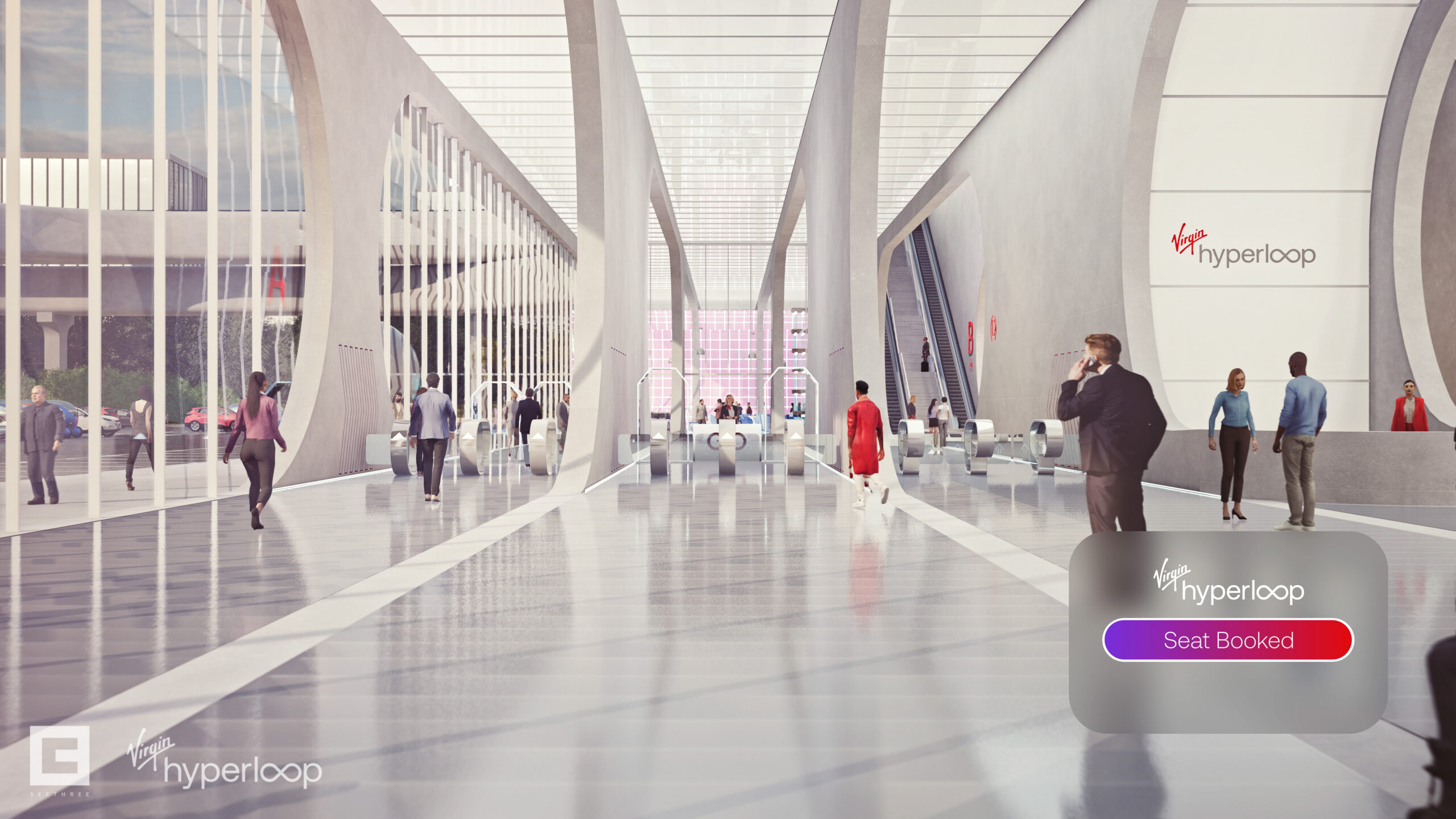
 The renderings and video released by Virgin Hyperloop suggest the passenger experience will feel similar to arriving at a cutting edge airport, with its stations acting as transit hubs for major cities.
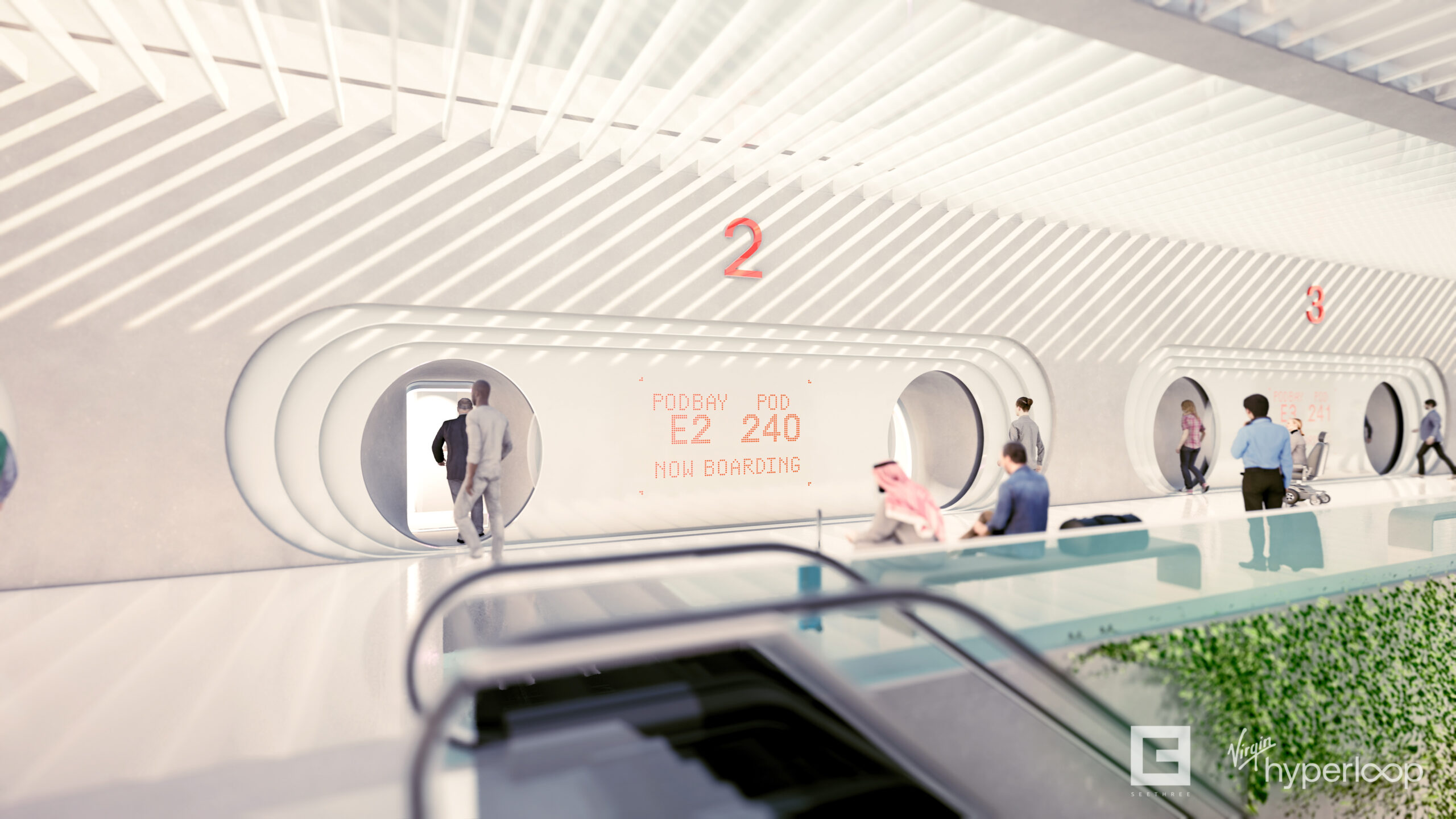
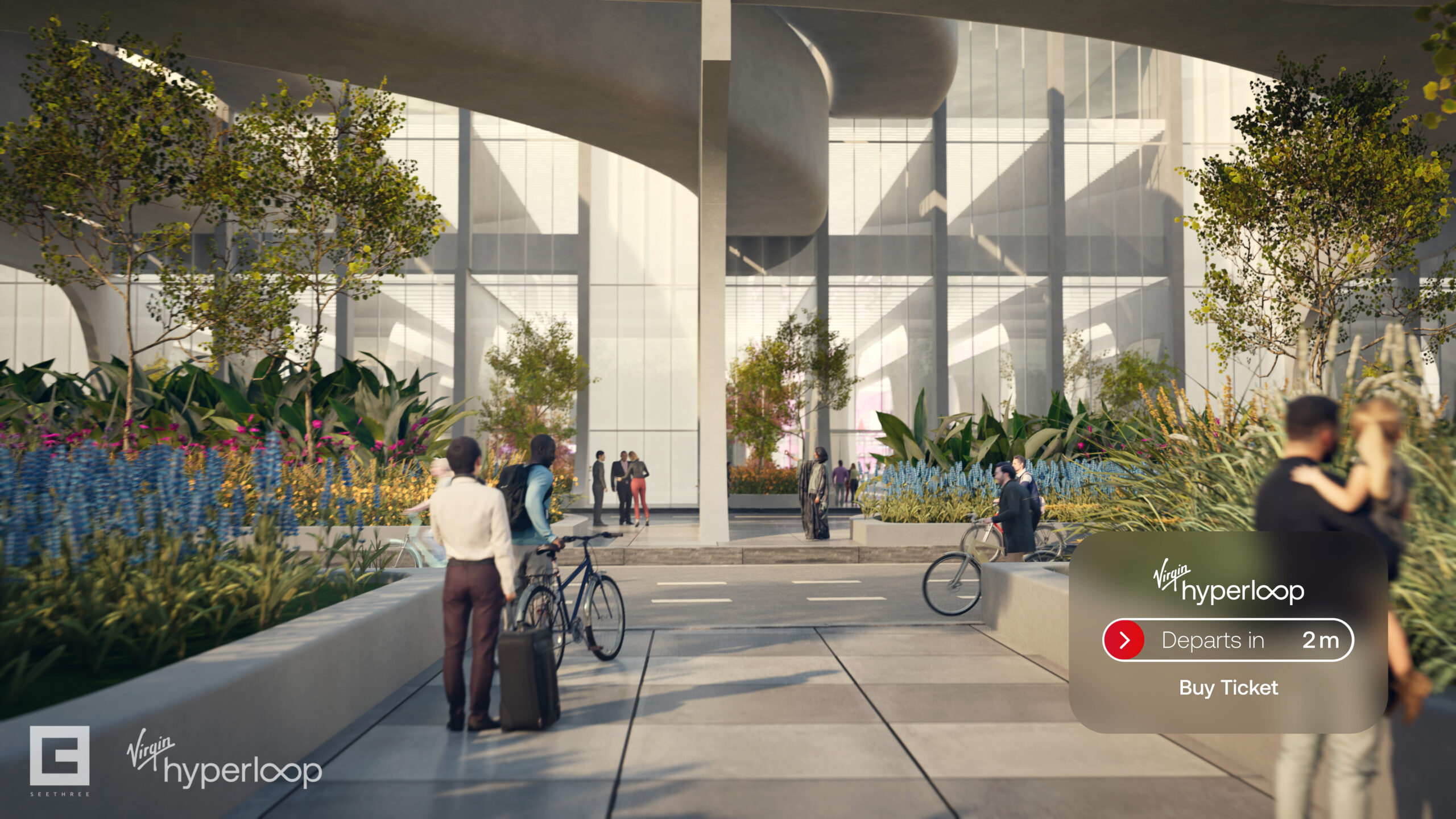 Passengers will also go through check in and security procedures in the same way they would when boarding a flight. They would then wait to embark at a portal, which they pass through to enter the pod.
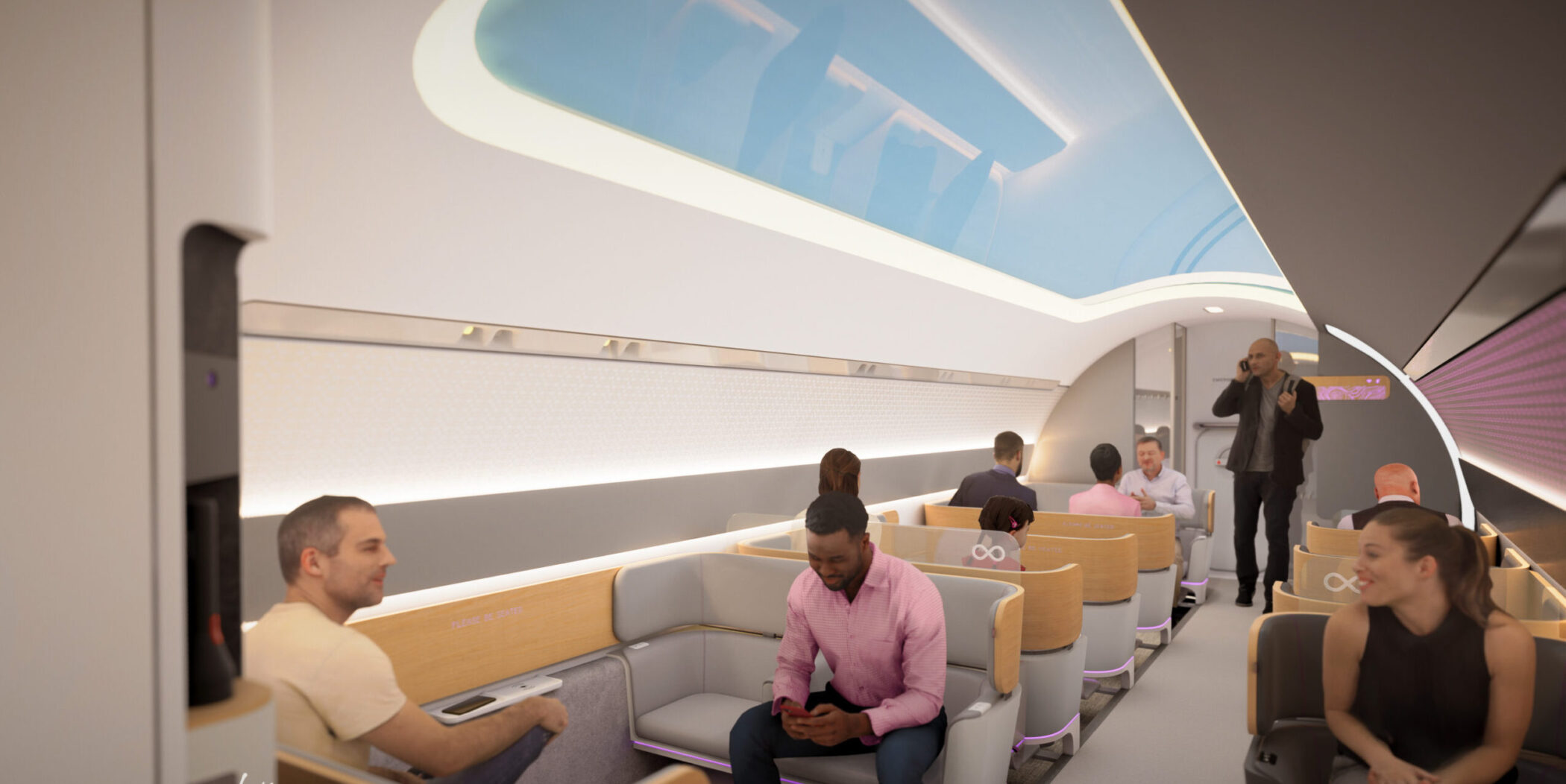
 Virgin Hyperloop says it will be possible to transport thousands of passengers per hour, although there will be seating for just 28 passengers on each pod. Instead of having windows on the side, pods will have skylights running along their ceiling, showing the roof of the tunnel above.
 These initial renderings suggest interiors will be plush and spacious, like a high-tech premium rail experience, with features such as in-seat wireless charge points for devices. Virgin Hyperloop has previously said that the transport will be accessible to the general public, rather than just the wealthy.
 Virgin Hyperloop has teamed up with innovators from different industries to envision its end-to-end passenger experience. Bjarke Ingels Group (BIG) conceived the design for its portals, while Teague designed the pods themselves.
What's more See Three is creating a bespoke video and animation for Virgin Hyperloop, while Man Made Music is composing a score and sonic identity for the mode of transport. Both of these will add to the multi-sensory passenger experience the innovation is striving for.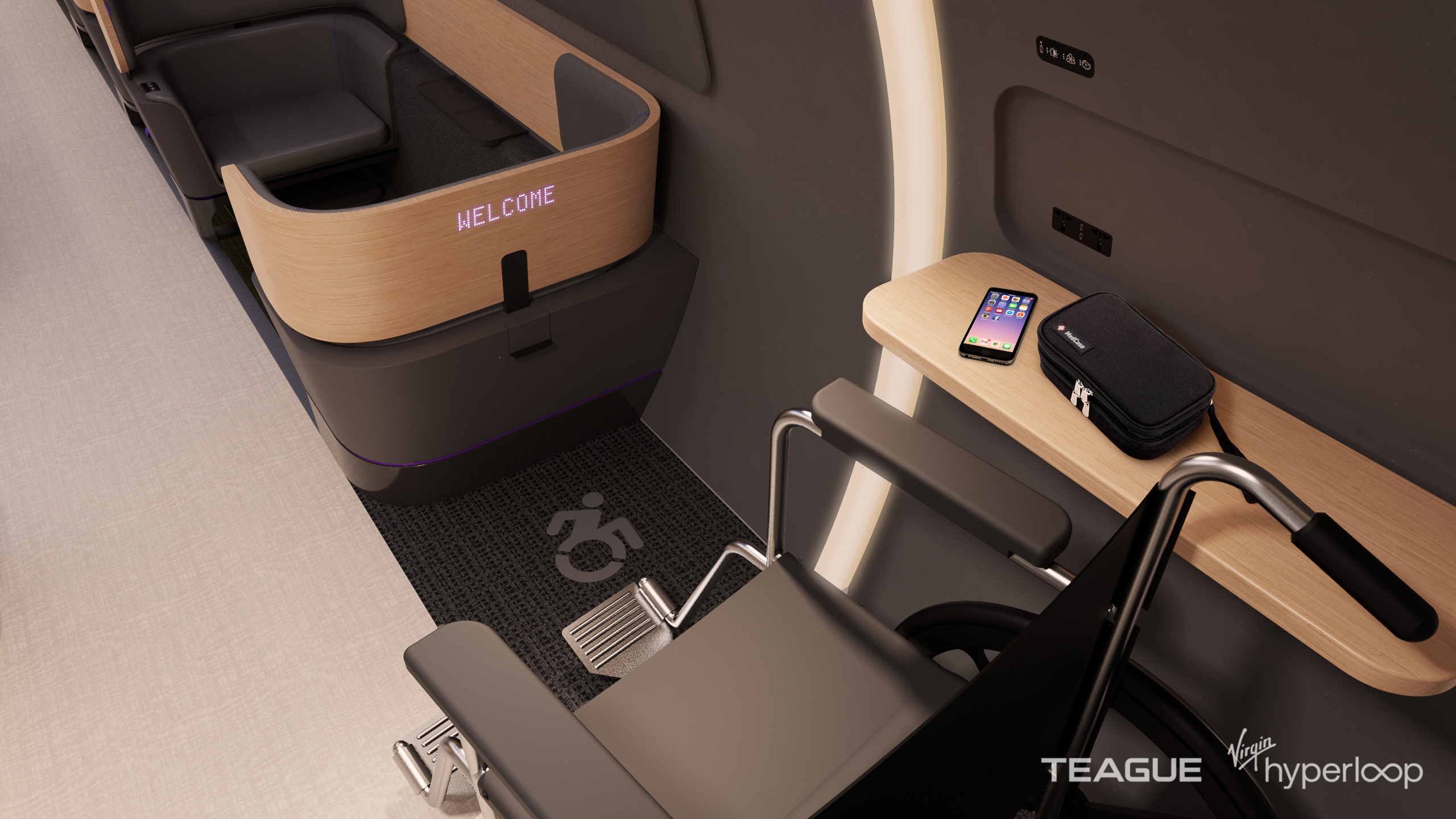 “Virgin Hyperloop can accelerate the future of mobility on land," says Bjarke Ingels, founder and creative director, BIG. The new mode of travel at supersonic speed rethinks transportation and the perception of space, landscape, time, and distance.”
“In this day and age, Virgin Hyperloop taking off from our portals provides holistic, intelligent transportation for a globalised community to travel across vast distances in a safer, cleaner, easier, and faster way than airlines.”
In November, Virgin Hyperloop carried its first ever passengers during a successful test run in the Nevada desert. Two senior employees from the company travelled the length of a 500-metre test track in 15 seconds – reaching a speed at 107 miles per hour.
When it arrives, Virgin Hyperloop will be the first new form of public transport to arrive in a century. The next stages of development will involve the regulation and certification of hyperloop systems around the world. The aim is to achieve safety certification by 2025, ready for commercial operations – as shown here – to resume in 2030.
What’s coming next? Trend reports available to download HERE
Fliteboard is a surfboard-style hydrofoil that lets riders fly over water without wind or waves. It's pricey, though, from US$12,495. Olivia Palamountain reports
Fliteboard is an electric hydrofoil that looks something like a surfboard with a rudder. The difference is that this gadget actually hovers over the water and can be used without wind or waves to fly through the air.
Emission free, wake free and virtually silent, Fliteboard's environmentally friendly watercraft are made of premium materials and hover approximately 70cm above the water. Speed is controlled by a hand-held Bluetooth remote.
A compact yet powerful emission-free electric motor is powered by one of the best marine grade smart batteries available, giving freedom to ride for more than 90 minutes.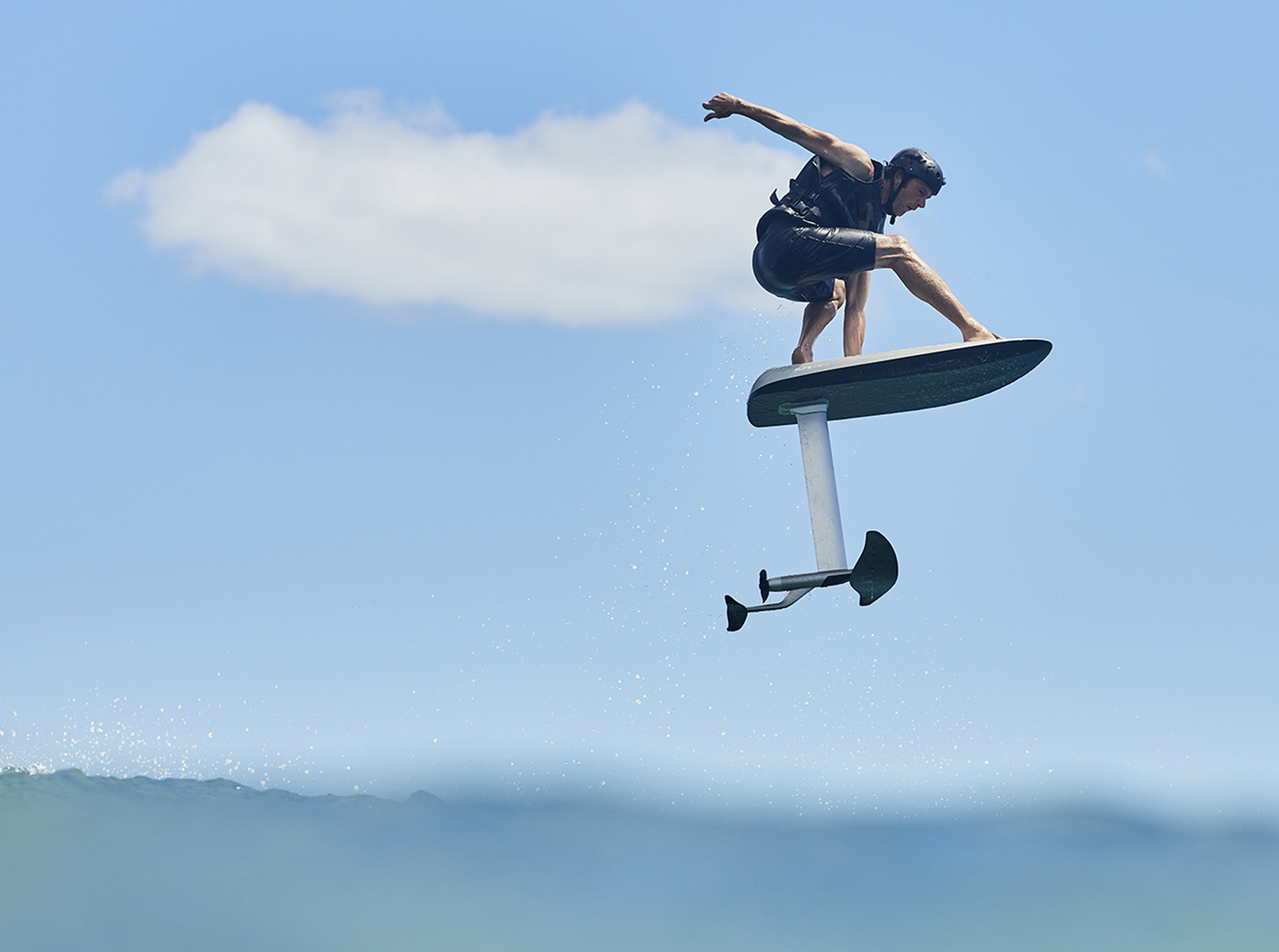
Series 2, the new generation of Fliteboard, offers improved performance across the range; from beginner-friendliness and stability to advanced carving and manoeuvrability. It costs from US$12,495 via the Fliteboard website.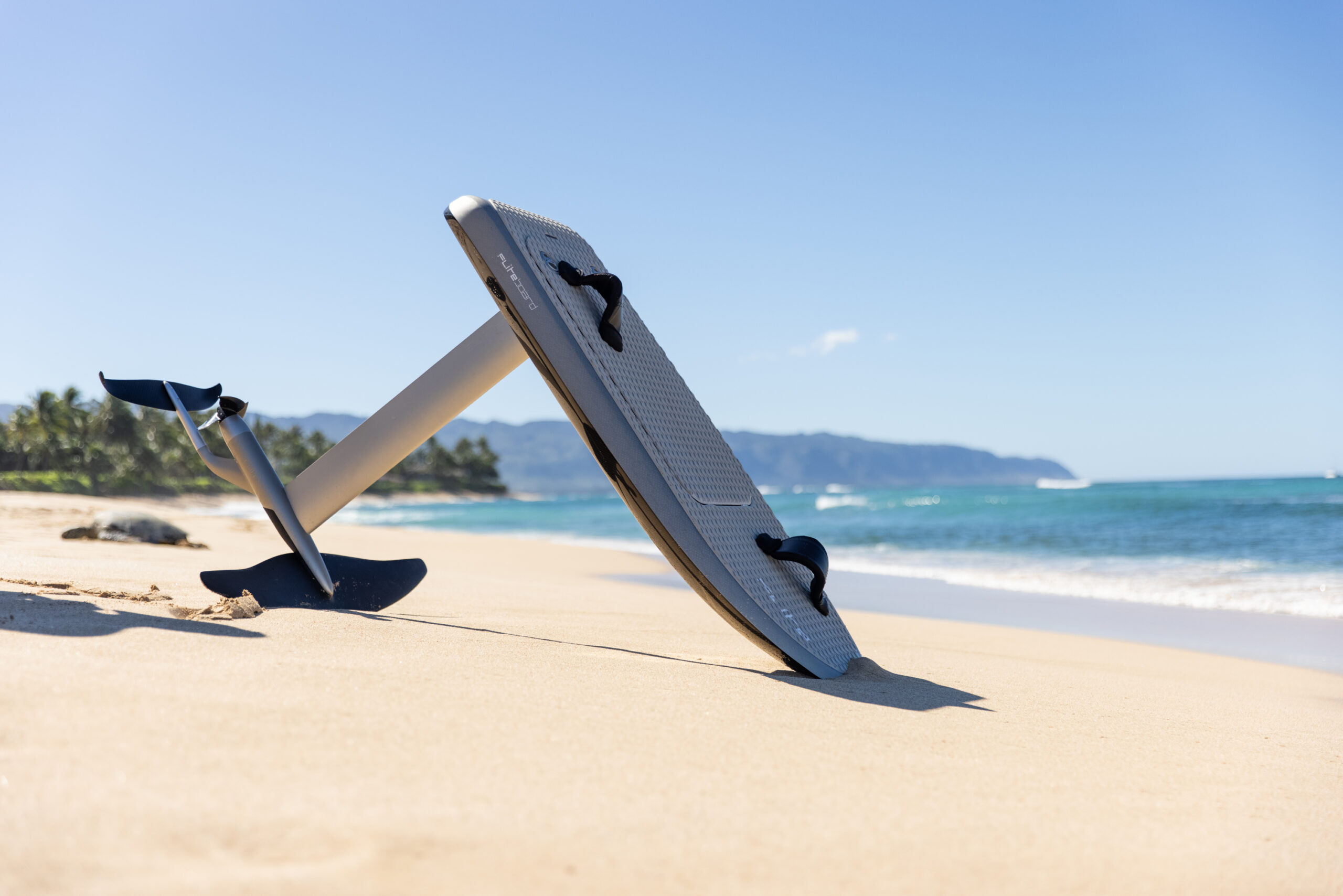
The range includes the Air, Pro, Ultra and an updated version of the original "Fliteboard". The company itself was founded by David Trewern in 2016, a serial entrepreneur who grew up surfing and windsurfing before smashing kite-surfing world records as a pro.
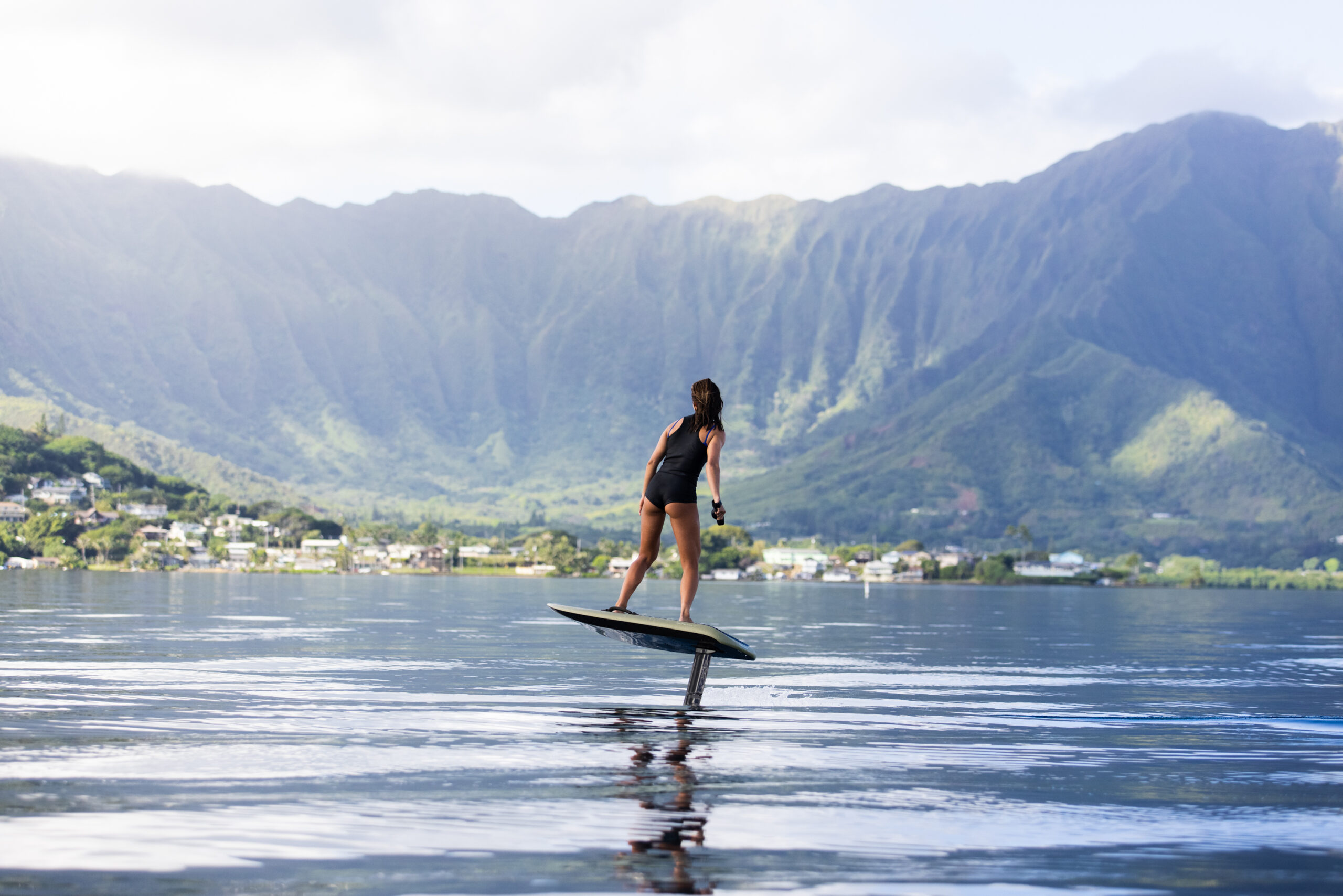 “I became captivated by this vision in my mind of a self-propelled, electric-powered flying surfboard,” says David.
The kitchen became a workshop, and the 3D printer went into overdrive. Dozens of prototypes later, and Fliteboard flew for the first time.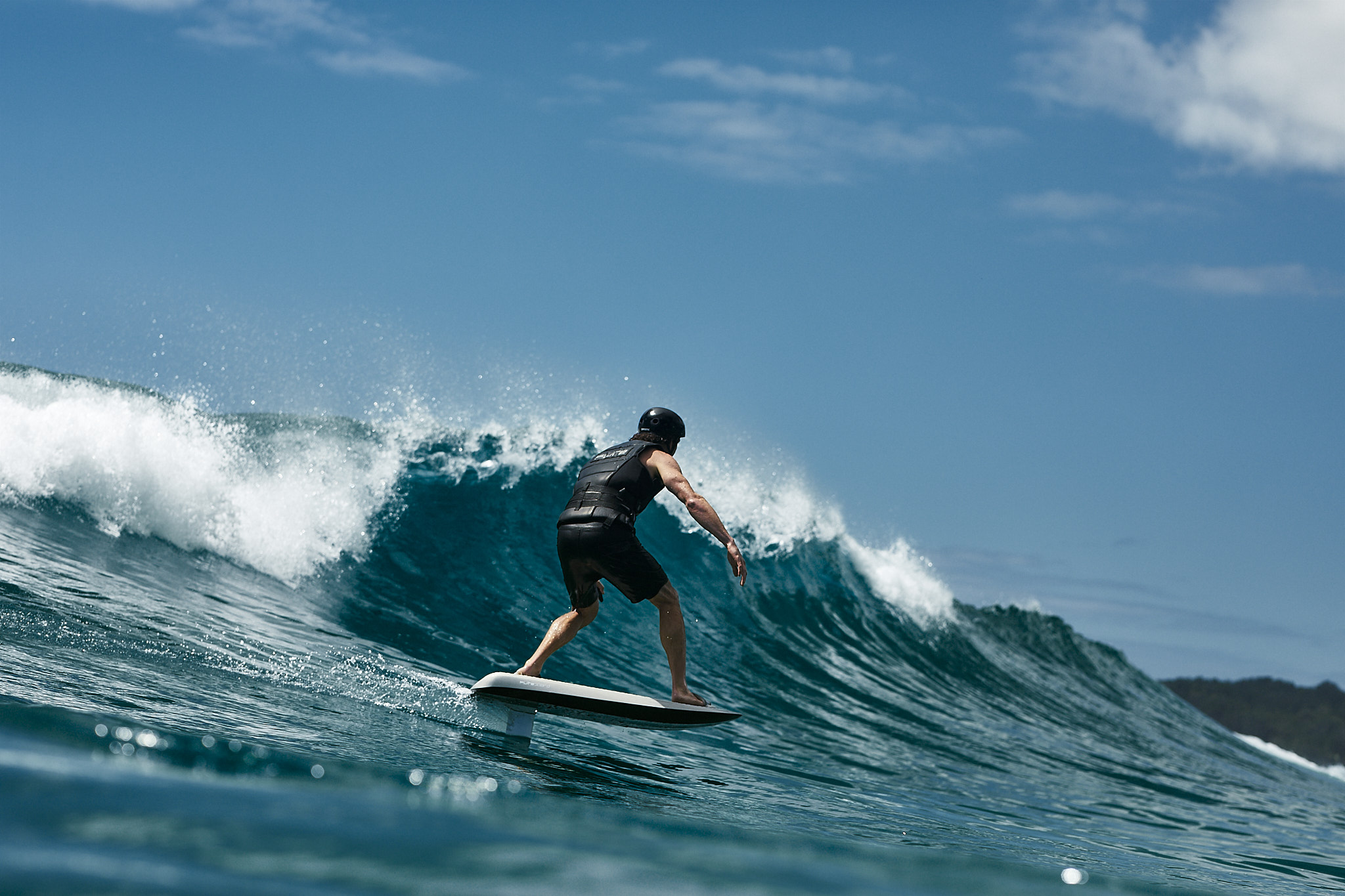 “Within the first few seconds, I knew this was something magical. The feeling of freedom was like nothing else. This would revolutionise water-sports.”
What’s coming next? Trend reports available to download HERE
Architectural practice Superficium Studio is blurring the boundaries between living space and laboratory with its Biohacker’s Residence, a 3D-printed, 'reprogrammable' structure in the Utah desert. Olivia Palamountain reports
Superficium Studio's Biohacker’s Residence is a vision of the future, a concept that provides a communal retreat for biohacker enthusiasts in the Utah desert.
While biohacking traditionally relates to making small, incremental diet or lifestyle changes to encourage improvements health and wellbeing, the Biohacker's Residence, has been designed with more extreme biohacking or "DIY biology" in mind.
Typically people with education and experience in scientific fields, extreme biohackers conduct structured experiments on themselves outside of a controlled experimental environment, such labs or medical offices. Here they explore ways in which to modifiy the human body in order to enhance it – both legally and otherwise.  Superficium's take on a biohacking lab is envisioned as a safe haven for these communities, a place “for remote practice and self-administration, while they look to challenge what it means to be human,” shares the London-based studio.
It says: "Since the availability of home-use bio-technology kits, do-it-yourself biohacker communities have surged along with an increasing synthesis between home and laboratory. The ability to control and reprogramme your body is an uncharted territory of personalisation and modification."
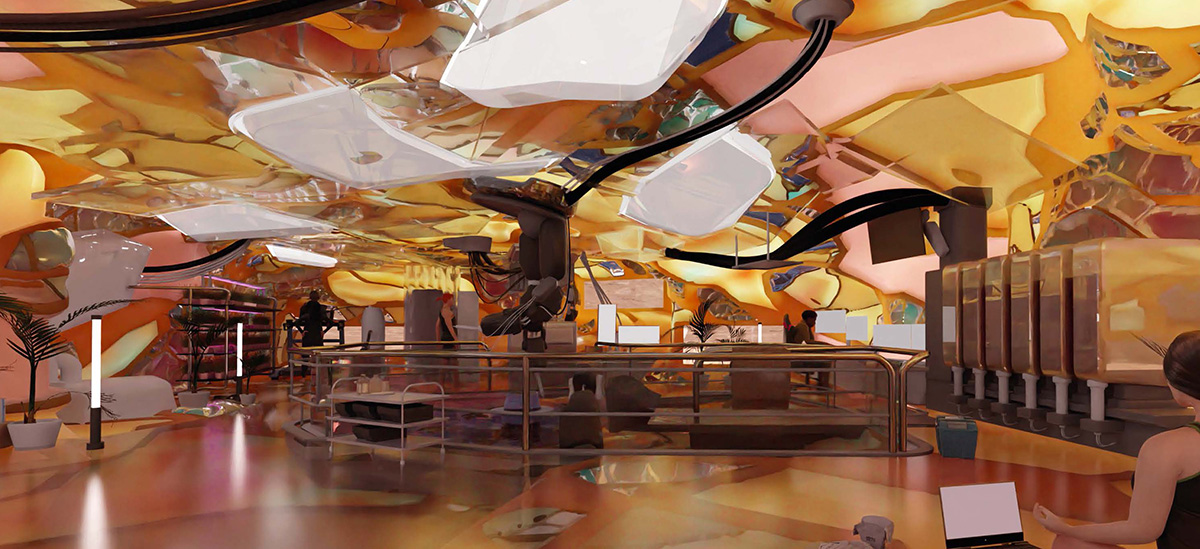
 This bonkers structure is organic in design, mirroring the arid desert landscape in a patchwork of 3D-printed, bio-integrated materials, generating a protective architectural skin. This "malleable architecture” can be reprogrammed as and when required according to the needs of the community.
 According to Stir World, public areas within the house are designed to support activities such as organic 3D printing and workstations with CRISPR technology, which enables cellular reprogramming through genetic engineering. Other pursuits include bathing in red infrared light, taking supplements daily or in extreme cases, altering DNA to slow down ageing.
 While Superficium's vision of biohacking spills into sci-fi, elements of this trend have been buzzing for some time. Back in 2016, Globetrender founder Jenny Southan met Patrick Mesterton, CEO of Epicentre, a new coworking space and “house of innovation” where 60 or so members have chosen to biohack their own bodies and implant microchips.
More recently, Globetrender has reported on everything from Upgrade Labs, a human biohacking clinic at Los Angeles' Beverly Hilton hotel, that claims to makes peak performance accessible to everyone, to the IV drip bar at Bangkok's Anantara Siam hotel that provides therapies designed to "return vigour, energy and balance to modern lives", and the futuristic medical spa at the Longevity Health and Wellness hotel in Portugal, where guests can be screened for cancer, check into a sleep clinic and even undergo diabetes reversal and genetic testing.
What’s coming next? Trend reports available to download HERE
Ryanair is overhauling its no-frills model to put its fleet to work as private jets, complete with fine-dining catering and spacious seating. Olivia Palamountain reports
Ryanair is the latest airline to pivot its business model in an attempt to offset the impact of the pandemic. The Irish low-cost carrier is promoting the use of its planes to wealthy individuals, celebrities and sports stars via a corporate jet service for groups of up to 60 people on board one of its Boeing 737 jets.
Ryanair promises clients “guaranteed competitive pricing”, with a “value” option also on offer, catering to larger groups of up to 189 people for journeys of up to six hours. There are also “fine-dining options” labelled bronze, silver and gold, priced from €15 to €45 per person.
The seating is also upgraded – rather than cramped rows of 3-3 seating, Ryanair is installing all-business class leather seats in a 2-2 configuration, with 48 inches of legroom (compared with 30 inches in economy on commercial flights).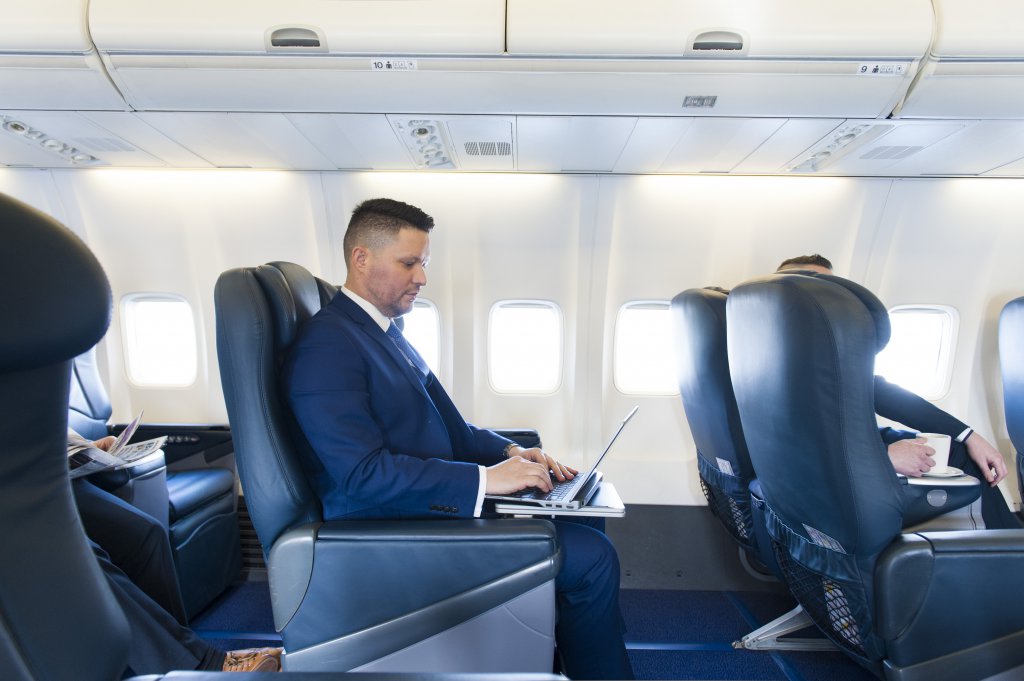 It is not specified whether these large groups would need to provide evidence of a business exemption in order to travel from the UK but Globetrender assumes that to be the case, given the current ban on holidays.
“Large groups can avail of Boeing 737-800s through chartered services with a fleet of over 480 aircraft across 78 European bases,” Ryanair says in a letter to prospective clients.
A spokesman for Ryanair is reported in The Telegraph as saying: “Ryanair has been operating private charter services since February 2016 and has enjoyed considerable demand from our loyal clients who enjoy an unbeatable Ryanair corporate jet service at excellent rates.
"Most recently, Ryanair secured charter services for a number of professional sports clients including the PRO-14, ECPR and several European football clubs, transporting them safely to their away matches throughout the Covid-19 pandemic."
While the airline is no stranger to charters, providing corporate jet services four five years, travel restrictions have hit the aviation sector hard and Ryanair is said to be amplifying this offering in the hope of offsetting the damage.
Fewer than 1.25 million passengers flew with the Irish carrier in January compared with 10.8 million last year. Reports suggest this could fall to 500,000 in February and March. Ryanair is predicted to make an loss of €1 billion (£880 million) in the year leading up to March 2021.
Private jet companies are one of the only subsectors of the aviation industry that have managed to stay afloat – and in many cases thrive – thanks to the pandemic.
During this time, Globetrender has seen "germaphobia" accelerate demand for private travel, ultra-exclusive escape collaborations between private charter providers and resorts, and amplified offerings for round-the-world itineraries via private jet. Read more about a further six key private jet travel trends that have emerged since March last year and identified by Globetrender here.
London-listed Signature Aviation, which provides ground services to specialist charters, recently agreed to a £3.4bn takeover swoop from Global Infrastructure Partners, the former owner of Gatwick Airport, The Telegraph reports.
London-listed Air Partner has reported that profits would be ahead of expectations. Mark Briffa, Air Partner chief executive, says: “Enquiries to our UK private jets division have grown during the pandemic, as high net worth customers seek to avoid busy airports and commercial flights.
“We’ve also seen clients choosing private jets for the flexibility and certainty they can bring when travel restrictions are in place. However, the UK’s current border restrictions are constraining all passenger movements, although we expect private jet travel to take off again once these restrictions are lifted.”
What’s coming next? Trend reports available to download HERE
A €250 million project has been approved that will turn the Champs-Elysées in Paris into a pedestrian-friendly avenue, planted with trees, by 2030. Rose Dykins reports
The French capital’s famous Champs-Elysées shopping avenue is slated to become an “extraordinary” garden, according to the city’s mayor, Anne Hidalgo, speaking to Le Journal du Dimanche.
Plans have been drawn up to reduce the space for vehicles by half, transform the avenue’s roads into green spaces for pedestrians, and create a “tunnel of trees” to improve the surrounding air quality.
Architect Philippe Chiambaretta and his agency PCA-Stream came up with the designs to turn the 1.9km Champs-Elysées into a more user-friendly, inviting and healthy public promenade.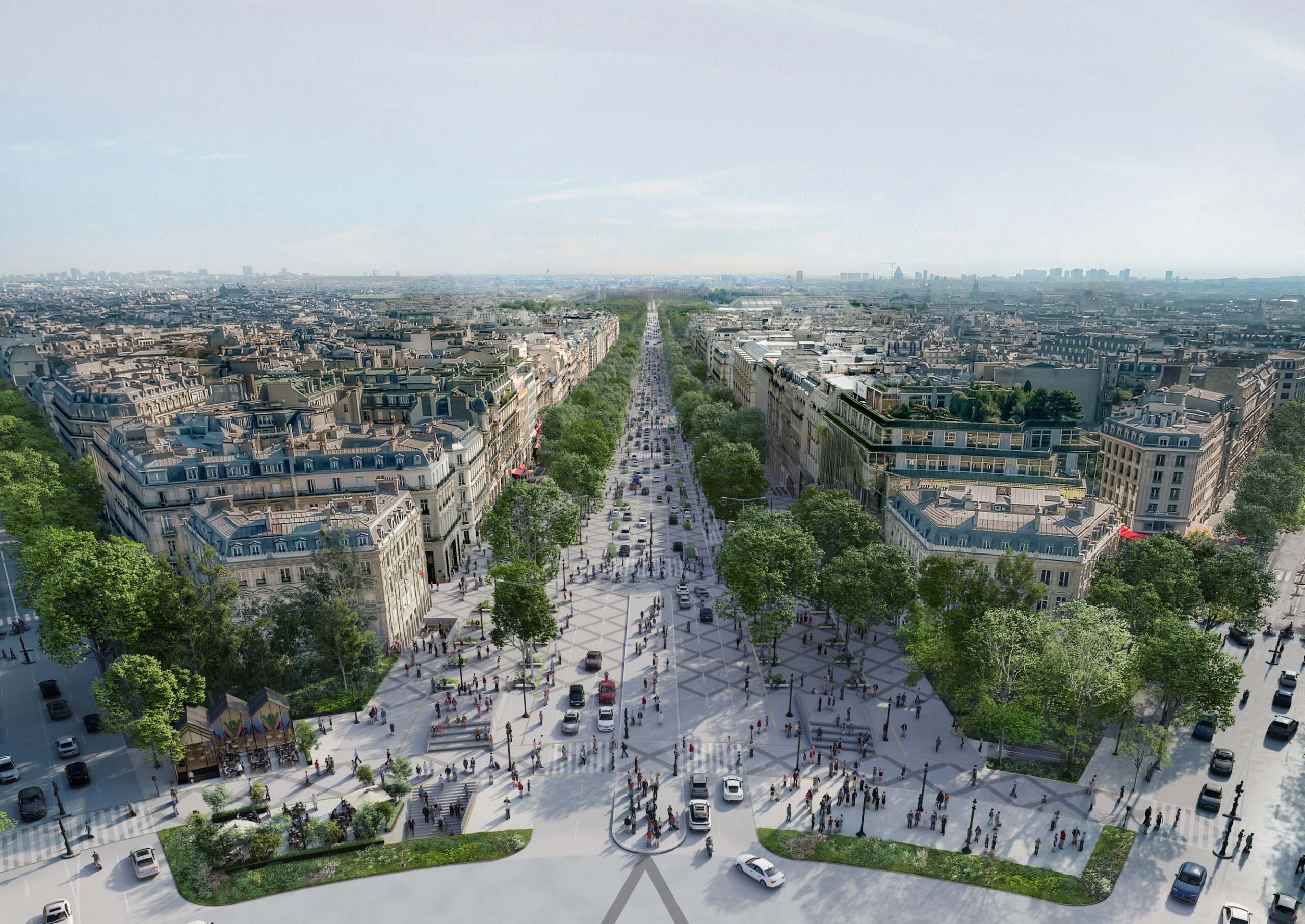 According to research carried out by PCA-Stream, two thirds of all pedestrians along the avenue are tourists. Meanwhile, Parisians account for just 5 per cent of pedestrians. The research found that locals avoid the area due to overtourism, traffic, and high pollution levels.
The Champs-Elysées committee, which has been campaigning for the redesign of the area since 2018, states: “The legendary avenue has lost its splendour over the past 30 years. It has been progressively abandoned by Parisians and has been hit by several successive crises: the gilets jaunes [the yellow vests grassroots movement for economic justice, with mass demonstrations in 2018], strikes, health and economic crises etc." The committee hosted a public consultation about what should be done to improve the Champs-Elysées and invited PCA-Stream to come up with plans to revitalise what is known as “the world’s most beautiful avenue”.
The €250 million project from PCA-Stream will begin by redeveloping the Place de la Concorde square at the south-east of the Champs-Elysées – which is the largest public square in Paris. This is set to be completed by 2024 by the time Paris hosts the Olympics, with the rest of the avenue to be completely renovated by 2030.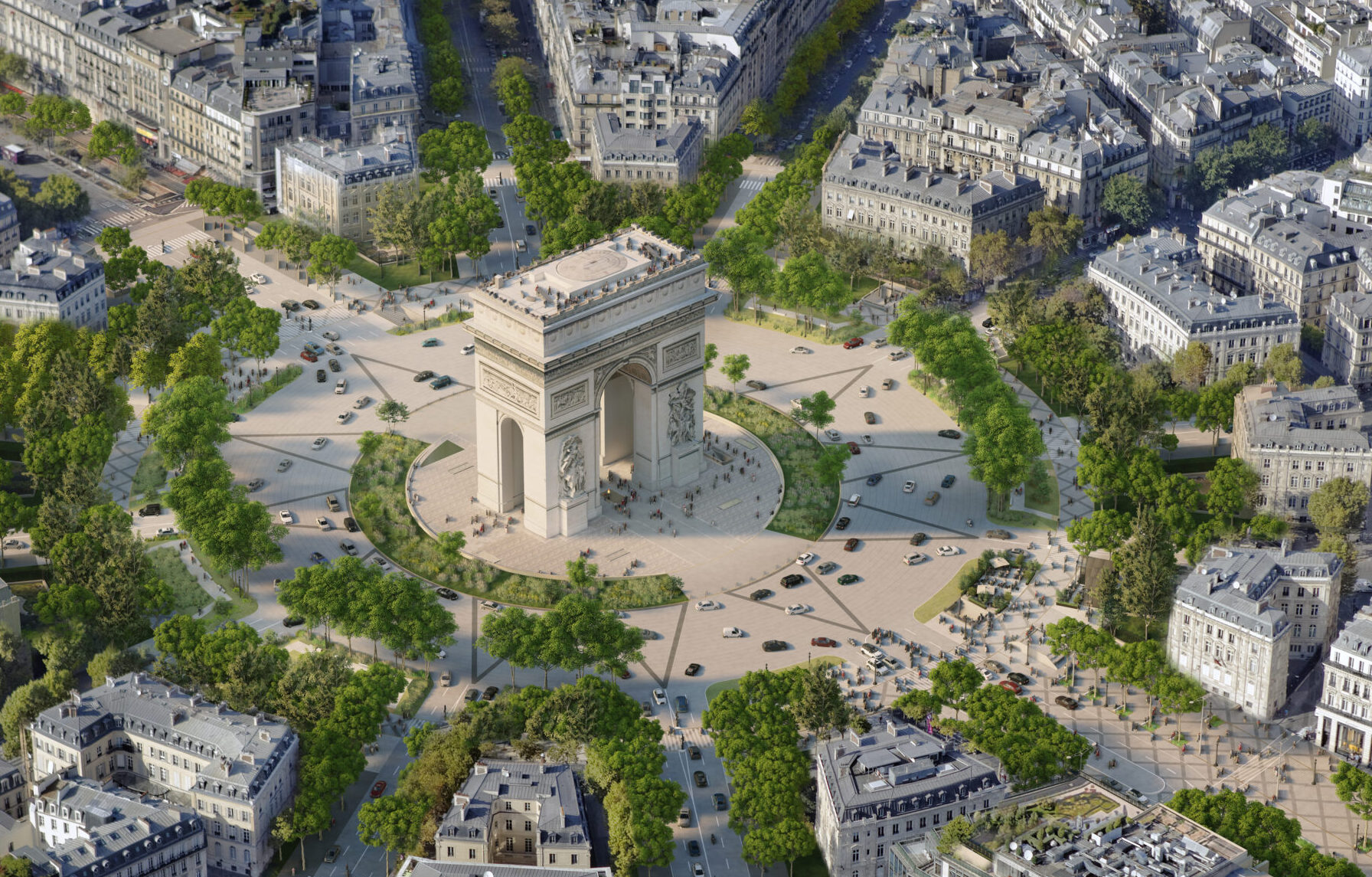 Named after Elysian Fields – a mythical Greek paradise – Champs Elysées was initially designed by King Louis XIV's garderner, André le Nôtre, as a grand promenade line with elm trees. Later, in 1709, it was renamed the Champs-Elysées and extended, and it became a popular spot for picnics by the end of the century.
In 2021, although the avenue has remained a site for historical crowd-gathering events, celebrations and demonstrations, it is largely avoided by Parisians. The plans to revitalise, cutting down the congestion, and offer something more appealing for locals than the expensive luxury shops and restaurants that attract tourists, should be a catalyst for change. Paris's plans to create more pedestrian-friendly, green space in the heart of its city centre mirrors what's going on in cities all over the world, with the Covid-19 pandemic having sped up this trend. There has never been a greater need for well-planned urban gardens that create outdoor, green space for city dwellers.
Hidalgo also told Le Journal du Dimanche that, along with the Champs Elysées project, more blueprints are on the way to transform the French capital “before and after 2024”, including reconfiguring the area around the Eiffel Tower into an urban park.
What’s coming next? Trend reports available to download HERE
In a webinar hosted by Regenerative Travel, Globetrender joins a panel of experts to discuss whether or not we are on the cusp of a more ethical and planet-friendly travel industry. Rose Dykins reports
At the end of last year, Globetrender’s editor Jenny Southan took part in Regenerative Shift, a webinar series hosted by Regenerative Travel, where speakers discuss solutions to climate change centred around “regenerative thinking”.
Up for discussion in this session (click the button on the image above to watch the recording), was how travel companies are adapting and innovating in light of new trends that are forming.
The other speakers taking part were Jeremy Smith, co-founder of Tourism Declares a Climate Emergency; Pavia Rosati, founder and CEO of Fathom; and Serena Guen, founder of Suitcase magazine.
Post-pandemic priorities – thoughtful, informed, sustainable trips
When considering the impact of travel, thoughts often turn to the negatives (carbon footprints, overtourism, over-consumption). A key thread of the the webinar was how the pandemic has sparked a heightened awareness of how our actions affect others – and how there can be just as much scope for positive impact if we can envision it.
“One of the things the pandemic has taught us is how interconnected we are and how our impact affects so many other things – and, if the impact can be negative, it means it can also be positive,” said Rosati.
“It means that being responsible to other people around you and taking care of your surroundings as you do with yourself. Whether we’ve all learnt that lesson entirely, I certainly hope so. But I do think that is a really strong consequence of the pandemic: putting more thought into the travel decisions that you’re making.”
Travel companies have a real opportunity to create a new blueprint for travel that taps into this renewed awareness, so that their products have a direct positive impact – laying the foundations for a regenerative travel industry that nurtures people and planet, rather than consuming resources.
Guen echoed this: “For a lot of people that saw travel as a throwaway thing, it’s now being seen as a luxury again. That means that people will be thinking about spending their money and where it’s going – especially people who didn’t think about those things before.”
She added: “I’m quite excited about this domestic travel trend and I really hope it’s something that is going to stay. I just think it’s so good for local economies, and it’s really great for the climate.”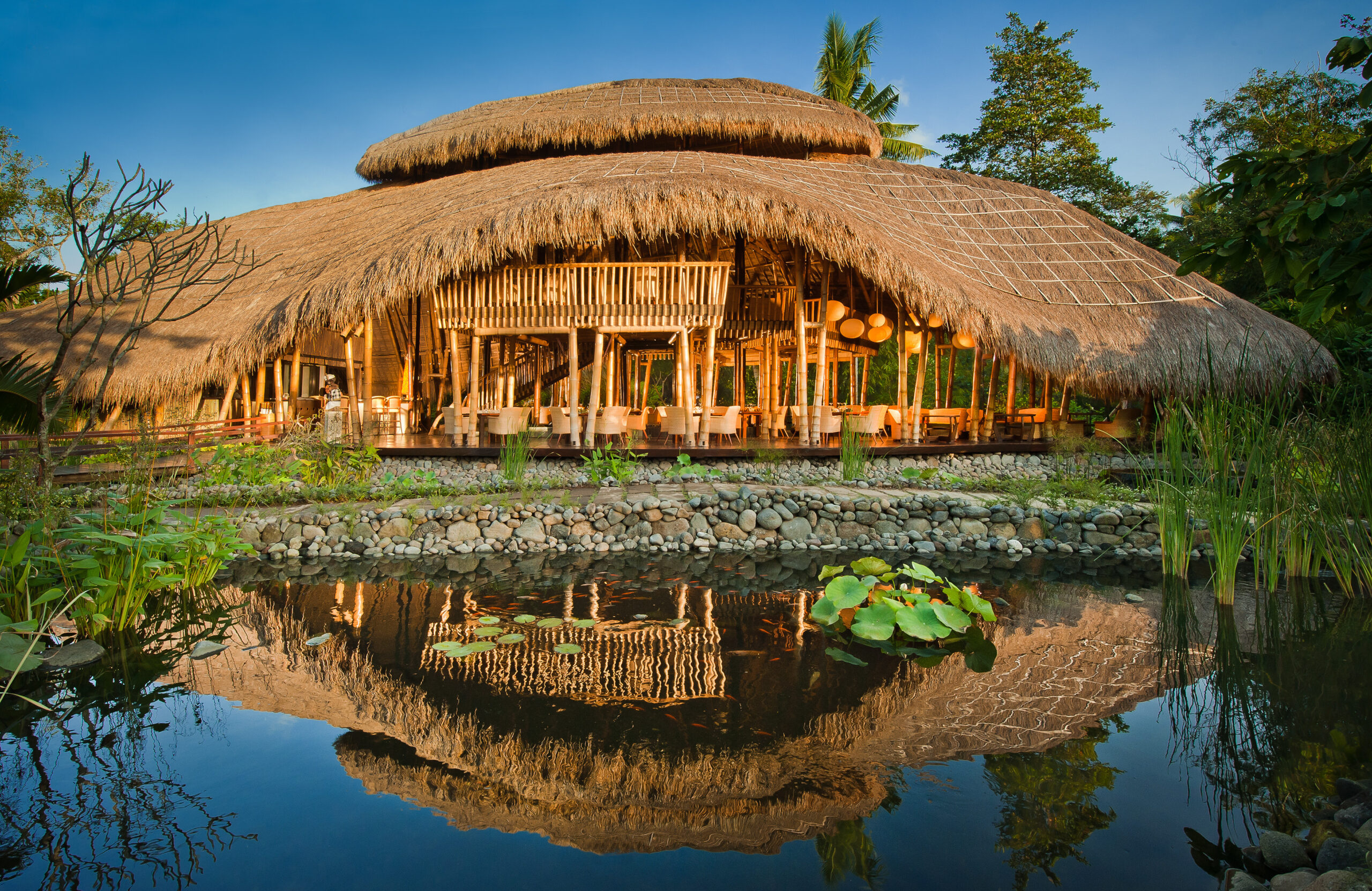
Overcoming eco-jargon and looking beyond carbon off-setting
Smith said sustainable travel options should be standard practice – not just on hand for customers who ask for them – and that travel agents and advisors have a real opportunity to close the loop between what travellers want and the positive actions companies are taking.
“It’s a standard response to say: ‘When the consumer demands it we will deliver it… but increasingly we see in the destinations we love, cherish and visit are suffering enormously under the climate emergency.”
He added: “If someone thinks they’re not interested in sustainability because the world sustainability is a jargon-loaded turn-off – which, it is – then talk to them in a language that resonates. The opportunity for the travel agent is to make the connection between what it is that responsible hosts and travel companies do… and what someone wanting two weeks of rest or adventure is looking for.”
When discussing carbon offsetting, Smith said it was a “stop gap at best”, clarifying: “I don’t have a problem if a company or an individual has worked out their current responsibility for carbon emissions are and done whatever they can to reduce them.
“I don’t consider [it] an off-set that sort of wipes it away. People are moving towards carbon capture and carbon draw-down, rather than saying: ‘I will plant some trees over here while making a mess down there.’ We need to reduce global emissions in half by 2030 – and that doesn’t mean we can carry on increasing emissions while planting enough trees to balance it out in the next nine years.”
From 'exaggerated experiences' to meaningful luxury
Rosati touched upon how the pandemic may have moved the concept of luxury travel beyond the pre-Covid preoccupation with “wow factor” experiences.
“We had been reaching a point in luxury where it was almost becoming this exaggerated cannon of ‘doing’ and of experiences,” she said. “We’d talk about “wow” moments, and: ‘How do I stun the customer into loyalty?' And it’s through an exaggerated amenity kit [and gestures of] overwhelming thoughtfulness."
She asked: “Do we really need these exaggerated moments of luxury, or are these an excuse for consumption that I don’t really need, that aren't going to have any kind of lasting impact on me? Is there a way we can incorporate travel into our lives when we’re at home? Because it gives us a sense of global awareness, it give us a sense of our place in the world.”
Southan highlighted how peoples changing travel patterns in 2020 would suggest that for many people, the chance to escape and immerse oneself in nature has become a luxury – as reflected in the trend for "Wilderness Seeking" Globetrender reported on in 2020.
“There are lots of other companies tapping into the glamping trend but it’s quite appealing not to have to rough it at the same time, so 'Canvas Communes' is one of the trends featuring in our 2021 Forecast,” she said.
Canvas Communes is one of 15 key trends explored in depth by Globetrender in its 2021 Travel Trend Forecast, which seeks to define the near future of global tourism.
What’s coming next? Trend reports available to download HERE
Together with Designworks and professional wingsuit pilot Peter Salzmann, BMW i has developed an electric-powered wingsuit, which has been successfully flown over mountains in Austria. Erica Jamieson reports
After jumping from a helicopter 3,000 metres up, air sportsman and professional base jumper Peter Salzmann completed the world’s first human flight powered by electric wingsuit in November.
The suit, propelled by two 13cm carbon impellers with an overall output of 15kw, allowed Salzmann to gain altitude and soar above the “Three Brothers” mountain peak in Austria.
Mid-flight, the suit reached a top speed of 186 mph. For a sport that typically celebrates top horizontal speeds of about 60 mph, the “electrified wingsuit” will create incredible new opportunities in daredevil airsports – and "Pay for Peril" adventure tourism.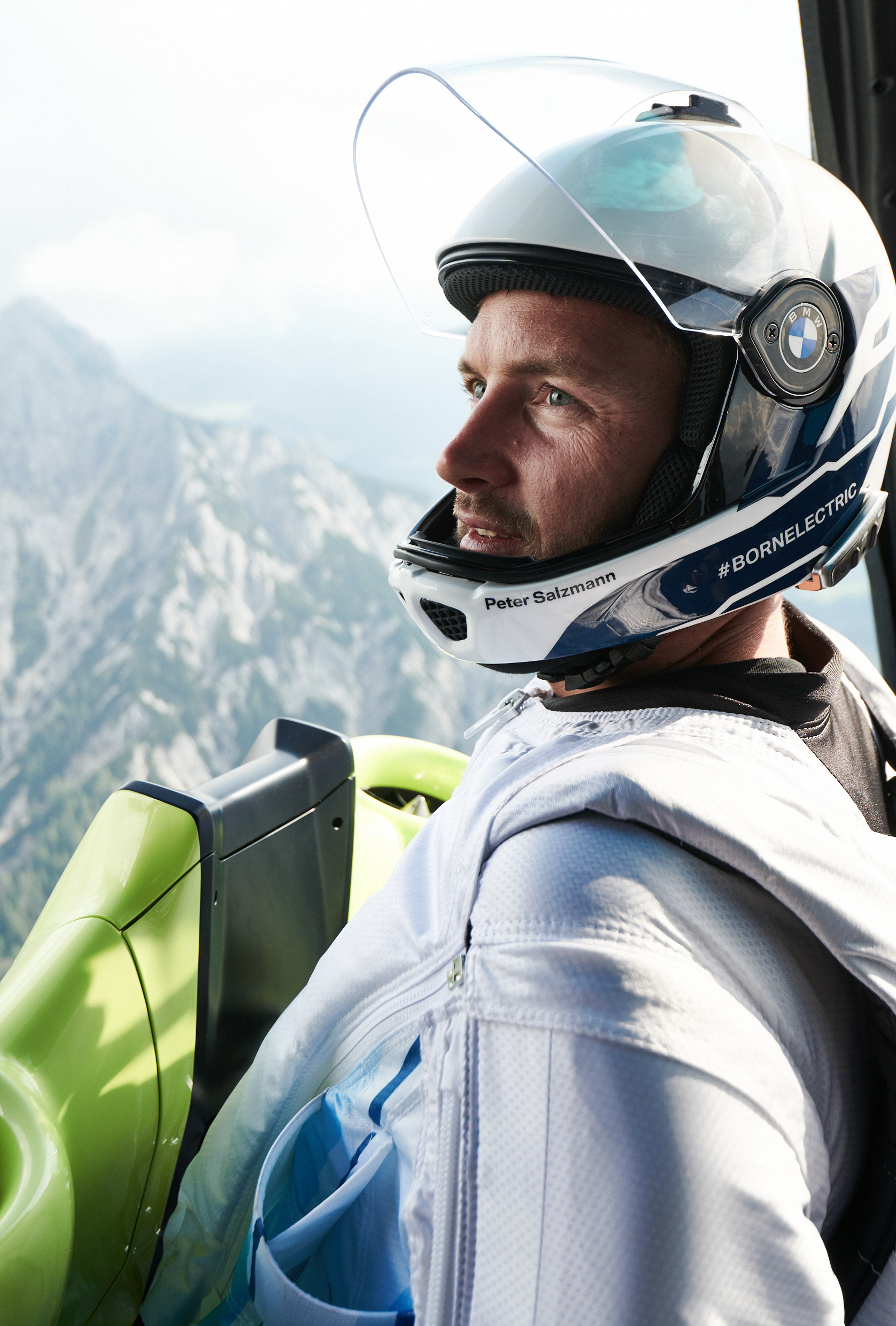 “At the time, I was developing suits for skydiving and basejumping with a friend and basejumping mentor,” Salzmann tells BMW. “One of them was a supporting motor – and it’s an idea I just couldn’t shake. I found the idea of being able to jump from my local mountain wearing the wingsuit and land in my garden fascinating.”
Salzmann brought the concept to BMW and, in 2017, they got to work, creating a suit agile enough for easy maneuverability, with the power to climb mountains.  “Our future-oriented approach with electric propulsion systems and innovative materials and technologies were a perfect fit for Peter Salzmann’s unusual but fascinating idea,” says Stefan Ponikva, vice-president of brand experience at BMW i, of the brand’s decision to partner with Salzmann.
“In my opinion, Peter Salzmann perfectly embodies the attitude of the BMW i brand with his unique vision, his passion and his courage. I was also very impressed by his physical effort, combined with in-depth technical knowledge and a very clear understanding of the brand,” Ponikva adds.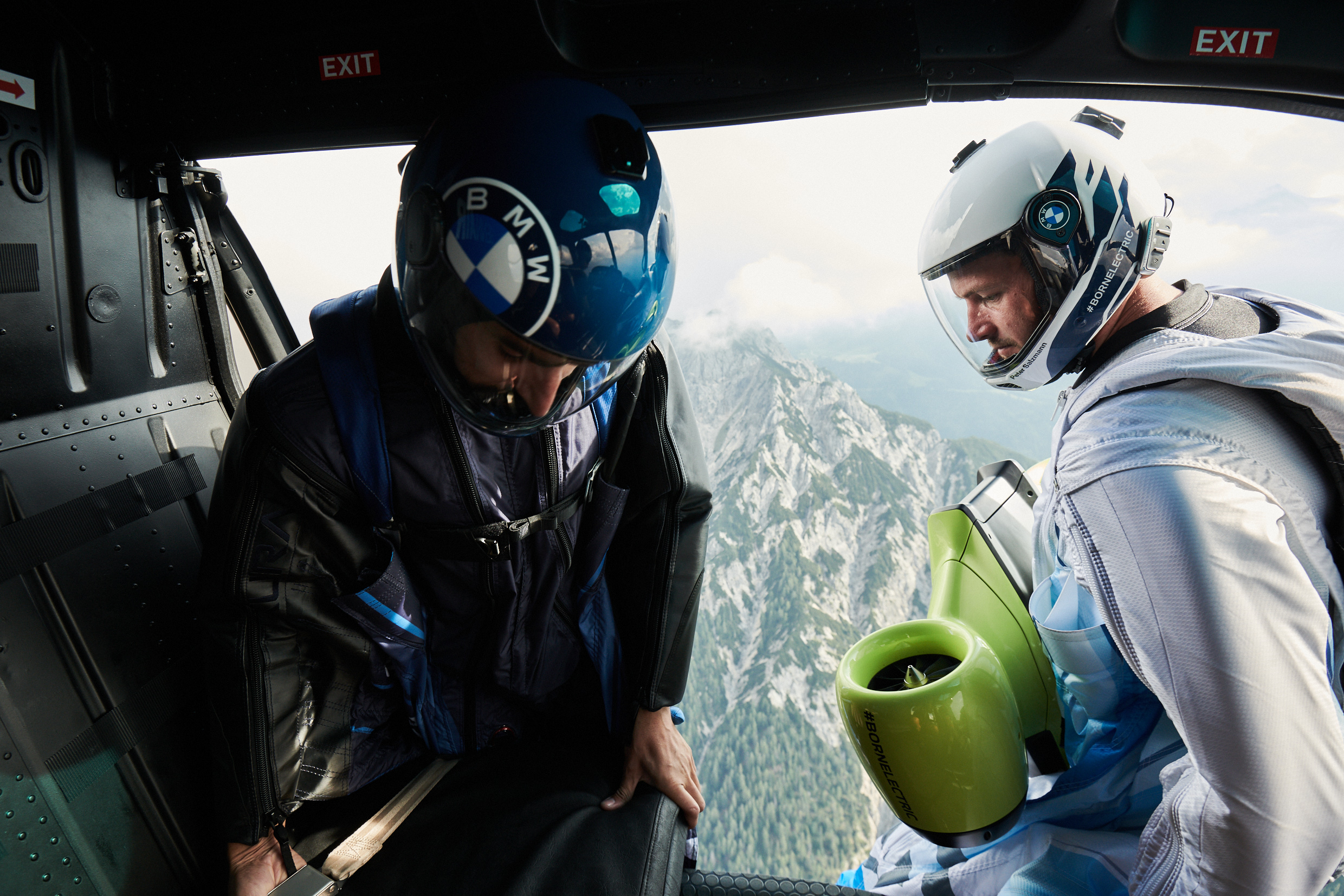 Resembling “a futuristic mini-submarine”, the final design is made from lightweight carbon fibre and aluminium, with a thumb and finger-operated throttle on the left sleeve. The electric propulsion system is powered by a 50V lithium battery, attached to the suit’s chestplate, and can produce thrust for up to 15 minutes.
 In alignment with the BMW i brand, the automaker’s line of fully electric cars, the wingsuit can be fuelled by renewable energy.
“Sustainability is very important to me, and something I try to live my everyday life by. I enjoy nature from the air and on the ground – that’s why I aim to consistently follow the path of sustainability even when it comes to mobility,” Salzmann tells BMW.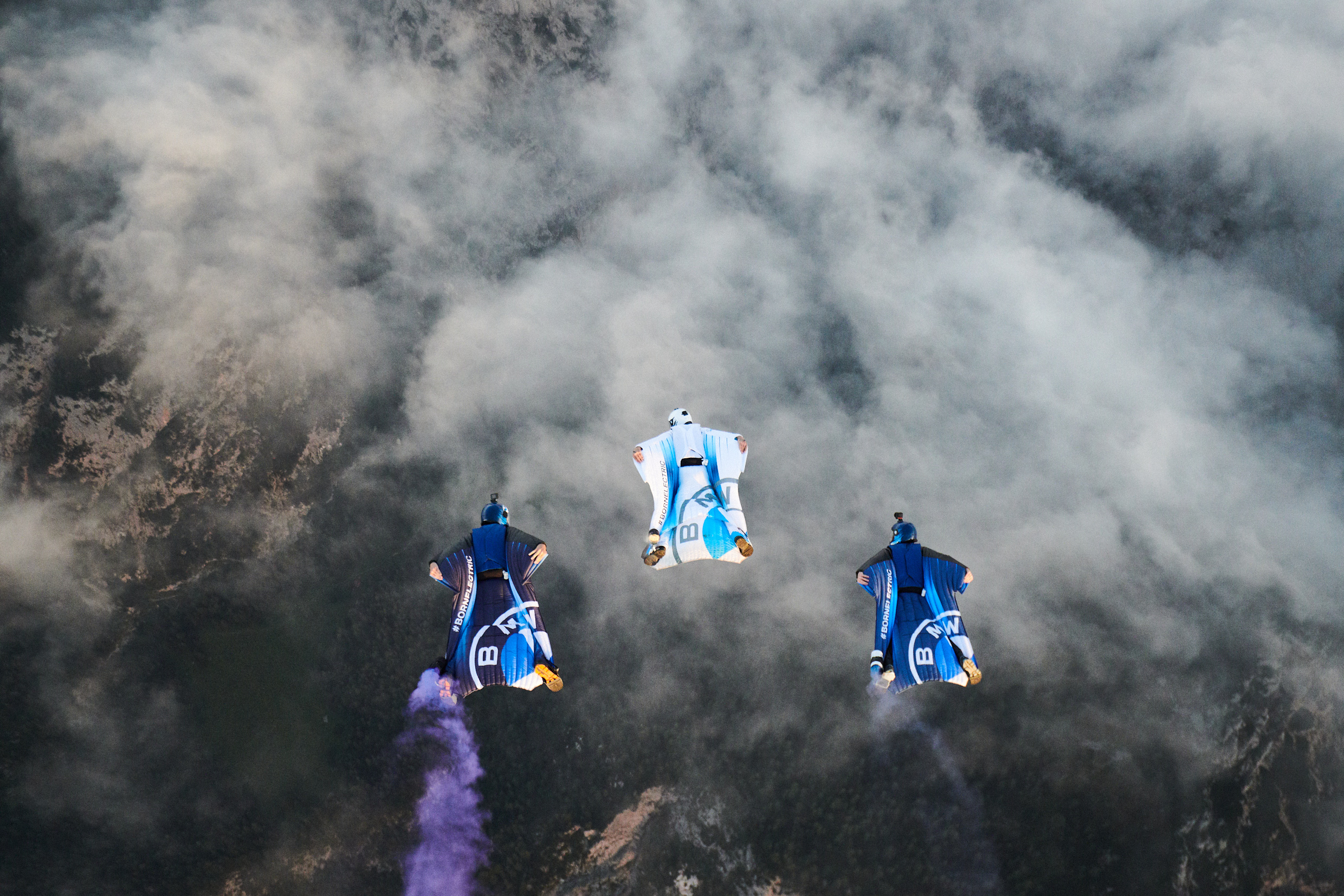 The suit was tested in BMW’s horizontal wind tunnel, AEROLAB, and in a vertical wind tunnel in Sweden. An initial design prototype, with 40 per cent additional power output, was scrapped in favour of lighter design and improved freedom of movement.
The electric wingsuit was originally slated to debut in South Korea in spring 2020, a plan delayed by the pandemic. The Drei Brüder, or “Three Brothers”, peaks in the Hohe Tauern Austrian mountain range, close to Salzmann’s childhood home, were selected as a replacement location.
The maiden voyage marked the first edition of BMW’s #NEXTGen 2020 series, showcasing new technologies and vehicles that envision next-generation mobility. To prepare for the flight, Salzmann completed specialised training to develop his core, neck, and shoulder muscles, in order to hold himself in the right position for the duration of the flight. With the first flight under his belt, Salzmann has already set his eyes on new goals - flying between high rise buildings in South Korea.
“Flying is freedom. It’s the ultimate expression of striving for the unknown and discovering new horizons,” says Salzmann.
What’s coming next? Trend reports available to download HERE


A global community of professional digital nomads, Unsettled wants people to rethink their approach to their working lives. Rose Dykins reports
The rise of remote working during Covid-19 has sparked a desire among many to continue working in a less conventional way. As a new wave of digital nomads explores their options for the future, opportunities like remote working retreats with Unsettled will grow in popularity.
Unsettled is a global community that organises retreats for digital nomads over the world. People may be undergoing a job transition, starting a new project or business, or seeking a different of direction with their career path. Or, they may simply want a change of scene from their home working set up.
During Unsettled travel experiences, participants combine their career goals with their travel aspirations, while meeting like-minded people. They immerse themselves in a group environment in a new destination, while taking part in group activities, experiences and workshops to help them develop as professionals.
The company’s website reads: “We bring together the intellectually curious who seek to replace routine with adventure, and refuse to settle in their pursuit of growth, meaning, and purpose.”
The idea for Unsettled began in 2014, when co-founders Jonathan Kalan and Michael Youngblood invited 40 of their friends from all over the world to the British Virgin Islands for a week-long holiday.
“We began to ask this fundamental question of 'why are we separating our work lives from our free lives – from our vacation, our holidays?'” says Youngblood.
“Everybody who was down here that year that worked for themselves, so many of them could continue living in a place like this, and more importantly with a group of people like this.
“And [they could] continue putting themselves in situations where they’re learning and challenging themselves, where they really have to embrace the unknown, in a new circumstance. We realised, we have to do this again.”
Within a week, Kaplan and Youngblood had launched a second trip to Bali. They organised a month-long retreat on the Indonesian island for 35 people, who brought their laptops and their work commitments with them.
Since then, Unsettled has run retreats in destinations such as Medellin, Cape Town, Tuscany, Buenos Aires, Morocco and Mexico City.
These travel experiences are a mixture of one-week adventures, two-week creative breaks or month-long co-working retreats. Each one is designed to inspire a new perspective, and encourages participants to stay active and productive.
As well as providing accommodation and workspace, Unsettled’s travel experiences involve curated experiences, talks from local experts and workshops to aid with personal and professional growth. There are also communal dinners – which participants can cook for and host if the like – and evenings spent exploring the destination with
Participants can take part in as much or a little of each programme as they like, depending on how much work they need to get done.
Unsettled has now hosted 2,500 people from more than 80 countries – digital nomads working in a range of roles, including CEOS, illustrators, lawyers, marketers, designers, scientists and poets.
Members of the community have worked for the likes of Amazon, The New York Times, Heineken, Deloitte and the United Nations
“It’s not a company that’s based on solutions, we’re a company based on a question of: ‘how can we live our lives differently?’”, says Kalan.
The organisation also offers a Global Passport membership. Subscribers get access to an online portal of professionals from the Unsettled community, whom they can build connections with over Zoom and facilitated group sessions. They can also watch inspirational talks and sessions and panels – the theme of these this month is “The Power of Play”.
What’s coming next? Trend reports available to download HERE


Ōma in Paris is promising to redefine the movie-going experience by being the world’s first 'vertical' cinema when it opens next year. Sam Ballard reports
At a time when the Covid-19 pandemic has disrupted movie releases, put an end to red carpet premieres, closed cinemas and forced those that have managed to reopen to block out seats to create social distancing, Ōma is proposing something revolutionary.
Ōma cinema offers audiences an intimate atmosphere, sitting within “pods” rather than on the long rows of traditional cinemas. (This happens to be ideal for a time of heightened germaphobia.)
The architecture is based on three major features, according to the company, “an original ‘platform’ layout; a flexible seat arrangement in each ‘balcony’; and projector positioning among the seating ‘pods’ allowing audiences to get much closer to the screen and the action.”
Pierre Chican, cinema architect, founder and CEO of Ōma, says: “Whereas all the cinemas built for more than 50 years now are similar and reproduce the same seating arrangement of the audience, this concept of movie theatre creates a cinematographic experience at the same time intimate, spectacular and immersive, where every seat in the house is the best seat in the house.”
Having the pods means that the “slope” of the seats can be at a higher incline – between 50 and 60 per cent – rather than a typical slope which is usually about 25 degrees. Each pod will have about three rows of six seats, reducing the chance that shorter members of the audience are stuck behind someone far taller.
 The layout of the cinema also means that front rows are further back, while back rows are elevated – creating a wall of vertical seating, rather than the typical “front to back” row layout.
Ōma says: “The staggered platforms allow the central positioning of the projector, thus the best possible projection of an image free of any distortion.
"The Ōma cinema is compatible with any type of digital projection and sound system technology on the market. Customisable platform distribution allows the Ōma to meet very specific location needs, whether existing structures or new projects.
"Operators can choose the size of each platform, number of levels, platforms per level, as well as seating configurations per platform.”
Speaking to The Metro, co-founder Nicholas Chican, said: “The inspiration came from the older, Italian theatre with the balconies, and the opera houses.
“We wanted to make a link between the older opera houses, with the architecture, and the traditional theatre, within like a futuristic movie theatre. The idea was to bring something different, we wanted to bring the audience closer to the screen.
Ōma is offering the design as a patent to other cinema owners who wish to recreate the experience in their own theatres.
What’s coming next? Trend reports available to download HERE
PriestmanGoode's Pure Skies concept is disrupting industry norms with its overhaul of business and economy cabins for post-pandemic travel. Olivia Palamountain reports
Could new and improved air travel be the silver lining of the Covid-19 pandemic? If these futuristic cabins by PriestmanGoode are put into production then just maybe.
Pure Skies offers "an answer to pressing consumer, business and environmental concerns" in a post Covid-19 world, with the London-based design studio drawing on everything from colour psychology to antimicrobial finishes to create its vision.
Perhaps the most dramatic change imagined is the move away from the notion of "class". Instead, Pure Skies re-imagines business and economy class cabins with Rooms and Zones, engineered around three main factors:
- Personal space
- Hygiene
- Touch-free journey
Nigel Goode, co-founding director at PriestmanGoode, says: “This latest work from the studio represents pragmatic innovation. With the benefit of over 30 years’ experience, we know how to harness design to achieve long-term positive change.
"We’ve looked ahead to imagine future scenarios and taken into account new passenger behaviours driven by the global pandemic to ensure our designs can be implemented within a few years and will meet user and airline requirements for many years ahead.”
The equation between space and profitability has been a long-standing balancing act for the airline industry, an issue further complicated in a post-Covid-19 world. The team focused on how space in economy cabins had become too compromised and explored how a total re-think of seat features and cabin layout might lead to an improved passenger experience.
Key features of Pure Skies include…
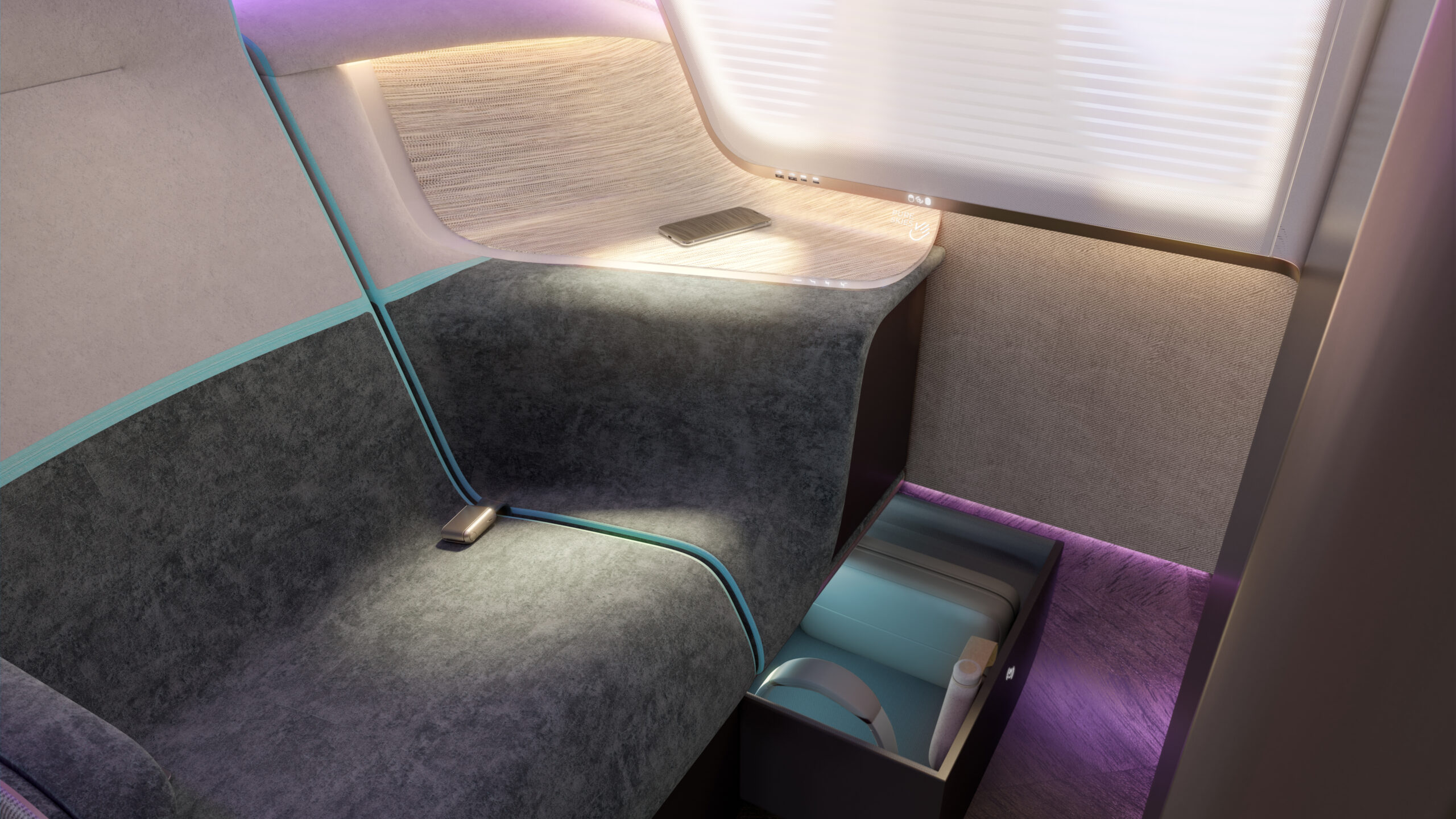
Pure Skies Rooms (previously business class)
Each seat sits within a fully enclosed personal space, partitioned by full-height curtains.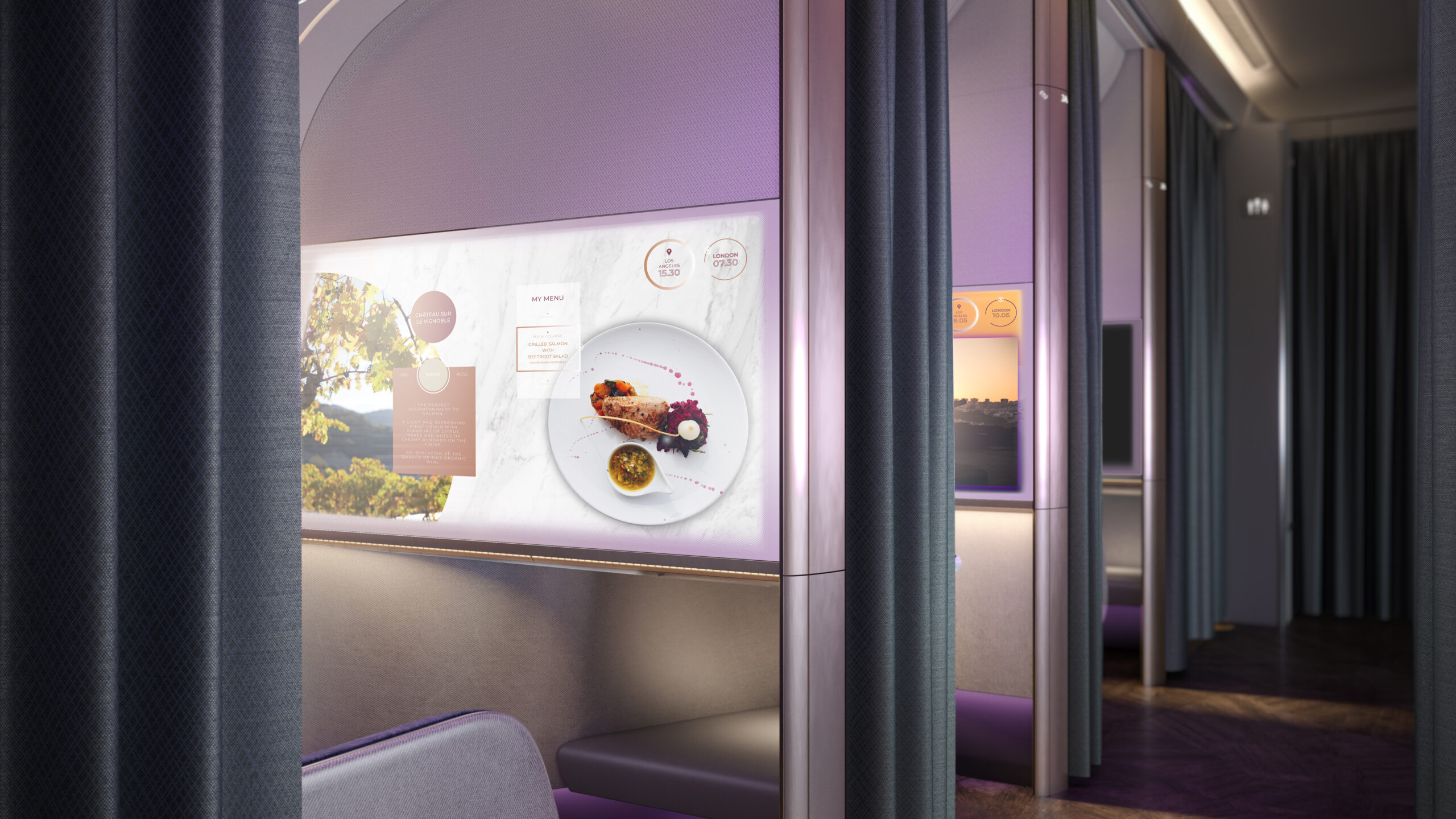 There's a brand-new seat design with minimal "split lines" and seam-welded fabrics. There will also be antimicrobial materials and finishes to limit the spreads of germs and viruses.
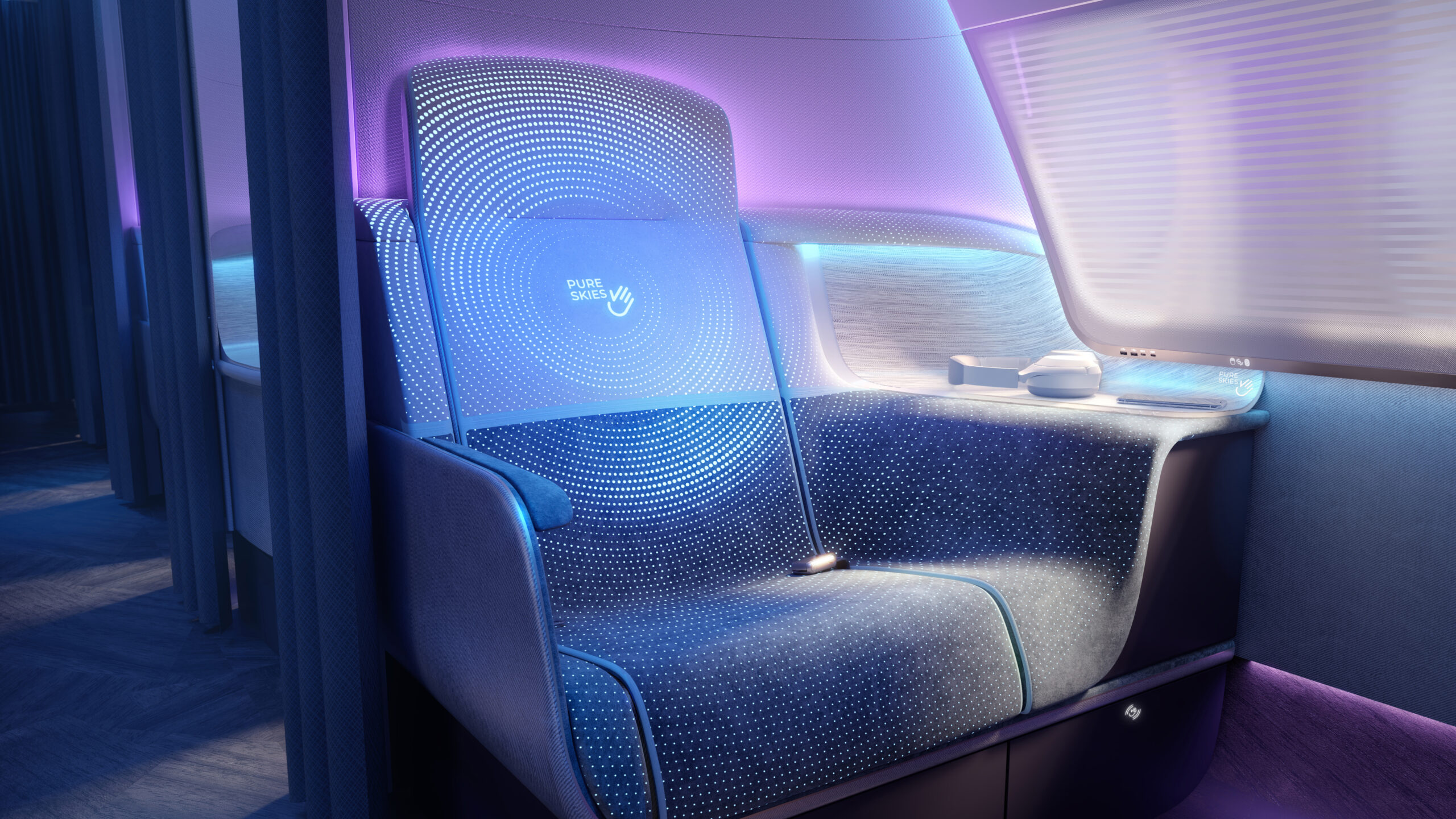 Each seat will have individual lighting and temperature control. At the same time, in-flight entertainment (IFE) systems will be fully synchronised with passengers’ own devices.
 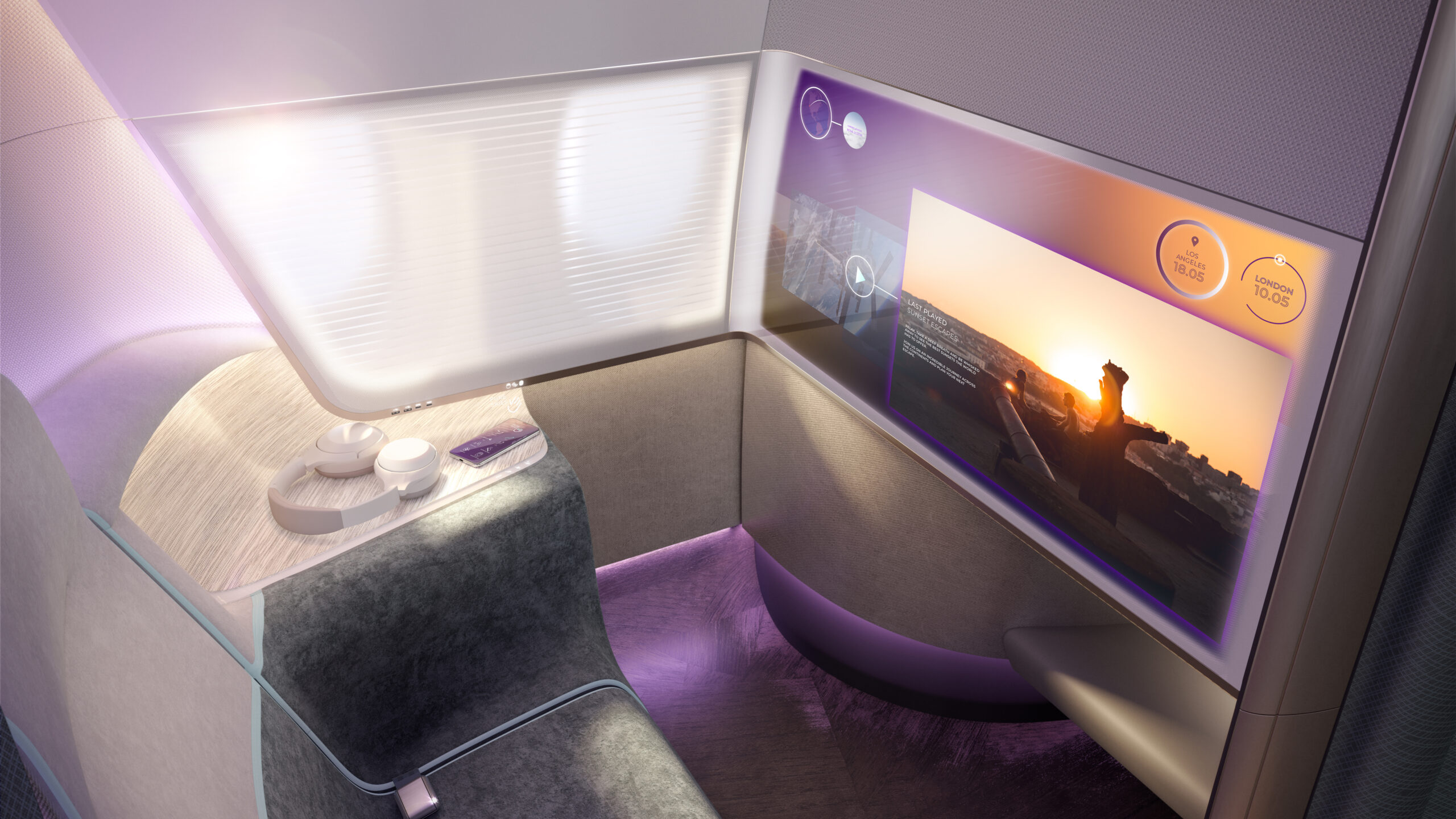 There will be personal overhead stowage and wardrobes.
  Pure Skies Zones (previously economy class)
This section of the plane will feature dividing screens between every other row for greater separation between passengers.
There will be a staggered seat configuration to maximise the feeling of personal space and allow people to sit in the groups they are travelling in.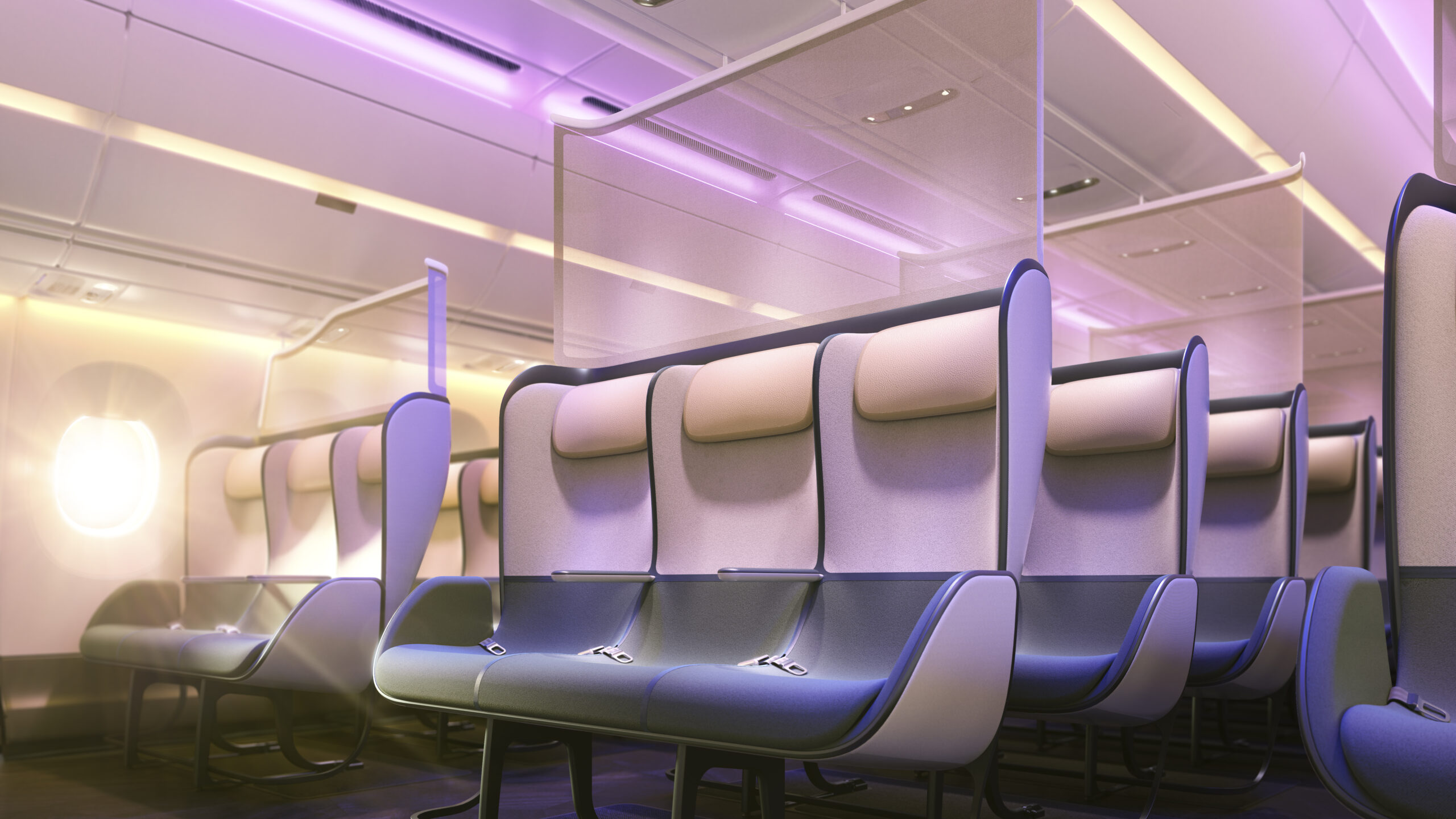 The backs of seat shells will have no gaps to eliminate dirt traps.
The recline mechanism will be entirely contained within the fabric skin of the seat to avoid split lines and hard-to-clean gaps.  The removal of IFE screens in favour of passenger-owned devices will reduce of the weight of the aircraft, as well as costly technology.
This concept also presents additional commercial opportunities: straight seats without IFE screens with the option to hire a device; or staggered rows to give more legroom and with screens included – better but also more expensive for travellers.
Seat-back trays will be removed, replaced with a clip-on meal trays direct from the trolley. 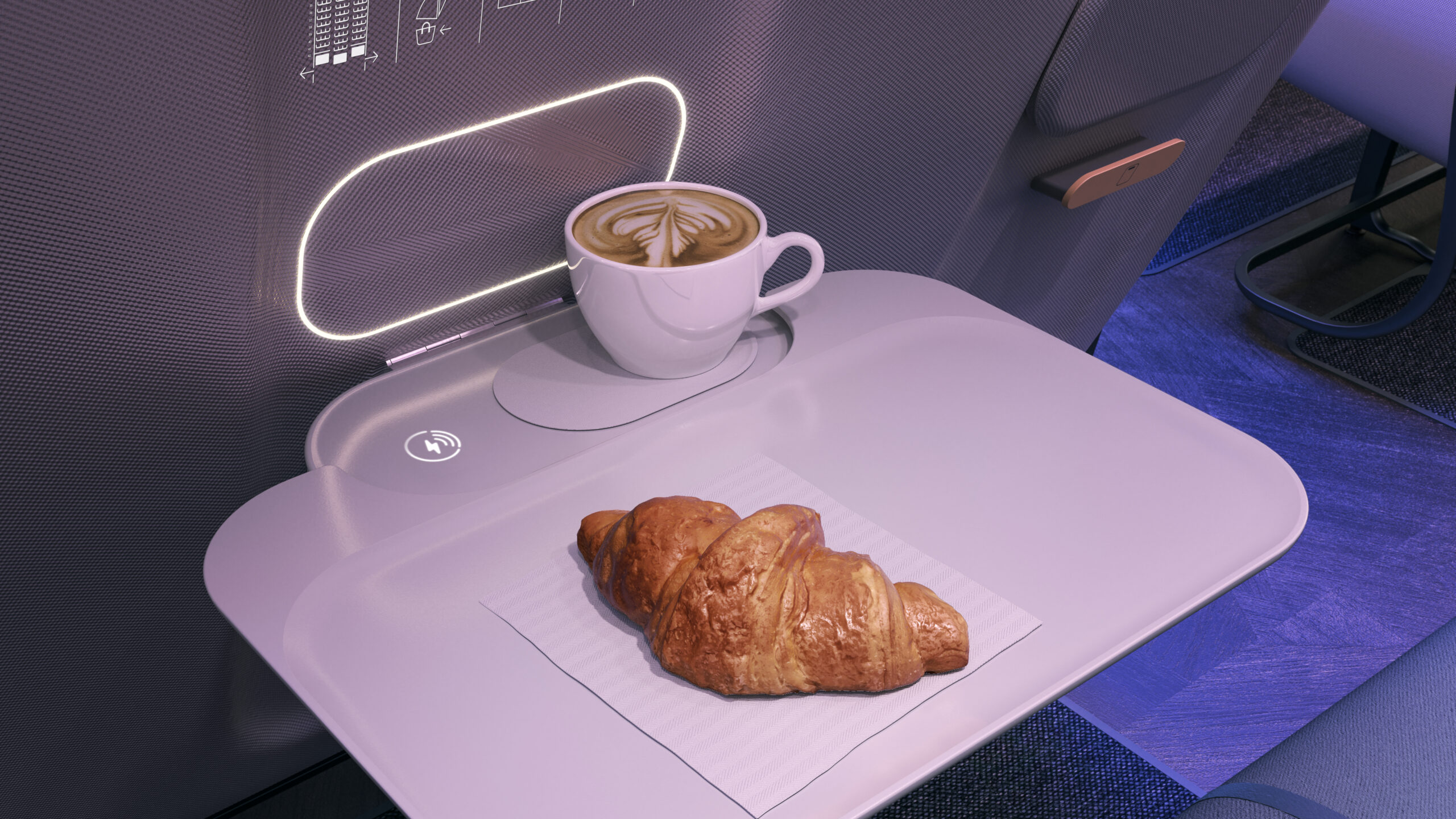 With in-flight magazines gone, seat-back literature pockets will instead have a removable bag for each passenger or the option to clip on their own.
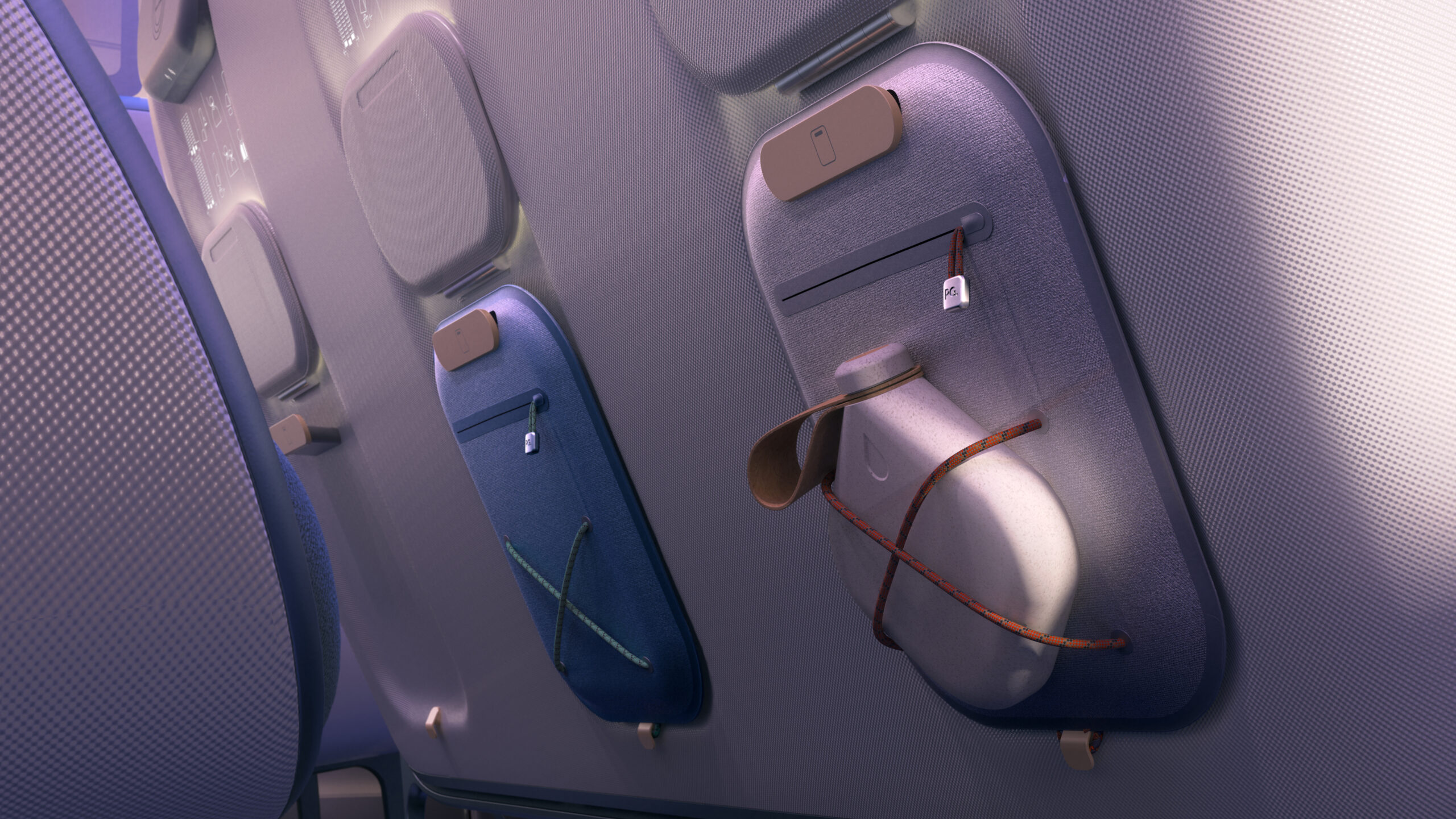 The very latest developments in materials and antimicrobial finishes will be used to meet higher future standards in sanitation, complemented by shades determined using colour psychology.
And while Pure Skies has made passenger safety, calmness and security a priority, it also takes a planet-centric approach by marrying these concerns with sustainable solutions for aviation.
What’s coming next? Trend reports available to download HERE
The Quarter Car is a fully autonomous vehicle that features seats in individual compartments, like business class suites on a plane. Sam Ballard reports
A new concept vehicle that allows passengers to ride together or in separate, business class-style compartments has been envisioned by Seymourpowell, a London-based industrial design and innovation company.
The Quarter Car, a fully autonomous vehicle, is powered by electric batteries and is designed to operate between “urban and suburban environments”. It would be particularly for "last-mile" journeys from the airport to a hotel, for example, and would be a more sustainable option to conventional taxis that can seat multiple passengers but are often only occupied by one.
Seymourpowell’s concept is built around increasing the internal volume of the vehicle rather than making it more aerodynamic – making the Quarter Car look more like a bus than a car, although it's still only roughly the length of a Toyota Prius. 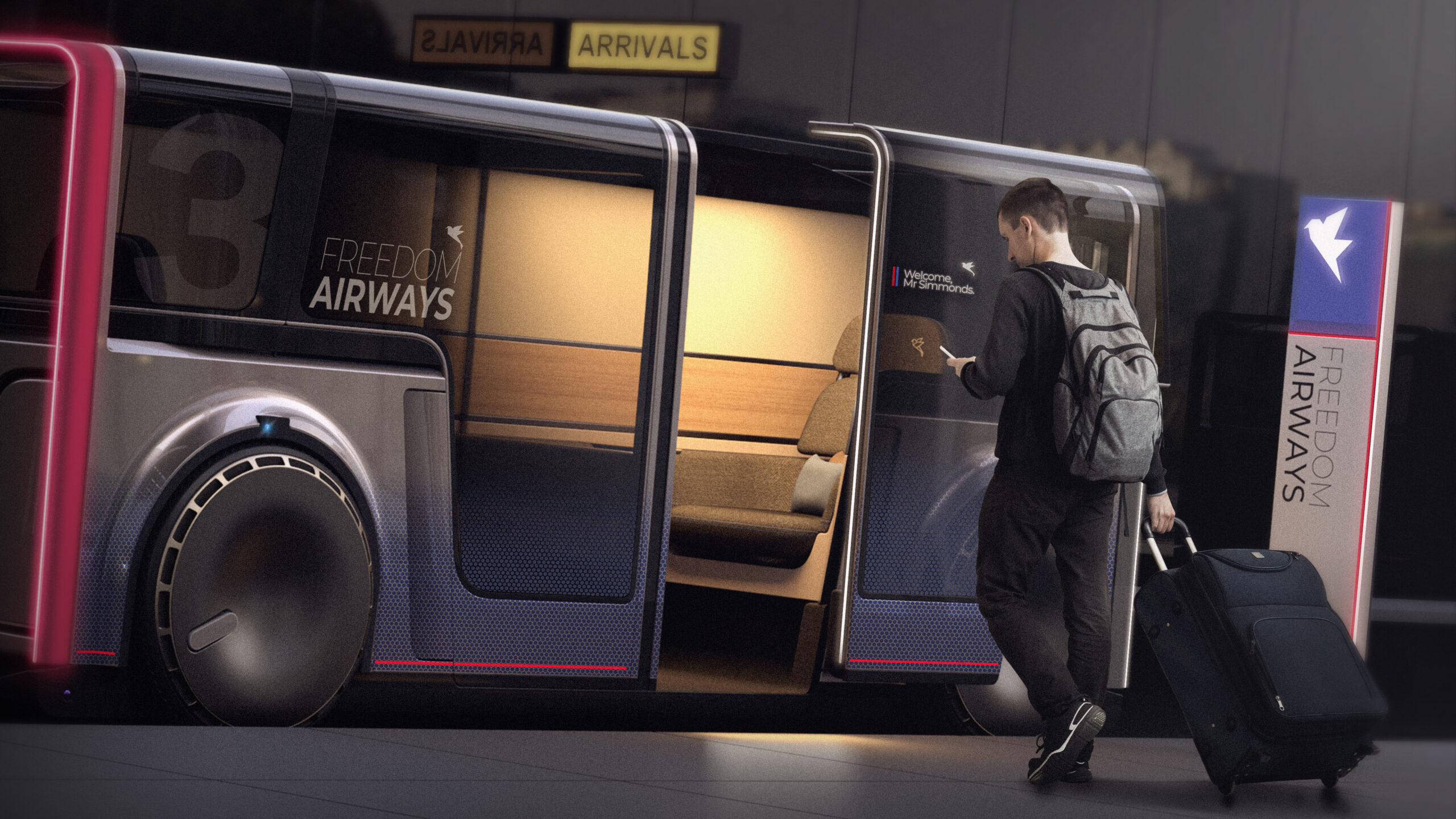 Passengers will be able to book either one quarter of the vehicle or, if they’re travelling as a group, two spaces, three spaces or the whole Quarter Car. The interiors are stylish and comfortable, with amazing visibility through a transparent roof and sides.
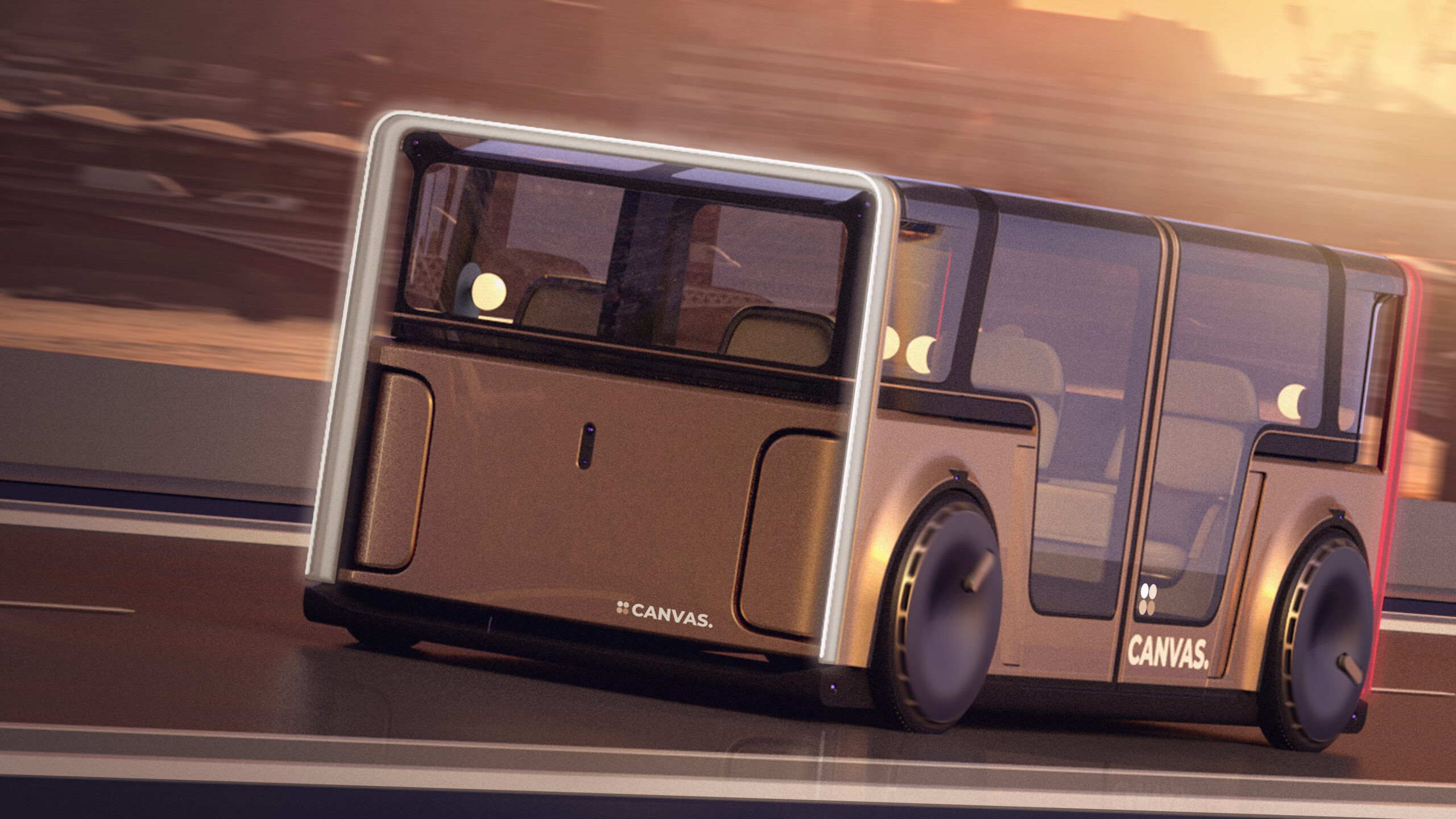 Jonny Culkin, designer at Seymourpowell, says: “A key issue within the digital ride-hailing business model is the inefficiency generated from the number of empty seats during journeys. We have identified this as the ‘Uber Pool’ problem, where despite cost based incentives, passengers are unwilling to share their journey with other users.
 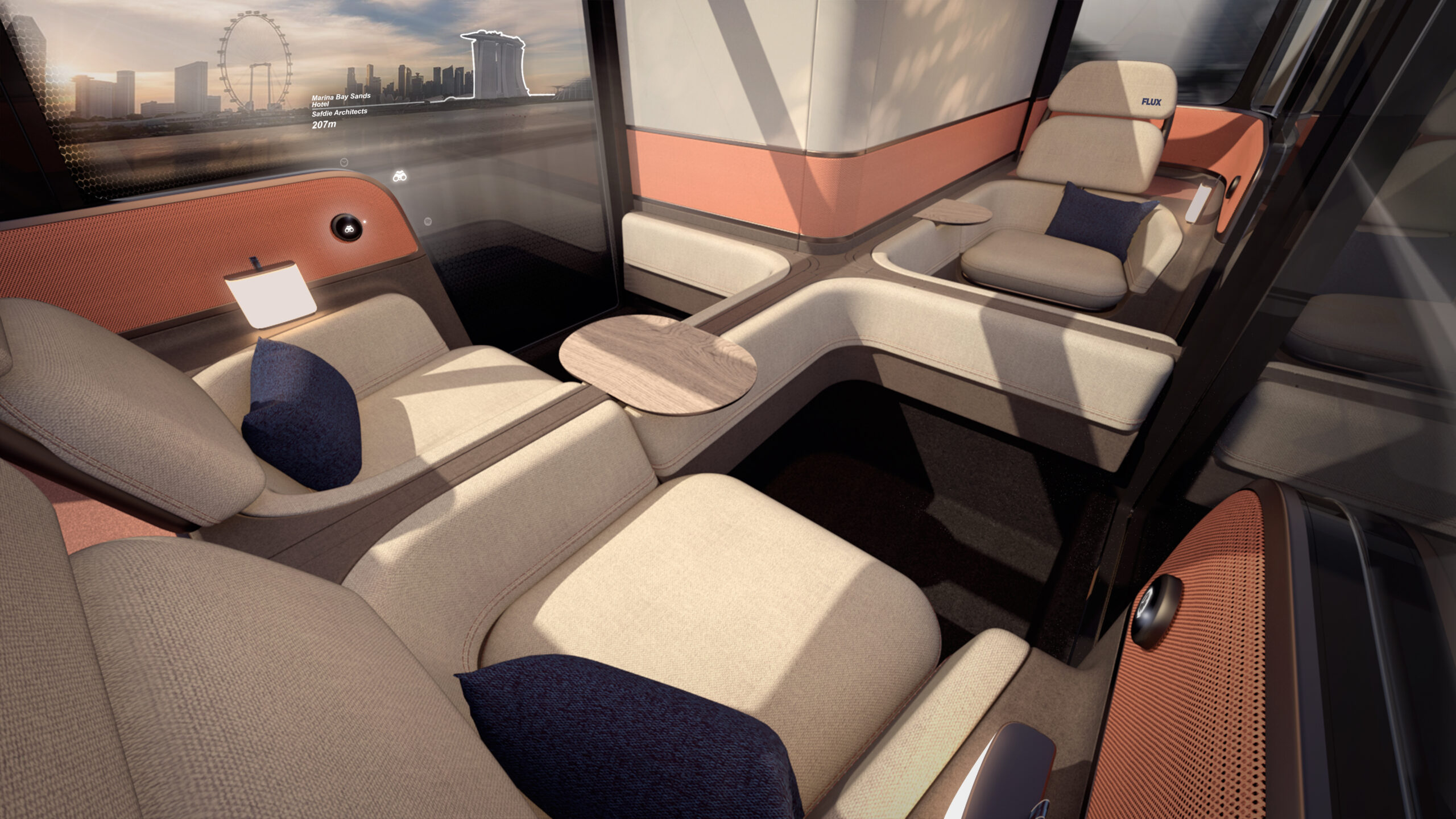 "It is a significant challenge for vehicle manufacturers and ride hailing services to overcome in order to unlock revenue and efficiency growth potential."
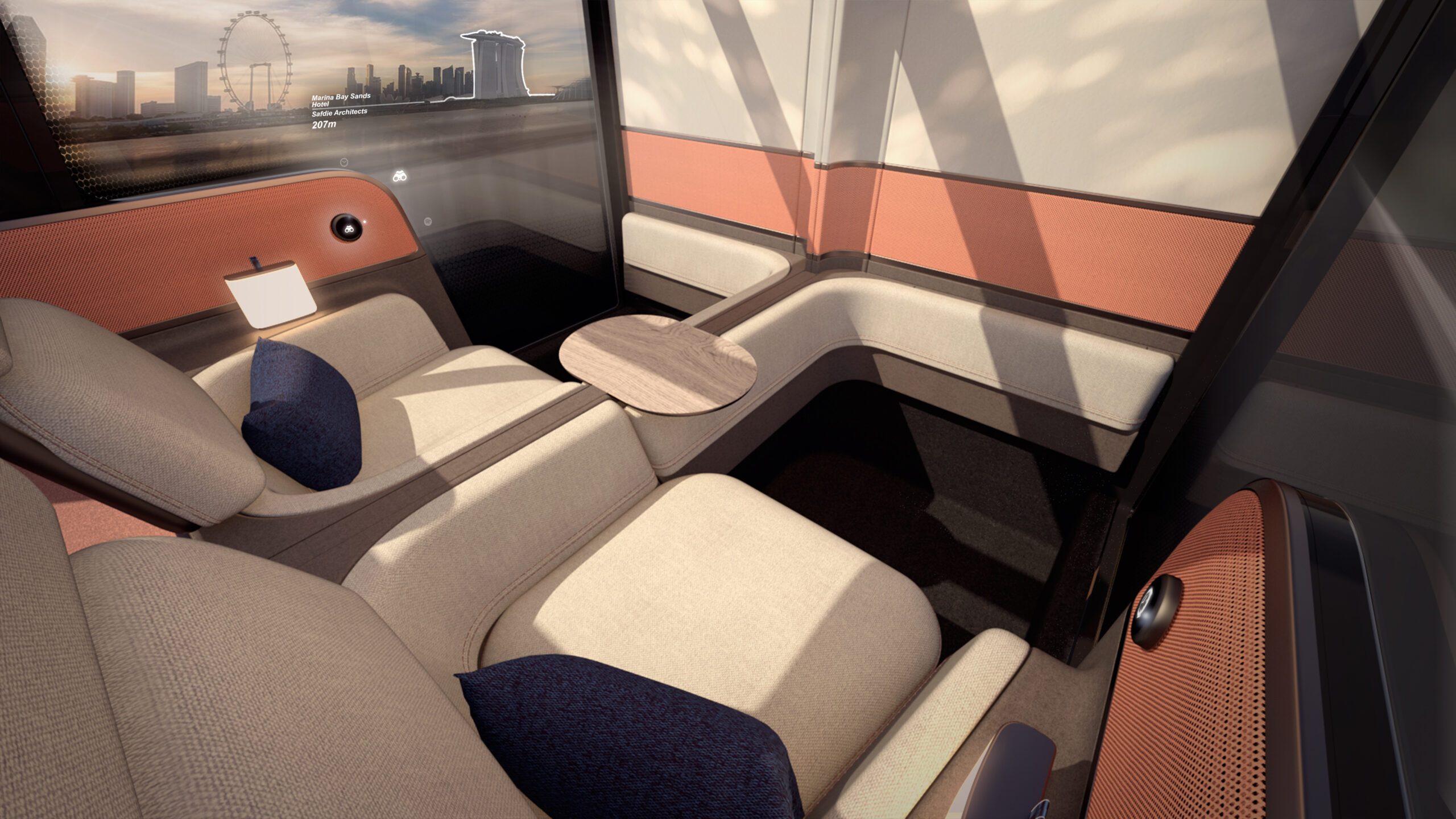 Culkin adds: “With the onset of autonomous, connected, electric and shared mobility, it’s time to start defining the first generation of vehicles designed specifically for mobility services. Vehicles like Quarter Car will lead the way in defining a trend of ‘Private Shared’ vehicles; adaptable spaces that will improve business metrics and passenger experience in one hit.”
With people far more "germaphobic" as a consequence of the coronavirus pandemic, the idea of isolated compartments in a shared vehicle will certainly appeal.
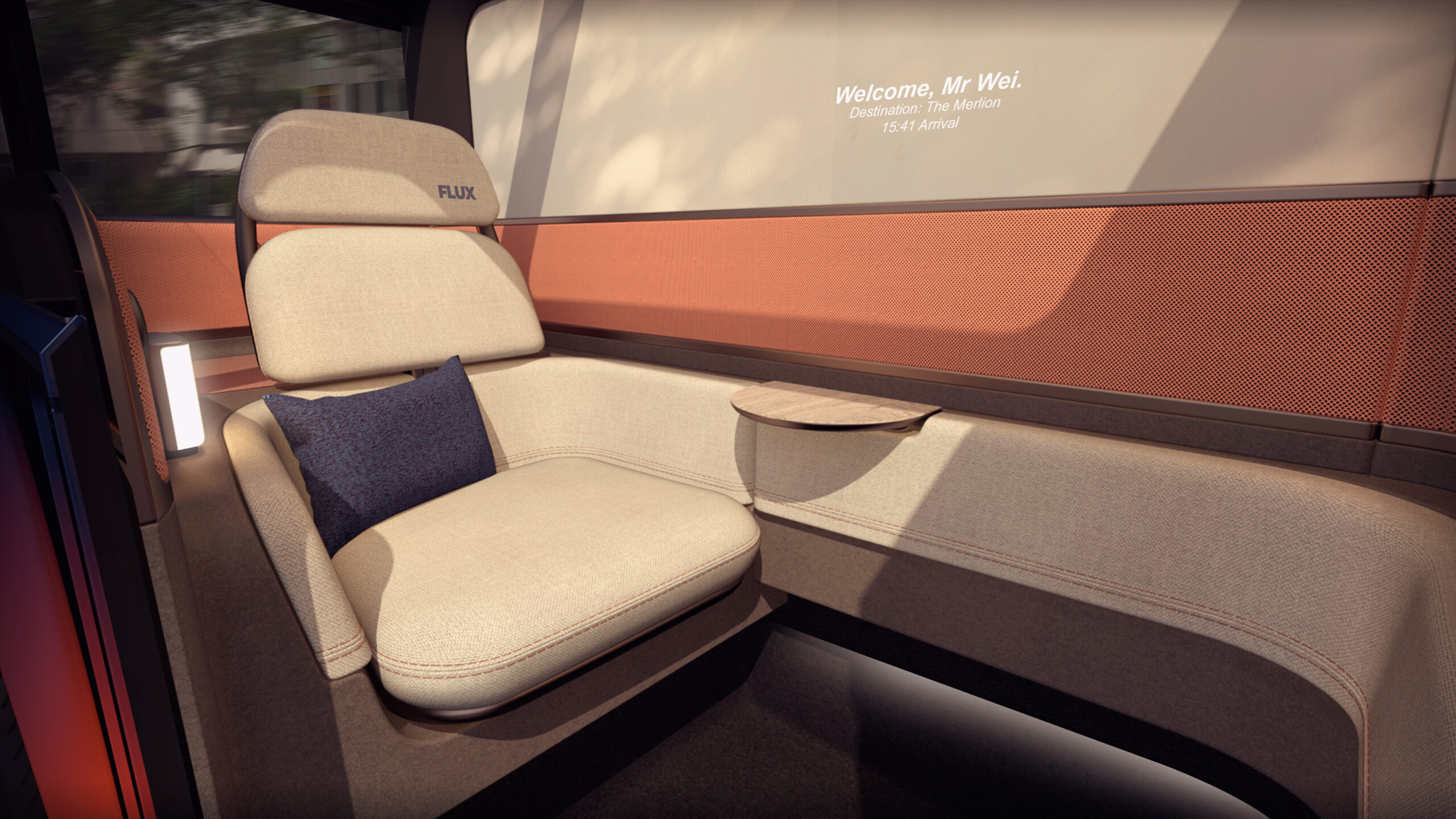 Culkin says: “As well as the in-car experience, we envisioned how Quarter Car could be adopted across a variety of sectors for different purposes.
"Whether it’s basic A to B ride-hailing transportation; a service which airlines employ as a business class benefit for pick up and drop offs; or even a commercial vehicle utilised by hoteliers to expand its concierge service through bespoke city tours and providing on-the-go, co-working spaces for the modern day flexible worker.”
 Richard Seale, lead automotive designer at Seymourpowell, says: “During the initial design process of Quarter Car, we left no stone unturned when questioning the conventional wisdom of traditional vehicle design. As part of this process, we began to wonder whether a vehicle could in-fact positively contribute to the air quality of the environment it operates in, rather than the contrary.
"We believe that if we are going to flood city’s with new mobility solutions, in various ways each vehicle should do a little good for every mile travelled, collectively contributing to better living standards for all.”
What’s coming next? Trend reports available to download HERE
In just six weeks, the Faroe Islands welcomed more than 700,000 'remote tourists' via live video stream, demonstrating a new fledgling market for virtual travel. Jenny Southan reports
In April, the Faroe Islands launched an innovative new virtual travel tool called Remote Tourism, which allows people to "control" a Faroese guide via live video stream.
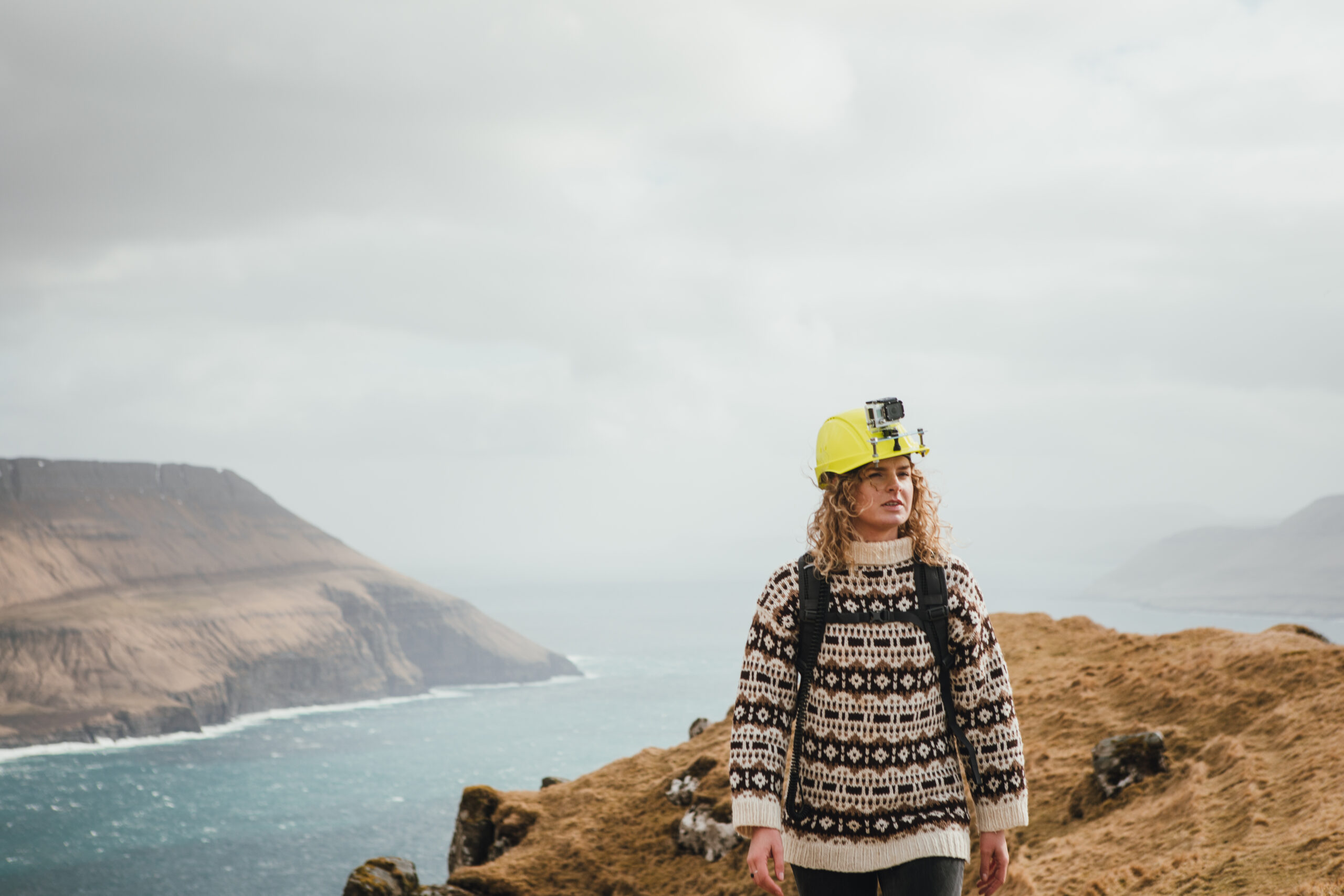
Virtual visitors from around the world can transform their phone, tablet or PC into an XBox-style remote control to request their guide to turn, walk, run and even jump during the 60-minute tours of the Faroe Islands.
Just like in a computer game, players using the Remote Tourism tool are invited to take turns to control the moves of the Faroese islanders for one minute each.
Locations are explored on foot, on horseback, by boat and even by helicopter, while guides wear hard hats mountain with GoPro cameras and earphones to hear commands. Remote Tourism launched following the travel restrictions imposed by the Faroese government due to Covid-19 in mid-March, and since then, more than 7,000 people virtual tourists have logged on to see the destination for themselves.
 It's a campaign, obviously, but a good one. And demonstrates how clever virtual travel experiences – powered by mainstream adoption of Zoom video-conferencing technology – could now take off in a way they wouldn't have before.
Guðrið Højgaard, director of Visit Faroe Islands, says: “We have been blown away by the global response to Remote Tourism, which has demonstrated just how much our beautiful and unspoilt environment appeals to a broad range of people from all corners of the world.
“The tool has not only provided that necessary escape for those self-isolating at home, but also a good dose of fun, which so many have been craving. We have loved watching how people haven’t held back when ‘taking control’ – our guides have certainly been put through their paces and kept fit.”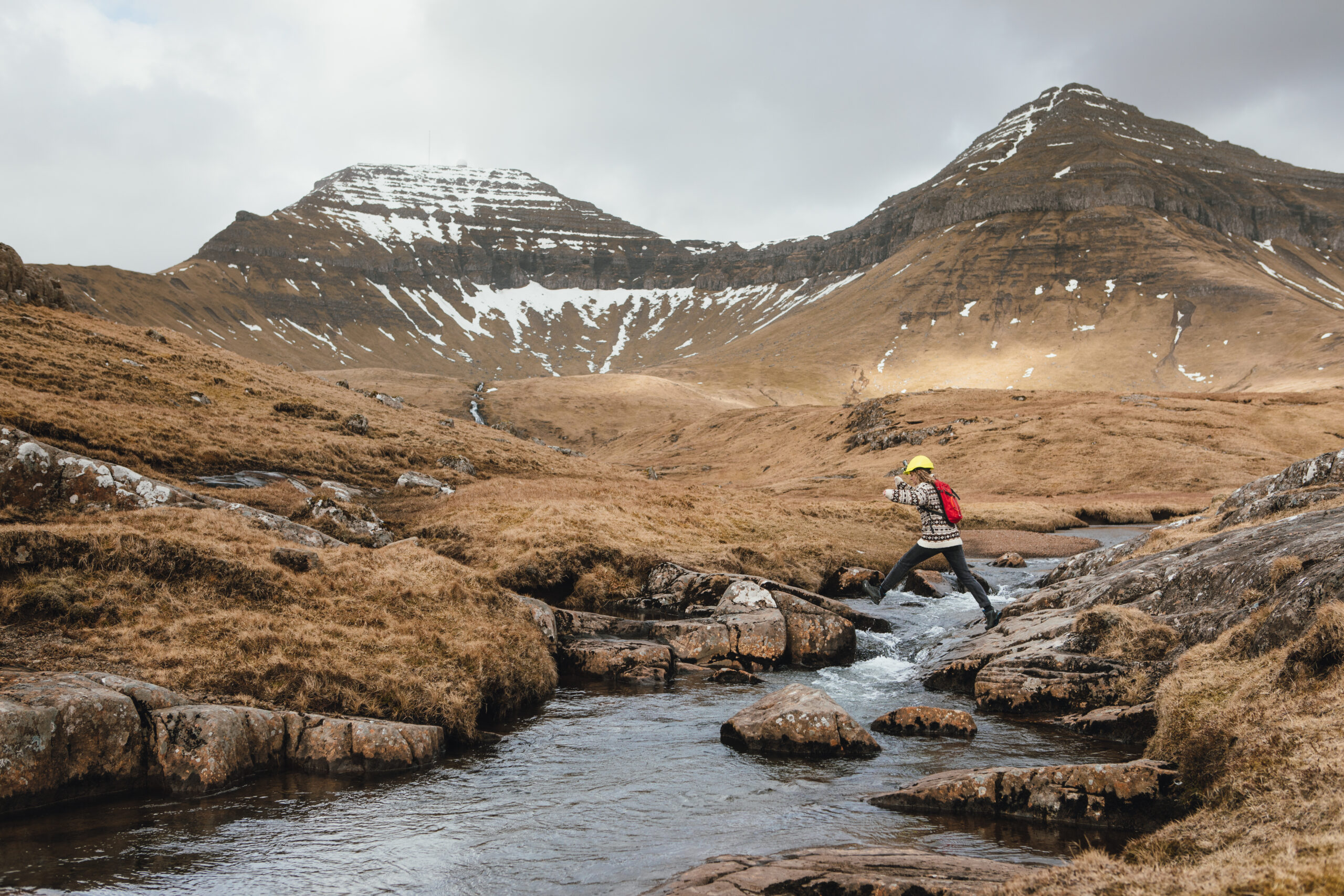 Fortunately, the effect of coronavirus on the health of locals has been limited, with just 187 cases in total reported and no deaths recorded. No new cases have been recorded since April 22. Almost 10,000 people (20 per cent of the population) in the Faroe Islands have been tested for Covid-19.
The Faroe Islands will open to visitors from Denmark, Iceland, Germany, Norway and Greenland from 15 June 2020, without the need to self-quarantine.
To experience the Faroe Islands as a virtual tourist through a local’s eyes, go to remote-tourism.com, with tours continuing once per week, every Wednesday at 6pm (UK time) until 17 June.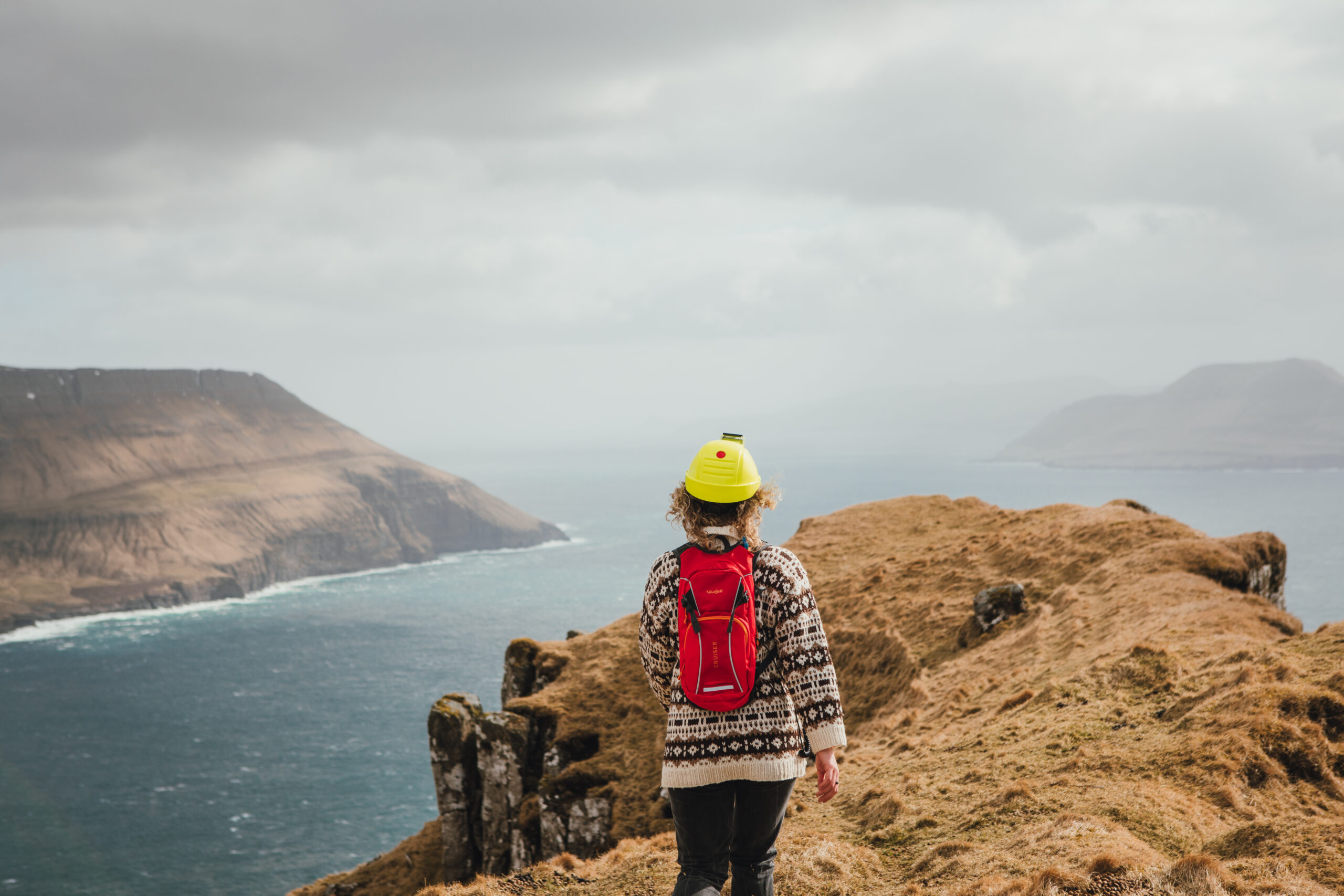
The Faroe Islands Remote Tourism site is most popular among:
1. USA (54,983 visits)
2. Russia (38,830 visits
3. Italy (19,360 visits)
4. Ukraine (15,597 visits)
5. UK (12,385 visits)
How the Faroe Islands has managed 'overtourism'
The Faroe Islands (of which there are 18) has a population of just over 52,000 people. Last year, it welcomed 130,000 visitors, although it has been careful avoid overtourism.
Back in spring 2019, it "closed for maintenance" for one month to 100 or so volunteers from 25 countries who were invited to help with environmental restoration projects.
Tom Ecott wrote in The Guardian: "We 'voluntourists' (as Visit Faroe Islands calls us) have the task of clearing loose stones from the path, and hammering wooden stakes into the grass to mark a safe, easily visible route over the mountain.
"Historically, clearing loose stones was done by the villagers, but thanks to the road they rarely walk over the mountain these days. It’s being refurbished mainly for the burgeoning numbers of tourists who explore this archipelago of rugged mountains, prolific seabirds and wild-looking sheep."
What’s coming next? Trend reports available to download HERE

Designed to be played while wearing a virtual reality, Oculus Quest headset, Supernatural is a subscription-based game of choreographed, high-intensity workouts in incredible worlds – both alien and Earthly. Samuel Ballard reports
As Globetrender predicted in its 2020 Travel Trend Forecast, Cyber Worlds is a big trend for the new decade, as virtual and mixed reality entertainment reaches new heights of sophistication. In this case, we are looking at a game called Supernatural that is played while wearing the Oculus Quest headset. It is designed to get you fit, while transporting players to some of the most beautiful places on Earth – and beyond.
One of the many downsides of life under lockdown has been the seemingly endless ways in which we’re being told to keep fit while staying indoors. However, in terms of imagination, none of them can come close to Supernatural.
Developed by Within, a virtual reality studio, Supernatural is a fitness platform that uses the Oculus Quest virtual reality headset to create workouts that look more like you’re in an RPG (role-playing game) blockbuster.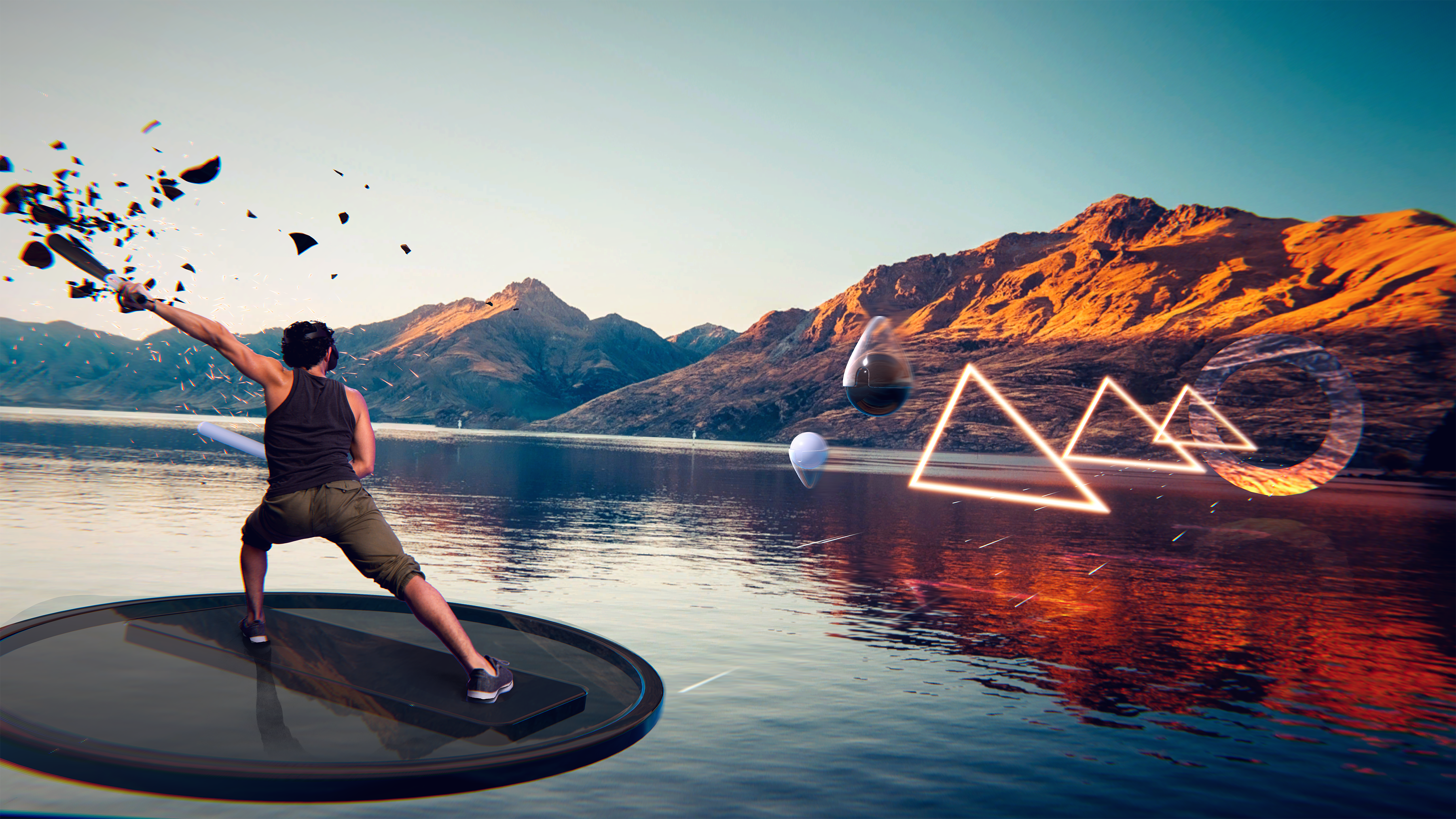 Workouts are set in “photo-real” locations including Machu Picchu, the Galapagos islands and Ethiopia’s Erta Ale Volcano where players dodge incoming obstacles or smash missiles, all while listening to heart thumping music from artists on Universal, among other labels.
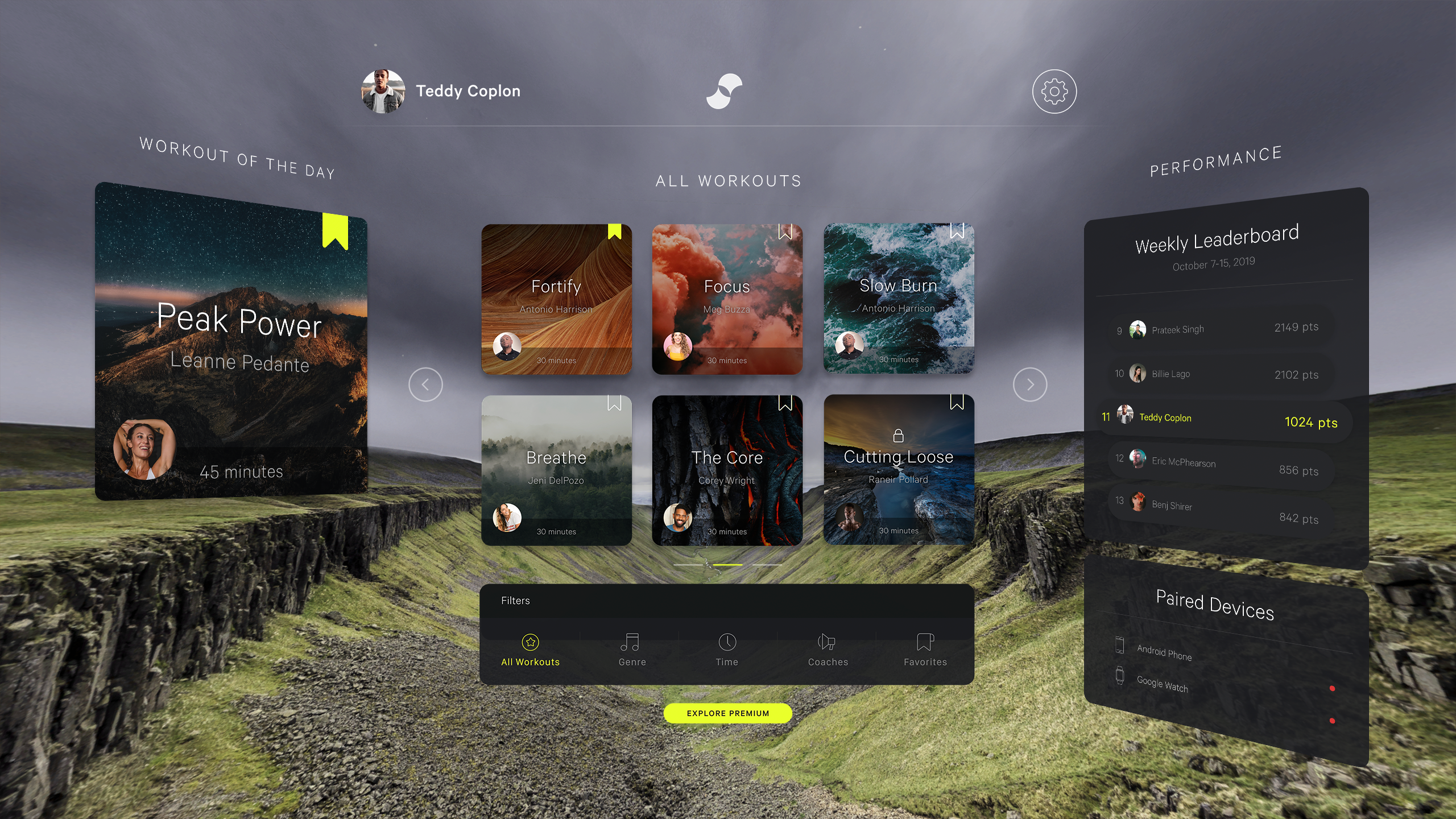 Daily on-demand workouts take the form of personalised "rhythm maps", designed by choreographers and coached by top fitness trainers. Its "dynamic difficulty" feature also means that the better you are, the harder its gets.
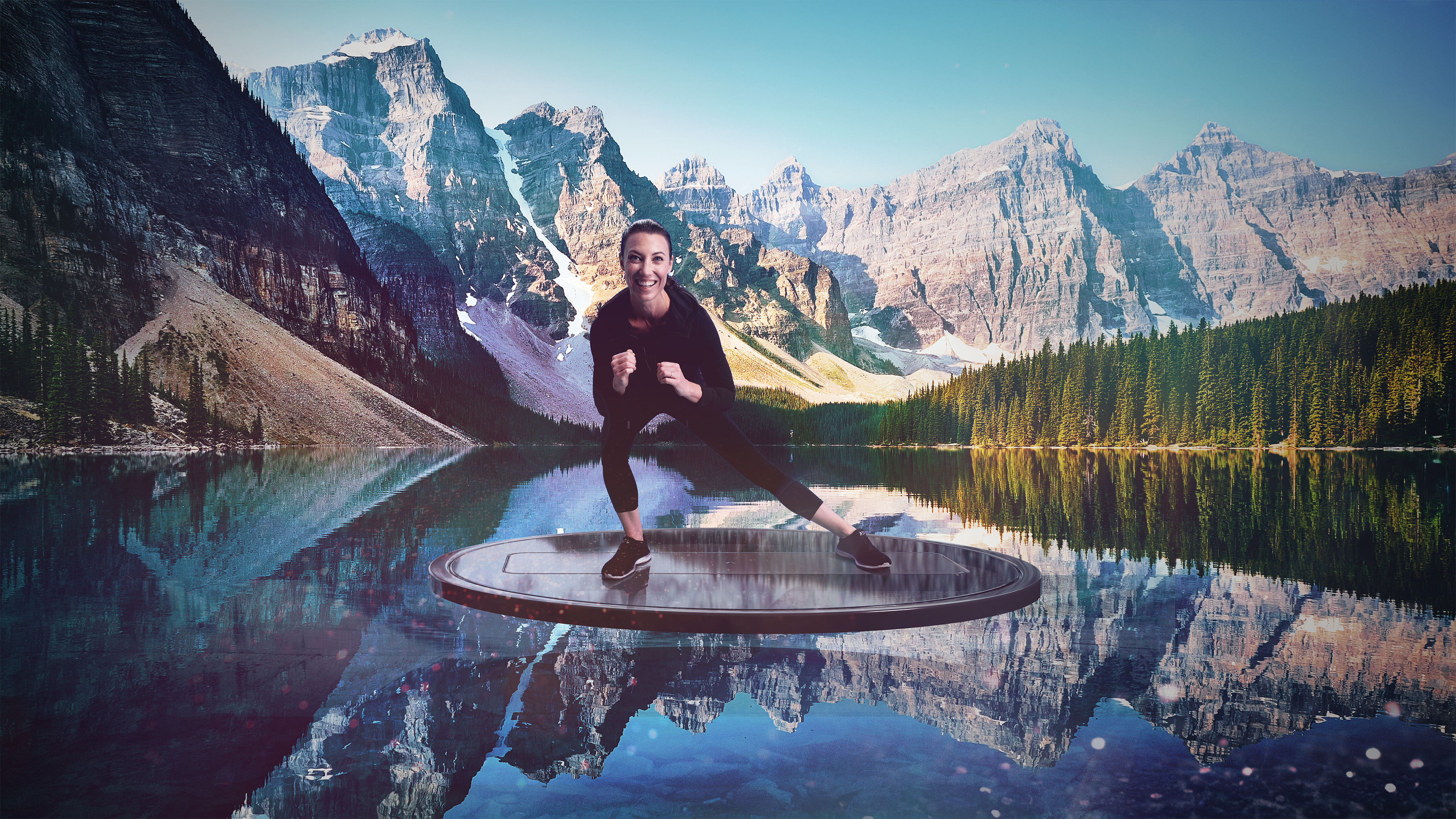 What's even more impressive is the fact it calibrates your height, arm span, squat depth and lunges to "ensure that every workout is safe, challenging and mapped specifically to your body".
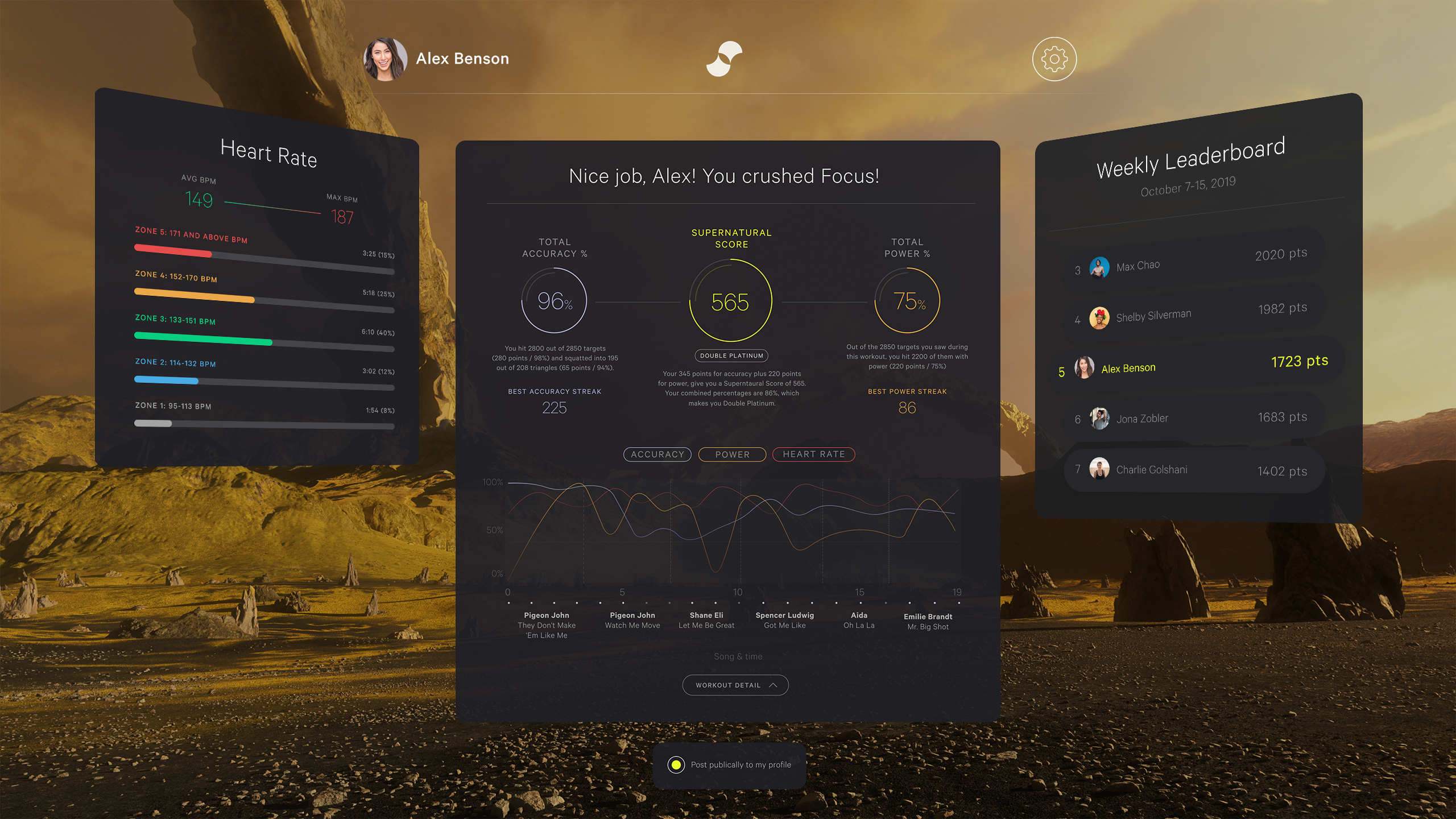 The idea behind it was to create an exercise experience for people who do not like to exercise, according to one of the founders of Within, Chris Milk.
“When my Within co-founder Aaron Koblin and I realised we had developed dad-bods without having any actual children, we knew we had to do something,” he said.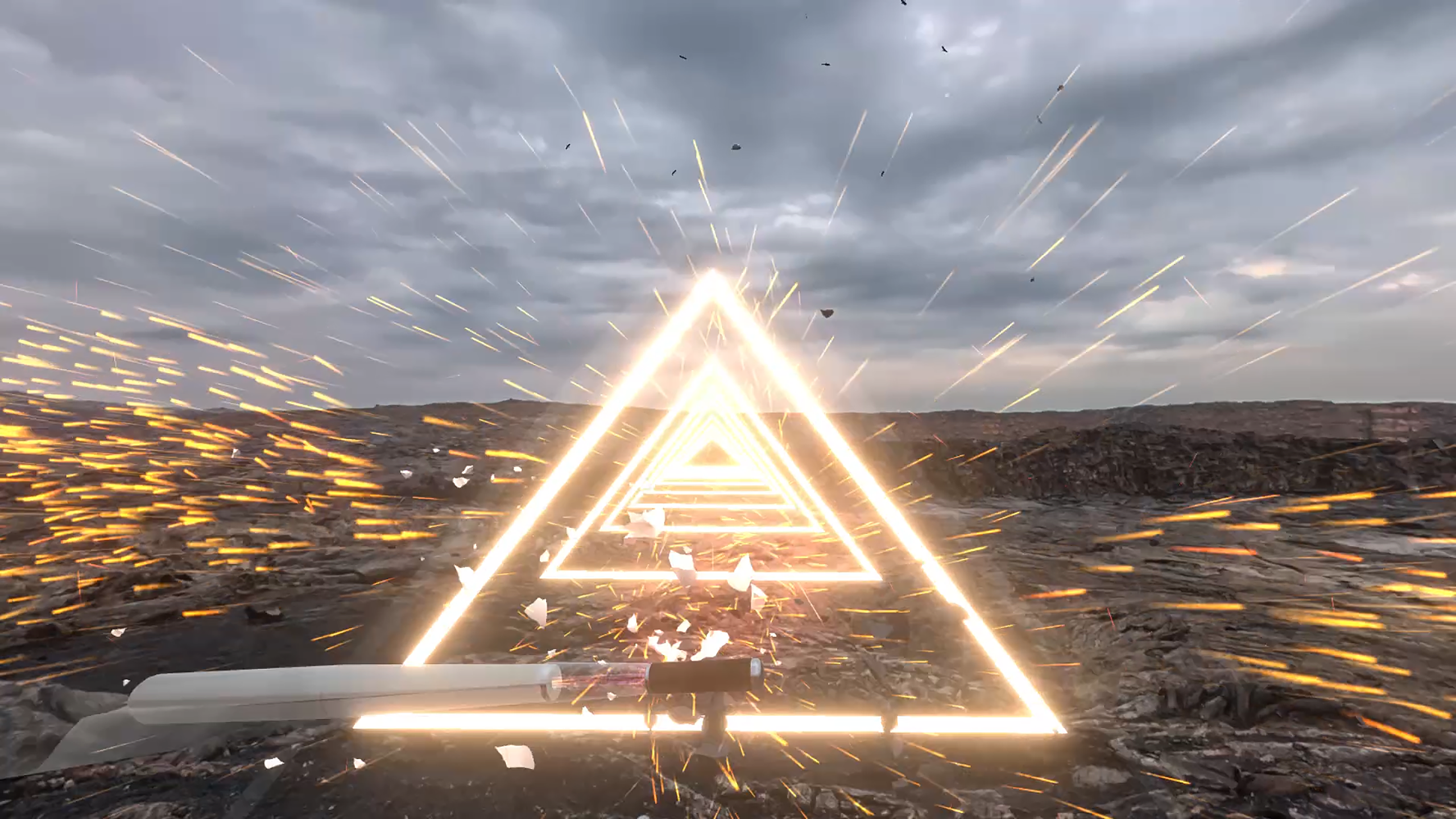 “Neither one of us was fond of, or good at sticking with, exercise. We disliked the rigmarole of going to the gym and didn’t think the home fitness solutions out there were particularly fun. We wanted the benefits of exercising regularly, but we didn’t enjoy the short-term activity necessary to get those long-term results.”
 The Supernatural game comes as an app that costs from US$19 a month and includes different workouts, landscapes, environments and coaching. (The Oculus Quest headset costs from £399.)
There is also a companion app that connects with your calendar and lets you challenge other friends with the app. A 30-minute session on Supernatural is the equivalent of half an hour of snowboarding in the Swiss Alps.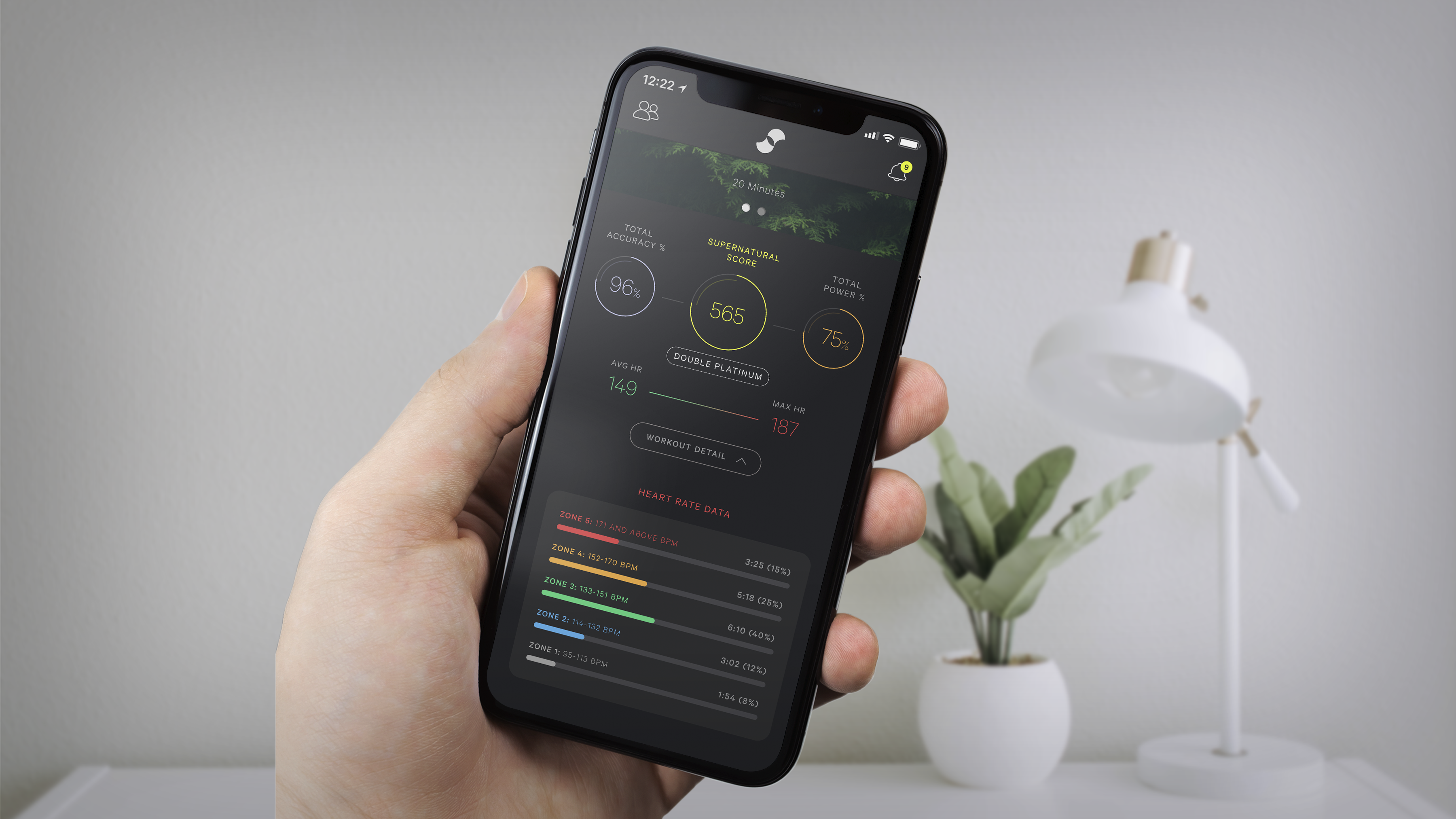 Milk says: “My favourite way to frame it is this: What if you had a wormhole in your closet, and you popped out of bed and dove through it to snowboard in the Swiss Alps every morning, and then popped back through the portal and took a shower and went to work?
"That reality is possible if you introduce VR into the equation. That’s the emotion we were chasing – something that gives you the physical exercise you’re after, but in a fun, joyous, exhilarating way, and most importantly, you can do it in your home.”
What’s coming next? Trend reports available to download HERE

Just because you can't travel, it doesn't mean you can't learn Irish dancing, master fortune telling or cook a traditional meal with a family in Morocco. With the on-going Covid-19 pandemic forcing people to stay at home, Airbnb has launched a platform called Online Experiences offering live Zoom classes with people around the world. Jenny Southan reports
Described as "a new way for people to connect, travel virtually and earn income during the COVID-19 crisis", Airbnb's live Online Experiences allow hosts to generate a little extra money at a time when people can't travel and previously booked stays in peoples' homes have had to be cancelled.
Airbnb was quick to tap into the experiential travel trend with the launch of Airbnb Experiences back in 2017, and once again it is proving that it is ahead of the curve in terms of delivering what people want.
At the moment there are more than 50 Online Experiences that give "unprecedented access to inspiring hosts" from more than 30 different countries. Over the coming months, "thousands more" experiences will become available. Classes last for about one or two hours and cost between £10 and £30, approximately.
With millions of people stuck at home with less to entertain them than normal, Online Experiences are a great way of learning new things and connecting with others, as well as making money – all via Zoom video-calls that are made in real-time. Once you book, you’ll receive an email with a link and details of how and when to join. They are typically group sessions for about ten people but private tuition is also available.
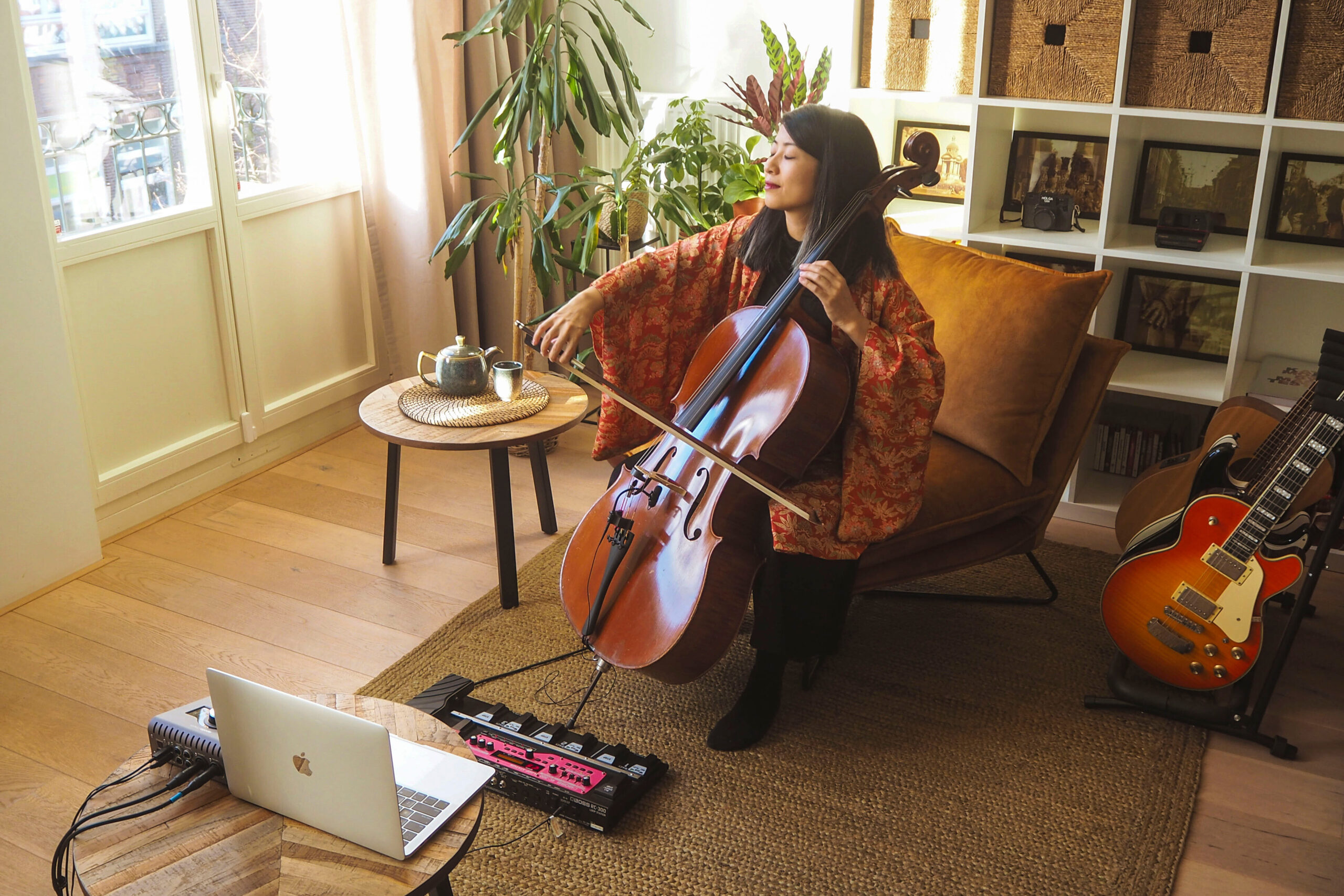
What kinds of classes can you sign up for?
There are all sorts of things to sign up for – you can try meditation with Buddhist monks, virtual visits with the dogs of Chernobyl, cooking with a Moroccan family, learning the secrets of magic, making coffee with a professional coffee taster, and bartending with experts.
Other Online Experiences include Learn to Cook Mexican Salsas in Mexico City, Join a Rollerskating Dance Party in Brooklyn, make Grandma’s Pasta in Rome, sign up for an Interior Design Workshop in San Francisco, Sketch with a NYC Artist, Make the Perfect Chinese Steamed Bun in Singapore and watch a Korean beauty tutorial with a TV Host in Seoul.
There are also expert hosts from the world of fitness, such as Olympic medalists Alistair Brownlee and Lauren Gibbs. With Airbnb Online Experiences you can try a HIIT workout, learn about nutrition with a Bobsledder or even take a virtual bike tour.
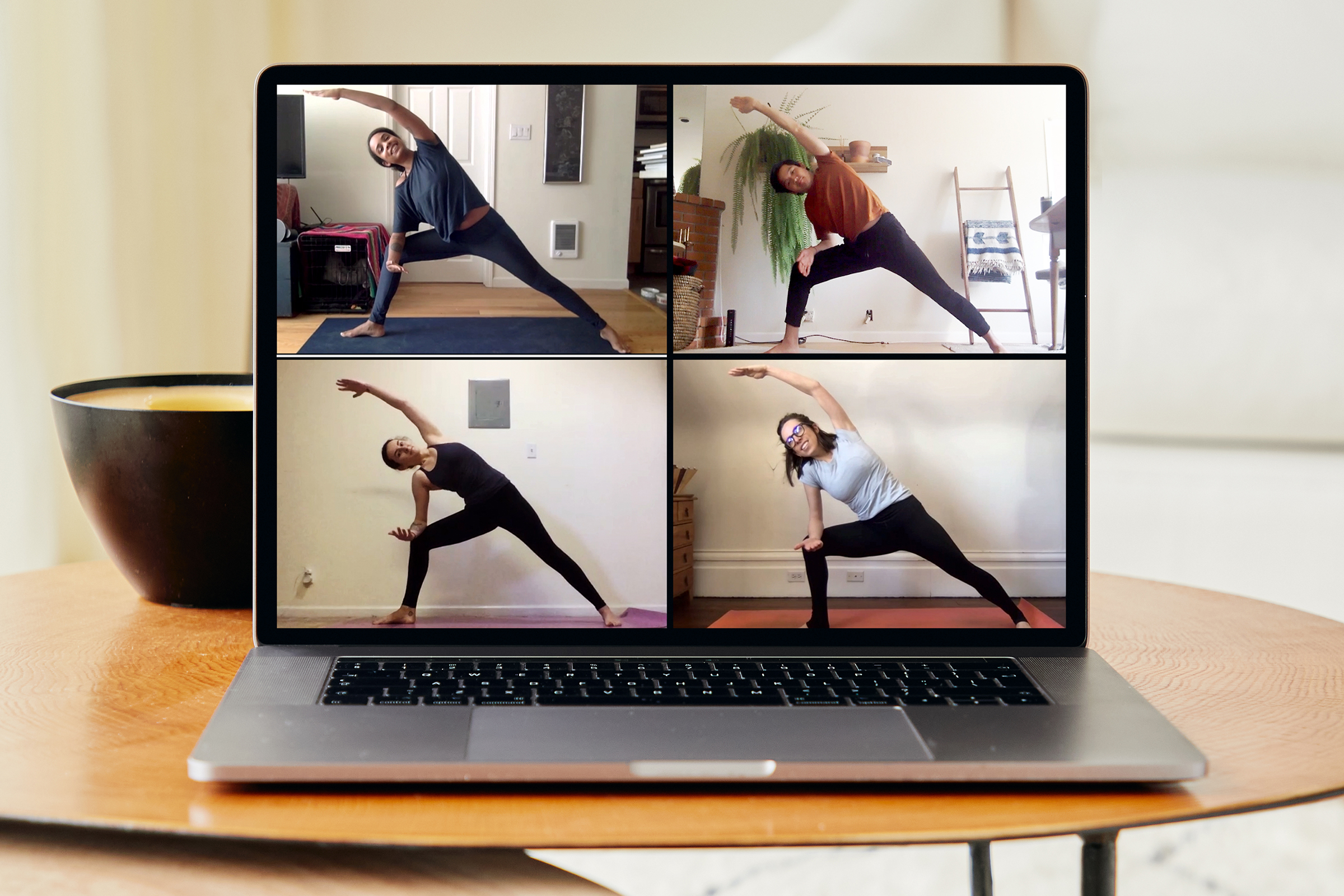
What is the user experience like?
One reviewer who tried the "dogs of Chernobyl" tour in Ukraine, said: "This was an amazing and unique experience, it really felt like we were there in person, and connected with the environment. Was such a surreal experience being in a Zoom meeting with new friends all around the world interacting with the dogs and the exclusion zone in Chernobyl."
Another person who tried the "Sangria and Secrets with Drag Queens" in Portugal, said: "This was such a fun experience! A group of my friends did a private experience with Pedro and the rest of the queens and we had a great time. We not only learned about how to make sangria, but also learned a lot about the LGBT community and drag scene in Lisbon and got to talk a bit about our lives in Los Angeles or our travels around the world too."
Catherine Powell, head of Airbnb Experiences, says: “Human connection is at the core of what we do. With so many people needing to stay indoors to protect their health, we want to provide an opportunity for our hosts to connect with our global community of guests in the only way possible right now, online.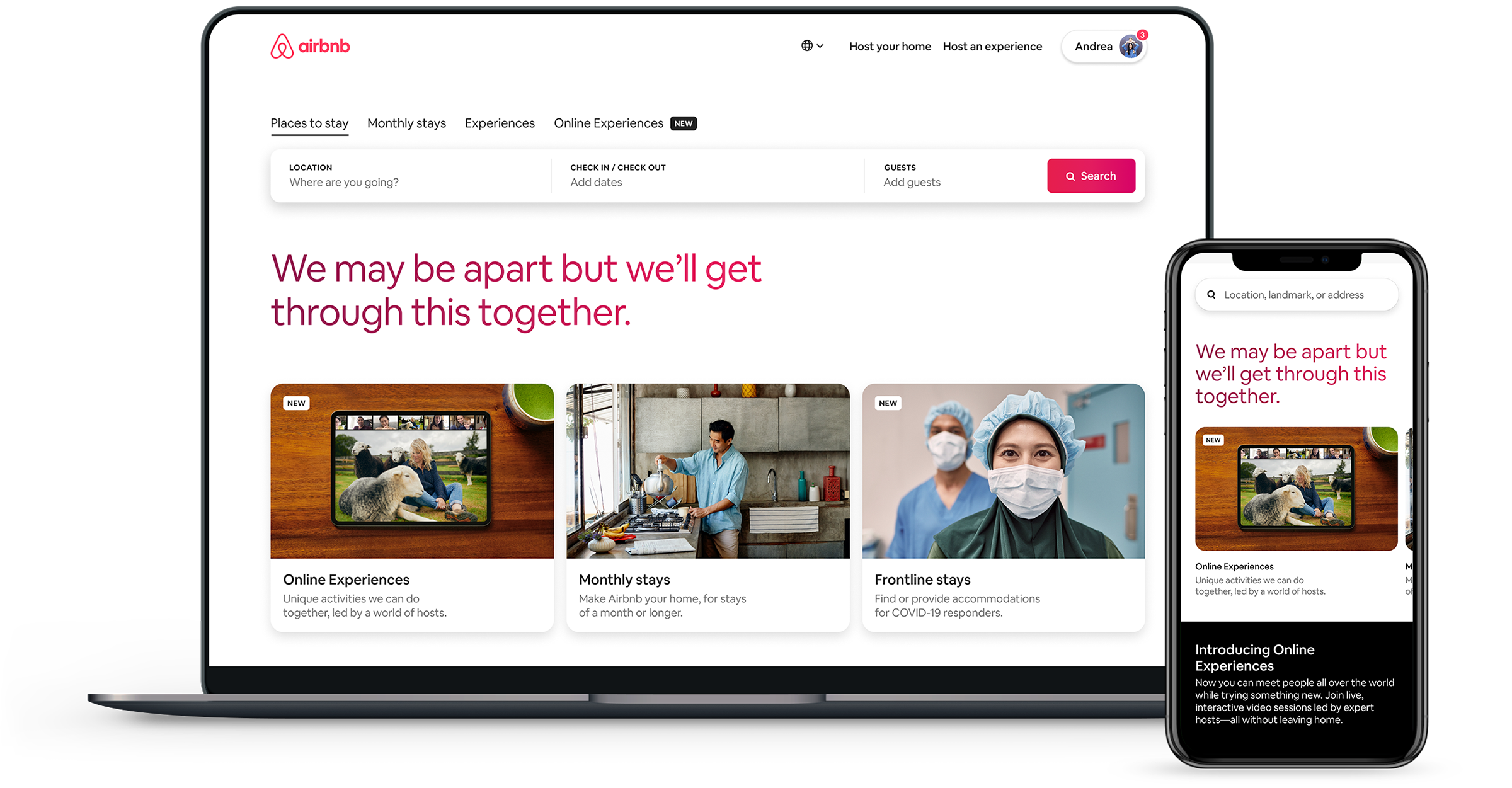
Connecting older people online
Catering to older people, Airbnb has also partnered with local organisations such as SAGE (the world’s largest and oldest organisation dedicated to improving the lives of LGBT older people) and Amigos de los Mayores (an organisation combating unwanted loneliness and social isolation in Spain) to curate free Online Experiences.
Michael Adams, CEO of SAGE, says: "Millions of elders aren’t able to go outside and risk their health due to the current crisis, and need activities to help them stay connected to the world around them. Through our partnership with Airbnb, SAGE is able to give older members of LGBT communities across the country an opportunity to not only meet other people, but also learn a new hobby and travel to nearly anywhere around the world, all from the safety of their home.”
What’s coming next? Trend reports available to download HERE
Mercedes-Benz has revealed Vision AVTR, a new bionic, self-driving, electric concept car that it describes as an 'extension of your own body'. And there is no steering wheel. Samuel Ballard reports
The AVTR, which stands for Advanced Vehicle Transformation, takes its design cues from the film Avatar, and was revealed by the company’s executives at this year’s Consumer Electronics Show (CES).
Mercedes' new Vision AVTR concept puts a number of cutting-edge technologies to the test, including 33 “bionic flaps” on the back of the car, which resemble scales on the creatures of Pandora in James Cameron’s blockbuster movie. These flaps feed information back to the driver about the surrounding environment.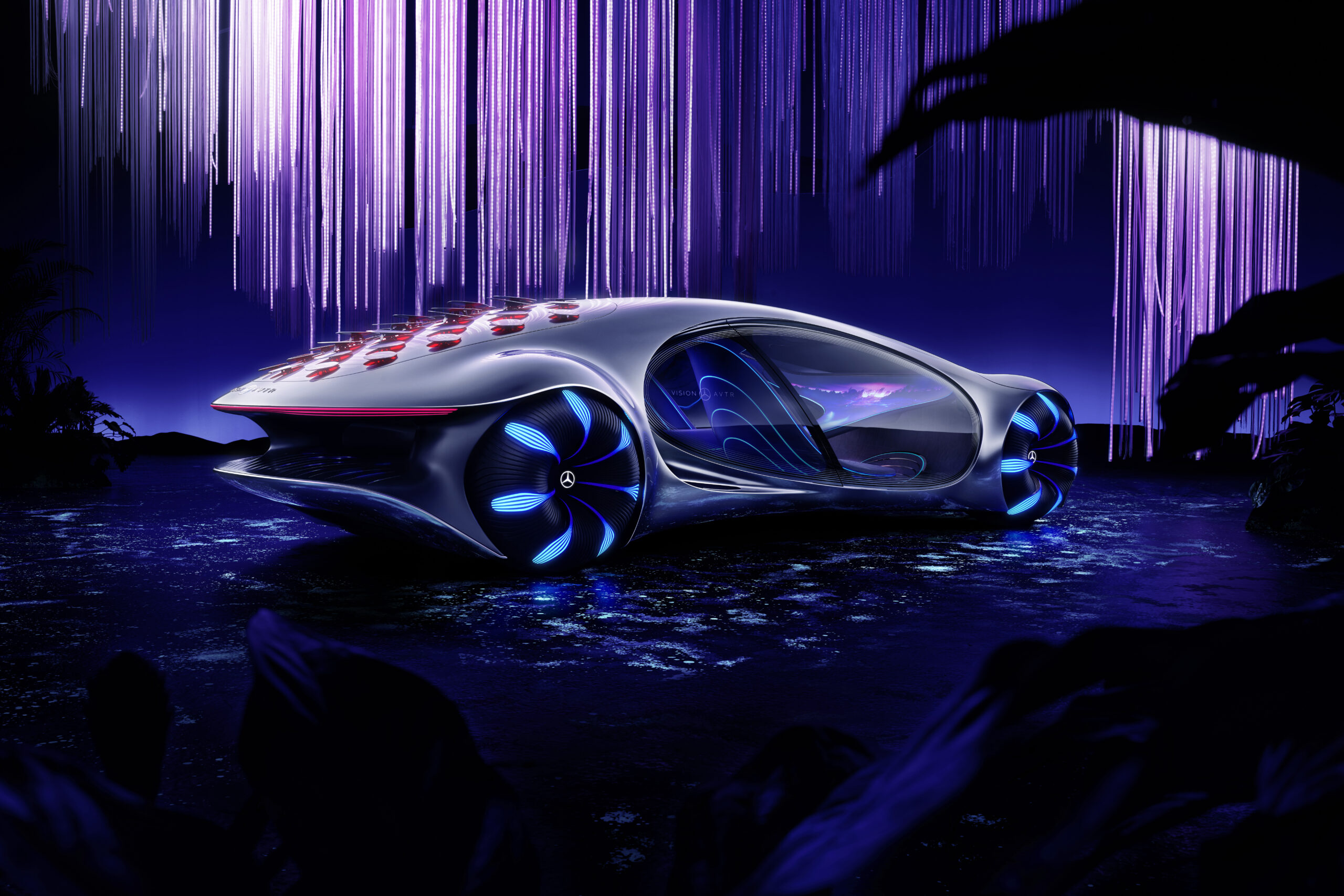 The all-wheel drive car can also be driven sideways by 30 degrees, giving the car a crab like appearance.
Arguably the most Avatar-like aspect of the car, however, is how the driver and car “merge”. There is no traditional steering wheel or gear stick – instead a control unit, described as a “multifunctional (polyvalent) interface”, allows the person in either the passenger or driver’s seat to control the car. 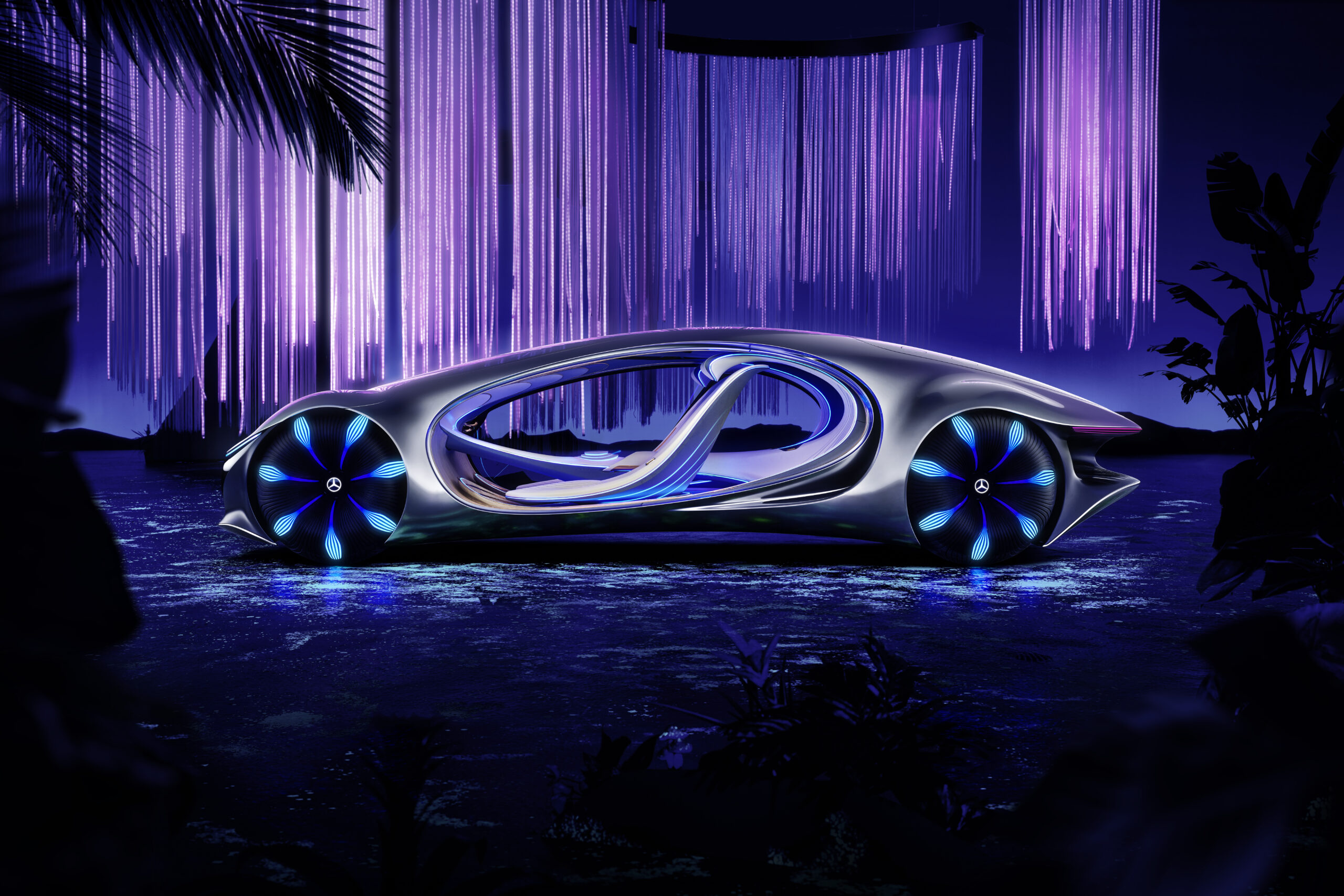 "Neuromorphic hardware" acts as a conduit between the human and the vehicle. For example, by placing a hand on the centre console, the interior comes to life and the vehicle recognises the driver by his or her breathing.
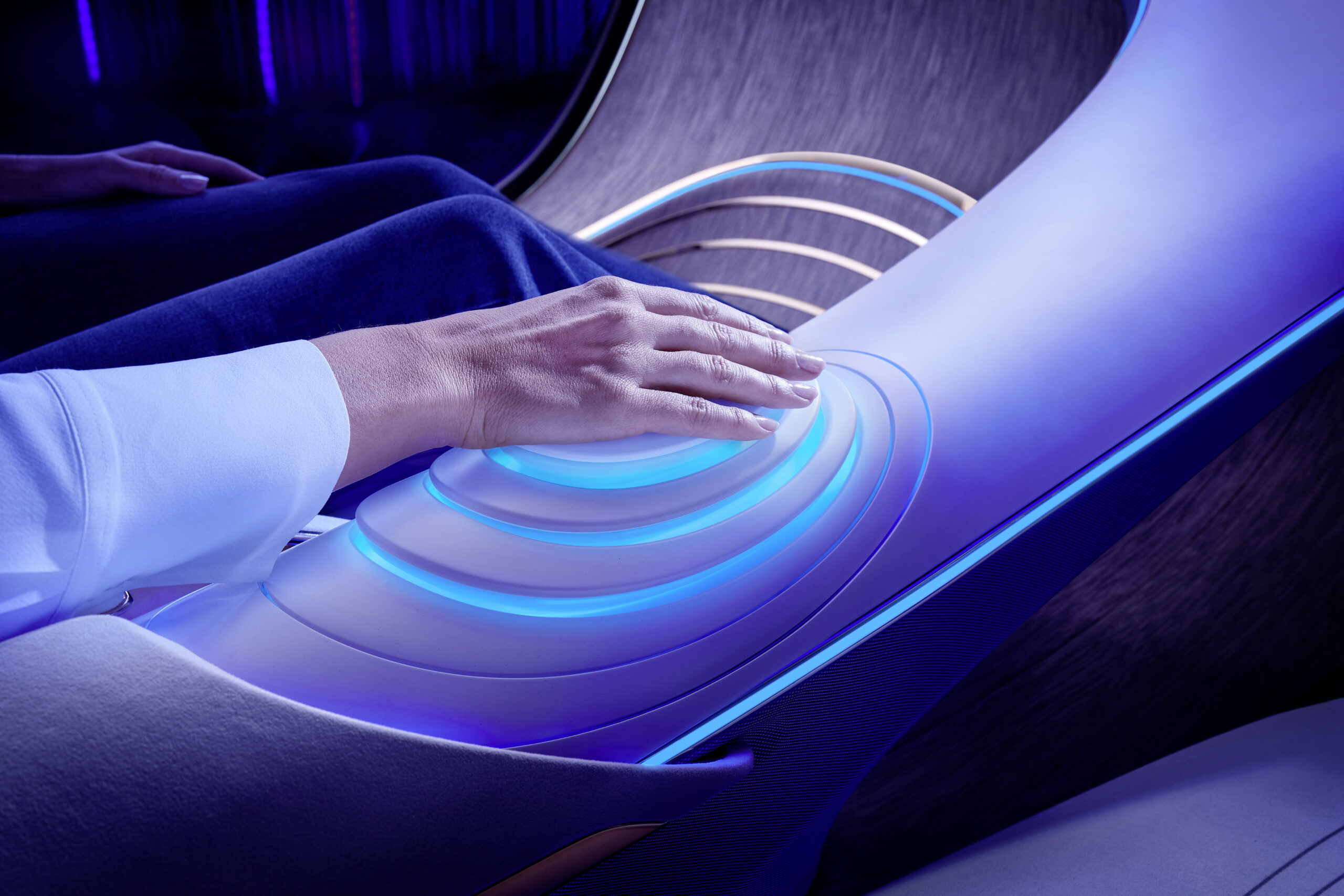 The car has different settings depending on how much control the driver wants – when they raise their hand a menu is projected on to it allowing them to choose. In Comfort mode the car is autonomous (self-driving).
Kind to the environment, the Vision AVTR is an emission-free electric vehicle, with a combined engine power of more than 350 kW, setting "a new benchmark for EQ Power", and a range of more than 700km. The battery can be fully charged in just 15 minutes.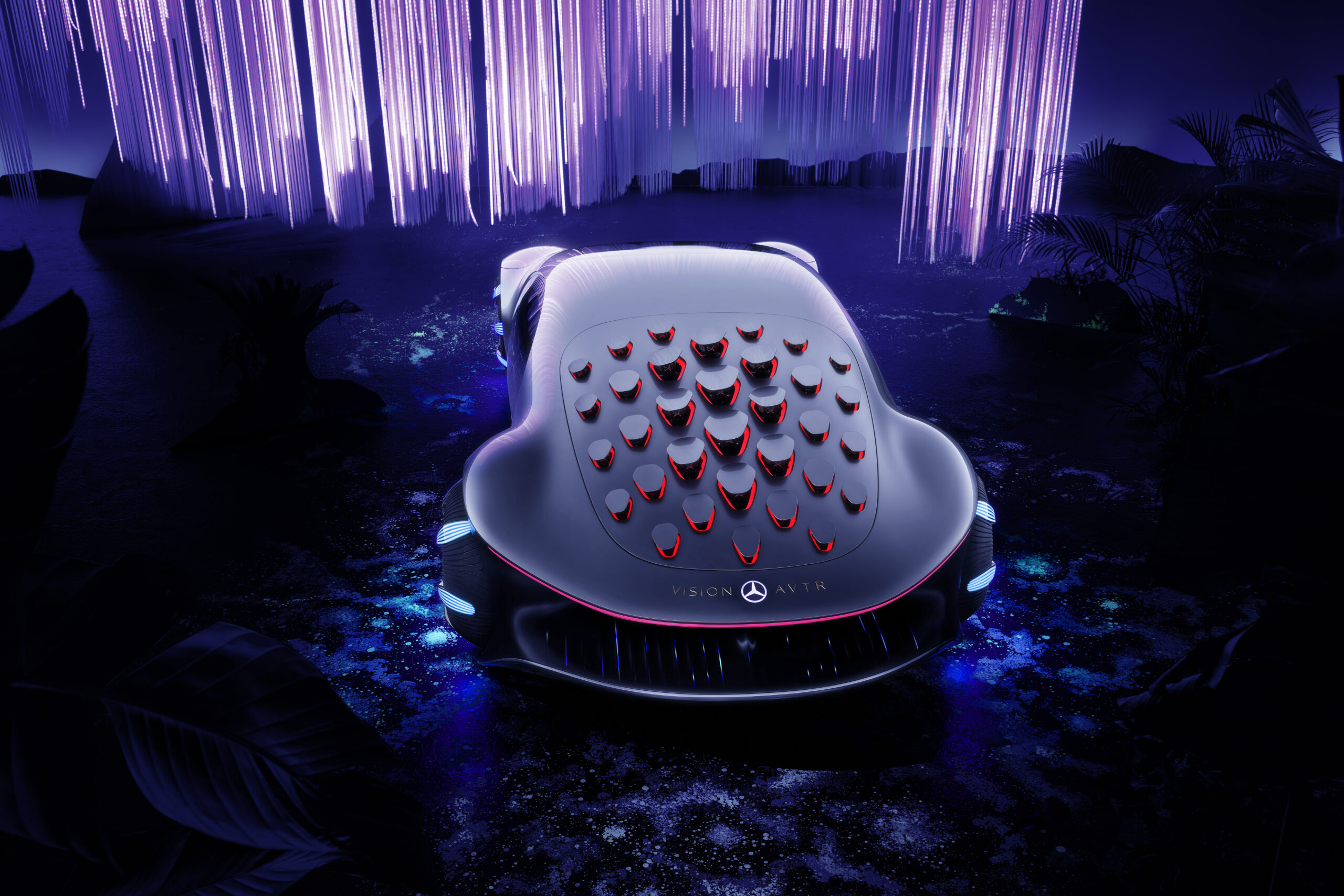 Mercedes-Benz says: "For the first time, the revolutionary battery technology is based on graphene-based organic cell chemistry and thus completely eliminates rare, toxic and expensive earths such as metals. Electromobility, thus becomes independent of fossil resources."
  Even more mind-blowing is the curved display module, which replaces a conventional dashboard. Here, the outside world is shown in real-time 3D graphics and, at the same time, shows what is happening on the road.
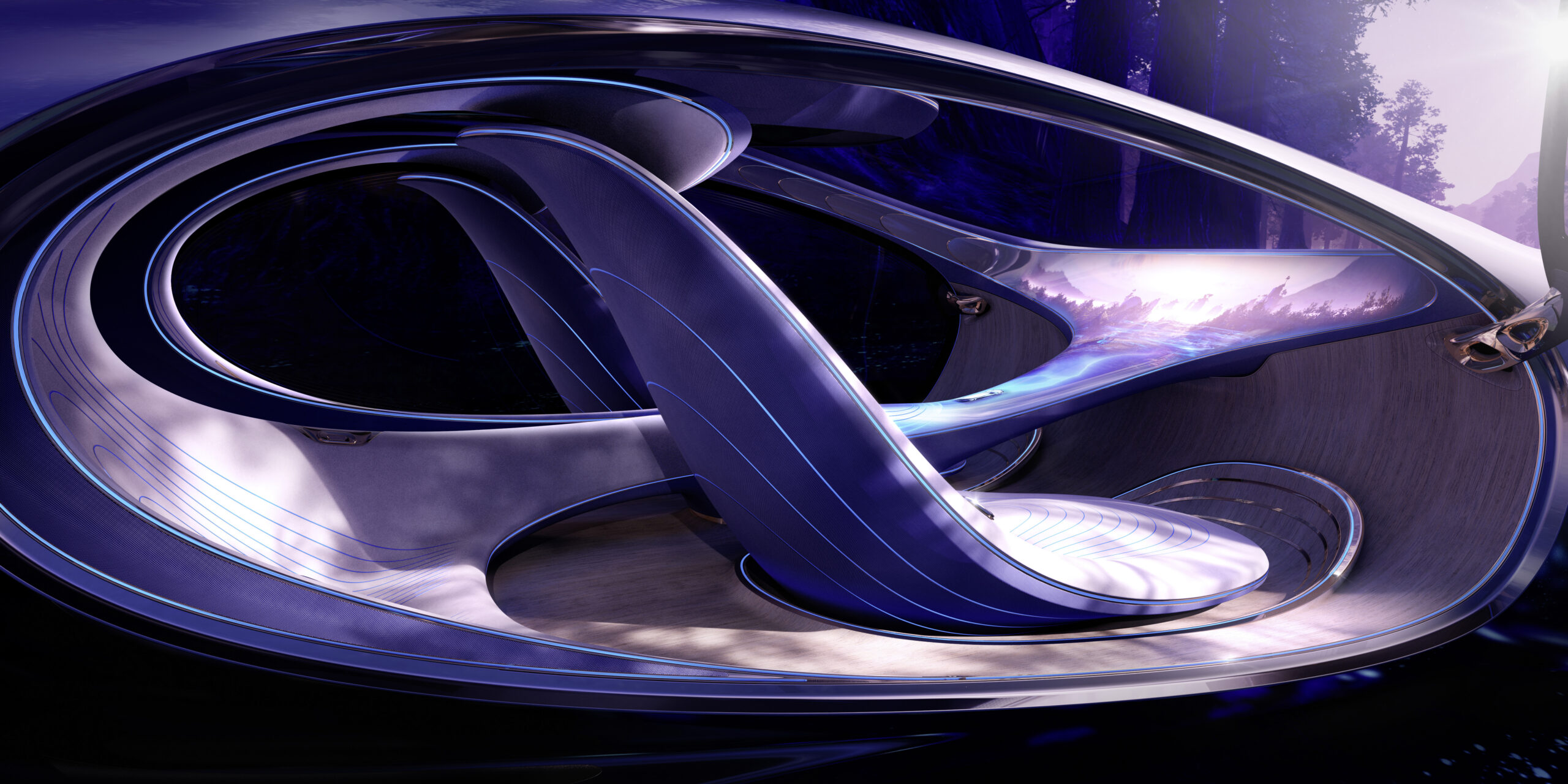 Mercedes-Benz says: "Combined with energy lines, these detailed real-time images bring the interior to life and allow passengers to discover and interact with the environment in a natural way with different views of the outside world.
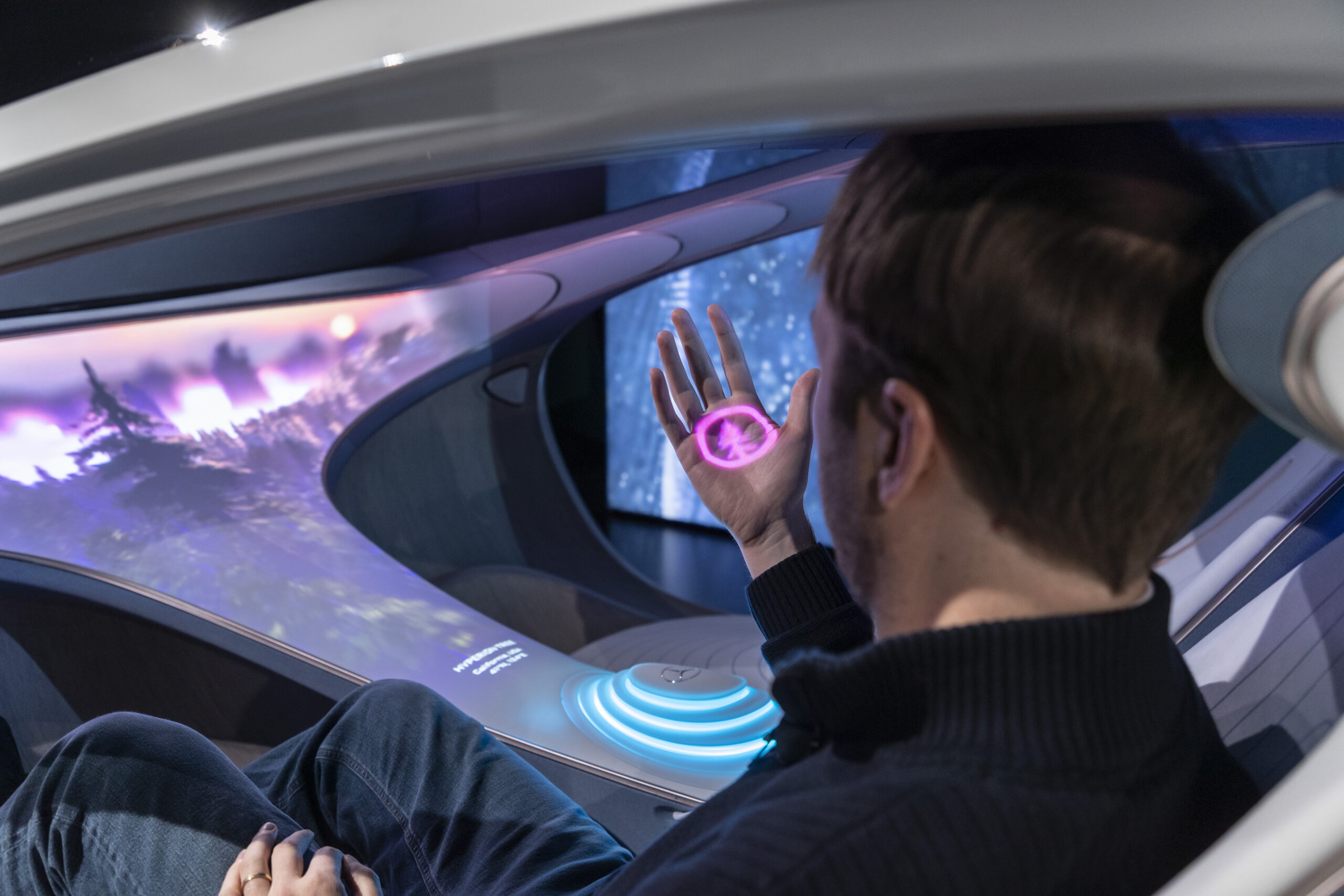 "Three wonders of nature – the Huangshan Mountains of China, the 115-metre-high Hyperion Tree found in the United States and the pink salt Lake Hillier from Australia – can be explored in detail. Passengers become aware of various forces of nature that are not normally visible to the human eye, such as magnetic fields, bioenergy or ultraviolet light."
During his keynote address at CES in Las Vegas, Ola Källenius, chairman of the board of management at Daimler AG and Mercedes-Benz AG, said: "Where do we take it from here? I guess that’s the core question of every CES.
"And this inner unrest for what’s next is also at the core of our purpose at Mercedes-Benz. Today we would like to show what that means. As a film buff, I spent some time catching up with old and new movies. One of the classics, Back to the Future, predicted we would be traveling in flying cars by now.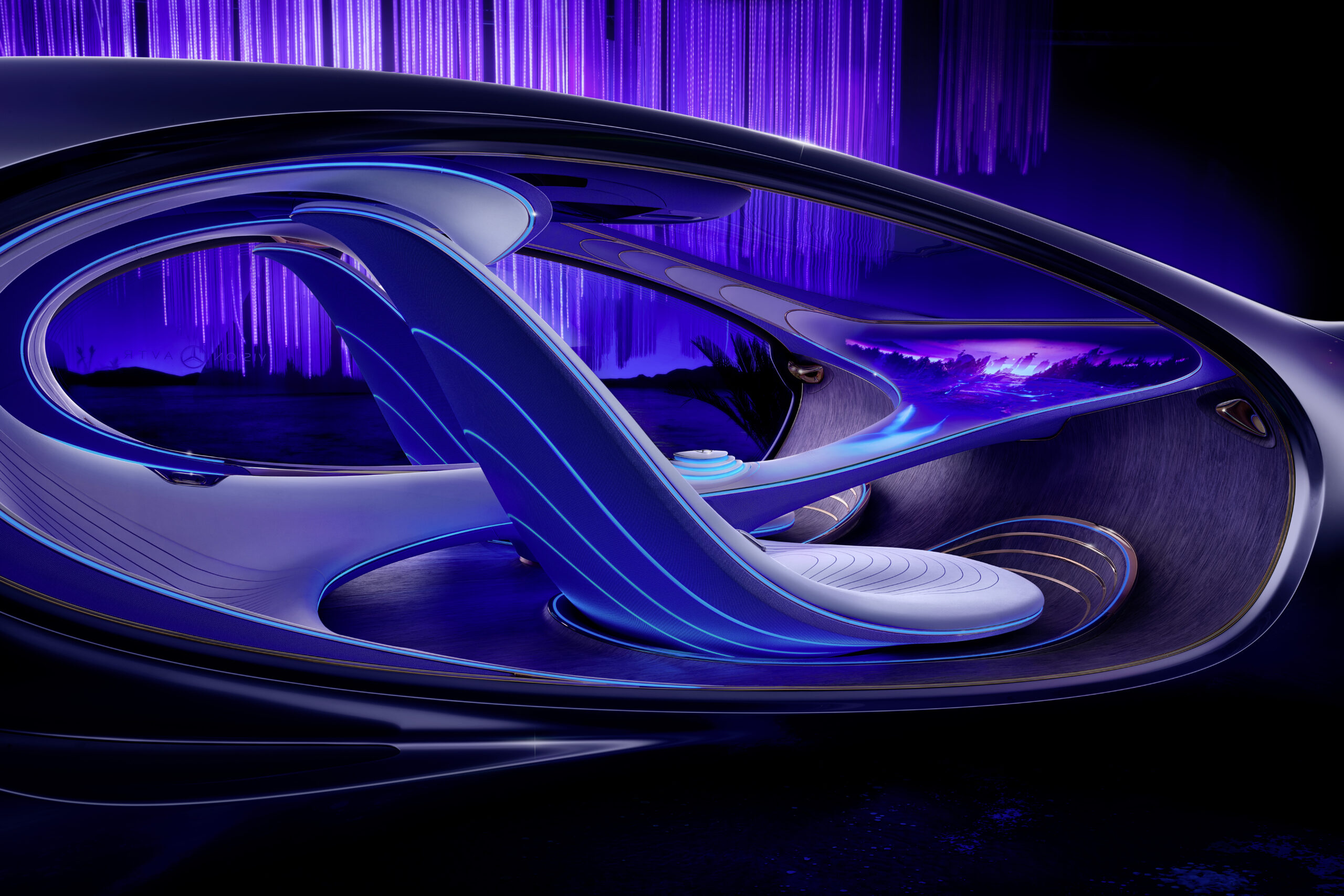 “I don’t know how many people have a nickname for their smartphone. But we all know that many cars are called and treated like friends or family. So it’s even more satisfying when you can interact with your car like a friend.
"One idea we want to show is based on a biometric connection between the car and the driver. The car recognises the human driver’s heartbeat and breath so human and machine literally merge into a fully intuitive experience.”
Mercedes is not the only company to release a concept car. Last year, Globetrender highlighted six futuristic modes of transport for cities and off-roading. It included the Hyundai Elevate Walking Car – an all-terrain vehicle that looks more like something out of Star Wars.
What’s coming next? Trend reports available to download HERE
Delta Air Lines is planning to test 'Parallel Reality' flight information screens that deliver personalised messaging to multiple travellers on a single display, at the same time. Emily Eastman reports
Before coronavirus brought the aviation industry to its knees, Delta was planning to install its first Parallel Reality screens at Detroit Metropolitan airport this summer. (Hopefully it will just be the case that it is delayed.)
The futuristic technology enables multiple customers to see personalised content tailored to their journey on a single digital screen at the same time – and all with the naked eye. (There are rumours that it doesn't rely on facial recognition – rather, phone location tracking.)
Customers can choose their preferred language and refer to the screens for wayfinding and personalised travel information, such as directions to their departure gate, upgrade status and flight times.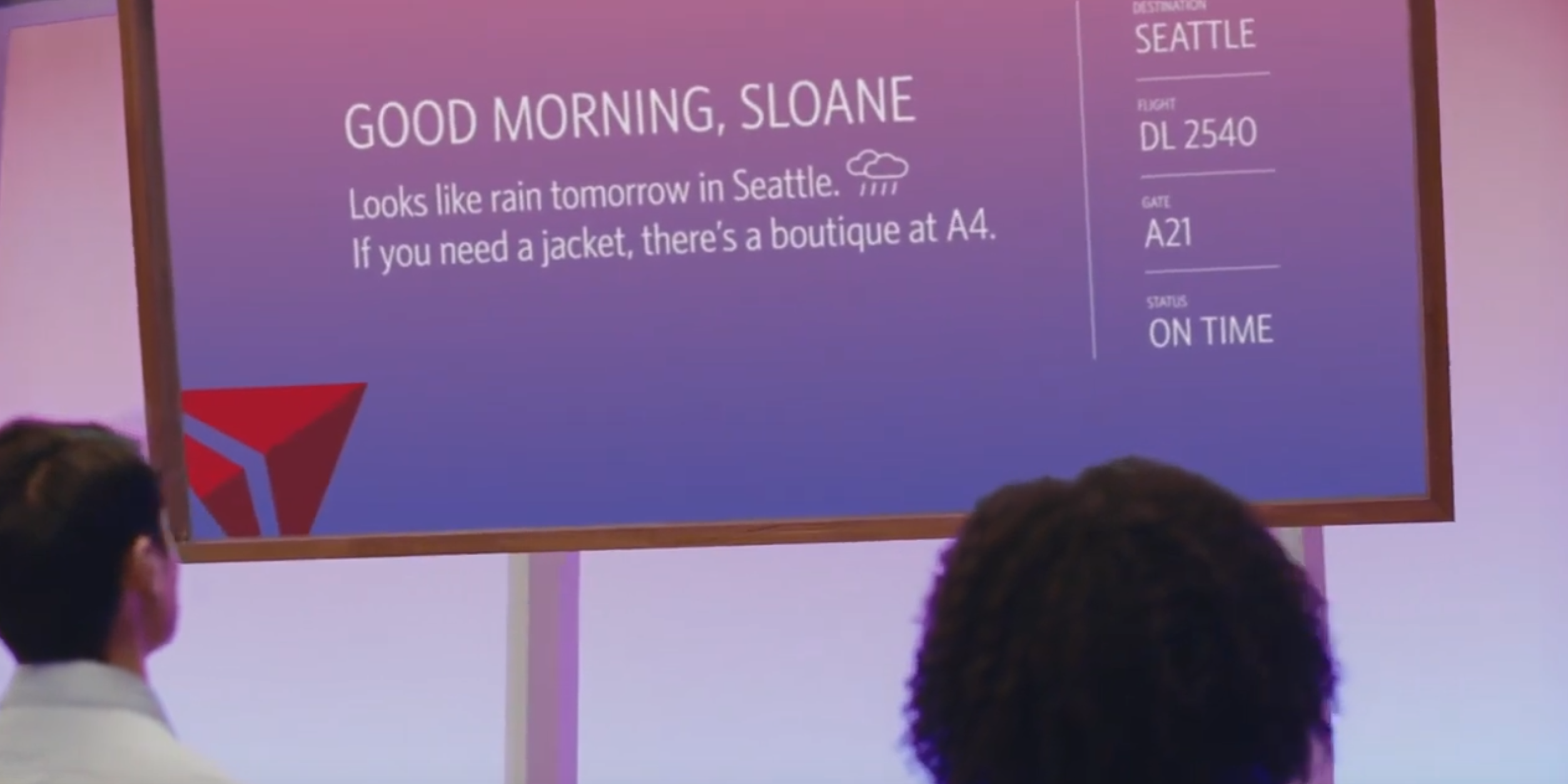 The technology, created in partnership with Misapplied Sciences, was unveiled in January at the Consumer Electronics Show 2020 in Las Vegas.
The Parallel Reality screens are enabled by a new pixel that, according to Misapplied Sciences, has “unprecedented capabilities”. The pixels are capable of projecting millions of light rays of different colours and brightnesses, and each ray can be software-directed to a specific person. How amazing is that?!
The company believes it has broad application in numerous industries, from travel and hospitality to marketing, entertainment and traffic signals.
Delta’s chief operating officer Gil West says that the technology “has to be seen to be believed”, adding that “it has the potential to make even the busiest airports much easier to navigate, even if you don’t speak the language”.
“Not only will Parallel Reality reduce stress and save time for our customers, but when combined with the warmth and thoughtfulness of our Delta people, the possibilities are endless,” says West.
Adding: "At Delta, we foster an innovation ecosystem that allows us to think big, start small and scale fast as technology and consumer expectations evolve – whether it’s with our own solutions or in partnership with leading startups like Misapplied Sciences."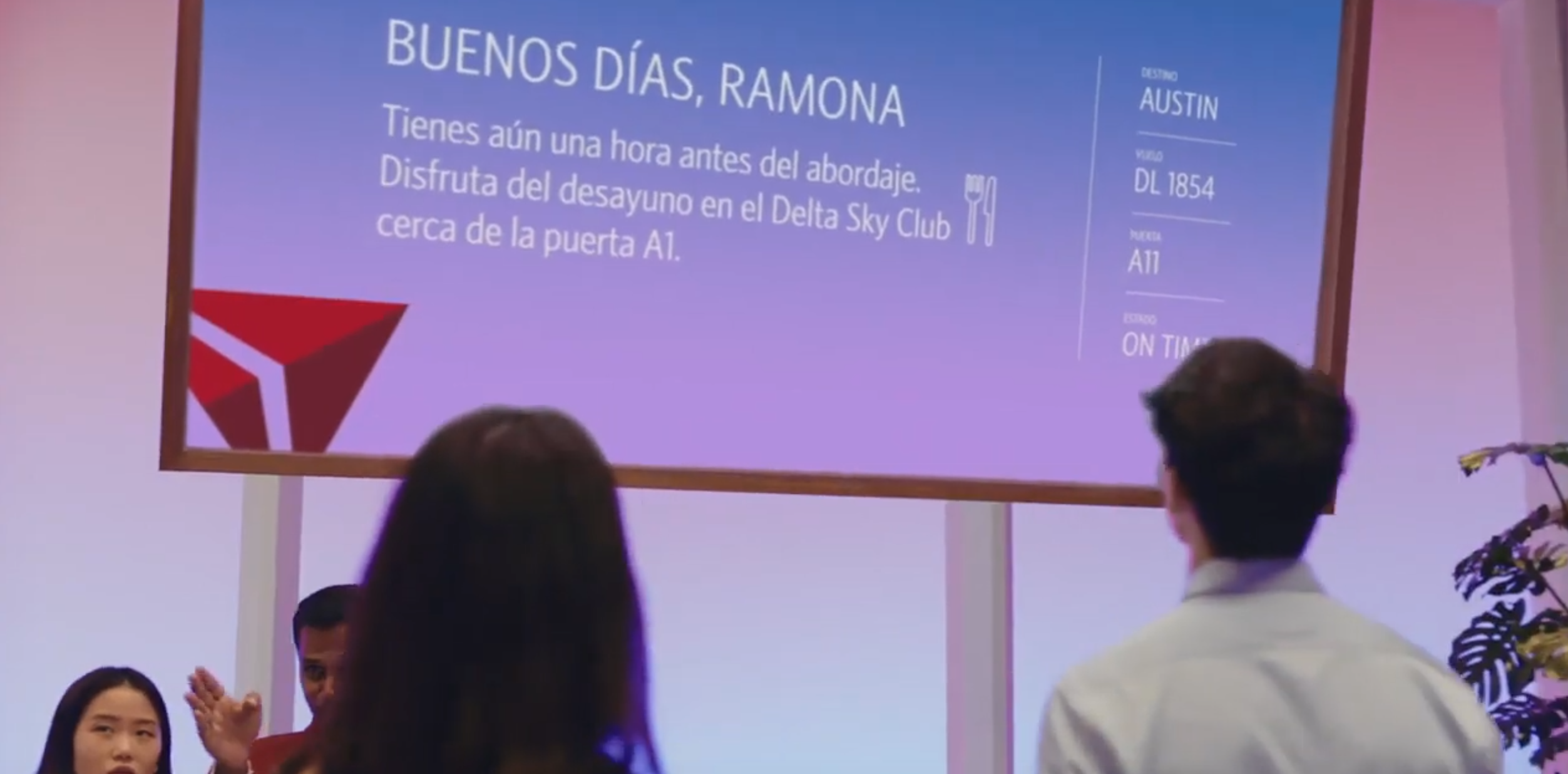 Delta says that almost 100 customers will be able to opt-in to the trail when it takes place. After clearing airport security, they can head to the Parallel Reality screen near to the Delta Sky Club on Concourse A within the McNamara Terminal.
Here, passengers will be asked to scan their boarding pass and select their language before being shown personalised messages. Delta stresses that the system will not store customer information.
Misapplied Sciences calls Parallel Reality a “mind-bending innovation that allows a hundred or more viewers to simultaneously share a digital display, sign or light and each see something different”.
And this isn’t the only technology that Delta is adopting. Speaking at CES, Delta CEO Ed Bastian outlined a number of other innovations, one of which is the transformation of the Fly Delta app into a “digital travel concierge”.
Customers will receive alerts when their seat – rather than the whole flight – is boarding, while a broader partnership with ride-sharing firm Lyft will make it easier for customers to earn miles during rides.
Bastian said: “Customers tell us they want Fly Delta to become their ‘home base’ for managing their travel day. Instead of checking one app for traffic, another for airport parking and a third for TSA wait times, Delta is building the capability to simplify travel by helping you manage everything from ridesharing and in-flight entertainment to bag delivery and hotels.”
What’s coming next? Trend reports available to download HERE
Virgin Galactic has joined forces with sports apparel brand Under Armour to design uniforms for space tourists who are set for departure in 2020. Anthony Pearce reports
According to Richard Brandon, spacesuits are a huge part of the iconography of the space age – from Buck Rogers to the Apollo A7L worn by Neil Armstrong.
The founder of the Virgin Group, of which spaceflight company Virgin Galactic is a part, believes “our visual impressions of human spaceflight and what astronauts wear are inextricably linked.”
He gave Under Armour, the American sportswear company, the formidable task of creating the spacesuits – designed to support “profound and transformative qualities of the human spaceflight experience" – to be worn on Virgin Galactic's life-changing sub-orbital voyages.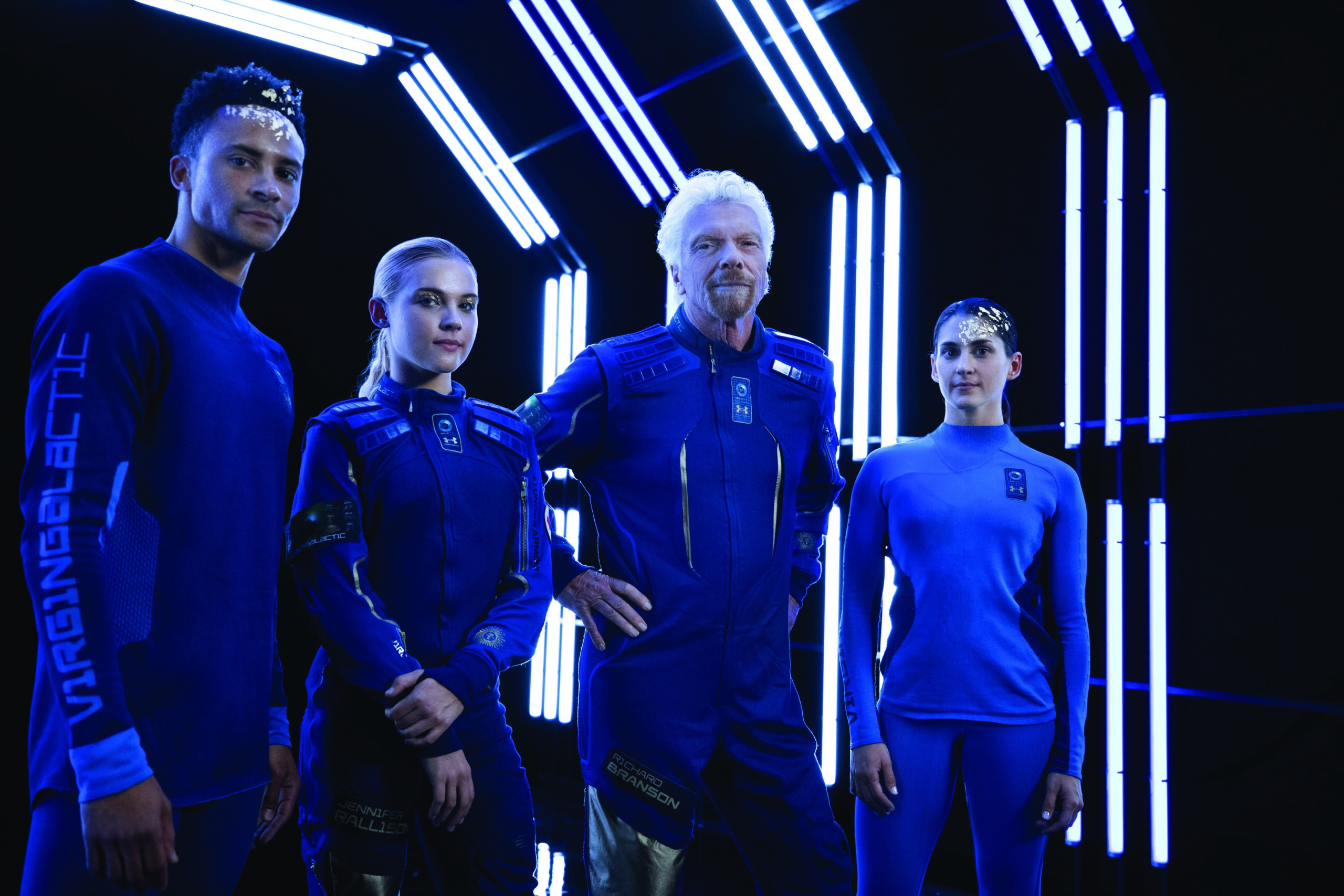 Branson and Under Armour announced their collaboration, which saw the clothes brand become Virgin Galactic’s "technical spacewear partner", back in January 2019.
The companies have now revealed the collection, comprising a base layer, spacesuit, footwear, training suit and limited-edition astronaut jacket.
Virgin Galactic said that the design of astronaut apparel is a “unique combination of the requirement for comfort and utility matched by the ultimate focus on customer experience”.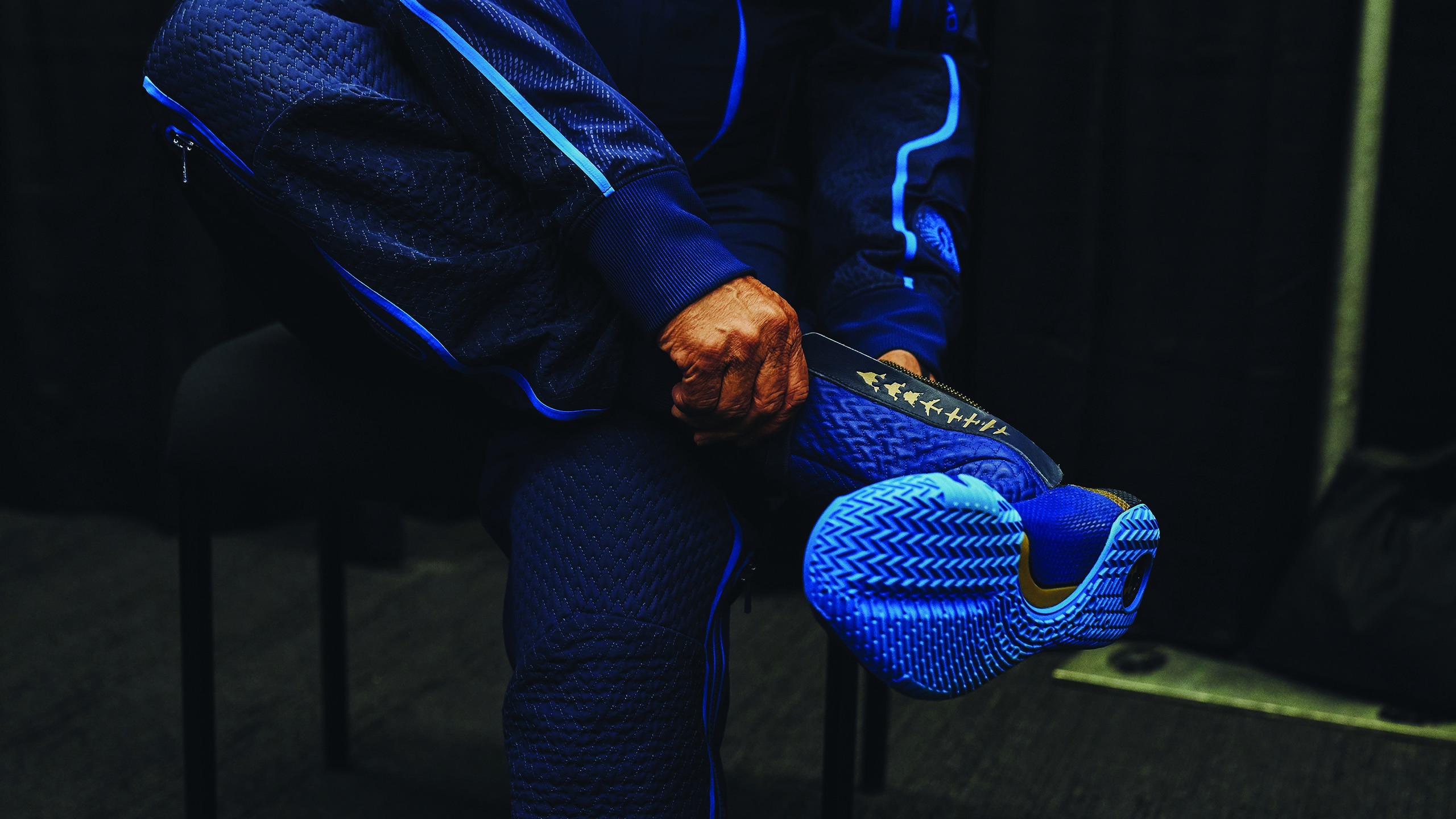 “Requirements for astronaut spacewear as we enter the second space age are evolving, but the design challenge has not diminished. We were delighted when Under Armour stepped up to this task and they have surpassed our expectations,” Branson says.
“I love the way the spacewear looks and I love the way it feels. I also love the fact that the next time I put it on, I will be on my way to space,” he adds. Under Armour CEO and founder Kevin Plank says: "At Under Armour, we pride ourselves on always getting better and leaning into innovation to drive progress for our athletes, but few things can prepare you for a project as challenging and exciting as this one.
“Spaceflight is a unique and demanding regime and requires a different approach. What we've engineered utilising our key technologies will define the future of spacewear and puts us at the forefront of this history-making event. We are grateful to Richard and the incredible team at Virgin Galactic for trusting us with this groundbreaking challenge.”
Virgin Galactic said safety was its “North Star”, and underlined the choice of materials and other key design considerations.
The spacesuits are made from lightweight flight-grade fabrics, with cushioning in elbows, knees and in the footwear, to provide safety in out-of-seat zero gravity. They are also tailored for each astronaut, and have country flags and name badges, as is tradition.
Meanwhile, temperature management is regulated by "performance fibers and knit density, mapped to the body to provide perfect warmth and moisture management, while preventing overheating or chilling", says Under Armour.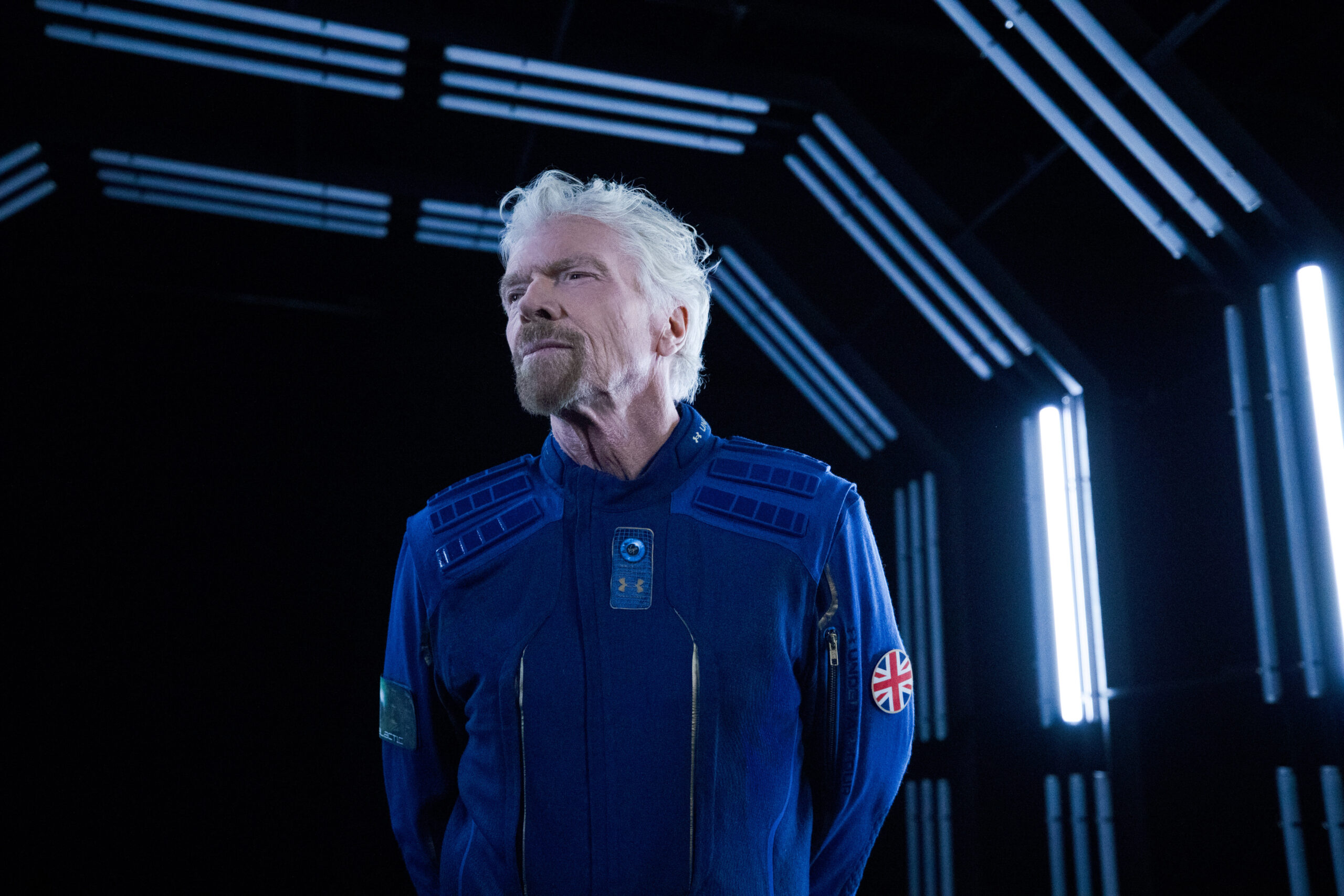 There are also training suits that will help optimise the effectiveness of astronaut preparation in the days immediately before spaceflight.
The spacewear materials have been tested in laboratory conditions. The system will also be worn by Virgin Galactic Mission Specialists on board VSS Unity’s crewed test spaceflights, prior to commercial flights, which are expected to commence in 2020. 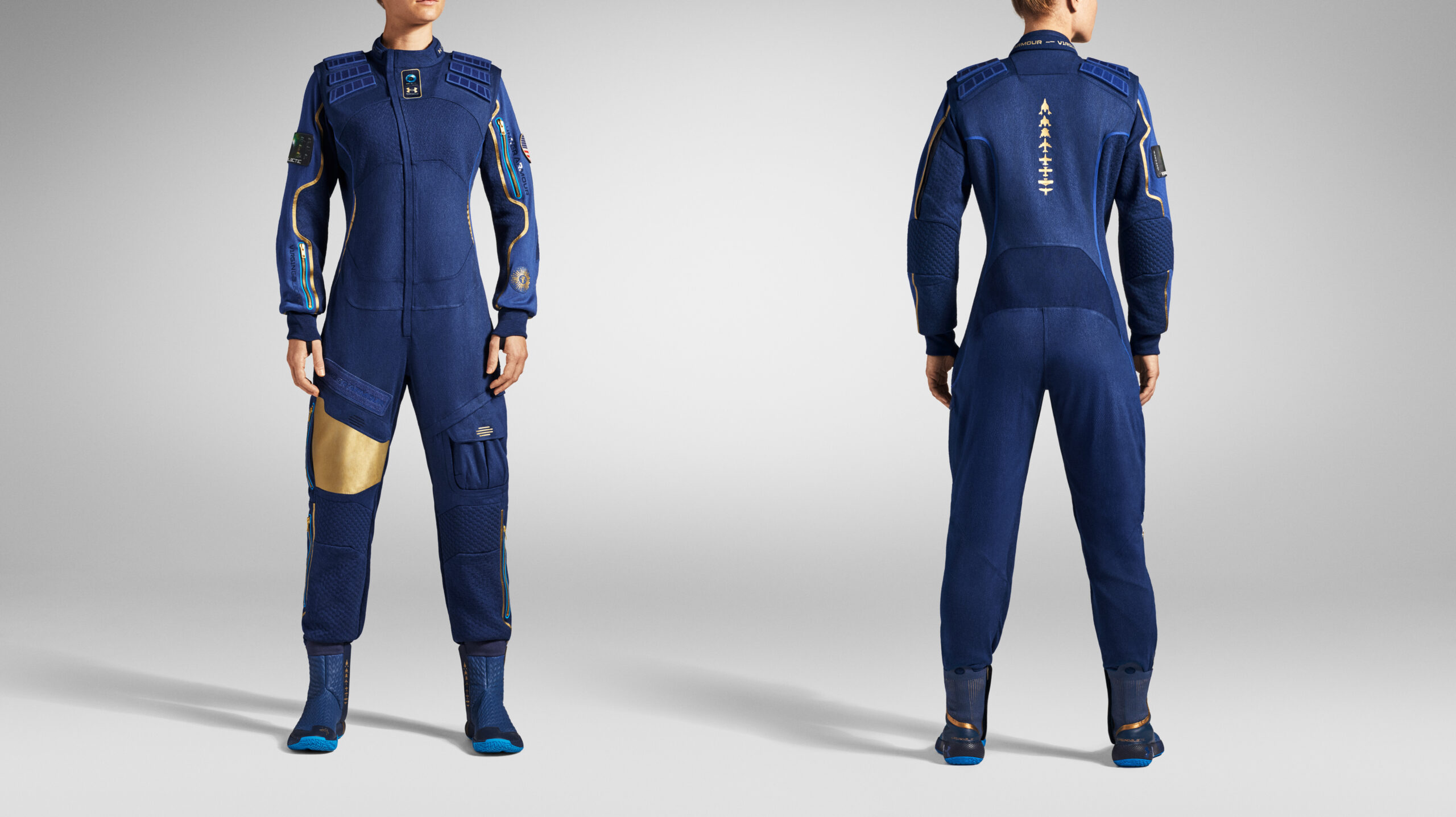 Some Virgin Galactic ticketholders have already started health tests and astronaut training at Under Armour's headquarters in Baltimore.
Last year, to coincide with its 60th anniversary, NASA teamed up with fashion designer Heron Preston to launch a collection of streetwear clothing.
The collection features a range of jackets, hoodies, T-shirts and hats emblazoned with the classic Worm logotype used by NASA between 1976 and 1992.
"Working with NASA, the real agency that has sent people to space, to have sent people to the moon, that explores planets, this is as real as it can get,” Peston said. "That is what I'm using my platform for, to tell other stories that you don't really hear in fashion."
The sci-fi FlyZoo hotel in Hangzhou is staffed by robots, Chinese guests can check in with facial recognition and rooms are voice controlled. Anthony Pearce reports
Owned by Chinese e-commerce giant Alibaba Group, and powered by Fliggy, its online travel platform, the FlyZoo employs a range of artificial intelligence services, including robotic droids that carry food and fresh towels.
Opened at the end of last year, the 290-room hotel is located close to Alibaba's headquarters in the east of the country, in Hangzhou, 170km southwest of Shanghai.
Travellers can use the app to book and view rooms in 3D with a dedicated app, while local Chinese guests can also use it to check-in, simply by taking a picture of their face (Globetrender recently reported on the arrival of facial recognition in hotels). Foreign guests must visit a kiosk in the lobby upon arrival, where their picture is taken.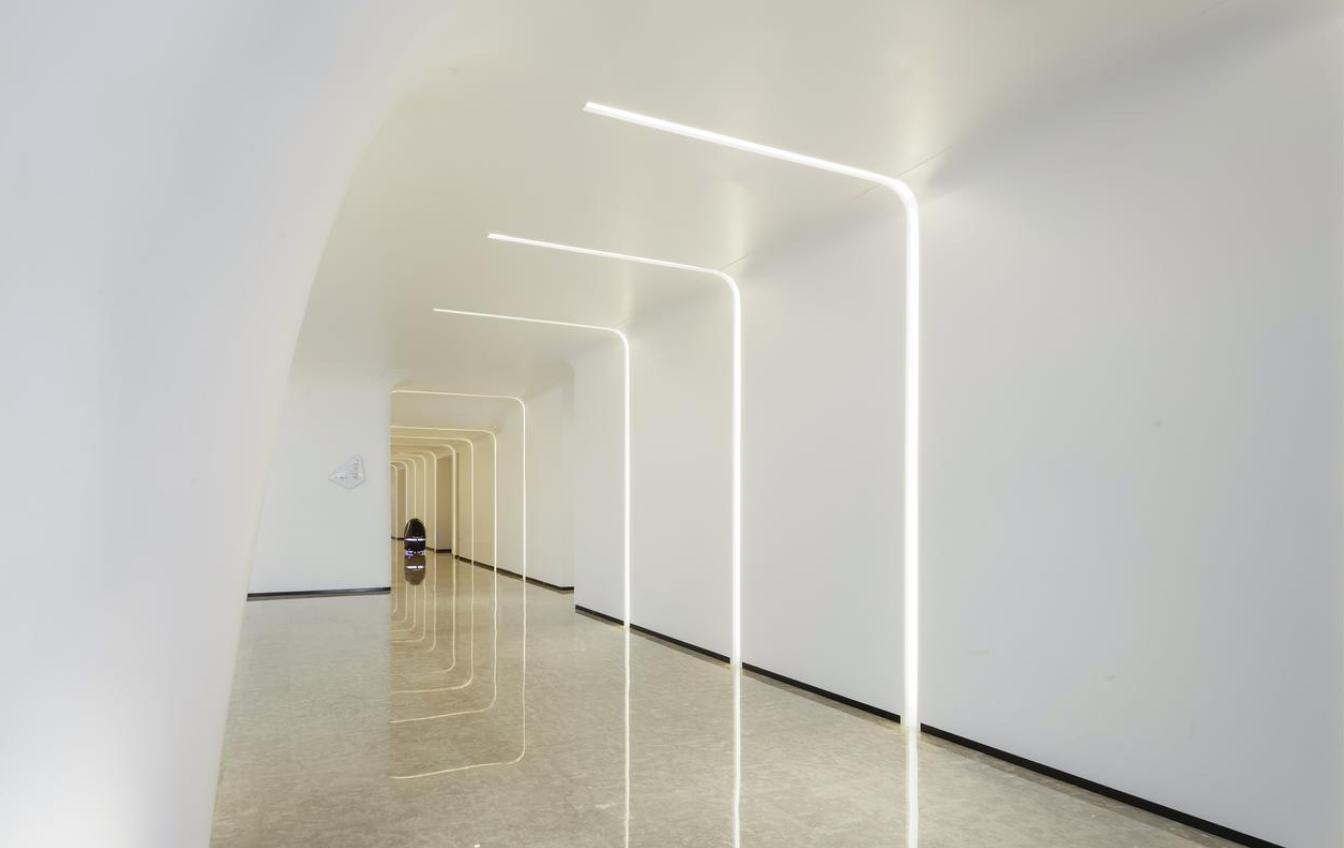 From then on, guests can choose to use facial recognition, instead of keys or keycards, to access the hotel, elevators and rooms.
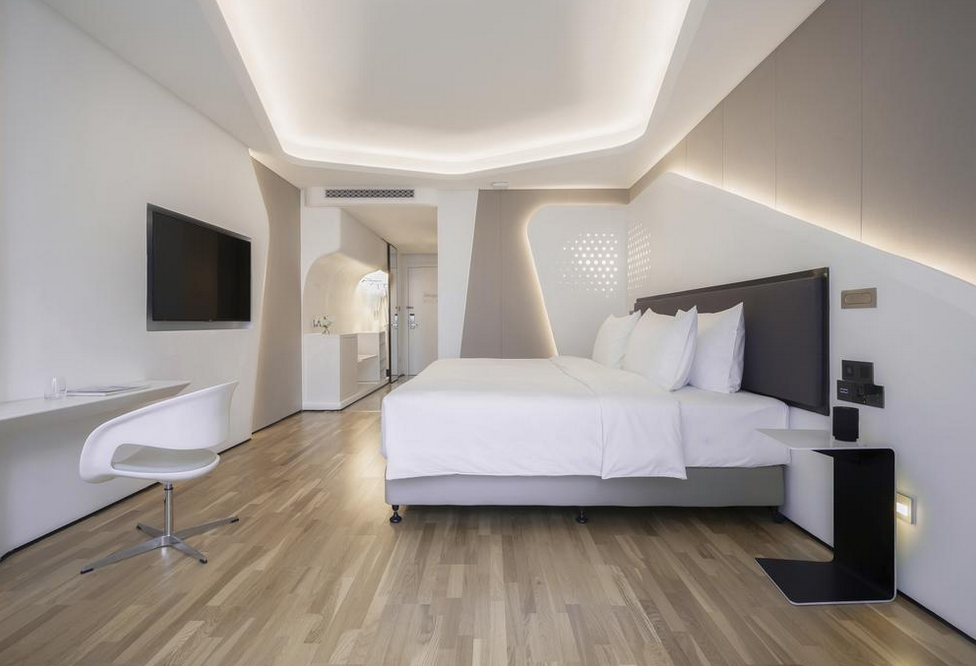 Each room is also equipped with a Tmall Genie smart assistant, which can adjust the temperature, lights, curtains, operate the TV, play music and answer questions, with simple voice commands.
Guests can use Tmall Genie to order new pillows, food and drink to the room, and a waist-high robot will arrive with them. Room fees start from 1,390 yuan (£165) a night.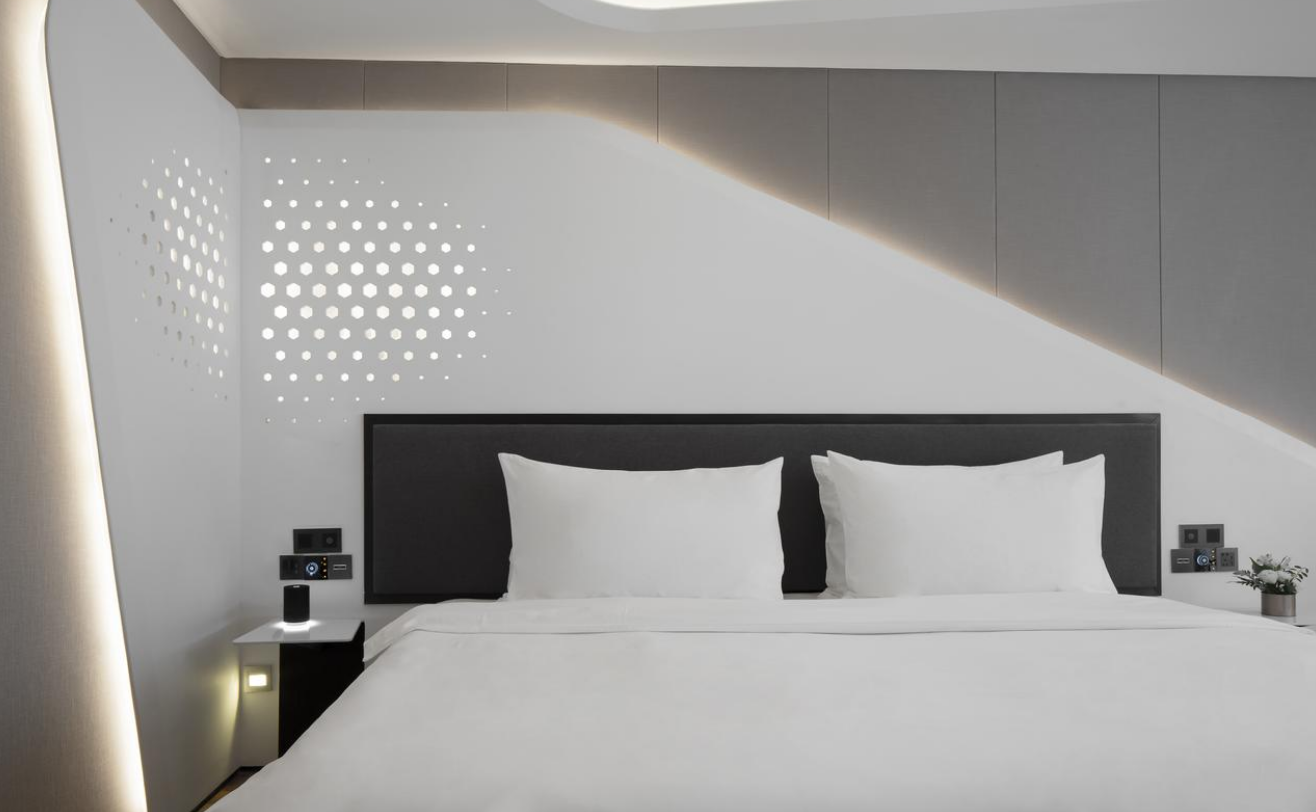 Down in the FlyZoo hotel restaurant, guests also order meals via the app, with plates delivered to them by robots. And the gym has an interactive digital floor and wall for high-tech workouts.
“As smart technology is reshaping industries, the FlyZoo Hotel represents Alibaba’s endeavor to marry hospitality with technology, and ultimately inspire and empower the tourism industry to embrace innovation,” said Andy Wang, CEO of Alibaba Future Hotel.
“It’s all about the efficiency of the service and the consistency of service, because the robots are not disturbed by human moods. Sometimes, we say we are not in the mood, but the system and the robot will always be in the mood,” he added.
Mark Natkin, managing director at Beijing-based technology consulting firm, Marbridge Consulting, told Reuters: "For Chinese consumers, there’s this real glee in having exposure to things that seem like futuristic technology developments, and then beyond that, I think there’s a much greater comfort level with data sharing."
Since it was founded in 1999, Alibaba Group Holding Limited has expanded across e-commerce, travel, retail and technology, and is now one of the world’s top ten most valuable companies. In January 2018, it became the second Asian company to break the US$500 billion valuation mark, after its competitor Tencent.
FlyZoo, which is a play on the Chinese phrase “must stay,” combines many of the Alibaba Group’s interests, creating one of the world’s most futuristic hotels, at least in terms of technology.
However, it appears the innovations will not be exclusive to Alibaba-owned properties. Fliggy has already collaborated with Marriott International on facial recognition for Chinese guests in Hangzhou and Sanya.
A statement read: "The traditional hotel check-in process takes at least three minutes and even more during peak times with most of it spent on queuing. With the adoption of facial recognition technology, the check-in process can be completed in less than a minute.
"Chinese guests simply need to scan their IDs, take a photo and input contact details on a self-help machine. The intelligent device will then dispense room key cards after identities and booking information are verified."
What's the Flyzoo hotel like for a foreign guest?
Here is a review from TripAdvisor…
"Checked out the FlyZoo because we had heard that Alibaba had opened a new hotel. Guests be warned, if you're not Chinese and have Alipay and a Chinese ID, checking in/out and paying for things here is a pain.
"The guest room was fitted out to an upscale standard. Do not expect luxury here. To operate the TV, lights and curtains in the room you need to give instructions to the Tmall Genie (like an Alexa) in Mandarin. Otherwise there are also manual switches.
"I did not try asking for amenities like bottled water and towels but I understand that the hotel will send a robot to make the delivery (after a cumbersome process where they send you a code to your mobile phone that you need to input on the robot's touchscreen to verify the delivery).
"Food was OK. We had dinner in the Chinese restaurant, where we were also served by a combination of robots and human staff. Again you need to scan a QR code to order on your phone and make payment via Alipay.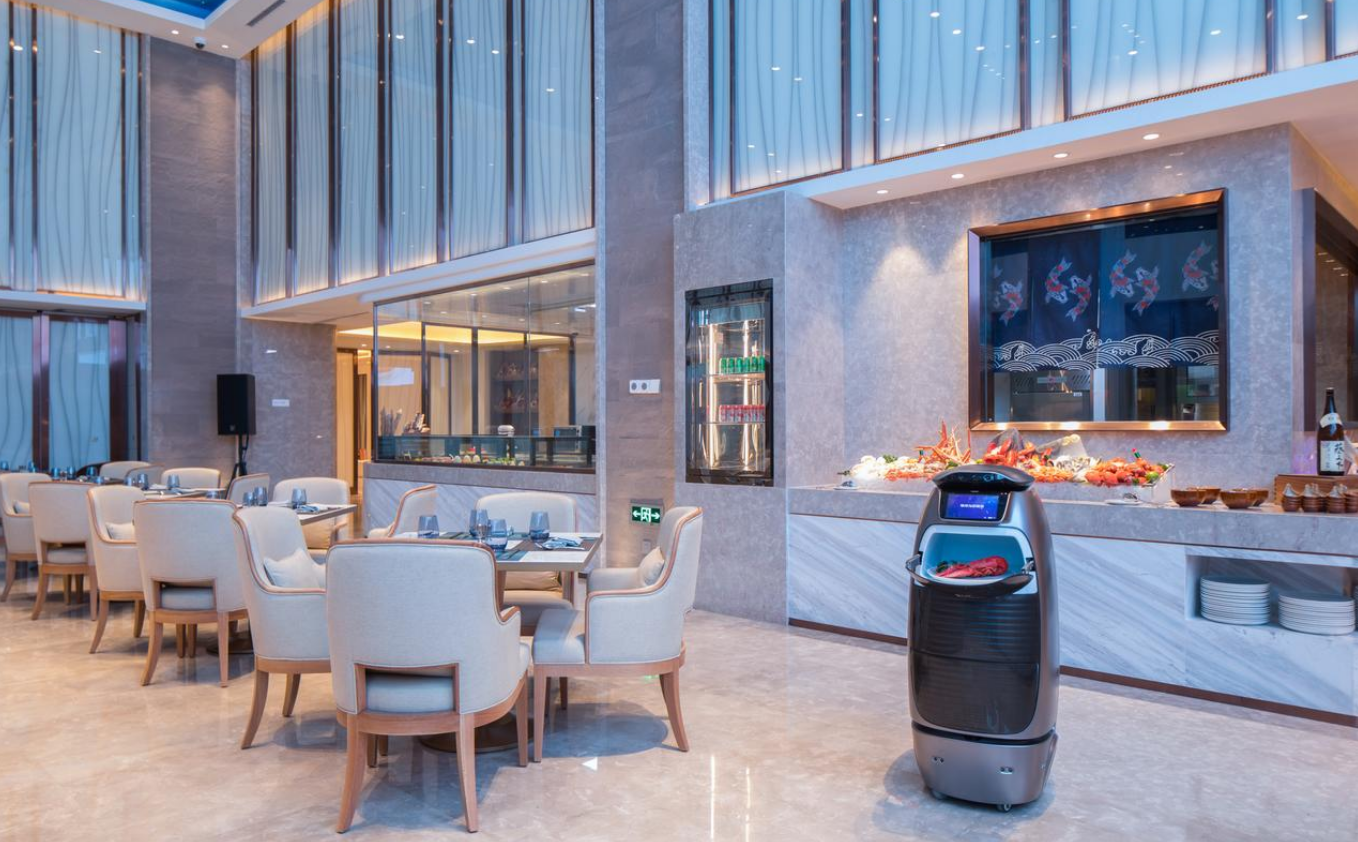 "We realised that if we didn't take the food out of the robot drawer fast enough it would close the door and move away. The human staff would need reprogram it to come back.
"There was an outlet attached to the hotel that served cocktails, made by a robotic arm, but also had to be stirred by a human to finish the drink.
"Didn't get a chance to use the gym but we passed by and saw that it was well fitted out, with all the equipment that any fitness guru would need. In line with Alibaba's tech focus there was a cool fitness simulator in one of the gym corners but this was down when we were visiting.
"For a hassle free experience as a foreigner, this wouldn't be my first choice in Hangzhou. But as a gimmick, it is worth checking out, just once."
At the moment there is no sign of an English language website – or any website – for the FlyZoo hotel. But those interested can book via sites such as Booking.com, for example.
Download Globetrender’s free 2020 Travel Trend Forecast here.
Uber Air has revealed six Skyport designs – new innovations that are part of the company’s plans to launch a fleet of flying taxis for the public by 2023. Samuel Ballard reports
Six firms submitted designs to Uber Air, which was looking for solutions for take-off and landing ports for its electric flying cars, which will be capable of vertical take-offs and landings (the vehicles are known as "eVTOLs"). The designs were revealed at Uber’s Elevate summit in LA, in June.
“While Uber Air might feel like a far away dream, it's closer than you think and urban infrastructure has to start to evolve now to keep up,” said John Badalamenti, Uber's head of design for advanced programmes and aviation.
“We're excited to have collaborated with leading firms to imagine how physical Skyports would work at scale and how we can best design spaces that are quiet, environmentally conscious and create natural pockets of activity for the transportation of the future,” he added.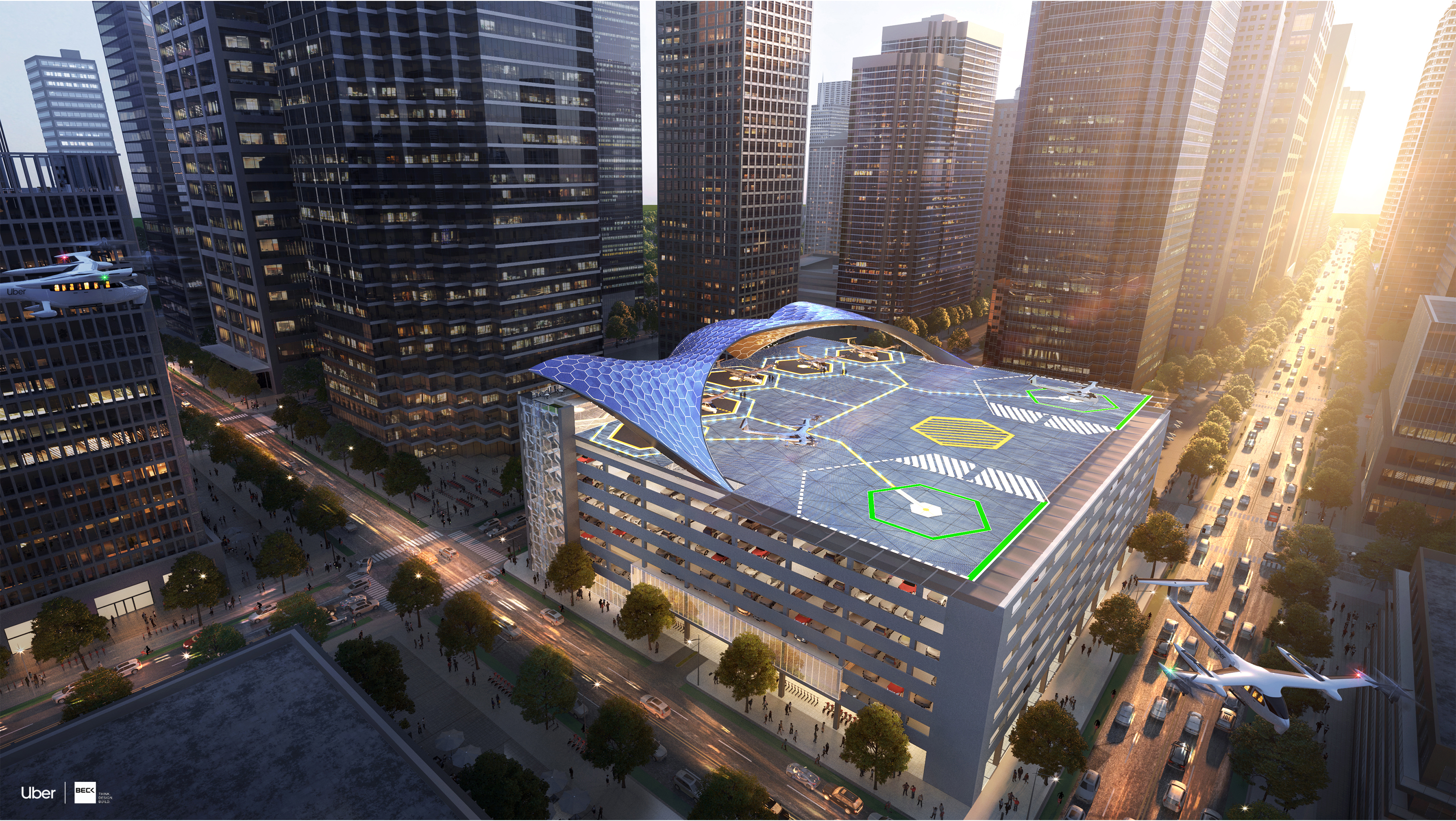 The idea behind the skyports is that they will be located in busy city locations such as stadiums and concert venues where crowds would typically gather.
Each of the skyports would be capable of handling around 1,000 landings every hour.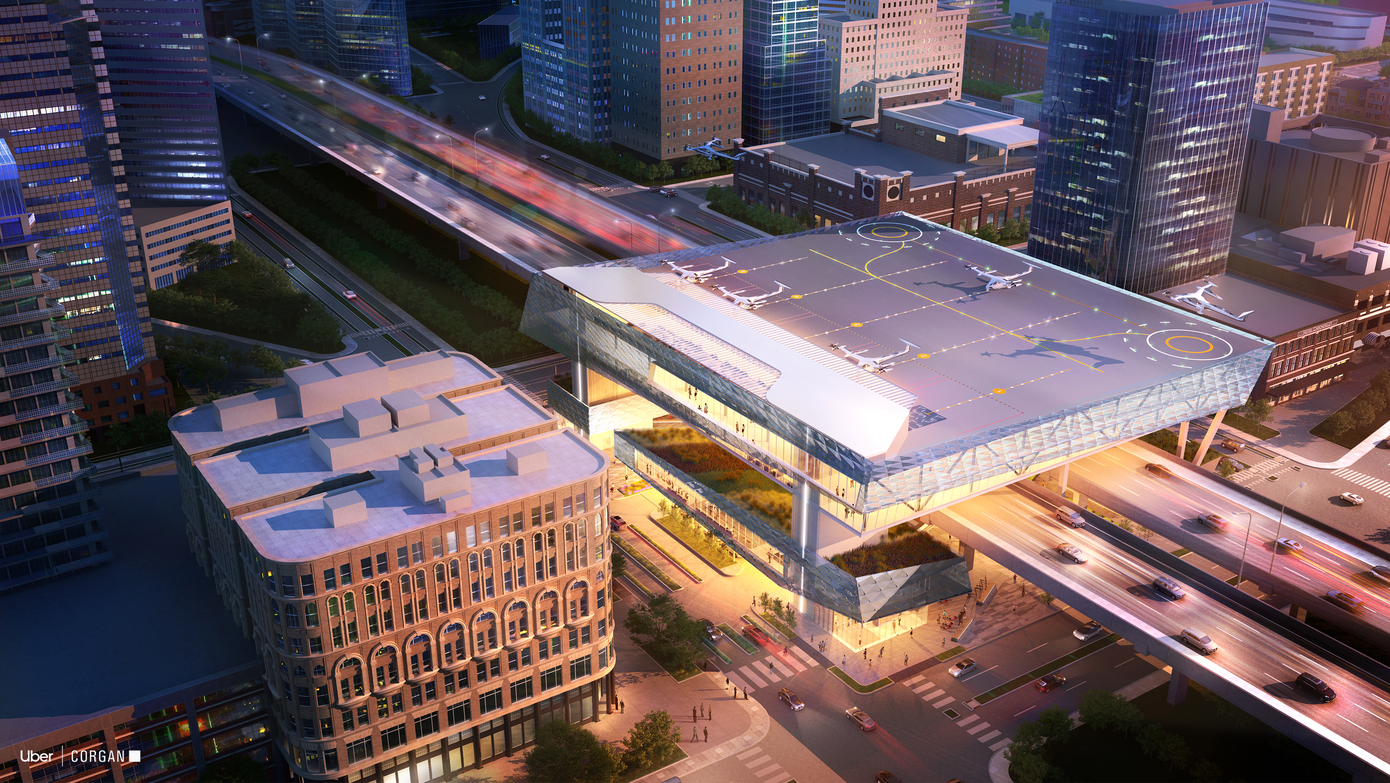 The six designs are by Gannett Fleming, Pickard Chilton with Arup, Corgan, Humphreys & Partners Architects, The Beck Group and BOKA Powell.
 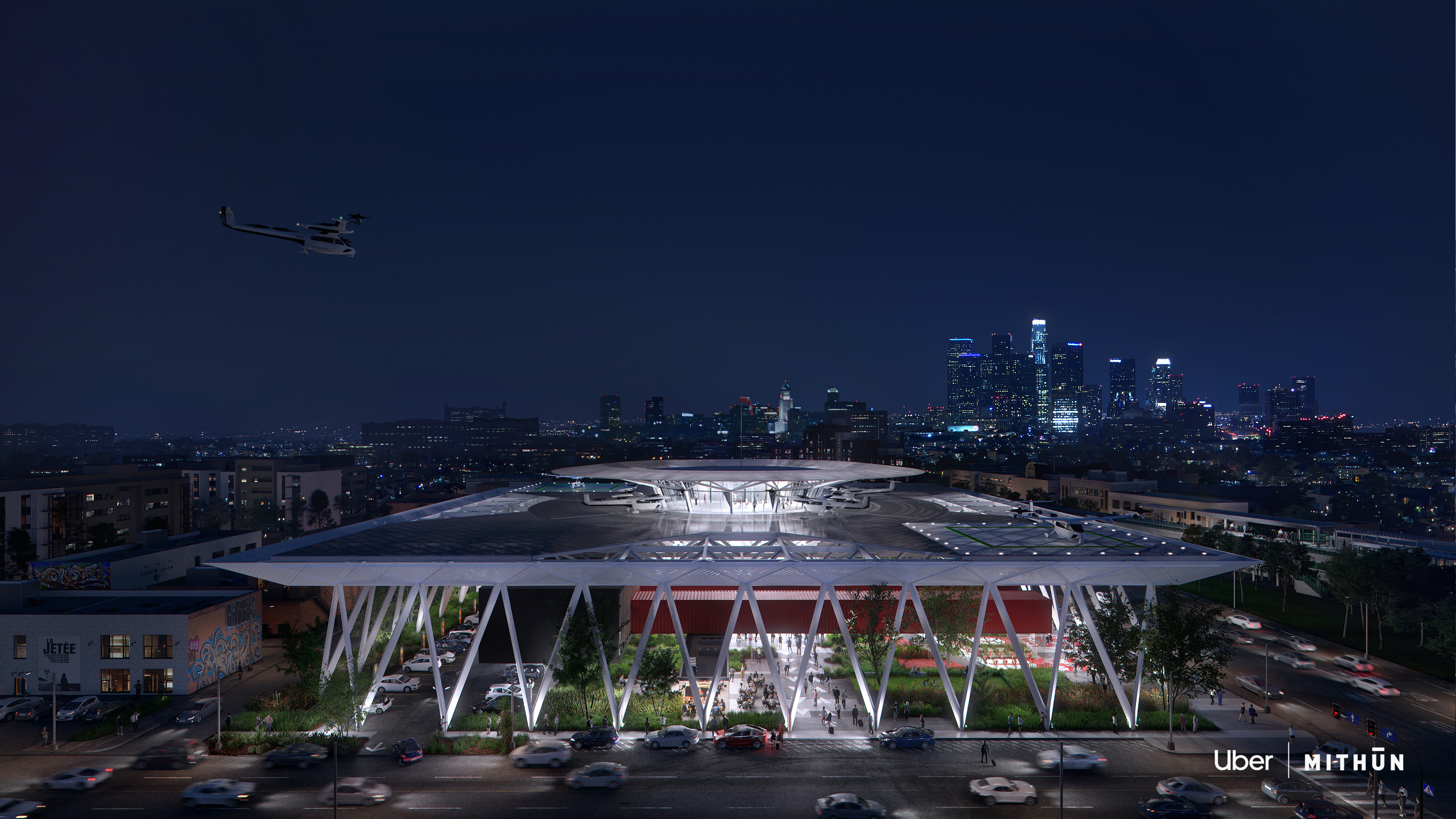 John Trupiano, principal at Corgan's Aviation Studio, said: “While the main task of the Uber Skyport is to develop a paradigm for public access to eVTOLs, we extended it to explore how Skyports could reconnect the community, how they can become an important amenity to the neighbourhood, and how they could bridge some of the divides we see in our cities."
The Corgan design would be capable of being integrated into existing city infrastructure, such as on top of buildings.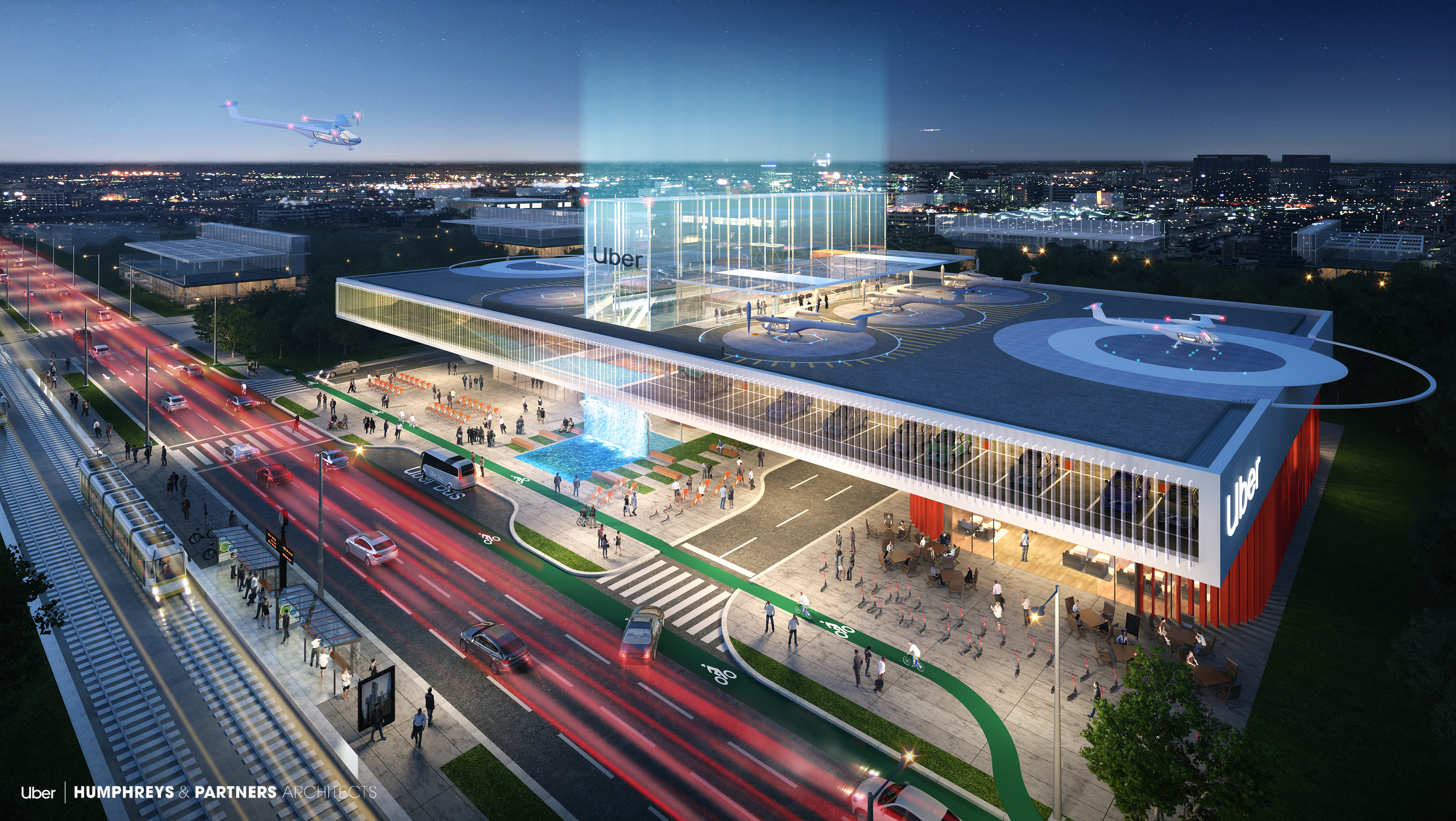 Another solution, by Pickard Chilton and Arup, allows for 180 landing and take-offs per hour through a modular system that would be adjustable to different locations.
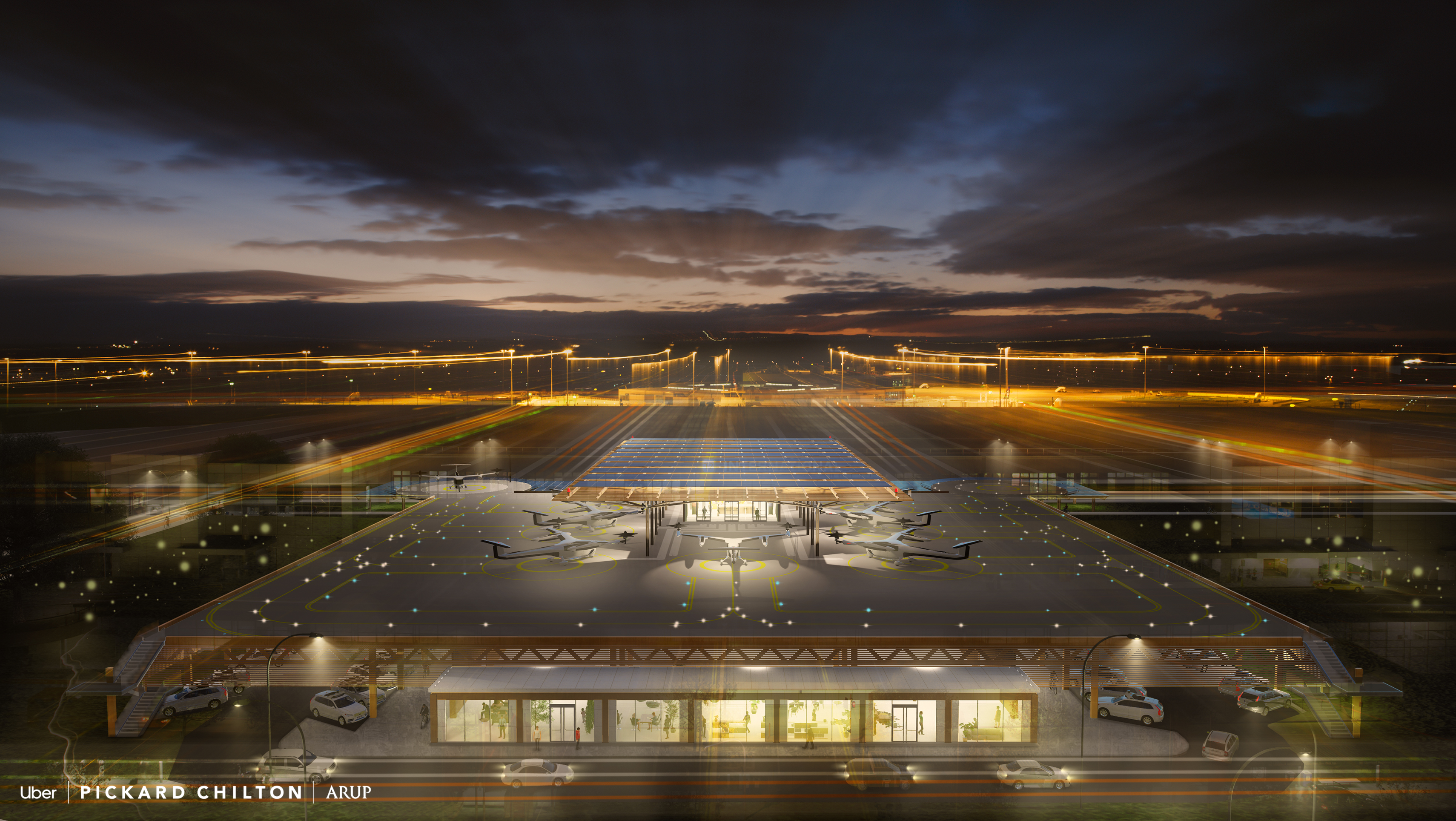 "While our design for the Skyport is conceptual, it is not science fiction,” Jon Pickard, principal of the Pickard Chilton, said.
“Based on a pragmatic and research-driven approach, our concept delivers to Uber a modular, extensible and sustainable solution that supports their vision for the future of intra-urban transportation.”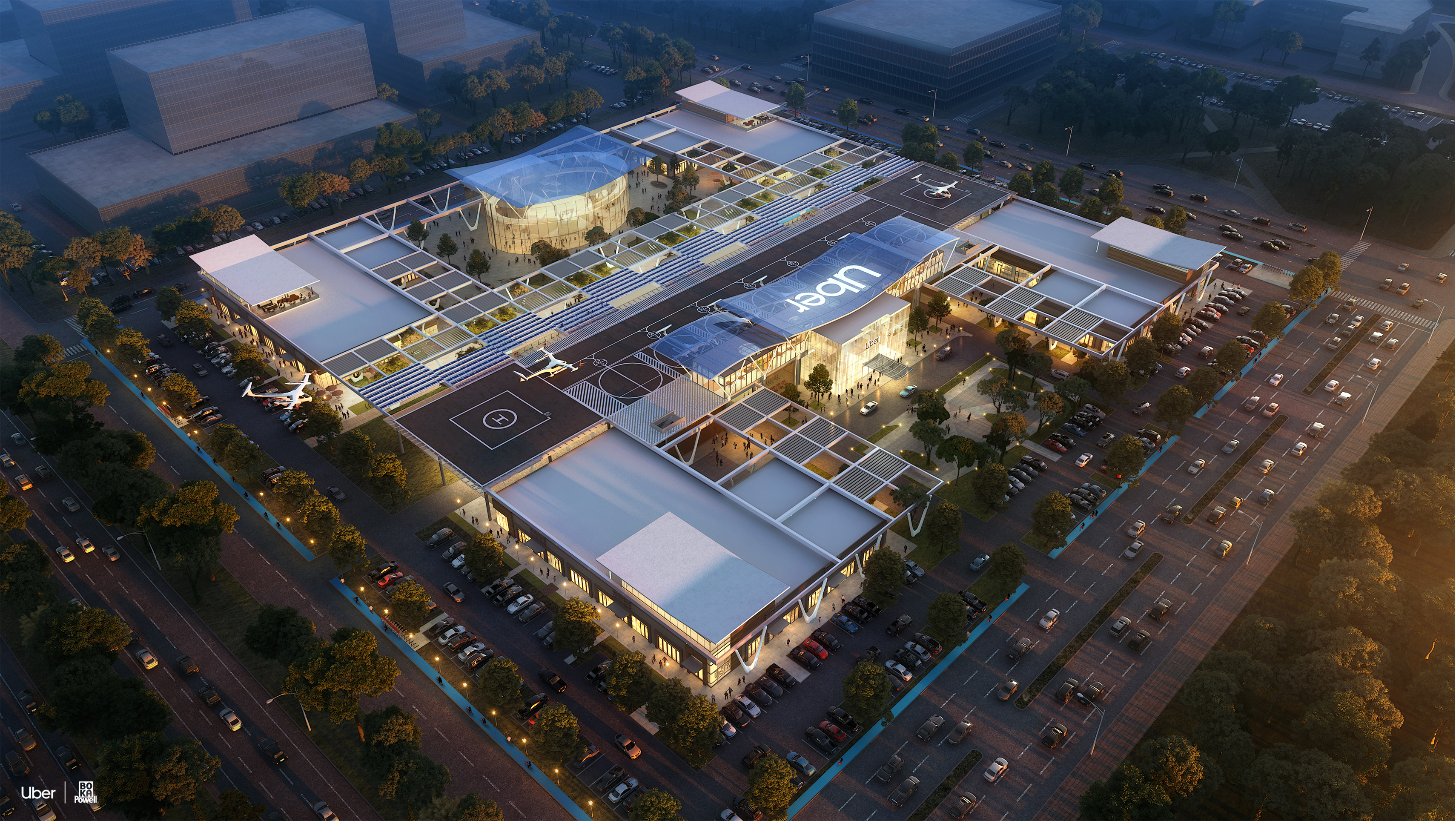 The company recently announced that Melbourne, Dallas and LA would be the first cities to offer Uber Air flights. The first commercial flight is planned to take off in 2023.
For travel trends delivered straight to your inbox, sign up for the Globetrender newsletter.
Ever the trendsetter, Marriott's Moxy brand has been quick to capitalise on the somewhat bizarre growth in popularity for ASMR (Autonomous Sensory Meridian Response) videos on YouTube by creating bespoke bedtime stories designed for the auditory enjoyment of guests at its new Chelsea hotel in New York.
The videos have created in collaboration with Whisperlodge, an "ASMR spa for the senses" in Brooklyn, which delivers "brain tingles using every day objects". Essentially, it's a new type of hotel room porn, designed to titillate using strangely pleasing sounds such as hair brushing, crackling cellophane and mic touching as triggers.
According to theasmr.com: "The tingling sensation is euphoric. It usually starts at the back of the head, then travels down through the spine into the limbs relaxing you and giving you a unique feeling of well-being."
The number of YouTube videos of people smacking their lips while eating food, whispering, clicking combs and blowing at the camera in silent rooms have rocketed, with many of the most popular racking up millions of views. Here is an example of an ASMR video.
Apparently, ASMR can help with everything from stress to depression but many people turn to it just to relax, hence Moxy's decision to create its own range of "exclusive titillating video stories" hosted by actress-author-musician Bella Thorne and Dani Thorne of COM3, along with actress Caroline Vreeland.
Described by Moxy as "an alternative to guided meditation and a drug-free mental massage", the videos will only be available for a month but are part of the chain's signature Bedtime Stories programme, which features 60-second stories under the themes “chill out,” “go out” or “pass out”.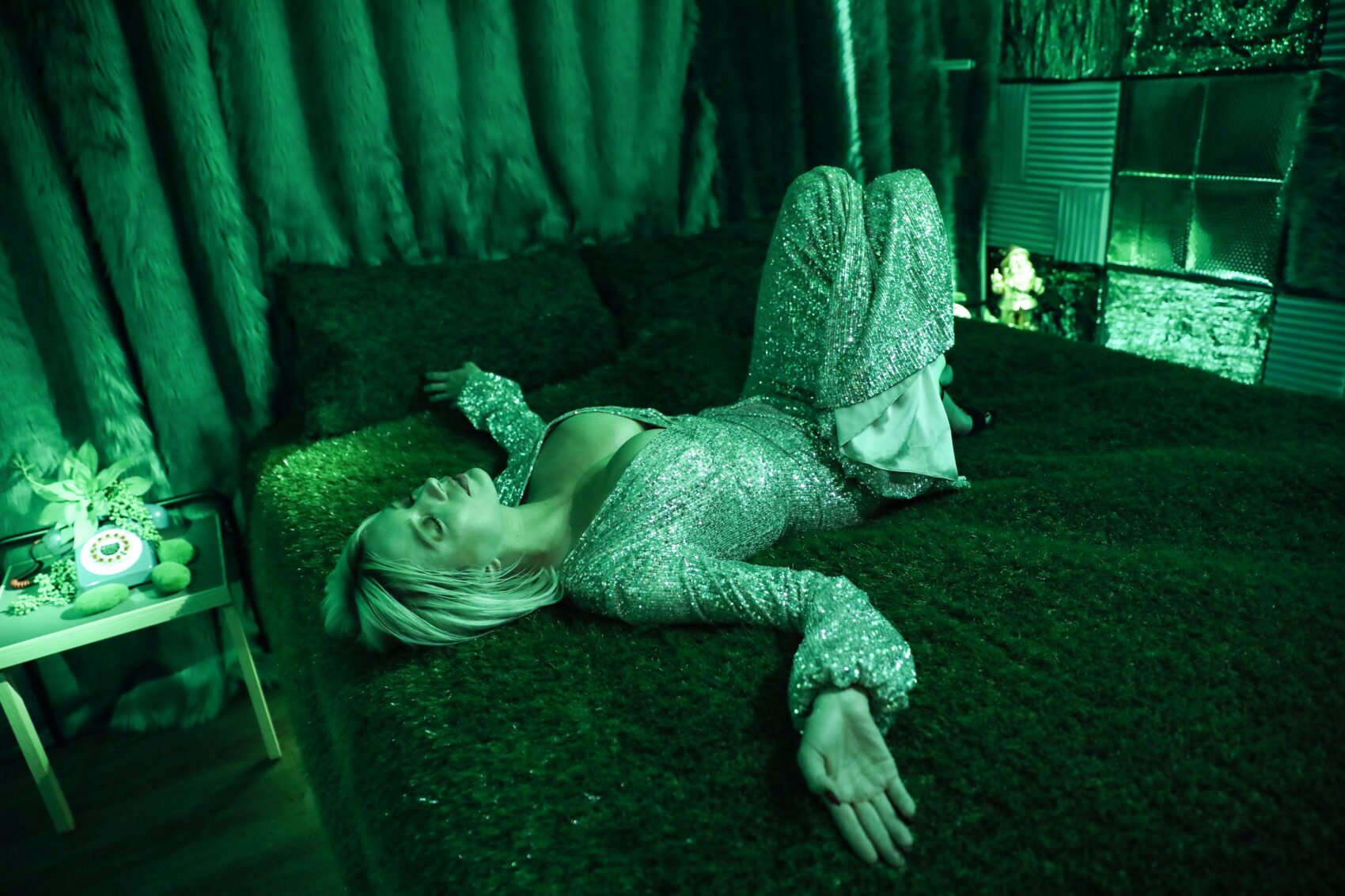 In the case of the Moxy ASMR videos, the women interact with "playful props that reflect their personalities – everything from pizza, to candy, to sequins". Vreeland said: “Taking part in these ASMR Bedtime Stories was very stimulating. I want Moxy Chelsea hotel guests to feel like they are right there with me, sharing my meal."
Toni Stoeckl, vice-president of distinctive select brands for Marriott International, and global brand leader, Moxy Hotels, says: "Moxy is a brand known for stimulating guests at our hotels with bold immersive art – from our ‘Hotel Heist’ theatrical performance in Frankfurt where blindfolded guests were escorted into a bedroom to hear thrilling stories; to our live ‘Pink Bear’ in Berlin, inspired by artist Paul Robinson’s ‘The Pink Bear’ art series, which is best known for being featured in Cara Delevingne’s #Art4Animals campaign.
“This latest installment of our Bedtime Stories series feels undeniably Moxy – pushing the boundaries in a fun, playful way, and giving guests something they won’t experience at any other hotel. We’re thrilled to be exclusively debuting the videos at Moxy Chelsea, Moxy’s new secret garden in the heart of New York City’s Chelsea Flower Market.”
Melinda Lauw, co-creator and artistic director of Whisperlodge, says: “Whisperlodge delivers care, relaxation and sensory exploration through carefully-crafted immersive experiences. We love Moxy’s vibrant. playful energy and we’re so excited to partner with Moxy Hotels and Moxy Chelsea to bring our unique blend of art and wellness to guests at Manhattan’s most exciting new hotel.”
Globetrender predicts that Moxy won't be the only travel company to dabble in ASMR – airlines may also find it an effective way to calm nervous flyers…
Gaming tourism is a hot new trend that is about to explode. The virtual worlds of online gaming have become so advanced that Xbox is partnering with Rough Guides to publish a guide book to these alternative realms. This new kind of travel experience is seeing players shun the conventional modes of play to go off-piste, and explore the virtual locations around them as tourists. Jenny Southan reports
With ever-higher levels of resolution and detail, as well as seemingly horizonless environments to navigate, the Xbox Rough Guide will inform players of particularly beautiful, interesting and extraordinary places to visit. They have even created a tourist board-style film promoting the experiences. (See above.) "There are endless sights to see, mysterious places to explore, and breathtaking landmarks to discover. This is not just gaming; this is gaming tourism. Embark on an epic journey today," Visit Xbox reads. "Whether you prefer a demanding hike through the Russian wilderness or a relaxing road trip in the Cotswolds, these worlds have something to offer for everyone."
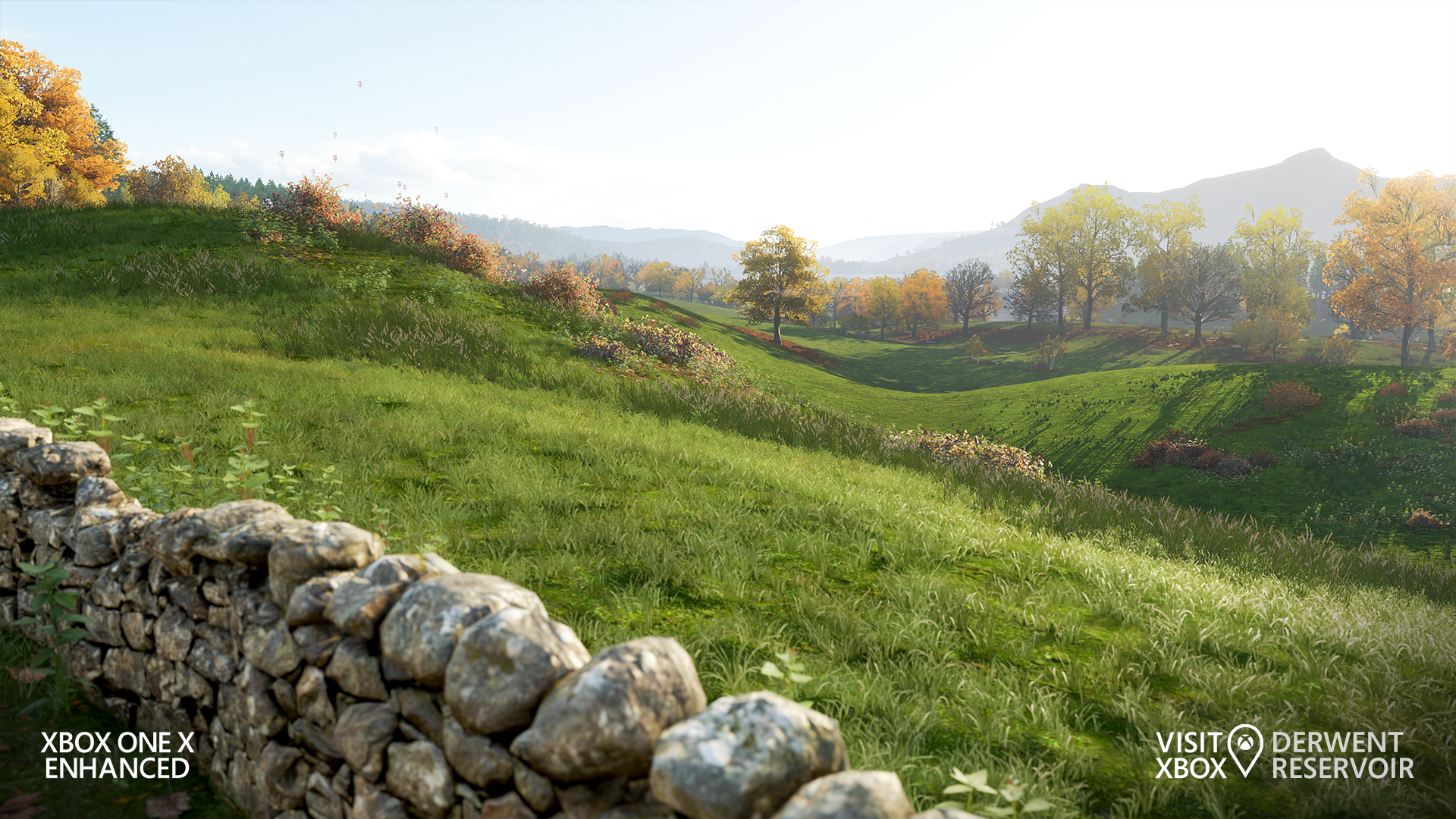 Xbox One X Enhanced games feature some sights that are based on real-world locations on Earth, and some that are entirely fictional. Places you can visit include: the Emerald Abyss from the game Anthem; the Lincoln Memorial from Tom Clancy’s The Division 2; Messenia – Bay of Hades from Assassin’s Creed Odyssey; and Sharkbait Cove from Sea of Thieves.
Of the Caspian from Metro Exodus, it says: "Deserted railroads and sweeping, sandy landscapes aren’t the only things you’ll find in the Caspian. Pause long enough and you’ll notice its quiet, serene scenery, the lumbering, lonely mountains, and an infinite collection of gorgeous skyscapes."
Of Anthem's Arkadia it says: "Arkadia’s agricultural output isn’t its only claim to fame. The region is also renowned for its rolling hills, beautiful greenery, and of course, phenomenal sunsets." The Visit Xbox website features locations shot by in-game photographers and enables gaming tourists to find their next destination whether they want to visit a quaint village or relax on a paradise-like beach. The idea is to encourage people to buy the games and then go there on a virtual holiday.
Gaming tourism will also have a level of kudos attached, just like in the real world. You can even get a virtual postcard of the place you visited to share on social media.
Games that are Xbox One X Enhanced have been updated or built specifically to take full advantage of the latest Xbox console. (Rumours are abound that an X Box Two will be coming soon.) They sport 4K resolution, high frame rates and HDR for perfect cinematic visuals.  "With Visit Xbox, we want to inspire everyone to become a gaming tourist and explore breathtaking Xbox One X Enhanced worlds," said Michael Flatt, global gaming marcom lead at Xbox.
"Our campaign offers destinations from the past, present and future, on our world and beyond. Together with the Xbox community, we will continue to find, curate and capture the most beautiful locations in games."
Laurence Thomson, chief creative officer at McCann UK, says that "this new type of ‘tourism’ offers people incredible new worlds to explore, from vibrant cities to exotic wildernesses to outer space".
"Game worlds are so rich and immersive; this campaign aims to showcase that beauty," he said.
For travel trends delivered straight to your inbox, sign up for the Globetrender newsletter.
A wildly futuristic restaurant called Sushi Singularity will open in Tokyo in 2020, serving 3D-printed, nutrient-rich sushi cubes. Not only this, but the food will be highly personalised, designed to meet the unique biometric requirements of individual diners. Jenny Southan reports
How will Sushi Singularity know what vitamins and minerals customers most need? It will test their saliva, urine and, yes, faeces in advance before robots behind a bar will construct their order.
It's the madcap idea of Japanese company Open Meals, which is truly innovating by blending 3D printing with biodata, to get a picture of people's genetic make up and nutritional status.
It's sounds bizarre but Globetrender predicts that this is a sign of things to come. Open Meals showcased the concept at SXSW festival last year, and is set on opening its Sushi Singularity restaurant in time for the start of the new decade.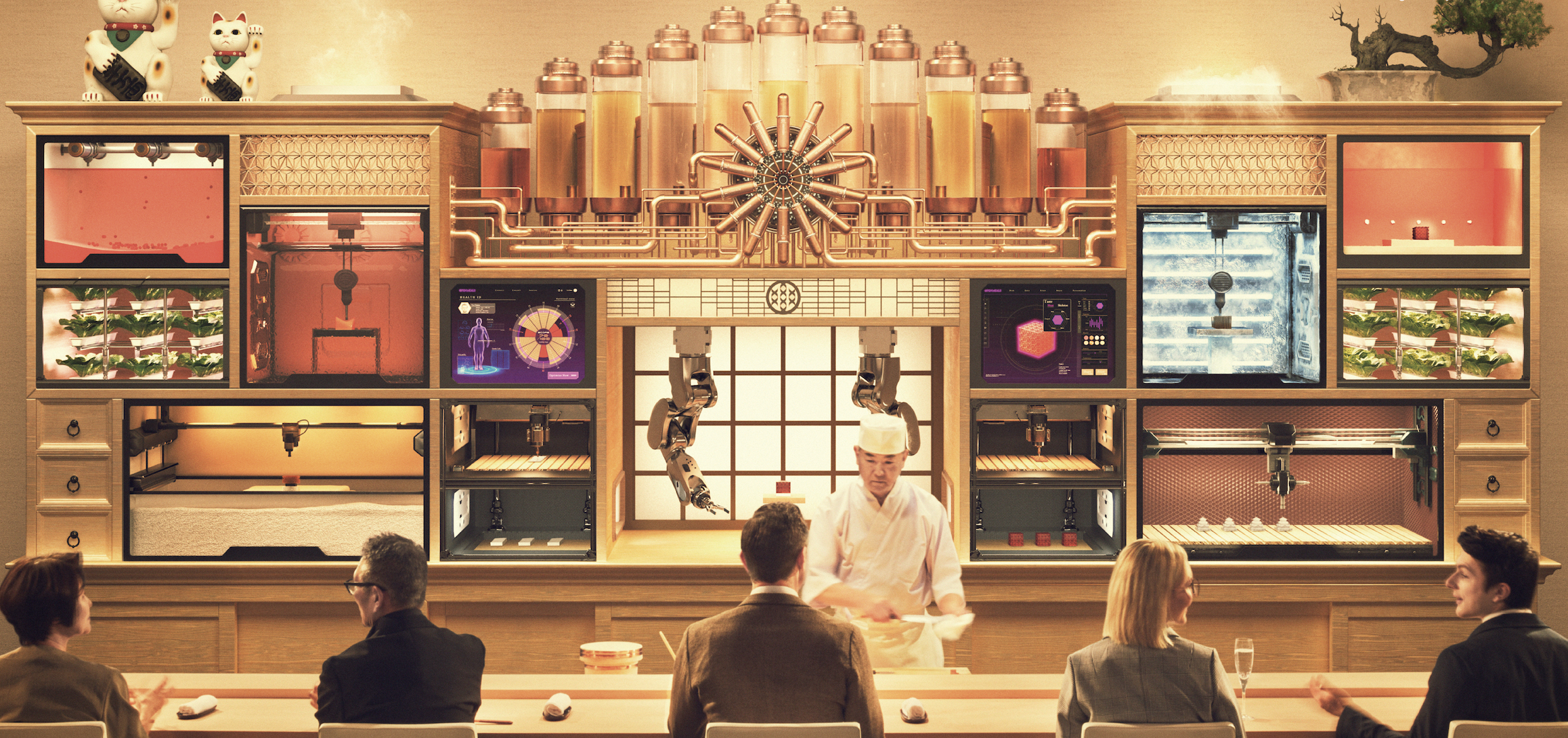
What will the customer experience be like at Sushi Singularity?
Rather than having to make an awkward visit to the bathroom when they get there, potential diners will be sent a test kit in advance of their reservation, where they will submit samples for laboratory assessment.  Judging by the promotional video, they will also send a photo of themselves. This is so that facial recognition cameras can spot them when they arrive at the restaurant.
Once seated at the sushi counter, their biometric data will be fed into a computer, which will then inform the 3D printer of how to formulate the food.
Instead of a chef slicing and dicing pieces of fresh fish, a small army of robotic arms will set to work squirting vitamin-rich edible gels in layers, to create perfect post-modern sushi cubes, often with elaborate micro architectures that can only be achieved by machine.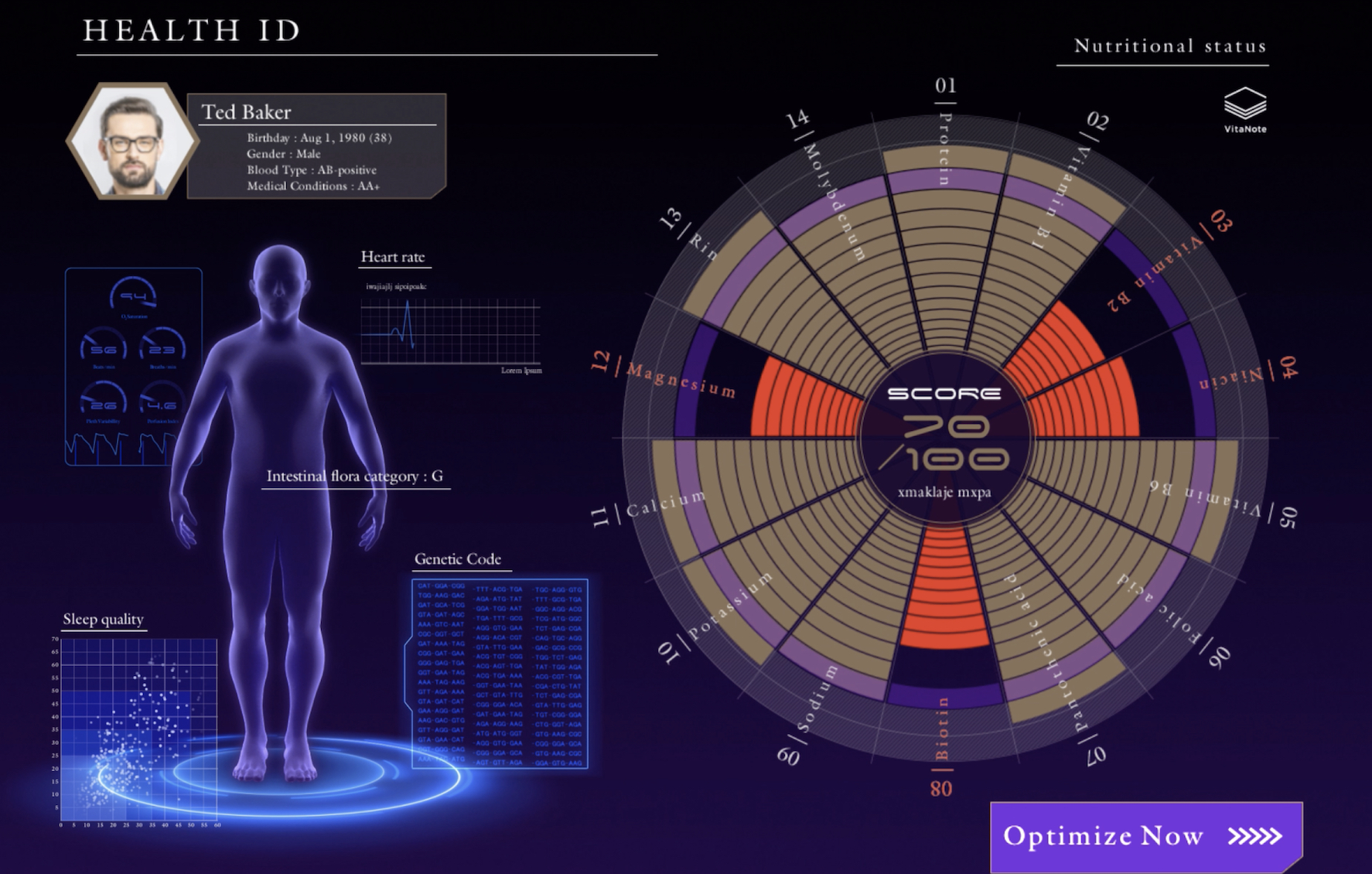 When the company debuted 3D printed sushi at SXSW festival in Austin in 2018, it used a process they dubbed "Sushi Teleportation". They sent people's order to a 3D printer, which would miraculously extrude food in pixel form as if from the world of Minecraft.
Now they have taken the idea further, with the promise of Sushi Singularity, which will also draw on customer's biometric data.
Described as the "iTunes of printed food", Open House has built a prototype "Food Base", a platform that stores food data from all over the world, logging the exact measurements relating to flavour, shape, colour, fragrance, nutrients and texture.
The idea is that data food chefs can upload their own recipes from anywhere in the world. In turn, a "social food network service" will be created, meaning that one day, when people have 3D food printers in their homes, they too will be able to print the meals they like the sound of.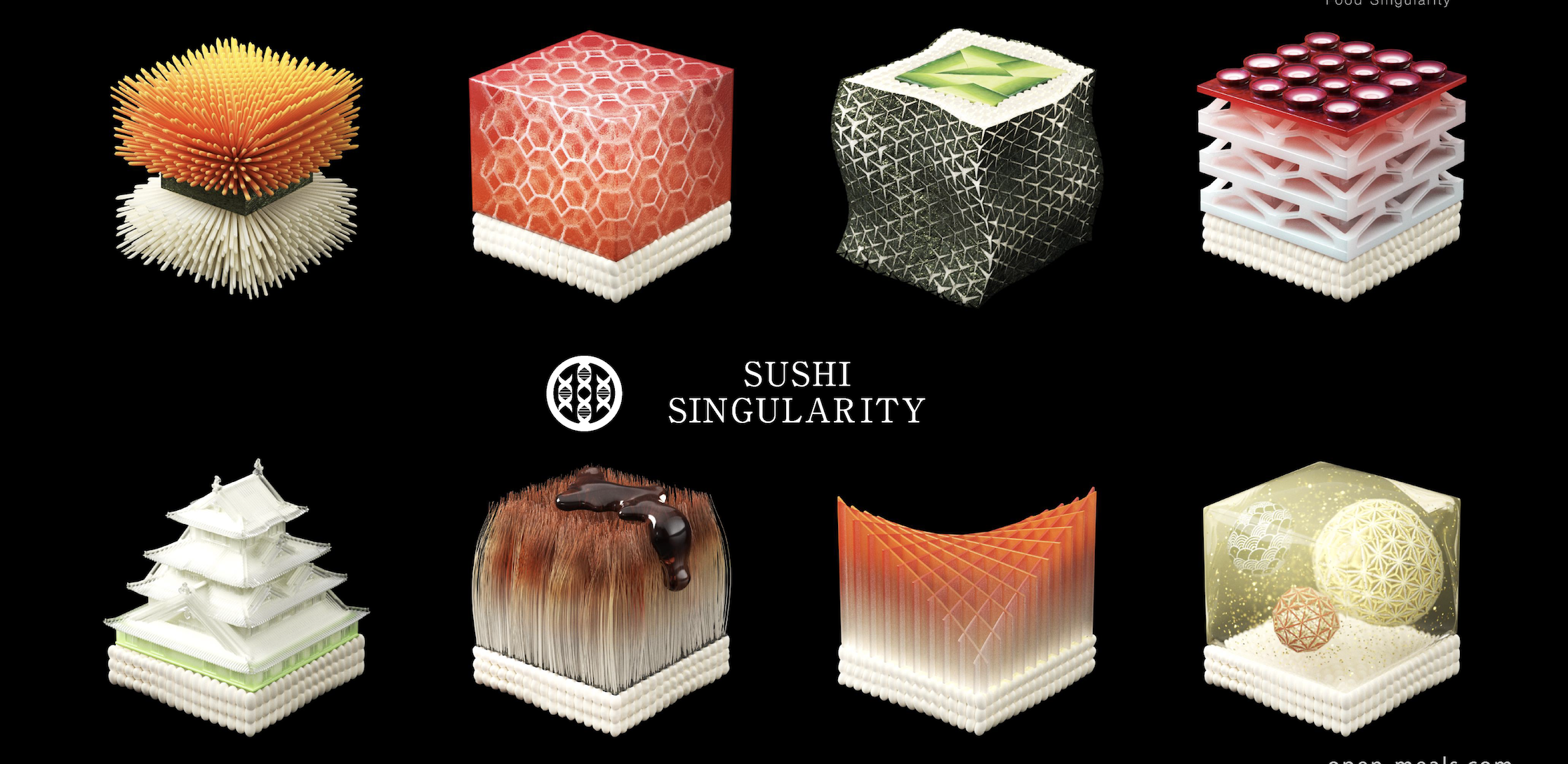 "This is a futuristic restaurant in which sushi is digitised and connected to the internet," says Open House.
What will be on the menu?
Forget California rolls and salmon nigiri, at Sushi Singularity you will eat micro pillar saltwater eel, oze tick kappa roll, powdered sintered uni, negative stiffness honeycomb octopus, cell cultured tuna and dashi soup universe.
Whilst seated at the counter being fed "data food" by a human chef, which acts as a go-between between customer and robot, diners will have a full view of the workings of the machine.
They will be able to spot the food cartridges containing ingredients such as seaweed and crickets that are mixed with water, enzymes and and fibre.
There will be nutrient cylinders containing 14 different vitamins and minerals that will be injected into the mix depending on your needs.
And an "alginate fermenter" that will be able to produce food in sphere shapes thanks to a chemical reaction between sodium alginate and liquid calcium. An artificial light farm will cultivate vegetables in enclosed spaces.
Powder-based raw materials will be baked into specific shapes using laser, while "light scattering analysis" ensure every piece of sushi produced is to the correct forms and dimensions.
Globetrender will be the first to make a reservation when Sushi Singularity opens.
By the way, what does "singularity" mean? It's the hypothesis that "the invention of artificial superintelligence will abruptly trigger runaway technological growth, resulting in unfathomable changes to human civilisation". Scary and exciting, we are sure you'll agree.
For travel trends delivered straight to your inbox, sign up for the Globetrender newsletter.
Marisa Cannon reports on why Ibis has decided to employ Instagram "sitters" to post content on the behalf of guests during their stays at hotels across Switzerland.
Holidays are meant for kicking back and enjoying your new surroundings sans stress – especially that which comes with maintaining a thriving social media presence.
Here to allay the strain is French hotel chain Accorhotels with its new “social media sitting” service, available as one of its room packages now at 17 Ibis properties across Zurich and Geneva.
The “Relax, We Post” service (which includes an overnight stay and breakfast) asks guests to hand over their Instagram logins to a team of vetted influencers who will post photos, upload Instagram stories and respond to comments for the duration of the guest's stay. And it only costs from £70 (a mere nothing for the volume of "likes" you are sure to get.)
Among Ibis’s ten partner Instagram sitters are local radio DJ Sylwina (55k followers), Cristina Gheiceanu (149k followers) and Sara Leutenegger (108k followers) who appeared on Germany’s Next Top Model TV show.
With the advantage of local knowledge, they promise to home in on the city’s hotspots and create posts based on the guest’s personal interests, with all-important hashtags plus their own sign off #postedbysocialmediasitter. It's a great idea but sadly Relax, We Post is only part of a short-term trial ending on December 2, 2018, however, if it is popular it might become a permanent feature.
Philippe Alanou, senior vice-president of operations at Accorhotels Central Europe, says: “We pay close attention to current trends and make constant updates to the services at our hotels, ensuring we are able to offer our guests a range of modern, innovative ideas to make their everyday lives easier."
In the summer, the Fairmont Scottsdale Princess hotel in Arizona hired its own Instagram concierge to take photos of guests, advise on backdrops and locations, and hand out photography tip sheets.
Last year, Globetrender reported on the Conrad Maldives Rangali Island, which launched its own “Instagram butler” service, on hand to capture guests’ holiday antics and offering advice on the resort’s most photogenic spots.
Gliding through the streets of Shanghai, the Wheelys Moby Mart is an autonomous, staffless, self-driving mobile grocery store that has been in beta testing for the past eight months or so. Open 24 hours every day of the year, it merges online and offline retailing. There are no queues, no cash and no checkouts – customers just scan the items they want with their smartphone and walk out. Jenny Southan reports
The Moby Mart heralds a new era for robo retail, a trend that I reported on in my recent Tomorrow's World column for Mr Porter. "From Japan and South Korea to the UK and Canada, robots (albeit not all in human form) are taking over human jobs. Mr Yuval Noah Harari, author of Homo Deus, predicts that by 2050, a new class within society will emerge – the 'useless class', people who are not just unemployed but unemployable.
"As artificial intelligence catches up with humans and looks set to soon outperform them in skills and professions, from translating Mandarin to playing chess, in just a decade or two, there may no longer be a need for human fast-food chefs, taxi drivers, waiters, tour guides or security guards." Or in this case, shop assistants. 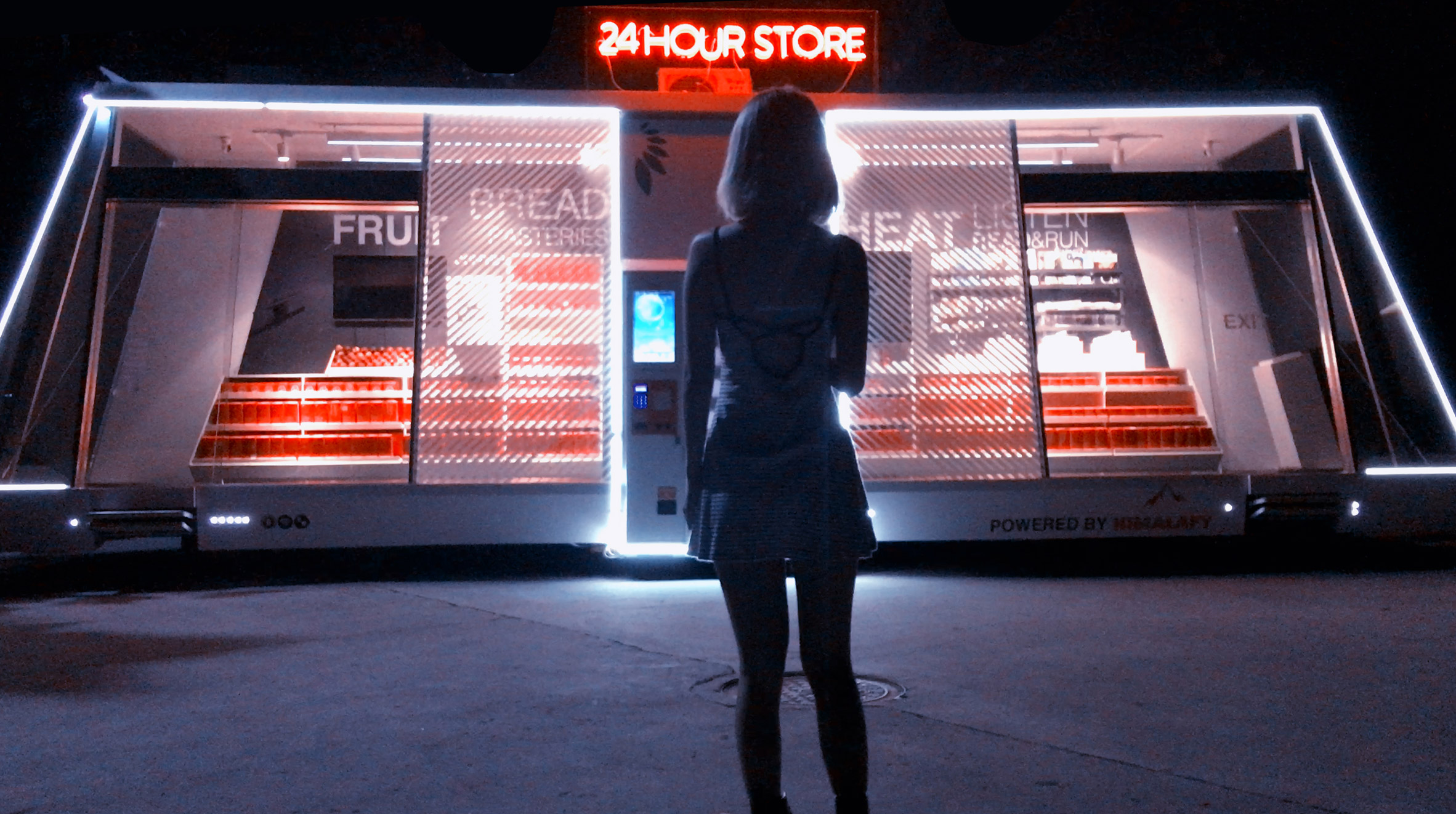 Dubbed "the supermarket that comes to you", the Moby Mart project is the product of a collaboration between Swedish mobile organic cafe startup Wheelys, tech company Himalafy and China's Hefei University of Technology. It's also sustainable, with solar panels to power it and a built-in air purifier to remove pollution.
 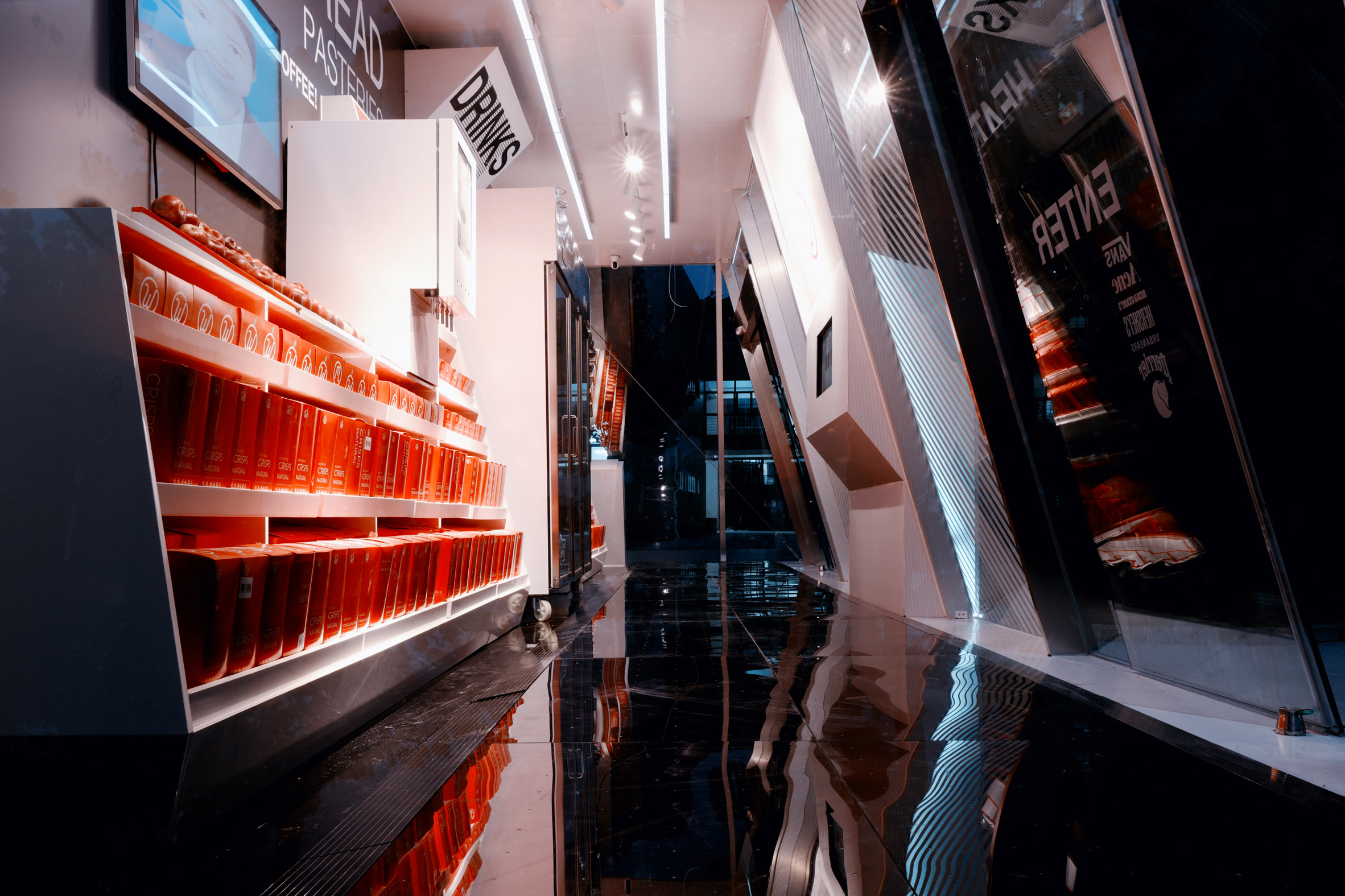 Himalafy says: "The Moby offers products for immediate consumption such as milk, lunch or medicine over the counter, around the clock. Just enter the store, take what you need and leave. Other stuff, such as computers, light bulbs, or even your Thanksgiving turkey, can be ordered either in the Moby-Store or on the web and picked up at your convenience at your nearest Moby."
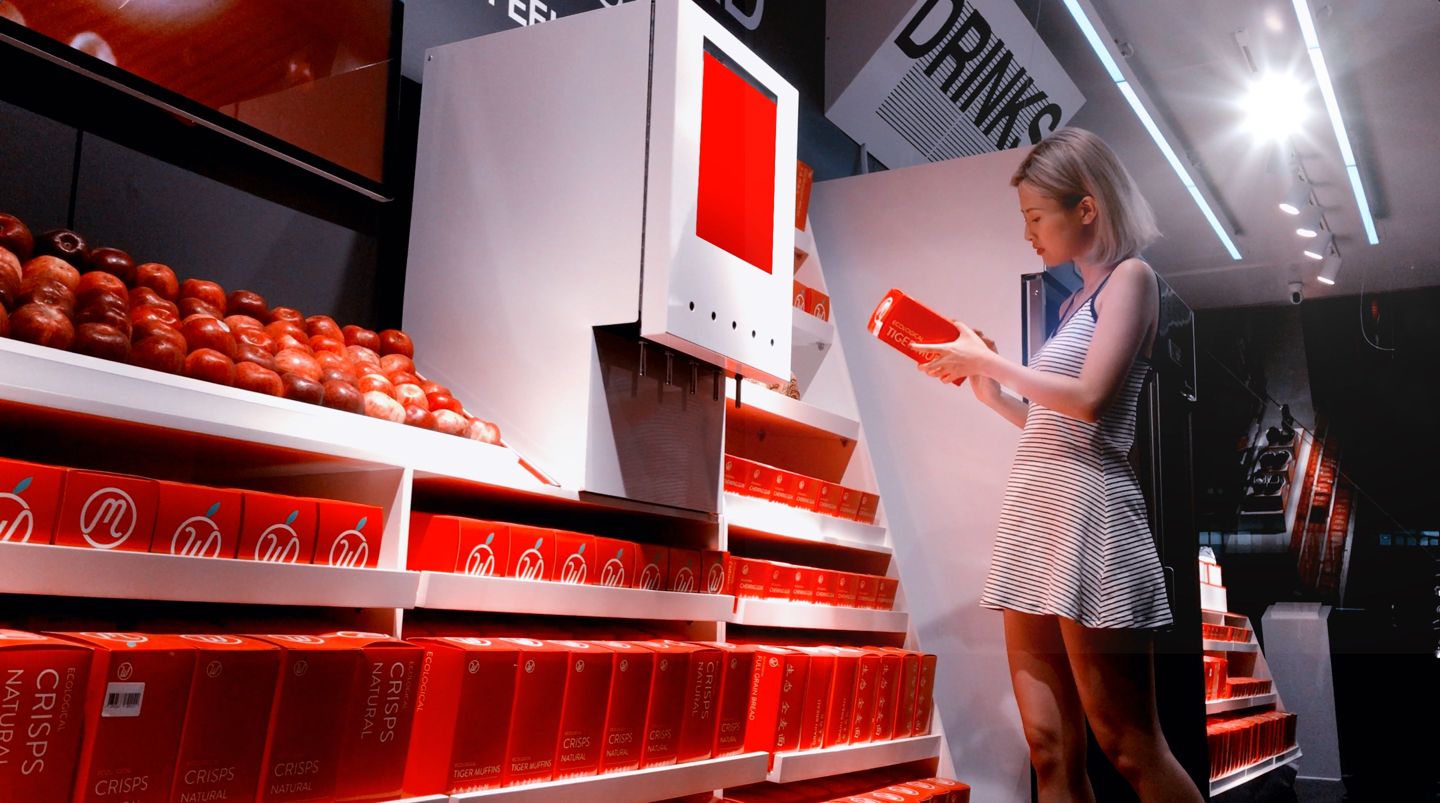 Himalafy adds: "By using AI, some patented inventions, and the famous cloud, the Moby eliminates visible technology, creating the simplest shopping ever and offering the same product range in Iquigig, Alaska, as downtown Manhattan."
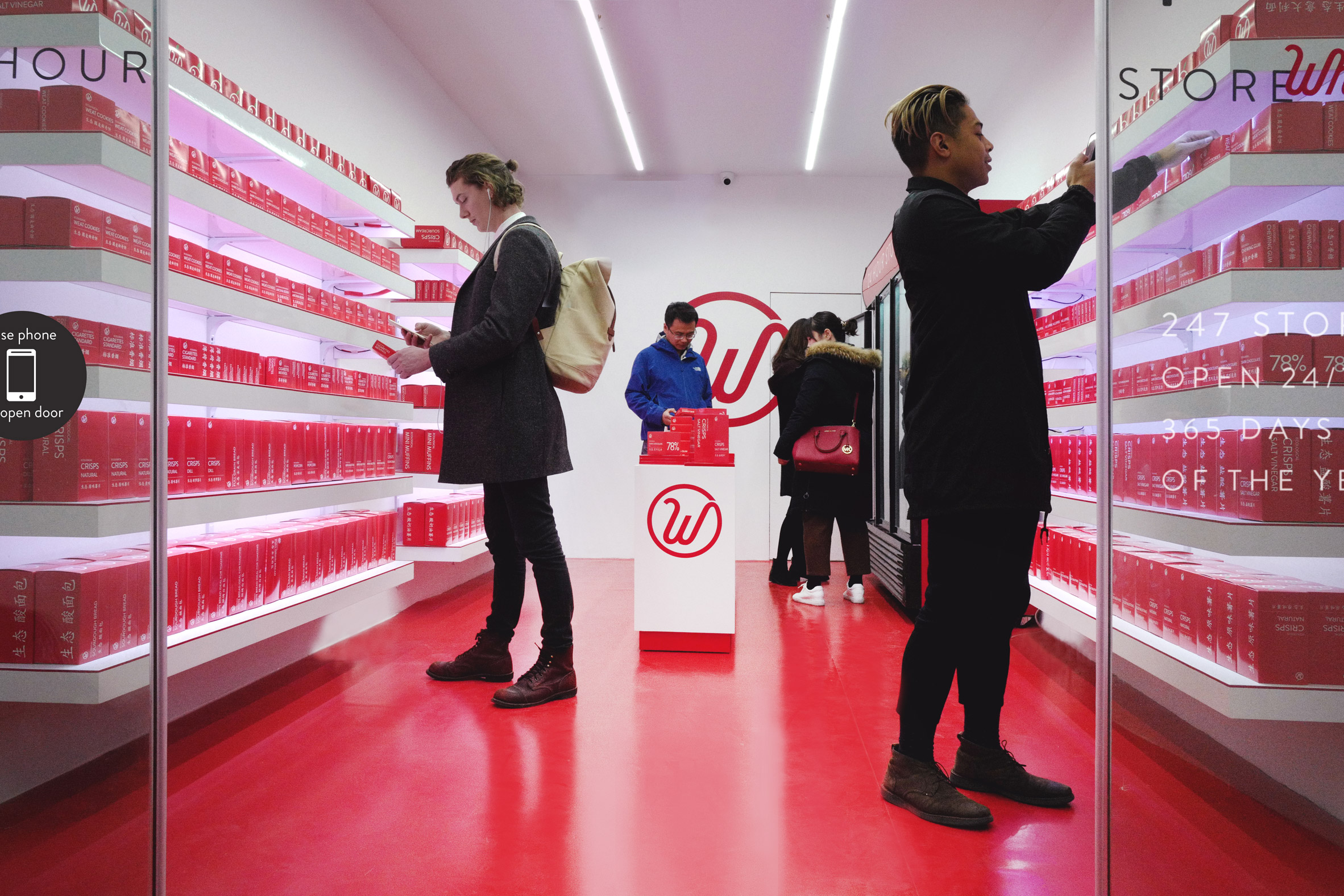 Although the prototype that has been seen in Shanghai has been people powered, future iterations will not only use computer vision to navigate the city but be drone equipped for deliveries. Built-in sensors will also alert warehouses when it is time for the store to be restocked.
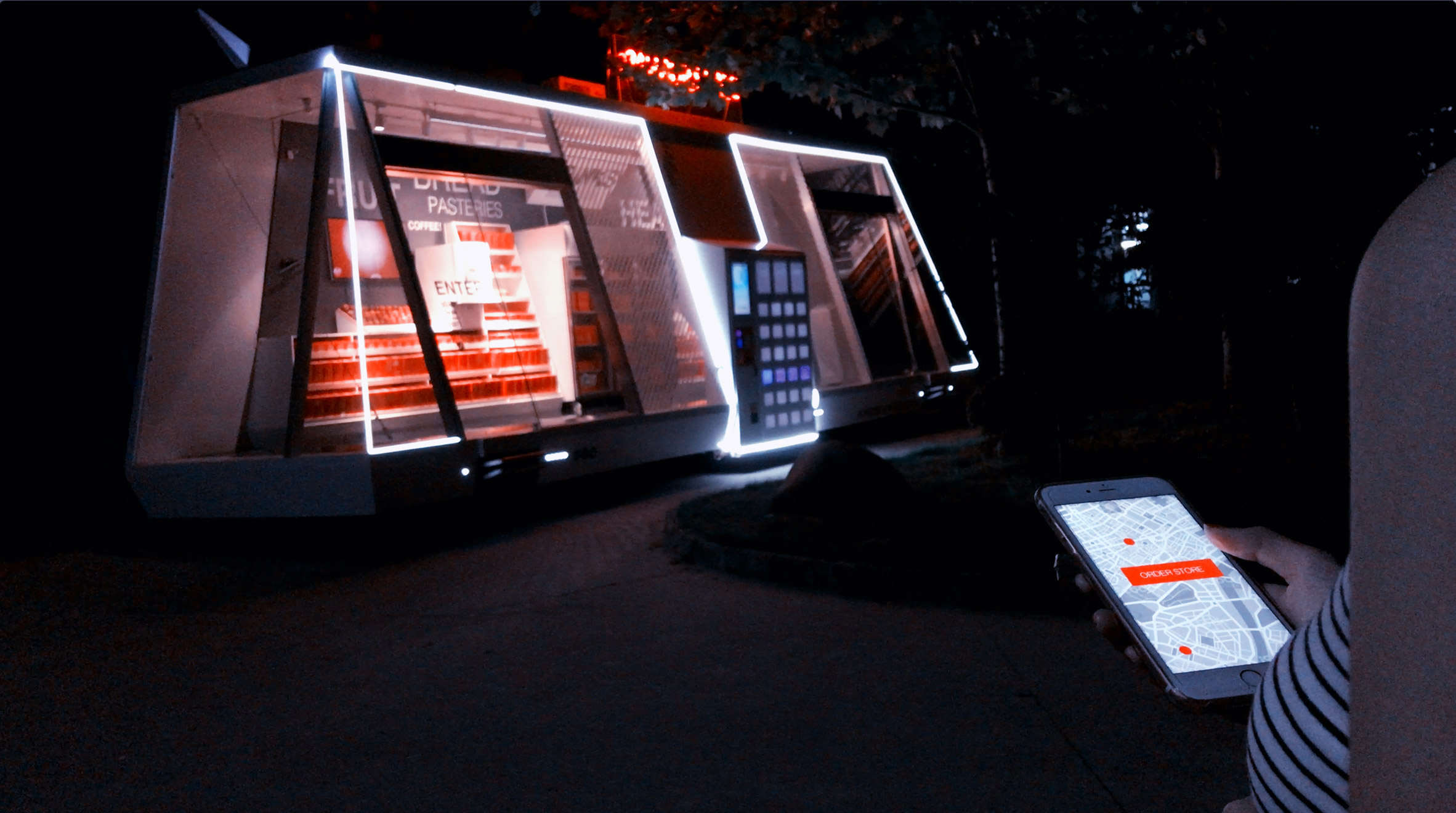
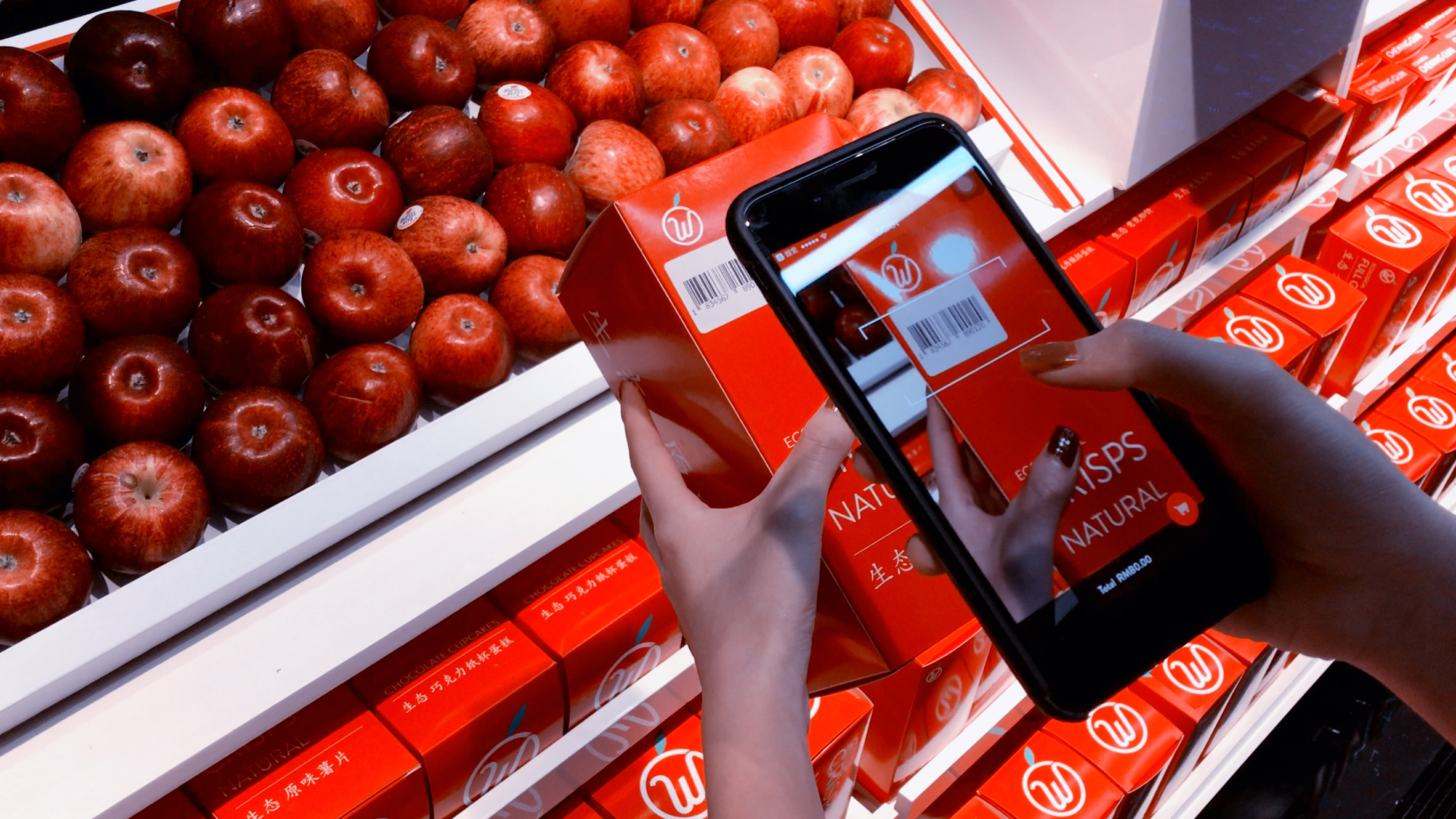
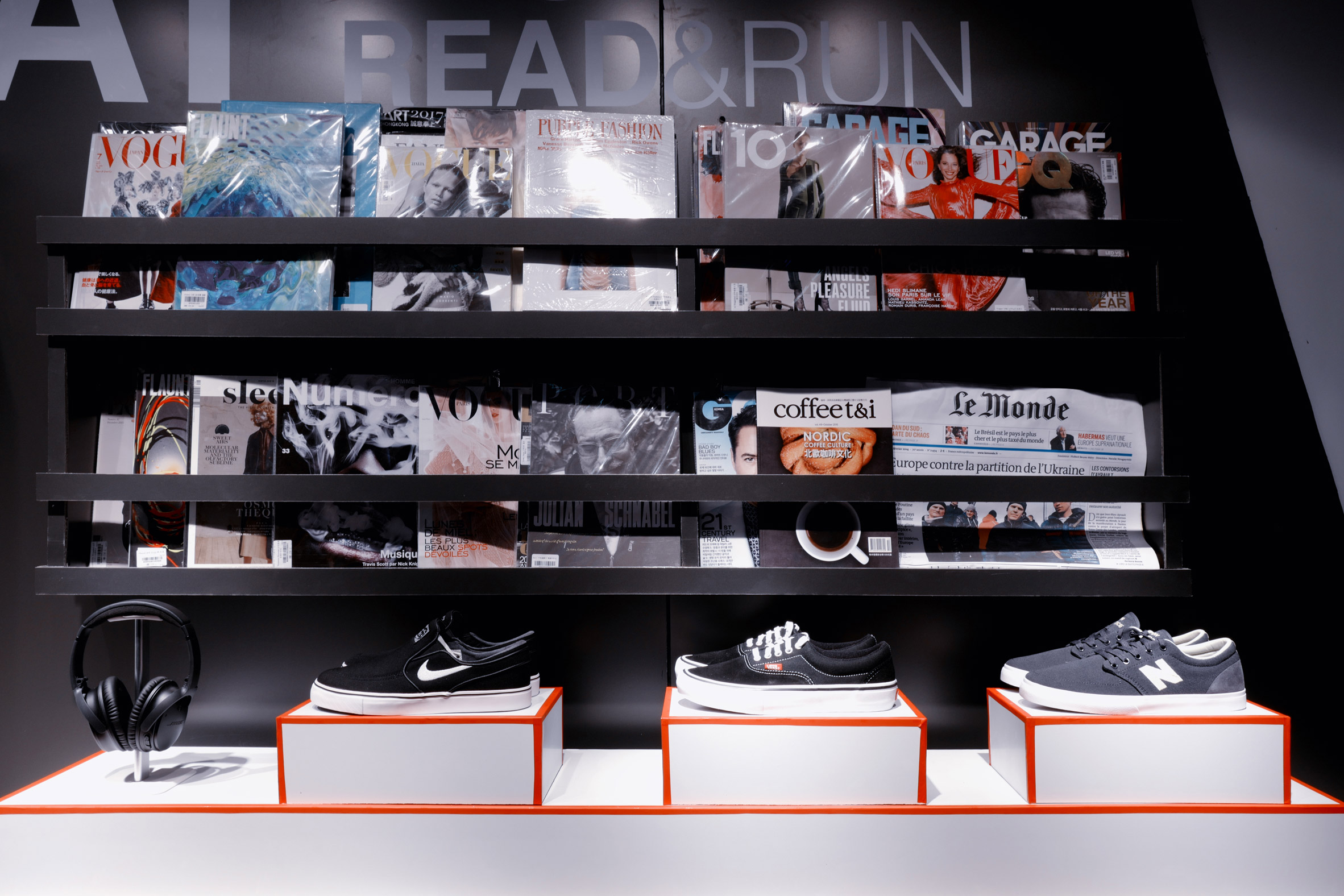
This isn't the world's first example of a staffless, automated grocery store, however. The remote Swedish town of Viken has had Naraffar since 2016, and it works in a similar way to the Moby Mart (it's also owned by them) except it's not mobile. Locals just use an app to gain entry, scan the goods they want and leave.
Founder Robert Illijason said: "My ambition is to spread this idea to other villages and small towns. It is incredible that no one has thought of this before."
Meanwhile, online retail giant Amazon opened its first automated store, Amazon Go in Seattle, to the public in January 2018. But it's only open from 7am to 9am.