Design Hotels has spent three decades championing independently owned hotels with a strong sense of place. Now, for the first time, it is taking that philosophy beyond the hotel stay itself – launching a full-package retreat experience in partnership with travel agency Fora and creative collaborator Casa Lawa.
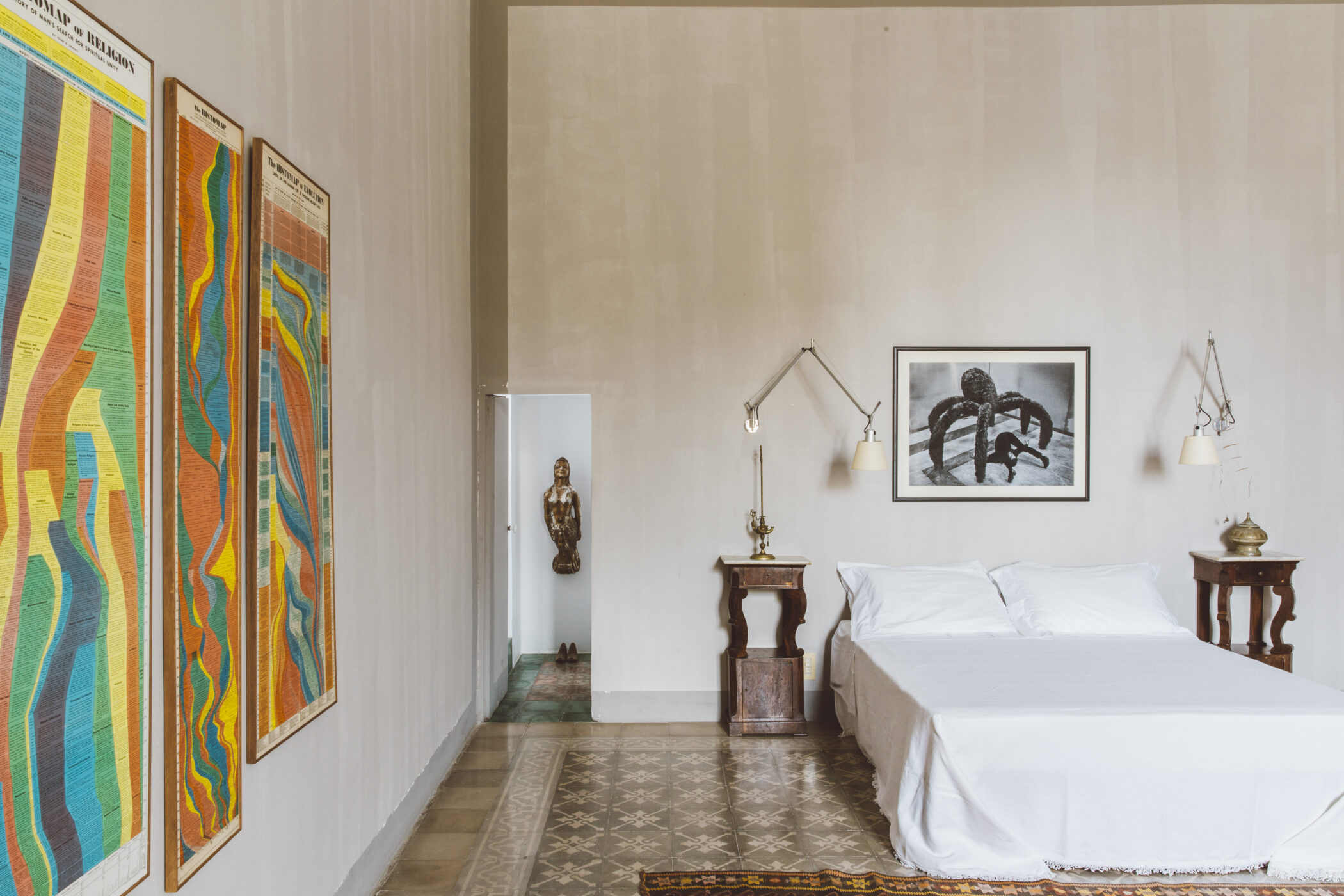
Bookable exclusively through Fora advisors, the three-day retreat takes place May 22 – 25 at Palazzo Daniele, a 19th-century aristocratic residence in Puglia with just 15 rooms, featuring frescoed ceilings, mosaic floors and magnificent artworks.
Programming centres on cookery masterclasses exploring pasta with tomato sauce using heritage grains and ancient Apulian techniques, alongside traditional ricotta and primosale (a fresh cheese) preparation using methods still preserved by local Salento artisans.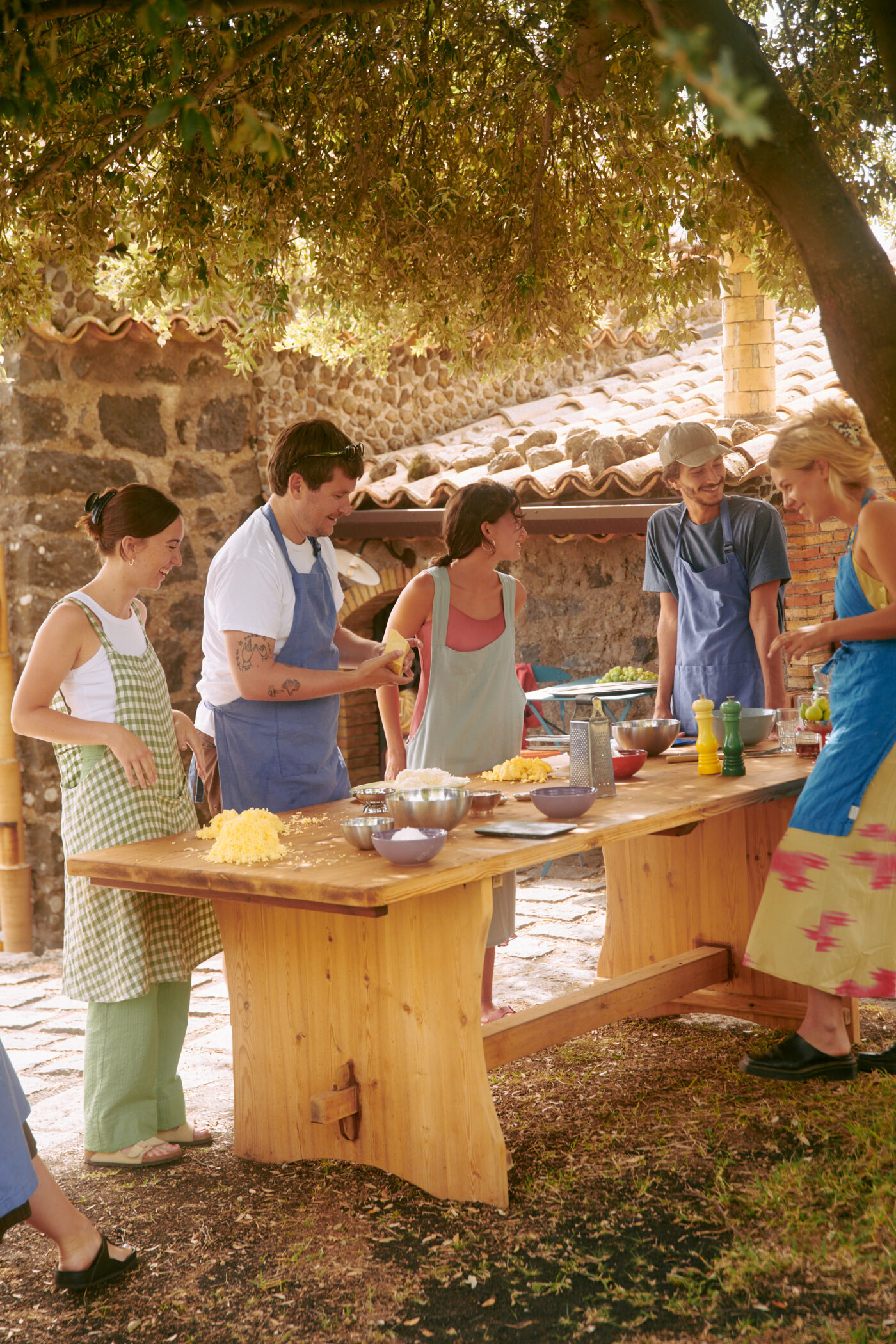
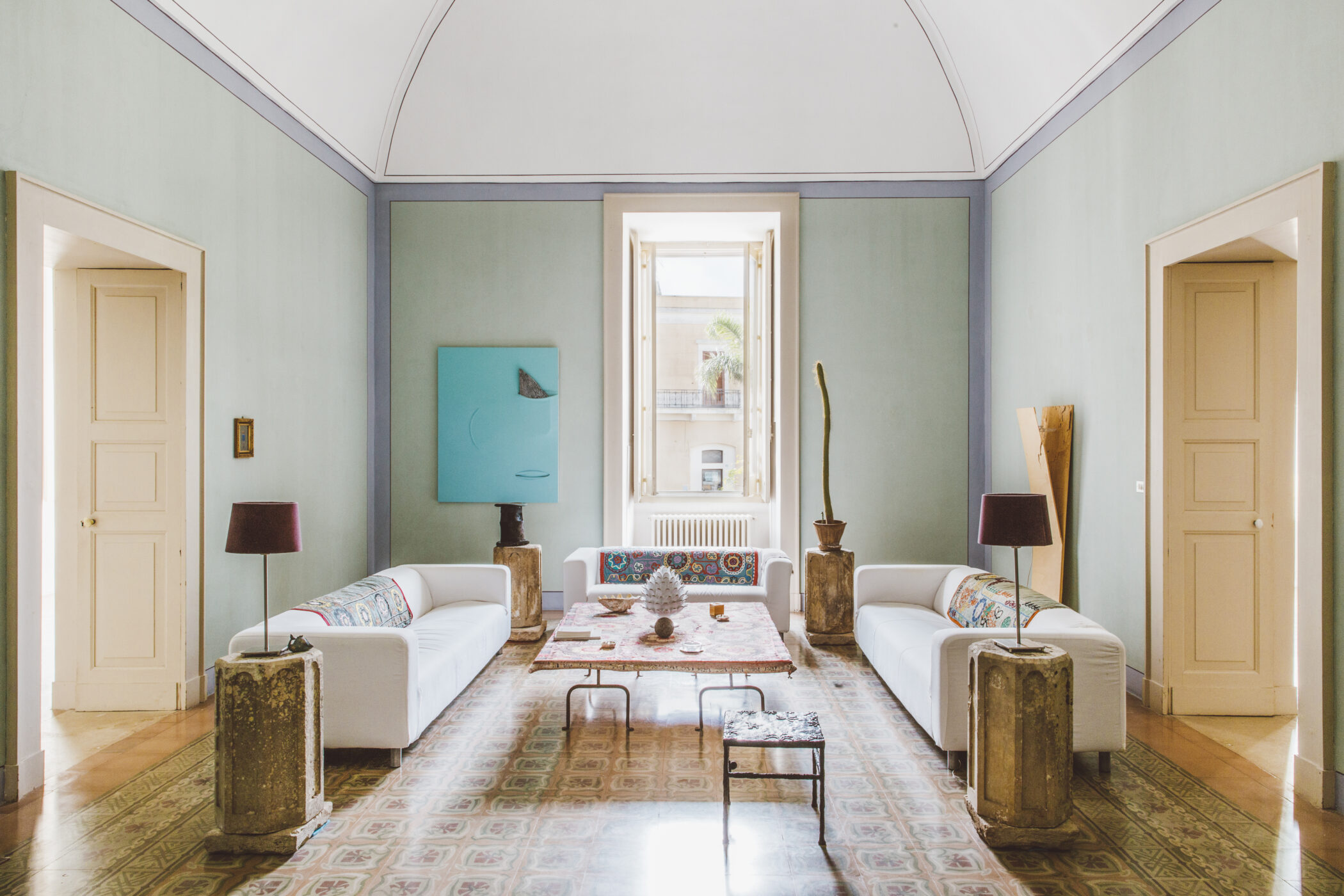 Retreat packages start from US$5,000 per person.
"As we continue to evolve how Design Hotels creates transformative travel, this retreat represents a natural extension of the work we have built closely with our hotels and long-time creative collaborators like Casa Lawa," says Ceara Sadler, senior director of brand and commercial, Americas, at Design Hotels. "Partnering with Fora allows us to expand the reach of this programming and connect with a new community of like-minded travellers. It is a partnership grounded in commonality, and we are excited to see it grow."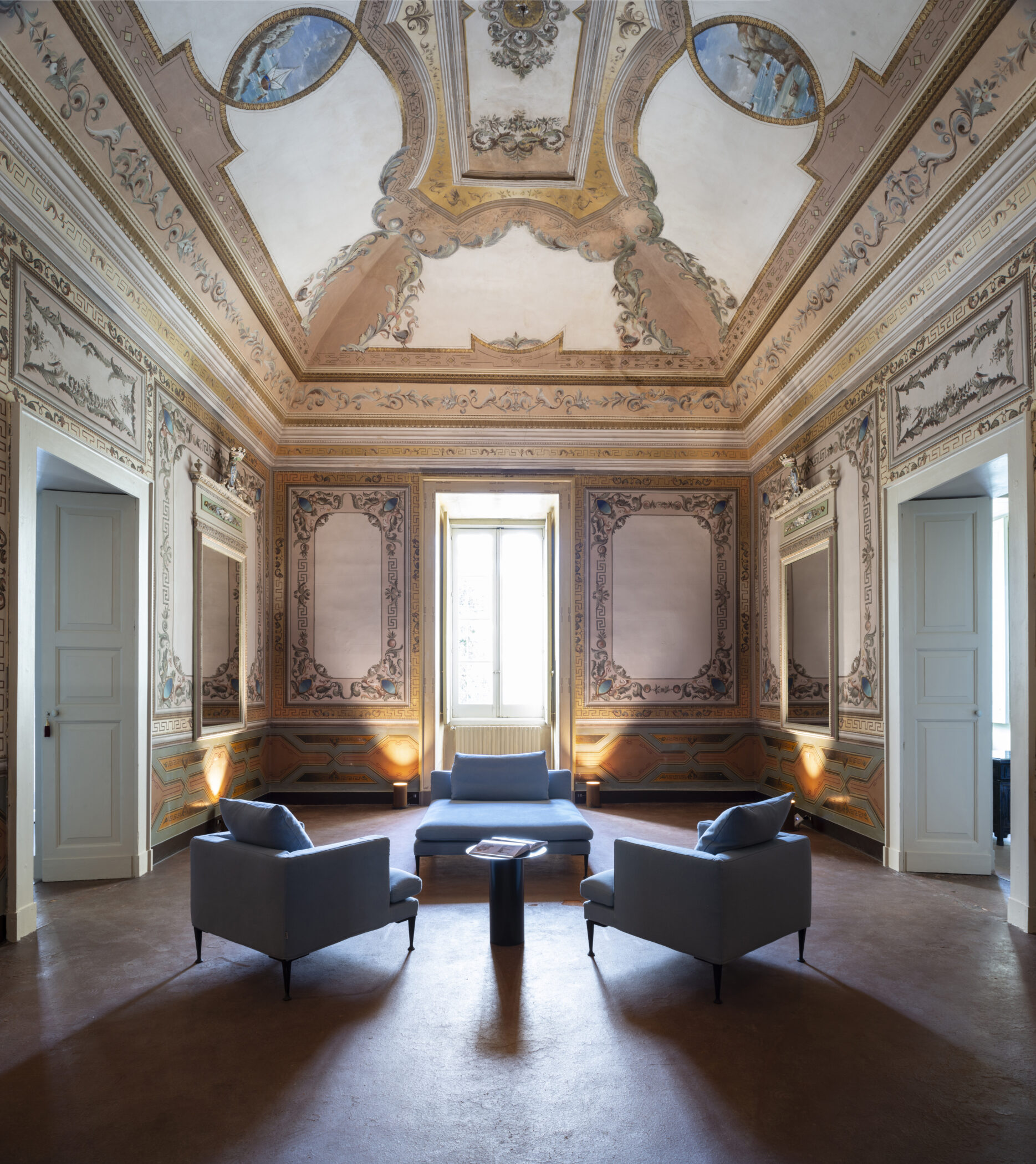
 Casa Lawa, a multidisciplinary guesthouse founded on the slopes of Mount Etna by Lukas Lewandowski, brings expertise from its chef-in-residence programme, which hosts culinary professionals creating hyper-seasonal experiences using locally sourced ingredients.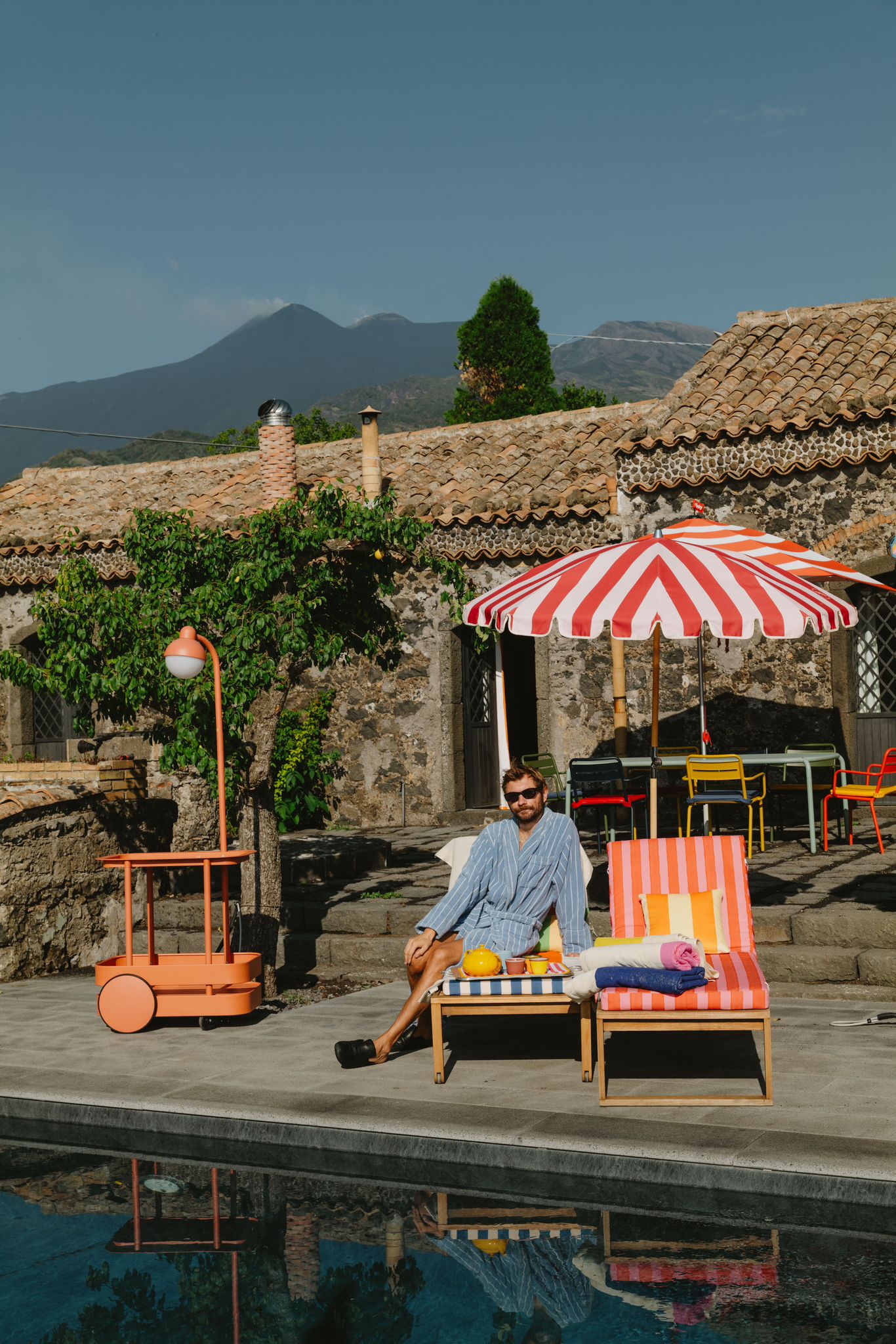
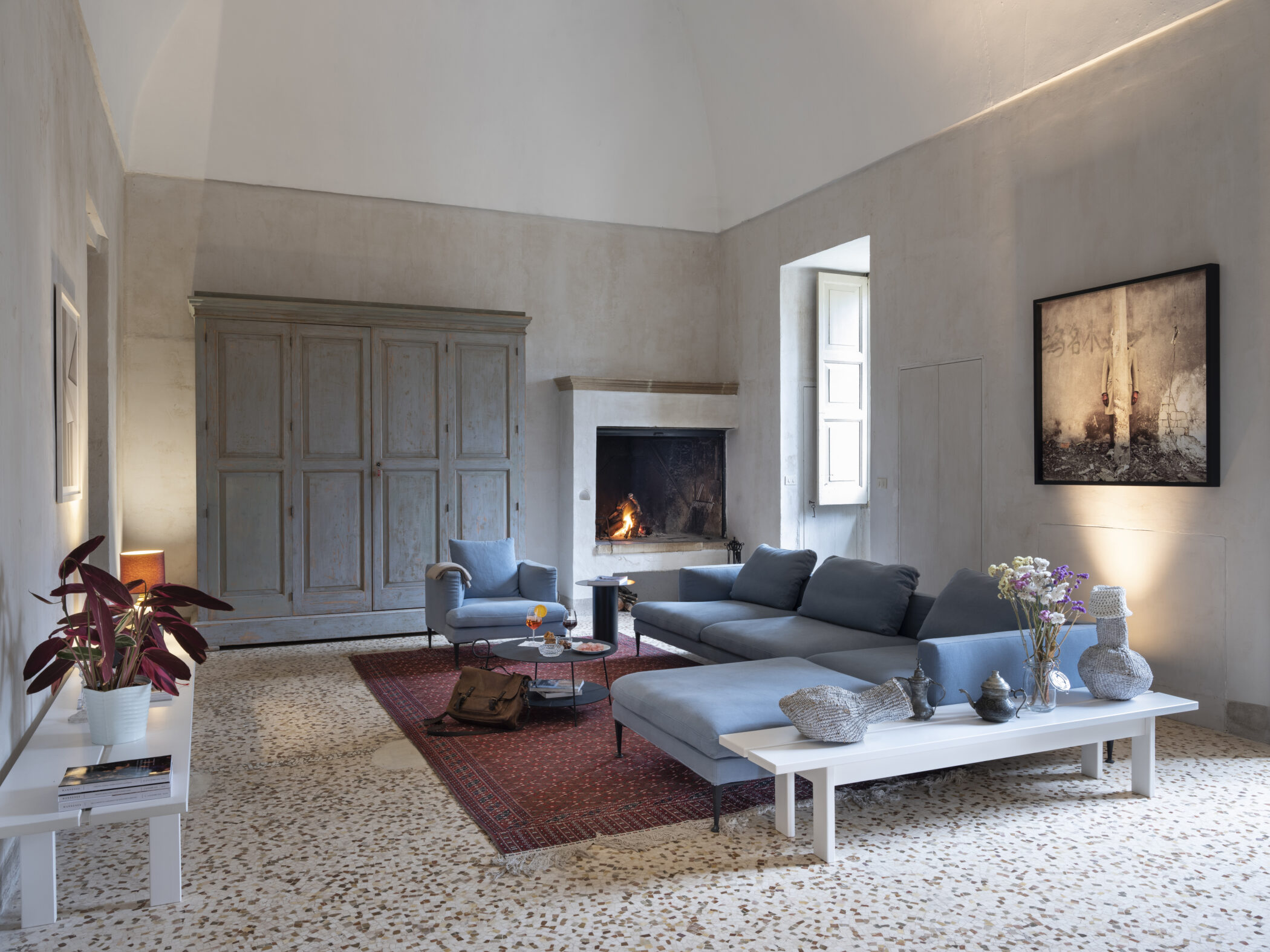 "The future of luxury travel will be defined by incredible experiences, and partnering with Design Hotels to provide an exclusive retreat to Fora clients is a perfect reflection of that," says Henley Vazquez, co-founder of Fora. "Palazzo Daniele provides an extraordinary setting for travellers to slow down, learn from local artisans, and experience Puglia in a way that simply isn't possible through traditional tourism."
For many hospitality players, local communities remain an underutilised resource. Embracing those who live locally isn’t just an altruistic act for international brands looking to make good on their social footprint.
Joining forces with local makers, creatives and business owners can enhance a sense of place and provide travellers with that elusive feeling of ‘authentic’ connection, something Design Hotels knows only too well.
The company’s "spaces between" prototype is a 16-piece modular system that can be rearranged in countless different iterations with a view to creating an agora where people feel comfortable to express themselves or relax at leisure.  Blocks can be stacked or set out in such a way that invites connection between strangers or that encourages moments of mindfulness; repositioning the hotel lobby as a "space between" or "third place".
The concept of third places has gained significant traction since the pandemic, typically referring to public spaces that are separate from home and work, where people can connect IRL.
With the blurring of the home and office, and the IRL-to-URL migration of everything from fitness to shopping to workplaces, these mediating spaces have become fewer and fewer leading many to correlate their erasure with growing levels of loneliness across the globe.
While only a concept at time of writing, this initiative from Design Hotels identifies how properties can plug this gap in public infrastructure – leveraging their physical assets to become pillars of the local community that bring people out of their screens and back into civic life.  The prototype design was created in partnership with Universal Design Studio, an architecture and design practice based in London and New York that examines the role of design in creating environments that encourage dialogue and discourse.
The concept is the culmination of research by Design Hotels into the evolving role of community within hospitality, and by Universal Design Studio on the art of hosting.
It debuts at Milan Design Week (taking place April 8 to 13), the annual global showcase for design innovation, and will be on display at the STRAF hotel.
Maybourne, which also owns Claridge's, The Connaught and The Berkeley, has opened The Emory, London’s first all-suite hotel.
A modern architectural marvel designed by the late Richard Rogers and Ivan Harbour of RSHP, the Emory stands out with its striking "sails" structure soaring above Hyde Park's treetops.
Guests are welcomed through a private cobbled entrance on Old Barrack Yard, a charming enclave between Belgravia and Knightsbridge. The hotel has 61 suites spread over nine floors, each offering floor-to-ceiling windows that flood the spaces with natural light. A spectacular 300 sqm wraparound glass penthouse tops the building.
 In a unique approach, every two floors showcase the creative aesthetic of different world-class designers, including Alexandra Champalimaud, Andre Fu, Pierre-Yves Rochon and Patricia Urquiola.
A distinctive feature of the hotel is its central steel staircase, painted in "Richard Rogers Pink", a homage to the late architect's influence on the project. Culinary excellence is at the forefront with abc kitchens, helmed by renowned chef Jean-Georges Vongerichten.
This restaurant brings together Vongerichten's celebrated trilogy of New York eateries – abc kitchen, abcV and abc cocina – under one roof for the first time in London. The Emory Bar, featuring an iridescent faceted glass canopy and a dramatic stained-glass installation by artist Brian Clarke, promises to be a vibrant addition to London's social scene.
The hotel's crowning glory is its tenth-floor rooftop, offering 360-degree views of London's skyline and housing two glass pavilions: The Emory Cigar Merchants and Bar 33. Suite rates at The Emory are variable from £1,620 per night. All guests receive complimentary chauffeur-driven airport transfers, daily English breakfast, a complimentary in-suite bar and 24-hour personal assistant service.
They also gain exclusive access to Surrenne, a new private members' club and wellness space spread over four subterranean floors.
Tapping into the trend for longevity and human optimisation, Surrenne claims to have devised a “groundbreaking” menu of wellness programming including Oxygeneo facials, comprehensive health and fitness assessments, blood sugar monitoring and Hypervolt massages.
Unveiled at the recent Independent Hotel Show in London, Globetrender's new Independent Hotel Trends 2024-2026 forecast identifies ten key trends shaping the future of hospitality.
Presented at the event by Globetrender editor, founder and CEO Jenny Southan, she said: "These trends are valuable because they present revenue-generating opportunities for independent hotels entering the next phase of their journey.
"Whether a hotel has been handed down from generation-to-generation or is a disruptive new upstart, it is essential to understand the shifting expectations of today’s global travellers and translate these into actionable strategies.
"With major brands expanding rapidly through new openings, acquisitions and mergers, it becomes harder and harder for independent hotels to gain cut-through in a crowded marketplace. However, word-of-mouth recommendations and the power of social media can go a long way in boosting hotel bookings, even without the might of a branded collection or chain behind them."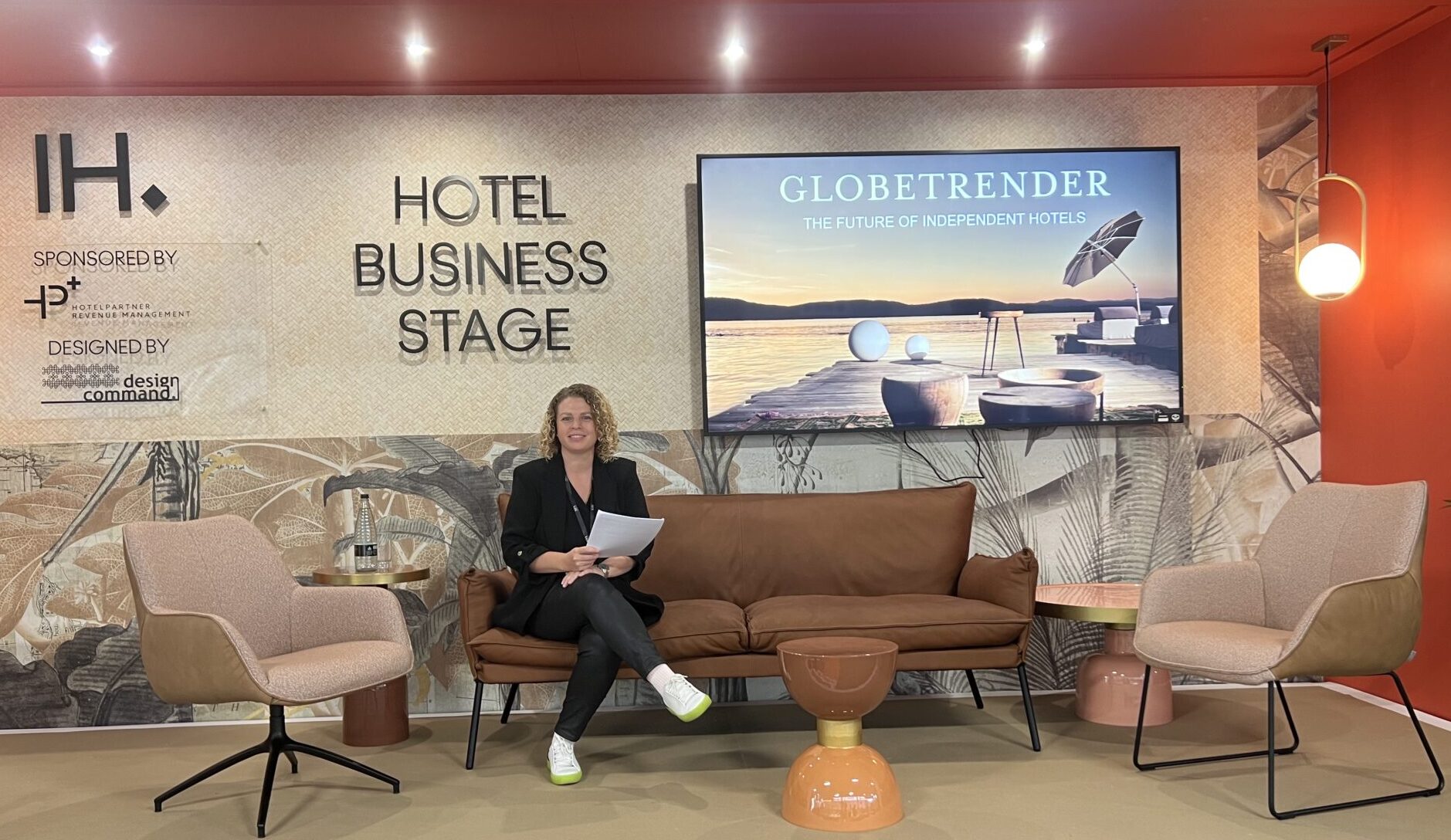 The trends Globetrender features in the new report are:
Southan says: "In an ever-evolving landscape of travel and hospitality, independent hotels have emerged as a dynamic force that is redefining the very essence of the guest experience. These boutique establishments, often family-owned or managed by passionate entrepreneurs, are breaking away from the cookie-cutter mould of chain hotels, offering travellers distinct, memorable stays with a strong sense of place."
Designed as a compass for individual hoteliers, developers and other industry stakeholders, this report provides practical insights into the trend leaders you need know about and what you can learn from them.
Southan says: "With corporate Goliaths unable to act fast or nimbly, independent hotels have the advantage when it comes to experimenting with ambitious sustainability initiatives, bringing new concepts into the world or building genuine relationships with guests in an age of mass tourism."
 Although many major companies are demanding a full return to the office from 2024, we are now living in the age of the entrepreneur. Nowadays it’s not uncommon to meet people working on side hustles or at the very least dreaming of starting their own business.
In the UK, there are now 4.3 million self-employed people – that’s 64,000 more than in summer 2022. For many people, remote working – at least part time – is now the optimum way of operating. A recent study by self-employment specialists MBO Partners revealed that 72 million US citizens are planning to become digital nomads over the next two to three years.
This means there is a huge opportunity for independent hotels to create Co-working Communities for both locals and travellers, where they combine productivity with downtime.
As life and work becomes increasingly blended, creating inviting spaces within hotels for people to get their laptop out is a great way of enticing a younger demographic of travelling professionals.
One of the easiest coworking implementations is day-use communal spaces. The Hoxton group, Locke Hotels, CitizenM and Mama Shelter have all made revenue-generators out of their lobbies thanks, namely, to coffee sales. Some brands, Hoxton included, have gone a step further, with membership passes to dedicated hotdesk zones.
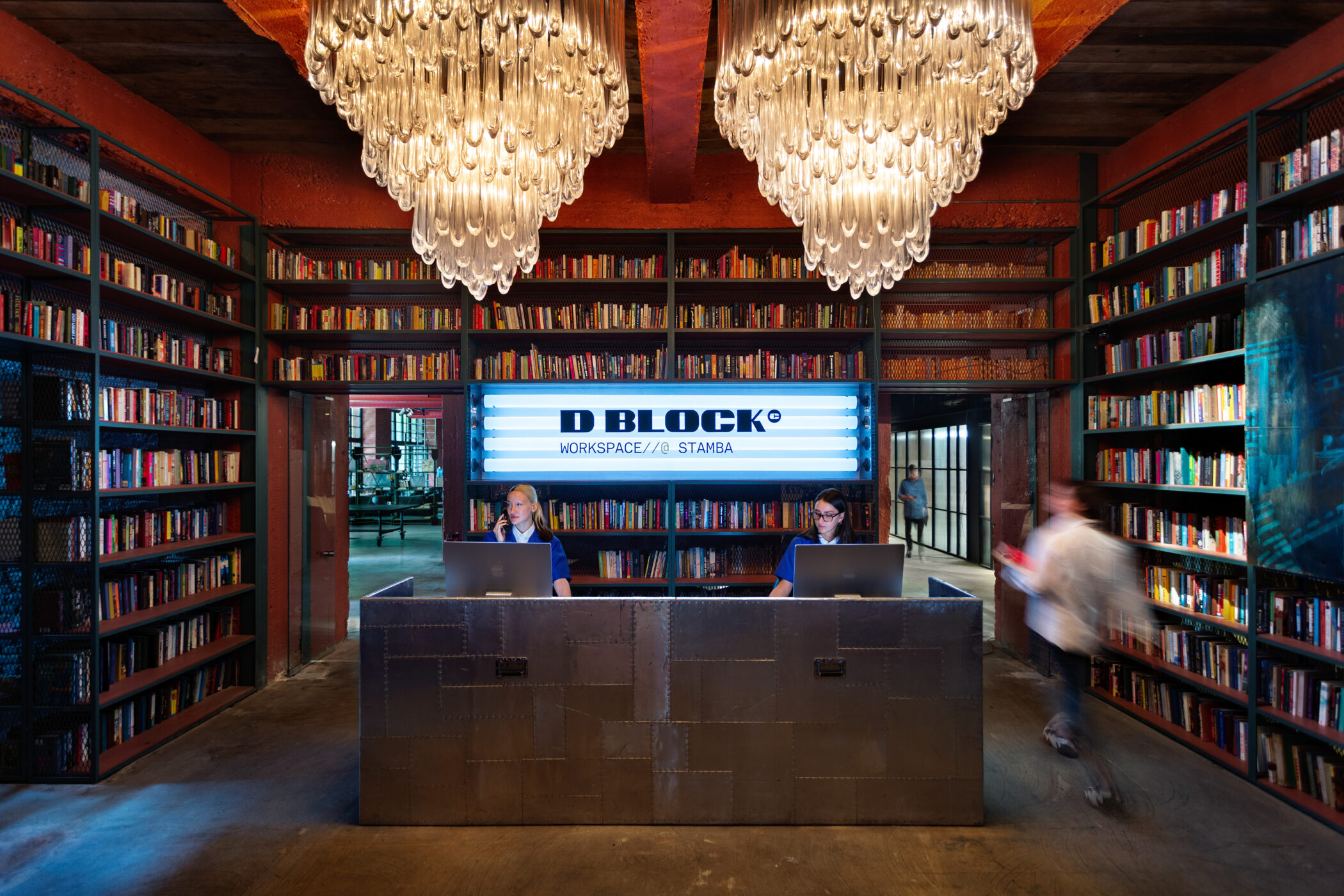
Trendy lifestyle chain Selina says it’s “custom-built for today’s nomadic traveller”, providing guests with a “global infrastructure to travel and work abroad seamlessly”. Stamba (pictured), a Design Hotel in Tbilisi, has “D Block” – two floors of curated workspace that’s going as far as calling itself an incubator for start-ups.
Globetrender believes that the future of this trend may manifest in independent hotels offering longer stays.
The success of long-stay aparthotels can be seen in ever-expanding brands such as Roost, an “extended-stay concept hotel” group with five properties in the US; and Zoku, which designed its European lofts as home-office hybrids – the kitchen table providing the focal point rather than the bed, which is sealed off on a mezzanine level behind a sliding door.
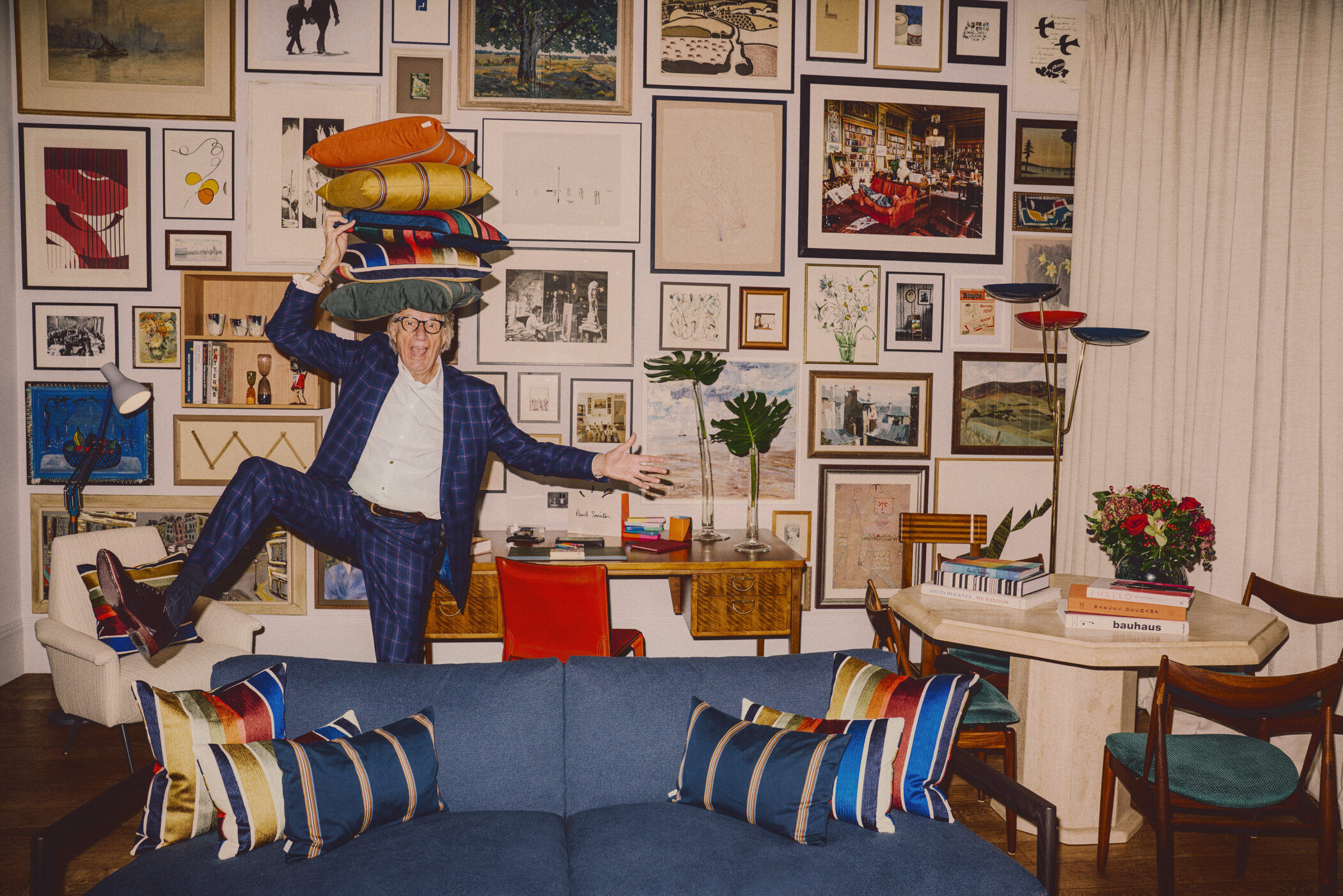 Over the coming years, Globetrender believes the rise of “shoppable” interiors offers an exciting opportunity for independent hotels to create new revenue streams through branded merchandise, furniture, art and homeware that is all available for sale.
Danish design company Vipp has launched a series of “one-room wonders” – essentially, micro-showrooms in various locations across the country that you can stay the night in. Next year will see more Vipps open in upstate New York, Iceland and Tasmania. After checking in, you will be able to cook in a Vipp kitchen, put food in Vipp bins, sit on Vipp chairs and shower in Vipp bathrooms.
The Paul Smith suite (pictured) at Brown’s hotel in London is another example. Hotels that embrace experiential retail can not only create new revenue streams, but boost brand devotion, as products purchased during a stay can end up sitting in homes years after check-out.
Globetrender recently spoke to the founder of Mama Shelter, a formerly independent brand that now sits under Ennismore and Accor. And he told us that about 7% of their annual turnover comes from retail.
That’s not to say any old general store will do. Aligning your retail proposition with your hotel identity is paramount. Look at Palm Heights, in Grand Cayman, which has an appointment-only bookshop called Library Fetish. The hotel has also just launched an on-site concept store called Dolores, that celebrates designers of the Caribbean diaspora.
Original pioneers of the concept, Ace Hotels’ lobby stores are still going strong around the world; its latest Toronto outpost sells “Lake Ontario is Great” socks and lighters branded by local cannabis dispensary, Superette, alongside the usual prints, robes and totes.
Soho House, another earlier adopter, now has physical retail outlets for its homeware brand, Soho Home, and an online skincare brand, Soho Skin, beloved by members who receive a discount on purchases.
There’s plenty of inspiration to be taken from the increasing number of retailers carving a place in the hotel industry, too: Japanese retailer Muji currently shows off its minimalist homeware in three Asian Muji Hotels – the Ginza outpost even sits atop the city’s flagship store.
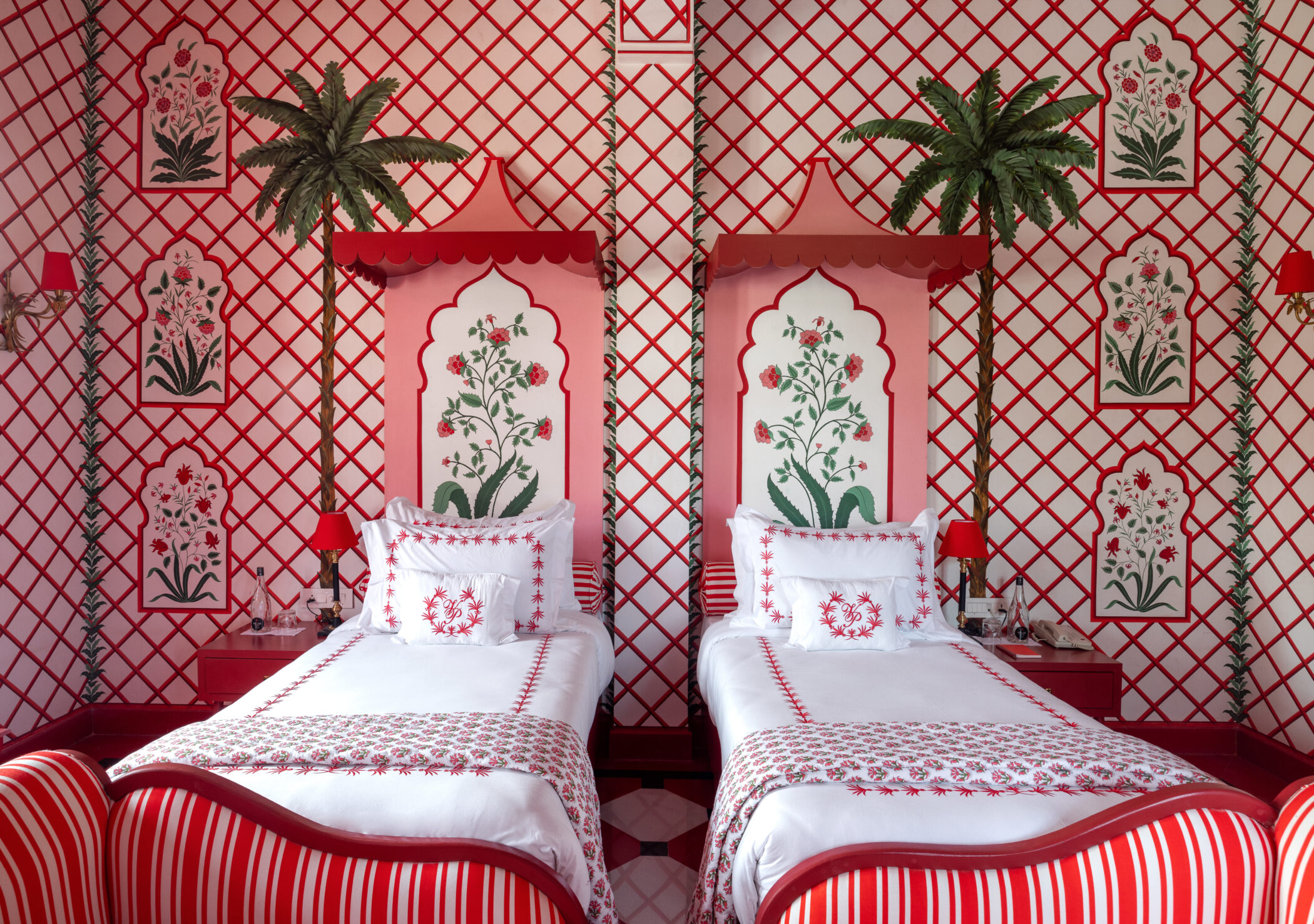 We all need a bit of joy in our lives right now do we? In the past, travellers were drawn to the predictability of uniform chain hotels but as people have become more worldly, it’s big colour moves from independent hotels that make the magazine covers. Essentially: maximalism is in, beige is out.
At the new nine-bedroom Villa Palladio in Jaipur (pictured), the interiors feature walls in lacquered reds and pomegranate-pinks, loud prints and chequerboard floors. Co-founder Barbara Miolini, told Architectural Digest: “When travellers leave us here in the Pink City, I would like them also to remember the red.”
Paris is a particularly strong city to look at for inspiration: new opening Le Grand Mazarin is a Martin Brudnizki-designed cacophony of pastels, prints and trippy quirks, with loud headboards, murals and a striped indoor pool. Sinner, another Paris hotspot, has a devilishly ecclesiastical theme, where cardinal-red elevators are dressed as confessional booths and stained glass windows line the dimly-lit corridors.
Newcomer Hotel de la Boetie has thrown out white bed sheets in favour of pink. Consider also Kit Kemp’s new Warren Street hotel opening in 2024 in New York, which is rich in contrasting colours and textiles.
Further design-trends-with-benefits include hyper-local decoration, using neighbourhood artists and craftspeople to reflect the character of the local area through the hotel’s specific design aesthetic.
In the age of Instagram, investing in a social-savvy colour consultant could prove fruitful (colour always makes a good background for photos). The Hoxton hotel brand recently went as far as collaborating with Bauwerk paint to create a custom range of hues for guests to decorate their own homes in. This also connects with the Experiential Retail trend.
Design Hotels has partnered with Earnt — an organisation that asks consumers to donate their time to society and the planet to earn exclusive access to experiences and products.
Launched in 2022, Earnt unites brands with good causes and asks consumers to donate their time to a positive social or environmental cause – such as a beach clean-up, or helping the homeless – in exchange for limited-access experiences.
In early 2023, Design Hotels launched "The Good Traveller": a series of online content that explores how the next generation of sustainably minded, curious travellers will make decisions as they seek transformation and education over traditional luxury and take greater accountability for the impact of their travel choices.
A key pillar of The Good Traveller mindset is "Think Holistically". To help inspire its community to think more holistically about their travel decisions, Design Hotels has collaborated with EARNT and plastic activist and founder of Sungai Watch, Gary Bencheghib.
In support of Gary’s efforts to raise awareness of the global plastic crisis, Design Hotels and Earnt will host a "Pick and Paddle" in London on the morning of 29 May 2023 on the River Thames. The event will ask 20 members of the Design Hotels and EARNT communities to donate two hours of their time and spend it paddle boarding and litter picking.
Each person who shows up and participates will earn a single limited-edition experience or stay at Design Hotels across the globe in return for their efforts. Following the "Pick and Paddle", the group will head to the newly B-Corp recognised hotel, Inhabit Southwick Street – a member of Design Hotels – which will host a celebratory lunch at its plant-based restaurant Yeotown, where the stays and experiences will be drawn.
Experiences and stays on offer to reward participants include:
To participate, people can subscribe to the Design Hotels and Earnt newsletters and sign-up to the "Pick and Paddle" at earnt.co.uk on 26 April (when sign-ups will open). Once the 20 spaces are full, participants can join a waiting list (previous events have been fully booked in under two hours with long waiting lists, so sign-ups are encouraged).
Earnt co-founders Lauren Scott-Harris and Lavinia Liyanage, say: “We are extremely proud to be partnering with Design Hotels. Earnt is a brand-new concept and we are working with brands who are not only best-in-class, but who are not afraid to challenge and lead the way brands interact with their customers to make an actual impact.”
Sarah Doyle, vice-president global brand leader at Design Hotels, says: “We’re so pleased to partner with Earnt and Gary on this industry-first collaboration. We’re always looking for new ways to inspire our community to make conscious choices to protect our planet, and by collaborating with Earnt we’re able to meet our London community and celebrate the joy of travel, while having a positive impact on our local environment.”
NeueHouse members can now gain access to a selection of properties and events programming, courtesy of Design Hotels. The company, with a collection of over 300 independent, design-driven hotels in 200 counties, will open its doors to NeueHouse remote workers, in a move that sees the hospitality industry reinventing hotel spaces during Covid-19.
“Pivoting in the face of major disruption to the hospitality industry, the collaboration between NeueHouse and Design Hotels reinforces their shared missions to support the creative communities with an innovative offering for members to use the spaces for both work and leisure”, says NeueHouse in a statement.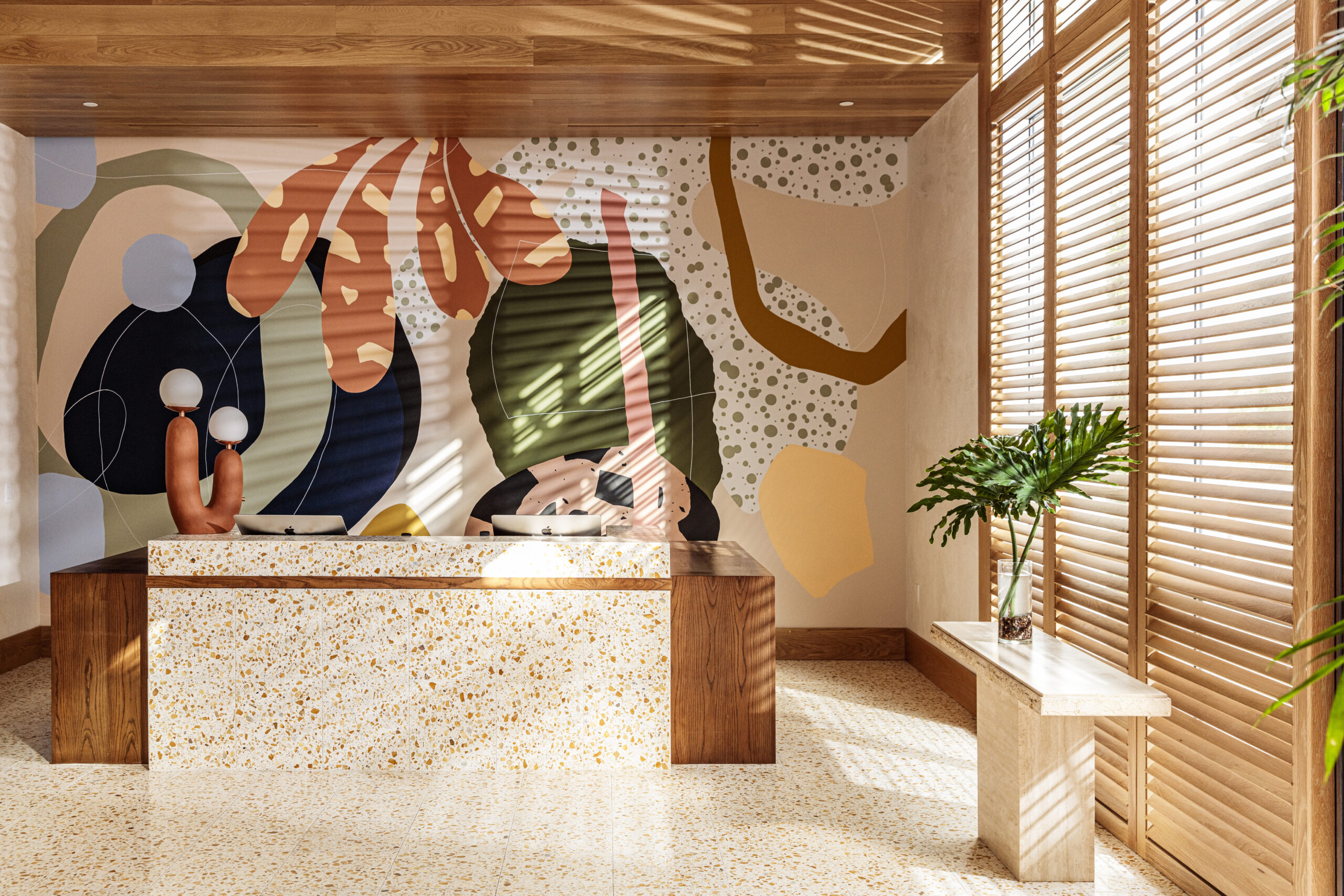 NeueHouse members can now work from the common areas of ten Design Hotel properties in the New York and California areas. They may also attend cultural and arts programming, typically reserved for Design Hotel members and hotel guests, including sound healing, breath classes, interactive art and writing workshops, mindfulness meditation and artisanal craft courses.
 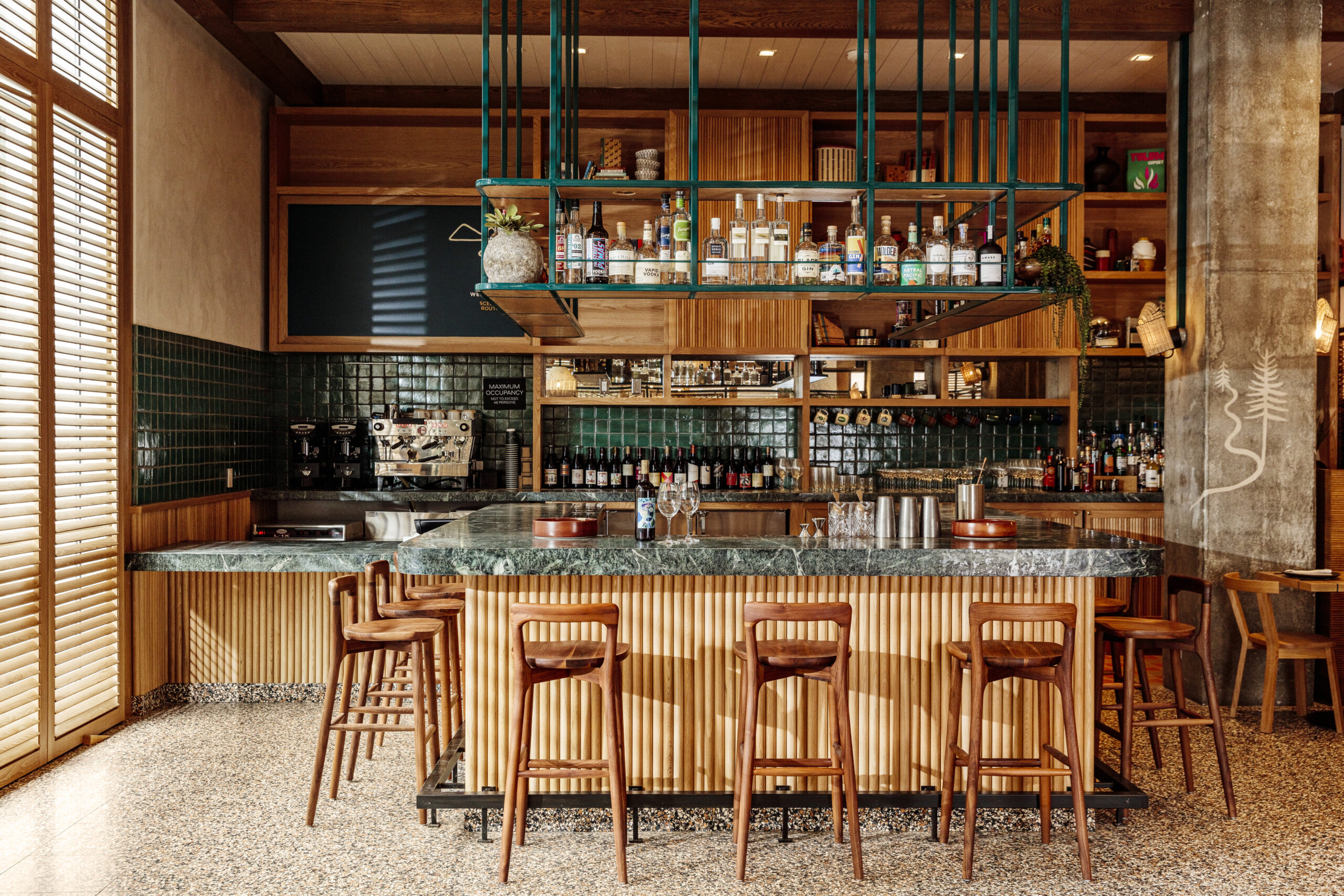 Featured properties include the Twelve Senses Resort in Encinitas, California, with an in-house wellness program that offers yoga, sound bath, "Theta Healing", and "Body Mind Transformational Coaching". Guests can book a room for the night, or the entire estate including all meals.
In and around Los Angeles, members can choose between the Avalon Beverly Hills, Avalon Palm Springs, Santa Monica Proper Hotel, and the newly opened Hotel June (pictured). 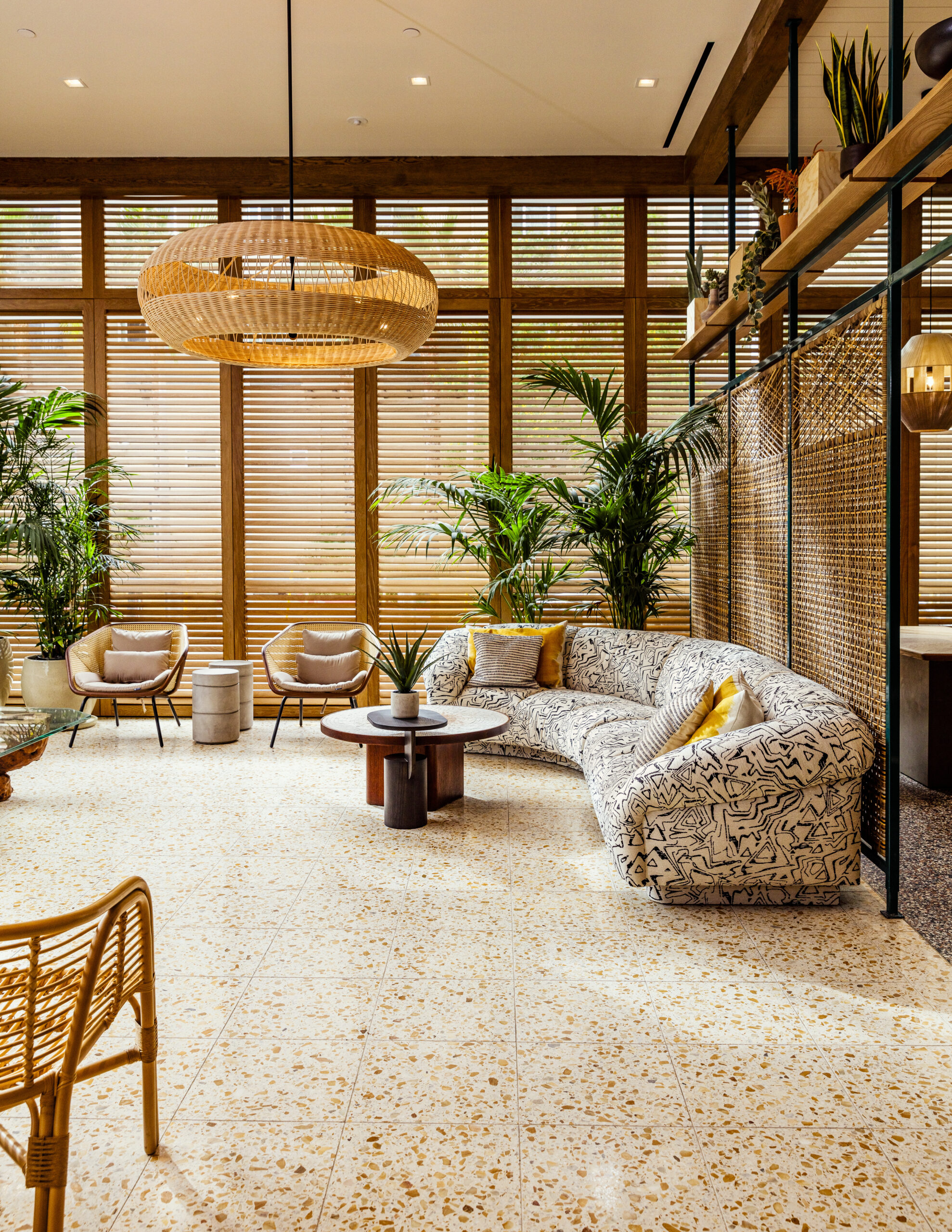
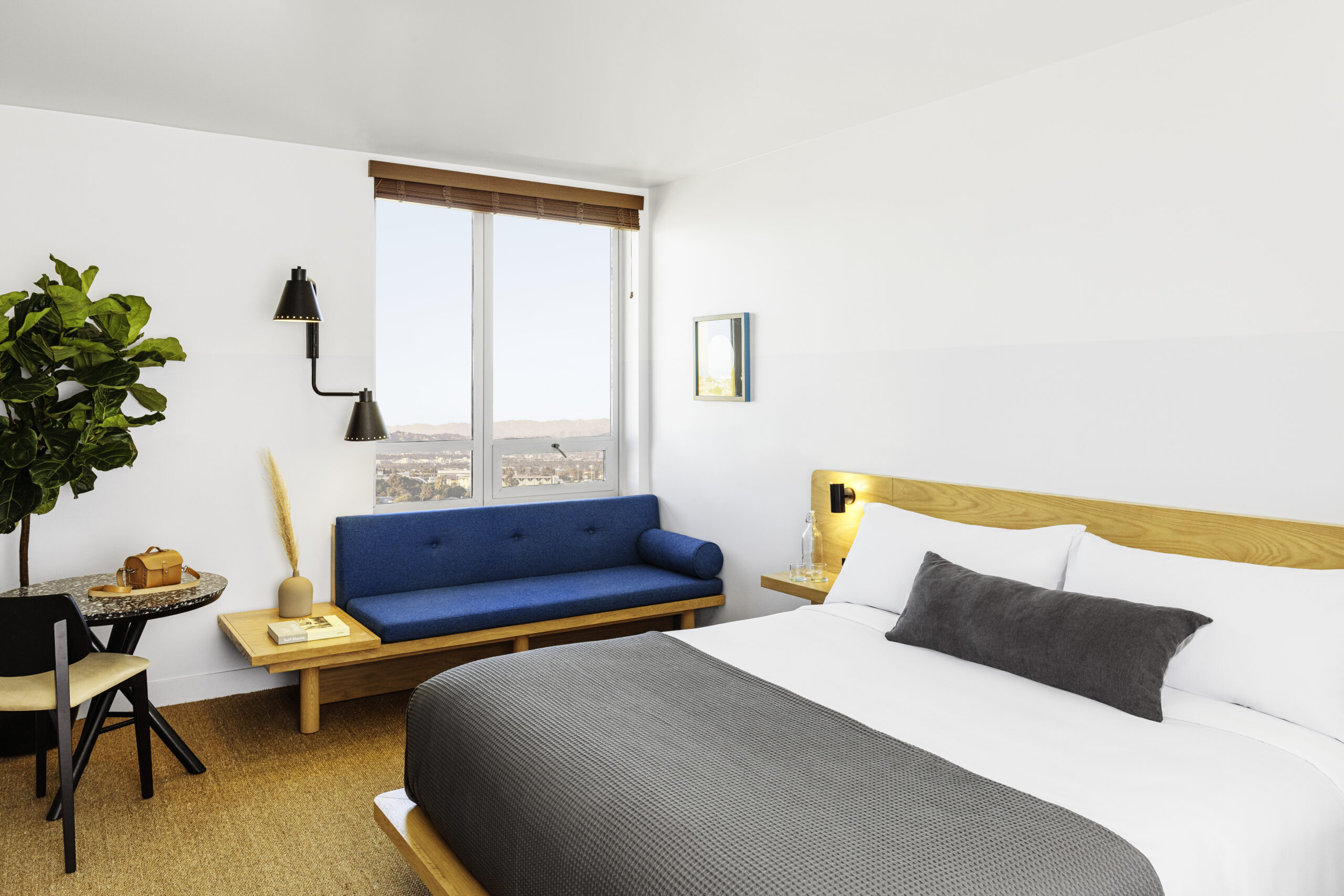 New York City NeueHouse members can enjoy day-use rooms at the Ludlow, Crosby Street hotel, and the Whitby for a special rate. Those seeking escape from the city can travel two hours north to Troutbeck, a creative hub once visited by Mark Twain and Teddy Roosevelt.
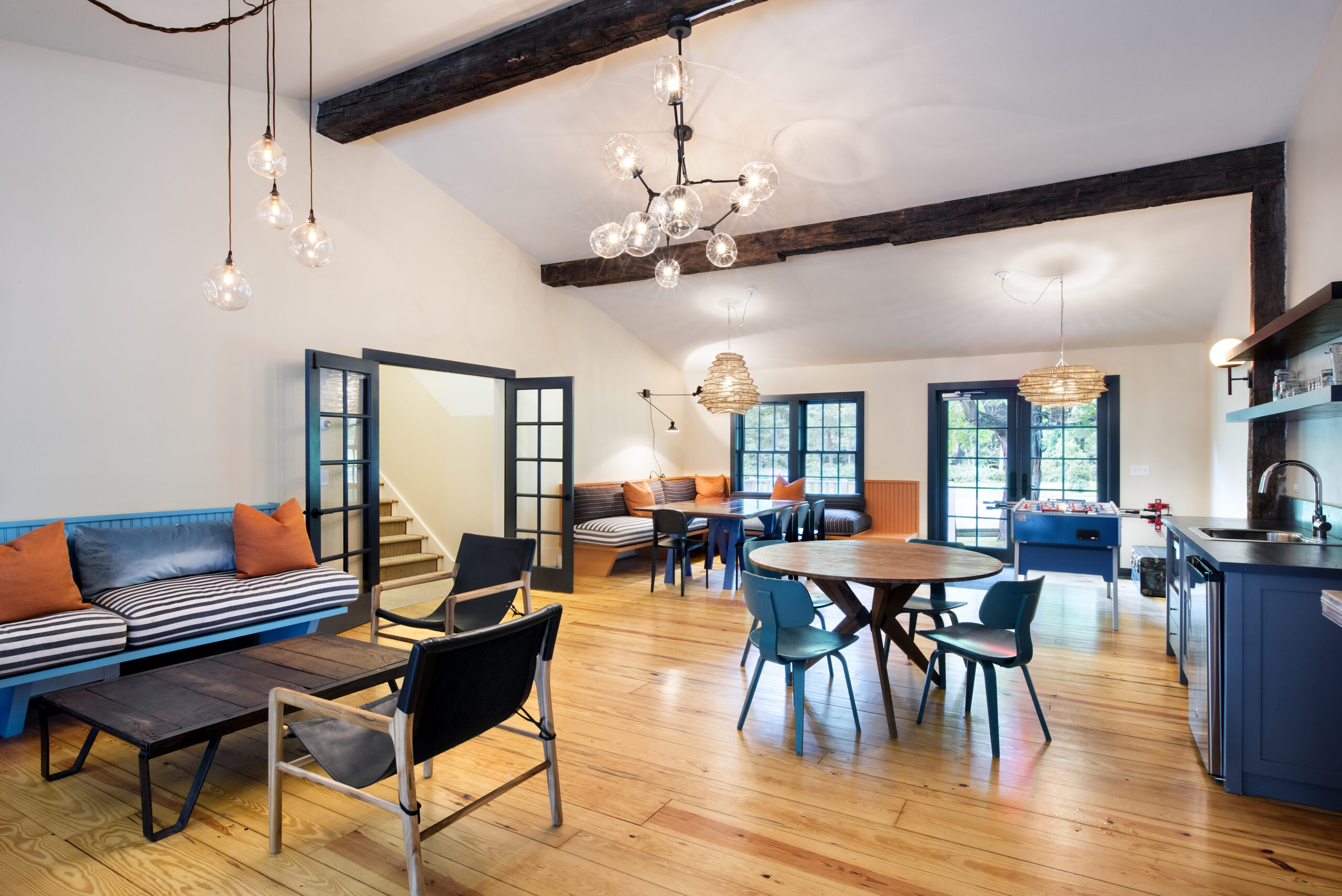 Members will also receive discounted rates for private workspaces, retreats and staycations at these properties, along with 200 other hotels from the Design Hotels portfolio. Benefits access and details are found via the NeueHouse app.
“The confluence of work, leisure, social, intellectual and creative moments has fundamentally evolved over the past seven months. Meeting all of these needs for members and guests requires constructive thinking and partnering with people and brands who share an appreciation for bold thinking,” says Josh Wyatt, CEO of NeueHouse.
“Making moves together between NeueHouse and Design Hotels highlights this commitment to providing for the myriad of needs all of us now have as creative professionals and lovers of travel,” he adds.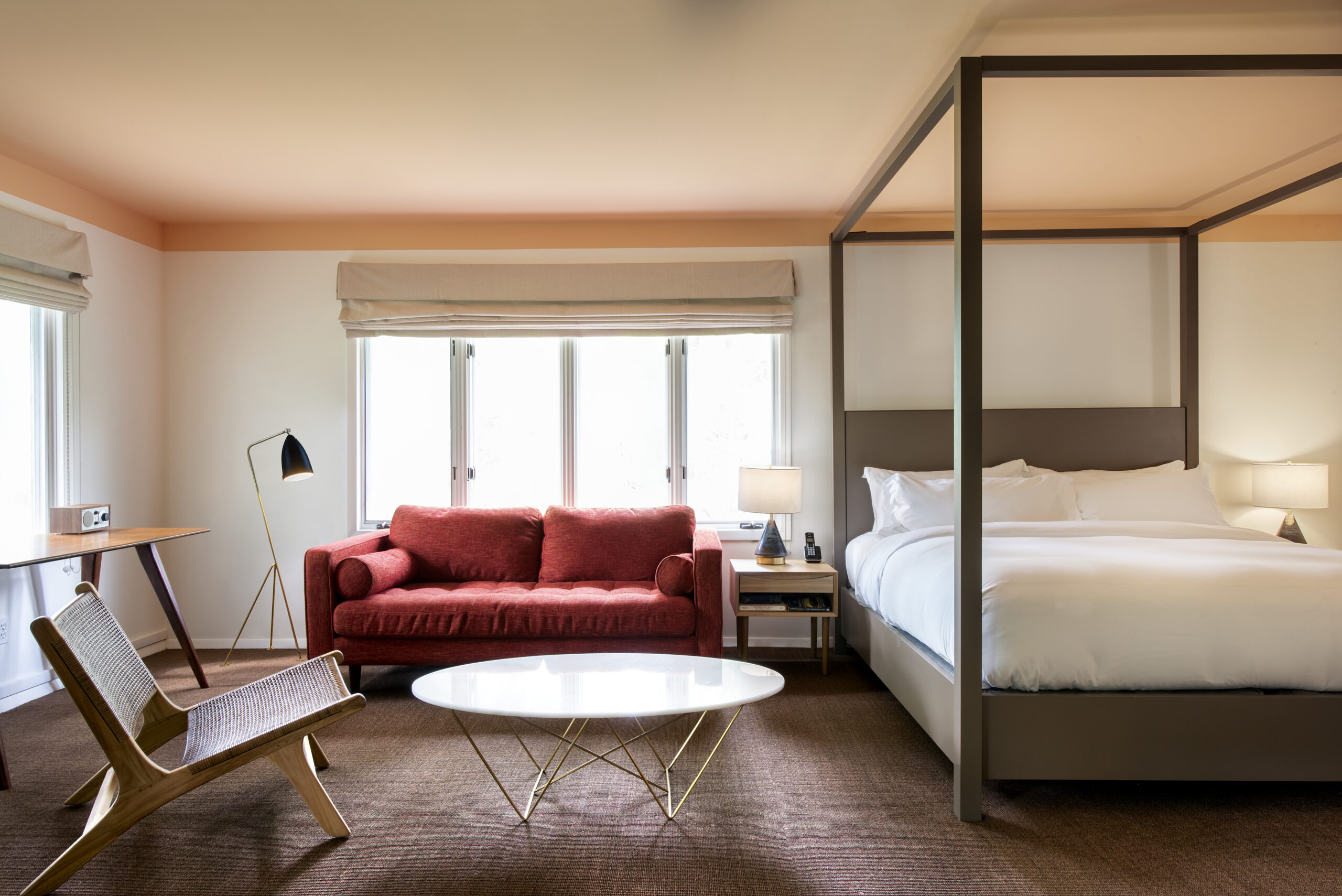 NeueHouse operates three co-working spaces in Bradbury and Hollywood, Los Angeles, and Madison Square, New York City. Membership options, starting at US$595 per month, or US$900 for those requiring a permanent desk, offer a “private workspace and cultural home for creators, innovators, and thought leaders”.
Perks include access to a complete member-directory, in-house exhibitions, speakers, and performances, mail services, production equipment, and restaurant and bar fare. Higher membership tiers include private shower facilities, concierge services, and a wellness room.
Additional locations in Venice Beach and Miami, Florida, are slated for early 2021.


The Museum hotel in Antakya, Turkey – not far from the Syrian border, turned from being a regular design hotel to a project with four times more steel than the Eiffel Tower and 23 centuries of archaeological artifacts on-site, after developers struck upon a surprising discovery.
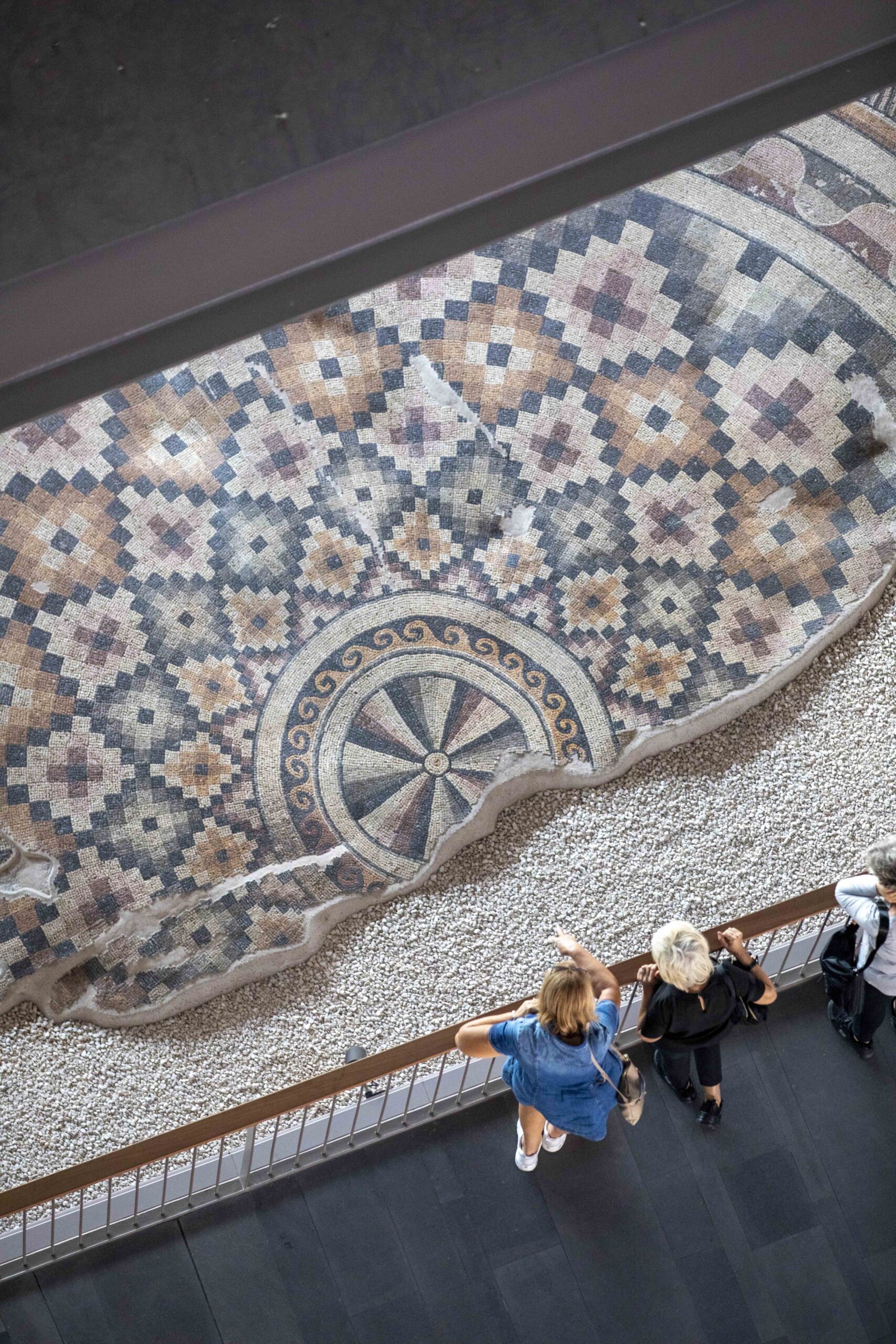
It was due to be the newest addition to the region’s luxury hotel market. However, shortly after the Asfuroğlu family broke ground on the project in 2009, archaeological excavations revealed five layers of history spanning 13 civilizations beneath the surface.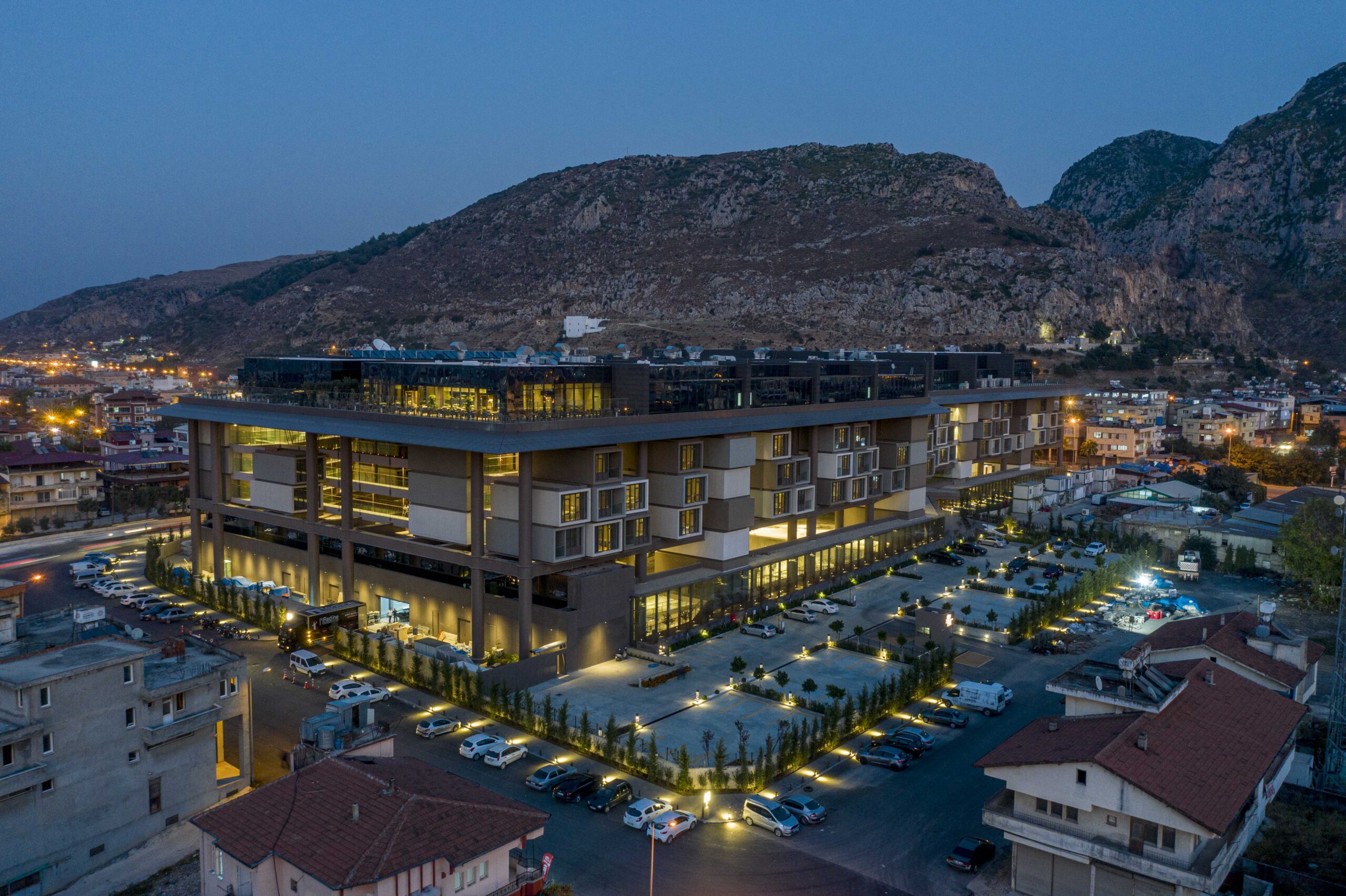 These included 30,000 artifacts and the world’s largest single-floor mosaic, which dates back to the fourth century. The result is a hotel that seemingly "floats" above an array of historical treasures such as ancient Roman baths, allowing guests to marvel at them when on their way to breakfast.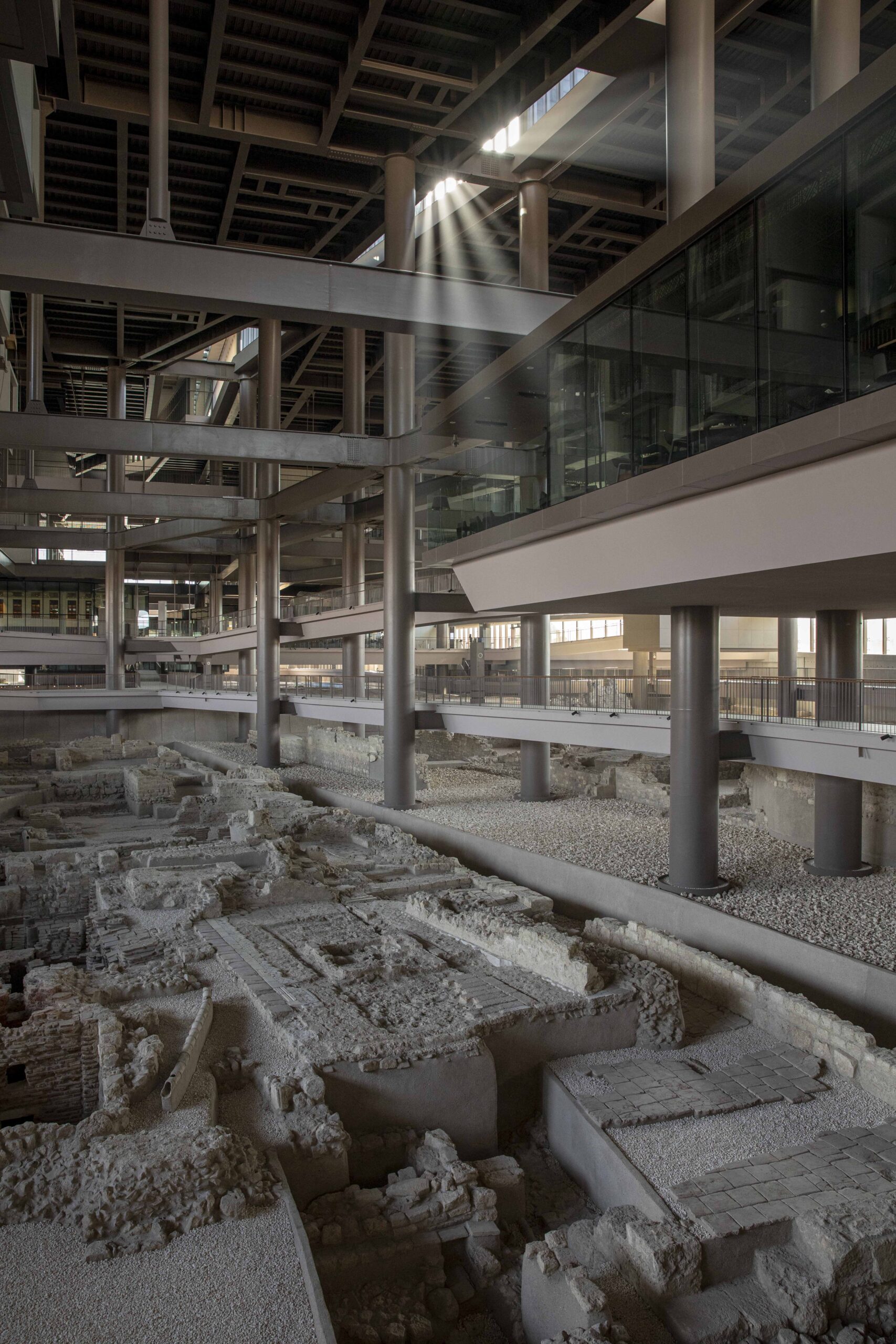
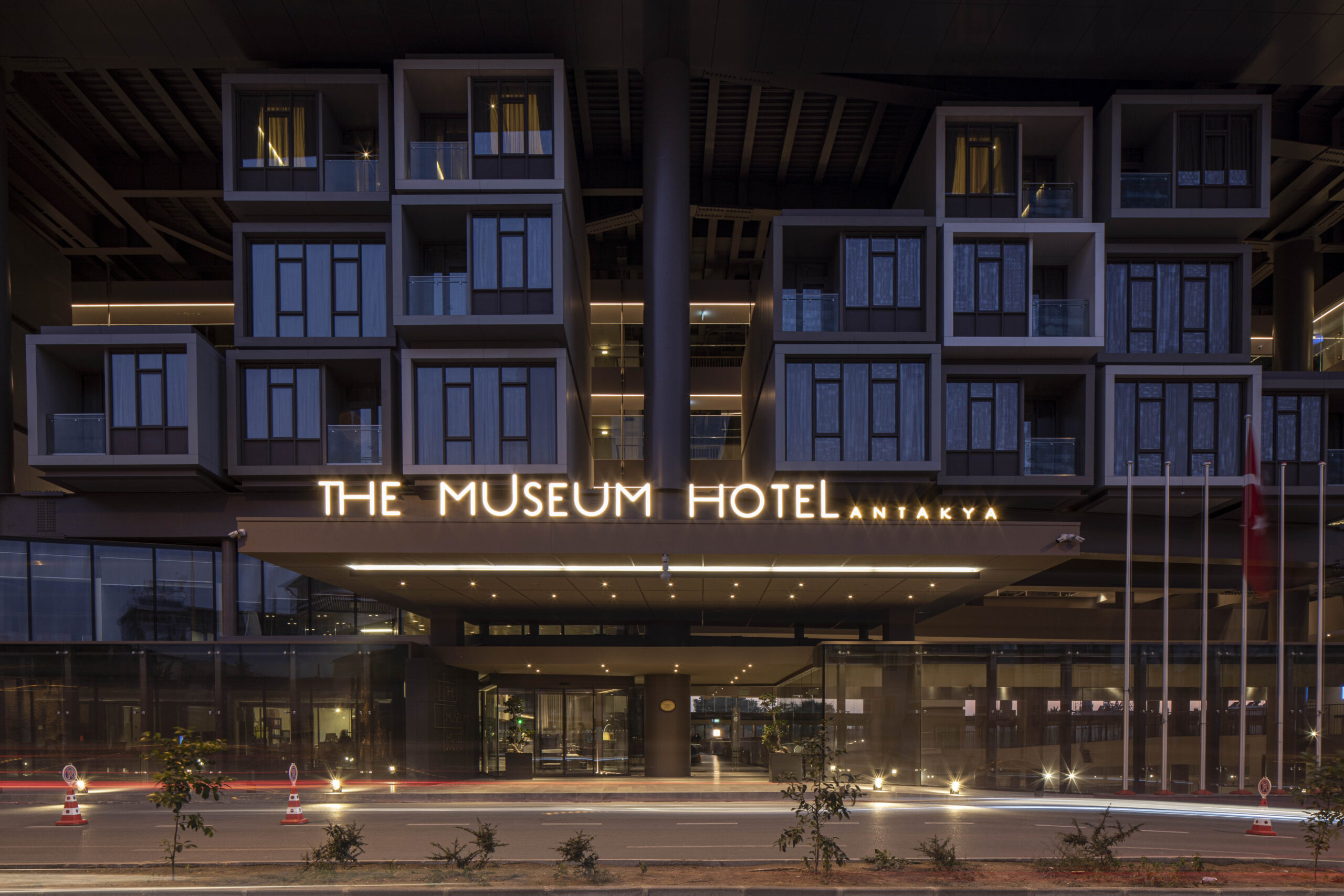
 Overall the hotel has taken more than 6,000 days and six million hours to complete, costing US$120 million, four times the original estimate. And now also comprises the Necmi Asfuroğlu Archaeology Museum (NAAM).
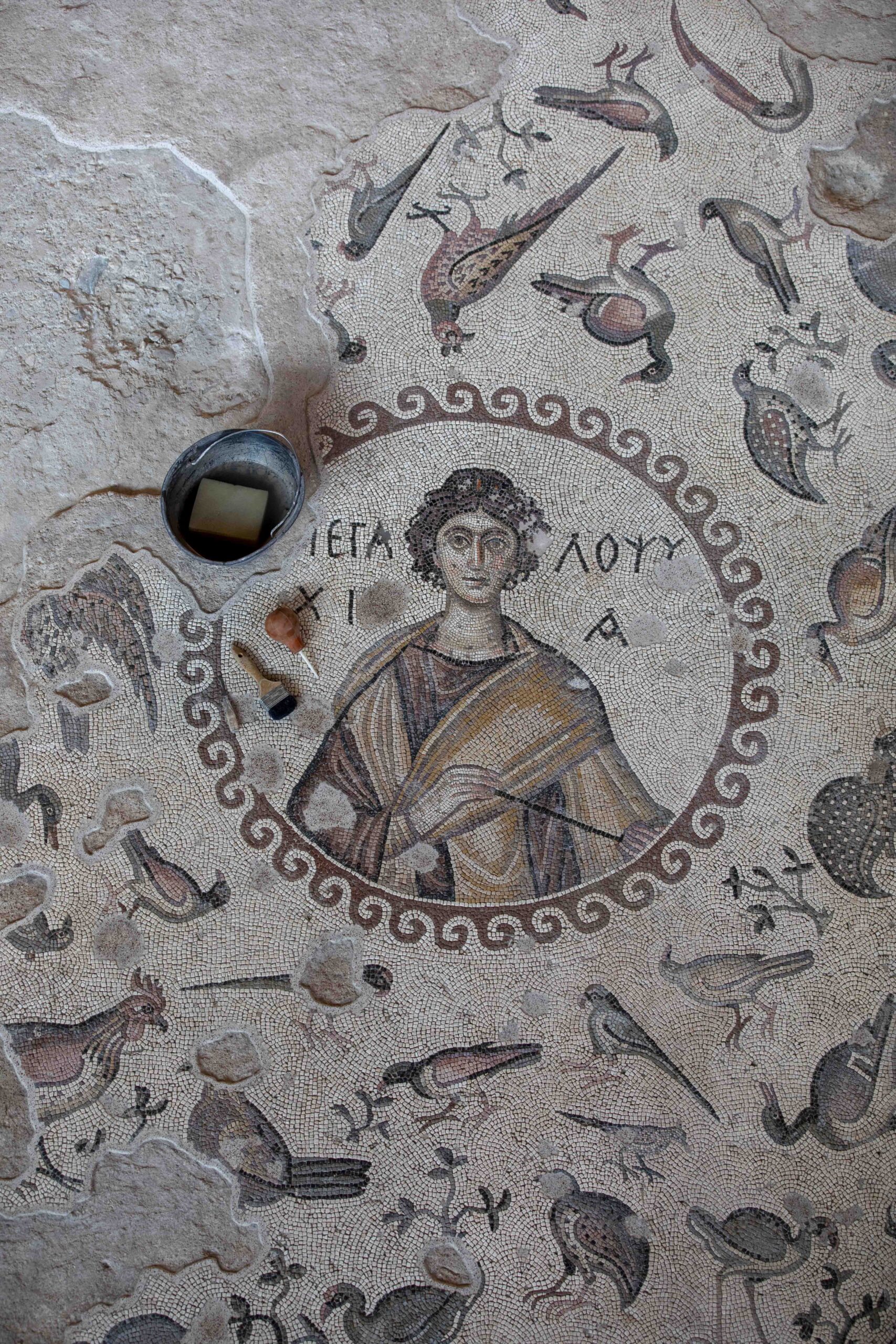 In one of the videos about the project, Timur Asfuroğlu says: “When we talked among us as the siblings, we did not actually want to put that much money in it, as it is something unrecoverable.”
However, they were convinced by company chairman Necmi Asfuroğlu that “this would be a world project and a legacy would be left to humanity”. It was lucky they went ahead.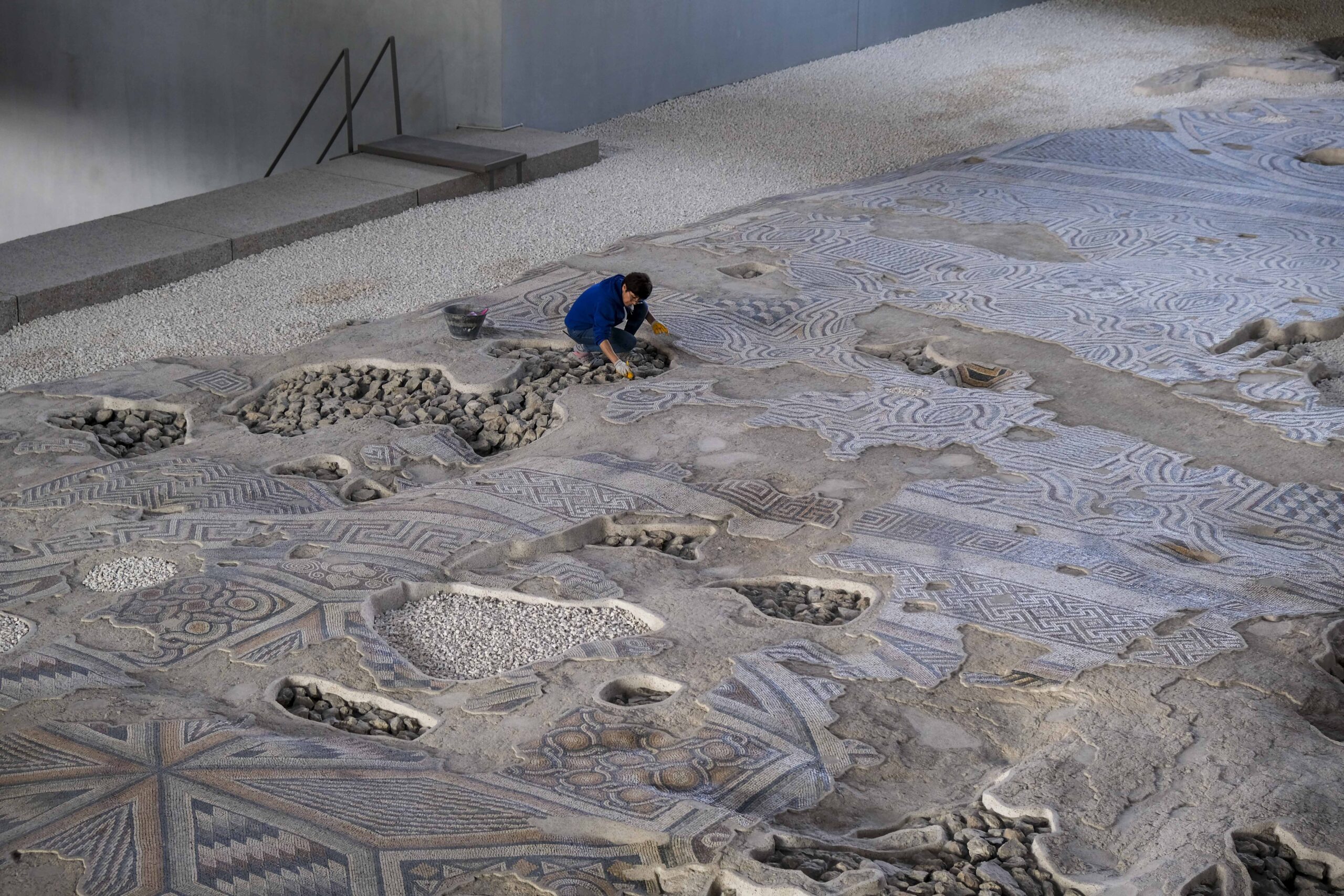 Guests at the property can now step out of their rooms and access the on-site archaeological park, which stretches more than 17,000 sqm, making the Museum hotel one of the most unique hotels in the world.
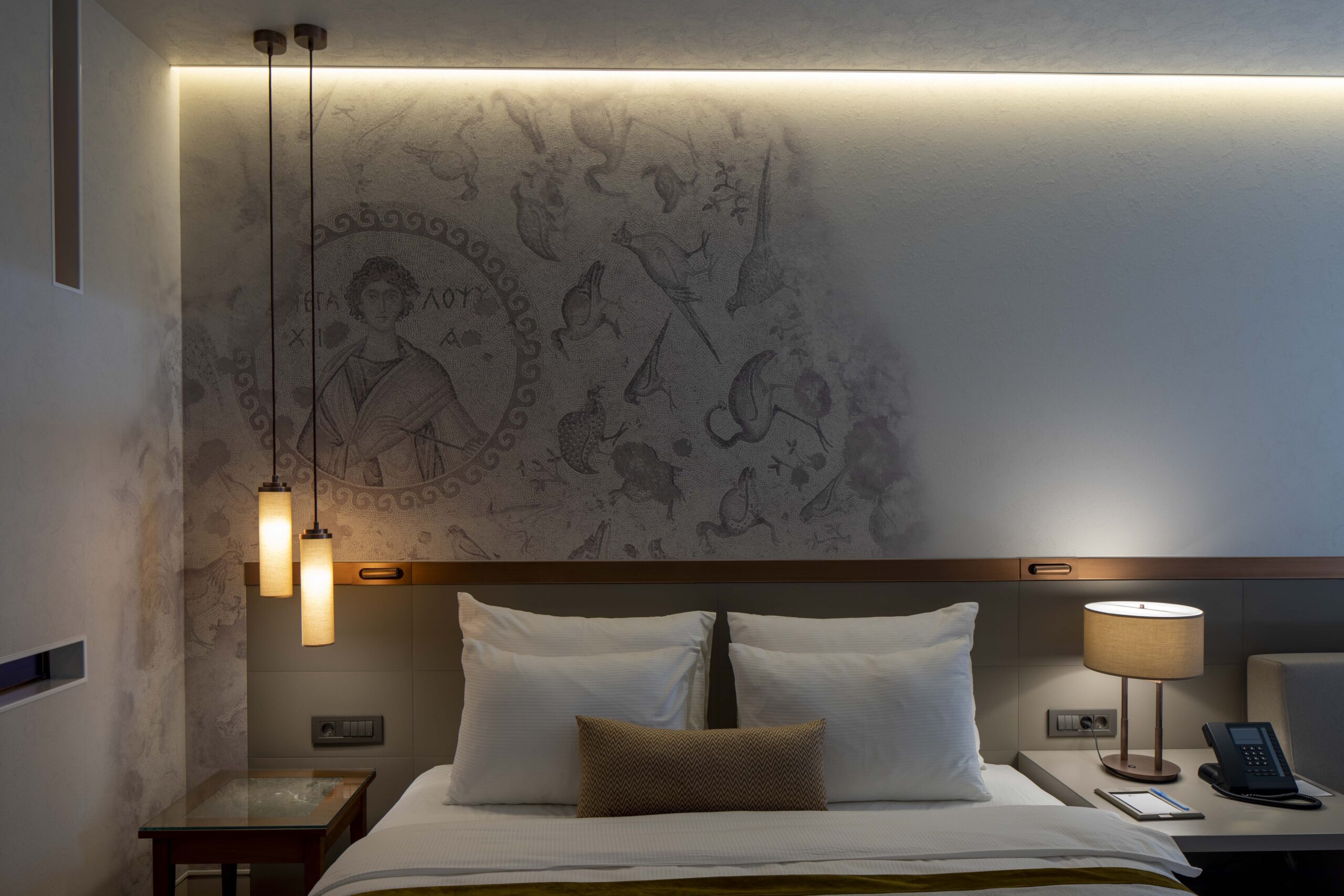
It is also open to non-guests who simply want to see wonders such as the world’s only fully intact statue of Eros, dating back to 200AD.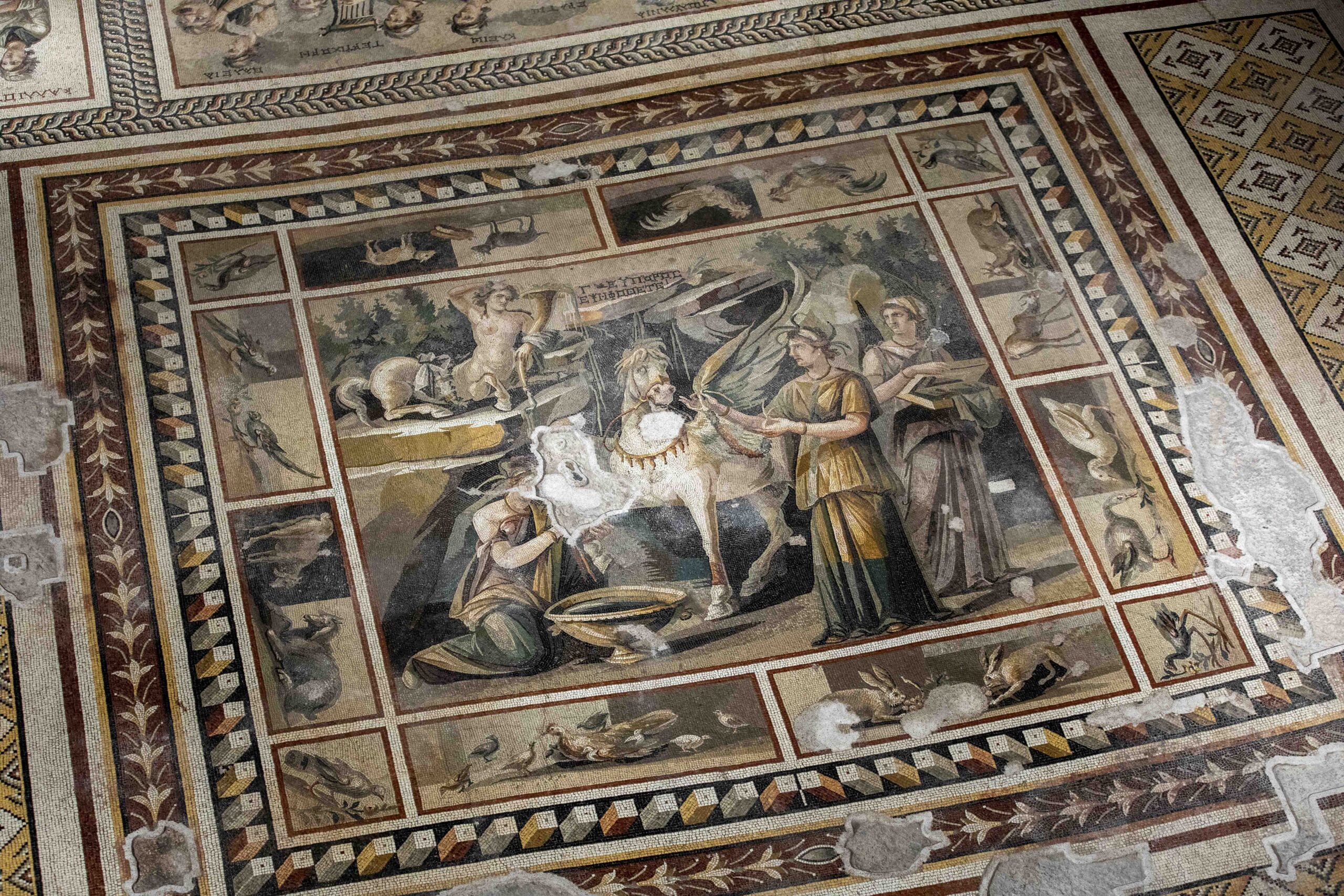 The hotel’s 200 rooms, which range from Superior to Suite, offer views of the ancient sites below. It also has the city’s largest spa, five restaurants and a rooftop pool.
 Elsewhere in Turkey, in Cappadocia, there is also a Museum hotel built in a cave that is part of the Relais and Chateaux collection of luxury hotels.
The Museum hotel in Antakya will not be the only "hybrid historical" property opening this year. Last month Globetrender reported that the Kruger Shalati Train would be converted into a luxury hotel parked on a bridge in South Africa’s Kruger safari park.
“The Kruger Shalati Train on a Bridge takes people back to a long-lost time and makes them feel part of the history of the Park,” said Jerry Mabena, CEO of Thebe Tourism Group, owners of Kruger Shalati.
“It gives a truly memorable glimpse into those early days of the Kruger where the untamed African spirit reigned supreme. We are looking forward to taking our guests on an equally exciting journey that is not available anywhere else in the world.”


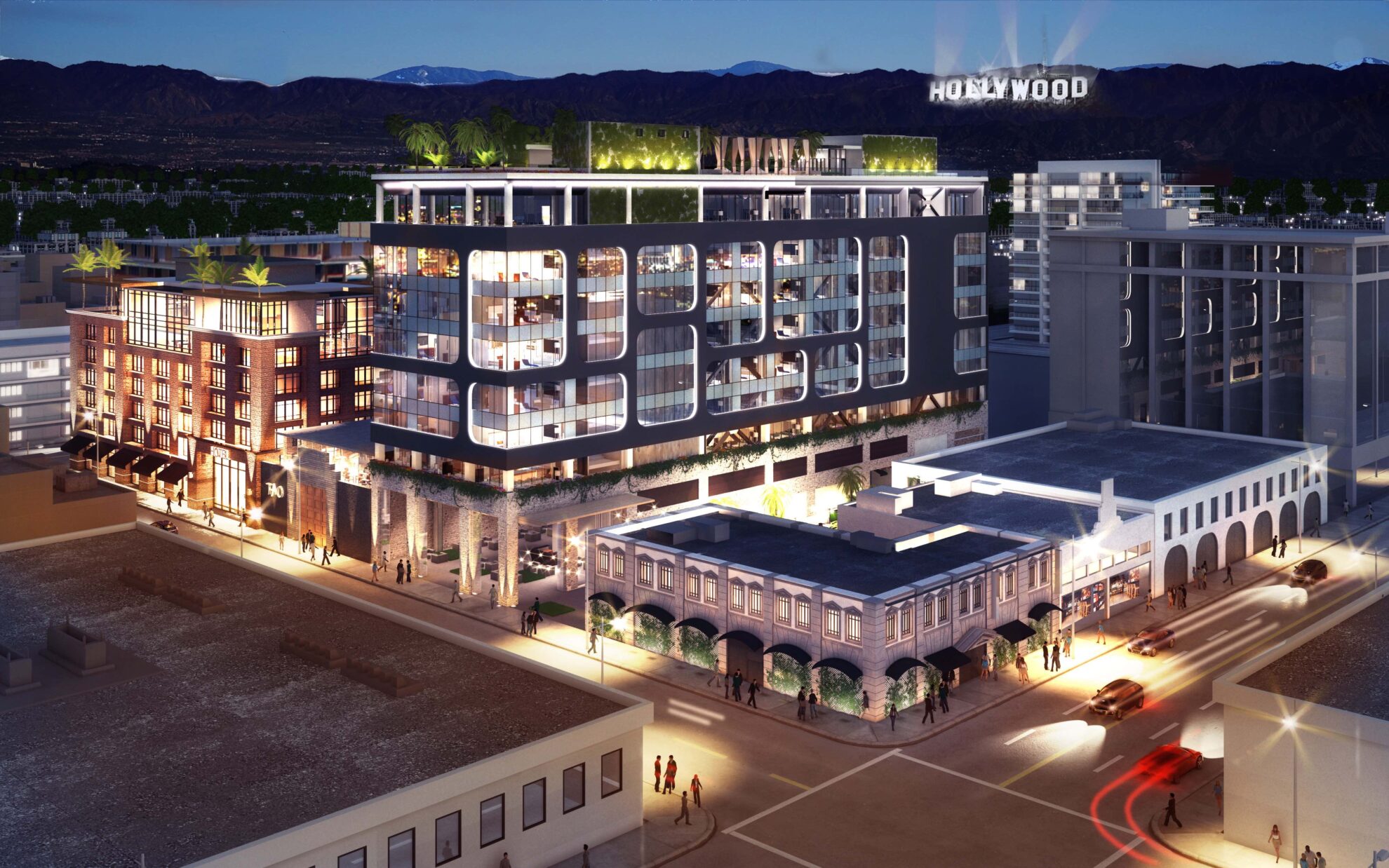 The West Coast flagship for the Dream Hotels brand will open this spring, on the corner of Selma Avenue and North Cahuenga Blvd in Hollywood. Described as an "experiential lifestyle" concept, the property sets out to integrate itself within the neighbourhood – a walkway outside will link the hotel with adjacent restaurants and nightclubs, while the highlight will be a 1,021 sqm panoramic roof garden and swimming pool overlooking the city.
 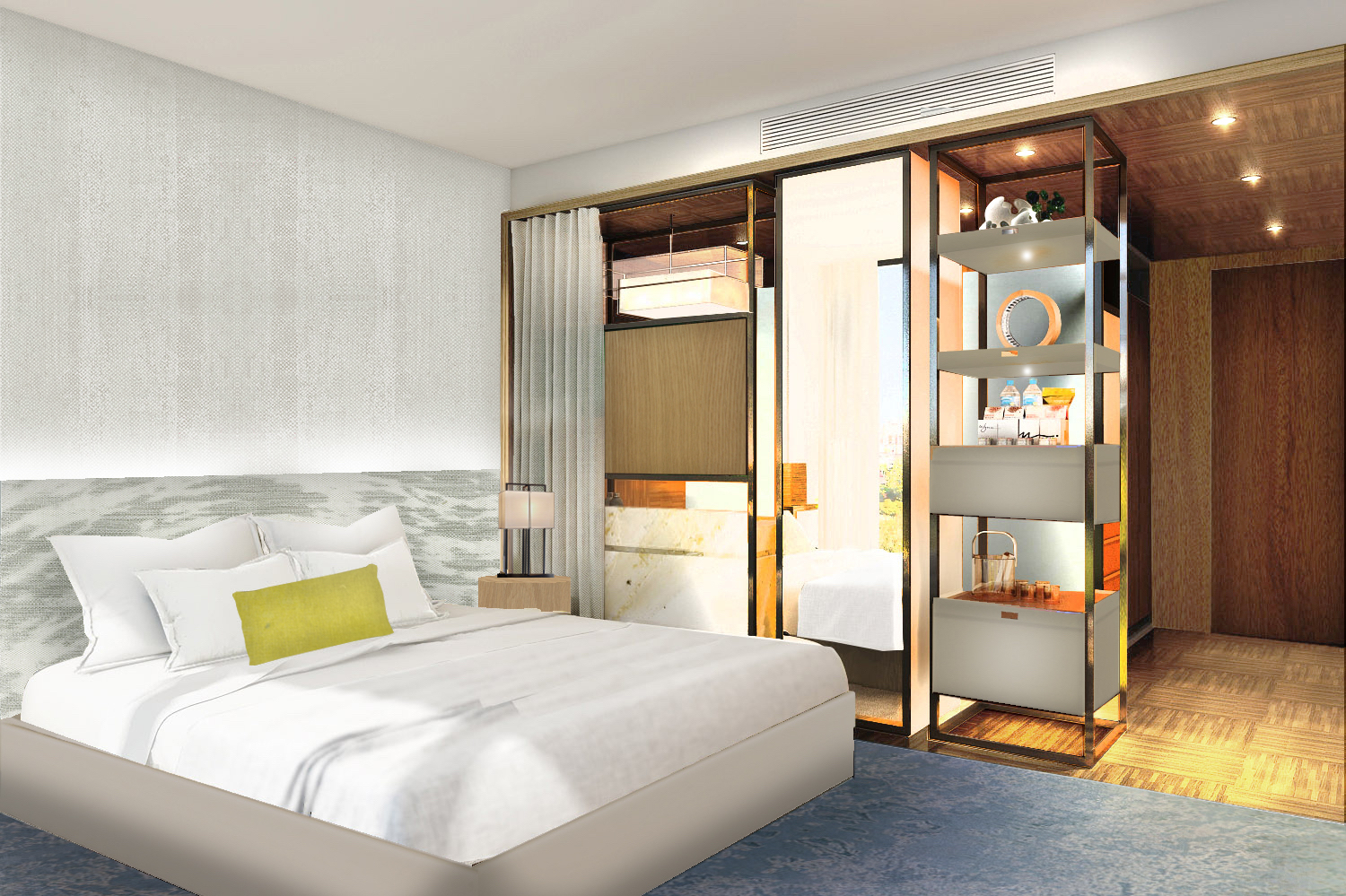 Inspired by the modernist architecture of Richard Neutra, the Rockwell Group has set out to blend the "surreal with the contemporary" with "hyper chic" design. Dream also has hotels in New York, Miami, Bangkok and Phuket.
 This hotel had its official opening in December, and replaces the original Hilton that opened here in the early seventies. Unlike conventional airport hotels, which tend to be soulless boxes bearable only for a one-night stopover, this new property claims to be the "latest vision for modern air travel accommodation".
Its geometric facade was designed by Dutch architects Mecanoo, while interiors were by Britain's the Gallery HBA. Along with a 42-metre-high glass roof and futuristic atrium, standout features include a bar specialising in Dutch gin, the Bowery restaurant, which uses ingredients sourced from local suppliers, a Rituals spa and a high-tech 24-hour gym.
Rob Palleschi, global head, full service brands, Hilton Worldwide, said, "The airport hotel concept was born in 1959, with the opening of Hilton San Francisco Airport. Innovation is in our blood – from being the first hospitality company to install televisions in guest rooms to introducing digital check-in with room selection via the Hilton HHonors app – and that pioneering spirit lives on as our brand nears its 100th anniversary.
"The new Hilton Amsterdam Airport Schiphol is all about challenging expectations and we look forward to giving guests a new type of airport hotel experience through our stylish design, unique F&B offerings, and world-class service and amenities.”
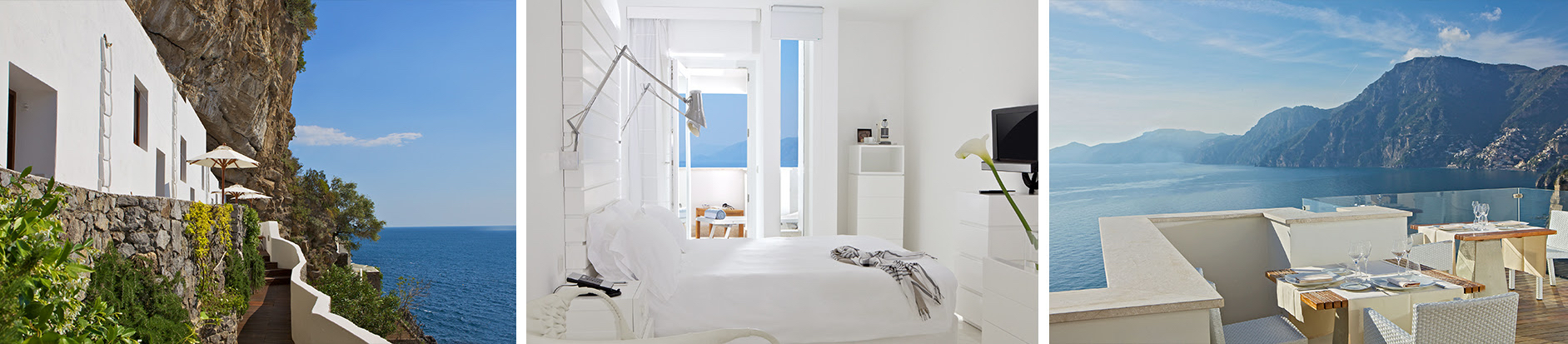 Although this hotel opened in 2007, it only recently joined the Design Hotels portfolio of trendy boutique properties, with bookings available through the site from March 24, 2016. Located in Praiano on Italy's Amalfi Coast, its pristine white environment and cliff-edge location mark it as a cutting-edge alternative to the classical luxury of competitors.
A review by Fiona Duncan in The Telegraph reads: "The all-white, open-plan ground floor is a stunning showcase for the owner’s art collection, including eye-catching, vibrant sculpture in Murano glass; wild and whimsical works designed by Cuban artist Alfredo Sosabravo; and oil paintings by Argentinian Patricia Valencia Carstens, amongst others."
It also has four unique Eaudesea Experience rooms, which occupy old fisherman's cottages above a beach that are accessed from the hotel by a lift followed by 200 steps. They have free wifi, plasma screen TVs and electronic room control panels.
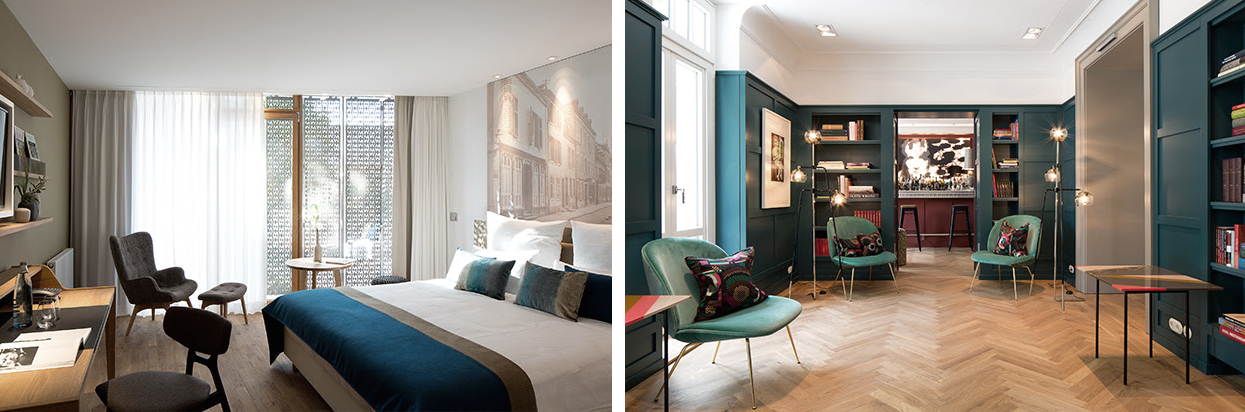 Another new entrant to the Design Hotels fold is La Maison, which is found in the west German city of Saarlouis, and has taken over an historic mansion with 38 bedrooms. With interiors by Stuttgart-based designer Birgit Nicolay, this hotel cleverly juxtaposes vintage with contemporary to create a homely yet stylish look. Bedroom lighting is transformed via "mood pads", colour is used intelligently – to pleasing effect, floors are natural wood and minibars are found inside trunk suitcases. Opening in the summer will be fine-dining restaurant Louis.
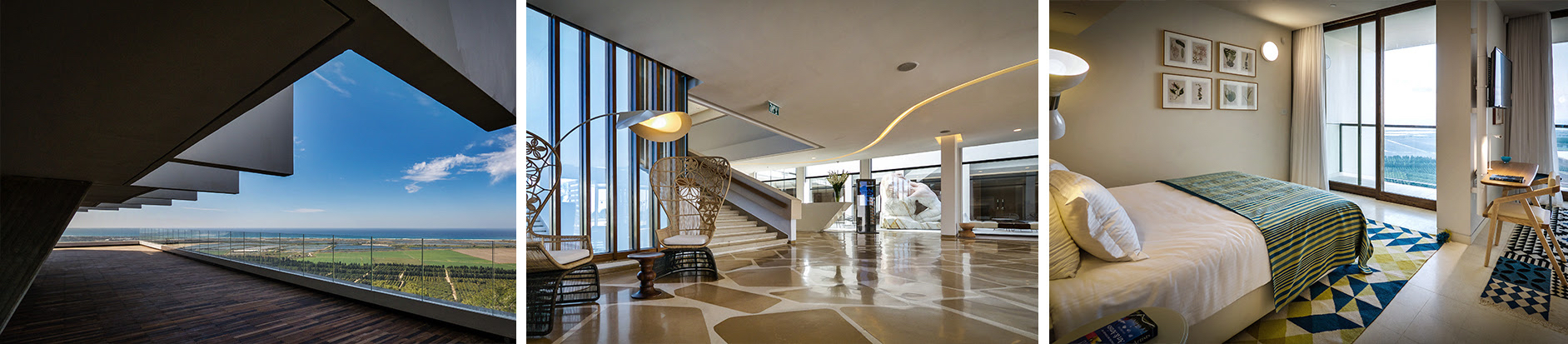 This "masterwork of post-war Brutalism" – the Mivtachim Sanitarium – began its new life as a trendy, 95-room hotel in February 2015. Originally built by award-winning architect Ya’akov Rechter in the 1970s, an eight-year transformation project saw the property reopen with bold interiors incorporating raw concrete, oak wood, terrazzo floors and floor-to-ceiling glass.
The hotel is located in Zichron Ya’akov, 40 miles from Tel Aviv, on the Mediterranean coast – it also has a state-of-the-art concert hall and more than 500 works of art from the private collection of owner Lily Elstein.
A review on coolhunting.com reads: "After entering the Elma lobby, guests will come across Sigalit Landau's Tzimaon (Thirst), a juggernaut of a sculpture weighing 26 tons wrought from two pieces of Carrera marble, on display inside an open-air exhibition space floored with local stone. From start to finish, the hotel’s interior embodies clean, classic lines and beige and white color schemes, creating a perfect foreground for the works hanging throughout, while the lobby boasts a reception desk modeled after a huge, black, metal piano."
[dropcap size=big]D[/dropcap]escribed as “a throwback to the glory days of classic modernism”, this new Design Hotels property opened in April, on the foothills of the Acropolis, in Plaka.
Conceived by Stavros Papagiannis of Greek practice Stage Design Office, the AthensWas hotel was inspired by the classic modernism movement of the 1950s to 1970s, while occupying a former apartment building constructed in 2006.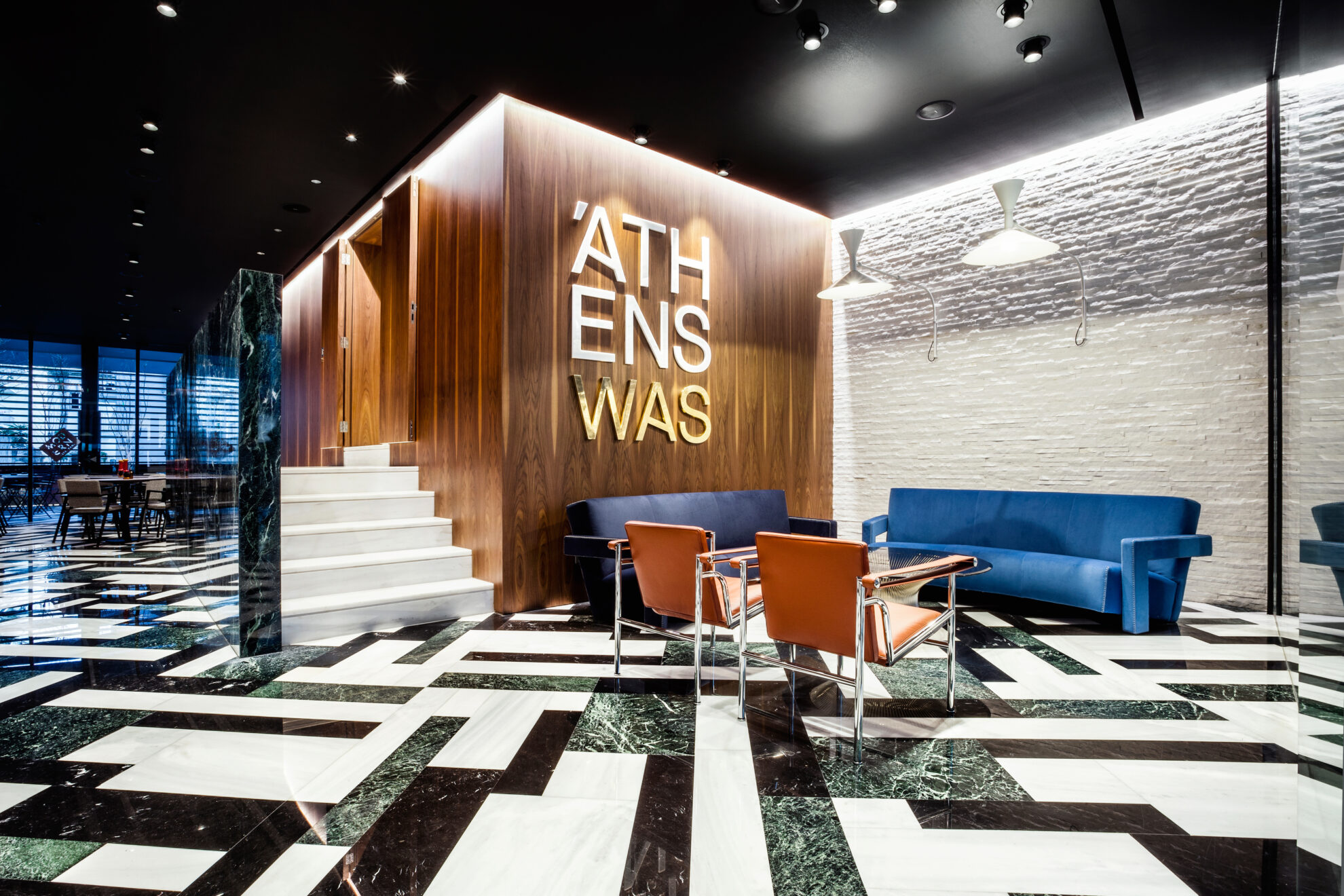 Sporting 21 rooms, the boutique property juxtaposes furniture by Le Corbusier, Ettore Sottsass and Michael Graves, with locally sourced marble, walnut panelling and glass walls. Wifi is free throughout.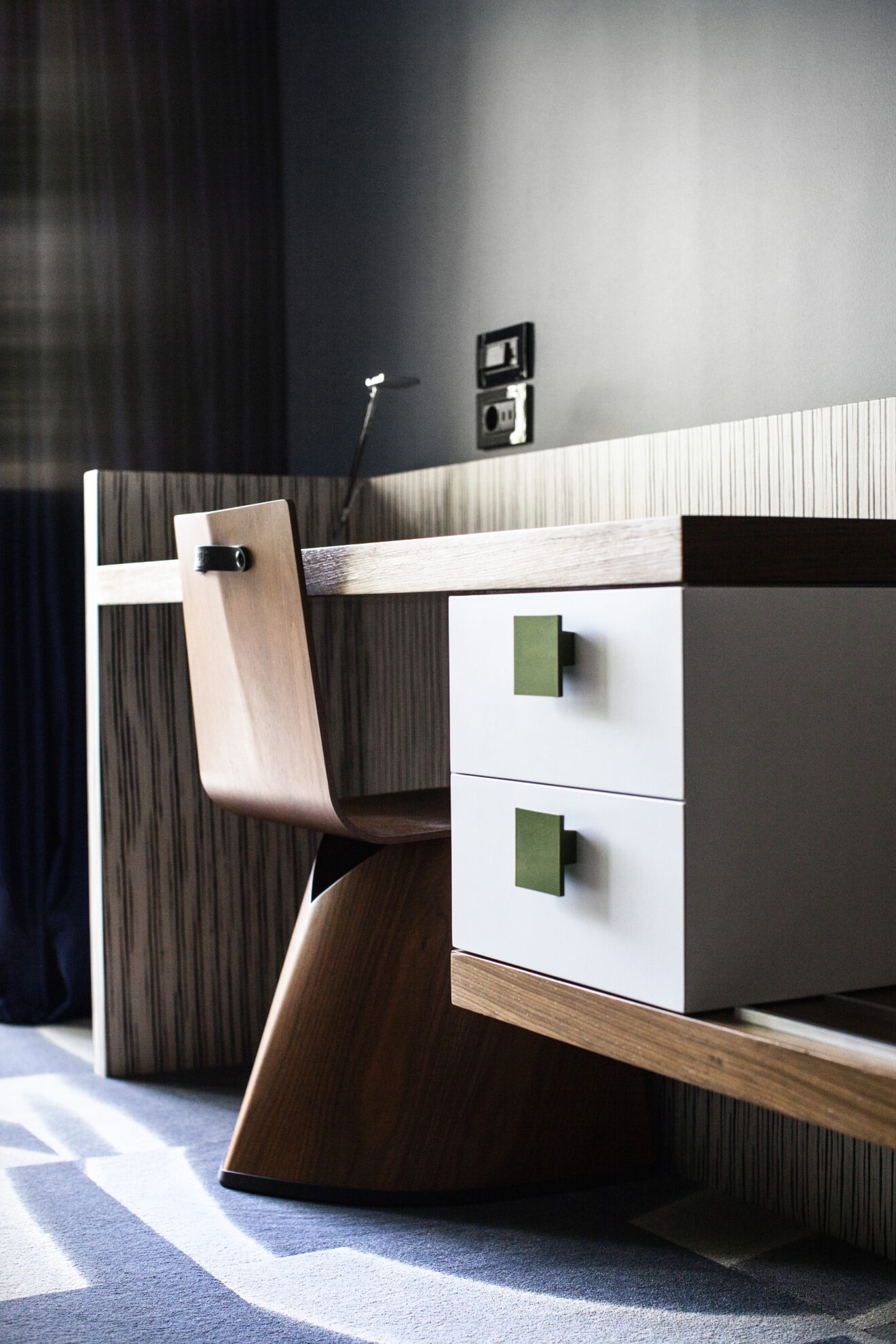
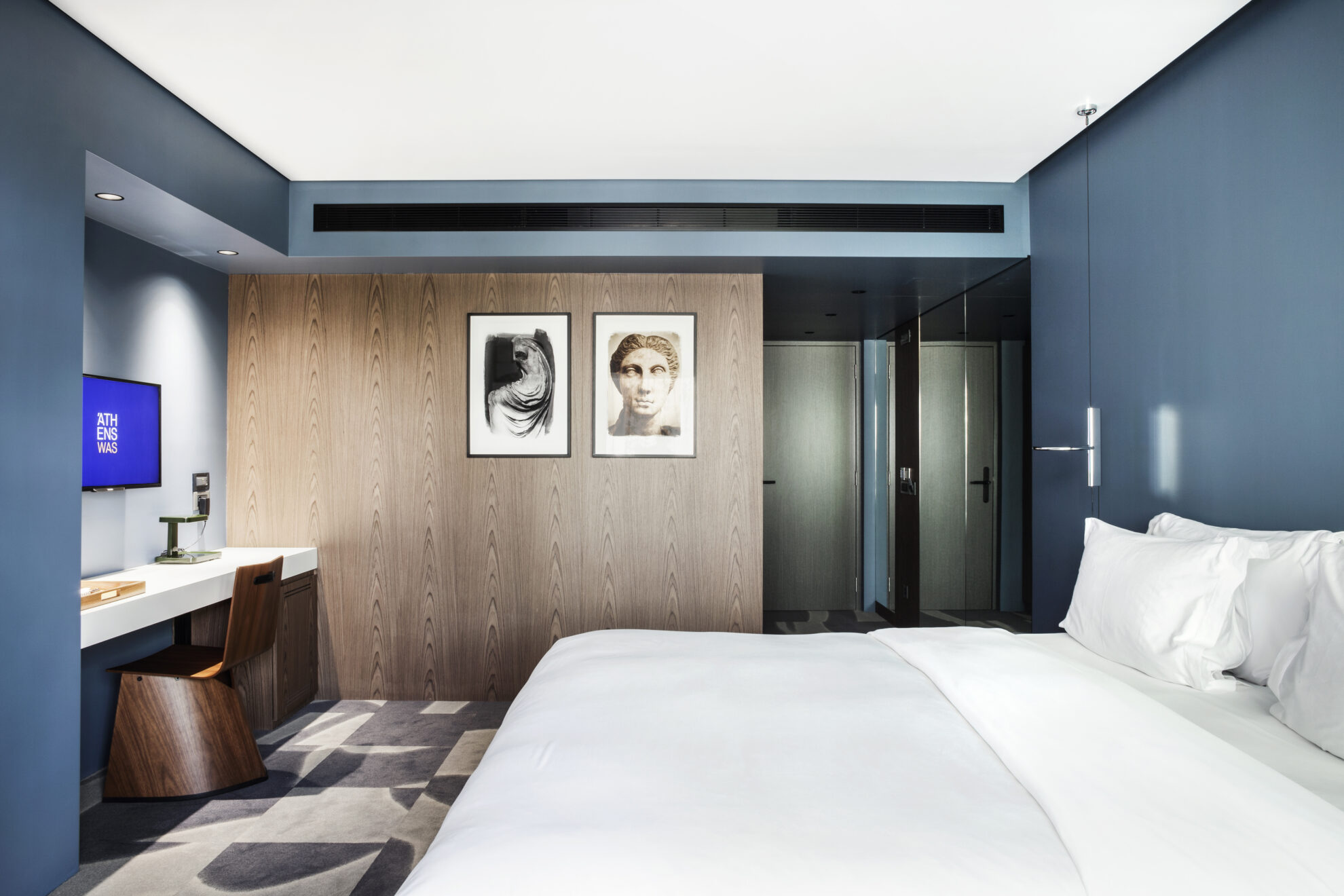
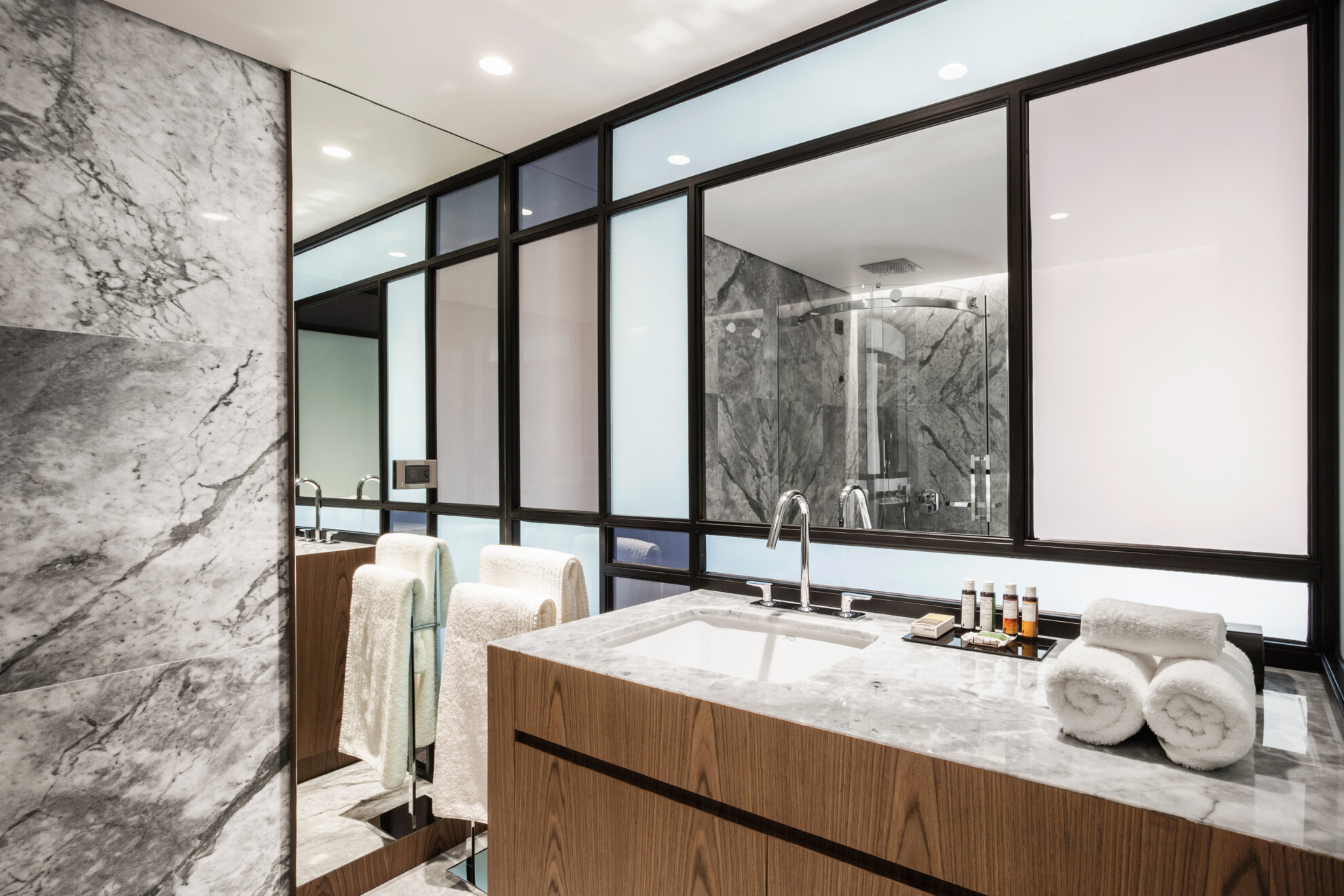 Custom lighting in the bedrooms is by industrial designer Konstantin Grcic, while walls are decorated with prints of sculptures from the National Archaeological Museum. Each room also comes with its own private terrace.
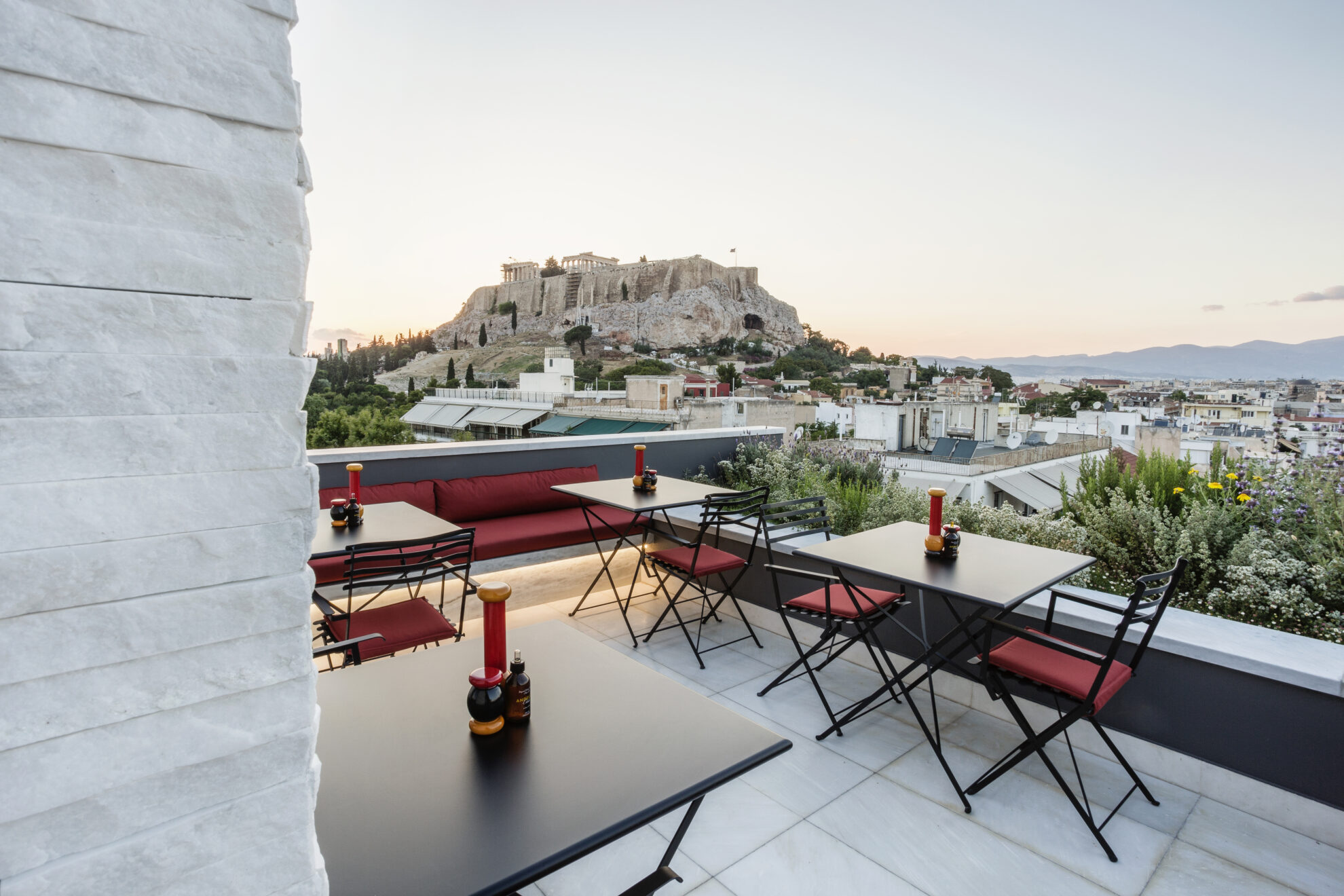
 On the sixth floor is a rooftop eatery and bar with views of the old city. Here you can sample a signature cocktail made with local ouzo or mastic, or a Kopi Luwak coffee from the island of Sumatra in Indonesia.
 Meanwhile, the ground level features the trendy Modern restaurant with black and white marble floor, minimalist hardwood tables, and 1950’s-style Luisa chairs by Italian designer Franco Albini (produced today by design firm Cassina).
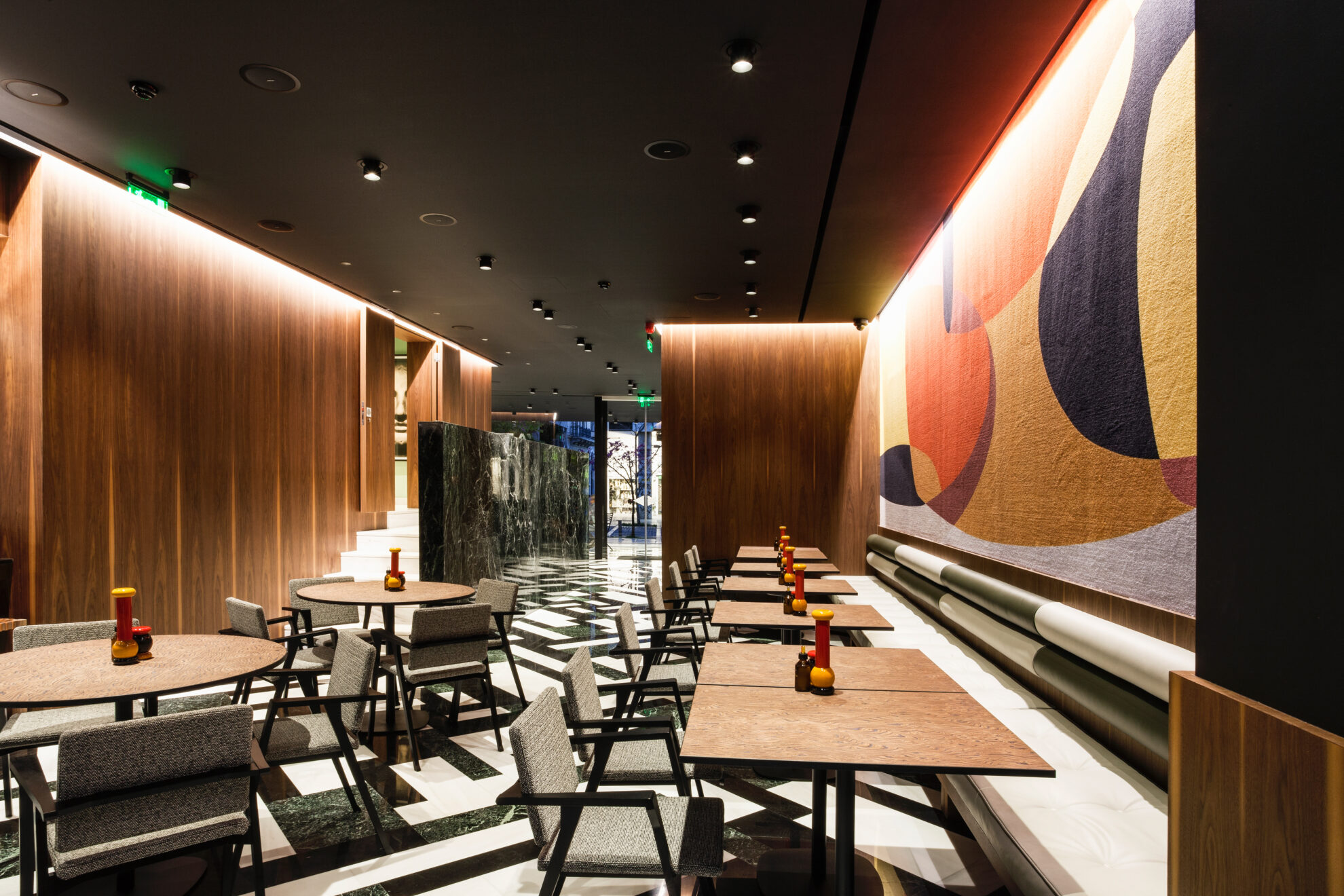 A menu of traditional Greek food is served for breakfast, lunch and dinner.
[dropcap size=big]T[/dropcap]his summer, Design Hotels launched an "inspirational space" for its team of ten in-house creatives.
The 300 sqm open-plan Brand Lab is in its Berlin headquarters and has views over the River Spree.
Interiors exhibit an on-trend "industrial chic" aesthetic with exposed brickwork, white walls, brass metalwork and sit-up stools. Furniture is by Artek and Wilkhahn, LED lighting from Erco, audio by Sonos and drinks by Aqua Monaco.
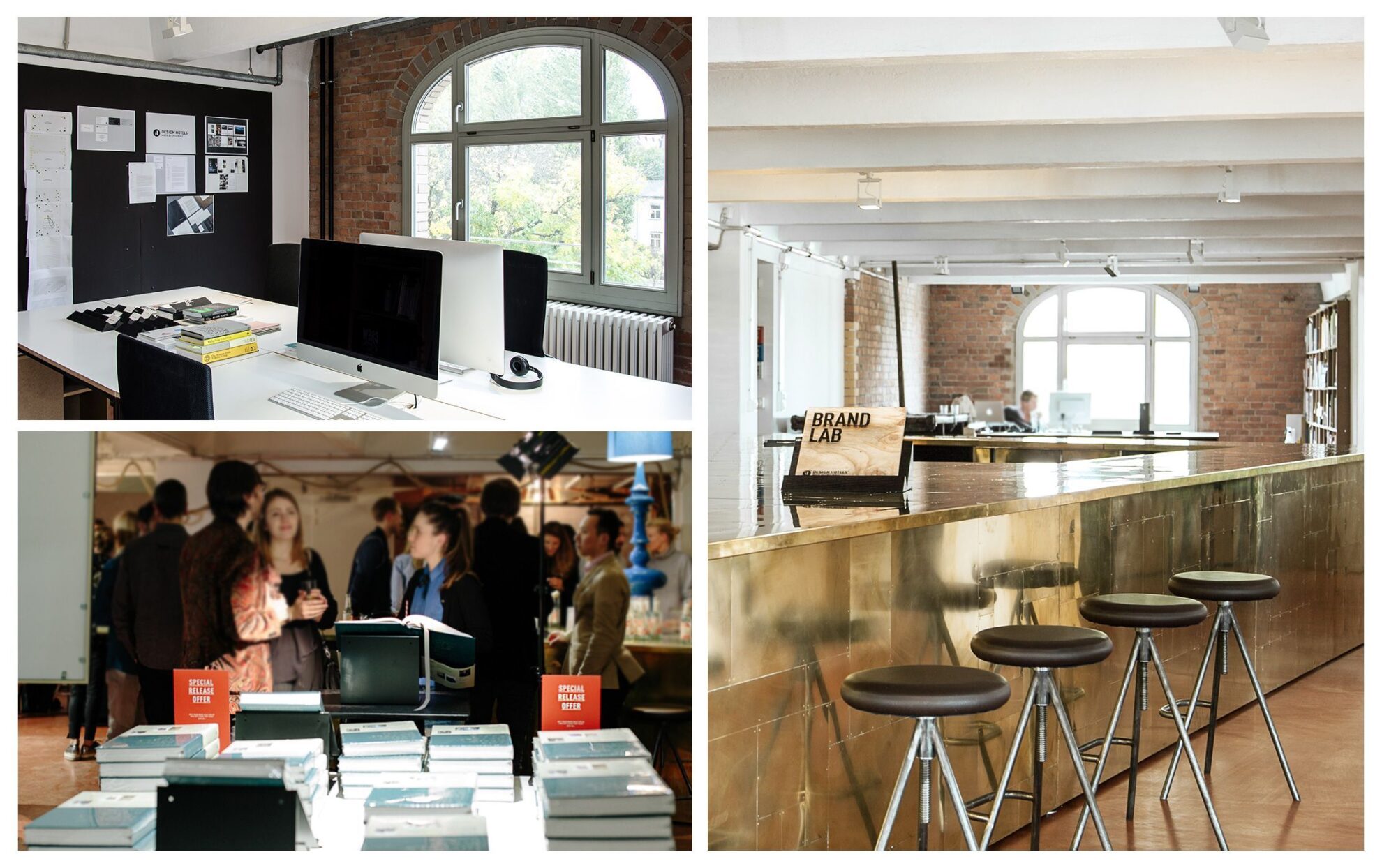
According to a press release, the Brand Lab is "a fertile environment for present and future ideas, and serves as a seedbed for innovation".
Serdar Kutucu, vice-president of brand, marketing and communications, said: “With our in-house design team we are able to move the creative process forward, without red tape. That allows us to react quickly to new developments, which is a big advantage in this fast-paced industry.”
Under the guidance of creative director Johannes Schwark, the team conceives ideas for the company's advertising campaigns, trade show stands, events, digital designs and corporate identity.
Design Hotels also creates platforms for cross-industry gatherings, hosts an annual conference called Arena, as well as Trend Briefing in collaboration with London-based trend-forecasters the Future Laboratory.
For those interested in learning more about their world of architecture and interiors, a new hardback Design Hotels Book is available for order here priced at €59.
Produced at the Brand Lab, it tells the story of its 279 properties with photographs and behind-the-scenes accounts from hoteliers.
[dropcap size=big]T[/dropcap]he 189-room Almyra hotel on the Cypriot coast of Paphos is setting itself up as an elite training camp for fitness fanatics, tapping into the "limit pushing" trend for endurance challenges.
Hosted by pro-coach Simon Brierley, long-distance triathlete and sports journalist Sean McFarlane, and ex-champion triathlete and sports physiologist Kypros Nicolaou, triathalon and swimming clinics will be held from November to April.
Daily activities will include open water swims, road cycles, and coastal trail running, while video analysis and personal coaching will help participants improve their technique and identify weaknesses.
Careful attention will also be made to diet, with a Mediterranean menu designed to provide the correct balance of carbs, fats and protein for optimum nutrition.
Triathlon training packages start from €1,190, while swimming camps start from €350 per person. Golf, biking and sailing camps are also available. The Almyra is a member of the Design Hotels collection.
Triathlon Training Camps Schedule
Nov 1-8, 2015 Kinetic Revolution Run Camp 2015 with Simon Brierley
Feb 20-2, 2016 Triathlon Training Camp with Sean McFarlane
Mar 25 to Apr 3, 2016 Paradise Triathlon Camp 2016 with Simon Brierley