

We Out Here 2026: the festival of radical care
Designed to make people "feel", the UK's We Out Here 2026 festival was its best edition yet, and the reason had surprisingly little to do with the line-up. Amy Rose Everett reports
There's one moment you can always bank on at We Out Here, though you won't find it on any stage schedule: the chance encounter that sends you away seeing the world from a slightly different angle.
A compliment on your outfit on the walk from the Lemon Lounge to the lake can become an invitation to the Talks Tent, where someone puts words to an idea you've been turning over for months. A stranger's recommendation might turn into an entire day with new friends, or reviving an old hobby you resolve to take home. This is We Out Here's particular alchemy: the richest experiences happen in the spaces between the music you came for. No small thing, when the bill itself is world-class.
Founded by BBC Radio 6's Gilles Peterson to celebrate jazz and UK club culture alongside the communities that sustain them, We Out Here launched in 2019, taking its name from Peterson's 2018 Brownswood Recordings compilation of the same name – a calling card for London's then-bright-burning young jazz scene. The festival brought together key figures from that movement alongside genre-spanning DJs, veteran icons and young improvisers, and has since hosted the likes of Ebo Taylor, MJ Cole, Bashy, Noname, Rotary Connection, Loyle Carner, The Comet Is Coming, Yussef Dayes, Ezra Collective, Nia Archives, Sampha, Black Star, Nubya Garcia, Bonobo, Theo Parrish and now Four Tet.
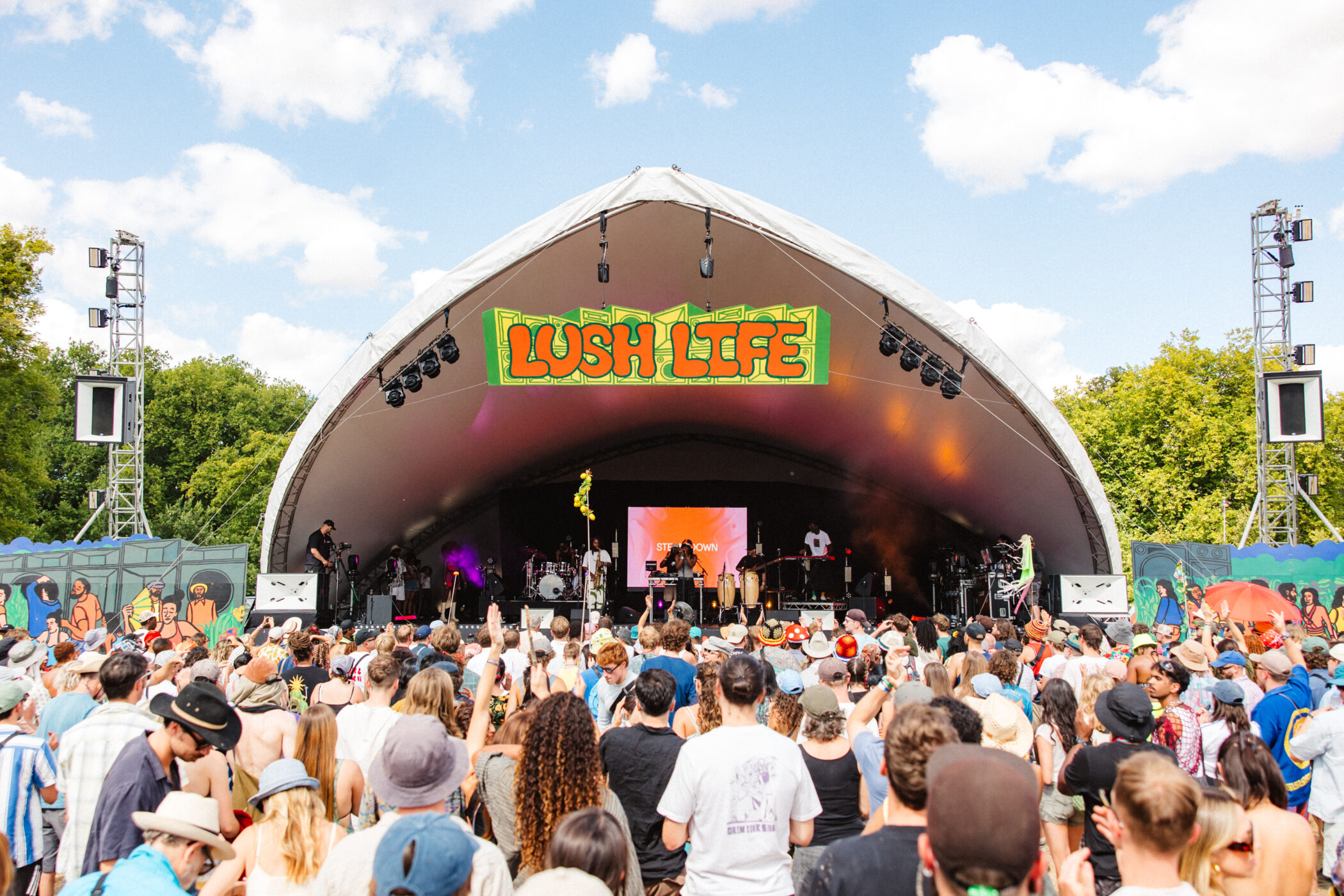
In its seventh year, the festival takes place across 15 stages over four days in the grounds of Wimborne St Giles, Dorset, its seven-acre lakes and woodland parkland offering plenty of tucked-away corners to wander. Soul, hip hop, house, afro, electronica, jazz and everything in between are curated so painstakingly that the usual circus of trends, hype and ticket sales feel irrelevant.
Food and drink, an arts and culture programme, family activities and wellness reflect a genuinely global range of cultures, all in service of a weekend built around quality and togetherness rather than scale or profit.
Rishi Bagdai, one half of British Asian DJ duo Brown Excellence and a driving force behind We Out Here's music programming, has a phrase for what the team nails year after year: "radical softness as a boundless form of resistance". His own directive is simpler: make people feel.
Formed with his best friend from university, Zain Shah, Brown Excellence emerged from a culture in which clubbing, nightlife and rave culture can be complicated territory for young South Asians. Conservative attitudes can make the nightclub feel like a world you're not supposed to enter, while representation is scarce in the nightlife and music industries. Brown Excellence pushes against that absence by creating parties where people can belong.
That instinct runs through Rishi's work at We Out Here, and sits at the festival's core: uplifting marginalised cultures, making space to be seen and heard, and understanding that making people feel (and feel seen) is both a force for progress and the foundation of a great time.
The Talks Tent
The Talks Tent is where that idea crystallises: a space dedicated to asking what it means to care for one another, and how to carry that care beyond the festival gates. This year, one phrase surfaced repeatedly: "radical care".
"Radical Care in the Music Industry: What Does This Look Like?" was hosted by Ladies Music Pub, a WhatsApp and Facebook community turned roving meeting space for women in music. Asked what it means to support artists rather than extract from them, Rox Horton – drummer, safeguarding lead and creative producer at Art Against Knives, which uses creativity to prevent youth violence – gave the most grounded answer of the weekend: "Care means longevity. Being rooted in one place, building real relationships with young people. Services are being stripped away. It feels like we're trying to do all the things that should exist."
Creative director and designer Josette Joseph's north star test is refreshingly practical: "Will I be proud I did this in ten years, regardless of likes or commentary? If it's a yes, I go for it."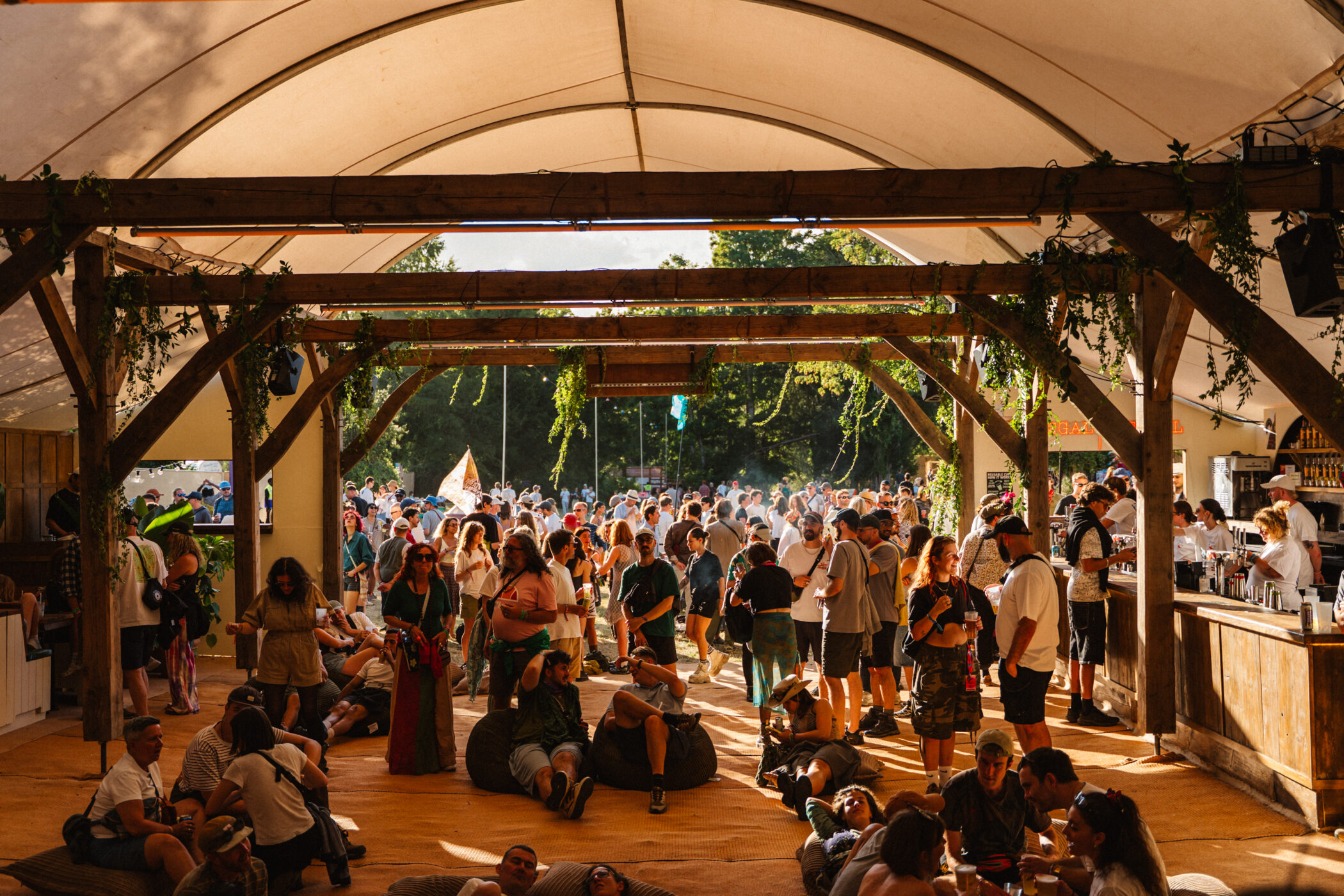
Josette added, "The word ‘radical’ is quite big. But you can do small things to take care of yourself, especially when it comes to music." The advice was practical: take stock of your values, both short- and long-term, and apply them to how you use social media, the opinions you express, the way you move through your industry and job, and how you show up for your family.
Audre Lorde's words were invoked more than once: "Caring for myself is not self-indulgent. It is self-preservation, and that is an act of political warfare." Around the room, mostly women nodded in recognition.
Rox shared that it's about being an individual within a collective, recognising the need for community- a dynamic the festival strives to embody.
Sunday's talk, "Raising the Culture: Shaping Music Futures Across the Generations", was equally sharp. Award-winning founder, investor and consultant Nicole Crentsil, alt-R&B singer Tyson, South London DJ Cyndi Anafo and broadcaster Helena Star pushed back against what Cyndi called "the Western world's obsession with youth". "You have a wealth of experience when you hit your thirties-plus," she said. "Don't discard it."
That idea of learning across generations is baked into We Out Here's programming. As Nicole put it, the festival has always made room for "intergenerational conversations", recognising that culture is richer when experience and new ideas are in the same room.
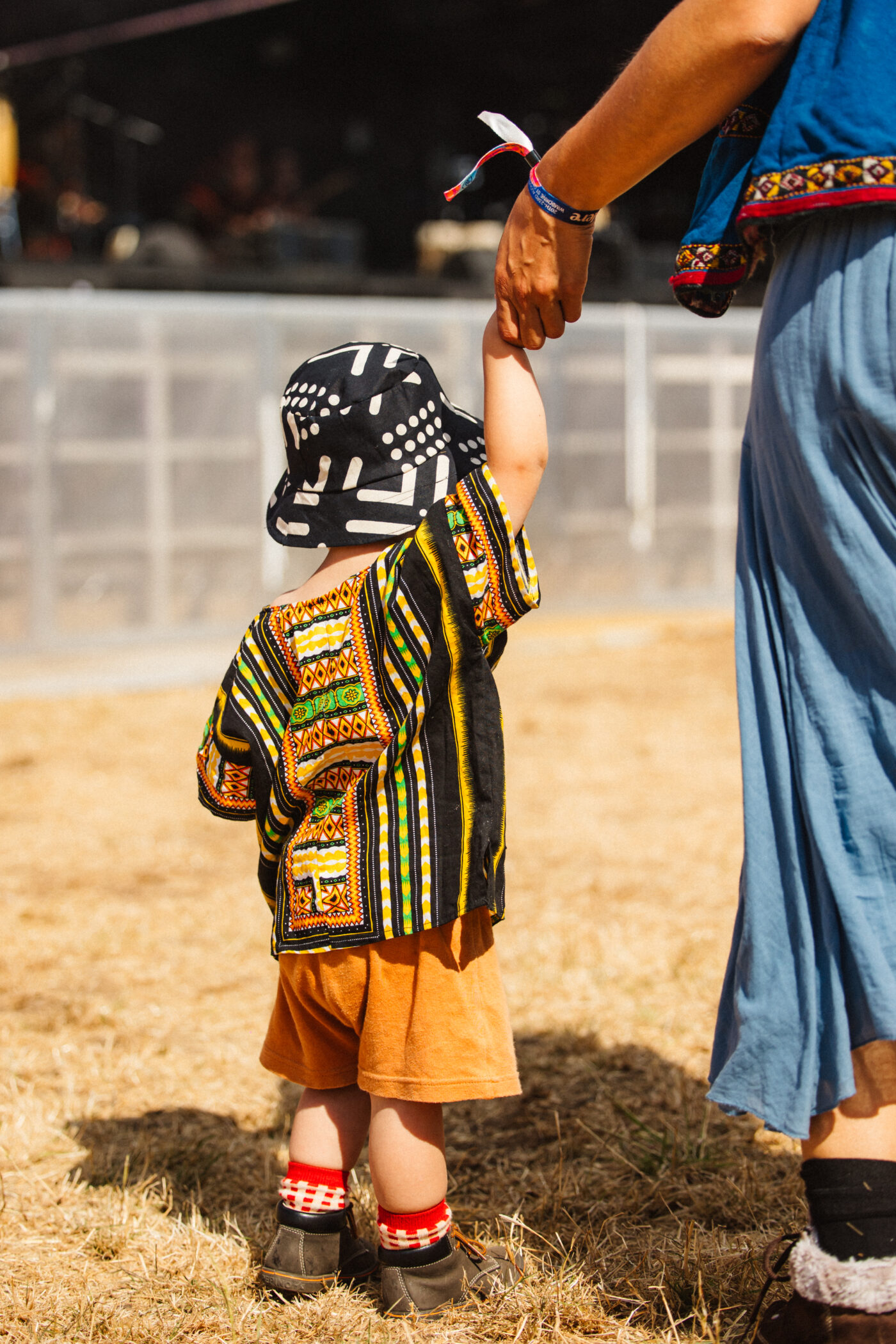
Rishi's programming philosophy complements this. "The line-up and the audience are symbiotic," he says. "Peak community to me is high-fiving a toddler, giggling with a grandma, having a deep conversation with someone of African descent, sipping tea with a South Asian and queuing next to a queer community veteran, all in the space of ten minutes."
I experienced that symbiosis myself. Wandering past the BookLove stall, a travelling multicultural book carnival and bookshop built around inclusive books and marginalised voices, I got talking to Freei, a volunteer. I was soon invited to Zanzibar, where he is building a community cinema, a bookshop, and a farm, under the banner of Made In Africa. On December 27, there'll be a beachfront celebration of 84-year-old Mama T, a local since 1989; her husband helped establish 24-hour radio station East Africa Radio. The project already employs a Tanzanian farmer. "We're both learning," Freei told me. "It excites me knowing we can get some fruit we've grown from a seed."
There’s no better illustration of We Out Here's particular magic: you arrive for the festival and leave with a little more of the world than you came with.
The Music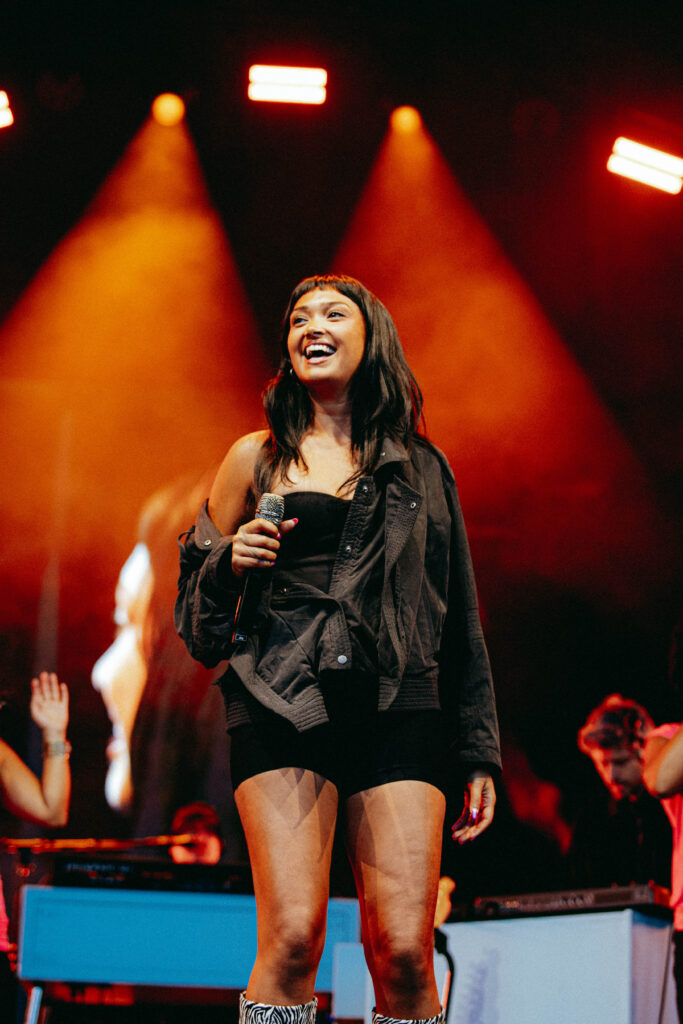
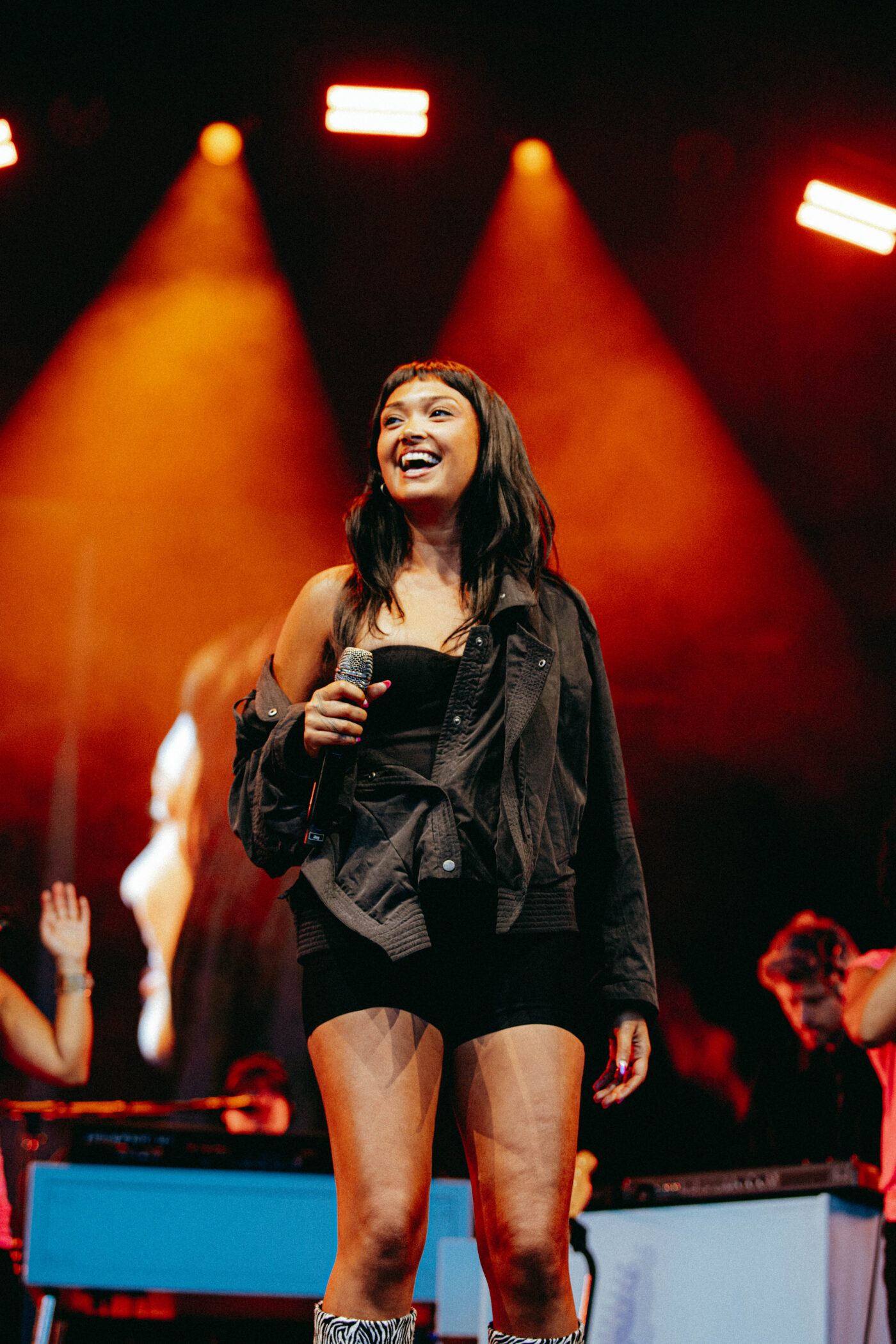
Peven Everett, the Chicago house vocalist diagnosed with stage 4 lung cancer in 2024, delivered a set of force and joy, sounding more vital than ever despite ringing the bell at Northwestern Hospital just weeks previously.
Joshua Idehen's set was boundlessly inclusive; he spoke openly about the dark period of mental health struggle that We Out Here’s impending date had helped carry him through. "There's so much darkness in this world, but not in this room, and not between us."
The Lemon Lounge retained its cult status – sweaty, intimate and adventurous, with a crowd willing to miss a headliner rather than miss what might be happening inside. Over on the main stage, Brazilian composer Arthur Verocai performed his legendary 1972 self-titled debut with the Nu Civilisation Orchestra, joining vocalists Paula Santoro and Rogê to sing as the sun went down; a warm, familial moment.
We Out Here gives programmers freedom to look away from what’s commercially "hot" (though there's that too – Four Tet’s surprise Sunday headline set was predictably uplifting, effortlessly traversing multiple genres). To cultivate a community genuinely excited by who they don't know on the lineup is, as Rishi puts it, a delicate labour of love. "Trust is built brick by brick, action by action, lineup by lineup, year by year," he says. "If that isn't radical care, I don't know what is."
That trust is what allows each section of the festival to carry a distinct curatorial voice while feeling like parts of one whole. We Out Here continues to make good on its name.