

Tribe Collection's Shamim Ehsani on the future of hotels in Kenya
Shamim Ehsani, co-founder of Tribe Collection, speaks to Globetrender about expanding his hotel footprint beyond Nairobi, to both beach and bush.
From artist-led city experiences to plans for a next-generation safari lodge, Shamim Ehsani has spent the past two decades reimagining what hospitality in Kenya can look like – with the help of his close-knit family, who have roots in Iran.
Tell us about your background. How did the idea for Tribe first come about?
It started in 2003, when my older brother and I moved back to Kenya from Boston, where we had both been studying. I was about 22 and he was 26. We came back and joined the family business – my father was developing shopping malls and other real-estate projects – and my brother had the idea of starting a hotel.
At the beginning, the concept was very modest: about 60 rooms, bed and breakfast, very limited service. But as we started working on it, it evolved into something much more ambitious. We quickly realised we didn’t really know anything about hotels, so we learned by doing. We visited lots of properties, took notes on everything – how many towels were in the room, how many bins, what the amenities were – and slowly began to shape our own philosophy.
In the end, the project became far more design-led and luxury-focused than we had anticipated, with a strong emphasis on art and creativity. We were really building the plane while flying it.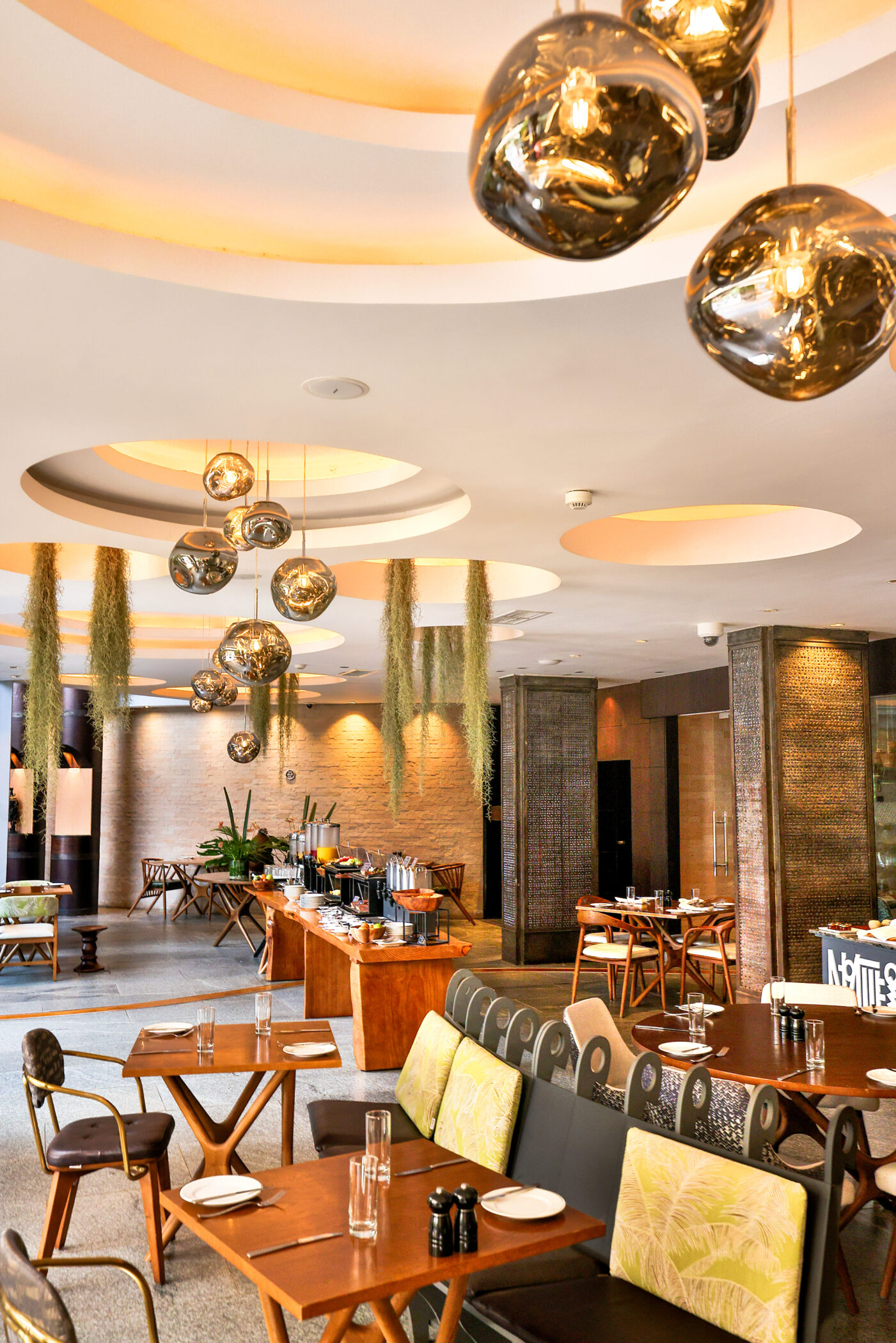
What was missing from hotels at the time that you wanted to change?
We made a list of 20 things we hated about hotels. One of the biggest was being charged for wifi, which at the time was still common. I remember staying somewhere in Boston where it cost US$36 a day. That always felt absurd.
Another was the awkward interrogation at checkout over the minibar – that uncomfortable moment where you are made to account for what you may or may not have consumed. We hated that feeling, so we thought: why not just make the minibar free? Let guests have what’s in there without creating friction or suspicion.
Then there were the basics: good shower pressure, a proper mattress, high-quality linens, blackout curtains, soundproofing. Once you’ve stayed in enough bad hotels, you realise how often the essentials are overlooked.
But beyond the practical details, what we really distilled everything down to was a spirit of generosity. We wanted guests to feel as though they were being hosted by friends or family, rather than being served in a stiff, overly formal environment.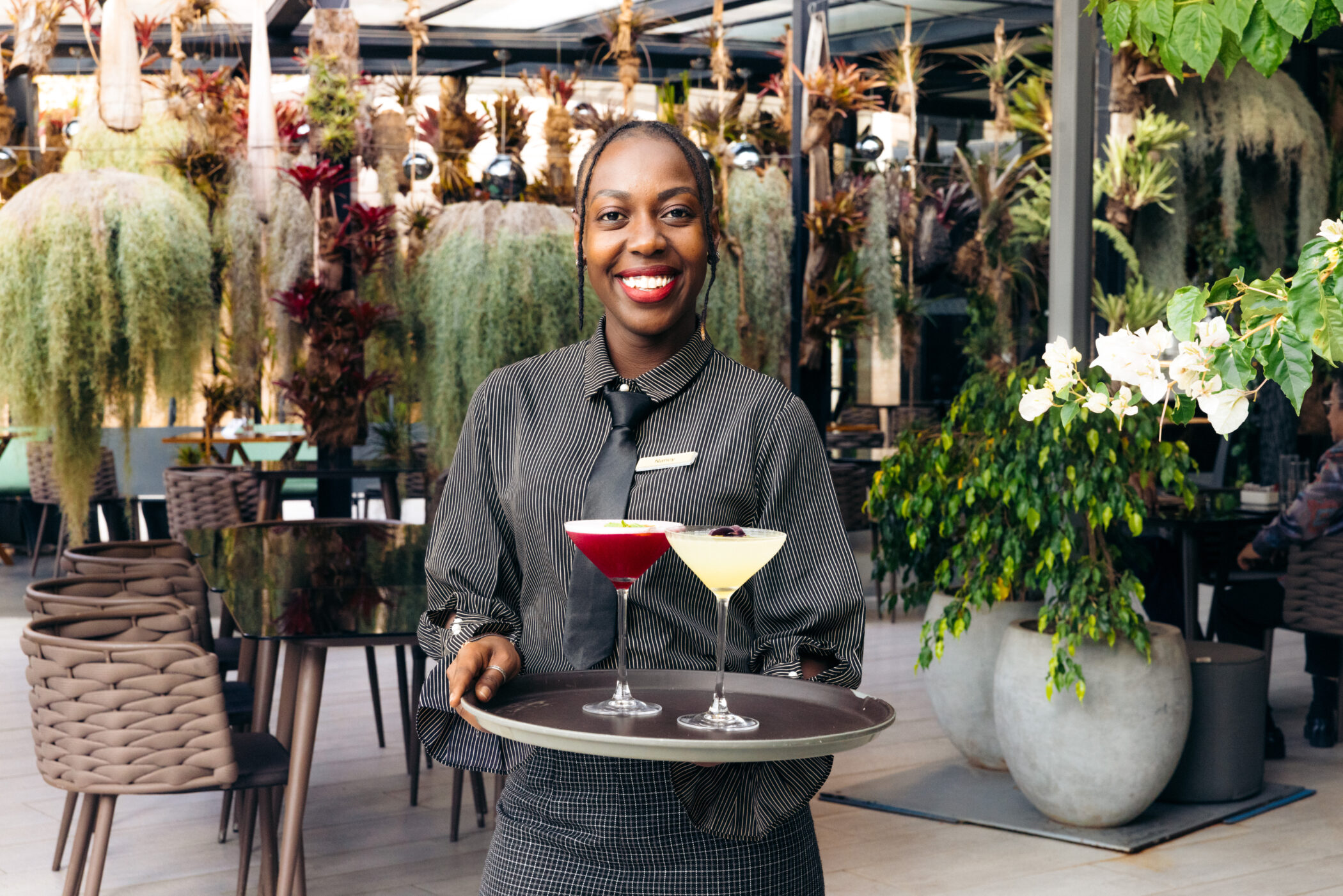
How did that approach influence the service culture at Tribe?
At the time, Nairobi’s luxury hotel scene was still very rooted in a colonial, white-glove style of service. Staff were almost expected to be invisible. Personality was not really encouraged.
We wanted to go in the opposite direction. We looked for people with individuality and charisma – people with tattoos, dreadlocks, piercings, strong opinions and warmth. We hired from outside traditional hotel backgrounds. We also wanted Tribe to be a safe and welcoming place for people who might have been excluded elsewhere, including the gay community and people living with disabilities.
One of the applicants we hired was missing a leg. Hotel jobs can be physical, but he was incredibly articulate and had this amazing energy that lifted everyone around him, so we made him a telephone operator. He became a huge presence within the hotel and later went on to play football in the Special Olympics and eventually moved to Turkey. He was such an inspiring example of what happens when you focus on people’s strengths rather than limiting assumptions.
That mindset was very important to us. Our philosophy became “one planet, one tribe” – embracing everyone, accepting everyone and making people feel at home.
Where does that inclusive worldview come from?
Our family is originally Persian. My parents are from Iran and had to leave during the revolution. It was a traumatic time. Some members of our family endured imprisonment, torture and immense pressure because they were Baha’i.
Eventually, my parents made their way to Kenya. My father’s older brother had already been sent there in the early 1970s to establish the School of Architecture, so Kenya became a kind of stopping point on the way to Australia – and then they simply never left. They fell in love with the country.
The Baha’i faith has very strong values around unity, equality and justice, and those principles absolutely shaped how we wanted to build our business. Issues such as gender equality and social inclusion were not side notes for us – they were part of the culture from the beginning.
Tribe has always stood out for its design and art. Was that intentional from day one?
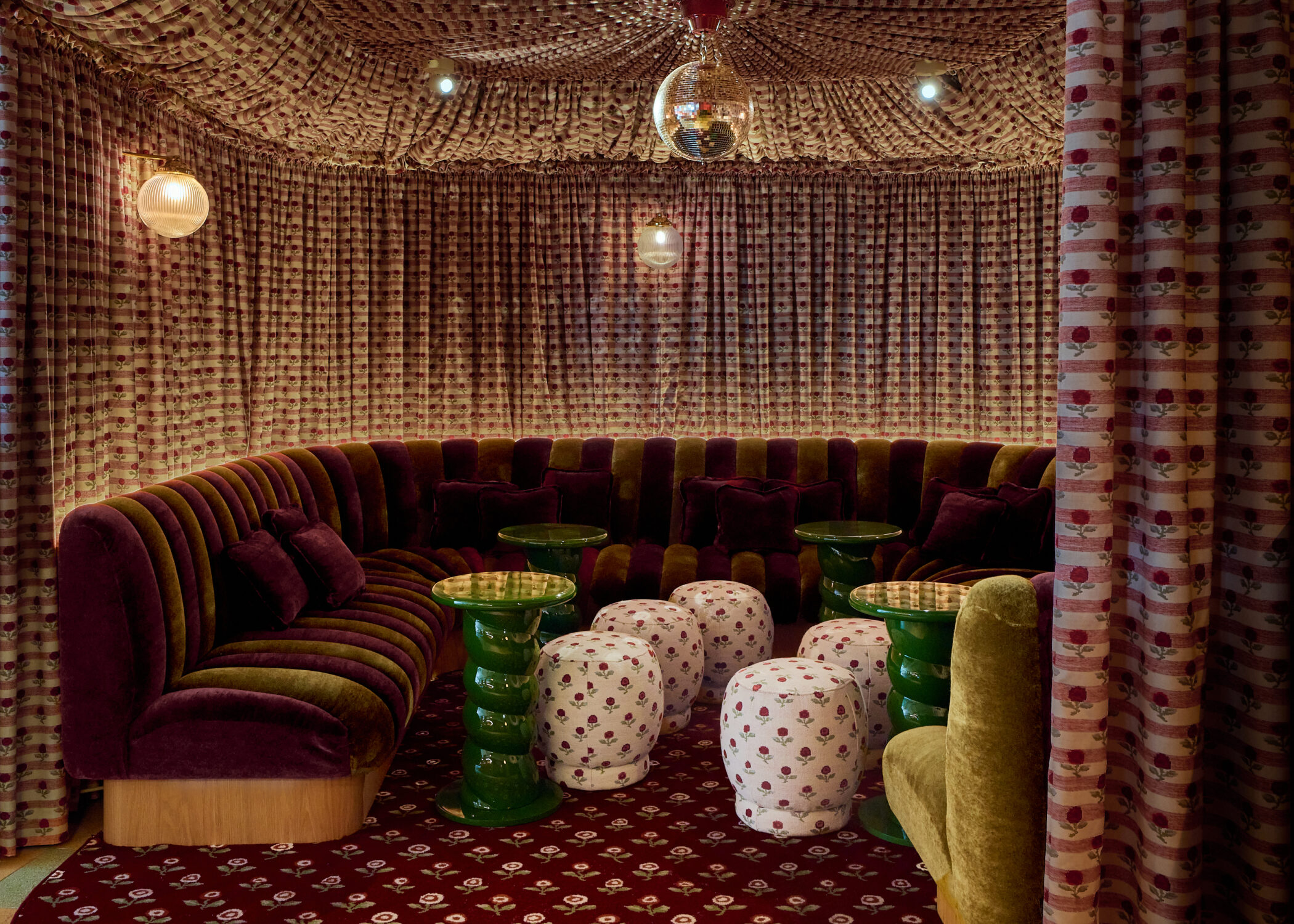
Very much so. It was always a family project. My uncle is the architect, my father invested in the development, and my mother – who has her own art business – sourced and collected all the art. So the property became a very personal expression of our values and aesthetic.
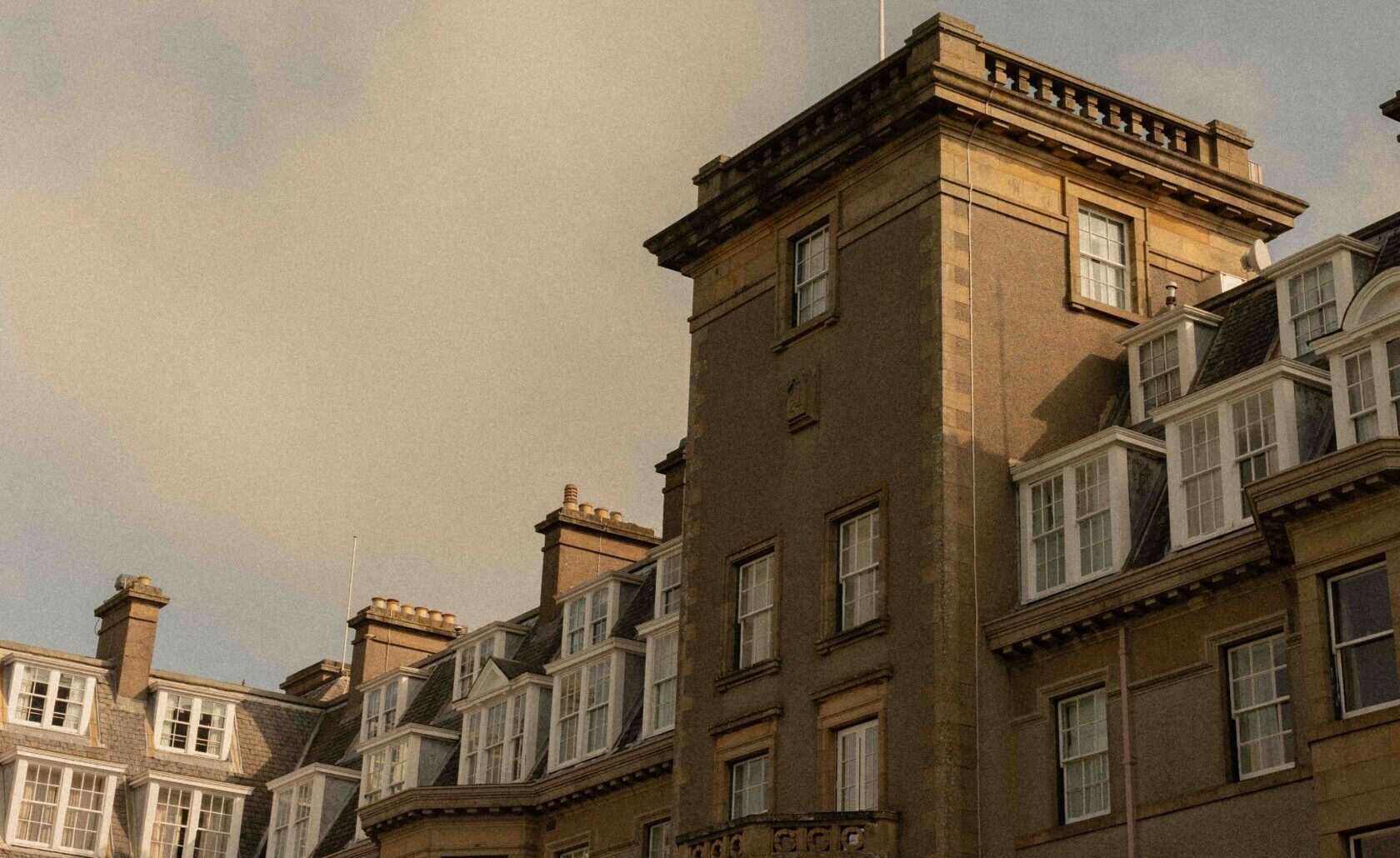
Tribe opened in 2008, and we renovated it around three years ago. We originally thought it would be 60 rooms, but it grew much larger. At one point it had 143 rooms; now it has 128 because we converted some space into a spa and combined some rooms into larger suites.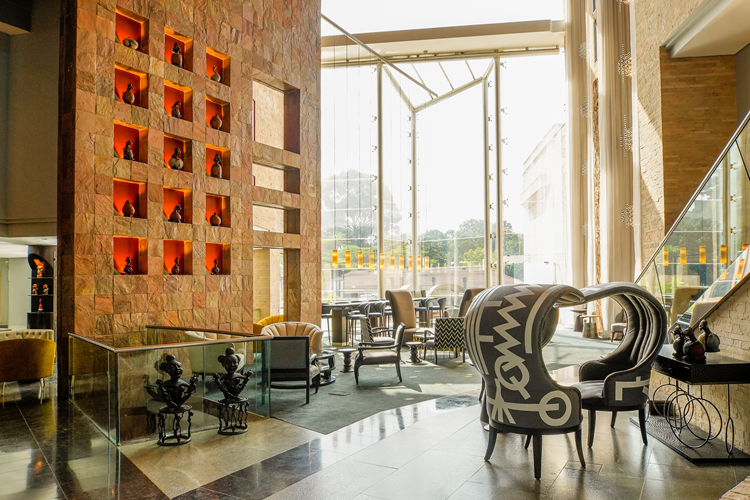
Who is the Tribe guest today?
There are really two distinct groups. The first is what I think of as the guests who come to us naturally because of our location. We’re in Nairobi’s diplomatic district, so we attract diplomats, government officials, military and intelligence personnel. Security is a major focus for us, and we operate within a large mixed-use complex, so that side of the business is significant.
The second group is the audience we actively go after: creative travellers, culturally curious people, art lovers and those looking for something different from the typical “Out of Africa” experience.
Where do most of your guests come from?
The US is our biggest international market. We also do very well with Nordic travellers, partly because of the embassy presence in Nairobi, and increasingly we’re seeing growth in domestic and regional demand too.
That’s one of the biggest shifts in recent years. Five years ago, regional African tourism wasn’t a major part of our business. Now we are seeing more guests from places such as Tanzania, Uganda and Nigeria, as well as more domestic travellers within Kenya.
That’s a really exciting development because it reflects a broader rise in African travel, creativity and affluence that is still often underappreciated from a Western perspective.
Why is it important to move beyond the traditional “Out of Africa” image of Kenya?
Because it’s a very romanticised, outdated view of the country. It’s tied to a colonial narrative that doesn’t reflect the real energy of Nairobi today. Nairobi is a city full of creativity. There’s so much happening in fashion, music, design, food and contemporary culture, but that often isn’t what international visitors are shown.
Instead, they are presented with old tropes: safari nostalgia, colonial aesthetics, very formal service. That never felt true to us. We wanted to create a platform that reflects what is exciting and relevant about Nairobi now.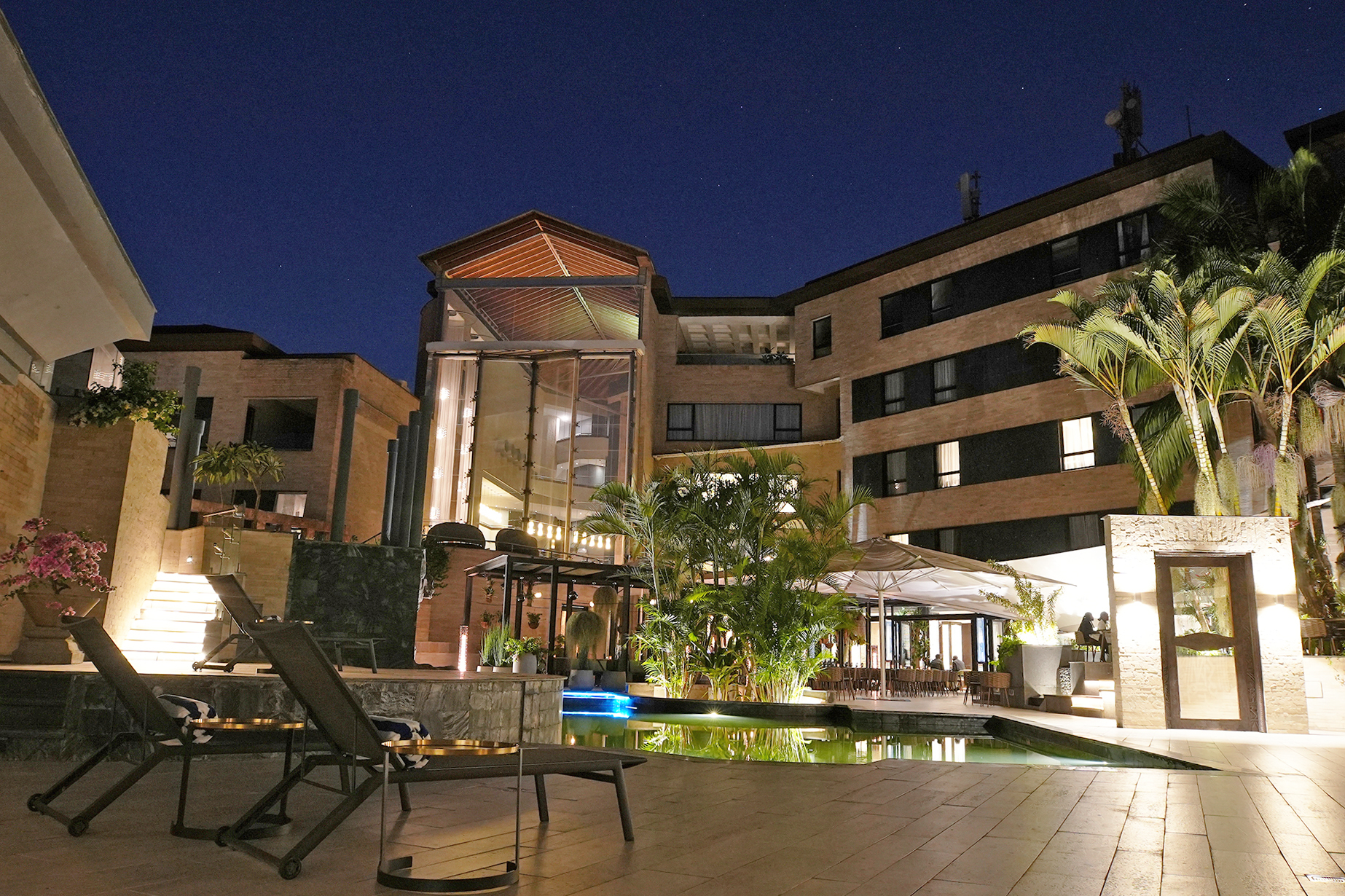
How do you help guests connect with the city in a more meaningful way?
We developed a programme built around a team we call the “chieftains”, who are essentially cultural insiders and guides. They take guests out into the city, at night or during the day, and help them experience Nairobi in a way that feels safe, personal and plugged into the real community.
A lot of visitors arrive with apprehension. Even seasoned travellers can find Nairobi intimidating at first. So instead of leaving guests to navigate that uncertainty alone, we make it easy for them to engage.
Our team can take them to nightlife spots, markets, artist studios, fashion ateliers or coffee tastings. Rather than sending someone to a gallery, we might introduce them directly to the artist. Instead of recommending a generic shopping district, we’ll connect them with designers and makers who are shaping the creative scene.
We’ve built a list of around 60 experiences with different experts, from tea tastings and coffee sessions to running with former elite athletes.
Running with former athletes?
Yes – that came from conversations with retired Kenyan runners. We realised some former elite athletes, despite their incredible achievements, often struggle after retirement. They may have made money but not know how to sustain themselves or channel their knowledge.
So we started thinking about how they could be integrated into the hotel ecosystem in a meaningful way. We now work with figures such as Patrick Makau, the former marathon world record holder, and another athlete named Henry, who is blind and runs with our guests.
That’s the kind of thing we love doing – finding the most inspiring people in Nairobi and creating ways for guests to meet them, learn from them and support them.
You’re also expanding to the coast. What can you tell us about the new beach project?
We’re opening a small beach property in Kilifi, on the Kenyan coast, hopefully from September, with the goal of being fully open by the end of the year. It’s a converted site with two houses that we’re transforming into a 13-room hotel.
Kilifi is fascinating because it has become a magnet for a very specific kind of community: eco-conscious, creative, entrepreneurial people who have chosen a slower, more intentional way of life. There are tech founders, designers, sustainability pioneers and artists all living there, and there’s a real exchange of ideas happening.
That local ecosystem is incredibly inspiring. You have people experimenting with everything from surfboards made from sisal to agave-style spirits produced from plants traditionally used for rope. It’s this tiny, highly inventive coastal hub. What excites us is not just the property itself, but the chance to connect guests with that community in the same way we do in Nairobi.
What does the broader portfolio look like today?
We currently have three hotels. Tribe is 128 rooms. Trademark Hotel is 215 rooms. Trademark Suites, which is more of an apartment-style property, has 106 rooms. Two of those are on the same larger complex and one is elsewhere in the city. So the Beach House becomes a different kind of experience entirely – smaller, more intimate and coastal – which works beautifully in combination with Nairobi.
And beyond the beach – what’s next?
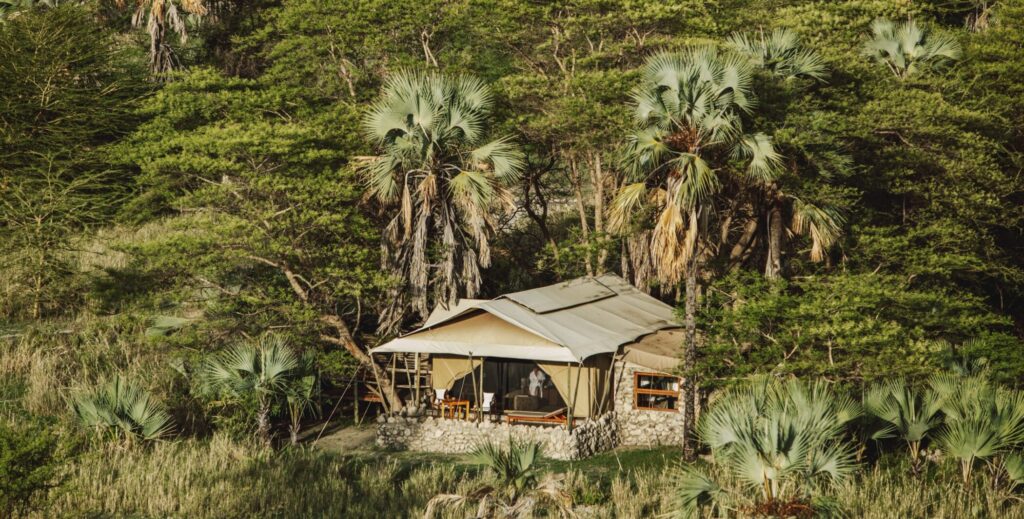
We’re also opening a safari property in the Maasai Mara, hopefully by the end of 2027. And, as with everything else, we want to challenge some of the conventions of safari hospitality.
One thing that always struck me is how awkward safari camps can feel if you don’t want to be out on game drives all day. It can feel as though the property doesn’t quite know what to do with you if you choose to stay behind. We want to change that by creating a camp where the lodge itself is an enriching destination.
That means more art, more thoughtful programming, more opportunities to relax, reflect and engage with the setting without feeling pressured to be out driving around constantly. It also means stronger culinary ambition, because food on safari is often underwhelming.
Food is a huge part of our DNA. Across the portfolio, we’ve developed multiple restaurant concepts – Thai, diner-style American, Greek, sushi and cocktails, pan-African – so we want the safari experience to feel equally exciting from a culinary perspective. We’re also planning a six-bedroom exclusive-use residence adjacent to the camp, with its own team and private hospitality set-up.
How would you describe the long-term ambition for the brand?
We’ve recently rebranded under the name Tribe Collection, which better reflects where we’re heading. The ambition is to be more than a hospitality company. We want to be an innovation brand as well. That could extend into wellness, restaurants, consumer products, furniture and lifestyle.
My brothers and I also have a gym brand called VMX, so health and wellness is already something we’re involved in. And because we design so much of our own furniture and lighting for the hotels, a lifestyle or interiors brand feels like a natural evolution too. The goal is to build an ecosystem around the values and aesthetic we believe in.
You work with your family very closely. What is that dynamic like?
It’s still very much a family business. My younger brother joined too, so there are three of us now, and my parents remain heavily involved. We all work closely together – my brothers and I even share the same office space.
We have very different personalities and skill sets, which helps. We also genuinely enjoy it. That’s probably the key thing. There’s a lot going on all the time, and I think that constant evolution keeps it interesting.
What do you think makes Nairobi such an exciting city right now?
It’s a city at the forefront of change. Nairobi is incredibly dynamic when it comes to technology, entrepreneurship and adoption of new ideas. People are curious, informed and open to experimentation. That creates a lot of momentum.
But what makes it especially exciting to me is the intersection of that innovation with culture. It’s not just a business or tech story. It’s fashion, art, music, food, design – all of these things are evolving at the same time. That’s why we feel so strongly that hospitality here should reflect the present and future of the city, not an old fantasy of its past.