

G Adventures founder says 'travel is the fastest route to peace'
G Adventures founder Bruce Poon Tip speaks to Globetrender about travel as a force for good, the rise of luxury adventure tourism and why he will never be able to visit Russia. Jenny Southan reports
In what way can travel be a force for good in the world?
"I think tourism is the fastest path to peace. If more people knew how other people lived and appreciated other cultures there’d be far less violence in the world and far less ignorance. People fear the unknown. If you never travel and you never see what life is like in Asia or Africa you can start to fear it. But when you travel you realise most people want the same things. They want to raise families, live with dignity and be treated with respect. Travel also helps people understand their place in the world. We’re all sharing this planet."
Does travel change how people feel about home as well?
"Yes. Travel gives you a greater understanding of where you come from. When you visit other cultures you come home with a greater appreciation for your own community. People sometimes feel guilty because after a big trip they can’t wait to go home. But that’s normal. You’ve left your comfort zone. When you come back you often value home more."
Can you share a personal example of that human connection across cultures?
"Delphine and I have been friends for 35 years and we’ve never spoken a common language. Delphine is the ranger from the rainforest where we started our first trip in 1990. We went to visit his tribe and he’s like a brother to me now. We call each other brothers. He’s been running groups for us for 35 years. I go back every five years and he does ceremonies to defend my spirits in the Amazon. We don’t communicate in the same language. It’s often translated. But we’re still very close."
What did he find most surprising when he visited Canada?
"When he came to Toronto for the first time he wanted to go to the zoo because he wanted to see animals from around the world. His main focus was pandas. He’d seen images of pandas but didn’t believe they existed. He also walked into a lunch buffet where the table was covered in fruit and he said, 'Oh my God, who brought all these fruits together in one place?' It made me realise that for him, fruit means climbing a tree. He doesn’t take it for granted."
Zooming out, how do you feel about the future of travel globally?
"I don’t have a lot of hope in the industry but I have a lot of hope in travellers. The next generation is asking better questions and changing how they research, book and travel. Gen Z is inheriting a planet that we didn’t inherit. They’re going to have to fix what previous generations broke."
How much does geopolitics affect what you do?
"We’re at the whim of geopolitics. In the last five years we’ve had Covid and then different conflicts and disruptions. It affects where people can go and how they can fly. We’ve had passengers stranded and we’ve had routes impacted because people can’t fly over certain areas.
"Some destinations that used to be big for us have fallen away for periods. China was a top five destination for us. Egypt was top five. Some places go quiet then come back. Colombia was dead for years and now it’s booming. Guatemala was dead and now it’s back. It rotates. Our travellers are resilient. They still want to travel, they just pick different places."
How is business performing in that context?
"We’re growing strongly. February was up 28% year on year. Overall our year on year growth is in the high teens, around 18%. March is on a similar trajectory. But the travel industry is still fickle because news cycles can make people nervous. We see people hold onto their money for a while then they still go on holiday."
Tell us about your new National Geographic Signature itineraries for the luxury segment.
"Signature is the highest end of luxury for us and it came from a unique opportunity. National Geographic decided to get out of the operations business and ran a global RFP. It took almost a year and it was tough. But it meant we could take over a major piece of business rather than building something from zero."
Why do you think you won that business?
"We believe we won it because of the community tourism element we could bring. We felt we could create a high-end programme that didn’t exist before. Also National Geographic has given us access to more of their content, more experts and more relationships. That means we can do things like private dinners in museums after hours because it’s National Geographic. But you still need people on the ground to negotiate access. We have teams in destinations and offices everywhere, so we can build and run the programmes locally rather than doing everything from North America."
What does Signature look like in practice?
"Signature isn’t active in the way our more physical trips are. It’s active in the sense that you move around but it’s not about kayaking or tough trekking. It’s about learning, access and comfort. There are National Geographic experts along the way who cover biology, history and archaeology. There’s also food and wine and high-end accommodation."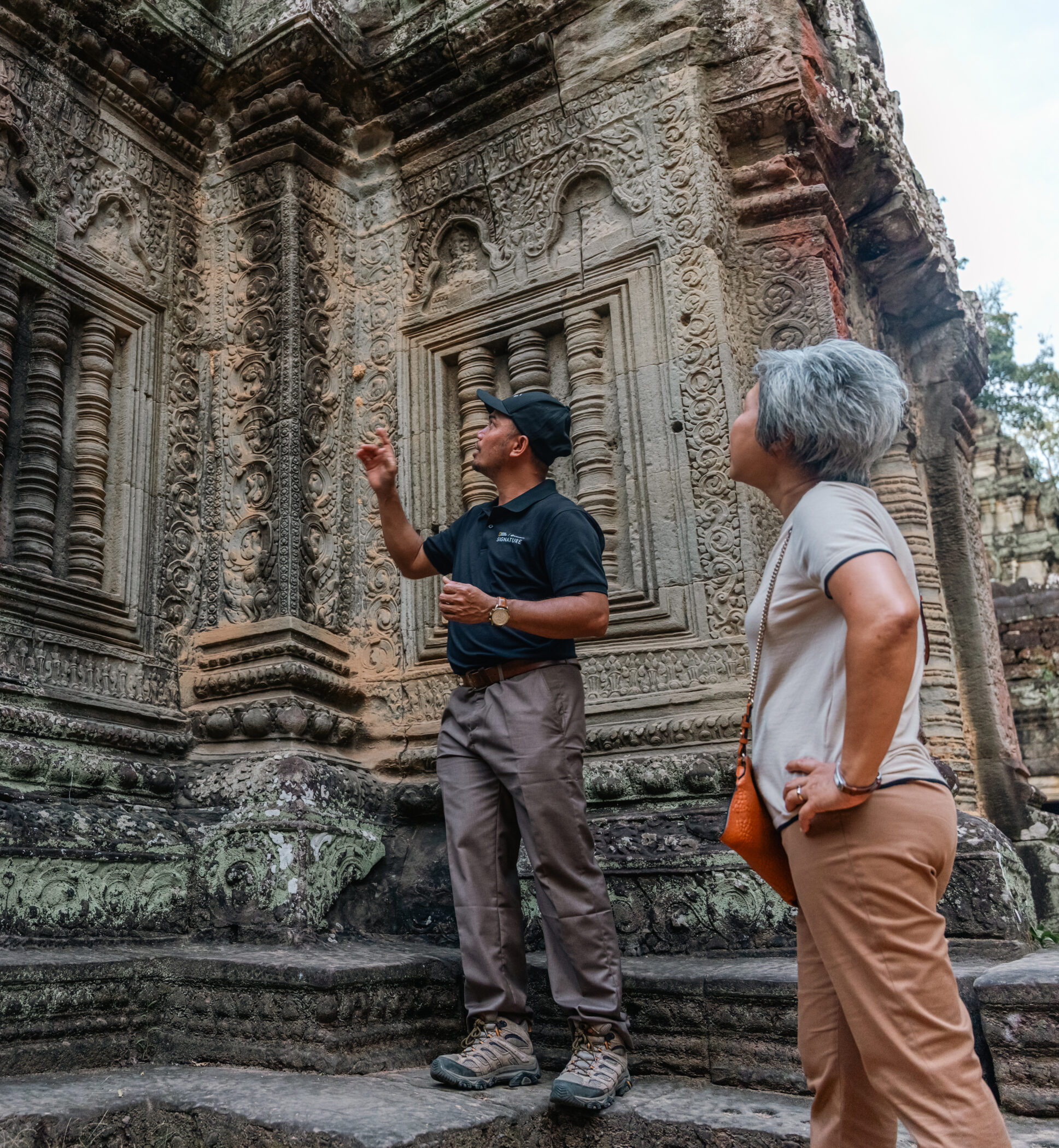
How do you define luxury across your different trip styles?
"For our Gelux product, luxury means the best available accommodation without compromising the community element or the experience. If there isn’t a five-star option in an area we still go, but we use the most comfortable place available. Signature is different because it sits at the top end and it depends on having contracts with some of the most beautiful hotels in the world. That’s why it’s another level for us."
Who is booking these trips and how is your audience changing?
"Demographics are a big thing for us. Our data used to show customers disappearing around age 30 and then coming back around 45, often when they had families. Launching Signature is also bringing us access to agents and media we weren’t speaking to before. We’re getting younger and older at both ends, depending on whether you look at passenger numbers or revenue. Signature trips can be US$12,000 to US$14,000, while some younger-focused trips can be closer to US$900."
How important are travel agents to your business?
"Agents are huge for us. More than half our business comes through some form of wholesaler travel. We service around 60,000 travel agents a year. Our trips are high touch and people need help preparing. It’s not like booking a resort where you already know what to pack. People need guidance on clothing, insect repellent, weather and climate and what to expect in remote areas."
Do you think AI will replace travel agents?
"Travel agents were supposed to be replaced by the internet but they’re still important. They’ve adapted. There was a time when agents could survive selling air tickets. Now they sell land, cruises, resorts and niche products like ours. More than 50% of our business come through some form of wholesaler travel."
Has adventure travel become more mainstream?
"Yes, but I think it’s also about destinations. When people go on cruises they often care more about amenities than where they’re going. Resorts can be similar because people don’t leave the property. But now more people want to see Peru or the Galapagos. They want to see more of the world. People are staying active for longer too. I’m 59 in three weeks and I went to Patagonia last week with friends turning 60. I don’t think 60-year-olds did that as commonly 20 years ago."
Who is most interested in transformation and wellness travel?
"Transformation and wellness is more Gen Z and millennials. It’s a bigger part of their lifestyle. The older generation who have more money are often more focused on experiences."
You were an executive producer on The Last Tourist documentary, which you also commissioned. What impact has it had?
"I thought it would be more negative, but it’s been positive. It came right on the heels of Covid and it became a rallying cry for what travel can be. The process of making it was tough. There were creative differences because I come from business and I care about the pure message, while producers need to make entertainment. Some producers quit and there was turmoil. But people loved the final film, so I regret some of the fights."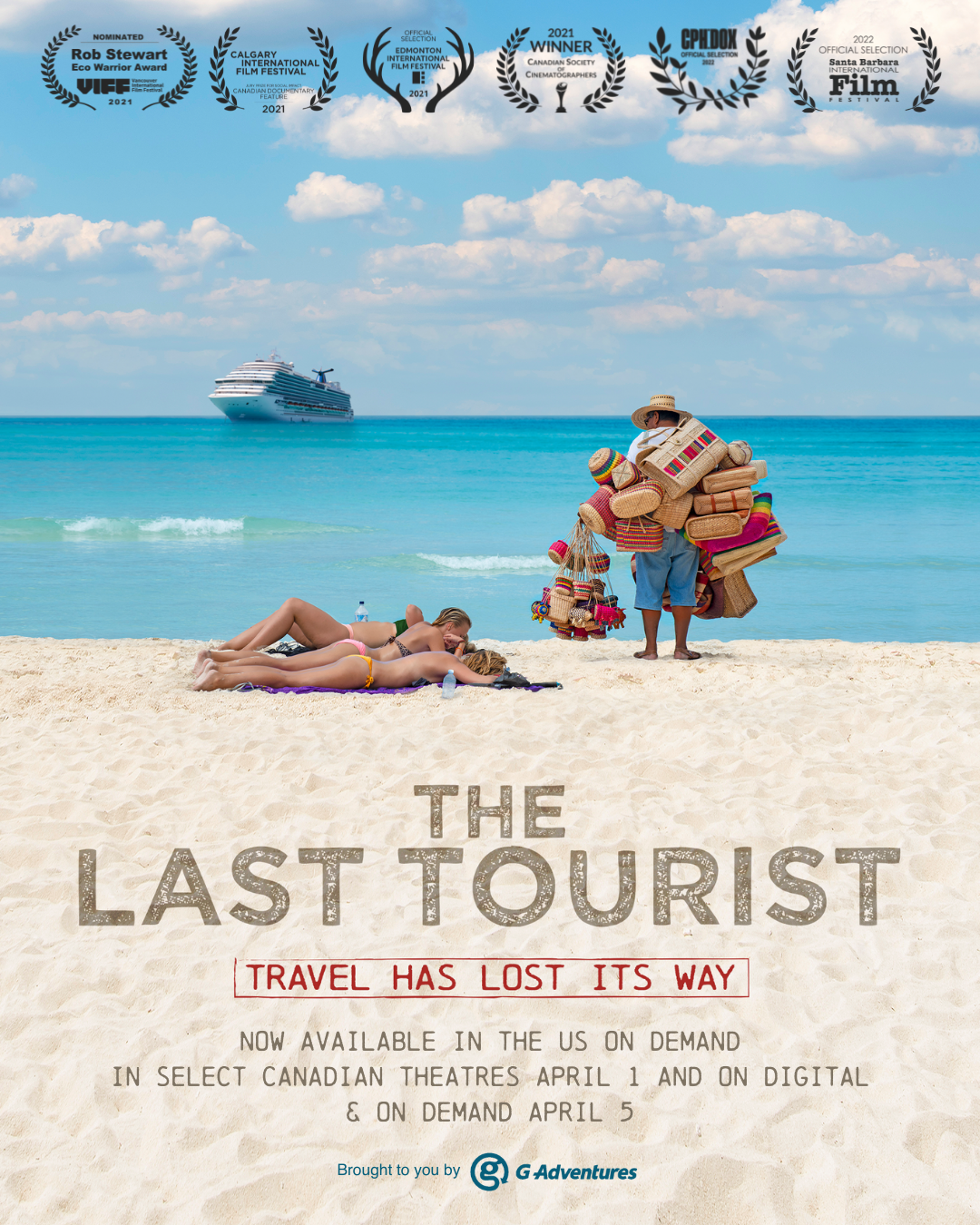
What message from the film resonated most?
"Tourism leakage was one of the most important points. What stood out varied by market. In the UK people cared most about animal welfare. In Australia it was child welfare and adoption. In Canada it was the environment."
How do you manage growth without harming communities?
"We’re still niche. We’re tiny compared to big operators. But our over-tourism challenges can be real because we go into remote communities. A group of 15 can have an impact on a village of 30 if it’s not managed well. Communities are vulnerable to commercial activity. Even small groups can disrupt culture and daily life if visits become too frequent. That’s why indigenous community guidelines matter."
Are there places you can’t operate in right now that you wish you could?
"Russia. I’m sanctioned for life. Putin sanctioned 200 Canadians in retaliation for sanctions by Justin Trudeau and I was number 197. I’ve never been and I don’t think I’ll ever feel safe going."
Finally, what is your book and when is it out?
"The book is called Communityship and it’s about our company culture and leadership, built around the concept of 'ship'. I wrote it three times. It was supposed to come out earlier but it’s now delayed to September 1, 2026."