

Cookson Adventures returns to Antarctica's Pole of Inaccessibility
Cookson Adventures founder Henry Cookson will return to Antarctica's Pole of Inaccessibility 20 years after his record-breaking expedition, taking five guests on an 11-day journey costing from US$340,000 per person.
Cookson Adventures has announced a private expedition to Antarctica's Southern Pole of Inaccessibility, one of the continent's most remote locations, in December 2026.
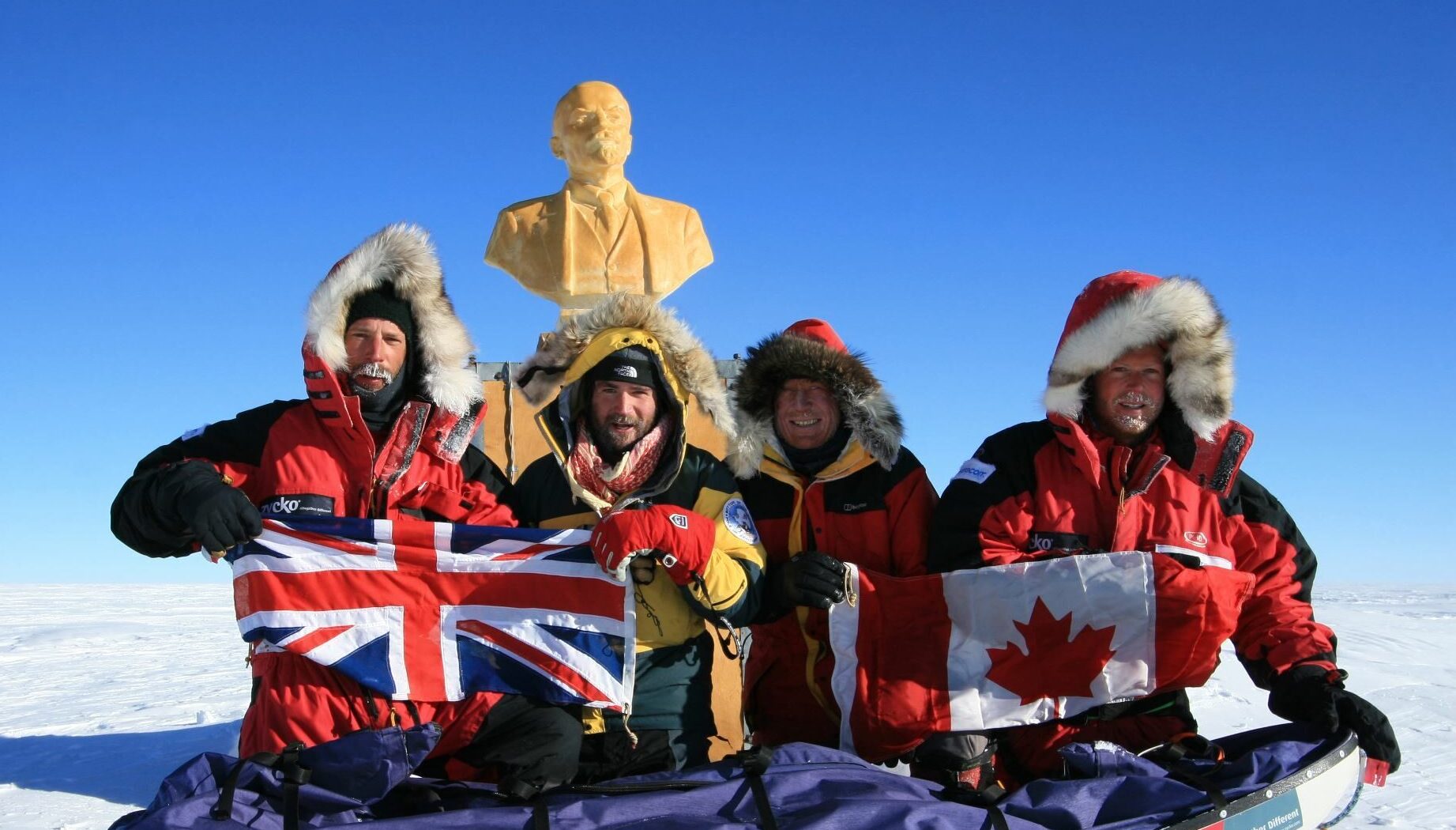
The trip will mark 20 years since company founder Henry Cookson reached the Pole of Inaccessibility without mechanical assistance. He will return with five guests, travelling by aircraft and adapted 4x4 vehicles rather than repeating the original journey on foot and by kite ski.
The Pole of Inaccessibility is the point on the Antarctic continent furthest from the ocean. It lies beyond the more familiar South Pole and has been visited by relatively few people, mainly polar explorers and scientists working for national Antarctic programmes.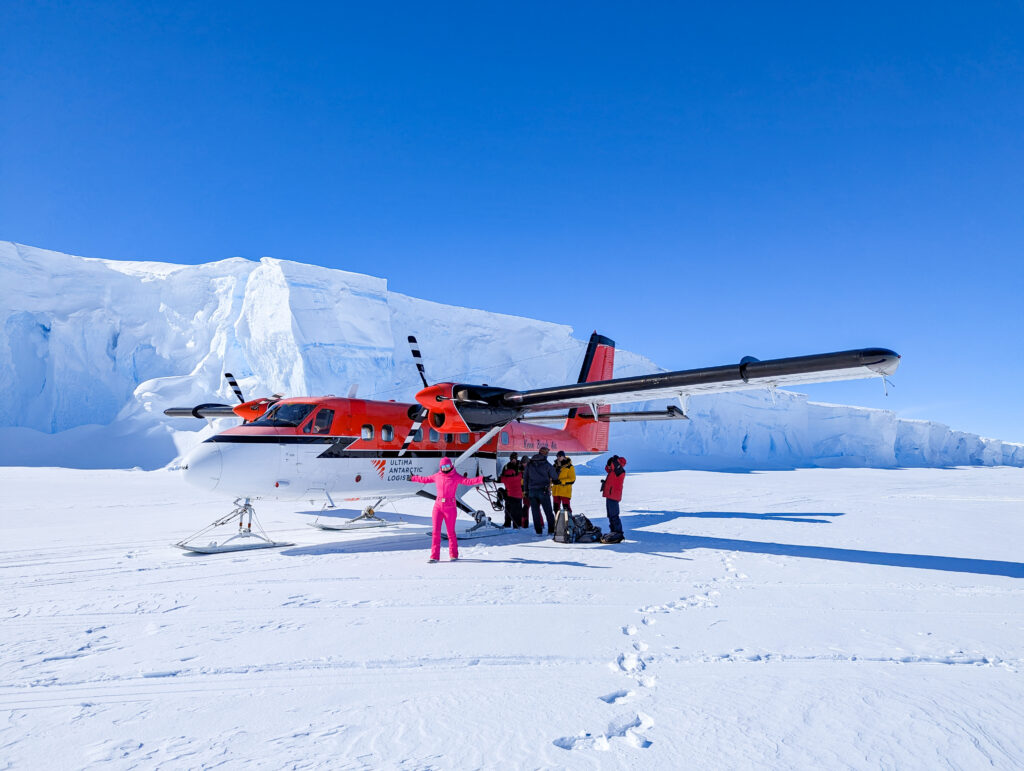
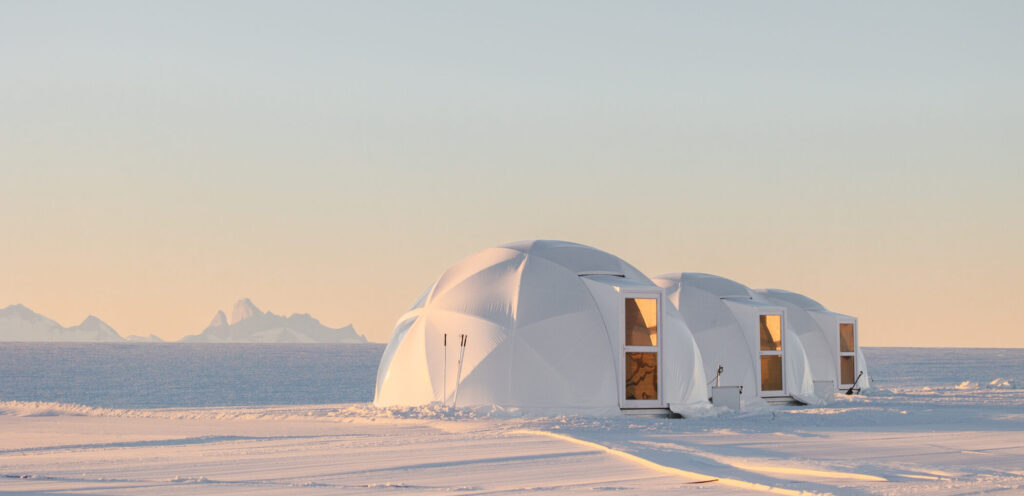
Running from December 5-15, 2026, the new expedition will begin with a flight from Cape Town to the Novolazarevskaya ice runway aboard an Ilyushin Il-76TD-90VD aircraft. Guests will then transfer to Ultima Camp in the Schirmacher Oasis, where accommodation is provided in cabins.
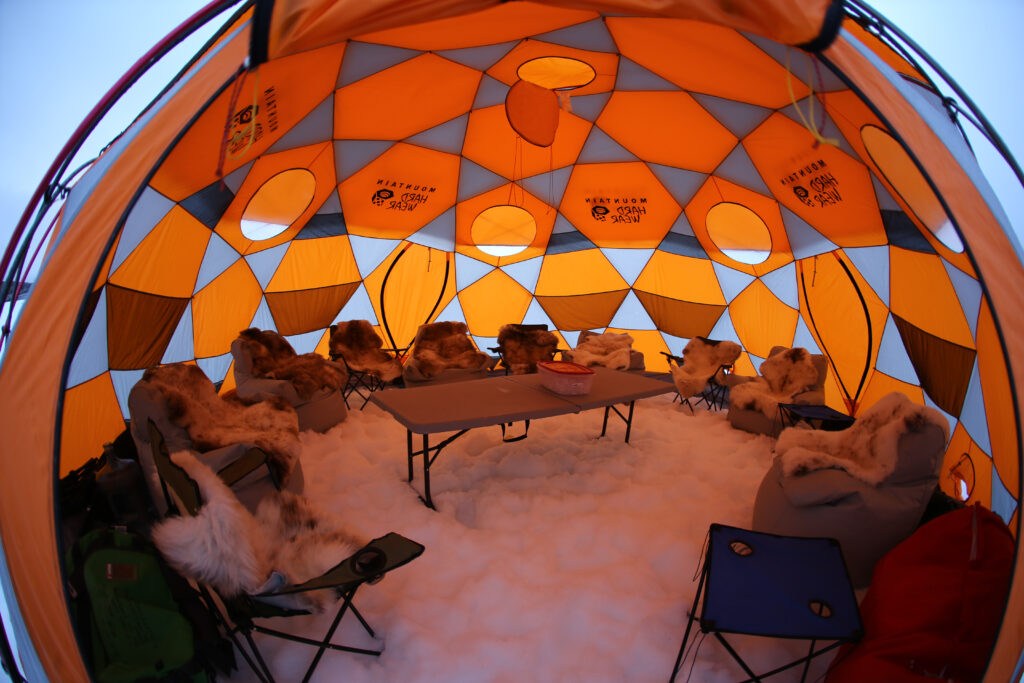
After equipment checks and safety and biosecurity briefings, the group will fly aboard a ski-equipped DC3 to a remote field depot known as FD83. From there, they will spend two days crossing the eastern Antarctic plateau in adapted 4x4 Arctic Trucks. Guests will also have the opportunity to drive the vehicles. Temporary expedition camps using tunnel tents will be established each night during the crossing.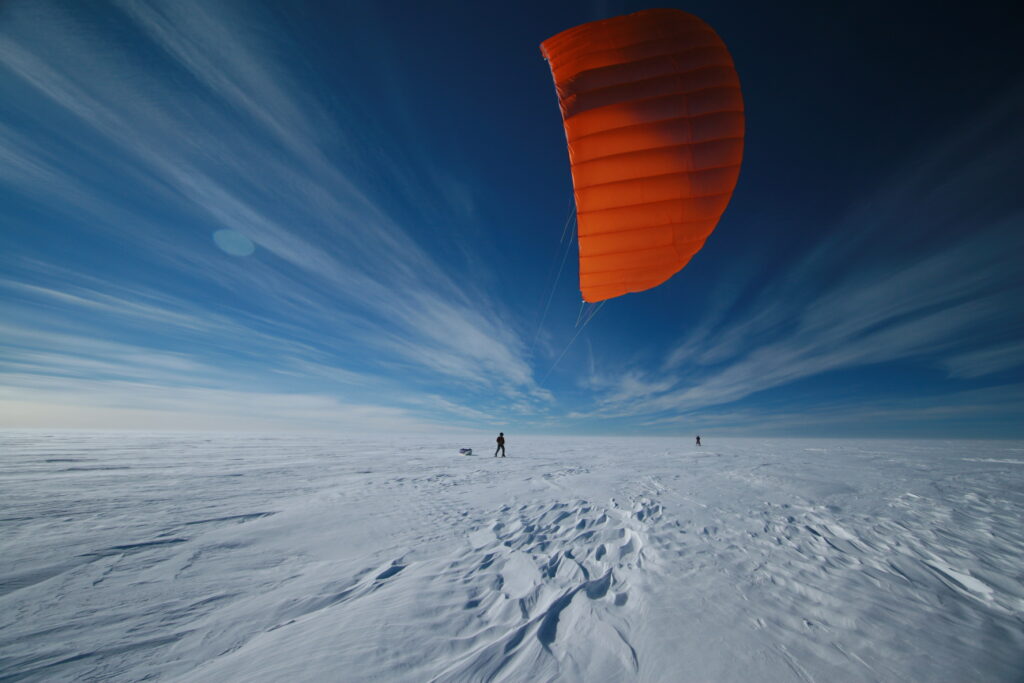
At the Pole of Inaccessibility, where temperatures typically range from -35°C to -40°C, guests will encounter one of the few visible reminders of a former Soviet research base: a bust of Vladimir Lenin. The statue was left by a Soviet expedition in 1958 and remains above the snow, facing towards Moscow.
Cookson Adventures plans to stage a dinner beside the landmark before the group is collected by ski plane the following day.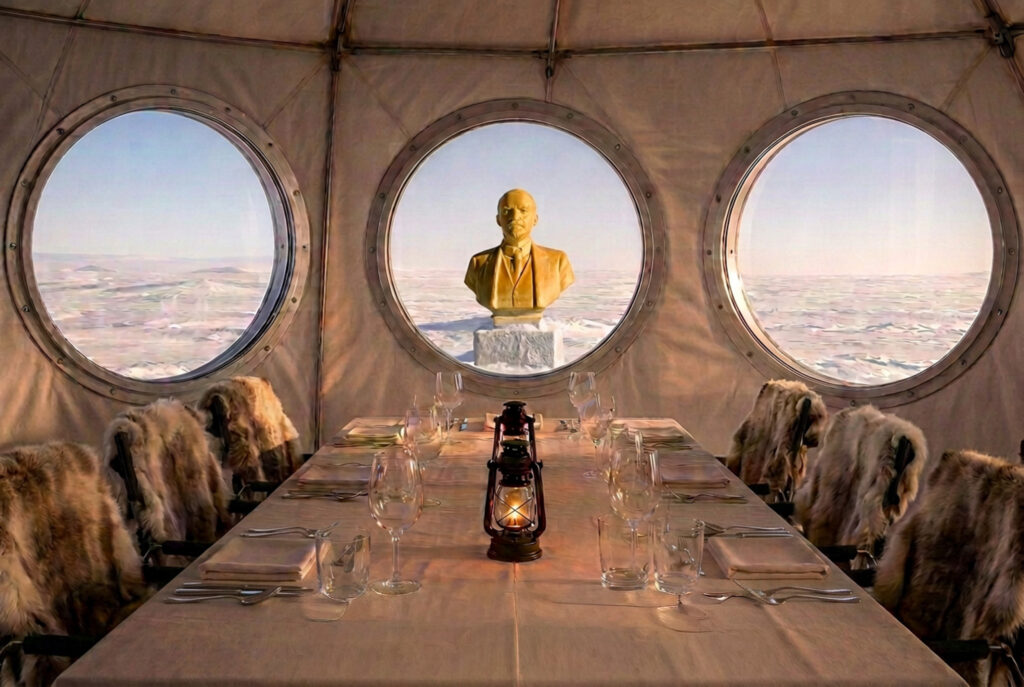
Henry Cookson says: "Rediscovering Lenin and being the first people in history to reach the Pole of Inaccessibility on foot with my three companions changed the course of my life and it was the genesis of Cookson Adventures.
"Back in 2006, we reached our record breaking 48th day, after a 1,700km manhaul and kite skiing expedition, which took over 18 months of intensive planning and required us to be down in Antarctica for nearly two months. Returning there is not something I take lightly, but I always knew I would revisit as I have unfinished business there."
He adds: "This expedition is an invitation to a small group of pioneering guests to join me on the most personally relevant adventure we’ve ever offered. I'm looking forward to sharing it again, this time with five new like-minded explorers by my side, but with a much more comfortable and time efficient approach. We will also be sitting down for one of the world’s most remote and extreme dinner set up, which I am very much looking forward to."
The itinerary includes three days at Ultima Camp to provide flexibility around Antarctica's unpredictable weather. Activities are due to include glacier hikes, guided climbs, a traditional banya and ice baths.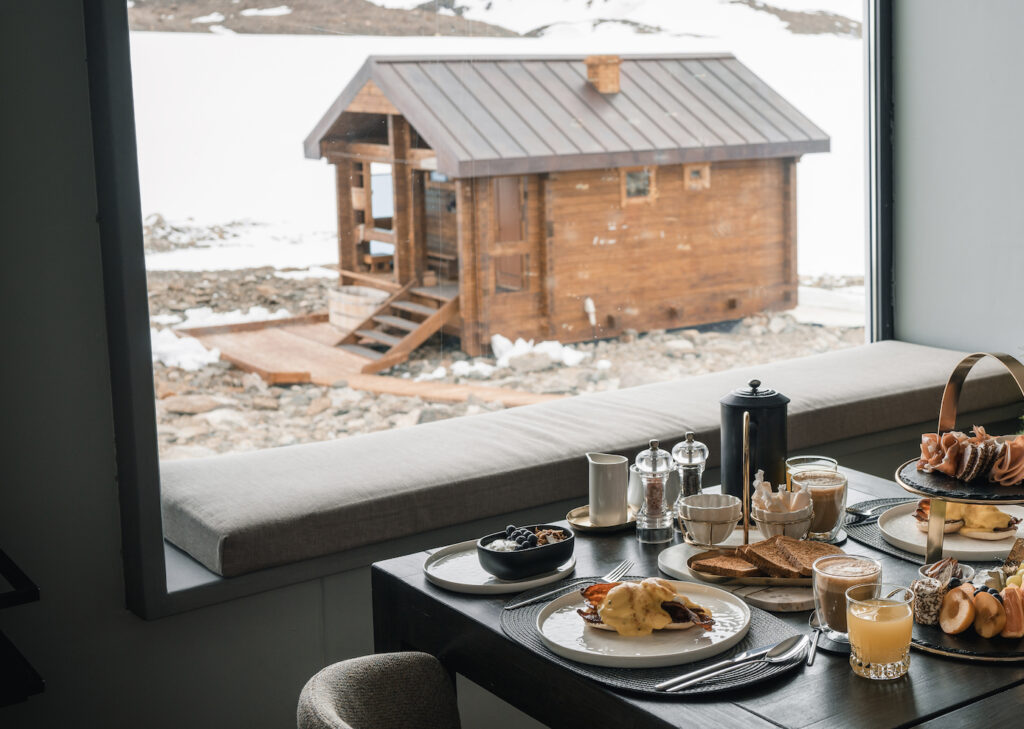

Guests will also take a private trip to a remote skiway to see a colony of emperor penguins. The December timing means chicks are expected to be present alongside adult birds. The group is scheduled to fly back to Cape Town on December 15.
The 11-day Pole of Inaccessibility expedition costs from US$340,000 per person for a group of five. The price includes planning, accommodation, transport, logistics, guiding, food and drink and specialist winter clothing.
No specific expedition training is required, although guests must be medically fit enough to cope with altitude and temperatures approaching -40°C. The itinerary remains dependent on Antarctic weather conditions.
Cookson Adventures was established in 2007 and specialises in private adventure travel. Its previous projects include what it describes as the first private submersible dive in Antarctica as well as conservation-focused expeditions in Africa and the Galapagos Islands.