

Ian Schrager opens Public West Hollywood where rooms have private cinemas
Ian Schrager has opened the Public West Hollywood, where rooms have 4K projectors, there's a rooftop park and a rebellious approach to luxury
Just over ten years since the first Public hotel opened in New York, a second property from the brand has finally come to LA. The Public West Hollywood debuted this month, promising to "blaze a new trail" for hospitality, says founder Ian Schrager.
There is no celebrity chef, no traditional reception desk, no televisions dominating the bedrooms and no flashing nightclub lights. Instead, Schrager has focused on what he believes modern travellers actually want: convenience, comfort, entertainment and the freedom to spend their time as they choose.
The hotel builds on Schrager's Public concept, which operates under the philosophy of "luxury for all". The idea is to offer high-quality design and experiences without the formalities traditionally associated with five-star hotels. However, with rooms starting at US$450 per night, this is hardly democratic, even if it is more competitively priced than many conventional luxury hotels.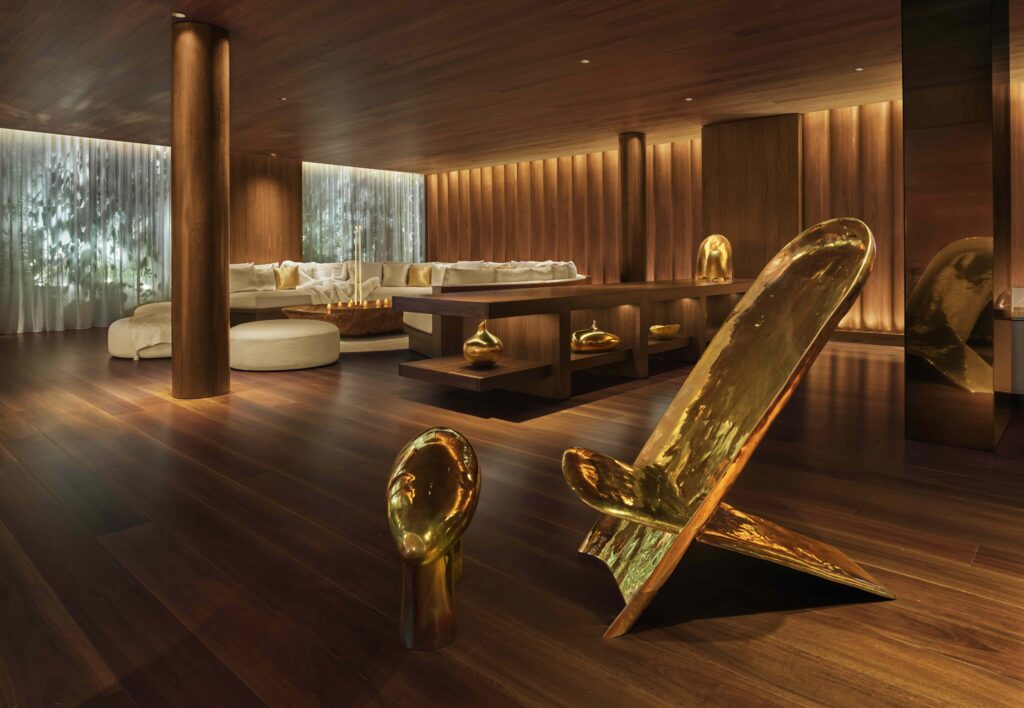
Schrager, who co-founded New York nightclub Studio 54 in 1977 and helped establish the boutique hotel movement with the opening of Morgans in 1982, has spent almost five decades developing hotels, restaurants and nightlife venues.
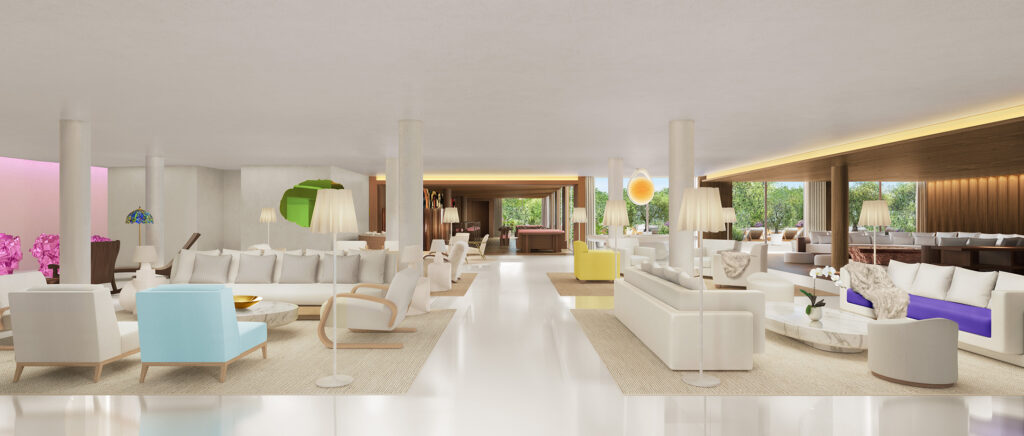
His latest project takes inspiration from Southern California, combining the region's outdoor lifestyle with Hollywood's entertainment culture. And he's not shy of using colour. 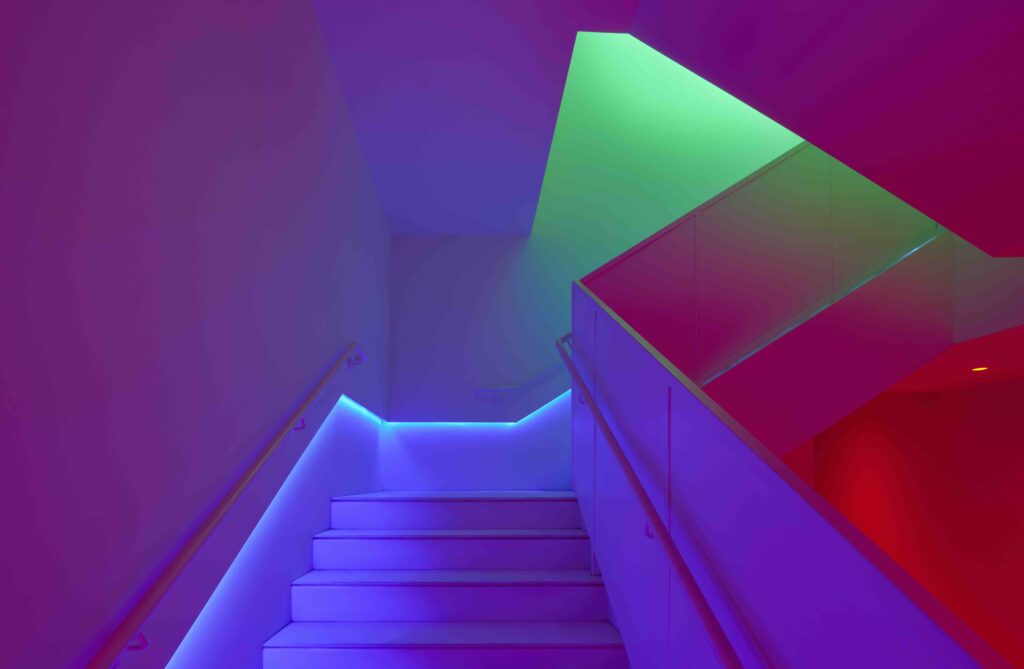
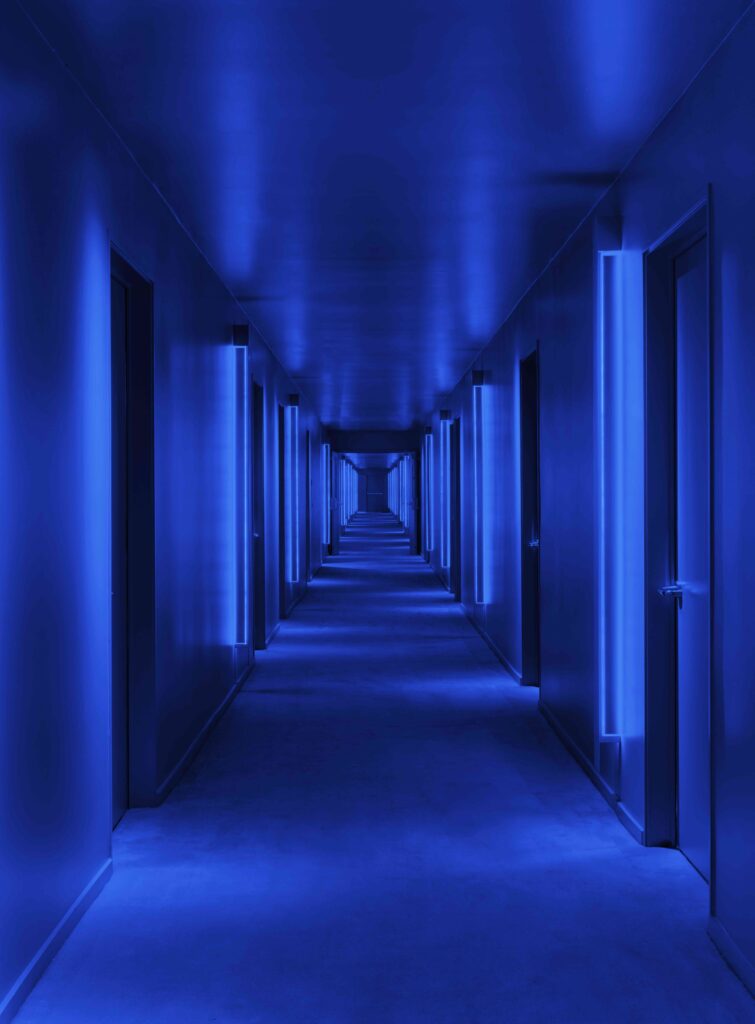
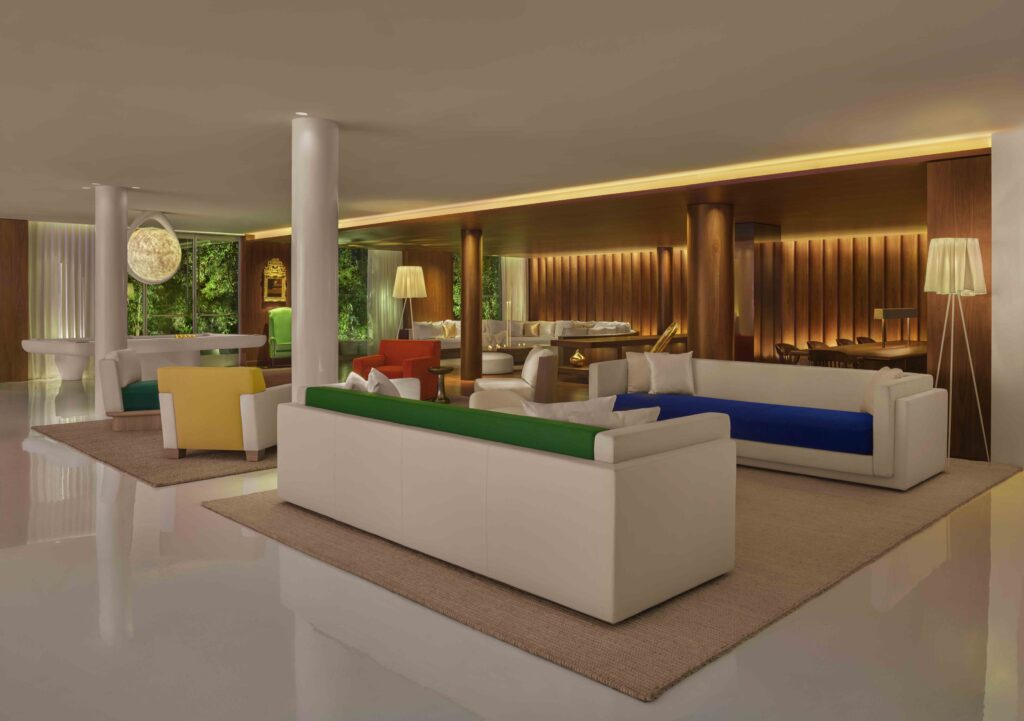
One of the hotel's most unusual features is the amount of space dedicated to outdoor living. Some 75% of its public areas are outside, including the Roof, a private park covering approximately 3,035 sqm (three-quarters of an acre), with panoramic views of the Hollywood Hills, Downtown Los Angeles and the wider LA Basin.
Inspired by urban green spaces including Central Park in New York, London's Hyde Park and Griffith Park in Los Angeles, the rooftop accommodates sports, daily wellness classes, picnics, campfires and art installations. A nine-metre outdoor cinema screen provides a setting for film screenings and private events.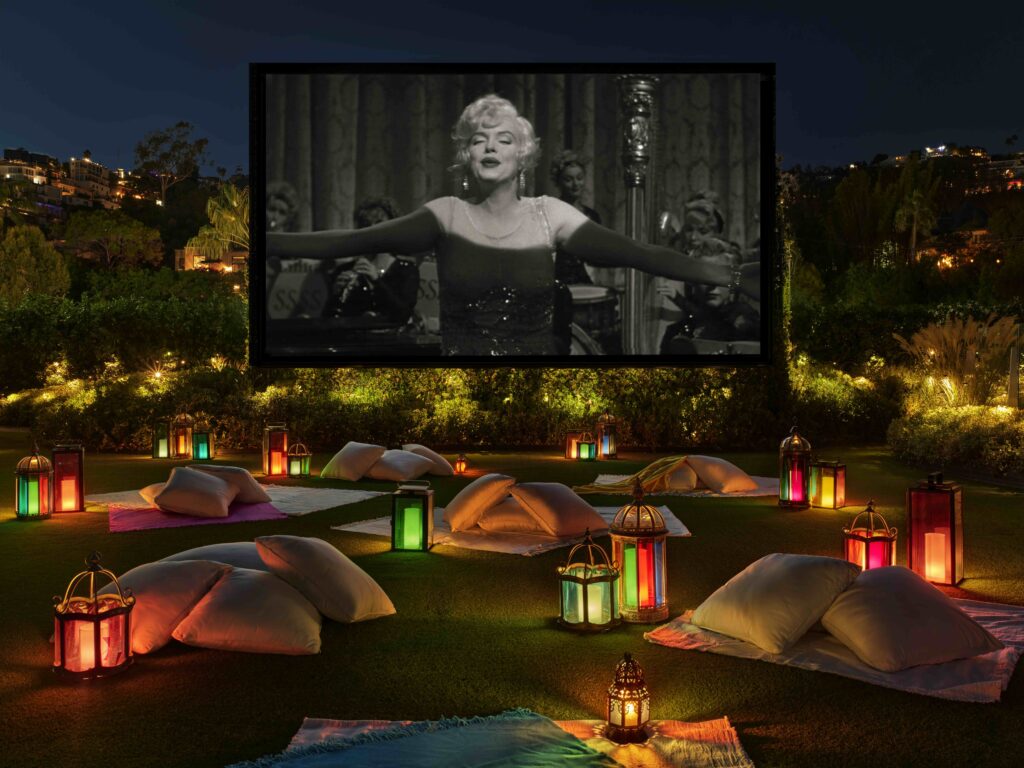
Inside, Schrager has rejected the conventional hotel arrival experience. Rather than asking guests to wait at a reception desk, perhaps with a free glass of champagne, the emphasis is on getting them to their rooms as quickly as possible.
The restaurants and bars also avoid the celebrity-chef model, focusing instead on casual dining, fresh ingredients and relatively accessible pricing.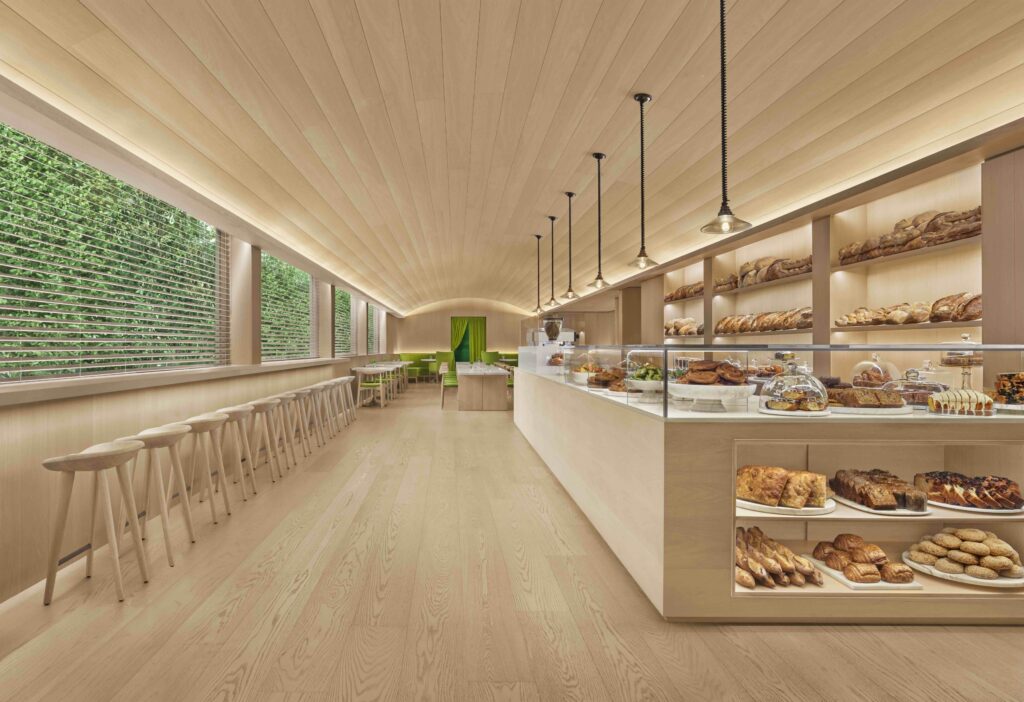
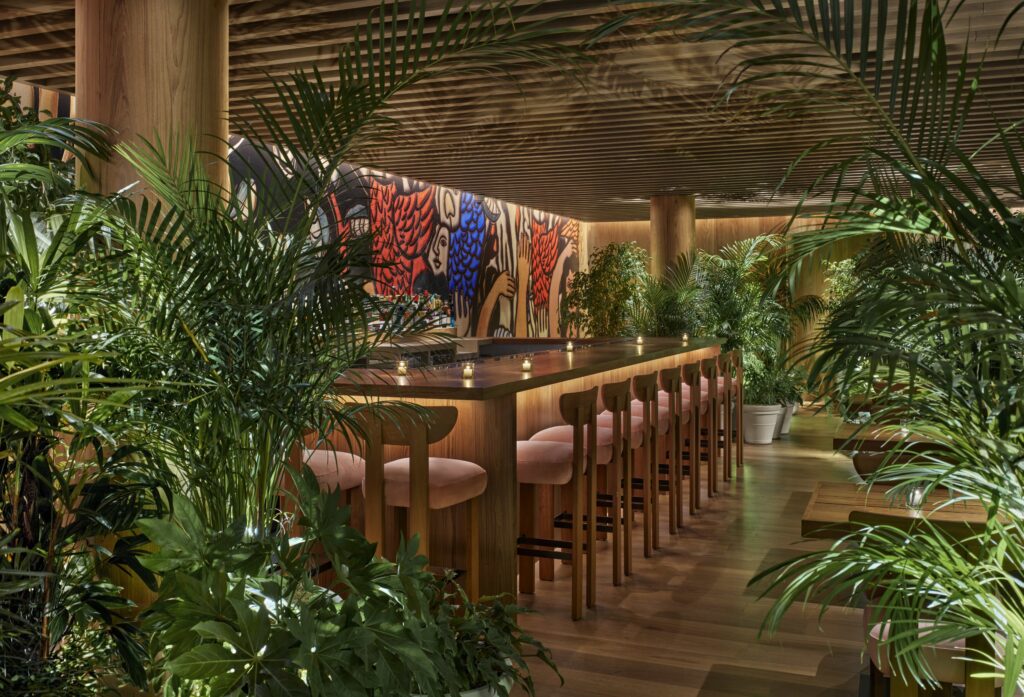
The guestrooms are conceived around what Schrager calls an "anti-design" philosophy. Rather than prioritising how a room looks, the emphasis is on how it makes guests feel, with simplicity, comfort and ease taking precedence over decorative flourishes.
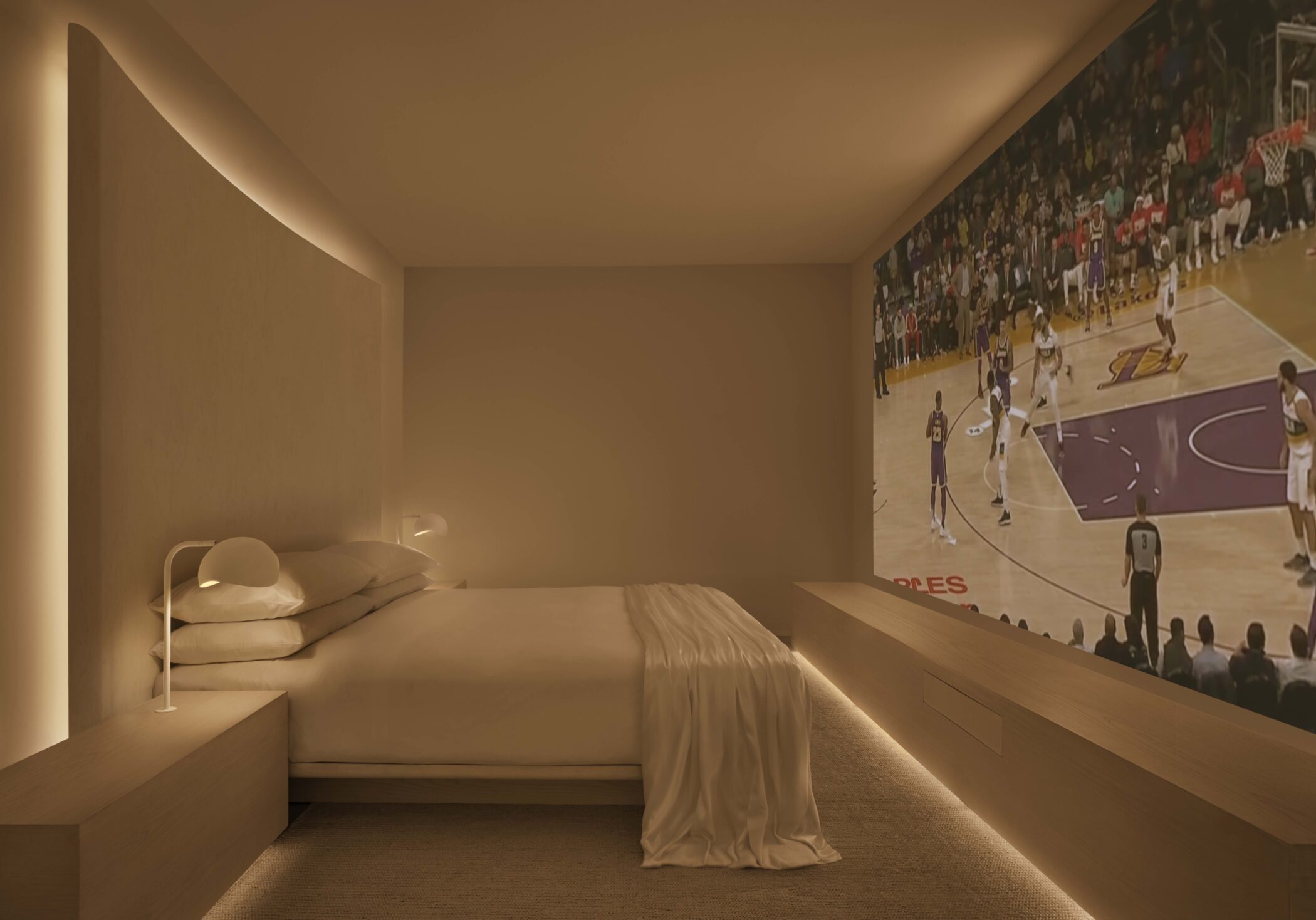
Instead of wall-mounted televisions, each room features an 11-foot-wide (3.35-metre) floor-to-ceiling projection surface and a specially designed short-throw laser projector offering 4K visuals.
This allows guests to transform their bedrooms into private screening rooms, bringing a cinematic element to the hotel experience in the heart of Hollywood. The rooms are also designed to accommodate multiple activities, from sleeping and working to watching films and entertaining.
Nightlife is another central part of the property. Schrager has created a speakeasy-style nightclub that dispenses with flashing lights in favour of dark interiors, immersive sound and an atmosphere designed for both conversation and dancing.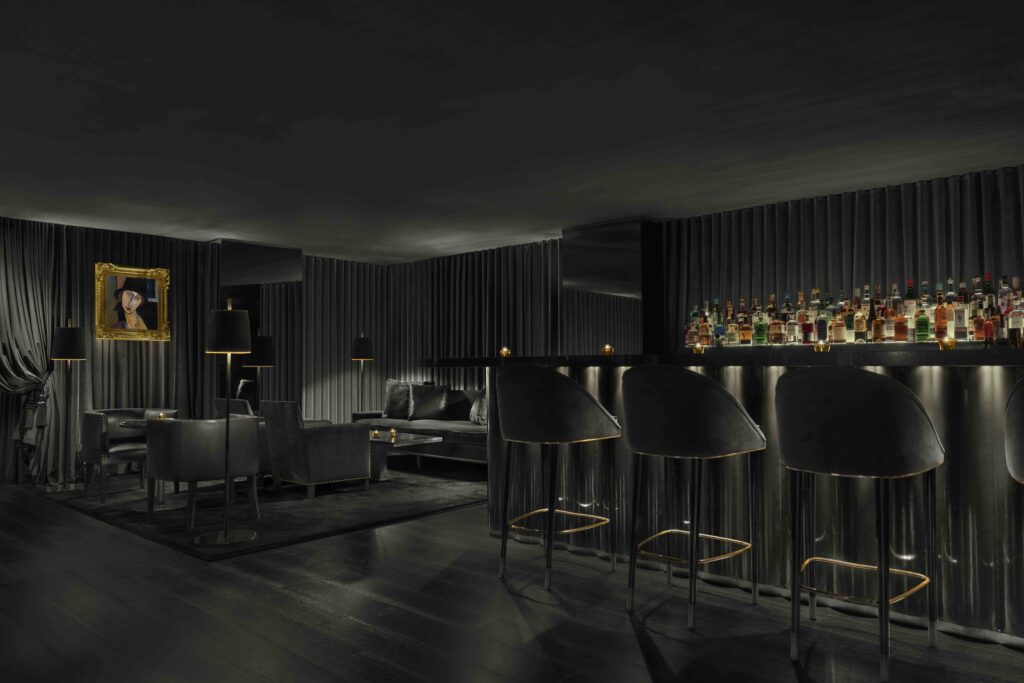
He describes the experience as "tantamount to dancing in a sealed-off immersive sound stage, where you can actually feel the vibrations of the music in addition to hearing it."
The concept draws on Schrager's experience at Studio 54, although the new venue places greater emphasis on acoustics and sensory immersion than elaborate effects.
His approach also challenges the increasingly formulaic aesthetic of contemporary luxury hotels, where minimalist interiors have become almost as predictable as the opulent designs they replaced.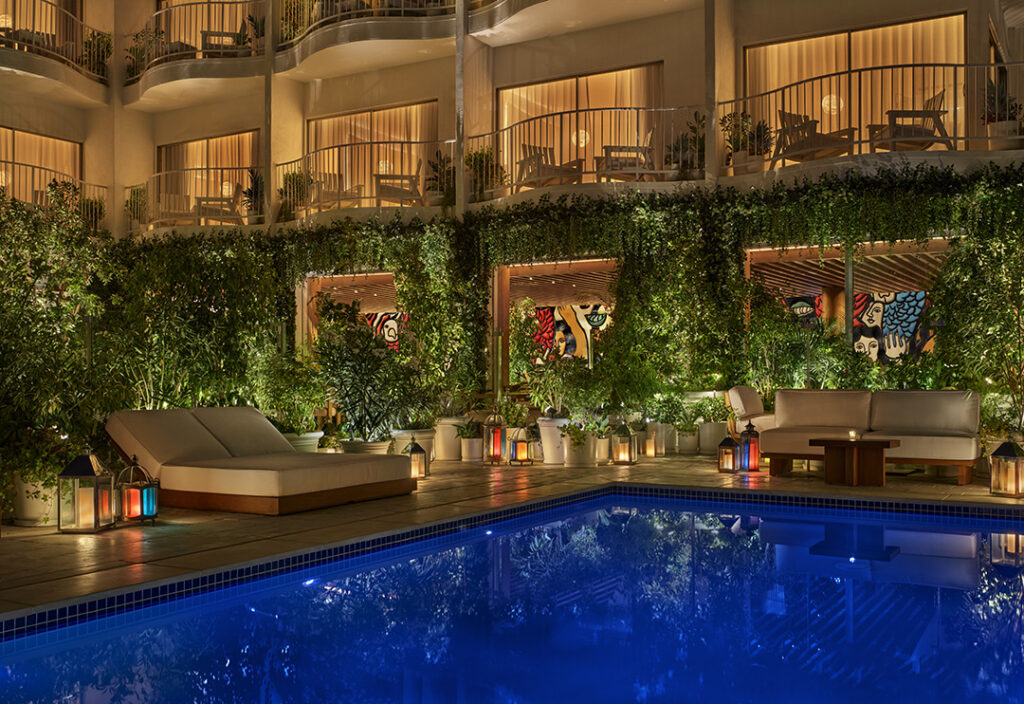
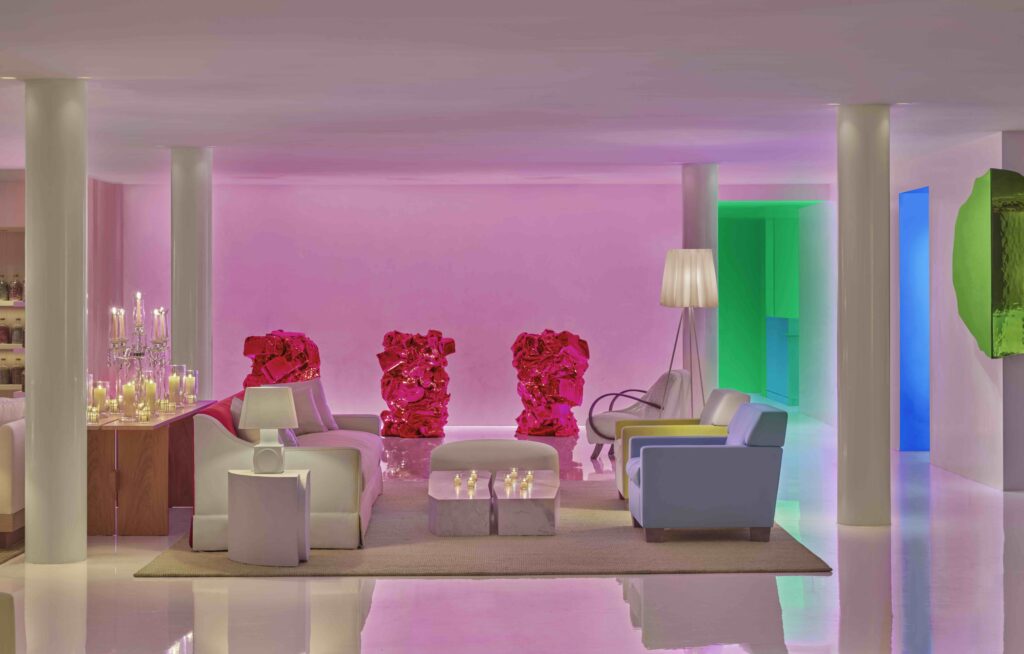
Schrager says: "I've always sought to go where no one else has gone. To stand alone. To always be subversive to the status quo." He is also critical of what he sees as a lack of originality in the hospitality industry.
"The very system of a hotel itself and high costs to create products stifle and do not encourage or reward innovation…or taking chances or risks… to do something original," he says.
Schrager argues that hotel companies have become increasingly reliant on standardised designs and operating models, making it harder for genuinely different concepts to emerge. Rather than adding more amenities, elaborate service rituals and visible signs of extravagance, Schrager is asking what can be removed without compromising the experience.