


New expat livability index ranks world's best relocation cities
A new report from Global Citizen Solutions assesses 35 cities through the lens of international relocation, revealing the trade-offs between affordability, mobility and social integration.
Global Citizen Solutions (GCS) has published its first World’s Most Livable Cities for Expats report, ranking 35 destinations across six continents according to the factors that matter most to internationally mobile residents.
Produced by the firm's Global Intelligence Unit (GIU), the report reflects a changing global landscape in which more than 300 million people now live outside their country of birth. According to the study, today's mobile population extends far beyond corporate expatriates and includes remote workers, retirees, entrepreneurs and location-independent families seeking new places to live and work.
Unlike traditional city rankings, the report evaluates destinations specifically through the lens of relocation. Alongside established measures such as healthcare, safety and cost of living, the index introduces enhanced mobility as a core indicator. This measures the passport strength, visa access and international mobility opportunities associated with living in a particular jurisdiction.


The cities were assessed across seven categories: cost of living, safety, air quality, healthcare, ease of settling in, English proficiency and enhanced mobility. Scores were normalised on a scale of zero to 100, with safety and healthcare receiving the greatest weighting due to their importance in long-term relocation decisions.
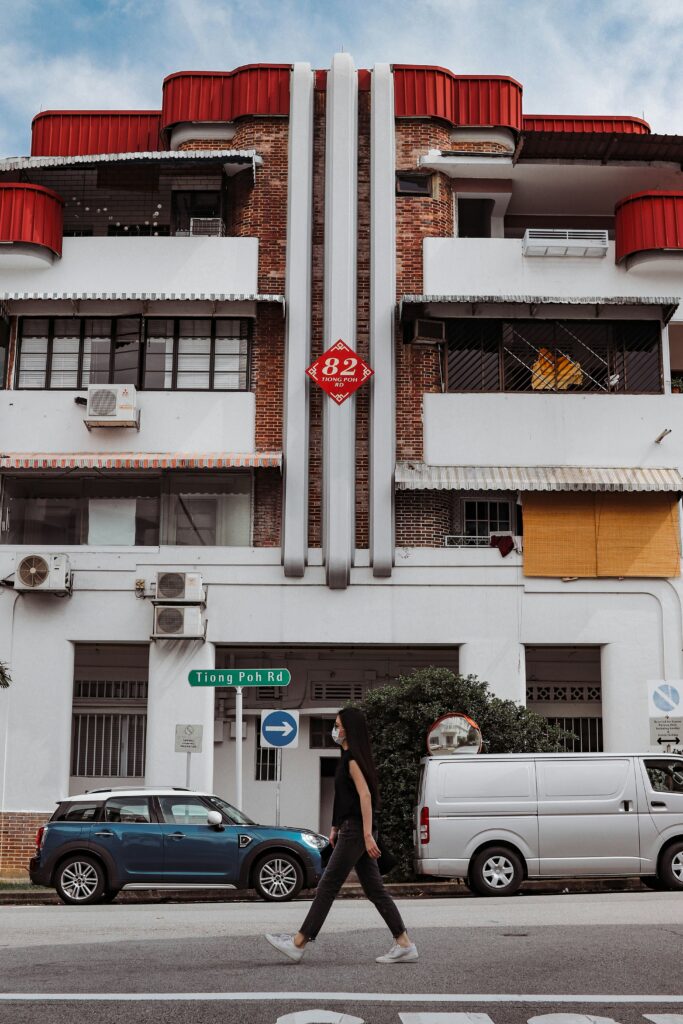
Among the report's findings, Singapore achieved the highest mobility score of any city in the index, highlighting the advantages of its global connectivity and travel freedoms. Copenhagen and several other European destinations also performed strongly on mobility measures.
When affordability was considered, cities in South East Asia and the Caucasus dominated the rankings. Ho Chi Minh City, Bali, Bangkok and Tbilisi emerged as the strongest performers for cost-conscious relocators, combining relatively low living expenses with established expat communities and infrastructure that supports remote working and entrepreneurship.
The report notes that these destinations continue to attract digital nomads and retirees despite not always achieving the highest overall rankings. For many relocators, affordability remains a decisive factor, particularly during periods of economic uncertainty and rising living costs in major Western cities.
Lisbon and Barcelona stood out as particularly versatile destinations. According to the GIU, both cities successfully balance moderate living costs with strong healthcare systems and accessible social environments. The report identifies them as rare examples of cities that appeal equally to retirees, families and location-independent professionals.
This broad appeal helps explain why both destinations continue to attract significant relocation flows from markets including the UK and the US. Their combination of lifestyle factors, climate, infrastructure and community networks has made them enduring favourites among international movers.
Latin America emerged as the strongest-performing region for social integration. San José in Costa Rica achieved the highest social integration score across all 35 cities evaluated. Mexico City, Rio de Janeiro and Panama City also performed strongly, reinforcing a regional trend towards openness, accessibility and community-building.
The report suggests that many Latin American cities combine relatively affordable living costs with welcoming social environments, creating attractive conditions for newcomers seeking to establish local networks quickly.
One of the most notable findings, however, concerns the relationship between structural quality and social integration. Cities that perform exceptionally well on safety, healthcare and institutional stability often score poorly when it comes to helping newcomers build social connections.

Vienna, ranked fourth overall, and Copenhagen, ranked ninth, recorded the lowest social integration scores in the entire sample. According to the report, this highlights a recurring trade-off faced by many relocators: destinations with excellent infrastructure may be more challenging environments in which to establish friendships and community ties.
“Affordability, social integration, and structural quality rarely co-occur within the same city,” says Liana Simonyan, researcher for Global Citizen Solutions’ GIU. “The index renders these competing priorities explicit and measurable — which is precisely what advisors and individuals need when making high-stakes relocation decisions.”
The findings underline a broader shift in how people evaluate destinations. Rather than focusing solely on economic opportunities or quality-of-life rankings, today's internationally mobile residents are increasingly weighing practical factors such as mobility rights, affordability and social belonging when choosing where to settle.