

Preferred Hotels launches global wellness hotel designation
Preferred Hotels and Resorts has introduced a new wellbeing programme recognising more than 50 hotels focused on holistic wellness, longevity and immersive health experiences.
Preferred Hotels and Resorts has launched Preferred Wellbeing, a new global designation programme highlighting more than 50 hotels and resorts offering immersive wellness experiences beyond the traditional spa model.
The initiative recognises properties focused on holistic wellbeing, including longevity programmes, hydrotherapy, nature-based retreats, integrative healing and personalised multi-day wellness journeys.
According to Preferred Hotels and Resorts, the programme has been shaped by findings from its recent Luxury Travel Report, which identified wellness as a growing priority for luxury travellers. The report found that more than a third of affluent travellers are actively seeking transformational wellness experiences, while 77% believe modern luxury is increasingly linked to disconnecting from social pressures and online visibility.
Lindsey Ueberroth, CEO of Preferred Hotels and Resorts, says: “We are thrilled to introduce Preferred Wellbeing, which reflects an elevated focus on holistic wellness across our global portfolio. Our latest research shows that travellers are increasingly prioritising experiences that support physical, mental, and transformative wellbeing. Preferred Wellbeing was created to help guests easily discover and book hotels that are defining what’s next in the wellness space.”
The programme identifies several major trends shaping the future of wellness travel. One is the rise of longevity-focused experiences centred on long-term health rather than passive relaxation. At Florida’s Amrit Ocean Resort and Residences, a 9,290 sqm spa combines Eastern wellness philosophies with Western technologies, including biohacking, hydrothermal circuits and advanced skincare treatments. In Colombia, Hotel Las Islas incorporates neurostimulation therapy into its wellness offering.
Another trend is the merging of traditional healing practices with modern science. At Almar Giardino di Costanza Mazara del Vallo in Sicily, Roman-Arab hammam rituals are integrated into structured wellness programmes, while Indonesia’s The Meru Sanur combines Balinese healing traditions, herbal “jamu” therapies and meditation with modern diagnostics and regenerative treatments.
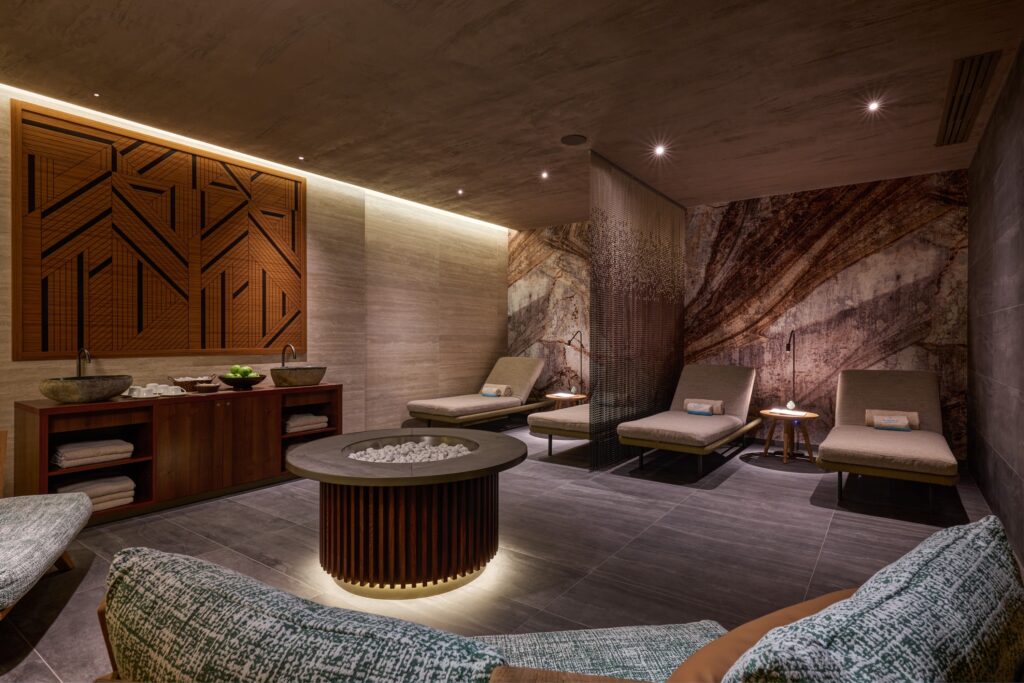
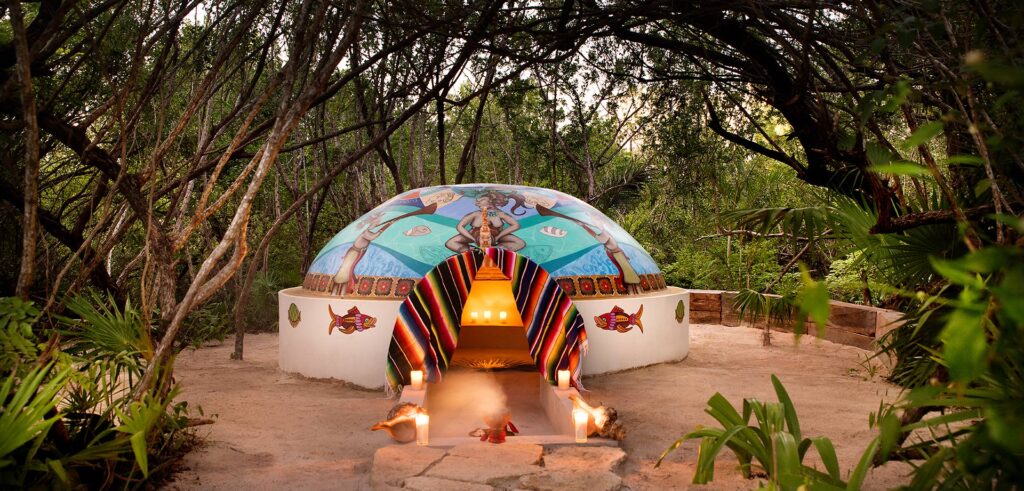
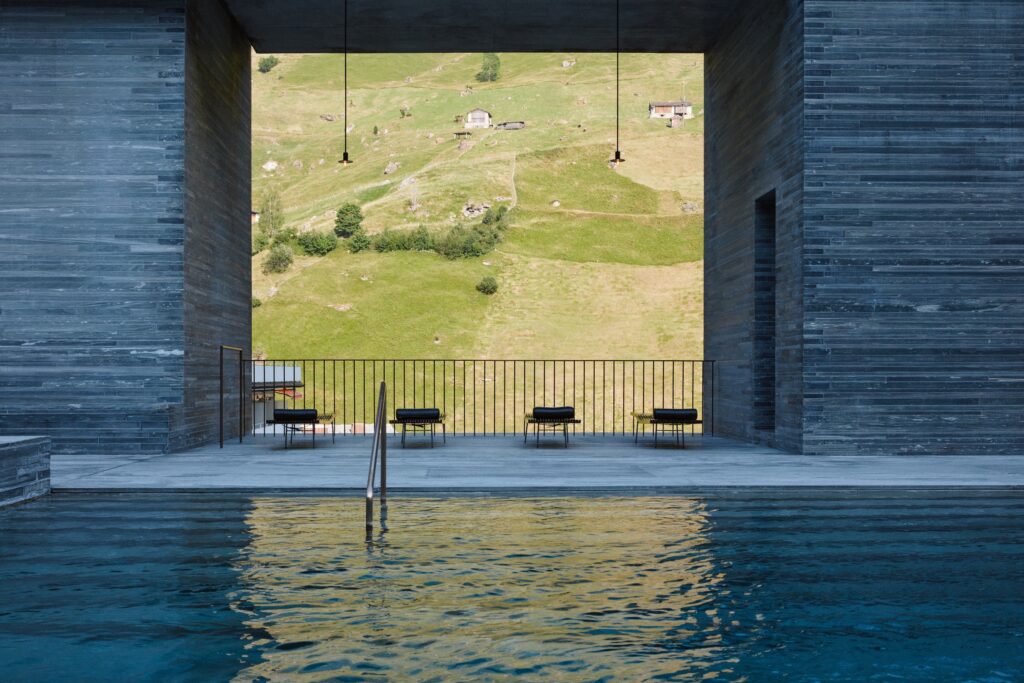
Hydrotherapy is also becoming central to luxury wellness design. At 7132 Hotel in Switzerland, guests use thermal baths fed by mineral-rich springs, while Grand Velas Riviera Maya in Mexico has developed guided hydrotherapy rituals combining hot and cold experiences, steam rooms and sensory environments.
The designation also reflects growing demand for longer and more personalised wellness stays. Almar Lido Jesolo in Italy offers structured retreats lasting between one and six days, while Grand Velas Boutique Los Cabos has created multi-stage wellness ceremonies combining treatments and therapies into a single programme.
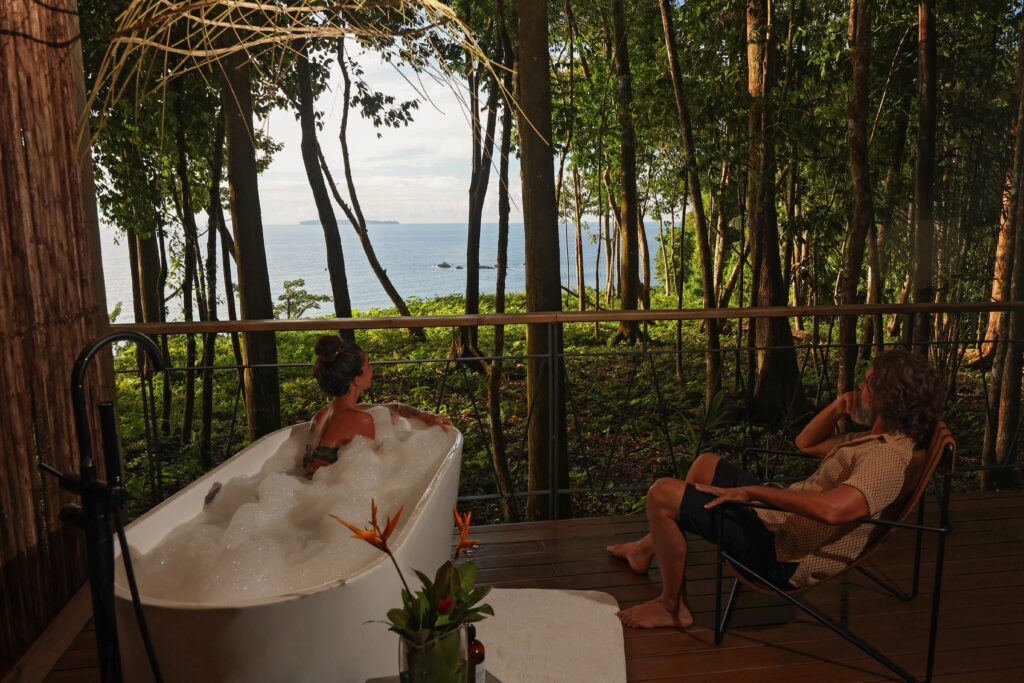
Nature-based wellness experiences form another key focus. Costa Rica’s Corcovado Wilderness Lodge by SCP offers off-grid jungle immersion, outdoor yoga and plant-based rituals, while California’s Post Ranch Inn incorporates forest bathing, sound healing and guided nature experiences into its programming.
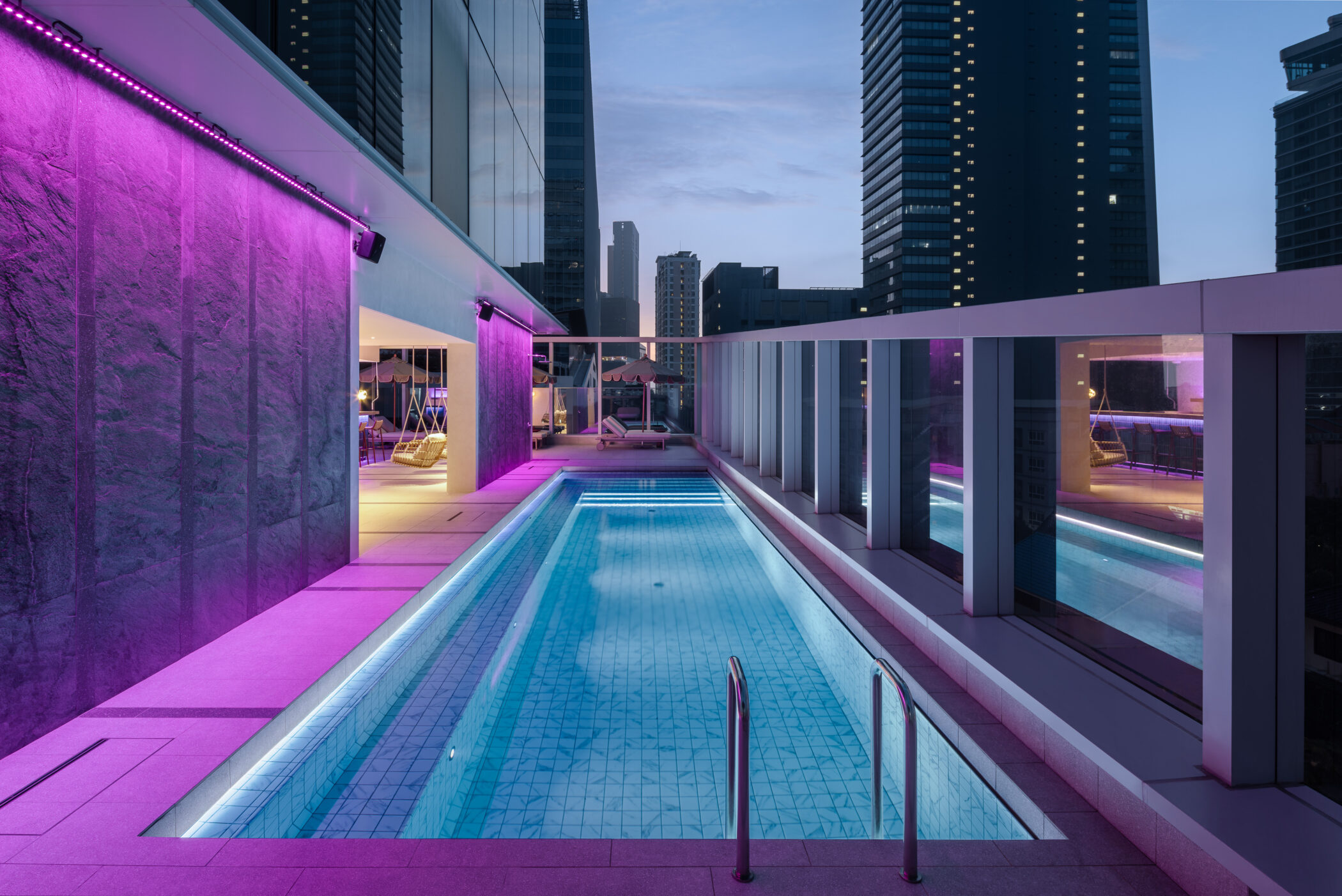
Design is also playing a larger role in wellness travel. At Parco dei Principi Grand Hotel and SPA in Rome, chromotherapy pools and sensory water experiences form part of the guest journey, while Austria’s Interalpen-Hotel Tyrol uses temperature, scent and spatial design to influence mood and relaxation through its “Sauna Village” concept.
Hotels included within Preferred Wellbeing are assessed against five wellbeing pillars and 12 criteria covering rest, movement, nourishment, environmental responsibility and connection to place. Properties must meet at least ten of the 12 standards to receive the designation.