

Fear of flying fuels rise in UK staycations
New research from Confused.com shows nervous flyers are reshaping holiday habits, with many choosing UK trips, shorter flights or avoiding overseas travel altogether.
Fear of flying is increasingly influencing how people plan holidays, according to new research from Confused.com, with many travellers opting for staycations or shorter journeys to avoid air travel anxiety.
The travel insurance comparison site surveyed 2,000 nervous flyers and found that 74% struggle to fully look forward to holidays because of the stress linked to flying.
The research highlights how travel anxiety is now shaping booking decisions as well as behaviour during trips. More than seven in ten respondents say their fear affects the way they travel.
Around 30% of nervous flyers say they have chosen a UK staycation instead of travelling abroad, while 27% only book destinations reachable via short flights. Almost a quarter have switched to alternative transport such as rail, car or ferry travel, even when this significantly increases journey times.
One in ten respondents say they no longer plan to travel abroad because of their fear of flying.
The findings reflect a wider shift towards slower and domestic travel in some markets, particularly as rail networks and alternative transport options become more accessible across Europe and the UK.
Despite growing awareness of support services, most nervous flyers are not seeking formal help. The survey found that 72% know that options such as therapy, hypnotherapy and airline-run confidence courses exist, but 70% have never tried any methods to address their anxiety.
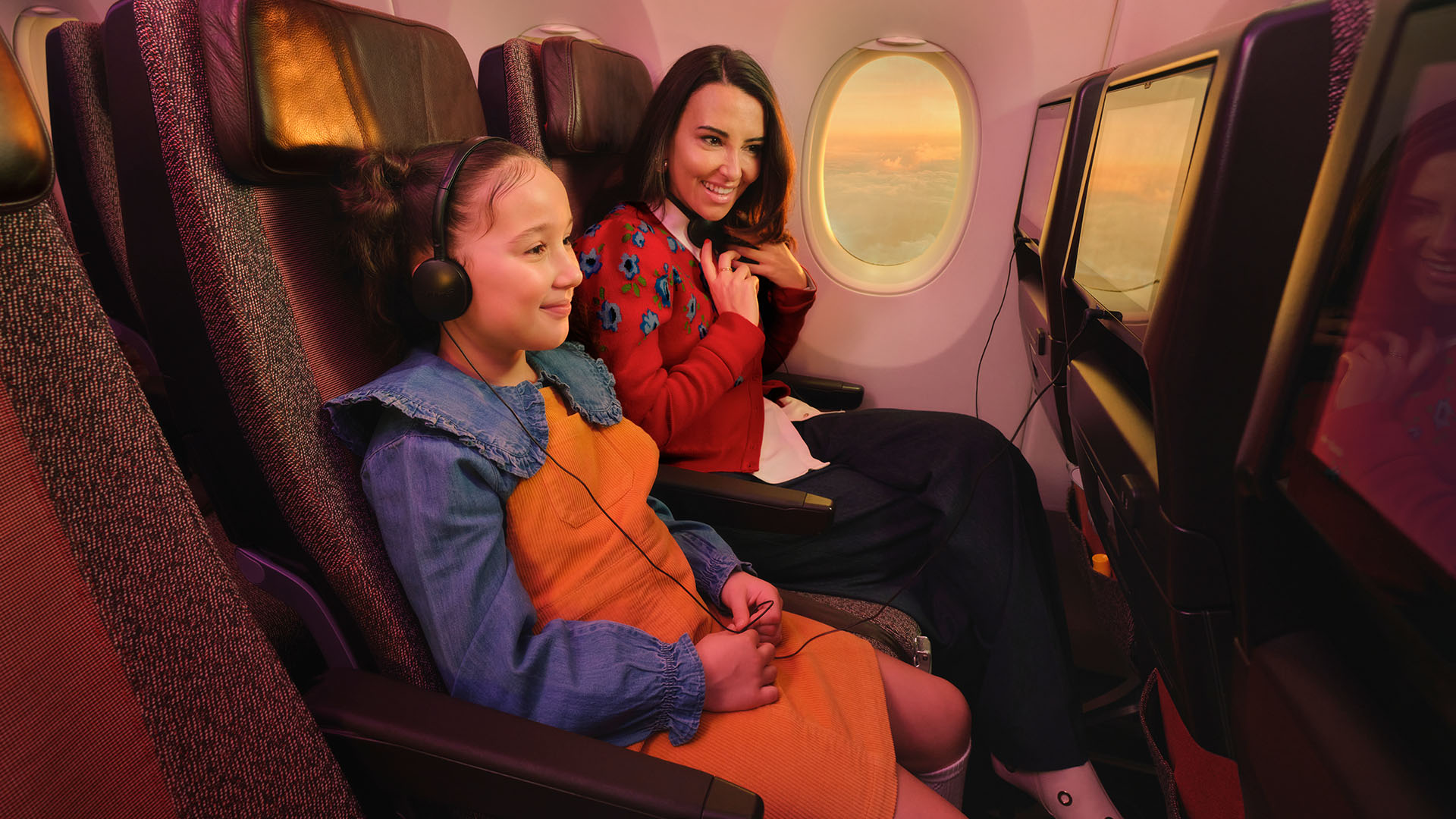
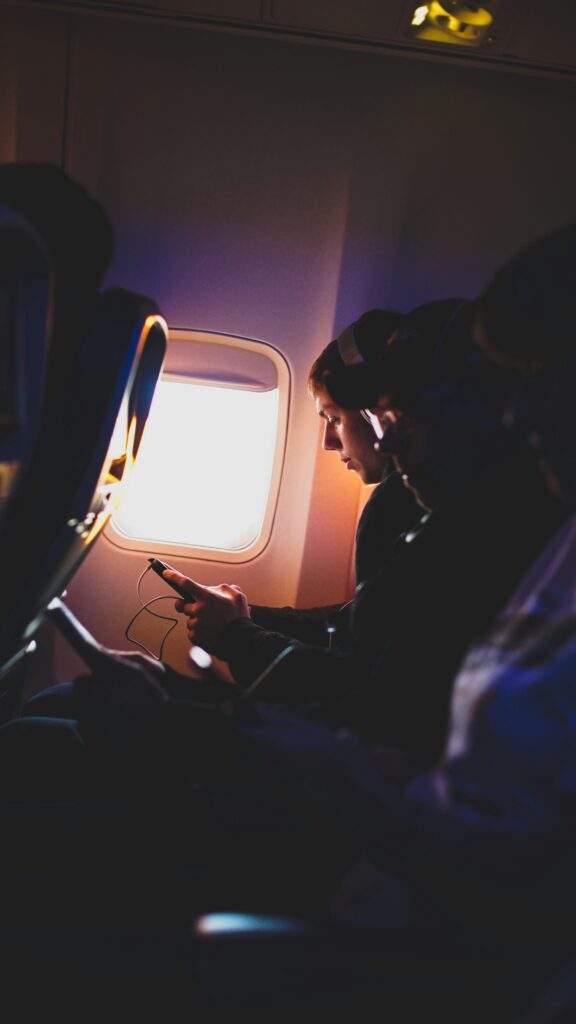
Instead, travellers rely on personal coping strategies during flights. Listening to music was identified as the most effective distraction technique, with 31% saying it helps them feel calmer while flying.
Watching films or television programmes, reading and sleeping were also among the most common in-flight coping methods, alongside talking to travel companions.
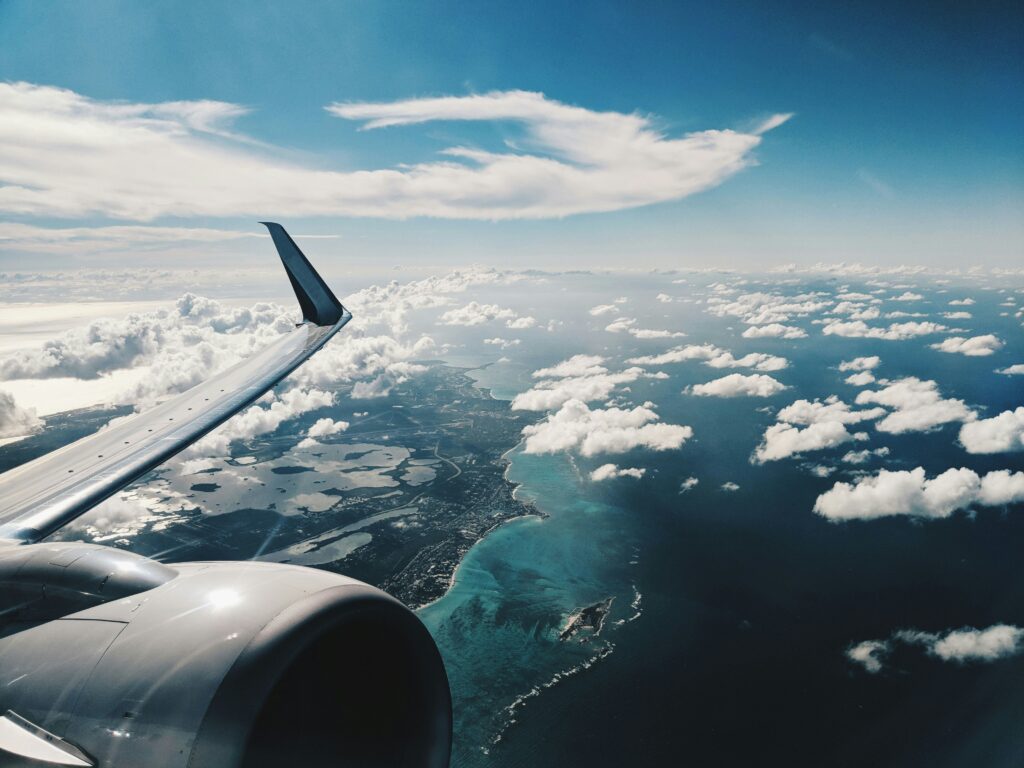
Take-off and landing remain the biggest causes of anxiety. More than half of respondents identified these moments as their primary concern. Anticipating turbulence, feeling out of control and hearing news about air crashes were also major triggers, each cited by almost half of respondents.
Fear of heights was another common factor, affecting 40% of nervous flyers surveyed.
Tom Vaughan, travel insurance expert at Confused.com, says: “If you choose to travel by plane, there are a few steps you can take to increase your comfort in the lead up to the trip.”
He advises travellers to plan airport journeys carefully, organise travel documents well in advance and pre-book seats next to travel companions to reduce stress on the day of departure.
Vaughan also highlights the importance of travel insurance, particularly for travellers who have received medical support or treatment for anxiety.
“Having insurance in place can give you peace of mind that you’ll be financially covered if anything unexpected happens while away,” he says. “If your travel anxiety is severe and you’ve had a consultation with your doctor, received treatment or been prescribed medication for it, you must inform your insurer.”
The research points to the growing overlap between mental wellbeing and travel behaviour, particularly as travellers place greater emphasis on comfort, control and predictability when planning trips.
Airlines and travel brands have increasingly responded by offering reassurance-focused services, including flying confidence programmes, wellness content and calmer airport experiences designed to reduce stress for anxious passengers.