

Barcelona's Primavera Sound festival delivers 'collective catharsis'
'Nobody is Normal' was the official protocol for Barcelona's edition of Primavera Sound 2026. Globetrender's 'gigtripping' reporter Amy Rose Everett confirms: music remains one of the sharpest tools we have for understanding the world today and manifesting inclusivity.
From Robert Smith joining Olivia Rodrigo on stage to Kneecap's 3am political rave, the 24th edition of Barcelona's Primavera Sound proved that when worlds collide, the results can be extraordinary.
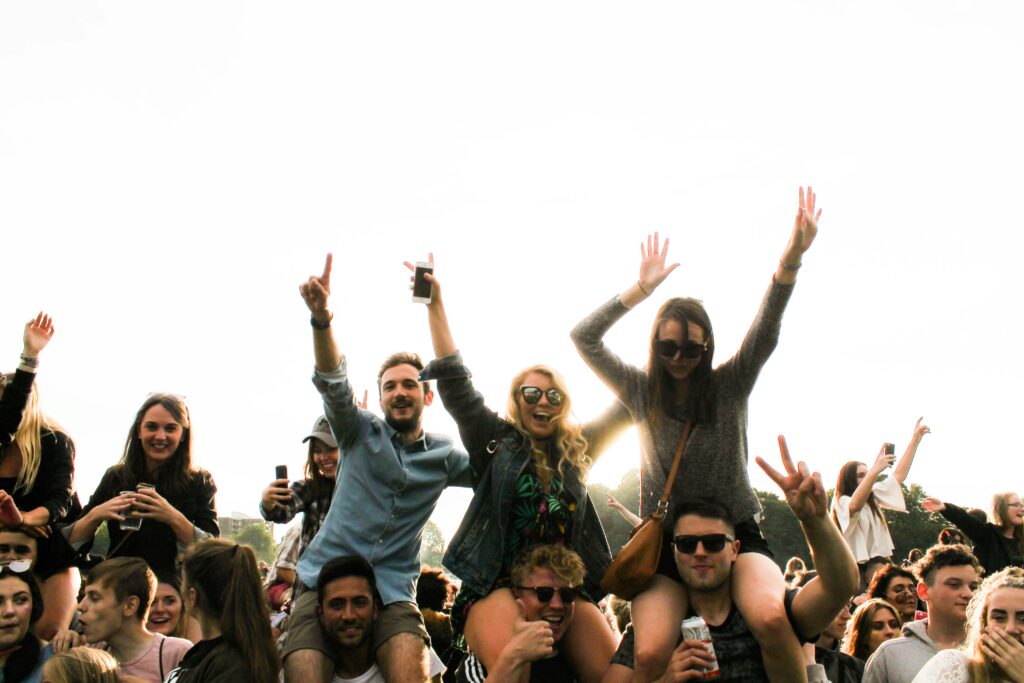
Streaming into Parc del Fòrum, the diversity of Primavera Sound's crowd is remarkable. Not just in scale (75,000 capacity, entirely sold out for the second consecutive year), but in style: queer, post-punk and 90s influences mingling with easy familiarity.
The festival's carefully balanced line-up (42% women, 41% men, 15% mixed-gender bands and 1% non-binary artists) seems to foster a similarly broad church in the audience.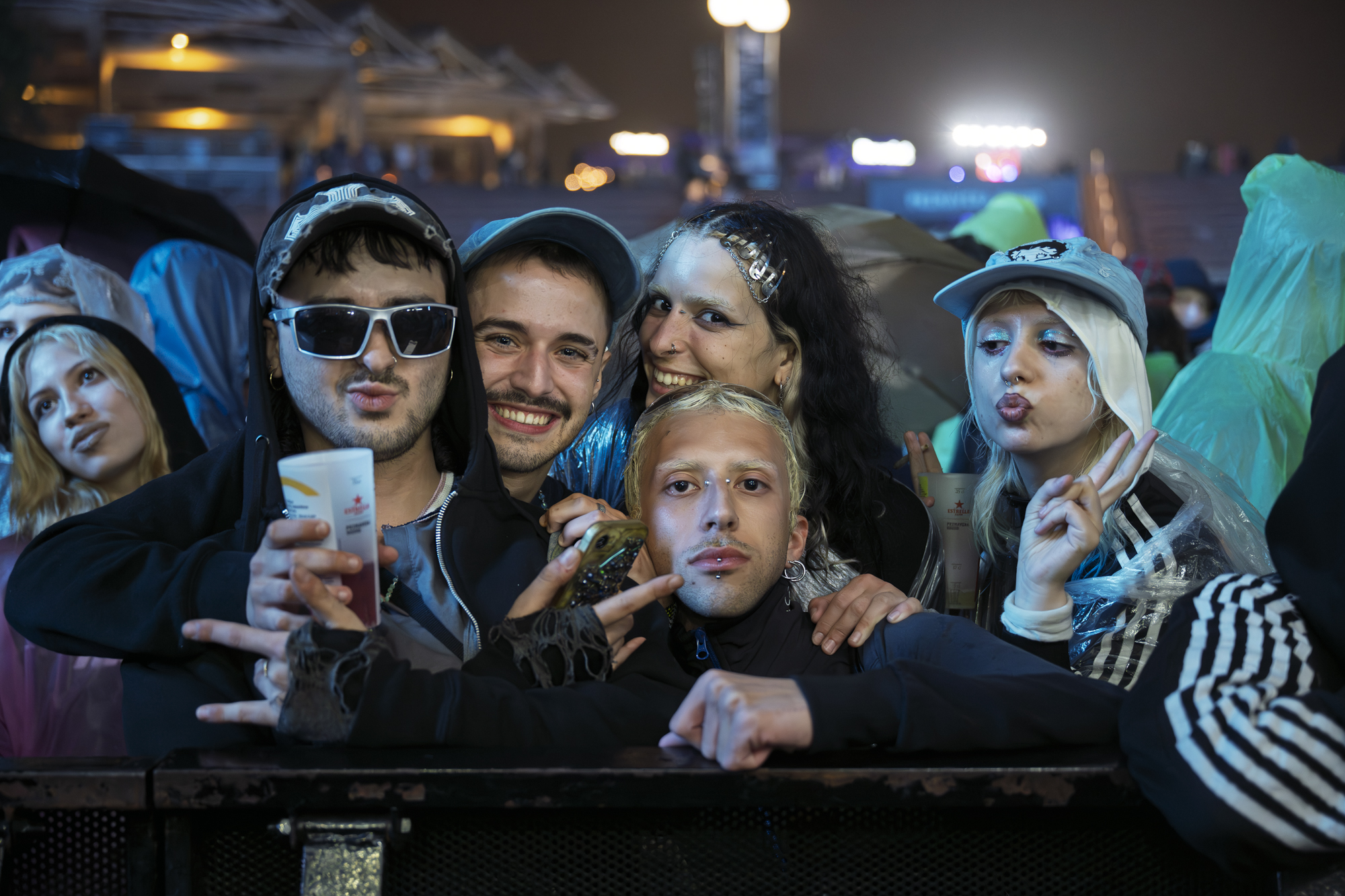
Primavera Sound has spent the past seven years as a UN partner, formally aligning itself with the Sustainable Development Goals (a framework that spans climate action, gender equality and the reduction of social inequalities). That commitment is evident in the festival's protocols and programming; despite the cancellation of outspoken Thursday headliners Massive Attack, themes of inclusion and equality remained pervasive.
Closing her Friday set, JADE (Jade Thirlwall) told the crowd, “Whoever you love, you are welcome at my show”, neatly encapsulating Primavera’s ethos. The line-up's queerness and allyship is structural: Ethel Cain, MARINA, Oklou, Amaarae, Fcukers, Addison Rae, and last year, Charli XCX, Chappell Roan, Troye Sivan, FKA Twigs and Sabrina Carpenter.
Thursday: Cameron Winter's World
Fans queued from early morning to catch Cameron Winter's atmospheric solo set starting proceedings. When his full band Geese began, so did the storm proper, only deepening the intensity from the year's most talked-about group. What followed was less fortunate: false hope sustained by Father John Misty playing on, before 80km/h gusts forced the cancellation of Alex G, Mac DeMarco, and eventually Massive Attack, Doja Cat and Bad Gyal. Communication failures compounded the frustration; organisers responded by offering refunds on Thursday tickets.
Friday and Saturday: The Cameos
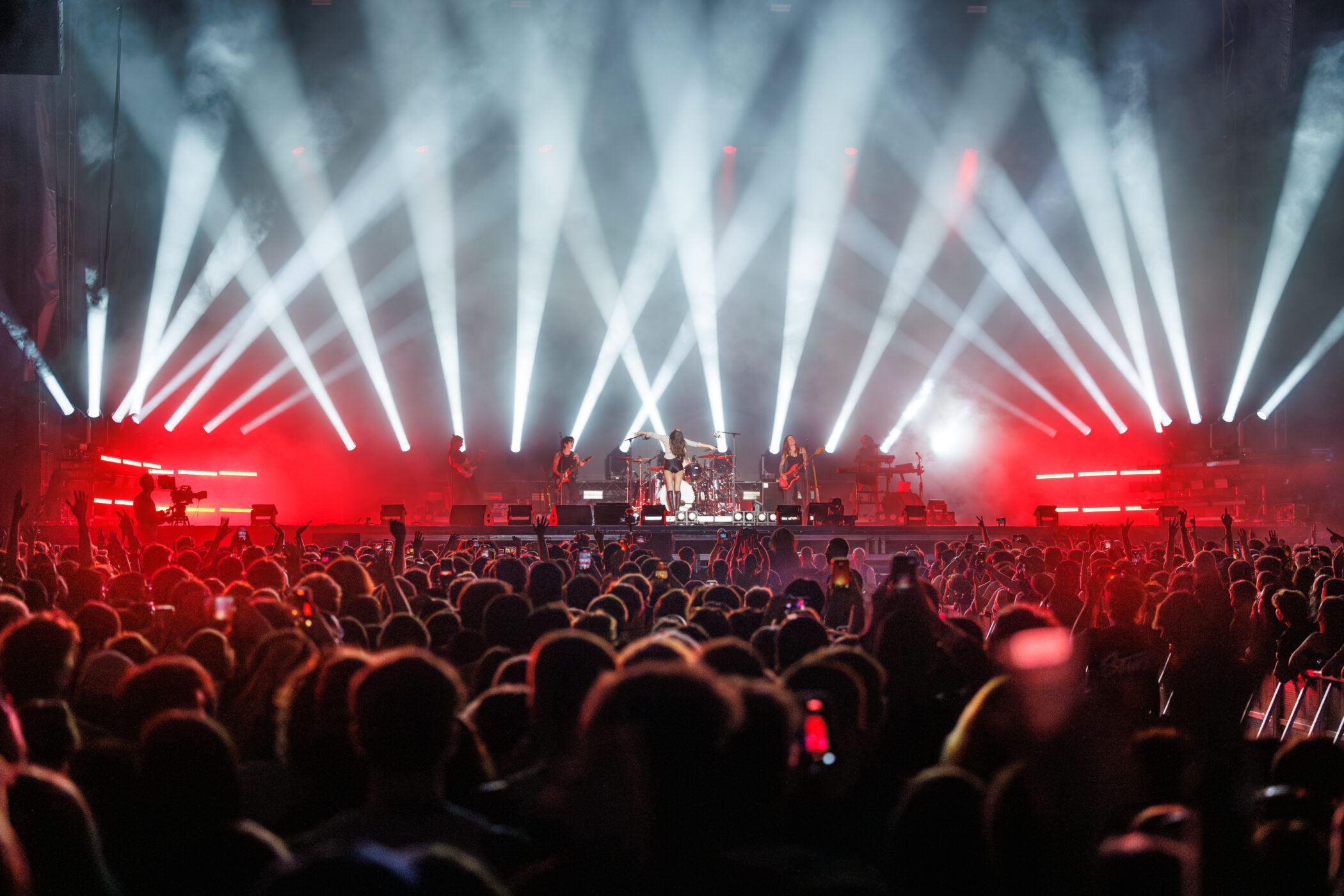
Primavera's growing reputation for Glastonbury-level surprise moments reached new heights across the final two days. On Friday, The Cure's Robert Smith delivered a two-and-a-half hour headline set including B-sides, and rarities unplayed since 2016 and 2018.
Olivia Rodrigo's secret show was announced just hours before showtime on Saturday; after tearing through drivers license, vampire and good 4 u, she said: "I can't believe this song exists with the person that it exists with." Smith appeared on stage to deliver What's Wrong With Me, her first ever credited collaboration, completing a thread woven through her career. There’d been a Boys Don't Cry cover, a song called the cure, and a Just Like Heaven shoutout in her latest single.
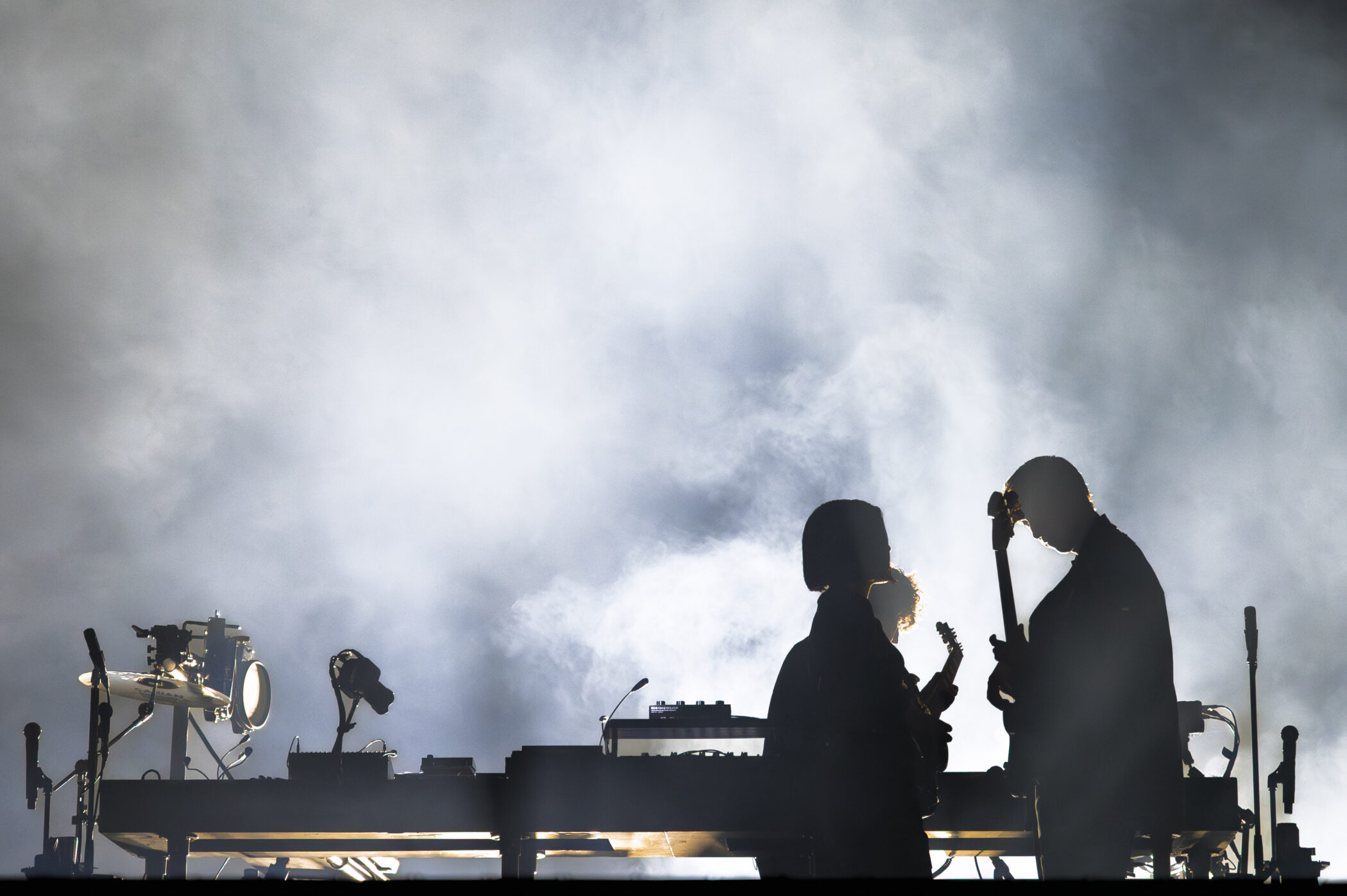
The xx returned after eight years, gathering millennials for collective catharsis. The pull towards the Revolut Stage felt gravitational; Romy and Oliver's vocals crackling over minimal arrangements as striking as when the London trio emerged with their debut in 2009. Social media filled with fans sharing the same sentiment: "crying in millennial", "take me back to 2009". Beneath the jokes was a generation – one that has lived through a pandemic, war, skyrocketing costs and the slow grind of social media – reminded of simpler times.
Gorillaz then closed the main stage with a masterclass in what a festival headline set can be – entertaining and a call to action. Damon Albarn introduced Palestinian activist Aarab Barghouti before the music began, then: Little Simz for Garage Palace, Yasiin Bey for Stylo and Damascus, Moonchild Sanelly for With Love to an Ex, Bootie Brown for Dirty Harry, and Posdnuos of De La Soul for Feel Good Inc.
Albarn has championed Little Simz since she was a teenager, so the Garage Palace moment felt like a homecoming. Earlier, the UK rapper had played her own incredible set spanning classics like I Love You, I Hate You and Venom to a DJ break inviting the crowd to dance at "Club Simbi".
Kneecap arrived with new album Fenian, joined by Palestinian rapper Fawzi for their collaboration Palestine, plus Grian Chatten of Fontaines D.C. for Better Way to Live, reprising their beloved Fine Art collab. Many fans had made the pilgrimage to Primavera Sound 2025 to see Fontaines headline the main stage (Globetrender included, read the write-up here).
The Punk Continuum: Nobody Is Normal
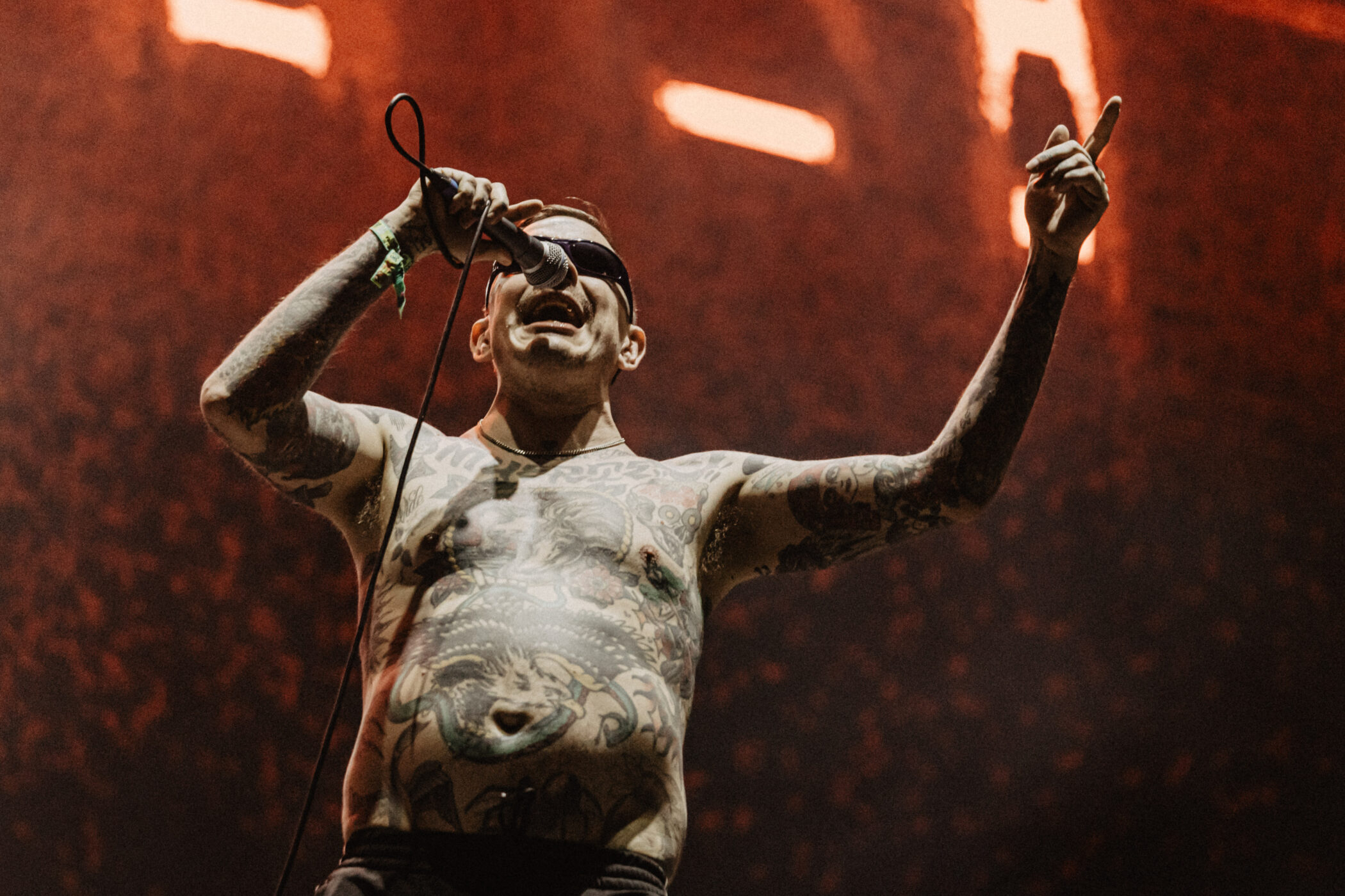 Viagra Boys' Friday set at the Occident Stage crystallised why Primavera's Nobody is Normal ethos works: Sebastian Murphy doing push-ups before collapsing to the floor, the feral saxophone through Sports and Troglodyte, thousands screaming along in absurdist unison. Where The Cure's subversion is gothic and romantic, Viagra Boys skewer modern masculine anxieties so perfectly, the satire feels tender.
That spirit is what the festival's "Nobody is Normal" agreement sustains. Overseen by Genera, an association defending sexual and gender freedoms, it runs trained professionals throughout the site and two permanent support stands; 2026 introduced a dedicated safe space for neurodivergent attendees.
Over a hundred people with intellectual disabilities or at risk of social exclusion attended through partnerships with Dinder Club, Som Fundació and Fundació Superacció. A new collaboration with ethical brand Top Manta Barcelona brought an anti-racism awareness hub to the Parc.
Environmentally, Primavera operates at the same level of conviction: most stages powered by battery or mains grid with emissions below EU 2030 targets, 85% of the site built from reused materials, 49 free chilled water taps eliminating plastic bottles, and over 85% of attendees arriving sustainably in 2025.
Primavera Pro: Thinking in Public
Running concurrently, the festival's international music industry conference Primavera Pro tackled AI head-on. The opening workshop asked how independent labels and artists can access major-label-level strategic thinking using AI without surrendering creative identity.
Panels debated IP rights, streaming fraud and whether recommendation algorithms are narrowing musical diversity. ARTIFICIA showcased AI as collaborative tool rather than replacement; mygloven’s smart assistant my'G demonstrated AI-assisted festival production. In a year of deepfake vocals and AI-generated catalogue spam, Primavera remains one of the few spaces where the music industry is forced to think out loud.
My overall takeaway? Primavera Sound remains committed to arguing that music is not separate from the world it exists in, in fact, music is one of the sharpest tools we have for understanding it.
Where to Stay During Primavera Sound
Budget: Generator Barcelona
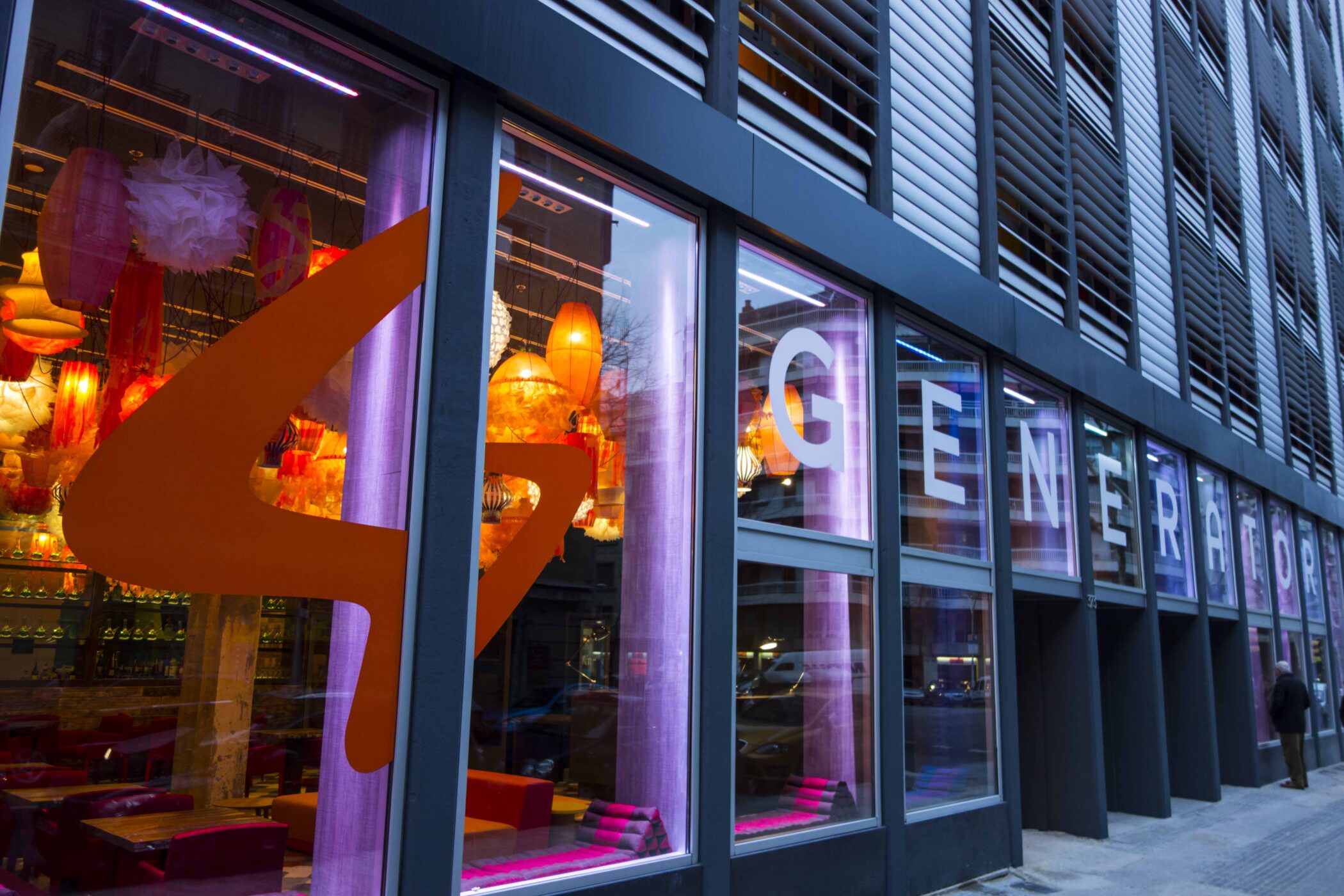 Arriving to a full-blown rave on the ground floor, I dreaded a sleepless night. But the lift took me to an eighth floor private Deluxe King, where I happily found my own (large) balcony, direct Sagrada Família view, pin-drop silence, a proper writing desk and a very comfortable bed.
It's a half an hour train or tram to the festival, and a fleet of bikes awaits downstairs – the smartest of us take advantage of these, and cycle to the gig itself. Breakfast at €9.50 has to be the best value in Barcelona: jamón, eggs, beans, croissants, and plenty of pan con tomate. Plus, you can buy virtually anything you might have forgotten in reception. I can't find fault with it.
Blow-out: METT Barcelona
 On the other end of the spectrum is five-star hushed luxury high on Tibidabo Hill, with impressive tiered gardens splayed out below, and the Mediterranean beyond. Sun-kissed breakfasts of freshly-made tortilla, sliced fruit and strong coffee start peaceful days.
The spa (jacuzzi, sauna, steam room, ice fountain) is essential festival recovery when your legs have done 50,000 steps. Pre-book taxis or use the hotel's shuttle (11am and 3pm) to Passeig de Gràcia; the location is spectacular but transport needs forward planning.