

Curator Carrie Scott is hosting art tours that open people's minds
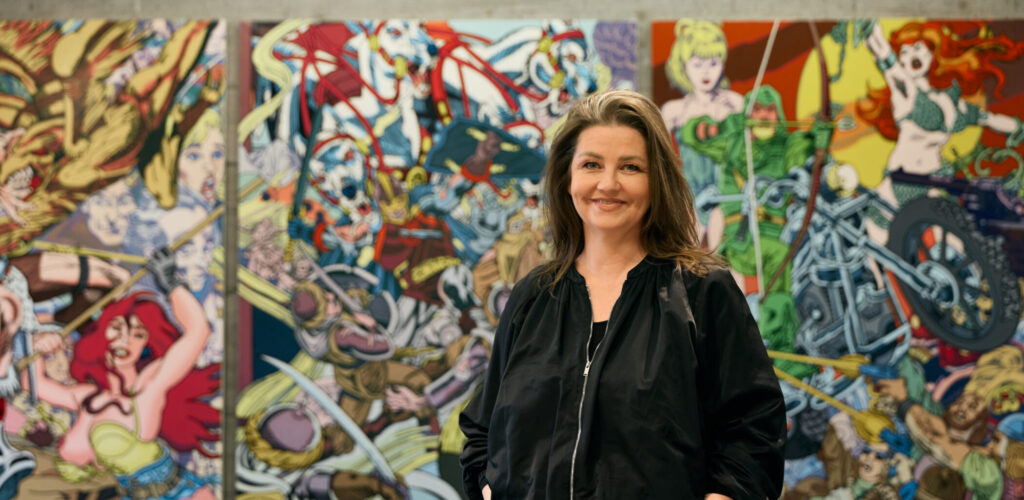
Carrie Scott, founder of next-generation art consultancy Seen Art, is expanding her services by offering expert cultural tours as a way of helping travellers appreciate the world anew.
This autumn you're leading trips to both the Hamptons and the Venice Biennale. You have also designed a Paris itinerary for Mandarin Oriental and The Luminaire that is launching soon. What do you look for when designing an art-focused itinerary, and how do you strike the balance between world-famous institutions and lesser-known discoveries?
I have tried to ask myself the same question when starting to organise each of these trips: what could someone never make happen on their own?
Anyone can book a ticket to the Louvre or the Venice Biennale. What's much harder is making sure the day flows well, that you have enough time in each spot, meeting the curator before the museum opens, visiting an artist's studio, hearing a conservator explain why a painting matters, or understanding how galleries actually decide which artists to represent.
I also think every great itinerary needs contrast. One moment you're standing in front of a masterpiece everyone knows. The next you're climbing the stairs of an artist-run space or discovering a neighbourhood that's potentially shaping the next generation of artists. The famous places matter but it's often the unexpected ones people remember more.
Can you tell us a little about your background? How did your career in the art world begin, and what first drew you to writing about contemporary art and culture?
I came to the art world from the magazine world. I was working for Condé Nast in New York City when I applied to get my Master’s in Art History. The idea was to write about travel from an art perspective, so this move to incorporate travel into my business is kind of a full circle moment.
I was drawn to art because I love the way it is a vehicle to understand history itself. Politics, economics, religion, migration, technology: you can trace all of it through artists. And that version of history is always so much more empathetic and so much less black-and-white than your typical authored history book.
After my Master’s, my career took me through commercial galleries in Seattle and New York before I started my own curatorial business in 2009 and, more recently, founded Seen. Alongside that, I've written, presented television, produced a documentary, launched, edited and written books and interviewed endless numbers of artists, curators and collectors. Writing has always been my north star though, and in all of my work I start with copious notes to get to the heart of what I am trying to say, whether that’s in video format or otherwise.
I built Seen to address the huge gap between how the art world talks about itself and how most people experience it. I've always wanted to bridge that gap without dumbing anything down, and so that’s what our business does. In practice, that's a membership. People get honest opinions on what's worth buying, which sounds obvious but is surprisingly rare in this industry. We also give members access to artists and people in the trade you wouldn't normally get near. And most of it happens over WhatsApp or short video, because that's genuinely how people want information now.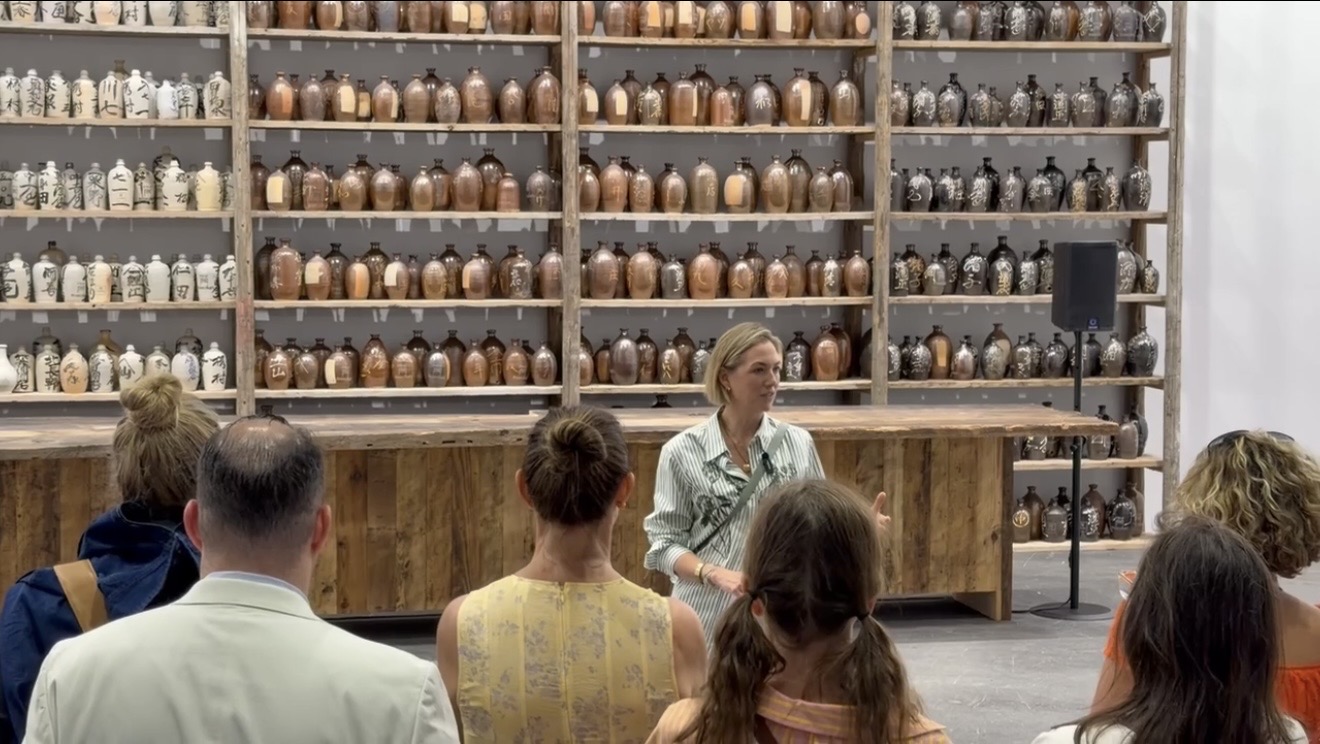
You've spent more than 20 years immersed in the art world. How has it changed over that time, and what have you observed about the growing tendency to view art as a financial asset rather than something to be experienced and enjoyed?
The market has become louder. The “potential growth” and “asset class” of it all has just dominated. When I started, collecting was still largely about building relationships with artists, galleries and ideas. Today, it's much easier to reduce art to headlines about auction prices, investment returns and billionaires. Those stories are seductive because numbers are easy to understand.
The irony is that the most successful collectors I know rarely buy that way. They buy because they're curious. They read, they travel, they visit studios and museums. The financial value often follows a much deeper engagement with art and artists.
Art has always had a market. I am not saying that’s an inherently bad thing. It isn’t. Artists deserve to make a living. But I do think we've allowed economics to dominate the conversation. Somewhere along the way we've forgotten that before art was an asset class, it was a way of making sense of the world and that our cultural wealth is one of the most valuable forms of capital we possess. That’s not to say it can be bought and traded like a stock, but that we have to protect it, and celebrate it, and value it.
Your latest project feels like a conscious response to that shift. Rather than simply writing about exhibitions, you're taking people to experience art in situ. What inspired that idea, and why do you believe travel can transform the way we engage with art?
For years, I'd privately recommend exhibitions or “art” cities to friends, family, and clients, and they all say how much better their trips were because they saw a side of these locations with context from artists. Even if my list just had one or two galleries on it, or a painting I felt they shouldn’t miss in a museum, the feedback was overwhelmingly positive.
I then sent a list I just had in the Notes app on my phone that includes London galleries and restaurants (the food part my husband helps with – he’s a frustrated foodie/travel writer and his restaurant lists are unparalleled) to a client I didn’t know very well and he was blown away. He went to every spot on my list and loved it. He said he’d “never seen London like this.” I owned up and told him that the husband had weighed in on the food front, and the client asked me to thank him too. I was floored, and decided I should really be a little more “brave” and share these city guides more widely.
Art is one of the few subjects where we expect people to walk into a room, look at something they've never encountered before, and somehow understand why it matters. Travel changes that. When we’re on the proverbial road, we’re naturally more inquisitive, trying to understand the culture and the world around us. So when we’re travelling, I think we’re naturally more open and ready to absorb and look and question, and even think about art.
And what’s more is that context really matters. Standing inside Ai Weiwei's installation in Basel, visiting Pollock's studio in Springs, or walking through the streets where the Impressionists lived tells you something that no wall label ever could. Suddenly the work isn't floating in isolation. It's connected to geography, politics, architecture and people's lives. In a way, I don't think we’re selling art tours. We’re creating opportunities for discovery by taking folks to the art.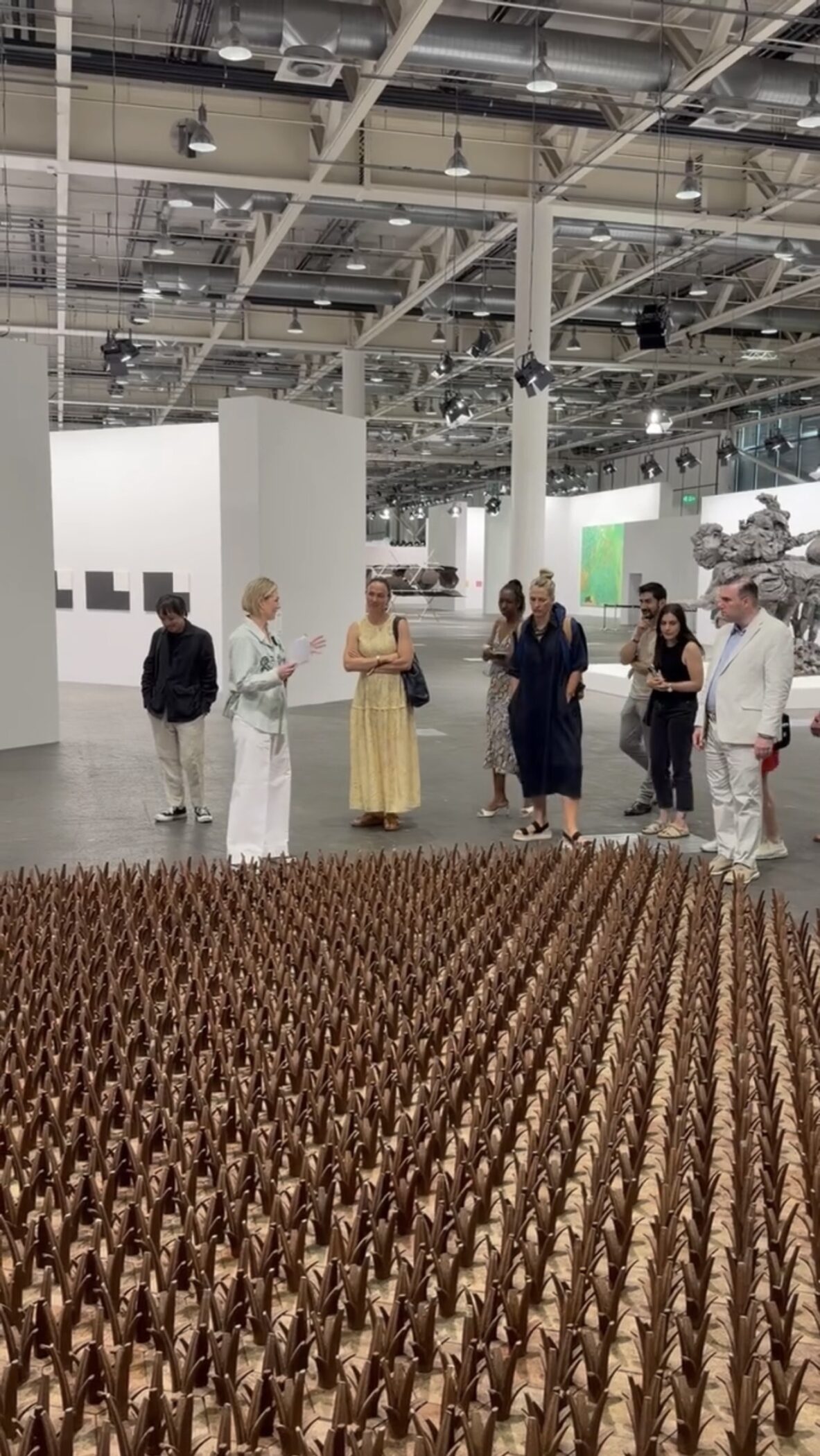
Throughout history, artists have been shaped by the places they lived and worked. How important is destination in understanding an artist's work, and what can travellers learn by exploring these places beyond the gallery walls?
Place is absolutely everything. I know this first-hand, as someone who straddled two cultures growing up – I was born in the UK, moved to the States when I was super young, but my Dad stayed in the UK so I went back and forth my whole life. So maybe I am tapping into that idea that you are shaped by your surroundings because I understand it on a cellular level.
You can't fully understand the Impressionists without Paris, Abstract Expressionism without New York, or the St Ives artists without the Cornish coastline. Artists respond to the places they inhabit just as much as they respond to one another.
Visiting the cafés artists gathered in, the neighbourhoods where movements began, the studios where work was made, even understanding why a particular city became a creative centre at a particular moment, those experiences create a much richer understanding than simply looking at objects on walls in my opinion. They help bring the art into full view. Art doesn't happen in isolation. Neither should learning about it and enjoying it.
Your Art Basel Unlimited experience gave guests access to the exhibition before the crowds arrived. What made that event so memorable, and what did it reveal about the appetite for slower, more intimate cultural experiences?
Walking into Unlimited before it opened was extraordinary. Usually people experience these art fairs, by rushing from stand to stand, trying not to miss anything and trying to dodge the 100 conversations you have with colleagues and other art-goers. We did the opposite. We spent an hour with a handful of works, talking about why they were made, how they were installed and what broader conversations they were part of. It was a real joy.
People didn't want more art. They wanted more time. That was probably the biggest lesson. Luxury isn't necessarily about exclusivity anymore. Increasingly, it's about access, context and the ability to slow down. At least, that’s my idea of luxury.
Many people feel contemporary art isn't 'for them'. How do you make your experiences accessible without oversimplifying the work or diluting the conversations around it?
I don't believe contemporary art is difficult. I just think we've done a terrible job of explaining it and have made it unnecessarily complicated. The art world has spent decades confusing mystery with expertise. They're not the same thing. There’s an entire art culture around making people feel they don't know enough. That's not mastery. That's gatekeeping.
My approach is never to tell people what to think. It's to give them enough context that they can make up their own minds, to ask the kind of questions of the work I am looking at that emboldens people to ask their own. Once people understand why an artwork was made, what was happening in the world at the time and what problem the artist was trying to solve, they're perfectly capable of deciding whether they like it. That's a much more interesting conversation to be had than pretending there's a right answer.
Looking ahead, where do you see this movement going? As cultural travel becomes increasingly sophisticated, do you think art-led journeys could become a defining feature of luxury travel, much as culinary travel has over the past decade?
Absolutely. We've already seen this happen with food. 20 years ago, travel wasn’t entirely centered around food. Now it is. Today people travel specifically to understand regional food cultures, meet producers and learn the stories behind what they're eating. Thanks Anthony Bourdain. And there’s so much hype around all that now, with people finding and sharing places on Instagram and TikTok but those places are now oversold by these food-fluencers.
I think art should and can follow exactly the same path. People don't just want to tick museums off a list. They want to understand why a city became a creative capital, why museums ended up where they are, to meet the people shaping its cultural life and leave with a different understanding of the place than they had when they arrived.
Seen’s goal is to give people great travel experiences, great recommendations, whether they are accessing those by booking a tour with me, downloading our PDF of a city and self exploring or using our soon to be launched interactive map app (coming soon!). All so that you get insider art access to really, truly get inside a city.
Ultimately, that's what good travel does. It changes how you see the world. Art has always done that too. Bringing the two together feels like a very natural evolution.