

Multilingual AI is 'hugely exciting' says hotel operator PPHE
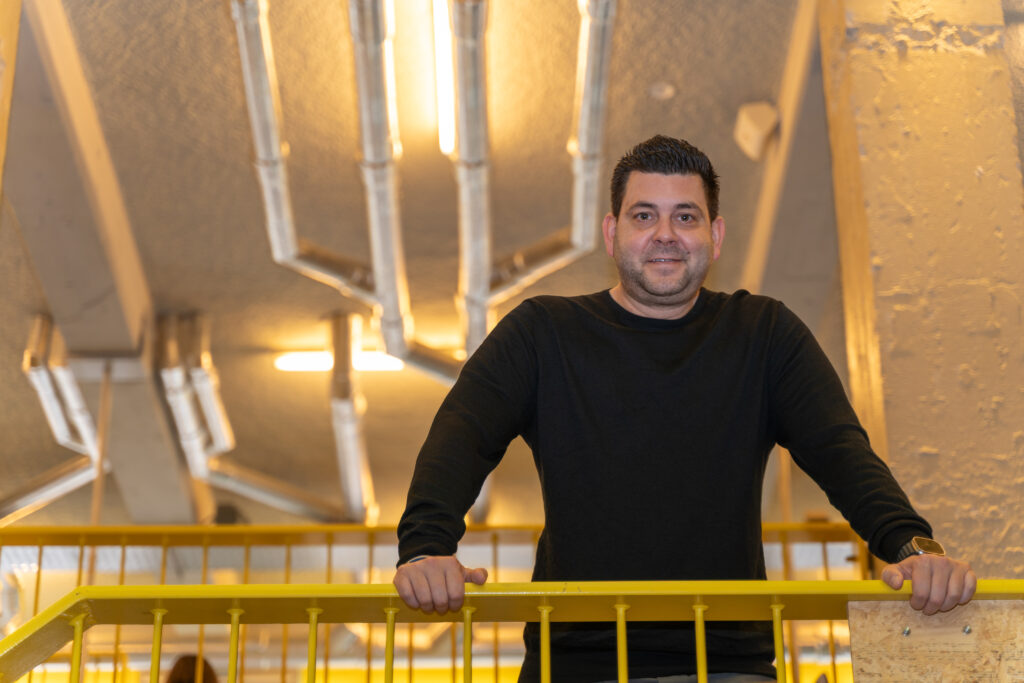
Globetrender speaks to Jawad Sabir, senior vice-president of technology and business solutions for PPHE (operator of hotel brands Park Plaza and art’otel) about emerging use-cases for AI in hospitality.
If a guest stays at a PPHE hotel tomorrow, what’s one moment in their journey that’s already being quietly transformed by AI without them even realising?
“One of the clearest examples happens before a guest even arrives to stay with us. If they email one of our hotels with a simple question, that interaction is often already being handled by AI in the background.
"Through our virtual agent in the Customer Service Centre, we are now automating more than 60% of email traffic, including reviews and surveys, across a volume of around 50,000 emails per month. It can respond quickly, in natural language, and make sure the request is understood and passed to the right team if needed.
“For the guest, it just feels like a fast, helpful reply. In fact, our average response time for customer service enquiries is now under 15 minutes across the group. But behind the scenes, we are streamlining what used to be a very manual process and making it much more efficient.”
Can you describe a situation where your AI steps back and chooses not to automate something – what makes a moment “too human” for technology?
“Whilst technology and AI are fantastic, hospitality is, and always will be, about people. Technology should support human touch, not replace it. We’ve built our systems to recognise when not to respond. If a message comes in that carries frustration, urgency or emotion, the AI deliberately steps back and flags it for a person.
“Hospitality is, at its core, about people. If someone is upset or has had a poor experience, that needs empathy, judgment and care. They need a human. Our staff will always be available to guests to ensure they have the best experiences with us.”
What’s the most surprising thing your systems have learned about guest behaviour that even experienced hoteliers might not expect?
“What stands out is just how much guests value speed and simplicity. It sounds obvious, but our data really reinforces it. Guests are very comfortable with quick check-in, fast responses and frictionless service. Particularly with business travellers, expectations have shifted. They don’t want to wait. They want things resolved quickly and clearly, and they are happy for technology to enable that as long as the experience still feels welcoming and smooth.”
If I emailed a hotel with a complaint or a very emotional request, how would your technology know to hand that over to a real person – and what happens behind the scenes?
“We use sentiment analysis to understand the tone of a message. If the AI system detects frustration or something more sensitive, it would pause instead of automatically replying.
“It is programmed to raise a ticket to flag such messages and forward them to the appropriate human team to pick up. We also use metadata from Microsoft Exchange to help identify intent and ensure requests are routed accurately and efficiently. So, while the guest is dealing with a person, the technology is working in the background to make sure nothing is missed and the response is as fast as possible.”
People often worry about hotels becoming impersonal. Can AI actually make a stay feel more personal – and if so, how?
“It can, and that is exactly how we approach it. The role of AI is to remove friction, not personality and care. By handling routine queries and processes, it frees up our human teams to focus on the moments that really matter, allowing them to deliver exceptional experiences for our guests. It also helps us understand guest preferences better, so when a team member does interact with a guest, it feels more informed and bespoke. In many ways, it allows us to be more personal, not less.”
Are we heading towards a future where hotels know what we want before we do – or is there a line you won’t cross when it comes to guest data and prediction?
“There is definitely an opportunity to be more anticipatory, but there has to be a clear line. For us, it is about using data to improve the experience, not to overstep. Guests should feel understood, not watched. The focus is on making things easier and more intuitive, while always respecting privacy and keeping that human touch.”
What’s been the most unexpected benefit of breaking down silos between departments using technology – has anything changed culturally inside the hotel?
“Traditionally, hotel systems have operated in silos. The spa, the restaurant, front desk, meetings and events all working slightly differently and independently. By bringing that together with our system, the biggest change has been how teams work together. Information flows more easily, teams feel more connected and informed, and the guest gets a better experience.
“Culturally, it also helps. It shifts teams’ mindset from operating in separate functions to delivering one joined-up experience. One hotel, one big team.”
You’re experimenting with voice and multilingual AI – could we soon be checking into hotels just by speaking, in any language, anywhere in the world?
“We’ve been testing using multilingual AI to help answer guest queries and what we’ve seen so far has been hugely exciting. Voice recognition and multilingual capabilities are developing quickly, and the potential is great.
“We’re exploring scenarios where a guest could speak naturally, in their own language, and place a request or even order room service. The system can understand, respond and ensure the right team is ready to deliver.
“It’s about removing language barriers and making interactions feel more natural. Speaking to the hotel in your native language would also feel very comforting to some guests far away from home when travelling. It’s the little touches like this that will be remembered long after the guest checks out.”
If you fast-forward five years, what part of the hotel experience today will feel completely outdated or even frustrating to guests?
“Waiting will feel outdated. Whether that is waiting to check in, waiting for a response, or repeating the same information multiple times. Guests are already showing that they value speed and clarity. In five years, anything that feels slow or disconnected will feel strange.”
After 24 years in luxury hospitality, what’s one belief about great service that technology has completely changed for you?
“I used to think great service was primarily about being present at every step. What technology has shown me is that great service is often about being present at the right moment.
“If technology can take care of the routine and make things seamless, it allows our teams to focus on the moments where they can really make a difference. It enables us to deliver even better guest experiences in our hotels. Technology helps our teams to create unforgettable memories for guests.”