

Vrbo's Tim Rosolio on the hotelisation of short-term rentals
Vrbo’s Tim Rosolio explains why quality, not quantity, will define the next phase of growth for Vrbo and the wider short-term rental sector. Robbie Hodges reports
In an era of geopolitical uncertainty, tightening regulation and post-pandemic oversupply, the short-term rental sector is entering a new phase. According to Tim Rosolio, Vice President at Vrbo (part of Expedia Group), success in this next chapter will depend less on scale and more on consistency and trust.
Speaking to Globetrender at the Short-Term Rental Summit in London, Rosolio argues that while global crises may reshape how and where people travel, they don’t dampen demand. Instead, a deeper shift is already underway: the “hotelisation” of vacation rentals, where consumers expect seamless, high-quality experiences – and have little tolerance for anything less. The notion of short-term rentals as “alternative accommodation” is quietly receding.
With expectations continuing to rise, Rosolio emphasised that “quality all day, every day” is becoming a defining principle for the sector, while platforms focused primarily on expanding inventory may be relying on what he describes as a “vanity metric.”
How is conflict in the Middle East affecting booking patterns at Vrbo?
“So first of all, we're a public company, so I’m not at liberty to give any specific trends of what's happening up or down. But what I certainly can say is in times of global turmoil, travel continues. But travel typically ends up being a bit more domestic. One example would be certain travelers in Germany that historically may have gone to the beaches in southern Europe, may stay in Germany more.
“Or alternatively, in America, we’ve certainly seen a turn towards the drive-to-beach trip, which makes total sense. In times of uncertainty, especially when that's something global oriented, people still want to go on vacation; they're just gonna make that vacation a little simpler.”
As platforms like Airbnb expand into services and end-to-end travel experiences, how is Vrbo defining its role in the traveller journey?
" With vrbo, you're getting on there. We're gonna have all the best features specifically for vacation rentals, and largely for group and family travel. Then, based on all the hard work that we've been doing behind the scenes to replatform, we have a much better experience to sell vacation rentals on Expedia Group, which is the place that you go to book a full trip.
"And that's gonna open up opportunities later this year for people to book a package deal, so a vacation rental along with flights, cars, activities, et cetera. Our brand strategy enables us to sort of play in the one-stop-shop category. As well as in the best-place-just-for-vacation-rental category."
With cities such as Barcelona and Paris moving to restrict short-term rentals, how is Vrbo adapting to increasingly regulated urban markets?
"In this industry there was a time when we sort of put regulation to the side, but I think that the path to success now is working with the regulators to come to an agreement on something that's gonna work for everybody. We want there to be affordable housing. We don't want parties and nuisance. And we're okay with some supply restrictions as long as there's an appropriate amount of supply for our industry to thrive. And there's plenty of really good examples when we'll be able to find that happy medium."

How do short-term rentals really benefit and feed local communities?
"All of the studies show that when people stay at vacation rentals, they're going to support local restaurants, local activities, and so on. Our industry plays a big role in that because many of our property managers build connections with those local networks and find themselves to be a very big part of their community. And, you know, in some cases maybe that local activity – like the company that does beach chairs or fishing boats – they might not be able to be around if it wasn't for the vacation rental community and the property that help support them to drive business."
What are the biggest challenges facing the STR sector in 2026 and into 2027?
“ Overall, I would say the challenge and the opportunity is oversupply. Certainly during the pandemic or at least thereafter, tons of supply came onto the market because people thought this was a get-rich-fast scheme. I think because of that, there were plenty of people that came on the market that may not have known what it takes to do this really well.
"But the people that are truly professional operators know how to make sure that the house is clean every time; they set out the perfect welcome gift; they make sure their calendar is always up to date. And they're gonna rise to the top.
“In a time when there's oversupply, it's all about quality rather than the volume of homes in the market. You genuinely see that people's expectation of quality is rising, and I would say that the notion of this being ‘alternative accommodations’ is outdated.
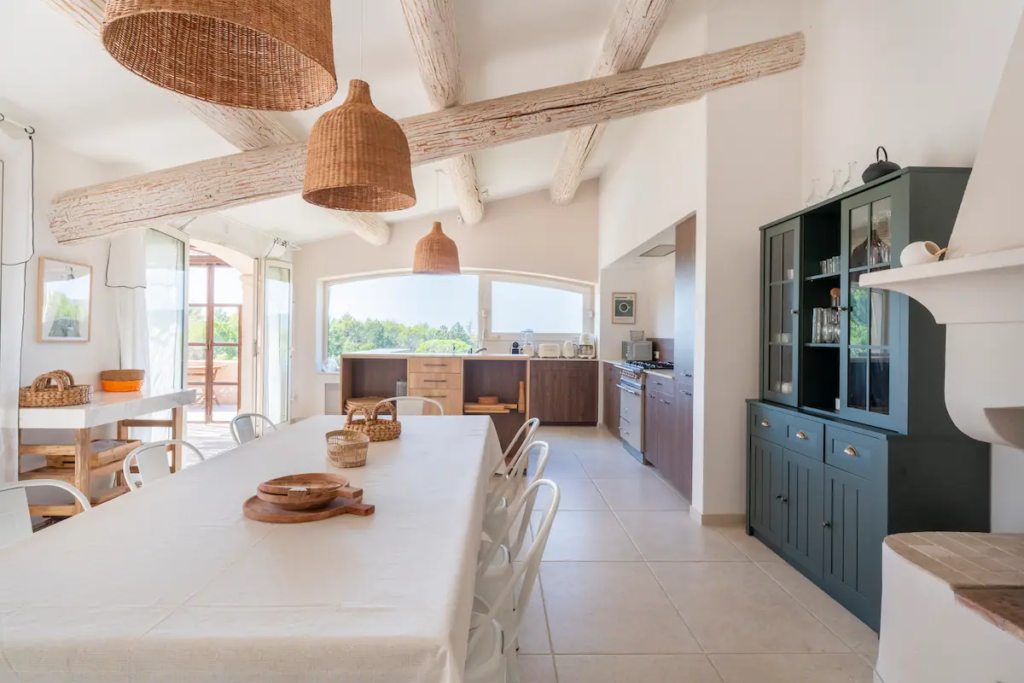
“People are now expecting hotel type quality but with all of the great things about our category that make every home unique. Visiting a house that’s kind of clean or having a calendar that’s kind of up to date is completely unacceptable. People want the booking process and stay to be as seamless as a hotel.”

So is the next phase of growth for short-term rentals about expanding supply, or improving quality and consistency?
“I would say it's quality all day, every day. I mean Hawaii or Mallorca are islands; there are only so many houses on those islands and there's heavy compression in the summer. So yeah, we absolutely want more supply.
“But if you look at it from a more macro level, the name of the game in this category is quality. OTAs that talk about the volume of properties they have are just sharing a vanity metric. And any property manager that speaks about the number of properties they have, that's also a vanity metric. It’s about your ability to deliver consistently great experiences.”
You extended the VrboCare applicability window to 90 days: What impact do you expect this will have on booking behaviour?
“ It’s really just another way that we are doubling down on trust and it's all consistent with some of that oversupply in the market that we see.
"The operators that deliver the best experiences will be rewarded on our marketplace and travelers know that when they come to Vrbo, it’s very rare that anything is going to go wrong. And if in fact something does go wrong, we have your back. A lot of our data points already indicate that when somebody does have a problem and we support them with Vrbocare, it's actually a great brand builder for us and they're more likely to come back.”