

Virgin Galactic reopens ticket sales at US$750k a seat
Virgin Galactic has reopened ticket sales for US$750,000 space tourism flights following Artemis II, as new data reveals strong consumer excitement and growing demand for transformative travel experiences. Robbie Hodges reports
Virgin Galactic has reopened ticket sales for its space tourism flights, just as global interest in space travel reaches a new high following the return of Artemis II. The company, founded by Richard Branson, is offering a limited batch of seats at $750,000 each after pausing sales for nearly two years.
The timing appears deliberate. NASA’s recent mission has brought space exploration back into public focus, and new data suggests this has had a strong emotional impact. An Ideally survey conducted immediately after Artemis II’s return asked consumers to describe their feelings about space exploration in 2026 using one word. The results show a clear shift towards optimism. A total of 81% of respondents chose positive emotions, with “excited” leading at 24%, followed by “curious” at 21%, “hopeful” at 14%, “proud” at 12% and “inspired” at 10%. Only 9% said they felt indifferent, while 5% described themselves as sceptical.
Speaking during a conference call, Virgin Galactic's CEO Michael Colglazier says the company will release 50 new seats for its suborbital flights. These journeys last around 90 minutes and are expected to begin in late 2026 or early 2027.
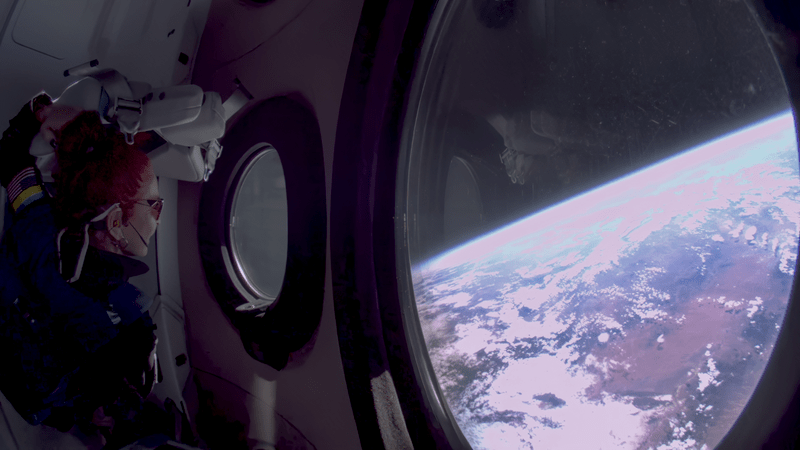
“With our first new spaceship preparing for its ground test phase, it’s time to welcome more people into Virgin Galactic spacefarer community, which already contains over 650 founding astronauts,” he says. “We’ve opened a limited tranche of 50 space flight expeditions, each priced at $750,000. These space flights will be slotted in our manifest immediately after we fly the current members of our founding astronaut community, many of whom have been anticipating their space flight for several years.”
A recent dispatch on VOLT, Globetrender's premium trends platform, has identified this moment as part of a wider shift towards travel that delivers a perspective change akin to the "Overview Effect" – a term used to describe the feeling astronauts experience when viewing Earth from space. As interest grows, travel brands are beginning to explore ways to recreate similar moments on Earth, offering experiences that inspire a unifying feeling of awe without the high cost of spaceflight.
Virgin Galactic's announcement comes after a long period of delays and technical challenges for the company. Despite taking bookings for more than 20 years, Virgin Galactic has so far only flown a small number of paying passengers. Its progress has been affected by mechanical issues, production delays and a fatal crash in 2014 that killed co-pilot Michael Alsbury.
At present, the company faces limited competition in the space tourism market. Blue Origin, founded by Jeff Bezos, has paused its tourist flights for at least two years, while SpaceX, led by Elon Musk, is focused on satellite launches, cargo missions and government contracts. This leaves Virgin Galactic as the only active option for private individuals seeking a commercial trip to space.
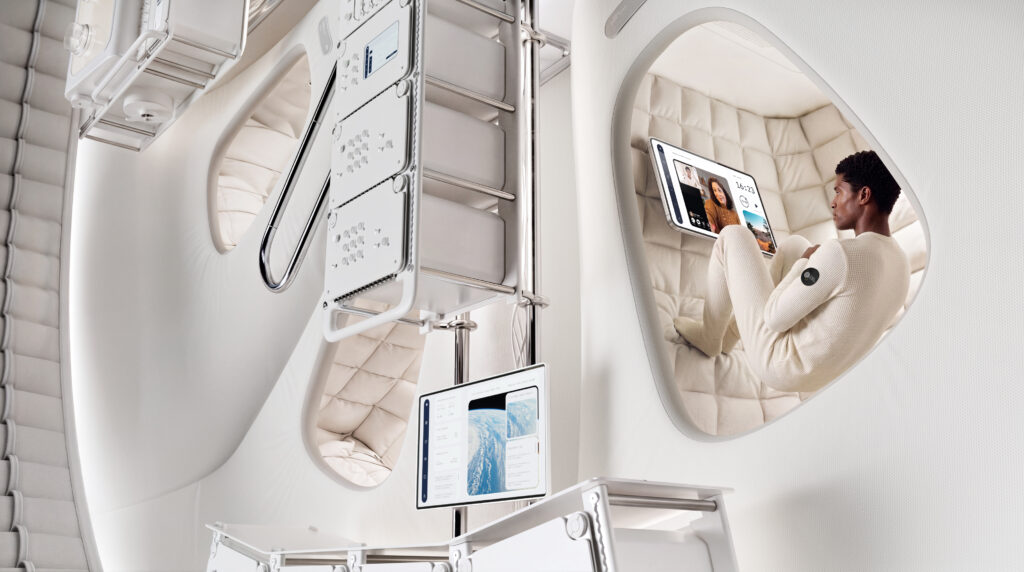
The company’s approach relies on a rocket-powered spaceplane that is carried to high altitude by a larger aircraft before igniting its engines and travelling beyond Earth’s atmosphere. Passengers experience a short period of weightlessness before the vehicle glides back down for landing.
Colglazier says Virgin Galactic plans to operate around four flights per month at first, gradually increasing to eight and then 10 as systems improve. He also notes that the current price point is unlikely to remain. “We expect our prices will rise in steps over the near to medium term, and once this initial tranche of space flight reservations is concluded, we plan to retire sales at the $750,000 level,” he says.