

Flash Pack reveals 46% of travellers think unplugging is 'extreme'
Research from Flash Pack finds most British travellers want to reduce phone use on holiday but many struggle to disconnect, prompting the company to launch a new collection of trips focused on social connection and digital detoxing. Jenny Southan reports
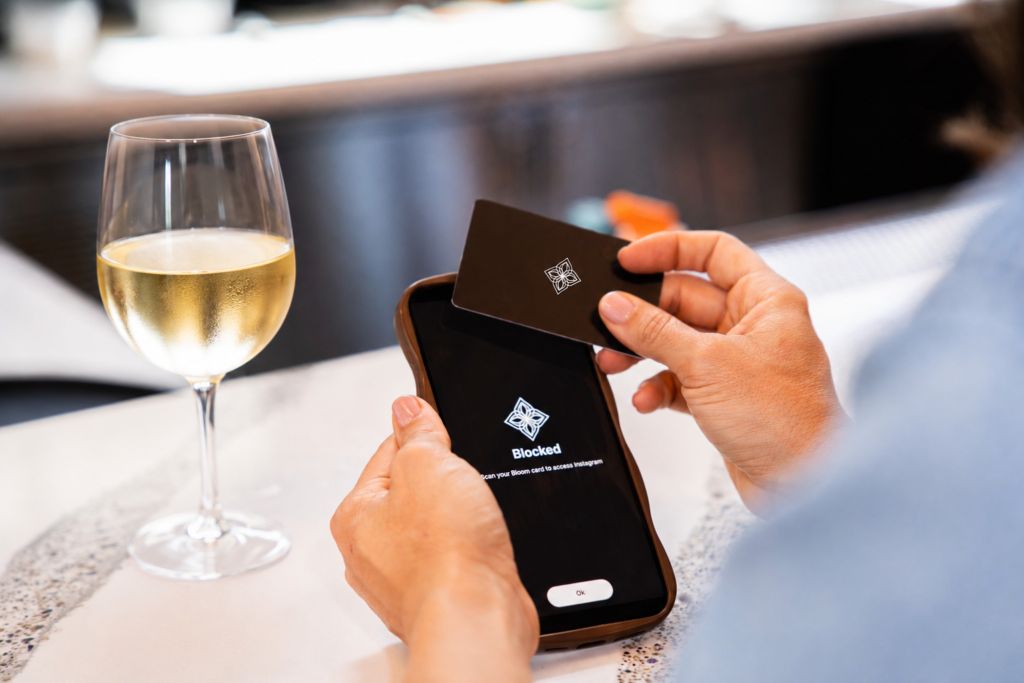
Most British travellers say they want to reduce phone use while on holiday, yet many still spend significant time on their devices while travelling, according to new research commissioned by group adventure company Flash Pack.
The study of 2,000 British holidaymakers, conducted in February 2026 by One Poll, found that 88% of respondents would like to use their phone less during trips. However, only 8% said they fully switch off from their devices when travelling.
Instead, nearly a third of travellers (27%) admitted to spending more than two hours a day on their phones while away. Based on an average of 75 minutes of daily screen time, Flash Pack estimates that travellers lose around 1.1 days of a two-week holiday to phone use.
Despite this behaviour, the desire to disconnect remains strong. More than three quarters of respondents (77%) said they go on holiday primarily to switch off and restore their energy, while 16% said being away from their phone is essential to achieving that feeling.
However, many travellers still perceive digital disconnection as an extreme step. Almost half of those surveyed (46%) said phone-free activities feel “extreme”, rising to 58% among people in their late 30s and early 40s.

The research also suggests that traditional wellness holidays may be losing appeal. More than a third of respondents (37%) said they are not interested in spa or wilderness-style retreats, while 26% described spa-focused breaks as repetitive or uninspiring when it comes to helping them disconnect.
Wellness terminology itself appears to resonate less with travellers. Around 65% of respondents said they feel disengaged by commonly used terms such as mindfulness (30%), meditation (25%), yoga (21%) or the broader concept of “wellness” (23%). Only 13% said they associate mindfulness and meditation with genuine wellbeing.
Instead, many travellers are seeking more active or socially engaging ways to feel restored. Over half (56%) said they would prefer experiences that push them outside their comfort zone when trying to reset mentally.
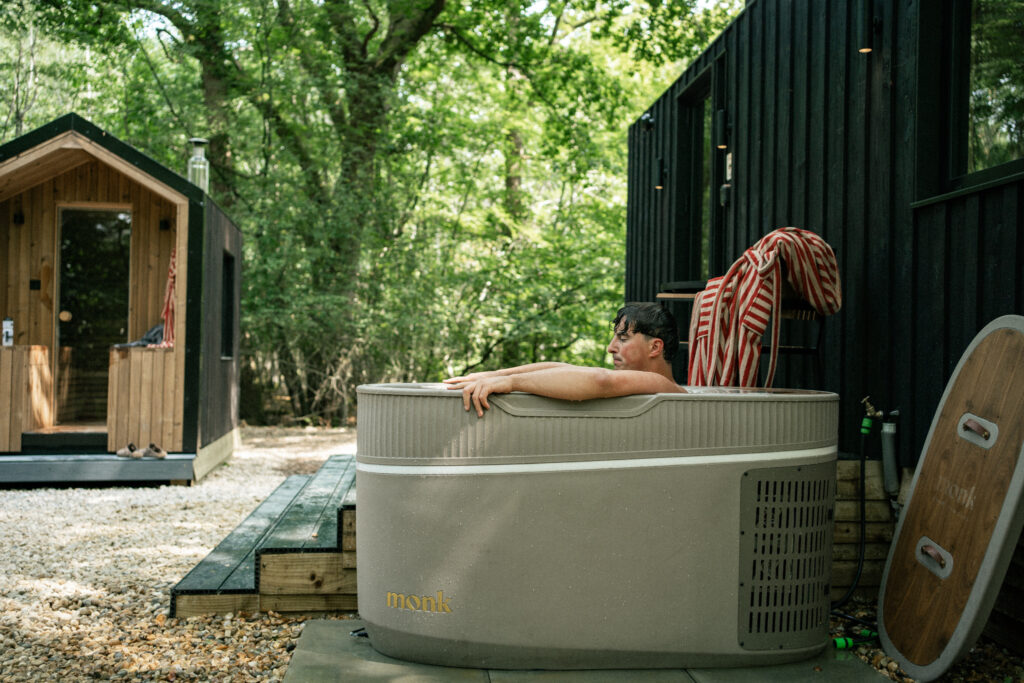
Examples cited in the research include skydiving (21%), exposure to extreme temperatures such as ice baths (10%) and travelling with strangers (10%). Older millennials and younger Gen X travellers appear most interested in these types of experiences, with 76% and 71% respectively saying they would consider them.
The findings also highlight a shift in how travellers view wellbeing during trips. Social interaction is becoming a central factor. Around 42% of respondents said forming new connections with others helps them feel restored, while 51% said their most rejuvenating holidays were those where they felt part of a group rather than isolated.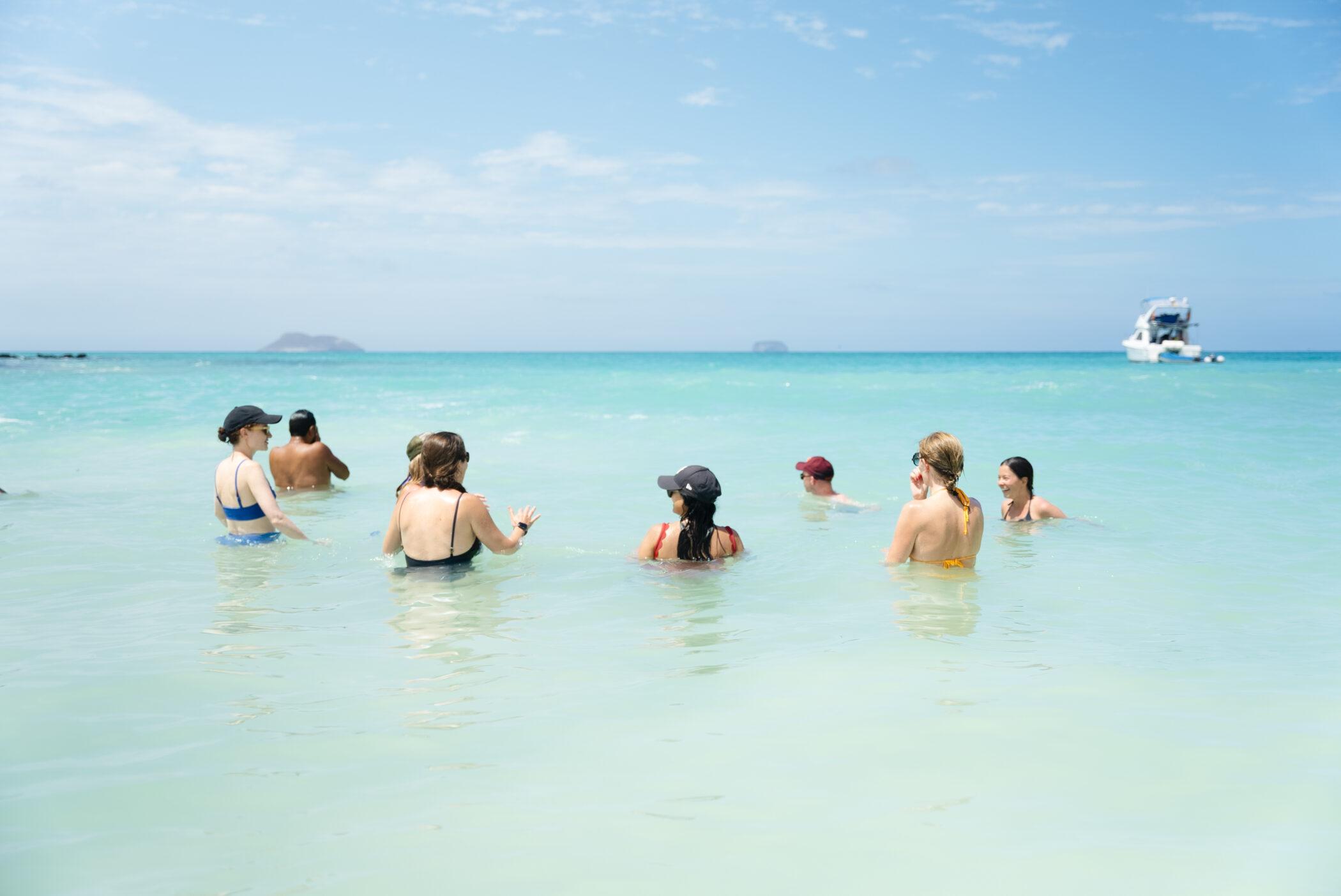
Adventure is also increasingly linked with emotional wellbeing. More than a quarter (28%) said adventurous experiences improve their mood while travelling, and 49% said they actively seek new experiences when on holiday.
Flash Pack says these changes reflect a broader evolution in the wellness travel sector, where traditional spa-led retreats may no longer meet travellers’ expectations.
Lee Thompson, co-founder and CMO of Flash Pack, says: “We know that Brits aren’t feeling restored by traditional wellness getaways anymore. Constant phone use is a major source of stress, and spa-led retreats often fail to deliver meaningful connection or long-term mental reset. People are looking for something more engaging, social, and relevant to their lives.”
In response, Flash Pack has launched a new travel concept called "The – Pause Collection", a series of small-group trips designed for solo travellers in their 30s, 40s and 50s.
Launched last month, the digital detox travel collection combines outdoor activities, cultural experiences and group interaction with moments that encourage travellers to step away from their phones.
The trips are designed to balance movement and reflection rather than strict routines associated with traditional wellness retreats. Activities range from sunrise breathwork and forest immersion to sound baths, safaris and shared meals designed to encourage conversation.
Thompson says the concept reflects a broader shift in the way travellers approach wellbeing. “The — Pause Collection is designed to answer that. Wellness is changing, and travellers are looking for a blend of restoration and adventure – like combining abseiling down a mountain with intimate cleansing rituals and plant-based healing – all with the chance to connect with like-minded solo travellers.”
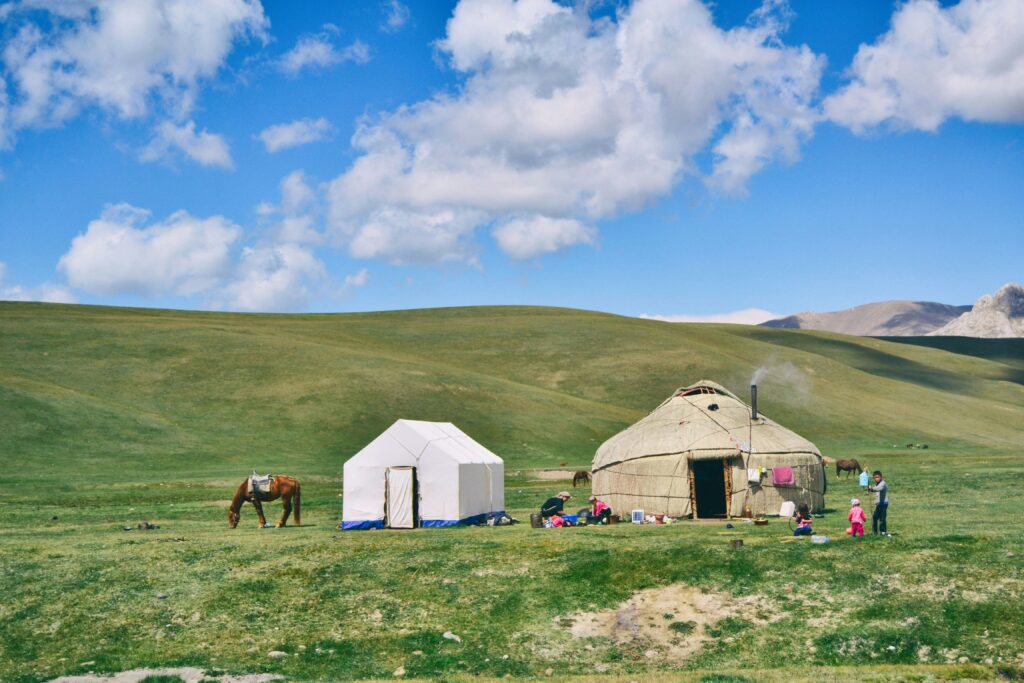
The collection launches with four itineraries across Colombia, Ecuador, South Africa and Spain. Experiences include kayaking through mangrove forests in the Caribbean, exploring the Amazon rainforest with Indigenous guides, sensory safaris near Greater Kruger National Park and forest-based retreats in Spain’s Sierra de Mariola mountains.
Flash Pack says the aim is not to impose a strict phone ban but to encourage travellers to be more present during key moments of the trip.
The company argues that as digital habits increasingly shape daily life, travel experiences that encourage genuine connection and shared experiences may become an important part of the next phase of the wellness travel market.