

Nick Jones says generosity is the future of luxury hospitality
Speaking at Condé Nast Traveller's Points of View summit in London, the founder of Soho House and new hotel St Clement, Nick Jones, argues that luxury hospitality has become too transactional, calling for fewer charges, less bureaucracy and a renewed focus on making guests feel welcome.
Luxury hotels have become so preoccupied with procedures, policies and additional charges that they risk forgetting the fundamental meaning of hospitality, says Nick Jones, founder of Soho House and London's new St Clement hotel.
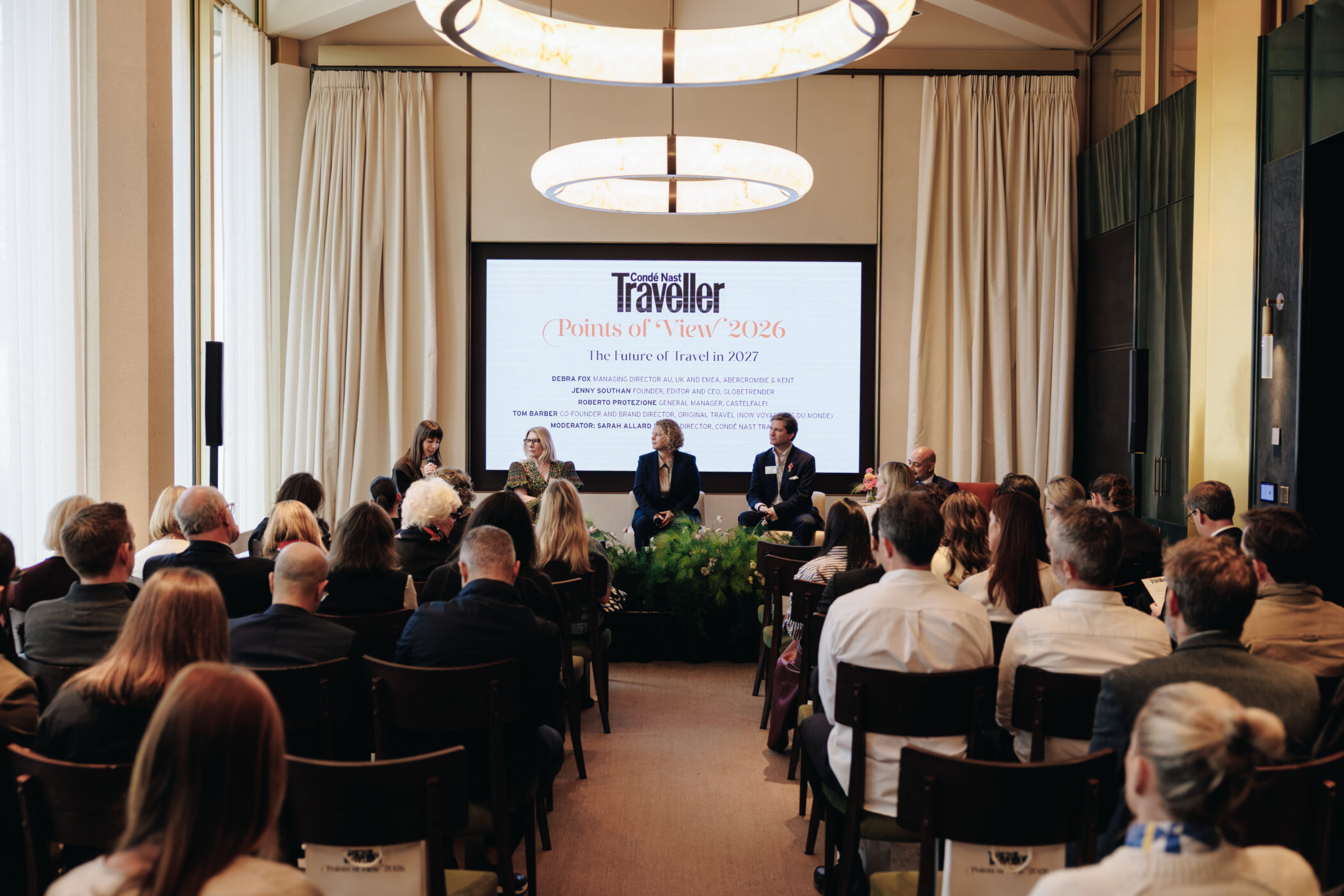
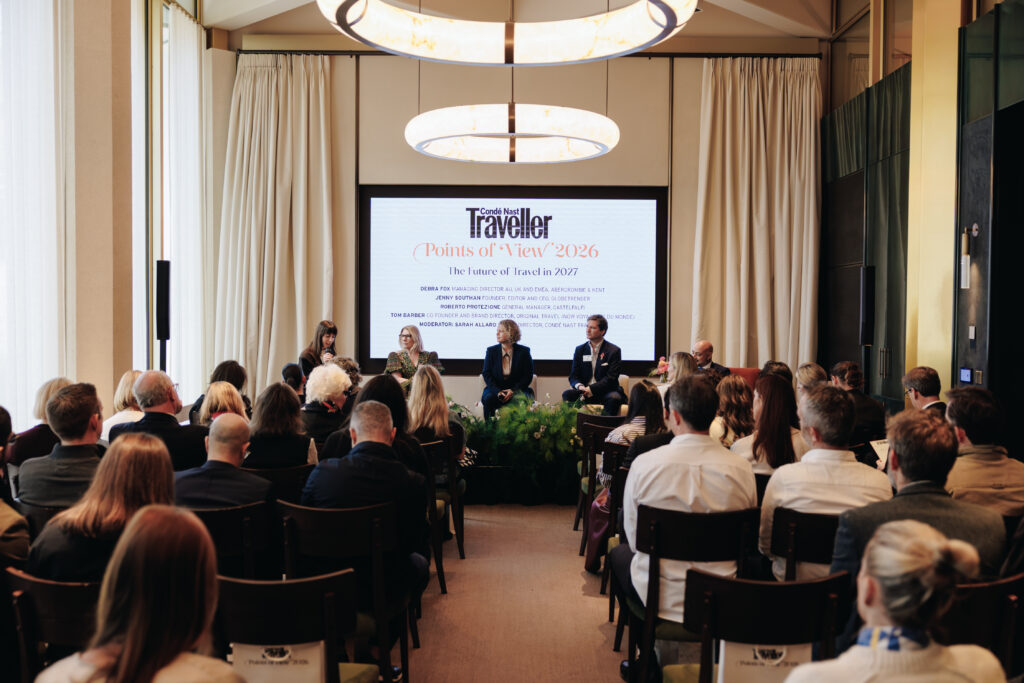
Speaking in conversation with Divia Thani, global editorial director of Condé Nast Traveller, at the publication's Points of View summit at the Chancery Rosewood in London, Jones explained how his latest venture is designed to challenge the conventions of high-end hotels.
"I just feel that hotels were beginning to lose hospitality. They were beginning to become a bit process and a bit procedural," he said.
Jones, who founded Soho House in 1995, argued that the traditional hotel check-in experience has become unnecessarily bureaucratic, with guests routinely asked to provide credit cards and deposits before being allowed into their rooms.
"When you walked into a hotel, the first thing you do is see a desk. I mean, almost like checking in at an airport, but an airport with carpet," he said.
He suggested that hotels have developed policies designed to protect themselves against a small minority of badly behaved guests, at the expense of the overwhelming majority who simply want an enjoyable stay.
Instead, Jones believes the ultimate expression of luxury is a seamless arrival. "This is luxury, I think, is arriving at a hotel and someone going: 'Hi, Nick, can I take you to your room?' That's luxury, isn't it?"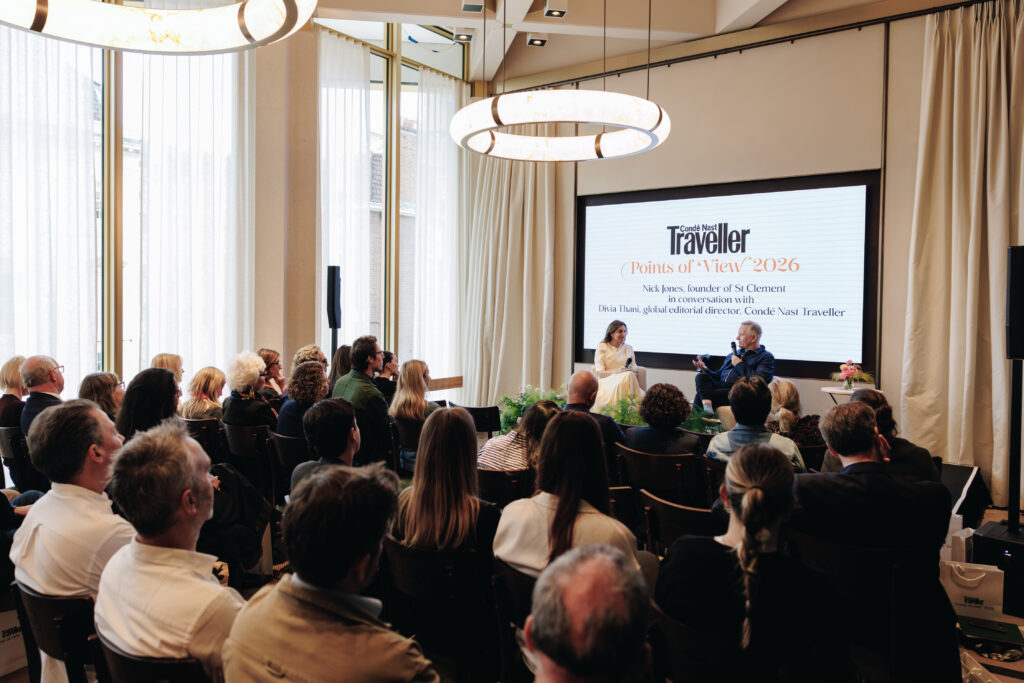
The generosity equation
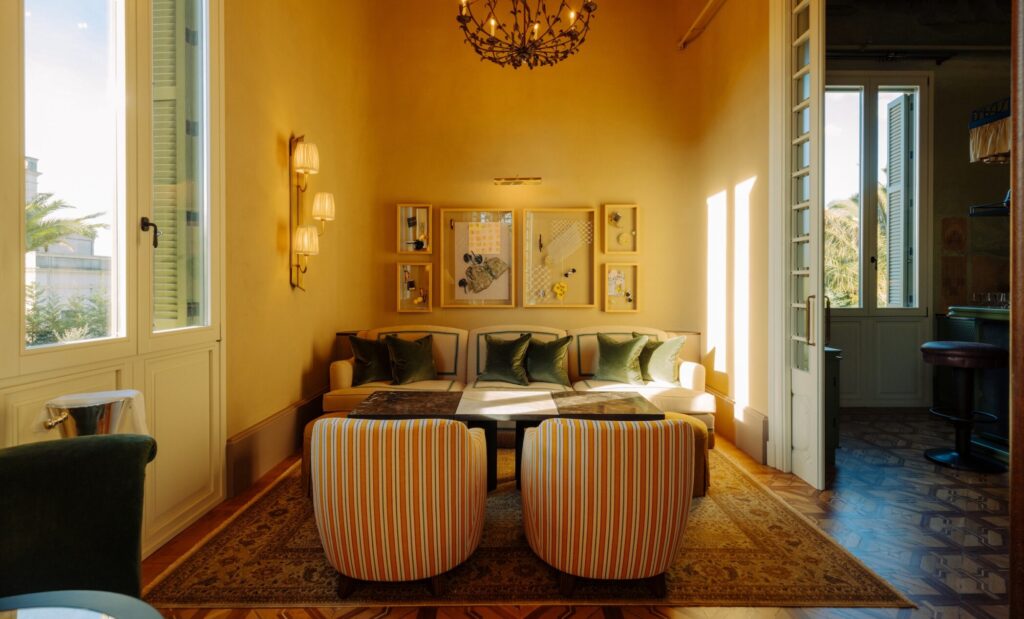
At St Clement, which occupies part of the 180 Strand development overlooking the Thames, Jones has sought to introduce what he describes as a sense of generosity into every aspect of the guest experience.
This includes free non-alcoholic drinks from the minibar, free laundry and steaming services, and generously stocked bathroom cabinets featuring British beauty products.
"I hate little charges in a hotel. I hate paying for a Kit Kat. I hate filling out the laundry form," Jones said. "Wherever you go, there's generosity and not someone trying to nickel and dime you."
Although these benefits represent additional operating costs, Jones believes they can ultimately improve profitability by encouraging repeat visits, generating word-of-mouth recommendations and reducing the need for conventional marketing.
"I think it makes sense because we will run at a very high occupancy. We won't need to spend money on marketing," he said. The idea is to build a loyal customer base that actively chooses to return, rather than continually paying to attract new guests.
While the commercial success of the strategy remains to be proven, Jones suggested that investing in generosity could be more effective than extracting additional revenue from guests through incidental charges.
His philosophy also extends behind the scenes. At St Clement, considerable attention has been given to staff facilities, including a dedicated restaurant, high-quality changing rooms and an in-house laundry service that ensures employees arrive to freshly cleaned uniforms.
"The team and the customer were at the forefront of every decision we were making," he said.
Luxury without the formality
Jones also challenged traditional assumptions about what constitutes luxury, arguing that modern affluent travellers increasingly prefer informality over ceremony.
Where grand hotels were once associated with marble interiors, formal dress codes and deferential service, he believes today's guests want a more relaxed atmosphere without compromising on quality.
"Luxury now is much more... cashmere, T-shirts, trainers," he said. "People want to be called by their Christian name. I don't want to be called Mr Jones by anyone. I want to be called Nick."
He added: "It's not all about that sort of grandeur. People want to feel relaxed, they want to feel at home, but they want to feel that everything is pretty perfect."
This philosophy is reflected in St Clement's ambition to function as a London home rather than a conventional hotel. The property is developing river-facing loft accommodation with kitchenettes and balconies, designed to accommodate longer stays as well as shorter visits.
Jones also emphasised the importance of attracting Londoners into the hotel's restaurants and bars, rather than creating spaces used exclusively by overnight guests. "You want to go into a hotel where the restaurant is full of New Yorkers," he said, referring to the atmosphere he looks for when visiting New York.
For Jones, a successful hotel should be part of the social life of its city, with local residents contributing to the atmosphere that visitors come to experience.
AI should enhance hospitality, not replace it
Despite his emphasis on human interaction, Jones sees considerable potential for artificial intelligence to improve the guest experience. Rather than replacing receptionists, concierges or travel advisers, he believes AI should be used to eliminate administrative work and help staff recognise guests before they arrive.
"We want to recognise them even though they haven't been to us before," he explained. The ambition is to use technology to gather relevant guest preferences in advance, allowing staff to offer a more personal welcome.
"Who in this room doesn't like being recognised when they walk into a restaurant?" he asked. However, Jones was adamant that technology should not replace the personal relationships at the heart of hospitality.
"I personally think it should be a help to you. It's not a threat because I always want to talk to someone. I always want to talk to a person," he said, addressing the travel advisers in the audience.
He suggested that AI could make back-office operations more efficient while allowing employees to concentrate on delivering personal service. The conversation also touched on the limitations of AI-generated travel recommendations, particularly when online reviews may be biased or manipulated.
Jones argued that trusted personal recommendations remain valuable because travellers can assess the judgement and experience of the person offering the advice.
Hospitality as a school for life
Beyond the guest experience, Jones made a wider argument for the social value of hospitality as an industry. Reflecting on his own childhood, he revealed that he had been shy and struggled with communication before entering hospitality at the age of 16.
He believes working in restaurants and hotels can help young people develop confidence, communication skills and an ability to interact with people from different backgrounds.
"There are so many young people in this country at the moment who are not working, who are glued to their screens, who are absolutely lacking any confidence in human contact or human conversation," he said.
Jones argued that hospitality provides practical skills that remain useful throughout life, regardless of whether someone pursues a long-term career in the industry. "The one thing AI can't do is give people a personality or give people an ability to get on with people," he said.
"And I think if you can get on with people in life, you are 50% there."
His comments point to a broader reassessment of the value of human service at a time when hospitality companies are investing heavily in automation, personalisation technology and operational efficiency.
For Jones, however, the industry's competitive advantage remains relatively simple: treating guests and employees well.
As luxury hotels compete to offer increasingly elaborate facilities and experiences, his approach at St Clement suggests that the most meaningful innovation may be a return to the basics of hospitality: warmth, recognition, trust and generosity.