

Wanderlux CEO says UHNW travellers seek 'emotional depth'
Rebecca Green, CEO of bespoke luxury travel concierge Wanderlux, speaks to Globetrender about the evolving needs and desires of ultra-wealthy clients, as well as what's next for space tourism.
What is the most surprising shift you’ve seen in UHNW client priorities over the past 12 months and what do you think is driving it?
"Luxury is no longer about access, it’s shifting more towards purpose. The most notable shift has been a move away from status-led travel towards meaning-led travel. Clients are no longer asking 'where should I go?' but considering how they want to feel after it.
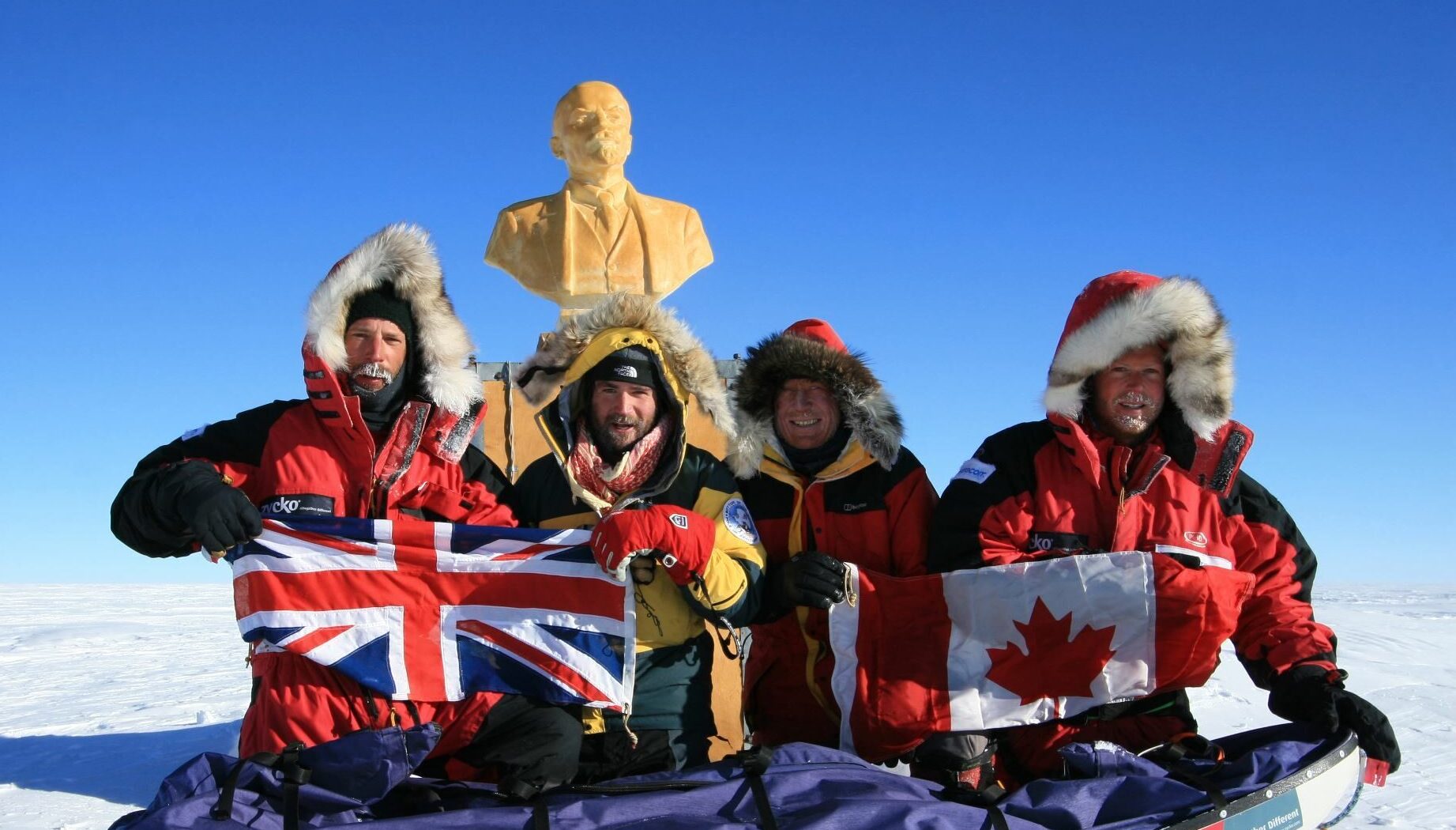
"There is a clear desire for emotional depth, whether that’s spending time with scientists in Antarctica, joining conservationists in Africa, or embarking on expeditions that offer genuine perspective. This is being driven by a wider cultural shift; post-pandemic reflection, increased global awareness, and a desire to invest time more consciously."
How would you describe your typical client today in terms of mindset, demographics and expectations and how is that evolving?
"Our clients are globally minded, time-poor, and deeply curious. Many are founders, investors, or multi-generational families who value experience over acquisition. What’s evolving is their level of intention. They are more informed, more selective, and far less interested in traditional luxury markers.
"They expect seamless execution, but more importantly, they expect originality. The challenges in this, however is that we are seeing an influx of new hospitality brands opening, with fabulous marketing spend but poor execution on the ground – so our clients are leaning close to their travel agents for support in sifting through the increased options."
What types of trips does Wanderlux excel at delivering, and what makes your approach distinctive in those categories?
"Wanderlux excels in 3 distinct areas. Tailormade travel in its most creative form, Travel Concierge for frequent travel (personal and business) and Wellness Travel & Retreats. Across Tailormade, we focus in designing complex, high-touch journeys that sit at the intersection of luxury and exploration.
"This includes: polar and remote wilderness expeditions; specialist-led journeys with astronauts, scientists, and explorers; private island and yacht-based itineraries; conservation-led safaris and impact-driven travel; and multi-generational, deeply personalised journeys.
"Across all three sectors, we specialise in managing UHNWIs and have evolved to ensure a dynamic and flexible approach tailored to each client's needs. What differentiates us is our access and our narrative-led design.
"We don’t start with destinations, we start with people, purpose, and perspective. Every trip and itinerary is built around a story the client becomes part of – whether that be for health, business, personal missions or family luxury." 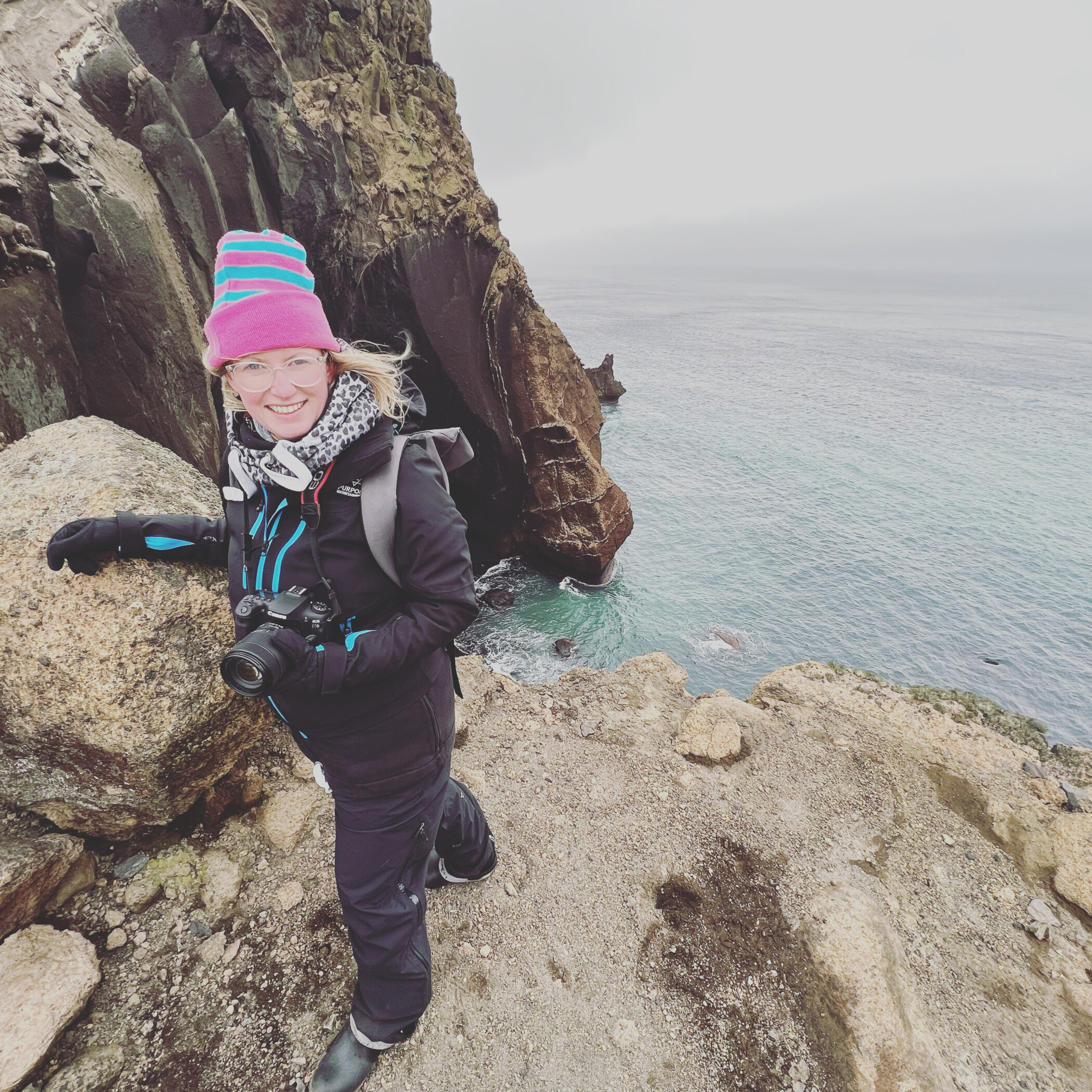
What are the typical price points for your itineraries, and how are budgets shifting at the top end of the market?
"Our itineraries typically range from £25,000 to £250,000+, depending on the level of access, logistics, and exclusivity. At the very top end, budgets are expanding, but not indiscriminately. Clients are willing to invest significantly where they see unique value, particularly in private access, specialist expertise, and once-in-a-lifetime environments. They are seeing travel spend as an investment, and therefore frivalous spending is beginning to disappear."
Where are you seeing clients spend more versus pull back and how is that reshaping the definition of “luxury travel”?
"We're seeing an increase in client spend around the following areas: privacy (exclusive-use properties, private yachts, private islands); access (experts, guides, behind-the-scenes experiences, one-to-one storytelling); time efficiency (seamless logistics, curated pacing, quick Whatsapp communications).
"They are pulling back on overly structured group tours, 'Instagram luxury' that lacks substance, high-density and over-planned itineraries that prioritise quantity over quality. Luxury is becoming quieter, more intentional, and far more personal. A great example shared recently was an editor's description of a luxury experience: lying under a blanket beneath the clearest starry sky at night. That night, her hotel cost US$25 per night."
Are clients becoming more spontaneous or more strategic in their planning? What does that reveal about their mindset right now?
"Interestingly, we’re seeing both. There is an increase in highly strategic, long-term planning for milestone journeys. These generally have longer lead times (we just confirmed our first 2028 booking) and will be considered as epic experiences – Antarctica, space travel, multi-generational expeditions.
"Simultaneously, there is a rise in spontaneous, high-value bookings where clients want to leave within days or weeks. This is the 'carpe diem' attitude, much influenced by today's political instability and weather unpredictability. This reflects a mindset shift: clients are balancing long-term intention with a 'don’t wait' philosophy. I suppose in some ways, time has become the ultimate luxury."
Which destinations are moving from “emerging” to “essential” for your clients, and why now?
"Destinations such as Antarctica, China and parts of French Polynesia are moving into the 'essential' category. Greenland, in particular, is becoming a flagship destination due to its raw beauty, climate relevance, and limited access – it offers both exclusivity and meaning.
"The renewed interest in Antarctica, is not just as a destination, but as an educational and emotional experience. It has also become more accessible for many, with larger cruise capacities circumnavigating the Antarctic Peninsula."
What types of experiences are clients requesting that simply didn’t exist five years ago?
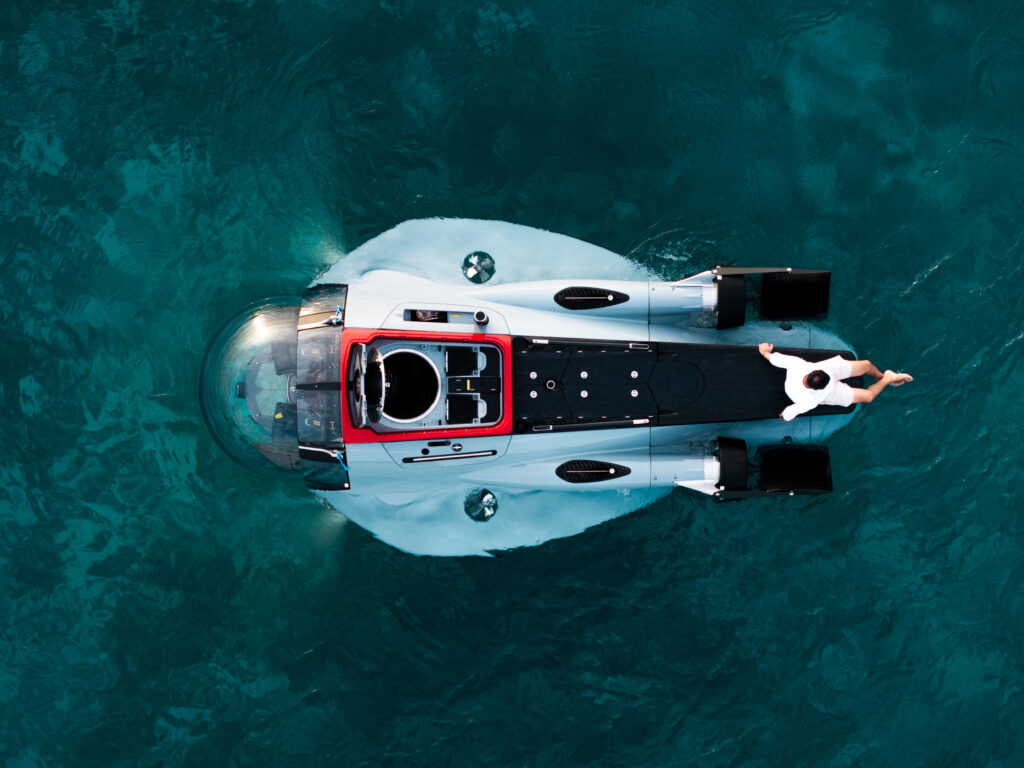
"We are seeing demand for experiences that combine multiple disciplines – science, exploration, wellness and technology. Live Wanderlux examples include: training alongside astronauts or participating in analogue space missions; submersible dives to unexplored ocean environments; conservation immersion programmes with measurable impact; and longevity and biohacking retreats guided by leading experts. These are not 'trips' in the traditional sense – they are immersive, often transformative programmes."
Are you seeing a shift from consumption (seeing/doing) to transformation (feeling/becoming)? Can you give examples?
"Absolutely – this is one of the most defining shifts in luxury travel today. Clients are moving away from itineraries that focus on ticking off destinations, and are leaning toward journeys that create internal change. We have seen this first hand with our clients, who plan with a vision or intention, but usually the result or outcome far exceeds any expectation imagined.
"A week in Antarctica with scientists can shift perspectives on climate and humanity beyond what the news tells us. A wellness retreat focused on nervous system reset can change how someone lives day-to-day and creates long-term positive impacts, and expedition travel with explorers can reignite a sense of curiosity and resilience that is also addictive for many. In many ways, travel is becoming a catalyst for personal evolution."
How are you integrating AI or advanced data into trip design? And where does human curation still win?
"AI is incredibly valuable in enhancing internal efficiencies – from day-to-day operations to data analysis and understanding travel patterns. The essentials behind the business also benefit; accounting, social media, marketing.
"This being said, at a level of high-touch hospitality and truly bespoke planning, no level of automation can replace emotion, desire or connection. Wanderlux's core structure is deeply personal, personally curated and offers emotional support – AI doesn't have the capacity to mimic this, let alone replace it."
What’s your perspective on the future of space tourism? Are you seeing genuine client demand, and have you had any new bookings or enquiries recently?
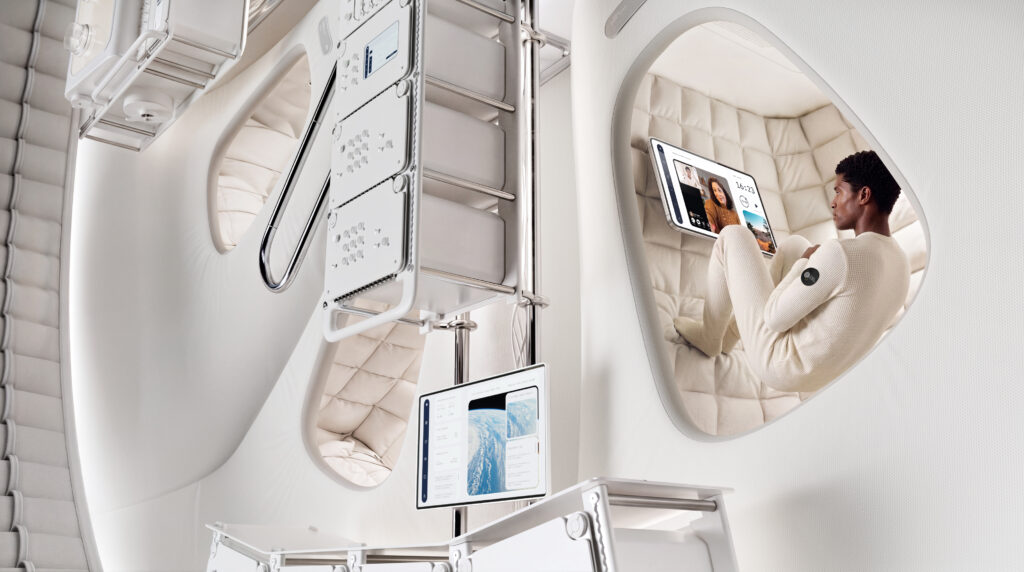
"Space tourism is moving from concept to credible frontier and we are proud to lead the way in Travel Space Tourism with our valuable partners in purpose, Space for a Better World. Our clients benefit from personal access to former astronauts, story tellers and explorers, as well as future ambassadors in space.
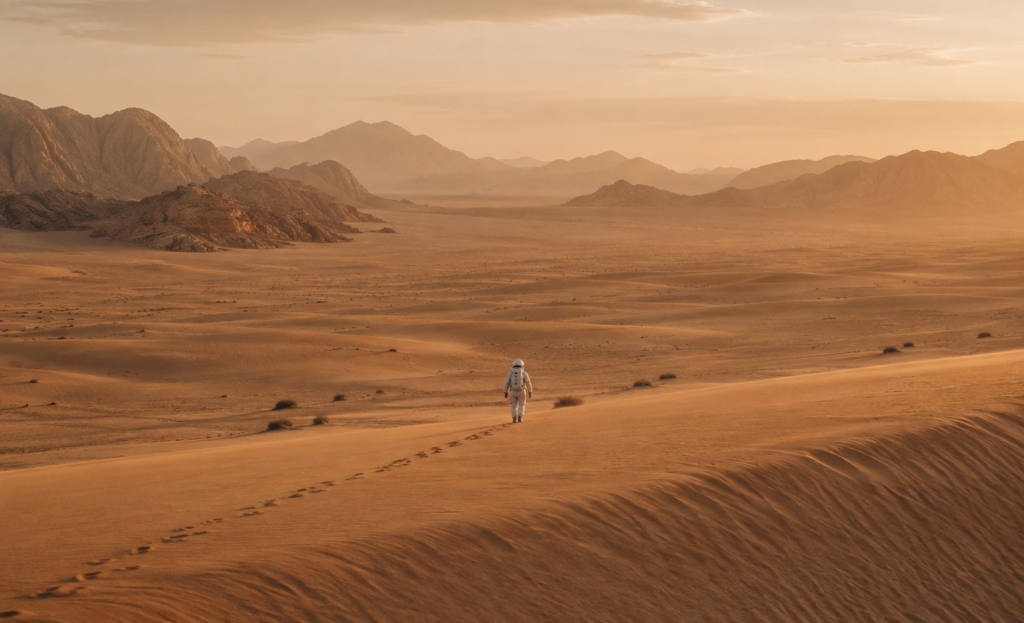
We are seeing genuine demand, particularly from clients who have already experienced the most remote parts of Earth and are looking for the next boundary. There is strong interest in zero-gravity flights, astronaut training and suborbital missions, with enquiries increasing steadily over the past 12 months. It’s still a niche, and although it is an industry to navigate carefully (with conceptual ideas falling short), we see that a few of these experiences are no longer hypothetical."
Looking ahead to 2030, what will define true luxury in travel, and what will feel outdated or irrelevant?
"By 2030, I believe that true luxury will be defined by three things: access, meaning and responsibility. What will feel outdated is performative luxury, excess without purpose, visibility without depth. The future of luxury travel is not about more. It’s about better – and this is a very powerful evolution to be part of."