

MGallery report reveals three trends shaping Mediterranean travel
New research from MGallery and Globetrender identifies three key trends shaping Mediterranean travel in 2026 and beyond, from a growing appreciation for micro-cultures to water-based wellbeing.
The Mediterranean is moving beyond being sun-and-sea holiday destination as travellers seek more personal, enriching and psychologically rewarding experiences, according to a new report from MGallery Hotel Collection and travel trend forecasting agency Globetrender.
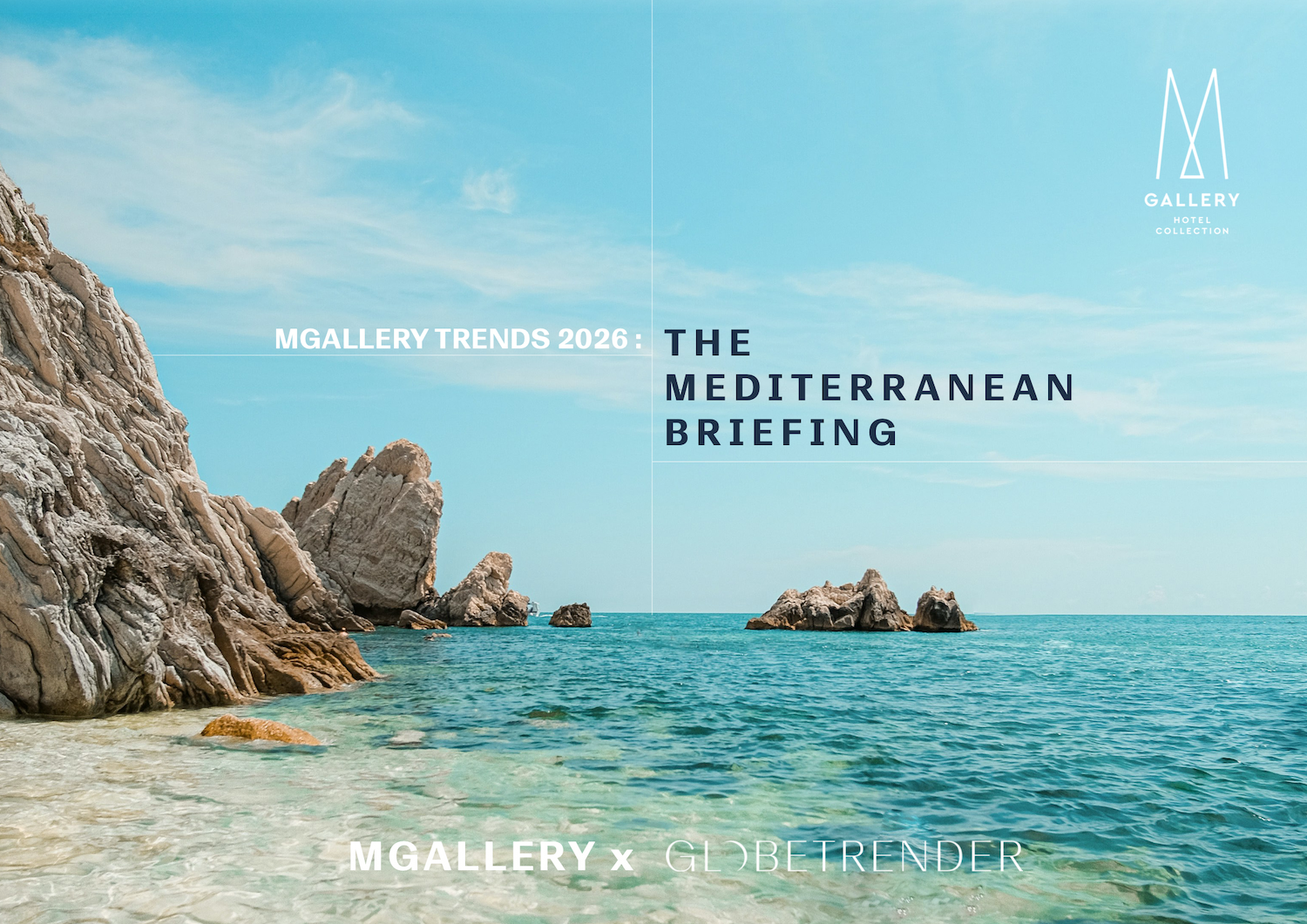
Titled MGallery Trends 2026: The Mediterranean Briefing, the report identifies three emerging trends that are reshaping how people engage with one of the world's most popular tourism regions: Micro-Cultures of the Med, Blue Mind Experiences and The Comeback Effect.
The findings come as Mediterranean tourism continues to grow. According to UN Tourism data cited in the report, Europe welcomed 793 million international arrivals in 2025, a 4% increase on 2024, with Southern Mediterranean Europe remaining one of the strongest-performing regions. Greece alone recorded almost 38 million international visitors in 2025, up from 35.95 million the previous year.
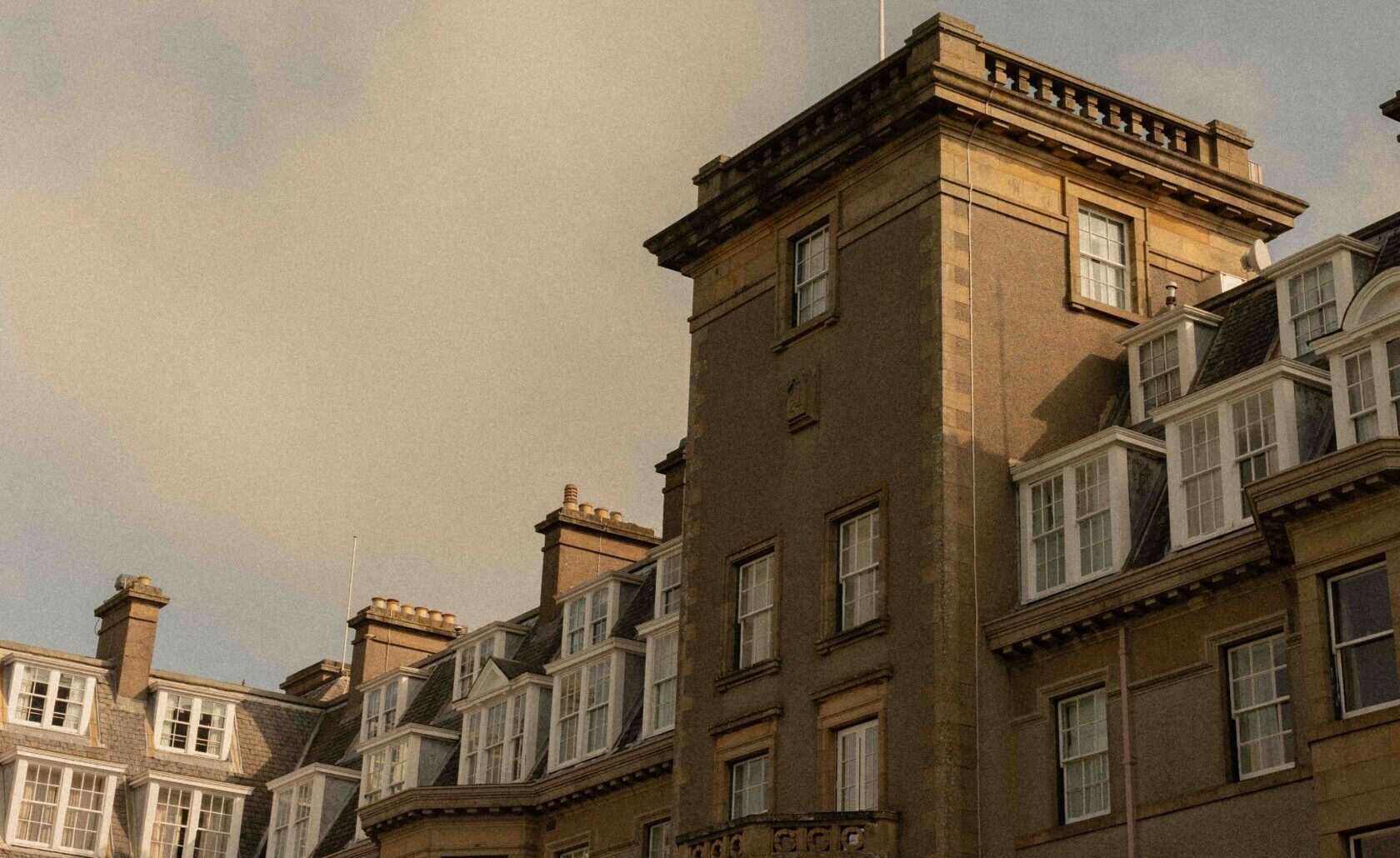
Speaking at the report launch, which was hosted at the Sofitel St James hotel in London, Jenny Southan, founder and CEO of Globetrender, noted that traveller expectations are changing. "People are no longer simply looking for a Mediterranean holiday. They're looking for a more meaningful relationship with the Mediterranean."
Maud Bailly, CEO of Sofitel Legend, Sofitel, MGallery and Emblems, says: "While travellers are still drawn to the Mediterranean's climate, coastline and lifestyle, we are seeing a clear shift towards more meaningful and emotionally driven experiences rooted in culture, wellbeing and discovery."
The first trend, Micro-Cultures of the Med, reflects growing demand for experiences rooted in local identity rather than broad regional stereotypes. While the Mediterranean is often marketed as a single lifestyle defined by sunshine, food and coastal living, the report argues that travellers are increasingly interested in the distinct traditions, cuisines and histories that differentiate one destination from another.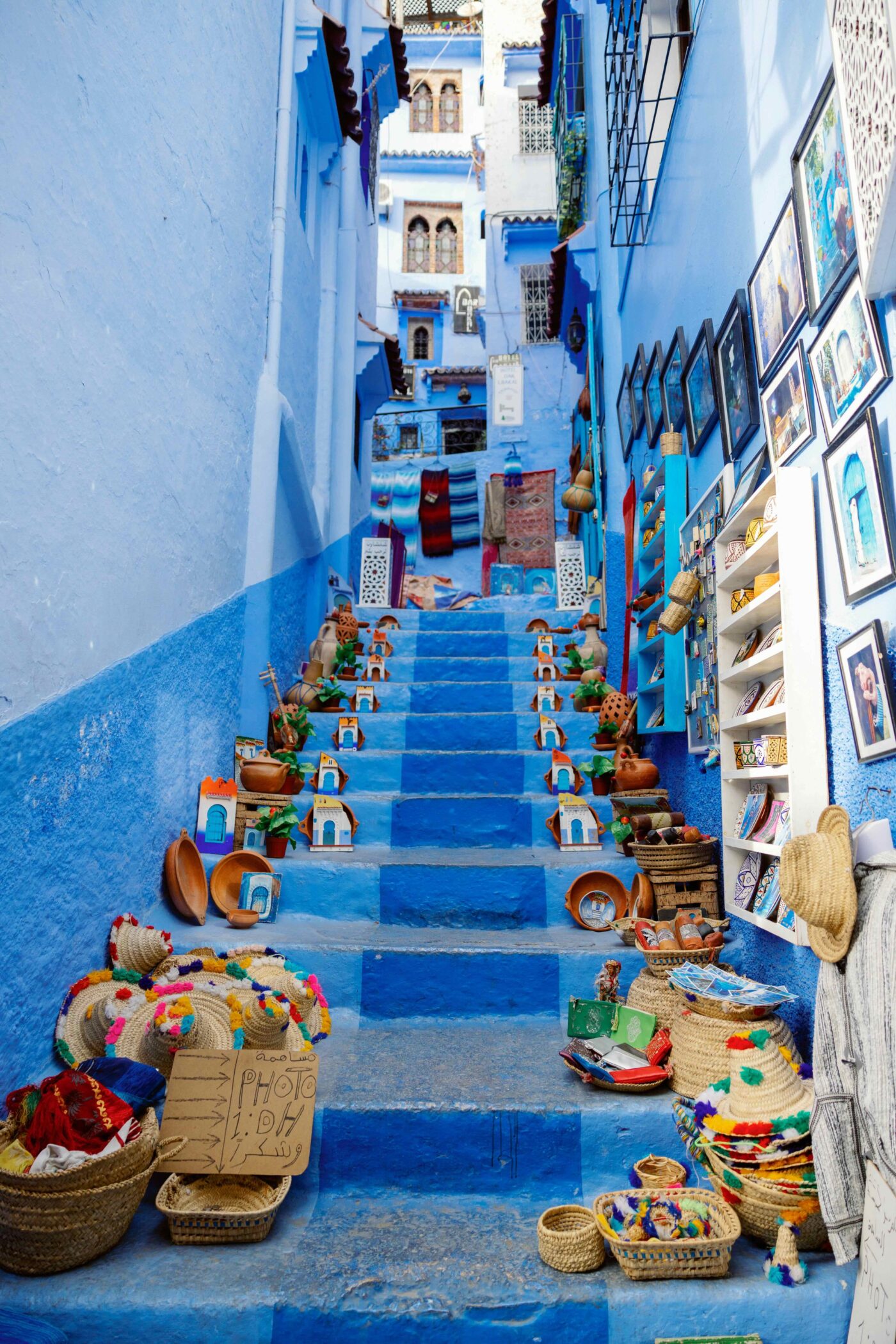
Countries such as Albania are benefiting from this shift. Positioned between Greece and Croatia, the country is attracting growing attention thanks to its blend of Balkan and Mediterranean influences, UNESCO-recognised iso-polyphonic singing traditions and evolving hospitality infrastructure. The report suggests that travellers are drawn not only by affordability but by the opportunity to discover cultures that still feel relatively unfamiliar.
"The Mediterranean is not one culture. It's hundreds of cultures. It is an archipelago of distinct identities," Southan says.
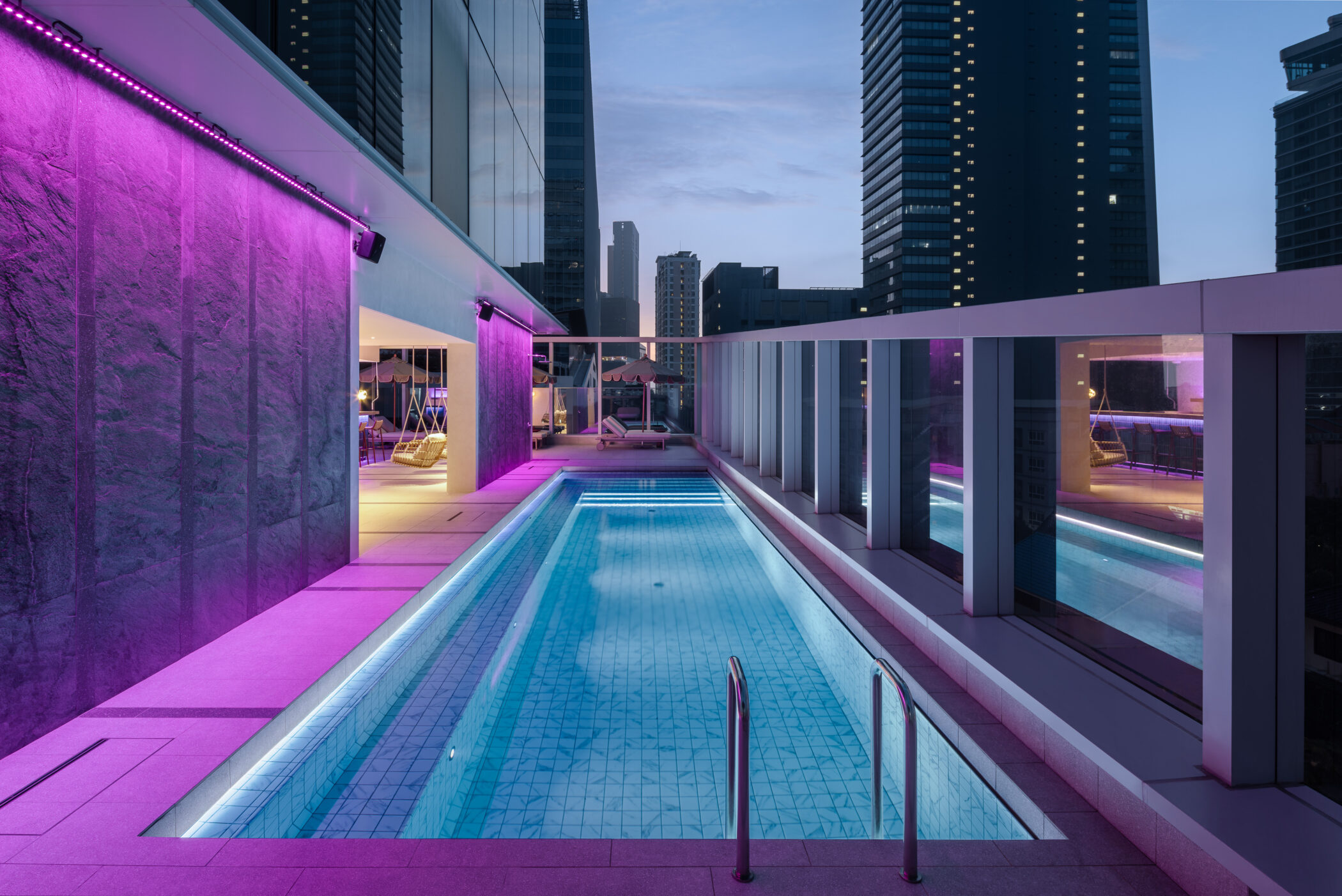
The second trend, Blue Mind Experiences, focuses on the psychological benefits of spending time near water. The concept, popularised by marine biologist Wallace J Nichols, describes the calming mental state associated with being in, on or near water. According to the report, this idea is becoming increasingly relevant as travellers look for ways to counter burnout, stress and digital overload.
Research referenced in the report highlights links between proximity to blue spaces and improved mental wellbeing, while the World Health Organization estimates that more than one billion people worldwide are living with mental health conditions.
Rather than focusing on intensive wellness programmes, the report suggests travellers are finding value in simple, repeated interactions with the sea, such as daily swimming, boating or spending extended periods by the water.
"The Mediterranean's greatest luxury may not be its hotels or restaurants. It may simply be the sea itself," Southan says.
The third trend, The Comeback Effect, examines how repeat visitation is evolving. The Mediterranean has long been one of the world's most popular return destinations, but travellers are increasingly using repeat visits to deepen their understanding of a place rather than recreate the same holiday.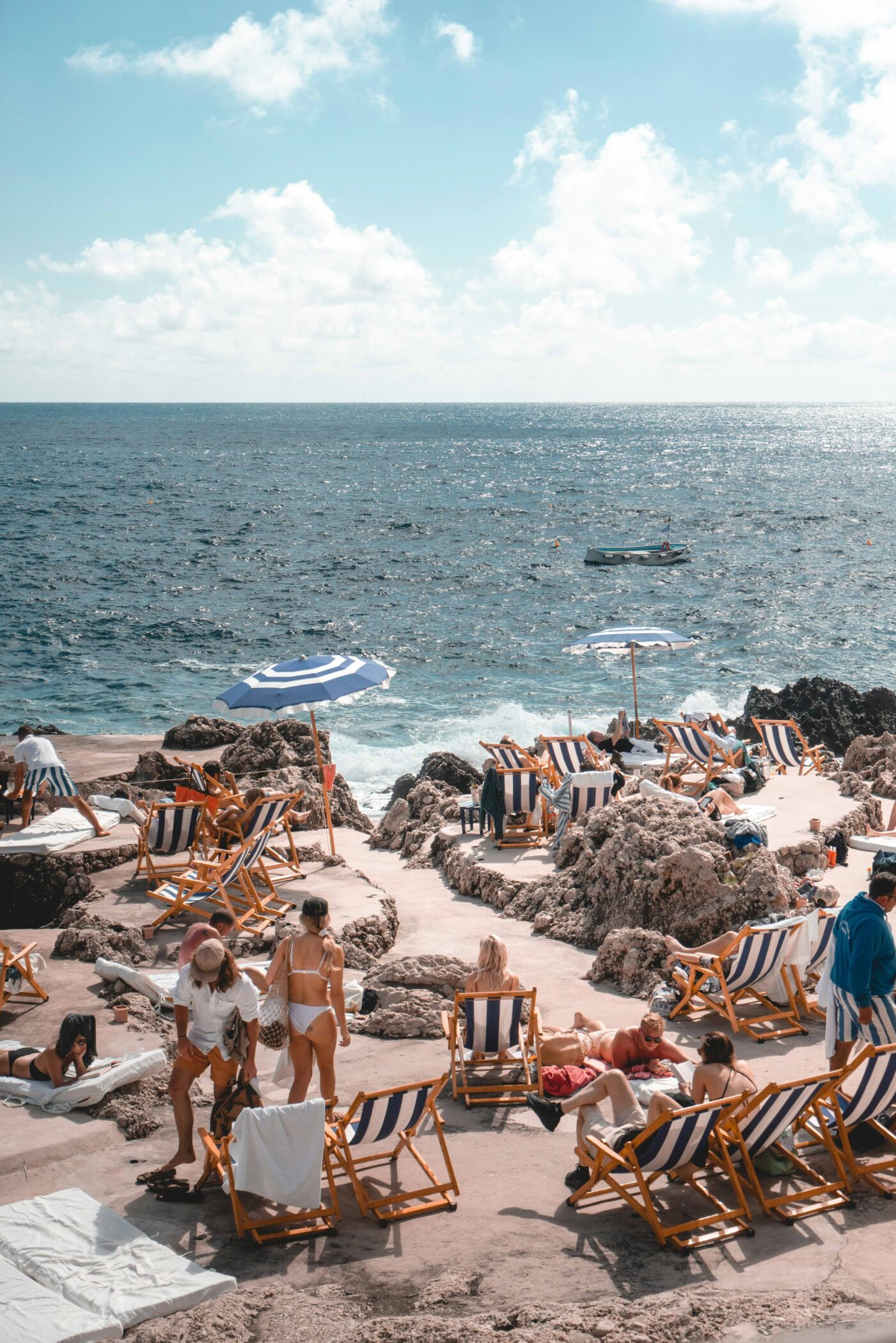
Data from the European Travel Commission cited in the report shows that 90% of European travellers plan to travel within Europe during summer 2026, while Southern and Mediterranean Europe remain the most popular destinations, attracting nearly 60% of travellers and recording a 17% increase in demand.
According to the report, familiarity now acts as a foundation for exploration. Travellers who already know a destination are becoming more willing to visit outside peak seasons, seek out lesser-known neighbourhoods and engage more deeply with local communities and traditions.
"The Mediterranean is at a tipping point," Southan says in the report. "Demand is reaching record levels, but at the same time travellers are becoming more selective about how they experience it. There is a growing preference for places that feel slower, more local and less exposed to mass tourism – which is forcing the industry to rethink how it delivers value in such a well-established region."
The report concludes that future growth in Mediterranean tourism will depend not only on attracting new visitors but on helping travellers build stronger emotional connections with destinations through local culture, nature and repeat discovery. As a result, hotels are increasingly positioning themselves as gateways to authentic experiences rather than simply places to stay.