

Intrepid Travel highlights world's 'endangered dishes'
New research commissioned by Intrepid Travel warns that traditional foods as familiar as New York bagels and Hong Kong dumplings are under threat from overtourism, climate change and globalisation.
Traditional dishes around the world are at risk of disappearing as overtourism, climate change and changing consumer habits reshape local food cultures, according to new research commissioned by Intrepid Travel.
Working with food experts Dan Saladino, author of Eating to Extinction: The World's Rarest Foods and Why We Need to Save Them, and award-winning food writer Yasmin Khan, Intrepid has identified a list of ten "endangered dishes" that are increasingly threatened by environmental pressures, cultural dilution and the loss of traditional culinary skills.
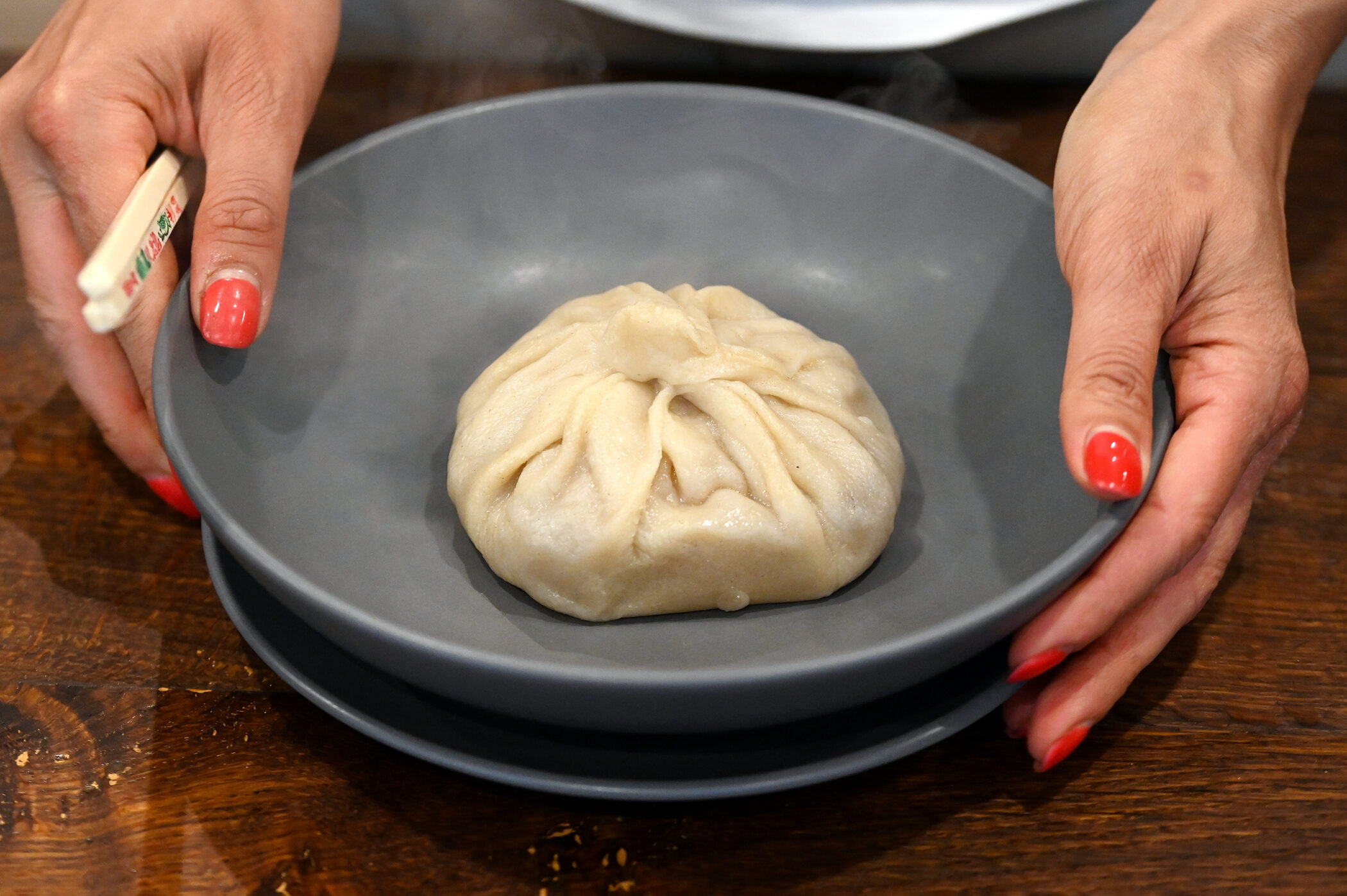
The list includes hand-rolled, kettle-boiled bagels in New York, traditional "jumbo soup dumplings" in Hong Kong, Chelsea buns in London and Inanchila, a sacred sticky rice dessert from the Northern Philippines. Other dishes highlighted include heirloom corn tlacoyos in Mexico, traditional gumbo in New Orleans and Funazushi, considered the original form of sushi in Japan.
The research suggests that many of these dishes are being altered to appeal to tourist tastes, mass-produced to meet demand or abandoned altogether as younger generations move away from traditional food practices.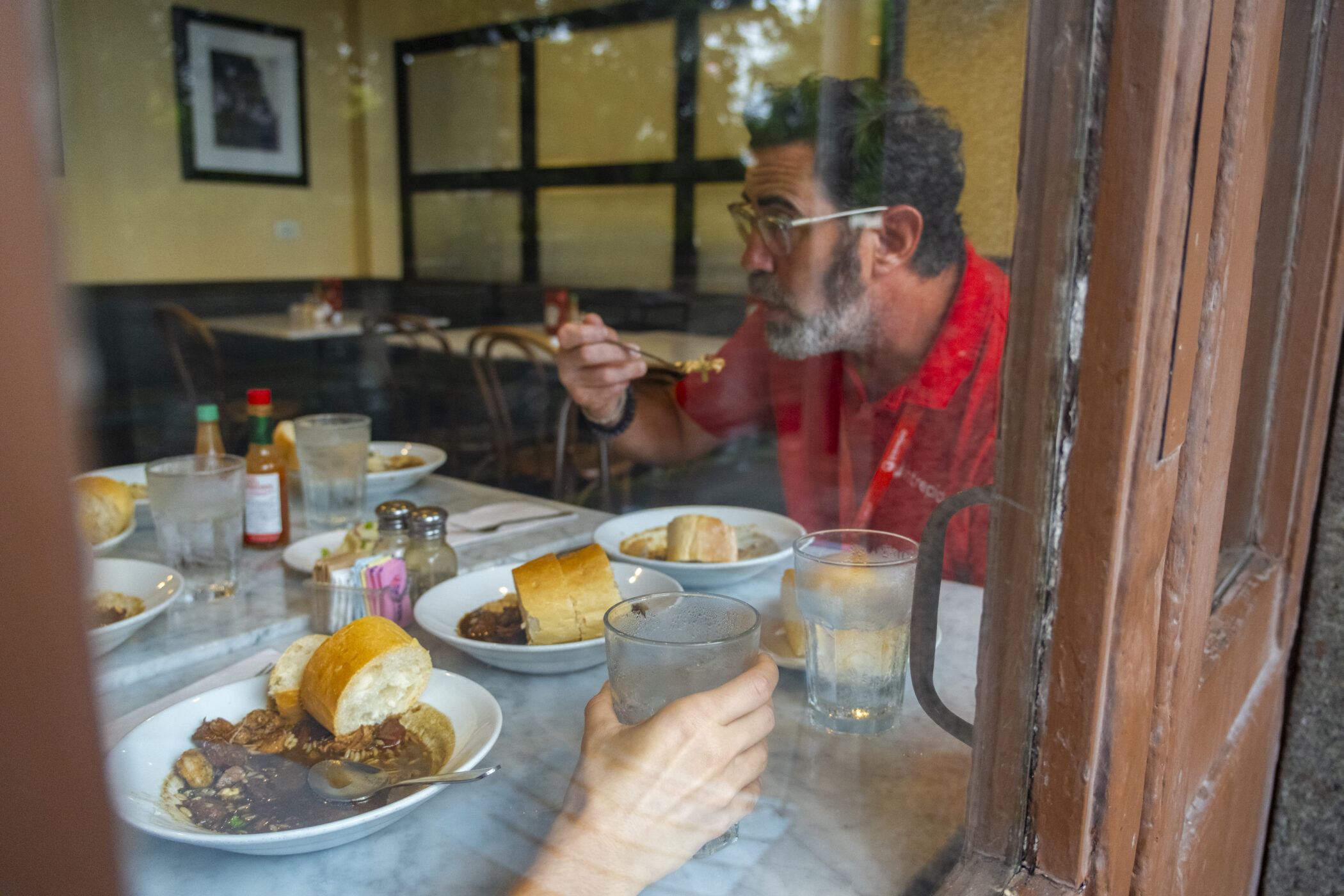
‘Endangered Dishes’ by Dan Saladino and Yasmin Khan:
- Cuscos Transmontanos com Coelho – Transmontanos Couscous with Rabbit Stew (Lisbon)
- Mosbolletjies grape must buns (South Africa)
- ‘Inanchila’, a sacred, sticky-rice dessert made by endangered rice (Northern Philippines)
- Hand-rolled, kettle-boiled bagels (New York)
- Petkhvis Cvishtvari - black millet patty. (Georgia)
- Kwun Tong Gao, ‘jumbo soup dumplings’ (Hong Kong)
- Chelsea Bun (London)
- Tlacoyos made with maíz criollo (heirloom native corn) (Mexico)
- Traditional Gumbo with Filé Powder (New Orleans)
- Funazushi / Narezushi — The Original Sushi (Osaka)


Endangered Dishes are defined by:
1. Materially endangered – dishes at risk due to climate change, environmental degradation, or the loss of key ingredients and food systems.
2. Culturally endangered – dishes that still exist, but are being diluted, standardised, or reshaped by overtourism and globalisation, losing their original context, meaning, or accessibility.
3. Craft-endangered – dishes dependent on skills, traditions, or ways of life that are disappearing due to social, economic or environmental factors
Dan Saladino says: "The research identified three primary threats including environmental loss from climate change, cultural dilution due to overtourism, and the disappearance of traditional artisanal skills.
"We chose dishes like the New York bagel and sushi from Japan because they are, in culinary terms, global icons, yet most people don't realise the authentic versions of these are actually on the brink of vanishing due to modern shortcuts and mass-market pressures. Food is the most profound link we have to our history, our land, and our identity, yet we are currently witnessing a global collapse of culinary diversity."
Alongside the expert research, Intrepid commissioned a survey of 2,000 UK consumers conducted by Censuswide between May 6 and May 8, 2026. The findings reveal a disconnect between travellers' desire to experience local food and their behaviour while abroad.
While 61% of respondents say they want to try local delicacies when travelling, more than half (51%) admit they do not venture beyond their accommodation to seek authentic dining experiences. One in four travellers eats at a global fast-food chain within 48 hours of arriving at their destination, while 55% of Gen Z respondents say familiar brands such as McDonald's and Starbucks provide comfort when travelling.
The study also found that more than two-thirds of Britons (67%) pack food from home when travelling, with tea bags cited as the most commonly packed item by 32% of respondents.
Yasmin Khan says: "When a traditional dish disappears, we don't just lose a recipe; we lose a piece of history and heritage. As travellers, we have a responsibility to support the food cultures that make the places we visit so distinctive. When we choose the safety of the familiar over food rooted in local tradition, we can inadvertently contribute to the loss of irreplaceable flavours, techniques and ingredients. Protecting these dishes isn't just about saving a meal – it's about preserving the stories at the heart of the cultures we travel to experience."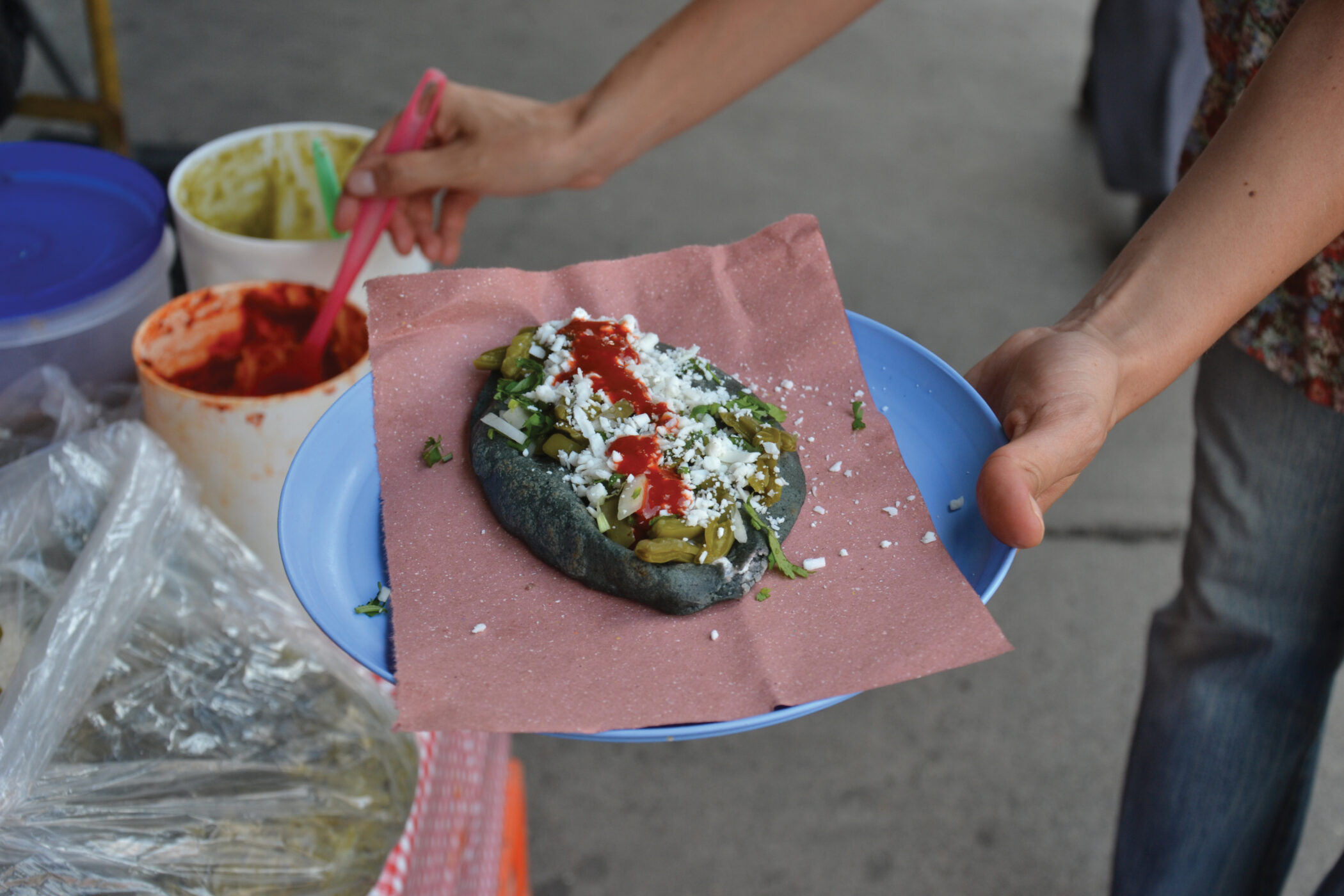
To help preserve these endangered dishes, Intrepid has incorporated them into selected itineraries around the world. Experiences include cooking traditional tlacoyos with a Chinampa farming community outside Mexico City and tasting Inanchila in villages in the Northern Philippines where the dish remains part of local cultural traditions.
Joanna Reeve, UK director at Intrepid Travel, says: "One of the best ways to understand the people, history and culture of a place is through its food, which is why it's such a central part of Intrepid trips. By ensuring these dishes are part of the thousands of traditional food experiences we offer, we're helping travellers discover them in an authentic way, while supporting the communities keeping these traditions alive."
To raise awareness further, Intrepid has partnered with Time Out to launch a series of cookery workshops in London where participants will learn to prepare and taste a selection of the endangered dishes. Tickets for the Time Out x Intrepid Travel Endangered Dishes cookery school go on sale from June 3.
The campaign reflects growing interest in food tourism as travellers seek deeper cultural connections through local cuisine. However, the findings suggest that preserving culinary heritage may depend not only on the communities producing traditional dishes but also on visitors choosing to seek them out.