

Beverly Hills Car Club draws petrolheads from around the world
Alex Manos, classic car buyer and founder of the Beverly Hills Car Club, speaks to Globetrender about why classic cars are 'one of the closest things we have to time travel'.
The Beverly Hills Car Club has evolved far beyond a traditional dealership. When did you first realise that people were visiting BHCC almost as a destination in its own right, rather than simply as a place to buy cars?
I have always believed that classic cars are about much more than the cars themselves. Because of the love and passion I have for these classics, I understand that people are naturally drawn to them. They remind us of our childhood, our parents, milestones in our lives, or the cars we once dreamed of owning. Sometimes people simply want to be around them.
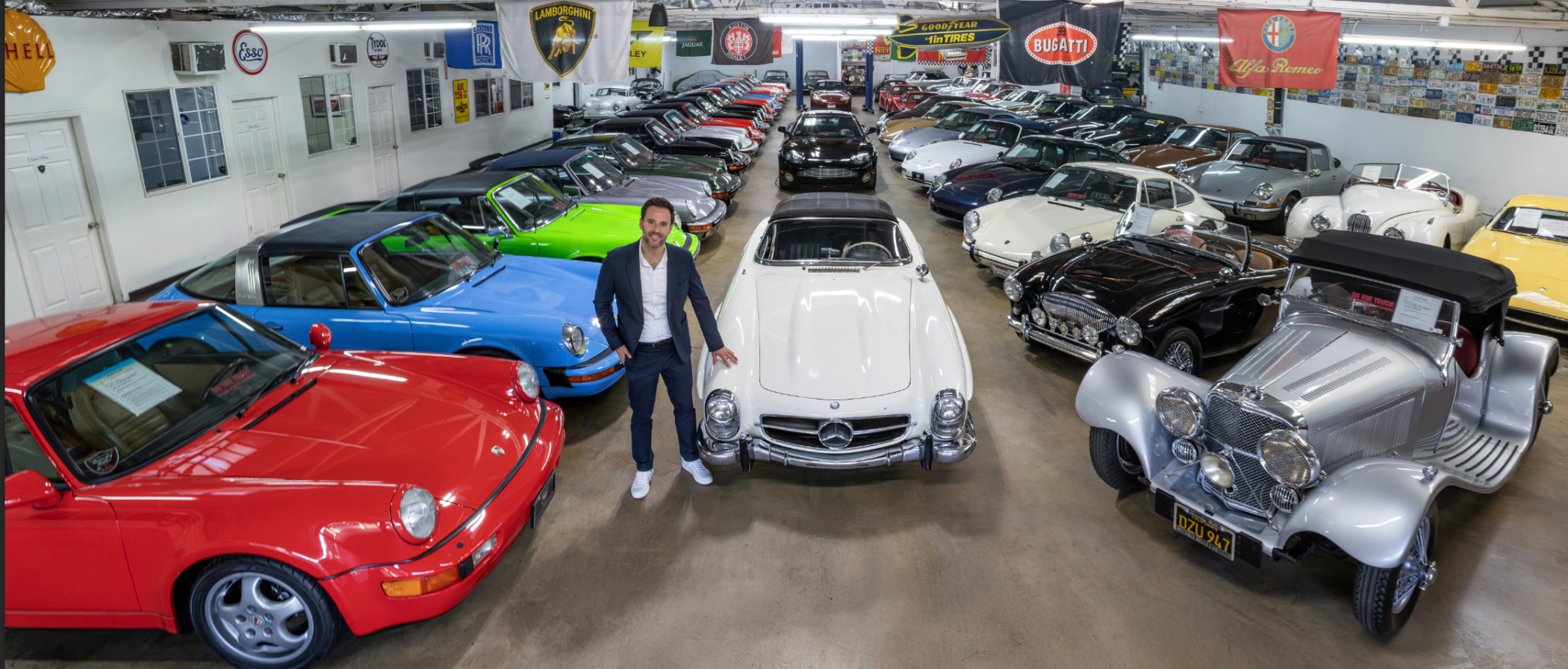
At Beverly Hills Car Club, we see families bringing their children, enthusiasts visiting from other states and countries, photographers asking to shoot here, and people who just want to experience being surrounded by hundreds of classic cars under one roof. They spend hours walking through the inventory, asking questions, sharing stories about cars they owned decades ago, or pointing out the cars they always hoped to have one day.
For years now, we have had visitors from all over the world, including Europe, the United States, and beyond. During events like the Porsche Lit Meet, we see an even bigger influx of people. Many make Beverly Hills Car Club part of their trip to Los Angeles, not because they are necessarily looking to purchase a car, but because they want to experience it for themselves.
Vintage cars seem to inspire a kind of pilgrimage among enthusiasts. What is it about classic cars that motivates people to travel across continents to see, buy or experience them?
Classic cars have a unique ability to connect us to a different time in our lives. They remind people of their childhood, the car their father drove, a poster that hung on their bedroom wall, or a dream they once had but never forgot. Unlike many other possessions, these classics carry stories, emotions, and memories that span generations.
For others, it is about reconnecting with a part of themselves and sharing that experience with their children and grandchildren.Classic cars also represent craftsmanship and individuality from another era. In today's world, where so much feels disposable and increasingly digital, these cars offer something tangible and authentic. They have character, imperfections, and soul. You can smell the leather, hear the engine, and appreciate the details that make each one unique.
I believe that passion transcends language, culture, and geography. Whether someone is from Los Angeles, London, Tokyo, or Rome, the emotional connection is often exactly the same. These classics remind us where we have been, inspire us to dream about where we are going, and bring people together through a shared appreciation for history, design, and the enduring romance of the automobile.
You attract visitors from around the world to your Los Angeles showroom. Which countries or regions are generating the most interest, and what do international visitors typically hope to find when they arrive?
We are fortunate to welcome visitors from all over the world. Over the years, we have seen strong interest from across Europe, particularly from countries such as Germany, France, Italy, and the United Kingdom. We also have many visitors from Australia, Japan, the Middle East, and throughout North and South America. Los Angeles is an international city, and many classic car enthusiasts make Beverly Hills Car Club a stop during their travels.
What I find interesting is that regardless of where they come from, people are often looking for the same thing. Of course, some arrive searching for a specific car they have dreamed about owning for years or a rare model they have only seen in books and magazines. But many are simply hoping to experience the atmosphere, walk among hundreds of classics, and immerse themselves in automotive history.
There is something special about seeing these cars in person. Photographs can never fully capture the presence of a classic automobile. The scale, the craftsmanship, the smell of the leather, the sound of the doors closing, and the unique character of each car can only truly be appreciated up close.
What has always amazed me is how this passion transcends borders. You may have visitors who speak different languages and come from completely different backgrounds, yet they light up for exactly the same reasons.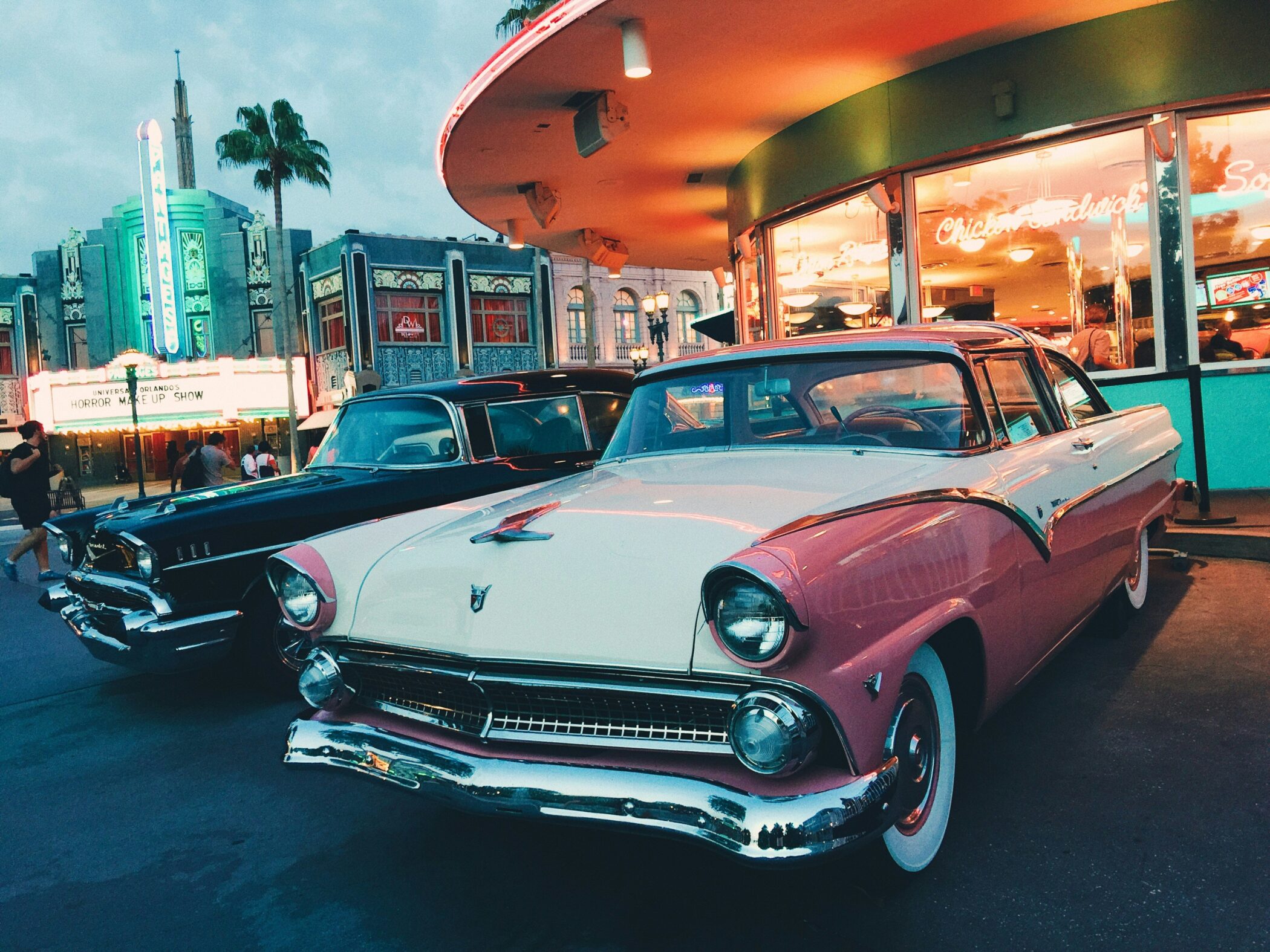
Los Angeles has long been associated with car culture, but how has that culture evolved in recent years? Why do you think classic cars are enjoying such a renaissance now?
Los Angeles has always had a special relationship with the automobile. The city was built around driving, and for generations cars represented freedom, individuality, and self expression. From hot rods and lowriders to European sports cars and American classics, Los Angeles has long been a place where car culture thrives and evolves.
What I have noticed in recent years is that people are craving authenticity more than ever before. We live in a world that is increasingly digital, automated, and fast paced. Modern cars are incredibly advanced, but many people miss the emotion and character that older cars provide. Classic cars ask something of you. They engage all of your senses. You hear the engine, feel the road, smell the leather, and appreciate the craftsmanship and imperfections that make each one unique.
I also think there is a growing appreciation for preserving history. Younger generations are discovering these cars through social media, online videos, and events, while older generations are reconnecting with the cars they grew up admiring. What is fascinating is that the passion now spans multiple generations. Grandparents, parents, and children can stand around the same car and each have their own story or emotional connection to it.
That is why I believe classic cars are experiencing such a renaissance. In a world that often feels disposable, they offer permanence. In a time when so much of life takes place through a screen, they provide a tangible experience. They remind us of where we have been, inspire us to dream, and bring people together through a shared appreciation for design, engineering, and history.
any of the vehicles in your collection evoke a specific era, place or lifestyle. Do you think classic cars have become a form of time travel, allowing people to reconnect with romanticised visions of the past?
Absolutely. I think classic cars are one of the closest things we have to time travel. What fascinates me is how specific the experience can be. It is not just about remembering a decade or a period in history. It is about the cars themselves.
You can open the door of a 1990 Porsche 964 Coupe and instantly be transported back to the first time you sat in one. The smell of the leather, the carpeting, the materials, and even the way the door closes are exactly as you remember them. The same is true when you step into a 1965 Lincoln Continental Convertible. The scent, the feel, and the atmosphere are all still there, waiting to unlock memories you may not have thought about in years.
Smell is especially powerful. I cannot tell you how many times I have watched someone open the door of a classic car and immediately smile because it brings them right back to a specific moment in their life. Maybe it reminds them of a parent or grandparent, a first date, a family road trip, or the car they dreamed about owning when they were younger.
Sometimes it is not even about a personal memory. It is about who we aspired to be. James Bond is a perfect example. The Aston Martins he drove made many of us dream of owning one ourselves. In fact, we recently had an Aston Martin DB5 that we sold off market, and it was incredible to watch the reaction it generated. People immediately connected it to the Bond films and the sophistication, confidence, and adventure that character represented.
That is why I believe people connect so deeply with classic cars. They are not simply machines. They preserve memories, dreams, and emotions in a way few other objects can. They allow us to revisit meaningful moments from our past and, for a brief time, experience those feelings all over again.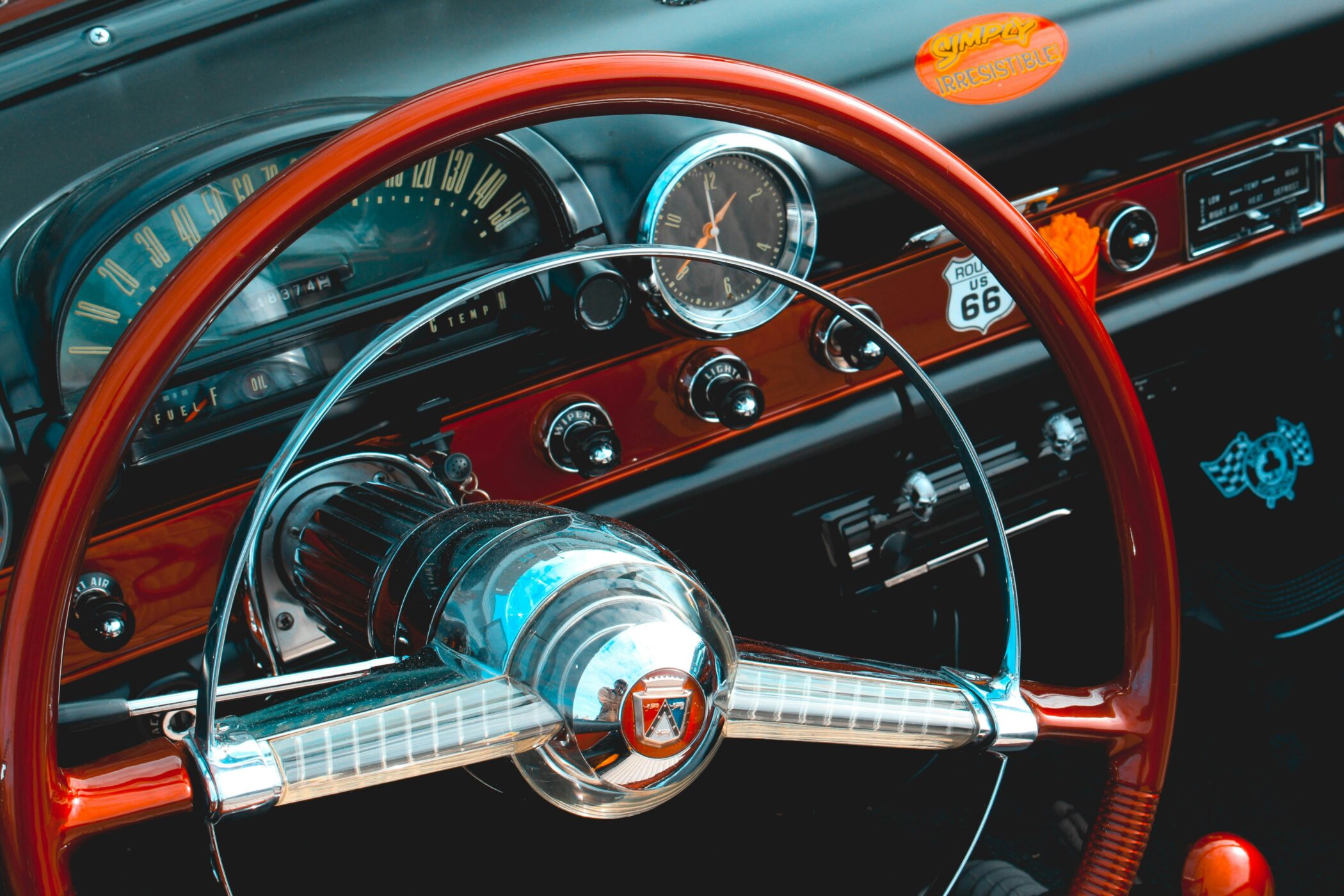
BHCC has become embedded in fashion, music and film, supplying vehicles for major campaigns and productions. Why do you think brands such as CHANEL and artists such as Doja Cat continue to turn to vintage cars as cultural symbols?
I think it is because classic cars instantly communicate something that is very difficult to replicate. They represent elegance, individuality, aspiration, and timeless style.
That is why brands such as CHANEL continue to incorporate them into their campaigns. A vintage car does not simply serve as a prop. It brings character and authenticity to the story being told. The lines, craftsmanship, and presence of these classics evoke emotion and create an atmosphere that modern objects often cannot achieve.
Classic cars also have a remarkable ability to transcend generations. They feel familiar even to people who have never driven them. They symbolise adventure, romance, sophistication, freedom, and optimism. They remind us of a time when design was bold and every detail mattered.
We have been fortunate to work with many productions and creative teams over the years, and what has always struck me is that they are not just choosing a car. They are choosing what that car represents. A 1956 Mercedes Benz 300SL Gullwing tells a different story than a 1965 Rolls Royce Silver Cloud III Left Hand Drive or a 1958 Porsche 356 Speedster. Each one carries its own personality and emotional connection.
I believe that is why classic cars continue to resonate so strongly in fashion, film, and popular culture. Trends come and go, but true icons endure. The most beautiful classics are more than modes of transportation. They become symbols of aspiration, style, and storytelling that continue to inspire generation after generation.
You work with a diverse clientele ranging from collectors and investors to celebrities and creatives. How do their motivations differ when it comes to acquiring classic vehicles?
What I have learned over the years is that while our clientele may come from very different backgrounds, the emotional connection to classic cars is often surprisingly similar.
Collectors are often motivated by passion and the thrill of the hunt. They enjoy the pursuit of finding the right example, completing a collection, or preserving an important piece of automotive history. Many have spent decades educating themselves about specific marques and models, and the search itself becomes part of the enjoyment.
Investors tend to approach classics through a different lens. They appreciate rarity, provenance, and long term desirability. They recognise that exceptional cars can preserve value and, in some cases, appreciate over time. Even then, the most successful investors are usually people who genuinely love the cars they own. They understand that enjoyment and financial considerations can coexist.
Creatives, whether they are designers, filmmakers, photographers, or artists, are often drawn to the storytelling aspect of classic cars. They appreciate the lines, proportions, craftsmanship, and personality that each vehicle possesses. They see a classic not just as transportation, but as a source of inspiration and a reflection of identity.
Social media has transformed the visibility of automotive culture. How has platforms such as Instagram changed the way people discover, engage with and ultimately travel for classic cars?
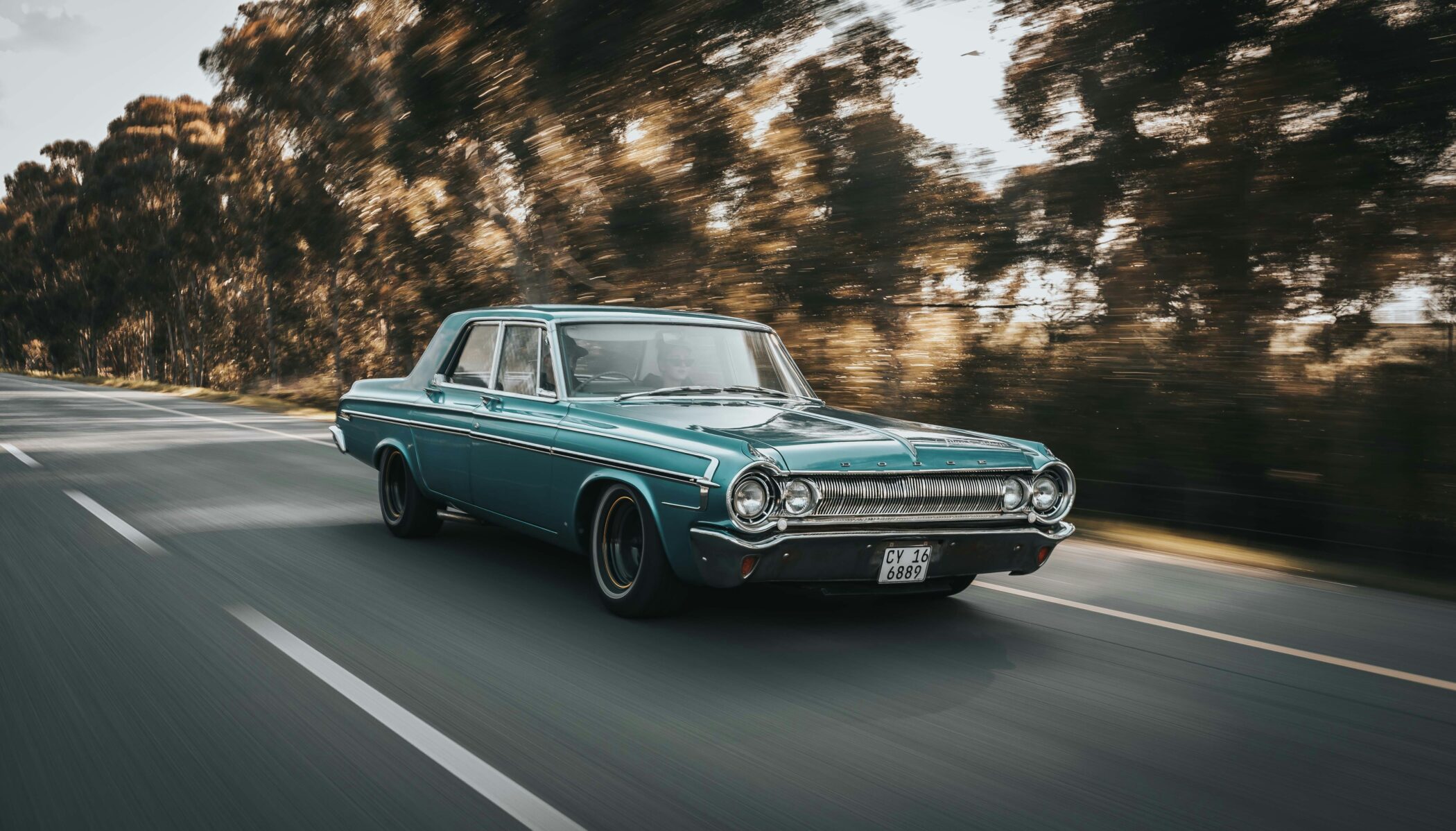
Social media, particularly platforms like Instagram, has completely changed the way people discover and engage with classic cars. Years ago, enthusiasts relied on magazines, auctions, car shows, and word of mouth to learn about special cars. Today, someone sitting halfway around the world can come across a rare Porsche, Ferrari, Mercedes Benz, or Aston Martin on their phone and instantly develop a connection with it.
What I find especially interesting is that social media has not replaced the desire to experience these cars in person. In many ways, it has amplified it. A photograph or video can spark curiosity, but people still want to hear the engine start, open the door, smell the interior, and stand next to the car themselves. Instagram often becomes the invitation, while the real experience happens when they make the trip.
By the time they arrive, they already feel connected to the cars and the dealership because they have been part of the journey digitally.
Social media has also introduced classic cars to an entirely new generation of enthusiasts. Younger audiences who may never have picked up a traditional automotive magazine are now discovering these classics through photos, videos, and stories shared online. It has made the hobby more accessible and global than ever before.
As younger generations become increasingly interested in vintage aesthetics and analogue experiences, are you seeing new types of buyers and visitors emerge? What are they looking for that perhaps previous generations weren't?
One of the most encouraging things I have witnessed in recent years is seeing younger generations embrace classic cars in a way many people did not expect.
What is interesting is that they are not necessarily approaching these cars in the same way previous generations did. Many younger enthusiasts are not looking to recreate the past because they lived through it. Instead, they are discovering something they feel has been missing from modern life. They are drawn to authenticity, craftsmanship, individuality, and experiences that feel real and tangible.
These cars are full of emotion and passion. They have personality. If you turn on a Tesla, it is incredibly impressive technology, but you do not hear anything or feel the same energy. Now turn the key on a 1958 Chevrolet Corvette. The engine comes to life, the sound fills the air, the car vibrates beneath you, and suddenly the entire experience becomes emotional. It is packed with energy, excitement, and, quite honestly, a sexy vibe. You are not simply getting from one place to another. You are participating in an experience that engages all of your senses.
I also think younger generations are less concerned with traditional ideas of what they are supposed to like. They are more willing to appreciate a broad range of classics based on design, character, and emotional connection. One person may be passionate about a Porsche 964 because they grew up seeing posters of it online, while another may fall in love with a 1950s Cadillac because they discovered it through fashion, film, or photography. They are creating their own definitions of what is collectible and meaningful.
What has surprised me most is how knowledgeable many of these younger enthusiasts are. Through social media and online resources, they have educated themselves on specific models, production numbers, and histories before ever stepping into our showroom. They arrive curious, eager to learn, and excited to experience these cars in person.
In many ways, what they are searching for is the same thing every generation has sought through classic cars: emotion, aspiration, and connection. They simply arrived at that passion through different pathways. And that gives me great confidence that the appreciation for these classics will continue for generations to come.
Looking ahead, do you see BHCC continuing to develop as a cultural attraction and lifestyle destination? What is your vision for the future intersection of classic cars, tourism, entertainment and luxury experiences?
While our foundation will always be classic cars, I do see Beverly Hills Car Club continuing to evolve as a destination where people can come together through a shared passion.
What excites me most is creating experiences around these classics. Whether it is welcoming visitors from around the world into our showroom, hosting events, collaborating with brands and productions, or simply giving someone the opportunity to walk among hundreds of cars they may have only seen in books or online, I believe there is tremendous value in bringing people closer to these experiences.
I do not think the future is about becoming something other than a classic car dealership. Rather, it is about enhancing what already makes these cars so special. People are increasingly looking for meaningful experiences and memorable moments. They want stories they can share with family and friends. They want to feel something.
That is one of the beautiful things about this hobby. It is accessible in so many different ways, and the passion it inspires cannot be measured in dollars.
We have even toyed with the idea of opening a small coffee shop inside the dealership, serving fine cappuccinos, espresso, and fresh sandwiches, giving visitors a place to slow down, relax, and take in the surroundings. I would love for people to spend an afternoon wandering through the collection, sitting down for a coffee, sharing stories, and simply enjoying being around these incredible classics. Hopefully, that is something we will bring to life in the near future.
I can envision Beverly Hills Car Club becoming even more of a destination for enthusiasts, tourists, collectors, and the simply curious. A place where someone visiting Los Angeles feels compelled to stop in because they know they will see something unexpected and unforgettable. One day it may be a rare Porsche, the next a prewar Rolls Royce, a Ferrari, an Aston Martin, or a 1958 Chevrolet Corvette that brings back a flood of memories.
At the heart of it all, my vision remains very simple. I want Beverly Hills Car Club to continue sharing the joy, passion, and emotion that these classics create. If people leave with a smile on their face, a story to tell, or a renewed appreciation for automotive history, then we have accomplished something meaningful.