

White Desert unveils Explorer camp for South Pole journeys
The Explorer Antarctic camp by White Desert offers a new base for South Pole expeditions, combining a lower-entry option with small-scale luxury in a remote polar setting. Robbie Hodges reports
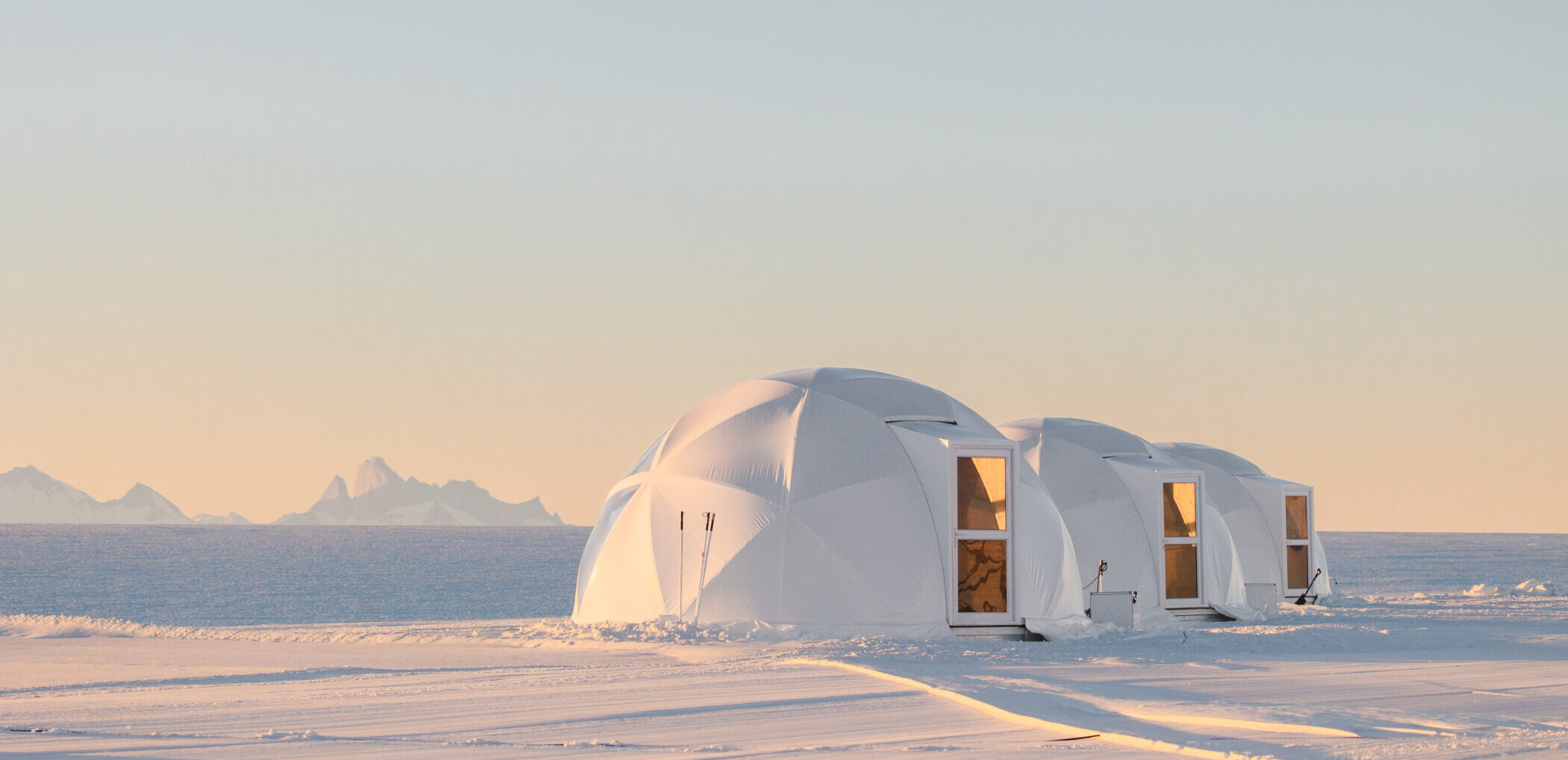
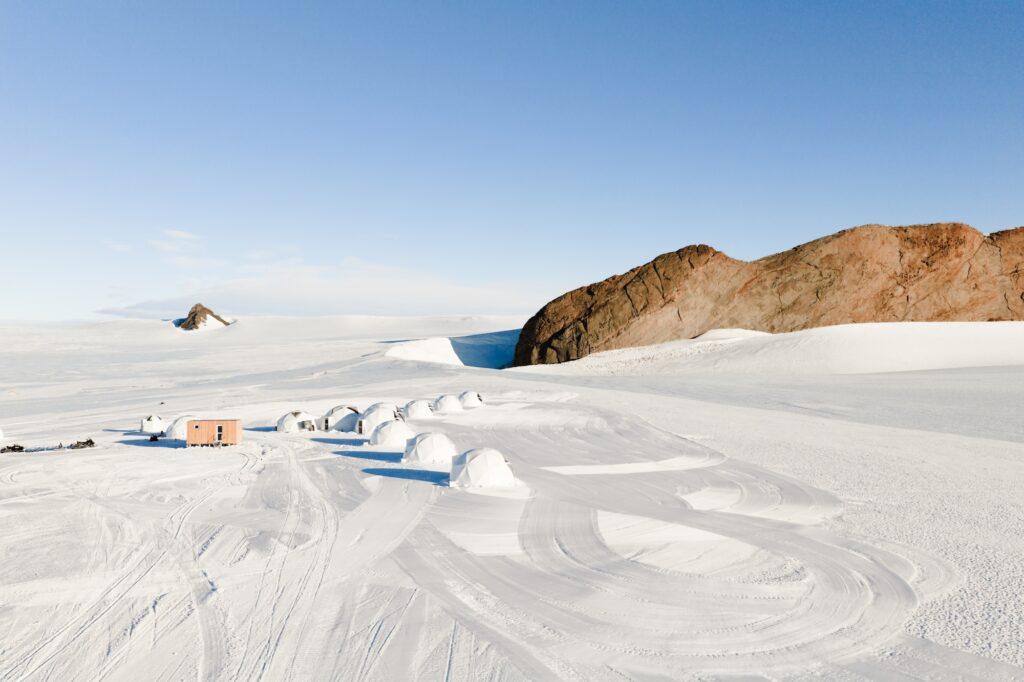
White Desert has introduced a new Antarctic base designed to support journeys to the South Pole, marking its 20th season operating in the region. Named Explorer, the Antarctic camp is located at the foot of T-Rex Mountain and will open for a limited period each season, offering a more accessible entry point into the company’s expedition portfolio.
The Explorer Antarctic camp expands White Desert’s existing network, joining its Echo and Whichaway camps. It has been positioned as a slightly simplified option, while still maintaining the company’s focus on small-group travel and operational safety in extreme environments.
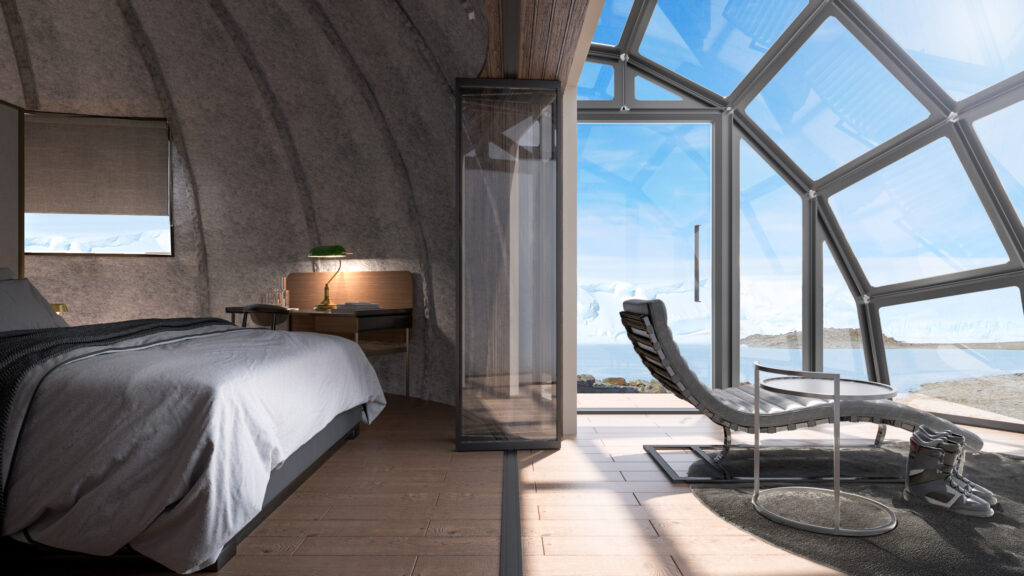
The design of the camp draws on the history of early polar expeditions, while incorporating modern comforts suited to long stays in remote conditions. Accommodation is provided in individual sleeping tents, which are described as having a warm and informal atmosphere. Large windows across the camp’s structures allow constant views of the surrounding landscape, reinforcing a close connection to the environment.


Communal areas are central to the experience, providing sheltered spaces where guests can eat and spend time together. Evenings are structured around shared meals and informal gatherings, reflecting the slower pace of travel in Antarctica.
From the Explorer Antarctic camp, guests can take part in a range of guided outdoor activities. These include ice climbing, glacier walking and hiking on exposed rock formations known as nunataks. More experienced visitors can also take part in cross-country skiing. The camp also acts as a departure point for journeys across the polar plateau towards the South Pole.
In addition to outdoor activities, guests have access to facilities operated by White Desert at nearby locations, including an ice bar and a small cinema. These features are designed to provide moments of rest between excursions in challenging conditions.

Patrick Woodhead, co-founder and CEO of White Desert, describes the concept as a return to the fundamentals of exploration. “Explorer is about going back to the essence of why people venture to the ends of the Earth,” he says. “There is something rare and restorative about being out here, away from the noise of the world. This camp gives our guests the chance to breathe, to look out across a vast, untouched landscape, and simply take it all in.”
The launch reflects continued interest in Antarctica as a destination for high-end, small-scale travel. By limiting the number of departures and maintaining low guest capacity, White Desert aims to reduce environmental impact while offering access to one of the most remote regions on the planet.
Alongside the new Antarctic camp, White Desert has also announced an expansion of its aviation-led itineraries. Its “Dr Jones” expedition is a 12-day journey linking Peru and Patagonia using a refurbished 12-seat DC-3 aircraft. The route follows the company’s seasonal flight path between North America and Antarctica, turning what was previously a logistical transfer into a bookable travel experience.
The itinerary includes stops across South America, with activities such as exploring archaeological sites in Chachapoyas, crossing the Atacama Desert, glacier walking in Patagonia and visiting coastal areas in Paracas. The aircraft is adapted to land on short and uneven runways, allowing access to locations that are difficult to reach using conventional commercial routes.
White Desert plans to expand the Dr Jones concept with additional routes in future seasons, focusing on small-group travel and remote landscapes. The approach reflects a broader shift towards aviation-based itineraries that prioritise access and flexibility over traditional point-to-point travel.
Since its founding by polar explorer Patrick Woodhead, White Desert has focused on opening up the interior of Antarctica to travellers while maintaining strict operational controls. The introduction of the Explorer Antarctic camp signals a continued effort to broaden access while keeping group sizes limited and experiences closely managed.