


What’s coming next? Trend reports available to download HERE


Global co-living network Outsite has launched a partnership with Dutch co-working hotel brand Zoku, allowing its 5,000-strong network of members the chance to book into the hotel brand’s range of home-office apartments.
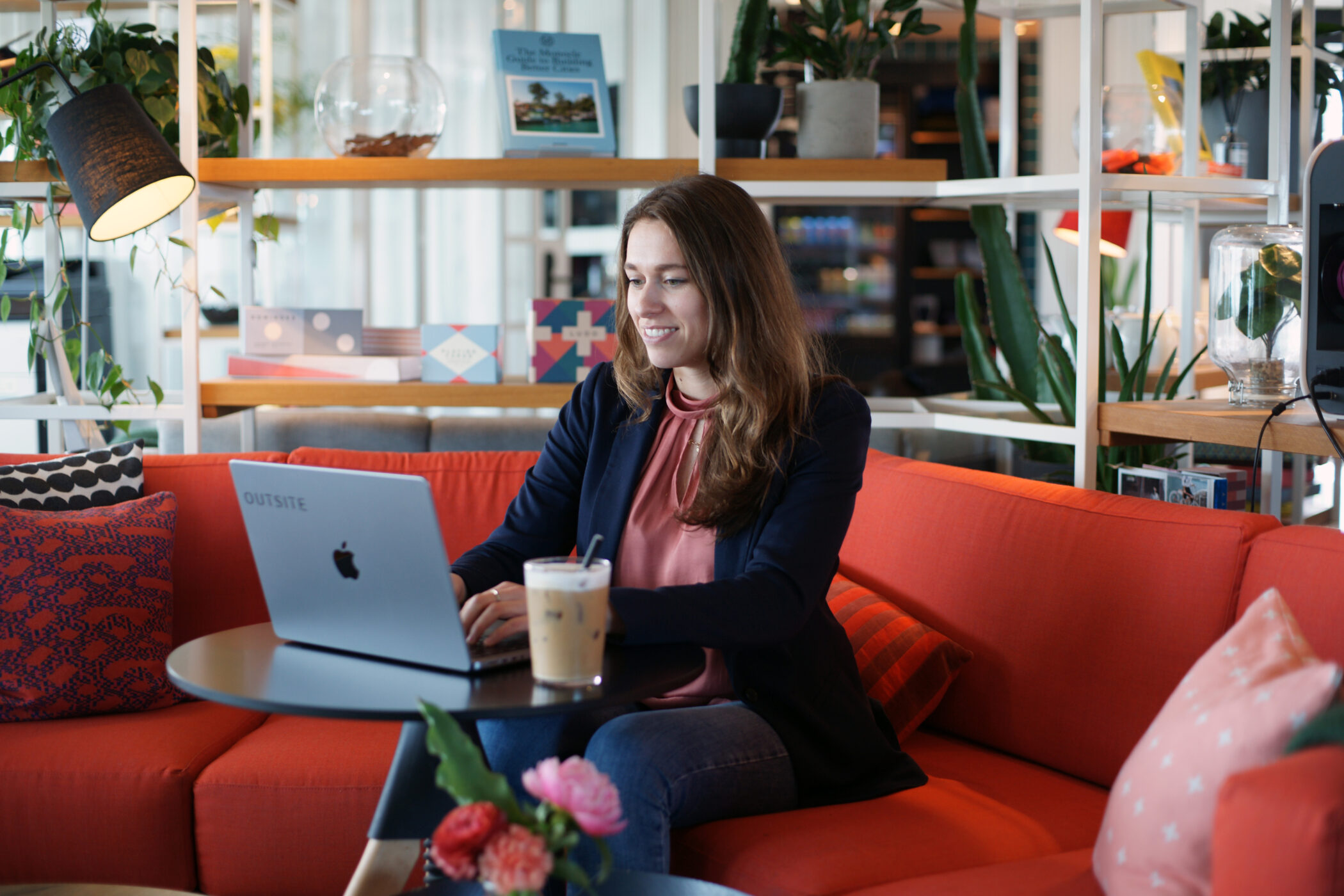
The collaboration gives Outsite members access to more than 500 modular lofts in Zoku's European hubs of Amsterdam, Copenhagen, Paris and Vienna, offering digital nomads accommodation that is designed specifically for longer stays, productivity and socialising.
The cost of an annual Outsite membership is US$149 and includes access to members-only spaces around the world, monthly deals and introductions to other members.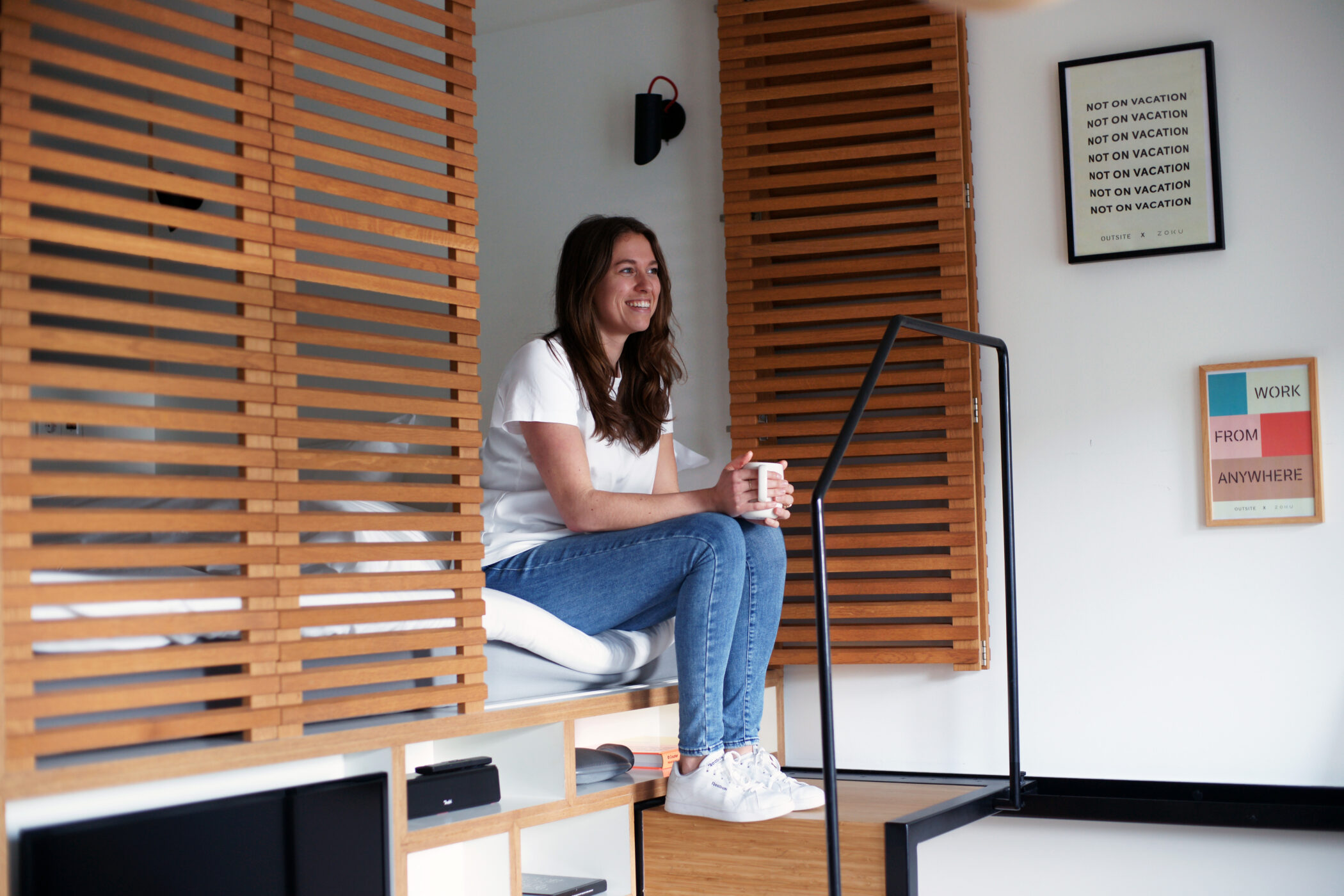
 Hans Meyer, co-founder and managing director at Zoku, says: “This partnership is a testament to our shared vision of a world where work and life are not only balanced, but also integrated.
“We’re excited to host Outsite members at all of our four Zoku locations in across Europe, showcasing why these are some of the world’s most liveable cities to even more people.”
 Outsite members will be able to access a range of Zoku’s Lofts – modern apartments designed for living and working – alongside the brand's rooftop Social Spaces, which include co-working, a restaurant, bar, meeting rooms and terrace.
Members will also be able to enjoy discounts, reward credits, and special offers for longer stays, while Zoku’s on-site Community Managers are charged with building enticing event programmes throughout the year aimed at bringing together both Zoku residents and locals.
CEO and founder of Outsite, Emmanuel Guisset, says: “This partnership embodies our commitment to redefining the future of work, while providing our members with the opportunity to stay in Zoku’s design-led spaces in four new cities.”
Offering an alternative to traditional rental accommodation, co-living brand Ark has unveiled plans for its debut community-centric rental concept, which will open in London's Wembley Park in September 2022.
Offering stays from two-nights up to one year, Ark's concept aims to take the stress out of living in London during the cost-of-living crisis by providing the certainty of a single fixed bill.
The 300-room Wembley Ark will be the inaugural location for Ark, which seeks to provide a flexible, hybrid live-and-work concept in response to post-pandemic living. Housed in a former hotel building, the co-living concept was designed by Holloway Li design studio, which took a low-impact approach to the renovation, retaining elements from the existing space so as to minimise waste.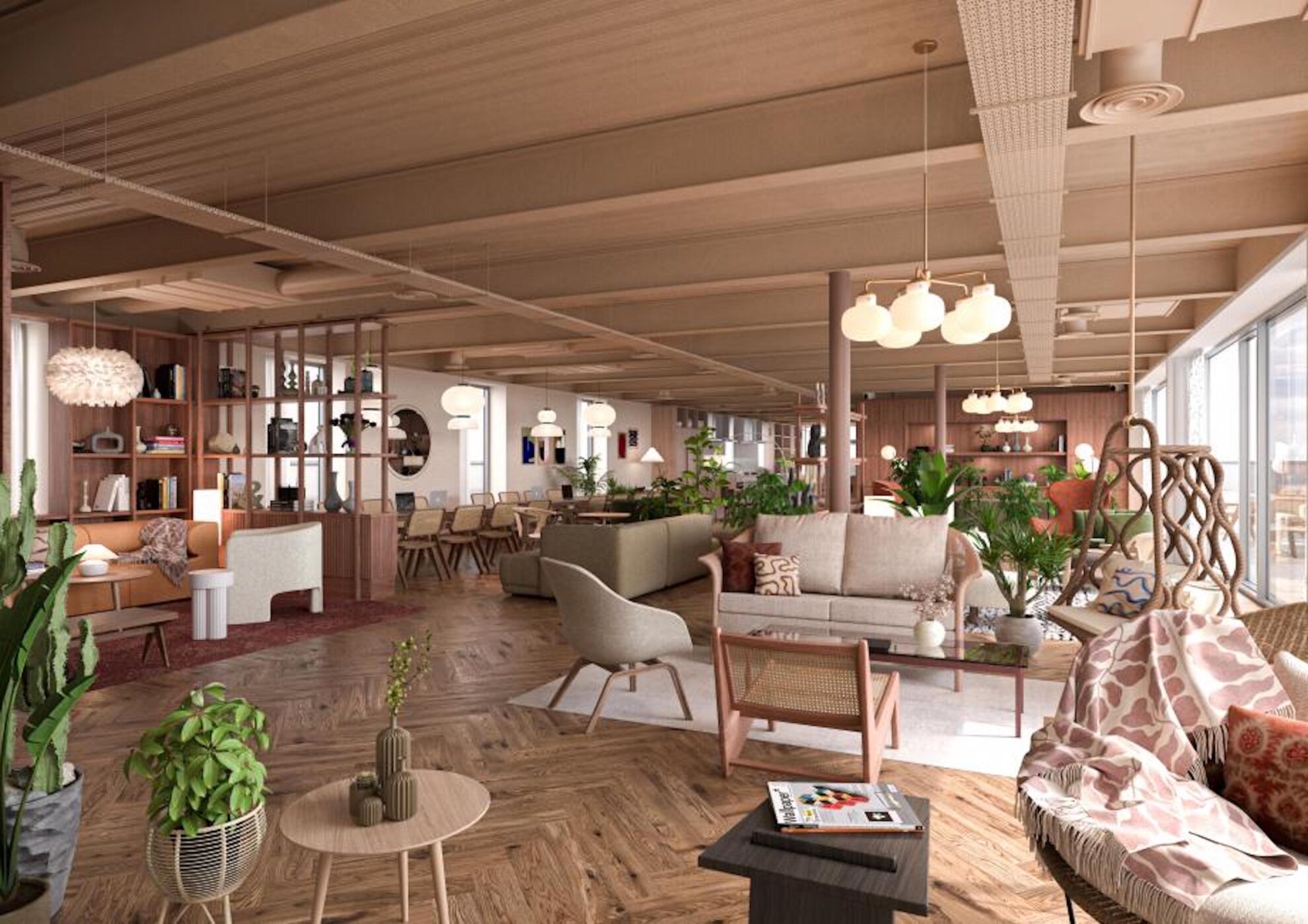 Tenants at Wembley Ark will pay an all-inclusive bill. This includes their rent for a private en-suite studio; all utilities; access to design-led amenities including coworking, communal living areas and a rooftop terrace offering panoramic London views; use of a 24-hour gym, a yoga space and a Peloton spin studio; and access to a daily cultural events programme - from cocktail making to pottery classes.
The all-inclusive bill entitles tenants to unlimited co-working access and superfast wifi, and applies to any length of stay.
Ark Wembley's fully furnished studios include en suite bathrooms, optimised storage, bespoke furniture, kitchenettes with a hob, microwave oven and dishwasher, 49-inch UHD Samsung TVs, double beds, air-conditioning, and floor-to-ceiling windows. With a calm colour palette of sage, sand and taro shades, they are intended to create a peaceful retreat from city life.
Holloway Li - which also designed spaces for the Hoxton and Locke hotel brands – imagined the common areas of Wembley Ark as the rooms of a "very large house". These include a high-spec communal kitchen, a dining area, a multimedia room and the co-working space. The latter has private meeting rooms and booths that serve as quiet zones for deep work.
Na Li, managing director and co-founder of Holloway Li, says: “Inspired by the interiors of canal boats, and playing on the idea of the ‘Ark’, we used timber shelving and panelling, subtly reminiscent of a traditional drawing room, to break down large open plan areas while retaining a convivial openness. The co-working area feels like a large dining table to gather and work around, while the communal kitchen takes on the social quality of a country farmhouse kitchen.”
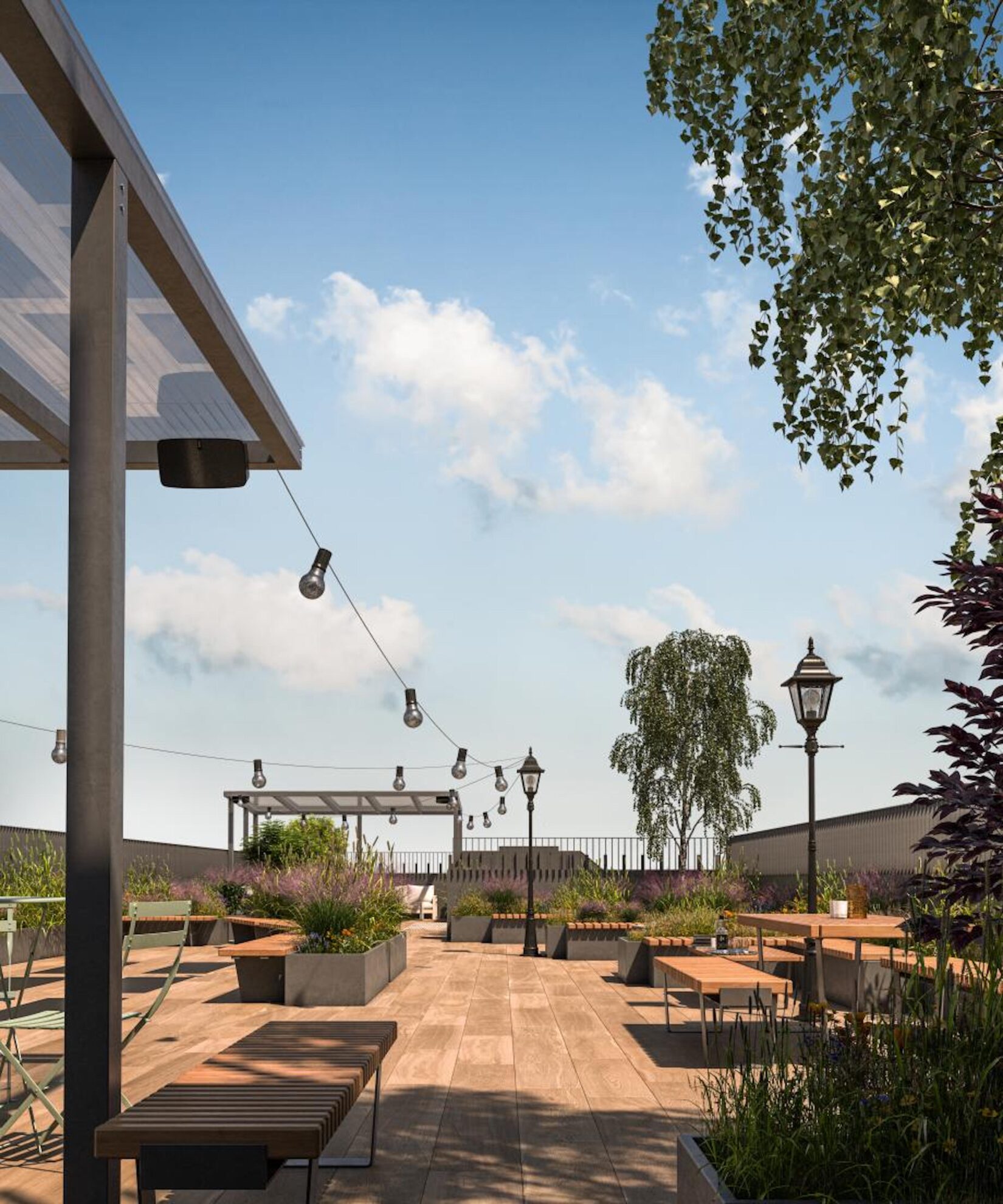
Meanwhile, the 325 sqm landscaped open air rooftop terrace will host barbecue socials, music events, and wellness activities, creating a social hub for guests to enjoy 360-degree vistas of the capital. It will also feature allotment beds, so guests can grow their own vegetables – which Ark has identified as a post-pandemic trend.
 Charlie Gayner, co-founder of Ark, says: “We created Ark to directly respond to the shift in working patterns in a post-pandemic world, rise in urban loneliness, unprecedented increases in living costs, and growing demand for all-inclusive and more flexible living options in London.
“In its most simplistic form, an ‘Ark’ is a safe vessel which houses a community of diverse individuals that are going on a journey, with all the provisions needed under one roof. The design concept we’ve created with Holloway Li perfectly captures our ambition to build a brand around community and social interaction.”
Alex Holloway, creative director and co-founder of Holloway Li, says: “Our design concept for Wembley Ark aims to foster a sense of community through a series of domestic, intimate spaces which are underpinned by a low impact design approach. We began by researching the history of collective living to understand how to build a resilient long-term community, while catering for a variety of desires and interests... Every element was curated carefully, allowing the space to feel as if it had developed organically and feel ‘lived in’ as a house might.”
During the refurbishment of the former hotel building, Wembley Ark donated more than 1,000 pieces of furniture to local families and shelters in response to the rising cost of living, as part of its commitment to supporting its neighbouring community. The co-living commune will also offer free accommodation for local women who have experienced domestic violence, by partnering with the nearby Al-Hasaniya Women’s Centre.
Jermaine Browne, co-founder of Ark, says: “London can be isolating and monotonous at times for many people – and that’s never good for our mental health, or our communities. Ark aims to reset how we live and stay in London by creating living and social spaces which are designed to connect people and inspire personal growth.
He adds: “Being a good neighbour to our local community is also really important to us. We firmly believe that no bed should ever be empty in London, and we will always look to offer available rooms to those who need them the most by partnering with local charities, social enterprises and community groups, wherever possible, to make a genuine and positive difference.”
Rooms at Ark Wembley are now available to book with a fixed all-inclusive bill from September 2022.
Prices start from £88 per night, with a minimum two-night stay (or £1,131 per month).
"Club Flats" all feature kitchenettes and staff will even stock fridges with guests' Ocado grocery orders.
There will also be luggage storage, Amazon and Deliveroo lockers, a restaurant, bar, screening room, fitness studio and members' club – plus a directory of recommended local personal trainers, chefs and babysitters.
From Globetrender's perspective it sounds like an upmarket co-living concept. We speak to founder Naomi Heaton to learn more…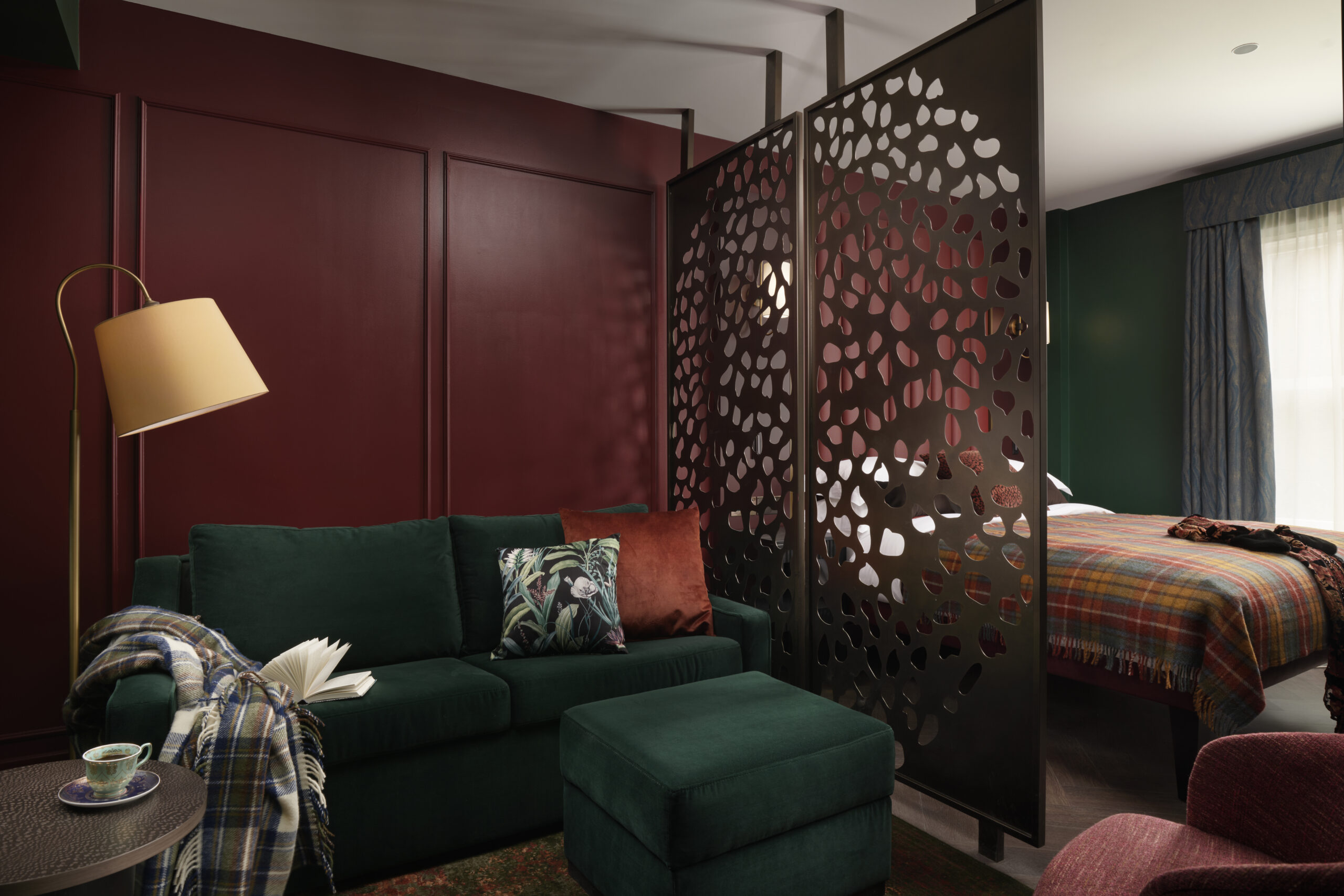
"Our journey to the Other House started almost a decade ago, inspired by trendspotting within the London residential market. As owner and CEO of property company London Central Portfolio, which specialises in the long-stay rental sector, it became clear that our clients were looking for something that didn’t quite exist.
"There was a marked shift to renting smaller units as people sacrificed space for location so they could be where it's all happening. Next came an increasing desire for stylish aspirational interiors and, more recently, an expectation of services on demand.
"I realised that our tenants were looking to combine their sense of place and home making with access to fa hotel-style service – you could say the ‘hotelisation’ of a residential offer. On the other hand, we could see that whilst the hotel market often excelled on providing service, they fell down on place making and a sense of belonging.
"That's when we first recognised the need for a new look at the hospitality market. We conceptualised the Other House through a residential lens rather than a conventional hotel perspective to create a 'residents club', fusing the best of both offers.
"Think hotel meets private members club - for any length visit, whether it be a night or a year. We are reinventing how people stay, providing a renewed sense of place, ownership, and engagement with spaces that enhance the overall guest experience.
"Consumers are now looking for flexibility, style and greater personalisation but are also starting to embrace responsibility and slow travel. The pandemic has made us more mindful of our choices and is undoubtedly changing how we travel, and the Other House is paving the way for this new era of smart travellers.
We are truly creating a second home for our residents for as long as they are in town."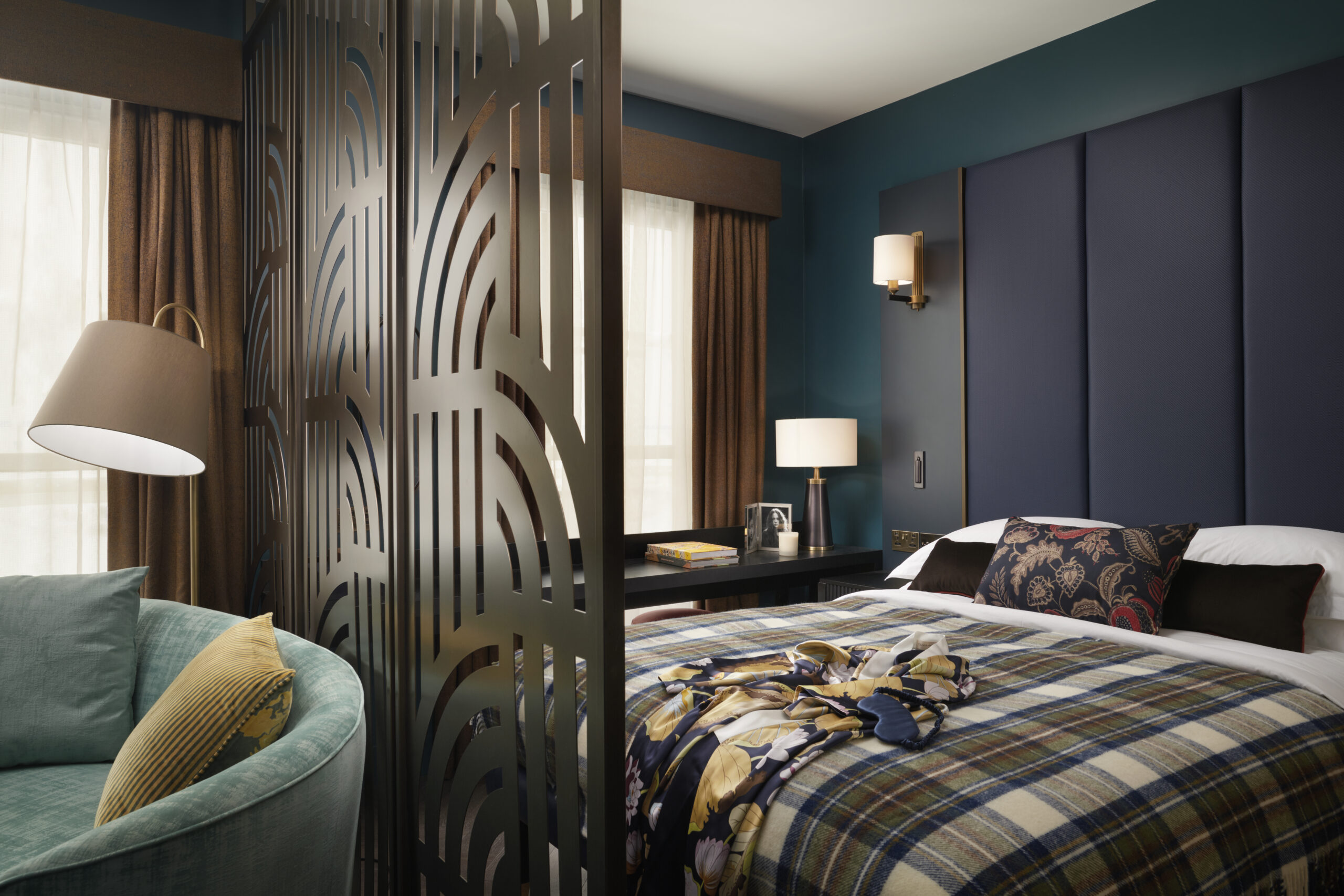
"The Other House is a UK-first that will disrupt the traditional sectors of hotels, serviced apartments, and private rentals. We are combining apartment-style living with hotel-style facilities, whatever the length of stay, so that guests have the flexibility to live, work, relax, stay with us, exactly as they would in their own home.
"Residents will have their very own Club Flat, each cleverly designed to maximise space usage with a separate living area and bedroom, and a kitchenette for cooking or entertaining. Additionally, we have a private Member’s Club with bars, spa and gym for our residents and members to relax in, private meeting and dining rooms – and, for when they want to immerse themselves in the local atmosphere, a destination bar and street café.
The Other House app, intelligently designed with connectivity and the customer journey in mind, will break new ground in the industry. We know that guests are increasingly digitally savvy, and they want to be in control of their stay but also, post-pandemic, to limit physical touch points.
"Through our app, residents can organise all aspects of their stay – from calling the lifts and accessing their flat, to restaurant reservations, check-out and settling the bill. However, for those who do prefer the personal touch, our friendly and knowledgeable House Jacks are always there to help."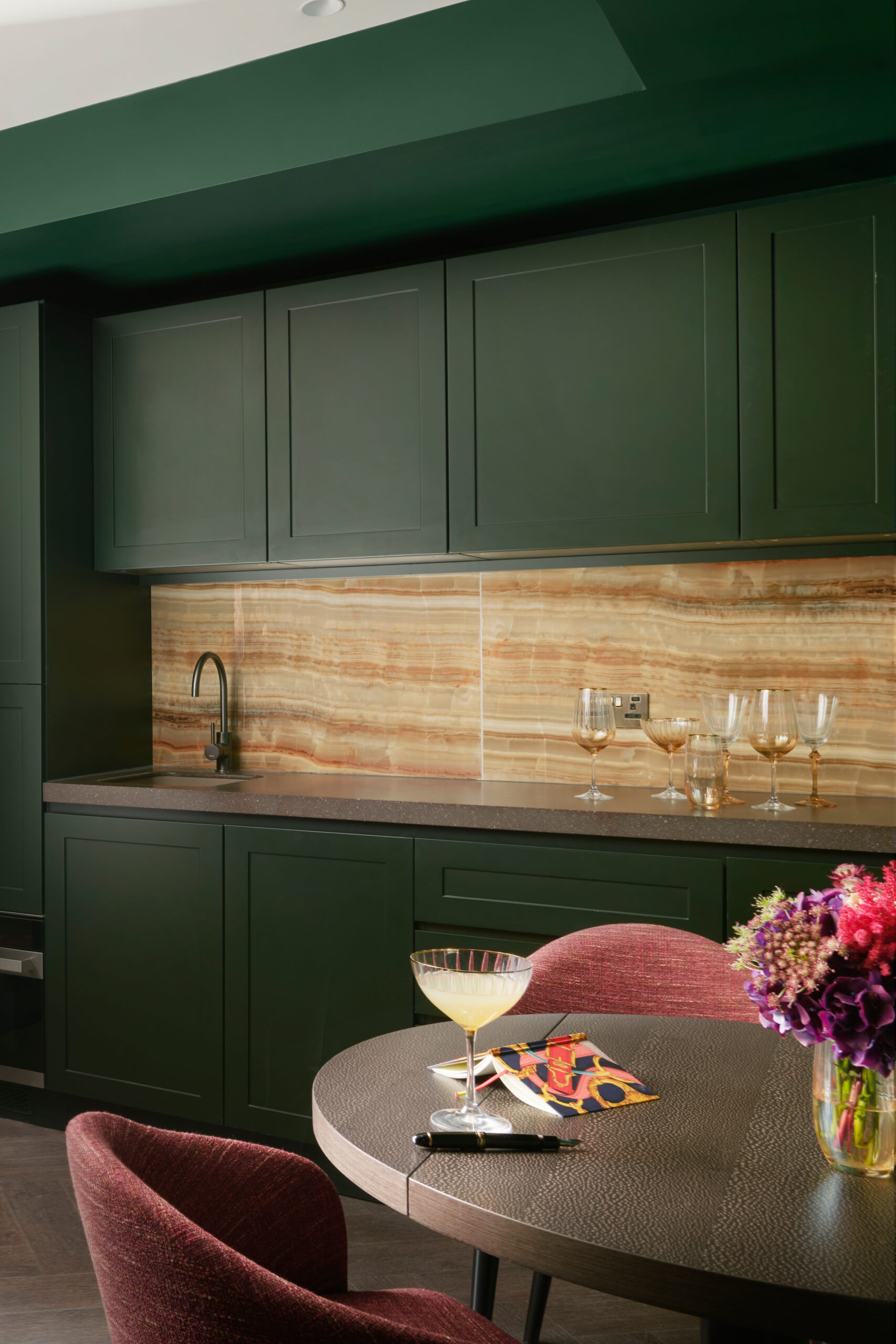
"We want to give residents the tools and the space to organise and manage life their way so they can also book as they choose, whether through our website – which launches in early 2022 – or through our app. Residents will have their own unique login so they can access all details of their current, upcoming, or past stays and keep track of what’s going on in the House during their visit.
"Residents can book one of our Club Flats, designed by the award-winning Bergman Design House, for any length of stay – there is no minimum requirement so they can come for a day or a year or more. Whether they’d prefer the views from our lofty Club Turret, or relax in one of our characterful Club Vaults, we cater for everyone."
"It will look and feel completely different. With our Club Flats, we are providing that sense of place that’s so often missing from hotels, and access to bars, restaurant and spa facilities that are rarely available in serviced apartments and residential offerings.
"Because we want our residents to be able to stay as flexibly as possible, we’re also offering a range of facilities to support their lifestyle. For example, our unique storage facilities enable guests to leave their possessions safely and securely with us whilst they leave us to travel, or visit family for a few weeks, and then it’s all waiting for them on their return."
"Specifics will be determined over the coming months as the market quickly evolves out of the pandemic crisis but the average room rate per night for short stays is currently anticipated to be around £250 with reduced rates the longer a resident stays."
"The Other House will provide a unique environment for business and leisure travellers seeking flexibility, style, and a sense of belonging during their stay in central London. It will be a club of likeminded people – independent, smart travellers looking to live and feel like a local, rather than a tourist who believe in making a positive social and environmental impact and wanting experiences to remember. They are all on different journeys but know where they want to be."
When relocating to a new city, it takes time to scout out the right place to live and build a new friendship circle. For digital nomads, finding a short-term base that meets their needs is important, without getting tied into a living situation that ends up not being suitable.
On the flipside, finding a good houseshare in your home city can also be a challenge, and is something LifeX is working hard to improve. (LifeX says that 20 per cent of its members are locals.)
LifeX caters for young professionals looking to settle into a new home (either short- or l0nger-term) quickly and without the bureaucracy. Its co-living concept is about providing stylish shared homes that bring members convenience, flexibility and a ready-made, like-minded community.
Founded in Copenhagen in 2017, LifeX currently operates co-living homes in Copenhagen, Berlin, London, Paris, Munich, Vienna and Brussels (opened in May) – and is coming soon to Barcelona and Frankfurt – with more than 300 members from more than 50 countries.
A spokesperson for LifeX says: "We of course have lots of digital nomads who stay with us for the minimum stay of three months but the majority are young professionals staying for about nine to ten months on average. So even though our members have the flexibility of three-month short term stays, most choose to stay medium- to long-term."
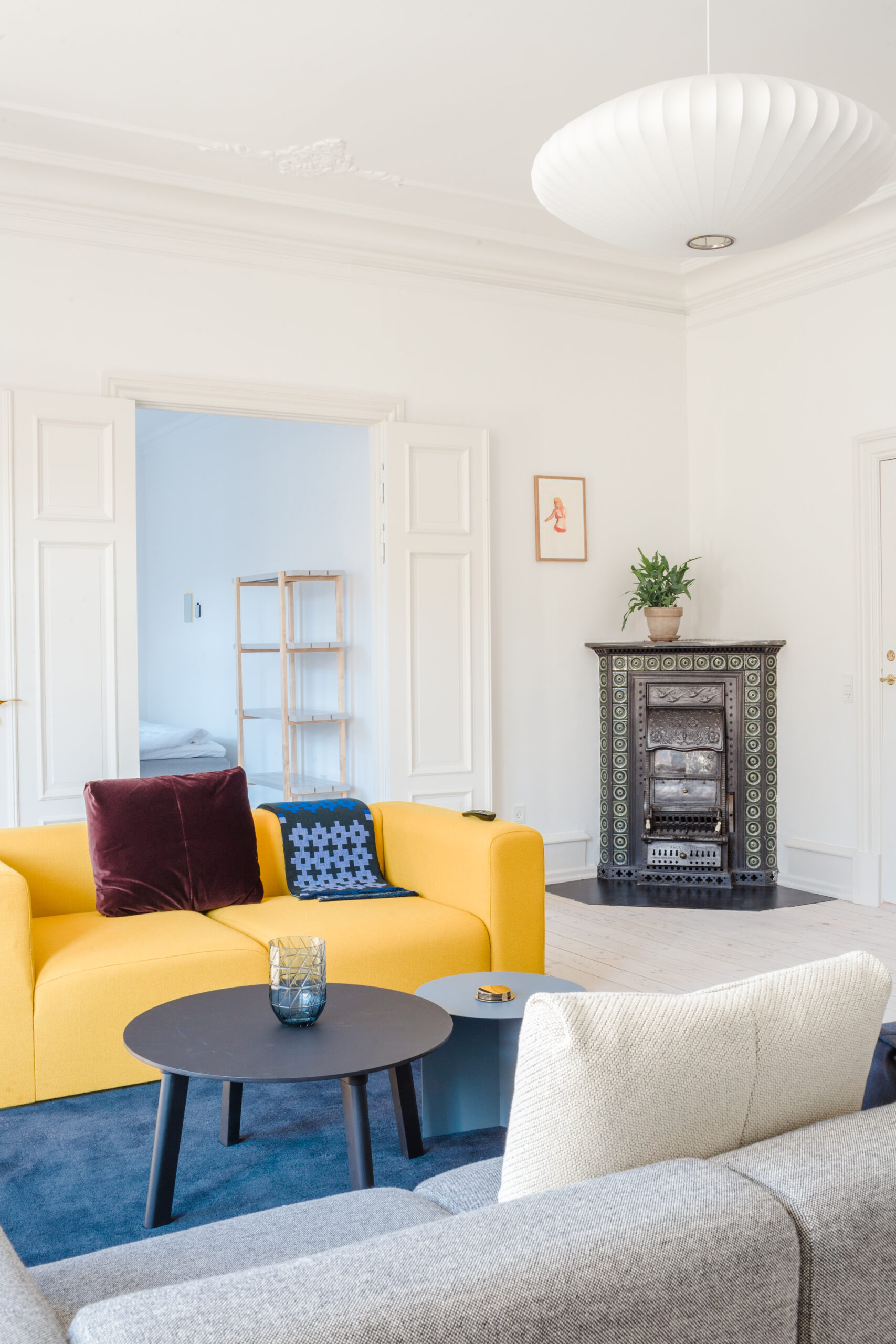
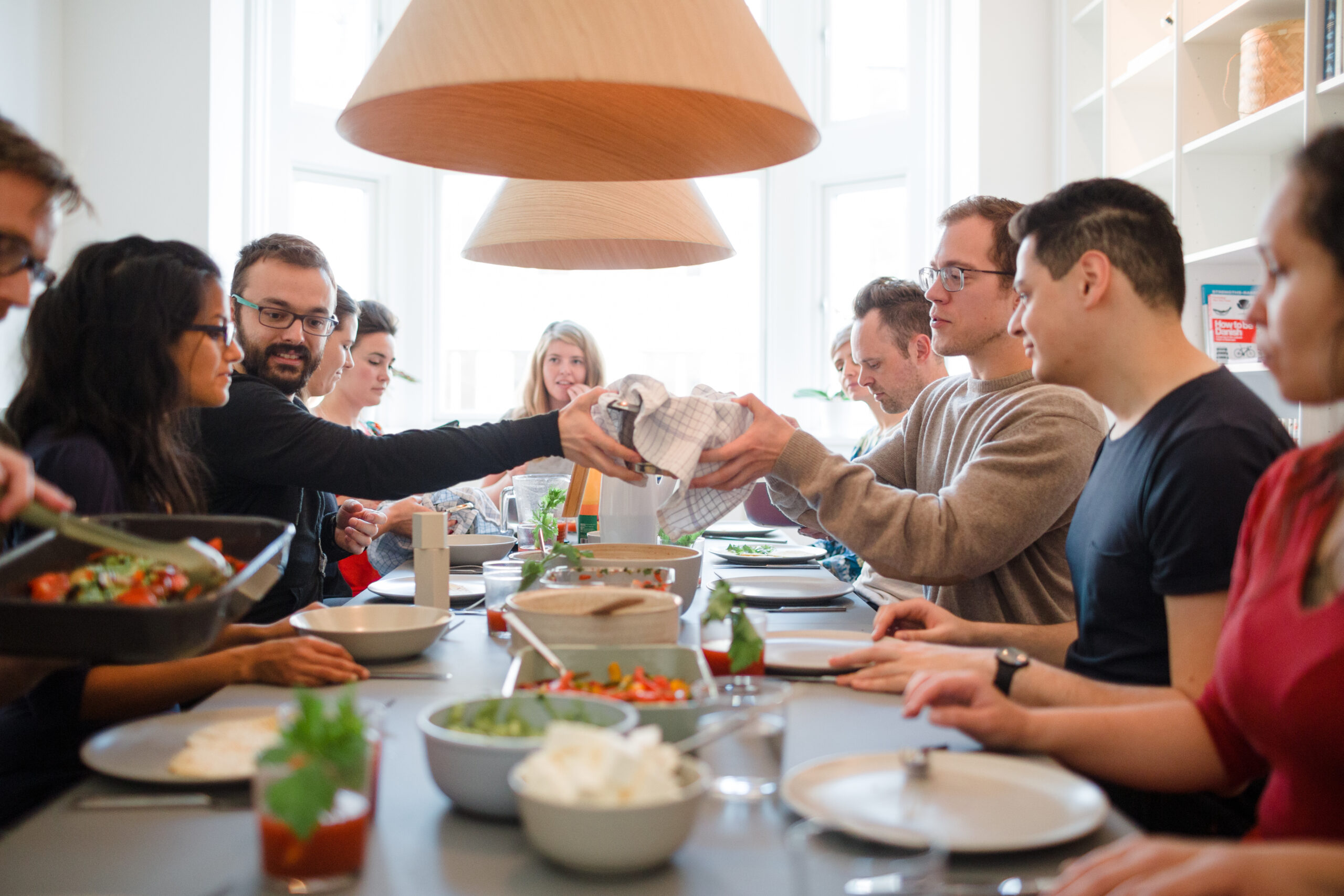 Typically for between four and eight people, the co-living apartments are tastefully designed, and furnished with Scandinavian furniture, artwork and plants. They generally have between four to seven private bedrooms, which range from 7 sqm to 40 sqm (with rooms for couples starting from 18 sqm).
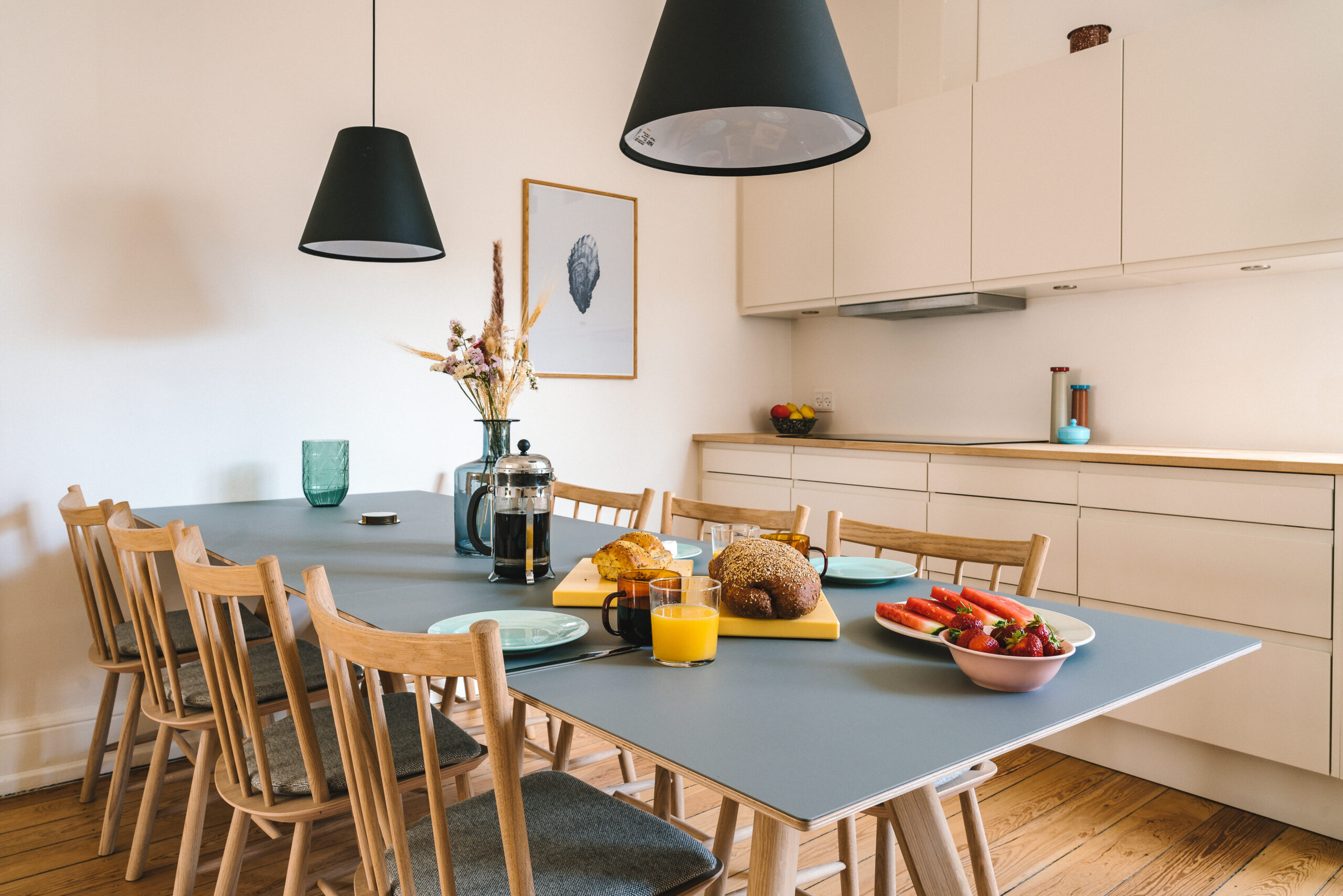
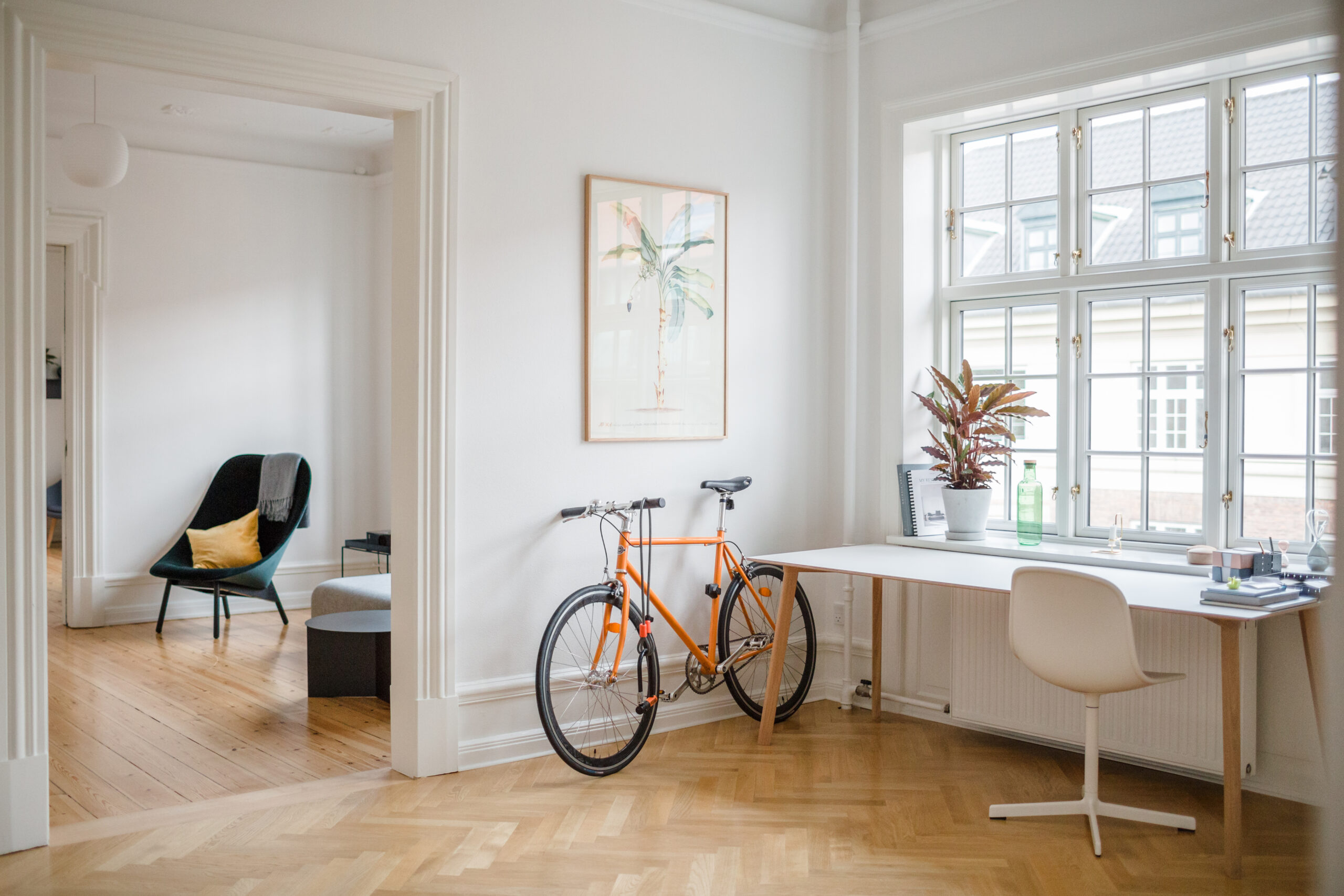 They also have large, sociable living spaces, dining areas, fully equipped kitchens, storage and laundry facilities. Bedrooms are also equipped with bedding and towels, while each apartment comes with communal accessories such as kitchen appliances, utensils, cutlery, vases, mixers, toast machines, plates, pans, cups, hairdryers and steam irons – so members can simply turn up with their suitcase.
 Rather than having to set up a local bank account, negotiate rent prices, or bills and source any missing furniture or mod cons, LifeX simplifies the apartment-hunting process by pre-packaging everything members need.
The monthly price includes rent, certain city or housing taxes, shared household supplies (such as toilet paper, hand soap, laundry detergent, cooking oil, and salt and pepper), cleaning services (apart from in Munich) and utilities (wifi, Netflix and Disney Plus subscriptions).
 The price of a deposit for a LifeX department varies depending on the city, but is usually less than a month's rent. Monthly fees to stay at a LifeX apartment in Vienna, for example, start from €725 per month (from €1,050 for couples) while in Paris, prices start from €1,000 per month (€1,500 for couples).
There is a minimum three-month stay for each of its locations, with one-month notice needed before residents move on.
LifeX residents are welcome to have guests to visit or stay for up to five days, provided it is alright with their other housemates. Residents are also expected to keep the apartment clean and tidy.
Another nice benefit is the LifeX membership app, which allows users to see upcoming community events, plan events and form interest groups. The LifeX spokesperson says: "They can even arrange room swaps with members in other cities for a short holiday or weekend trip."
According to LifeX, several trends are converging to fuel the global co-living movement. These include a more flexible job market, a general increase in loneliness, more people moving to urban areas, the fact that millennials value access over ownership, and consumers' expectations for things to happen immediately.
"We, millennials, tend to change jobs around every two years," reads LifeX's website. "We are always striving for a better opportunity, which subsequently means we are also less tied to a particular city. The world is “flat” for us. That’s why we require different, more flexible type of housing.
Locke has brought its "home-meets-hotel" concept to Bermondsey with the launch of a third London outpost called Bermonds Locke. (The company also has properties in Dublin, Edinburgh and Manchester.)
A contemporary take on the serviced apartment, Locke properties blend affordable studio apartments with co-working areas, restaurants, bars and workout studios – "all the stuff you actually need to continue your everyday, even when you’re away from home," it says.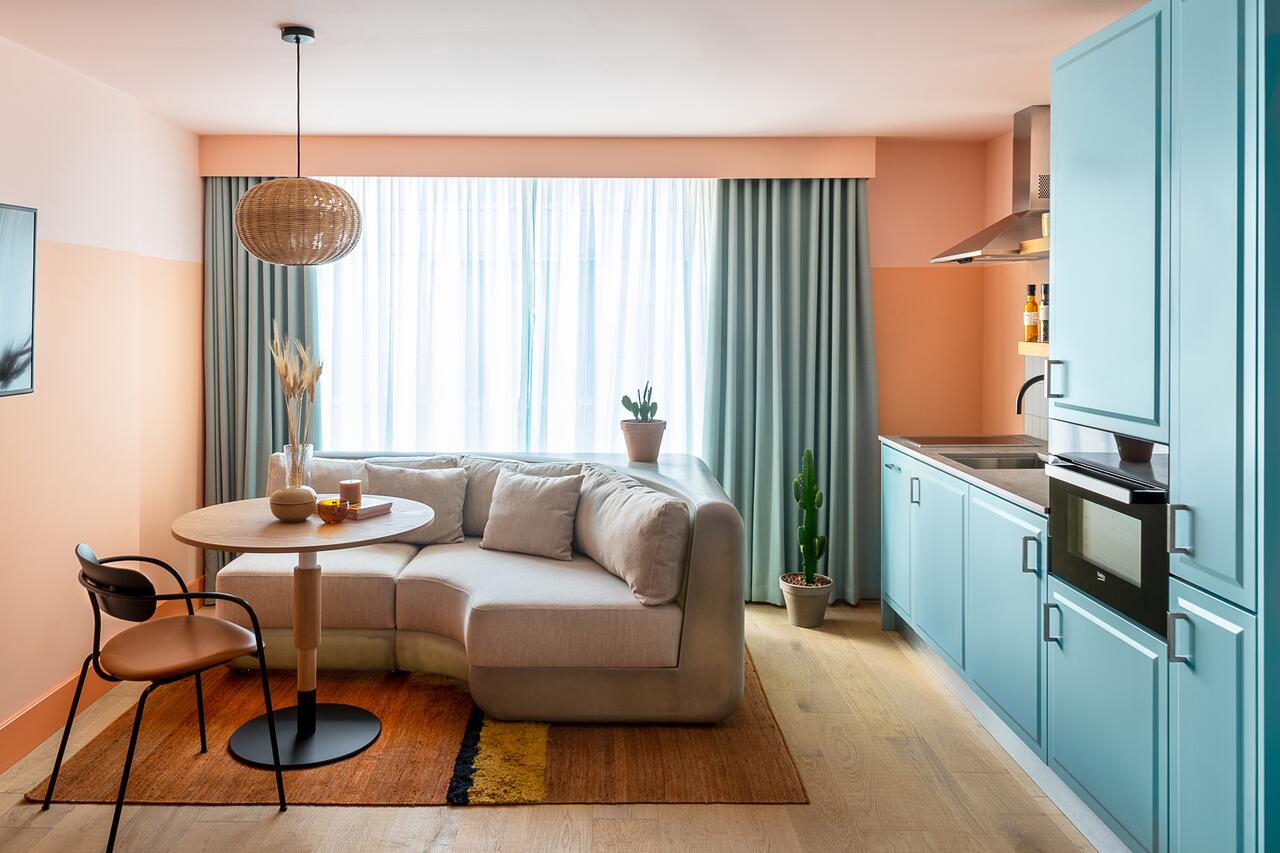 Globetrender has previously reported on the co-living trend, which takes co-working a step further to incorporate communal housing. Home-meets-hotel is another iteration of the trend, this time as a temporary rather than permanent residence.
Each of the 143 studio apartments at Bermonds Locke features a living/working space with one-of-a-kind furniture, plus a fully fitted kitchen and laundry facilities, designer kitchenware and coffee-table reading. 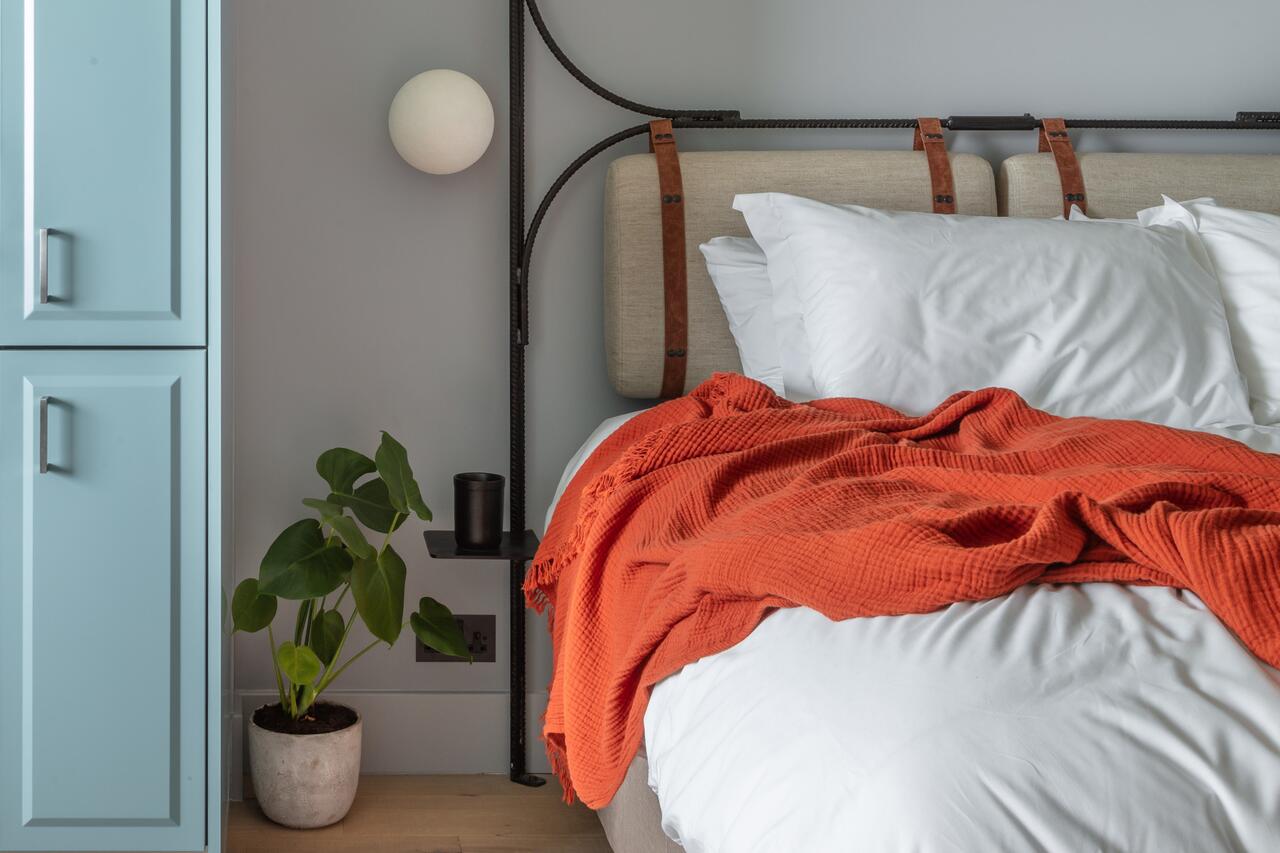 Eating in? Recipe and ingredient boxes are available for delivery and there's an on-site restaurant and bar.
The smallest studios start at 23 sqm – bigger than the average boutique hotel room – and the largest apartments offer a generous 35 sqm of space, on a par with some of the largest London serviced apartments.
London-based interior architecture studio Holloway Li designed the spaces as an "homage to nature’s wonder in both aesthetic and eco-responsibility".
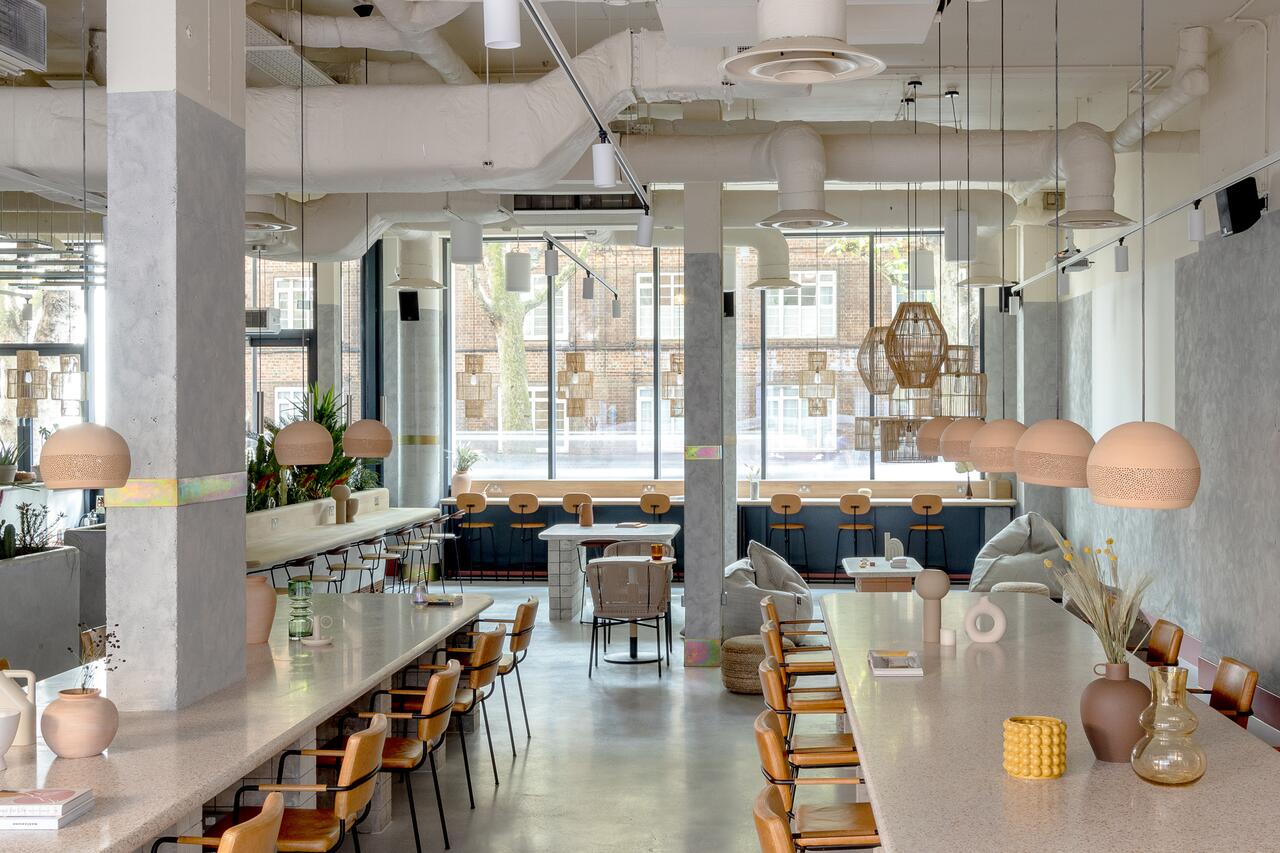
An earthy colour palette inspired by the Californian desert is complemented by brass, concrete and rattan and brought to life with leafy plants and succulents.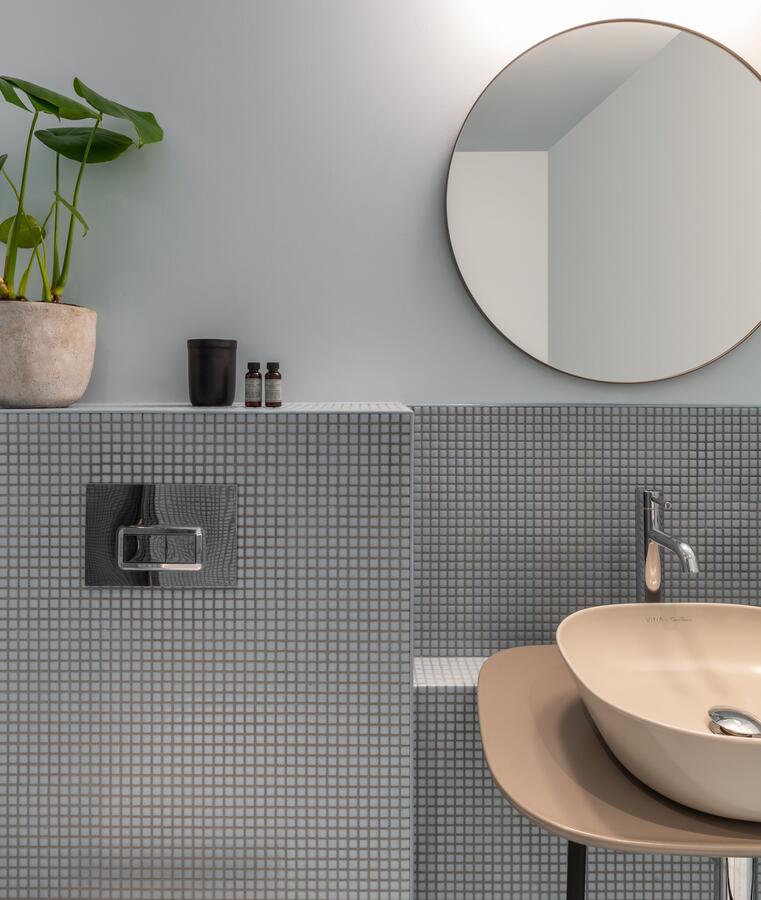 Re-purposed construction materials have been used throughout both the public areas and private apartments – concrete testing cubes destined for landfill find new purpose as a plinth for a six-metre long terrazzo tables in the ground floor workspaces, whilst in the rooms bespoke bed frames woven out of blackened rebar are accented with linen canopies to "infuse old ideas of the concrete jungle with a new sense of sanctuary."
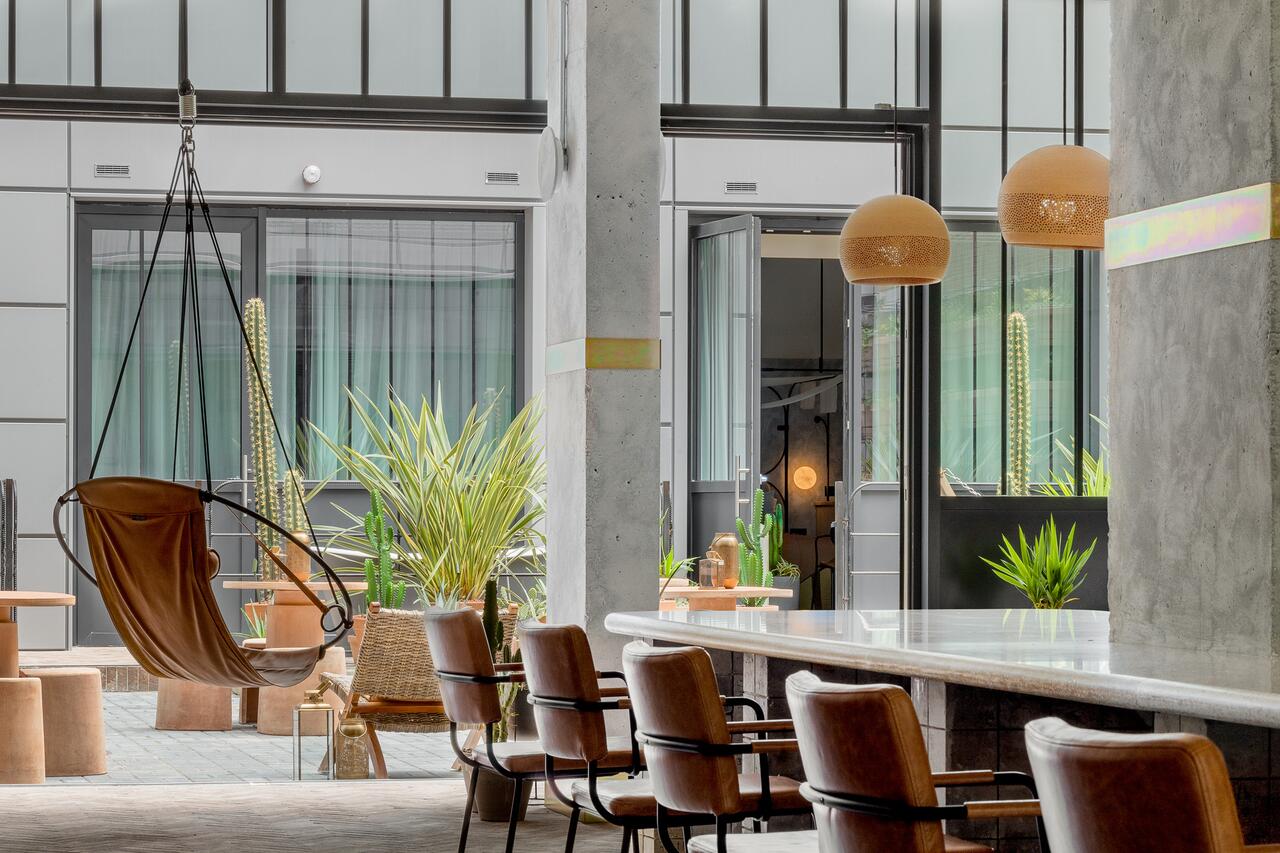 Additional offerings that differentiate Bermonds Locke from traditional hotel rooms include "activated public spaces" (think co-working areas and meeting rooms for hire) with super fast wifi and free-flowing coffee until 9pm, yoga sessions and a locally-led cultural programme.
Bermonds Locke comes fully staffed by a team of "House Hosts", offering insight to ensure both long and short-term visitors have access to the best local knowledge and insider tips.
 Situated by Tower Bridge near the excellent bars, restaurants and art galleries of Bermondsey Street, the cobbled streets of Shad Thames, Maltby Street Market and Borough Market are just a 15-minute walk away.
The flexibility of the "home-tel" format appeals to a broad range of travellers across the leisure and business markets, for both extended and short stays, at a time when the demands of contemporary travellers are changing.
Stephen McCall, CEO of Locke's parent company Edyn, says: “We are delighted to open our third property in London with Bermonds Locke. Locke aims to liberate guests from the confines of a typical hotel room by creating beautiful apartments that are designed to be lived in.
"The type of guest we’re accommodating wants to explore life as a local, and so the Bermondsey neighbourhood has played a significant role in defining the aesthetic, partners and programming.”


The Ascott Limited is seeing a soar in demand for its co-living concept, Lyf. In response, the brand has ambitious expansion plans across the Asia-Pacific region.
Globetrender has previously reported on the co-living trend, which takes coworking a step further to incorporate communal housing.
As with other co-living brands such as WeLive, Lyf answers the call from millennials and Gen Zs seeking flexible, value-for-money housing, combined with an enriching community experience.
Co-living spaces are increasingly popping up in city centres, offering an affordable, desirable place for young professionals to live, socialise and collaborate.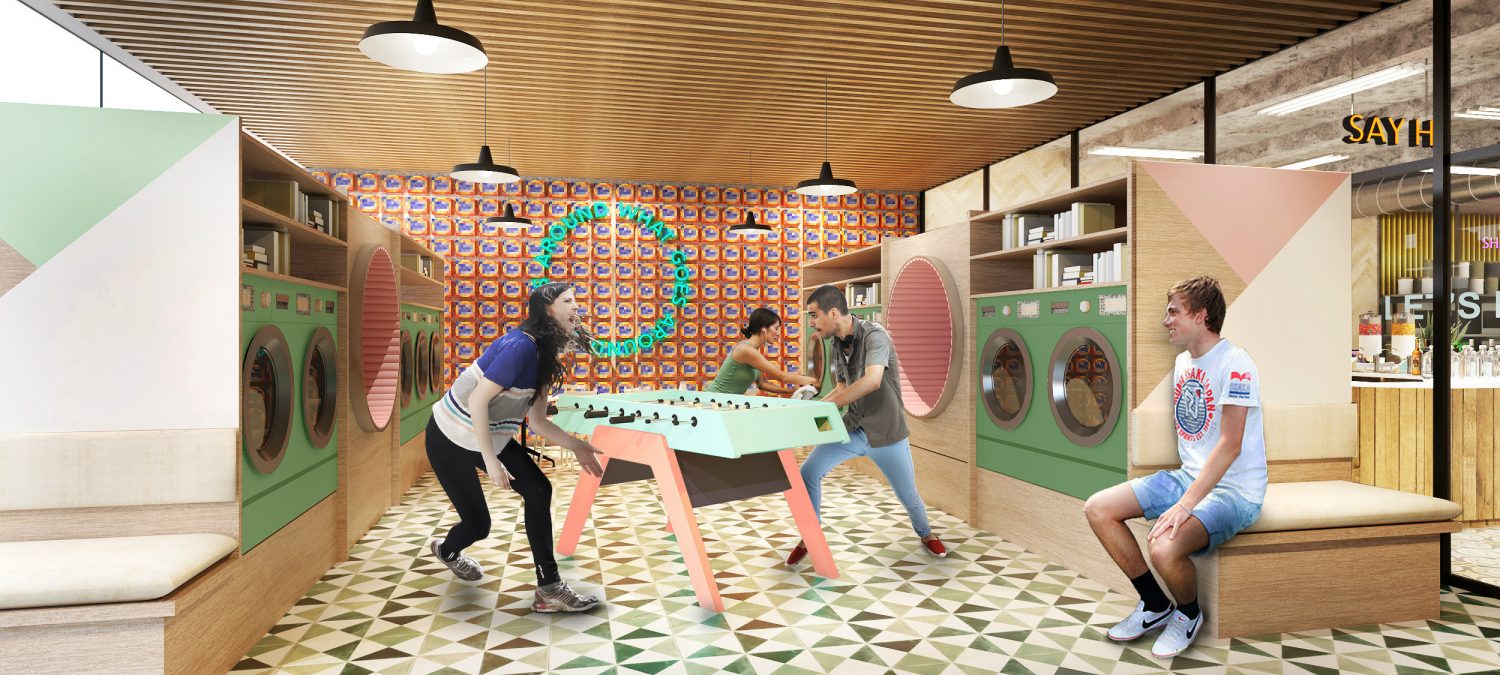 Last month, Lyf opened its first property in Thailand. The 196-unit Lyf Sukhumvit 8 Bangkok is surrounded by cafes, bars and restaurants, and is a short walk from one of the most popular shopping areas in the Thai capital.
Its communal spaces include a coworking and lounge zone, a kitchen, a laundromat, an outdoor terrace and a rooftop fitness area.
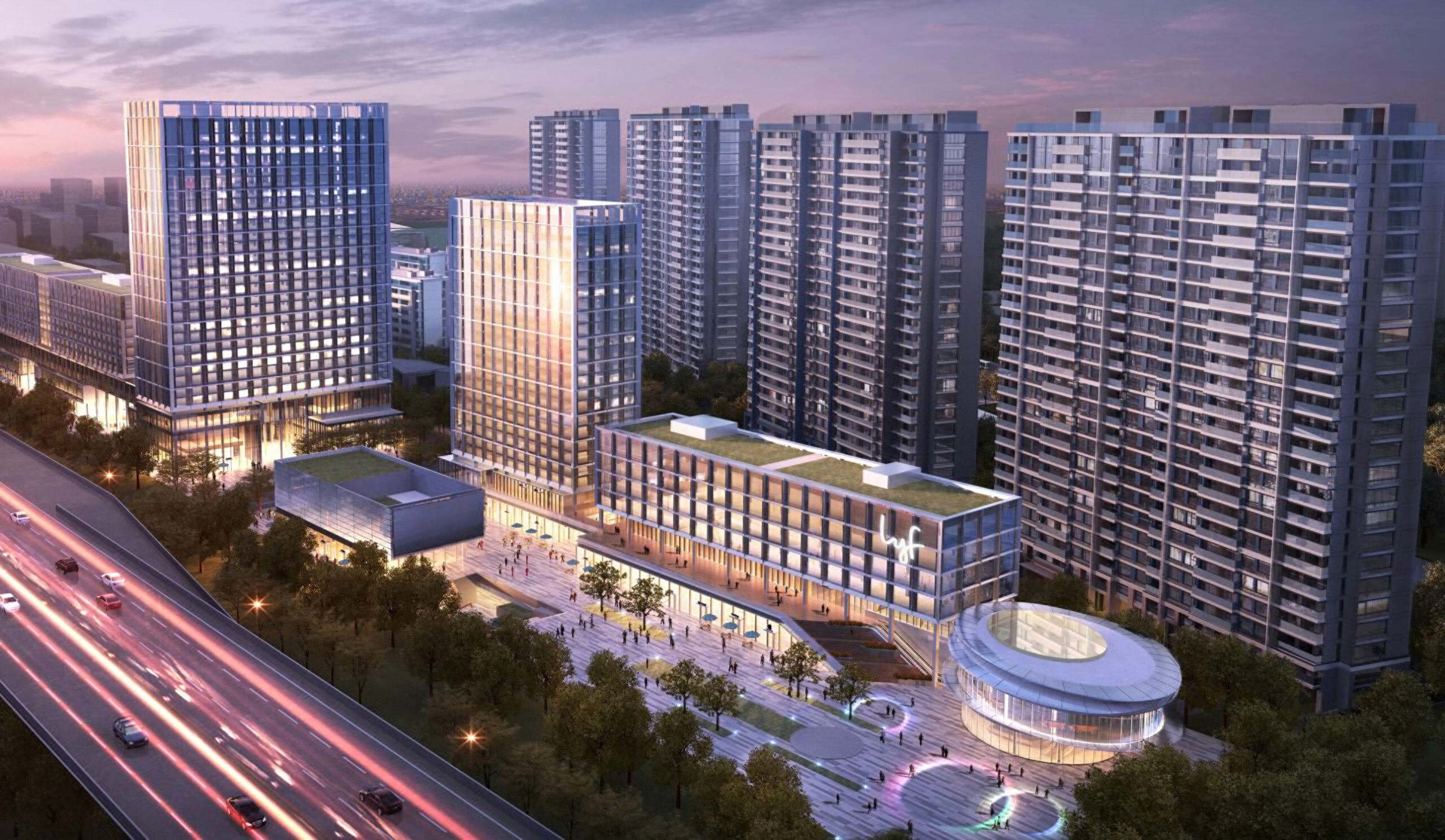
Now, Ascott is debuting six new Lyf properties in Melbourne, Australia; Beijing, Hangzhou, Shanghai and Xi’an, China; and Manila, the Philippines.
Despite the potential threat that Covid-19 could pose to co-living, the company says certain properties have enjoyed healthy occupancy during the pandemic.
“The value and demand is evident in the performance of our first operating property, Lyf Funan Singapore, where guests could stay with us safely and comfortably throughout the Covid-19 period,” says Kevin Goh, CEO of Ascott.
“It achieved a robust average occupancy rate of 86 per cent from April to June 2020. Many guests made Lyf Funan Singapore their home away from home, extending their stays at the property. In May 2020, 95 per cent of its guests were long-stay – between one and six months.”
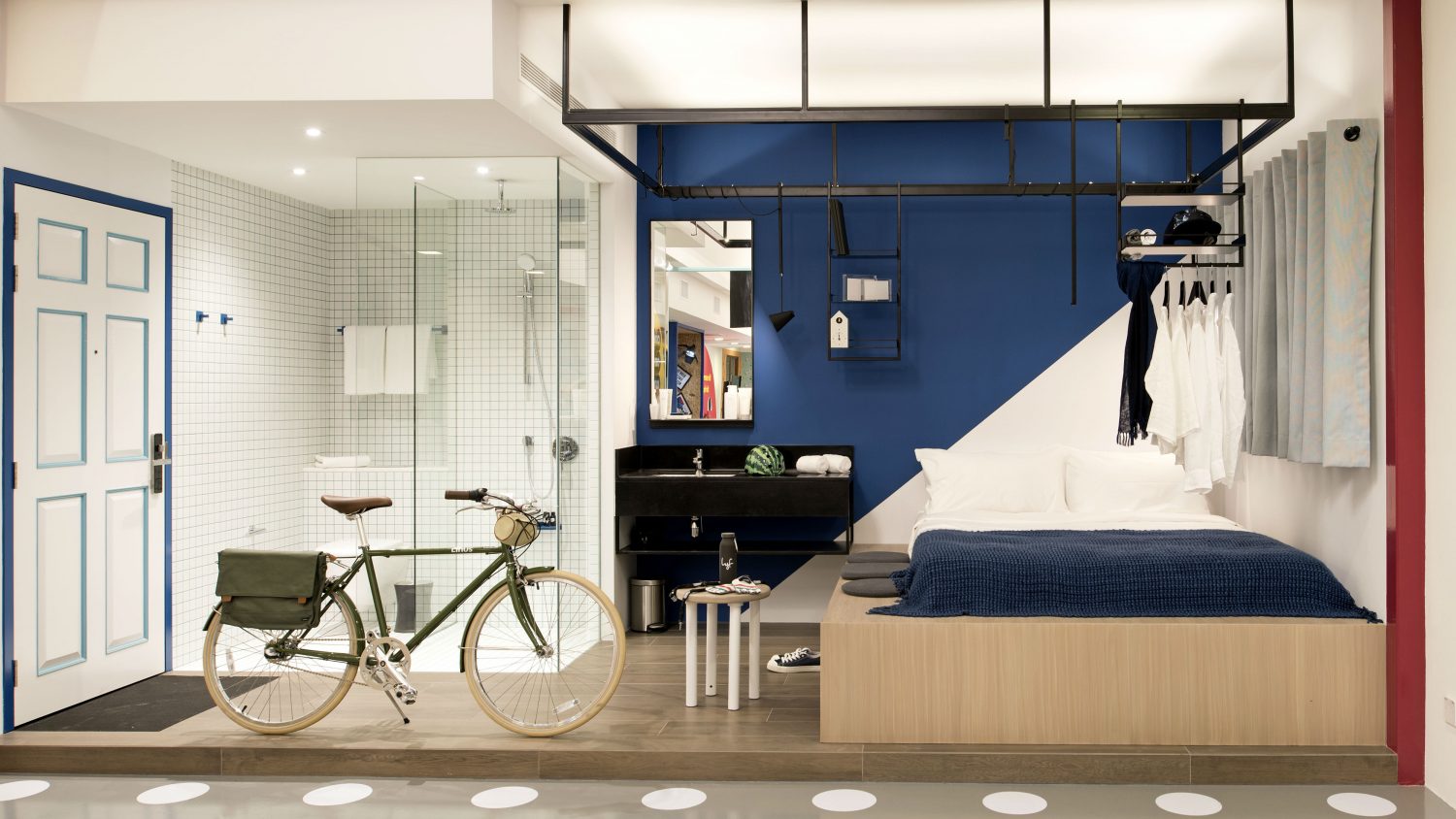 Mr Joel Oei, Ascott’s head of Lyf brand, says: "Our guests found a strong network of support within a close-knit community. We took our community engagement activities online and conducted virtual tours and digital-first marketing campaigns to expand our reach.
“Creatively designed and multi-functional living spaces offer more flexibility and efficiency for our guests, many of whom were expected to work remotely."
Oei adds: “Apartments can be easily adapted into private work suites with flexible tenures. Lyf’s well-designed and colourful apartments provide a conducive and creative environment for work, while its spacious work and meeting areas coupled with amenities such as smart screens and high-speed WiFi can further aid productivity.”
Of the six new Lyf properties coming soon, Lyf Midtown Hangzhou is set to open first in 2021. Located in Gongshu, near the city’s UNESCO World Heritage-rated Grand Canal, the co-living space will be directly opposite Hangzhou International Convention and Exhibition Centre.
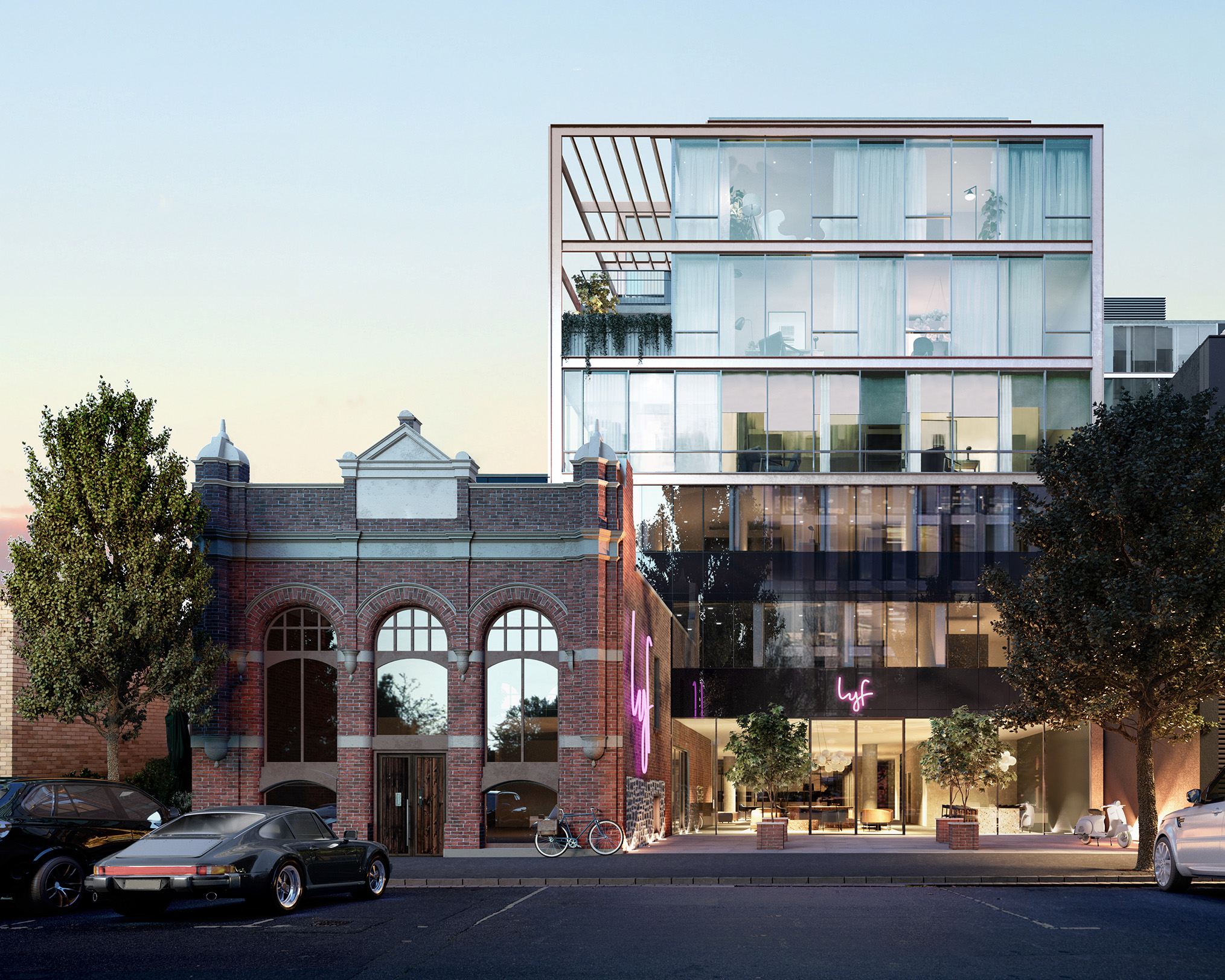
 Lyf Collingwood Melbourne is slated for 2022. The 105-unit co-living space will open up amid the galleries, cafes, shops and office’s of Melbourne’s trendy Collingwood neighbourhood.
 Later, in 2023, Lyf Malate Manila will make its debut. The 202-unit property will be the brand's second opening in the Philippine capital. It will be in the middle of Malate, a financial and historical centre of the city.
Cafes and fine-dining restaurants will be on its doorstep, and the largest shopping mall in the area, Robinsons Place Manila, will be a five-minute walk away.
Spaces is a way to make living in London better. It’s creating places that people can move into as easily as booking a hotel room, and find themselves in a real community straight away. It’s taking back central London for young professionals and other people who have been getting priced out. It’s about honesty, openness, ease of use and flexibility. At the end of the day, it’s making the city fun again.
Co-living is about sharing space, ideas and lifestyles, it’s a way of bringing people together to offer benefits to everyone. It’s about getting access to more and better amenities than you could as just a single person, while also having your own personal space.
It’s different from a house share because of the extra level of service provided by our Lifestyle Managers who are available 24/7 to make sure everything is as awesome as we can make it. Got a problem? They’re on it. Need some information? Any time of the day or night.
Co-living is for anyone who wants more out of life and that’s why it’s such an exciting space to be in.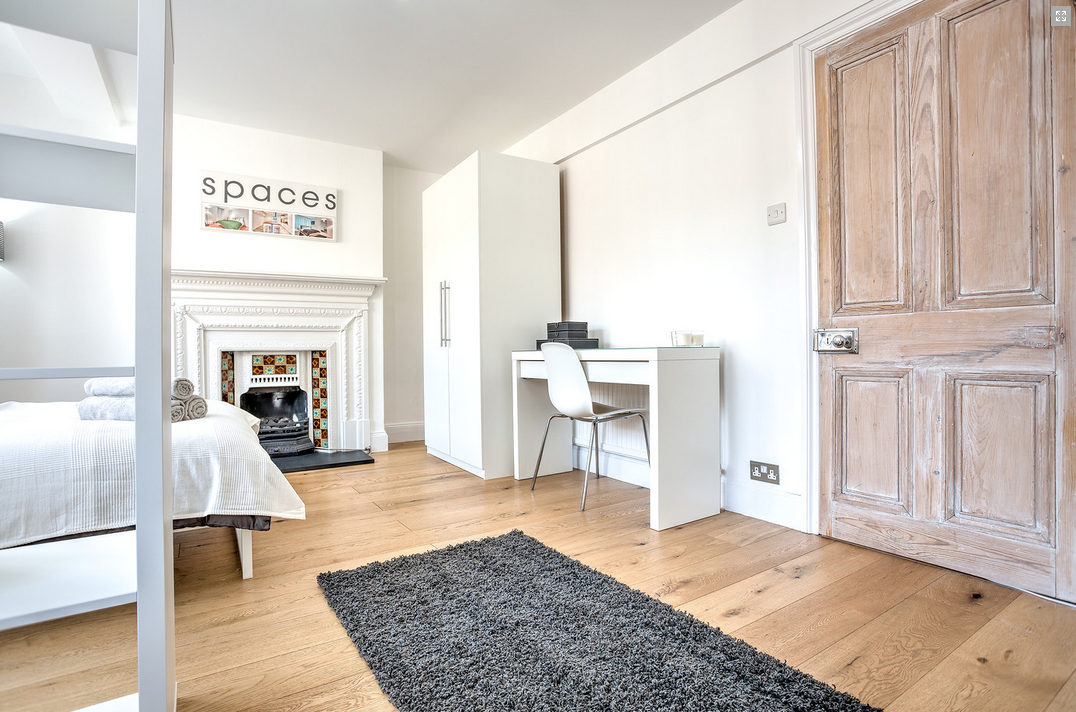
Back in 2006, after deciding a career in banking wasn’t for me, I was determined to create a compelling business model that had the potential to affect the way we live in a very positive way. I understood there were real problems in the rentals market, around quality and standards, customer experience and affordability. I also understood that many of these problems could be overcome with the right approach.
I had only £4,000 and I invested into an idea that I thought could be a game changer. I leased an apartment from a landlord in Elephant and Castle and I used my remaining funds to physically upgrade the property. With his permission, I created London’s first co-living experience in a flat-share setting. It was professionally managed, branded, all bills were included and the co-living sharing setup made it affordable for young professionals. This was the very first Spaces co-living property and we later scaled up.
By 2009, Spaces had hundreds of units, I was employing people and we’d housed many members. I was proving that I was on to something and I started anticipating the future opportunity for delivering this type of living at scale. Learning from the US purpose-built rental sector, I knew then that the future opportunity was to position Spaces as a developer and operator for co-living.
Spaces was producing enough income at that time that I could start purchasing assets, so I acquired buy-to-lets and started getting into development projects. I acquired, developed and sold a number of sites to multiply my capital. I was eventually able to purchase a range of sites in central London and I could then start creating the vision of purpose-designed buildings created from scratch around co-living.
Spaces members choose to live with us because they believe in getting more out of life – they value their time and experiences. Typically members are early twenties to mid-thirties, young professionals from a broad mix of professions. It’s their desire to have the freedom to live that drives them to choose us.
When we really get into the more practical details, Spaces makes finding a place to live as easy as booking a hotel room online. What you see is what you get, the rent includes everything you need including reliable, super-fast broadband, 24-hour support and all your utilities. If it’s listed on our site then it’s available to book instantly. No hassle, no fuss. It’s our pleasure to make it as easy as possible for our members to live.
We currently have around 3,000 members and 450 active co-living spaces in the portfolio, mainly concentrated in London Bridge, Waterloo, and Elephant and Castle. We have a further 2,000 units coming to market over the next 24 months in purpose-built buildings, and a further 2,000 units on our tech platform in the 12 months post-fundraise.
Right now we’re focussed on London, although we have some things quietly bubbling in three major European cities. Here is a sneak preview of the new London Bridge property…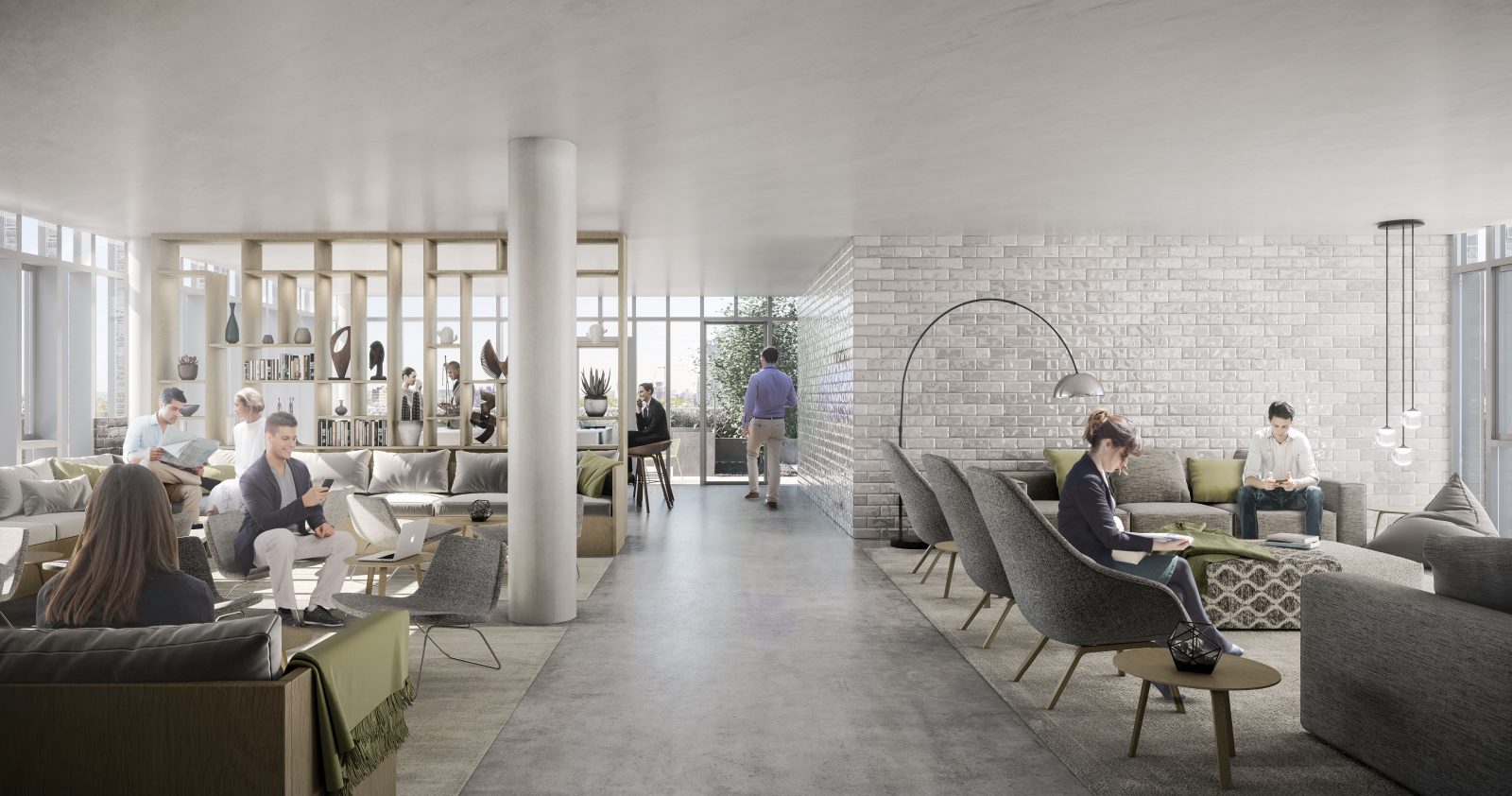
Our approach is all about re-enabling people to truly live and make the most of their limited time on Earth. The world has become so pre-occupied with "doing", so we often neglect making space to just "be". Spaces is more than co-living, it’s an entire movement, a pioneering mindset free from boundaries; a fresh approach to living.
Of course we cover the basic life admin services you would expect, but the real focus is on the freedom to live. Spaces "Inspire and Live" services cover everything from inspiration and life coaching, to group travel, social events, personal styling and charity donations. Our "Health and Wellbeing" products cover everything from gym and classes, right through to weekly or daily food box services.
At its heart, Spaces is a community that is all about re-engaging with the possibility of living beyond our current boundaries. And the co-living buildings we have created enable this to happen.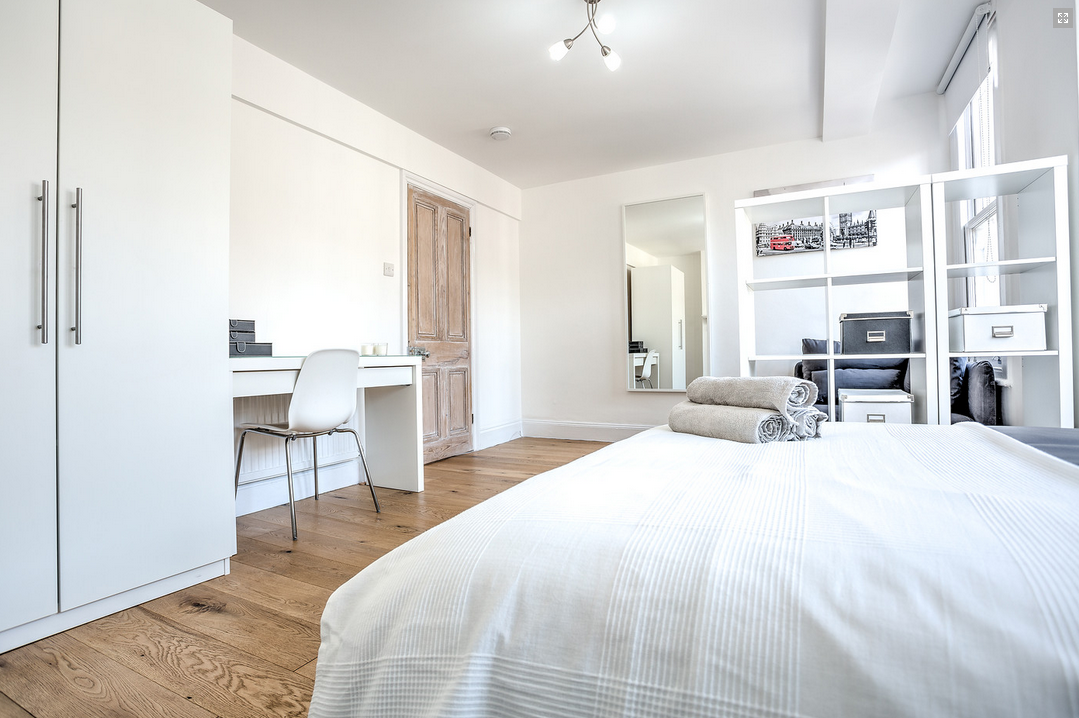
The Spaces purpose-designed buildings have a range of facilities on-site, in addition to all of the lifestyle services I have described. Spaces London Bridge for example will have a buzzing ground-floor lobby experience that combines a café, co-working and residential lobby with a very cool and inspiring understated vibe of unbounded energy. There are a range of work spaces to choose from in the main lobby, on the first floor dedicated co-working level or on the second floor private units. The work space is open to residents and Spaces workspace only members.
In the residential portion of our buildings, each floor forms a micro community of around 30-50 people with shared facilities. Imagine a grand, spacious luxury kitchen and lounge spaces to use alongside fellow community members. We also have some simply breath-taking club lounges with unencumbered wraparound views of the skyline. There’s some great yoga, meditation and event space up there too.
Another unique feature of the Spaces model is that we’ve figured out how to deliver the same community and living experience to our members who live in one of our many co-living apartments and houses across the capital. They all have access to our buildings and we’ll soon be introducing dedicated club lounges too.
There are two sides to the Spaces business. The first is the asset side that physically designs and creates the buildings we talked about. Our current pipeline is set to deliver 2,000 co-living units to market over the next 24 months. During the 36 months thereafter we are targeting delivery of a further 8,000 units. We are currently in advanced discussions with substantial financial backers to fund our burgeoning pipeline.
The other side of the business is the operational aspect. With my strong background in technology, I’ve built a very lean and scalable operational model. Over the past couple of years, we’ve figured out how to apply our proprietary technology in such a way that we bring management economies of scale typically reserved for large buildings and can apply them to the operations of individual apartments and houses.
This means we can transform and control the rental experience, even if it’s not in one of our purpose designed buildings. We are currently getting ready to scale this tech platform across London and are in talks a with a selection of well-known venture capitalists and private investors for this roll out. We aim to move into Europe within 24 months.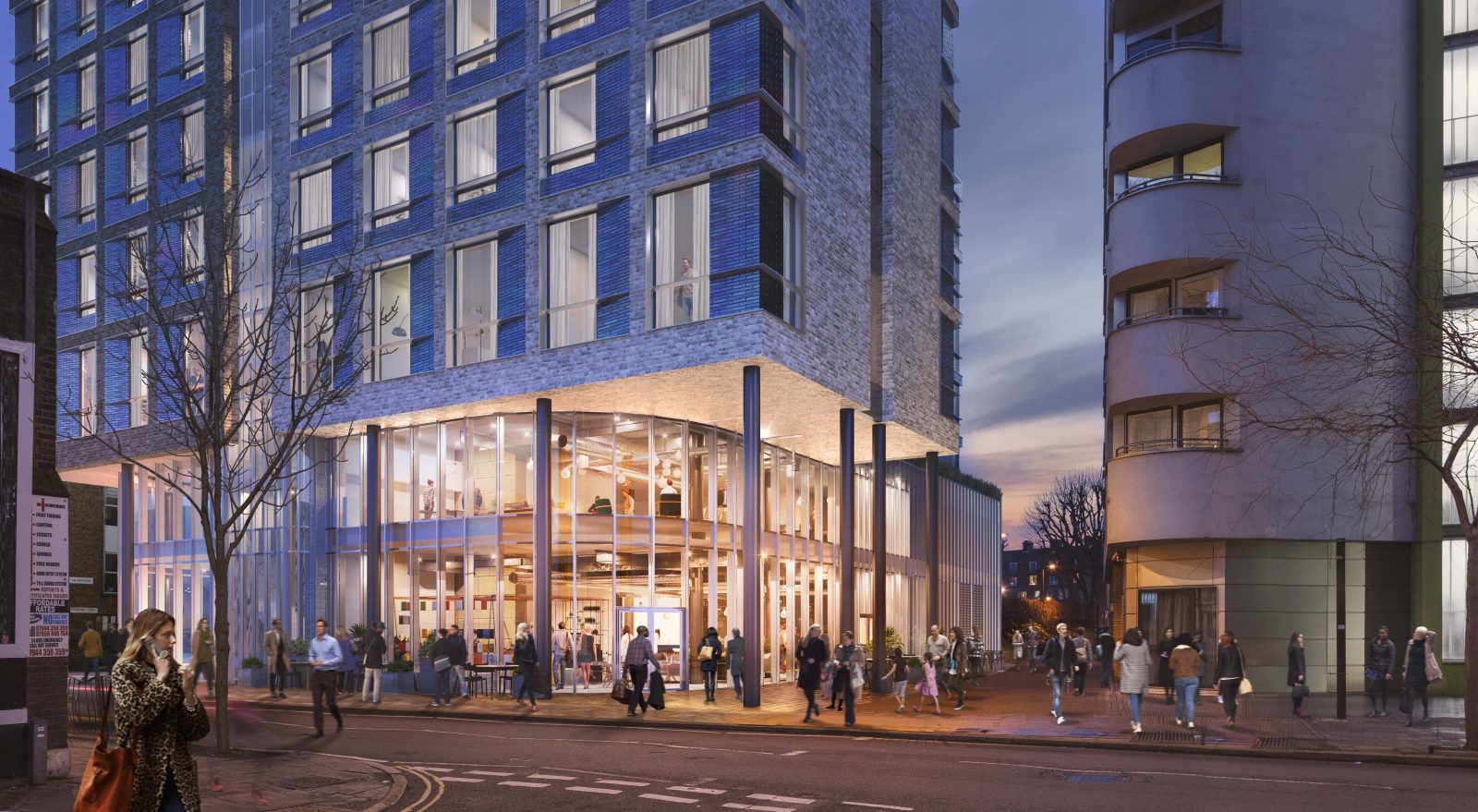
Spaces actually spent a lot of time working alongside world leading architect Make Architects on the creation of our London Bridge site. During that process we researched the history of co-living around the world. Although Spaces was the first provider of co-living in the UK, and one of the very first in the world, co-living is absolutely not a new concept.
It is actually the history of how civilisations have evolved. From the times of Native Indians in the Americas, to Inuit families, to the Brazilian Favelas, Indian slums, tribal settlements and more – across civilisations, across cultures, across time – co-living has always existed: communities have been built on satellite sleeping accommodation clustered around central shared facilities.
Somewhere in the drive to consume and want more, society lost this fundamental and very human gregariousness. The consequences are that most people can’t afford these facilities and their quality of life suffers. With co-living, Spaces takes us back to how we evolved, reconnecting with the true essence of living, making it affordable and superior once more.
[dropcap size=big]F[/dropcap]rench group Accorhotels is launching a new concept called Jo & Joe, which will embody the fledgling trend for "joie de vivre" in its day-glo, pop-art design, its uplifting, inclusive mood and quirky, playful interiors.
By 2020, the company plans to have opened 50 Jo & Joe "Open Houses" (a combination of hotel, hostel and apartment), with the first to come in 2018, in Paris and Bordeaux. Warsaw, Budapest, Rio de Janeiro and Sao Paulo will follow, with all properties in central locations no more than 15 minutes from major tourist sites.
The joie de vivre trend will be very much present in the Spring/Summer 2017 fashion collections, with clothing and accessories in riotous colours, outlandish textures and jazzy prints from brands such as Prada, Miu Miu and Tod's.
In spite of (and perhaps as a deliberate act of defiance) troubling political times, this year sees a focus on happiness, optimism and positive psychology. With beige, brown and cream being the palette of choice for hotels for so long, there is finally a shift towards accommodation with personality.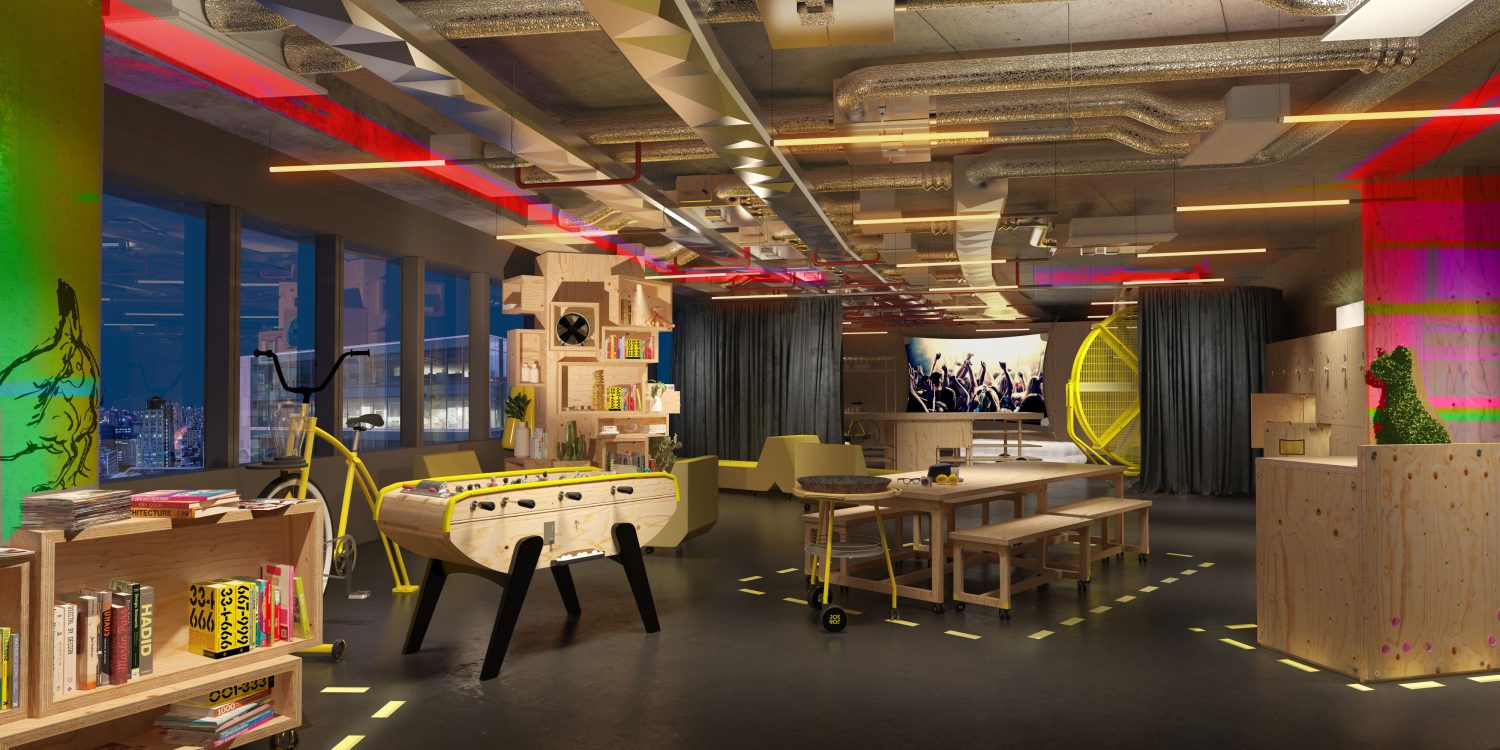 Hoteliers are feeling braver, turning to new Pantone charts, customisable interiors with furniture on wheels, collaborative living and a sense of community.
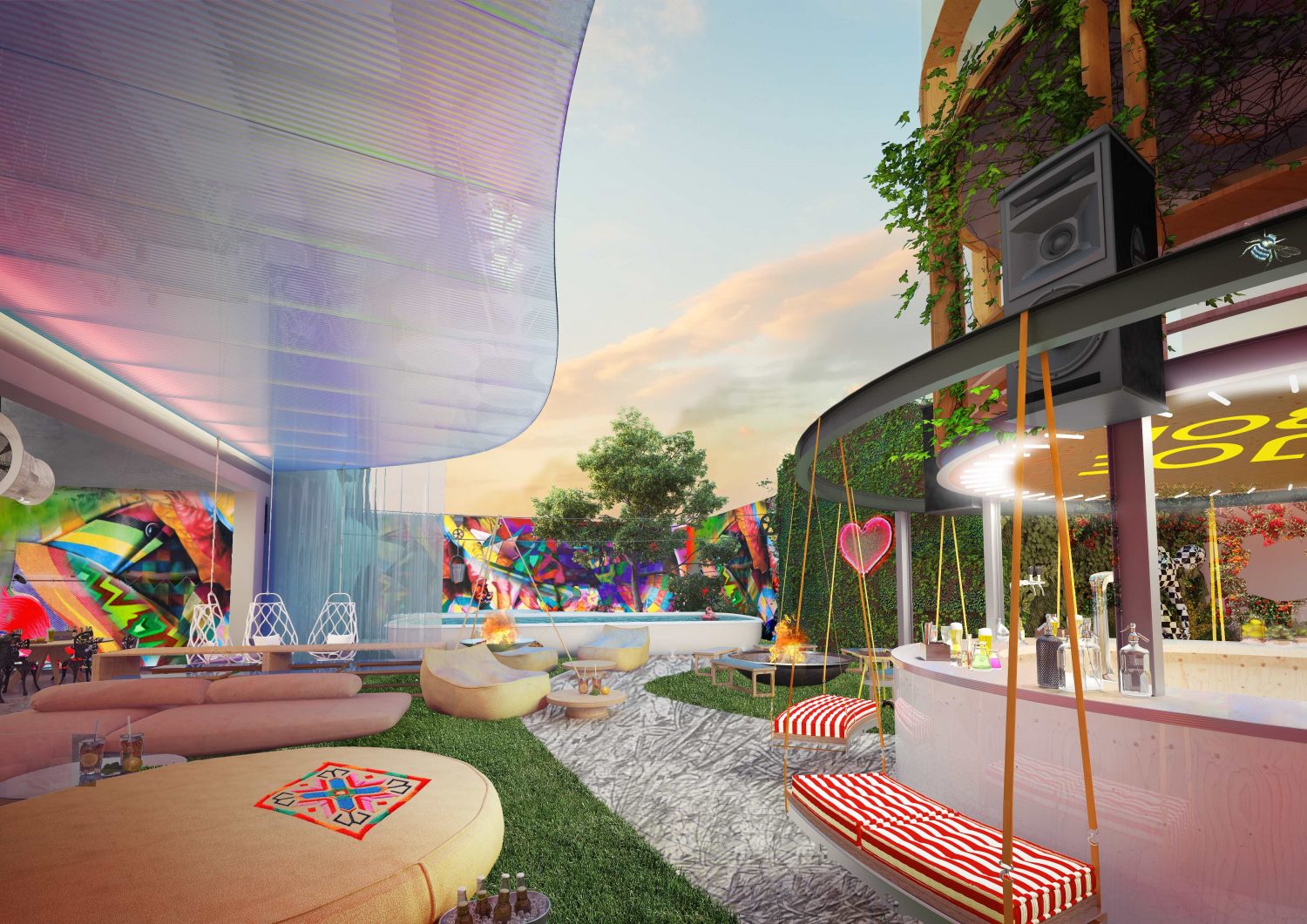 Jo & Joe has been conceived to be a "disruptive" force within the hotel industry by combining "the best of private rental, hostel and hotel formats". It's also planning to reinvent catering, service and the customer journey.
 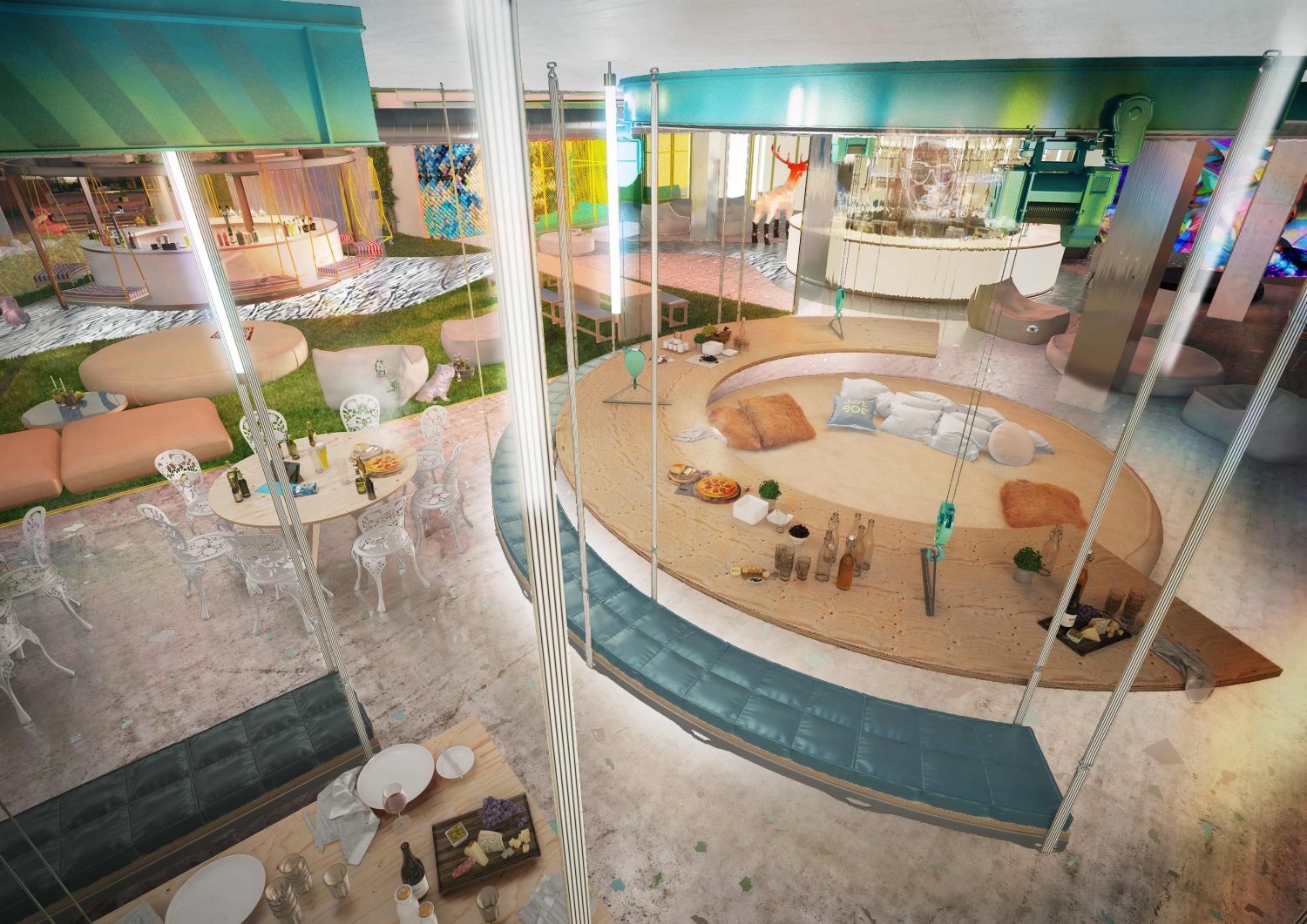 Led by Accorhotels Marketing Innovation Lab, the company has called on the help of travellers, students and external experts to help come up with the new concept.
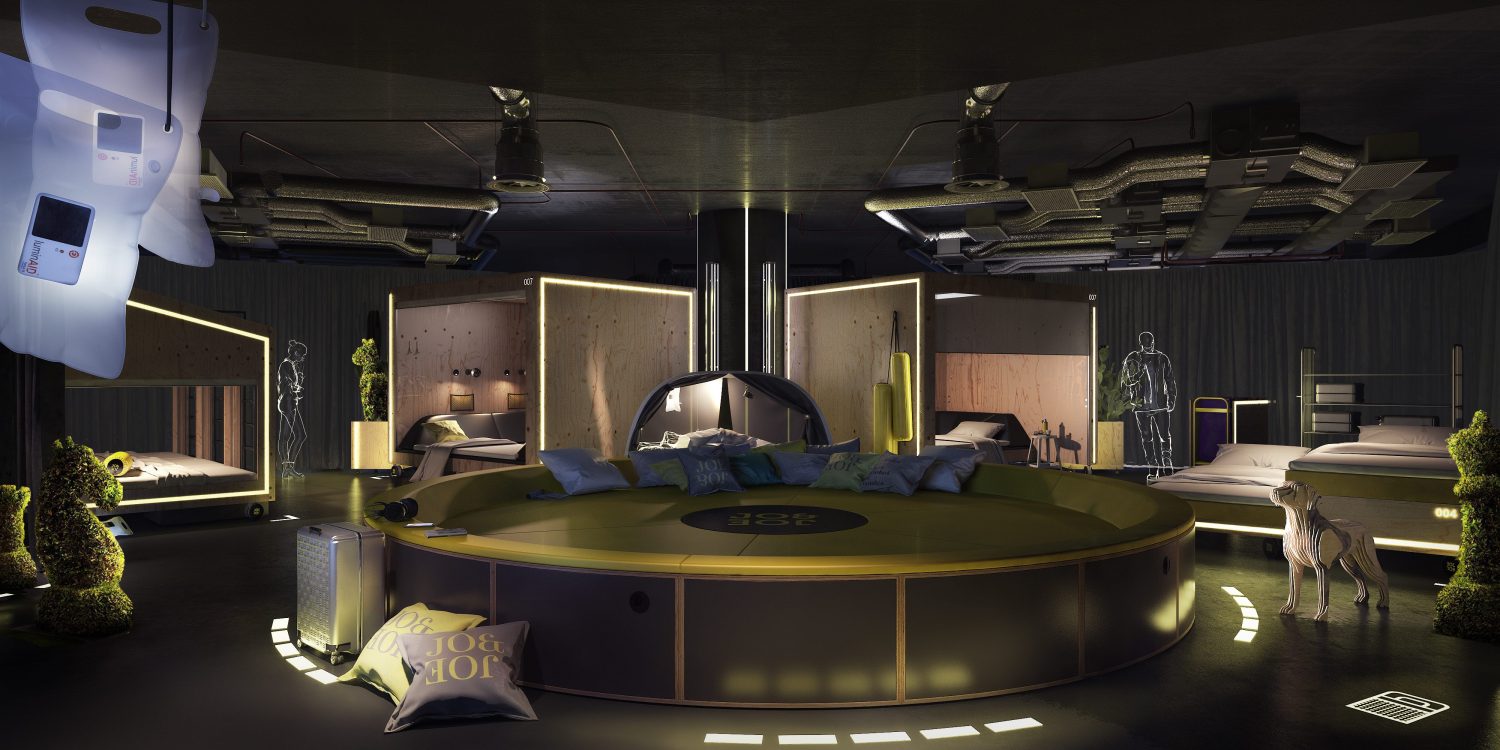 Neighbourhood is central to the Jo & Joe Open House, which wants to attract not just tourists from overseas but locals. On top of this, the company wants to enable interaction between them, with the help of to open-plan common areas, and activities such as yoga classes, concerts and DIY workshops. (This is a continuation of the "lifestyle" trend hotel chains first adopted a couple of years ago.)
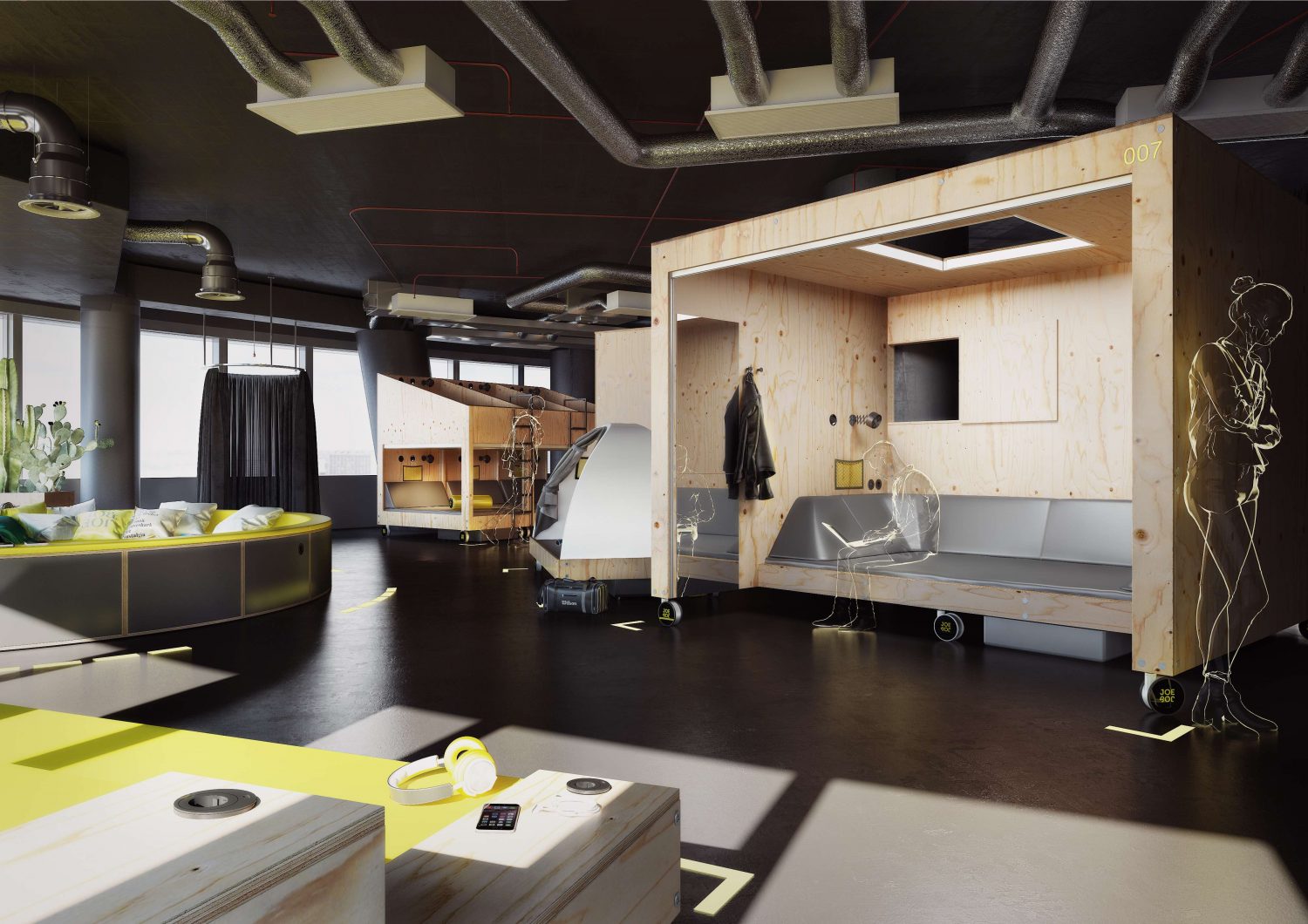 There will also be an app to help locals and visitors message each other, initiate events, organise meet-ups, share tips or give tours. Other fun features include the "Happy House", where guests can chill, work, prepare food, work or do their laundry, rather like at co-living commune.
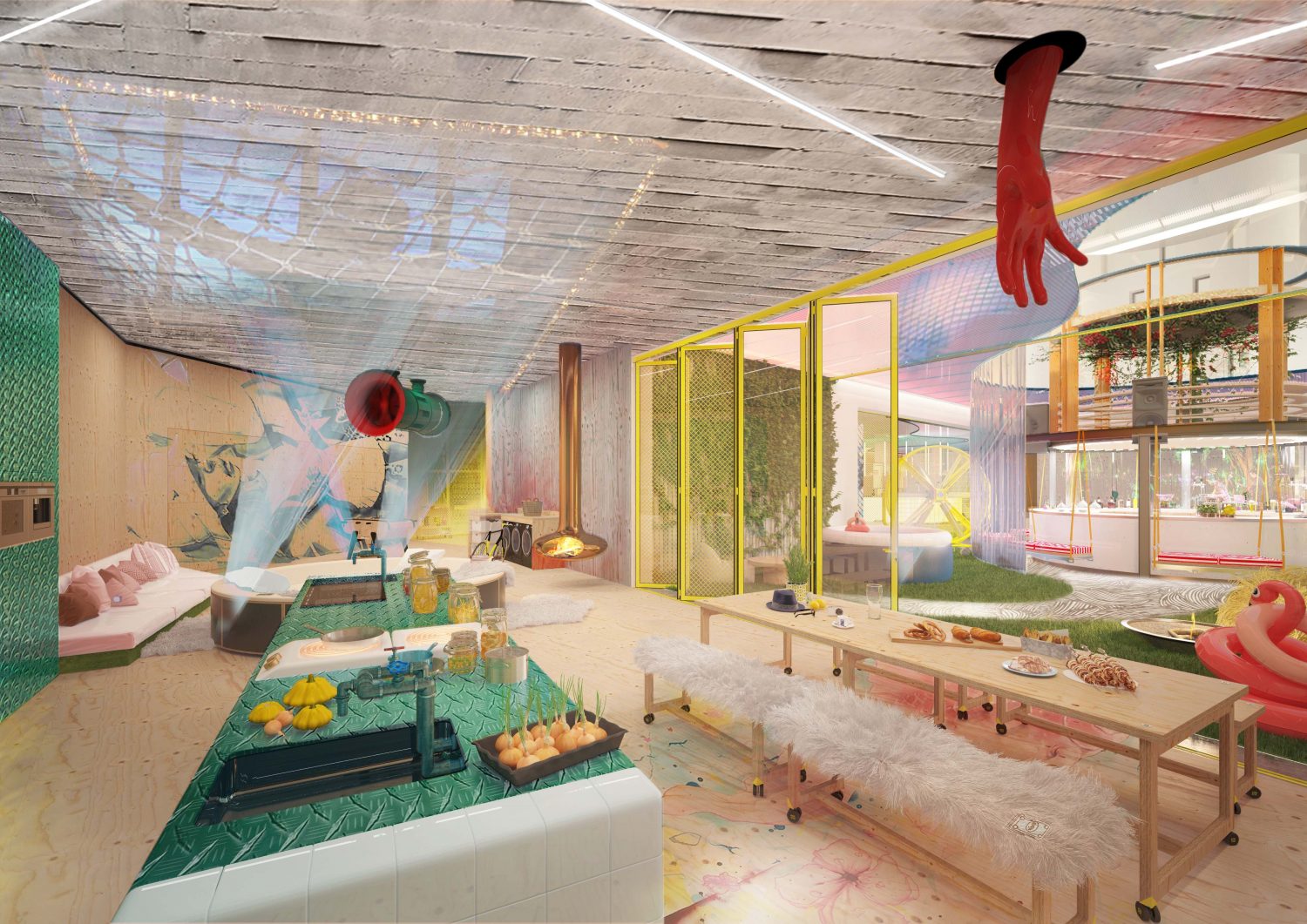 Jo & Joe will be jumping on the band wagon with restaurants and bars serving locally sourced produce, craft beer, sharing plates and healthy options. Food will be cooked in woks, open-flame barbecues, pizza ovens and grills. What is innovative will be the Collaborative Kitchen, where guests can cook for themselves or others.
With rates starting from 25 euros a night, and rooms designed for solo travellers, groups and families, Jo & Joe will standout against the competition. The company wants you to feel "safe, secure, comfortable and cosy".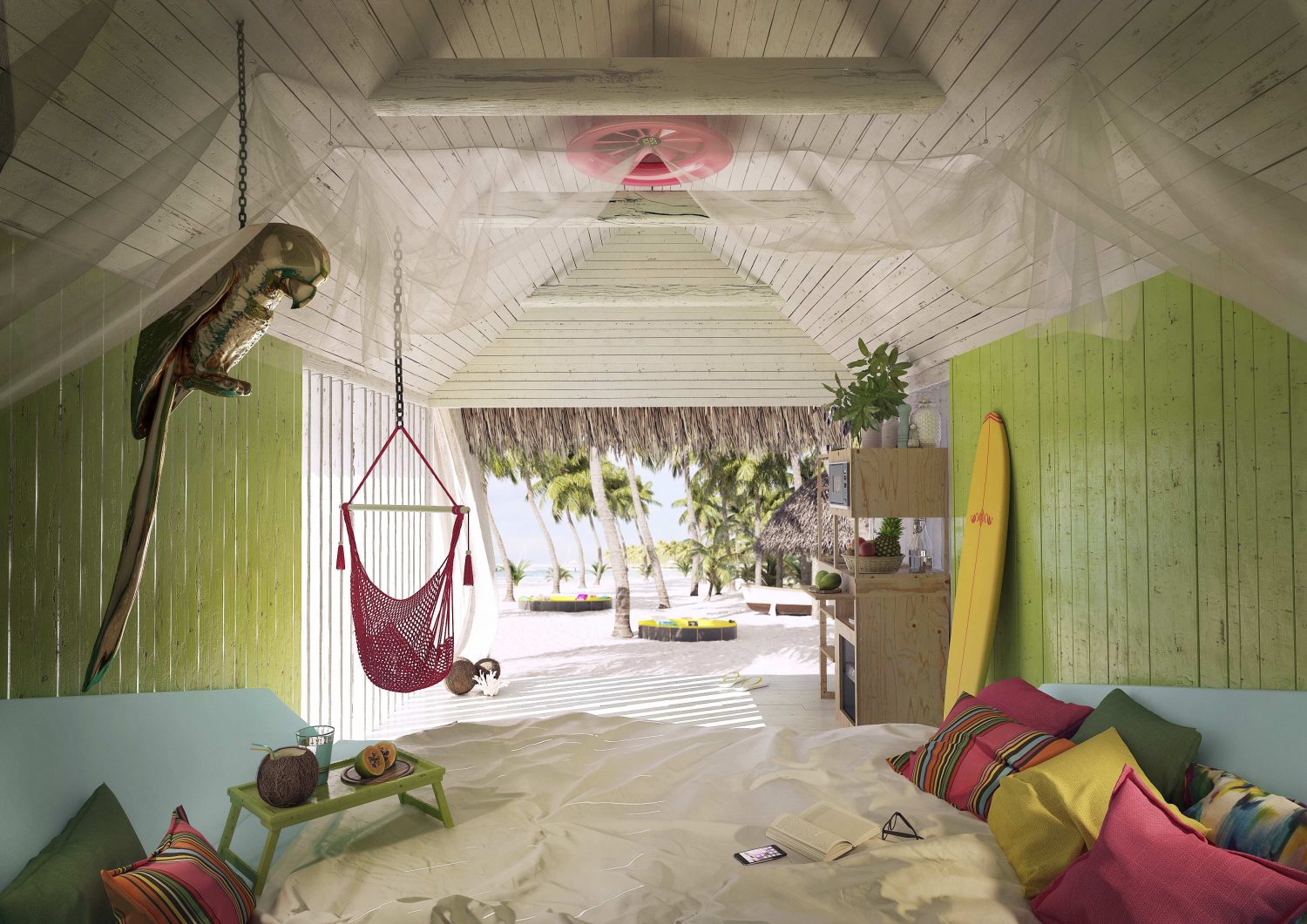 Similar to a posh hostel, "Together" will see moveable, modular sleeping areas with beds, lockers, reading lights and USB ports. Bathrooms and recreation areas will be shared, and decor will be wacky and hip.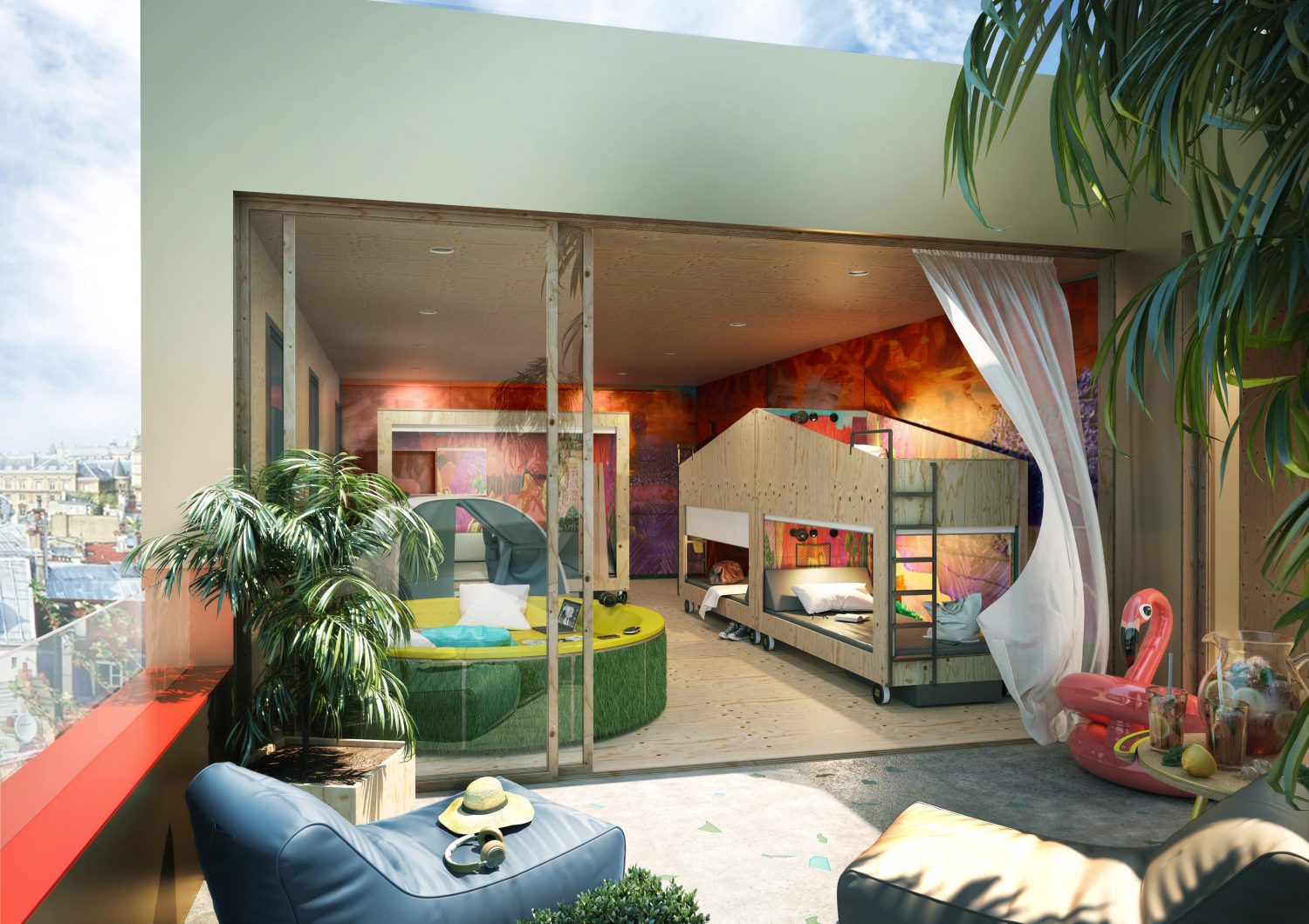
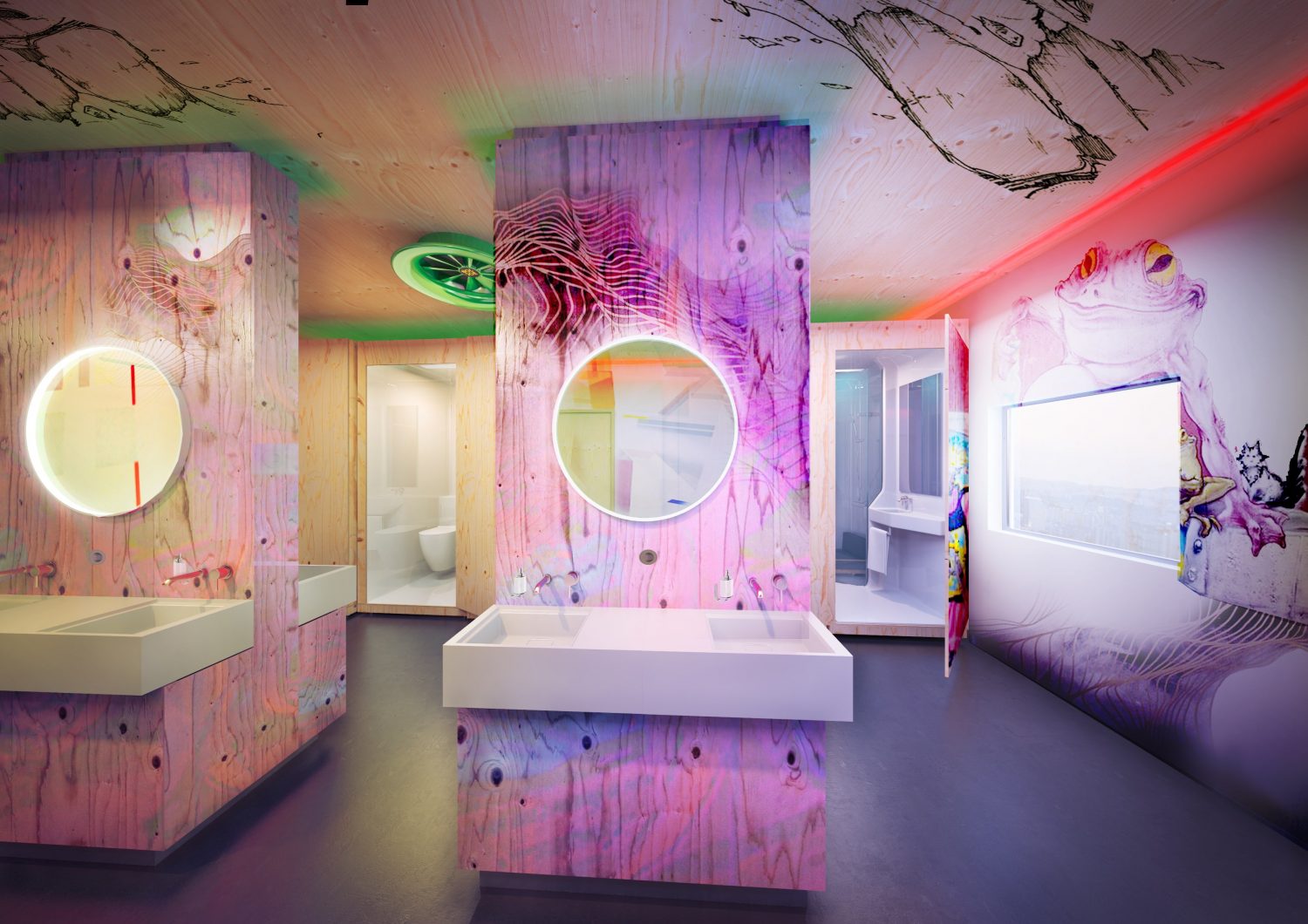
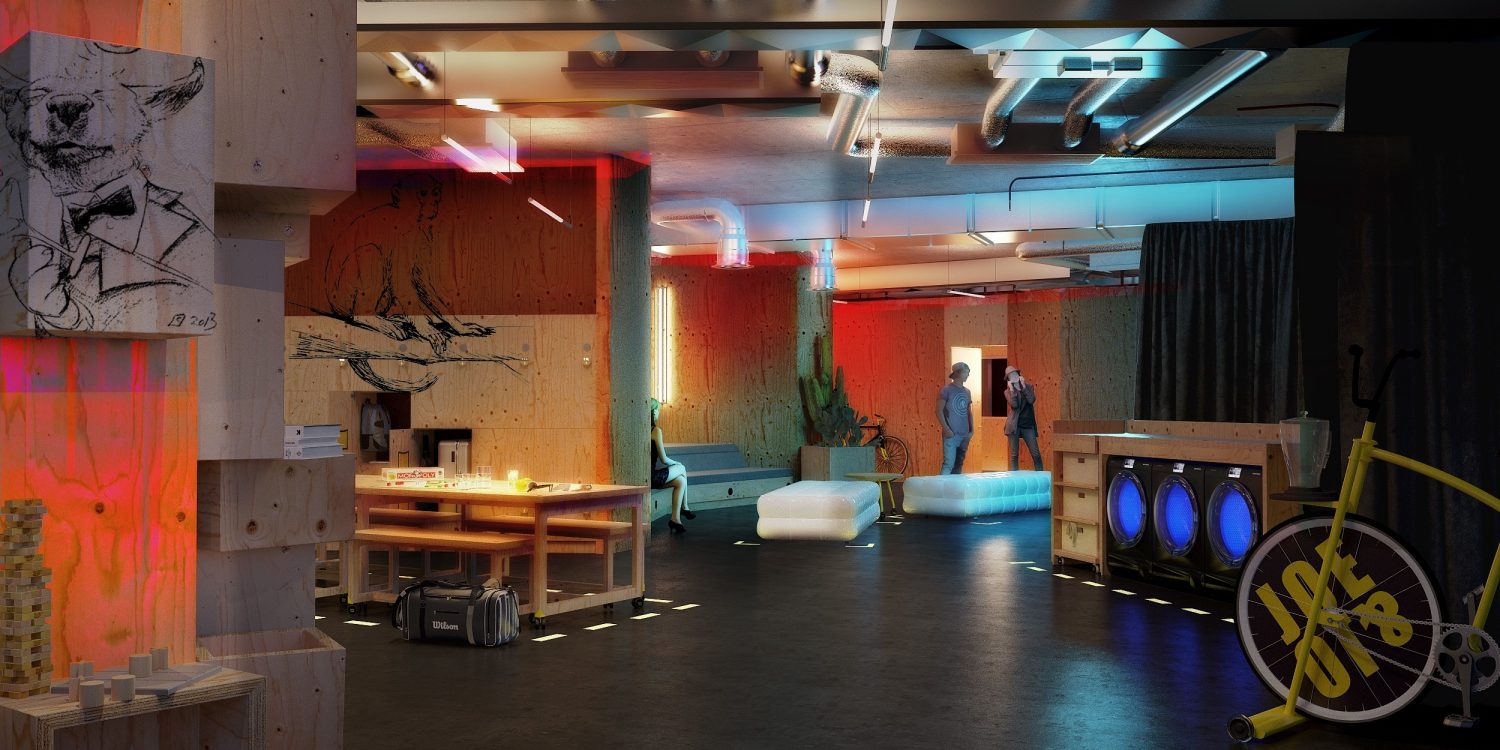 Meanwhile, "Yours" will feature a mix of rooms and apartments for between two and five people with private kitchens and bathrooms.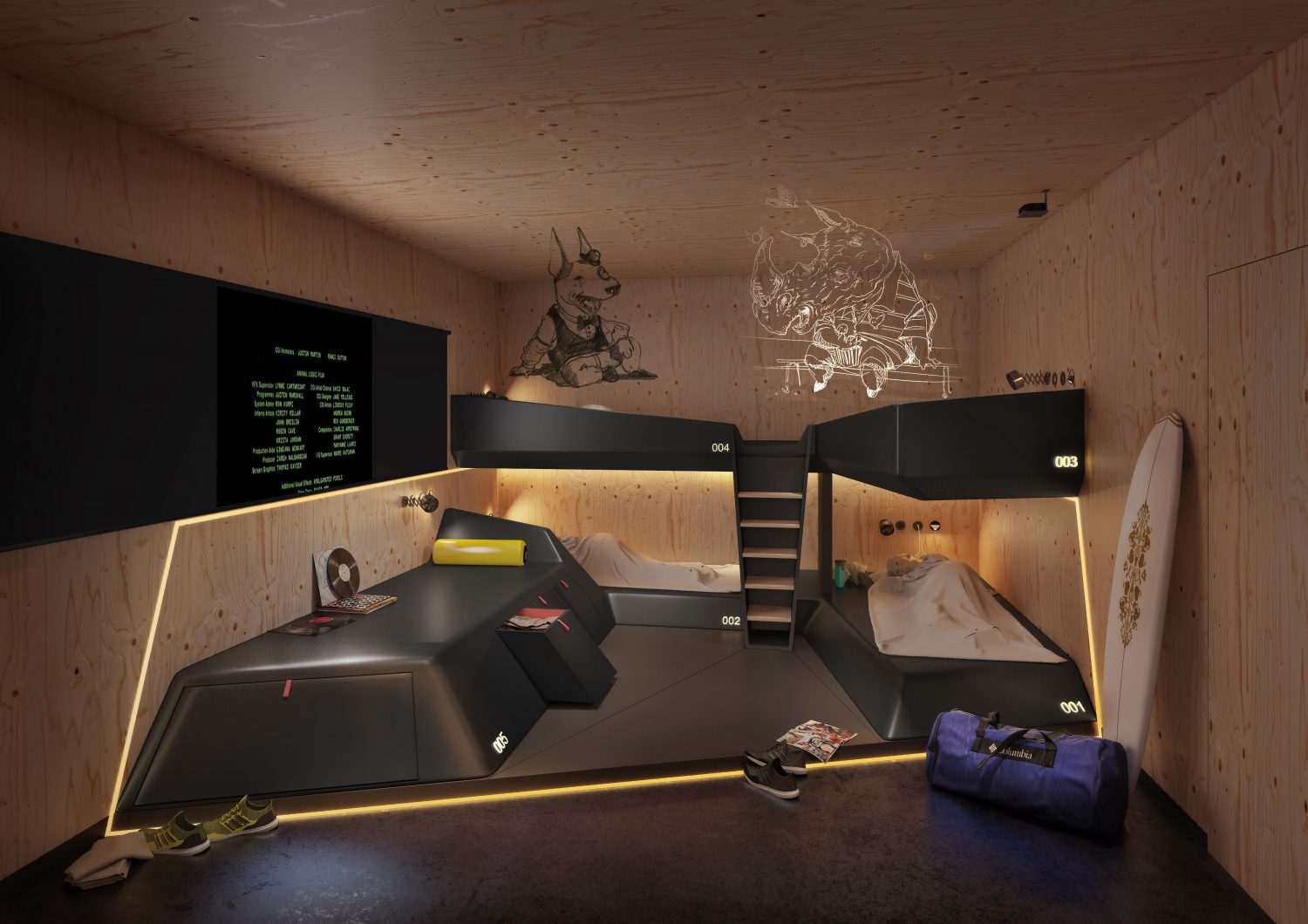
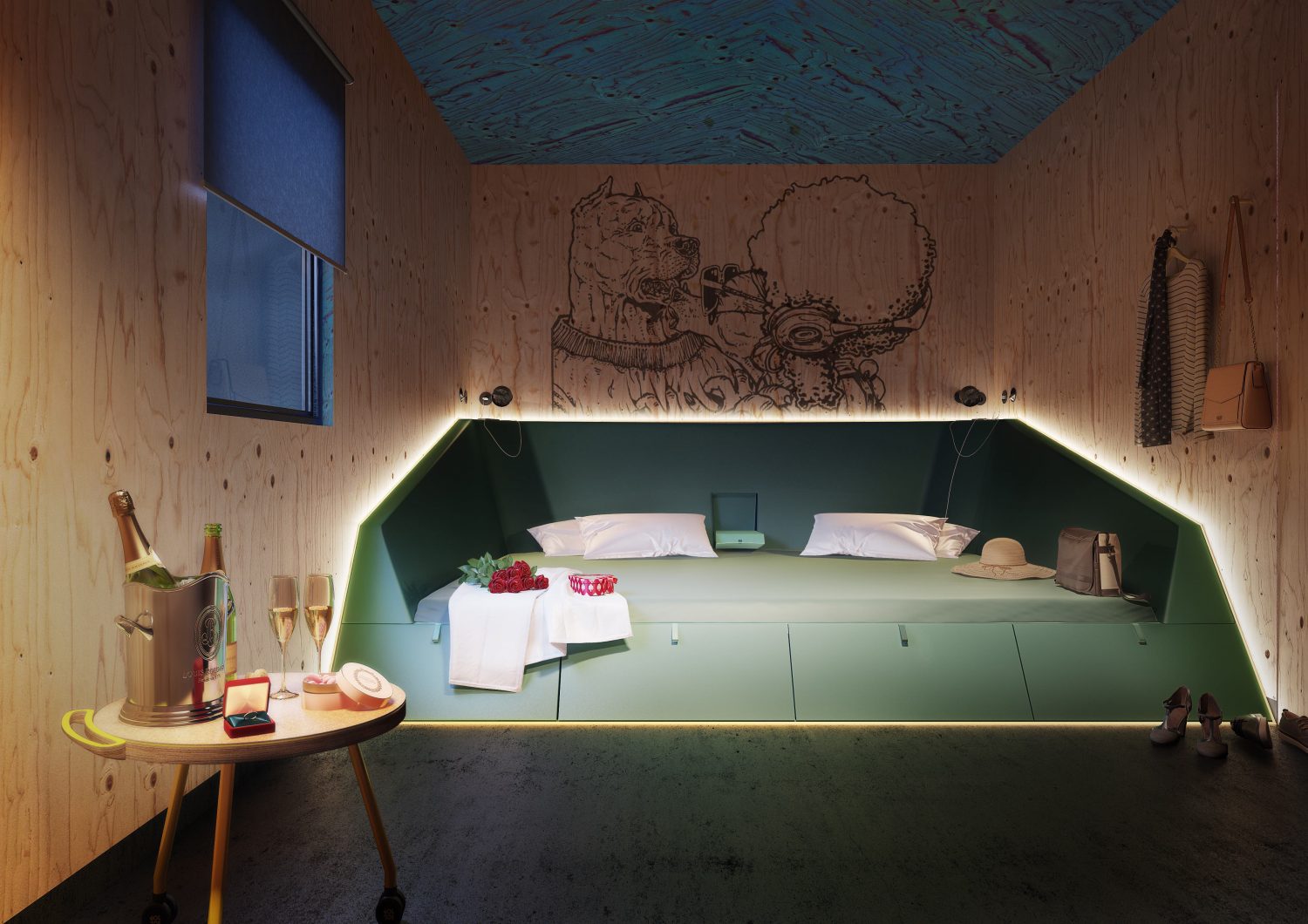
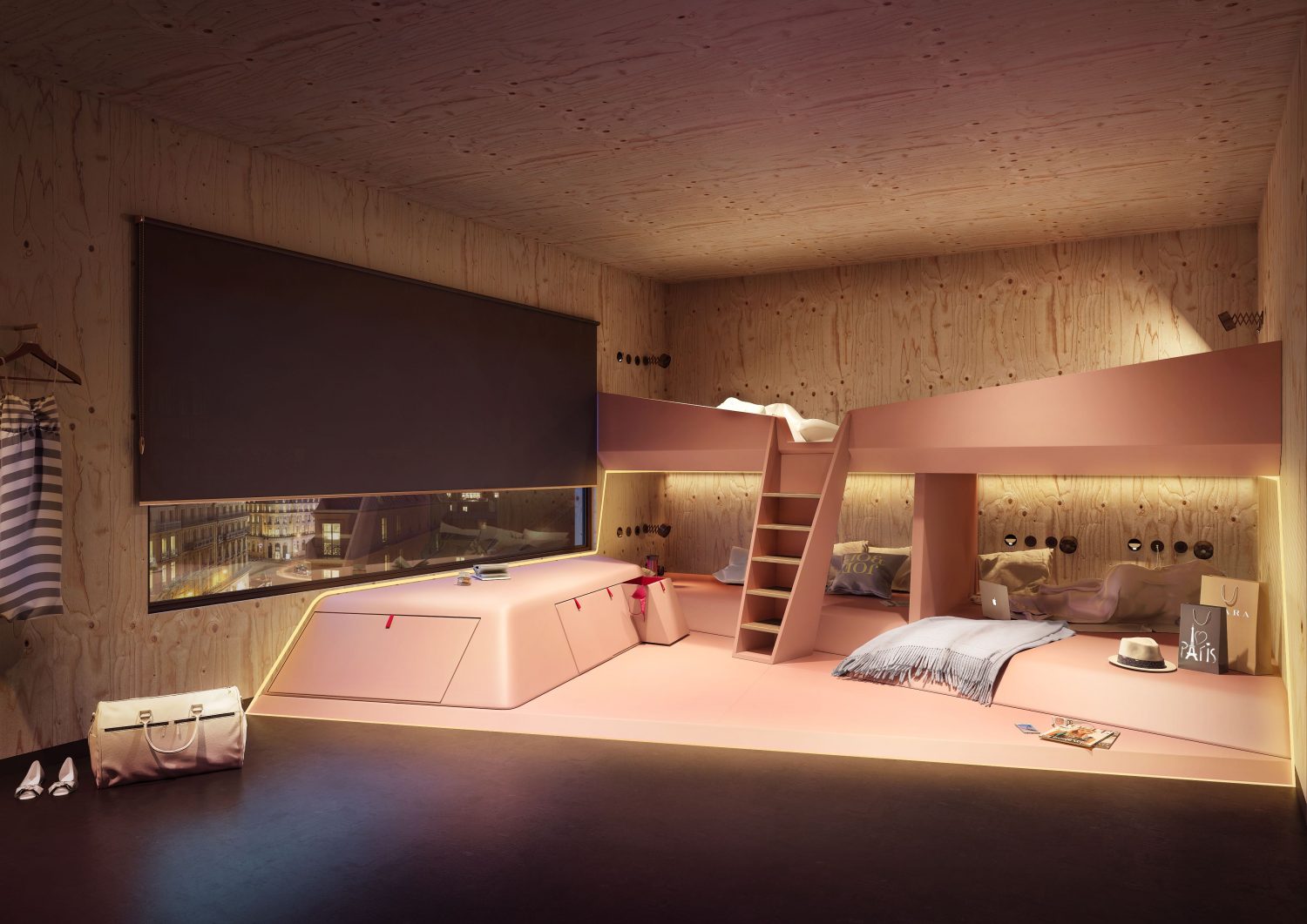
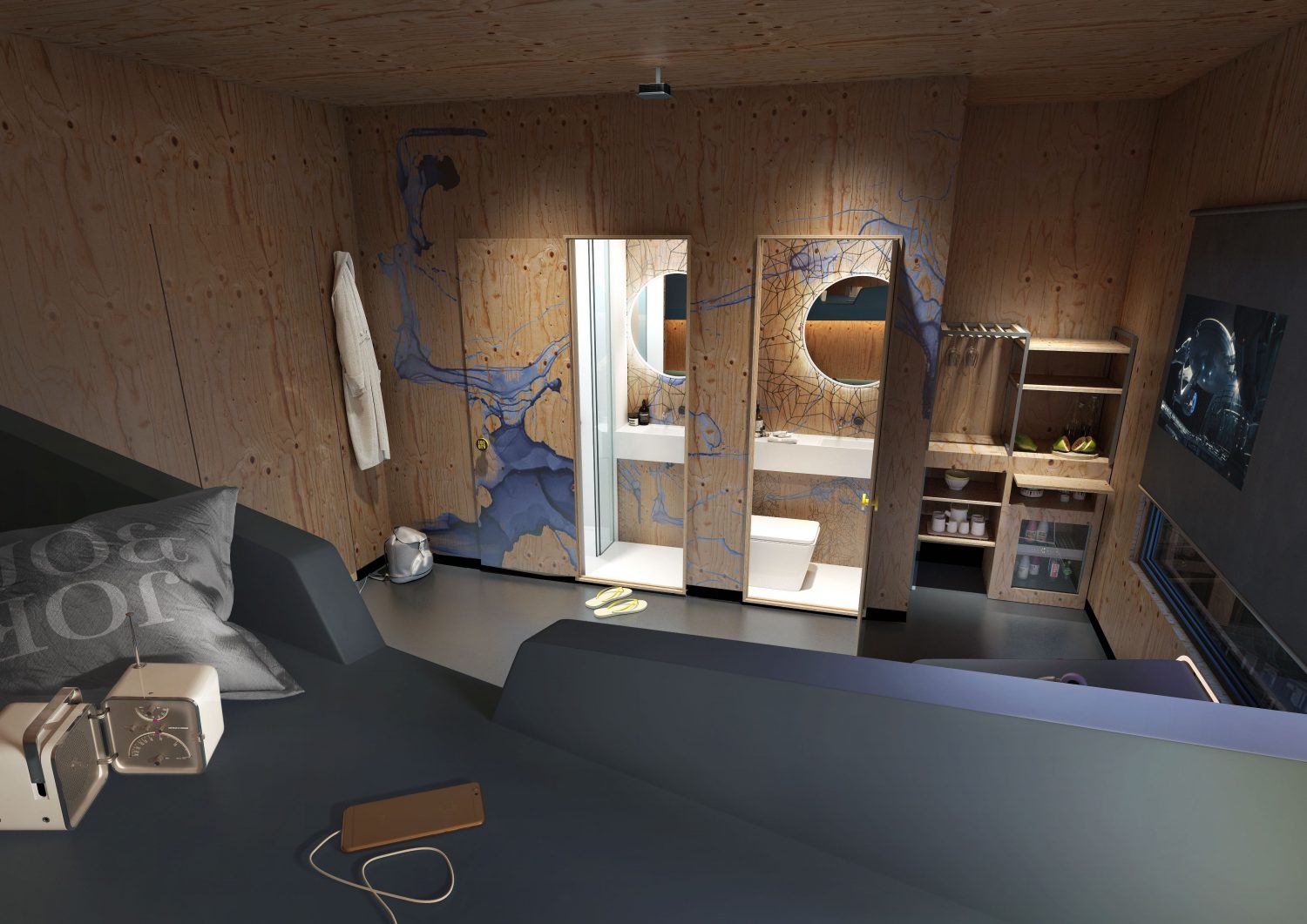 OOO (Out of the Ordinary) will essentially be Jo & Joe's version of a signature themed suite. Different in every property, this accommodation might take the form of a yurt or a caravan. What could be more joie de vivre than that?
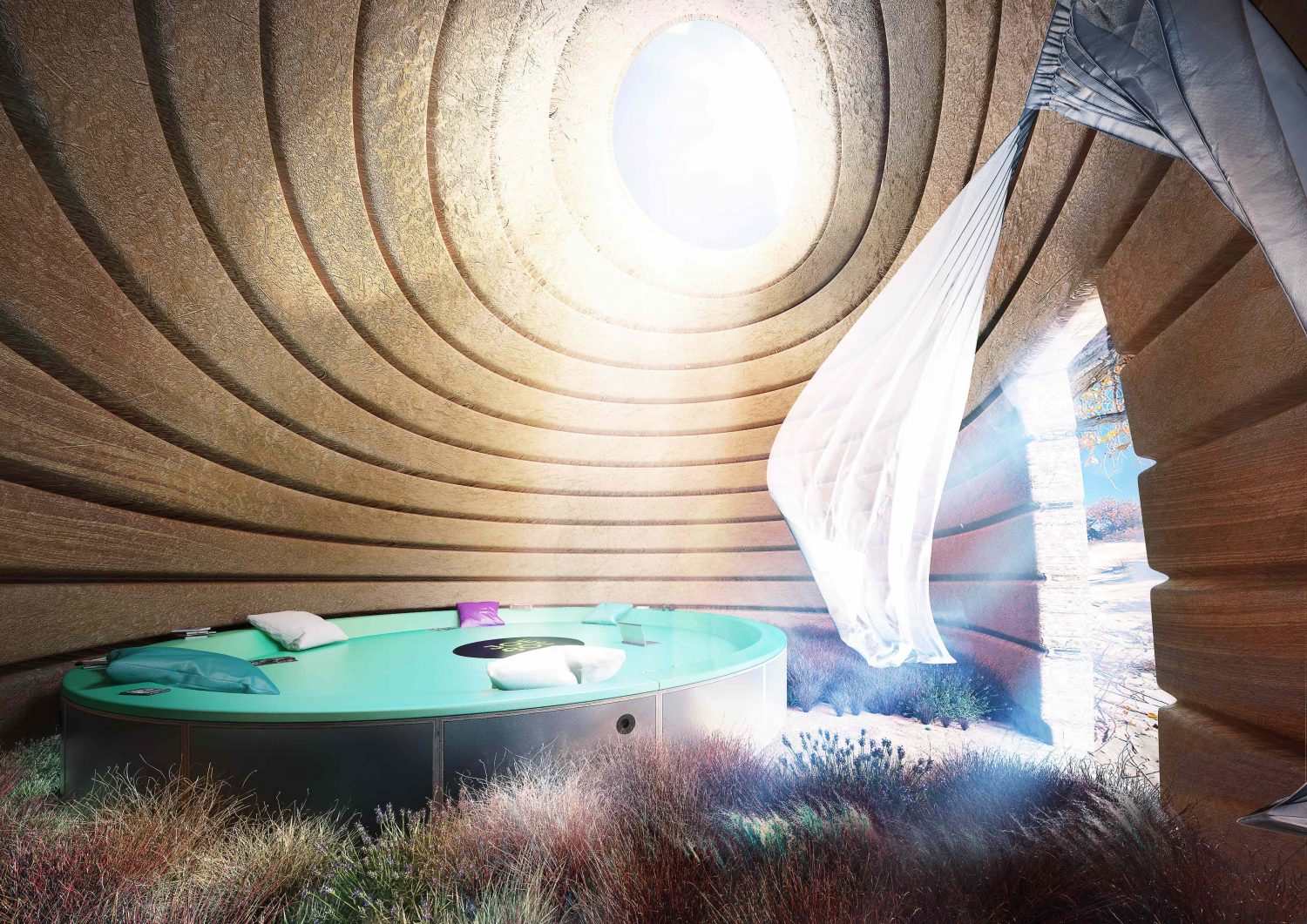 Jo & Joe's design concept was created by UK company Penson, which has also worked with Google, You Tube, PlayStation and Jay Z's RocNation entertainment company.
Despite the marketing material being over-zealous and try-hard, Globetrender thinks Jo & Joe is significantly unique to make a splash, and will be popular among consumers. We'd certainly stay in one.
We've all heard about co-working, right? Over the past couple of years, this trend has moved from hipster enclaves to corporate downtown neighbourhoods; even mainstream hotel chains have been influenced to the extent that they have turned once transitory lobbies into buzzing work hubs. The new trend for 2017, though, is co-living, taking collaboration one step further to incorporate cohabitation.
The idea of creating housing for entrepreneurs and creators, rather like student halls or frat houses but with higher spec facilities, has been to build cohesive ecosystems in which to work, play and exchange ideas. Inspiration, after all, can come at any time. But now they are evolving away from "hacker mansions" in Silicon Valley to fully fledged, money-making operations.
Some set-ups are better suited to people working in particular industries such as IT or film-making, while others help foster cross-discipline conversation – be it over dinner in the dining room, at networking parties or ping pong tournaments. Some people are freelancers, others are in full-time employment. Above all, it's about creating a community.
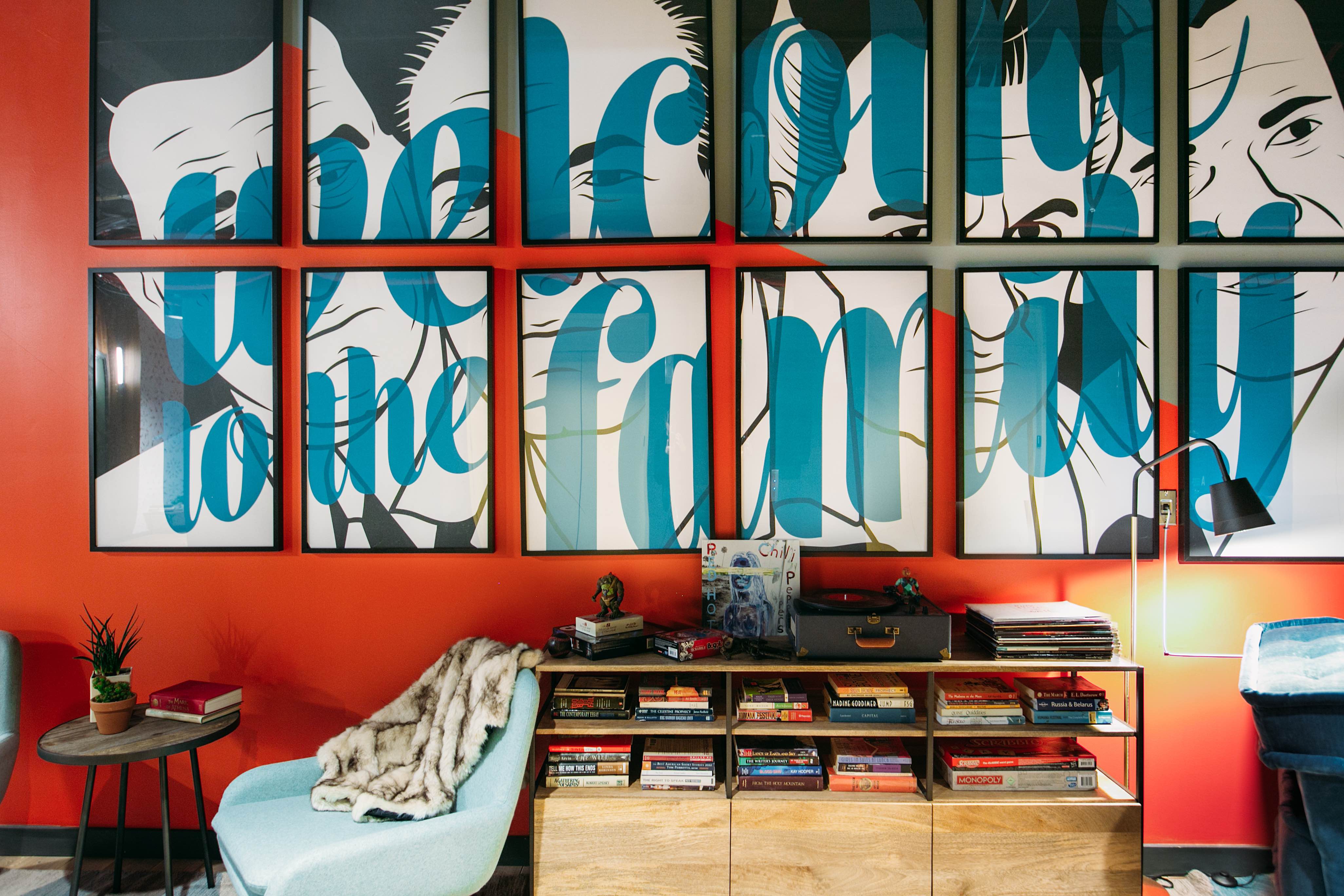
WeLive co-living space
"In the future we will all be homeless," told Dezeen James Scott, chief operating officer of the Collective (more on this later). "The median age of marriage has shifted from 20 to 29 in the past 40 years. This suspended adulthood and the rise of the digital nomad result in an increase in mobility and a reduced desire to settle.
"As we decouple the function of living from the physical location, we need to help positively curate more communities. Eventually, we will move to a model of subscription homes or providing living as a service."
He adds that "in every other industry you've got an ownership model and you've got a service model [like Uber and Netflix]. I don't have possessions anymore, I'm all about experiences and it's high time that our workspaces and living spaces caught up".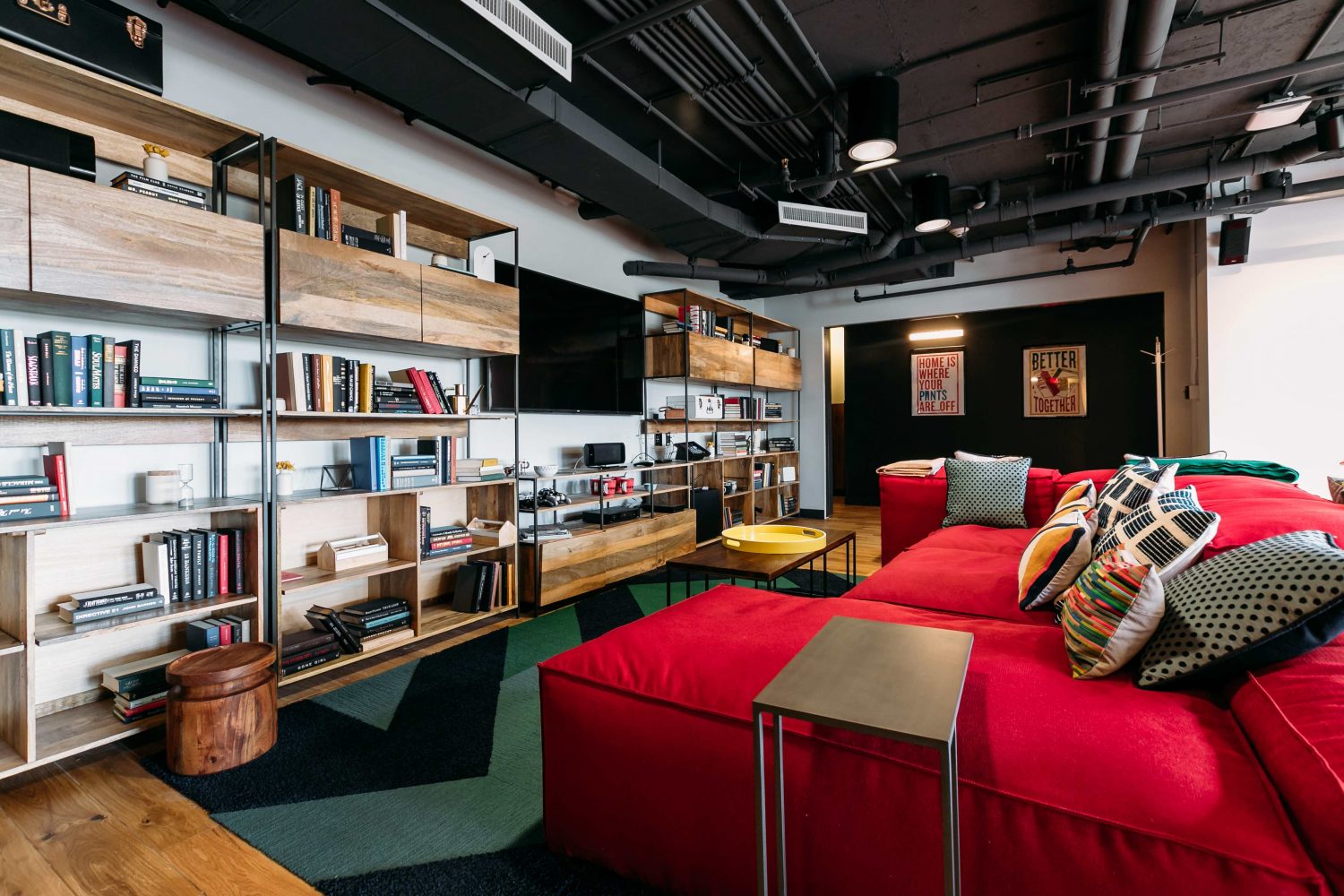 So far co-living is mainly happening in cities in the US and the UK, where housing is expensive and for young people, sharing accommodation with friends or family is the new normal.
However, companies are also expanding into more exotic locations such as Bali, Tokyo and Mexico City, providing travellers and expats with a less lonely kind of place to base themselves when abroad. (This also taps into the "digital nomad" trend for working with a laptop from anywhere in the world.)
An article on forbes.com reads: "For Gen Xers and Boomers, the thrill of startup life was mostly tied to the risk of striking out on your own. Millennials, however, want a safety net to catch them if all goes wrong. Co-living eases the burden of living alone." It adds: "For this generation, there’s no reason to own a car when there’s Uber. Or buy a dress for a work gala when there’s Rent the Runway. In that same vein, why pay for your own kitchen when it’s less expensive to share?"
For young professionals who travel for extended periods or are in the process of relocating, they are also the perfect solution. Staying in a hostel isn't conducive to working and hotels can be expensive and isolating. Airbnb and serviced apartments can be a good choice but there isn't going to be that same sense of community or the stylish resources or buzz of ideas found in a co-living site.
 Sign up to be a member of Roam and you can access its co-living centres in Bali, Miami, Madrid (pictured above) and London. Tokyo and San Francisco are coming soon.
Defining itself as “an experimental co-living and co-working community testing the boundaries between work, travel and life adventure”, one-week leases cost between US$500 and US$1,800.
Interiors are furnished by Tuft and Needle, and Parachute. All bedrooms have en suite bathrooms. This is a picture from Roam Miami. 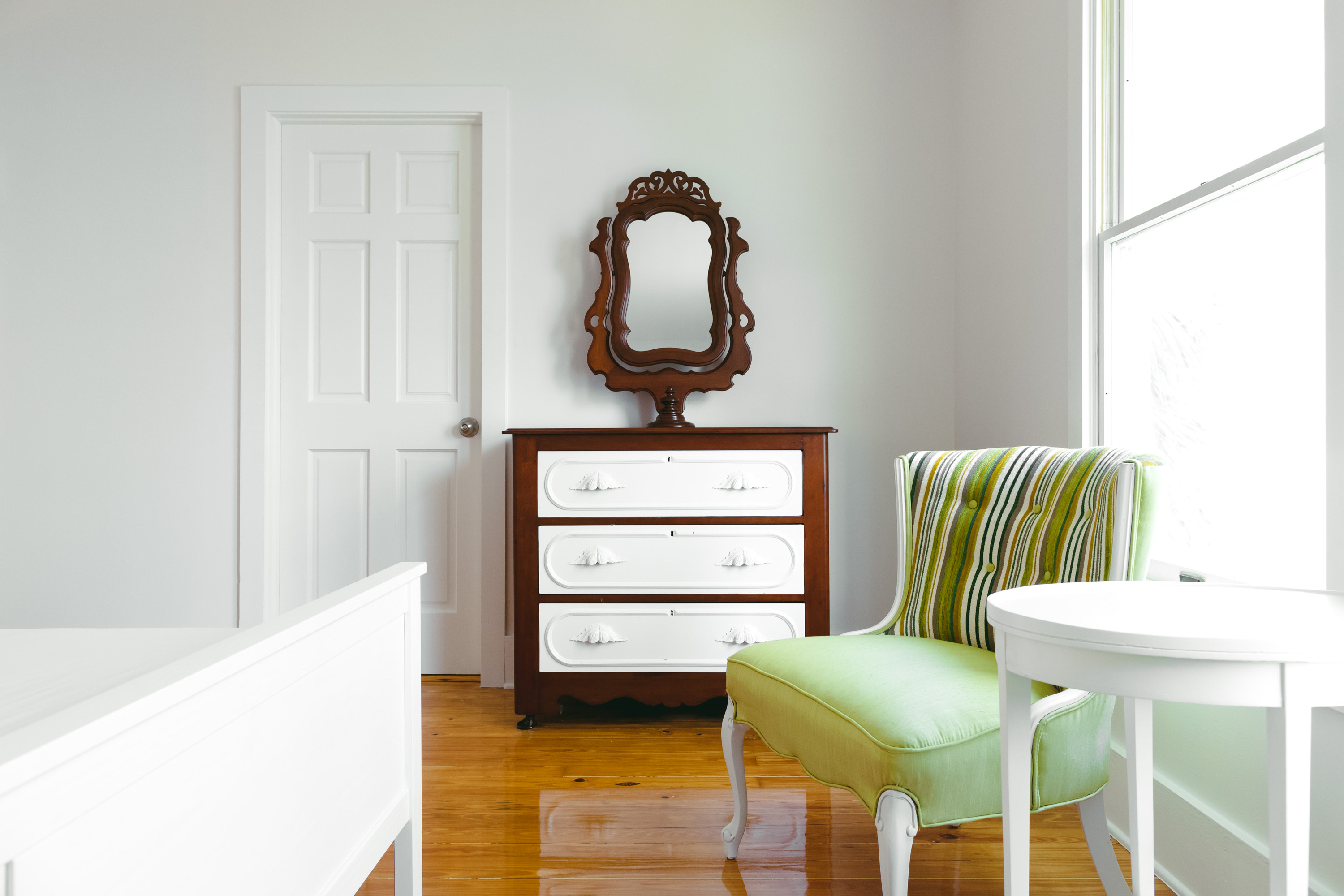 Roam claims that people who work remotely for a period of time report increased job satisfaction and morale, and are generally three times more creative when approaching projects. Living in a place like this, you can see why. (Again, this is the Roam house in Miami.)
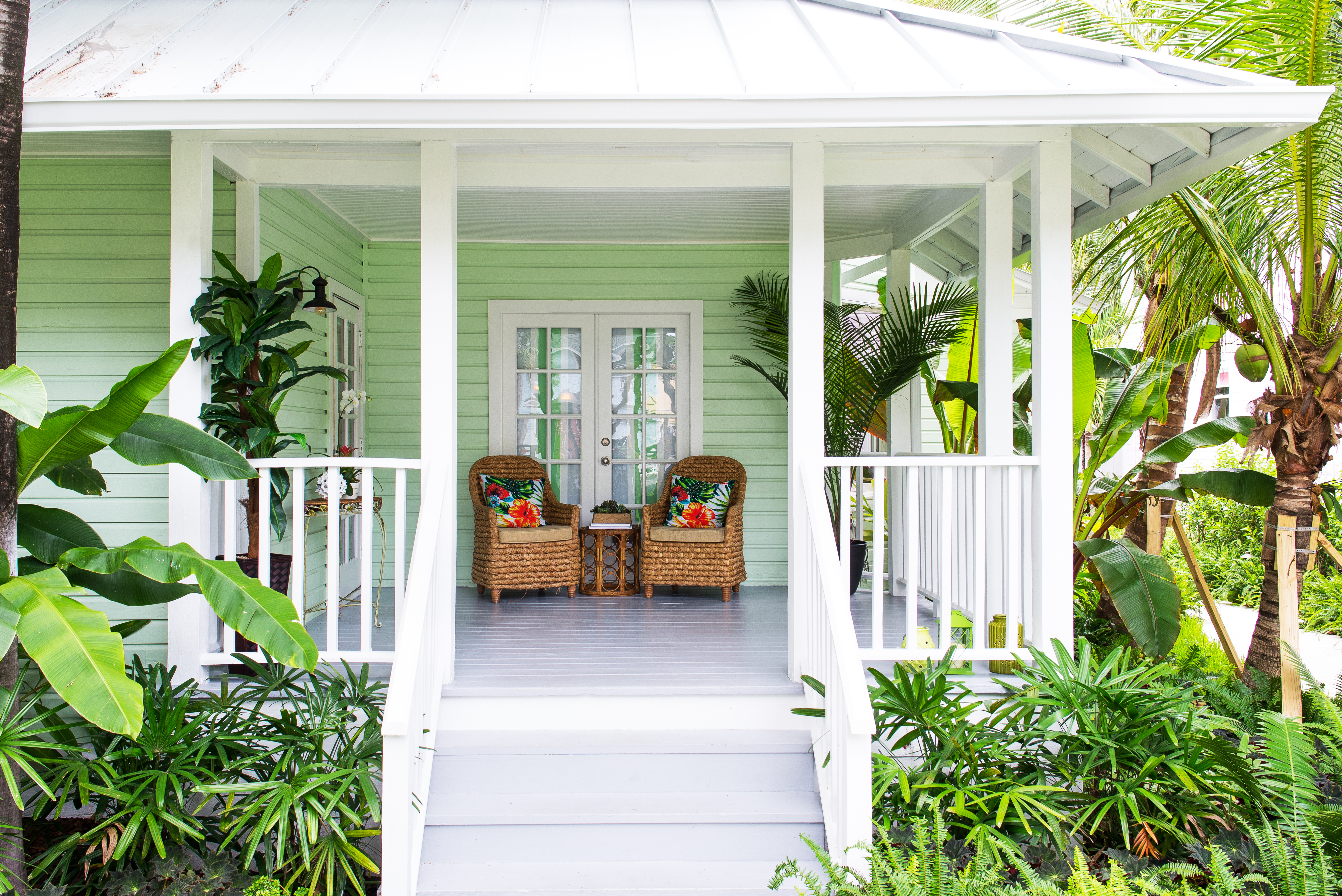 If you feel like a change of scene, it's easy to take a working holiday in Bali's "culutral and artistic heart" Ubud, where Roam also has a property.
Roam says: "Ubud is also an energetic technology hub teeming with remote workers from all over the globe. At Roam Ubud, you can work from your laptop on uninterrupted wifi in the rooftop cafe while new friends perform yoga in the open-air studio just across the way." 
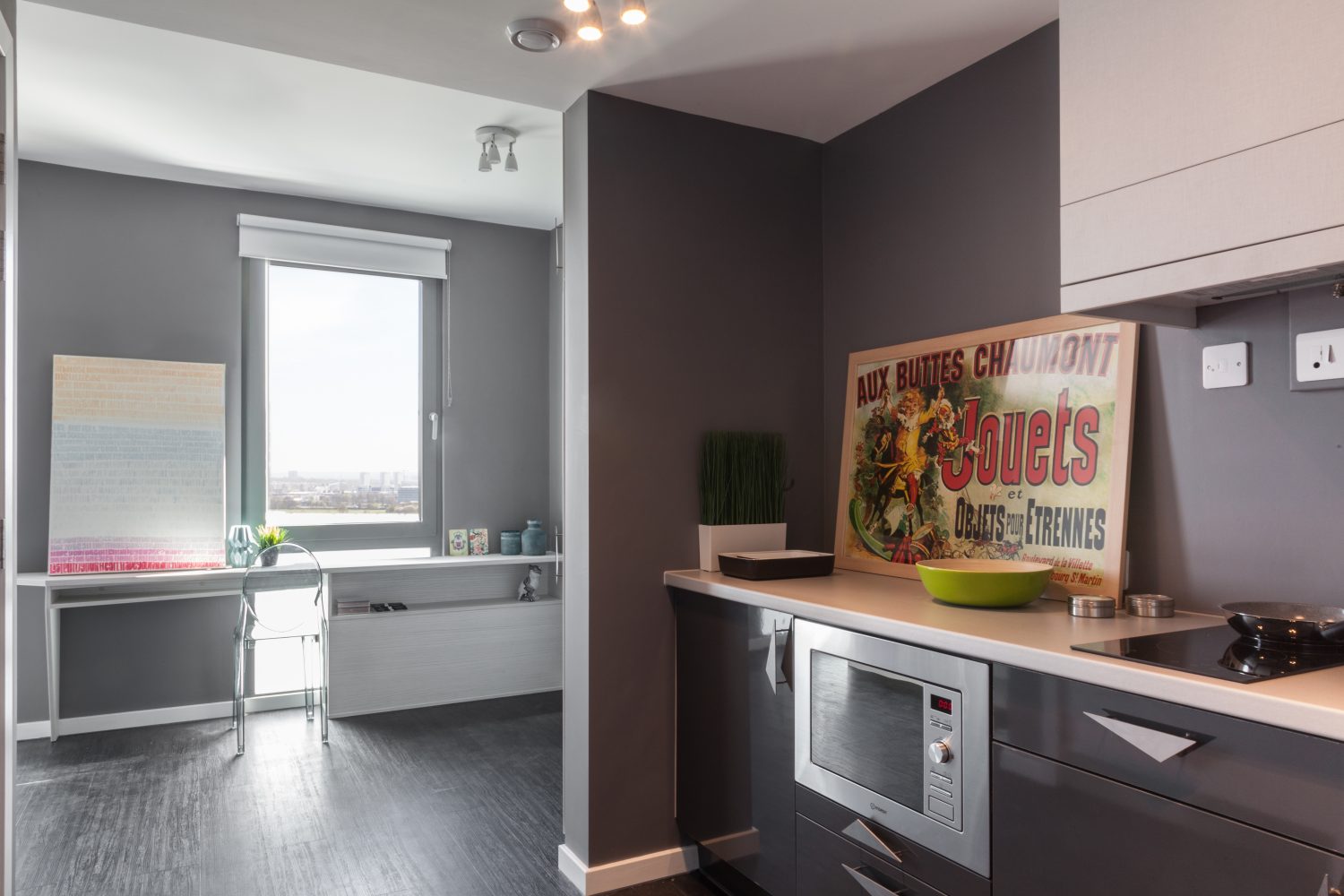
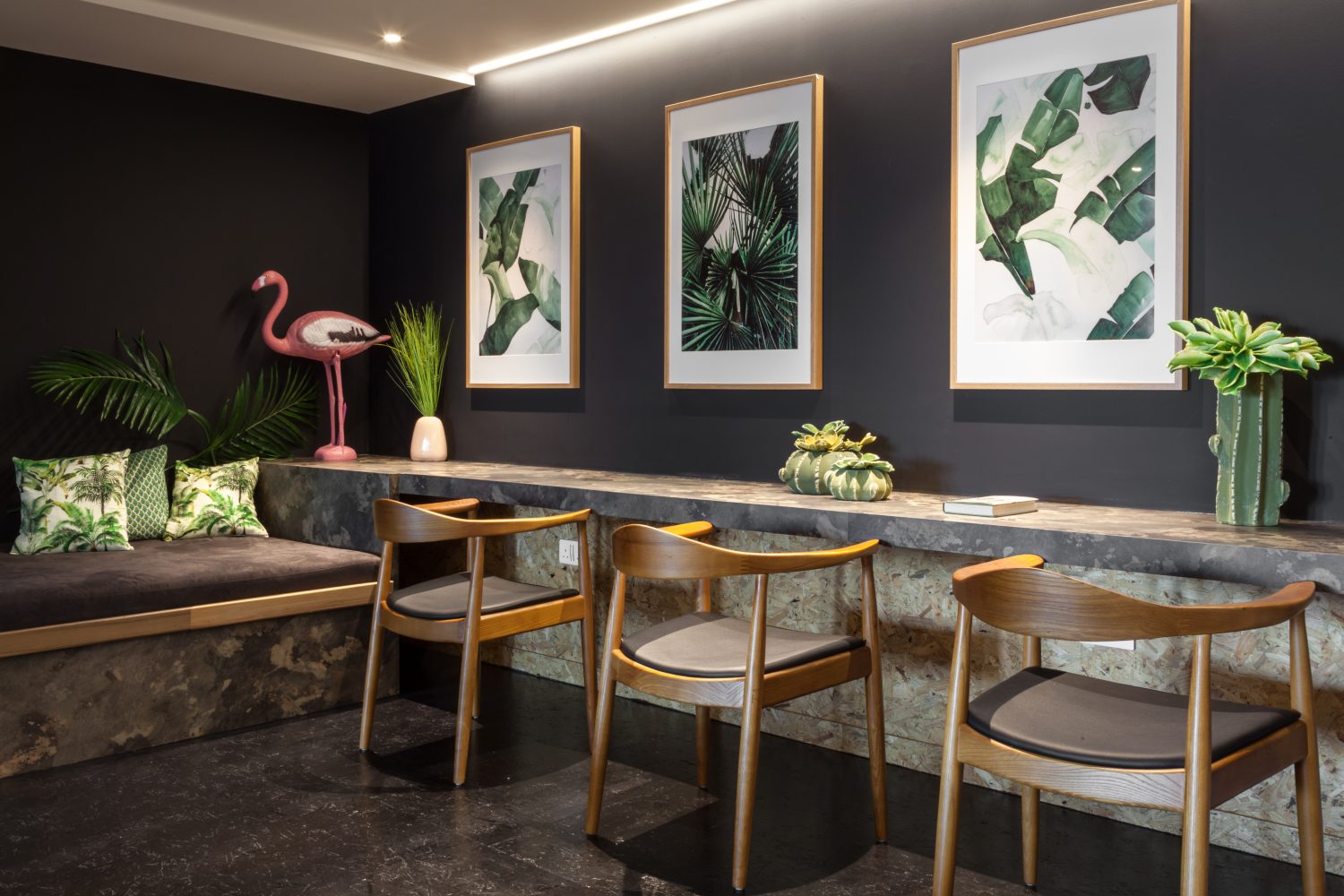
Described as "a new kind of property company" that creates "innovative co-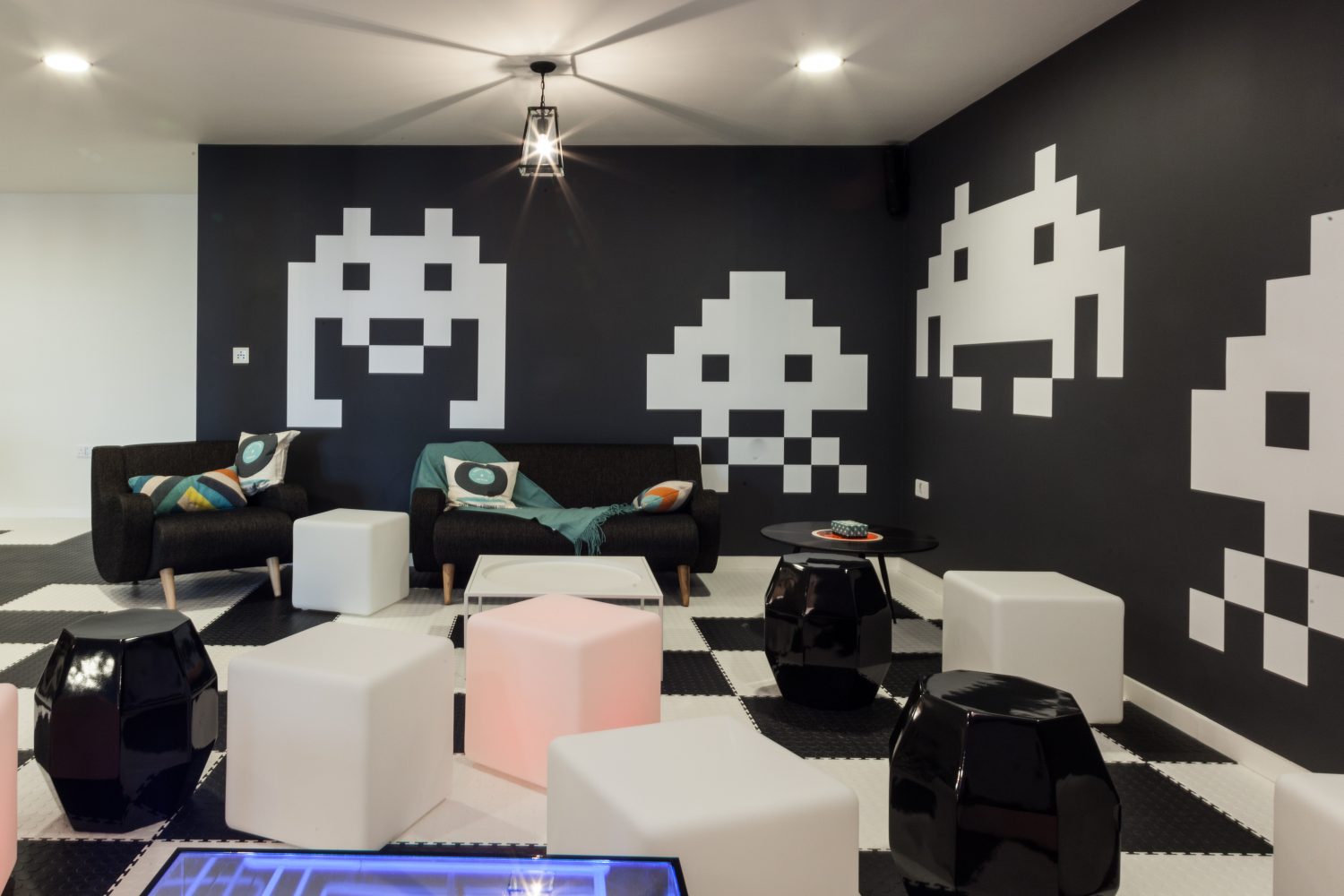 This flagship site in NW10 has contemporary rooms, studios and flats from £220 per week, although tenancy is a minimum of nine months, so is better suited to locals.
 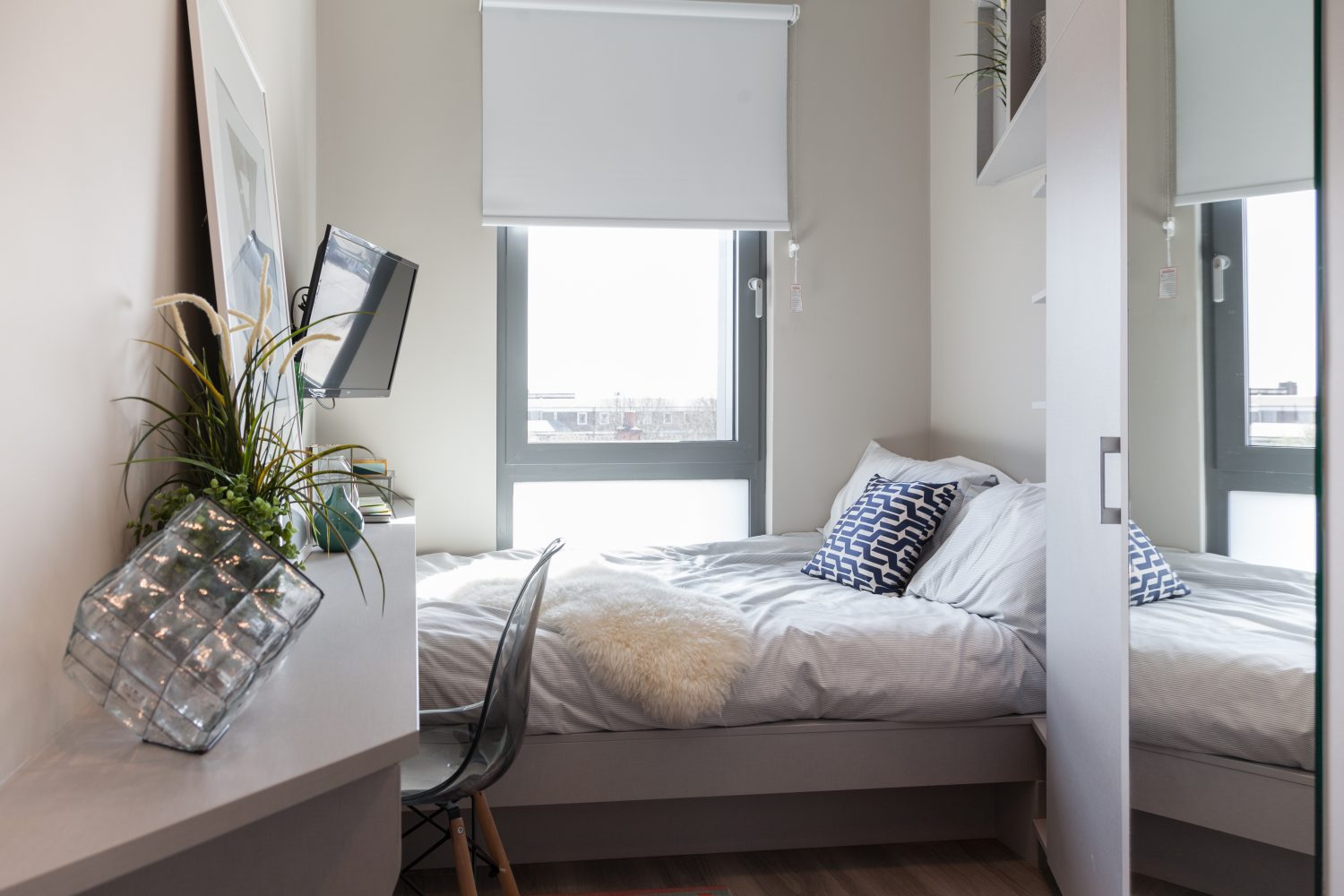 Apartments are cleaned twice a month and there are no bills or deposits. Community managers are present 24/7 to help with any problems.
  A bit like a university campus, there are yoga classes, barbecues and talks. Facilities include lounges, a gym, cinema, spa, restaurant, themed dining rooms, kitchens, a secret garden and roof terrace, library, games room, offices and hot desks.
Co-working giant WeWork is said to be valued at more than US$16 billion, and is now beta testing stylish co-living spaces under its new WeLive brand, which was unveiled in 2016. By 2018 it is predicted to be generating over US$600 million a year, with revenue from people staying from one night to one month at a time.
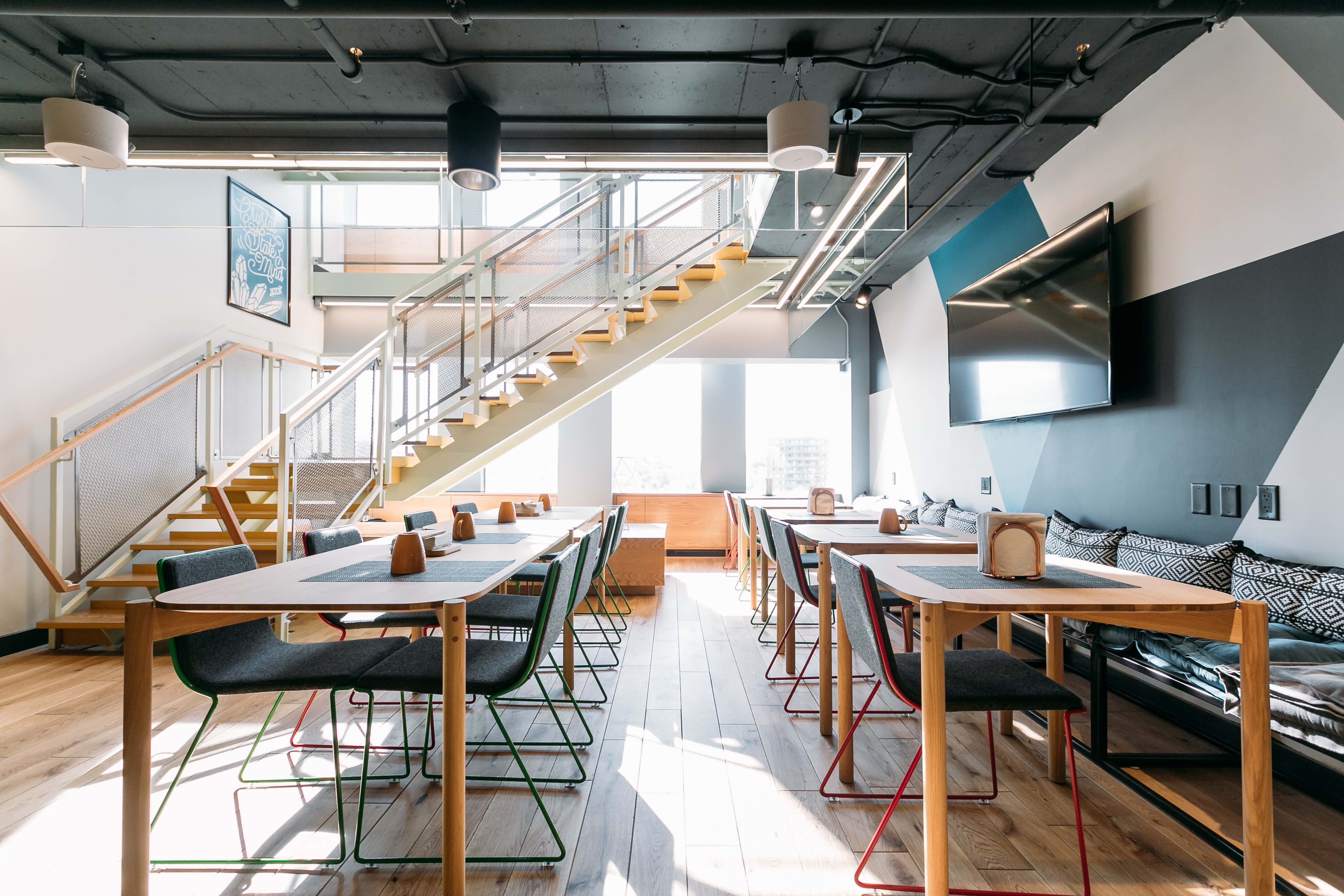
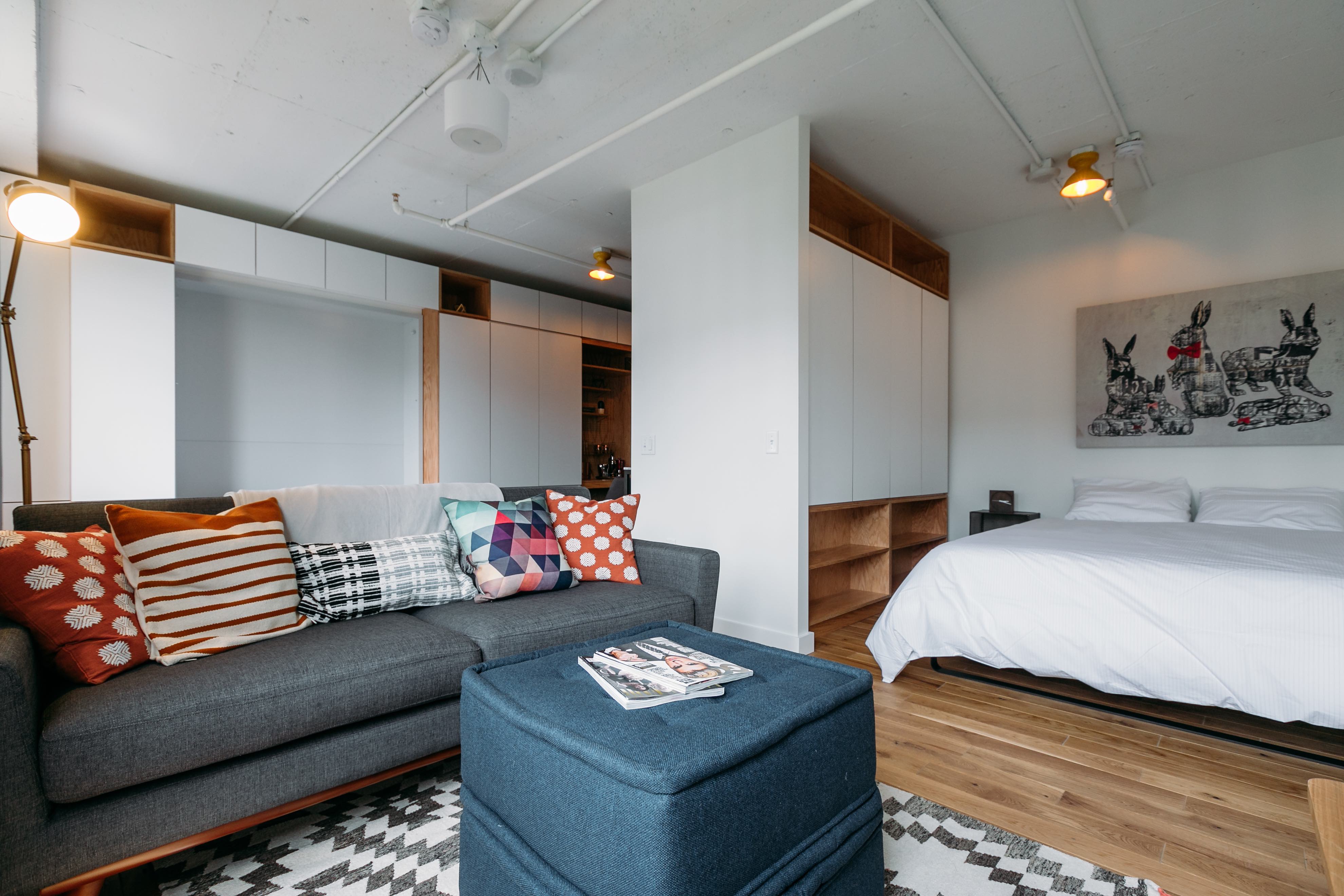
WeLive says: "WeLive is a new way of living built upon community, flexibility, and a fundamental belief that we are only as good as the people we surround ourselves with.
"From mail rooms and laundry rooms that double as bars and event spaces to communal kitchens, roof decks, and hot tubs, WeLive challenges traditional apartment living through physical spaces that foster meaningful relationships. Life is better when we are part of something greater than ourselves."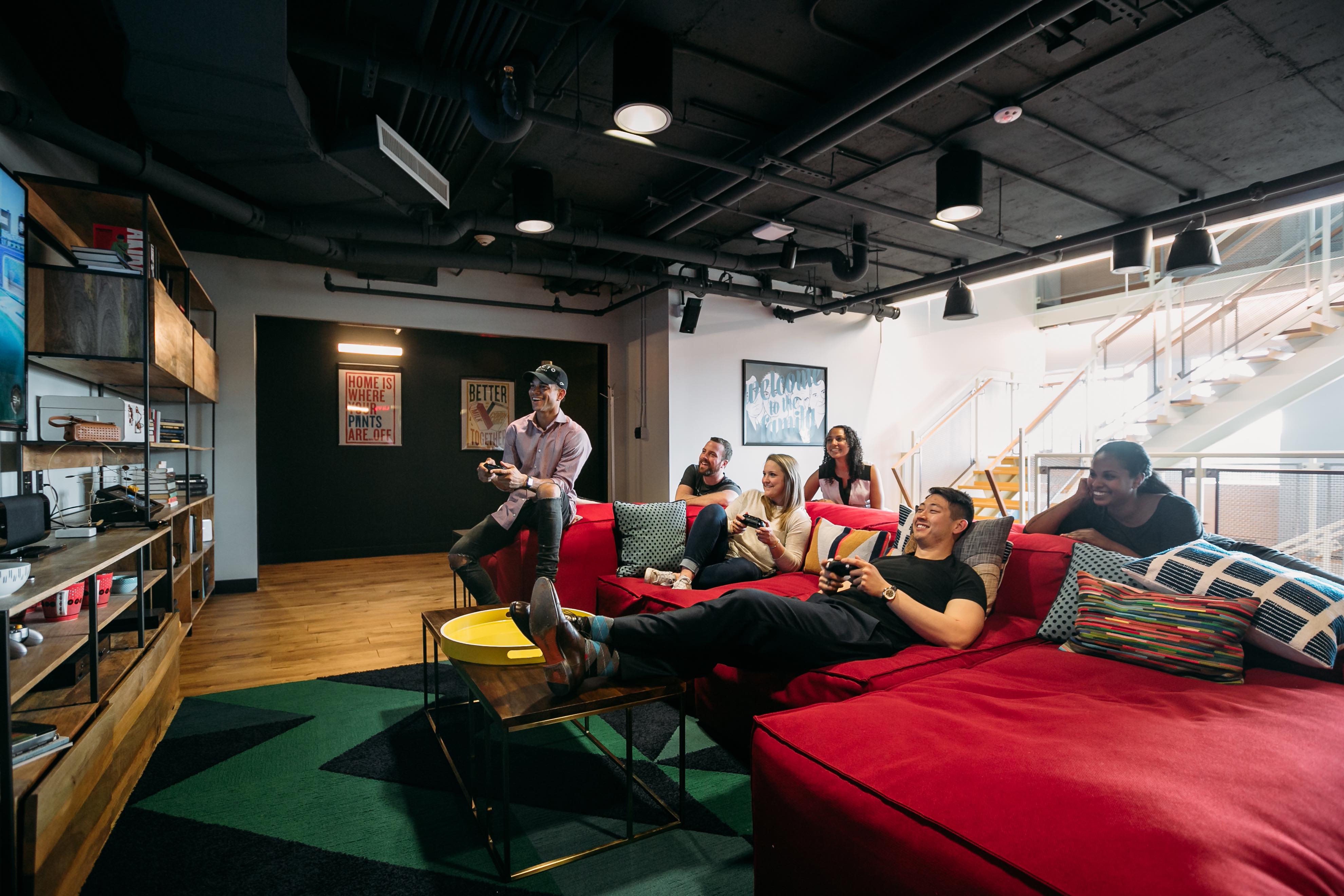
At the moment it has properties on Wall Street in Lower Manhattan, as well as Crystal City in Arlington, Virginia. For longer-stays, rent starts from US$1,200 a month.
For shorter stays, private rooms start from US$200 a night and come with built-in single bunks or fold-out Murphy beds, sheets, flatscreen TVs, AirPlay speaker systems, wardrobes, fridge/freezers, glassware, cutlery, plates, pots and pans. As you can see, every inch of space is put to use.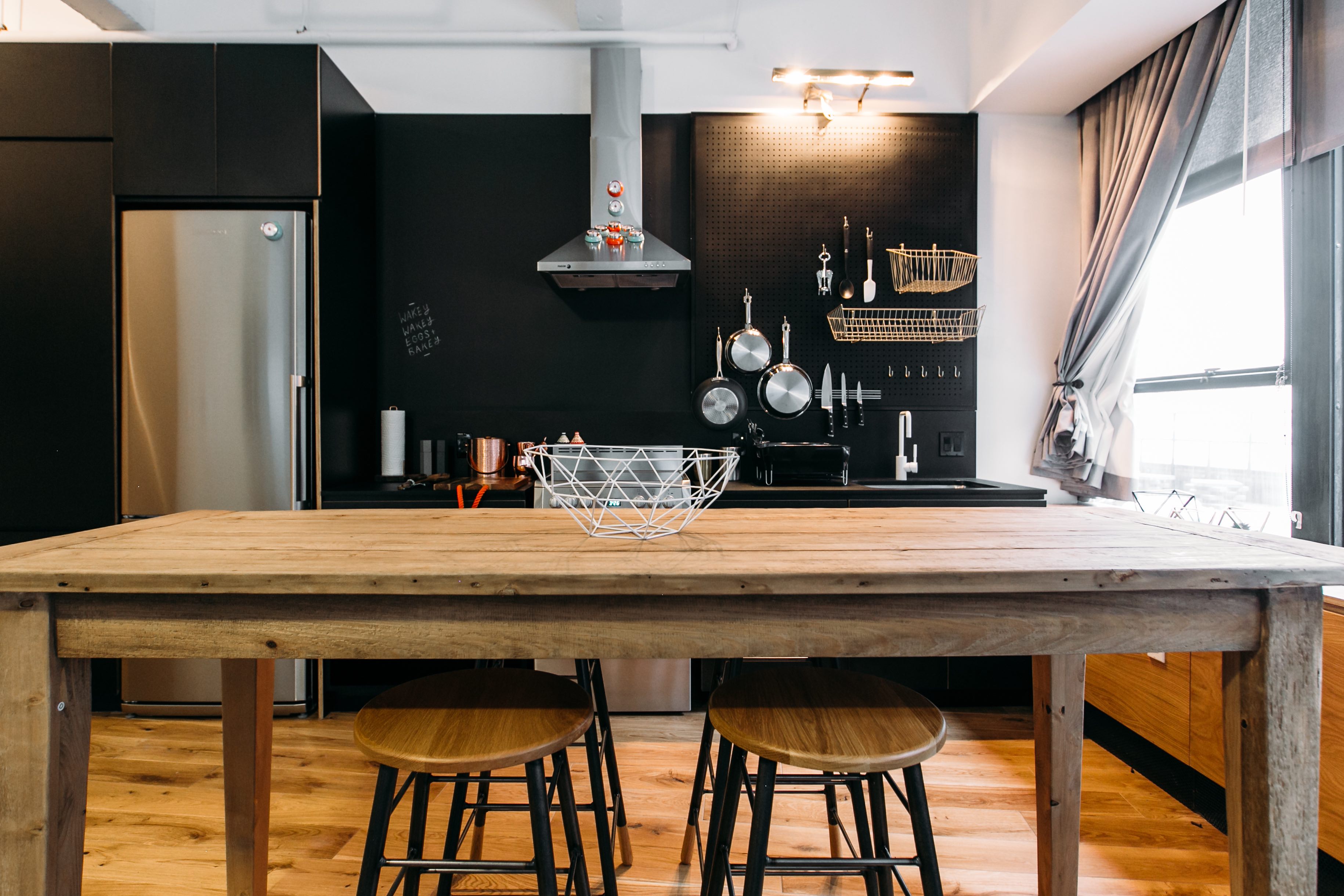
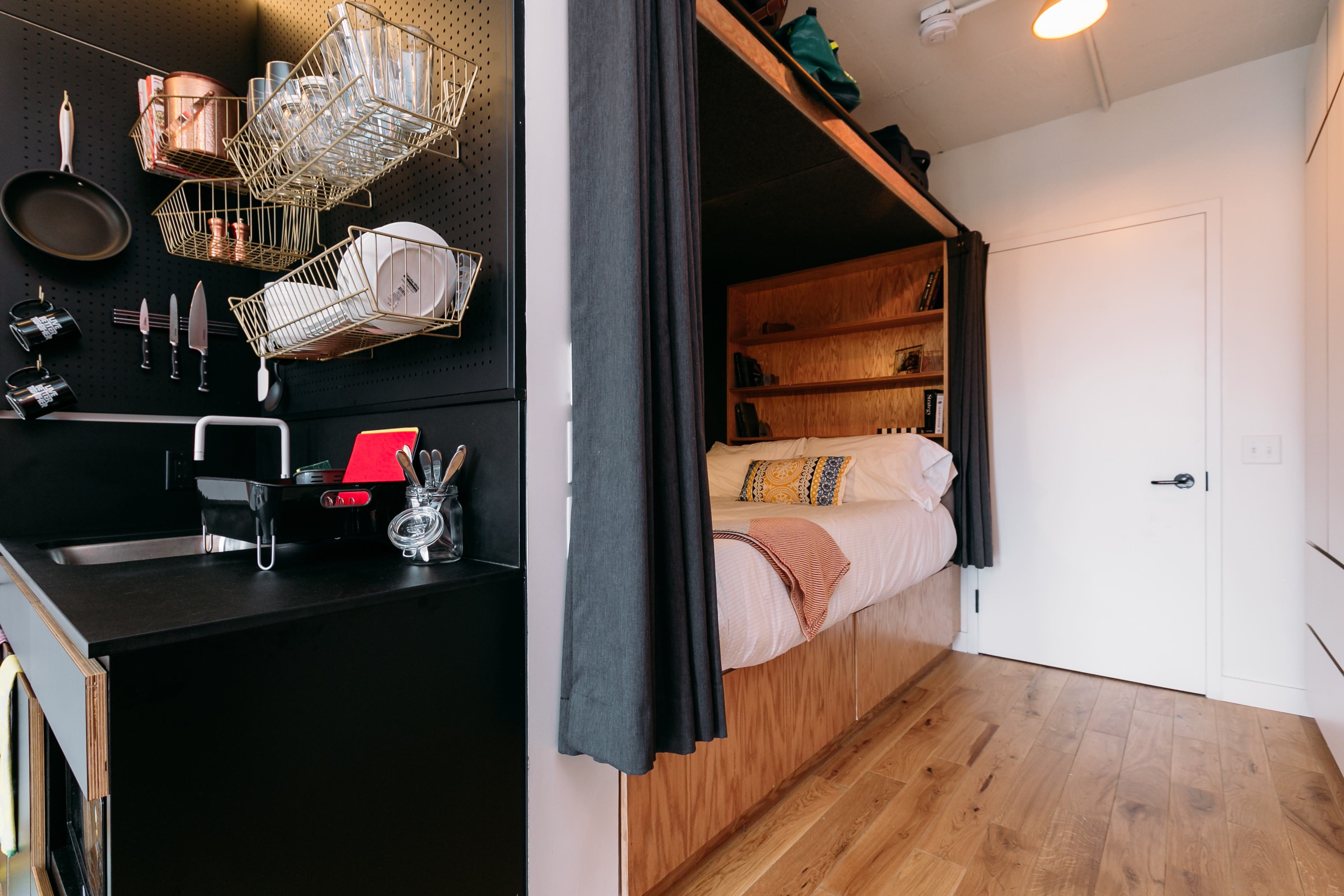
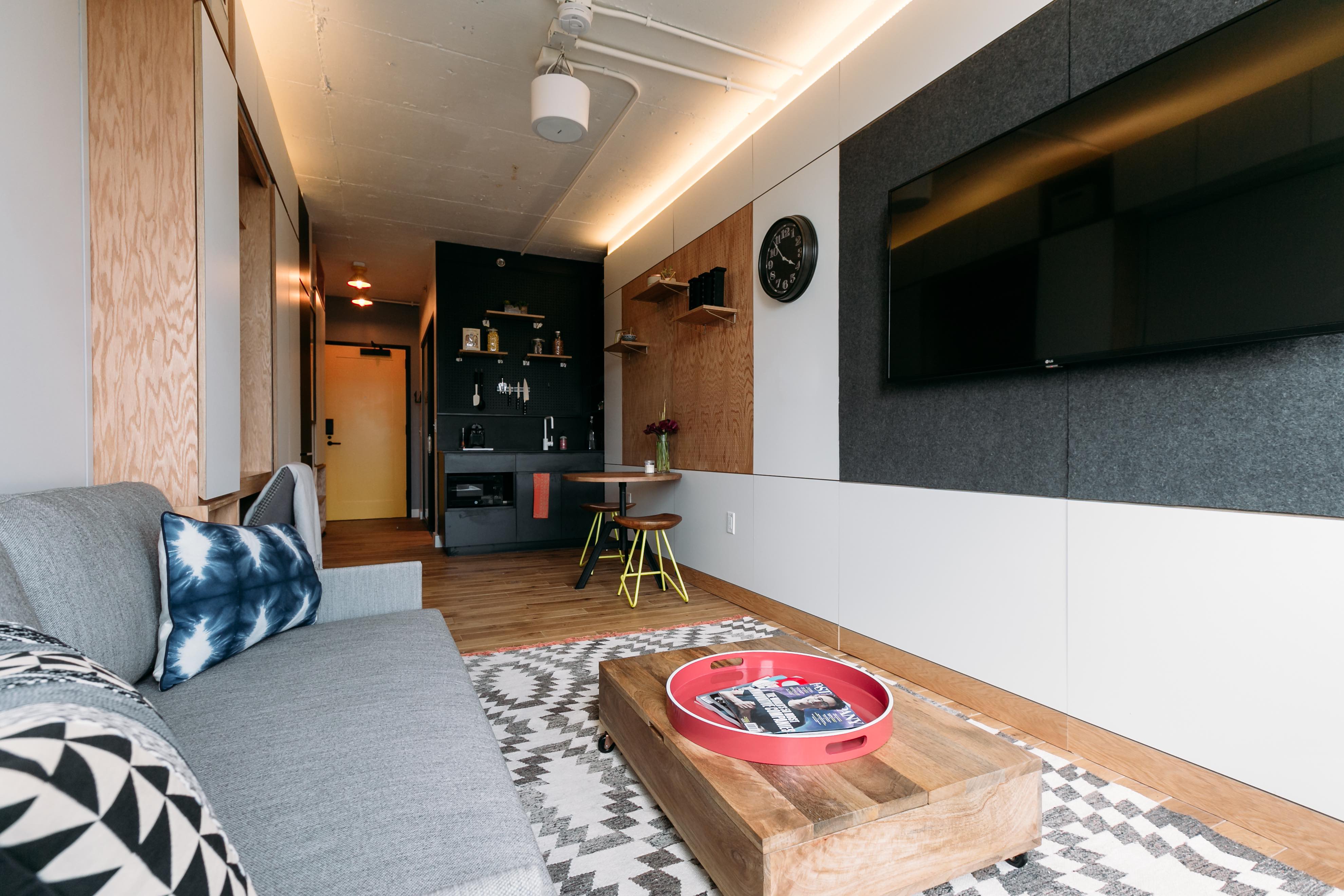
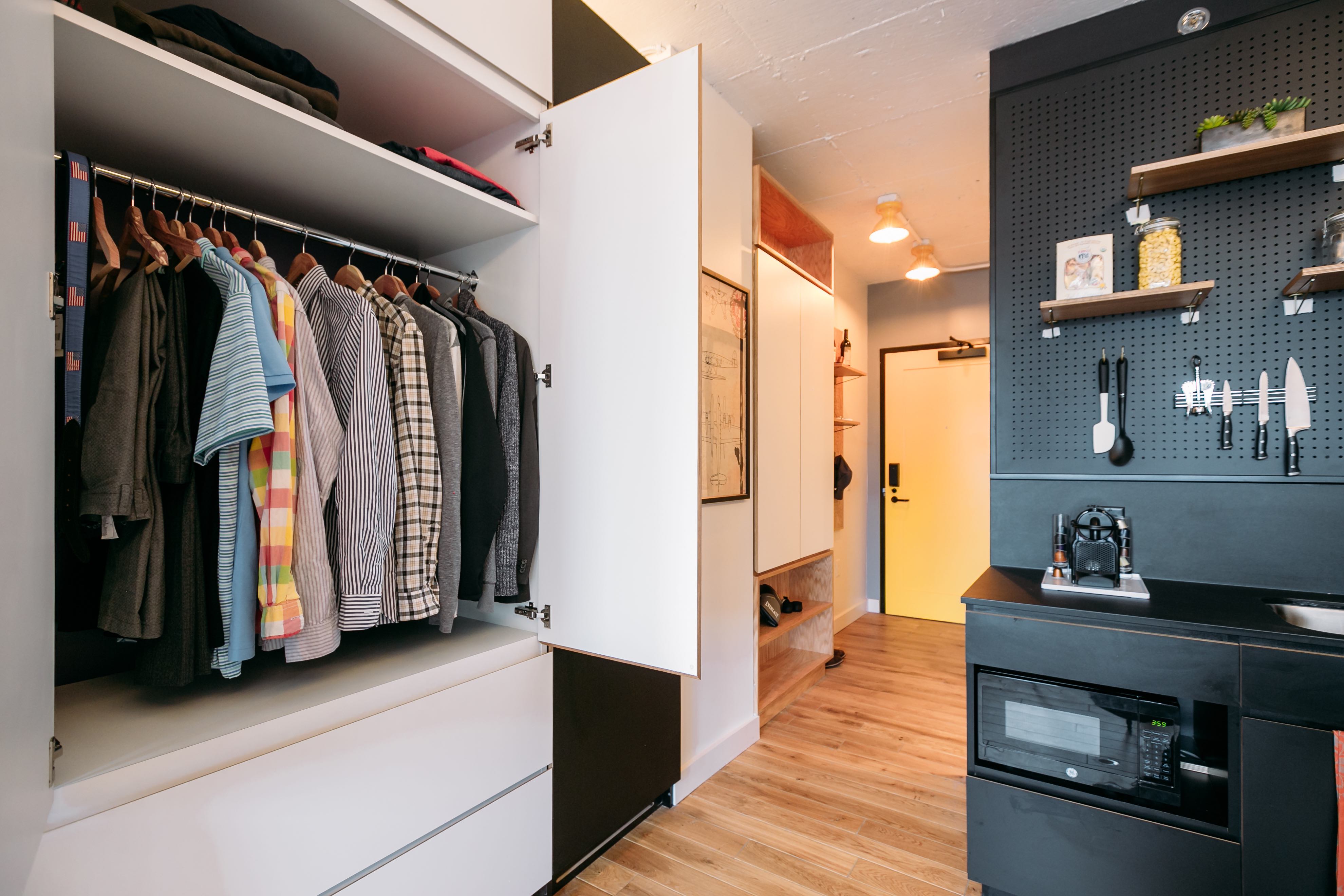 You can stay for a few nights or a few months, it's up to you. Membership will cover fully furnished accommodation, fresh linens, housekeeping, in-room tech, monthly cable and high-speed wifi. However, it will not match you with a flat mate.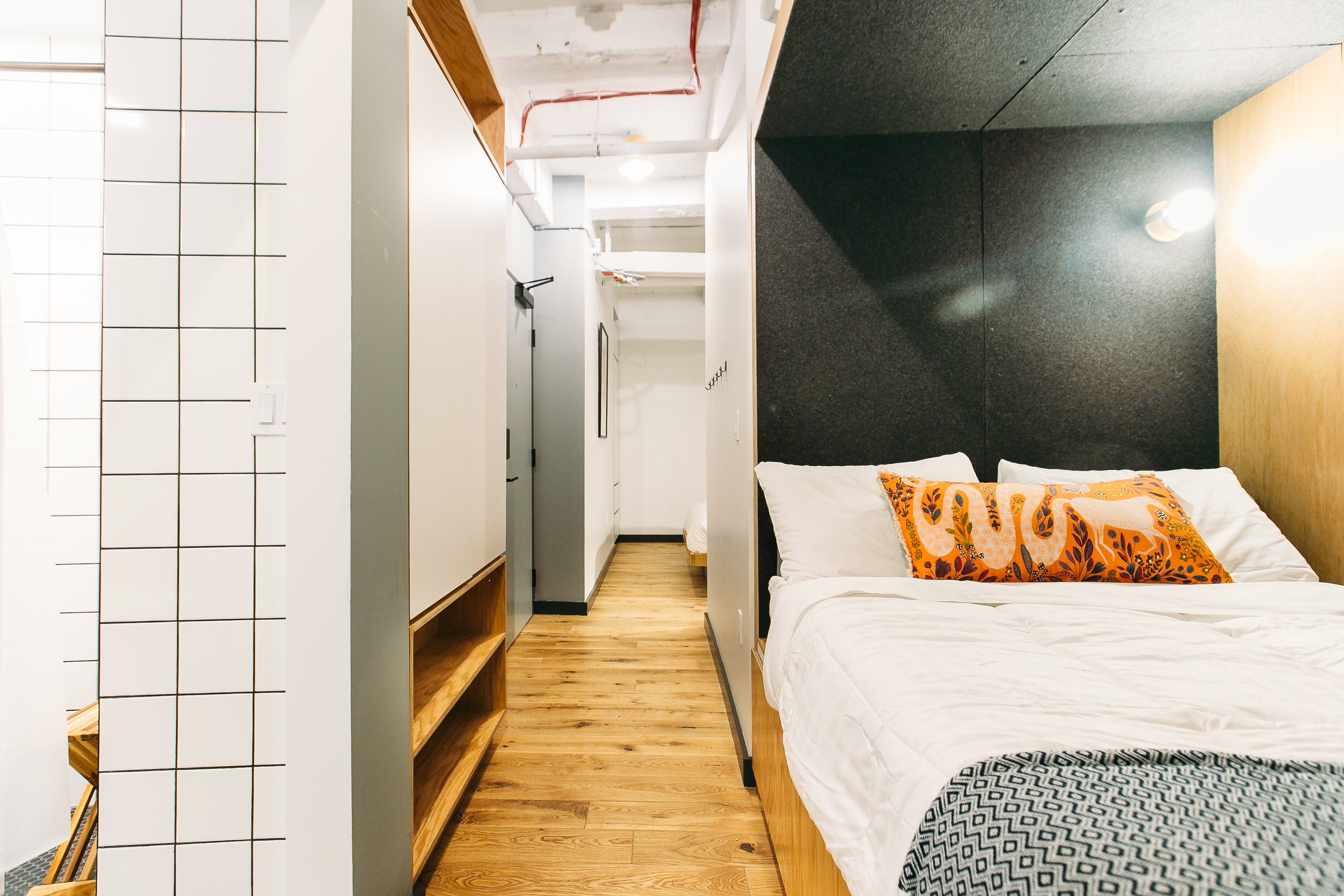
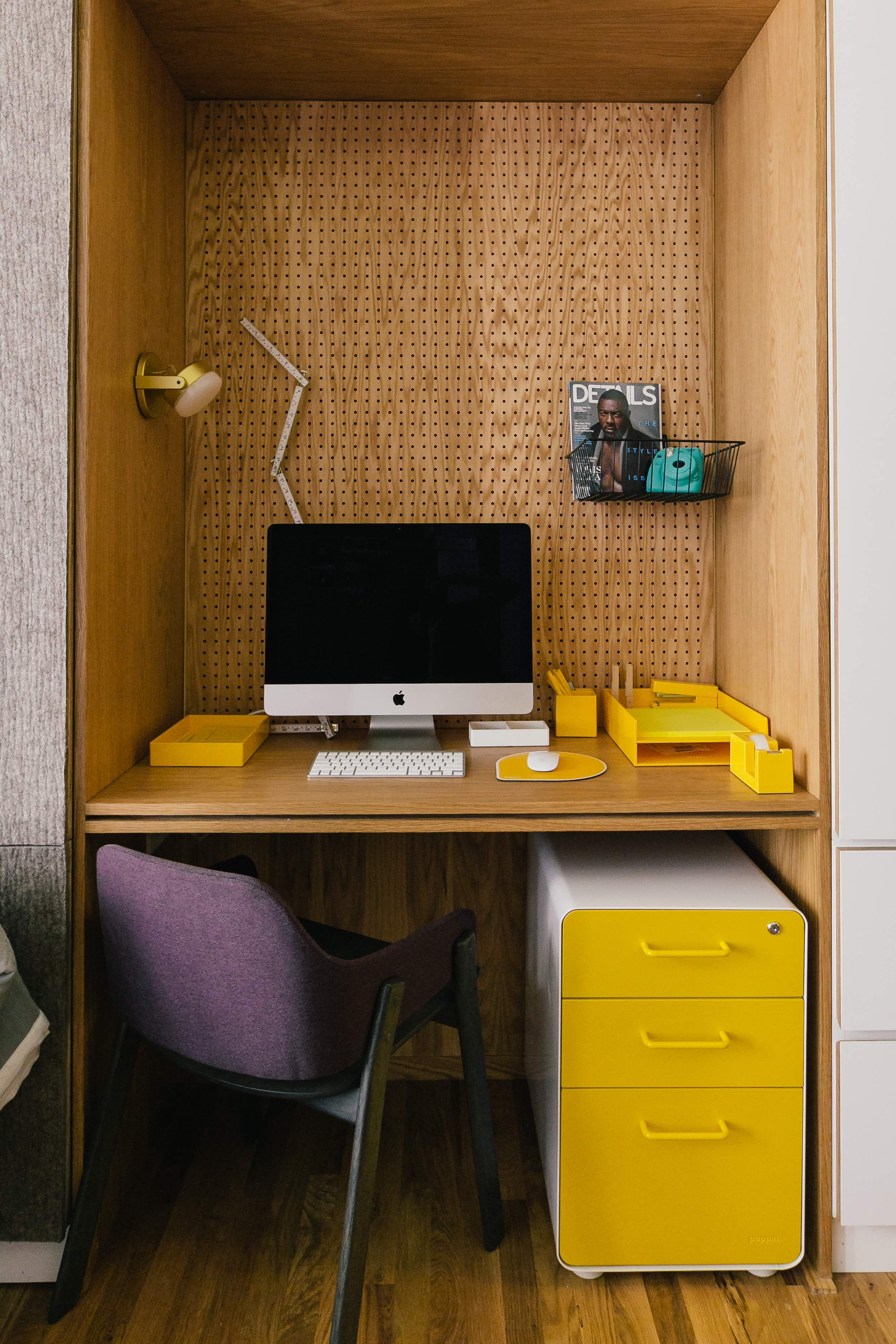
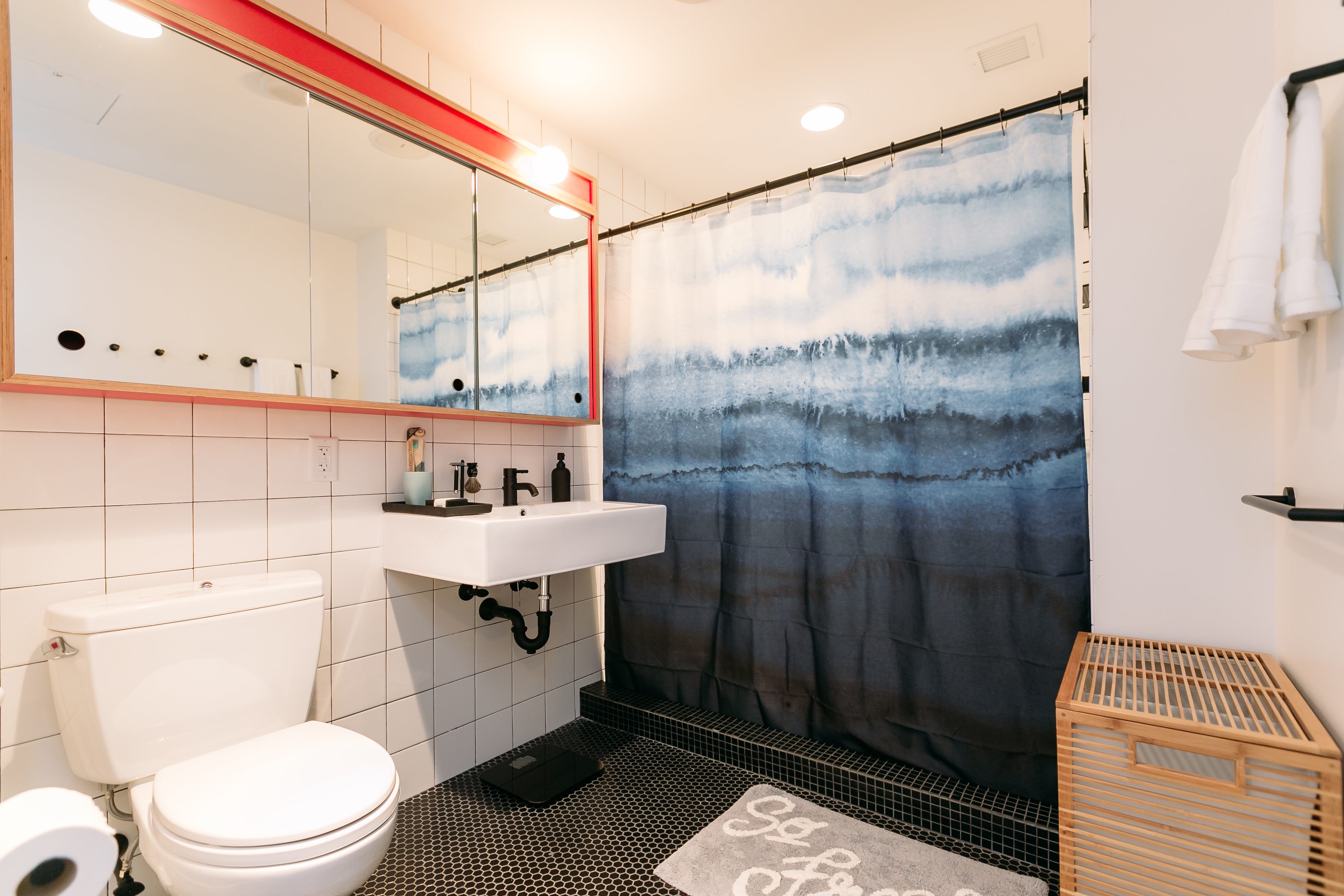
 All residents have access to common areas such as a chef’s kitchen, arcade, lounges, laundry rooms and yoga studio. You can also enjoy "all the coffee, tea and beer you can drink”.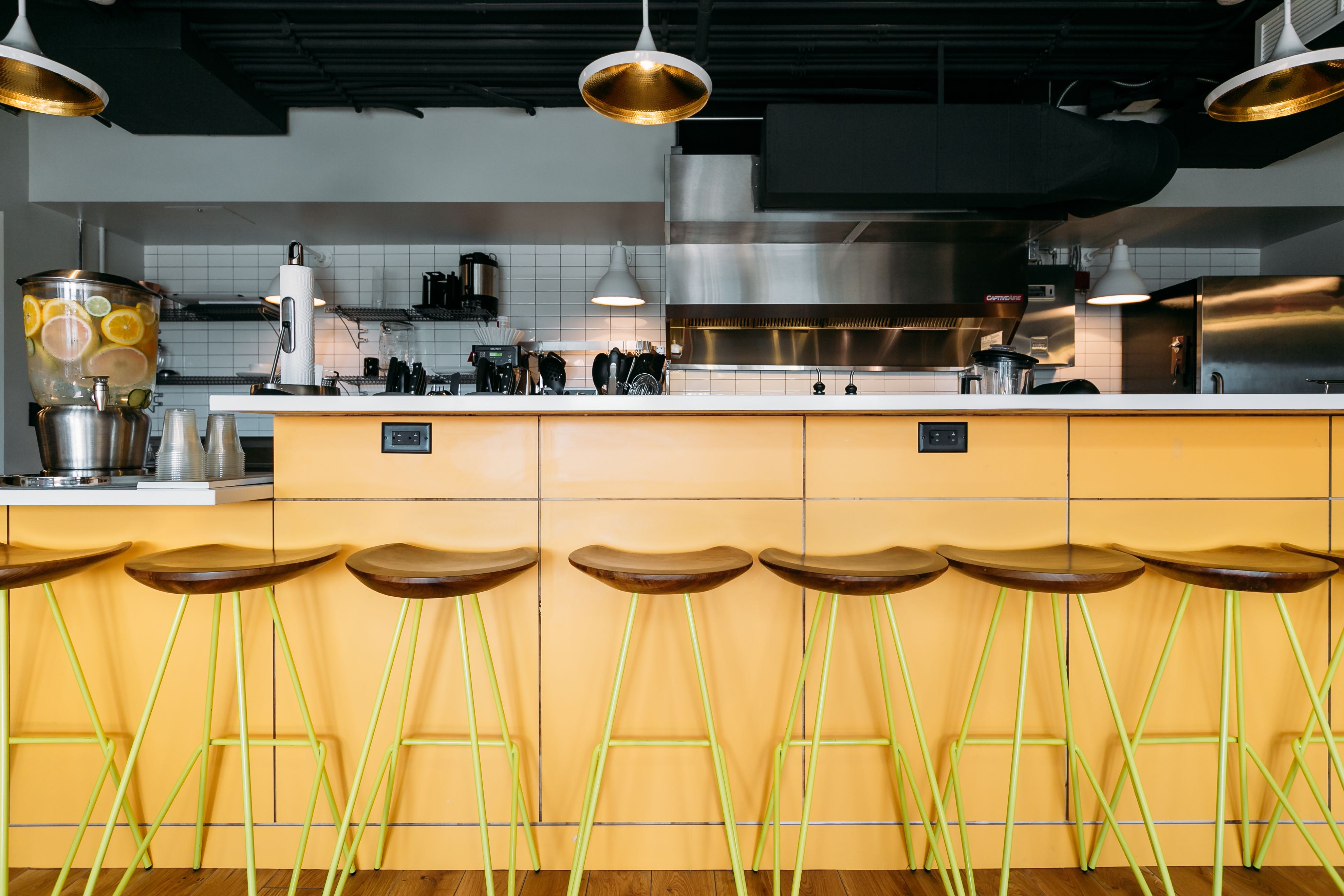
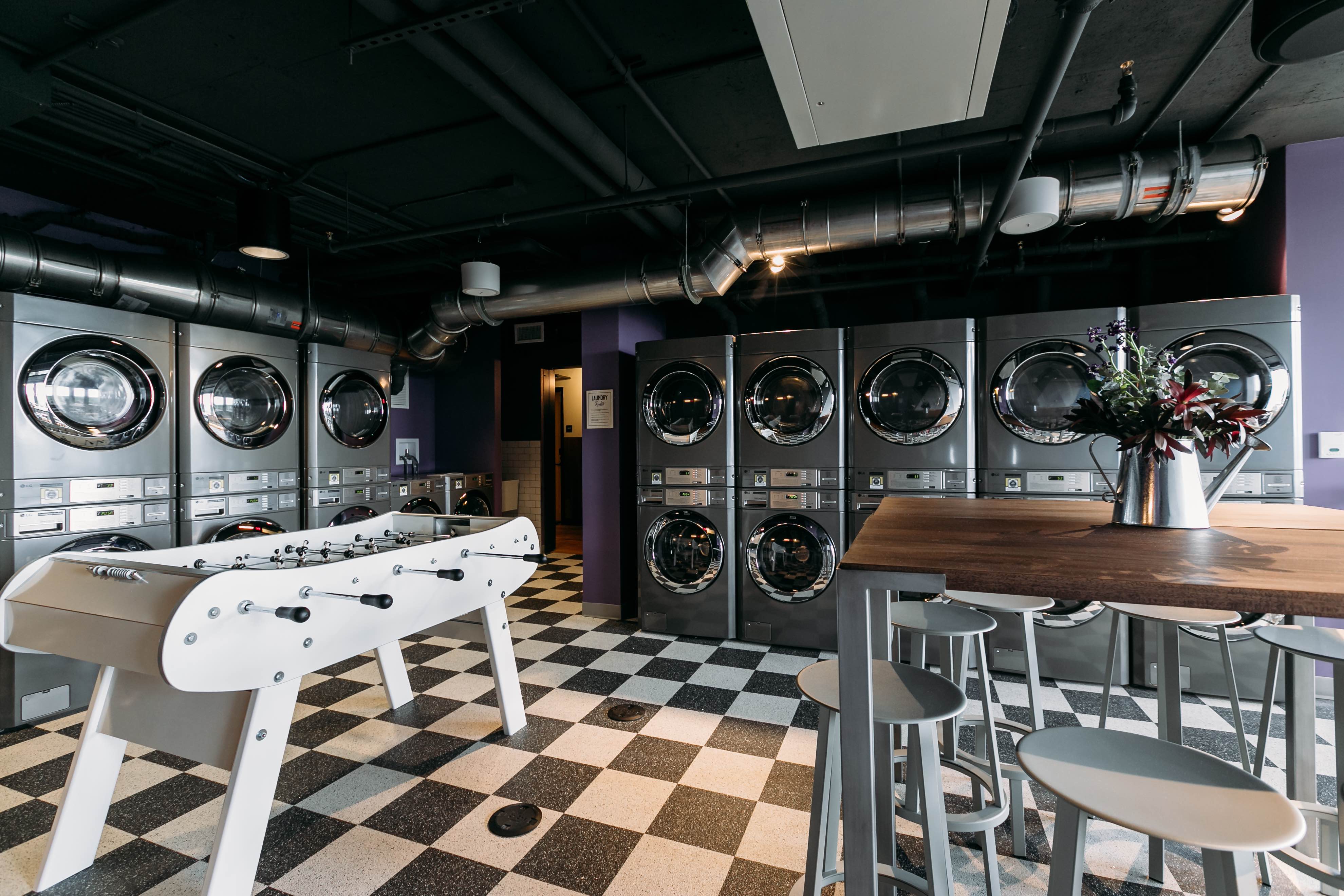
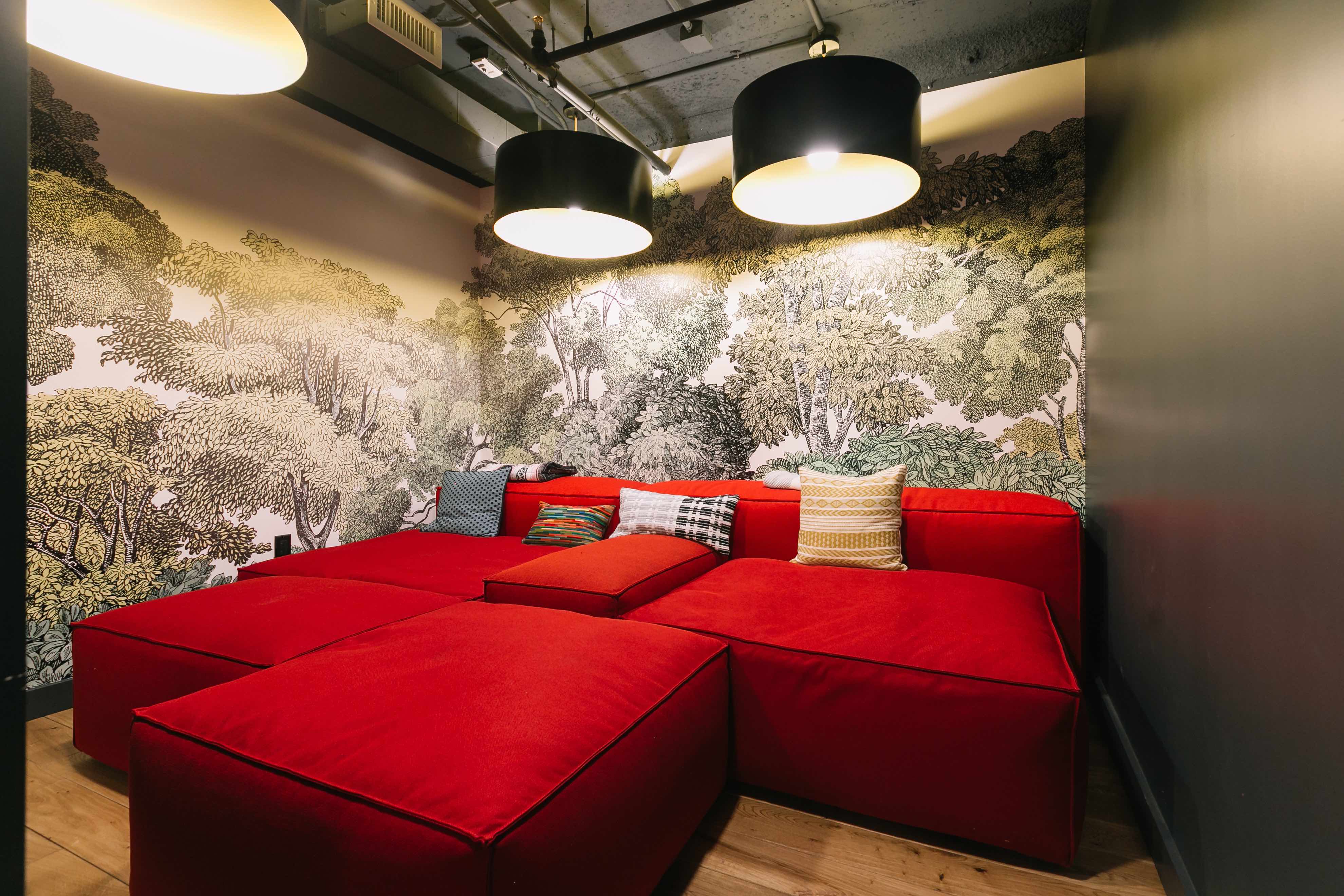
More similar to a budget hostel, PodShare is a membership-based co-living/co-working concept that defines itself as a “social network with a physical address”.
What is a Pod? The companies says Pods are custom built minimalist spaces for social travellers. Twin or queen sized. Some pods convert from a bed (with a memory foam mattress) to a desk, some have closets and trundle areas for suitcases and all have a 22-inch flatscreen TVs with Netflix and Hulu.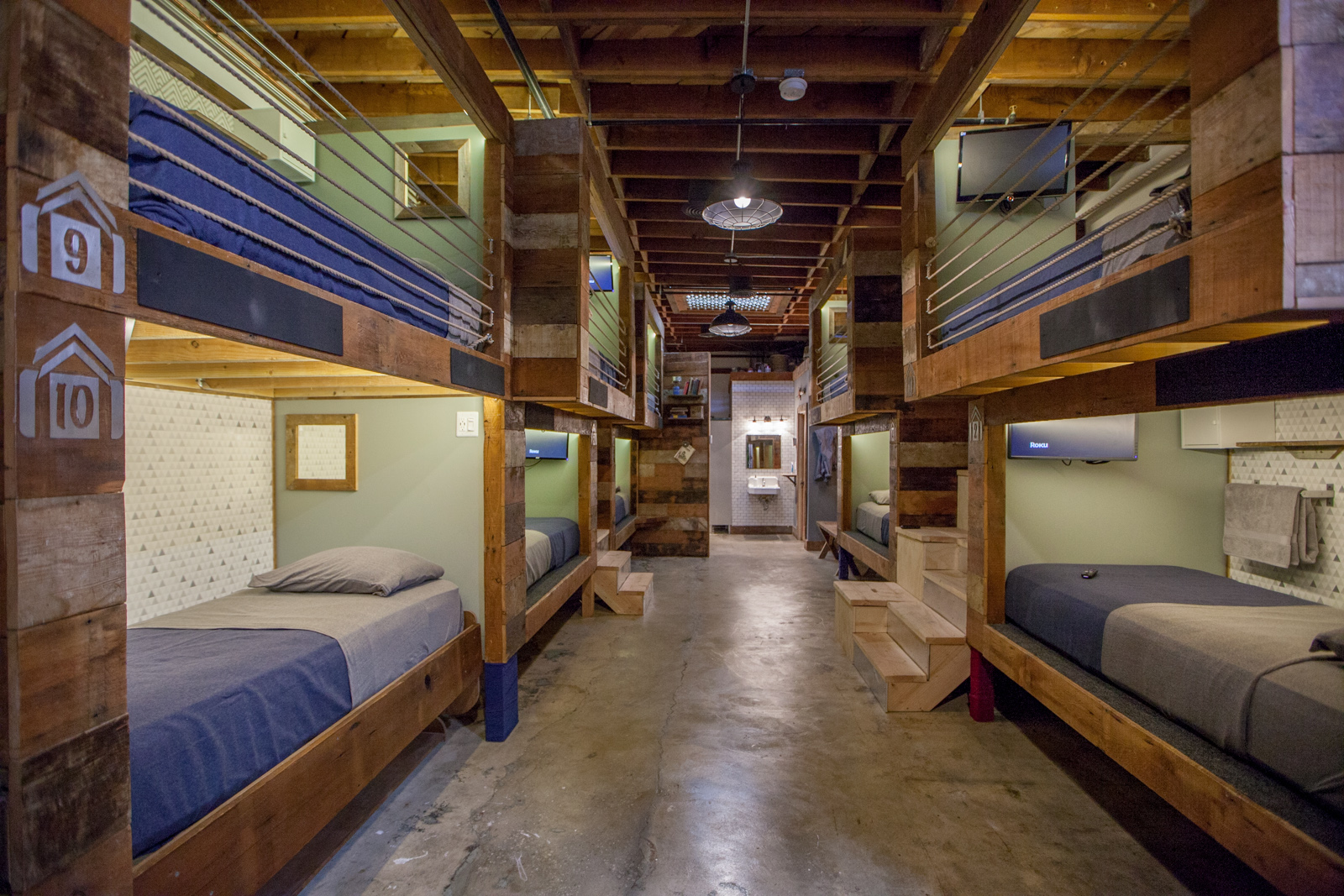 PodShare marketed at young travellers and "transitioners" who don’t have friends in the city to crash with, and “temps”, who might be working as a production assistant or at a film festival for the summer.
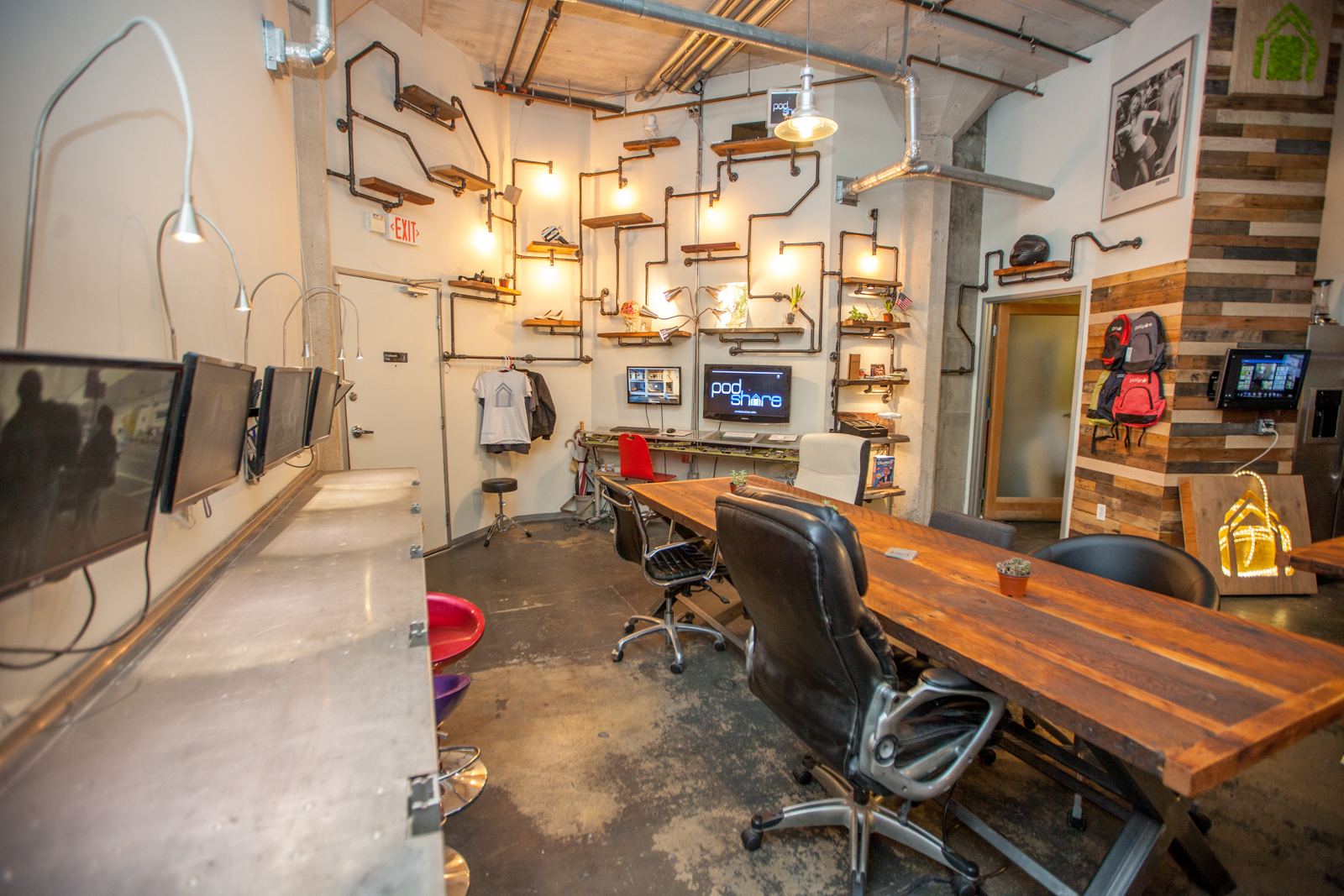 Based only in LA for the time being, it has locations in Hollywood, Los Feliz and the DTLA Arts District, with just over 30 pods in total from US$40 a night and co-working spaces for US$15 a day. Every base has showers, lockers, laundry, wifi and community kitchens.
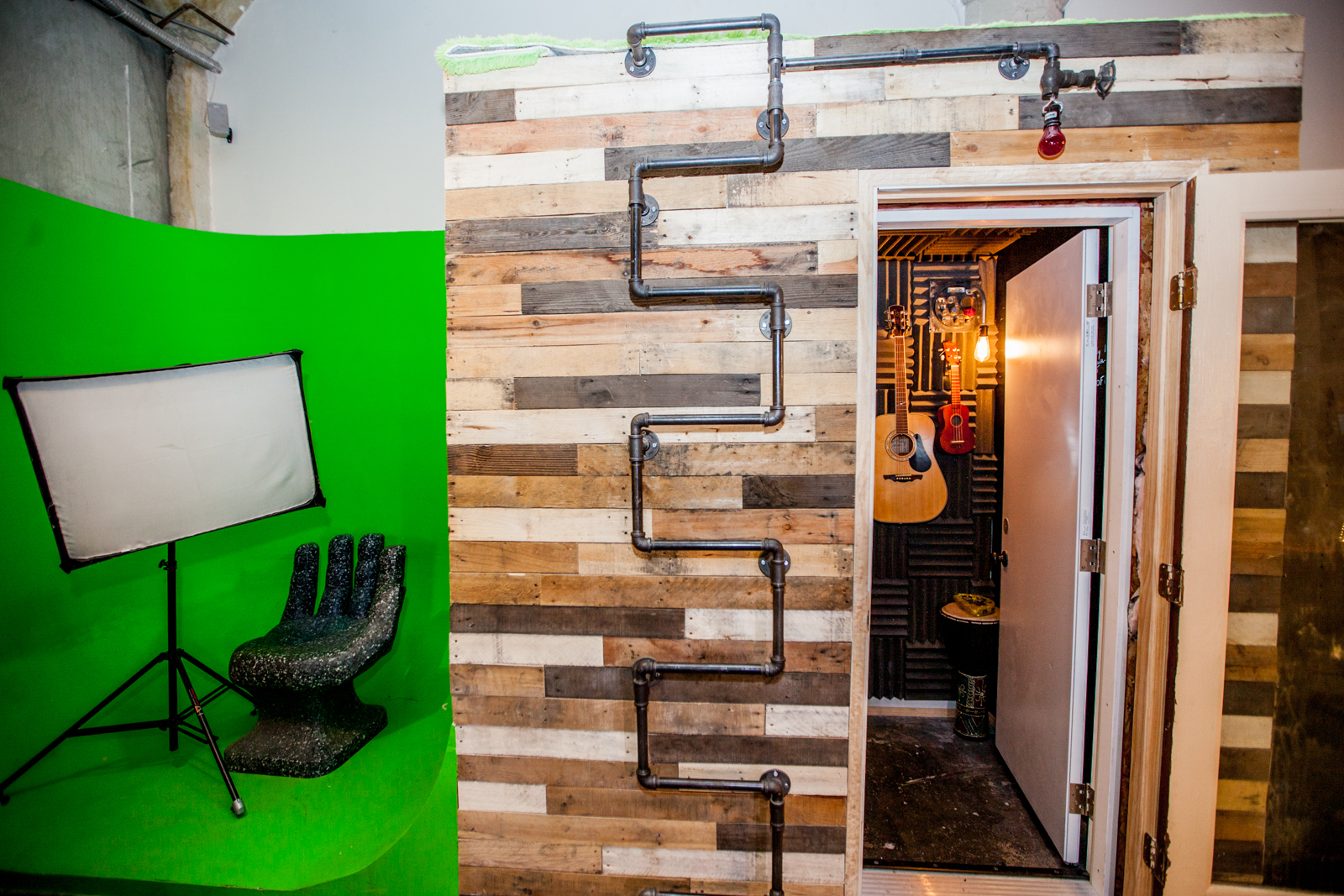 “The future is access not ownership” it says. PodShare eventually wants 100-plus pods across the city to cater to demand. Every Sunday it organises community basketball matches.
Globetrender wrote about Zoku when it first arrived in Amsterdam in autumn 2015. This “home-office hybrid” has 133 Zoku Lofts measuring 25 sqm. Each features customisable interiors – for example, a set of steps leading to a mezzanine bed will slide into the wall to make space for a living area and access to built-in drawers. 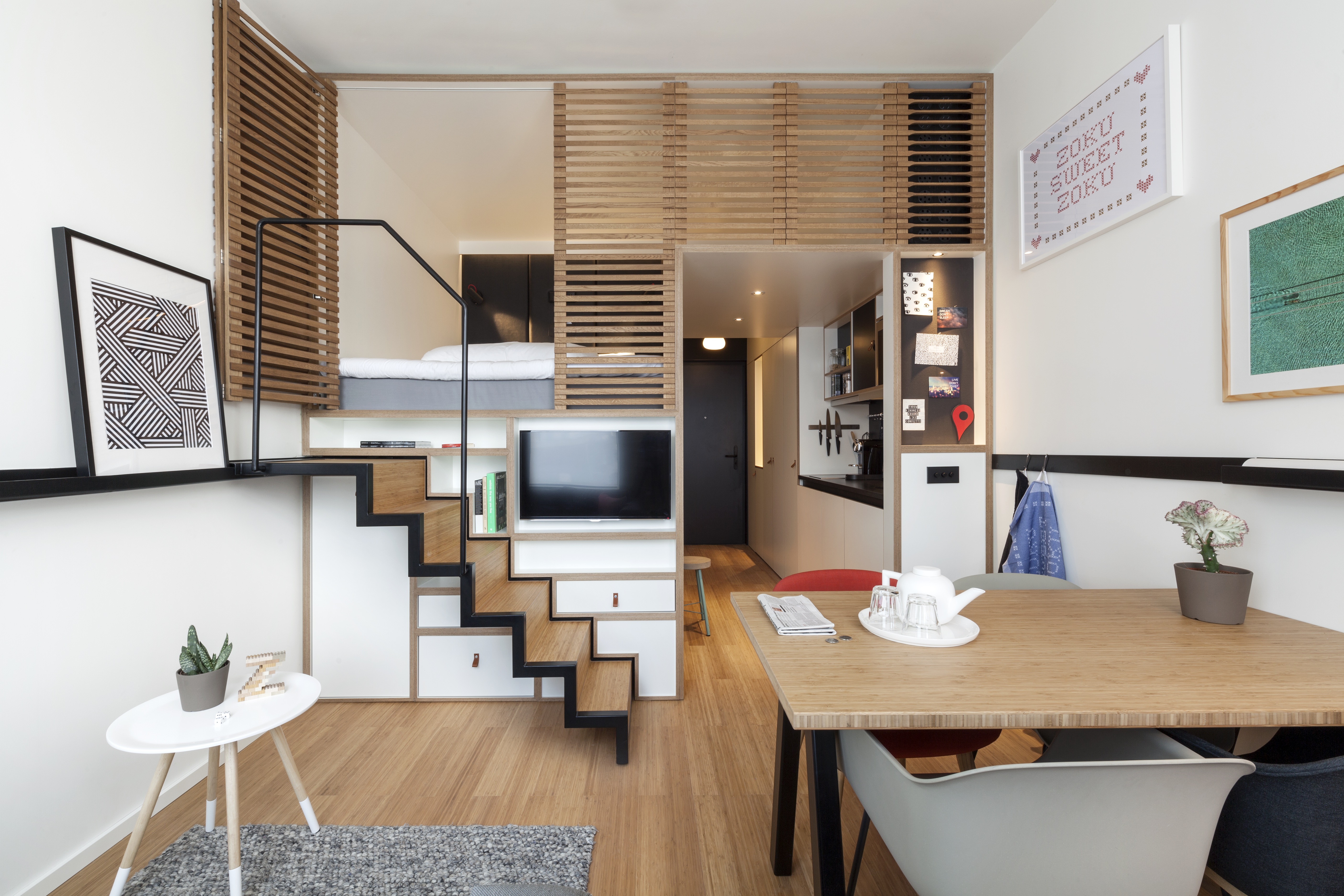 There are pull-up rings for getting fit, a place to cook food and a table to eat a meal while working on a presentation. Furnishings are from Danish design brand Muuto, guests can choose their own art, and wifi is free.
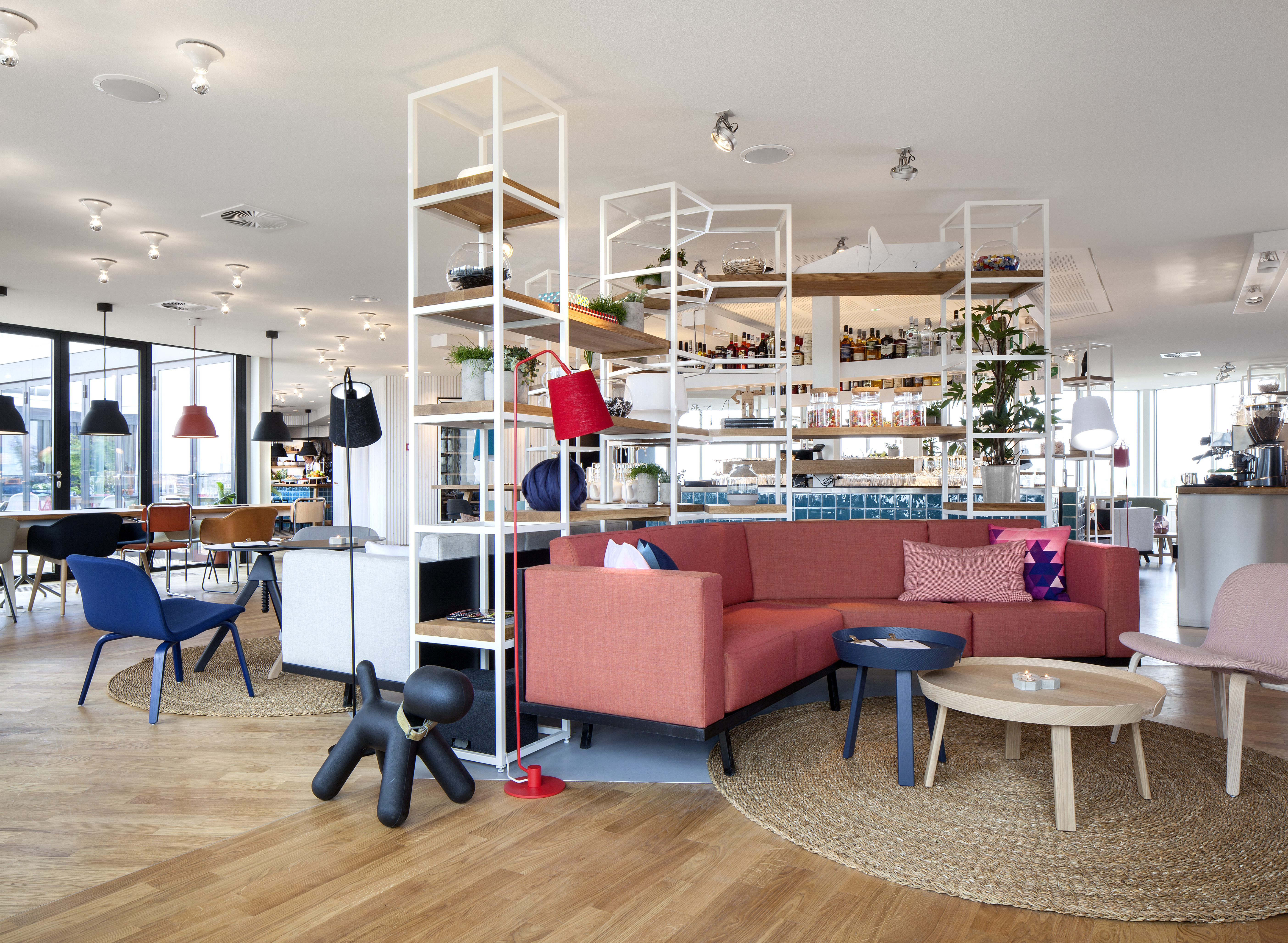 There are also social spaces for networking, a 24-hour shop, meeting rooms, an on-site café (stay more than a month and you get a 20 per cent discount on food), and a rooftop garden with greenhouse for growing herbs and vegetables.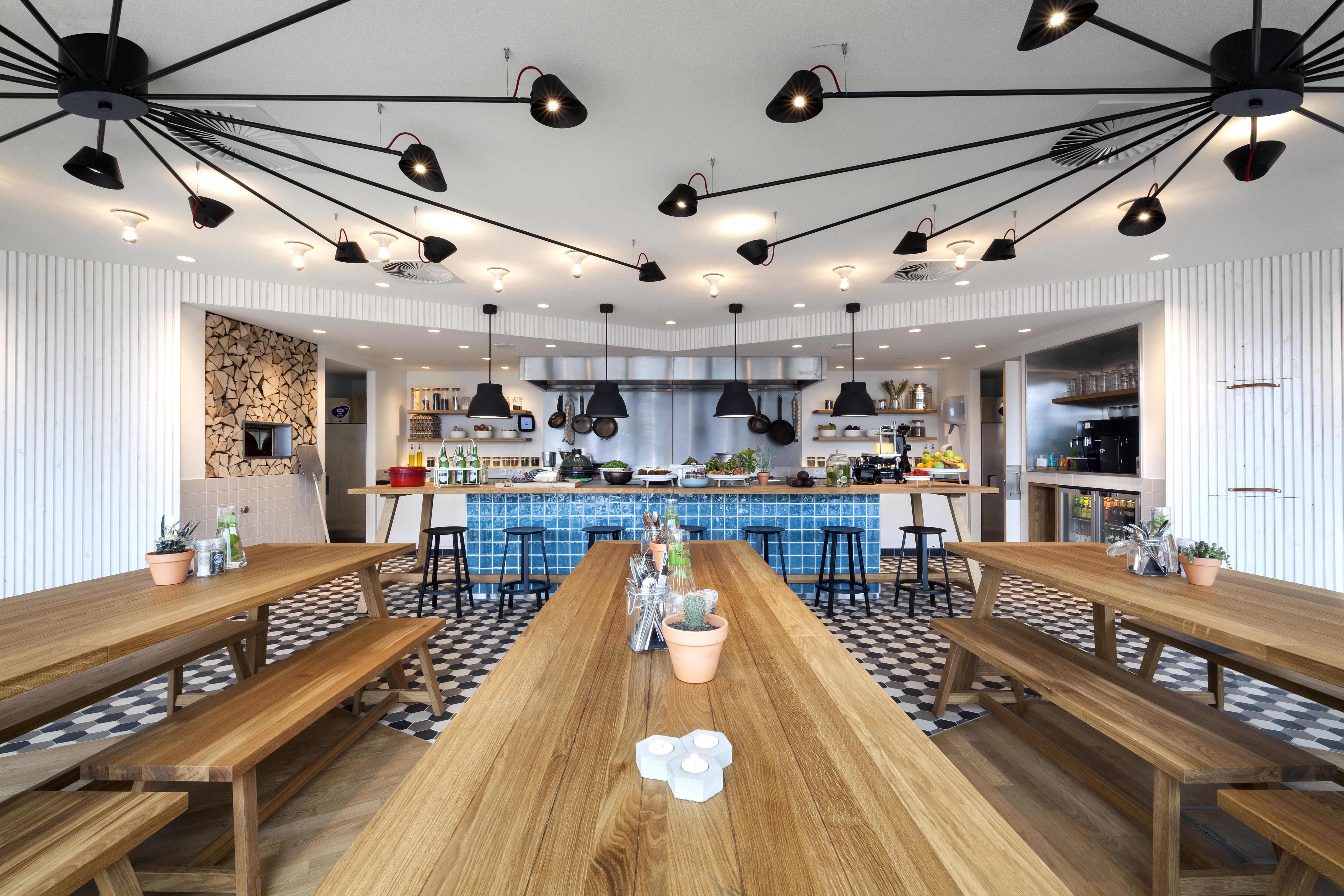
As I reported on businesstraveller.com, Lyf, which is being launched by serviced apartment company the Ascott, proves co-living has mainstream potential. It will be aimed at people in their 20s and 30s, an age bracket that is expected to account for more than half the workforce by 2020, and which is predicted to spend US$200 billion annually on travel.
By 2020, the Ascott intends to have 10,000 Lyf co-living units in a range of layouts – studios, twins and business suites with video-conferencing and hammocks. Communal spaces will offer Foosball tables, giant ball pits and cooking classes.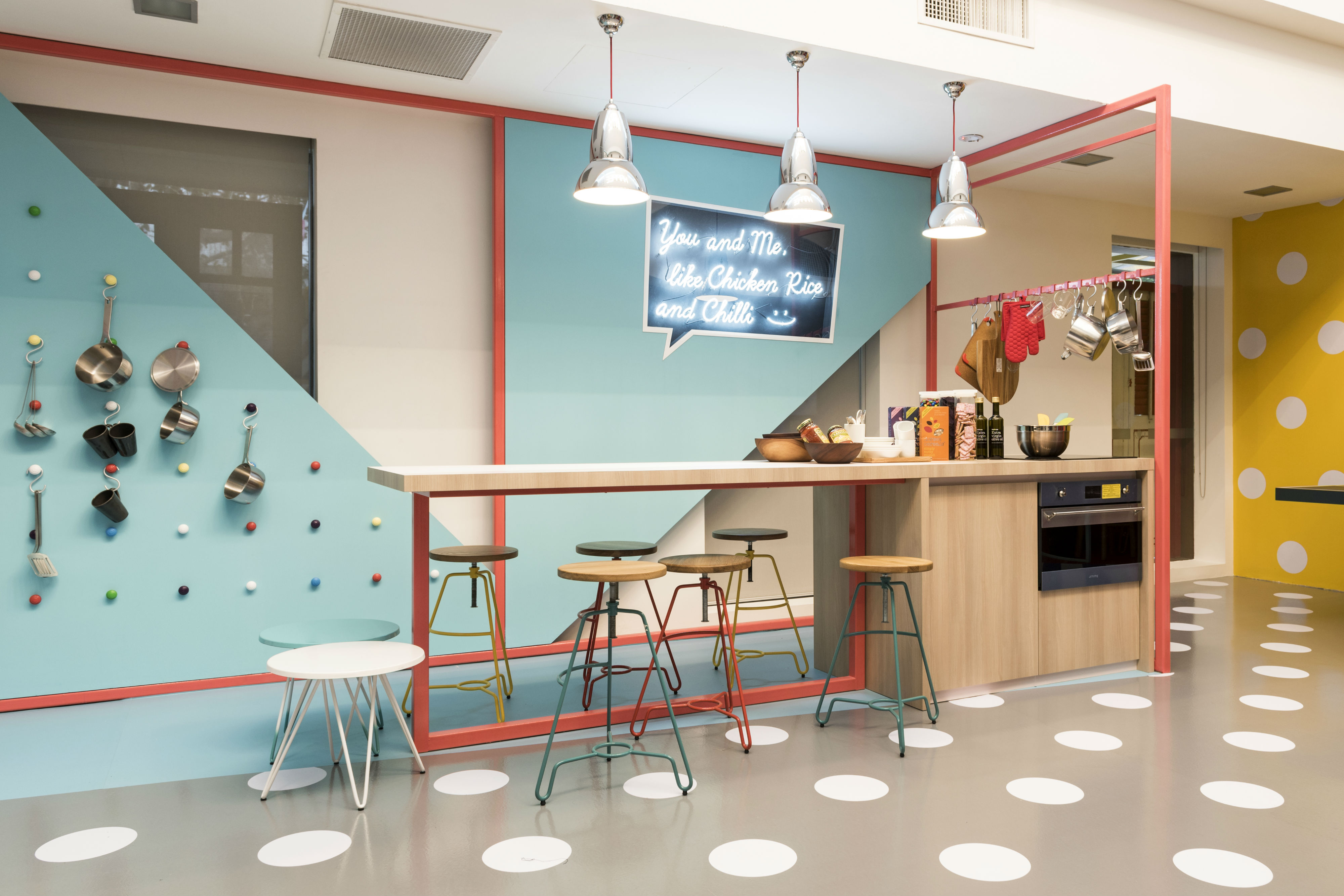 Lee Chee Koon, Ascott’s chief executive officer, said: “Millennials already form a quarter of Ascott’s customers and this segment is poised to grow exponentially. Lyf is a unique accommodation tailored for this demographic, including technopreneurs, start-ups and individuals from music, media and fashion. Lyf will provide global jetsetters and trendsetters with the opportunity to ‘Live Your Freedom’ in a dynamic environment and network with like-minded creatives.”
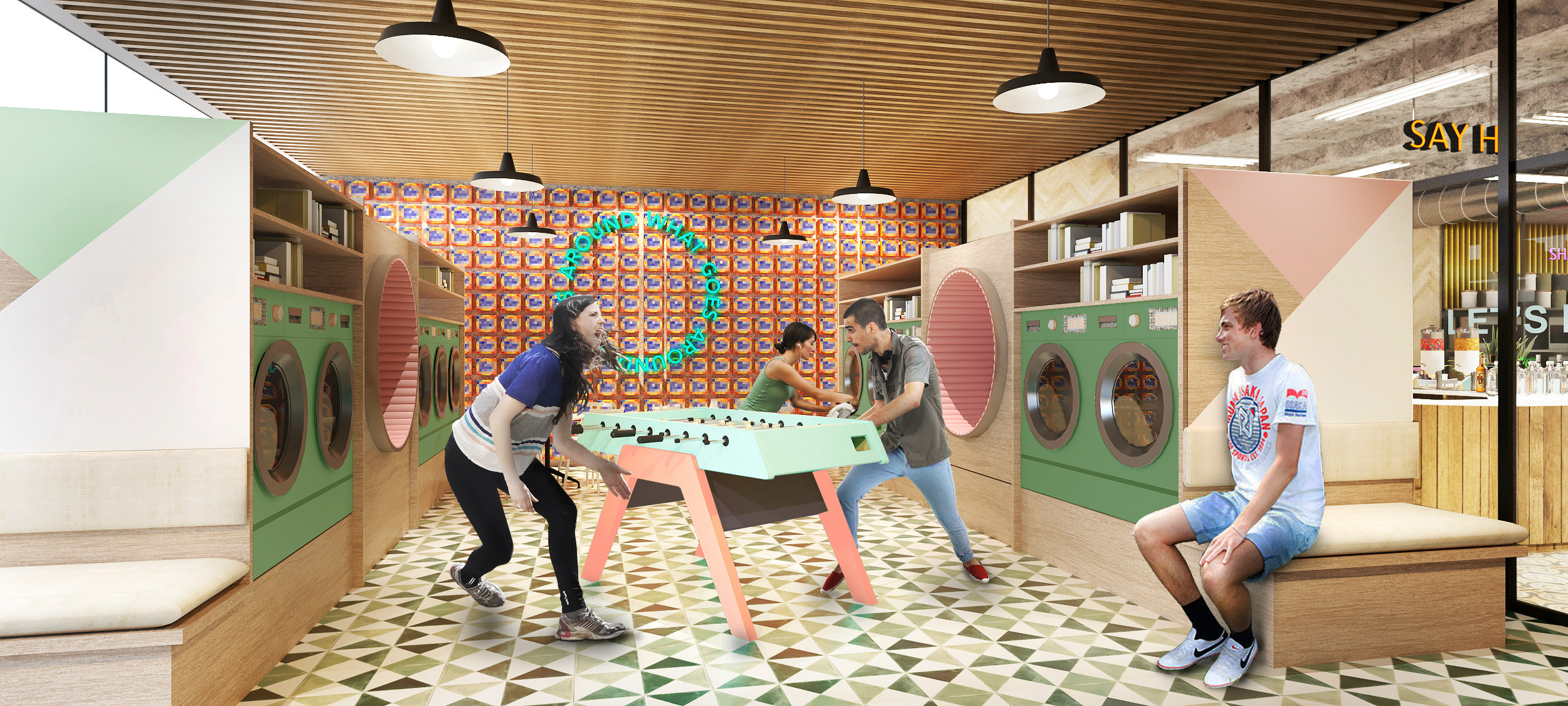 Lee added: “Lyf marks another milestone in Ascott’s innovation journey to design products and experiences for the future of travel. We are on the lookout for sites in key gateway cities for Lyf and we are open to both investment and management contracts to meet the growing demand for such co-living spaces – including Australia, France, Germany, Indonesia, Japan, Malaysia, Singapore, Thailand and the UK.”
Other co-living concepts you should know about are PureHouse, CommonSpace, OpenDoor and the Coliving Club. Welcome home…