

Uganda's Silverback Lodge aspires to offer a post-colonial safari
Tanya Madhvani, director of Marasa Africa, speaks to Globetrender about designing a safari experience that tells a story about what Africa is today, without falling back on nostalgia.
Rebuilt and reopened in 2025, Silverback Lodge in Uganda promises a 'complete reimagining of safari hospitality'. What did you feel was outdated about the traditional safari lodge model, and what did you want to replace it with?
At Marasa, we believe the future of safari hospitality is about creating experiences that guests simply cannot find anywhere else. A luxury lodge should be far more than a beautiful place to sleep – it should become an integral part of the destination itself.
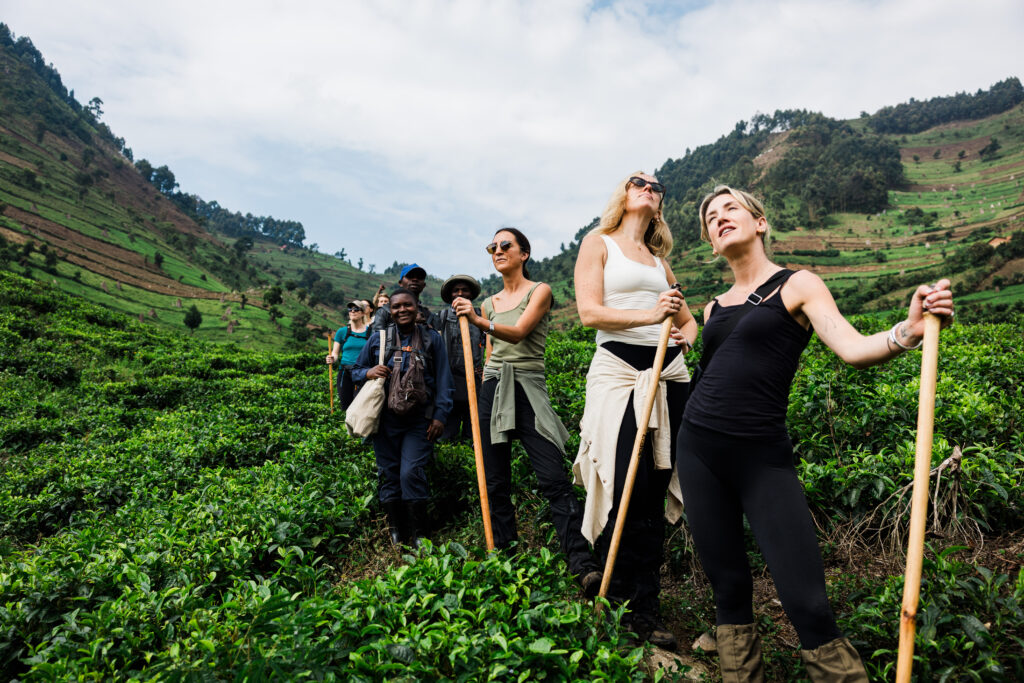
With Silverback, we wanted to move away from the traditional safari formula, where the lodge exists separately from the landscape and the experience begins only when guests leave on a game drive. Instead, we reimagined the lodge as an extension of the Bwindi forest. From the moment guests arrive, they are immersed in the world of the mountain gorillas. Sitting on the deck, you can feel the energy of the forest, hear its sounds, and sense the presence of the silverbacks you are about to encounter. We wanted to ensure that the journey begins long before the trek itself.
Every element of the lodge has been designed with intention. The artwork, materials, local chants, storytelling, and even references to snares and conservation are woven into the guest experience, creating meaningful moments rather than decorative gestures. Nothing is superficial or designed simply for effect – everything has a purpose and helps guests understand the people, wildlife and culture that make Bwindi so extraordinary.
Today’s luxury traveller is also looking for something deeper than traditional safari rituals. It’s no longer enough to offer a beautiful room and a sundowner overlooking the landscape. Guests want to engage with the destination in authentic, memorable and unexpected ways. They want experiences that educate, inspire and leave a lasting emotional connection.
That is what Silverback represents. It isn’t simply a refurbished safari lodge; it’s a new vision for safari hospitality, one where design, conservation, culture and immersive storytelling come together to create an experience that is every bit as unforgettable as the gorillas themselves.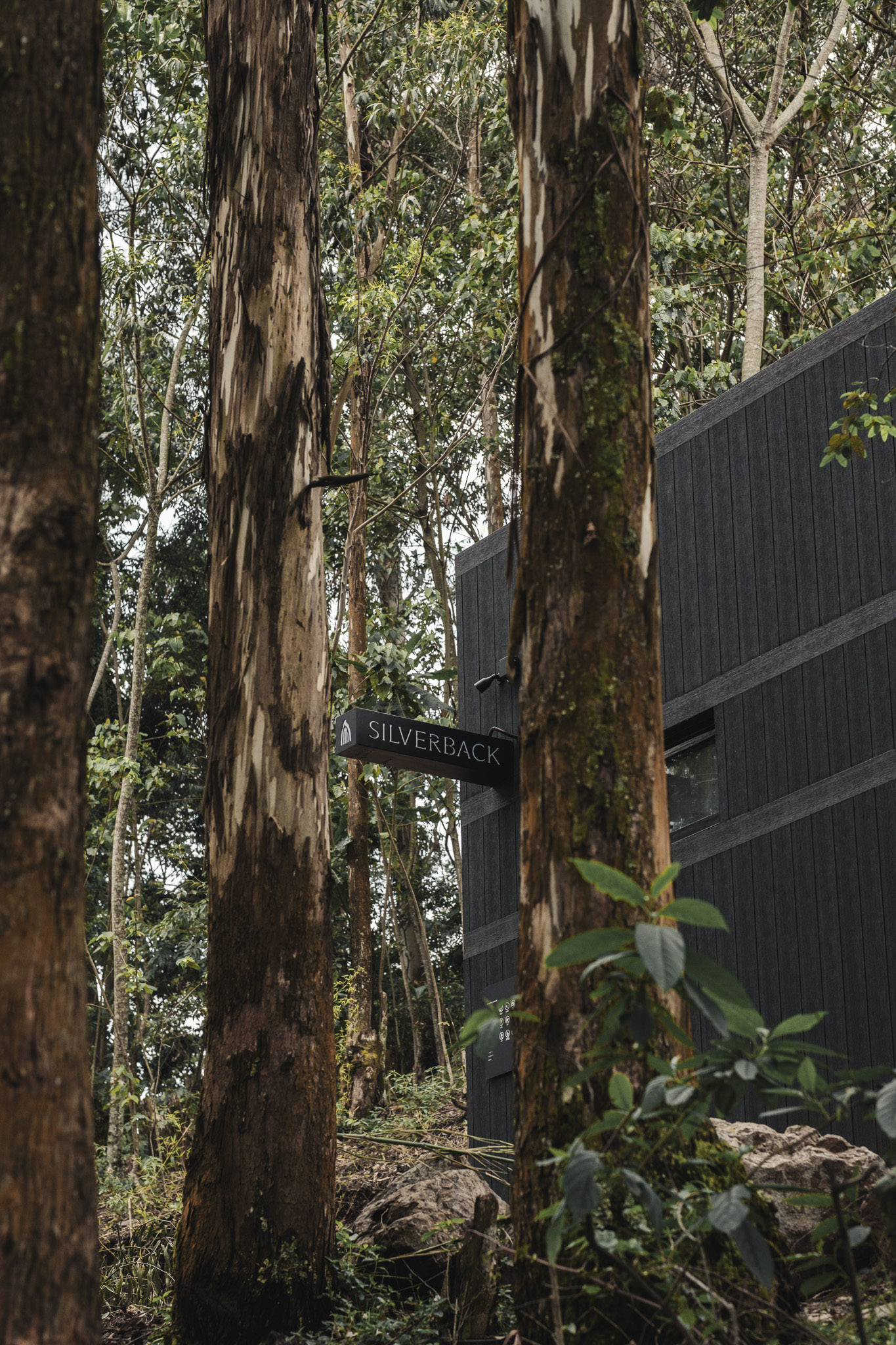
Rather than drawing on colonial safari aesthetics, Silverback embraces a distinctly contemporary African design language. Do you think luxury tourism in Africa is finally becoming more confident in expressing its own creative identity?
Definitely. At Silverback, we wanted to move away from nostalgia and instead create a lodge that reflects contemporary Africa – one that draws inspiration from local craftsmanship, natural materials, indigenous art and the incredible landscapes that surround it, while delivering the level of luxury today’s travellers expect. Rather than recreating the past, we wanted to tell a story about Africa as it is today: creative, innovative, vibrant and deeply connected to its culture.
Modern luxury travellers are increasingly seeking authenticity. They want to feel a genuine connection to the destination, not a version of Africa shaped by outdated perceptions. By embracing contemporary African design, we’re not only creating more meaningful guest experiences, but also supporting local artisans, preserving traditional skills and giving them a platform in a modern luxury context.
It allows Africa to define luxury on its own terms, creating experiences that are distinctive, memorable and impossible to replicate anywhere else in the world.
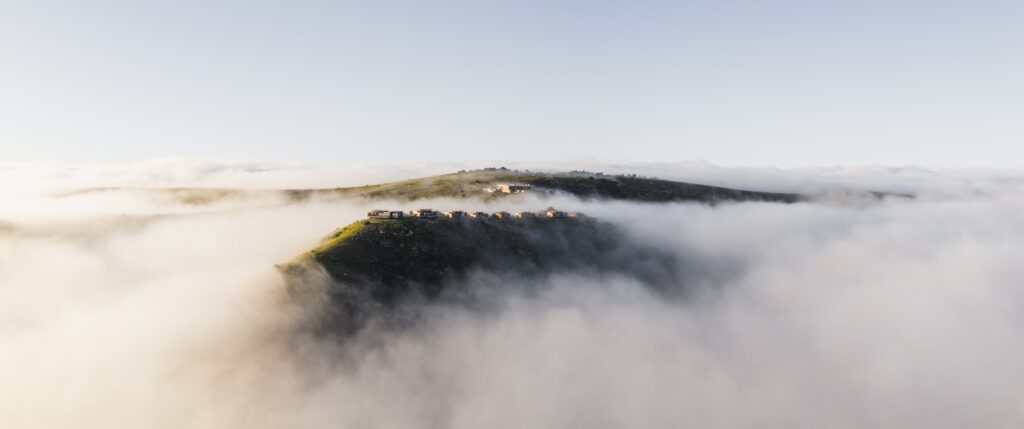
The lodge was conceived as "a sliver in the mist", almost disappearing into the rainforest. How do you approach designing architecture that heightens people's experience of nature rather than competing with it?
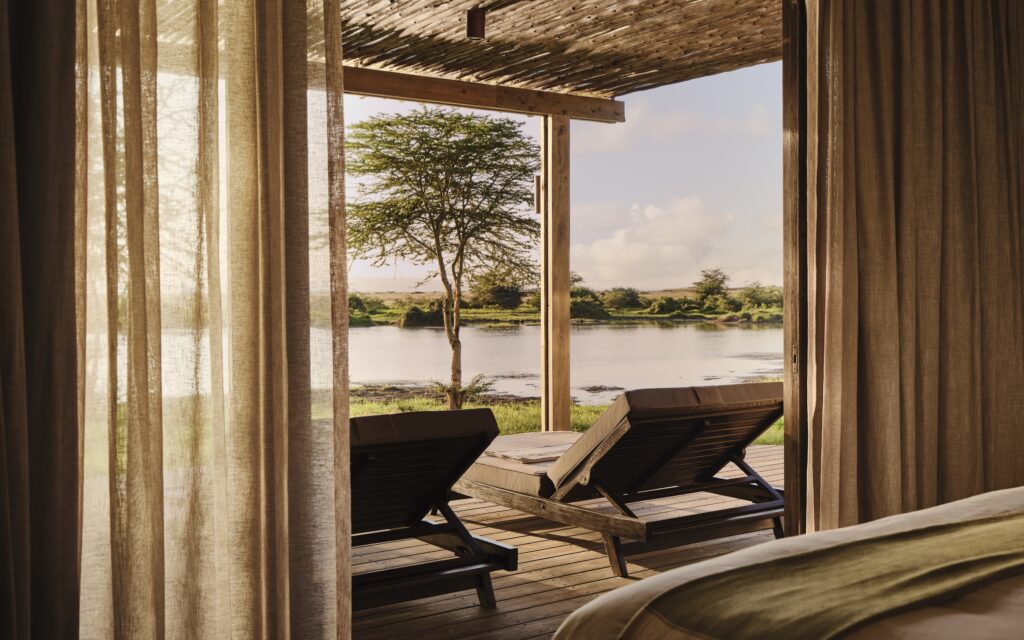
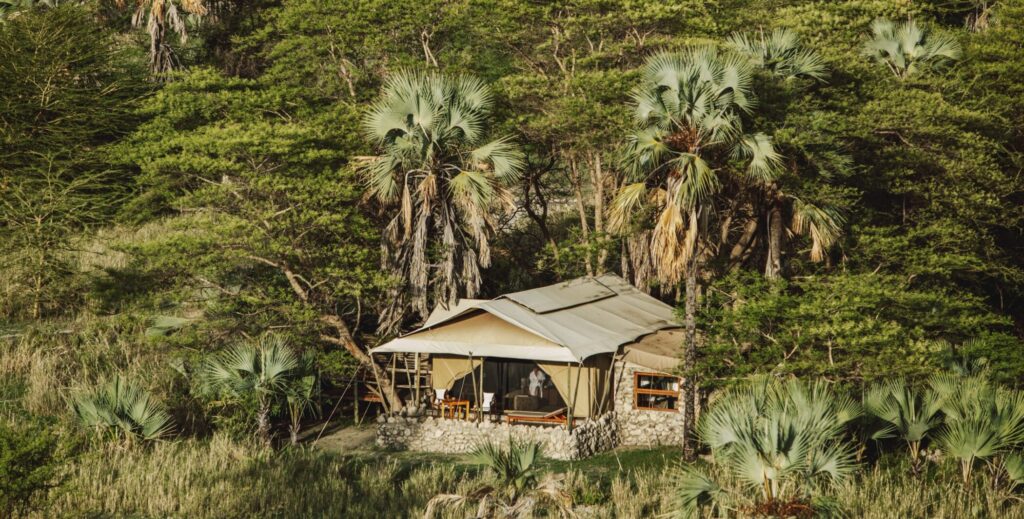
The architecture follows a low, horizontal profile, carefully tucked into the slope of the hill so that it sits within the landscape rather than on top of it. It is conceived almost as a “sliver in the mist” – subtle, quiet, and deferential to the forest. We deliberately avoided any vertical or dominant forms; there are no tall structures that interrupt the canopy or draw the eye away from the natural horizon.
Local materials were used throughout, not only for authenticity but to ensure the building visually dissolves into its surroundings. Stone, timber, and natural textures echo the tones of the forest, allowing the lodge to feel as though it has always belonged there. Nothing is designed to compete with nature or become an eyesore; instead, the architecture steps back and allows the landscape to take centre stage.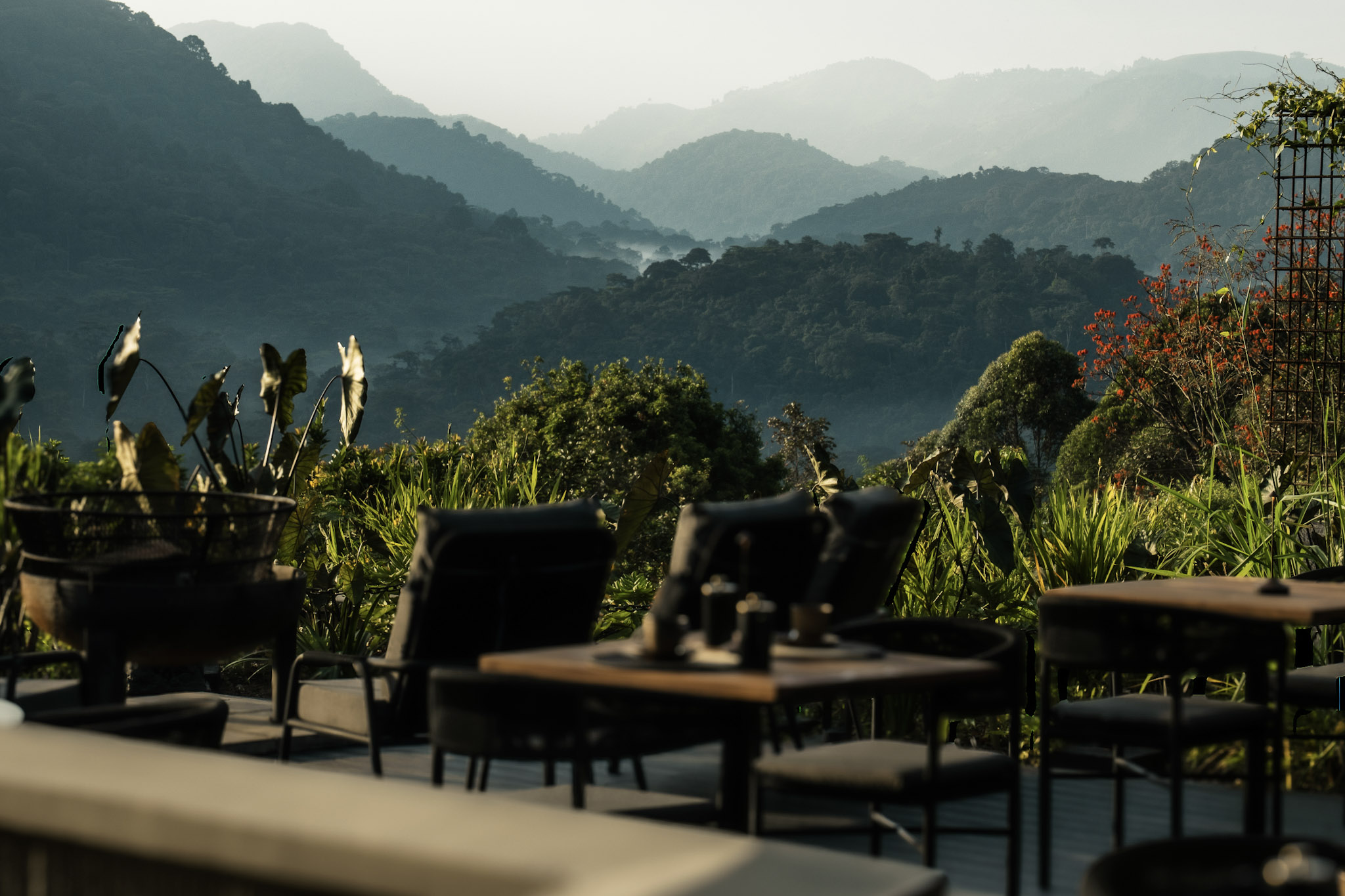
Gorilla trekking is one of the world's most extraordinary wildlife encounters. How did you translate the emotional impact of that experience into the interiors, atmosphere and guest journey at Silverback?
At Silverback, storytelling begins the moment you step onto the property. A bronze gorilla sculpture stands as a symbolic guardian of the lodge. Even the retail space has been designed as a conceptual “cage” – not to reference captivity, but to provoke reflection on conservation, protection, and the fragile history of these animals.
Throughout the interiors, we have incorporated reclaimed snares, and transformed into sculptural lighting pieces such as chandeliers. What were once tools of harm are reimagined into objects of beauty and awareness, reminding guests of the conservation journey that has made gorilla trekking possible today. This contrast between past and present deepens the emotional resonance of the experience.
Sound and ritual also play a vital role. Traditional chants around the lodge are used to prepare guests mentally and emotionally for the trek ahead, building anticipation and a sense of reverence for the journey into the forest. It is not just a departure, but a rite of passage.
When guests return from the trek, often physically exhausted but emotionally transformed, the experience continues with equal care. Our spa team is ready to ease the strain of the journey with treatments specifically designed to restore body and mind after the demands of the forest. At the same time, our culinary team ensures that every preference is anticipated and met, offering bespoke dining experiences that restore energy and extend the sense of comfort and care.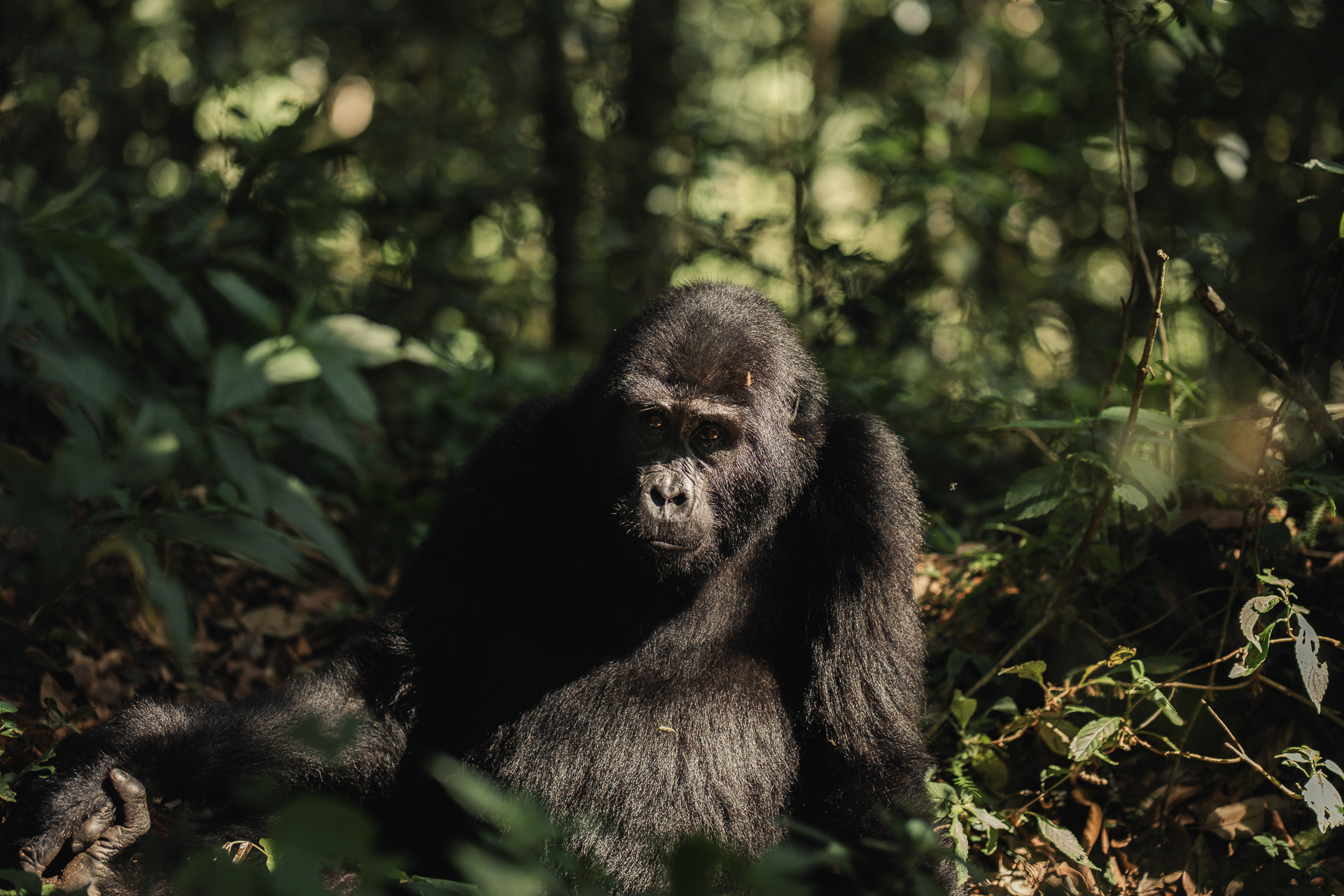
Globetrender has observed that luxury hotels are increasingly becoming cultural platforms rather than simply places to stay. How important was it for Silverback to showcase Ugandan craftsmanship, artisans and creative talent as part of the guest experience?
For Marasa Africa, this was never about adding local art as decoration. We have been part of Uganda for over 30 years, so supporting Ugandan talent is part of who we are. With Silverback, we wanted to elevate that commitment by making local craftsmanship an integral part of the guest experience.
Every piece throughout the lodge has been thoughtfully curated and created with meaning by Ugandan artisans, designers and craftspeople. From the materials and furniture to the artwork and handcrafted details, the lodge tells the story of Uganda through the people who create it.
By celebrating Ugandan talent, Silverback becomes more than a luxury lodge – it becomes a platform that showcases the country’s extraordinary creative identity to a global audience.
Many luxury brands now talk about sustainability, but your philosophy frames tourism itself as a force for conservation. What does that mean in practice, and how do you ensure that conservation isn't simply part of the marketing narrative?
Tourism, when done responsibly, is one of the most powerful forces for conservation. At its best, it creates a sustainable ecosystem where wildlife, local communities and hospitality all depend on and strengthen one another.
In practice, that means tourism generates livelihoods for people living alongside protected areas, giving communities a direct economic stake in preserving the natural environment rather than exploiting it. Revenue from tourism also supports critical conservation initiatives, from anti-poaching patrols and wildlife veterinary clinics to habitat protection, research and education.
It’s a circular system: tourism depends on thriving wildlife, and wildlife increasingly depends on responsible tourism. If those economic opportunities for local communities disappeared, many people would have little choice but to turn back to activities such as poaching or unsustainable land use simply to survive.
For us, conservation is not a marketing message, it’s the foundation of our business model. The success of our lodges is inseparable from the health of the ecosystems and communities around them. If the forest thrives, wildlife thrives. If wildlife thrives, tourism thrives. That’s what makes conservation not just an ethical responsibility, but also an economic one.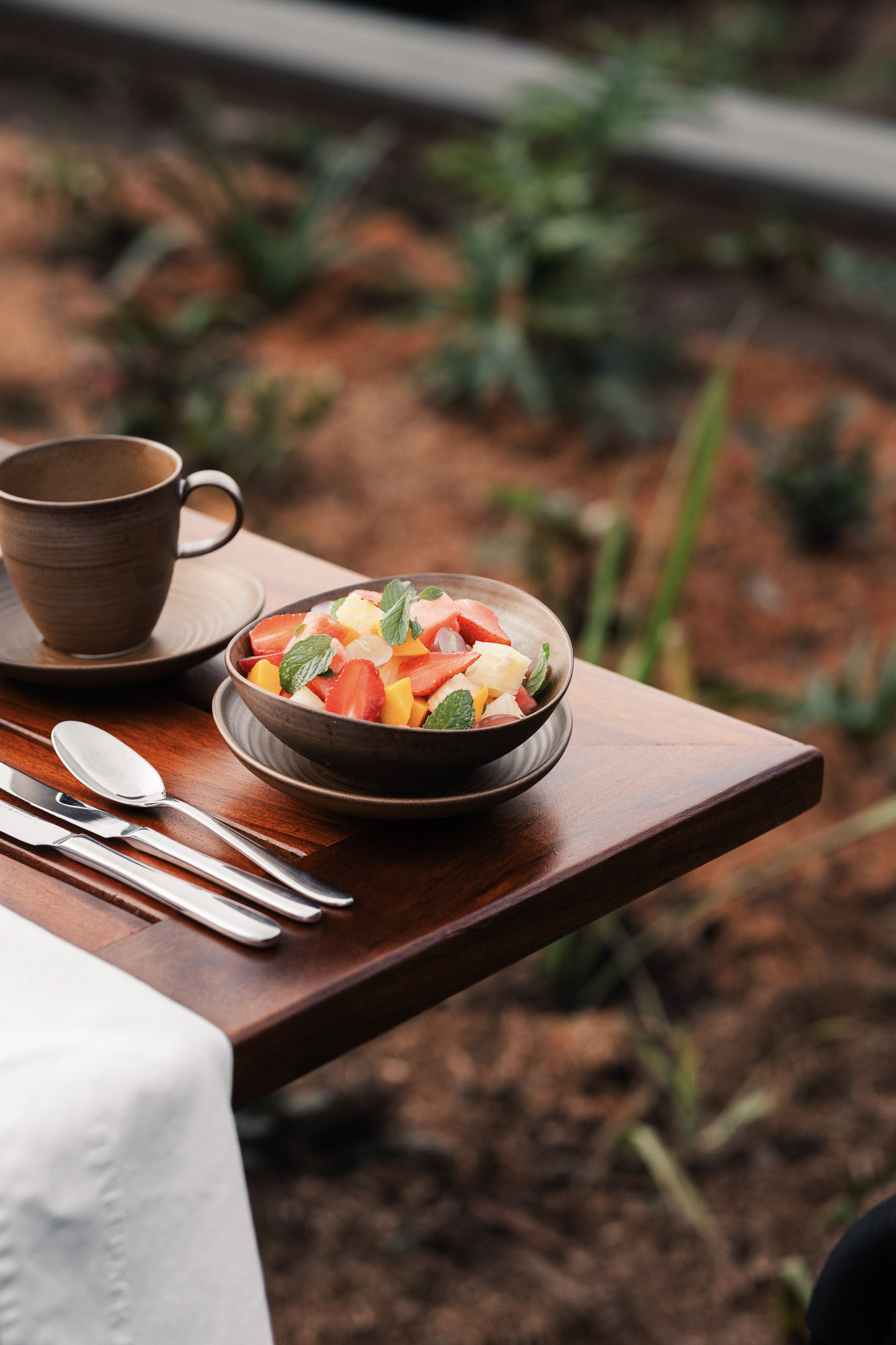
Travellers increasingly want to know that their holidays are creating a positive legacy. How do you think expectations around responsible luxury have evolved over the past decade, and where do you see them heading next?
Over the past decade, we’ve seen a fundamental shift in what luxury means. Guests no longer measure luxury solely by beautiful rooms or exceptional service; they increasingly want to know that their stay has a positive impact. Today’s traveller wants authenticity, transparency and purpose. They want to understand how their visit supports local communities, protects wildlife and contributes to preserving the places they’ve come to experience.
I believe responsible luxury is no longer a niche expectation – it’s becoming the benchmark. The next evolution will be moving beyond sustainability as a promise and towards measurable impact. Guests will expect to see tangible evidence of how tourism is funding conservation, creating meaningful local employment and safeguarding cultural heritage.
Our role is to create extraordinary experiences while ensuring every guest leaves knowing they have contributed to something much bigger than their holiday.
Across East Africa, we're seeing a new generation of hospitality projects that feel more design-led, locally rooted and environmentally conscious. What excites you most about the future of African luxury hospitality, and where do you think the industry still has work to do?
What excites me most is seeing African luxury hospitality become increasingly confident in expressing its own identity. For many years, the benchmark was to look outward to international designers and global trends. Today, we’re seeing a new generation of projects drawing inspiration from local architects, artisans, artists and craftspeople to create spaces that are unmistakably African, yet thoroughly contemporary. That shift is producing hotels with a level of authenticity and originality that simply can’t be replicated prompting new design talent locally in Africa.
I also believe the future of luxury lies in creating hotels with soul. Beautiful design alone is no longer enough. Guests want to feel an emotional connection to a place through its people, its stories, its culture and its surroundings. At Silverback, we often say, “You have to visit to understand.” There is an intangible quality that can’t be captured in photographs or marketing copy – it has to be experienced. That sense of place is what transforms a stay into something unforgettable.
Where I believe the industry still has work to do is in ensuring that sustainability is genuine rather than performative. Being environmentally conscious has become an important part of the luxury conversation, but too often it’s treated as a marketing message instead of a deeply embedded philosophy.
Responsible tourism should be evident in every decision – from how local communities benefit to conservation efforts, to the way a property is built and operated. Guests are becoming increasingly discerning, and authenticity, whether in design or sustainability, is ultimately what will define the next generation of African luxury hospitality.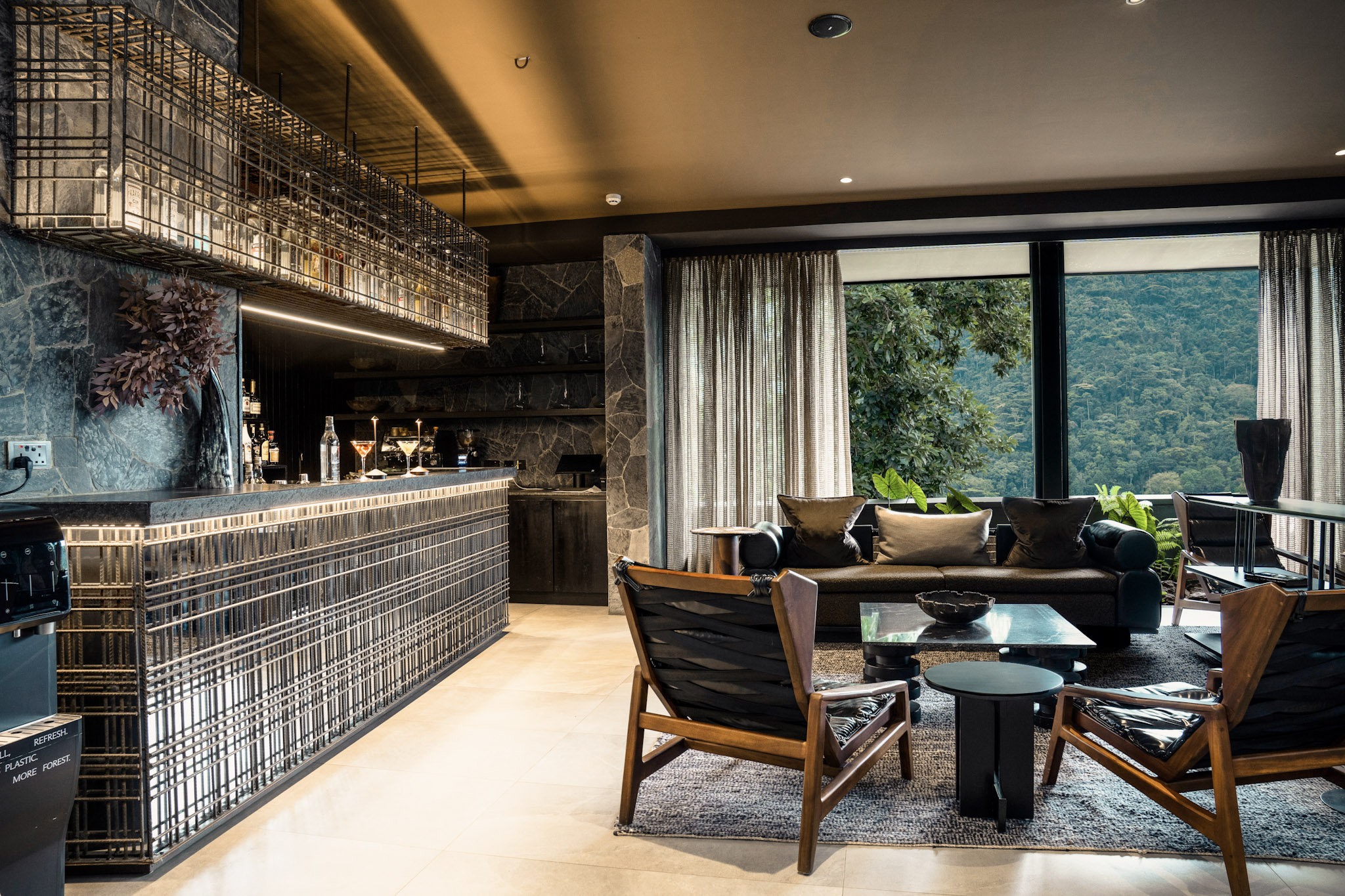
Wellness at Silverback is centred on recovery, restoration and connection with nature rather than elaborate spa rituals. Do you think we're entering an era where luxury is increasingly defined by how a place makes us feel, rather than what it offers us?
At Silverback, the focus is not on elaborate spa rituals, but on recovery, restoration, and a deep reconnection with nature. We are increasingly seeing that luxury is no longer defined by excess or complexity, but by how a place makes you feel. A simple lodge in the right setting can leave you feeling revived, grounded, and even reborn, while a five-star hotel with every possible amenity can sometimes feel strangely empty.
That is why balance is so important. A hotel must cater to the soul of the guest, not just the expectations of status or scale. Luxury should not be a race to be the biggest or the highest rated – it should be about emotional resonance, authenticity and meaning.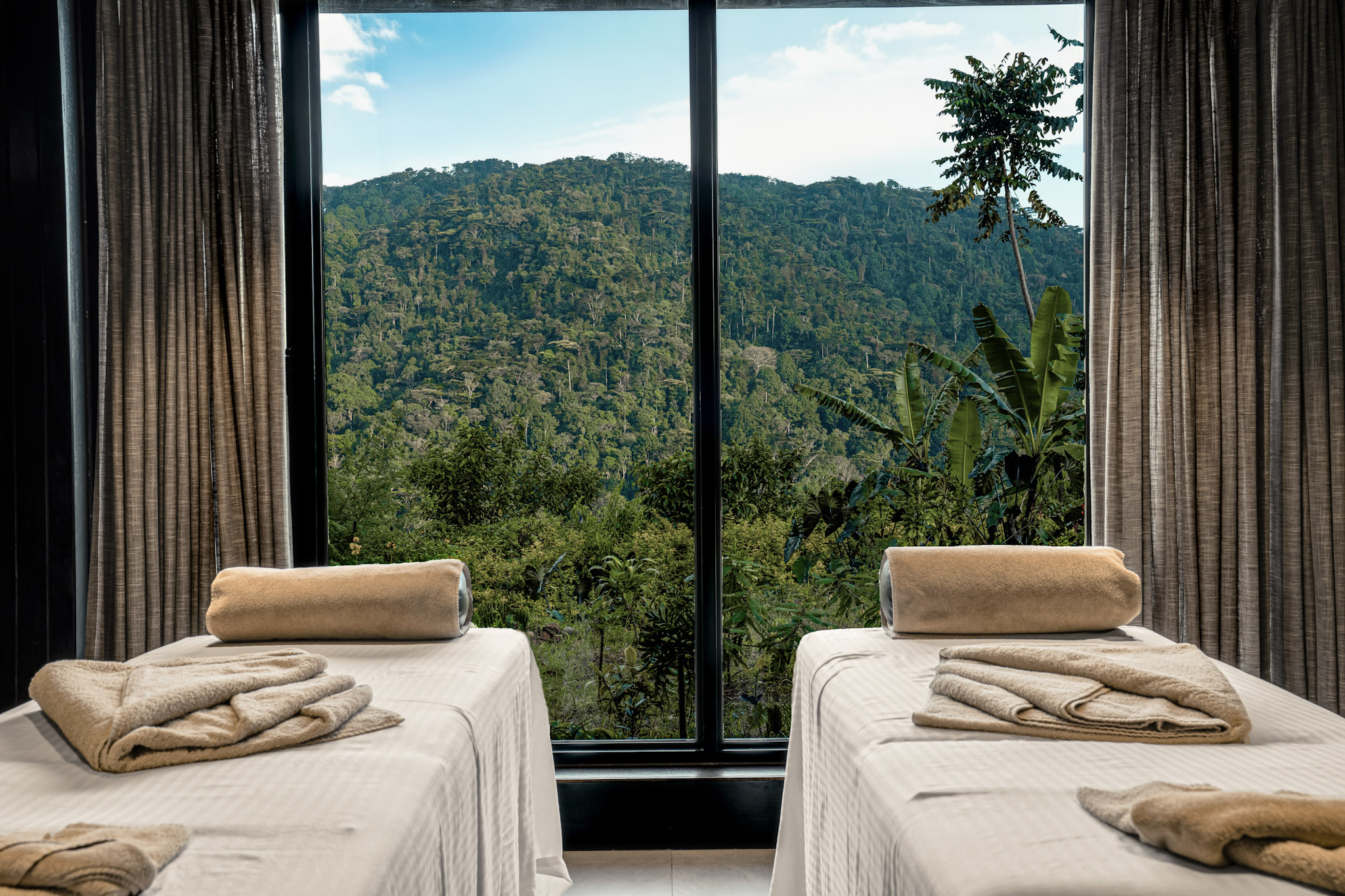
Looking ahead ten years, what do you hope Silverback will have inspired – not just in Bwindi, but across the wider safari and conservation tourism industry?
I hope Silverback inspires the industry to realise that you don’t have to be big or loud to create a truly exceptional hotel. Luxury is about understanding elegance, thoughtful design and an obsessive attention to detail. Every element should have purpose and create an emotional connection with the guest.
As one of the first true five-star properties in Bwindi, I hope Silverback becomes a benchmark for what is possible in the region and encourages others to raise the standard of hospitality while remaining authentic to the destination.
More broadly, I hope it helps redefine what an African safari can be. Safari doesn’t have to follow the same traditional formula. It can be contemporary, design-led, deeply rooted in its local culture and still deliver an unforgettable connection with nature. If, in ten years’ time, Silverback has encouraged the industry to think differently about both luxury and conservation tourism, then I think we will have achieved something meaningful.