

US travellers drive growth in African safari bookings
New data from Asilia Africa shows US travellers now account for almost half of all safari bookings, while demand for longer stays and immersive experiences continues to rise.
US travellers are increasingly dominating the African safari market, according to new figures from safari operator Asilia Africa.
The company’s latest three-year analysis of guest bookings, covering 2023/24 to 2025/26, shows that travellers from the US now represent the largest source market by a wide margin, accounting for nearly half of all bookings. The UK follows in second place with 9%.
Together, the top five source markets — the US, UK, Canada, Australia and Germany — account for more than two-thirds of all bookings measured by bednights.
The data also points to changing traveller behaviour, with guests seeking longer stays and more immersive experiences, particularly in remote safari destinations.
Average stay length across Asilia Africa’s portfolio rose slightly to 2.8 nights in 2025/26, following two years at 2.7 nights. While the increase is modest, the company says it reflects growing demand for slower, deeper safari travel.
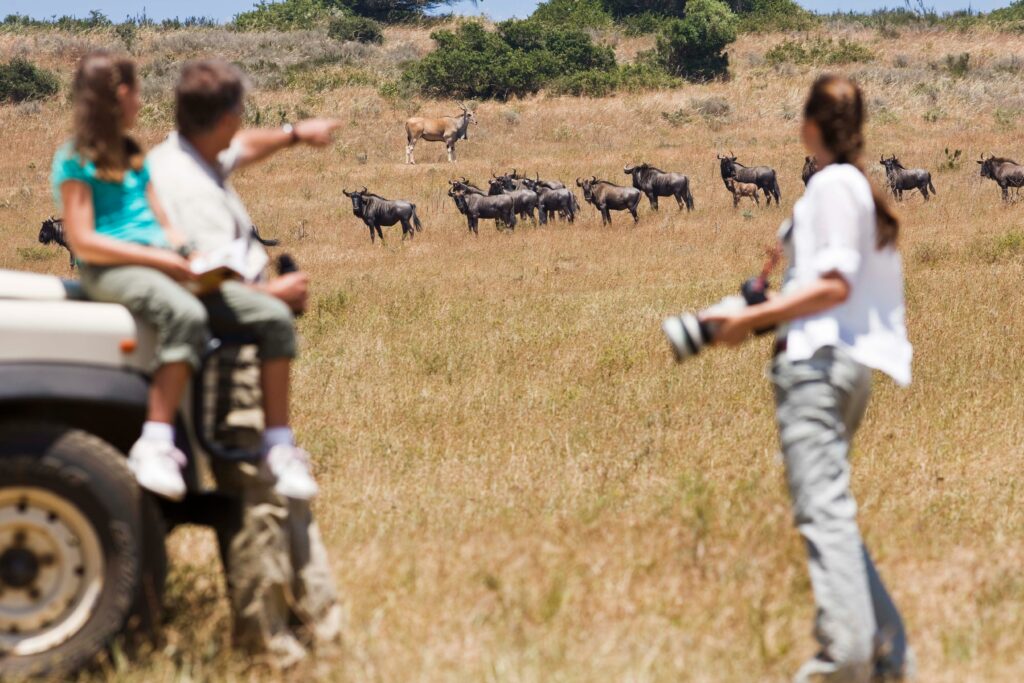
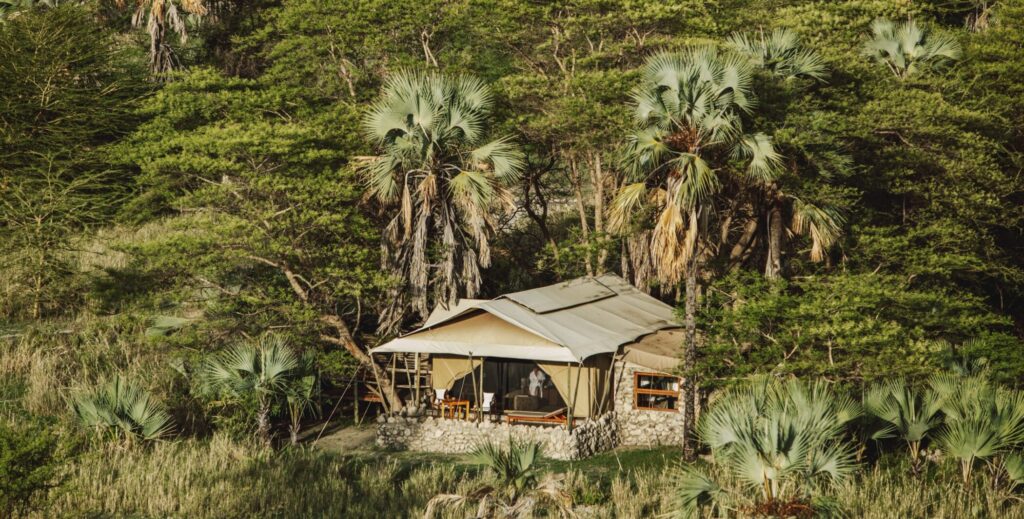
Namiri Plains in northern Tanzania recorded the biggest rise in average stay length, reaching 3.5 nights in 2025/26 — an increase of 0.7 nights year on year. The Serengeti camp achieved the highest average stay across the portfolio.
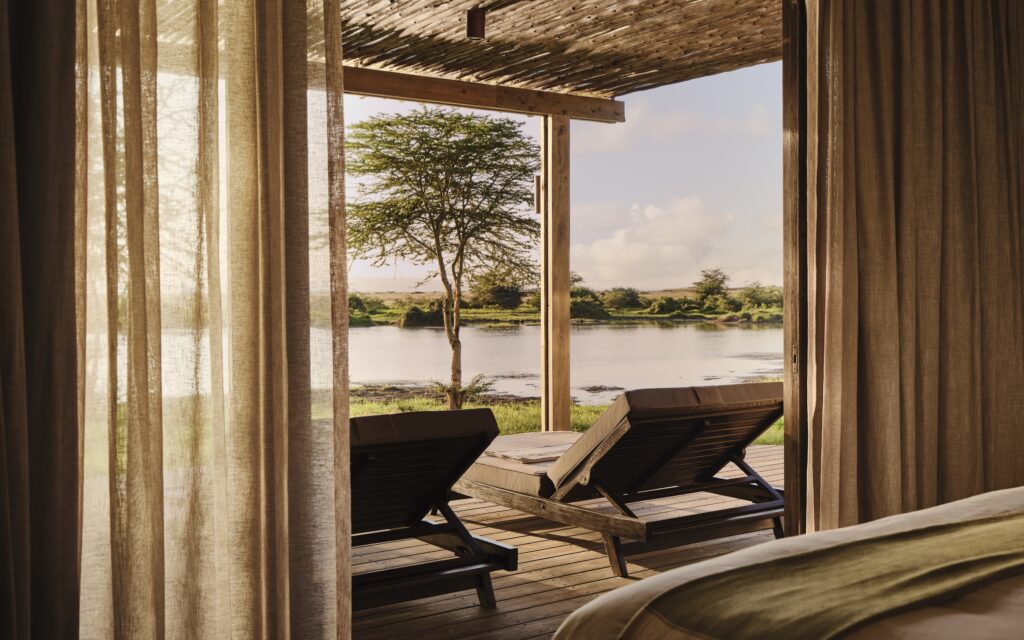
The Retreats at Namiri Plains, which offer private villa-style accommodation aimed at groups and multi-generational travellers, were identified as a key factor behind the increase.
Monika Iuel, head of commercial at Asilia Africa, says: “As a camp sitting in a remote part of the Serengeti, Namiri Plains remains central to its protection. Its exceptional big cat sightings make it one of the most distinctive safari experiences in the region. Through our All Asilia product, guests are choosing to stay longer, allowing for a deeper connection to both the landscape and its wildlife.”
The report found that camps located in remote or distinctive wilderness areas consistently encouraged longer stays. Only one property recorded a decline in average stay length between 2024/25 and 2025/26, falling by just 0.1 nights.
Alongside longer stays, activity bookings have also risen sharply. Asilia Africa reports that experience bookings increased by almost 59% year on year, followed by a further 38% increase the following year.
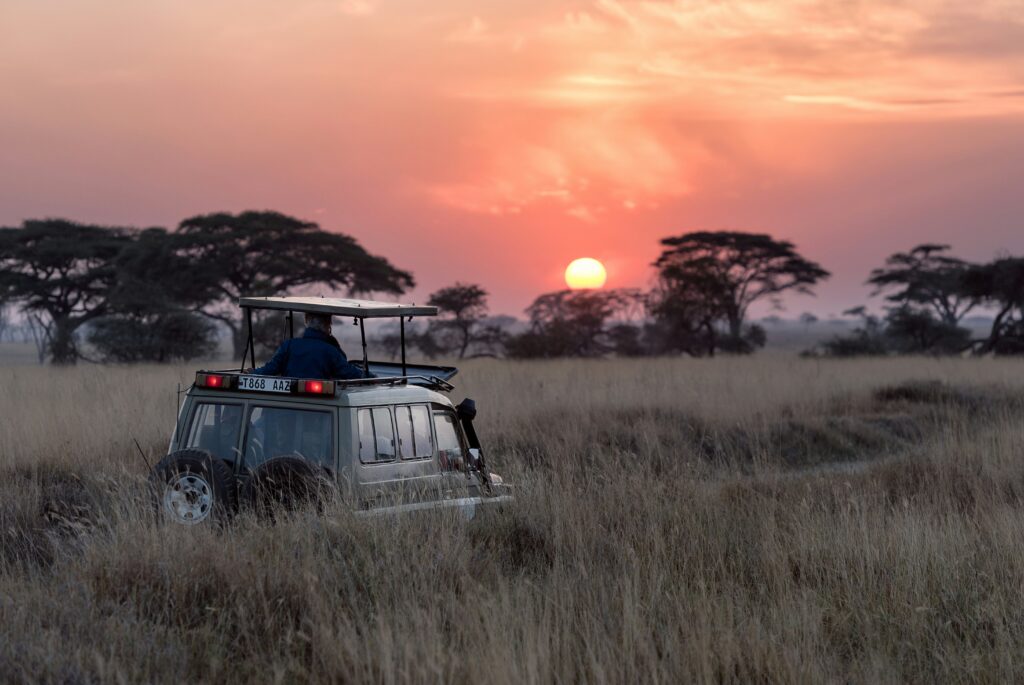
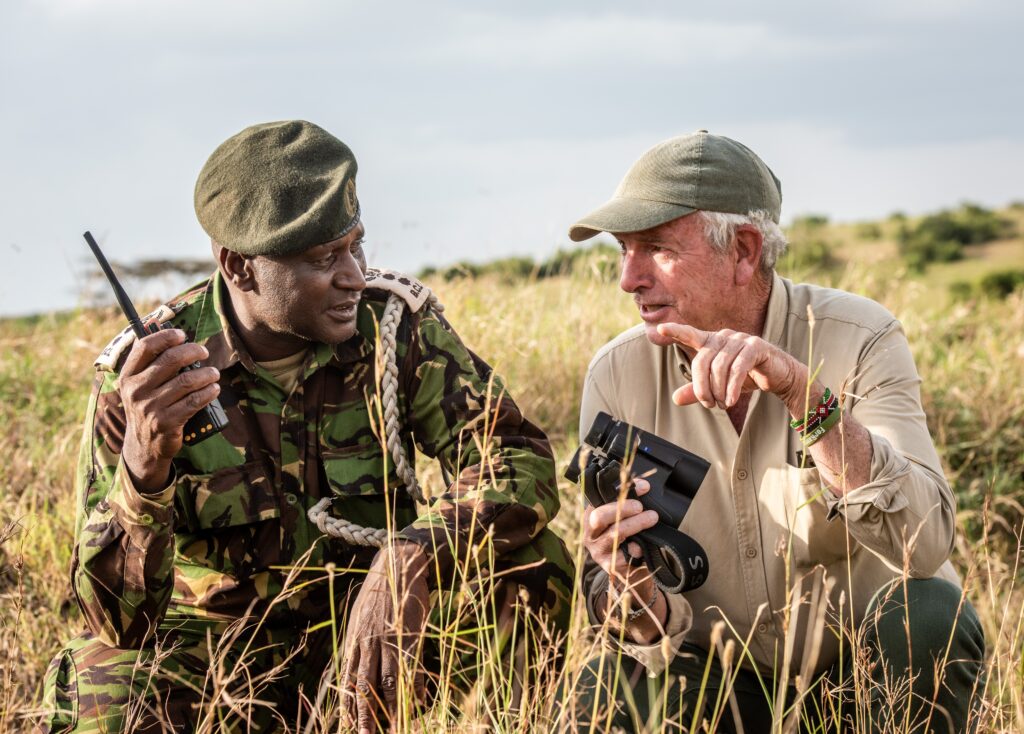
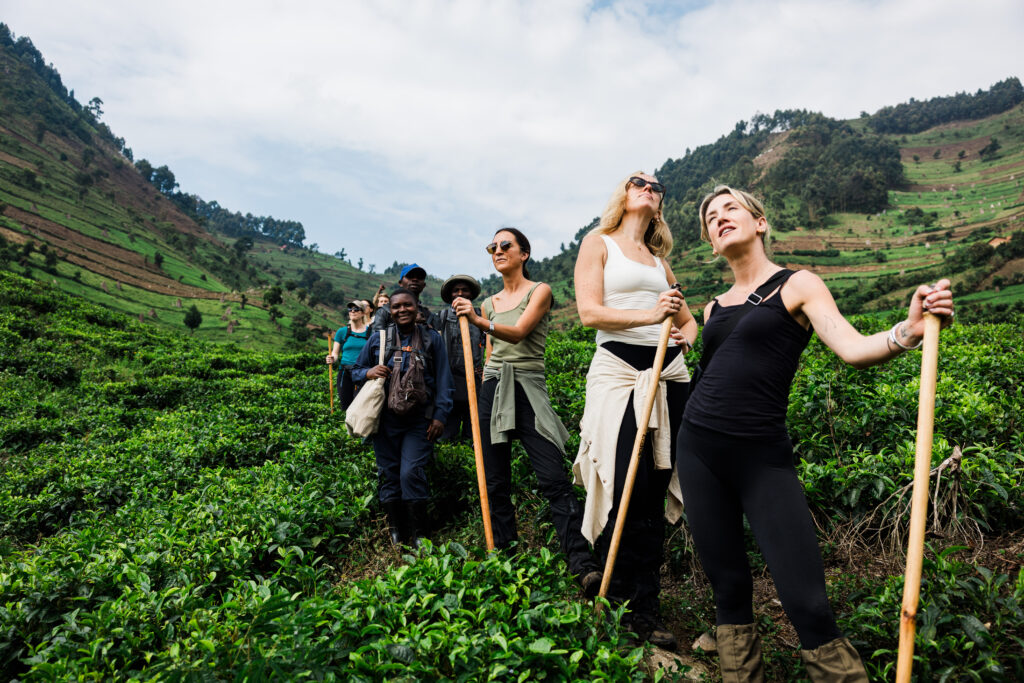
Game drives remain the core safari activity, but conservation and cultural experiences are growing rapidly in popularity. The company says travellers are increasingly looking for more meaningful and educational experiences alongside wildlife viewing.
Despite the growing number of activities available, demand remains concentrated around a smaller group of curated experiences focused on safari, conservation and local culture.
While the US remains the dominant market, Asilia Africa also recorded strong growth from several emerging markets. Bookings from Mexico more than tripled during the reporting period, while bookings from China increased six-fold initially before growing by a further 50%. Italy also recorded triple-digit growth from a smaller base.
Australia delivered steady growth throughout the three-year period, ending with an overall increase of 32%. Meanwhile, traditionally strong European markets including Switzerland, France, Norway, Austria and Belgium remained stable.
The findings reflect wider trends in luxury travel, where affluent travellers are increasingly prioritising experiential journeys, longer itineraries and remote destinations over fast-paced, multi-stop trips.
Asilia Africa operates camps across East Africa with a focus on conservation-led tourism and wilderness protection. The company says its model is designed to support local communities while preserving wildlife habitats through low-impact tourism.