


GLP-1 weight-loss drugs could reduce airline fuel costs
The growing popularity of weight-loss drugs such as Ozempic and Wegovy could lower average passenger weight and cut airline fuel bills, according to recent analysis by Wall Street firm Jefferies. Jenny Southan reports
Airlines could see an unexpected financial benefit of the "Appetite Recession" (as termed by Globetrender). Analysts say the widespread adoption of slimming drugs may gradually reduce average passenger weight, making aircraft lighter and lowering fuel consumption.
Medications known as GLP-1 drugs – including Ozempic and Wegovy – were initially developed to treat type 2 diabetes but have become widely used as weight-loss treatments. As these drugs become more common, some analysts believe the change could have knock-on effects for industries that depend heavily on weight calculations, including aviation.
Aircraft fuel requirements are closely linked to how much weight a plane carries. Even small changes in weight can affect fuel use, particularly on long-haul flights. According to analysis reported by CNBC, if average passenger weight were to fall by around 10%, the overall weight of an aircraft could decline by roughly 2%. That reduction could lower fuel consumption by as much as 1.5%. 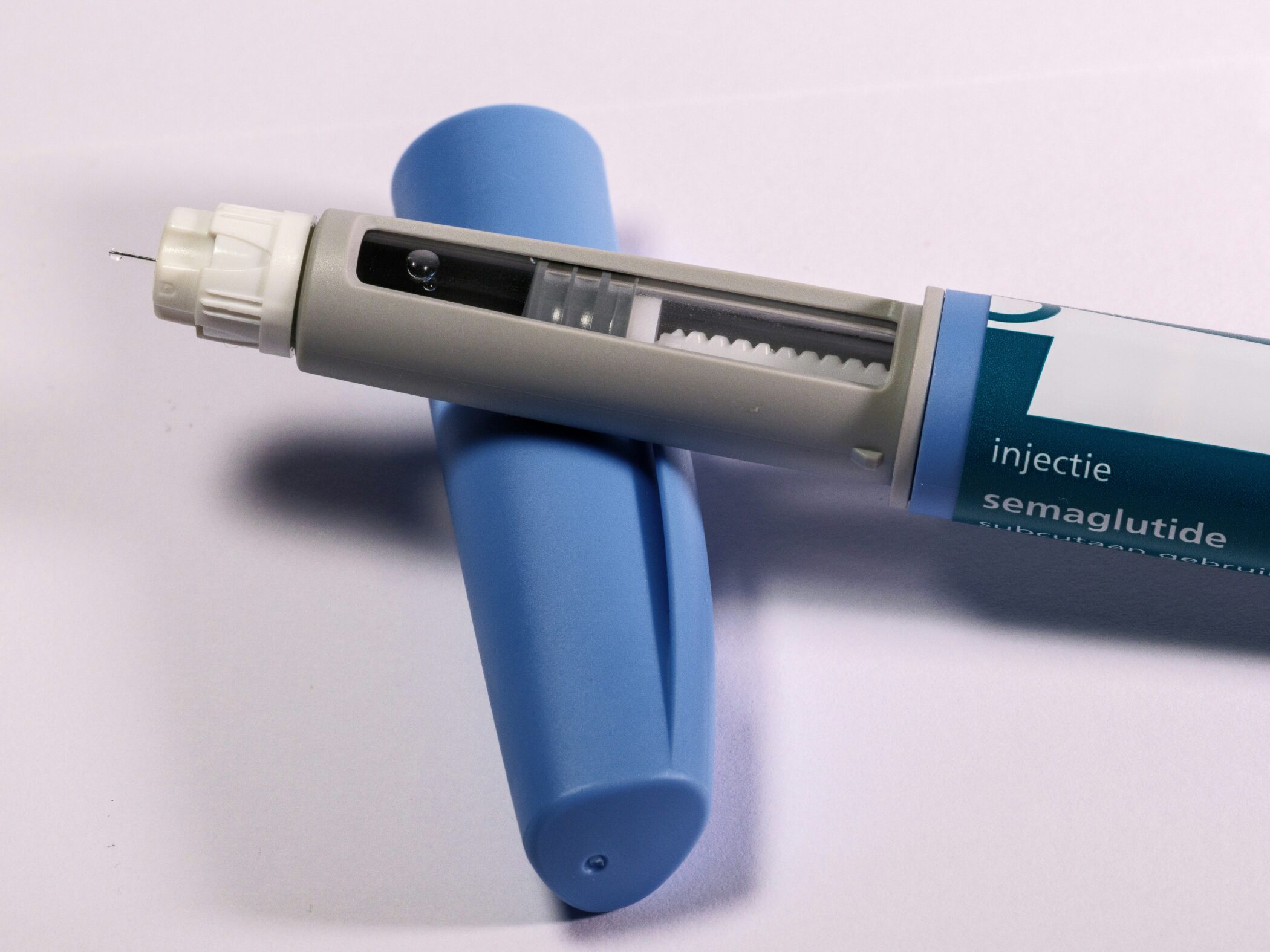

For airlines, fuel is one of the largest operating costs. The four biggest US carriers – American Airlines, Delta Air Lines, Southwest Airlines and United Airlines – are expected to spend tens of billions of dollars on fuel each year. A report from financial services firm Jefferies suggests that if passenger weight declines because of the growing use of weight-loss drugs, these airlines could collectively save as much as US$580 million annually.
The analysis highlights how closely airlines monitor weight across their operations. Every kilogram matters when it comes to fuel efficiency, which is why airlines have long sought ways to reduce weight onboard. Measures have included lighter seats, lighter catering equipment and more efficient service items.
Historically, airlines have even made small adjustments to in-flight meals to reduce weight. A widely cited example comes from American Airlines in the 1980s, when the company removed a single olive from each passenger salad, saving thousands of dollars each year in food costs and fuel.
The potential influence of weight-loss drugs reflects a wider change in public health trends. Millions of people are now using GLP-1 medications for weight management. Some surveys suggest that roughly one in eight adults in the US has tried or is currently taking one of these treatments.
If usage continues to increase, the cumulative impact on airline passenger weight could become more noticeable. However, analysts emphasise that the financial benefits for airlines would still be relatively modest compared with overall operating costs.
There may also be unexpected secondary effects. Appetite-suppressing drugs could reduce the amount of food passengers consume during flights. If travellers eat less, airlines might sell fewer snacks and onboard meals, potentially offsetting some of the savings from reduced fuel use.
The discussion also draws attention to how airlines calculate passenger weight in the first place. Rather than weighing each traveller individually, most airlines rely on standard average passenger weights determined by aviation regulators. These figures are used to calculate how much fuel an aircraft needs before departure.
If average passenger weight changes over time because of health trends, those standard assumptions may also need to be updated.