

Pickles not Porsches: Why 'soft status' is redefining luxury travel
From inner transformation to the Endorphin Economy, Globetrender founder and CEO Jenny Southan unpacks the forces reshaping luxury travel in 2026.
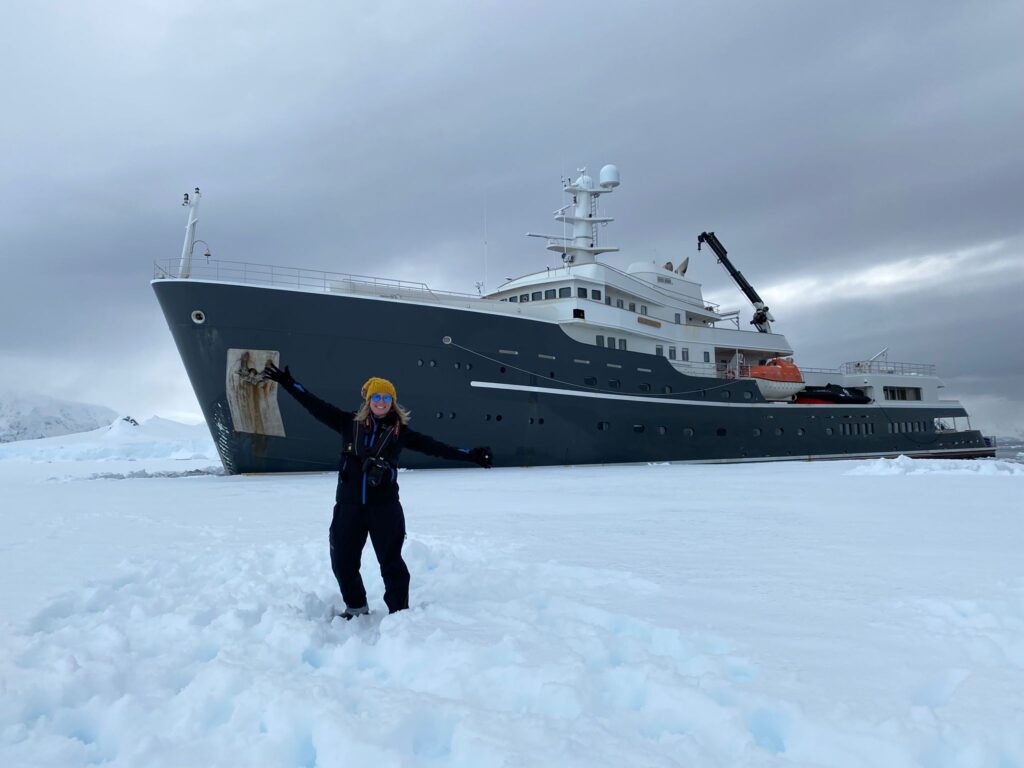
London’s the Ned has seen plenty of deal-making over the decades, but this week it hosted a different kind of currency: ideas about what travel is becoming. In a discussion attended by Catt McLeod, vice-president of Elegant Hotel Collection (pictured right) and moderated by Palm PR founder Emily Keogh (pictured left), Globetrender’s Jenny Southan (centre) argued that the next era of tourism will be defined less by accumulation and more by intention.
“These days, for me, travel is about stress testing alternative modes of living and being,” said Southan. “When I go abroad, I often ask myself, ‘Could I live here?’” She added: "In the past, it was more about banking experiences and leveraging them as status."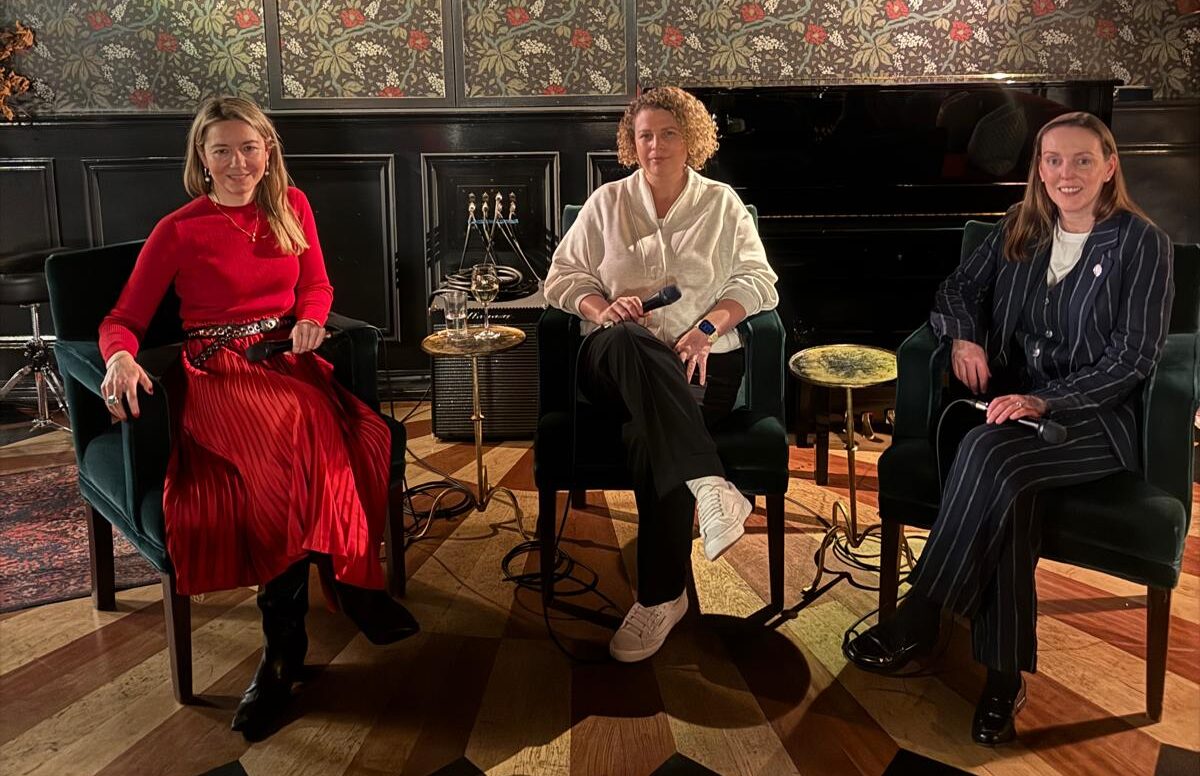
From the experience economy to the transformation economy
Southan traced the shift through a familiar framework: the experience economy has matured – and in many corners of luxury, it’s giving way to what author Joe Pine has termed the transformation economy.
“Transformation shouldn’t determine every trip you go on – that would be quite arduous and unrealistic,” she said. “But there is a distinct shift, particularly among higher net worth travellers.”
In Southan’s view, the most useful lens is Maslow’s hierarchy of needs: once safety, belonging and self-esteem are met, the uppermost drive becomes self-actualisation – and travel is increasingly being designed as a catalyst.
“It’s a journey to self-actualisation through positive change that comes out of a trip,” she said. “For many of us… transformation is the ultimate goal – enlightenment, transcendence, whatever you want to call it.”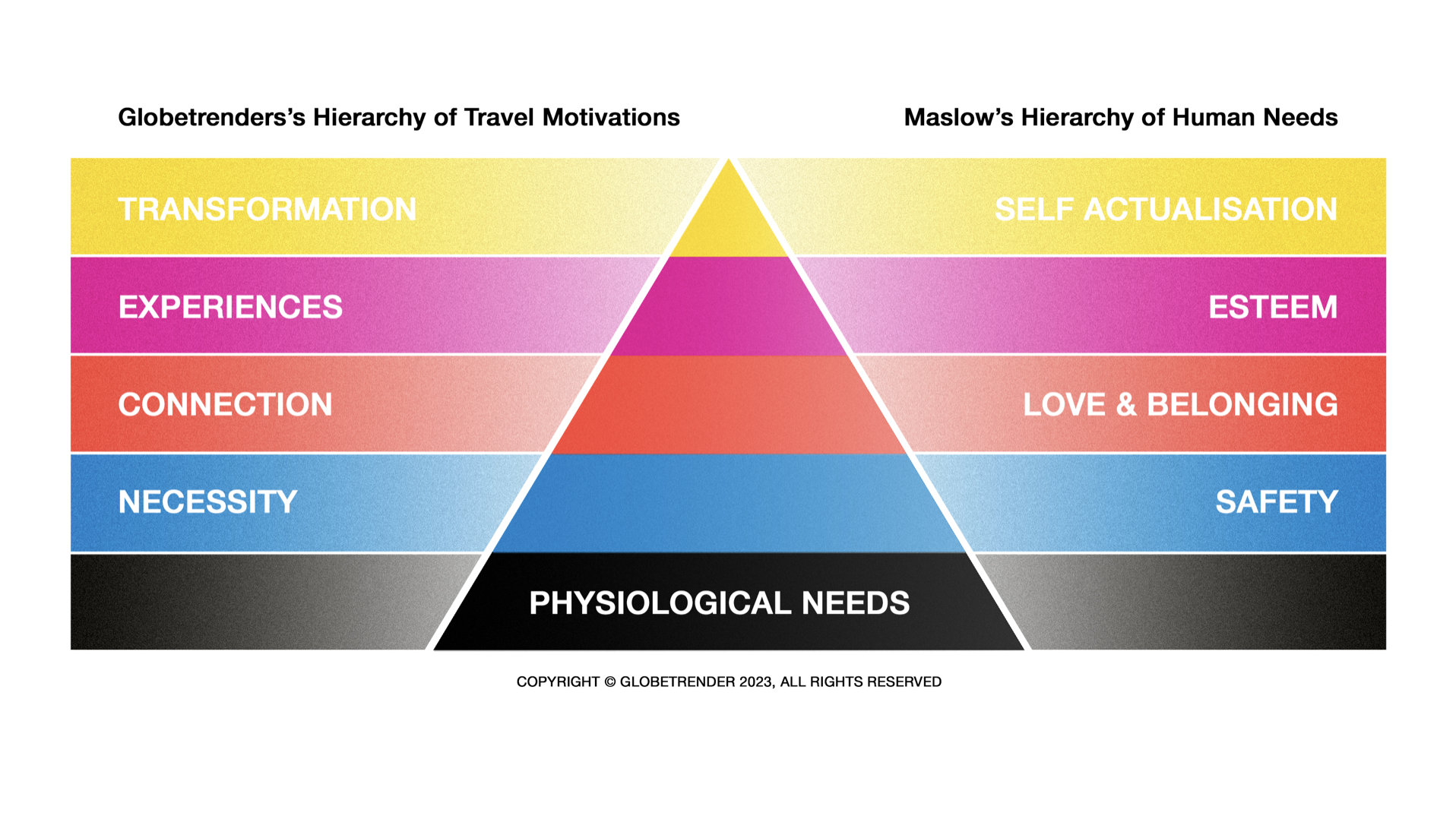
Boundary-pushing retreats – and the realism behind “transformation”
That hunger for change can be meaningful – and, sometimes, messy. Southan noted that transformational travel is “heading in a more extreme direction". She referenced a pychedelic wellness retreat she attended recently in Jamaica with Beckley Retreats.
“They’re a leader in terms of scientific credibility and the safety associated with what they offer,” Southan said, adding that the experience typically involves “preparation… a month in advance, and then integration for a month after… with very professional practitioners.”
But she was clear that “transformation” is not a guaranteed glow-up — and that the language of personal breakthrough can obscure how unpredictable these experiences can be.
“You never know, if you go on a transformation journey, what it might unlock,” she said. In her case, Southan described being surprised by the emotional intensity of the experience. “One minute I’m sitting there thinking, ‘This is nice, I feel a bit tingly,’ and the next minute I’m unable to move,” she said. “It felt like I’d been sent to another dimension.”
More unexpectedly, she said the retreat surfaced “an insane rage” — emotions she hadn’t anticipated encountering in a setting often marketed with the language of calm, clarity and healing. “When I started coming down… I was crying and feeling so angry,” she said. “It unlocked something I didn’t bargain for.”
The takeaway wasn’t shock value, but a wider point: as “transformation” becomes a mainstream travel promise, the industry will be judged on credibility, duty of care, and how responsibly it handles experiences that can be psychologically intense.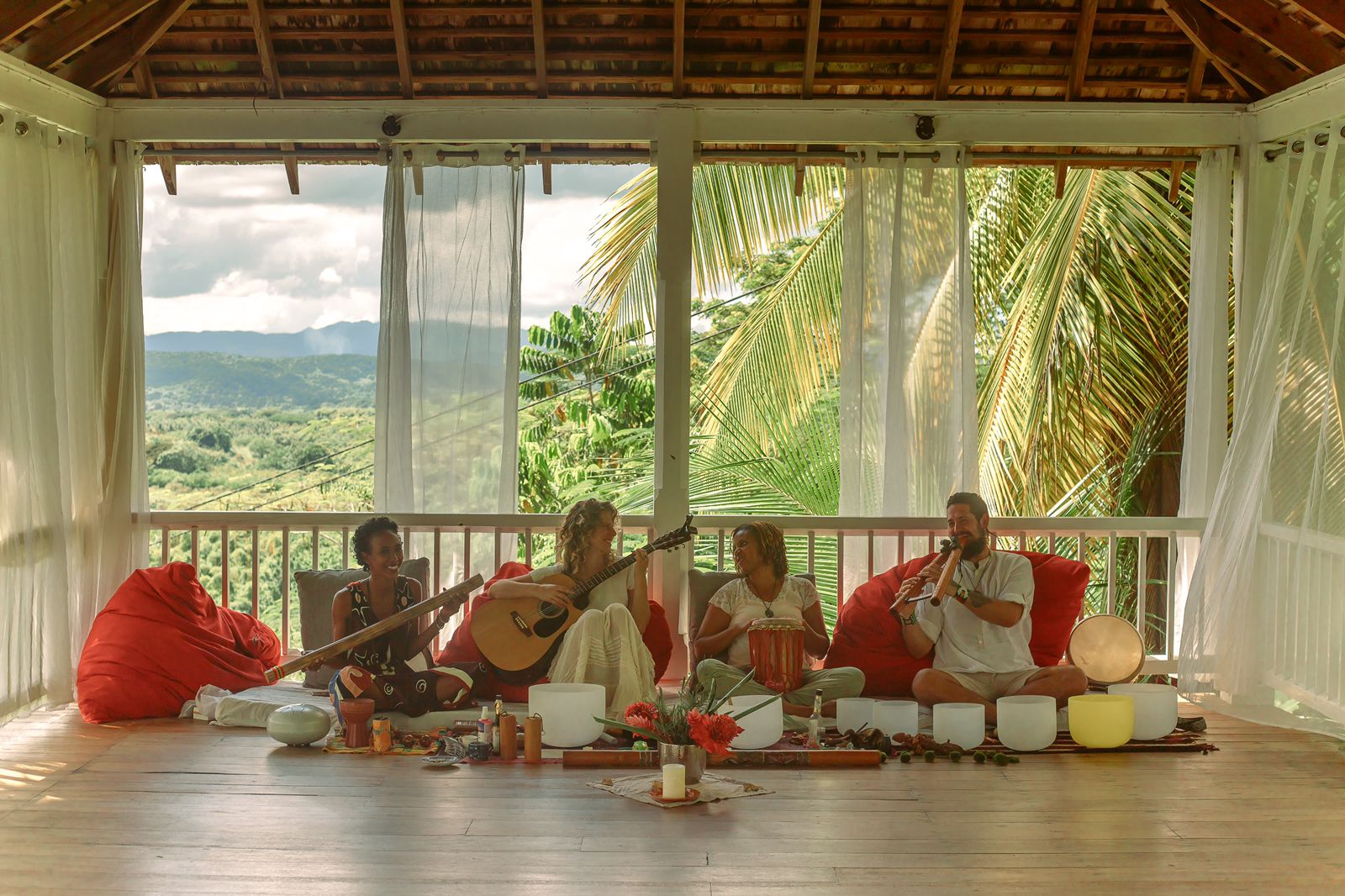
Longevity tourism: the aspiration, the anxiety, the snake oil
Longevity travel also featured heavily – along with Southan’s warning that the boom is being fuelled not only by genuine demand, but by marketing-fuelled fear.
“Underlying that thirst for a longer lifespan – ideally healthspan – is… no one really wants the party to end,” Southan said. She described longevity tourism as “at the higher echelons” of travel right now, often taking the form of “hyper-personalised medical retreats”.
But she also flagged the darker side of the trend cycle: “It’s marketing, and it’s noise in the media that is putting the idea in people’s heads… creating a new desire and a new anxiety for us.” She referenced an article in The Times that referred to "longevity fixation syndrome" among the uber rich.
And she was blunt about risk. “In the wellness sector, there’s so much snake oil,” Southan said. “You do have to be incredibly careful about what you sign up for… there’s potentially a lot of scams out there.”
In perhaps the most grounding moment of the night, she contrasted high-tech interventions with a simple, evidence-adjacent truth: community matters, especially when hundreds of thousands of people die of loneliness every year.
“What is more likely to extend your lifespan – having dinner with friends regularly,” she asked, “or having some kind of vampire blood infusion from a teenager?”
Soft status: the new luxury signals
If longevity is about optimising the self, “soft status” is about signalling values. Southan’s definition landed with the room because it was both vivid and instantly meme-able.
“Soft status might be equated to your homemade collection of pickles in jars… versus your Porsche collection,” she said. “Pickles rather than Porsches.”
In practice, she explained, soft status shows up as a preference for the handcrafted, the local, the rare – and the skills at risk of disappearing. “Things, experiences, skills that are dying become prized because they’re rare now,” she said, pointing to the UK’s “red list” of endangered heritage crafts.
The opportunity for travel brands is clear: build experiences that preserve and celebrate place-based knowledge – and do it in a way that benefits the communities who hold it.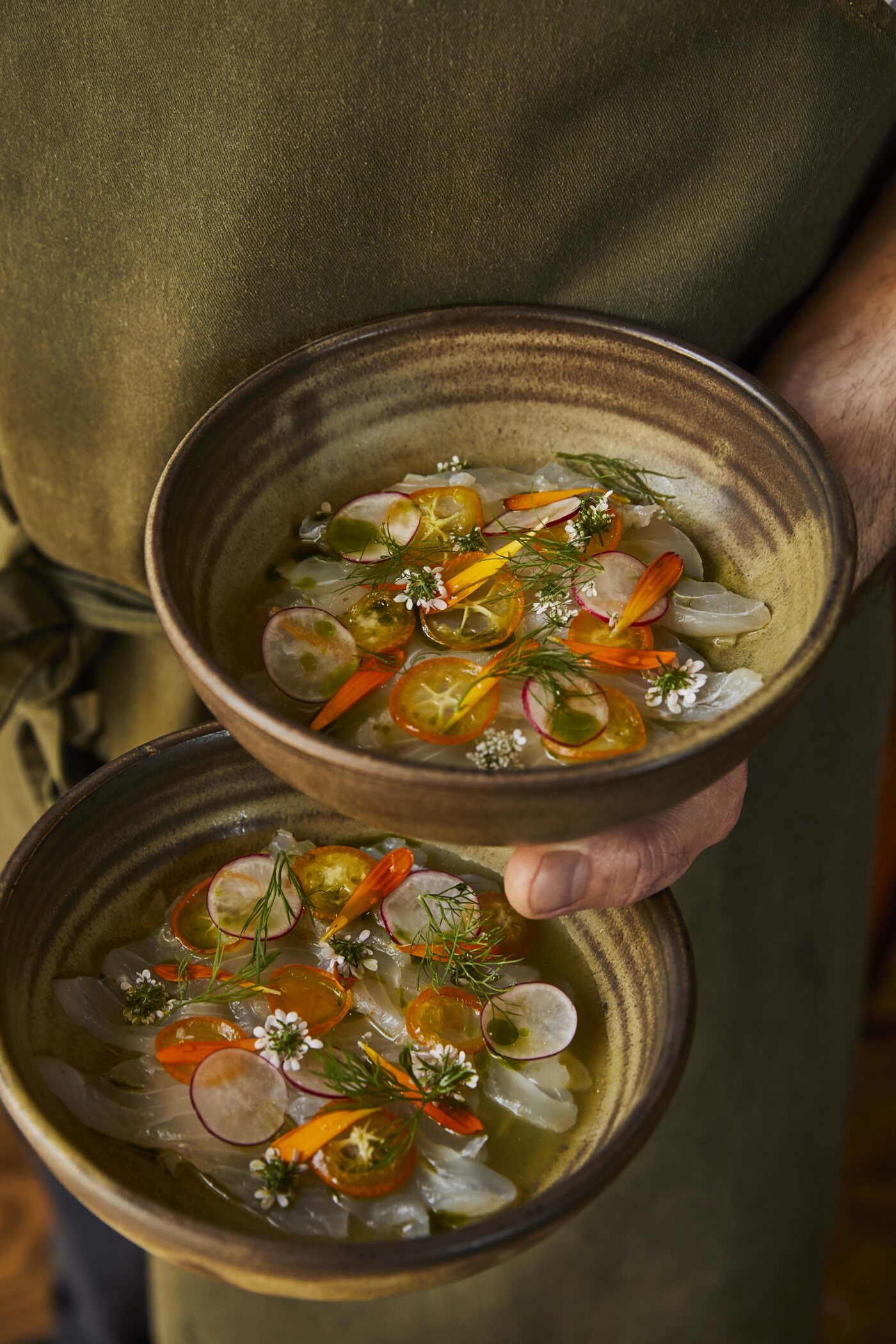
The pushback against “boring” hotels
Southan argued that one reason travellers are gravitating to story-led independents is straightforward: homogeneity is exhausting.
“We’ve seen the chains do such a great job of providing uniformity… that’s reassuring for a lot of people,” she said. “But for others, that’s really boring. This is a pushback against boring.”
She pointed to “beige-ification” and the “sea of sameness” aesthetic – spreading from chain hotels to Scandi-styled Airbnbs – as a creativity crisis in accommodation design. In a saturated market, she added, distinctive storytelling isn’t just brand-building; it’s distribution.
“It’s really hard to stand out from the crowd,” she said. “Rooting your hotel in a sense of place – its history, its story – helps you win media coverage, stand out on social, and actually look interesting online.”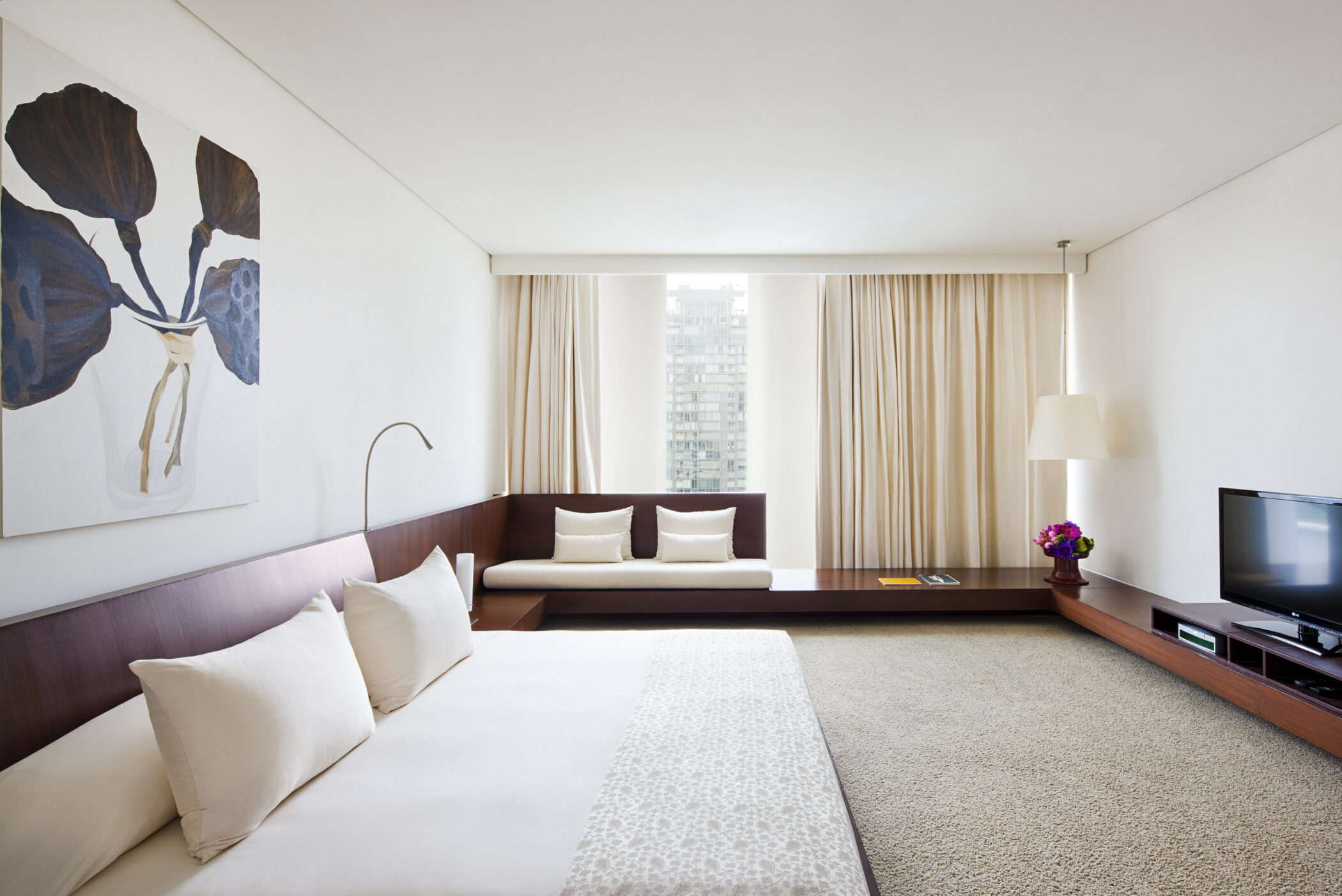
The Endorphin Economy and mood-first trip planning
Southan also highlighted what she calls the “Endorphin Economy” – a term coined by Globetrender for ALL Accor's Experiential Travel Trends 2026 report. It describes travel engineered for peak feelings – concerts, festivals, sporting spectacles – and the addictive rush of awe.
“These experiences give you an endorphin kick of excitement… you meet some incredible spectacle you’d never get in daily life,” she said. “And it’s pretty addictive.”
Notably, she connected the trend to mood-led planning: “ALL Accor’s consumer survey found that 25% of people would like to start their trip planning based on their mood and how they want to feel,” Southan said – suggesting the next battleground for brands may be emotional targeting as much as demographic targeting.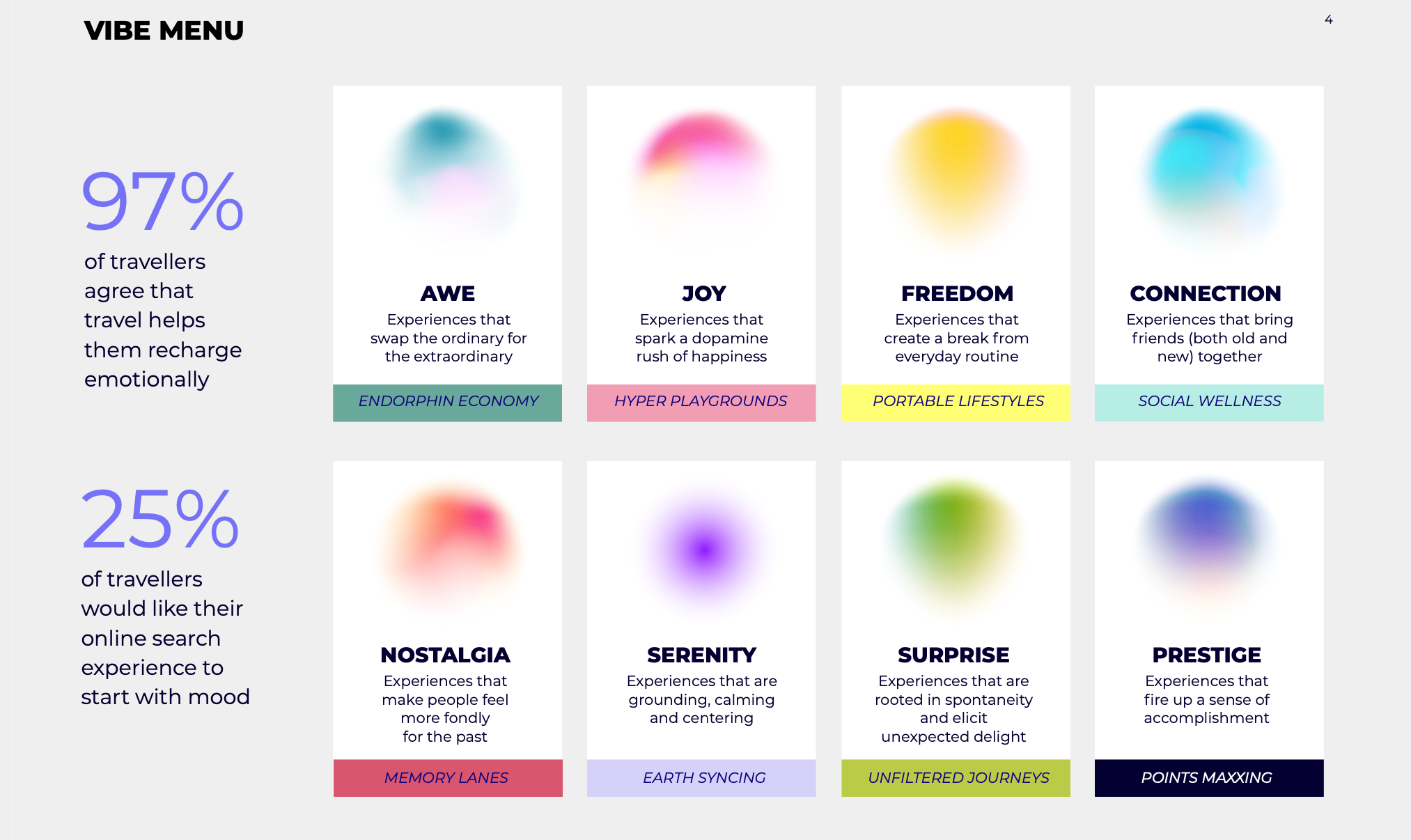
Tech that disappears – and a glimpse of travel’s “sci-fi” near-future
On technology, Southan’s position was pragmatic: the best tech fades into the background – yet the most disruptive innovations are arriving fast, especially in translation and service automation.
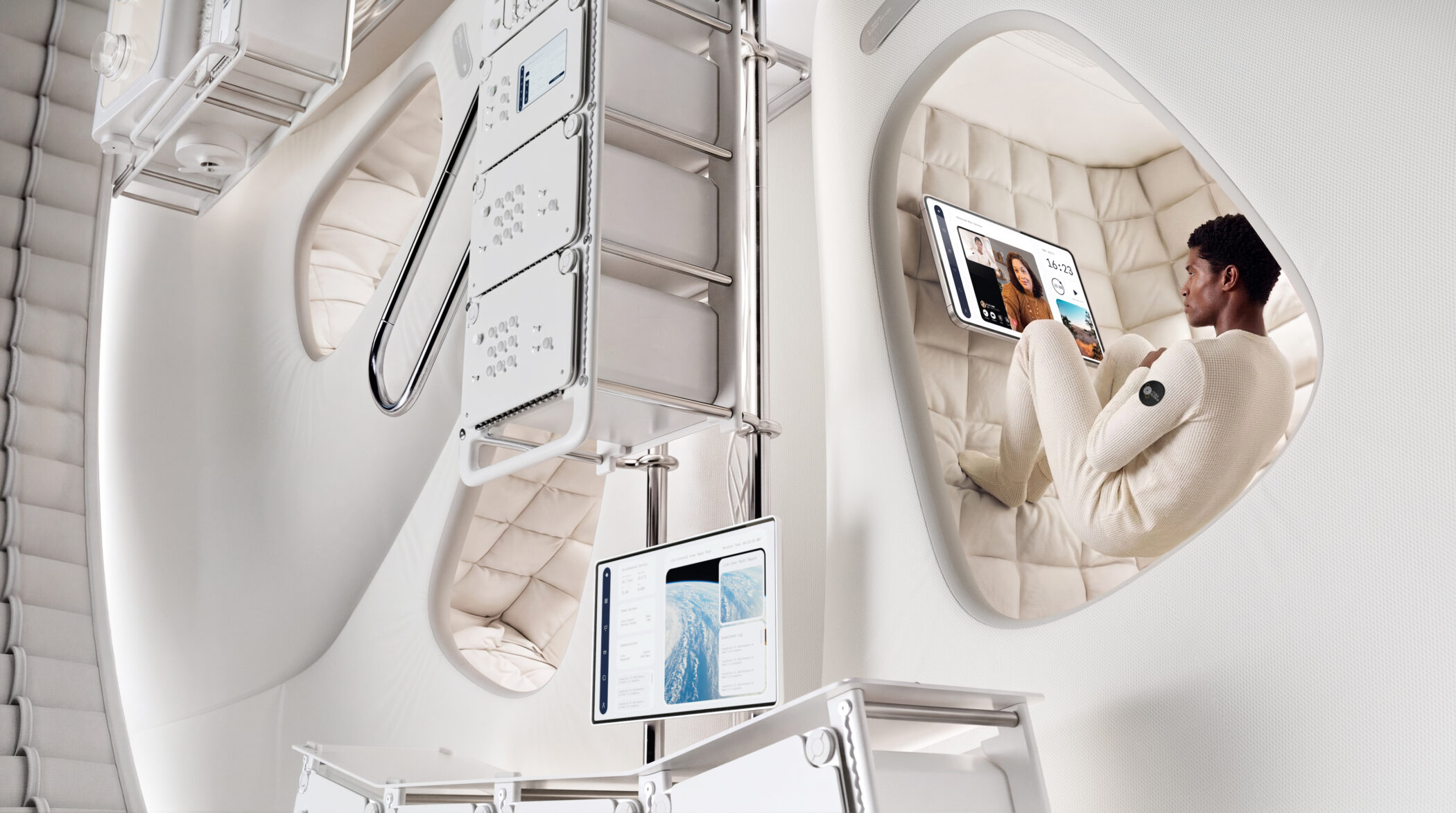
“I just got back from China… they are light years ahead,” she said, describing a 24-hour spa experience that felt “like a space station,” complete with seamless device-based translation and delivery robots “like R2-D2… whizzing down the corridors.”
Her broader point: as translation becomes ambient – from handheld devices to earbud-based live translation – barriers drop, confidence rises, and friction falls. But so does the productive discomfort of being “lost” in a new culture.
“There’s something about navigating and connecting, trying to learn some words,” she said. “And making mistakes.”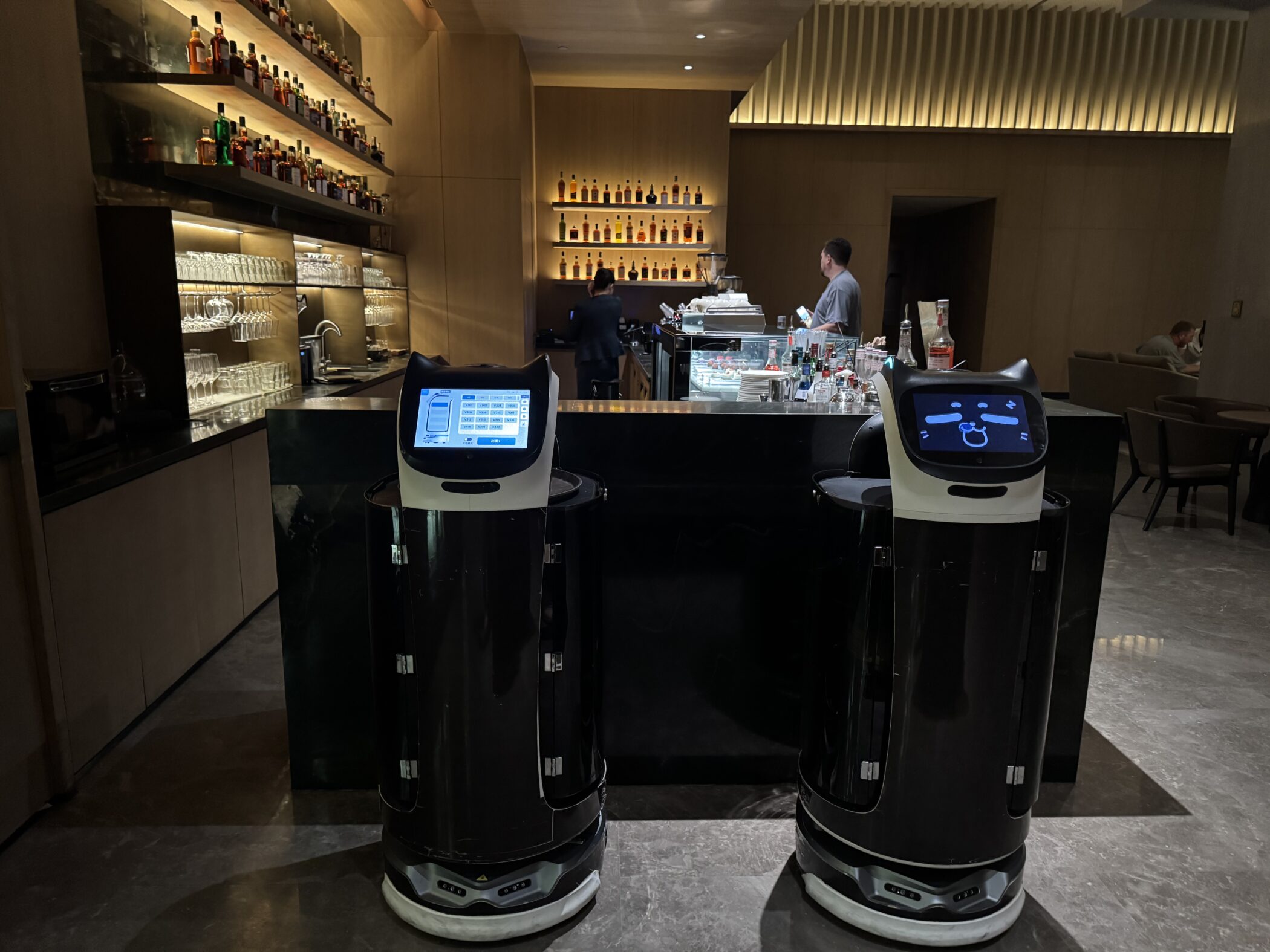
Rail: the sustainability win that still has a pricing problem
Asked about high-speed rail and sleeper routes, Southan was positive on momentum but direct about the obstacle.
“I think one of the problems is it can just be so expensive and it’s often cheaper to fly,” she said. “You pay more to travel slower… until they fix that, I don’t think it’s going to be a viable alternative for most people.”
A 2036 travel wish list: safer, more accessible, more humane
Looking ahead ten years, Southan’s hope centred on inclusion – particularly for LGBTQ+ travellers and those living with disabilities.
“I hope the world becomes an even safer place for the LGBTQ+ community,” she said. She also noted that disability is more common than many assume: “One in six people globally suffer some form of disability… wouldn’t it be wonderful if that doesn’t stop you travelling?”
She pointed to accessibility ambitions in emerging destinations as a signal of what’s possible: “The Red Sea development in Saudi Arabia aims to be the world’s most accessible tourism destination globally,” she said, calling it “inspiring”.
The bottom line for brands in 2026
The panel’s throughline was simple: travellers are still chasing joy – but increasingly they’re demanding meaning, credibility and specificity in how that joy is delivered. In Southan’s framing, the winners will be those who can design for emotion (awe, belonging, self-esteem), protect what’s rare (skills, culture, place), and remove friction without erasing humanity.
Or, as she put it, the new aspiration isn’t a louder status symbol – it’s a quieter, richly faceted life.