

Corinthia Hotels CEO presents human-centric vision for the brand's future
From branching into resorts to catering to next-gen travellers, Corinthia Hotels' CEO Simon Casson reveals what's coming next for this 'ankle-biting' challenger brand. Jenny Southan reports
You joined Corinthia Hotels in 2024 – what were you doing before?
"I was at Four Seasons for 35 years. For the last several years I was president of Four Seasons. It’s an amazing company, which is why I stayed for so long. It also went through a shift from owning assets to becoming more asset light, so there are parallels with what Corinthia is doing now."
When you reflect on the progress of Corinthia Hotels, what stands out?
"It’s been a phenomenally fast year, but that’s a good thing because it reflects positive activity. Corinthia is a small Maltese, family-founded business that began in the early 1960s as real-estate developers, largely focused on hospitality-related real estate. That has evolved, and over the past two years in particular we’ve been transitioning from owning the hotels we operate to building a management company that can operate hotels on behalf of others, which is a very distinct model. 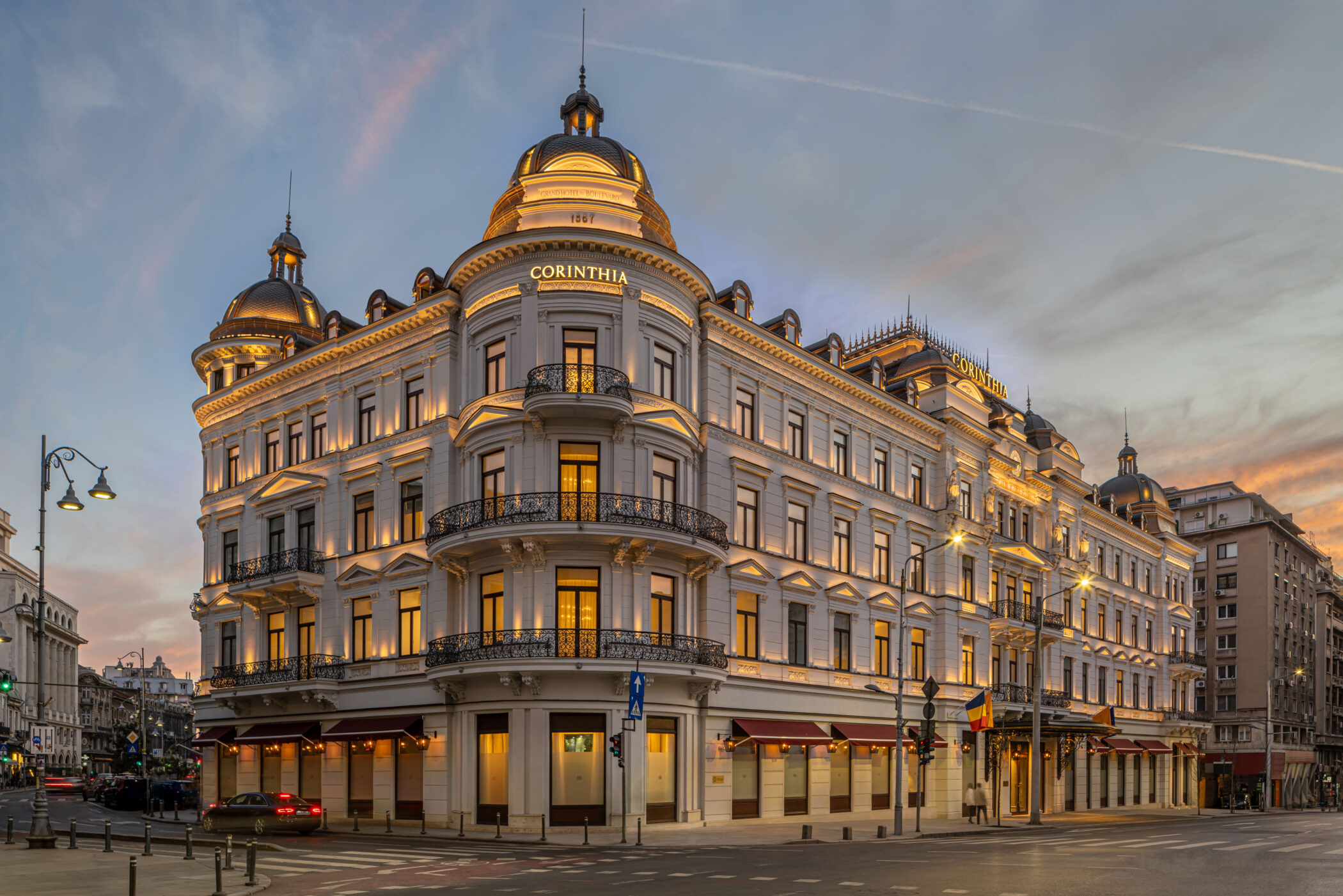
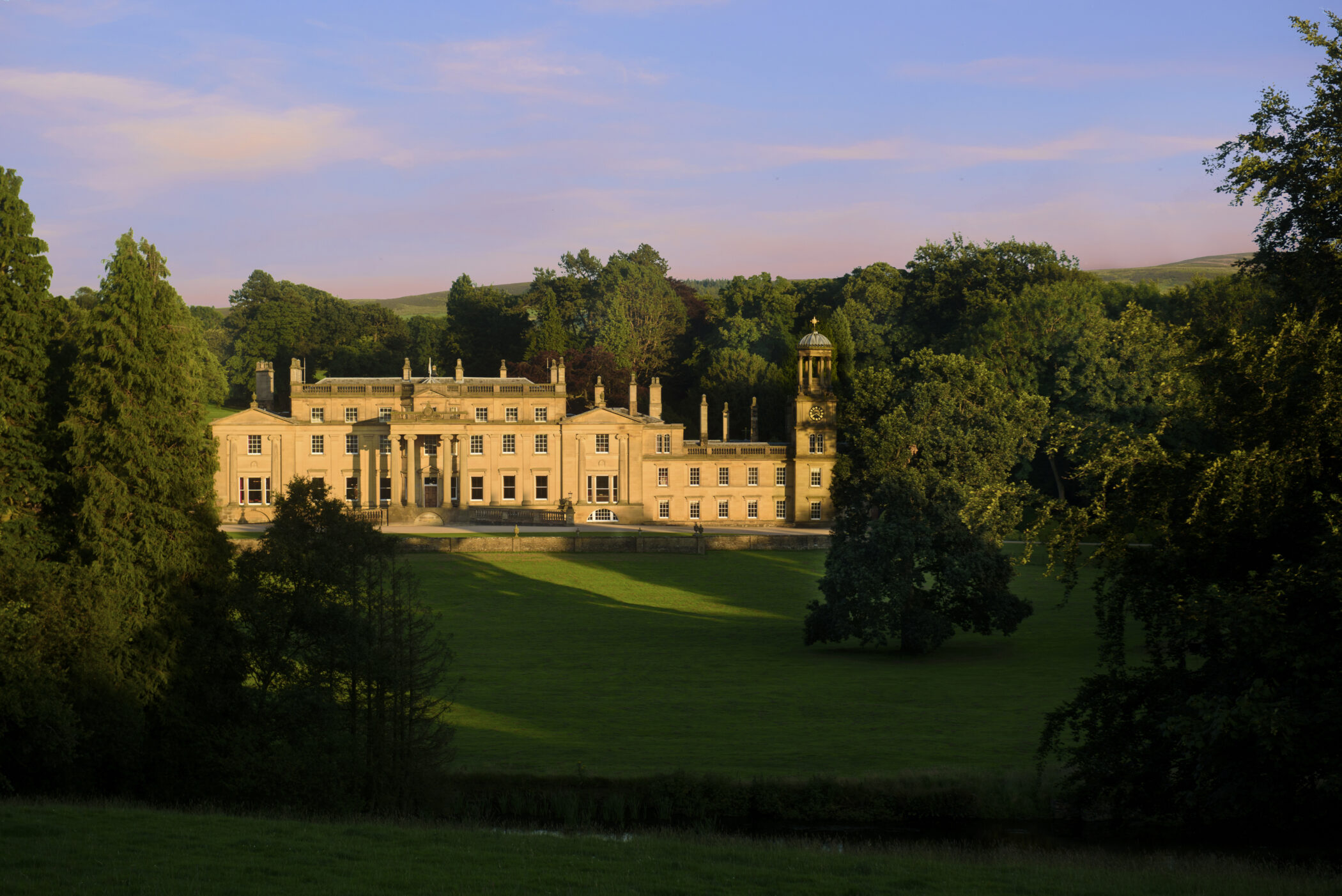
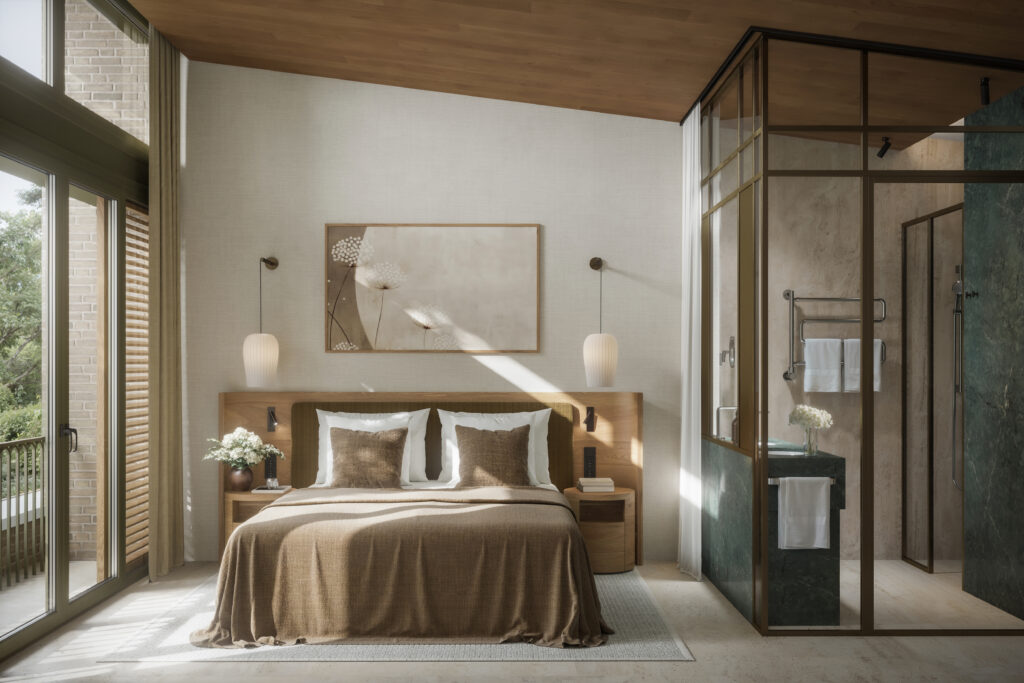
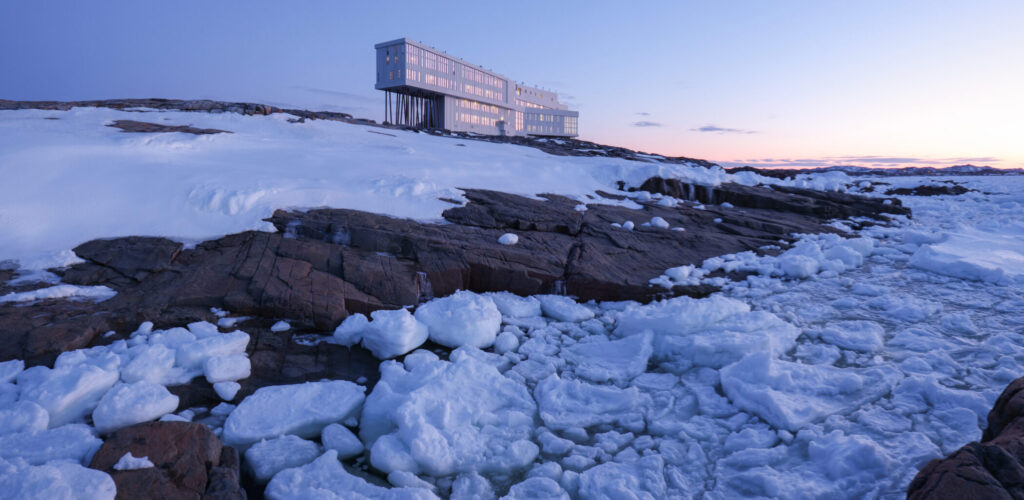
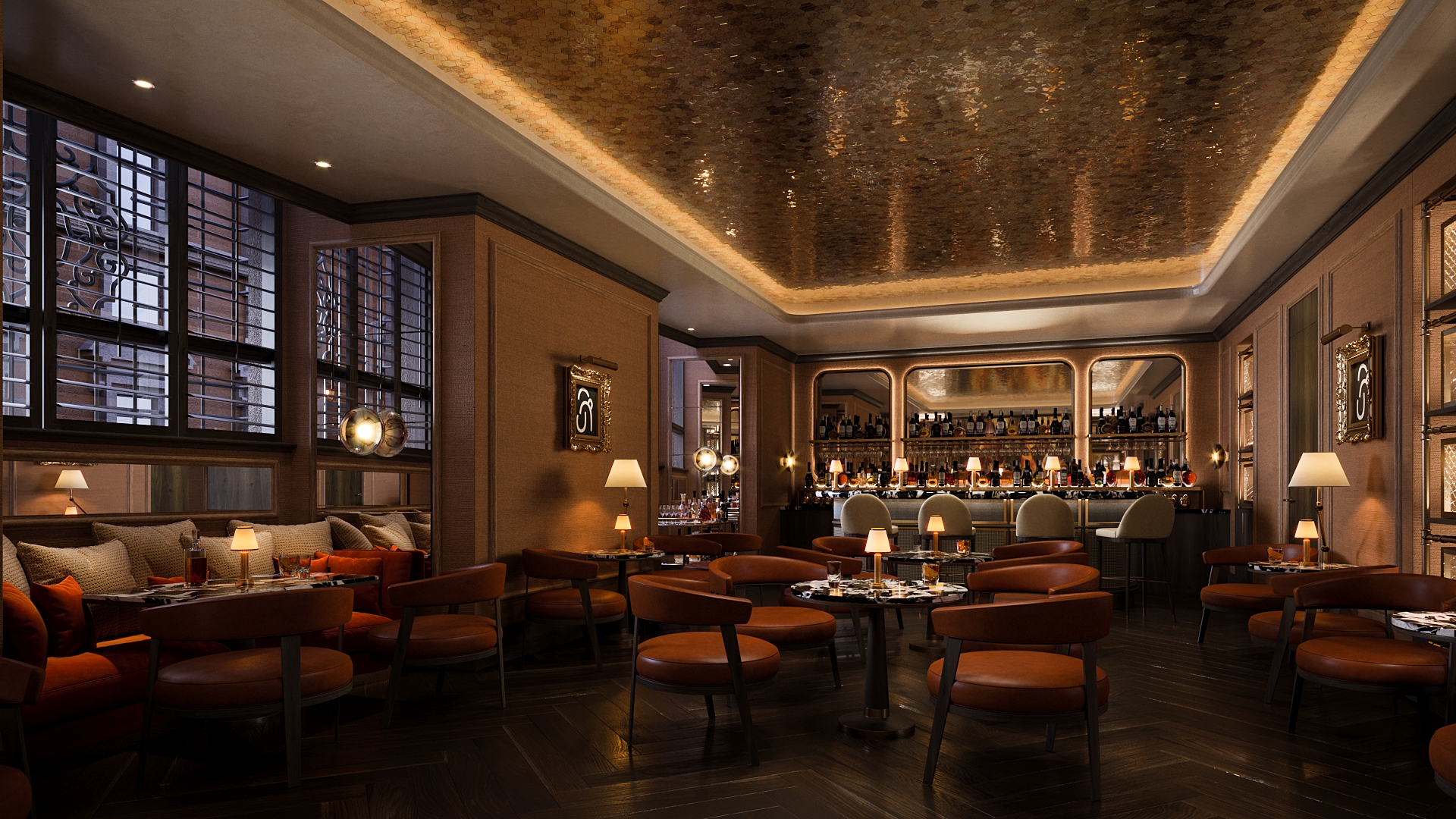
"In the last year we have brought to market three hotels in New York, Brussels and Bucharest (pictured above). New York in particular was significant because it was our first hotel that we were managing on behalf of others, and with high calibre capital partners. It’s owned by the Reuben Brothers. To bring the Surrey as the new Corinthia Hotel to New York was a big accelerator in showing the world we’re serious."
When will the new Corinthia Rome open?
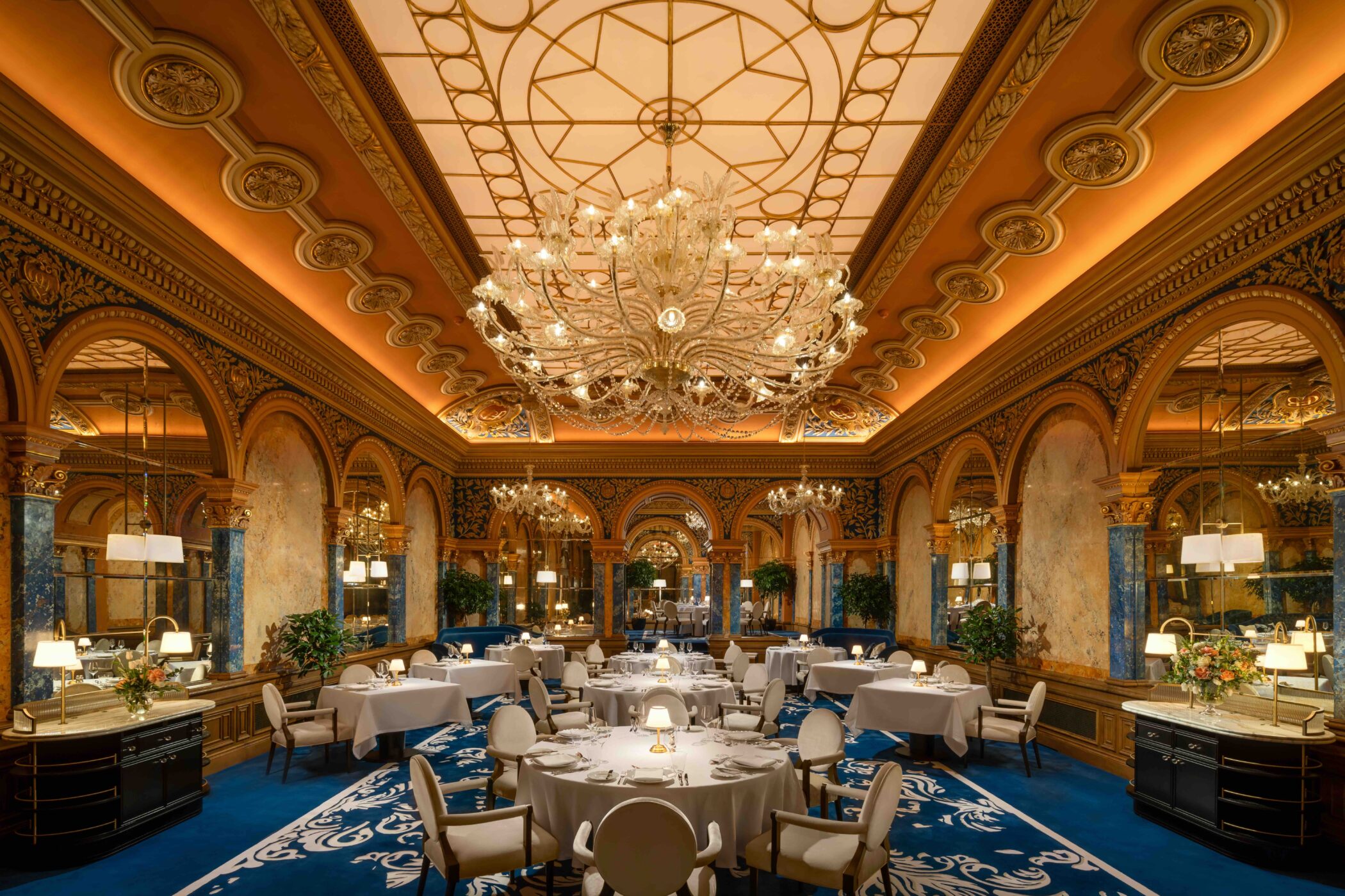
"Rome (pictured below) will open in February 2026 in the former Bank of Italy building. It’s one of the great cities of the world, and from the hotel perspective it’s one of the most important global markets, along with places such as London, Paris and Dubai."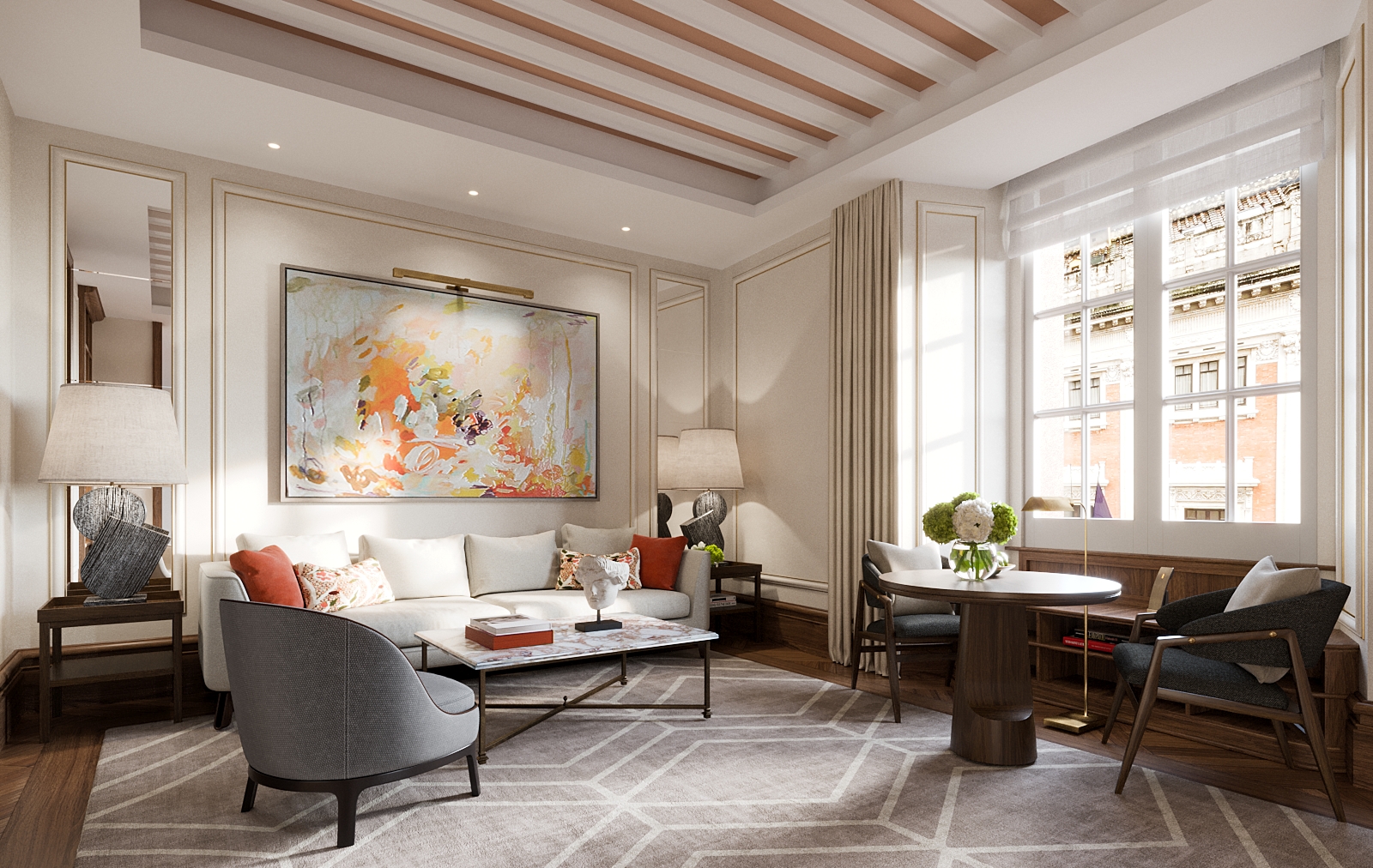
Corinthia Hotels is still a small challenger brand. How do you describe where it sits today?
"We’re not a Four Seasons today. Four Seasons has 140 hotels globally and is probably the biggest luxury hotel operator. We understand where we are. We’re not saying we’re the best. We’re saying we have an aspiration to be a player in luxury hospitality. We're 'ankle biting'."
From the outside, the growth feels sudden. Is it?
"It’s not sudden. It’s been curated over 60 years, but there has been an inflection point. We decided to focus on luxury and bring in an external CEO. We also shifted how we message ourselves to travel media and to the investment community, to better communicate what we bring in a market where it’s hard to stand out."
In a world where five-star standards are so high, what makes Corinthia different?
"It’s complex because we all fundamentally do the same thing: sleep, eat, drink. You can distinguish a good hotel by location, by the building and its architectural merit, by the interiors. But the reality is those things can all be bought. So there has to be something more than that. The leap from good to great is human. It’s experiential and delivered by people. It’s thoughtful service, intuitive service, unscripted service. It’s not robotic."
What does that look like in practice?
"In New York we leaned into the fact that the Upper East Side is very dog friendly, for example. So rather than it being an interruption, we became genuinely dog friendly. We put a water station and a dog treat station outside the hotel. The general manager told me that after opening, a local resident brought flowers for the doorman to say thank you for making their daily dog walk a little more special. That kind of integration into a neighbourhood is not something you can standardise with a rulebook. It’s human."
You’ve spoken about making luxury hotels feel more welcoming. Where does that come from?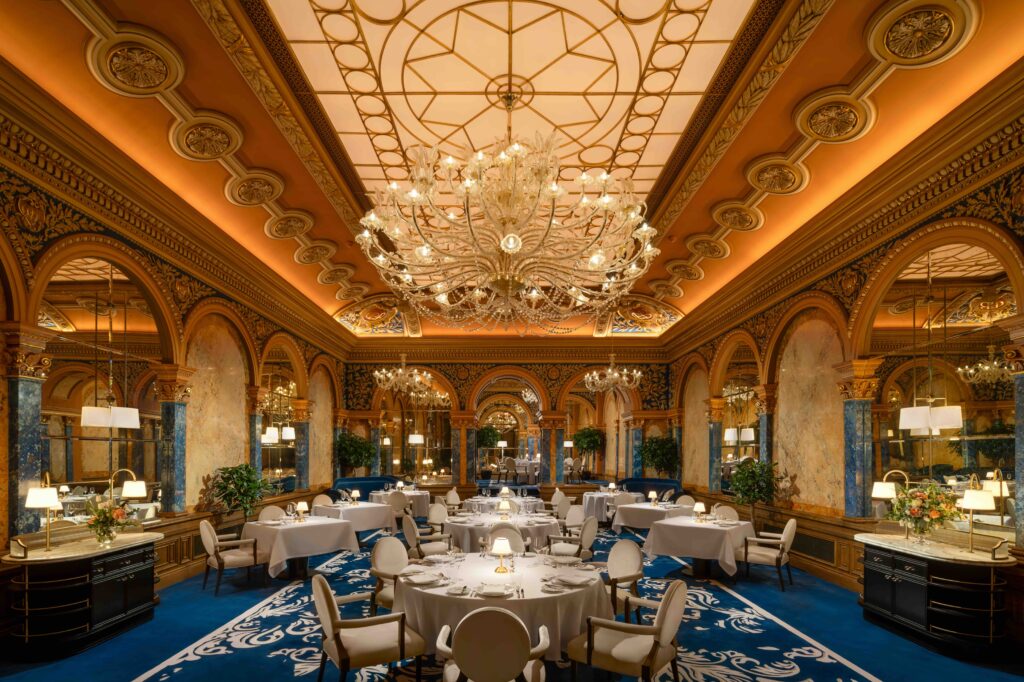
"When I was 17 and an aspiring young hotelier, I came to London to see great hotels and I felt too scared to go into them. I felt like I wasn’t rich and I wasn’t special. That stuck with me. Hotels should be welcoming. A wise person once said: "The customer is not an interruption to our work, they’re the purpose of it." That can get forgotten. Even today, I sometimes walk into places and feel like that 17-year-old again because no one is welcoming you.
"There can be a snobby arrogance on the part of hotels and we need to lower the barrier. It should not be about only respecting people who arrive in a Rolls Royce. You train for the mentality that everyone is welcome. You don’t know who someone is, and you shouldn’t judge them anyway."
How do you train teams to deliver that kind of welcome consistently?
"It’s about observation and emotional intelligence. For example, you can have a corporate traveller who wants a quiet start to the day and doesn’t want conversation. Great service there is knowing what they like and delivering it without intrusion. Then you can have a couple on a once-in-a-lifetime trip who want chat and guidance. Great service is completely different for those two tables. Teaching people to observe and adjust is the holy grail. It’s not easy, but it’s teachable."
You’re also opening the hotel up through more informal food and drink. Why is that important?
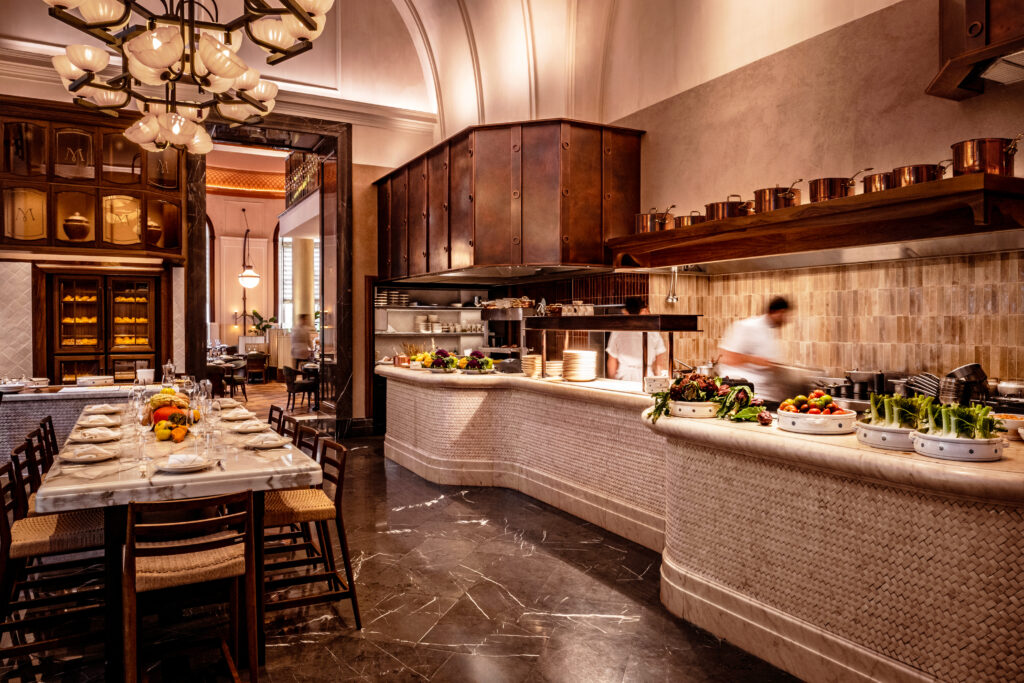
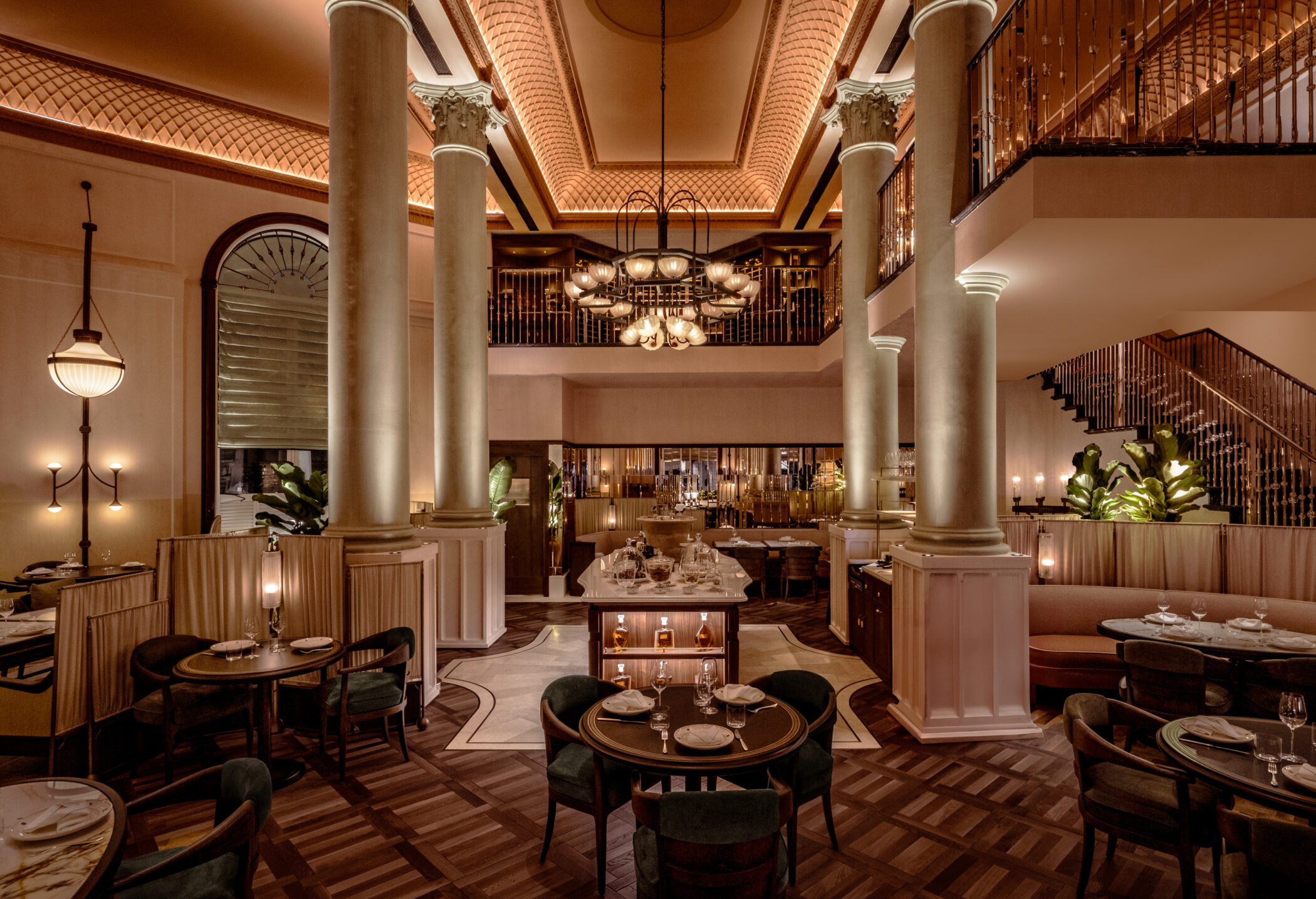
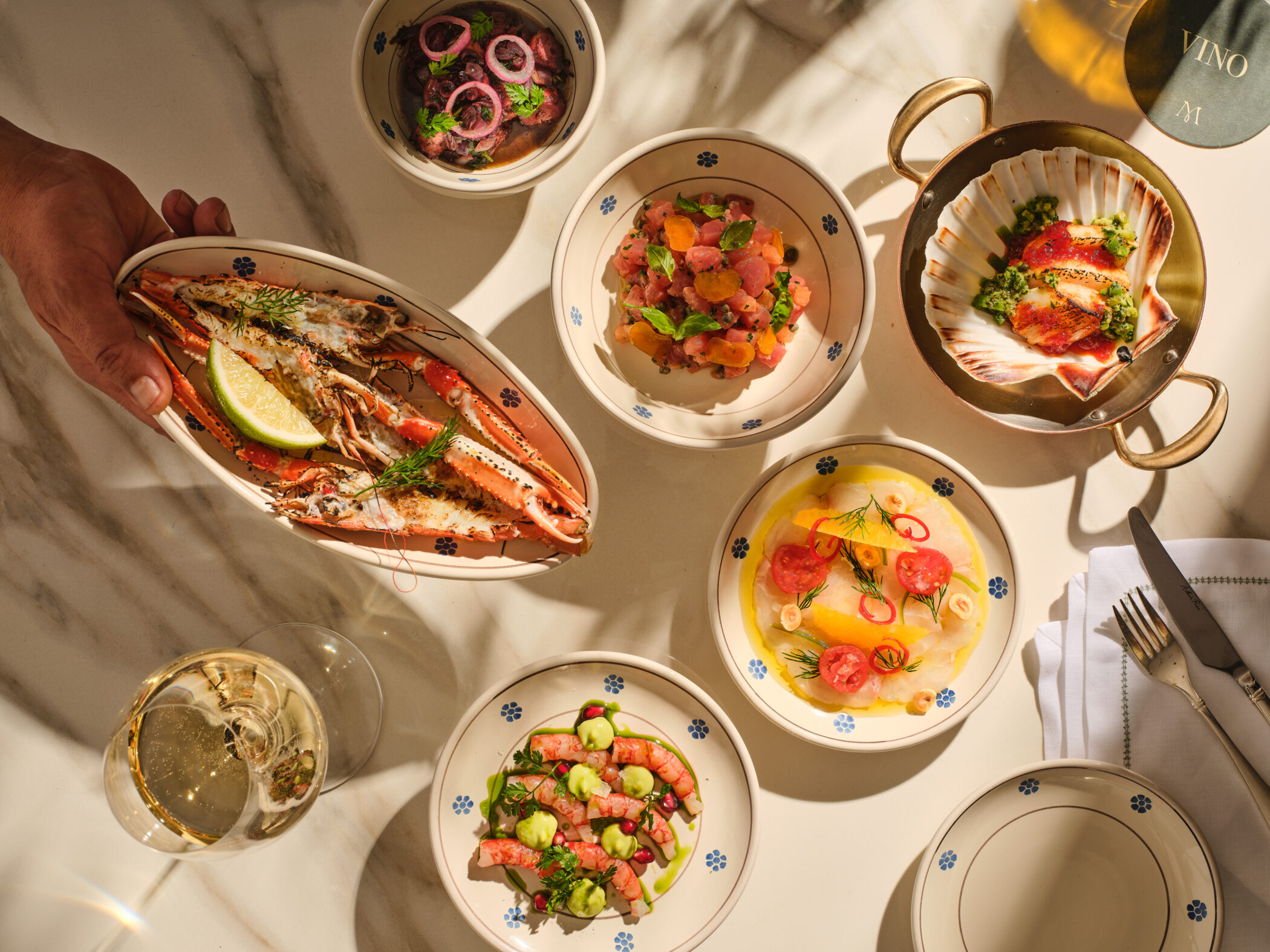
"Luxury hotels can feel inaccessible. Creating more informal, accessible experiences helps open the door. We’ve just opened Mezzogiorno (pictured below), an Italian restaurant at the Corinthia London, which has been designed to feel more informal and integrated. You walk through the kitchen before you get to the restaurant. There’s live cooking, a chef’s table, people making pasta as you walk to your table. That creates a buzz and helps the hotel feel part of the neighbourhood."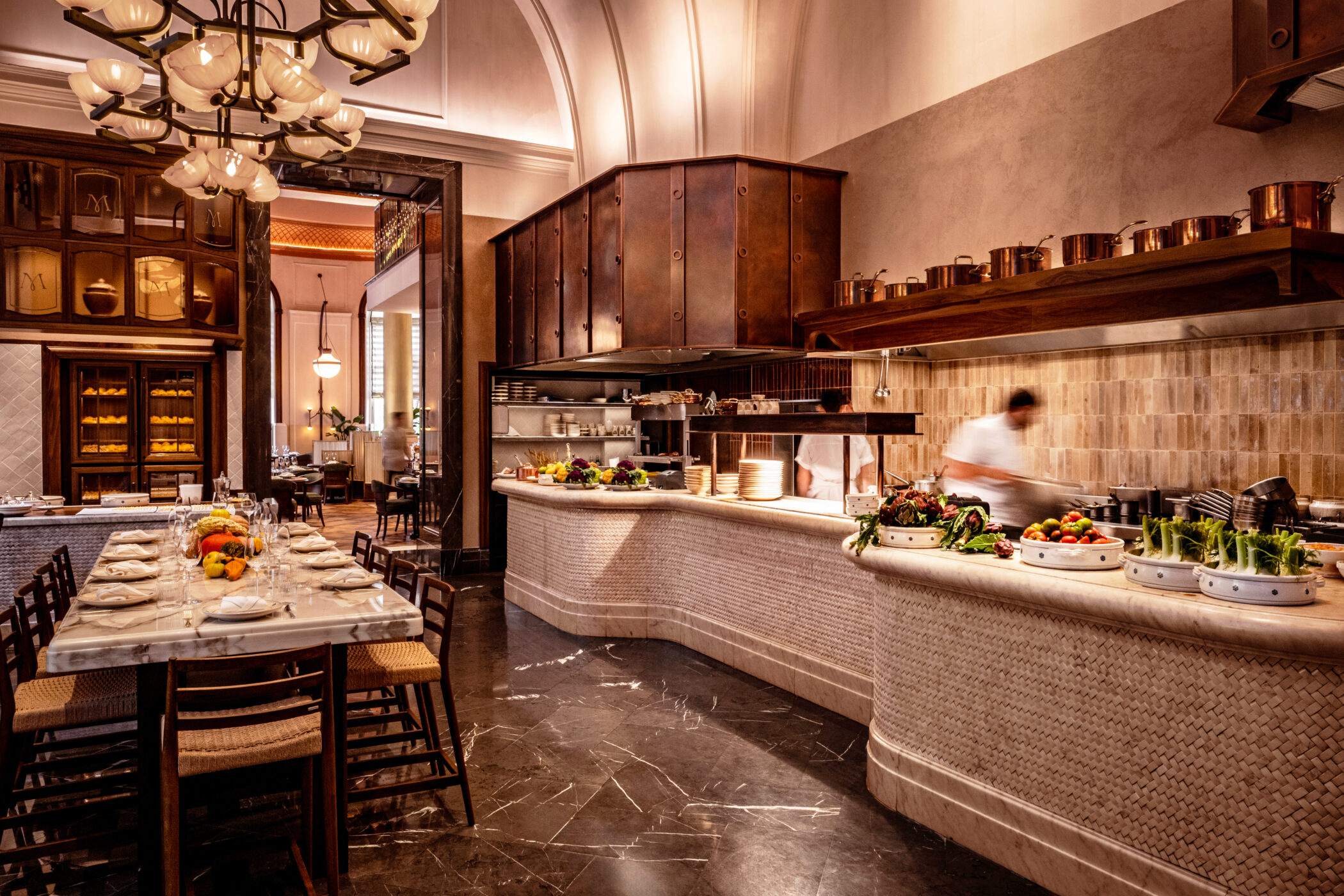
As you expand globally, how do you keep the culture consistent?
"It comes down to who you hire and how you set the tone from the top: servant leadership, a culture of kindness and how you communicate it through the organisation. Each hotel is led by a general manager, and that role is crucial. You need strong leadership in each property to keep the culture alive."
What is your long-term vision for the size of Corinthia?
"Do I want 140 hotels? No. With great scale over time can come some compromise to quality and a sense of special, for both employees and guests. I’ve said to the board that within a decade I’d like to see us have 30 to 35 purely luxury hotels. That is ambitious. You want to be in key cities and resort locations. When you have those covered, it’s worth pausing and asking how much is enough. If you start going into too many secondary cities and resorts, then maybe you’ve grown too big."
Are you focused only on cities, or resorts as well?
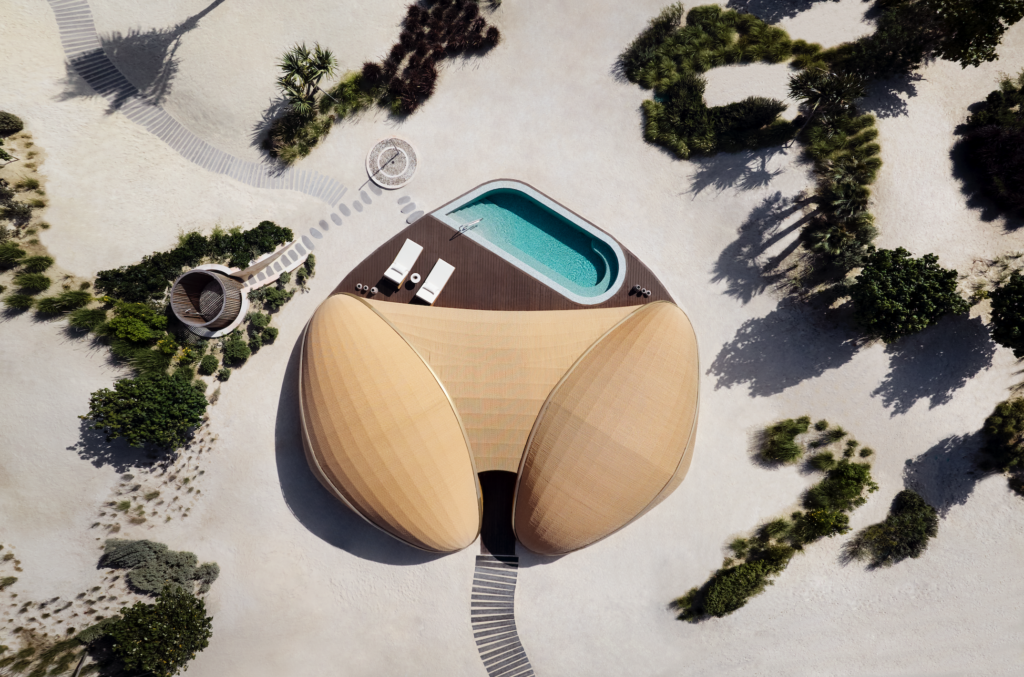
"Both. A great luxury hotel company should have a presence in both. You want to stay with us for the Christmas lights in a city, but also for a resort destination. Maldives is one we’re developing at the moment, along with Doha, Riyadh and the first of a few Italian resorts."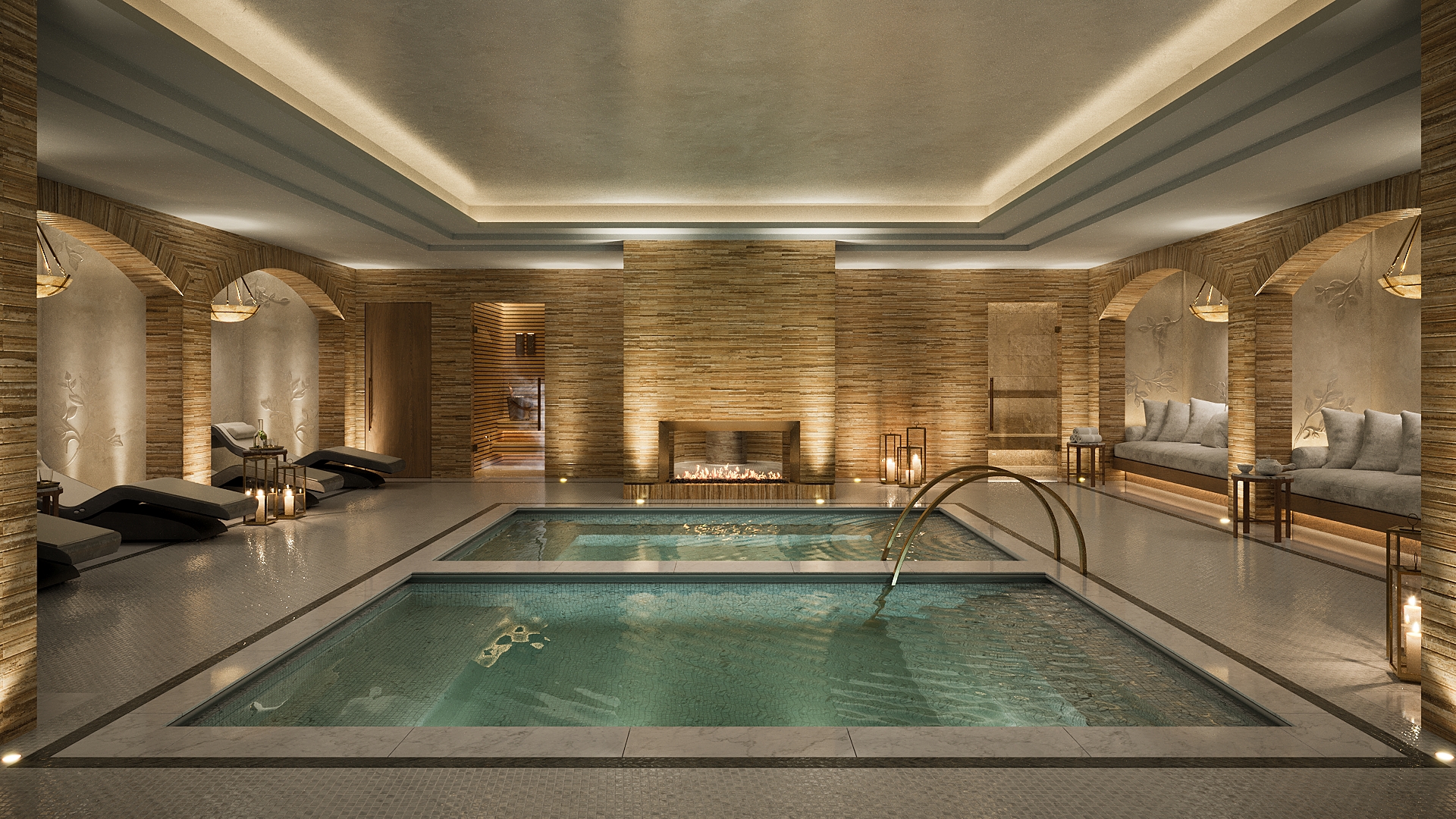
Will Corinthia acquire the future hotels, or work with owners?
"Generally, we won’t be deploying our own capital. We’ll work with capital partners, using other people’s capital and our management expertise under long-term management contracts. That’s how many of the major luxury hotel brands have grown."
How are you building brand awareness in such a crowded market?
"One of the reasons I joined Corinthia is that it has a 60-year history and a family-founded story. That matters. Then it’s about having a clear media strategy, agreeing messaging for travel media and the investment community and having the ability to tell the story in a way that feels real. A CEO has to live it and believe it. But Corinthia cannot become known for me. It has to become known for the brand and what’s enduring. I do need to put myself in front of it to bring it to life, whether that’s print, radio, television or other channels."
How are you thinking about the next generation of luxury travellers?
"The generation coming through is incredibly kind, well educated and socially aware. Their habits are different. None of my kids drink alcohol. All three are vegans. They’re wellness-oriented. They don’t read newspapers. They’re careful about where they get information from. The best way to understand this isn’t guesswork, it’s listening to your employees. You also have new wealth coming from industries like crypto, AI tech and others. These guests may not look like the traditional luxury traveller and they will want different things. We have to be led by what people want."
How do you balance modern expectations with a grand, traditional property like London?
"We describe it as 'grand boutique'. It’s grand in scale but boutique in the way it feels. Again, it comes down to how you treat people. You let the guest dictate how formal or informal the interaction is. You want confident, polished service, but not formal for formality’s sake. The framework should be consistent across the brand, but each hotel should have its own personality led by its general manager and leadership team."