

Gru Space takes US$1 million reservations for lunar hotel
California start-up Gru says it plans to build a hotel on the moon by 2032, with recreational activities such as low-gravity golf and lunar walks. Jenny Southan reports
California-based Galactic Resource Utilization Space, also known as Gru or Gru Space, says it is now accepting deposits from wealthy adventure-seekers who want to be among the first guests at a lunar hotel planned for as early as 2032.
Applicants must first pay a non-refundable US$1,000 application fee. If selected, they can then choose to make a US$250,000 to US$1 million refundable deposit to reserve a spot at the future lunar hotel.
Ultimately, a stay at the lunar hotel could cost about US$10 million per guest, once launch, transport, accommodation, training and operational costs are included. The average stay would be five nights.
Gru describes the project as the "first permanent off-Earth structure aimed at private guests", with early stays focusing on short stays with views of the lunar landscape and Earth. The company plans to build the hotel using proprietary habitation modules and automated processes to transform lunar soil into durable structures, and it aims to begin construction in 2029 pending regulatory approvals.
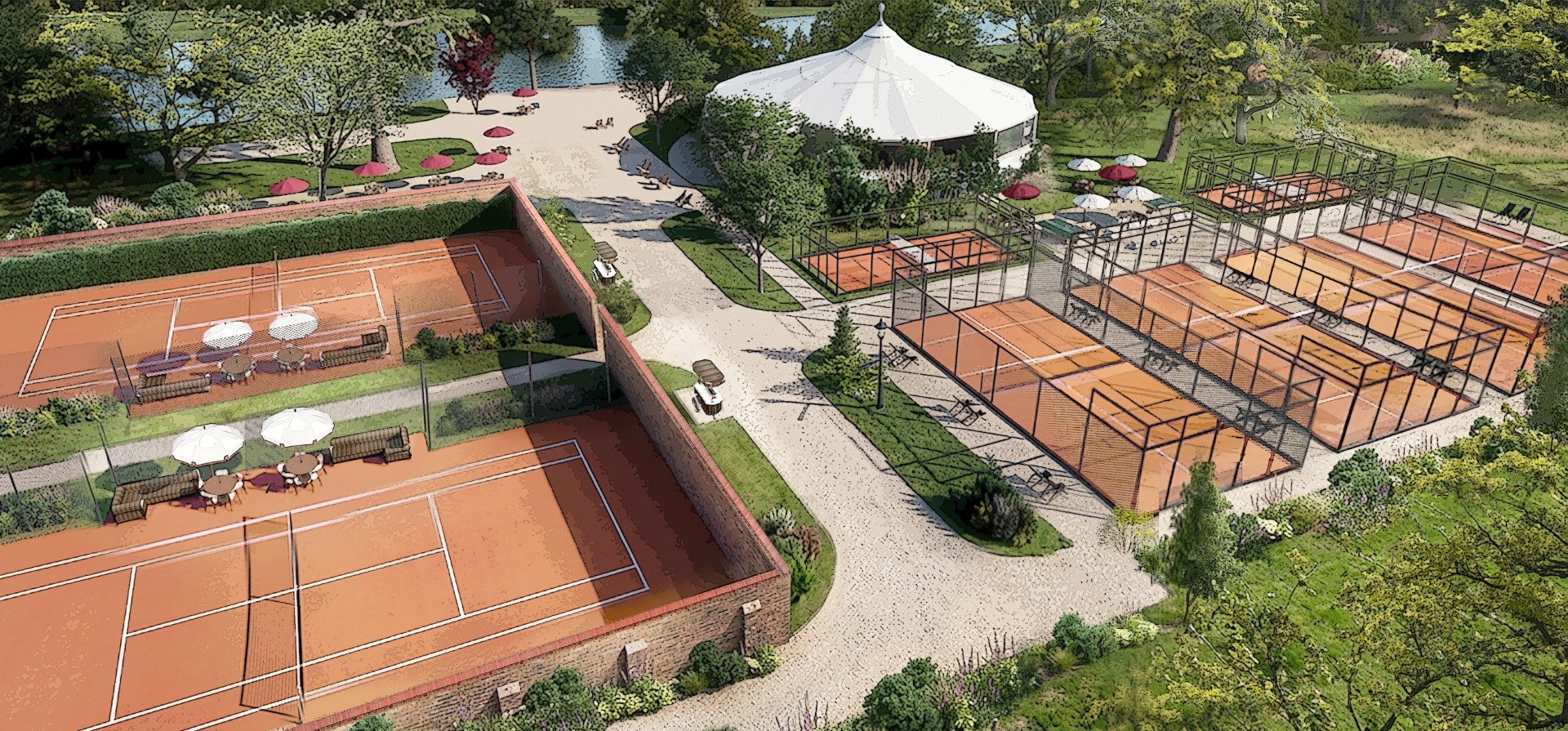
The first version of the hotel will be assembled on Earth and then inflated on the moon – with enough space for four guests. The second, larger, iteration would be constructed partially out of lunar-derived "concrete shielding", and will be able to accommodate ten tourists. What will it look like? Oddly, a classic revival version of the Palace of Fine Arts in San Francisco, complete with domes and Doric columns. 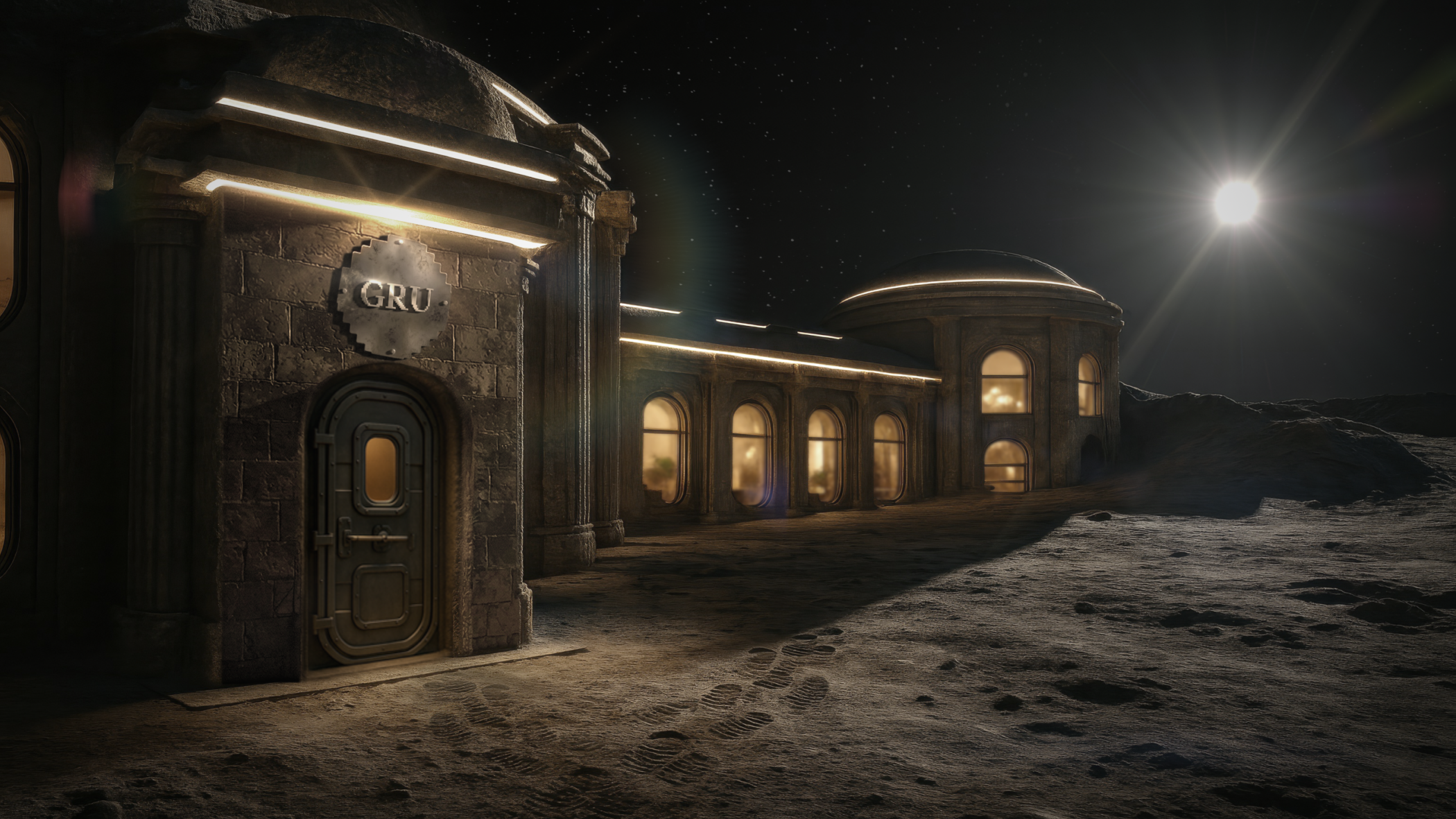
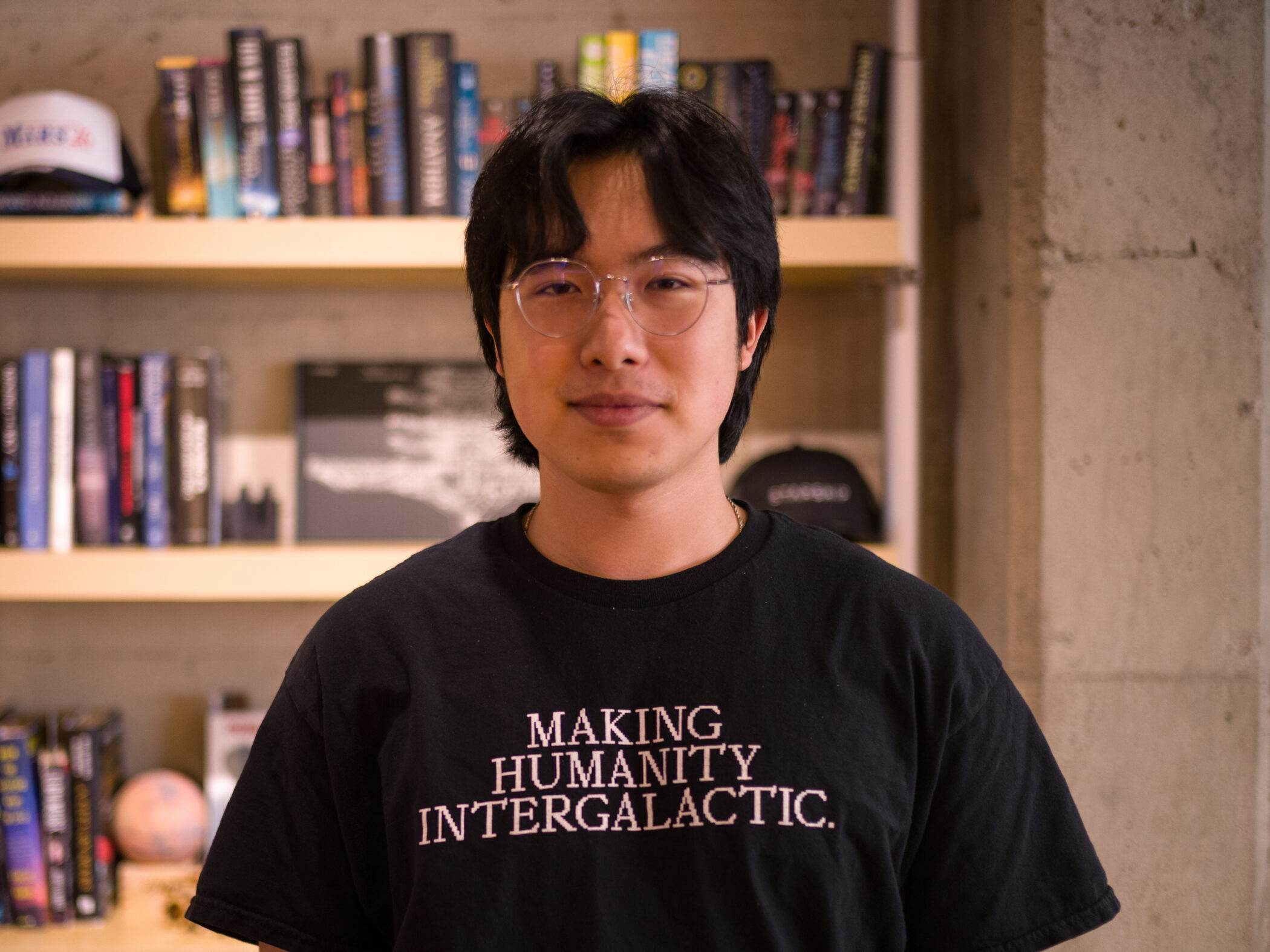
In a statement released as part of the announcement, Gru founder and chief executive Skyler Chan says tourism could be a key driver of future space activity. “We live during an inflection point where we can actually become interplanetary before we die,” Chan says. “If we succeed, billions of human lives will be born on the moon and Mars and be able to experience the beauty of lunar and martian life.”
Chan, a 22-year-old Berkeley graduate, also reflects on his own connection to the idea of lunar travel. “I’ve been obsessed with space since I was a kid,” he says, adding he has always wanted to become an astronaut and feels “extremely fortunate to be doing my life’s work”.
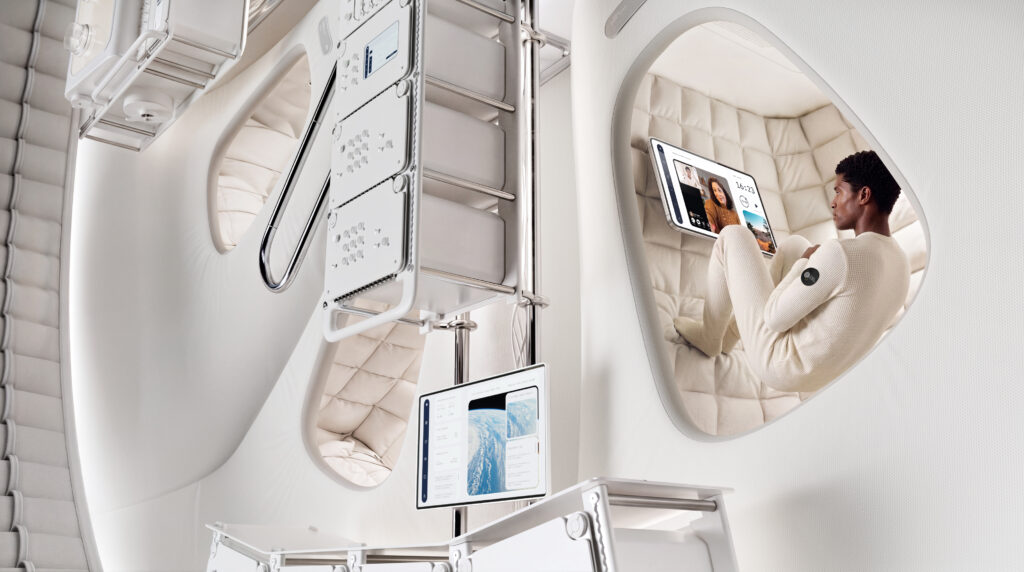
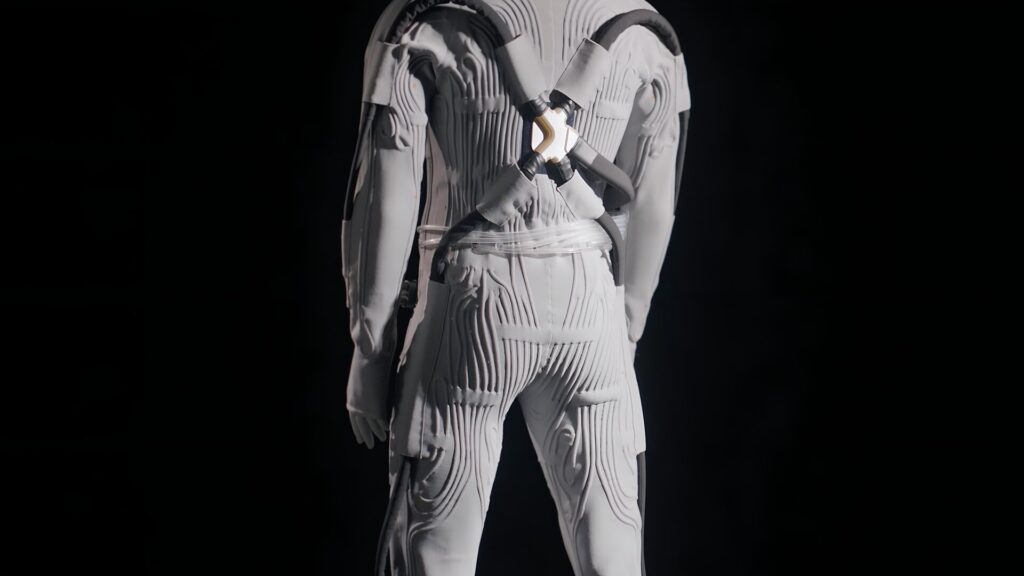
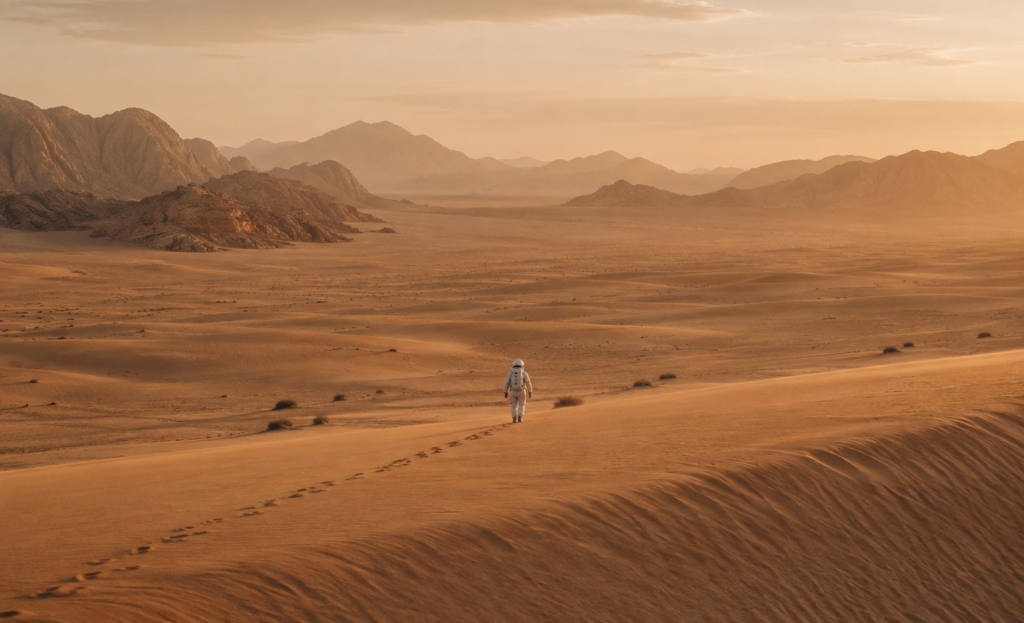
The company has pitched the lunar hotel as more than just a place to sleep. Gru says the hotel will offer experiences such as moonwalking, surface driving and golfing in low gravity, along with cushioned zero-gravity-friendly rooms for guests to enjoy unique off-Earth activities.
Gru's grand vision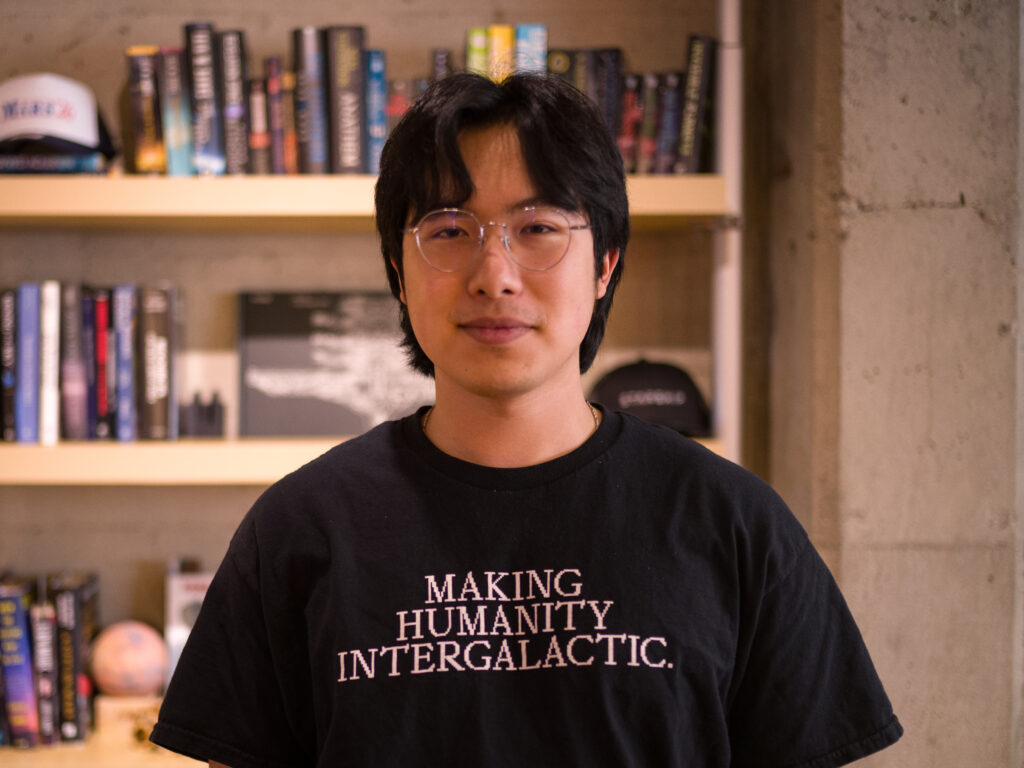
In a white paper, Chan lays out his manifesto: "Existing aerospace paradigms are constrained by incrementalism – they rely on government procurement cycles and risk-averse development aimed at solving immediate, short-term needs. GRU Space rejects the notion that we must wait for external validation or government consensus to build the future.
"Instead, we operate on the principle that conviction must bridge the gap between the status quo and the necessary future. Our mission is to engineer the infrastructure required to harness resources and sustain life on new worlds, ultimately creating a self-sufficient industrial autonomy on the Moon, Mars and beyond."
Gru goes on to explain its vision for space tourism: "We believe there is a limitless demand for super-premium experiences, and we’re running out of such experiences on Earth. Take Everest as an example. Several decades ago, Everest was only accessible for the connected and wealthy few, involving extensive alpine training and a limited number of permits. Today, if you can put one foot in front of the next, you can “add Everest to cart”, and get dragged up the mountain in a line with hundreds of others.
"This erosion of the specialness of premium experiences is already coming to the space tourism industry. Dennis Tito was the first private space tourist in 2001, paying US$20 million to fly to the International Space Station; these types of one-off flights were very rare until just recently. Nowadays, space access is quickly becoming commoditized, with both Virgin Galactic and Blue Origin offering routine suborbital flights, and Axiom Space providing semi-routine access to the ISS on SpaceX’s Dragon."
The chart below shows the explosive growth of the number of people visiting space as tourists, with a strong inflection in 2021:
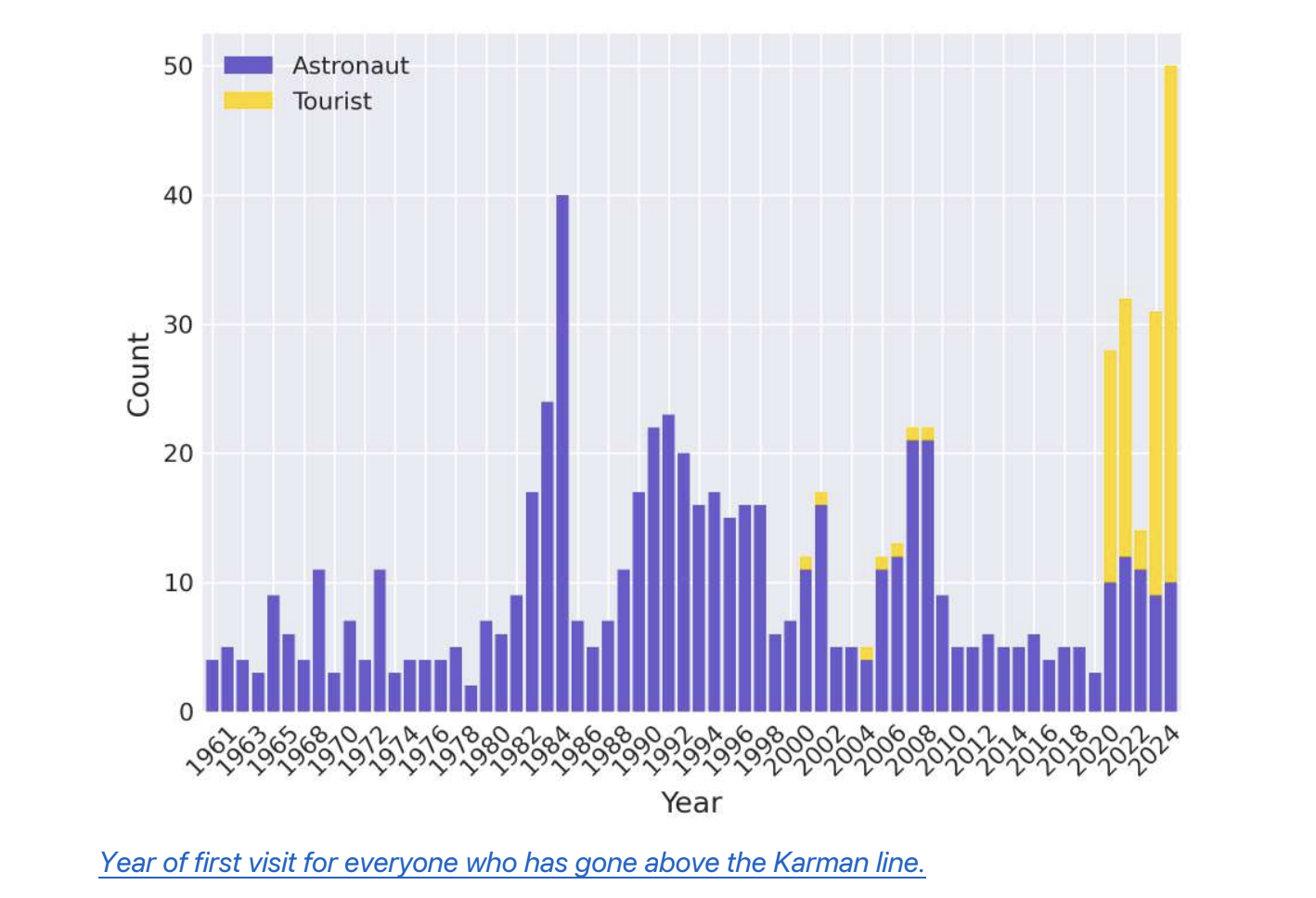
Gru says: We believe this growth trend will continue, and as it does, customers will be looking for differentiation. Today, orbital flights are the only super-premium experience available for space tourists, but these will soon become routine too. A lunar hotel is the most obvious next step to maintain a tiered market for space, and customers in the highest tier will pay sky-high prices like they do for super-premium experiences on Earth."
Despite the ambition, industry experts have noted there are significant technical and logistical hurdles ahead. Building and operating a habitable facility on the moon remains a major challenge that will require advances in life-support systems, launch capability and international regulation before any lunar hotel can open.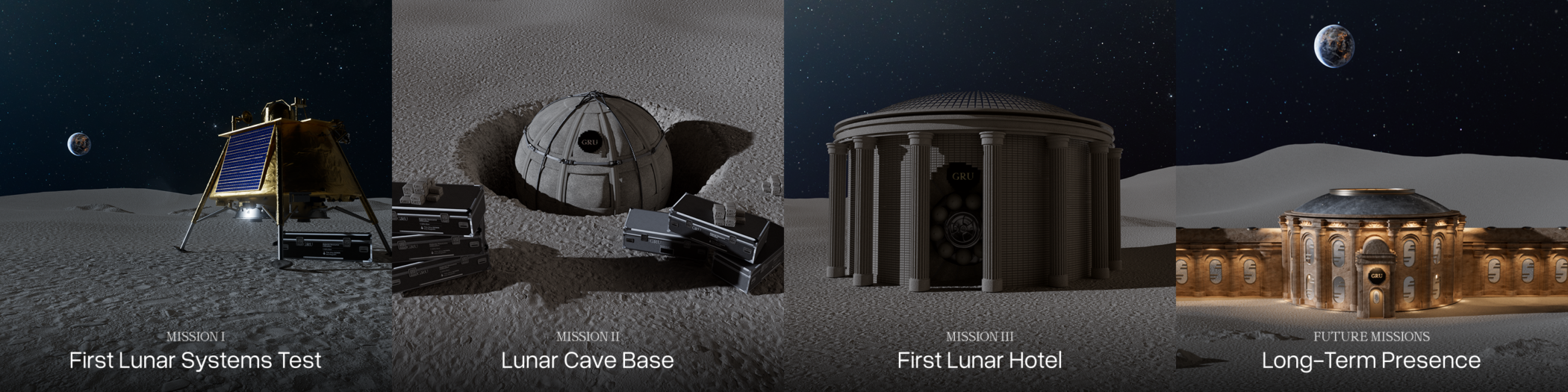
For now, Gru’s reservation platform allows would-be travellers to express interest and place a refundable deposit of up to US$1 million per room. The company stresses that taking reservations is not a guarantee of travel by a specific date and that the project remains in early development, with real flights and stays many years away.
Curiously, the company also has an online shop selling merch. Products include T-shirts printed with "Humans wanted for hazardous journey" and handmade "moon bricks" made from "simulated lunar regolith simulant" and priced at £759. Apparently, they are made using the same technology Gru will use to build structures on the Moon.