

Hilton and Globetrender reveal five travel trends shaping 2027
From ‘solo-ish’ vacations to skill-building escapes, Hilton’s latest global trends report reveals how travellers are rethinking the value of time away.
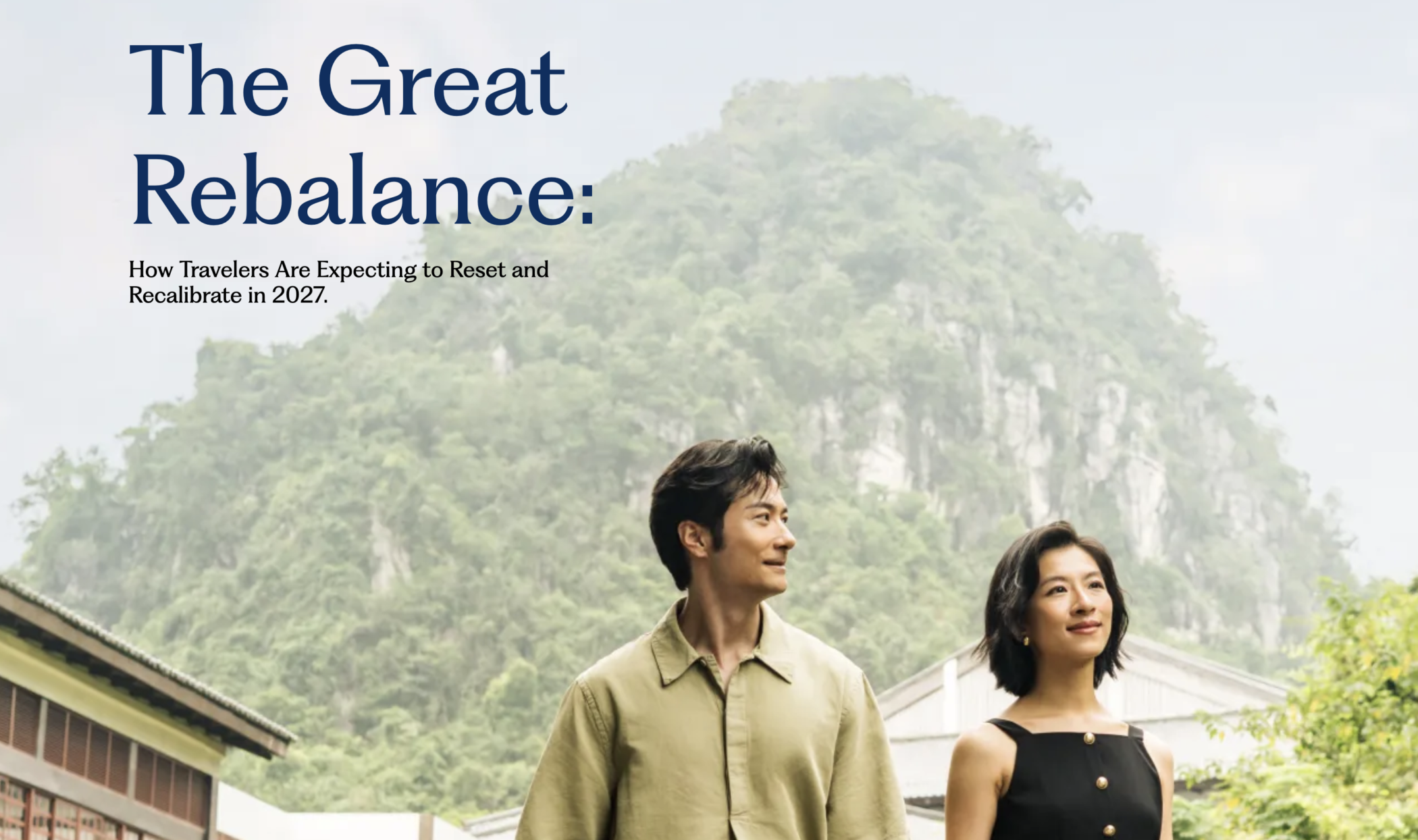
Hilton has released its 2027 Trends Report, developed in association with travel trend forecasting agency Globetrender, revealing five emerging trends that are expected to shape travel behaviour over the coming year.
Titled The Great Rebalance: How Travellers Are Expecting to Reset and Recalibrate in 2027, the report draws on a survey of 14,744 travellers across 14 countries, exploring changing attitudes towards holiday planning, personal wellbeing and the role of travel in everyday life.
The research suggests that travellers are becoming less concerned with achieving the perfect holiday and more interested in experiences that fit their individual needs. From learning new skills abroad to taking shorter, more frequent breaks, travel is increasingly being used as a way to improve quality of life.
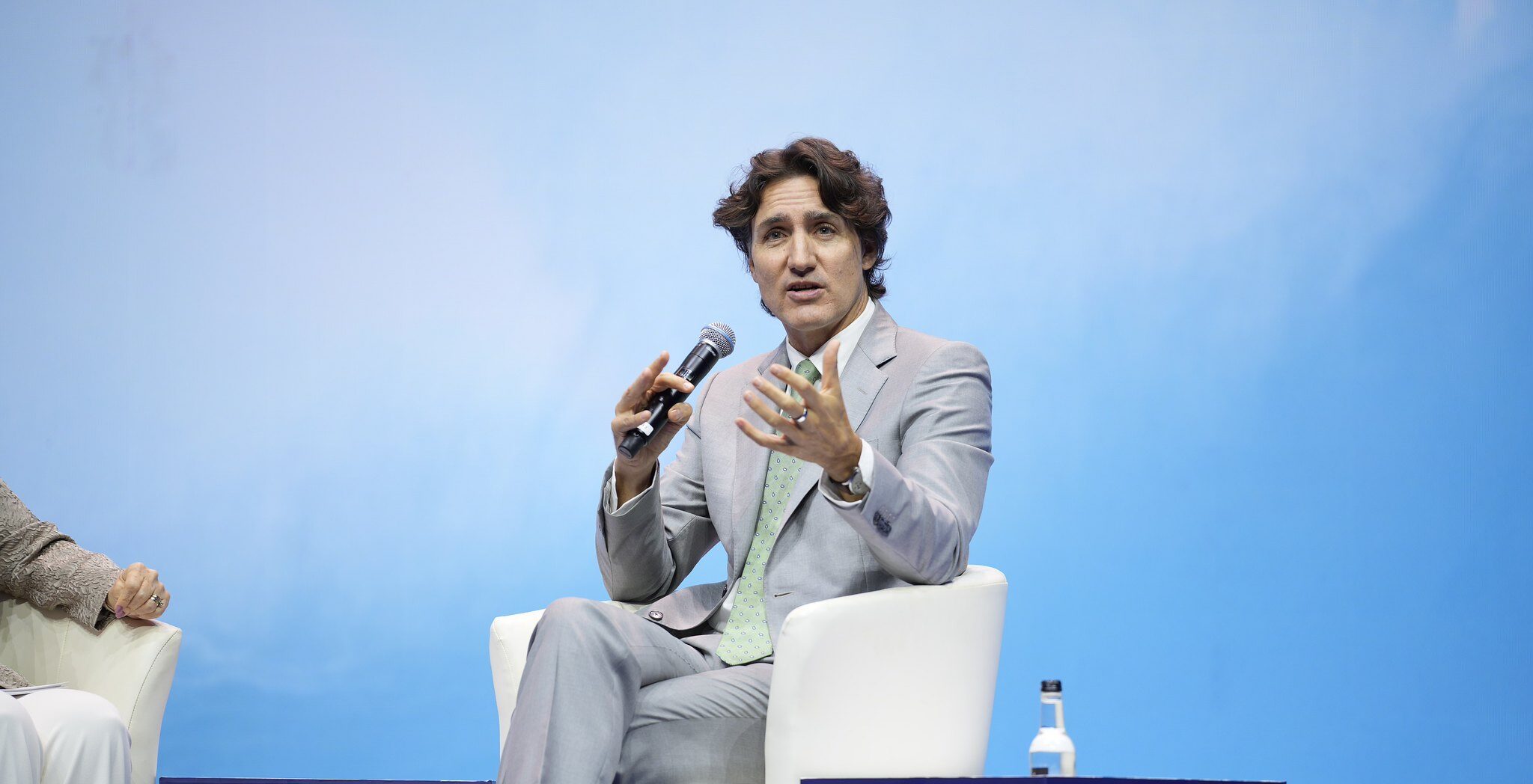
"We're seeing that travellers are less interested in someone else’s definition of perfection and more focused on planning travel on their own terms,” says Chris Nassetta, president and CEO of Hilton.
"This year’s report reinforces that people are looking for experiences that fit their lives, help them recharge, and create meaning that lasts long after they’ve returned home. As traveller expectations continue to evolve, it’s our phygital innovations, the seamless blending of physical environments and human touch with digital products, that will help guests make the most of their travel experience, while also building trust and loyalty.”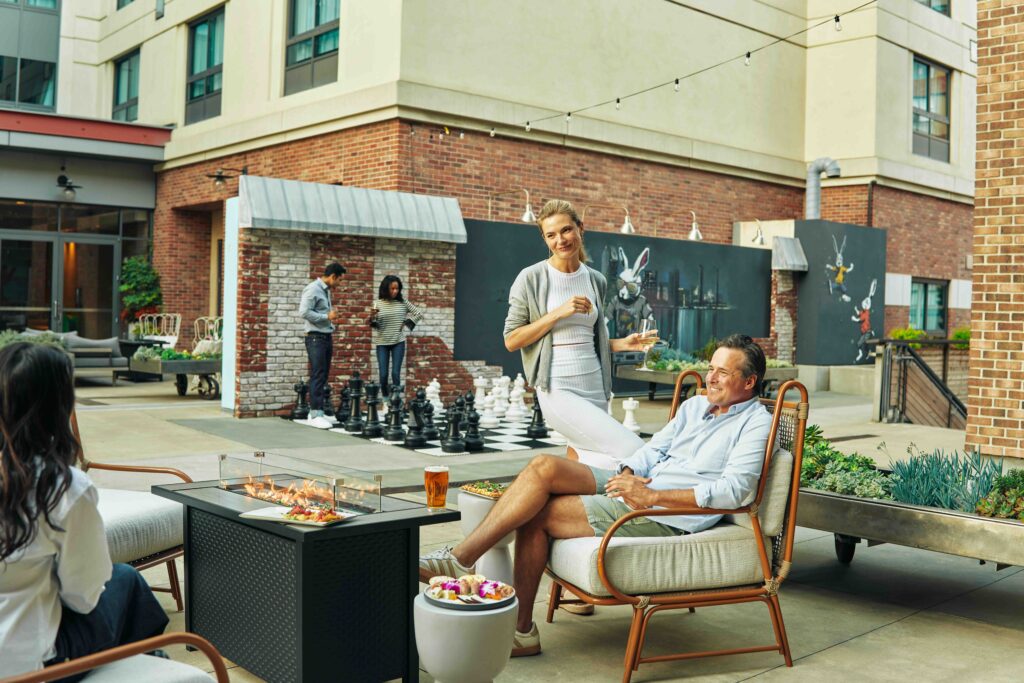
Jenny Southan, founder and CEO of Globetrender, says: “For years, the travel industry has encouraged people to think about holidays in terms of aspiration – where to go, what to see and what to share. What this research reveals is a more profound shift towards personal relevance. Travellers are becoming less interested in collecting experiences for their own sake and more concerned with what those experiences actually do for them.
"Whether that means learning a new skill, regulating their nervous system or simply escaping for 48 hours, the value of travel is increasingly being measured by its impact on everyday life. For the hospitality industry, this represents a significant opportunity to rethink what it means to deliver a meaningful stay.”
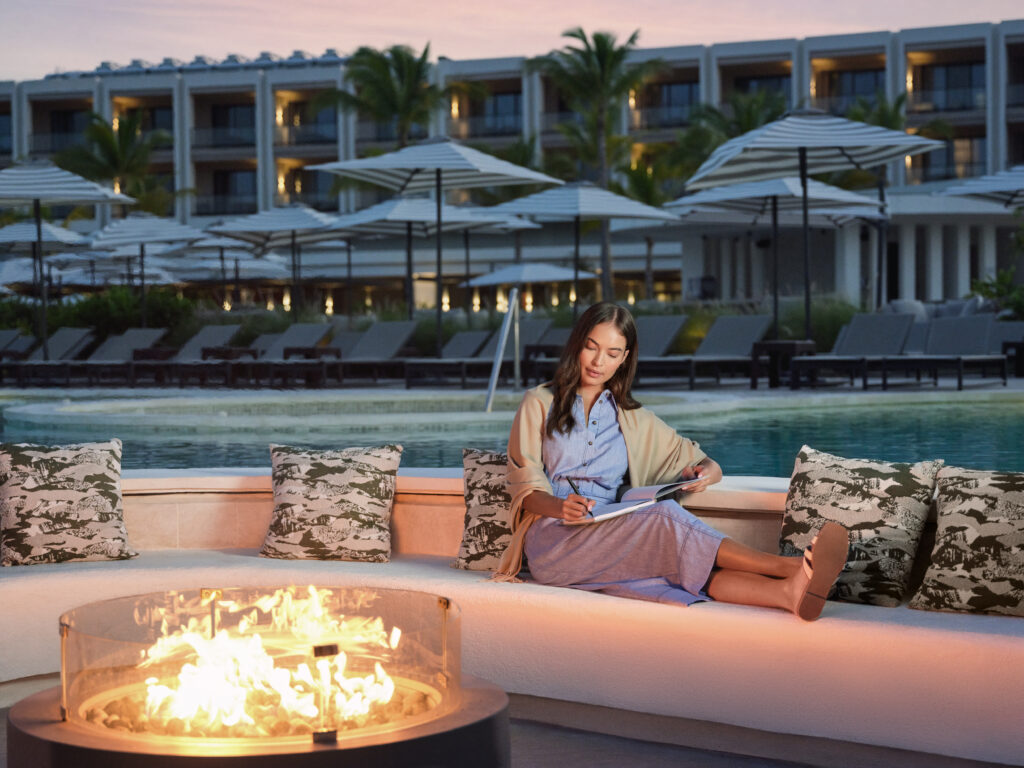
One of the report's most revealing findings is the growing tension between the desire for freedom and the pressure to have an ideal holiday.
Under the trend The Rise of 'Ish', Hilton identifies a move towards more flexible interpretations of travel, with 54% of respondents admitting they feel pressure to have the perfect trip. Almost a quarter (24%) say they try to accommodate other people's preferences when travelling as a group.
The report also explores the emergence of "solo-ish" travel, where people travel independently but arrange to meet friends or family at their destination. Nearly a third (31%) of respondents have already travelled this way, suggesting that independence and companionship are becoming increasingly compatible.
Hilton's Motto brand provides further evidence of changing travel patterns, with more than half of its worldwide reservations over the past year made by solo guests.
Another major theme is The Travel Trust Equation, which examines how travellers decide whose advice to follow in an age of artificial intelligence.
Despite the rapid adoption of AI-powered travel planning tools, 70% of respondents say they trust hotel staff as a source of travel advice. Loyalty status is also emerging as a marker of credibility, with 50% saying they are more likely to trust recommendations from someone with travel loyalty status than someone without it.
Meanwhile, 29% admit to feeling jealous of friends with higher loyalty status, highlighting the growing social significance of hotel and airline rewards programmes.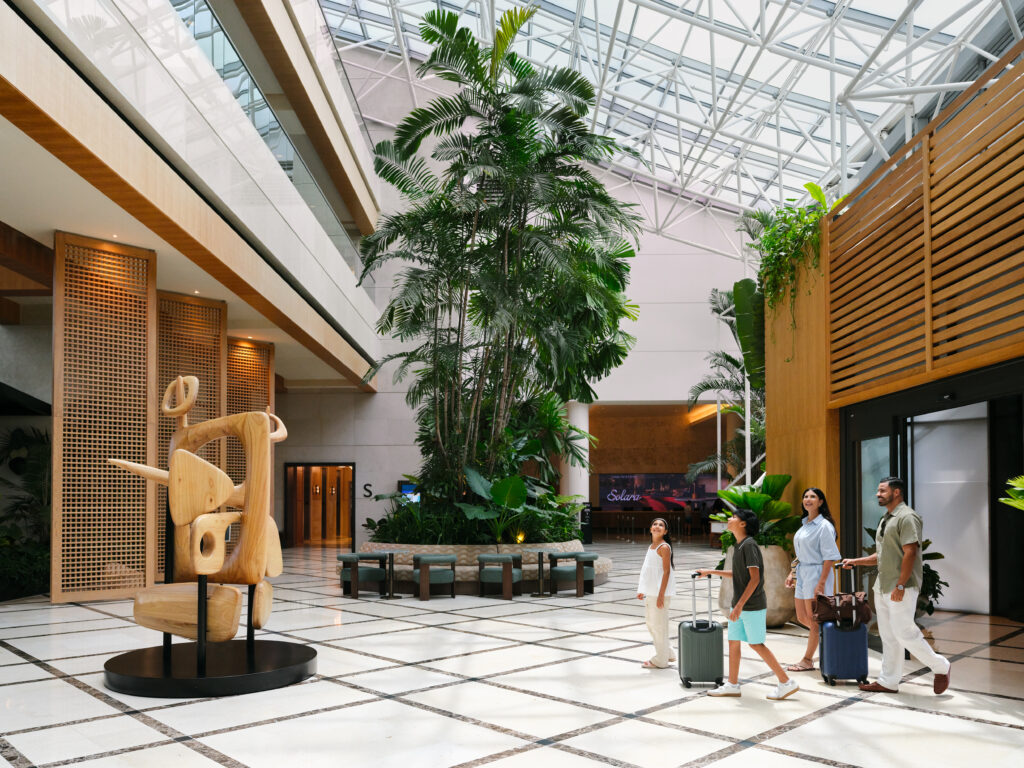
The third trend, Growth Getaways, explores the rising appetite for holidays that deliver personal benefits beyond relaxation.
According to the research, 76% of travellers agree that having a trip booked gives them a sense of purpose, while 42% say travelling has helped them discover new interests or passions.
Younger travellers are particularly motivated by opportunities for self-development. Gen Z respondents are almost twice as likely as Baby Boomers to want to return from a holiday with a new hobby or interest they can continue at home.
This is giving rise to what the report calls "skillcations", where travellers use their time away to develop practical or creative abilities.
At Grand Wailea, a Waldorf Astoria Resort in Hawaii, for example, guests can take part in ukulele lessons, craft classes and cultural tours at the Kilohana Cultural Resource Center. More than 6,000 people visited the centre in 2026.
Wellbeing is another major area of change. Under the trend Wellness, Rewired, the report identifies growing interest in experiences that help travellers regulate stress and reconnect with the natural world.
Almost two-thirds (65%) of respondents actively seek experiences that calm their bodies and reset their nervous systems, while 76% believe travel allows them to recharge mentally and physically in ways that are difficult to achieve at home.
Nature plays an important role in this shift. Some 79% say fresh air and outdoor environments are essential to relaxation when travelling, while 54% spend more time in nature on holiday than they do in their everyday lives.
Hotels are responding with wellness experiences that draw on their surrounding landscapes and local traditions.
At Conrad Orlando, an outdoor Water Garden offers hydrothermal treatments inspired by Florida's natural environment. Monthly outdoor bath treatments have increased by 60% year on year, according to Hilton.
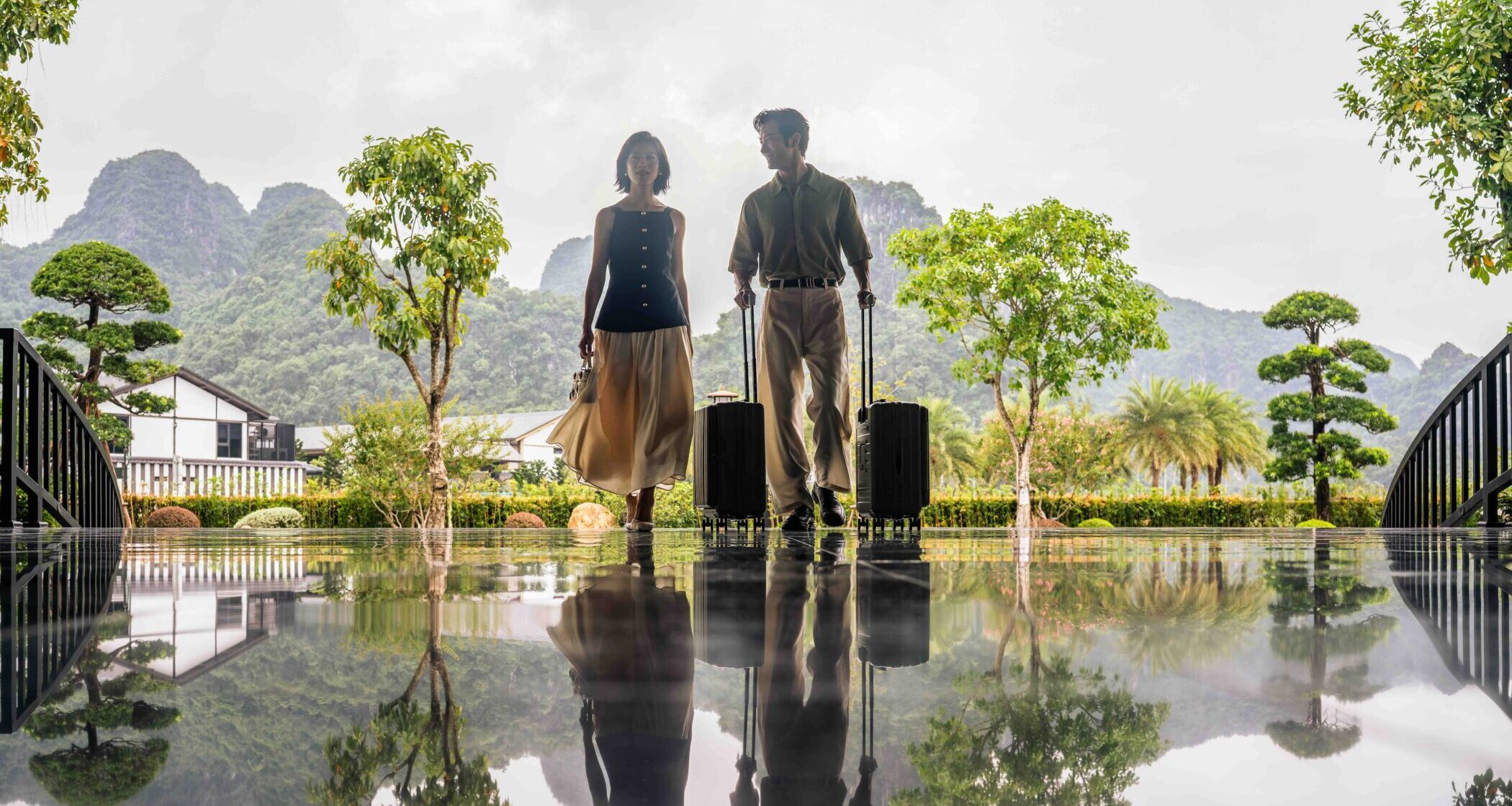
Meanwhile, Hilton Quang Hanh Onsen Resort in Vietnam offers bathing experiences inspired by Japanese onsen culture, surrounded by forested mountains.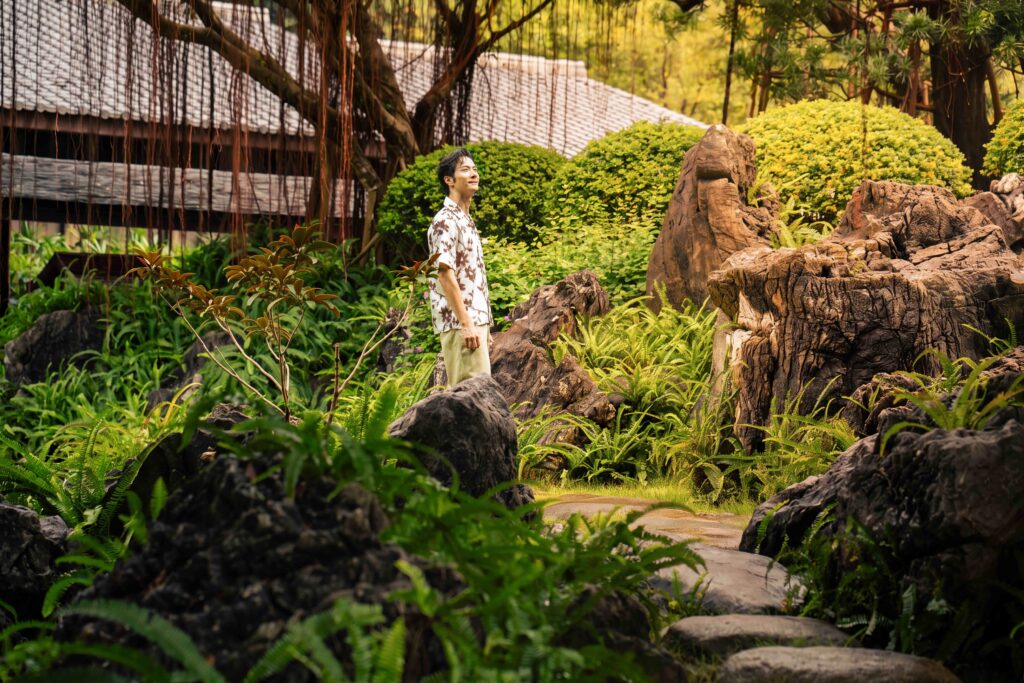
The fifth trend, The Micro-Travel Mindset, reflects the growing importance of time as a factor in travel decisions.
Rather than waiting for longer holidays, travellers are looking for opportunities to fit shorter escapes into busy schedules. The research finds that 67% enjoy planning trips that allow them to experience a lot in a limited amount of time, while 63% prefer centrally located accommodation with activities and attractions nearby.
However, perceptions of what constitutes a short break vary significantly between countries.
In the US, 88% consider a trip lasting fewer than three to four days to be short. In Japan, 86% define a short trip as less than two days, compared with 59% in South Korea.
Travellers in Saudi Arabia and Germany are more likely than those in other surveyed markets to consider five or six days, or even longer, a short trip.
Together, the five trends point towards a changing understanding of what makes travel worthwhile. The emphasis is shifting towards personal relevance, with travellers increasingly judging holidays by how they feel during the experience and what they take away from it afterwards.
For hotels, the findings highlight opportunities to provide more adaptable experiences, combine digital convenience with trusted human advice and develop activities that help guests connect with destinations on a deeper level.
The findings are based on research conducted by Morning Consult on behalf of Hilton between May 18 and June 1, 2026. The survey covered 14,744 adults intending to travel within the following 12 months across the US, Mexico, Brazil, Colombia, UK, Germany, Türkiye, UAE, Saudi Arabia, Australia, China, India, Japan and South Korea.
Read the full report: The Great Rebalance: How Travellers Are Expecting to Reset and Recalibrate in 2027.