

WTTC Global Summit 2026: Insights from on and off stage
At the 2026 World Travel and Tourism Council Summit in Malta, industry leaders and government ministers painted a vision of the future shaped by biometrics and an AI-mediated liquid flow of travellers. Robbie Hodges reports
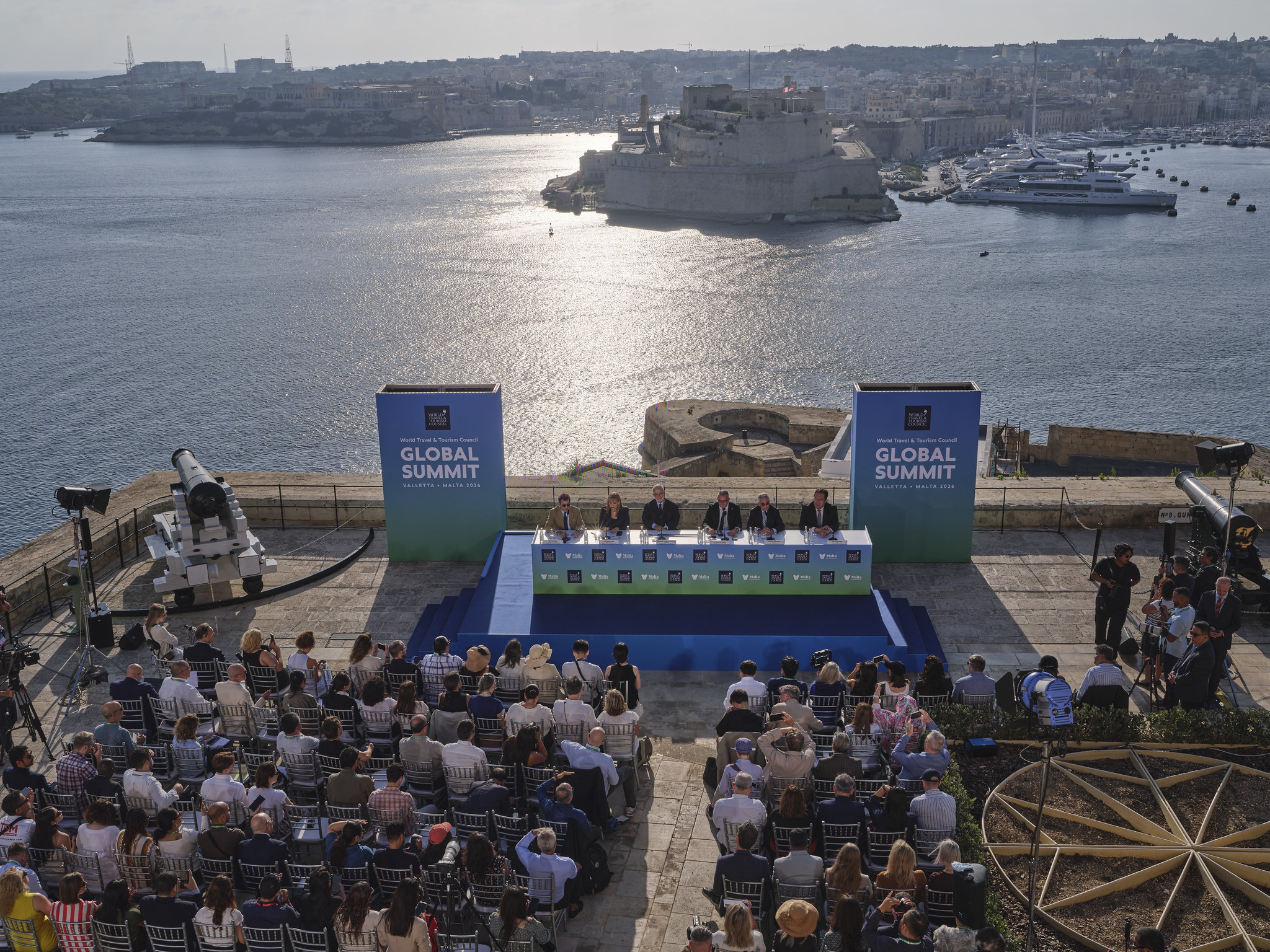
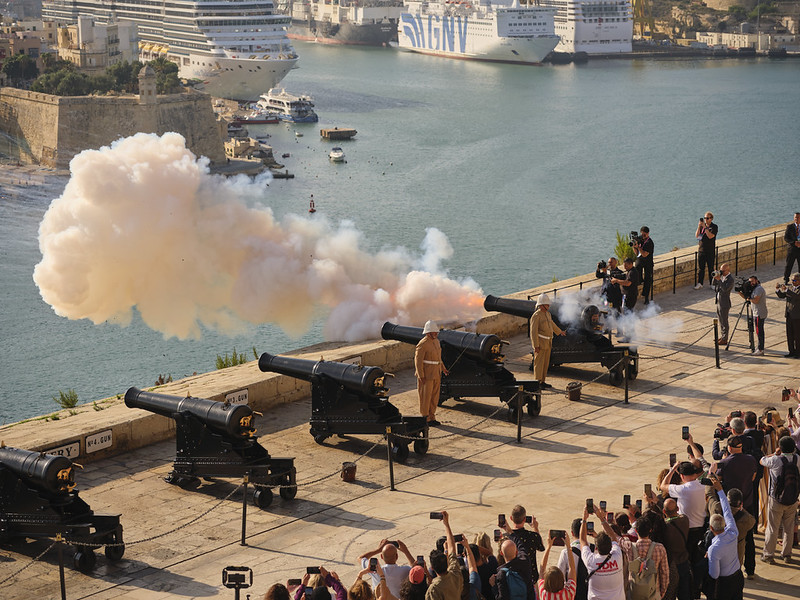
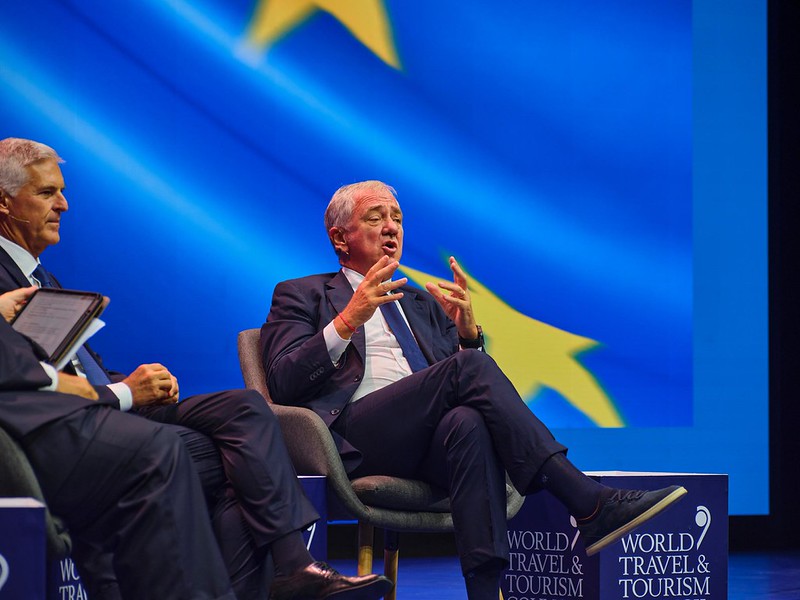
For 2026’s annual confab of travel industry leaders, the “Davos of tourism” – that is, the World Travel and Tourism Council Global Summit – headed to Malta. Now in its 26th year, the event yet again drew an impressive crowd along with 100 guest speakers spanning public and private sectors, with several global tourism ministers flying in from their respective posts, just for the occasion.
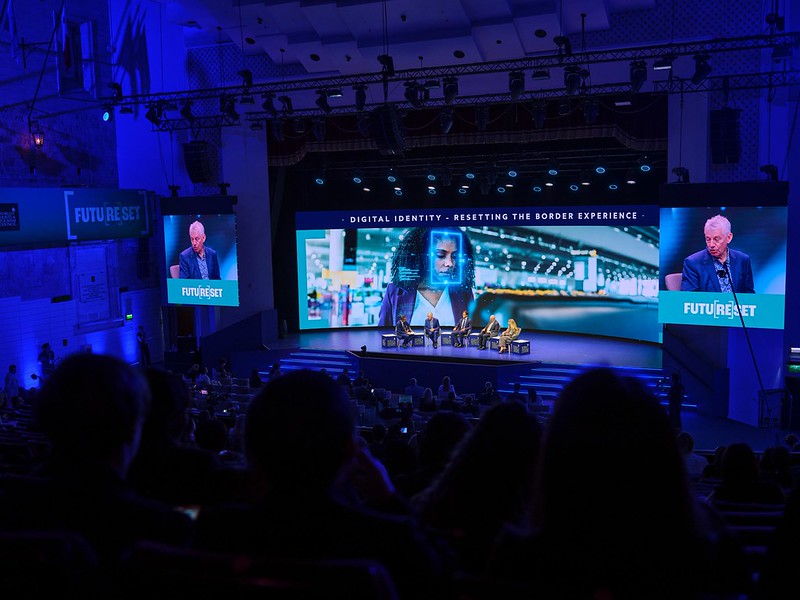
The theme of this year’s event had an ominous, technological tone: Futu[re]set. “It doesn’t mean starting again,” explained Gloria Guevara, President and CEO of WTTC, standing on the main conference stage, in front of a collage of suitably sci-fi-coded images. The “reset” instead means adhering to the eight priorities identified by WTTC as growth drivers for travel and tourism.
Two of them in particular – harnessing emerging technologies and enhancing crisis preparedness – were hot topics both on and offstage. Just weeks before the industry descended on Malta, Anthropic estimated that AI has a more than 10% chance of destroying humanity by 2030, while a bomb scare in Riyadh on day one of the conference was a sharp reminder that Middle Eastern conflict remains a live wire.
With so much uncertainty in the air, what does the travel industry C-Suite think the future of tourism might look like, and which topics hooked delegates’ attention? We crunched hours of panels, interviewed CEOs and consulted the global media circus to assemble some of the more interesting insights and intimations from across the two-day summit.
Humanoid hopes
Pierfrancesco Vago, Executive Chairman of the Cruise Division of MSC Group, announced his intentions of integrating humanoid robots within the cruise experience – not even in behind-the-scenes roles, but as guest-facing technology. “I’m looking to have humanoids actually carry the luggage,” he said, referring to the laborious process of transporting guests’ belongings to their rooms upon embarkation.
How this would work is unclear. In an earlier Globetrender interview, Stefan Leutenegger, a robotics professor at ETH Zurich, said humanoid deployment in hospitality would depend on infrastructure adapted to the machines’ needs. That is a particular challenge for cruise lines, with their high capex and long build times. Training a humanoid is also a complex process in itself. Still, it’s notable that humanoids are entering the conversation.
The extinction of check-in
In an exclusive roundtable focused largely on Dubai International Airport’s landmark expansion, Paul Griffiths, CEO of Dubai Airports, described how the revamped airport will change the traveller experience: “cameras buried in the walls and floor will do all the work; you’ll just walk through.”
Passportless travel itself is a dated concept, he explained. “Five years ago the need for a passport evaporated with modern technology,” he said, referring to the contactless revolution catalysed by the pandemic. Within a couple of years, travellers will be able to pass through security without showing their passport at all.
Crucially, said Diane Sabatino of US Customs and Border Protection, passports aren’t going away. As the technology is updated across jurisdictions, some travellers will still be asked to show theirs for security reasons. But she suggested that the success of biometric scanning so far in the US is indicative of traveller trust: “Very few people are opting out of biometrics, and that’s because there is trust in the process.”
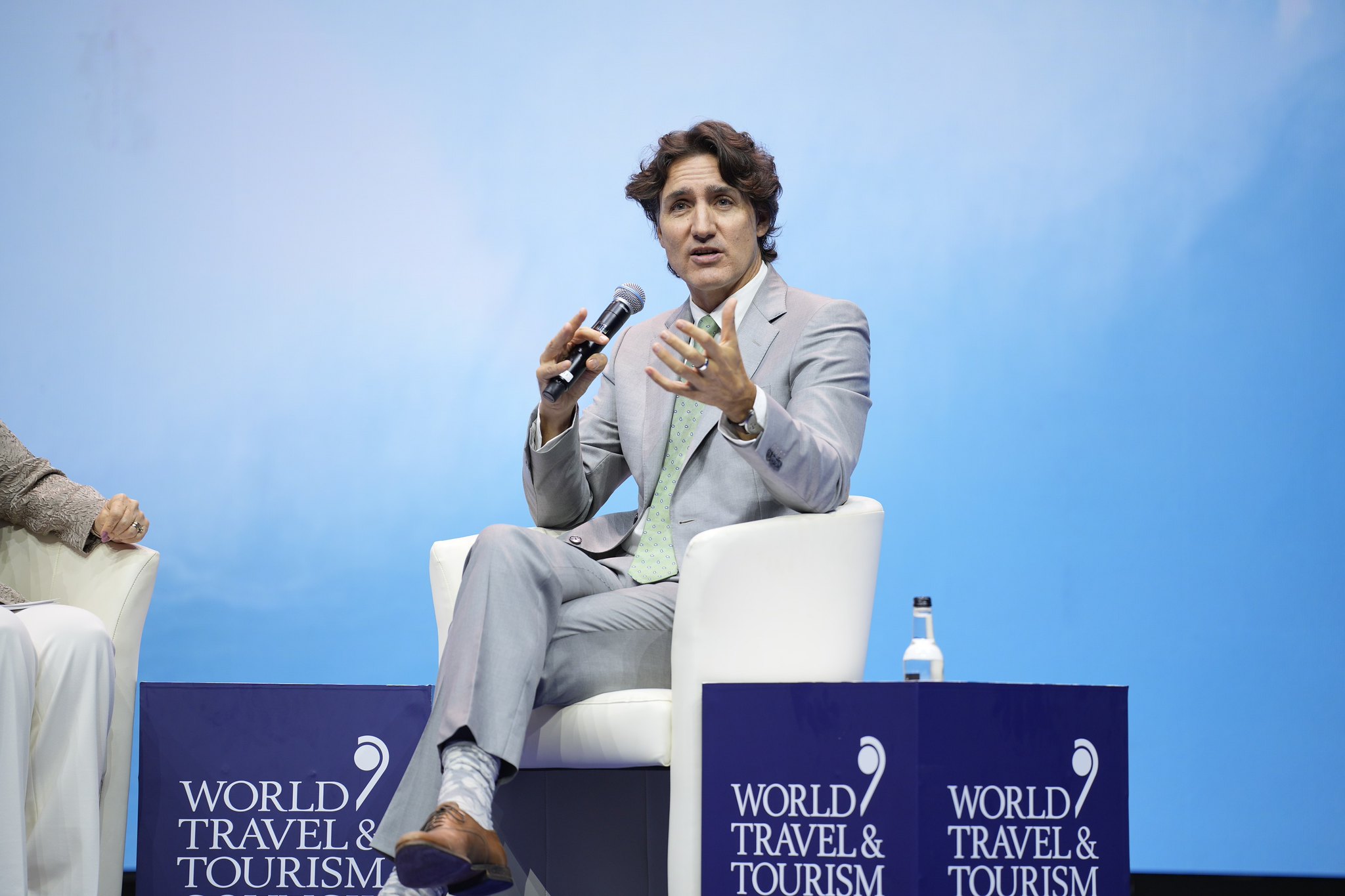
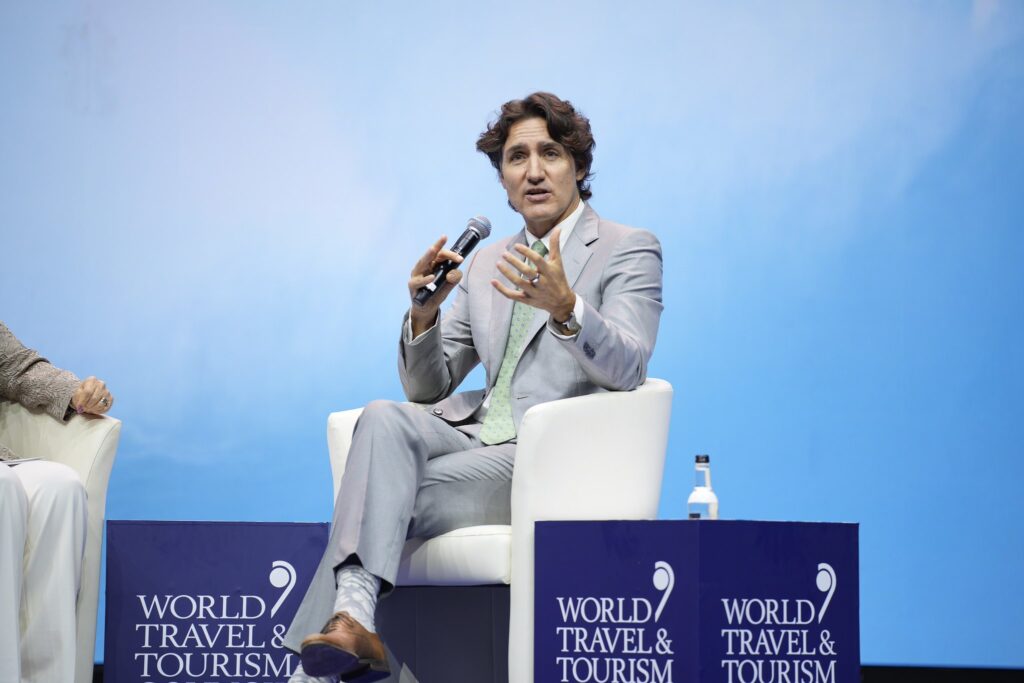
Justin Trudeau on travel’s super-human future
In a 30-minute interview barbed with jabs at the US administration, Trudeau spoke to the fundamental humanity of the tourism sector – positioning investment as an investment in people, and notable a shift in the perceived hierarchy of skills from white-collar to people-centred labour.
“There’s a tendency right now in countries around the world and we’re seeing it to a greater or lesser degree in certain countries of governments that are encouraging people to look inward, turn inwards, to go a little more insular,” he said. “The kinds of jobs, particularly for young people in tourism, are nation building.” Read Globetrender’s key takeaways from Trudeau’s session here.
Longevity without the lab coat
Longevity as a trend has become mired in high-spec technology and a kind of Bryan Johnson-esque obsession with optimisation. However, Tim Gray, who describes himself as “Europe’s leading biohacker”, put forward a more democratic vision. Hotels are focusing on the wrong things, he said. “Six or seven hotels out of multiple hundreds have blackout curtains in the bedrooms, and yet over 20% of travellers want them. That is just one example of how hotel groups alone can significantly boost revenue and please their travellers who, let’s be honest, book a hotel room to put their head down and sleep well.”
“Sleep should be relabelled as repair time,” he continued. “If we relabelled the word sleep to repair, imagine if we said, ‘I’ve got enough time to repair when I’m dead,’ or ‘I’m not going to repair properly tonight.’”
Increasingly in-demand technologies, such as the hyperbaric chambers on display at an on-site wellness lounge hosted by Maltese hospitality brand Iniala, can help guests recover from long journeys. However, he said, hotels looking to capitalise on longevity should focus first on the “fundamentals” of living well.
Study in India
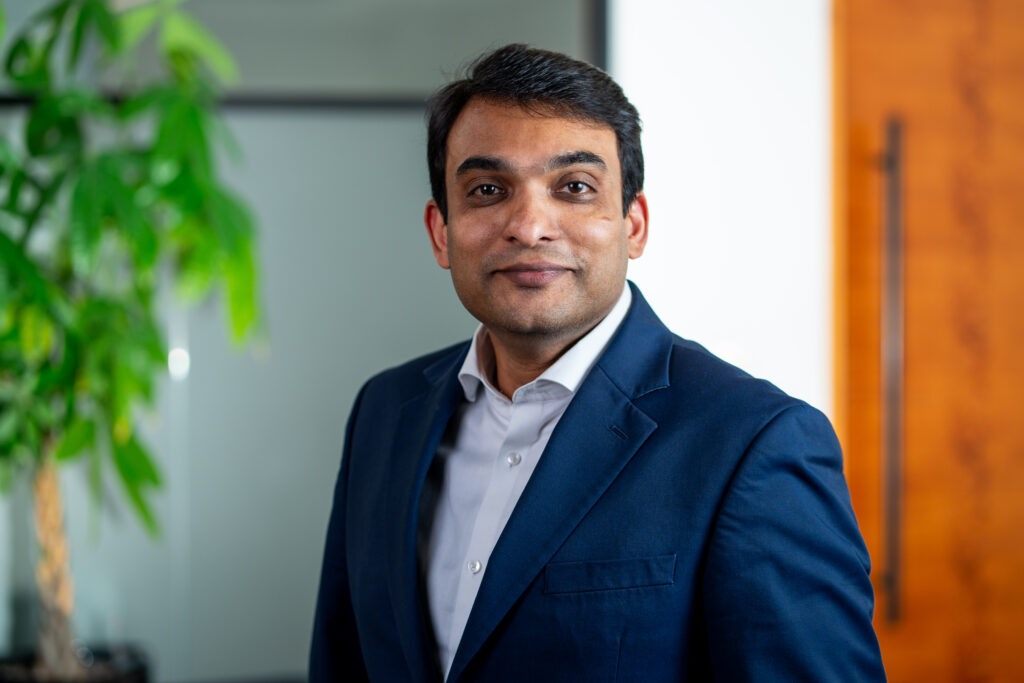
Zubin Karkaria, the founder and CEO at visa provider VFS Global, teased a new product targeted at international students with a view to leveraging those students as long-term drivers of tourism. “We might start something called Study in India as a product soon,” he hinted. It would be designed for international students without the financial means to pursue further education in the home countries. “Once that person comes in, then their friends come in,” he said, “they become our ambassadors.”
Fixing the bumpy ride
“The travel experience is very bumpy today. It’s like pushing a shopping trolley across rail tracks. We need to align travel experiences horizontally, not vertically,” said Paul Griffiths. He wasn’t the only one to talk about the importance of interoperability in creating a frictionless, AI-mediated travel experience.
But is full interoperability a pipe dream? Frank Marini, CEO of Railbookers, which also operates Amtrak Vacations in the US, pointed out that rail, a fast-growing segment, would be harder to integrate. Railbookers itself is four times larger than before the pandemic. “I’d love to see that happen,” he said, “but many of them are run by governments, so have their own legacy platforms.”
With so much fragmentation across Europe, whether C-Suite hopes for an AI super-app that can handle complex travel logistics and seamless execution will come to bear still hangs in the balance.