

Selar is building the world’s first near-zero-emission vessel for polar voyages
The Selar polar expedition ship reaches a key construction milestone as it prepares for its first voyages in 2027, combining low-emission technology with small-group Arctic travel. Robbie Hodges reports
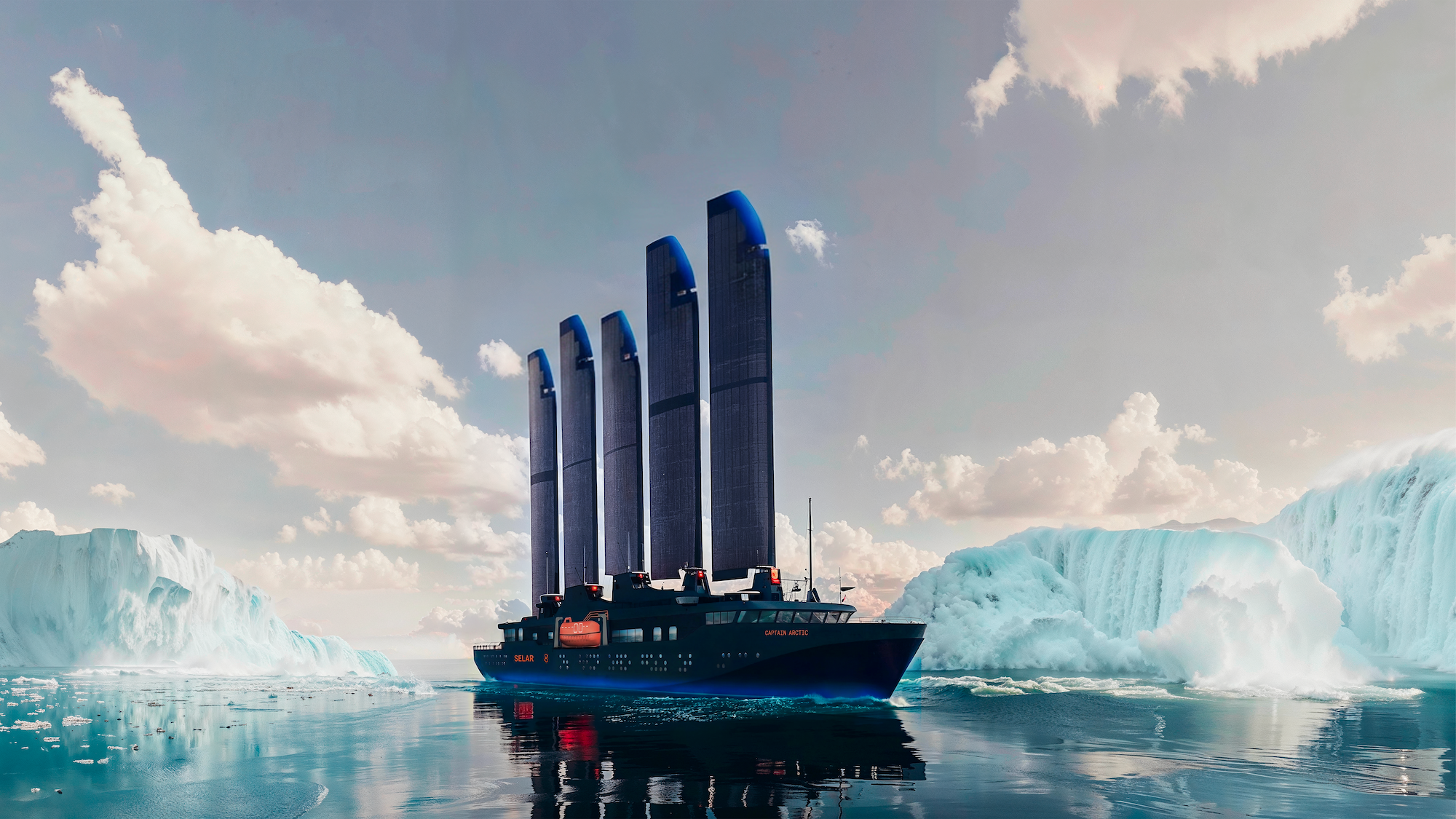
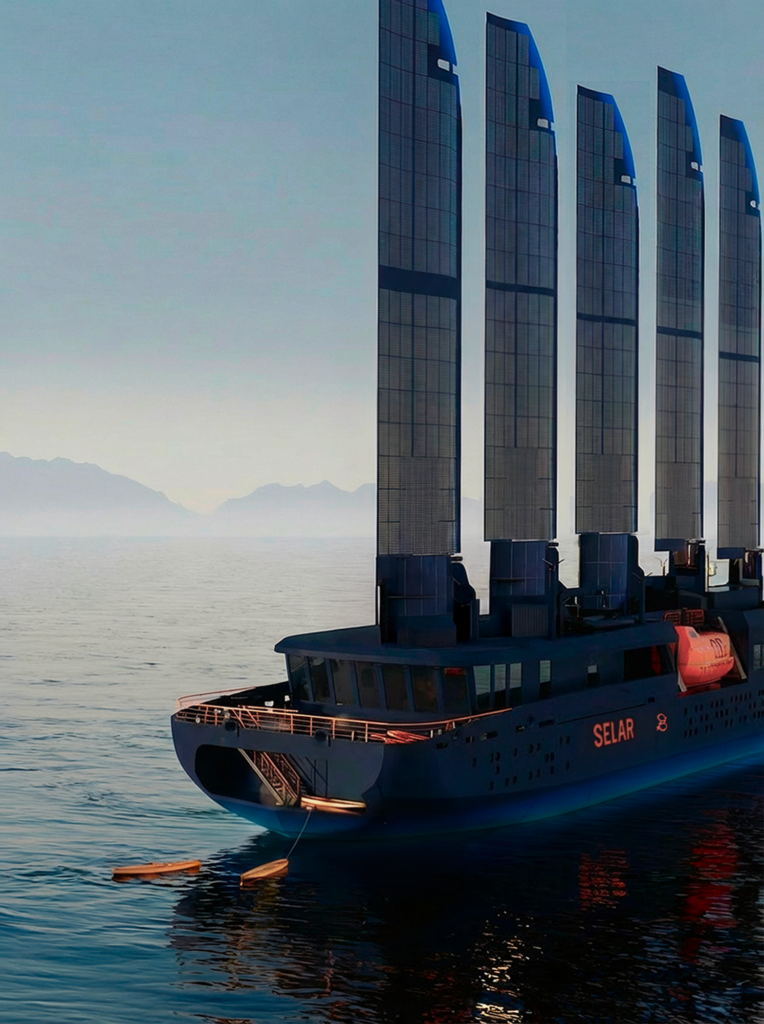
One year after its initial announcement, the Selar polar expedition ship is moving closer to completion, marking a significant step in the development of low-impact travel in remote regions. The 70-metre vessel, named Captain Arctic, is currently under construction and is expected to welcome its first guests in 2027.
Selar has been designed to carry just 36 passengers, positioning it firmly within the growing market for small-scale expedition travel. This limited capacity allows all guests to go ashore at the same time, extending time spent exploring polar environments and reducing the logistical constraints associated with larger cruise ships.
The Selar polar expedition ship is powered by a hybrid system that combines wind and solar energy. Five aluminium sails are currently being fabricated alongside the main structure, while key onboard systems such as electric engines, a battery park and waste treatment facilities are either completed or ready for installation. The hull has now been finished and is afloat, marking a major milestone in the build process.

Sophie Galvagnon, co-founder of Selar and the first female Arctic captain, describes the progress as both technical and emotional. “We’re moving forward with humility, but with great care and precision,” she says. “We’re not just building a ship, we’re laying the foundation for an experience that will last. Watching the hull emerge for the first time and running my hand along the steel was incredibly moving. After years of vision and design, this is the moment when the dream starts to feel real”.
The project is being developed in collaboration with CNOI Shipbuilding Yard in Mauritius. Franck Piriou, CEO of the yard, highlights the broader ambition behind the build. “From day one, this has been a bold and technically demanding project - but also a profoundly inspiring one,” he says. “We’re not just delivering a vessel; we’re helping shape the future of low-impact cruise industry.”
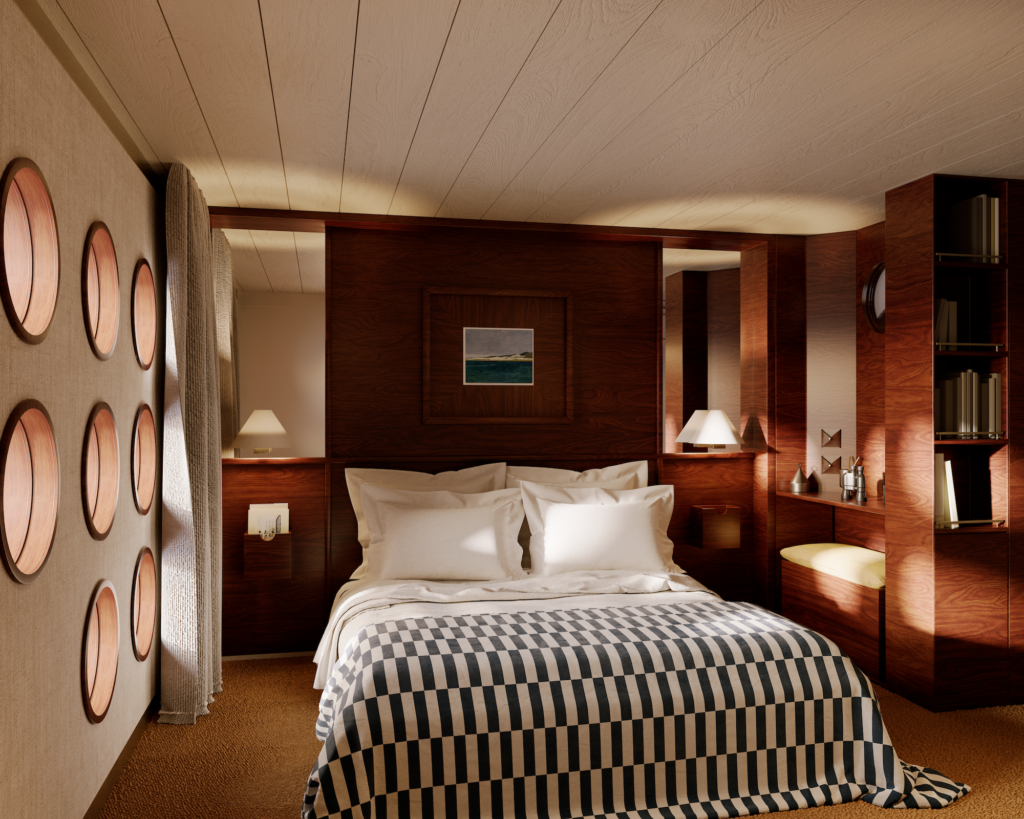
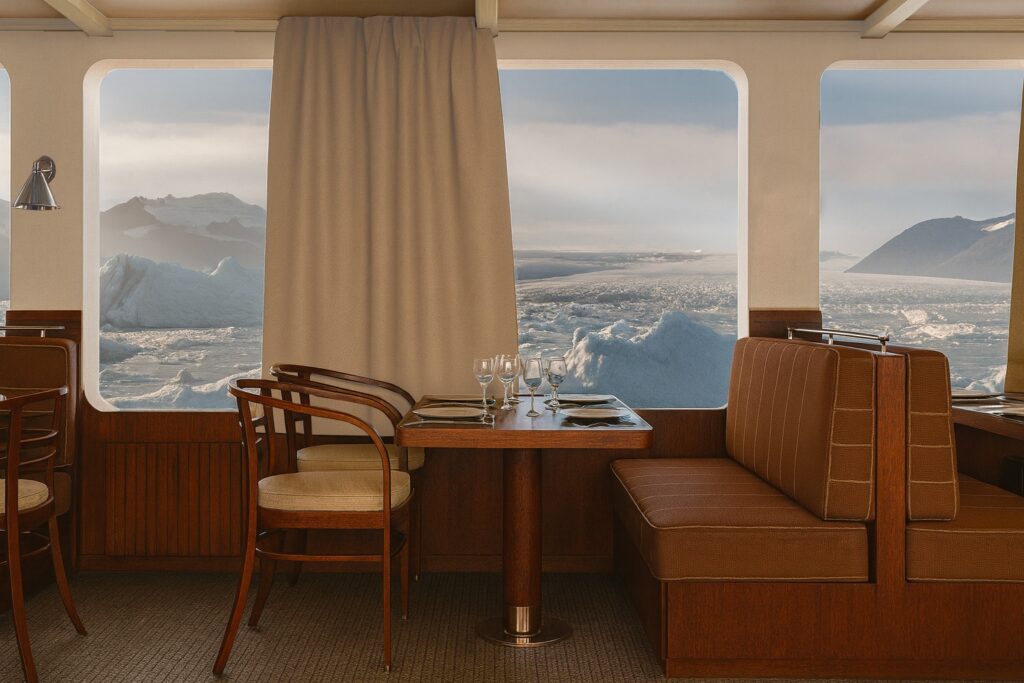
Inside the ship, interiors are being created with a focus on durability and function. Materials have been selected by Joséphine Fossey Office to withstand polar conditions while maintaining a simple and warm aesthetic. The design approach reflects a wider trend in expedition cruising, where practical considerations are combined with a sense of comfort and place.
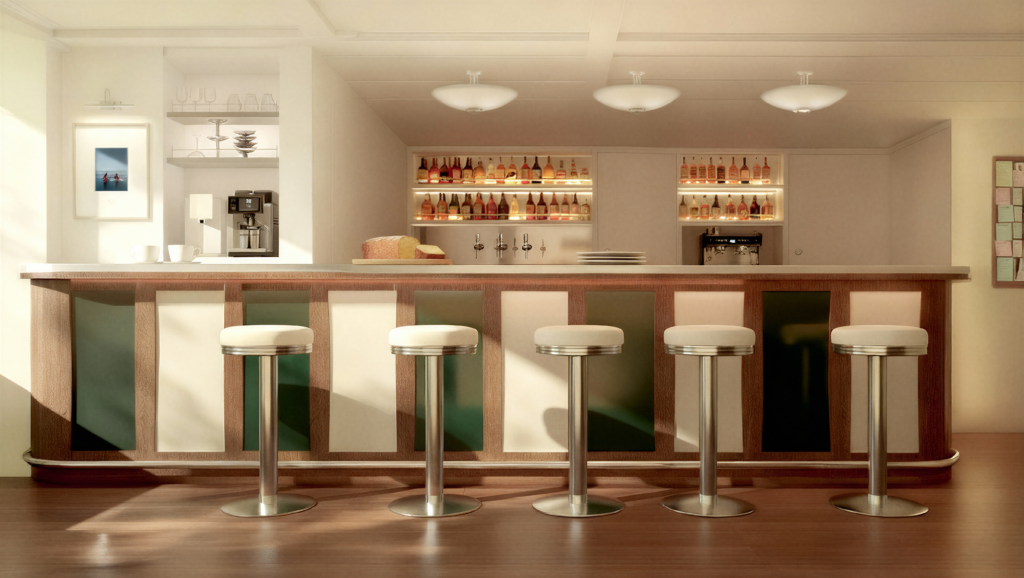
Food will also play a central role in the onboard experience. The Selar polar expedition ship plans to offer a fixed menu inspired by French and Nordic traditions, alongside more unusual dining moments such as meals served on ice or dishes prepared from freshly caught fish. These experiences are designed to connect travellers more directly with their surroundings rather than replicate conventional cruise dining.
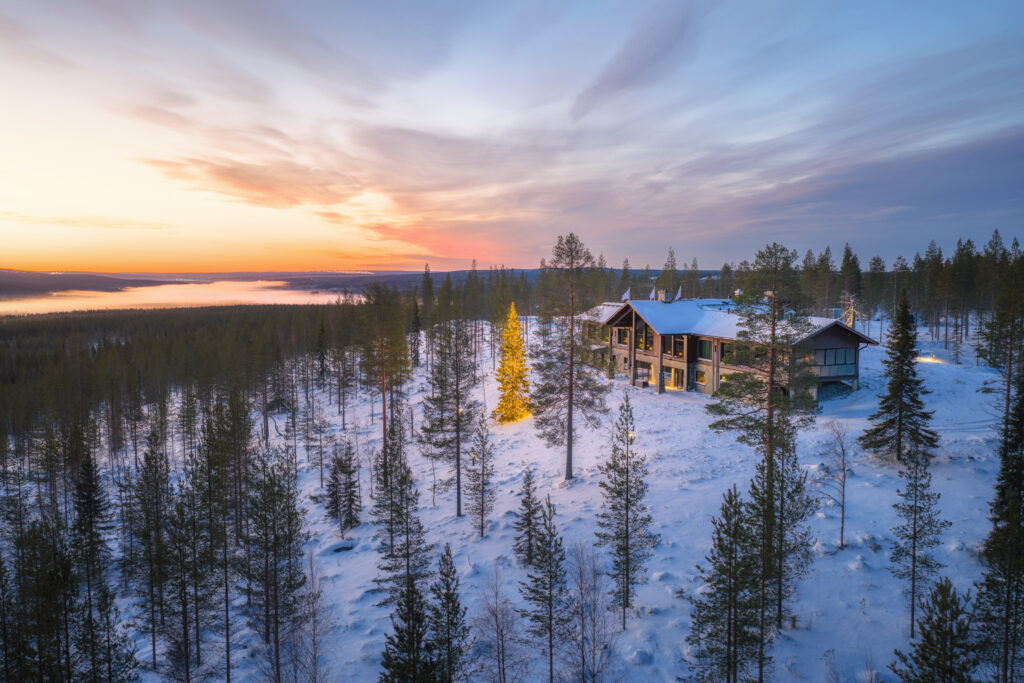
The ship’s first season will begin in Norway, with winter itineraries focused on Arctic landscapes and the northern lights, before moving to Svalbard in early spring. Some departures will include guided experiences led by specialists, including photographer Virgil Reglioni and explorer Caroline Côté.
Beyond tourism, Selar is also forming partnerships with environmental organisations and scientific groups. These include collaborations with ORCA to promote responsible wildlife encounters and a planned clean-up initiative in Svalbard in 2027, where plastic waste will be collected from Arctic shorelines with the help of volunteers.
The project has also attracted a wide network of contributors, from engineers and shipbuilders to expedition guides and scientists. Galvagnon points to the scale of collaboration behind the vessel. “What makes me the most proud are the people committed to the project. My Selar team of course, but also the people involved in the design, building, the operational, the commericial…and the crew! It is more than 3000 people concerned by the project from the electricians to the explorers. And all of them with the same objective: set sail with the world’s first groundbreaking expedition ship.”
As construction continues, Selar has also revealed a new hull design featuring a blue gradient inspired by polar landscapes. The visual identity is intended to reflect a quieter approach to exploration. “This colour is more than an aesthetic choice; it expresses our way of approaching exploration. A vessel that doesn’t dominate the landscape but blends into the North while bringing its own quiet energy. A discreet yet confident presence, respectful and alive,” says Galvagnon.
With prices starting from €6,780 for a seven-day voyage, the Selar polar expedition ship is positioned within the premium expedition segment. However, its focus on reduced emissions and small-group travel reflects wider changes in the industry, as operators respond to increasing demand for more responsible ways to explore fragile environments.
Selar’s progress over the past year shows how concepts around sustainable exploration are moving into practical delivery, with the vessel set to become one of a new generation of ships designed specifically for low-impact travel in polar regions.