

Blacklane chauffeur firm says 'robotaxis can’t assist with luggage'
OPINION
James Dow, UK and Ireland general manager at global chauffeur service Blacklane, shares his views on how high-touch service will finds its place in a world of robotaxis and AI technology.
AI and autonomous vehicles have dominated headlines recently, as global tech companies move beyond the piloting stages and set their sights on Europe for 2026. There is a concerted effort to make robotaxis a common feature of daily life globally, and while this shift promises convenience and scale, it also leaves questions about how and where we maintain the human touch.
Managing expectations: service versus support
The challenge is no longer whether robotaxis (such as Elon Musk's Cybercab, pictured below) will be able to successfully navigate the congested, narrow and irregular streets of Europe, but how a standard of quality service can be preserved. Blacklane was founded more than 14 years ago with the belief that the journey matters as much as the destination. From our perspective, technology is an enhancer and enabler of luxury experiences and not just a support tool.

Today, the robotaxi industry is finding its place. People are employed to open autonomous vehicle doors and safety drivers are in place ready to react and respond if needed. But in the luxury hospitality industry, these factors are an expected given.
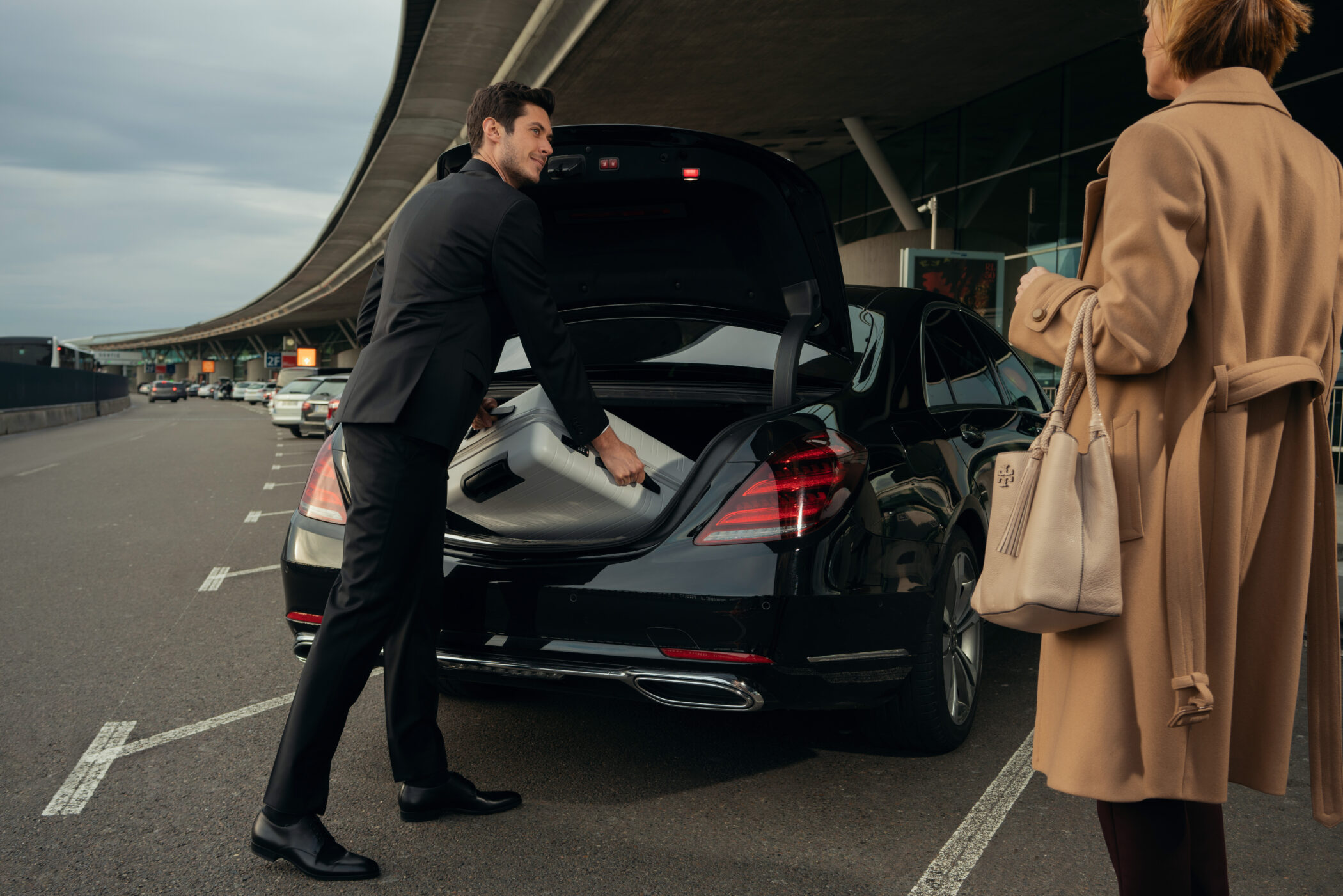
A Blacklane chauffeur partner greets the guest outside of the car, provides a warm welcome, and assists with luggage all as standard. As the mobility industry evolves alongside highly sophisticated automation, these highly valued human touches remain factors that are exceptionally difficult to replace.
How the adoption of AVs in US cities might differ in London
In the US, driverless taxis are mainstream in some cities in part because the infrastructure and urban design can accommodate them – roads are wider, congestion is lower, and streets are generally more modern and predictable than Europe’s historic layouts. US states have far less restrictive regulations around autonomous vehicles than Europe, and cities like San Francisco with supportive policies, tech-ready infrastructure, and a receptive population have become ideal environments for AV deployment.
As launching in London (Waymo is expected in 2026) becomes a key milestone for autonomous vehicles, it presents a different set of challenges for the AV industry. The tech players are boldly confident and the regulators are making the right noises. However, London is a diverse, sprawling and notoriously difficult city to navigate. With some of the highest number of five-star hotels in the world, it is also a city deeply intertwined with luxury and attracts the most discerning international leisure and business travellers.
In short, service matters in London. A transactional interaction is not going to bring meaningful differences to London’s multi-billion-pound luxury tourism economy. Technology can enhance efficiency, but for AVs to become part of the fabric of London, the essence of luxury cannot be lost.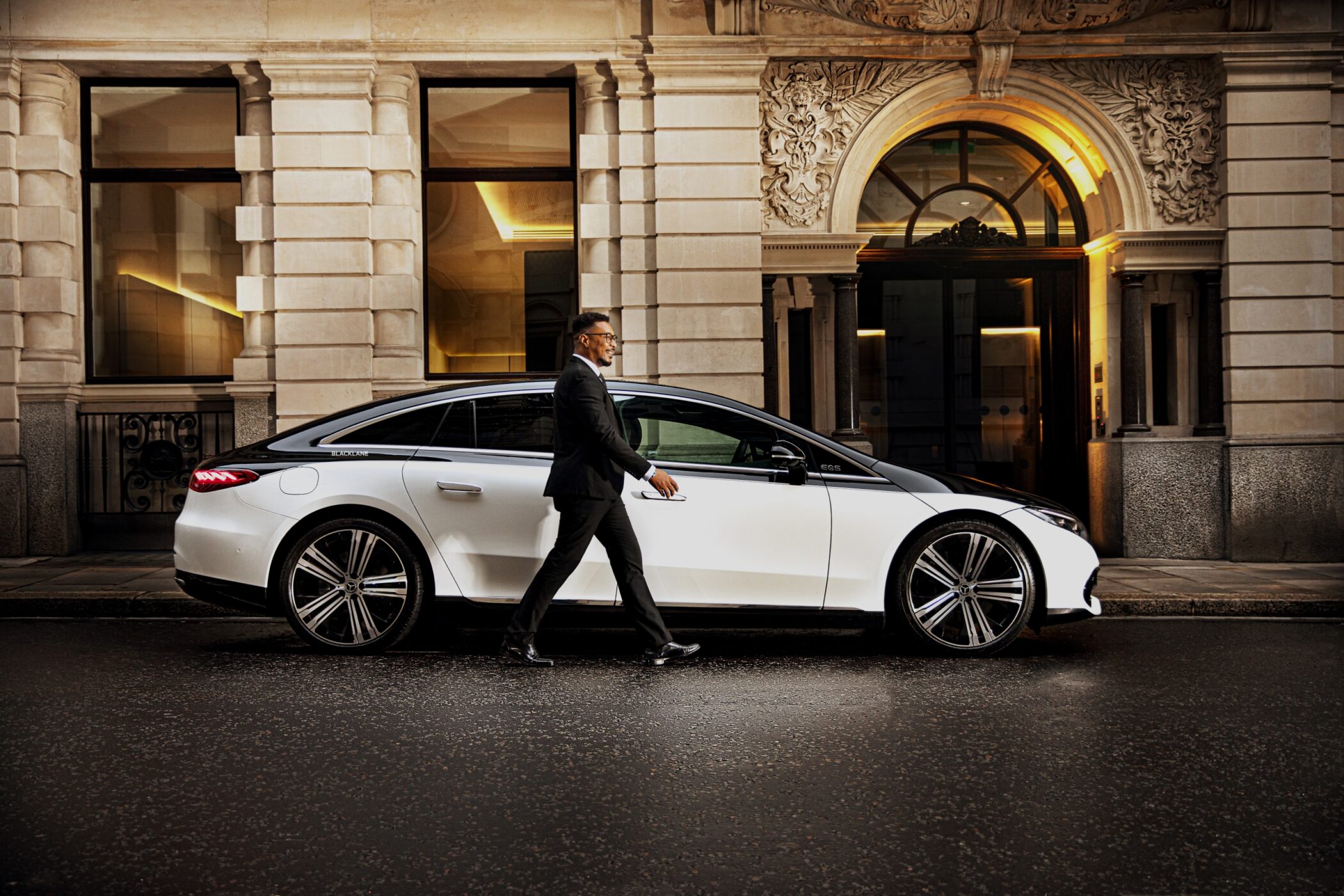
Enabling and empowering the human touch
The rise of autonomous vehicles has transformed how people-facing services are delivered today, offering new opportunities for growth. Professional chauffeuring is an industry built on heritage, service and a certain distinction. The training, experience and emotional intelligence required to thrive in a hospitality-based profession are difficult to replace with technology. Of course, the right tech tools can remove friction, aid personalisation and generally allow things to happen faster when these functions enable and empower the human touch.
Automation can streamline tasks, but it works best when it complements human intuition and the small gestures that deliver a genuine sense of care and comfort. Luxury travel is about more than reaching a destination; the journey itself is meaningful. At Blacklane, chauffeur partners anticipate guests’ needs and respond to the unexpected, delivering a seamless, personal and attentive experience. While technology may support how this service is delivered, the human role is indispensable.
Our chauffeur partners don't just deliver you to a destination comfortably and safely – they are also guides, experts, the reliable first and last face a traveller sees on their journey, shaping the guest’s impression and mindset. AI technology can add value by optimising processes, anticipating guest preferences, applying personalisation in advance and more. At the same time, humans can react in real time, apply instinct and adapt to changing circumstances within the journey. AI is an effective enabler, while human care remains at the heart of how luxury travel and hospitality experiences are delivered and enjoyed.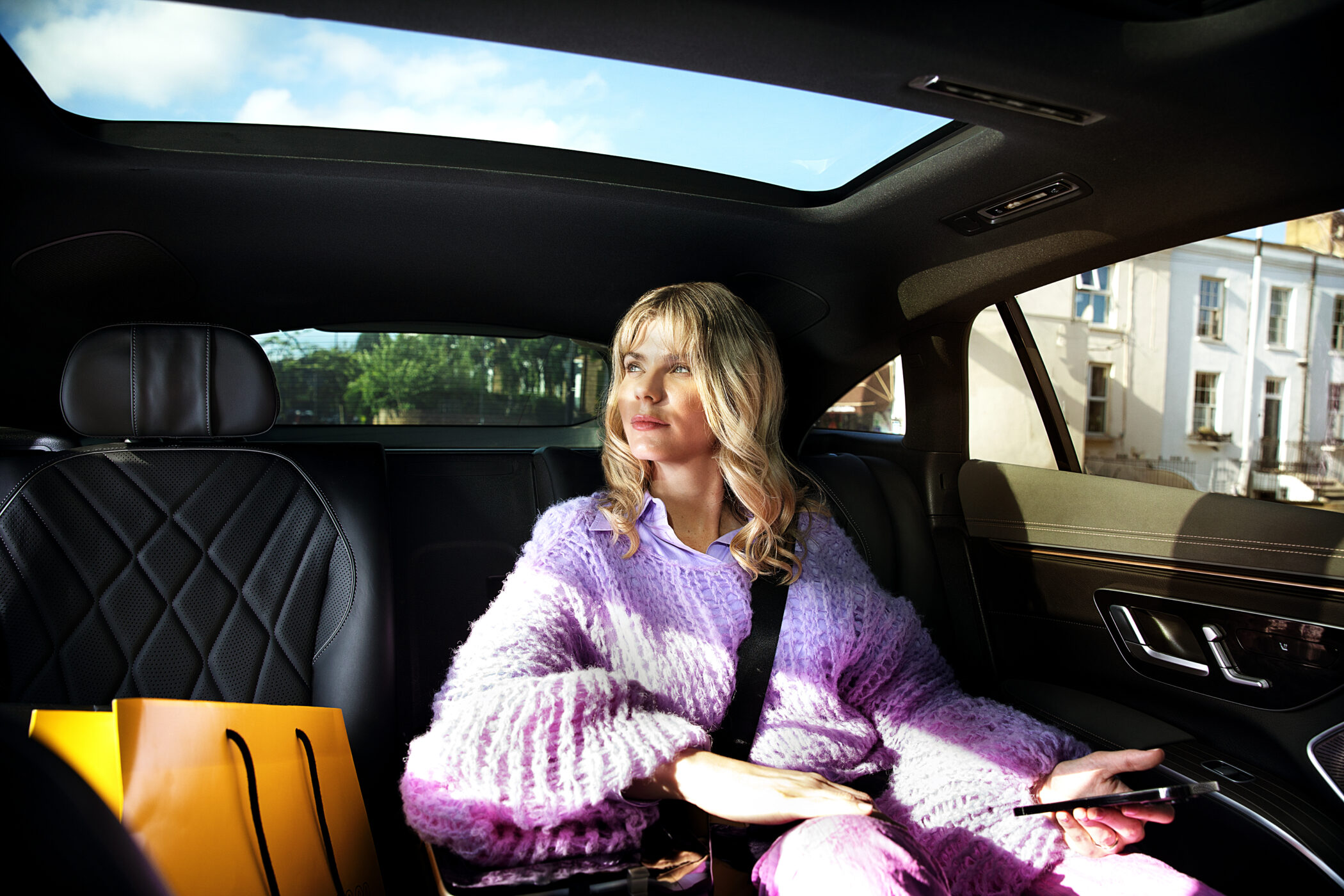
The value of service over transactions
On the one hand, AI has the potential to redefine how travellers book trips. Intuitive tools are increasingly designing a trip, suggesting options and handling payment – all in one simple interface. AI technology can streamline the booking and payment process, and we already see its e-commerce capabilities with Shopify’s ChatGPT integration opening up huge opportunities for the travel and mobility sectors.
But in the world of luxury hospitality, it is important we stay true to our commitment to exceptional service, rather than just an exceptional transaction. As driverless technology optimises, there will be a place for AVs, but a first-class guest experience cannot be solely achieved through machines. A robotaxi can’t assist with luggage, won’t be able to riff off a natural conversation and won’t use human intuition to make changes based on how an experience is coming to life.
The future belongs to companies that blend intelligent automation with authentic human care - and that’s where true innovation in luxury hospitality will thrive.