

ZeroAvia and Hybrid Air Vehicles to launch zero-emission Airlander
ZeroAvia and Hybrid Air Vehicles have joined forces to explore a zero-emission version of the Airlander 10, a low-impact aircraft that could one day carry more than 100 passengers using hydrogen-electric power. Olivia Palamountain reports
ZeroAvia and Hybrid Air Vehicles have signed up to work together on an even cleaner, quieter and more sustainable version of the Airlander 10.
The plan is to see whether the aircraft can be fitted with ZeroAvia’s hydrogen-electric engines, which create power using hydrogen and produce no in-flight emissions. If successful, it would mark an important step towards bringing large zero-emission aircraft into commercial use.
Tom Grundy, CEO of Hybrid Air Vehicles, says: “ZeroAvia has led the development of hydrogen-electric propulsion systems and made impressive progress commercially, technically and with regulators. Our intention has always been to offer our customers a fully zero-emission variant of the Airlander, for efficiency and environmental reasons, and this partnership with ZeroAvia will help us in this direction.”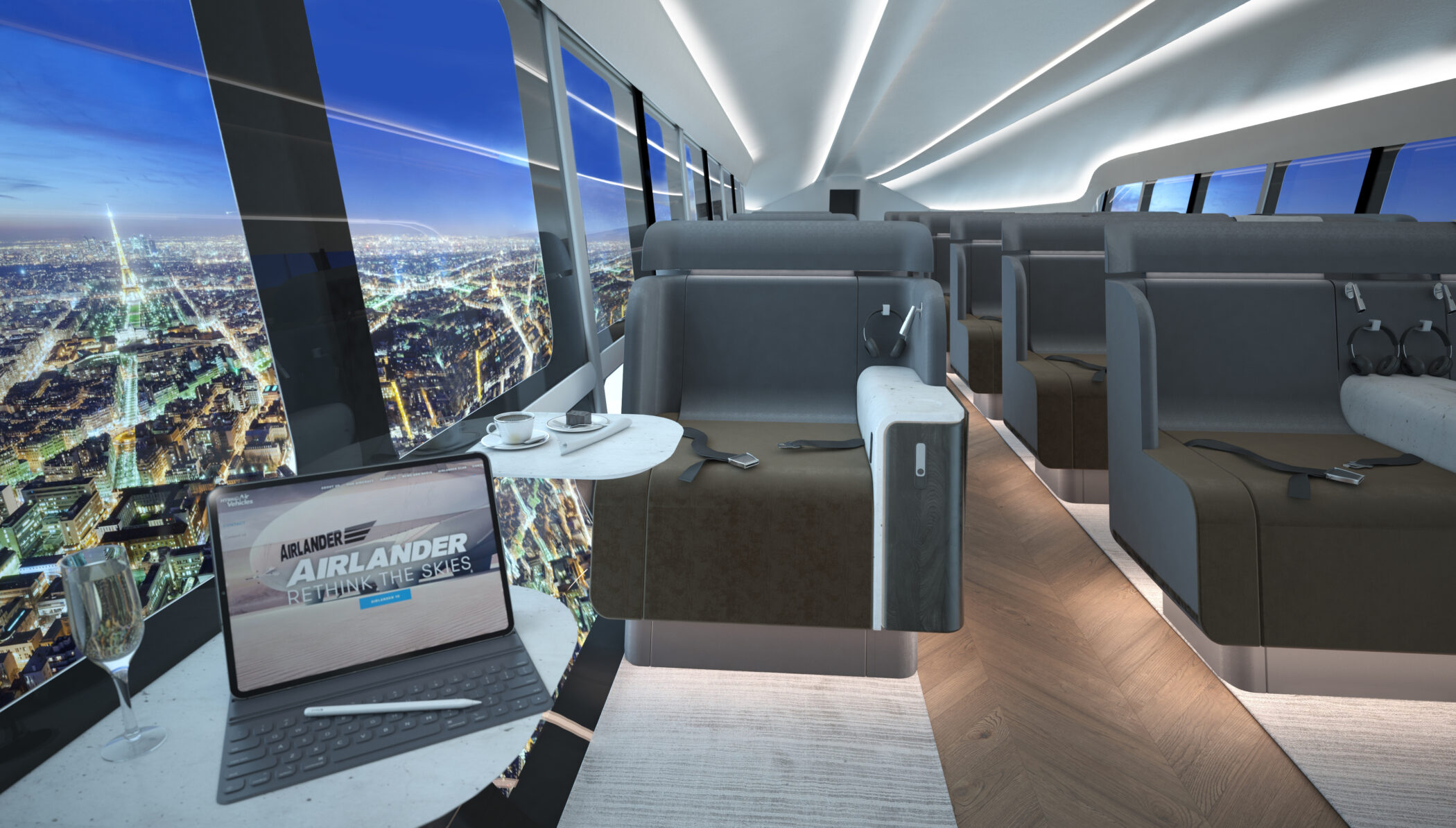

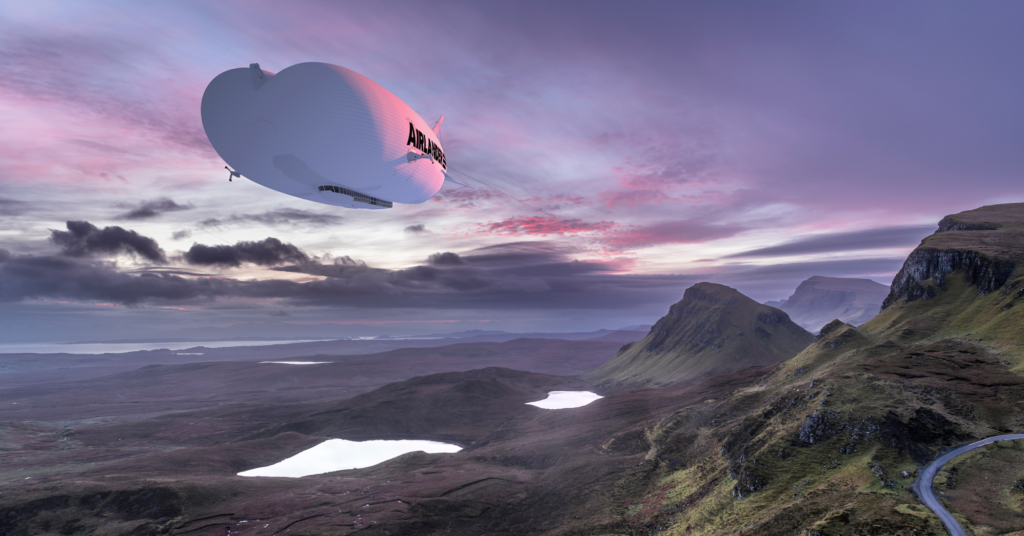
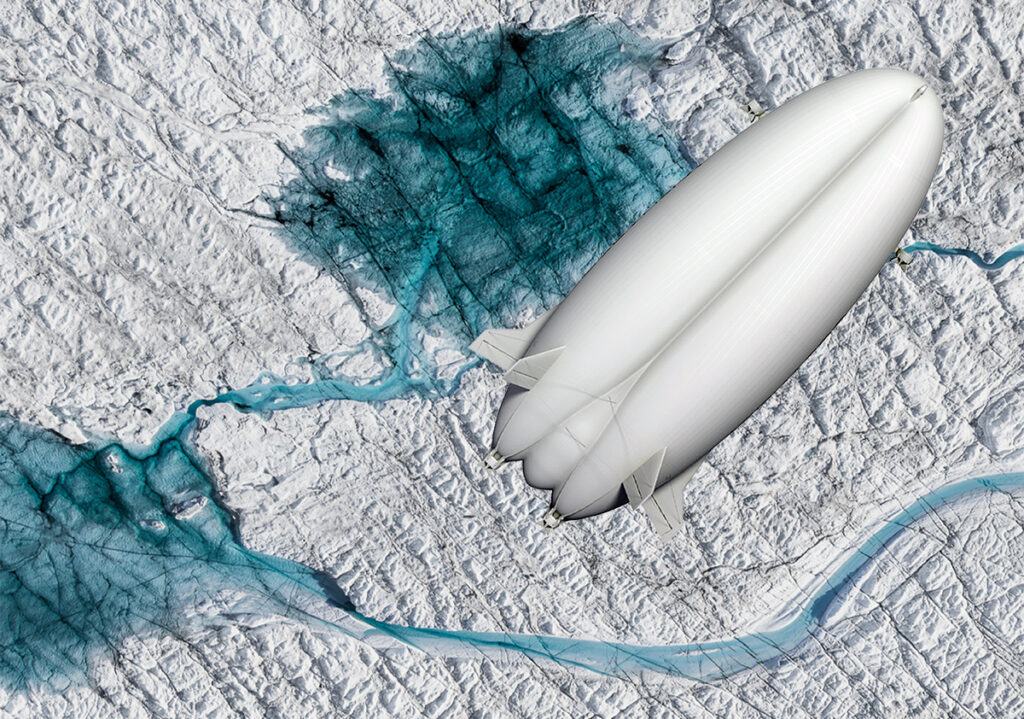
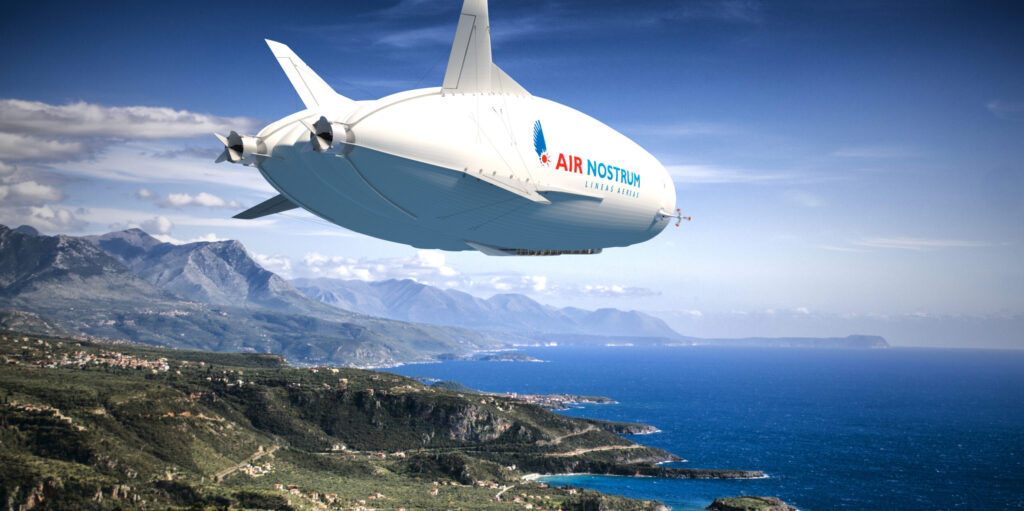
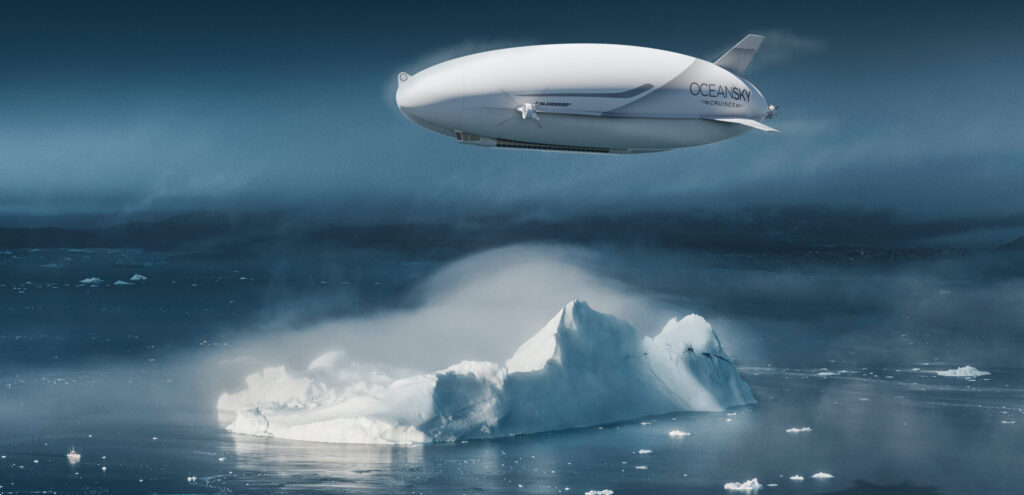
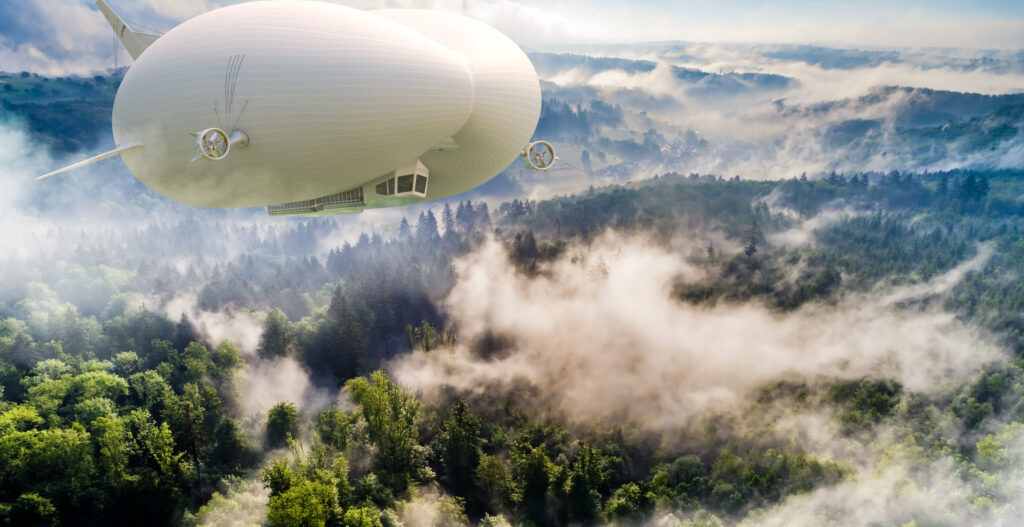
The Airlander 10 is not a typical aircraft. Its balloon-like hull helps it float, while its wings and engines provide additional lift, allowing it to fly using much less energy than a standard plane. The first production model will use efficient diesel engines, but Hybrid Air Vehicles has always intended to move towards a fully "clean" version.
Airlander 10 is a new type of hybrid aircraft that uses a combination of aerostatic lift, aerodynamic lift, and vectored thrust, with a 10 tonne payload and 4,000 nautical mile maximum range. The initial Airlander 10 will be powered by four diesel engines, providing an emissions reduction of up to 90% when compared with comparable capacity aircraft.
Integrating ZeroAvia’s hydrogen-electric propulsion will deliver full zero-emission in-flight operations carrying 100+ passengers, as well as reduced maintenance costs.
ZeroAvia has already tested its hydrogen-electric system, known as the ZA600, on a 19-seat aircraft, and several airlines have signed up to use it in the future. The Airlander 10 offers a useful platform because its large hull has plenty of room to store the hydrogen tanks the system needs. This gives the aircraft the potential for longer range and larger capacity than many other electric designs.
The new agreement will also look at how hydrogen-electric technology could be used on larger future versions of the Airlander, as well as what kind of fuel supply and ground infrastructure would be needed for commercial operations. Both companies are continuing to expand their manufacturing plans in the UK, with potential for new jobs as development progresses.
Val Miftakhov, founder and CEO of ZeroAvia, says: “Airlander is another exciting airframe for line-fit of our powertrains as it can open up a whole new market in air travel due to its range, efficiency and ability to operate from almost anywhere. Like ZeroAvia, Hybrid Air Vehicles is an aerospace innovator with exciting manufacturing and growth plans for the UK that can deliver hundreds of well-paid jobs in different regions in the UK.”