Four First Nations groups have formed a new entity called Atenro to acquire a majority stake in the Hilton Québec hotel.
The groups have partnered with InnVest Hotels in this landmark deal, which strengthens Indigenous economic participation in the province's hospitality sector.
The partnership brings together the Naskapi Nation of Kawawachikamach, the Mi'gmaq of Gespe'gewa'gi, the Huron-Wendat Nation and the Cree Nation under Atenro, which means "friendship" in the Wendat language. Under the agreement, Hilton will continue to manage the hotel's operations.
"Our new partnership demonstrates the willingness of Indigenous communities to invest in the economy in a sustainable way and to strengthen their financial self-sufficiency. The revenues generated by our other investments, such as wind, allow us to diversify our investments," says Fred Vicaire, CEO of Mi'gmawei Mawiomi Business Corporation.
The acquisition represents a significant opportunity for cultural representation in Québec's tourism industry. Henry Gull, president of the James Bay Eeyou Corporation, explains: "By investing in hospitality properties, we have the opportunity to create spaces that showcase our heritage and allow visitors to learn more about our cultures. It also strengthens our economic position and financial autonomy, while contributing to the sustainable development of our communities."
For the Huron-Wendat Nation, the deal holds particular significance as the hotel is located on their traditional territory. Grand chief Pierre Picard called it "an historic transaction" that "honours the memory of the Wendat ancestors who once had an important network of trade and trade alliances."
The hotel, which features 569 rooms and suites, is strategically positioned near Old Québec City and Parliament Hill. It houses the city's largest ballroom and 22 meeting rooms totalling 23,000 square feet of space, and is directly connected to the Québec City Convention Centre.
Lydia Chen, CEO of InnVest Hotels, confirmed that her company "will continue to be actively involved with the Hotel as Asset Managers for the new partnership."
The new owners have pledged to implement initiatives with Hilton Québec and InnVest Hotels to provide employment and training opportunities for members of all First Nations while maintaining all current jobs at the hotel.
The acquisition was facilitated by Atmacinta, Cain Lamarre, Plan A Capital and Gowling WLG, with financial backing from the Bank of Montreal and the First Nations Bank of Canada.
A pioneering jungle bushcraft course is set to launch in Guyana in August 2025, marking the first UK-accredited programme of its kind outside Britain.
The course, developed by The Wild Tales in partnership with Surama village instructors and UK-based Back to Wilderness, will focus on traditional indigenous skills rather than conventional survival training.
Participants will learn traditional bow and arrow crafting, advanced trapping techniques, medicinal plant identification, and sustainable jungle living skills from local experts. The 12-day programme, running from August 18-30, 2025, has been accredited by NCFE as a Level 3 Indigenous Jungle Bushcraft qualification.
"Unlike our survival courses, this programme does not include isolation. Participants will stay together as a group throughout the course, creating a supportive learning environment," explains Anders Andersen, owner of The Wild Tales. "This allows us to focus entirely on traditional skills and indigenous knowledge."
The course, priced at US$3,600 per person, requires no previous experience and is limited to 10 participants to ensure hands-on learning. Students will receive professional certification upon completion, with this inaugural course helping shape future programmes through participant feedback.
The programme emphasises sustainable jungle practices and indigenous knowledge transfer, teaching participants not just to survive but thrive in rainforest conditions.
A minimum of six participants is required for the course to proceed, with bookings available directly through The Wild Tales website.
In November 2024, Tour operator America As You Like It launched new journeys during Native American Heritage Month.
Native Trails of New Mexico, Arizona, Utah, and Colorado are a series of tours designed to honour the living traditions, rich history and natural beauty of the American Southwest. The 14-night itineraries invites travellers to experience meaningful connections with Native American heritage across the landscapes of these destinations.
Priced from £1,435 per person, each journey includes flights, accommodation, and car hire, providing travellers with an immersive experience of Native American culture, landscapes, and local communities. Highlights include visits to ancient sites, opportunities to support Native artisans, and access to cultural landmarks that reveal the incredible diversity and resilience of Indigenous heritage.
 Highlights in New Mexico include exploring the vibrant city of Albuquerque, visiting markets and historic Route 66 sites that showcase Native American and Spanish cultural influences. The tour moves on to the Canyon de Chelly in Arizona, a canyon situated on Navajo tribal land that has provided fertile agricultural land and a safe haven for Indigenous communities for centuries. Travellers will experience a Navajo-guided tour of this sacred site.
In Utah, guests will make a stop at Monument Valley, offering a chance to gain a deeper understanding of the breathtaking landscape's significance by traversing the valley with a Navajo guide.
In Colorado, travellers will spend two nights staying at Mesa Verde National Park, exploring the cliff dwellings of the ancestral Pueblo people, which have been preserved for more than 700 years - and which provide insight into the ingenuity and culture of the Hisatsinom people.
 Another New Mexico highlight is the UNESCO World Heritage site of Taos Pueblo, one of America's oldest continuously inhabited communities, and home to incredible Taos artisans. In Santa Fe, the historic heart of the Southwest, both ancient and modern Native American culture can be explored through art galleries, craft markets and Indigenous-led museums. New Mexico's White Sands National Monument is a gateway to a unique ecosystem of white gypsum dunes, where visitors can learn about its importance for local wildlife and communities.
There's also a stop at New Mexico's Carlsbad Caverns, a spectacular network of underground caves, a natural wonder that has cherished for generations in the region.
 Throughout the Native Trails of New Mexico, Arizona, Utah and Colorado itineraries, travellers will have the opportunity to visit Native-owned trading posts, markets and artisan shops that directly benefit Indigenous artists and craftspeople. These moments create a way of visitors to support local economies while appreciating authentic craftmanship.
Booking is now possible with America As You Like It, with flexible travel dates throughout the year.
A series of new Māori cultural experiences have launched through travel specialists New Zealand In Depth, offering guests the chance to immerse themselves into the spirit and culture of the Indigenous people of New Zealand.
From tribal homestays to starlit kiwi-spotting, geothermal bathing and traditional ocean foraging, this programme offers a huge variety of authentic encounters with New Zealand's Māori communities.
The 12-night itinerary, priced from £2,500, responds to growing global interest in indigenous tourism, currently valued at US$ 6.08 billion and projected to reach US$ 17.81 billion by 2032. At the award-winning Kohutapu Lodge, guests stay in lakeside cottages overlooking tribal lands and ancient forestry, participating in cultural activities including weaving, haka lessons and nighttime eel fishing.
Visitors learn to prepare traditional Hāngī feasts (whereby food is cooked on heated rocks buried in a pit oven, called an umu), experiencing the authentic smoky flavours of traditionally cooked meats and vegetables.
A highlight includes accommodation on Kapiti Island, one of New Zealand's most important nature reserves, operated by a Māori family business since 1820. Here, visitors experience nighttime kiwi-spotting before retiring to glamping tents or cabins, falling asleep to native birdsong and kiwi calls.
The journey continues to Orakei Korako, a thermal wonderland featuring active geysers, boiling hot springs, jade-green waters, and one of only two geothermal caves globally.
Guests then join the Ancestral Footprints Cultural Tour around Mount Tarawera, exploring former Māori settlements and the famous pink and white terraces along Lake Rotomahana. A unique sunrise experience awaits at Maunga Hikurangi, the Ngati Porou people's sacred mountain. Travellers ascend under starlit skies to view nine Māori carvings depicting the legend of Maui, the demi-god who slowed the sun.
"Māori culture is deeply rooted in spirituality and tradition," explains Paul Carberry, founder of New Zealand In Depth. "The ancestors arrived before 1300 CE, bringing with them a vibrant culture that continues to shape the island's identity."
The experience concludes with a special ocean adventure led by Deon Muir, former Waikato Chiefs player and Māori All Blacks captain. Guests fish across the Maketū bar, learn traditional cooking techniques, and enjoy cultural storytelling over a feast.
The package includes accommodation, car rental, guided tours, and cultural experiences, though international flights are additional.
The World Travel & Tourism Council (WTTC) has unveiled a landmark report at its Global Summit in Perth, Western Australia, projecting that Indigenous tourism will inject US$67 billion into the global economy by 2034.
The report, titled Supporting Global Indigenous Tourism, highlights the sector's crucial role in driving economic growth, particularly in remote regions, while simultaneously contributing to cultural preservation and community empowerment.
According to the WTTC, the global Indigenous tourism market is expected to grow at a compound annual growth rate (CAGR) of 4.1% over the next decade.
This growth is not only creating jobs and economic value in remote areas but also promoting and protecting Indigenous peoples' cultures, languages, and lands.
Julia Simpson, WTTC president & CEO, says: "Indigenous tourism is not only about showcasing rich cultural traditions; it's about empowering communities, creating sustainable jobs, and ensuring that Indigenous people are in control of their own stories and economic futures."
The report cites several examples of Indigenous tourism's impact. In Canada, the sector supports nearly 2,000 businesses and over 39,000 jobs, contributing CA$1.7 billion to the economy in 2017.
In Australia, more than 1.4 million international visitors engaged in Indigenous tourism experiences in 2019, marking a 6% year-on-year growth since 2010.
Western Australia is emerging as a particular leader in this field. Robert Taylor, CEO of the Western Australia Indigenous Tourism Operators Council (WAITOC), says: "Western Australia is well on its way to becoming the premier destination for authentic Aboriginal experiences in the country." He pointed to initiatives such as the "Camping with Custodians" programme, which develops high-quality campgrounds on Aboriginal lands.
The report also underscores the role of Indigenous tourism in preserving cultural heritage. Examples include the Sámi people of Northern Europe developing certification marks to protect their traditions, and Peru's Kipi robot helping to preserve endangered languages.
Despite the sector's growth, many Indigenous operators face challenges in securing funding. Efforts such as Canada's Indigenous Tourism Destination Fund (ITDF) aim to address this issue, with plans to raise CA$2.6 billion by 2030 to create 800 new Indigenous businesses and over 21,000 new jobs.
As global demand for authentic cultural experiences continues to rise, the WTTC emphasises the importance of supporting Indigenous businesses and ensuring they have access to the resources and funding needed to thrive.
The organisation has committed to supporting the efforts of Indigenous peoples worldwide in shaping their own tourism narratives and ensuring Indigenous tourism remains a thriving, self-sustaining industry.
Visit California has launched online platform, Visit Native California, an initiative to showcase California’s vibrant Native communities and cultural tourism experiences.
California is home to more than 100 federally recognised tribes, who first inhabited the state more than 15,000 years ago, and Native culture is woven into the fabric of the state's identity today.
Housed on the Visit California website, Visit Native California was developed in partnership with state officials and tribal leaders. The site will be a source of information on cultural tourism experiences visitors can find across the state that are connected with these tribes and their heritage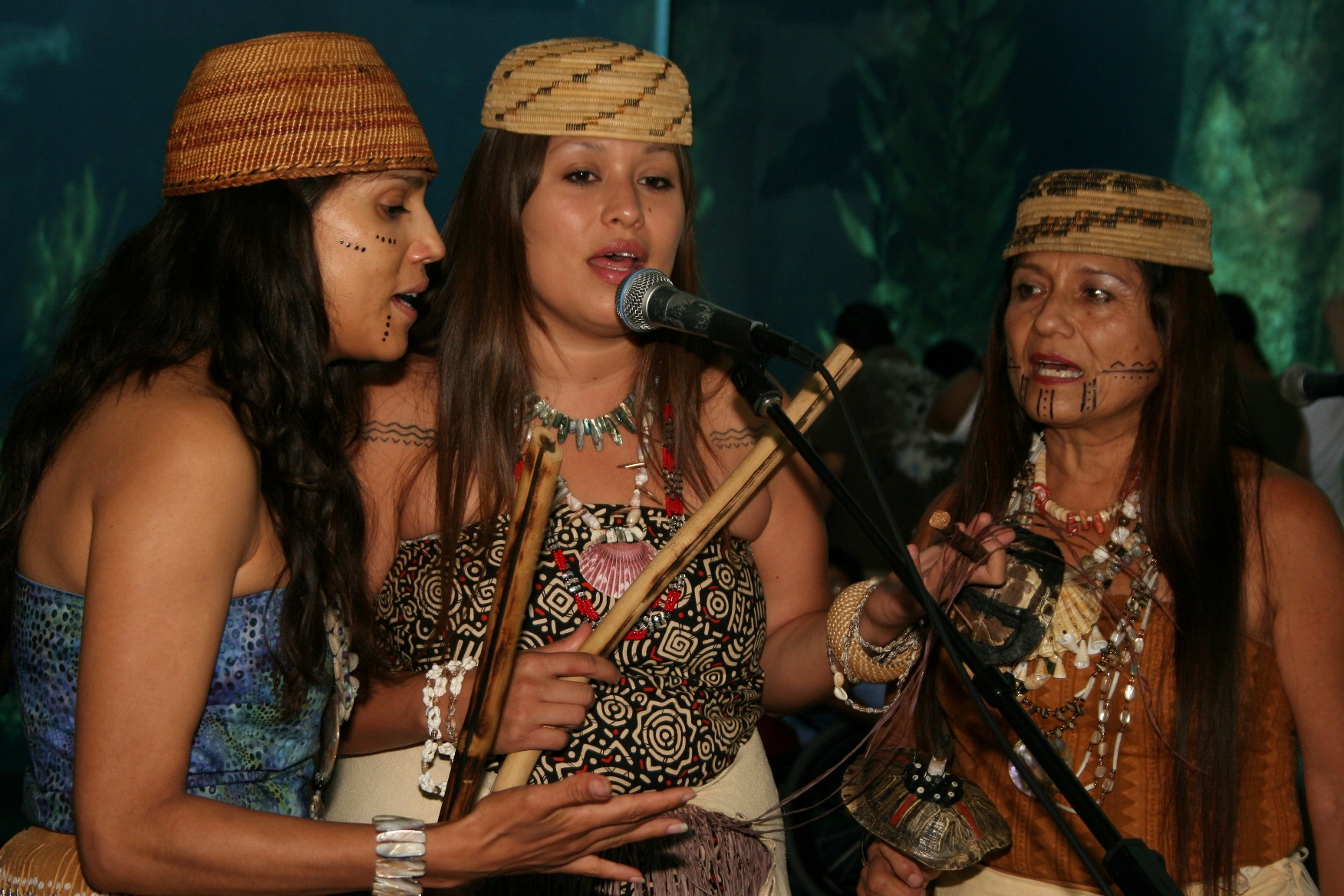
“Visit California is honoured to create a platform that showcases the rich cultural heritage of the Native Americans who have called this place home for thousands of years,” said Visit California president and CEO Caroline Beteta. “We’re committed to partnering with California’s tribes and creating spaces to uplift and honour their voices, communities and cultures.”
The site is funded by a federal grant awarded as part of the American Rescue Plan Act to help the communities hardest hit by the pandemic. The grant ringfences US$1 million to increase awareness of the state’s cultural heritage tourism experiences and increase their visitor numbers.
The Visit Native California platform shares stories that celebrate the spirit and diversity of California’s people and promote tourism experiences centred around tribes’ cultural heritage. Native storytellers will also share their expertise to expand the California Responsible Travel Code’s emphasis on preserving the state’s cultural heritage and natural resources.
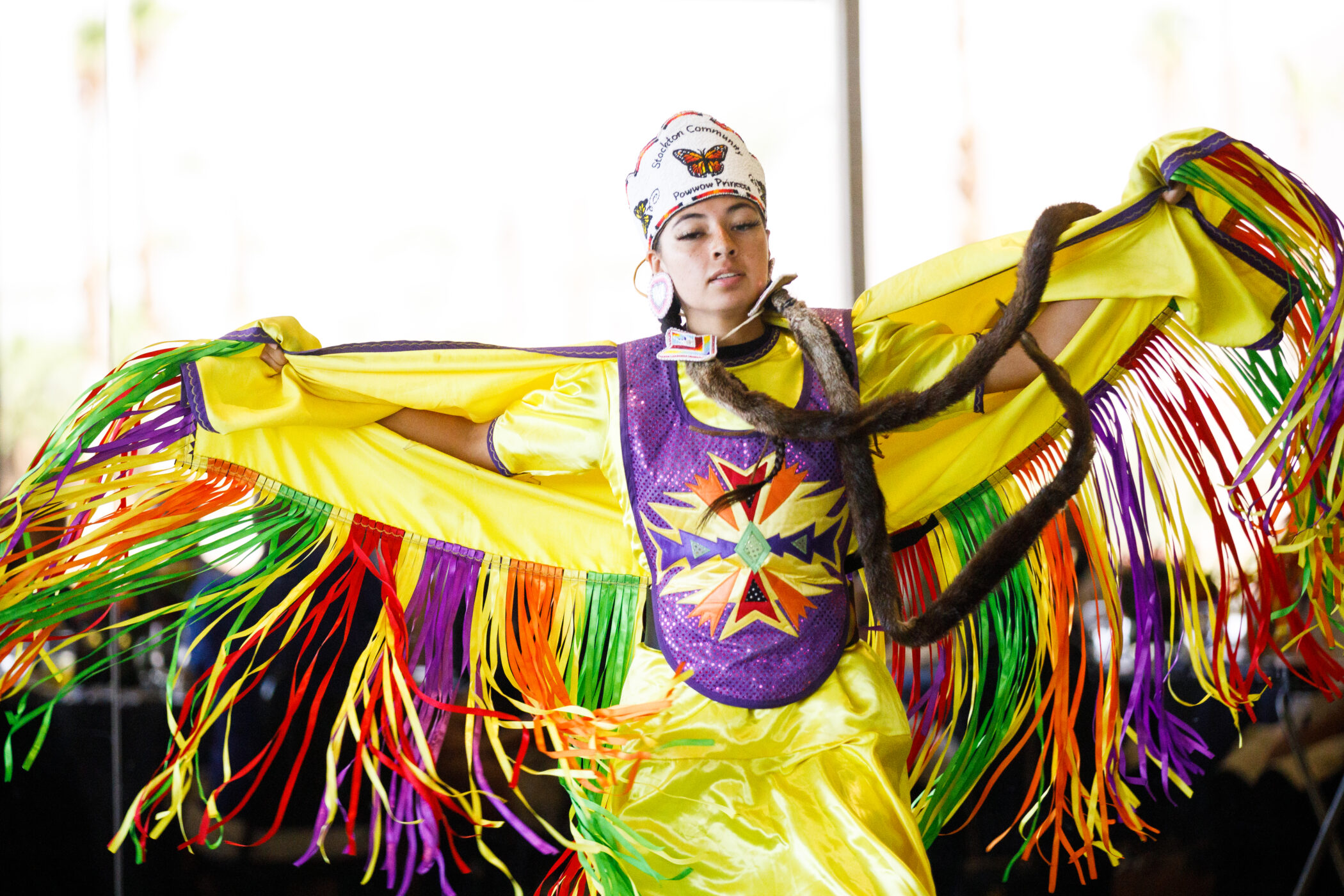
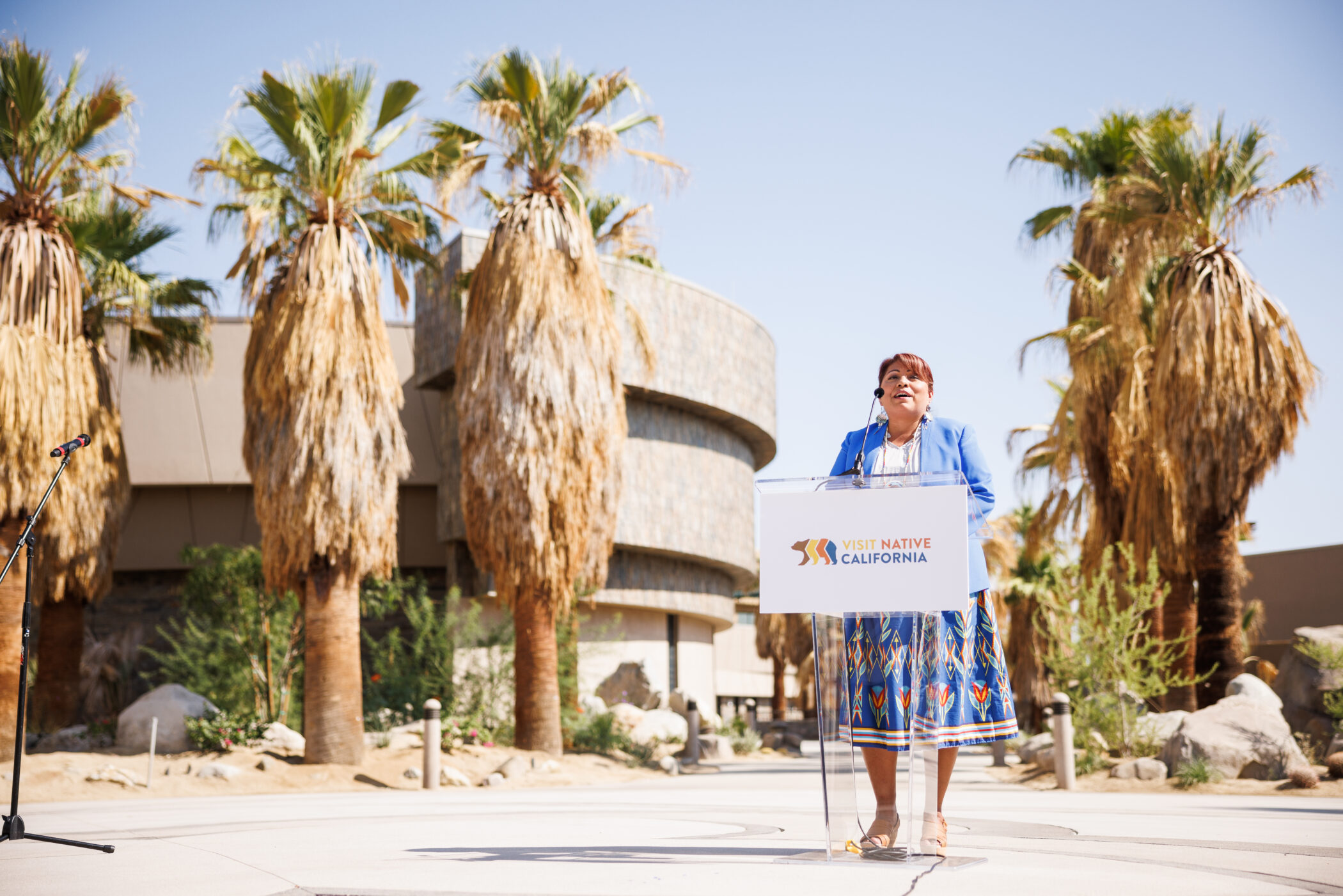
One way travellers can learn more about California's Native American history is by visiting the new Agua Caliente Cultural Plaza in Palm Springs. Palm Springs is home to the Agua Caliente Band of Cahuilla Indians, who are the original inhabitants of the area. Visitors can explore their history at the tribe's sacred reservations at Tahquitz and Indian Canyons.
The new cultural plaza comprises a gathering plaza, gardens, a trail and The Spa at Séc-he, which will restore access to the underground ancient healing mineral waters, (estimated to be more than 12,000 years old). There is also a cultural museum that provides a gateway to the tribe’s past, present and future, with five different exhibit areas dedicated to telling their history from the native flora and fauna of the Indian Canyons to ancient artefacts.
San Diego county has more than 32,000 archaeological sites, and the collection of artefacts at San Diego Archaeology Centre allows visitors to learn how people have lived in the county for the past 12,000 years.
Meanwhile, the Barona Cultural Centre and Museum, located on a Native American reservation, offers an educational journey with listening alcoves, photography displays, archives and more than 300 artefacts, and Cupa Cultural Centre is dedicated to the Pala Indians and enhancing traditional cultural practices.
Travellers can also explore Native American culture's close connection with nature at California's incredible parks, gardens and hiking trails.
In honour of the Tongva, “people of the earth” who are Native habitants of Santa Monica, Tongva Park is a six-acre urban oasis adjacent to the beach. The park features native and sustainable plantlife that changes subtly with the seasons – while Santa Monica History Museum artefacts and information for learning more about the Tongva people.
Meanwhile, Hospital Rock in Sequoia National Park is home to some of the finest examples of Native American pictographs, and the largest Native American village within current park boundaries once thrived here.
In Siskiyou in northern California, the Lava Beds National Monument is home to more than 700 caves with Native American rock art sites. The rocks are carved petroglyphs and painted pictographs located in the traditional territory of the Modoc people and their ancestors. Stewart Mineral Springs also offers a unique environment of sacred mineral waters and workshops where the Karuk Tribe has respected these springs for generations.
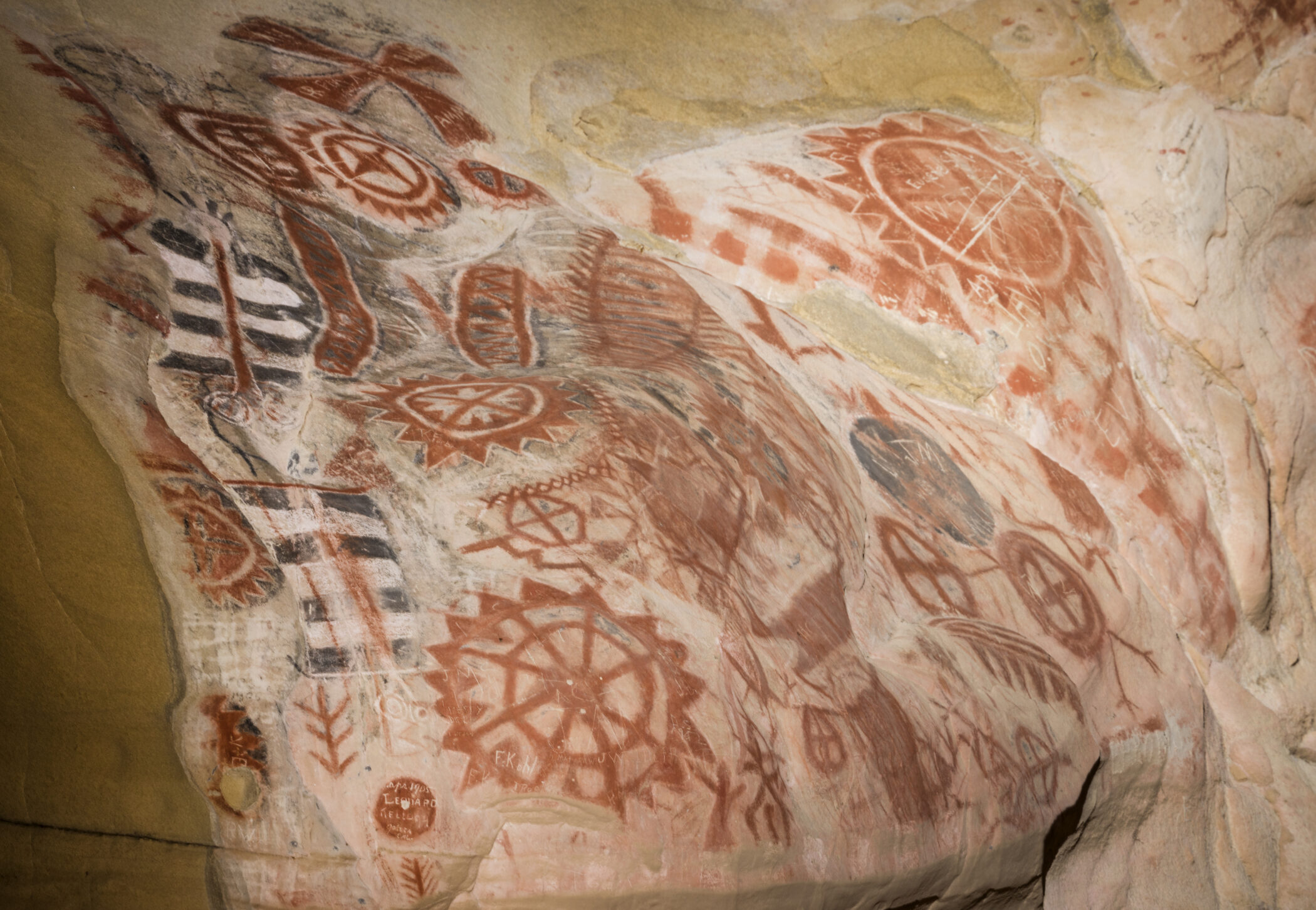
In Del Norte County, which is rich with Native American culture, visitors can experience the Yurok tribe’s annual Klamath Salmon Festival or Tolowa Dee-ni’ Day They can hike the Grove of Titans to view the tallest coastal redwood trees on earth, which are sacred to the Tolowa. They also can tour the Yurok Country Visitor Centre or book a Redwood Yurok Canoe Tour to paddle in an authentic hand-carved dugout canoe.
Travellers can also opt to stay in Californian hotels with connections to Native American culture. Surrounded by sprawling hills Ojai Valley Inn honours the Chumash Indians who settled in Ojai more than 10,000 years ago with experiences that immerse guests in Chumash heritage. Spa Ojai offers a Kuyam experience ("a place to rest together") which is a therapeutic, detoxifying massage coupled with a traditional meditative Chumash narrative.
Meanwhile, in Temecula Valley, Pechanga Resort Casino is owned and operated by the Pechanga Band of Luiseño Indians, who created the luxury resort. The property's lobby has historical and cultural art installations, while its Spa Pechanga - one of the only Native American-inspired spas in California – offers treatments derived from the healing botanicals used by Native people.
Intrepid Travel, the world's largest travel B-Corp, is set to offer more than 100 experiences with indigenous communities globally from 2023.
The company first joined Australia's Reconciliation movement in 2018, partnering with First Nations groups to develop travel experiences, report on progress and increase cultural awareness through tourism.
While authentic community-based tourism has always been core to Intrepid’s product, since 2020 Intrepid has been significantly building on its programme of indigenous experiences. As well as in Australia and New Zealand, the company has introduced indigenous tourism experiences to the US, Africa, South and Central America, among other destinations.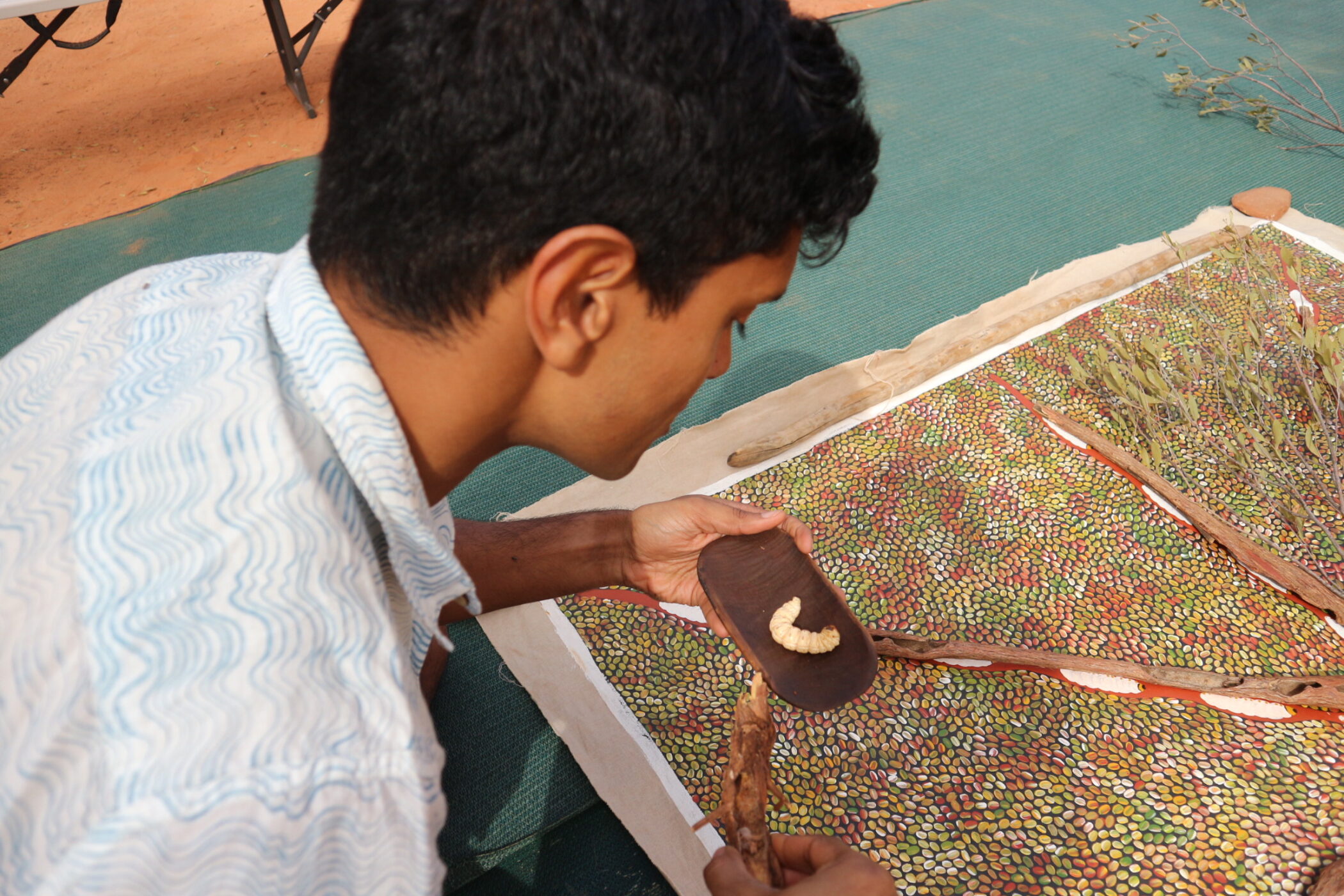 Among the 100 experiences are several new offerings for the year ahead, including a Mayan village medicinal garden visit and textile weaving workshop on Intrepid’s "Real Central America" itinerary; the five-day Australia "Walk Queensland’s Scenic Rim" trip, led entirely by host Gurruhmun "Old Man Kangaroo", an Ugarapul and Bidjara guide; and a visit to an indigenous shaman on Intrepid’s "Maya Encounter" tour in Guatemala.
Sara King, Intrepid’s general manager for purpose, says: “Indigenous tourism has the power to bring travellers closer to the communities that shaped destinations, honouring their customs and unique history while paving a new path for peace and reconciliation.”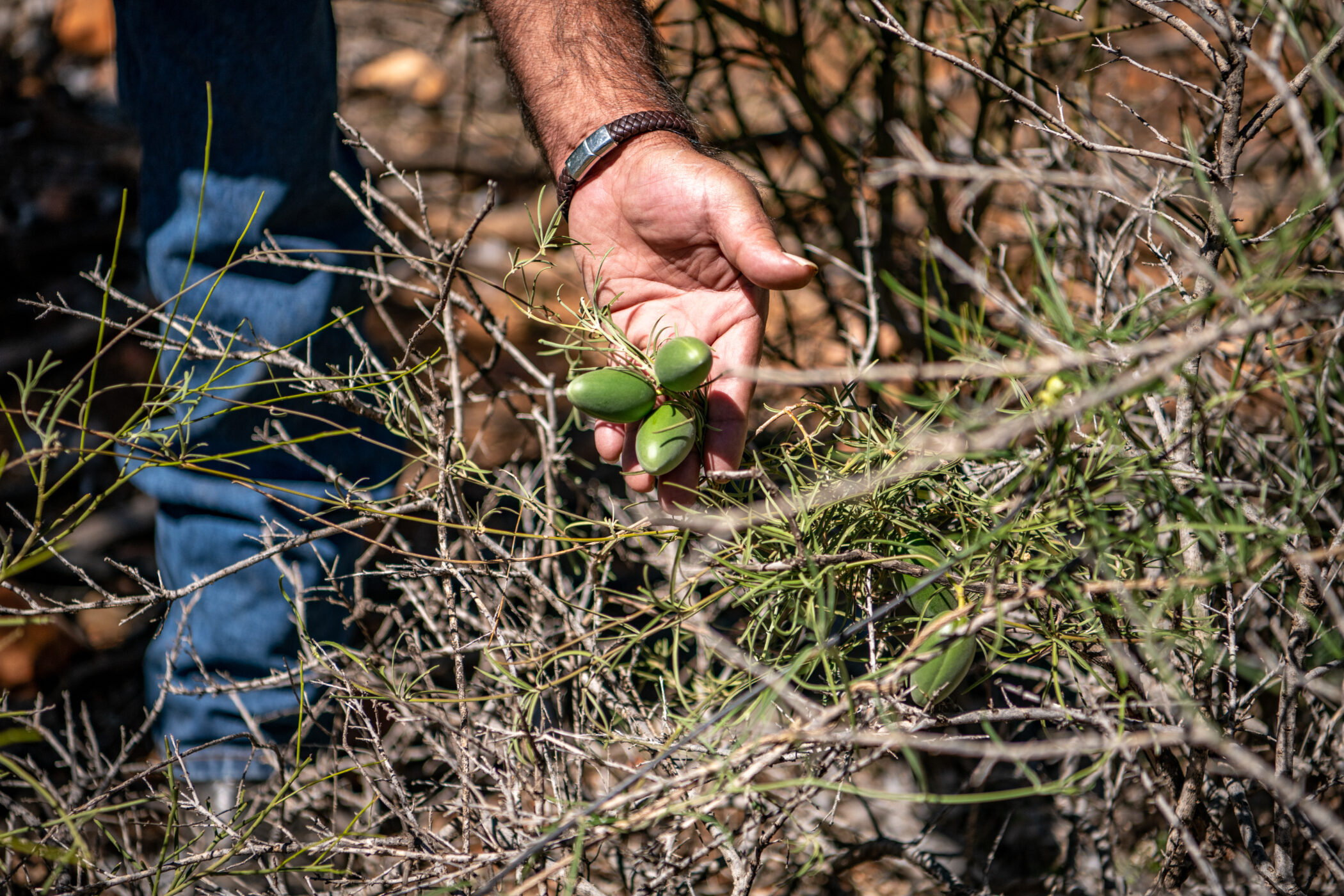 In a recent edition of Globetrender's premium newsletter VOLT, we identified "Indigenous Engagements" as an emerging travel trend. I wrote: "Can Indigenous Engagements ever not be exploitative and voyeuristic, especially when they are organised for tourists? Indigenous culture has always been leveraged as a way to 'wow' outsiders by its 'otherness'. But it's so often performative - think of the Hawaiian hula dance you might be treated to on arrival at a luxury resort, the Maasai drumming ceremony you might experience on safari in Kenya or the bus tours to tribal villages in Costa Rica, which are commoditised as 'human zoos'.
"However, performed with sensitivity, engaging with indigenous cultures through travel and tourism can be an extremely effective way of nurturing understanding and appreciation, which can go a long way in ensuring people are protected and provided with ethical sources of income. Recognising that greater reverence needs to be placed on Native American communities in the US, for instance, Intrepid Travel has launched its own dedicated American operations hub this year, which allows it to 'build more meaningful and impactful relationships with its suppliers'."