

Justin Trudeau on tourism as diplomacy and strained US relations
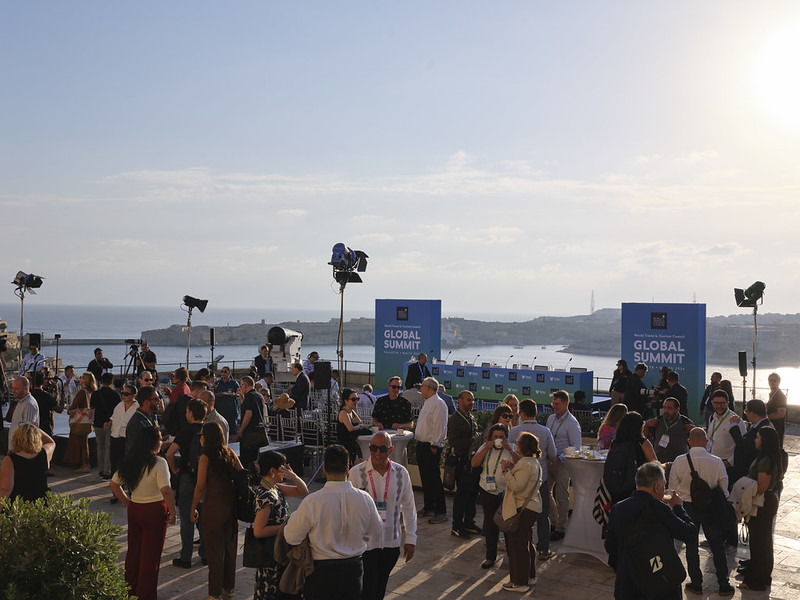
At the World Travel and Tourism Council’s Global Summit in Malta, Justin Trudeau reflected on the failings of his peers and emphasized the role tourism could play in healing political divisions, at home and abroad.
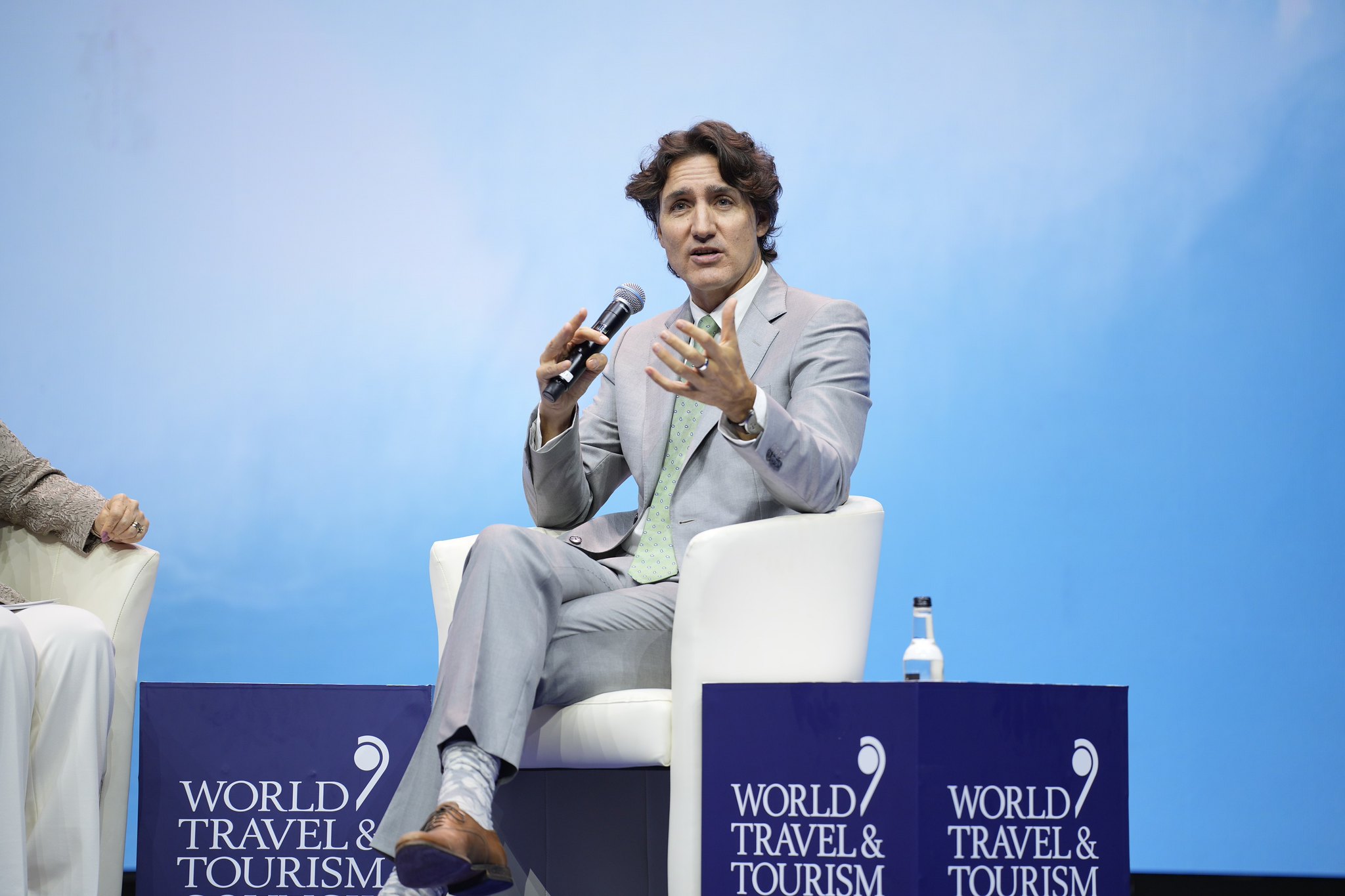
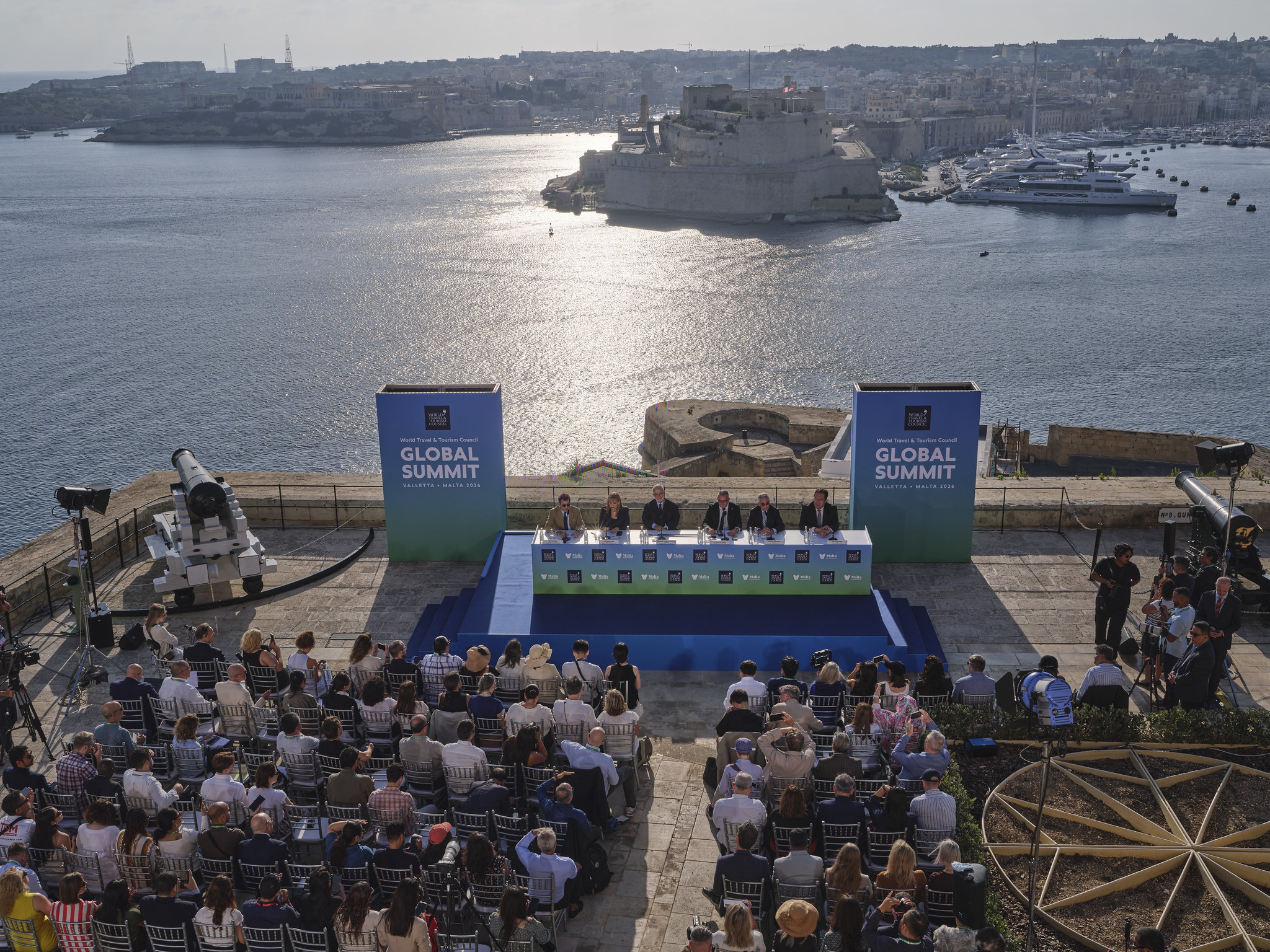
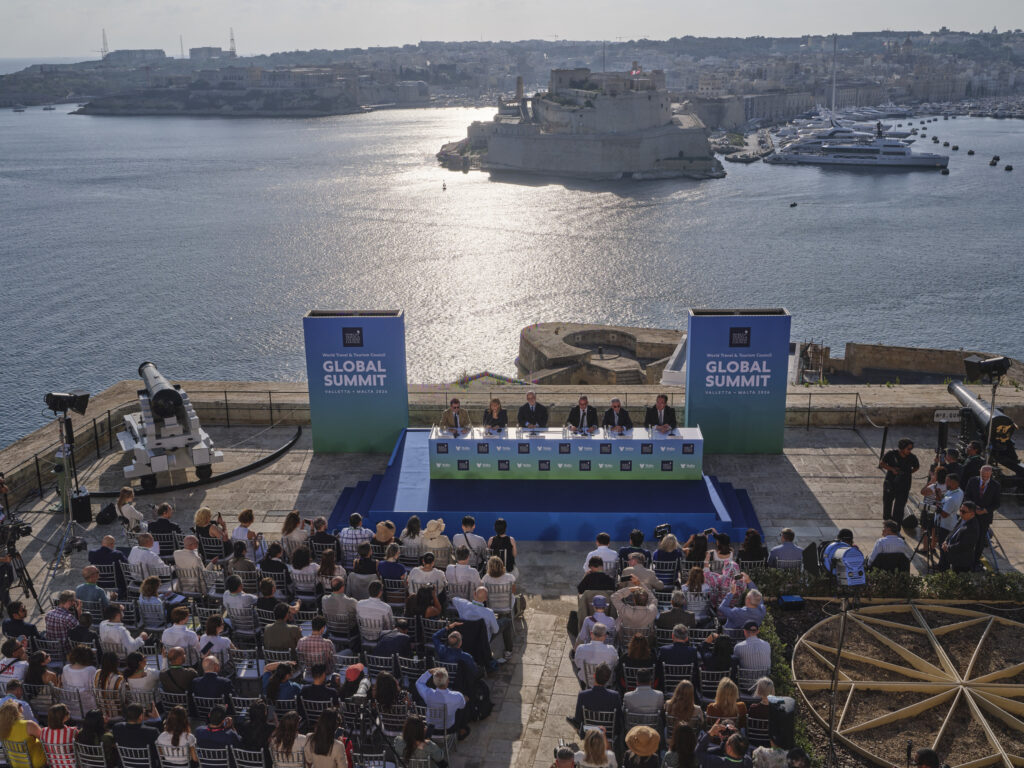
While AI and technology dominated conversation among delegates at the World Travel & Tourism Council (WTTC) Global Summit in Malta, guest speaker Justin Trudeau struck a different note. Tourism, he argued, is diplomacy in action, and investment in people is the safest long-term bet on the industry’s future.
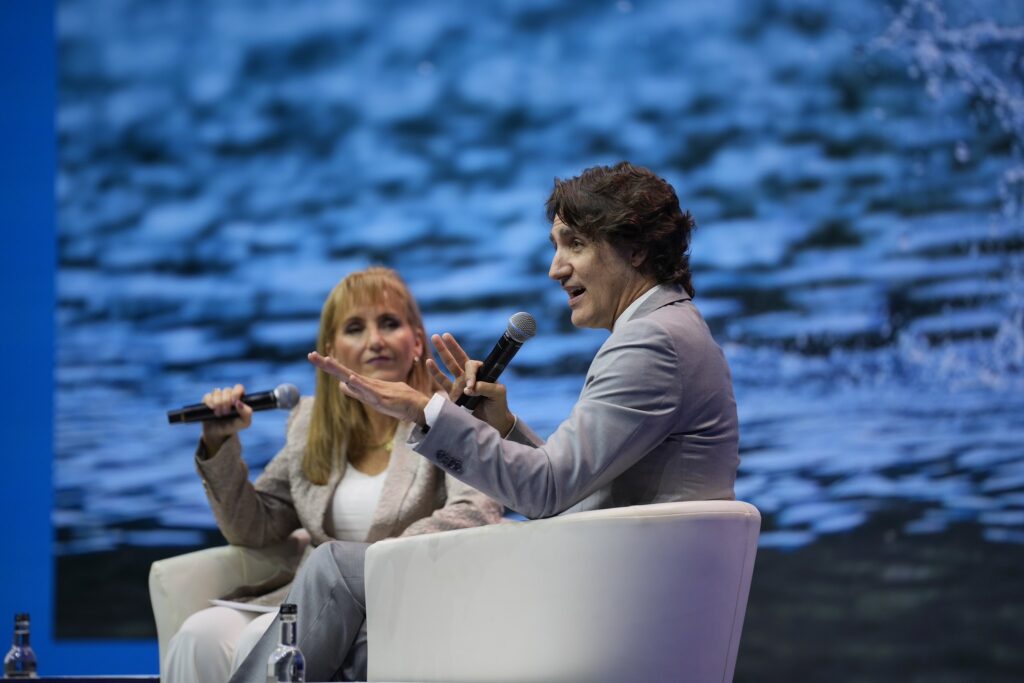
Speaking in conversation with WTTC President and CEO Gloria Guevara, the former Canadian prime minister made the case for cultivating strong interpersonal skills as the bedrock of a thriving sector. He was equally pointed on where governments fall short: from tariffs with damaging knock-on effects for ordinary citizens, to chronic underinvestment in infrastructure, and a failure to build welcoming environments for visitors.
His talk followed a bombastic 15-minute diatribe from Nick Adams, a White House special envoy, the previous day, who spoke defensively about America’s “big beautiful stadiums” and described the country as “the greatest host of any country at any time in the history of the world”. The indirect frisson between the two men injected a political edge into an otherwise convivial summit, and served as a real, if unwelcome, reminder of the strained state of global geopolitics.
Here are Globetrender’s highlights from Trudeau’s speech, reported live from the conference centre in Malta.
Government bodies overlook the tourism sector
“Tourism is often taken for granted. Unlike building a manufacturing strategy of investing in your natural resources, tourism is often, from a government perspective, something that just happens,” he lamented.
Though the tourism sector’s growth (4.1%) exceeded overall global economic growth (2.8%) by almost 50% in 2025 per WTTC’s research, Trudeau acknowledged that government investment in the sector remains underplayed. “Every world leader I talk to, they’re like ‘oh did you see this?’ and ‘you have to go visit my home province; you have to’. I mean they talk about tourism all the time, but it doesn’t necessarily make it into the economic strategic plan and investments in the same way.”
“Jobs, particularly for young people in tourism, are nation building”
On jobs, Trudeau framed tourism employment as delivering unquantifiable returns on an individual and national level – positioning it in sharp relief to the current imperative for AI and tech training.
“There’s a tendency right now in countries around the world, and we’re seeing it to a greater or lesser degree in certain countries, of governments that are encouraging people to look inward, turn inwards, to go a little more insular… The kind of jobs, particularly for young people in tourism,” he continued, “are nation building”.
Listing off his early CV – ”I was a white water river guide, I worked in a restaurant, I worked as a bouncer in a nightclub” – he spoke to the soft skills learned along the way. “There’s a level of diplomacy and a level of engagement and interpersonal skills that, if you compare a job in hospitality or tourism to a job working in an office as a receptionist… the experience is so much deeper for young people. It shapes the kinds of adults they’re going to be.”
On US-Canadian relations
Gloria Guevara cited a 22% decrease in travellers visiting the US in 2025 as a result of poor US-Canadian relations.
“There has been a level of anxiety about travelling to the United States that has impacted on Canadians,” Trudeau said, before positing that “the disrespect the President has shown towards Canada in terms of, you know, saying it’s not a real country,” might be a more significant driver of declining visitor numbers.
“The US hasn’t been very good at making travellers feel welcome,” he went on to say. “Countries need to be a little more consistent… If they want the tourism dollars, they have to show themselves as being open to the world, which is something that Canada always did.”
Reflecting on the spat between Canada and the US, he said: "We didn't impose penalties or raise prices or make it more difficult for people to travel to the United States... Canadians chose not to go to the United States." Even after tour operators, airlines and hotels started lowering prices in response, "Canadians still chose not to go to the United States".
How can travel leaders win investment?
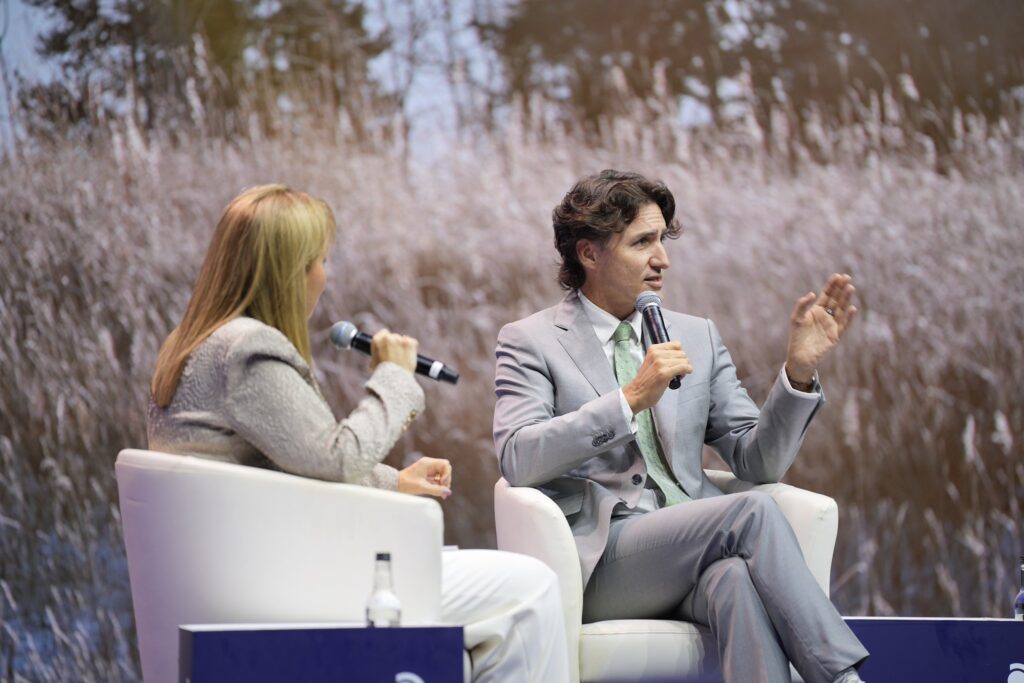
Guevara, who once served as Mexico’s secretary of tourism, reflected on how difficult it had been to get tourism taken seriously as part of the G20 summit agenda. She asked what lessons Trudeau learned about getting investors and key stakeholders to take notice.
“Being a world leader is a very specific and sometimes a lonely job,” he said. “During Covid, we were navigating through something that nobody had a rulebook for, nobody knew what was going to happen.” The most important takeaway for him was, “having those regular conversations, having world leaders on text message all the time to talk about things, to get through some of the levels of bureaucracy”.
International events as diplomatic bridges
The conversation took a positive turn as Trudeau turned to the 2026 World Cup, which he presented as a prime example of tourism’s diplomatic potential, echoing the sentiment voiced in his opening remarks.
“We were co-chairs of that, and it was incredibly successful in Canada and Mexico. And the US spent time building up, preparing and being ready to welcome the world on that.” He conceded that, “the US actually was very successful in welcoming lots of people from around the world who had a wonderful experience discovering North America, discovering how wonderful and nice Americans are.”
His travel suggestions for Canada
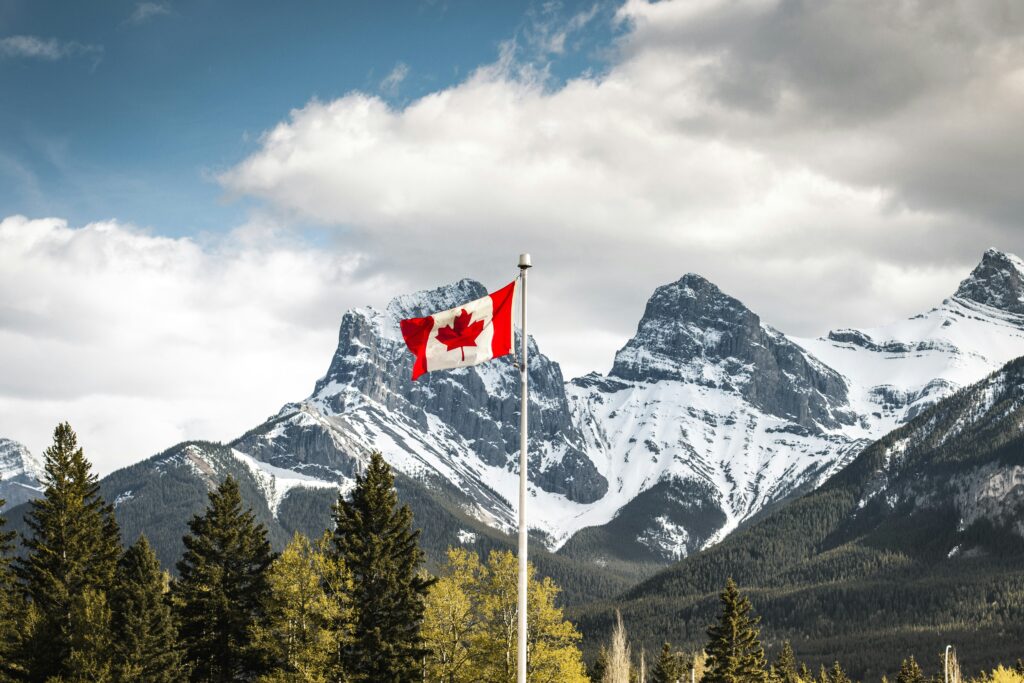
As for Canada itself, Trudeau was initially indirect: “The best thing about Canada is Canadians,” he said. And then, a final homage to his home city: “But go to Montreal… It’s a beautiful city and my home town.”