

REVIEW: Banyan Tree Higashiyama delivers serenity in Kyoto
As the city of Kyoto struggles with overtourism, the Banyan Tree Higashiyama seeks to be a 'sanctuary of ethereal beauty', complete with its own hot spring. By Ellie Seymour
An intimate hilltop sanctuary on the foundations of a former ryokan inn, the serene Banyan Tree Higashiyama Kyoto offers a peaceful setting for reflection away from the throngs in historic Gion, with a private bamboo forest, a natural hot spring (onsen) with private onsen suites, and traditional open-air theatre pavilion – the only hotel in the city to have one.
THE LOCATION
The Banyan Tree Higashiyama perches on a bamboo-covered hillside on Kyoto’s mountainous fringes overlooking the historic Gion neighbourhood and the Hōkan-ji Temple. It’s a short but steep – 110 steps to be exact – walk to and from Gion, whose historic streets heave with tourists here to visit the stunning (but disturbingly crowded) Kiyomizu-dera Temple. A stay here, however, means you’re excellently located for early morning visits to the popular UNESCO site, allowing you to beat the huge crowds which gather in their hundreds from 8am, especially during the Sakura cherry blossom season and autumn.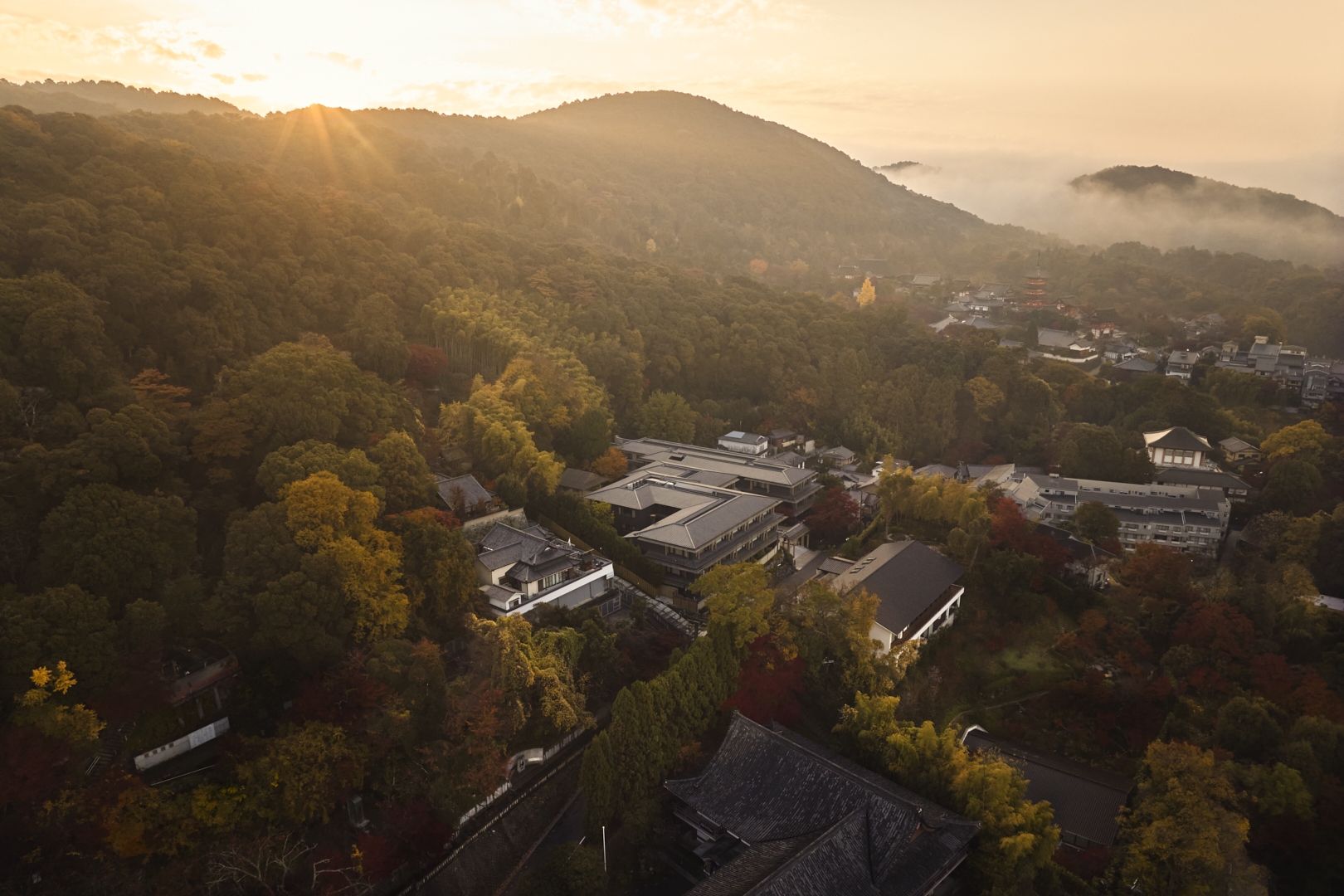
ETHOS
Harmony is integral to Japanese culture and the Banyan Tree Higashiyama Kyoto was designed as a place of reflection, with respect for nature, local culture and wellbeing. It was reimagined by renowned Japanese architect Kengo Kuma, who describes his project as "a sanctuary of ethereal beauty" and "a place for reflection" and used the Japanese notions of yūgen (mysterious, quiet beauty) and in-sei (retiring to nature) to guide his design.
For example, the hotel is the only one in the area to have a private Noh stage, an open-air theatre set over a reflecting pool where traditional Meiko performances are held. As you walk around outside, the soothing trickle of water is ever present as you walk through the gardens up to the private bamboo forest dotted with benches.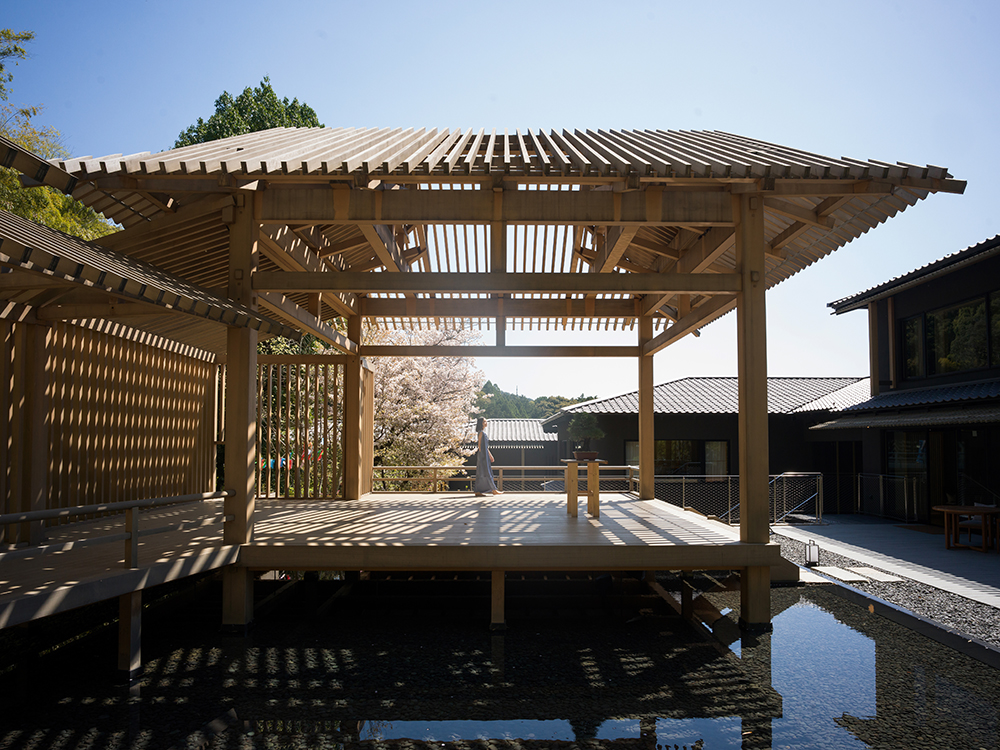
INTERIOR DESIGN
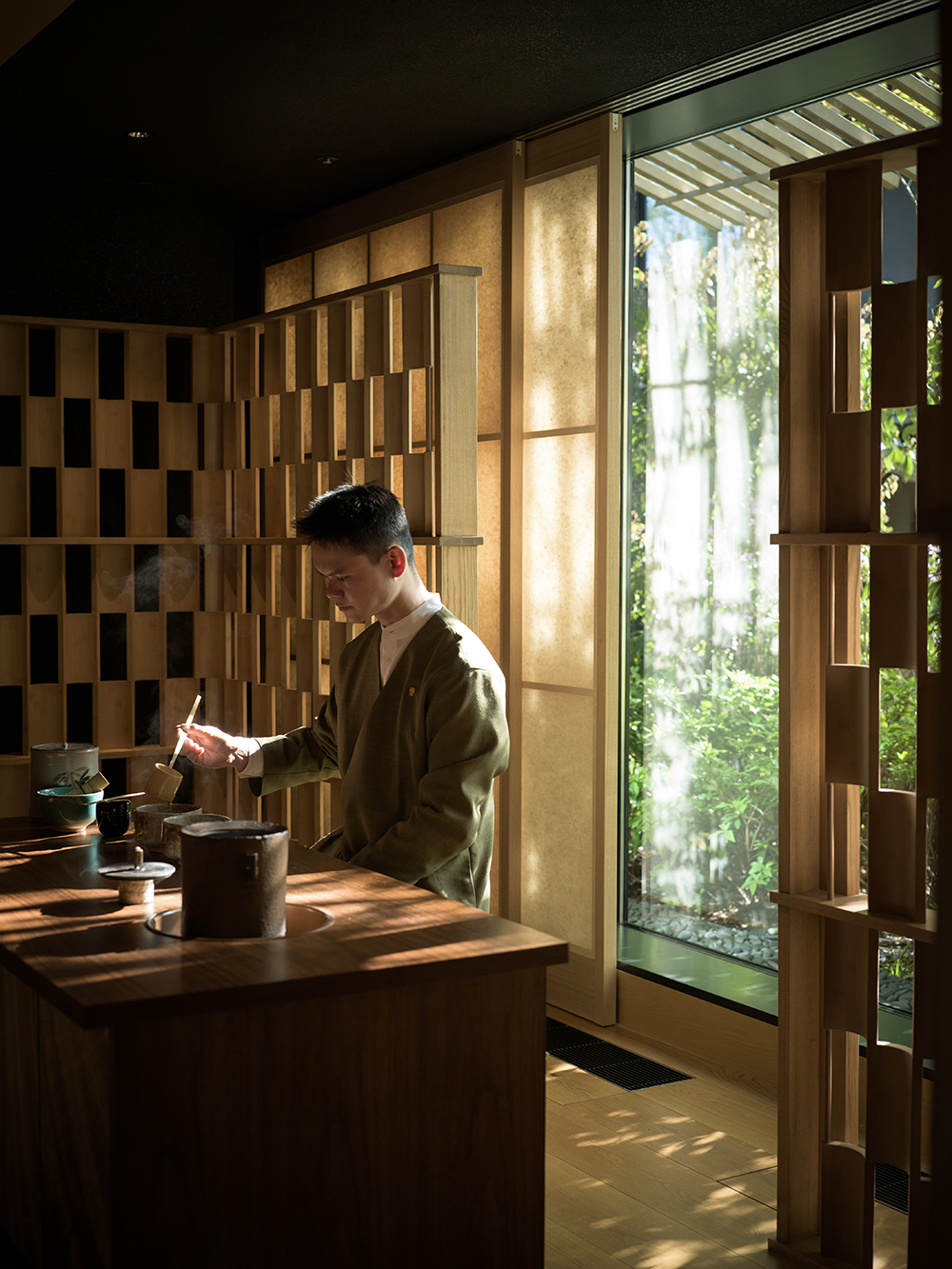
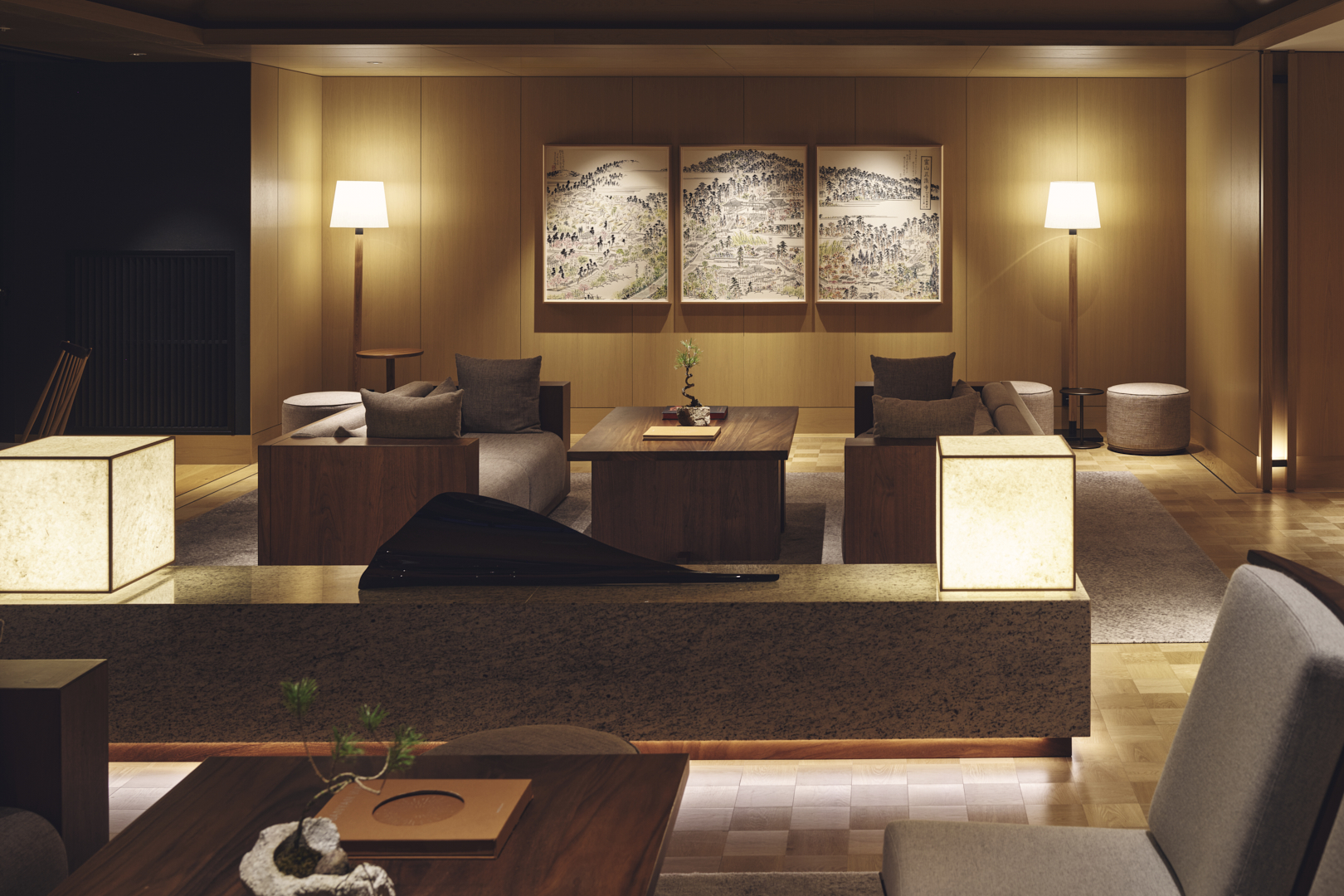
From the sleek common spaces to the minimalist rooms, the hotel’s décor is a carefully considered fusion of contemporary and traditional Japanese aesthetics with an air of quiet luxury. Everything blends seamlessly together in harmony. Natural materials like warm wood and stone feature heavily, such as on the front desk with its naguri patterned wood, the onsen with its granite and Ryozen bar with its walls clad in dark-grey slate. Louvered slats allow streams of natural light into the triple-height lounge dotted with seating clusters. Sipping a welcome matcha tea here overlooking the gardens, it’s impossible to resist the urge to pause and reflect.
ROOMS
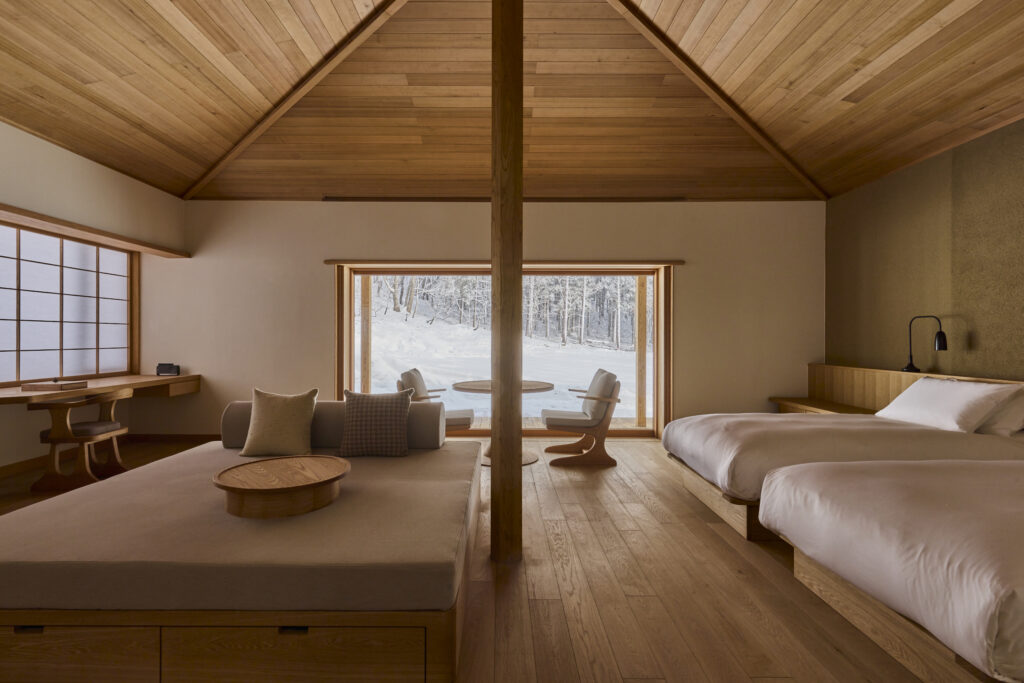
The hotel’s 52 luxurious rooms come in a variety of shapes, sizes and sleeping arrangements, rethink the ryokan experience albeit with modern flair. Minimally decorated rooms feature tatami matting, huge, handcrafted cypress-wood bathtubs, as well as walk-in showers. Yukata kimonos and traditional shoes are available to encourage guests to embrace authentic dress around the resort. On the theme of reflection, modern horigotatsu seating areas – a low table set over a recessed hole in the floor – are positioned in front of expansive glass windows frame views of either the gardens and forest or city.
RESTAURANTS: WHAT TO EAT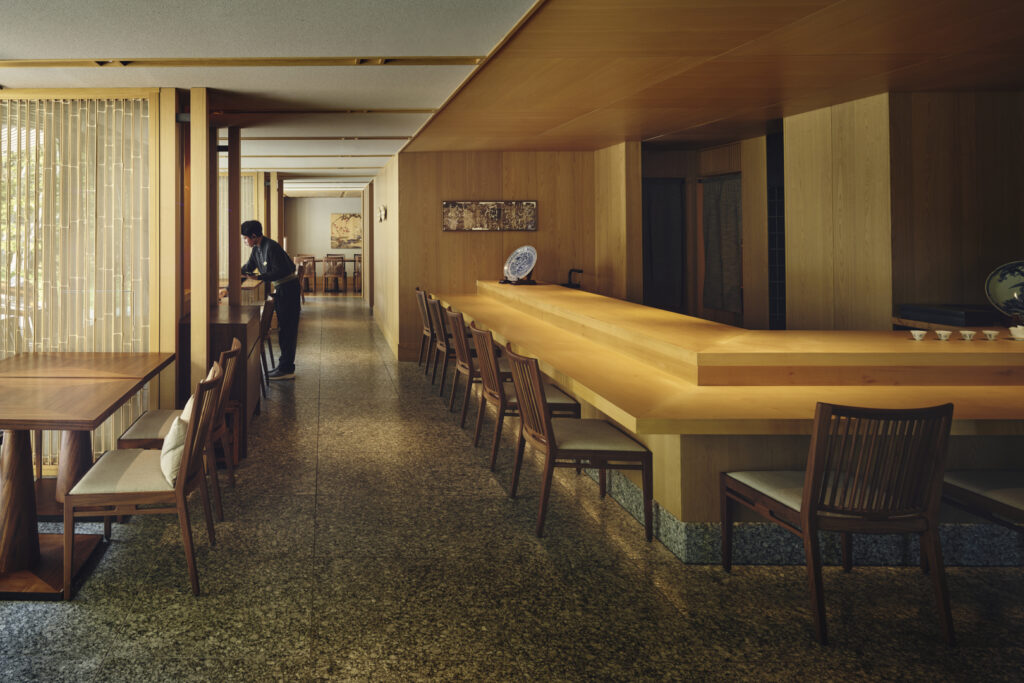
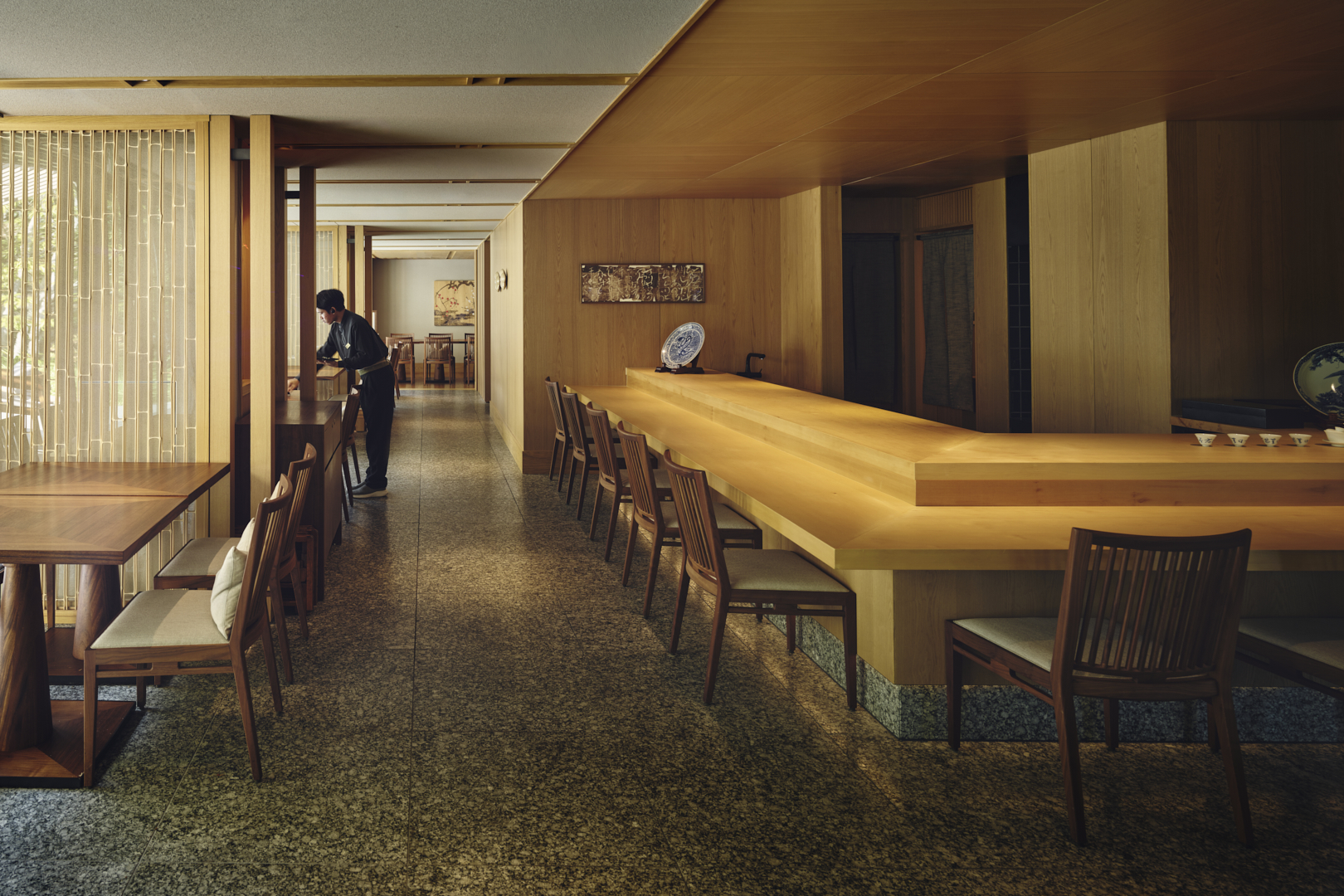
Looking out over the reflection pool and Noh stage, Ryozen specialises in superb seasonal multi-course Kaiseki menus of dainty, exquisitely presented dishes served on hand painted ceramic ware. Think: crab meatball soup with maitake mushrooms and bamboo shoot rice with sakura shrimp. Curated sake pairing flights are available, too. It’s also the setting for Japanese bento box or American-style breakfast.
BARS: WHAT TO DRINK
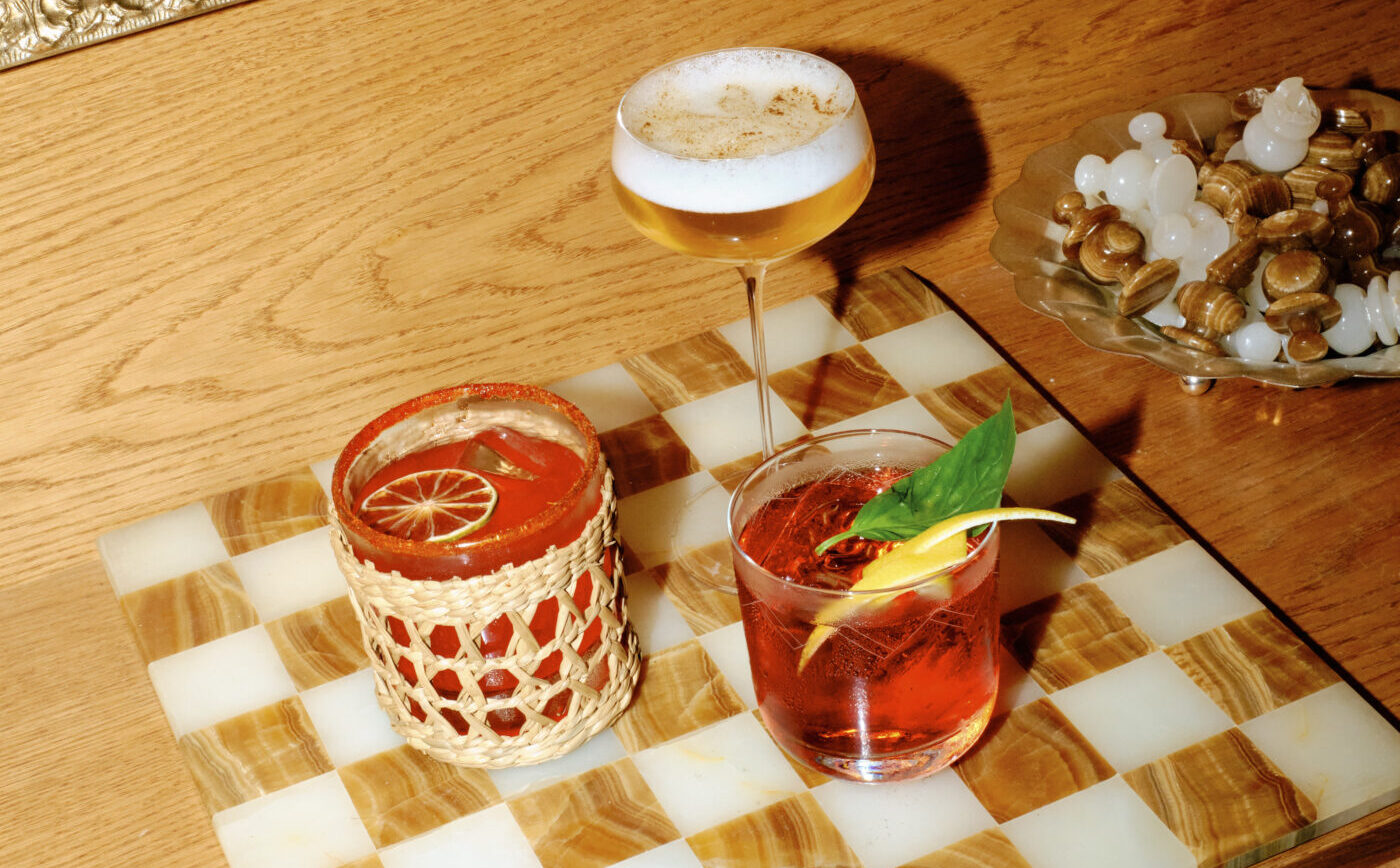
The peaceful, low-lit bar at Ryozen beneath the restaurant has the atmosphere of a Japanese listening café: dark and quiet. Menu hallmarks include premium Kyoto sakes and sake-based cocktails like a Kyoto martini with Junmai Daiginjo sake and herbal accents. For a memorable time, settle in for a 90-minute free-flow sake experience with chef-prepared snacks like smoked salmon tamari sushi, deep-fried tofu and scallop and roast beef salad.
WELLNESS
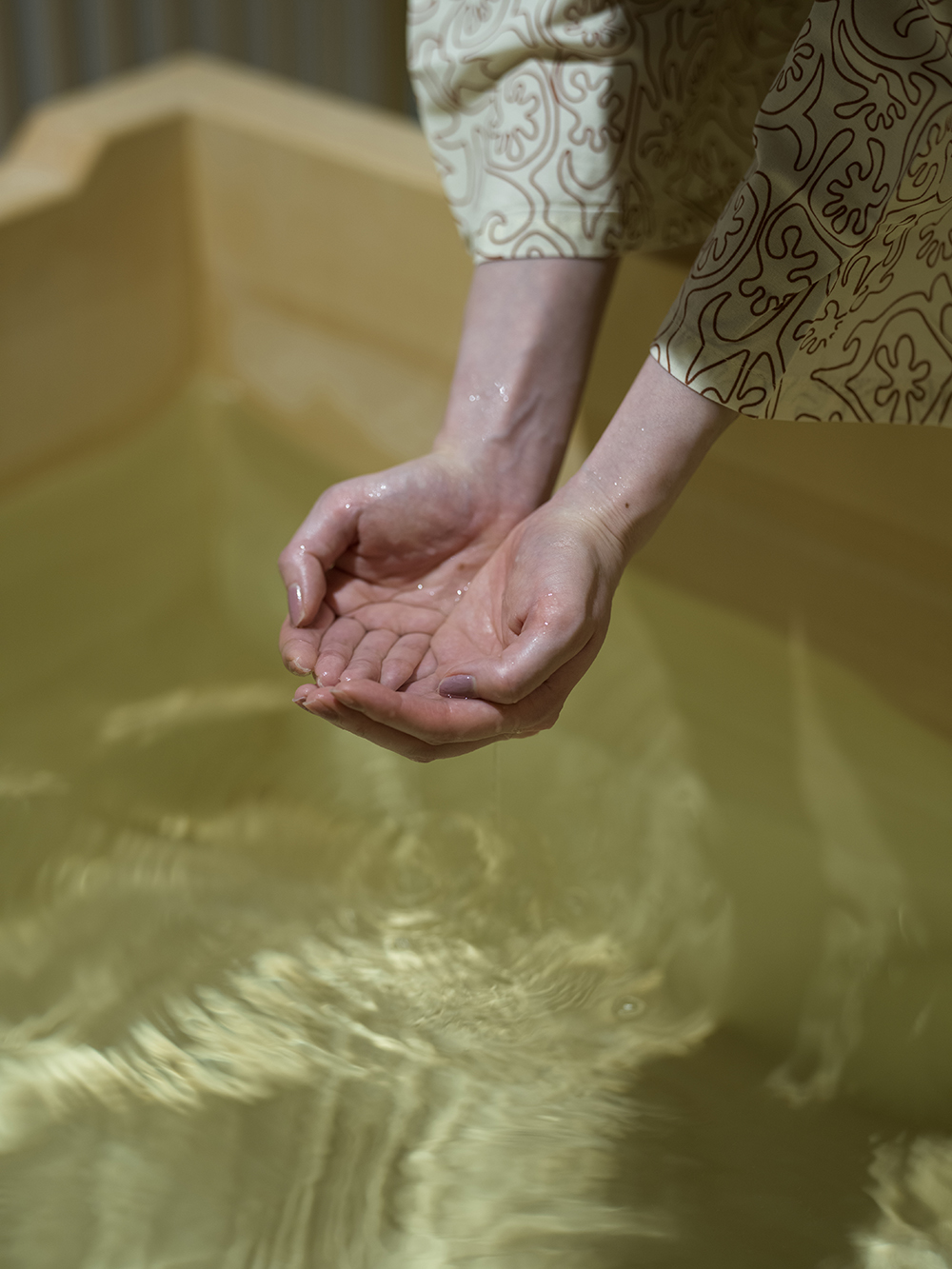 All facilities promote unwinding, wellbeing and relaxation. One of the best features is its private onsen (traditional Japanese hot spring), where guests can soak in warm waters. It’s traditional, meaning men and women have separate areas and clothing isn’t permitted.
Other facilities geared toward the essence of Kyoto include the fantastic on-site spa, offering massages and treatments at the hands of skilled therapists, as well as a gym. For the early birds, morning yoga classes near the bamboo forest are also worth it.
WHERE TO WORK
The huge lounge off the lobby overlooks the garden and is filled with seating arrangements making it the perfect hideaway for quiet work.
STANDOUT INNOVATIONS
Banyan Tree Higashiyama is one of the few properties in the Higashiyama Ward to have its own hot spring source for private onsen bathing. It’s also the only hotel in the area with an outdoor pavilion that floats over water.
INSIDER TIP
“For a nicer experience, visit the temple and the shops nearby at 7am, to beat the throngs of tourists that fill the streets from 10am,” says Kyoko Otani, area assistant director of marketing.
VERDICT
An luxurious hideaway in the heart of Kyoto’s simultaneously mysterious and beautiful yet crazy historic tourist-laden Gion district.
PRICE
Standard rooms from £580 per night.