

Museum of Youth Culture finds permanent home in London
London’s Museum of Youth Culture will open a permanent Camden site in May 2026, bringing together decades of British subcultures through photography, fashion and archive material. Robbie Hodges reports
The Museum of Youth Culture will open its first permanent site in Camden, London on May 15, 2026, marking a new chapter for an organisation that began as a small grassroots archive. The new venue will serve as a dedicated space for preserving and presenting the role of youth culture in shaping modern Britain.
Located at St Pancras Campus on Royal College Street, the Museum of Youth Culture brings together a wide range of materials including photography, artefacts, audio, fashion and print. These collections trace how youth movements have developed over time, often starting in local spaces such as clubs, record shops and community halls before influencing wider society.
The organisation was founded in 1997 by Jon Swinstead, initially as a simple effort to save photographs and ephemera that might otherwise have been lost. Jamie Brett joined in 2012 and helped expand the project into a nationally recognised archive. What started as a small-scale initiative grew through public contributions, with people sharing personal collections and stories linked to their own experiences of youth culture.
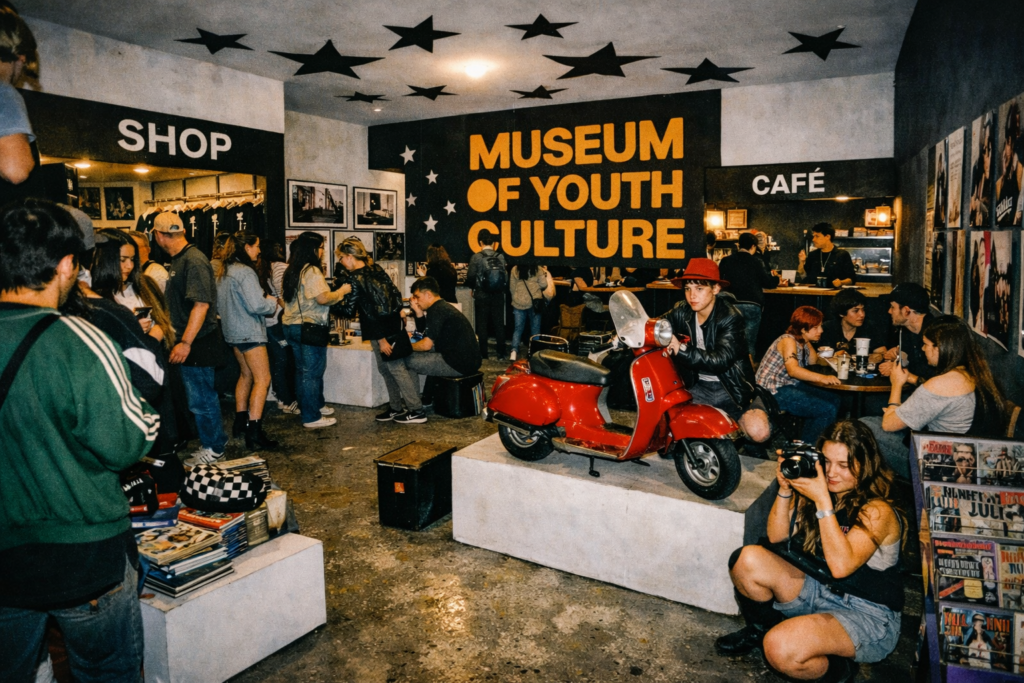
The new museum will span three gallery spaces, offering a structured way to explore how different subcultures have emerged and evolved. Exhibits will show how music, fashion, politics and identity have been shaped by young people across generations. The aim is to document not only past movements but also those that continue to develop today.
Camden has been chosen as the location due to its long association with music and alternative culture. The area has historically been a meeting point for creative communities and continues to attract people interested in self-expression and new ideas. Placing the Museum of Youth Culture in this setting connects it to an existing cultural landscape rather than isolating it within a traditional museum environment.
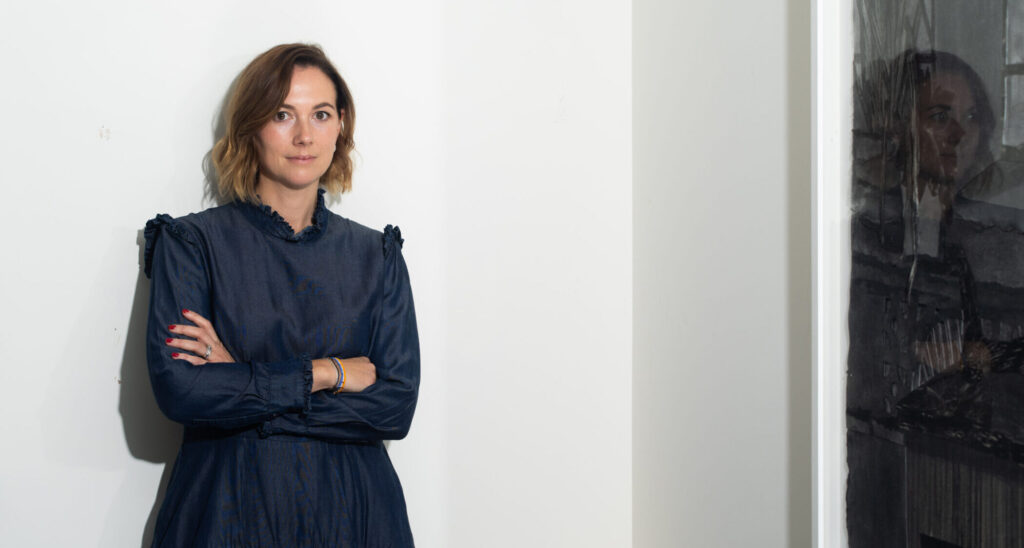
Jamie Brett, co-founder of the Museum of Youth Culture, says: “Everything in this museum exists because people cared enough to save it. Flyers kept in drawers. Photos stored on hard drives. Stories shared before they disappeared. We’ve poured years into protecting this culture because it belongs to the people who built it. Giving it a permanent home is about honouring that effort.”
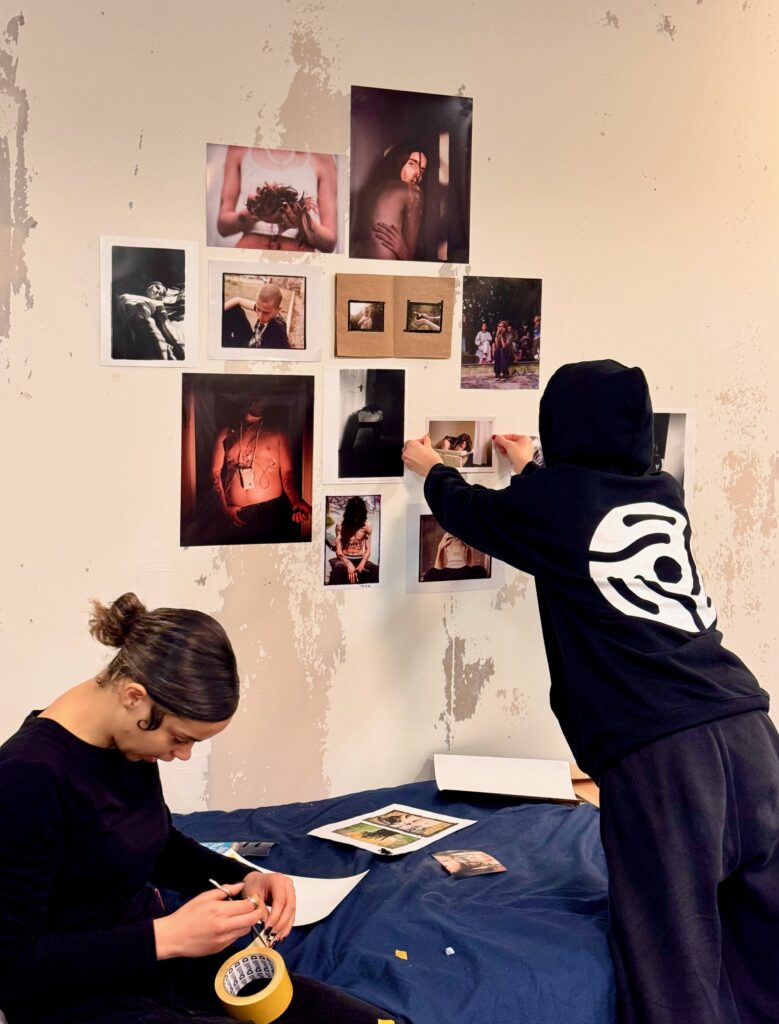
The opening comes at a time when many grassroots venues and youth-focused spaces are closing across the UK. This has increased the importance of preserving physical records and personal stories linked to these environments. The museum positions itself as a response to this shift, providing a stable home for materials that reflect how young people have formed communities and expressed identity over time.
In addition to historical content, the Museum of Youth Culture will continue to collect contemporary material. This ongoing approach means the archive will evolve alongside current youth movements, rather than focusing only on the past. The organisation also invites public participation through campaigns that encourage people to share their own experiences of growing up in Britain.
The new site follows a series of temporary exhibitions and collaborations that have helped build awareness of the archive. Previous projects include touring exhibitions and partnerships with cultural and commercial brands, as well as a retrospective on emo culture at the Barbican, which attracted 55,000 visitors over three months.
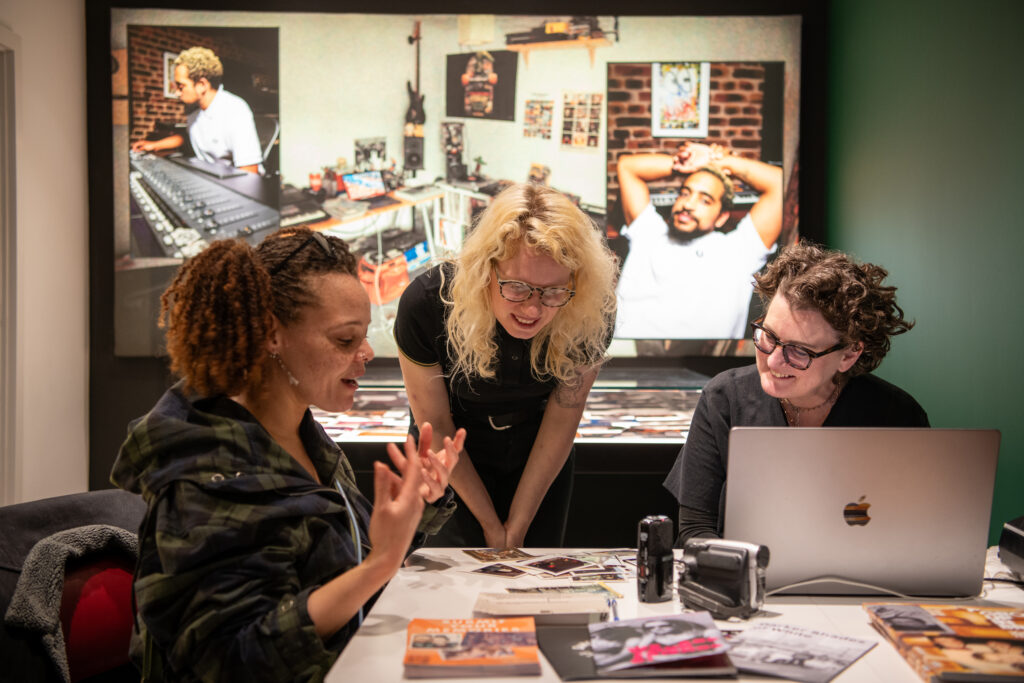
The Camden opening represents a shift from temporary programming to a permanent cultural institution. By establishing a fixed location, the Museum of Youth Culture aims to provide consistent public access while continuing to expand its collection and programming in the years ahead.
As youth culture continues to influence mainstream trends, from fashion to music and digital expression, the museum offers a way to understand these developments within a broader historical context. Its focus remains on documenting everyday experiences as well as major cultural moments, reflecting the idea that youth culture is shaped by collective participation rather than a single narrative.