

'Innovation Tourism' among Amadeus trends for 2026 and beyond
From Pop Culting to Pick 'n' Stays, a new report from Amadeus and Globetrender explores six trends shaping the global travel landscape in the years ahead. Olivia Palamountain reports
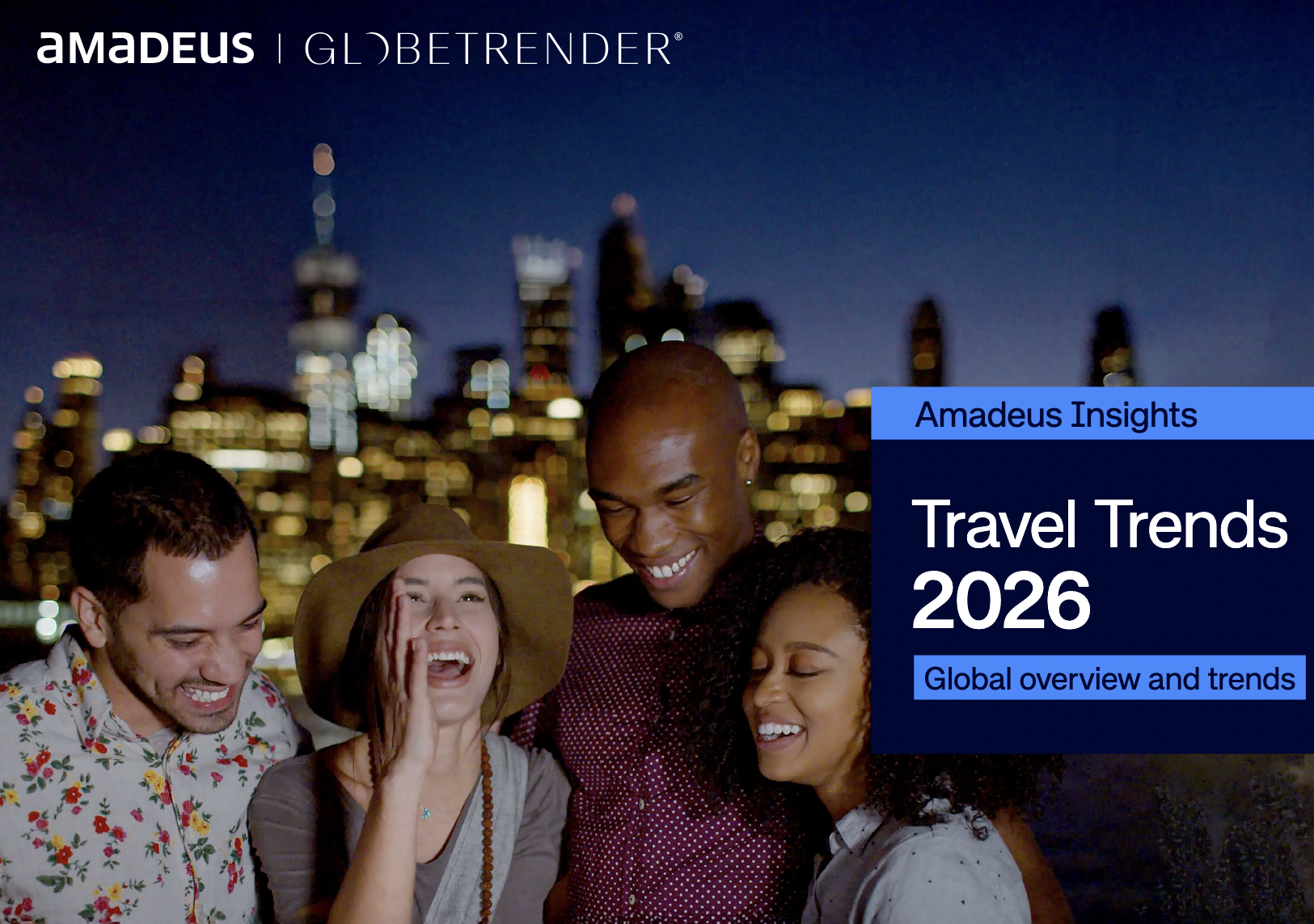
Transformative technology provider Amadeus has released its Travel Trends 2026 report, forecasting a year of change across the global travel industry. Produced in partnership with Globetrender and enriched by Amadeus’ proprietary data, the report, which is free to download, outlines six key trends that point to a more technologically driven, culturally attuned and personalised era of travel.
Jenny Southan, CEO, Globetrender, says: "The future of travel is on 'spin mode' – with technology, culture and innovation propelling it into hyper-drive. At Globetrender we continuously hunt for shifts in consumer behaviour in relation to our framework of ten globally relevant mega trends, which range from Climate Contours to Youthquake. The broader pace of change that is now happening in the mid 2020s is feeding into an accelerated loop cycle within the travel industry, as differing influences nudge and ignite what both companies and individuals do in response.
“Although people's fundamental human needs don't change from year to year, what does change is how they react to marketing, news cycles and pop culture. As we enter the latter half of the decade, 2026 will feel more 'science fiction' than any year that has come before."
1. The Pawprint Economy 

Pets are beings whose dignity demands genuine consideration, and a wave of new technology, legislation, and innovation is ensuring animals’ needs are given greater attention while travelling.
This is also a booming market. By 2030, Bloomberg forecasts the global pet industry will be worth US$500 billion, while research from Shape Insight suggests animals are travelling more than ever. In a survey of 2,896 travellers in the UK and USA, researchers found that 27% of pet owners who took their pet on their main holiday in 2025 were doing so for the first time.
China Railway Express is leading the way, piloting pet-friendly journeys on its busy Beijing-Shanghai route, laying the foundations for a wider rollout, while in Italy, medium and large-sized dogs were upgraded to the passenger cabin following new rules from the civil aviation authority, ENAC.
Experiences are also moving upmarket. In 2026, SkyePets will roll out long-haul transpacific in-cabin pet flights between Australia and the US, while keen to leash this new demographic, AKA Hotels has integrated pets into its loyalty program with the launch of a Canine Club. Amadeus predicts 2026 will be the year of genuine care for close companions.
2. Travel Mixology

Travel Mixology sees savvy travellers flitting between platforms and technologies to build the perfect trip. They might leverage the hive brain of Large Language Models (LLMs) to gauge consensus and big-picture thinking, then turn to Reddit or YouTube for nuance and lived experience. From there, they could lean on brands’ conversational AI assistants to get suggestions based on past search behavior – or skip that step entirely, combining their own custom recipe of tools to conjure up the perfect journey.
Whatever their technique, the intended result is the same: a more layered, resilient approach to trip planning that blends machine speed with human authenticity.
In 2026, spurred by new in-platform integrations that deliver unprecedented convenience and value, Amadeus expects these switched-on travellers to come to the fore. Google Flight Deals, for example, uses Amadeus’ inventory to surface destinations and the most affordable flight options from an open-ended user prompt. There is no need to even have a destination in mind; simply describe the intended vibe and atmosphere, and the tool pulls up near-perfect pairings.
Trip Matching from Expedia is another example, allowing Instagram users to decode reels instantly, translating visual content into full itineraries with booking links.
In 2026, Travel Mixology will set the pace thanks to a multi-source method that is finely attuned to the whims and vulnerabilities of both human and AI-powered sources.
3. Point-to-Point Precision
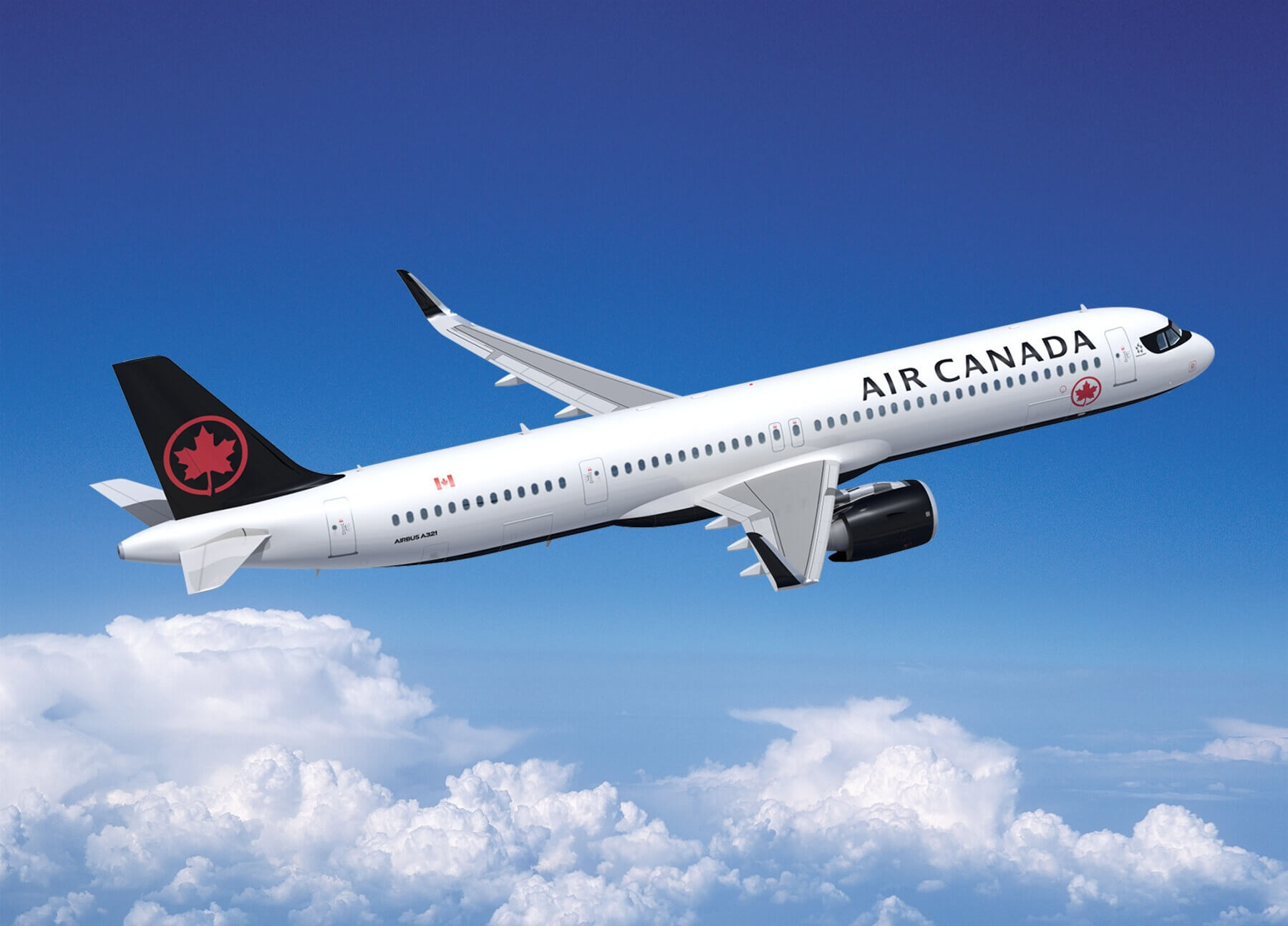 Aircraft innovation continues to shrink the world, crunching time spent in transit and collapsing cultural distances. In 2026, expect the world to feel that much smaller as new fleets of long-haul narrow body jets take to the skies.
This is a trend being propelled by Airbus, primarily the A321XLR – fitted with an extra rear center fuel tank which increases the jet’s range by 700 nautical miles (compared to the long range version). When the revolutionary design was announced in 2019, global carriers were excited, placing 500 orders in total – the first of which were delivered in the latter half of 2025. But a number of extended-range models are set to take to the skies in 2026.
IndiGo will launch the first non-stop service between India and Athens in January 2026, while Air Canada prepares to connect Montréal and Mallorca for the very first time. According to Amadeus Travel Intelligence, by early 2026, these narrowbody aircraft will account for nearly 10% of Iberia’s flights by operating seven long-haul routes between Madrid and the Americas.
Then there’s Qantas’ ambitious Project Sunrise which will be a true gamechanger. Its A350-1000ULR aircraft (Ultra Long Range) will link Sydney to London and New York with non-stop journeys up to four hours shorter than traditional routes.
Next year will mark a new dawn for air travel. Journeys once considered marathons will feel more like sprints, opening up second cities and far-flung destinations to new visitors.
4. Pop Culting
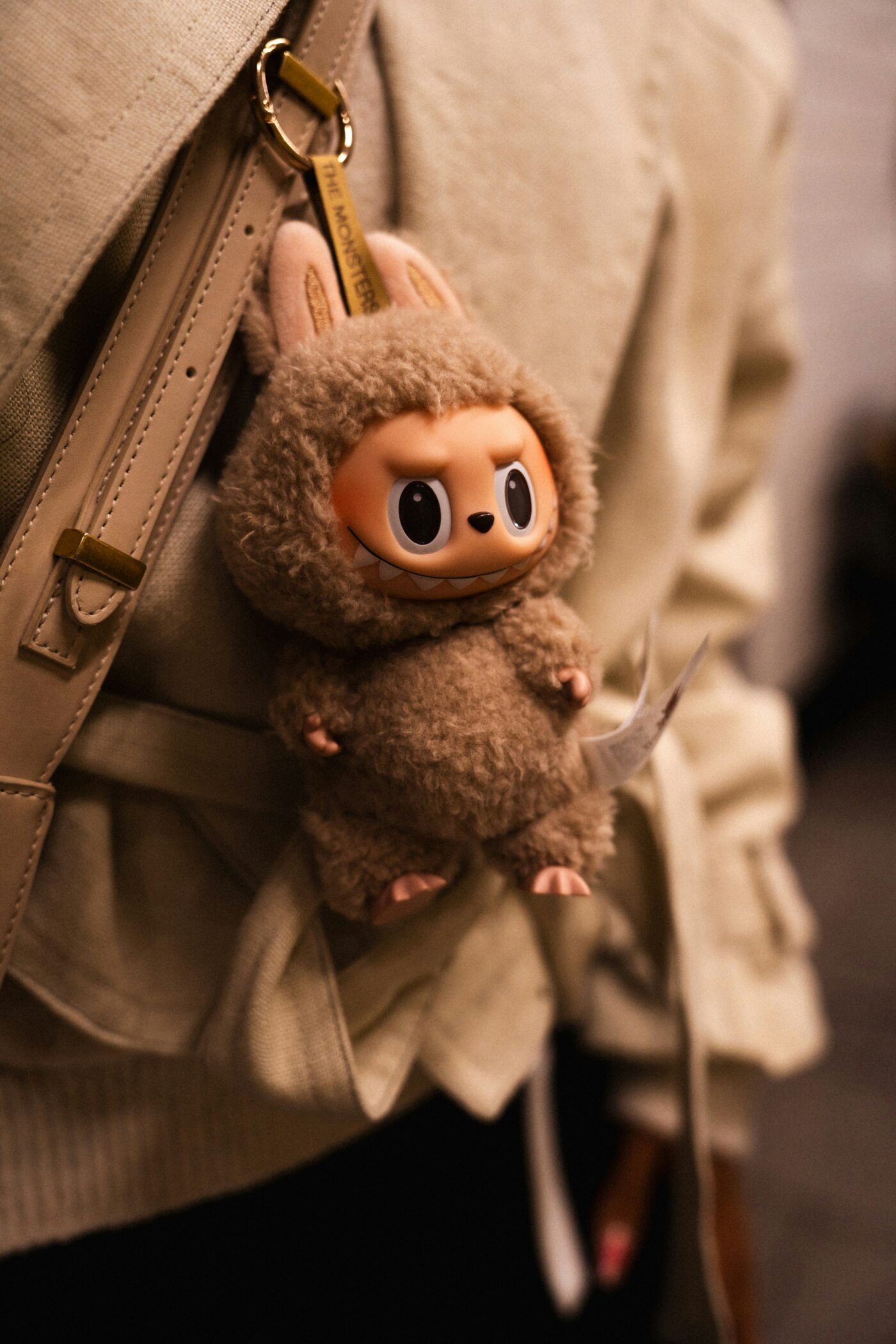 From Labubus to Bridgerton, cultural IP heavyweights have proven themselves adept at driving fans into a frenzy. An estimated US$1 billion-worth of Labubus were sold in 2025, while Visit Bath expects Netflix drama Bridgerton to contribute approximately £5 million per year to the local economy.
In 2026 and beyond, smart brands will lean upon IP to build sustained relevance. Pop culture travel pioneers include the Seoul Tourism Organisation, which innovated an end-to-end traveller journey revolving around the film KPop Demon Hunters. Across the city, fans can forge connections while making traditional knot bracelets worn by characters in the film, eating featured meals, or joining a ‘Learn K-Pop dance’ program near the scenic Cheonggyecheon Stream.
Established fandom events are also seeing increased interest according to data from Amadeus Travel Intelligence. International flight searches for travel to San Diego, US, made across the Comic-Con window are up 9% for 2026 versus the previous year.
Early signals also suggest the relevance of Pop Culting will extend far beyond 2026, with some destinations building temples to IP in the form of new theme parks. Universal Studios Great Britain starts construction in 2026, becoming a major European destination for various IPs, supported by a network of hospitality and hotel offerings.
For savvy travel brands, IP-led experiences enable consumers to step beyond the glass screen; becoming portals for human connection that deliver a sense of belonging.
5. Pick ‘n’ Stays
 Powered by new technology, hotels are giving travellers the freedom to choose every detail of their room, whether they want a reformer Pilates machine and blackout blinds, wrap-around monitors for deep work, or a room just steps from the breakfast buffet.
This personalisation in the hospitality industry is driven by tech innovation, particularly the evolution of the typical Central Reservation System (CRS), the core hotel software that manages reservations, room availability and rates across all distribution channels.
New iterations, such as Amadeus’ iHotelier reservations and booking engine, are transforming how hotels keep tabs on availability. Design elements once hard to specify at booking – a spacious room that doubles as a VR gaming or at-home cinema space, or superior soundproofing that turns a suite into an ideal remote workspace – are now being reframed as high-value selling points.
Beyond any single platform, the rise of Pick ‘n’ Stays reflects a broader consumer shift. As AI accelerates, personalisation will no longer be a nice-to-have but the default operating system of choice. Once generative AI reaches mass adoption, fueled by in-app integrations from Meta and Google, scrolling through vague categories like “standard” or “premium” will feel increasingly outdated.
In this new landscape, Pick ‘n’ Stays won’t be a perk – they’ll be a powerful differentiator, enabling hotels to maximize revenues while offering travellers stays that feel tailor-made, down to the last detail.
6. Innovation Tourism
 Picture the scene. Chrome robots which relieve travellers of their luggage and dutifully follow them to a connecting train. Tickets purchased with a flash of a palm, as they hurtle through tunnels aglow with holographic projections. After refueling on 3D-printed room service, guests head to a nearby park for some much-needed R&R, ordering a chilled natural wine that’s delivered to exact coordinates by drone. This is not science fiction but reality — if travellers know where innovation is taking place, they can visit the future, today.
For example, long recognized as China’s innovation powerhouse, Shenzhen, is seeing a surge in global interest that extends well beyond business travel. Amadeus Travel Intelligence data shows flight searches for the first half of 2026 are up +48% year-on-year, highlighting the city’s growing allure as a destination where technology, creativity, and investment converge.
By 2026, 2,000 more autonomous vehicles are expected to hit streets across the USA, with London poised to follow. Waymo is already lining up its London fleet, alongside native UK brand Wayve which have both been granted authorization to launch London’s first driverless taxis in time for the UK’s Automated Vehicles Act, expected to come into force in 2027.
Or consider wearables. In 2026, iconic Apple designer Jony Ive will reveal OpenAI’s first hardware device. AI-powered instant-translation earbuds are already here, but what about inter-species translation – a development hinted at by scientists at the UK’s Coller Foundation. This sudden platforming of animal perspectives has the power to entirely reimagine conservation and safari travel.
Those who move early on Innovation Tourism will capture a traveller segment motivated by curiosity and eager to showcase their progressive tastes. For these future-curious travellers, the passport stamp is secondary; the true souvenir is the story of how they glimpsed tomorrow before everyone else.
Maher Koubaa, executive vice-president, EMEA for Amadeus, says: "Across Europe, the Middle East and Africa, we are seeing travellers embrace new possibilities that redefine how journeys are experienced. From the rise of pet-friendly travel and AI-powered planning tools to the expansion of pointtopoint routes connecting our region more directly with the world, innovation is reshaping expectations.
"Pop culture is inspiring new forms of tourism, while hotels are offering unprecedented personalisation that reflects individual lifestyles. These trends highlight a future where travel is more inclusive, connected, and tailored than ever before, and EMEA will play a central role in leading this transformation."