

How weight-loss drugs are reshaping hospitality
This is an excerpt from VOLT, our premium trends platform, in which we explore the ‘The Appetite Recession’; a trend driven by weight-loss drugs but with implications far beyond plate sizes and waistlines. It's an opportunity to fundamentally reimagine how food is procured and presented for a post-hunger era. Subscribe now to read the full industry deep dive.
From Mayfair to Manhattan, and Michelin-starred restaurants to high-street chains, the hospitality industry is scrambling to adapt to a new breed of diners - millions who, thanks to GLP-1 medications such as Ozempic, Mounjaro and Wegovy, simply cannot consume what they once did. These appetite-suppressing drugs aren't just shrinking waistlines; they're challenging what "value" means at the dining table and testing the economies of restaurants built on abundance.
An August 2025 study by the nonprofit RAND found that 10-12% of Americans now use GLP-1 medications. The change in appetite among users is so significant that JP Morgan analysts forecast a potential 3% decrease in total food intake across North America by 2030. The stats are transforming how restaurants approach portions and menu development.
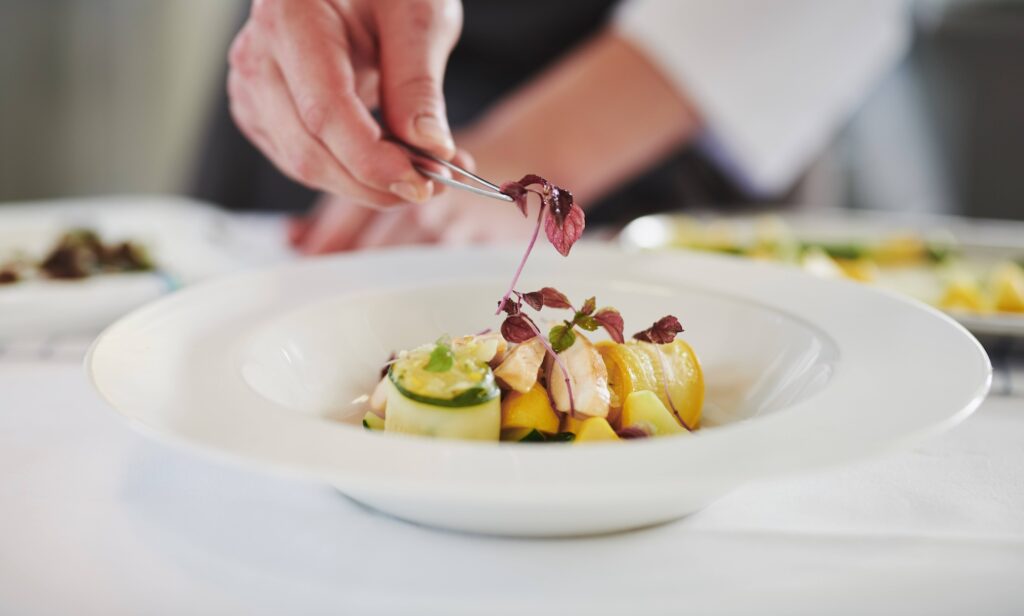
Some restaurants are now seeking to attract them with "miniature meals and tiny tasting menus," according to The New York Times, while research compiled by Morgan Stanley shows that 63% of Ozempic users ordered "considerably less" when dining out. Both upscale eateries and fast-food chains have taken note, offering menu items for customers with reduced appetites. Even Smoothie King is getting in on the trend with a "GLP-1 support menu".
Rather than fight the changing tide, savvy establishments are embracing it through clever reimaginings of portion sizes. At Tucci in New York City, diners can order daintier versions of its Italian favourites. "Guests come in and ask for my Ozempic Menu," Max Tucci, owner of Tucci, tells Newsweek. "They love the flexibility of smaller portions, which lets them sample a few of my Tucci classics without wasting food."
Clinton Hall, a group of burger and beer restaurants with four outposts around New York, has introduced "The Teeny-Weeny Mini Meal" - a burger smaller than your fist accompanied by a few fries, alongside a small margarita, beer or wine. It costs US$8 - a third of the price of a regular-size combo. As reported by The Telegraph, Aristotle Hatzigeorgiou, the restaurant's owner, added the dish to his menu after seeing how many of his own friends' appetites were shrinking owing to weight-loss drugs, and becoming worried about food waste. The Fleur Room at the Moxy Hotel in NYC, meanwhile, has adopted a new take on the "Happy Hour" offering a "mini-martini" hour where drinkers can sip a smaller cocktail for US$9.
But while restaurants pivot to cater to the Appetite Recession, the users of GLP-1 medications are navigating their own complex relationship with the new dining dawn. For many, the journey involves not just physical transformation but an unexpected emotional adjustment as well.
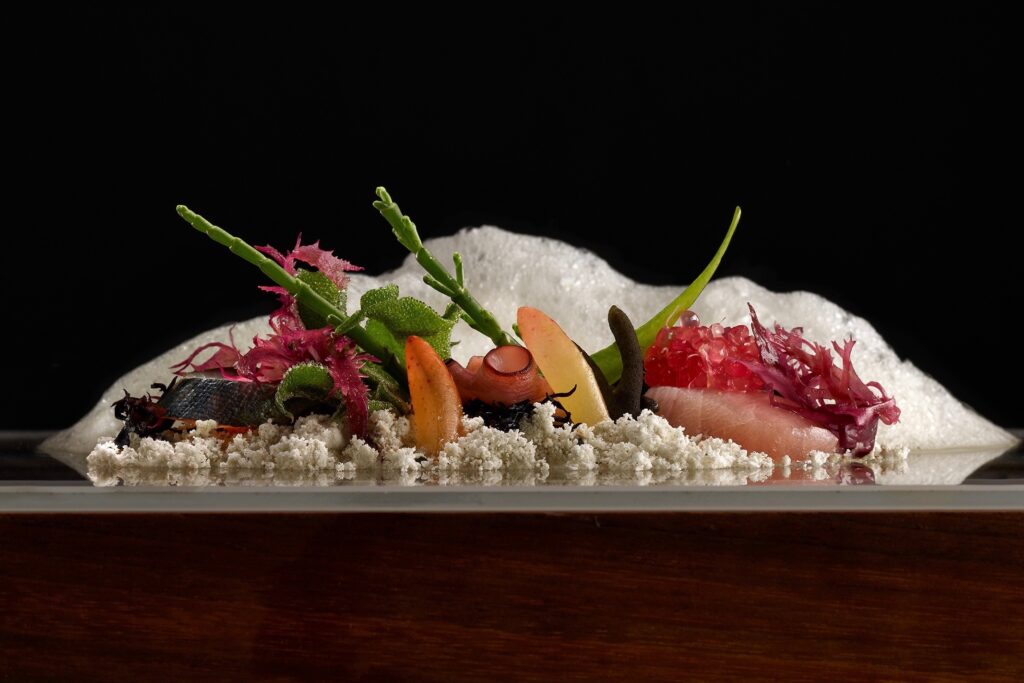
To explore the full trend — including insights from Heston Blumenthal's The Fat Duck, key data highlights, and an interview with the chef behind pioneering British restaurant, Bavette — subscribe to VOLT. Annual subscribers receive twice monthly trend reports, a library of 200+ more, plus direct support from Globetrender's in-house trend strategists.