

Kempinski CEO on how luxury hospitality is embracing experiences
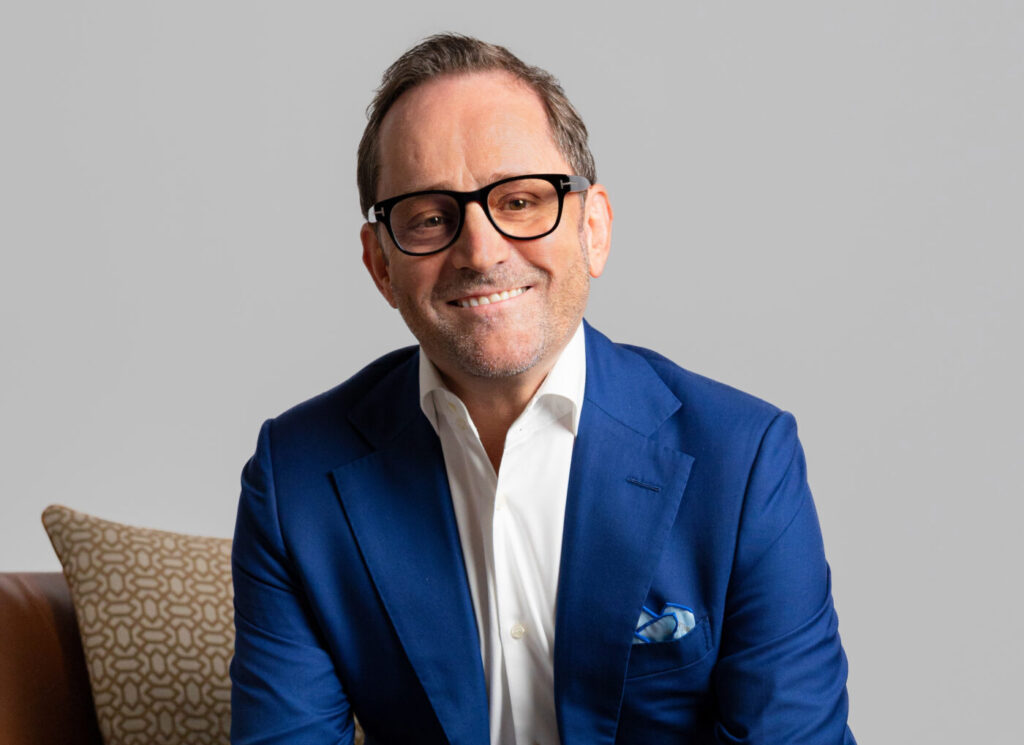
Barbara Muckermann, chief executive officer of Kempinski Group, says distinctiveness among luxury hotels comes from having the freedom to shape the hospitality experience in its entirety, from heritage properties to Resident Curators.
The Augustine Hotel, Prague, is Kempinski's first hotel acquisition in more than 50 years. Why was this one the right property to mark such a significant strategic shift?
Opportunities to acquire hotels like Augustine Hotel, Prague, are exceptionally rare. This investment offered a unique and compelling opportunity to secure a heritage asset in a top-tier European destination – Prague is a booming city for luxury travel. Equally, this property specifically offered us a grand showcase for The Good Life as the future of Kempinski as an ultra luxury brand.
The Augustine is a storied hotel that stands within the walls of the Augustinian Monastery of St Thomas, a historical site dating back more than 800 years and remains a living, working community of Augustinian monks that preserve a daily routine of worship, work, and study, ideal for a heritage brand like Kempinski.
The hotel is also relatively small, with 101 keys, so we were confident we would be able to develop the property as a showcase of a Kempinski of the Future relatively fast, which was an important factor.
You have described this acquisition as part of a move towards a more asset-rich approach. What is driving that evolution, and how do you see the balance between ownership and management changing for Kempinski in the years ahead?
Yes, the asset heavier approach reflects Kempinski’s broader strategic recalibration towards direct investment and ownership of landmark properties with a very clear intent – to control the guest journey from beginning to end and create truly differentiated guest experiences. It is increasingly clear from luxury behaviour that willing to pay for something distinctive.
They won’t pay for vanilla yogurt. Distinctiveness doesn’t come from adding more amenities or refining a brand standard. It comes from having the freedom to shape a hospitality experience in its entirety – something that is very difficult to achieve if you don’t control the asset.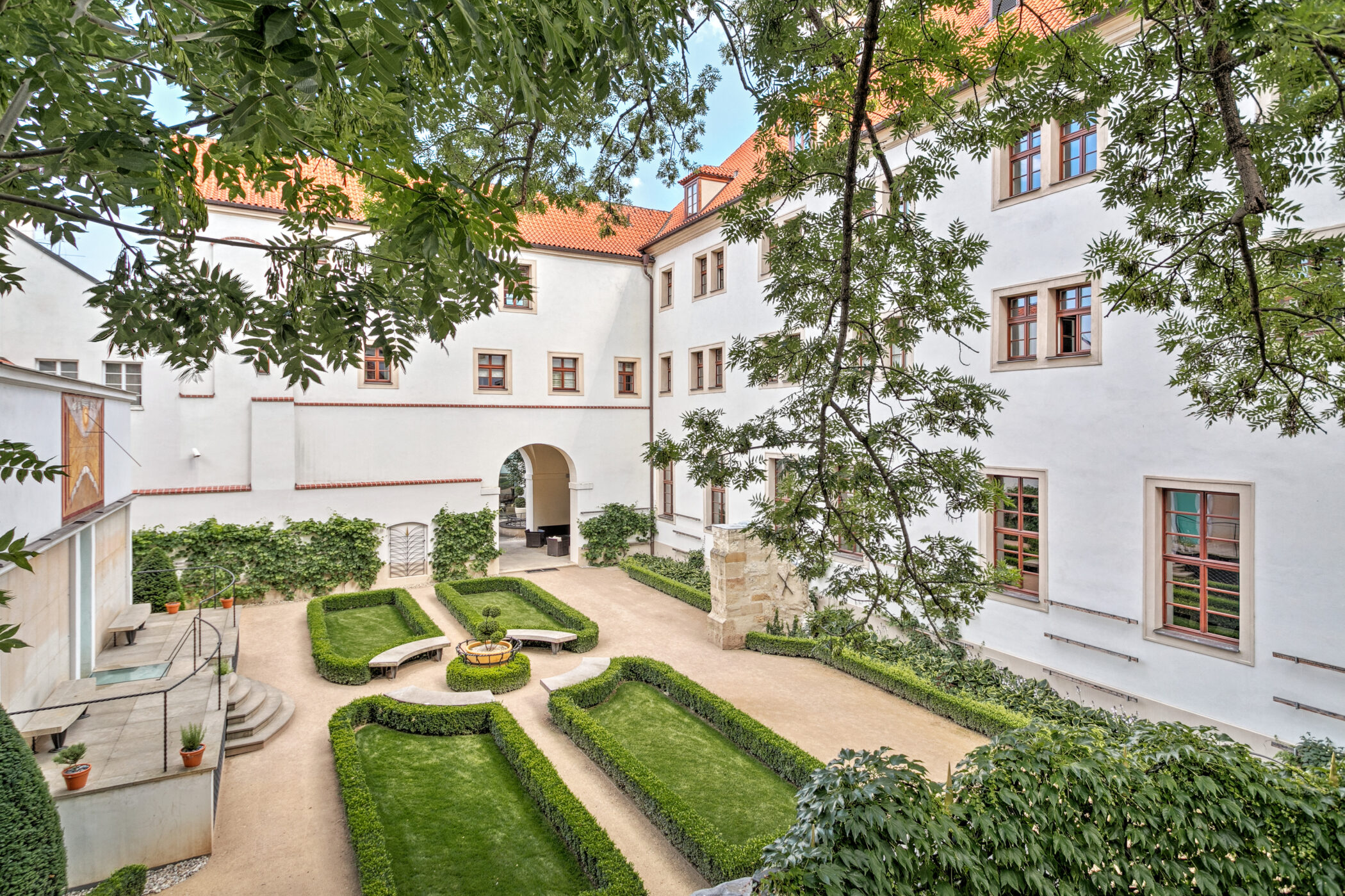
The Augustine Hotel sits within a functioning Augustinian monastery with more than 800 years of history. How do you approach the challenge of preserving authenticity while creating a contemporary luxury hospitality experience?
Our internal heritage office and Director of Brand Heritage have been incredibly key here. As soon as we signed Prague, we sent him there, and he took two months to understand the history of the Augustinian order, the rise of the monastery and the living, working community of Augustinian monks that preserve a daily routine of worship, work, and study.
As a broader team we then studied this bank of historical knowledge to understand how it can be reflected in the new product, and how we can translate this to the modern traveller. As an example, the Monastic Library houses a collection that spans centuries of theological and scientific thought. We have engaged with the monks to ensure our guests have the opportunity to tour the library alongside Father William or Father Juan to understand the significance of these texts to the Augustinian order and to followers today.
Luxury travellers today increasingly seek immersion, meaning and connection to place rather than traditional notions of opulence. How does Augustine Hotel reflect this broader shift in guest expectations?
Kempinski has been the Curator of The Good Life since 1872, pioneering some of life’s most valued experiences, creating meaningful engagement with destinations, culture, cuisine and finding the connection with one's own life.
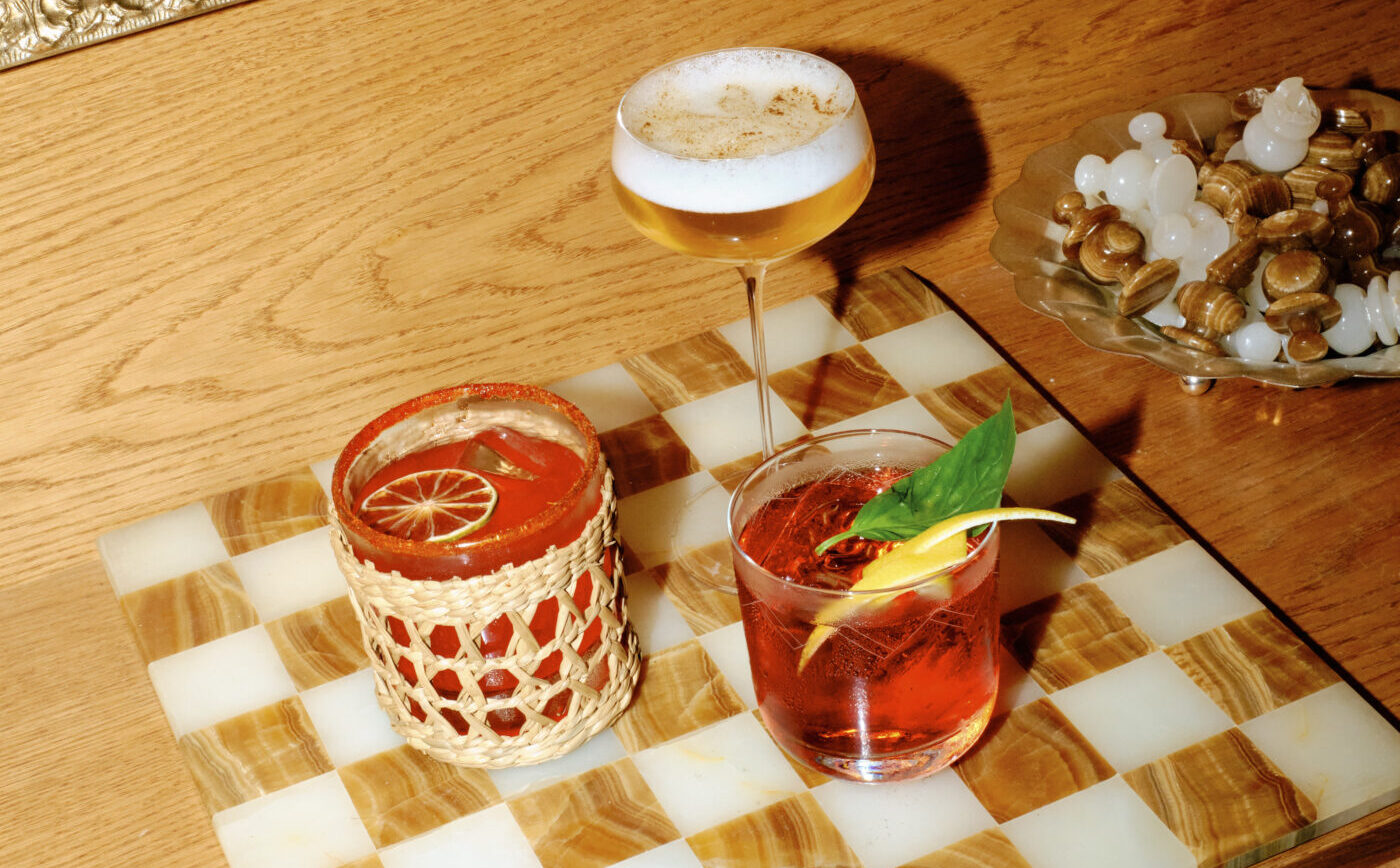
Over the next 150 years, that instinct shaped an early form of experiential luxury through a series of industry-defining firsts – introducing wine by the glass, inventing the aperitif as a ritual and creating social dining experiences.
Kempinski is bringing these innovations back to life with a new destination-led hospitality concept that elevates hotels beyond a luxury stay by bridging the gap between the property and the destination, providing access to the city and its living communities in a deeply personal, authentic way that has never been possible before.
This concept will come to life at the Hotel Vier Jahreszeiten Kempinski Munich and at the Augustine Hotel, Prague, this year and soon they will be rolled out across all Kempinski properties.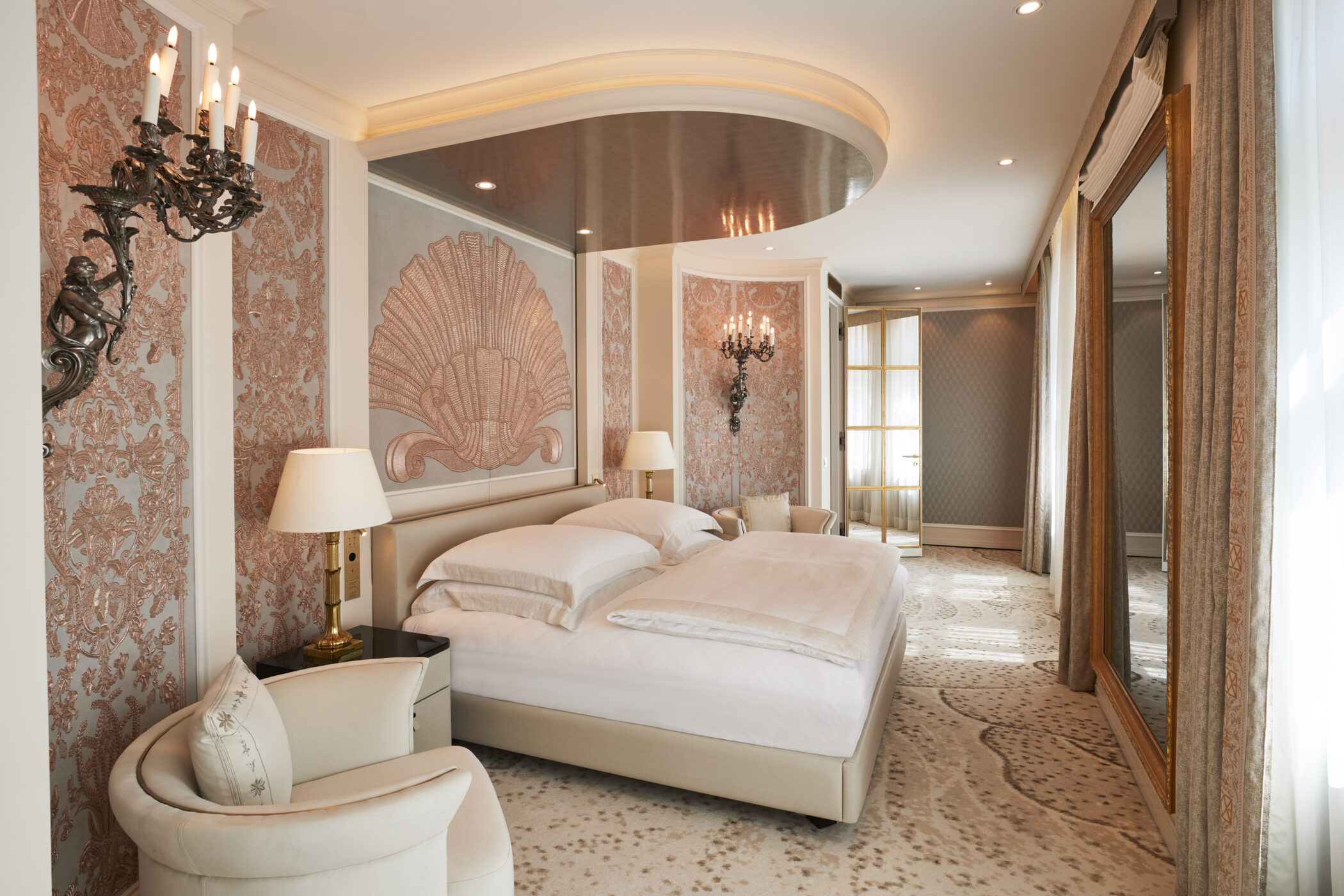
The phrase "experience-led hospitality" is becoming central to many luxury brands. What does it mean to you personally, and how is Kempinski bringing that philosophy to life across its portfolio?
Personally I believe that hotels must engage a lot more with the destination and become a platform for guests to experience every aspect of the destination in a deep, meaningful way.
From a brand perspective, Kempinski has a long heritage of destination led experience curation. As an example, in 1926, Kempinski appointed Leo Kronau as hospitality’s first Experience Designer to choreograph every moment of a guest’s visit to Haus Vaterland, then the largest entertainment palace in the world.
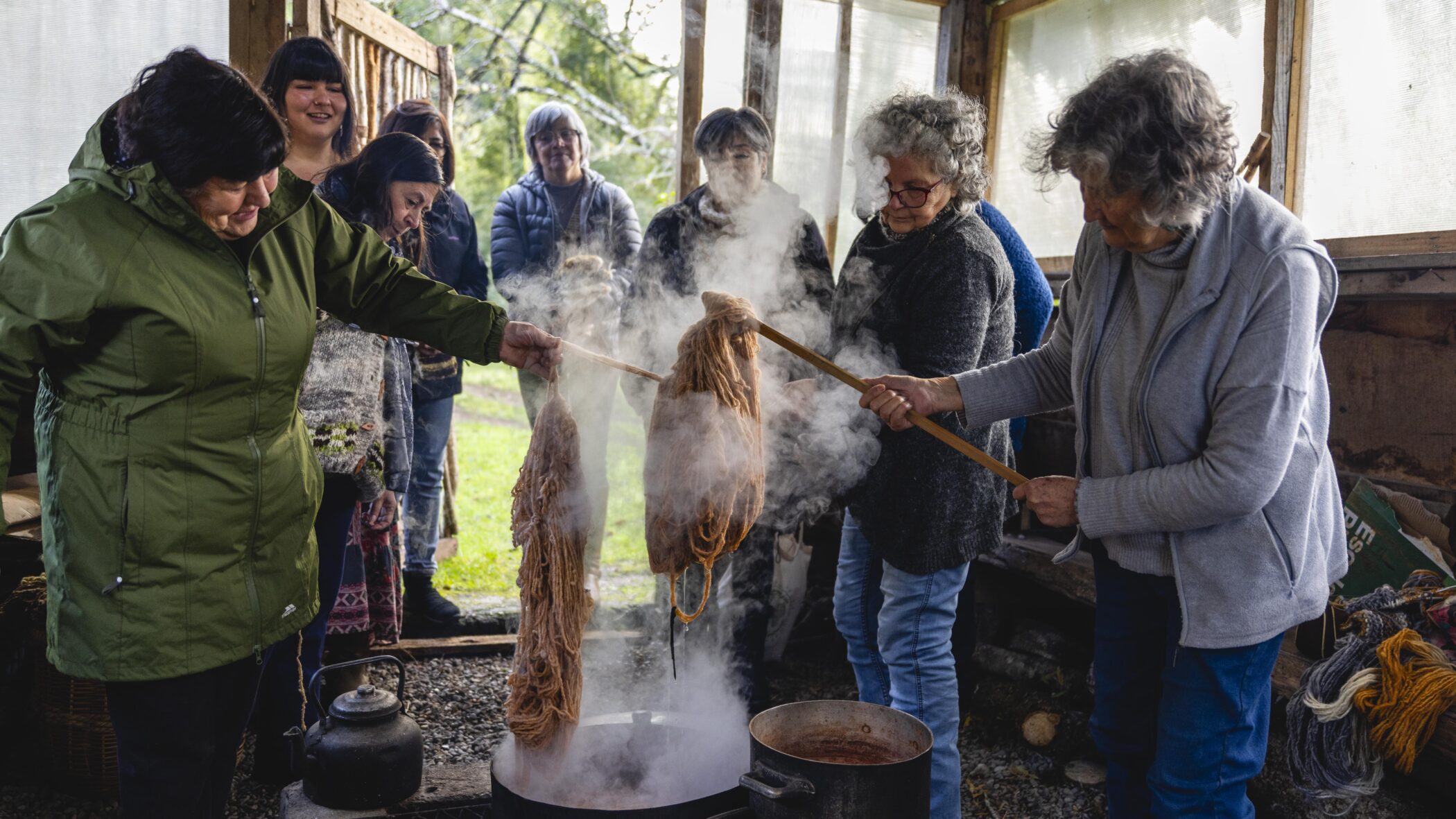
A century later, we have reprised the role of Resident Curator with an expanded vision: to curate a destination providing deep, meaningful access to its culture and most importantly its Local Insiders. Resident Curators do not just design itineraries, they connect with guests to understand their interests, curiosities and desires.
Branded Kempinski E.R.A.s (Experience Real Access), the concept launched this summer at the Hotel Vier Jahreszeiten Kempinski Munich, with three experiences costing from €130pp, and designed by Resident Curator, Bastian Zimmermann.
Guests can choose from:
The Regenerative Era – a guided cold plunge into the Eisbach canal guided by a Wim-Hof expert and a morning run beside 1990 World Cup and Ballon d’Or winner Lothar Matthäus.
The Royalty Era – a helicopter flight over five royal castles with the private historians of the Wittelsbach dynasty, and a by-appointment-only royal banquet at Nymphenburg Royal Residence, by Kempinski, accompanied by a private musical performance.
The Craftsmanship Era – a porcelain painting masterclass at Nymphenburg Palace led by the senior artisans, a private tasting of Munich’s six great beers with one of the city’s few certified beer sommeliers, and a BMW Classic workshop tour led by Helmut Käs, CEO of BMW Classic and custodian of BMW’s heritage.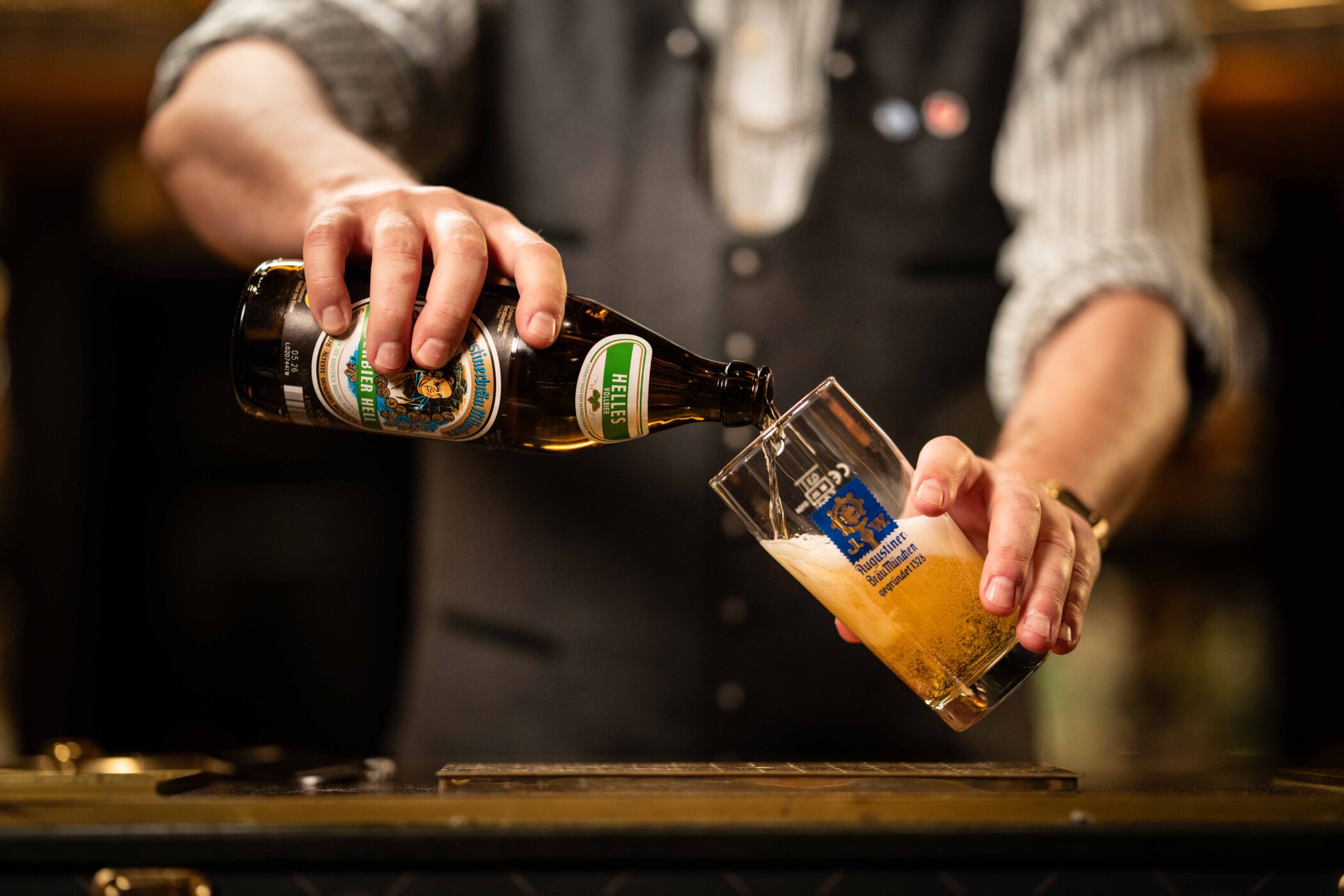
Heritage buildings are enjoying renewed appeal among luxury travellers, particularly as guests look for stories, character and a sense of permanence. Do you see historic properties becoming increasingly important to Kempinski's growth strategy?
Rather than pursuing uniformity, we believe that Kempinski’s brand strength lies in its collection of highly individual properties, many of which are historic, architectural landmarks and are deeply resonant of the destinations’ culture and community.
Prague has long been admired for its architectural heritage but has sometimes been overshadowed by Europe's more established luxury destinations. How do you see the city evolving, and what opportunities does it present for luxury hospitality over the next decade?
Prague ranks among Europe's top five most-visited capital cities, with growing demand for luxury hospitality. The city has been at the crossroads of European history, art and ideas for more than a thousand years, blending Gothic, Renaissance, Baroque and modern influences into a remarkably preserved urban landscape.
Ultimately, from an experience perspective, we know that luxury travellers seek authenticity. Prague retains its historic and authentic charm, something that some more established destinations no longer offer due to over commercialisation or overtourism.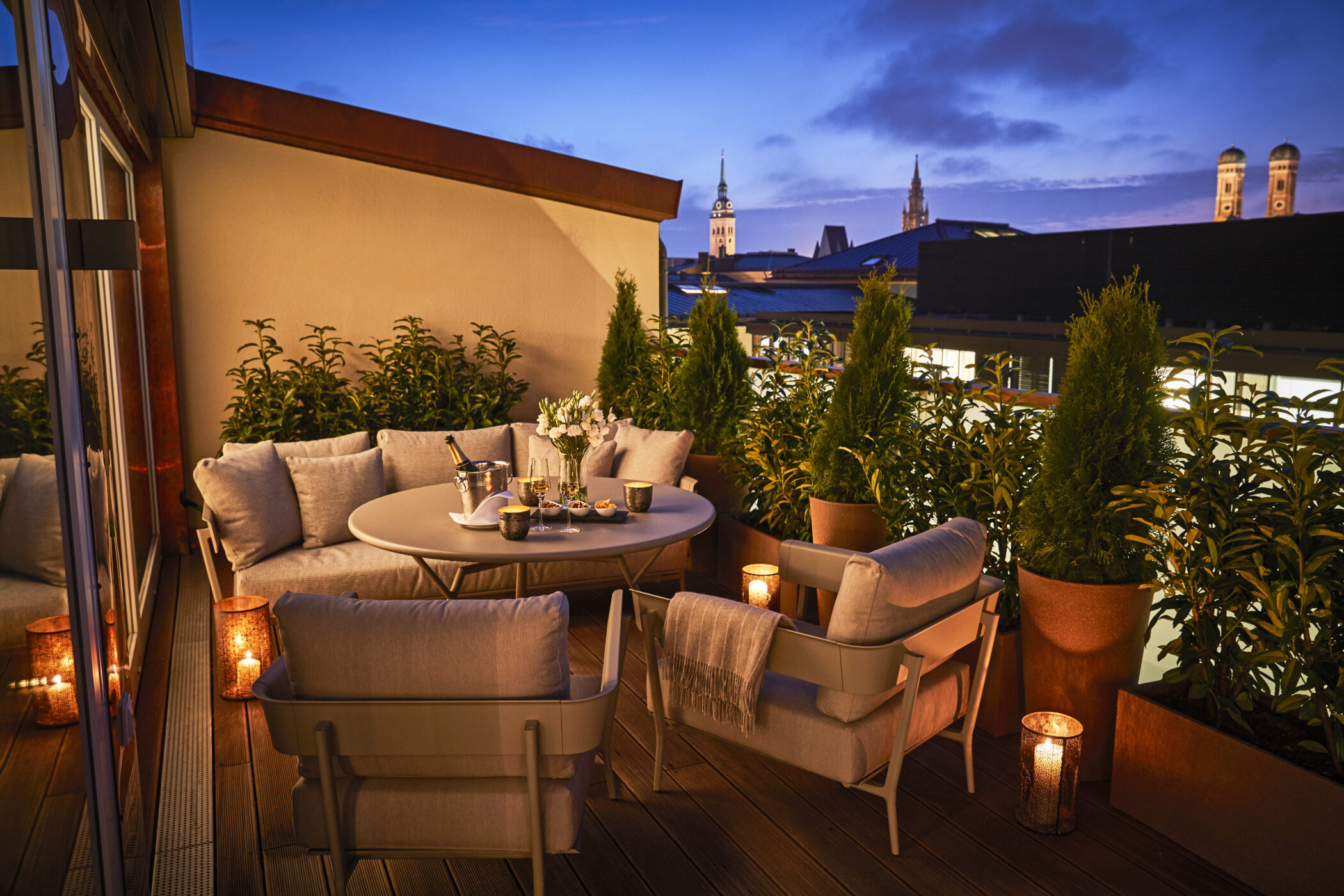
Looking beyond Prague, are there particular types of destinations, properties or experiences that Kempinski is actively seeking as it expands its portfolio?
Our first objective is really to increase our European density, which is why Prague comes immediately into it. Second, we are looking at the US and more luxury-leisure properties in key destination markets.
When you look ahead five to ten years, what do you hope this acquisition will represent in the history of Kempinski, and what role do you see the brand playing in shaping the next chapter of luxury travel?
The Augustine Hotel, Prague, will serve as an expression of our future blueprint – across design, F&B, wellness, and guest experiences on and off property. With direct ownership, we can shape that vision with precision, translating our brand seamlessly across every touchpoint of the guest journey.
In terms of the broader industry we hope to bring greater clarity to the role of the hotel in bringing the destination to life. Secondly, we hope to eliminate the friction of choice and additional costs to provide more intentional and intuitive service to luxury guests.