

SAINT offers personal space as bookable wellness experience
A new private wellness concept in New York is positioning solitude as a premium experience, with SAINT offering bookable personal spaces designed for uninterrupted time alone. Robbie Hodges reports
A new private wellness concept in New York is placing solitude at the centre of its offer, responding to growing demand for personal space in dense urban environments. Called SAINT, the brand has launched its first location in Chelsea, where guests can book individual sauna and ice bath studios designed for complete privacy.
The idea behind the private wellness concept is rooted in the realities of city living. In New York, where space is limited and daily life often involves close contact with others, privacy has become harder to access. The founders position this lack of personal space as a gap in the current wellness market, which has largely focused on social experiences such as group classes and members’ clubs.
SAINT was founded by Alex Feldman and Amanda Hensen, former colleagues at WeWork, in collaboration with concept development studio GerardGerdin. Together, they identified what they describe as an imbalance in how wellness is delivered today. “Wellness has become one of today’s most codified industries,” says Johan Gerdin, from GerardGerdin. “As clubs position wellness as another form of social gathering – often with staggering fees – we believe simple solitude and a moment of privacy is one of our times most overlooked benefits.”

Hensen adds that the concept does not reject community, but instead responds to a different need. “Coming from WeWork, and with an understanding that loneliness continues to rise, we deeply value community,” she says. “But we also see how taking a moment for oneself—a basic human need—is becoming increasingly difficult to access”.
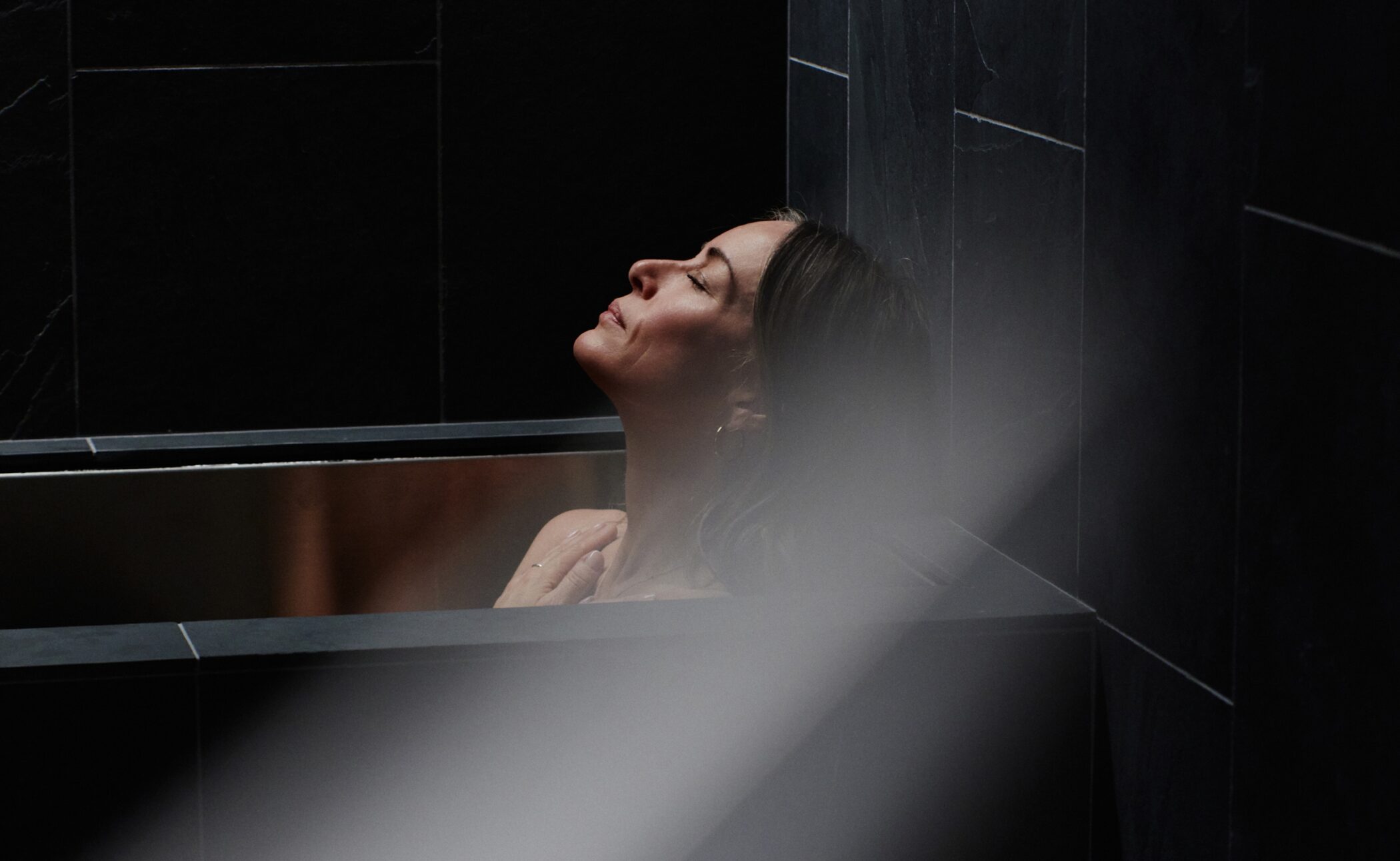
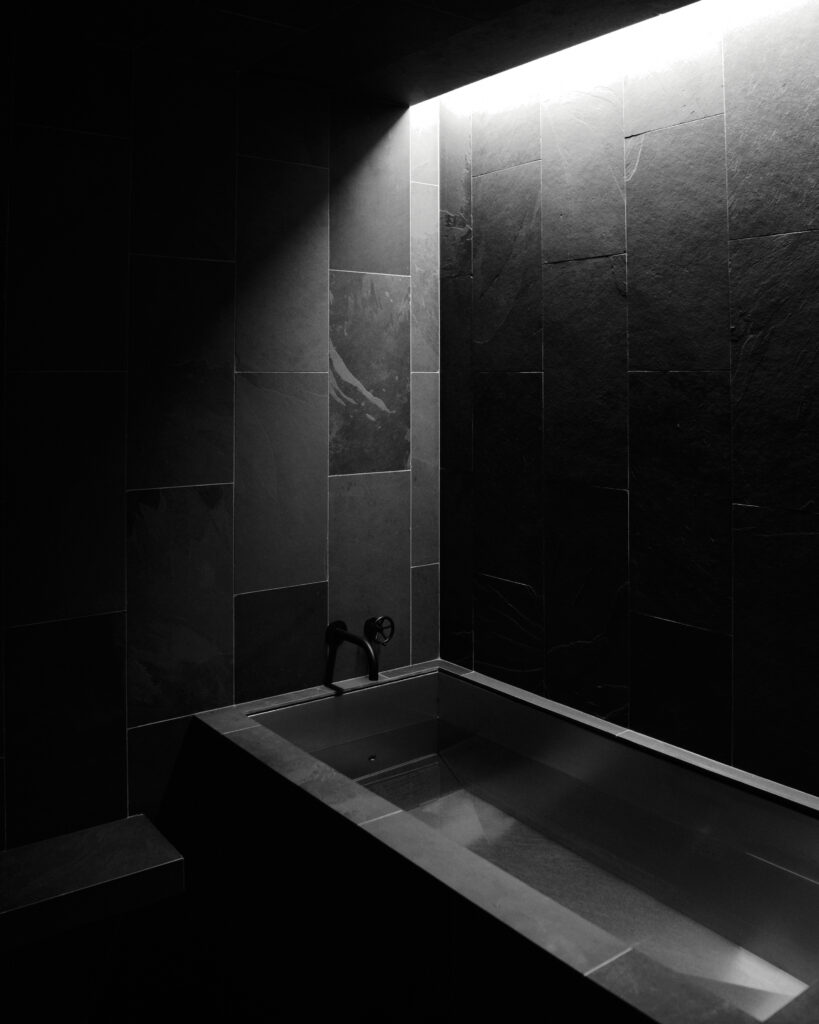
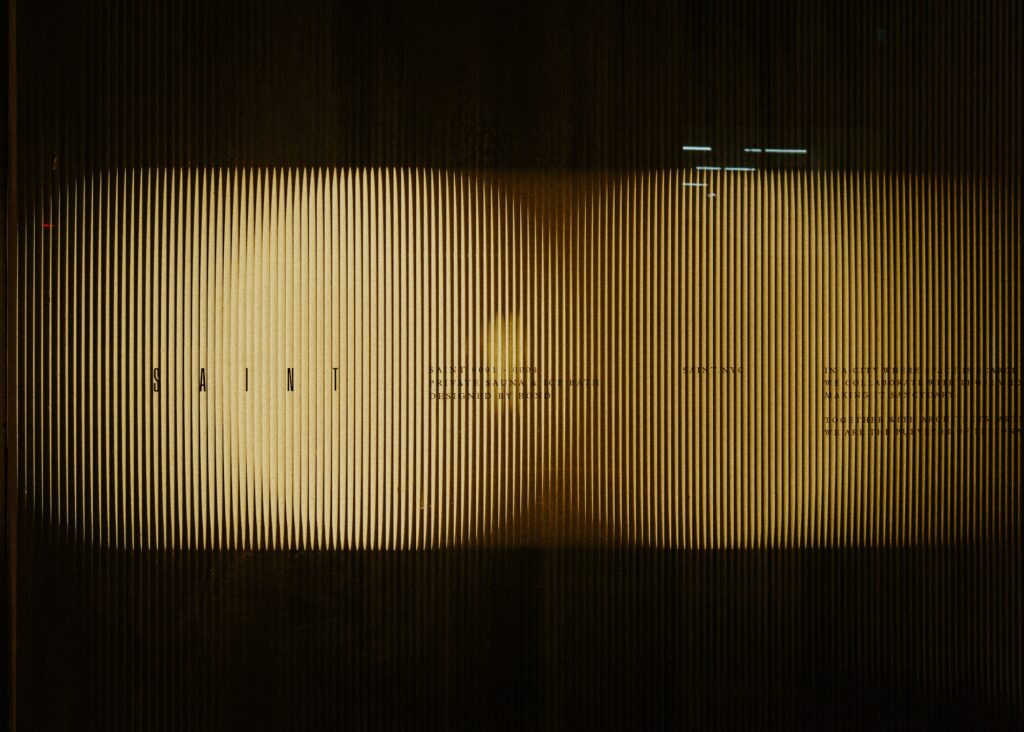
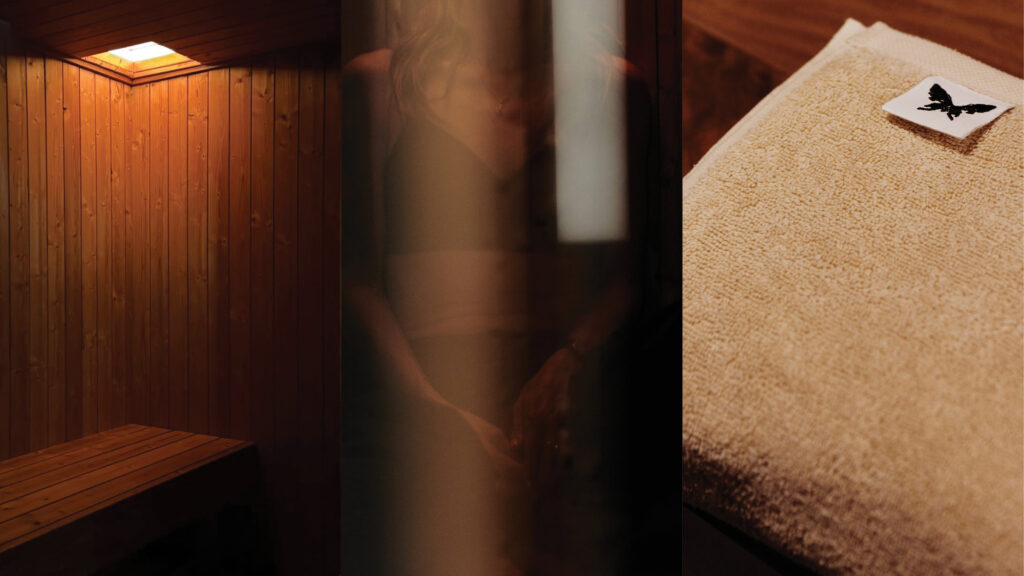
The first site, known as SAINT 01–04, includes four private wellness studios, each equipped with a sauna and ice bath. Guests can book these spaces for an hour or longer, either alone or with a companion, without sharing facilities with other visitors. The concept is designed to remove interruptions and create a controlled environment for rest and recovery.
According to the visuals shown on page 5 of the press pack, the interiors are minimal and enclosed, with soft lighting and natural materials used to create a calm setting. The spaces appear intentionally simple, with an emphasis on texture and privacy rather than decoration.
The project was developed with architectural studio BoND, led by Daniel Rauchwerger and Noam Dvir, who were tasked with designing what the founders describe as an “ideal sanctuary”. The result is a compact, purpose-built environment focused on isolation and sensory control, rather than communal interaction.
Feldman suggests this format is only the starting point. “As spa aficionados, starting with four private sauna and ice bath studios felt intuitive,” he says. “ But the ambition is broader. SAINT isn’t limited to one format. A future sanctuary could take the shape of a hidden bench to an hotel. The brief remains open, as long as it answers to purveying personal space.”
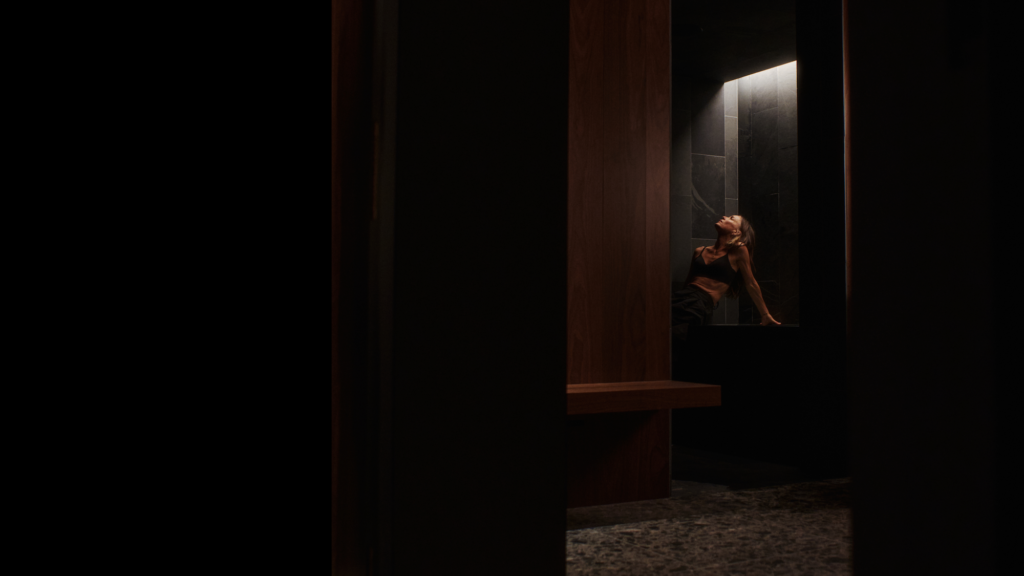
The concept also invites collaboration with creatives across different disciplines. Thibault Gerard, creative director at GerardGerdin, describes the brand as an evolving platform. “We see SAINT as a creative canva for craftspeople–from architects to filmmakers and beyond–who are interested in exploring what personal space means today, and how it may evolve tomorrow. Building off a legacy from many greats who have explored this question in the past”.
SAINT’s positioning reflects a broader shift within the wellness sector, where experiences are becoming more specialised and tailored to individual needs. While many operators continue to focus on social connection, this private wellness concept suggests that solitude is becoming a distinct category in its own right.
By framing personal space as something to be booked and curated, SAINT highlights how urban pressures are reshaping expectations around rest and recovery. In cities where space is limited, the ability to be alone, even briefly, is emerging as a structured and monetised part of the travel and wellness landscape.