

Uppsala launches ‘IQ tourism’ for curious travellers
Sweden’s Uppsala is inviting UK travellers to rethink city breaks with an ‘IQ tourism’ concept focused on curiosity, learning and deeper engagement. Robbie Hodges reports
Uppsala, a historic university city located 40 minutes north of Stockholm, is repositioning itself as a destination for travellers seeking more thoughtful and engaging experiences. With the launch of its new “IQ tourism” programme, the city is encouraging visitors to move beyond traditional sightseeing and instead explore ideas, stories and knowledge embedded within the destination.
The concept centres on curiosity-led travel. Rather than following standard itineraries or visiting well-known landmarks, visitors are guided through the city using an “IQ symbol” that marks experiences designed to prompt reflection and discovery. These can range from scientific heritage sites to lesser-known cultural spaces that reveal unexpected aspects of Uppsala’s identity.
Helena Bovin, head of marketing at Destination Uppsala, says: “We want curiosity to be the primary reason to travel here. It’s a shift towards travel centred on meaning and context rather than just another experience to tick off a list”.

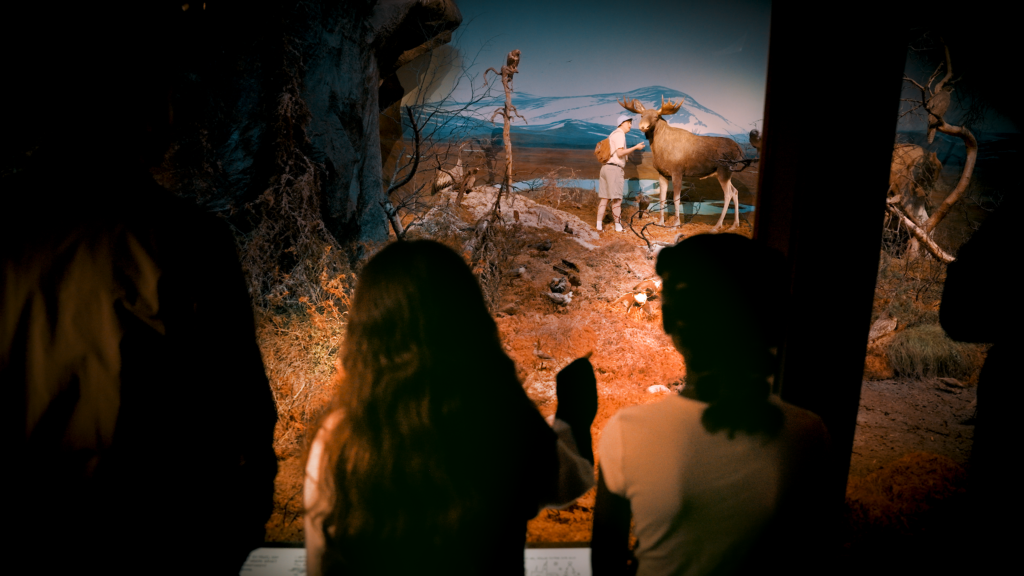
Uppsala’s long-standing reputation as a centre for research and learning underpins the initiative. The city is home to one of Europe’s oldest universities and has been associated with major scientific figures and ideas for centuries. This academic background now forms the foundation of a tourism offer that blends education with exploration.
One of the key locations included in the programme is Gustavianum, where visitors can see a preserved 17th-century anatomical theatre. The museum also displays the original thermometer created by Anders Celsius, which used a reversed scale with 0 degrees representing boiling point and 100 degrees indicating freezing. These details are presented not simply as historical facts but as prompts to rethink familiar concepts.
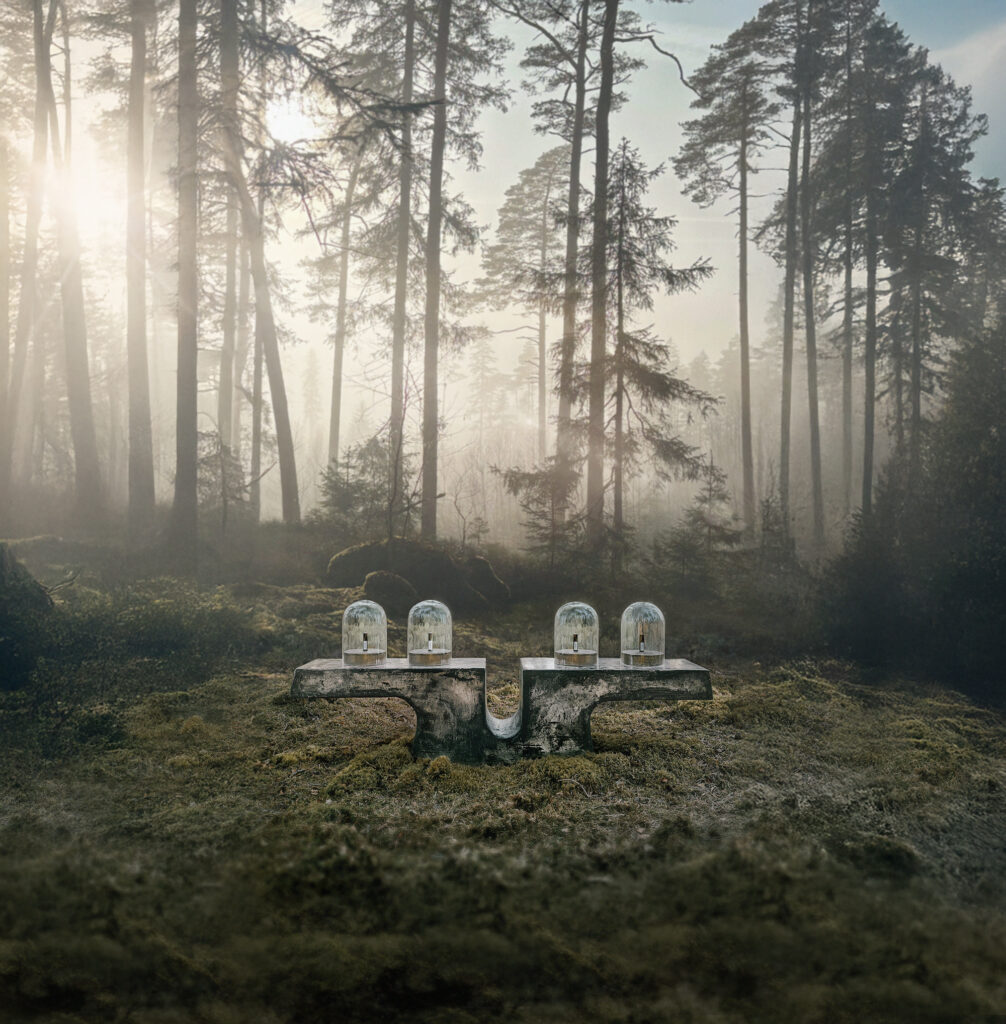
Elsewhere in the city, visitors are encouraged to uncover smaller, less visible experiences. These include discovering miniature installations hidden in public spaces, accessing book recommendations through coded systems in independent bookshops, and visiting artisan perfumeries where scents are created to reflect narrative structures similar to storytelling.
Contemporary culture also plays a role in the IQ tourism offer. The Cube of Art, an immersive escape room, combines large-scale architecture with digital technology to create interactive challenges. With ceilings reaching seven metres high and the use of laser-based puzzles, the experience reflects how modern design can be used to engage visitors in new ways.
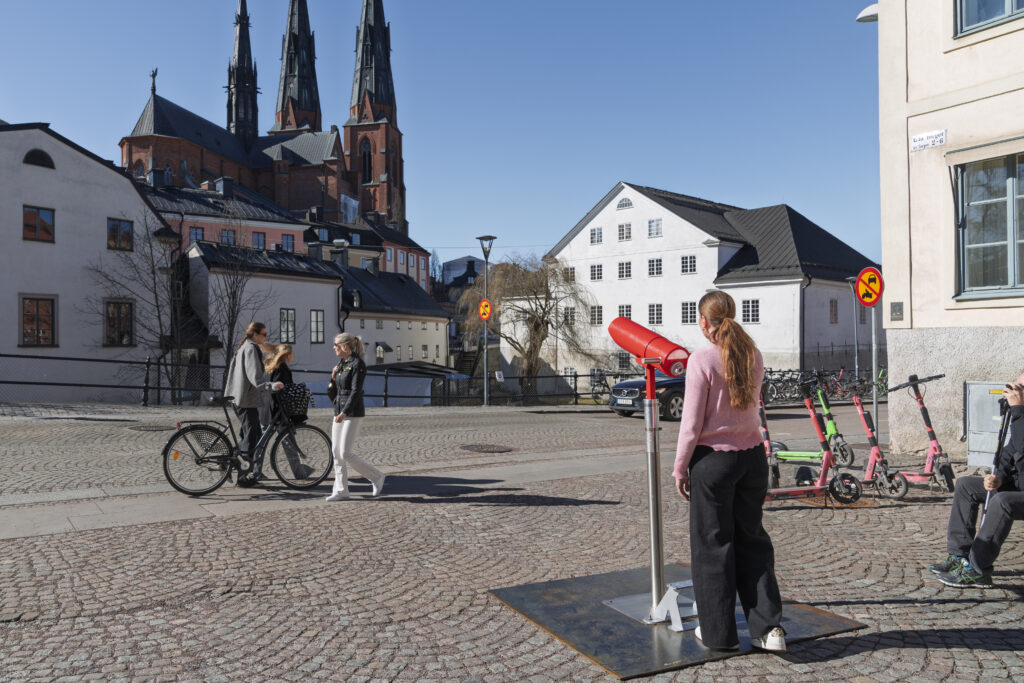
Another feature of the programme is a mobile viewing device known as the “red tower viewer”. Unlike traditional sightseeing binoculars that focus on panoramic views, this tool directs attention to smaller details that might otherwise be overlooked. The aim is to encourage visitors to slow down and observe the city more closely.
Alongside these curated experiences, Uppsala continues to offer a mix of traditional and contemporary attractions. Its cultural scene includes craft breweries, independent restaurants and a well-established short film festival that draws international audiences. These elements are integrated into the broader narrative of the city as a place shaped by both history and ongoing creativity.
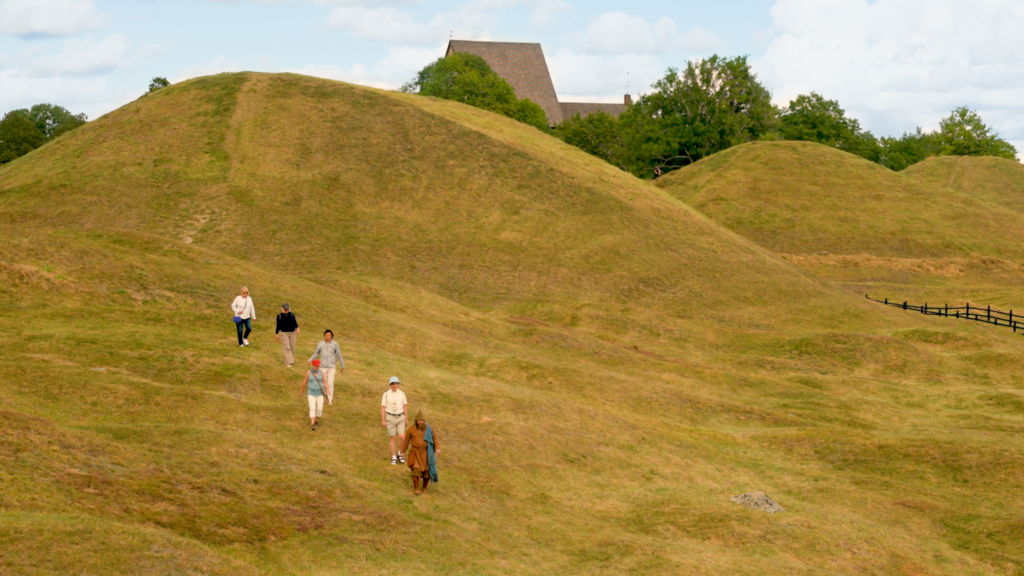
The IQ tourism initiative reflects a wider shift in travel behaviour, where some travellers are seeking more meaningful and personalised experiences. By focusing on learning and discovery, Uppsala is positioning itself as an alternative to destinations built around high-volume tourism and fast-paced itineraries.
For UK travellers in particular, the city’s proximity to Stockholm makes it an accessible option for short breaks. However, the intention is not to offer a checklist of attractions but to provide a framework for deeper engagement. Visitors are encouraged to approach the destination with curiosity, using it as a space for reflection as well as exploration.