

Austria targets ‘brain rot’ with screen-free travel experience
New research into brain rot reveals rising digital fatigue among UK Gen Z, prompting Austria Tourism to launch a five-day offline travel programme designed to restore focus and mental clarity. Robbie Hodges reports
A new study into what researchers describe as “brain rot” suggests that many young people in the UK are struggling to focus, switch off and feel mentally rested due to constant digital stimulation. The findings have prompted Austria Tourism to create a five-day, screen-free travel experience aimed at helping Gen Z reset their attention and wellbeing.
The research, based on a survey of 1,000 people in the UK conducted in February and March 2026, highlights a clear generational divide in how people engage with screens and manage mental fatigue. More than half of Gen Z respondents (53%) say they spend over four hours a day on screens outside of work or education, compared with just 23% of baby boomers. At the same time, 72% of Gen Z say they want to reduce their screen time, but only 38% actually take daily breaks.
The concept of brain rot is used to describe a state of mental overload caused by continuous exposure to digital content. According to the study, this is having a noticeable impact on younger people. Around 60% of Gen Z respondents say they struggle to concentrate for extended periods without checking their phones, more than double the figure for baby boomers at 28%. Meanwhile, 38% of Gen Z report frequently experiencing mental overload linked to digital consumption, compared with just 6% of older participants.


Sleep and recovery are also affected. Seven in ten baby boomers say they can easily switch off mentally in the evening, compared with 58% of Gen Z. As a result, 60% of younger respondents say they do not feel well-rested in the morning, suggesting a cycle of fatigue linked to digital habits.
Dr Bardia Monshi, psychologist and performance coach, says: “Constant digital stimulation is putting our attention systems under strain, leading to reduced focus, mental exhaustion and rising stress levels. Many people recognise the problem but struggle to change their behaviour.”
Experts involved in the research suggest that simply reducing screen time is not always enough. Instead, they point to the value of real-world, hands-on activities that engage the senses and require concentration. These types of experiences can help the brain recover and build new patterns of attention.

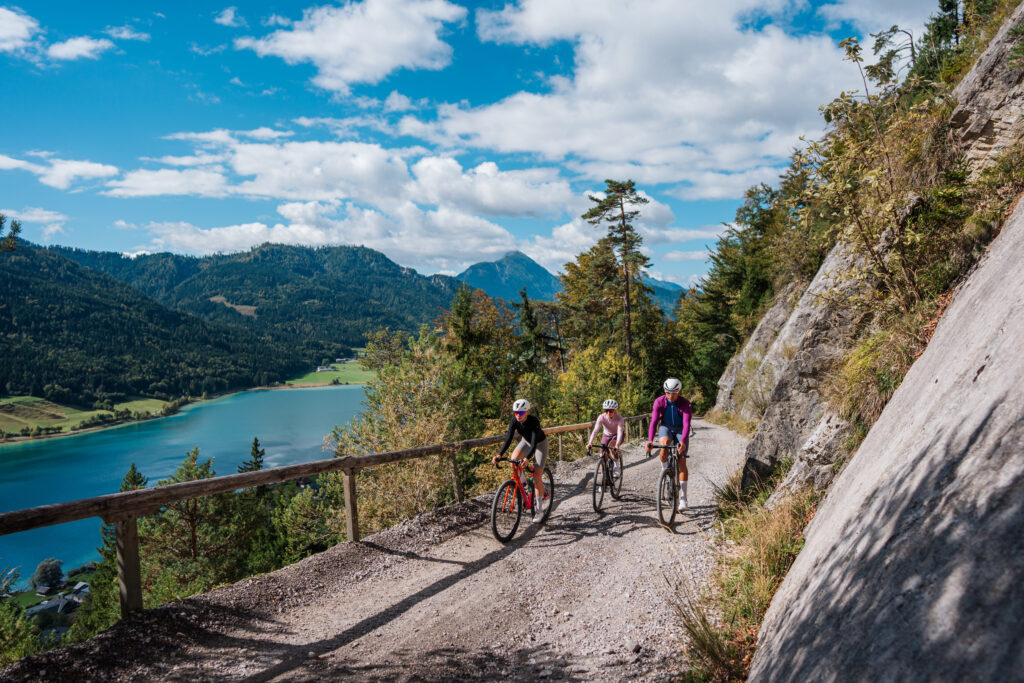
Austria Tourism is positioning its latest campaign as a response to this shift. The organisation is encouraging travellers to step away from digital routines and take part in activities that require active participation. These include hiking in alpine landscapes, learning traditional skills and spending time working alongside local communities.
To support this idea, Austria Tourism has launched what it calls the “anti brain rot” initiative. The programme offers a five-day, device-free experience designed specifically for UK-based Gen Z travellers aged 18 to 29. The aim is to help participants disconnect from screens and reconnect with their surroundings in a more focused way.
The itinerary includes structured activities such as sunrise hikes, cooking and baking sessions, and practical farm work. Participants will not have access to digital devices during the trip. They will also receive guidance from Dr Monshi and neurobiologist Dr Bernd Hufnagl, who will provide insights into how the brain responds to different types of stimulation and rest.

Hufnagl explains the rationale behind the programme: “Experiences that we actively engage in are more deeply embedded in memory. They create the kind of attention and lasting impressions that our brains increasingly lack in a digital environment.”
The initiative also includes an element of research. Participants’ levels of concentration, mental fatigue and overall wellbeing will be assessed before and after the experience to explore how time away from screens affects cognitive function.
Only five places are available for the programme, and applications are open until April 20, 2026. Successful applicants will take part in what Austria Tourism describes as a structured self-experience designed to encourage reflection and behavioural change.
The campaign forms part of a wider effort by Austria Tourism to promote travel as a meaningful and transformative activity rather than a passive escape. By focusing on immersive, offline experiences, the organisation is aligning itself with a broader trend in travel that prioritises engagement, learning and mental wellbeing.
As concerns around brain rot and digital fatigue continue to grow, initiatives like this suggest that destinations are beginning to position themselves not just as places to visit, but as environments that can support cognitive and emotional reset.