

REVIEW: Mantis Hiddn is an ‘unsafari’ for the overstimulated
Mantis Hiddn in Addo is the most recent addition to the Mantis Collection portfolio, and its most architecturally ambitious. It’s introspective and wellness-centric; decidedly not a safari, despite presiding over a landscape rich with the beautiful savagery of the South African bush. Robbie Hodges reports
Mantis Hiddn isn’t landing with a clumsy thud, but treading lightly. Much like the family of young warthogs scuffling tentatively through feathered grasses between the property’s 12 lodges, Hiddn is gently feeling its way into fresh terrain. Literally bedding itself into freshly turned earth, yes. But conceptually, too.
Over a century ago, here in the Eastern Cape, bloodthirsty tourists marauded these scrubby mountains in search of four-legged trophies and the “safari” was born. Decades later, it morphed into a new shape as more empathic travellers swapped rifles for camera shutters, setting a blueprint that’s become a global standard.
But new times call for new paradigms. And now, into the frayed nerves and technological accelerationism of the current moment, a new iteration of safari is slowly coming into focus courtesy of pioneers such as Hiddn.

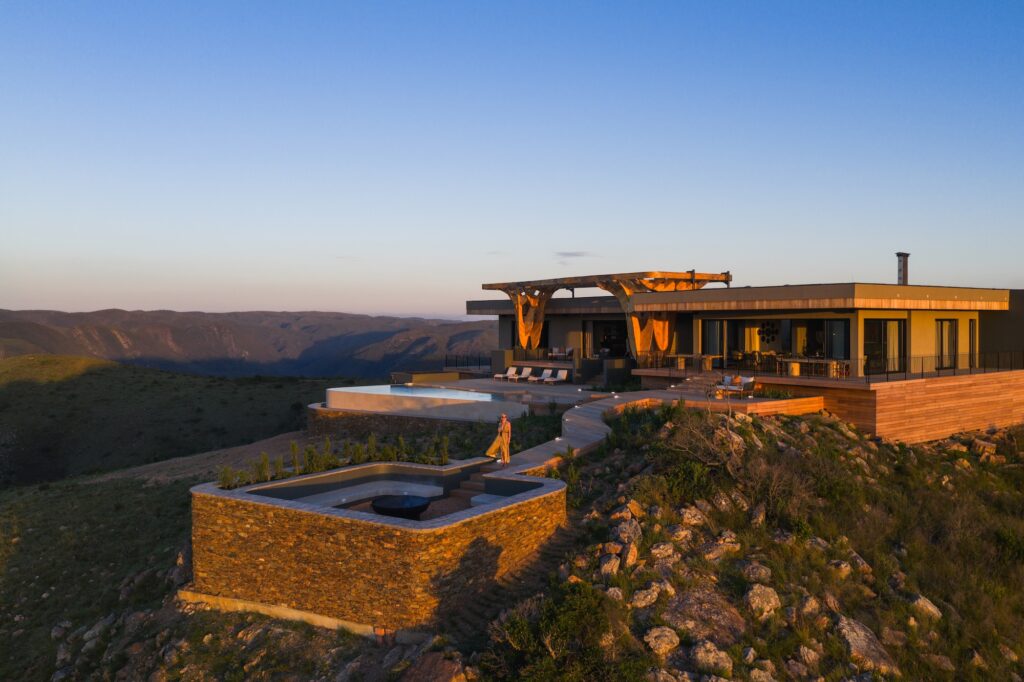
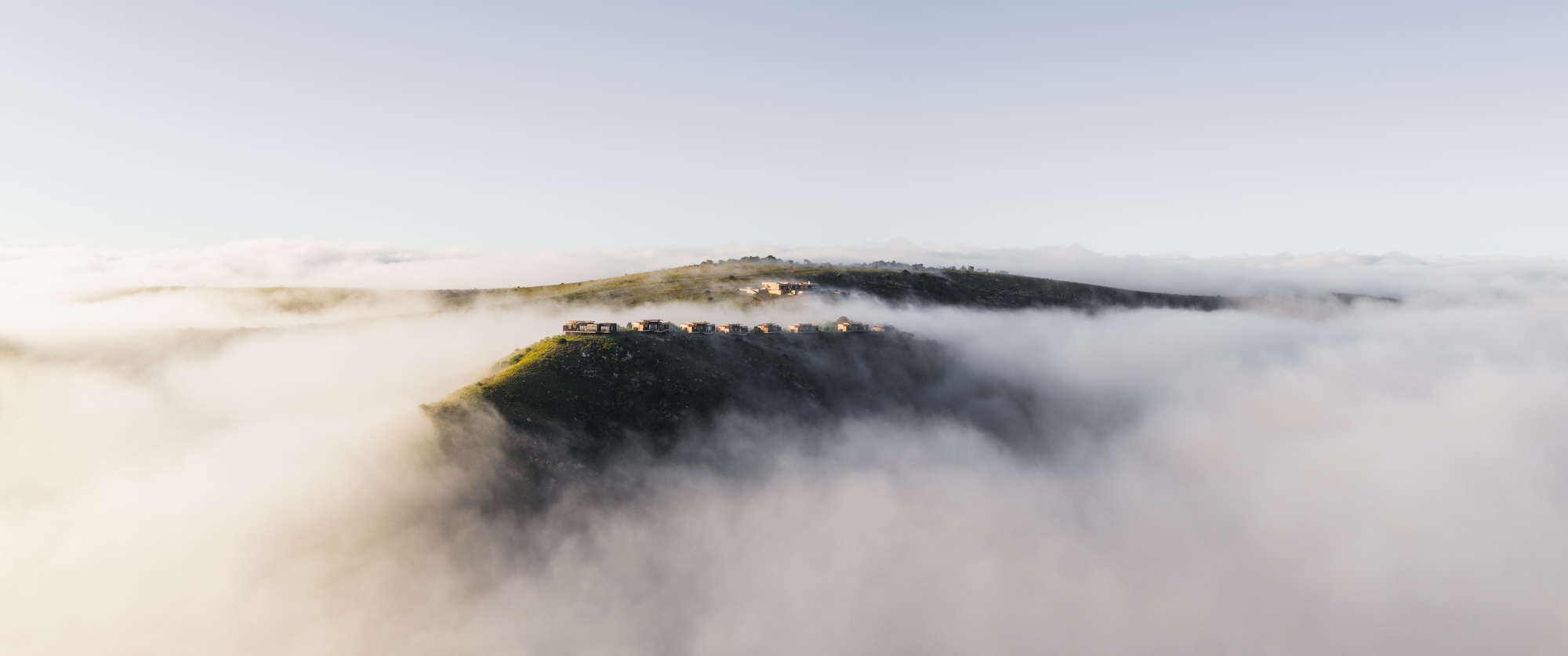
One could lazily slap on the label “eco-luxury safari retreat” and be done with it. But Hiddn, an architecturally ambitious new property from Mantis Collection that floats almost tracelessly atop a desolate mountain ridge, is something novel. It flips the script, putting wellness first and safari second. It's a soft adventure. An entry point for the safari-wary, or a deep exhale after the intensity of a safari Proper. Let’s call it an “unsafari”.
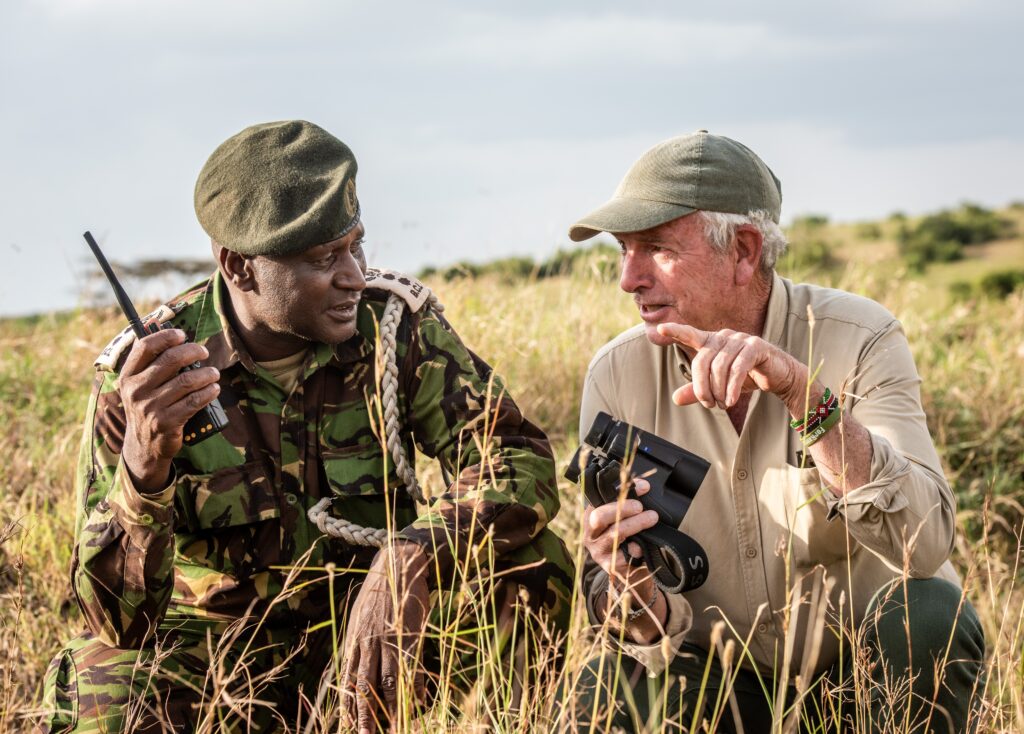
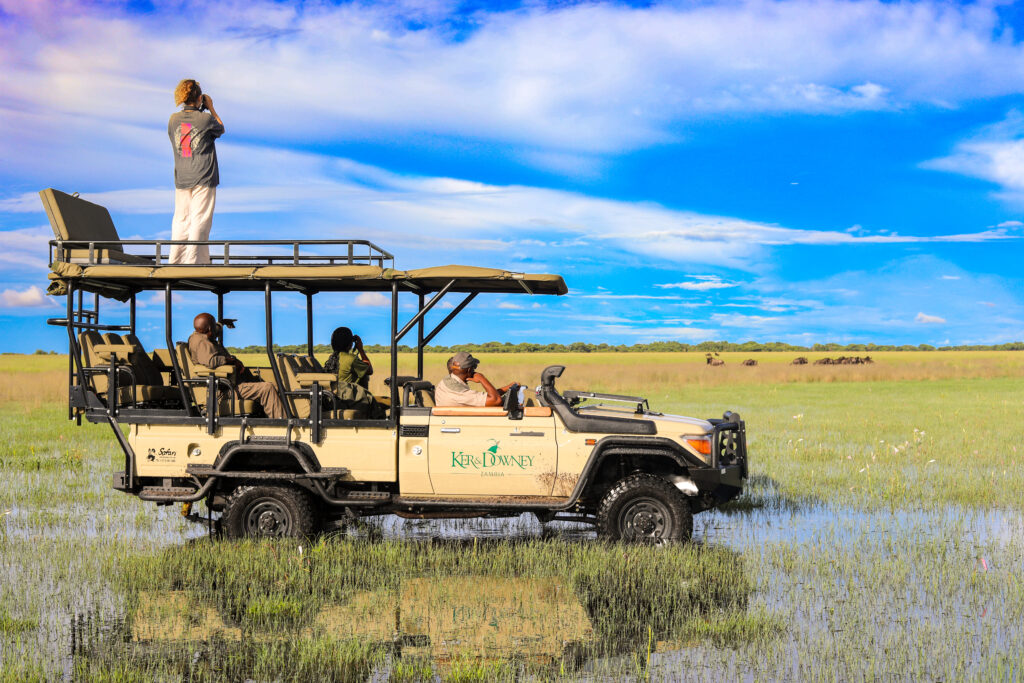
Sure, it has all the trappings of a classic safari. Guests trundle about the 800-hectare reserve in open-top 4x4s – INEOS Grenadiers, the Chryslers of game drives, no less – flashing Swarovski Optik binoculars at birds of prey, khaki-clad experts at the wheel. And days can be spent banking photos of The Big Five on excursions into neighbouring Addo Elephant National Park (I spotted lions, elephants and buffalo, plus ostrich and zebras, all in a single morning).
But a stay here, in the rarefied climate of the upper Zuurberg mountains, is really about turning the binocular lens on yourself, while also narrowing your sights on the minutiae of the Eastern Cape – the bedazzled insects, medicinal flowers and curious animals found amid the fynbos shrubland, high, high above the bestial theatre of the lower plains.
At least, that’s the vision. Developing this new experiential blueprint is, unsurprisingly, a hard-wrought, experimental process; one I feel fortunate enough to have glimpsed up close, arriving within weeks of opening, just as Hiddn entered the ecosystem of OTAs and booking platforms that will inevitably have the safari-curious flocking in their droves.
LOCATION
The tumbling aerial descent over a ferocious rip of coastline and two-hour drive from the appropriately-named “windy city” of Port Elizabeth is a sensory overture, building and building in elevation and wildness. “I hope you’re enjoying your African massage,” jibed our guide Desi, flashing a grin in the rearview mirror as the Land Rover jumped over boulders, clouds of wild blamingo flowers and skittish baboons heralding our approach.
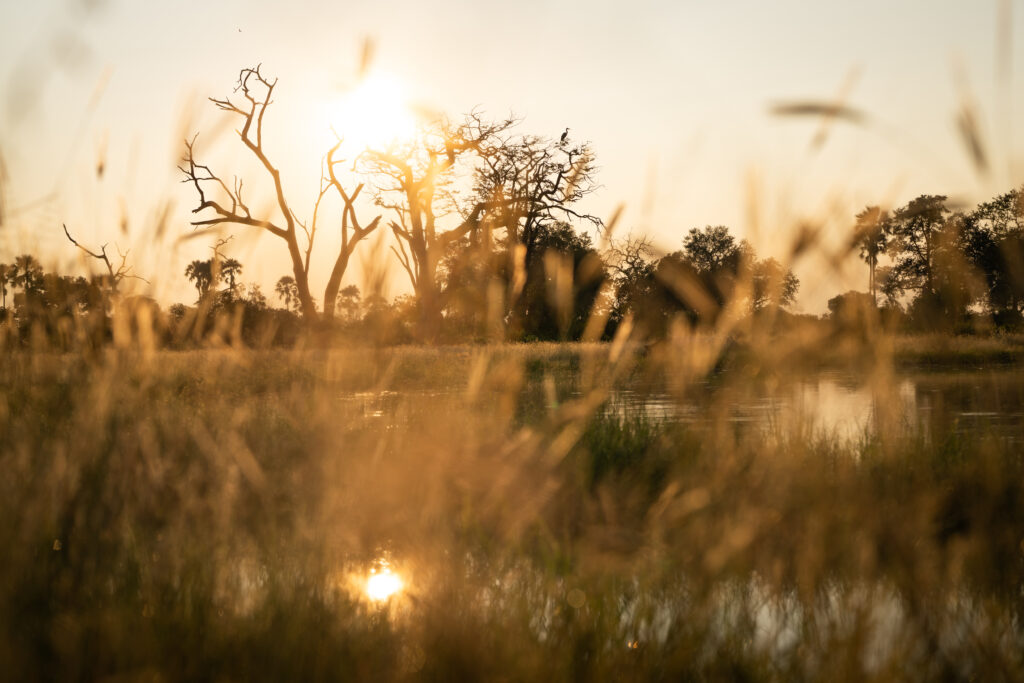
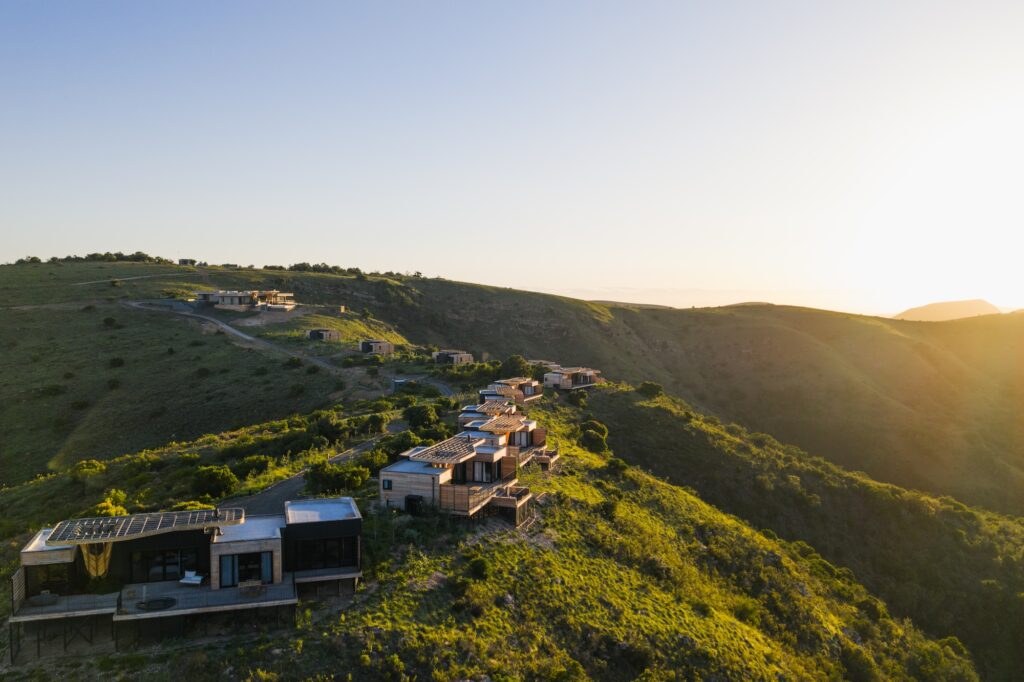
Eventually the thicket overhead cracked open in an exceptional climax, revealing a seemingly impossible archipelago of 12 lodges; 600m high above sea level, teetering on a ridge that delivers hawk-like omniscience over folds and folds of humanless landscape. At this elevation, wrap-around sunsets soak boundless skies, while lightning – a regular occurrence – bleaches everything, lodges, warthogs and all.
Getting it all up here was an Olympian feat. Not only due to the capricious weather conditions, but also because Hiddn is about as farflung and off-grid as it gets. “What people don’t understand,” says Laurie van Huyssteen of Rennasance Construction, “is that typically you would just build a lodge and your [construction] staff would come in daily. We had to build an entire village to make this happen.” And yet, the final effect is effortless.
A field of 60 north and west-facing solar panels tucked just beyond view keeps this elegant smokeshow of a hotel gliding in constant motion, along with a 240,000 litre water butt – itself quenched by a bore hole some 270m deep in the earth. The engineering and mechanics are the fine work of TERRA Nova Create, developers behind several Mantis Collection properties. “The others are impressive,” Bruce McNicol, the company’s co-founder told me, “but this is one of a kind. It’s unique”.
Unique in its location, and also its proposition. Addo National Park, a 45-minute drive from the hotel, might have just 180,000 hectares to Kruger’s two million. But it delivers no less of the tremendous beauty – about 40% more even – tacking on two more dangerous beasts, the great white shark and humpback whale, to Kruger’s Big Five. Charter a helicopter arrival in May or June and watch as the annual sardine migration sends predators of the sky and sea into a flip-flapping frenzy.
ETHOS
The bags placed in the wardrobes speak volumes: big floppy canvas numbers, trimmed in leather. “Waft,” they sigh, “but elegantly, please.” There’ll be no 5am wake up calls for groggy game drives, nor sloppy bowls of Bush-style stodge at lunch.
The intention, ultimately, is that frazzled guests ruled by the tyranny of Google calendar fall back into their own natural rhythms; taking the day at their own pace, just as they like it. But how do guests like it? Currently operating without menus or parameters, it’s a question that could reduce over-stimulated “always-on” decision makers into an existential, bumbling puddle of words. But one that Hiddn’s figuring out, in real time.
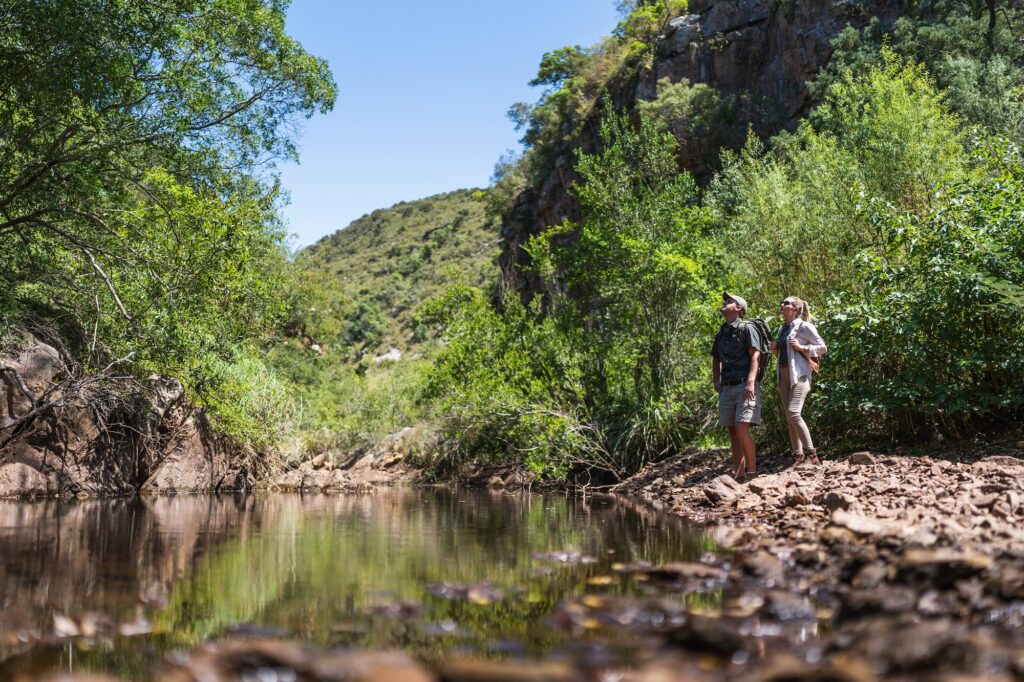
What’s already sparklingly clear is that Hiddn’s team are experts in cultivating presence – not just the fleeting thrill of a big cat sighting, but the restorative depth of the small stuff. Gnarly insects, medicinal plants, but especially the non-stop feathered aerial display. Hiddn’s network of camera traps have spotted 252 different bird species on the reserve already, including vultures – catnip for wildlife photographers – thanks to a local vulture repopulation initiative, to the chagrin of nearby cattle farmers.
I was more captivated by the little hunters carrying out their dirty work right underfoot; such as the moment Desi ground our car to a halt, to witness the prehistoric choreography of a bulbous wasp dragging a hairy-legged baboon spider back to its lair. And later, when the Grenadier’s tyres flicked a discarded wasp nest directly into our vehicle, its mangled victim just peeping out.
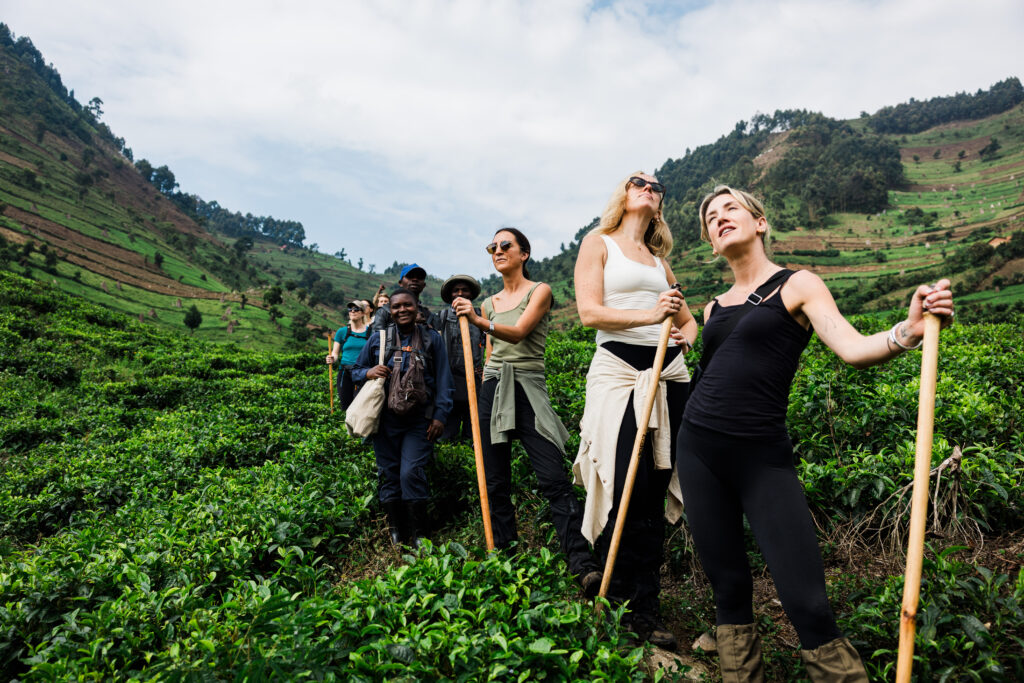
Hiddn’s compiled a crack team of guides who have each layer of this biosphere locked down. On a separate two-hour walk with David, for example, we darted between cultures and centuries: a numbing thorn once used for dental rituals here; lesser-spotted spider silk later engineered into stab-proof design there.
This is just the start, Hiddn’s general manager, Tracy Lancaster, tells me. A leading botanist has just been recruited to further deepen their guides’ knowledge. She’s also in talks with a historian; someone who could decode the grim palimpsest of the Boer war that lingers among the natural savagery of the landscape.
Some call it “friction-maxxing”, others “sweat equity,” but in an age of information overload and AI-powered generalists, travel that offers that kind of deeply specific, experienced knowledge is starting to feel like a real luxury.
ROOMS
There it was, dark and plump: a pile of dung, placed just so on the corner of our terrace. More than dung, here was an indication of how the wildlife (baboons, in case you were wondering) is slowly habituating to their new human neighbours; a stinking hot confirmation of Mantis’ proof of concept, where style meets the feral nature of the Bush.
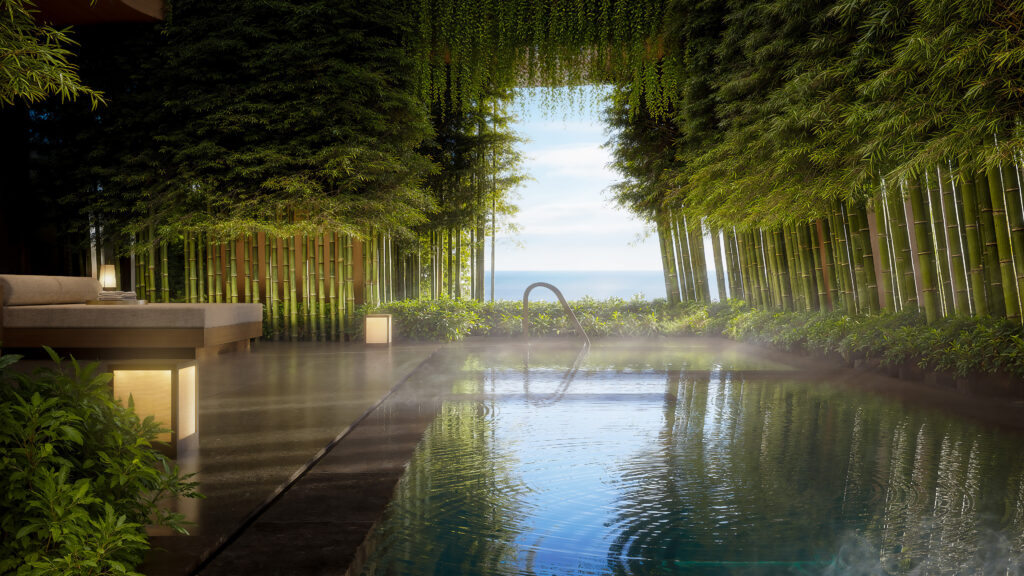
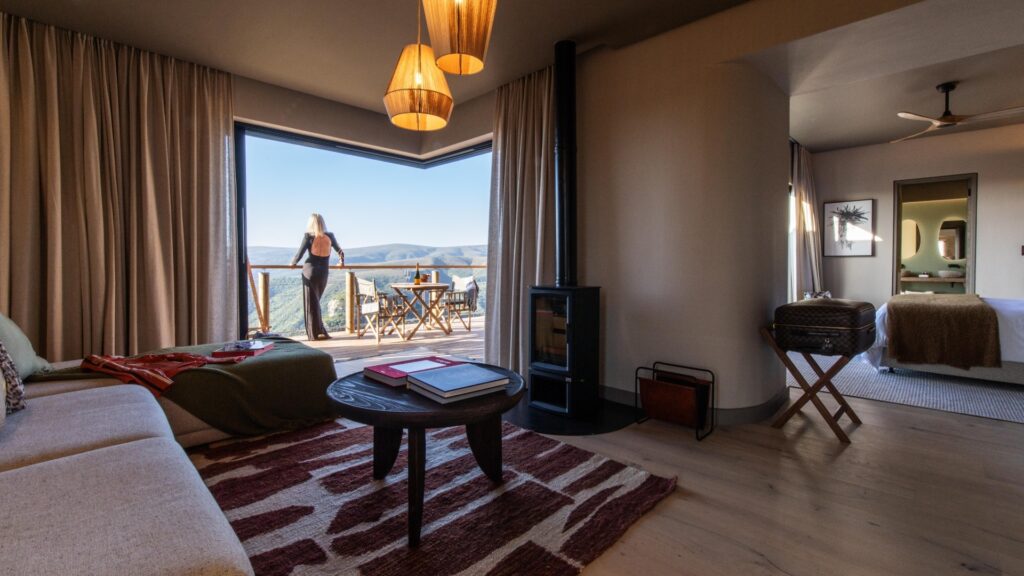
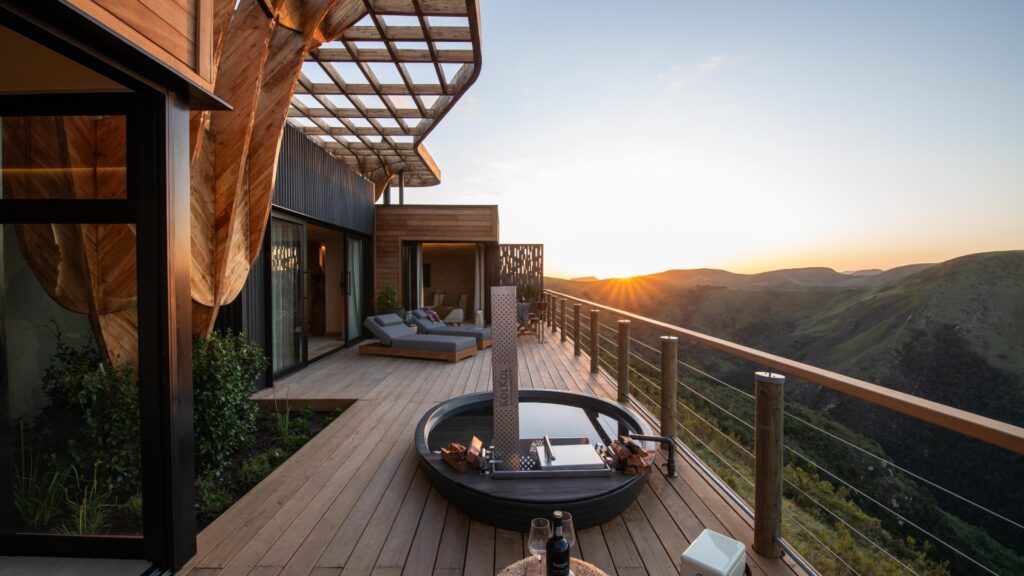
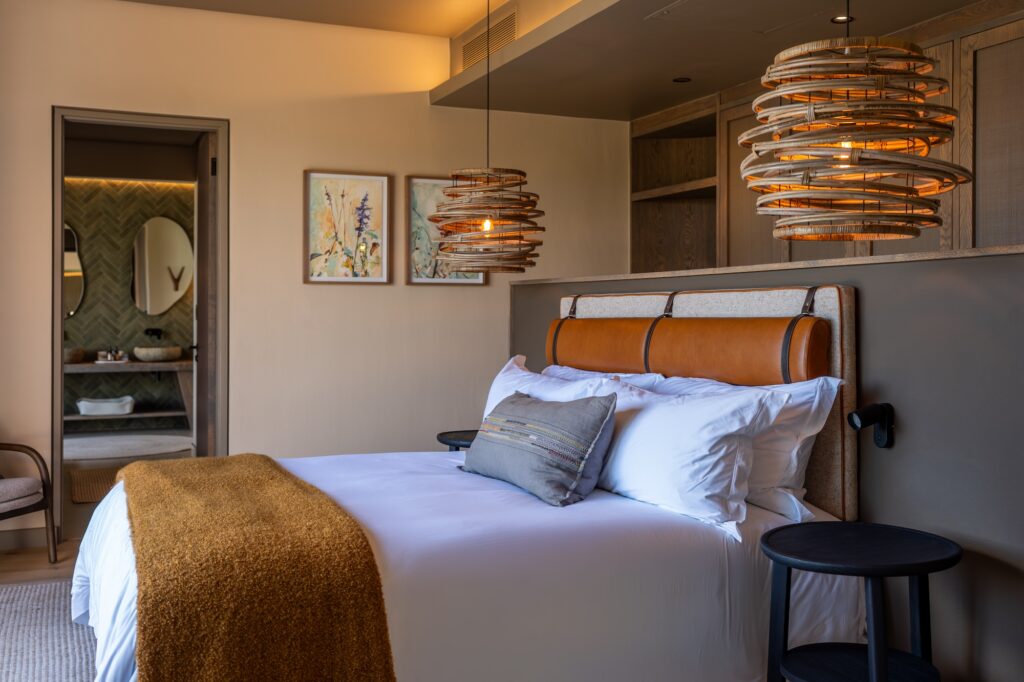
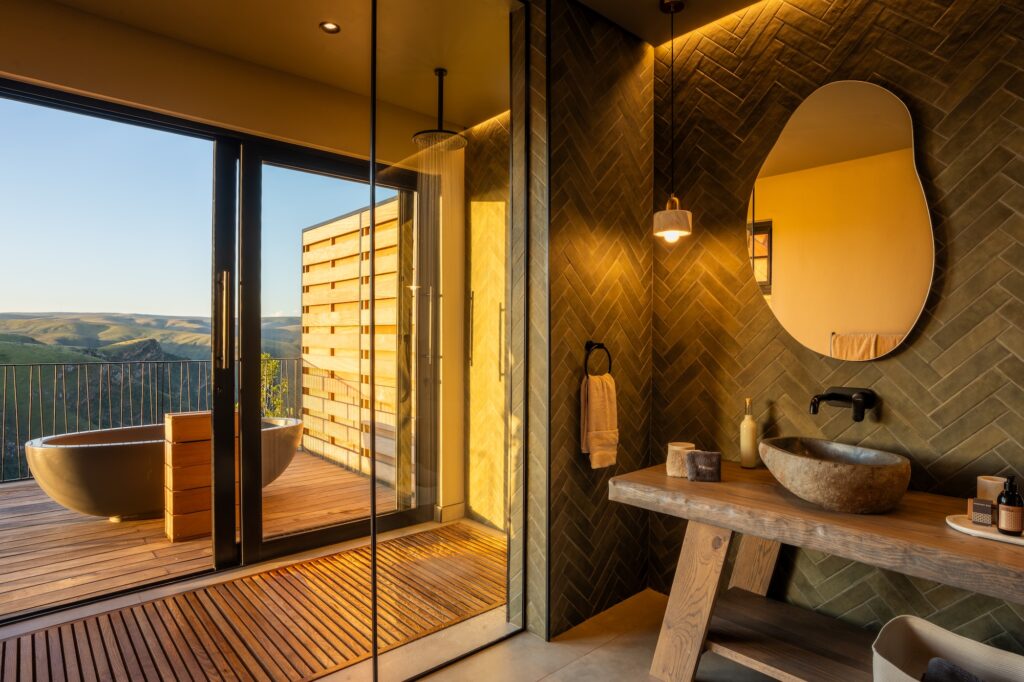
Let’s ditch the dung but remain on the terrace. Hiddn has 12 lodges in total, plus two private four-bedroom houses, each attended by its own retinue – chef, butler and supporting cast – should you wish to disappear entirely into your own orbit. Whichever room you book, an expansive terrace is guaranteed, each one part-shaded by a trellis of superhuman proportions, and designed with various configurations of scenic bathing spots, tactfully shielded from your neighbours. We’d snagged one of the two, double-bedroom villas, which meant not only an outdoor stand-alone tub but also a Kolkol, a low-impact, wood-fired South African hot-tub.
Best enjoyed with a digestif after dinner, in my experience: returning to my lodge several Chenin Blancs later, finding it steaming hot, embers aglow. And there I merrily bobbed, slicked in scented oils, mesmerised by the star-spangled sky, which is so devoid of light pollution that you can see the swirl of the distant andromeda galaxy.
Room proportions are generous – steeped in natural light and coarse natty linens, woods and straws that beg to be touched – designed to function as cosy snugs on cooler evenings courtesy of aforementioned tubs and wood-fired stoves, and billowing breeze boxes when the mercury rises. Air conditioning, overhead fans and underfloor heating feel just a touch more luxurious when powered entirely by the sun. On the subject of which, you’ll find SPF30 along with insect repellent from homegrown beauty brand Terres d’Afrique in your bathroom.
MINIBAR AND IN-ROOM DINING
As a member of the sweet-toothed community, there’s nothing worse than an in-room coffee station without biscuits. I suffered no such fate at Hiddn, where the restaurant’s pastry chef Jane Payne keeps cravings at bay with a delightful jar of sandy husks and jammy cookies, plus homemade chocolate confections at turndown. The complimentary minibar rattles with cans of soft drinks, distilled water and fresh milk, while test tubes loaded with psychoactive local teas – uppers and downers – complement the usual Nespresso setup.
It’s a miracle that room service, plated up in the hotel kitchen, survives the tremulous buggy drive to the lodge. Somehow restaurant-ready plates arrive fresh and perfectly unbothered.
RESTAURANTS: WHAT TO EAT
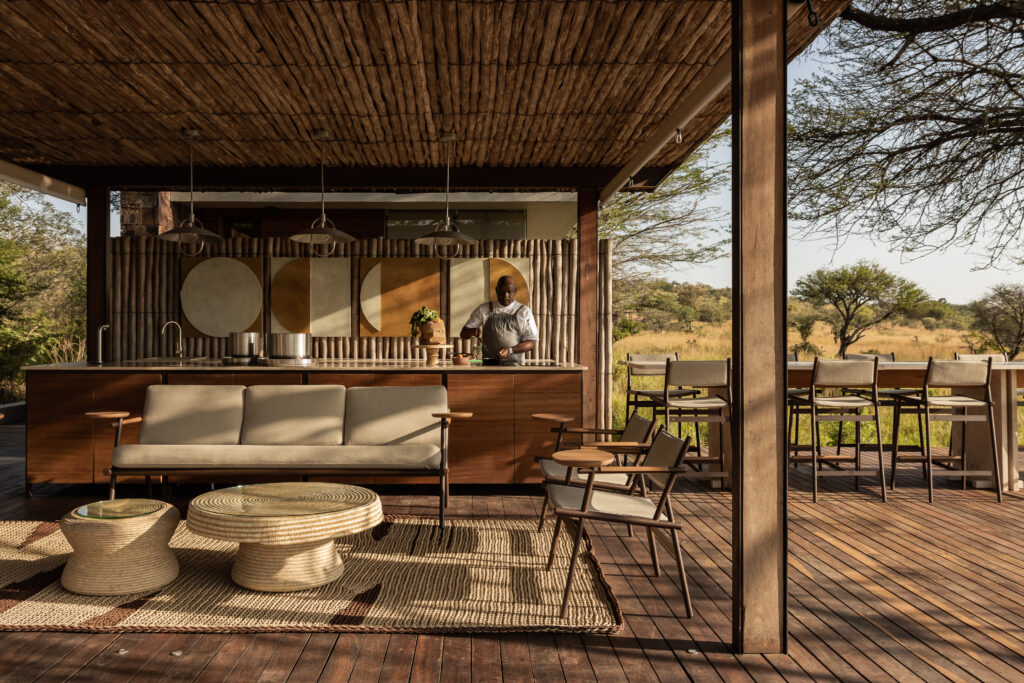
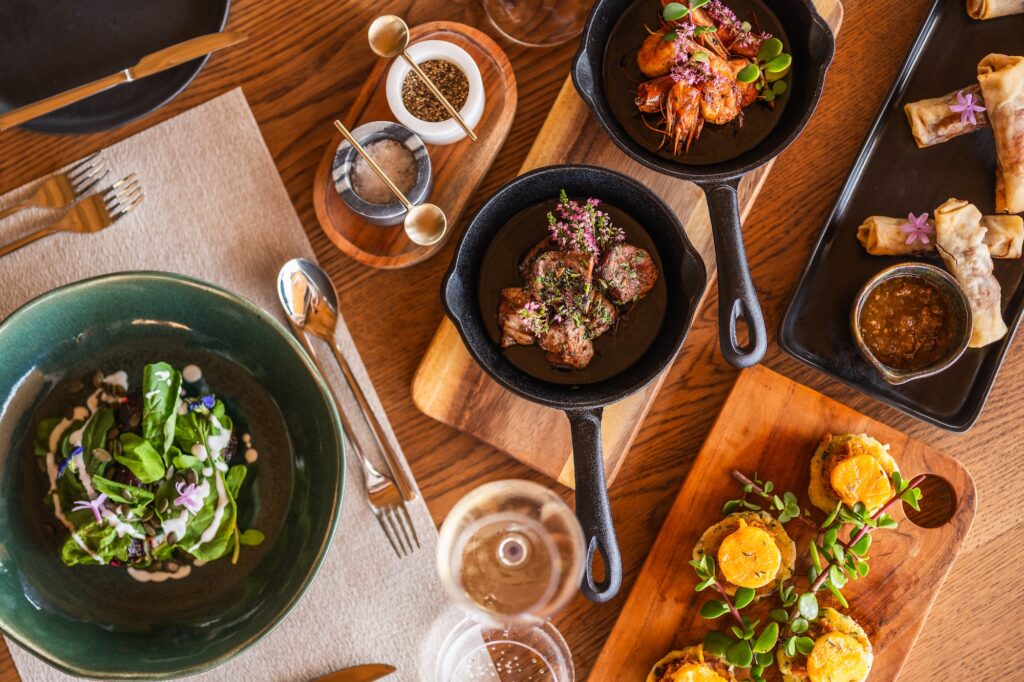
But what to eat? It’s a question usually mumbled into the centre-fold of a restaurant menu. Hiddn does away with such formalities. Wesley, executive chef, has his repertoire of recipes that blend African and western sensibilities – an ostrich carpaccio followed by a kudu wellington, spaced by a spekboom granita, perhaps – but those are mere suggestions.
And the longer you stay, the more delicious the suggestions. Princess, the vastly knowledgeable and fiendishly tempting sommelier, certainly has a part to play in that; offering to pair every course with fine South African wines, grown across the nation at equal elevations to the property. It’s an impressive feat and I’ve since had to pay for added phone storage, such is the number of niche wine label pics now clogging my camera roll. But wine isn’t the only variable in Hiddn’s upwardly trending time-spent-to-deliciousness chart.
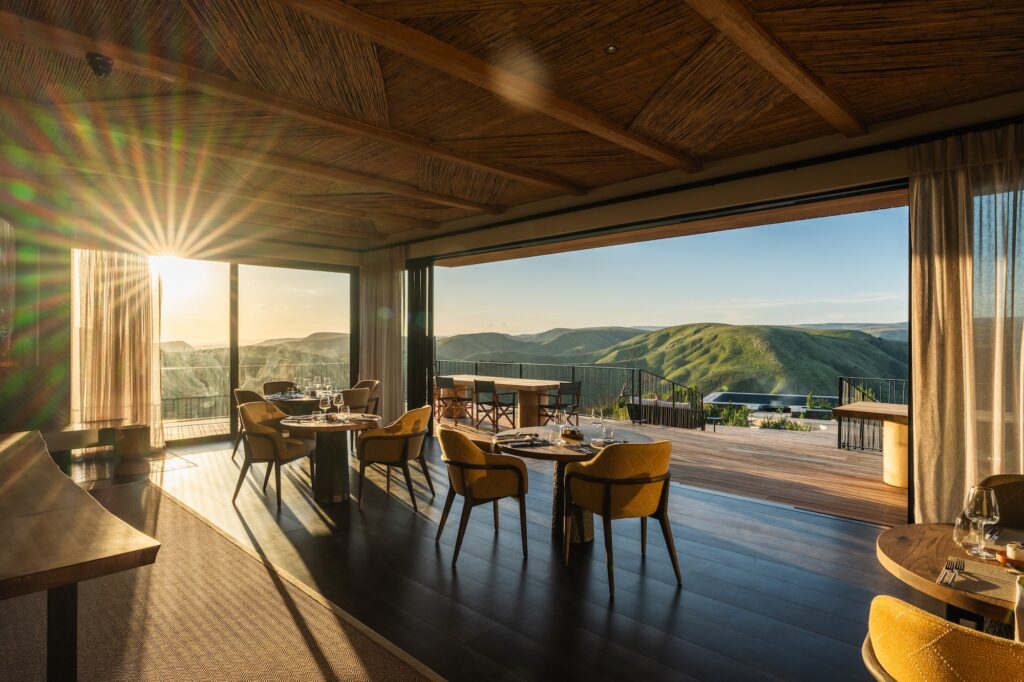
No, like a superintelligent AI machine, the charming restaurant team pivot and adapt in response to your real-time dining data. After blissfully floating through the typical five-to-seven course dinner menu one evening, I mentioned my penchant for Amarula, South Africa’s answer to Bailey’s. What should emerge from the kitchen after lunch the next day, but a scoop of that sweet nectar rendered as ice cream, courtesy of the chef.
WELLNESS FACILITIES
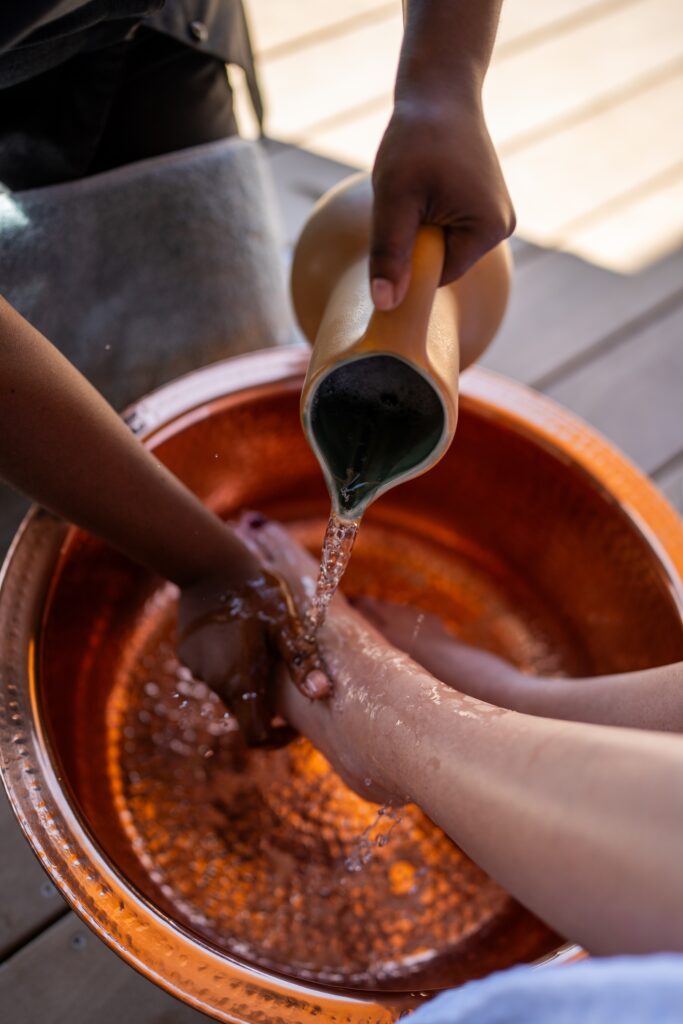
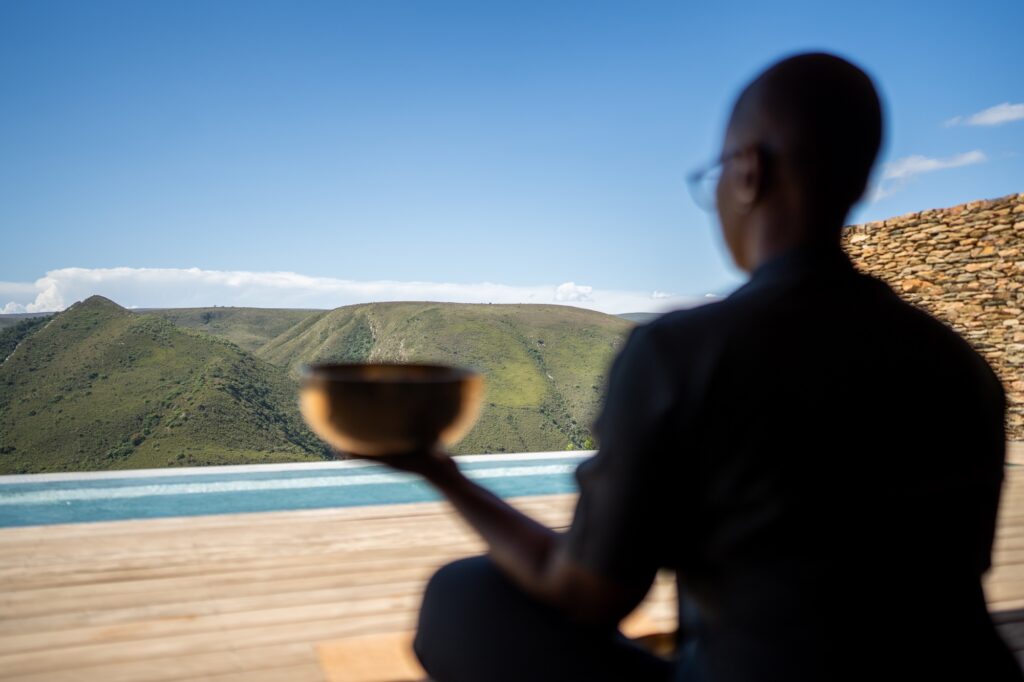
TBC. The “facilities”, that is. The initial strategy was wellness as infrastructure; roaming practitioners delivering treatments in your room, mellifluous sound baths in the scented shrubland and watercolour painting practiced in the boma; a firepit with 360-degree mountain views, where sun downers are served each night. That pretty much covers my experience. And while it certainly worked for me, operationally it’s a tough gig.
Change is afoot, with phase two of Hiddn’s construction soon to begin which will see a dedicated wellness centre and gym replete with valley views sprout from the hillside. That latter part – the gym – feels especially necessary for a property where indulgence is meted out by the handful, but free roam is limited.
SERVICE
Well, of all the reviews I’ve ever written, this must feature the most staff by name – telling in itself. Whether it’s the sommelier Princess sharing a splash from a treasured bottle in her personal wine collection or our guide David recollecting moments spent in an anti-poaching unit in Mozambique, passion vibrates from the team and into your bones, making departures bittersweet.
Admirably, through the Hiddn Foundation, the hotel is working to channel that warmth into something more enduring – training and placing Addo locals into hospitality roles, while investing in conservation and community upliftment across the region. It serves a double purpose: service at times lacks the polish of expensive hospitality schools, but over-indexes on warmth and charm.
VERDICT
At my time of visit, Hiddn was like a lion just waking up – skin not quite yet on, but fired up with all the enthusiasm and latent power of something formidable. What’s clear is that the best is yet to come. New construction, deeper training, and a tightening of its still-fluid concept will transform the experience into something truly exceptional.
Though already, the proposition feels distinct from the Eastern Cape’s roster of lodges. It’s not quite a safari, nor fully a wellness retreat, but a compelling hybrid – an unsafari, still finding its footing, and all the more intriguing for it.
PRICE
From £2,000 per suite per night, fully inclusive.