

Clink Hostels' Marc Roebersen on embracing AI in hospitality
OPINION
Marc Roebersen, chief operating officer of Clink Hostels, argues that while AI is transforming hospitality, its real value lies in boosting efficiency and insight – freeing teams to focus on the human connections at the heart of great guest experiences.
With a long career in the hotel and hospitality sector, I’ve witnessed firsthand the transformative power of technology within our industry. Our sector is at a pivotal juncture, driven by advancements in AI that can enhance operations and elevate the guest experience. However, as we embrace these innovations, we must remember the essence of hospitality: genuine human connection.
Learning from the past

Reflecting on the rise of intermediaries like Booking.com, I sense déjà vu. When Booking.com emerged, many hoteliers believed that providing quality mattresses and fresh coffee was enough. Fast forward ten years, and we find ourselves paying hefty commissions and relinquishing control. Now, I hear a similar resignation regarding AI: “We’ll deal with that later.” But let me be clear – later is too late.
The truth is many young employees today have grown up with screens, leaving them ill-equipped for authentic interpersonal interactions. Our challenge is to invest in the intangible aspects of hospitality that a chat box cannot replicate. We must prioritise training our teams in the human elements of our industry, focusing on character development and the joy of connecting with guests.

The essential role of AI in operational efficiency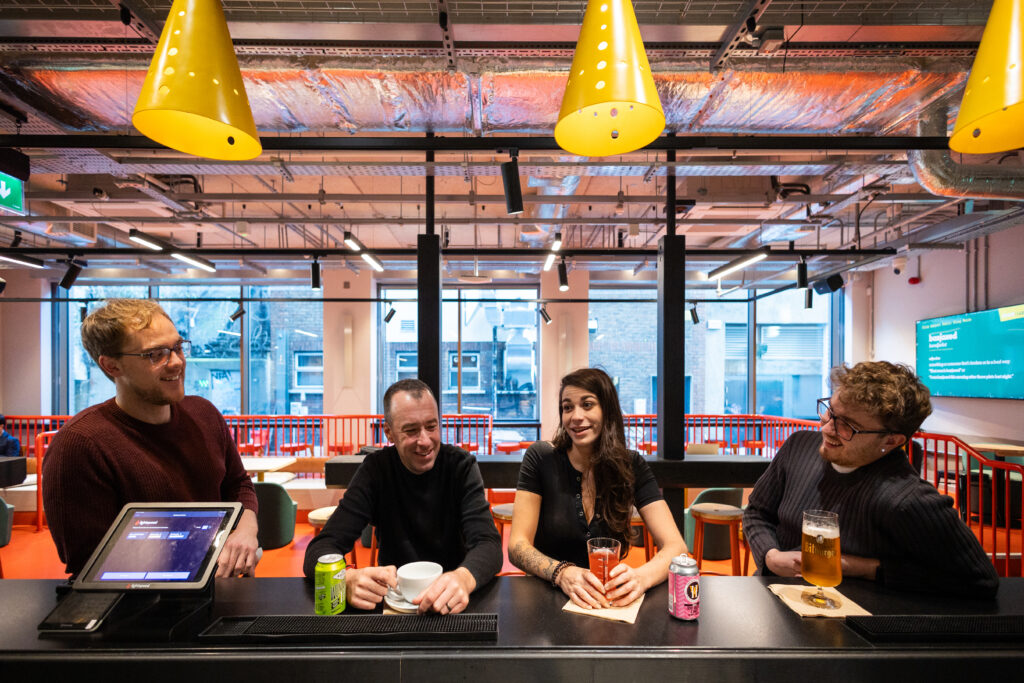
A critical lesson I've learned is the importance of speed, accuracy, and flexibility. As group bookings become increasingly complex, the ability to process data efficiently has become essential. This is where AI plays a significant role.
Operations, particularly in pricing analysis and managing group requests. By harnessing AI, we can navigate complexity effectively, allowing our staff to focus on what truly matter – engaging with our guests.
We integrate AI only when it provides measurable benefits, whether improving the guest experience or supporting our teams. For example, we recently adopted MARA to enhance our reporting capabilities, allowing us to understand guest feedback and behavioural patterns more profoundly.
This shift enables us to make informed decisions based on structured insights rather than gut feelings.
Additionally, we’re testing an AI-driven solution on our website that simplifies rate comparisons for potential guests, providing faster responses to their inquiries. With around 80% of guest questions being repetitive, we’ve implemented chatbots to handle these enquiries, reducing waiting times and allowing our team to concentrate on more meaningful interactions.
Balancing AI and human touch in design
While AI has an essential role in analysing our operations, core decisions will always be made by humans. We are in the business of hosting people, not machines. AI serves as a vital tool, helping us refine our offerings and understand our guests better.
For instance, AI can expedite the design process for dorms and social spaces, allowing us to test concepts quickly. It also provides insights into social events through guest feedback and revenue analysis. AI also challenges our long-held assumptions, revealing that ideas once deemed "evergreen" may no longer resonate with our guests. By leveraging AI to analyse trends, we can adapt our programming and staffing to better meet the evolving needs of our guests.
We know that AI is reshaping how guests interact with hospitality brands. Many travellers now use AI tools for trip planning, making AI a new form of travel companion. At Clink, our mission is to create community-driven experiences, utilising technology to facilitate social connections. Our website chatbot ensures guests receive quick answers before arrival, while post-check-in WhatsApp communication keeps them updated on events and activities.
It’s essential to remember that hospitality is fundamentally about people. Our approach is that AI should support our staff, not replace them. By automating repetitive tasks - like answering FAQs - we can reduce administrative burdens. This allows our front-of-house teams to focus on what truly matters: building relationships and providing personalised recommendations.
This enables us to elevate the role of reception staff from transactional to relational, allowing them to engage with guests on a peer-to-peer level. For guests who prefer messaging, AI offers a convenient communication channel while maintaining the human presence behind our brand.
The future of travel: personalisation meets authenticity
Looking ahead, I see a travel landscape transformed by AI capabilities. We know that platforms like TikTok and AI-driven tools are already influencing how travellers discover destinations. Instead of searching for generic recommendations, travellers prompt AI for personalized itineraries tailored to their interests.
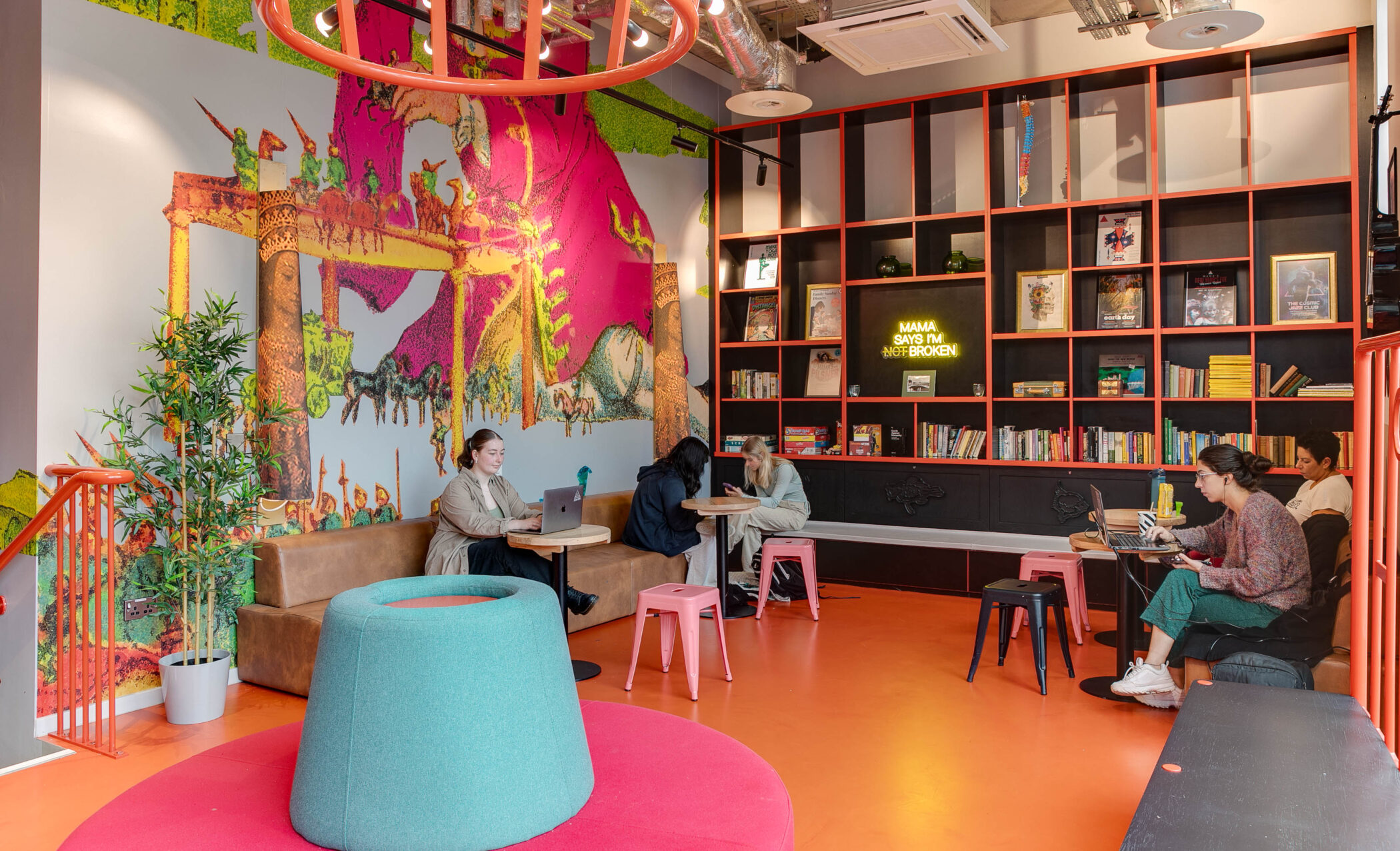
However, as the planning process becomes more digital, the demand for authentic, human experiences will only grow stronger. This is where hostel brands like Clink have a distinct advantage. We offer real-world community experiences in an increasingly digital world, providing a space where travellers can connect, share stories, and build friendships offline.
Nurturing community and culture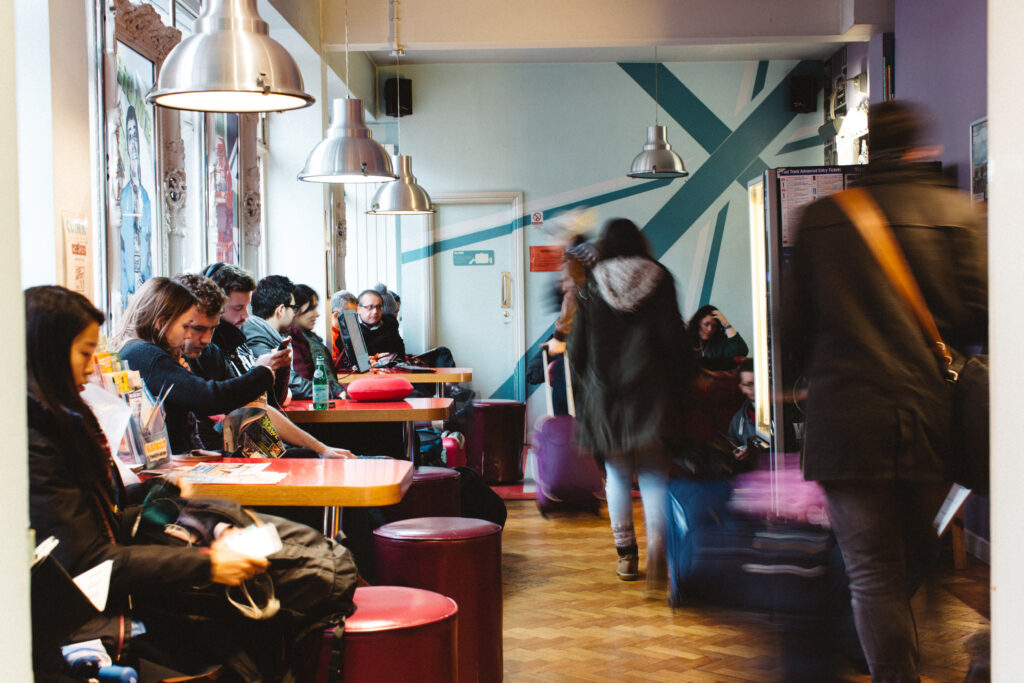
We recognise that technology alone cannot create a vibrant social experience. That’s why we’ve embraced partnerships that reflect our commitment to community and culture.
In January, we launched a wellness-led partnership with Lumie at Clink I Lár, offering light therapy sessions to enhance well-being. In February, we partnered with the Moco Museum Amsterdam to create a three-month art installation at ClinkNOORD transforming our hostel’s Atrium into a contemporary art space.
As we navigate the future of travel and hospitality, it's clear that AI will play an integral role in shaping our industry. However, we must remain vigilant in nurturing the human connections that define hospitality. By leveraging technology to enhance our operations, we can create memorable experiences that resonate with our guests long after their stay.
Ultimately, the balance between AI and human touch will determine the future of travel. At Clink, we are committed to embracing this technology while ensuring that the heart of hospitality - the connections we foster - remain at the forefront of our mission.