

Borana Lodge leaders share plans and perspectives for safari tourism in 2036
The safari experience of 2036 will be undergirded by invisible technology, revitalised by frontier landscapes and committed to tackling Africa’s youth unemployment crisis. As they roll out a ten-year strategy, Michael Dyer and Giles Davies of Borana Conservancy in Kenya discuss the risks and opportunities awaiting the future of safari. Robbie Hodges reports.
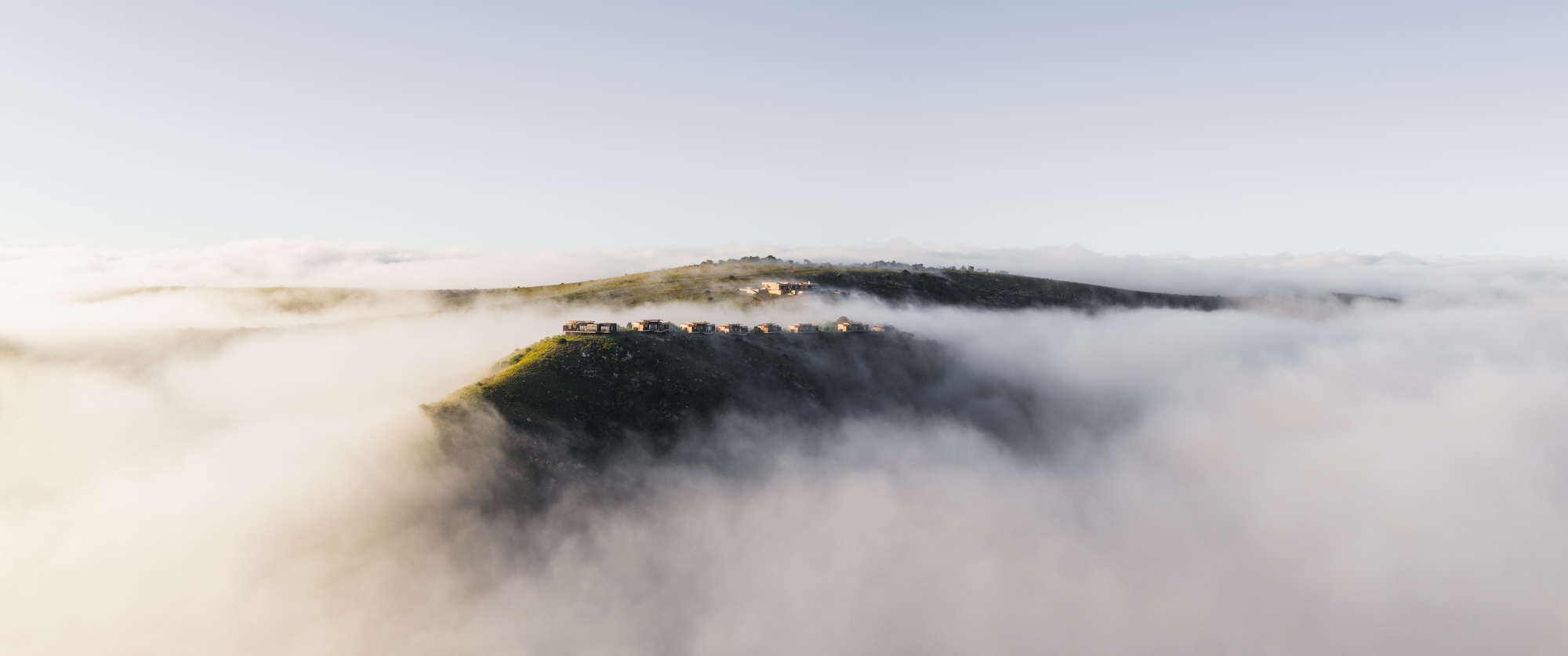
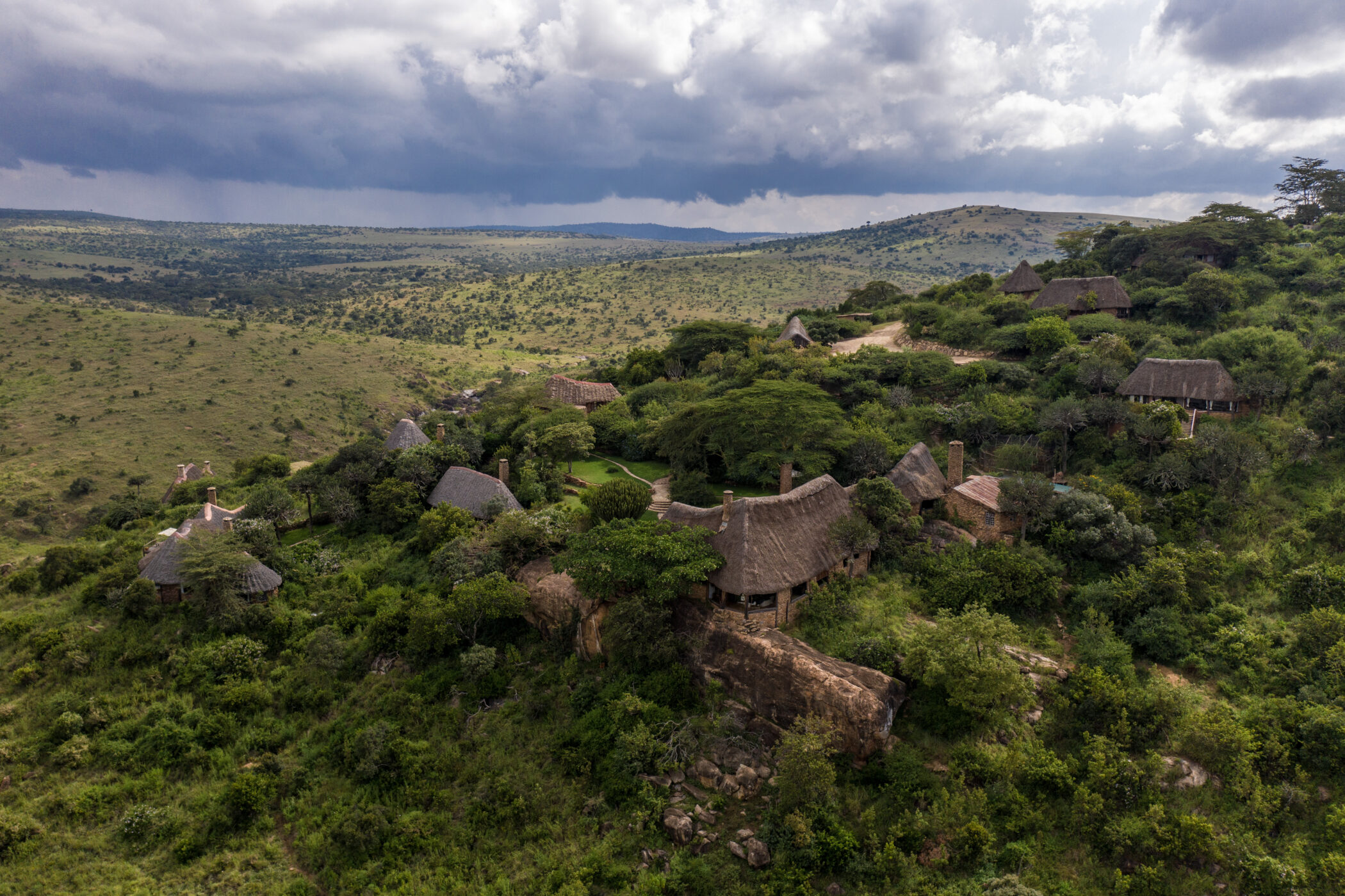
If regenerative tourism is the future of travel, then head to the Laikipia Plateau of northern Kenya where tomorrow is taking shape in the long grasses and acacia woodlands. It isn’t chrome-plated but mud-caked and teeming with creatures – a symphony of animal sounds that speak to a time pre-industrialisation. It’s another world, one that has been both enhanced and preserved for the last three decades with the ongoing support and strategic direction of Borana Conservancy, the brainchild of Michael Dyer.
“Managing director” doesn’t quite capture the significance of Dyer’s role – both within the company and in Kenya more broadly. Under his leadership, Borana has distributed 726,000 litres of water to eight neighbourhoods, restored Kenya’s critically endangered ewa–Borana black rhino population to 200, established a “Breakfast Club” which provides daily breakfast to over 7,500 students across 22 primary schools and 7 Early Childhood Development Centres, and, in 2024 alone, contributed $1,268,746 to conservation.
But that’s in the past. Aware that a capricious future poses fresh challenges to these hard-gotten gains, Dyer and his team at Borana have just announced a 10-year strategic plan – taking into account climate volatility, demographic pressure and shifting capital flows. The resultant framework is as much a resilience roadmap for Borana Lodge as a blueprint for regenerative practices the world over. As the strategy comes into effect, Dyer and Giles Davies, non-executive chairman at Borana Ranch Ltd., spoke to Globetrender about the future of conservation-led tourism in Africa.

How did you build a 10-year strategy when climate risk, geopolitics and travel demand are all in flux?
Michael: Our ten-year strategic plan is built around four long-term goals, with Borana Lodge explicitly positioned to support those outcomes. Goal 1 is conservation Impact. Goal 2 is Social and Economic Impact. Goal 3 Funding Landscape impact. Goal 4 revolves around the organisation Governance and ethical impact.
Giles: Alongside the goals outlined by Michael, we run a structured annual risk management process – identifying material threats, stress-testing assumptions, and adjusting mitigation plans accordingly. Third, the board has mapped around 25 long-term dynamics from climate and water trends to political risk, economic development, youth employment, wildlife connectivity, tourism markets, emerging nature finance trends, evolutions in technology and AI, and we’ve been through structured processes to debate (based on trend dynamics) how they may evolve over 25 years. We cannot forecast the future, but we can systematically think about it.
What are the biggest threats to conservation-led tourism in Africa, and which are still being underestimated?
Michael: That it is not conservation-led and perhaps driven by shareholder returns rather than natural capital returns. Here we have explored ideas and like to look at Borana as a laboratory for exploring new thinking and moving away from established norms. A nature-based enterprise should be equally committed to preservation of wilderness and securing long-term financing mechanisms that are sustainable and that protect the natural capital they are dependent upon. Regenerative best practices and resilience to negative impact should be high on the agenda so that nature-based tourism can thrive, grow and sustain itself. Allocation of revenue needs to be fair and equitable.
We allocate 24% of our published rate back to nature and this could become the new normal and generate literally millions of dollars and indeed perhaps cover the nature funding deficit.
Giles: The biggest structural threat is weak financial circularity: too little of the tourism value chain is reinvested into the ecosystems that underpin it. While East Africa probably leads globally in terms of this, reinvestment remains uneven, despite Borana Lodge being a global exemplar of strong financial circularity within Borana Conservancy – typically it generates more than $700K for the conservancy per annum, off just 8 rooms.
If this was replicated across Kenya’s wider nature tourism infrastructure, we estimated it would generate an additional circa $200 million for nature per year. Second, rapid double-digit growth (the high end tourism sector in Africa is set to grow at a compound average growth rate of nearly 11% according to UNWTO) through to 2030, is driving overtourism, eroding exclusivity and compressing margins, which ultimately undermines conservation funding.
Third, broader declines in wildlife habitats, water systems and landscape integrity – driven by demographics and infrastructure expansion – are shrinking the supply of genuinely high-quality wilderness products. Overlaying all of this is concentration risk: in Kenya, more than half of nature tourism sits in one landscape, a pattern seen across Africa. Without responsible investment to open frontier areas, ecological and commercial strain will intensify.
As global investment in Africa accelerates, where does capital support conservation, and where does it put it at risk?
Michael: Africa as a matter of urgency needs to internalise its philanthropy and ensure that nature receives a fair share. Safari tourism across Africa currently generates more than US$20 billion per year in total economic activity, and projections suggest it could grow to around US$60 billion annually by 2030. This is huge and the contribution back to nature needs to be defined and equitable.
Giles: Most incremental capital flowing into Africa today is nature-negative – funding infrastructure, extractives and agricultural expansion in ways that outpace sustainability safeguards. Demographic pressure and weak policy enforcement amplify that risk.
That said, Africa is less exposed than many regions to entrenched nature-negative subsidy regimes, and there is a growing, sophisticated sustainable investment movement – particularly in energy and food systems, which directly shape land-use outcomes. Food production in Africa probably represents the most systemic risk for nature and wildlife but there’s a growing movement in sustainable and regenerative food production, again, strongly exemplified by Borana’s livestock production model which is fully integrated with its wildlife estate.
The wider structural weakness is over-reliance on foreign capital for conservation. As geopolitics and certain western ideology shifts, that model is fragile but also creates opportunity – one that lies in internalising nature finance – building domestic capital markets that recognise conservation as core economic infrastructure, not charity.
Which technologies will most reshape conservation-led tourism over the next decade, and which are overhyped?
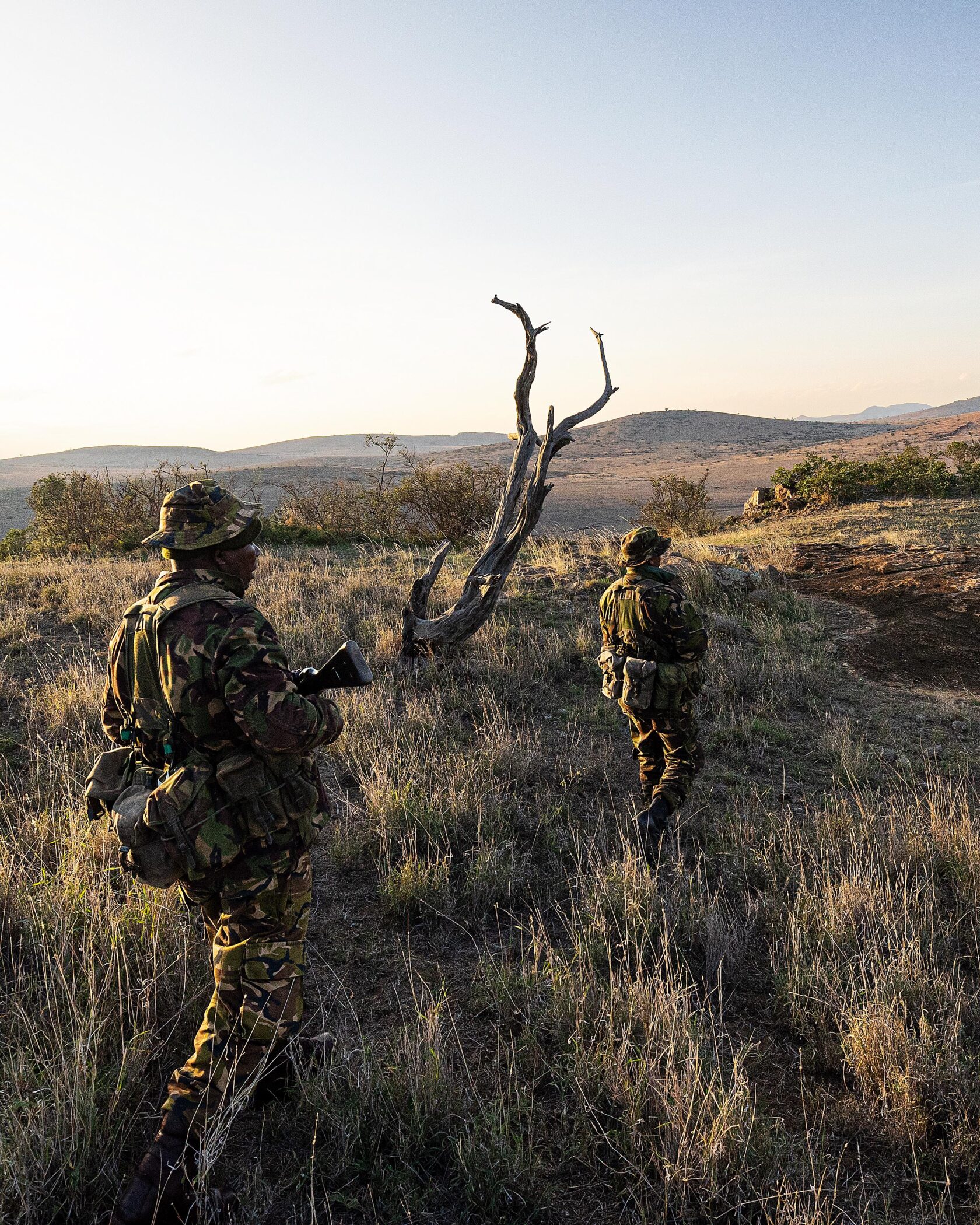
Michael: New dynamic and real time remote sensing platforms using AI to identify and alert protected areas’ Law Enforcement teams on malpractice. Rigorous enforcement of sustainable best practice and hefty fines for abusers. Efficient tech tech for power transport communication sensing will also have an impact.
Giles: AI-enabled surveillance (for security), remote sensing, and real-time data systems will materially improve wildlife security and landscape management. Advances in water efficiency, renewable energy and low-impact infrastructure will also shape cost structures and related resilience. Data analytics will also likely refine pricing, demand forecasting and yield management across tourism portfolios.
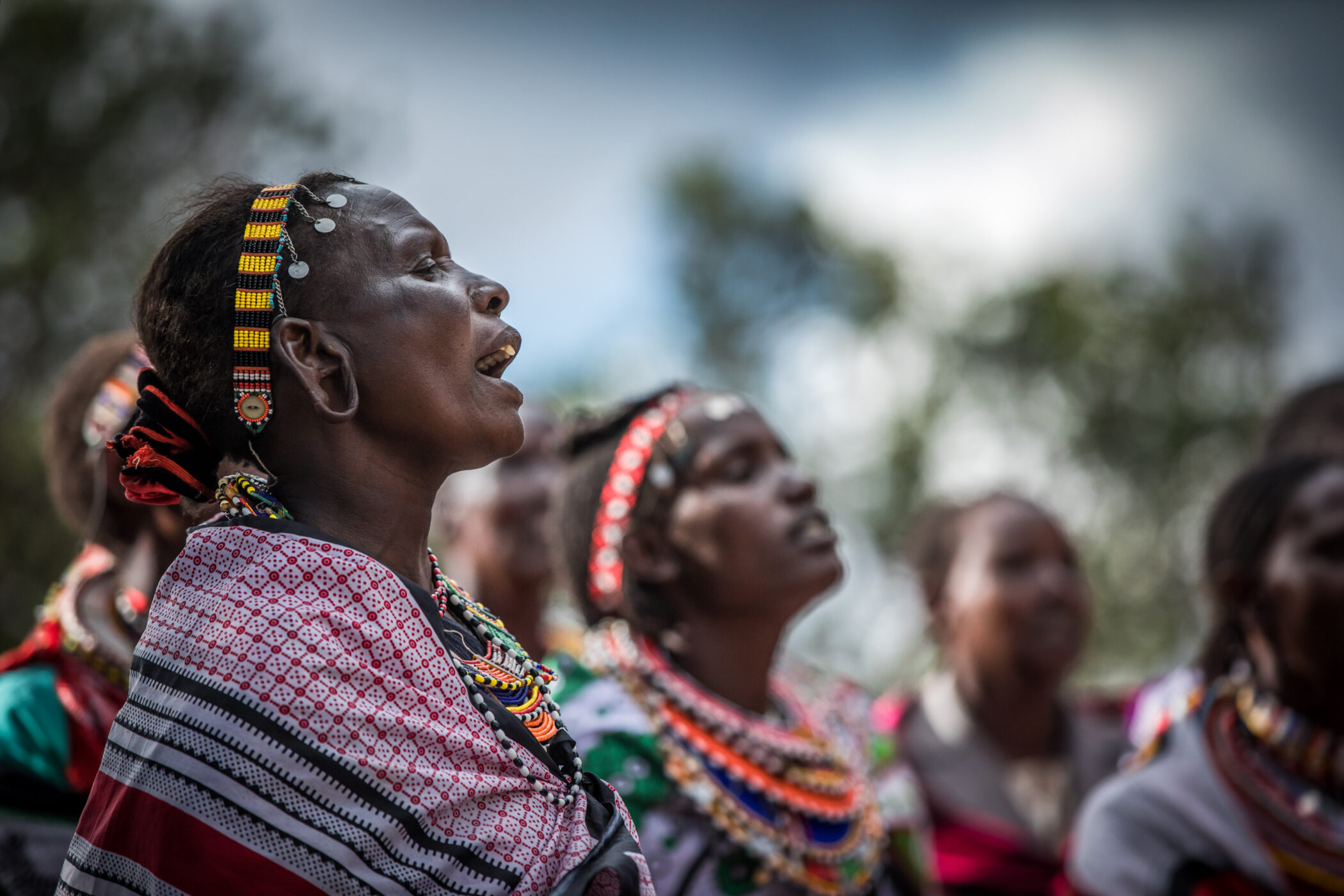
There is much talk – which I think is overhyped – about immersive guest technologies that dilute wilderness authenticity. I like how these can give people who will never be able to afford to come to Africa a sense of what it involves, but fear that it will also serve to demystify authentic guest experiences on the ground.
How do you expect the safari experience to fundamentally change in the coming decade?
Michael: Domestic tourism is likely to increase – particularly adventure and nature-based trips. Large areas of Africa hitherto underutilised will become more accessible as areas of historical conflict find peace and over utilised hotspots likely to see a decline in tourism numbers or more carefully managed through dynamic pricing.
Giles: I think the central challenge is actually to ensure the core safari experience does not fundamentally change – at least in terms of its high quality exemplars. Its value lies in immersion, remoteness and ecological authenticity, qualities that are increasingly hard to protect amid growth and technological layering. Innovation and chance should sit behind the scenes – improving sustainability and efficiency without diluting wilderness character.
However, the one change that must occur is social: For the best part of 100 years the fact is that the African safari industry has historically priced out Africans. That model is untenable and must change and is something that I am currently doing a lot of work on. For me, over the next decade, the most important evolution will be broader domestic access and the development of product pricing points that ensure African citizens can engage with, feel ownership of, and be inspired by their own natural heritage.
Why should tourism leaders outside Africa be paying close attention to what’s happening on the continent right now?
Michael: New and exciting areas will become accessible, such as the Congo basin, South Sudan and parts of West Africa.
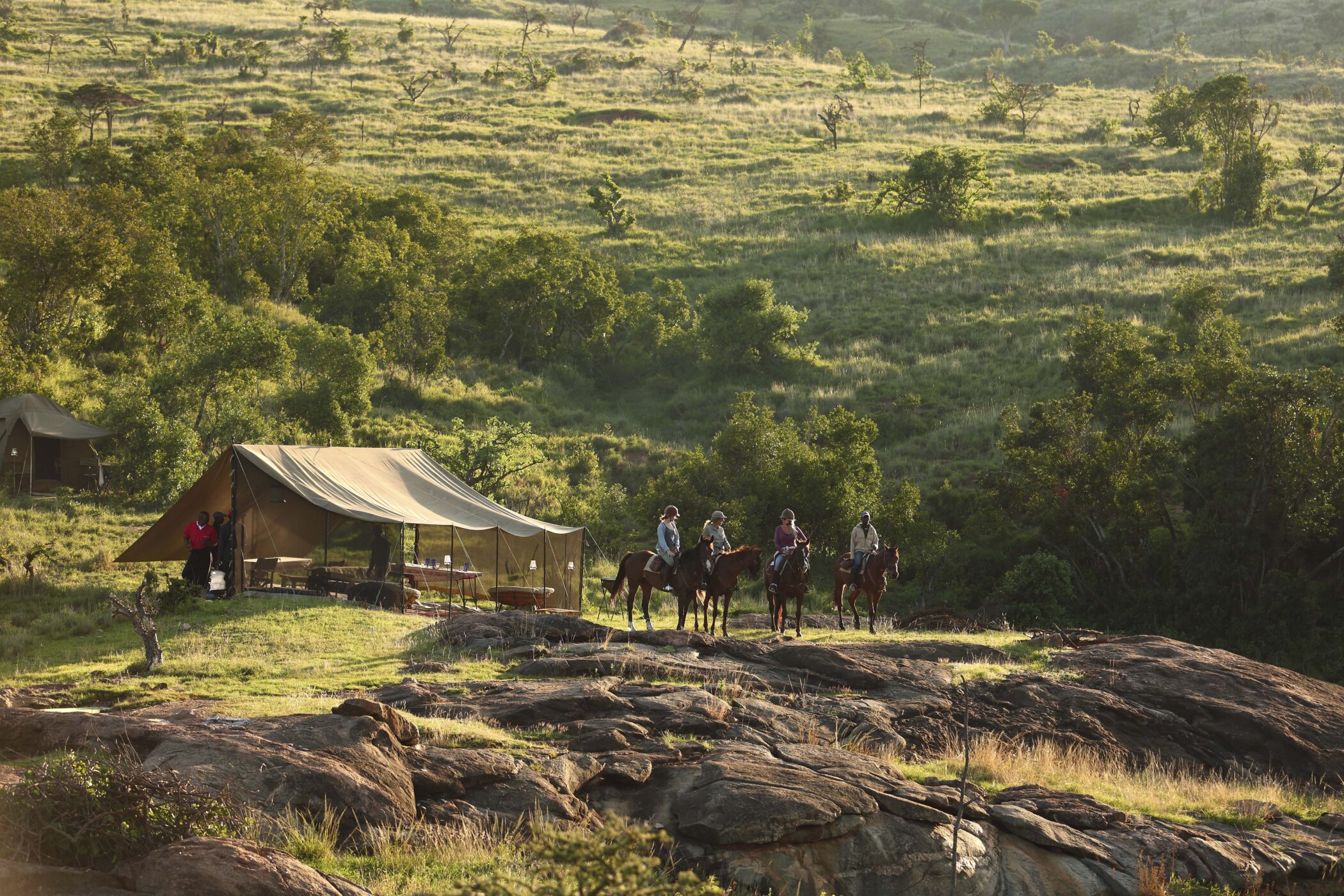
Giles: Tourism leaders elsewhere should pay close attention, particularly to East Africa, because Africa is setting a global benchmark for conservation-led tourism. That’s based on my observations from having worked in more that 50 countries now globally across Africa, Europe, Asia and South America.
In terms of product creativity, ecological immersion and integration with landscape-scale conservation, it remains one of the most sophisticated wilderness offerings anywhere in the world. Crucially, the region is also a world leader in engaging local communities as equity partners, landholders and beneficiaries within tourism models, a discipline that remains underdeveloped in many other parts of the world.
More importantly, parts of Africa demonstrate stronger value-chain recycling and financial circularity than most continents, linking tourism revenues directly to wildlife protection, land management and community livelihoods. From an investment perspective as I have again already alluded to, the strategic lesson is clear: avoid reinforcing concentration risk in legacy destinations such as Mara, Serengeti, Kruger and so on. The next phase of competitive advantage will come from responsibly opening frontier landscapes.
How do you expect traveller attitudes toward sustainability to evolve over the next ten years, for better or worse?
Michael: It has to become the new normal and nature-based enterprises will have to be ultra transparent and efficient as they compete for a market that will expect best practice around sustainability and also social issues will emerge as being critical to our future
Giles: I think this will ultimately be a question of personal economics. Traveller awareness of sustainability will certainly continue to rise, but expectations will likely become more sophisticated. Guests will move beyond generic “eco” claims and demand credible evidence of conservation impact, community benefit and measurable outcomes (the industry is currently great at reporting outputs – “we spent this amount on supporting conservation / communities” for example – but less so on outcomes – “and that caused the following things to happen”.
Transparency will ultimately matter more than marketing and we are working hard on that at Borana – already good, but plenty of opportunity to be much better. At the same time, price sensitivity and geopolitical volatility may create a gap between stated values and purchasing behaviour. Not all travellers will consistently pay a premium for good practice sadly. The operators that succeed will be those that embed sustainability into their core economics – not as an add-on, but as a visible and verifiable part of the experience.
Beyond this 10-year plan, what does long-term success look like for Borana - and for tourism in Africa more broadly?
Michael: I think we have to actively look for options that create jobs in this sector. Hospitality and the service industry is for the most part going to be somewhat resilient to AI as it should remain with strong human interactions focused around nature , wellbeing and harmony. If Borana and Lewa habitat (a postage stamp in the grander scheme) expands as a connected landscape, if livelihoods improve at pace with development and if wildlife is able to migrate through connected landscape at scale, this will contribute to environmental and social stability which could be considered as a success.
Giles: Long-term success for Borana Conservancy is not just about maintaining a set of high-performing lodges and houses, but sustaining a thriving landscape within a stable and economically resilient social environment.
Internally, Borana has achieved much: strong financial circularity, disciplined reinvestment from Borana Lodge and other tourism assets, and a visibly regenerating ecosystem. The conservation-tourism engine itself is sound. But as I often say to colleagues, “we have built a beautiful house in a fragile neighbourhood”.
Kenya faces a chronic and rising youth unemployment crisis in particular and I think we must increasingly obsess about this from an existential perspective. If large numbers of young people lack credible economic opportunity, pressure on land, politics and conservation landscapes will intensify, regardless of how well one conservancy performs internally.
Long-term success therefore requires Borana to engage more directly with this structural issue, not simply by creating lodge jobs, but by catalysing enterprise, skills development and sustainability-linked employment in surrounding communities. For tourism in Africa more broadly, durability will depend on this wider alignment: ecological integrity, financial robustness and a serious response to youth unemployment. Without that social foundation, even the strongest conservation models will remain exposed.