

What I learnt about going on an 'unscripted' safari in Uganda
With direct flights restored from London, travel advice relaxed and visitor numbers still modest, Uganda is emerging as one of Africa’s most compelling – and uncrowded – safari destinations. India Dowley reports
I was halfway down a gorge in western Uganda when the forest detonated. One minute, we were walking through vines and filtered light; the next, the canopy above us tore apart with screams, branches cracking like gunfire. A troop of chimpanzees, mid-hunt, came surging through the trees – black limbs, fistfuls of leaves, blood-curdling cries ricocheting off the rock walls. Something thudded past my shoulder. A branch, pitched from above. Our guide, Judith, didn’t flinch, smiling as if this was the best possible version of the morning. For a few breathless seconds, the divide between observer and observed vanished.
Kyambura Gorge, part of the wider Queen Elizabeth conservation area, is not the type of place where wildlife waits politely to be revealed. It’s a steep, humid fissure – about 100 metres deep – sliced through an otherwise open savannah, dense with riparian forest and alive with the sound of things happening whether you’re ready or not. The chimps here are a small, isolated community whose original corridor was broken by farmland; they’ve had to adapt to a wilder, more compressed existence. Encounters are never rehearsed. Some days are meditative. Ours was chaos.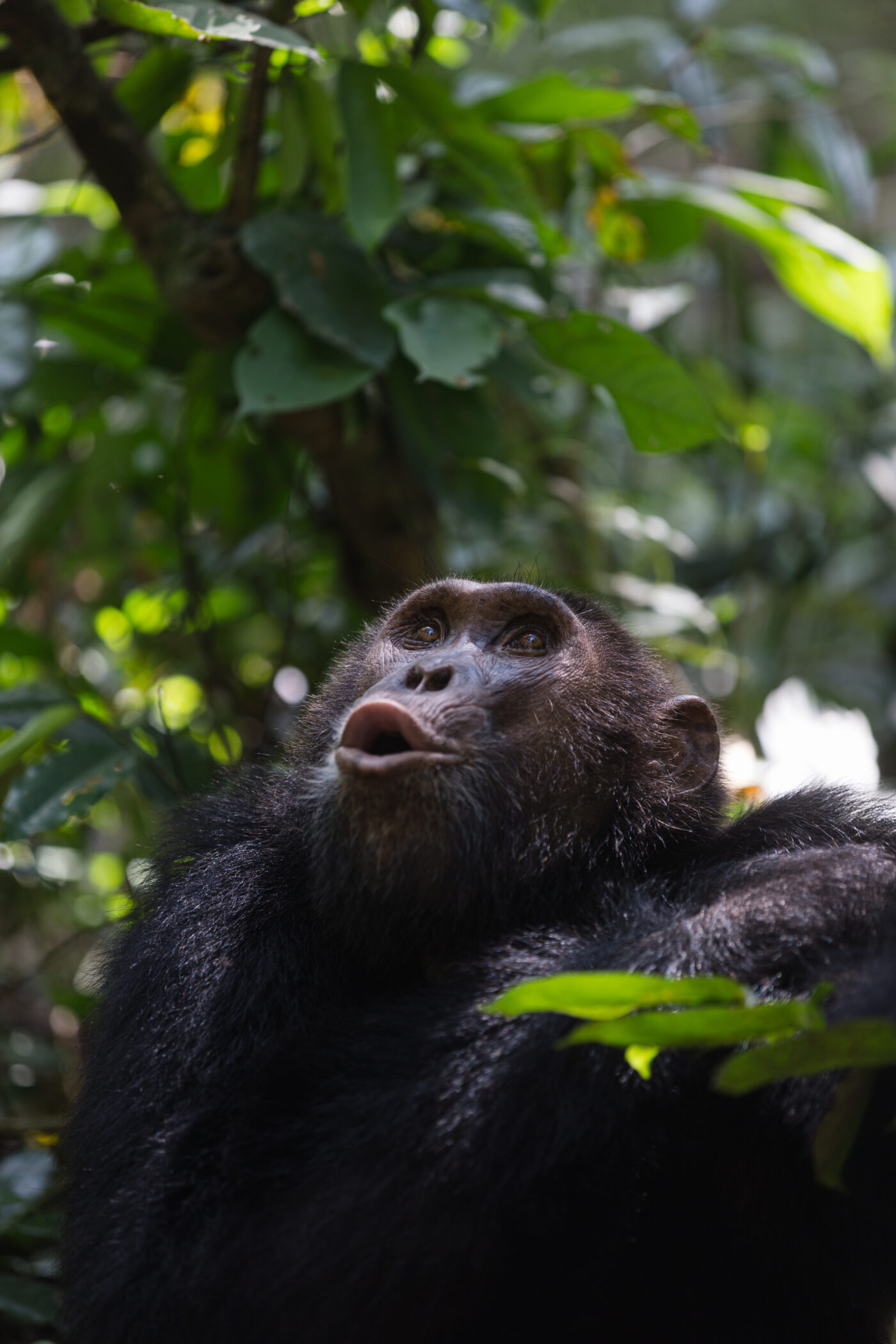
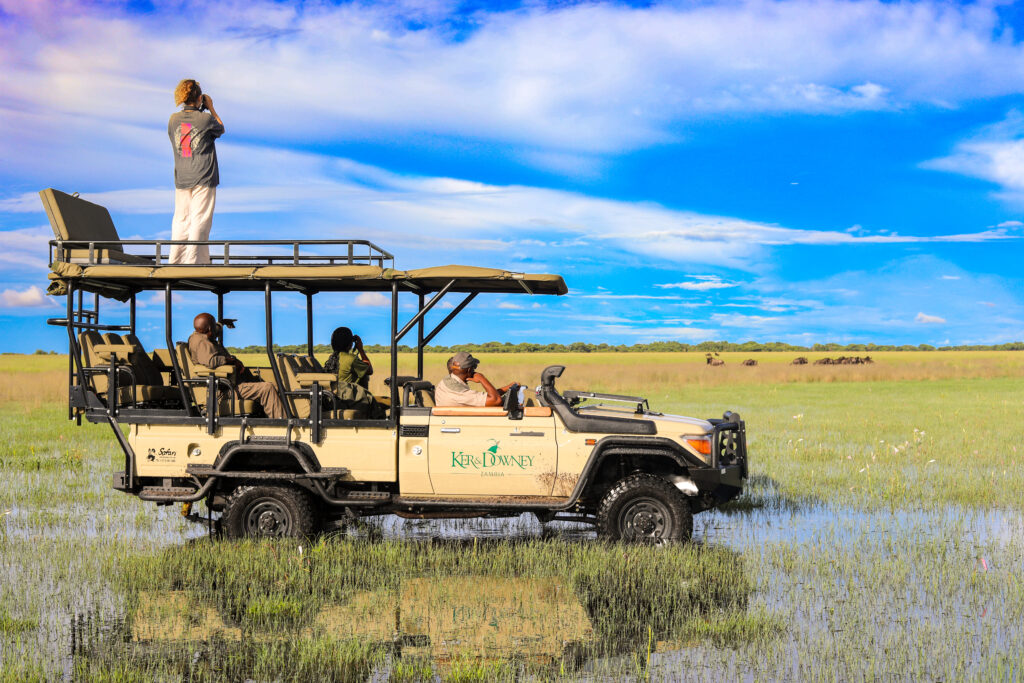
This is Uganda’s safari proposition in miniature: messy, electric, unscripted – and, crucially, uncrowded. In May 2025, direct flights from London Gatwick to Entebbe launched, restoring a nonstop UK-Uganda route for the first time in nearly a decade. UK travel advice has since been revised, but for now, visitor numbers remain modest. Across Kyambura and Murchison Falls, Uganda’s largest and oldest conservation area, we didn’t see a single other safari vehicle. Just our two jeeps moving through landscapes thick with wildlife and startlingly thin on witnesses. Kruger, this is not.

Our route was designed by WildPlaces Africa, a fourth-generation, conservation-driven operator with decades of work in Uganda’s most overlooked and ecologically important areas. Founded by Johnny and Pam Wright, WildPlaces builds lodges in some of the country’s most sensitive landscapes, each with a clear conservation mandate. Unlike the high-density models of East Africa’s big safari countries, WildPlaces has built something smaller and more interesting: low-volume stays that anchor high-impact conservation foundations, not the other way around.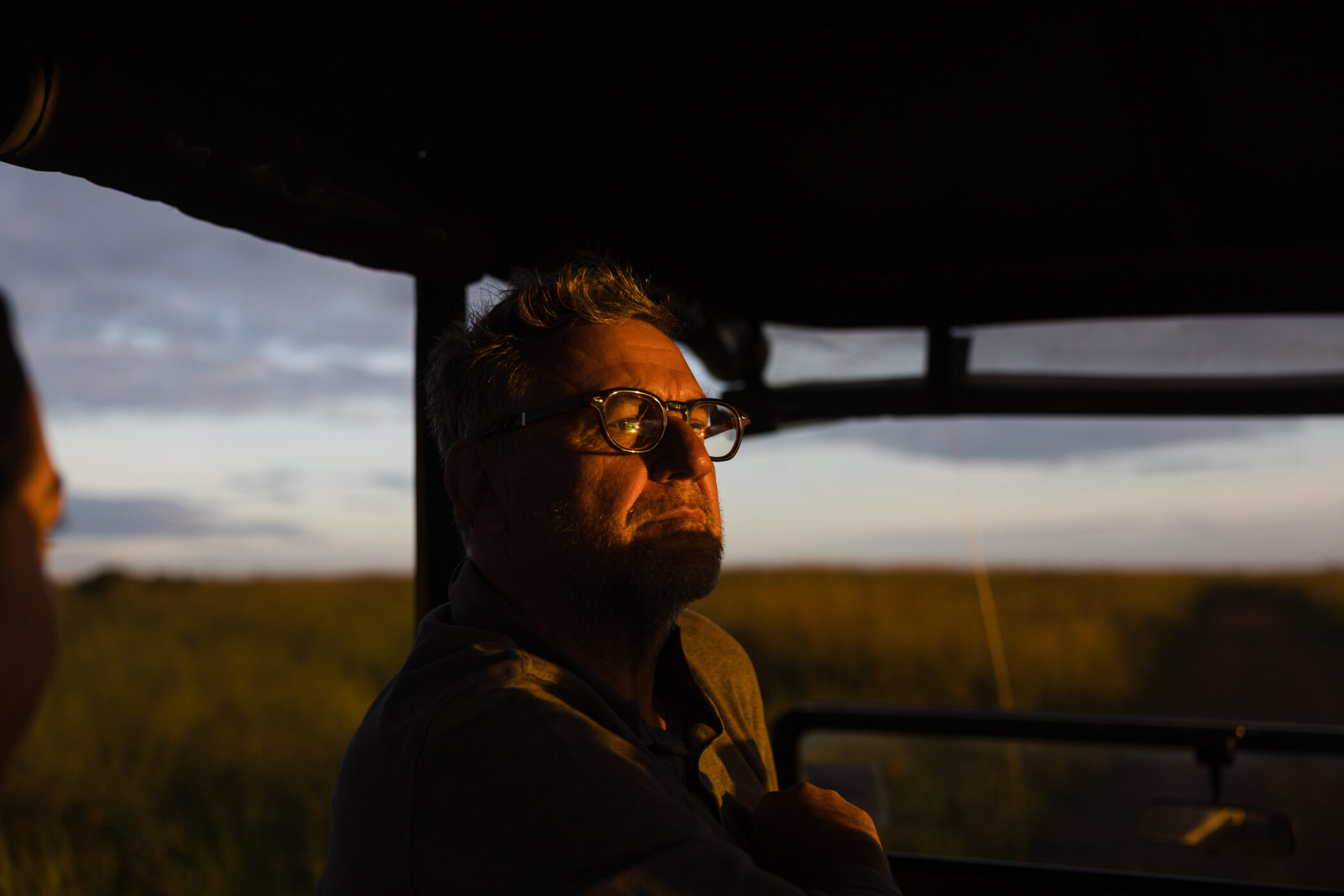

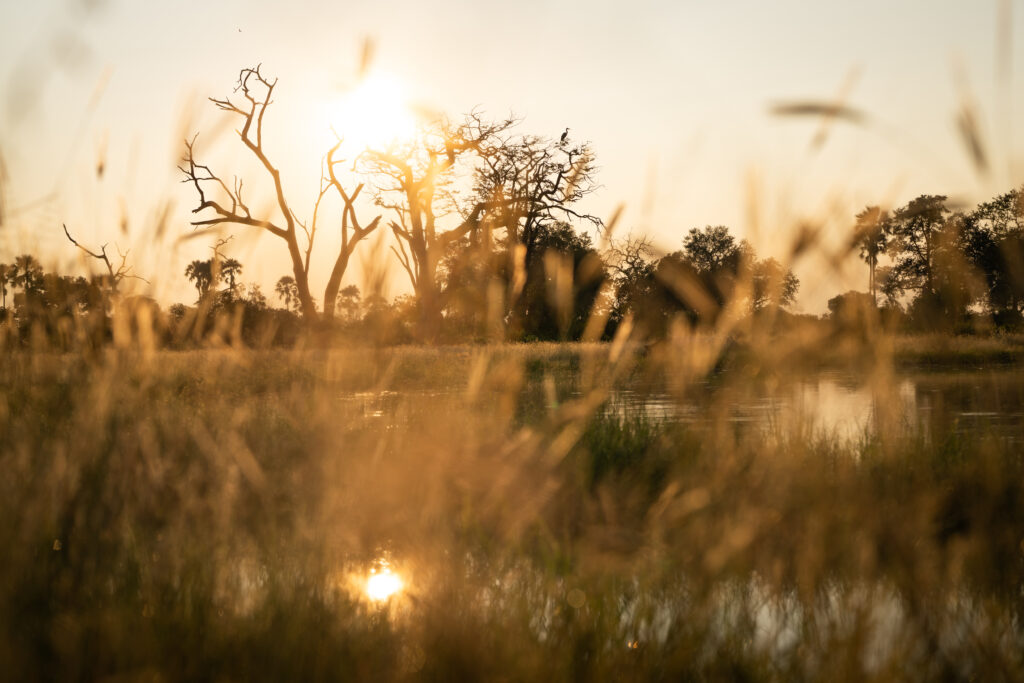
Papa’s Camp perches on the south bank of the Nile beneath fig trees, five tented suites arranged along a stretch of river where hippos grunt through the night and dusk folds a metallic warmth over the water. The interiors carry the quiet signature of Pam: sisal carpets, Persian runners, English crockery, deep armchairs and a kind of lived-in eclecticism – thoughtful without the performance of “design”. Mornings begin with warm fairy cakes – carrot-and-ginger, chocolate-chip – delivered by staff who sing you awake at dawn; evenings end with deckchairs pulled around a fire on the bank, the Nile sliding past under the dark.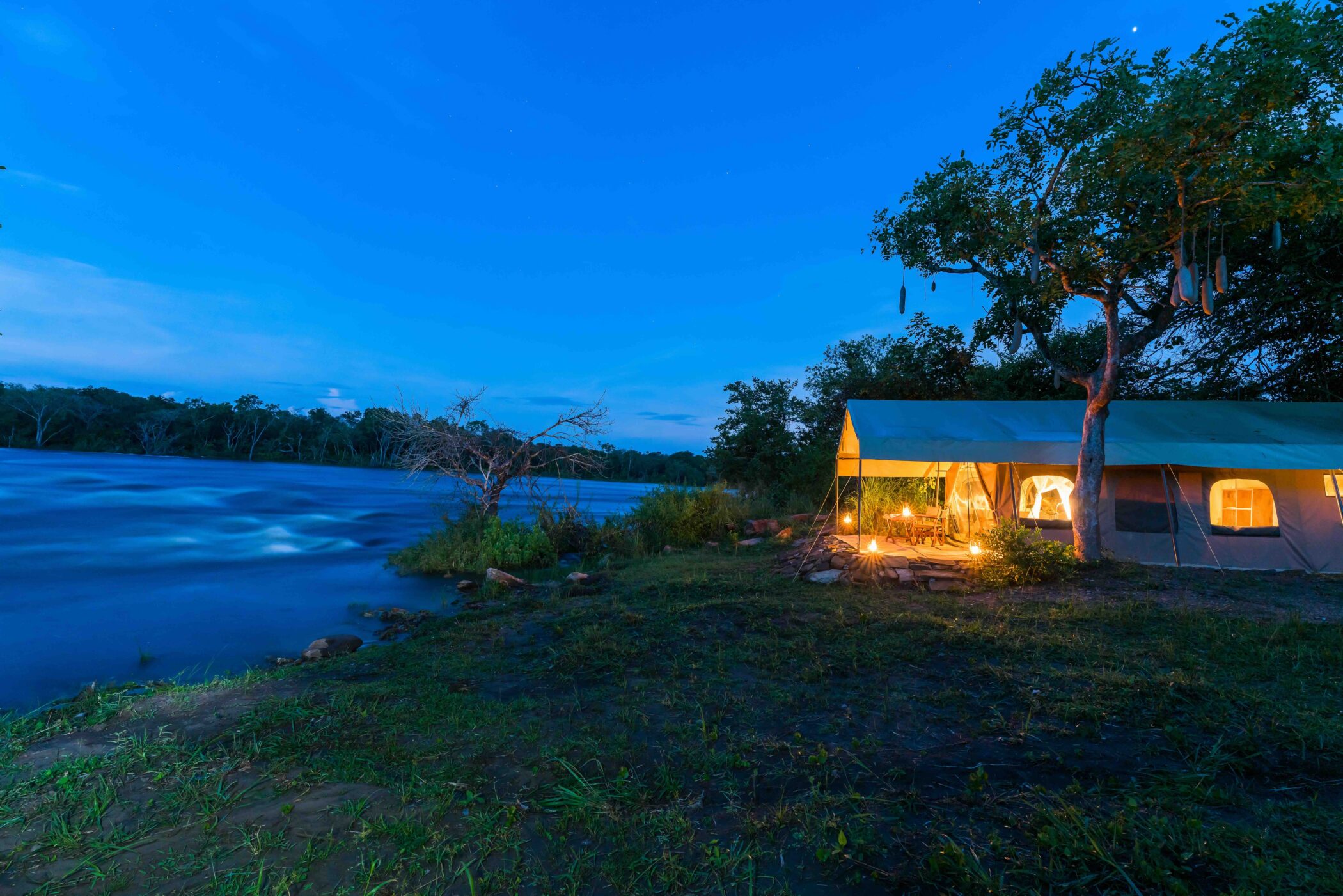
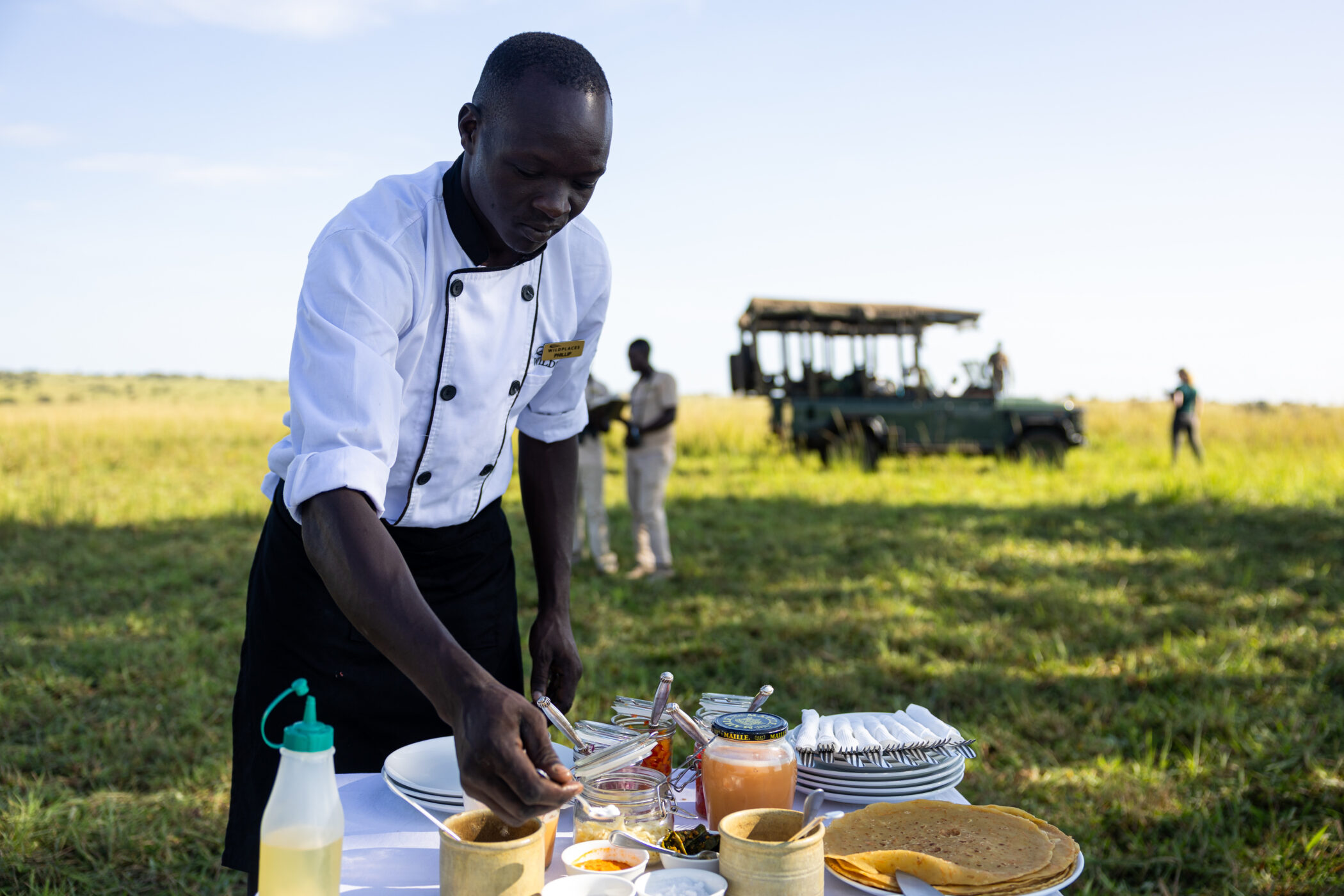
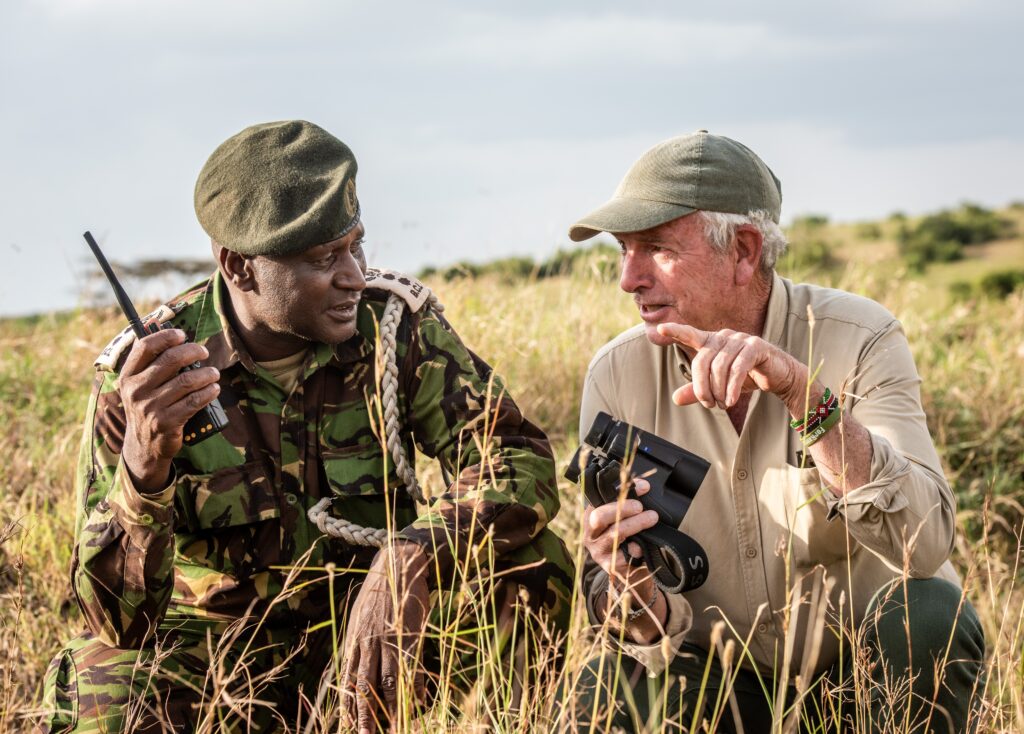
On our first afternoon, we saw everything except the lions. Elephants in the shallows, buffalo in the dust, giraffes stepping through the grass like slow metronomes, kob scattering, a crocodile hauling tilapia onto a sandbank, a rare Pel’s fishing owl blinking at us like a librarian. Jonathan – the kind of man who can read an ecosystem the way other people read a room – is described by Marcus, one of the longest-serving guides in the region, as “the biggest conservationist I’ve ever met”. It tracks; every decision here bends towards long-term ecological sense. He told us bashfully he’d never seen a lion-less day in this sector. It’s a reminder that you’re not running the show; here, the arithmetic favours the wildlife.
When they did arrive, they emerged in pieces – a head rising above the murram, a tail flicking through the grass, the unhurried movement of a pride for whom vigilance is no longer the governing instinct. Three prides dominate the southern sector: roughly 60 lions in total, according to WildPlaces’ guides, spread across this river-threaded terrain. It’s a striking contrast to Lower Zambezi, where around 80 lodges share barely 30 lions.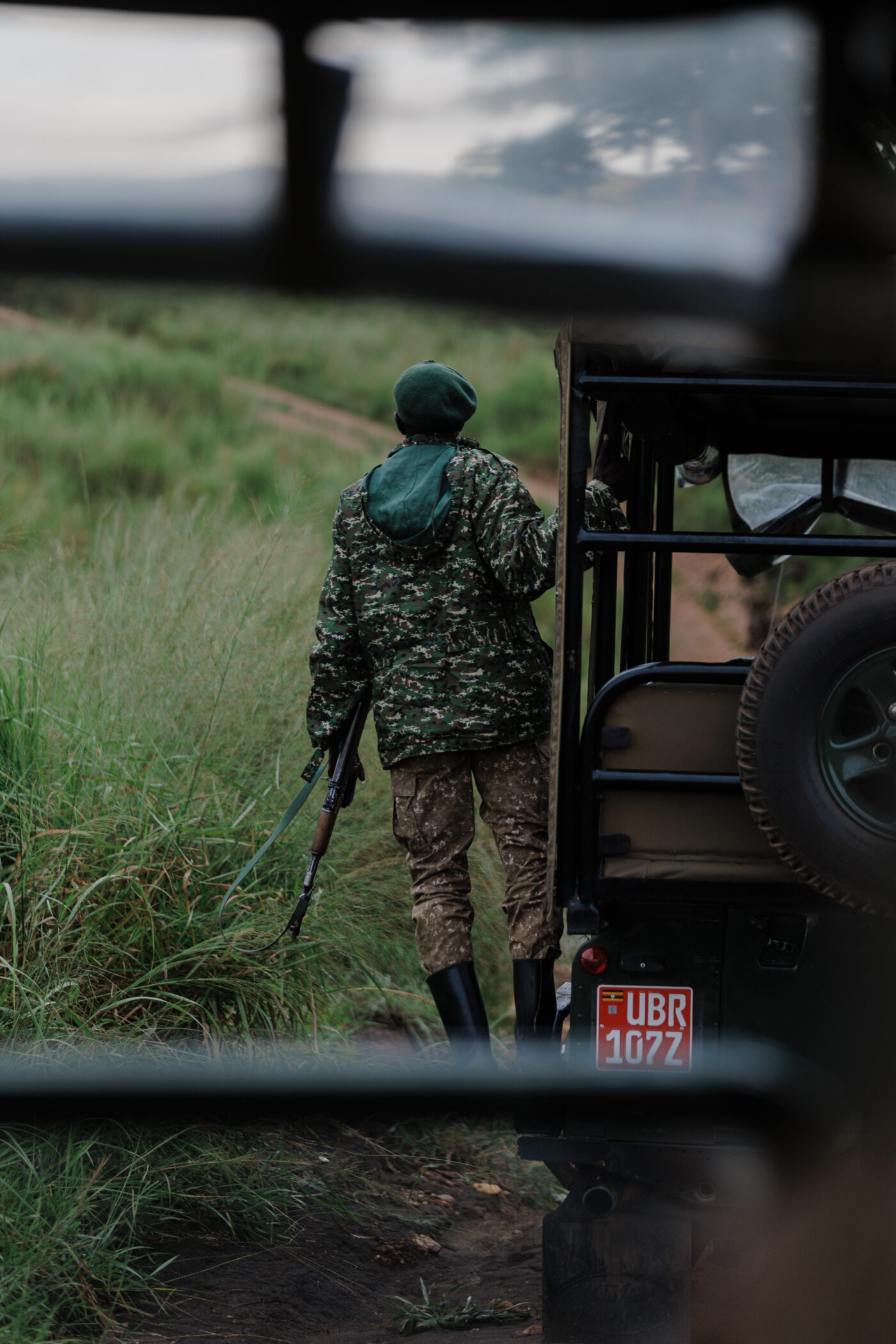
From Murchison, we shift from wilderness to luxe-y design at the River Station: a cool, textured lodge perched above the Kazinga Channel, decorated in watery palettes and atmospheric, hand-made details. There are Indian textiles, a salvaged Tamil door, carved Swahili motifs and a row of plunge pools looking out onto the channel’s shifting pink light. Elephants wander past the breakfast table. Hippos grunt beneath the rooms. A leopard moves through camp like it has somewhere important to be.
Kyambura itself is one of the most ecologically delicate reserves in the country – part savannah, part wetland, part acacia scrub, part crater lake, all held together by a gorge that shouldn’t exist but stubbornly does. The WildPlaces Conservation Foundation has invested heavily here: solar-powered ranger posts, anti-snare patrols, invasive-species removal and livelihood projects designed to ease the friction between reserve and farmland. Watching those chimps tear past us mid-hunt made the stakes painfully clear: this is a system that can still tip either way.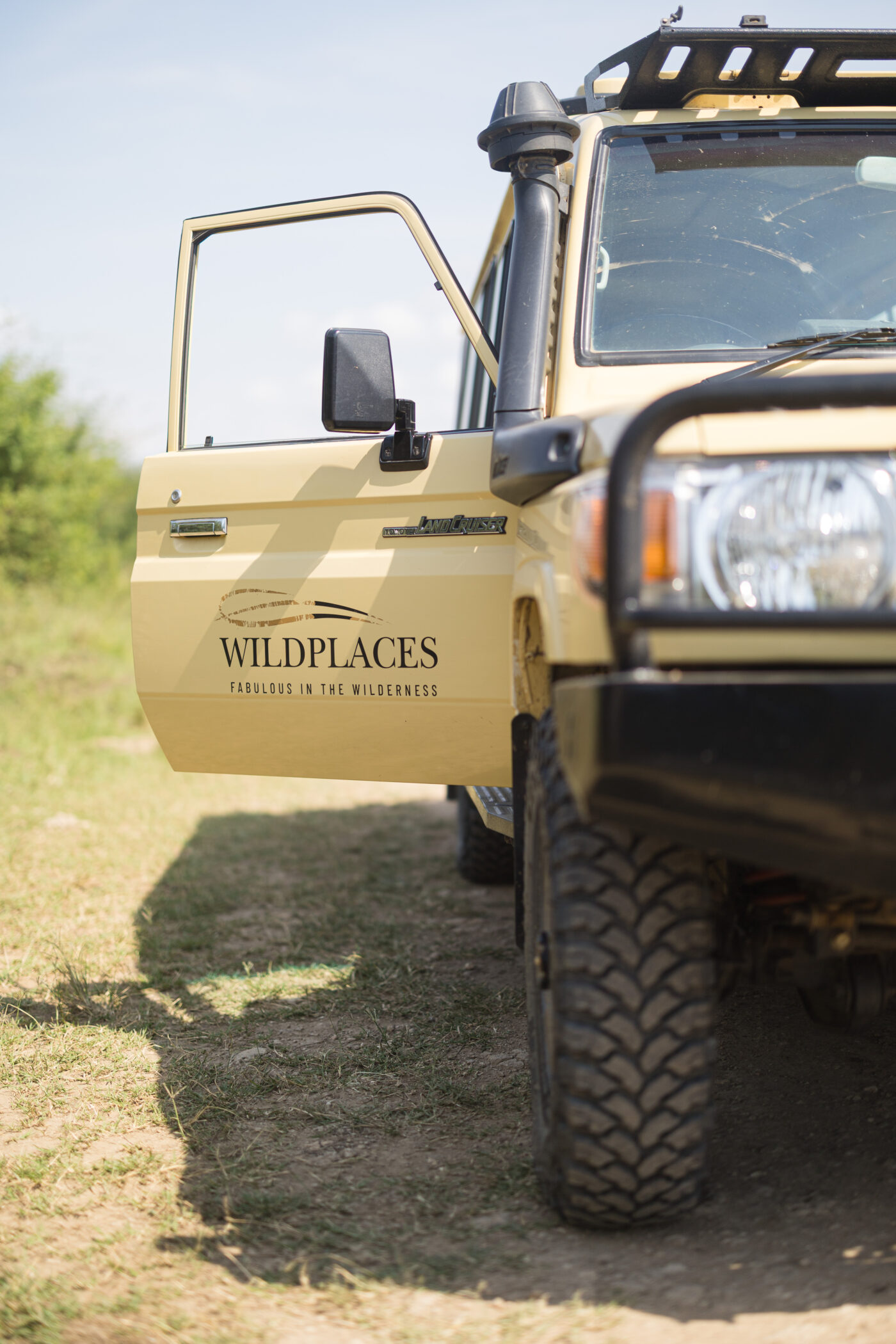
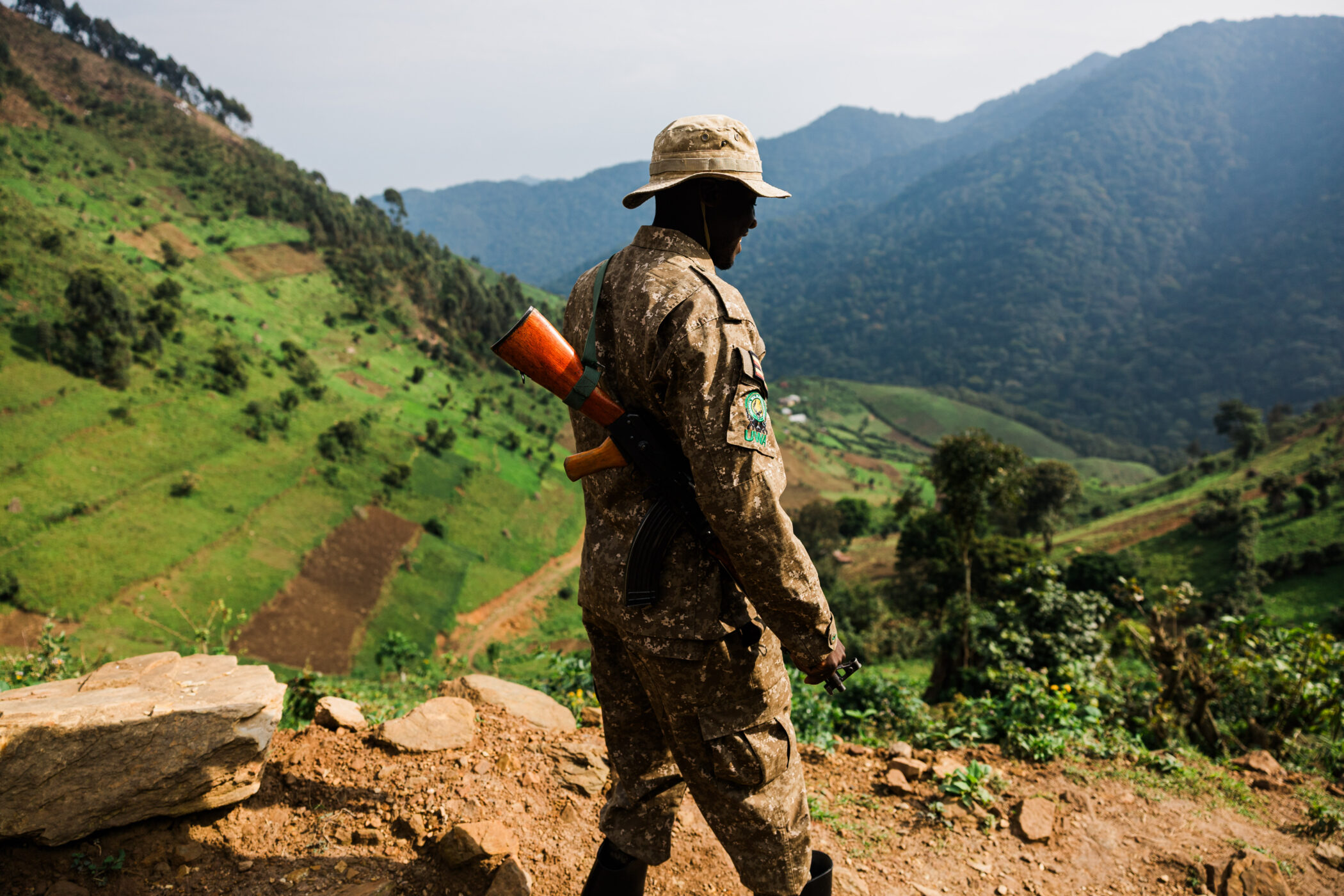
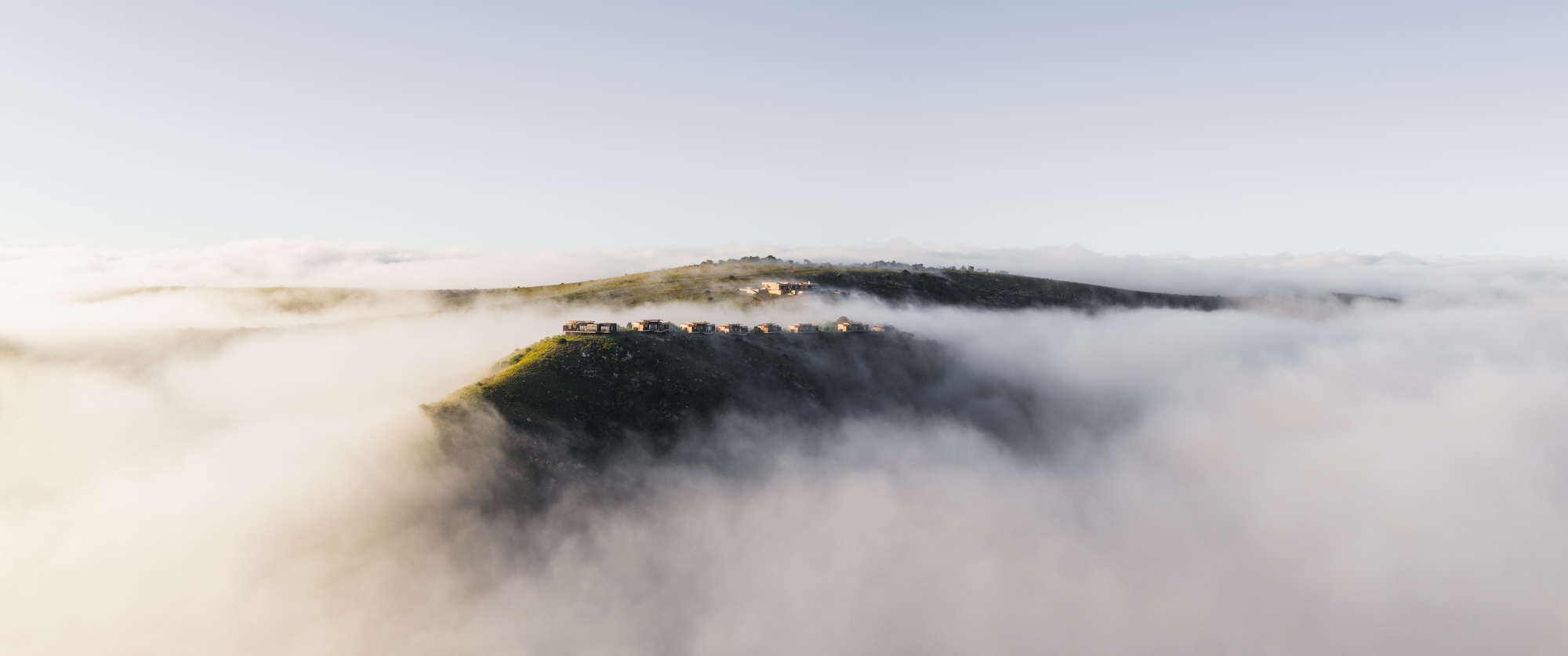
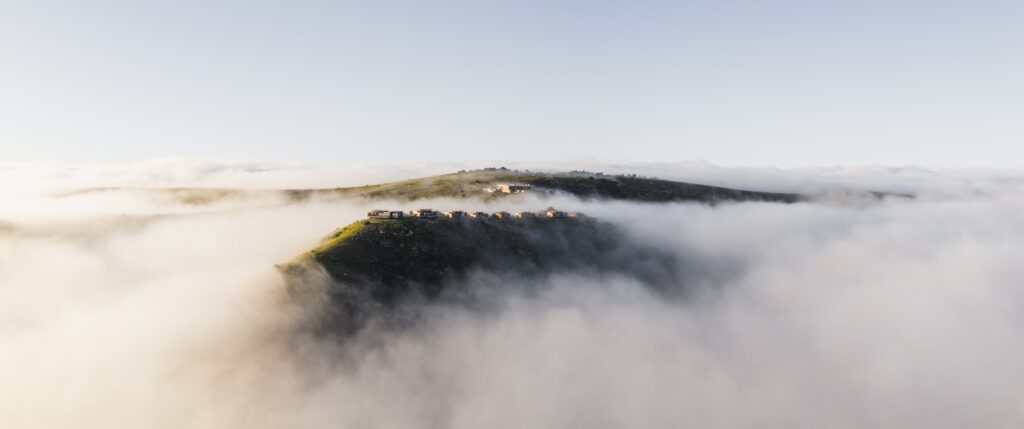
Bwindi, by contrast, is all altitude, mist and vertiginous beauty. Churchill once called it the “Switzerland of Africa”, and from Clouds Mountain Gorilla Lodge – perched on Nteko Ridge at around 2,100 metres – the comparison doesn’t feel far-fetched. Volcanic-stone cottages come with double-sided fireplaces, Ugandan art, and thick carpets woven by local collectives. The herb garden is alive with bees and patrolled by a couple of rhinoceros chameleons advancing with slow, prehistoric intent.
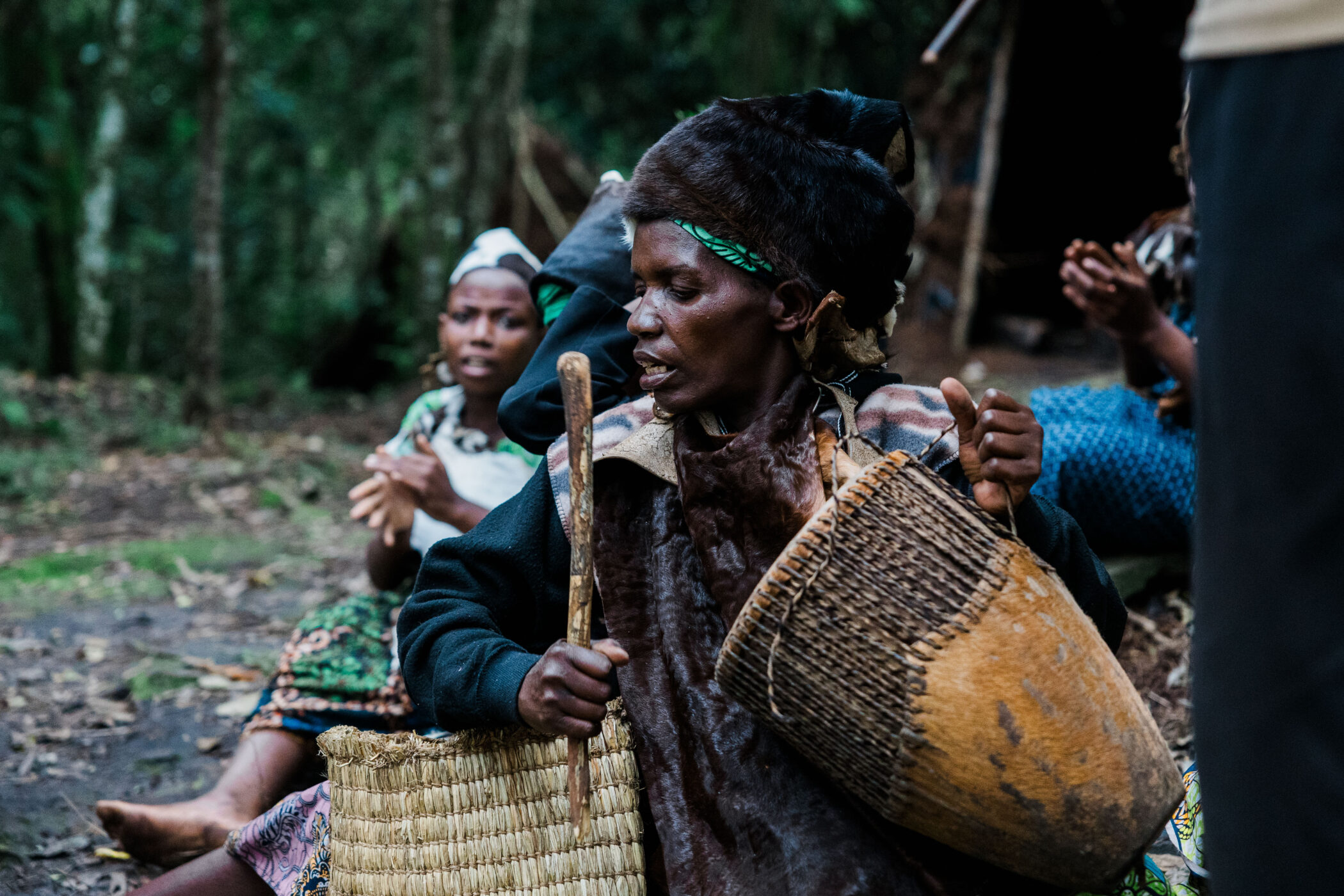
Clouds is one of the clearest examples anywhere in Africa of a real community-conservation partnership. Almost 20 years ago, WildPlaces partnered with the African Wildlife Foundation, the International Gorilla Conservation Programme and the Nkuringo community to build a lodge whose financial structure directly benefits the people living alongside the forest. There’s also the quiet, complicated reality that Bwindi borders communities, including the Batwa, who lived inside this forest until conservation policy redrew the map.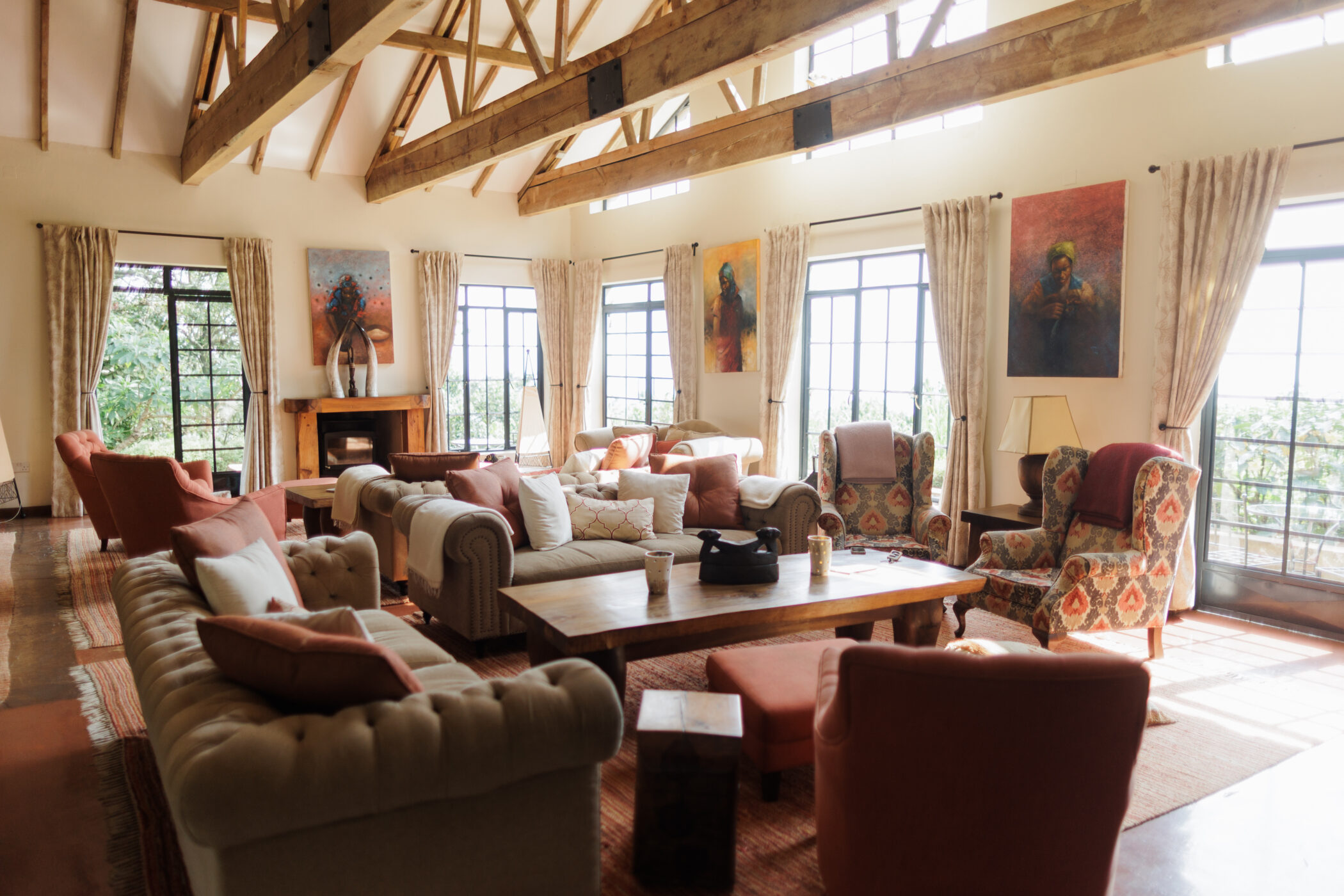
Their story isn’t a historical footnote; it’s a pressure point that still shapes the landscape. You feel that tension everywhere – the push and pull between protecting wildlife and protecting the people who were here first. Here, conservation isn’t just biological but also social. No lodge can fix that outright, but Clouds comes close to showing how a long partnership can shift the centre of gravity in a better direction.
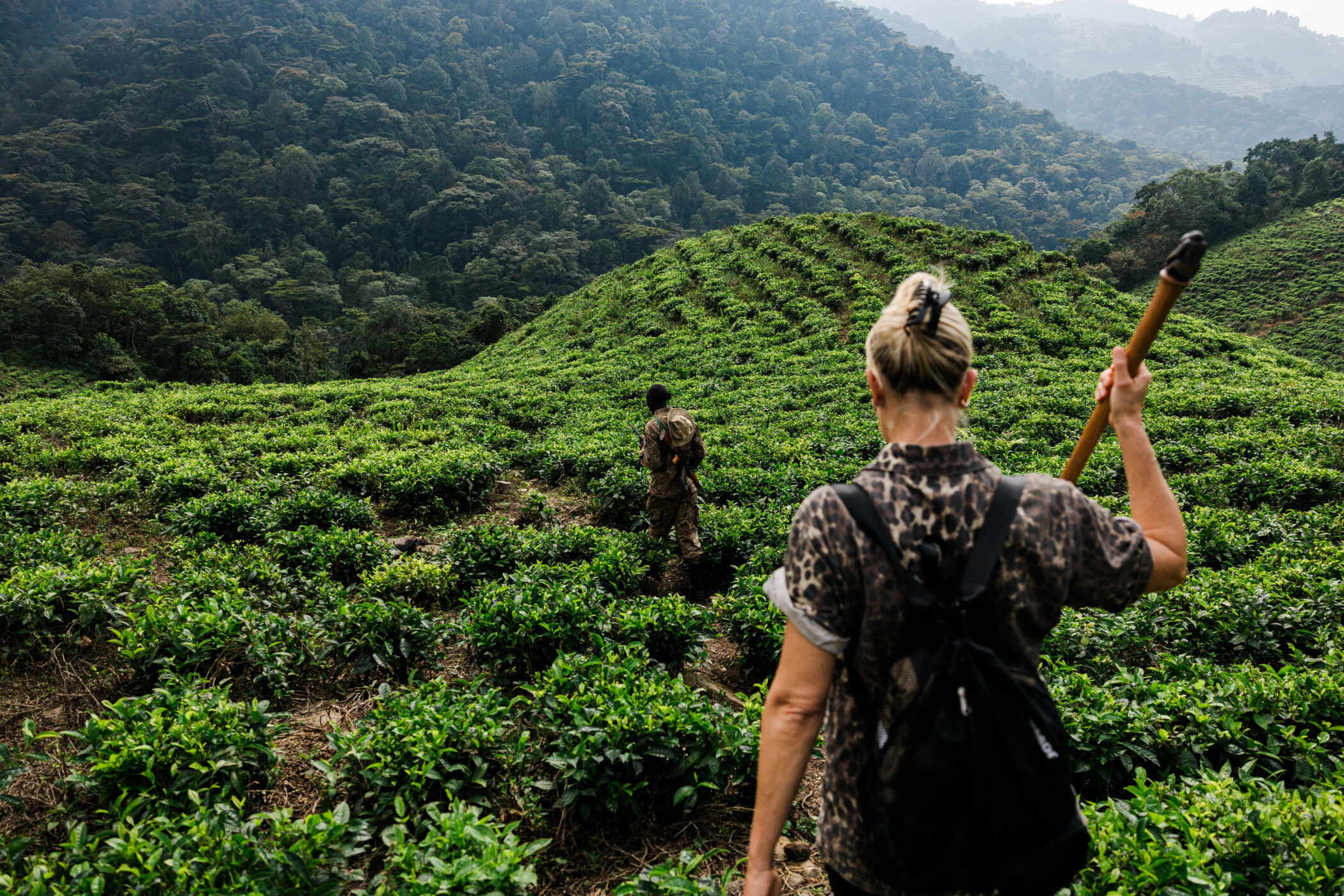
Gorilla trekking from here begins almost at the doorstep. Bwindi is 25,000 years old, a dense, ancient forest sheltering around half of the world’s remaining mountain gorillas. The trek is steep, wet and unromantic until, suddenly, it isn’t. Our encounter with the “Posho” family felt like slipping into another logic: a silverback sitting in a shaft of light, juveniles tumbling over one another in a clearing, the soft crack of vegetation as a mother pulled leaves into her lap.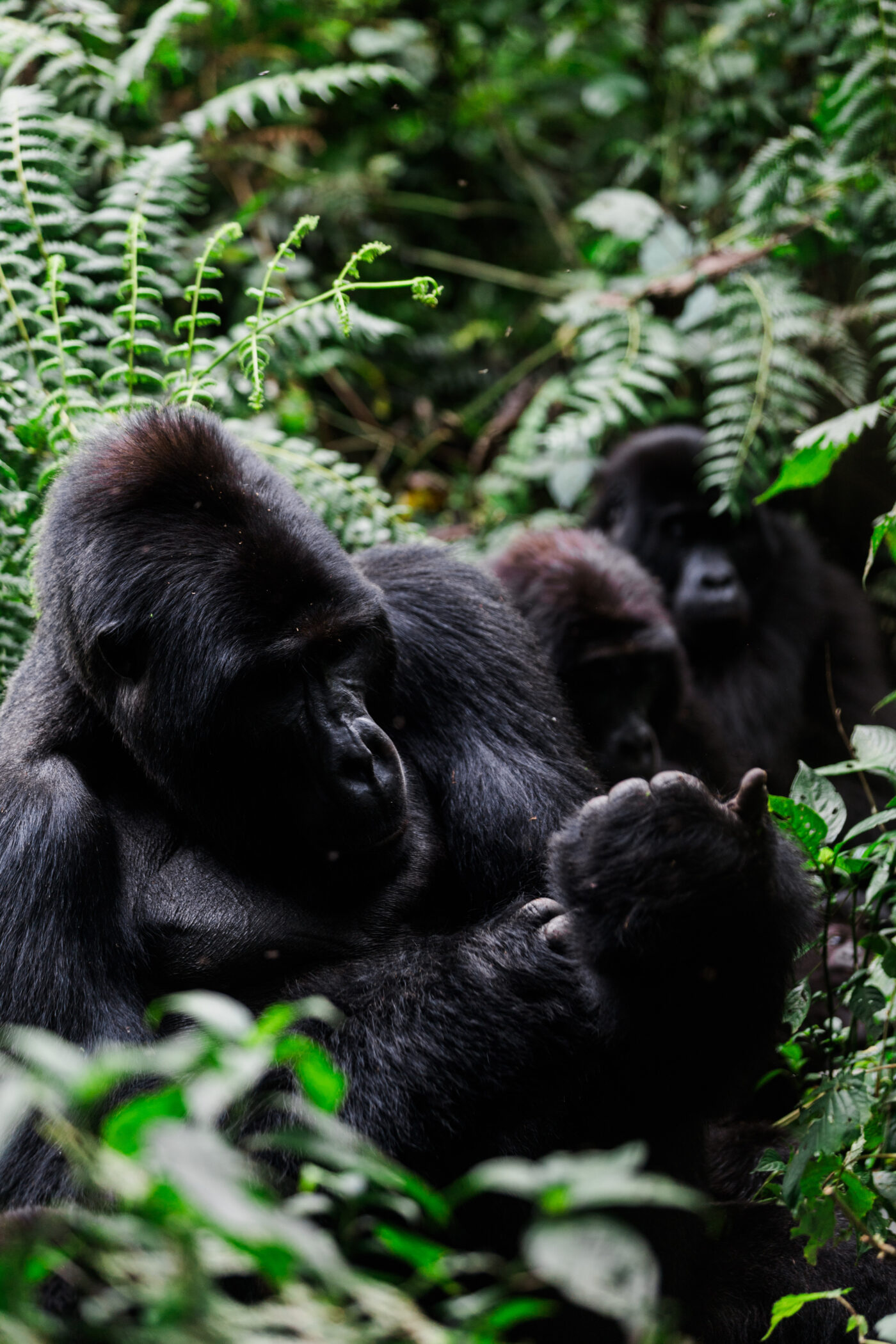
You’re given exactly one hour – tightly regulated by rangers who track the family each morning and enforce strict rules on distance, group size and behaviour. The encounter feels sacred and fragile in its own right; at the same time, you’re sharply aware of being a guest in a world that isn’t yours.
Johnny sees the wider horizon: “If Uganda keeps its peace, strengthens its middle class and continues to back its wildlife, the returns will follow. It’s a country with staggering potential – extraordinary locations, immense biodiversity – but it needs focus. If the government can balance fragile ecosystems with genuinely sustainable tourism, the long-term future is bright.”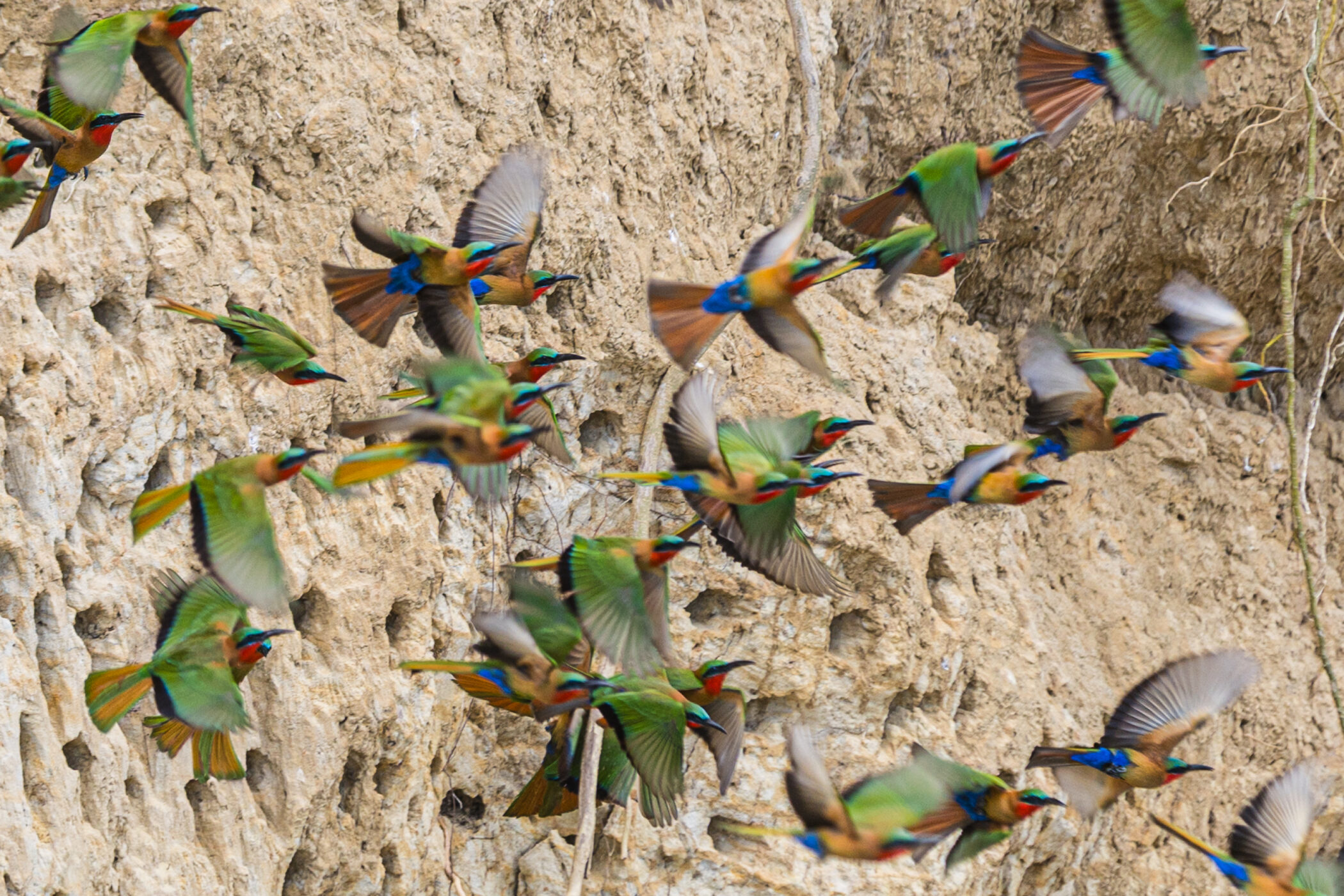
What distinguishes Uganda isn’t spectacle but proportion: the ratio of people to wildlife, of profit to protection, of visitor experience to community benefit. The place doesn’t need a new marketing identity. What it needs is for travellers to understand what already exists: a safari landscape with the biodiversity of two countries, the visitor density of none and a conservation ethos that feels less like narrative garnish and more like the underlying logic, present from the outset, not bolted on.
 On our last evening at Clouds, we took sundowners on the terrace as the faint orange bleed of the volcanoes pushed through a wall of weather, the ridge smudged with mist and church bells drifting up from the village below. Somewhere in that cloud, gorillas were settling; somewhere in that gorge, chimps were regrouping; somewhere on that plain, lions were moving through the grass with no audience at all.
Uganda doesn’t perform. It doesn’t need to. It lets you step inside something real, just for a moment – and then it carries on without you. You don’t witness a curated version of the wild; you collide with the real thing. Briefly. Brilliantly. The work now is keeping it protected, rather than packaged.
Eight-night Uganda itinerary with WildPlaces Africa, including one night at The Boma Entebbe, and two nights each at Papa’s Camp, The River Station and Clouds Mountain Gorilla Lodge, from £10,500pp based on two sharing.
Includes full-board accommodation, game drives, park and conservation fees, domestic flights, overland transfers, and gorilla and chimpanzee permits.
Uganda Airlines operates direct flights four times weekly from London Gatwick to Entebbe, from £600 return.
Photography: © Sam Churchill