

How the 'soft apocalypse' is rerouting travel
This is an excerpt from VOLT, our premium trends platform, in which we explore the ‘Soft Apocalypse’; the slow, incremental erosion of institutions and social infrastructure, and how this growing climate of mistrust is reshaping travel behaviour. Subscribe now to read the full industry deep dive.
Do the world's tech billionaires know something we don't? Mark Zuckerberg's Hawaii ranch reportedly includes a shelter with its own energy and food supplies, whilst his Palo Alto estate features a 7,000 sqft underground space neighbours call "a billionaire's bat cave" (BBC). LinkedIn co-founder Reid Hoffman has discussed "apocalypse insurance", claiming half of the super-wealthy have secured remote properties as contingency plans.
Peter Thiel holds a New Zealand passport for emergencies. Reddit CEO Steve Huffman had laser eye surgery specifically for doomsday scenarios, telling The New Yorker: "If the world ends - and not even if the world ends, but if we have trouble - getting contacts or glasses is going to be a huge pain in the ass". Even OpenAI's former chief scientist Ilya Sutskever told colleagues at a 2023 meeting: "We're definitely going to build a bunker before we release AGI" [artificial general intelligence] (Futurism).
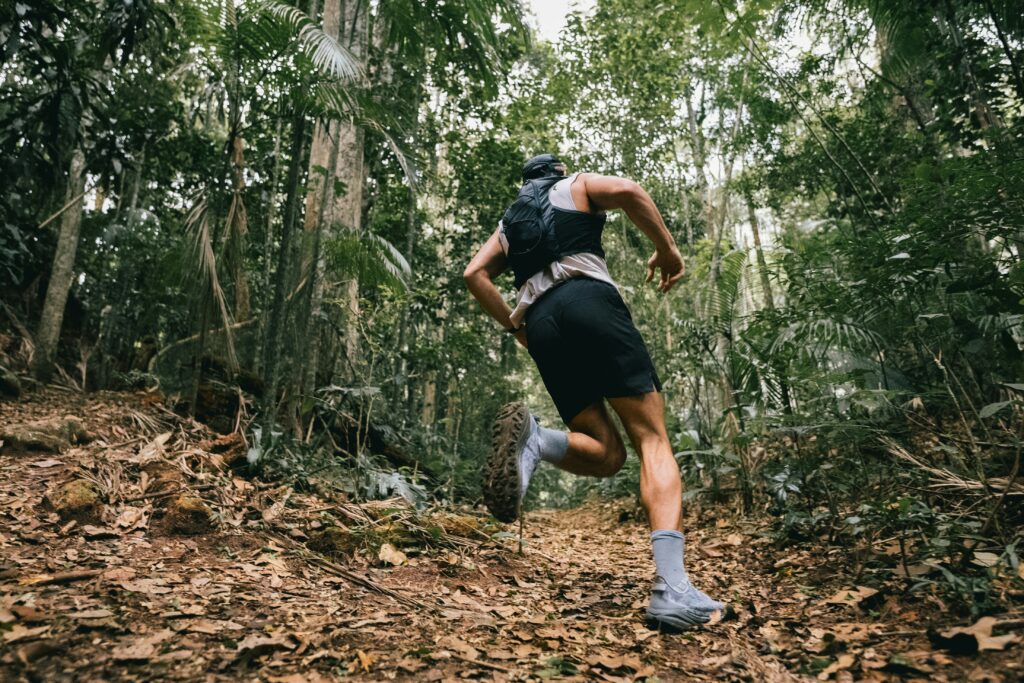
But while Silicon Valley's elite retreat to fortified compounds, a different response to uncertain times is emerging in the travel sector - one that trades panic for preparedness, and bunkers for basic skills. This is the "Soft Apocalypse" - an emerging travel phenomenon rooted in self-sufficiency, low-impact living and reconnection with essential human capabilities. It reflects a desire to build practical resilience not through survivalist extremism, but through travel that teaches us to live well with less. This isn't about militaristic prepping or retreating from society - it's about acceptance, groundedness and rediscovering fundamental skills that modern life has allowed us to forget.

According to a study published by Verified Market Research, the global "survival training market" is expected to reach nearly US$6.52 billion by 2030 (up from US$2.74 Billion in 2021). The offerings span a vast spectrum: wilderness skills courses for under £100, structured programmes such as Bear Grylls Camp in Ras Al Khaimah where families learn fire-making and shelter-building in the desert, multi-day immersions costing thousands, and at the premium end, bespoke experiences where luxury operators intentionally strip away certainty itself.
A forerunner of this trend, Black Tomato's "Get Lost" experience (launched in 2017) exemplifies the upper end of the trend. For £15,000 upwards, travellers complete a questionnaire assessing their tolerance for uncertainty and preferred terrain, receive training recommendations and equipment, but learn their destination only upon arrival. The experience deliberately removes the comfort of...
To explore the full trend — including insights from Unyoked and Black Tomato, key data highlights, and an interview with a polar expert at Quark Expeditions — subscribe to VOLT. Annual subscribers receive twice monthly trend reports, a library of 200+ more, plus direct support from Globetrender's in-house trend strategists.